Grandma’s Budget Had No Login Screen
Long before smartphones could categorize every coffee purchase, households managed money with notebooks, envelopes, calendars, and separate savings accounts. Those methods were simple, but many of the basic ideas behind them still appear in financial guidance from the Consumer Financial Protection Bureau today. The technology has changed, while the principles of tracking spending, planning bills, and saving deliberately have not.

Write Down Every Dollar You Spend
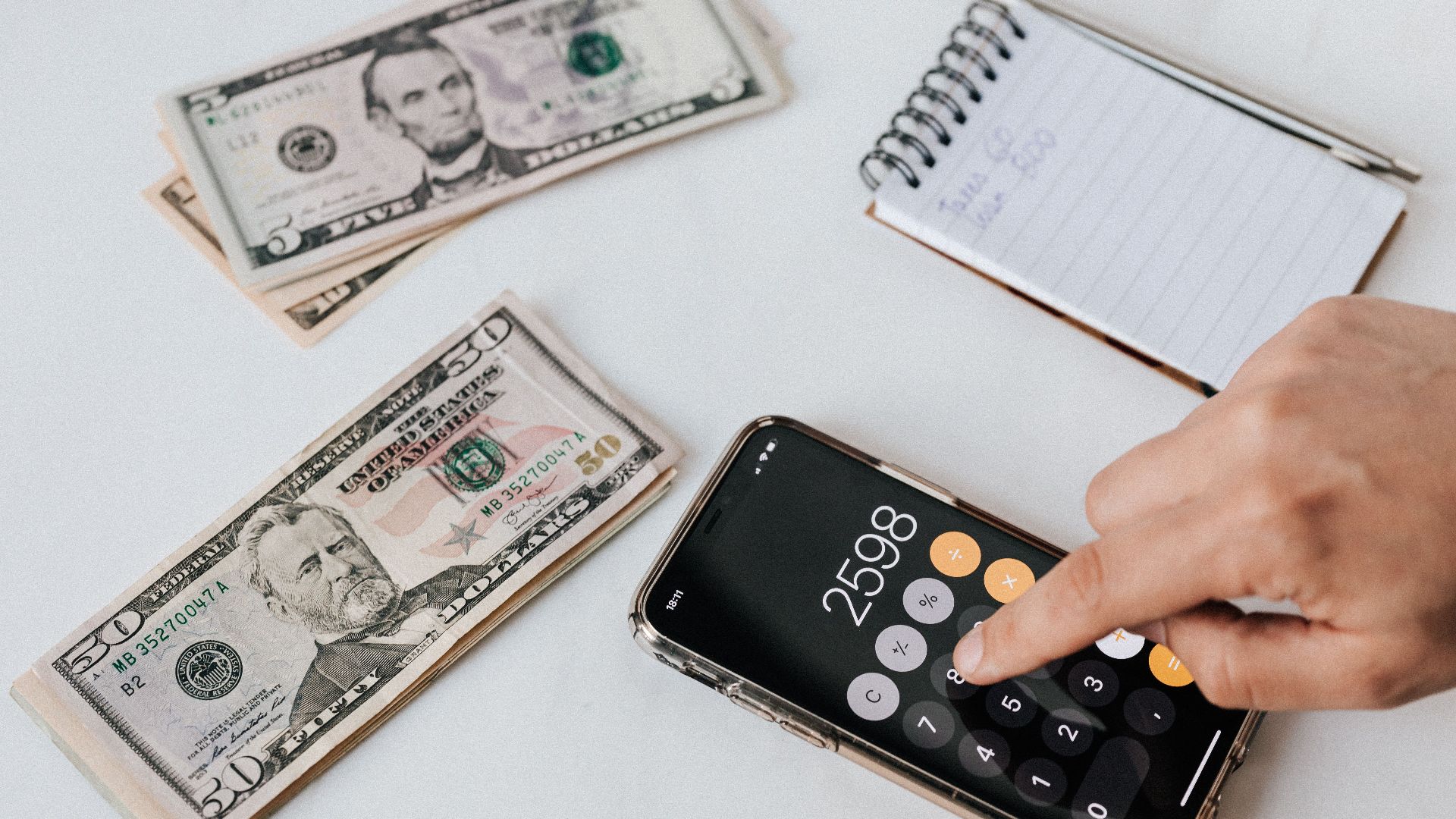
A handwritten spending diary sounds almost comically old-fashioned, but it forces you to notice purchases as they happen. The CFPB recommends tracking spending for a week or a month to see where money actually goes, including small purchases that can accumulate surprisingly quickly. Whether you use paper or a spreadsheet, the useful part is paying attention rather than simply receiving an automated monthly summary.
 https://kaboompics.com/, Pexels
The Envelope System Still Has Teeth
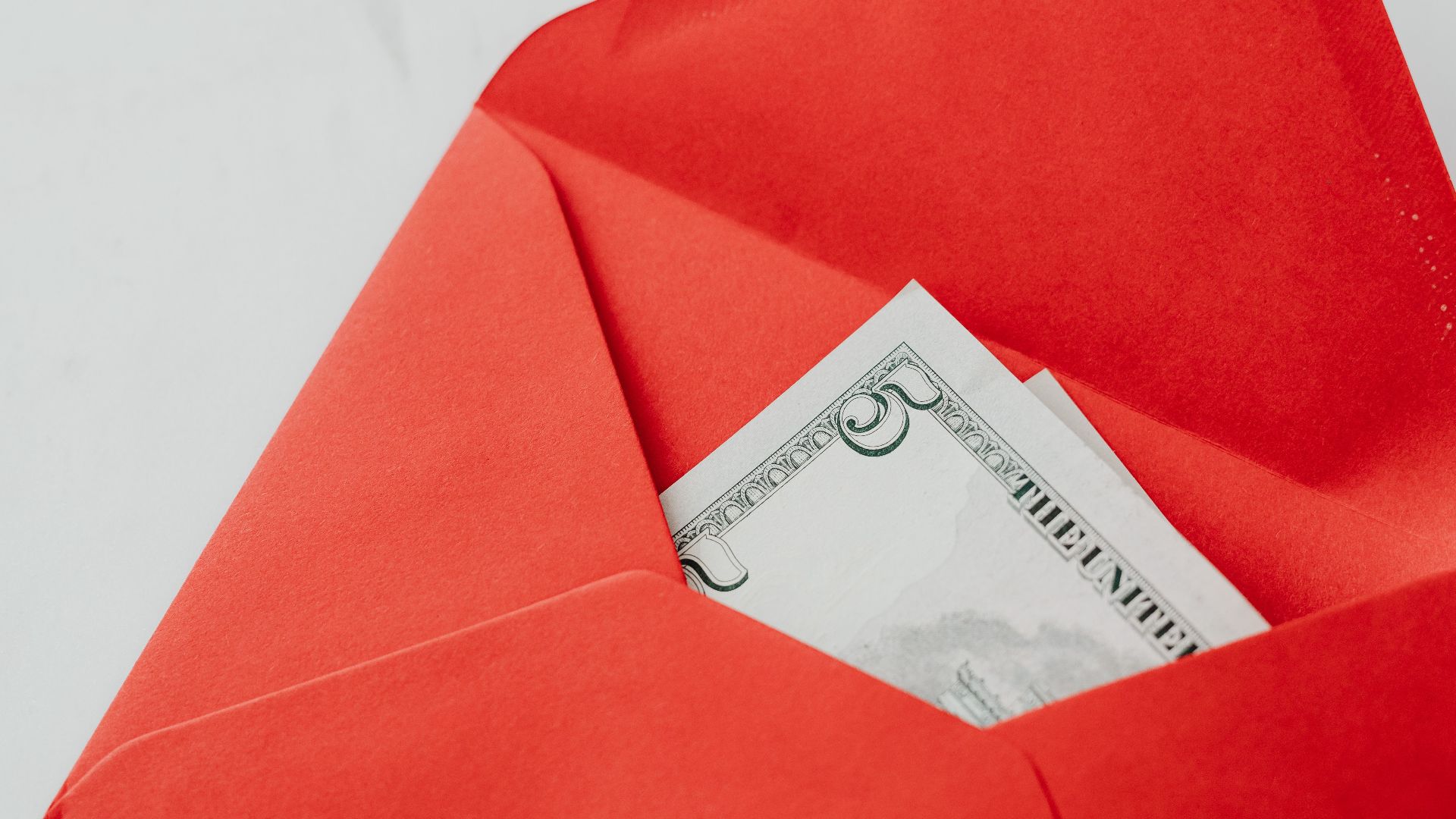
The classic envelope system gives each spending category a fixed amount of cash, and spending stops when that envelope is empty. The CFPB similarly suggests establishing a weekly spending limit for smaller purchases and even setting aside cash at the beginning of the week. Unlike an app notification that can be dismissed, an empty envelope creates a very visible limit.
 https://kaboompics.com/, Pexels
Give Yourself A Weekly Allowance
Adults once routinely divided paychecks into money for bills, groceries, transportation, entertainment, and savings. A modern version is simply deciding in advance how much discretionary money you can spend each week. Setting that limit before you start shopping can keep small purchases from quietly consuming money intended for larger goals.
Keep A Calendar Just For Bills
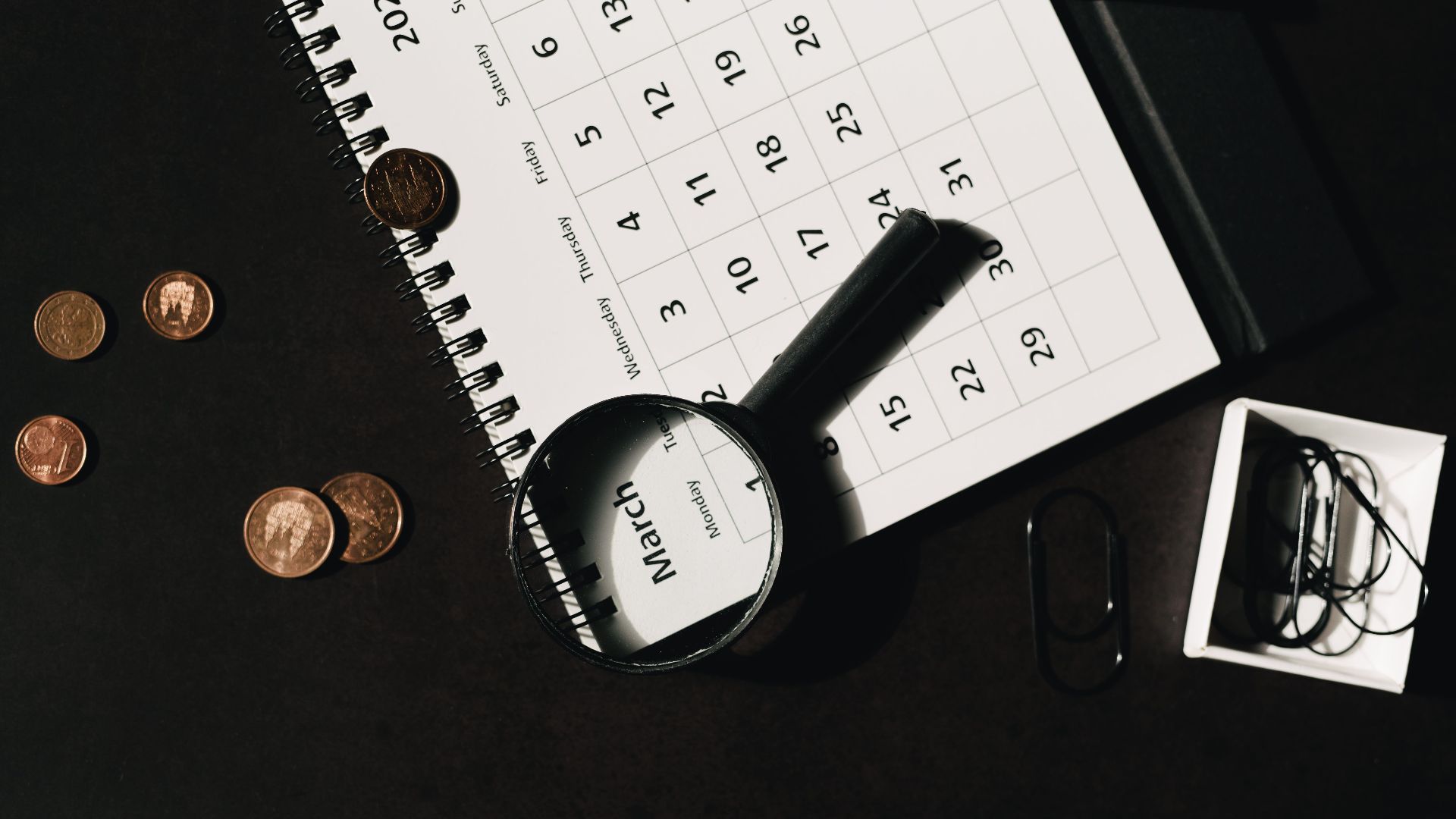
Paper calendars hanging near the telephone once did an important financial job. The CFPB recommends a bill calendar that records what each bill is for, how much is owed, and when it is due, then checking that calendar regularly. Seeing several large payments clustered together can also reveal cash-flow problems that a monthly spending total may hide.
Save Before You Start Spending
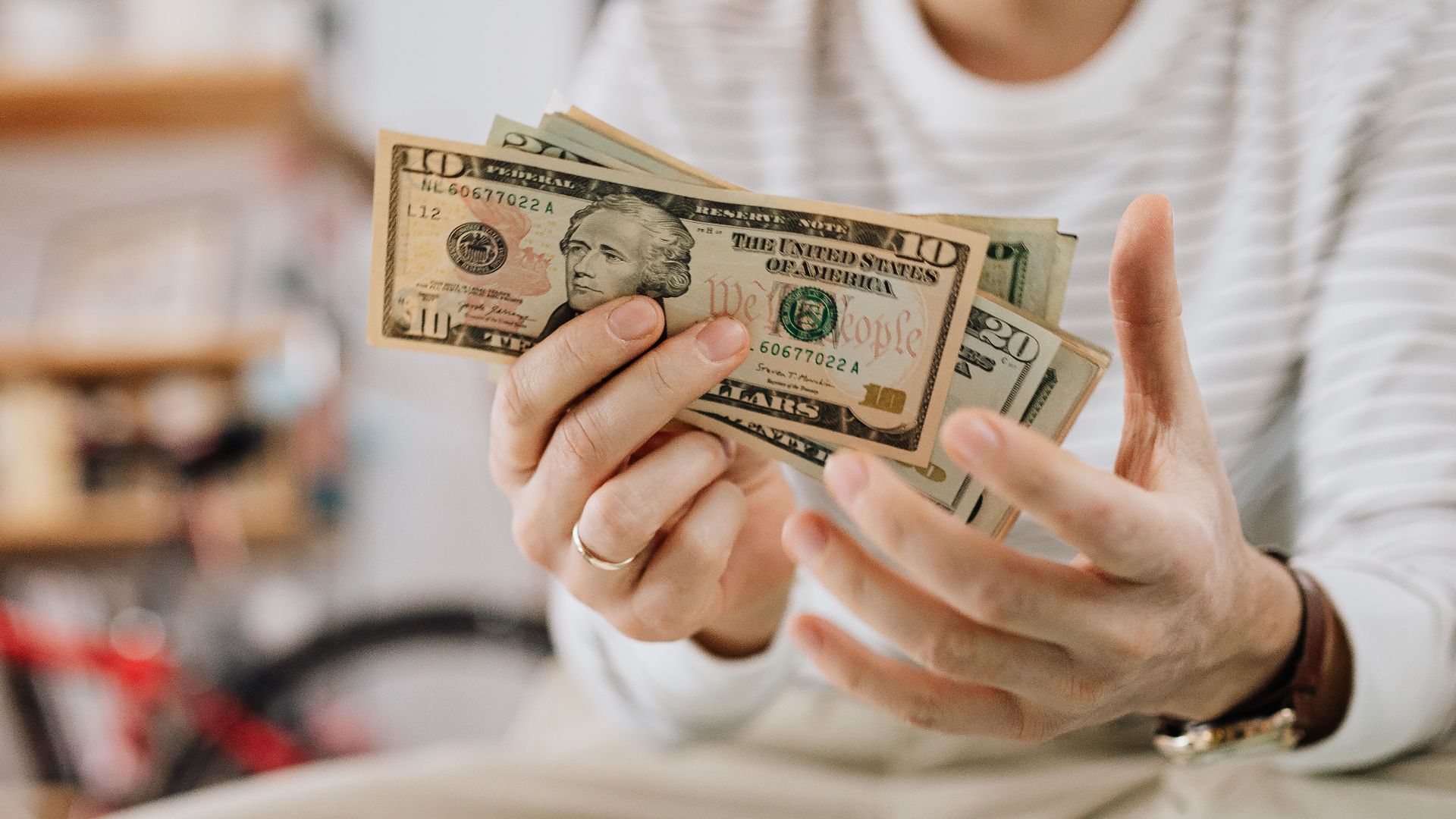
The old advice to “pay yourself first” remains remarkably practical. The CFPB recommends directing part of a paycheck automatically into savings, either through split direct deposit or recurring transfers between accounts. Moving the money before it becomes available for everyday spending reduces the number of decisions required to save consistently.
 https://kaboompics.com/, Pexels
Separate Savings From Spending Money
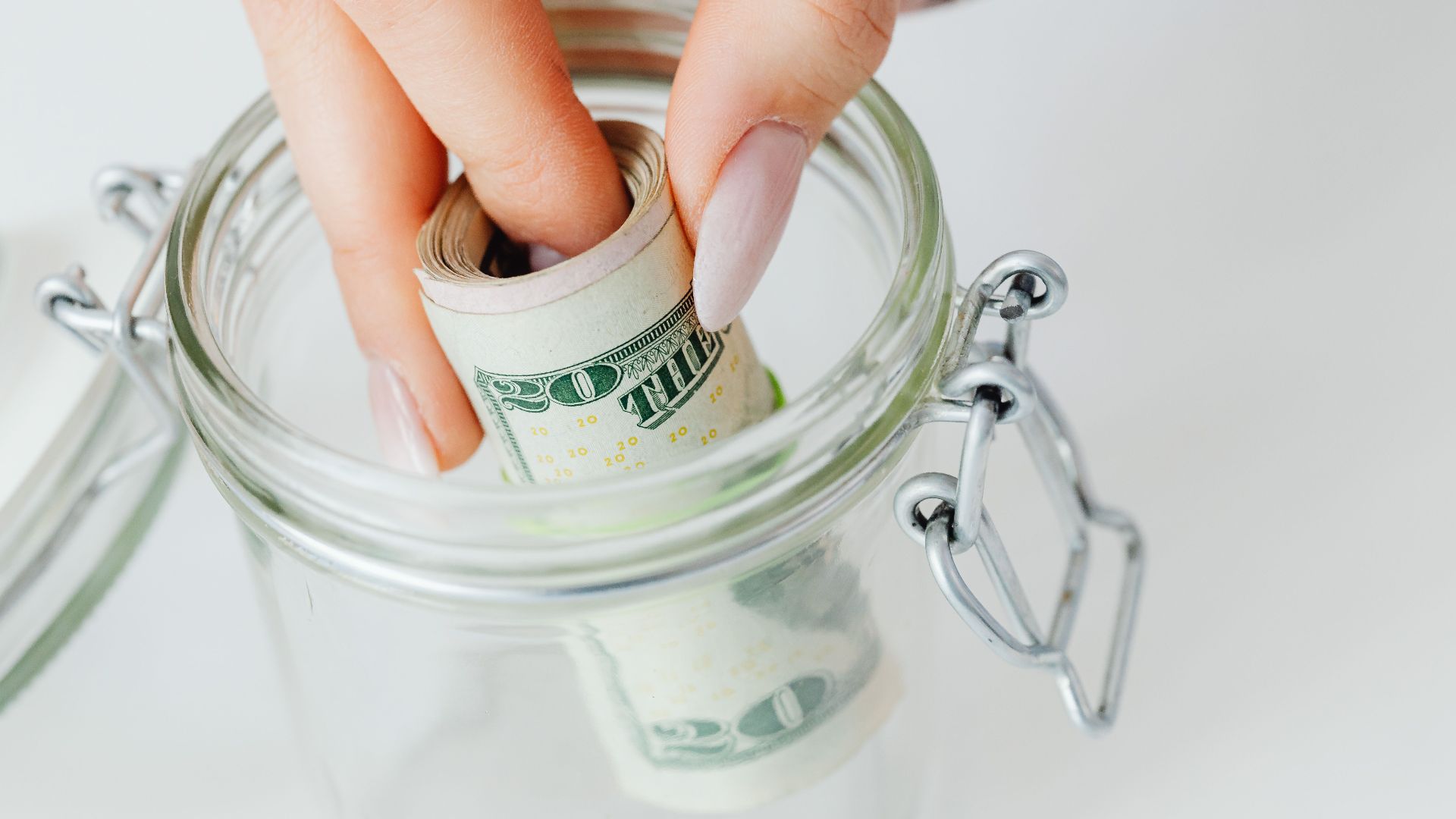
Previous generations often kept money for different purposes in separate accounts, envelopes, or even jars. That separation still makes sense because emergency money needs a different job from checking-account money intended for this month’s bills. The CFPB recommends keeping emergency savings somewhere safe and accessible, such as an appropriate bank or credit union account.
 https://kaboompics.com/, Pexels
Build A Rainy-Day Fund
The expression “saving for a rainy day” predates budgeting software by generations because unexpected expenses are hardly a modern invention. The Federal Reserve’s 2023 household survey found that 54 percent of adults reported having enough rainy-day savings to cover three months of expenses. An emergency fund can keep an inconvenient repair or temporary income loss from immediately becoming a borrowing problem.
Start Small Instead Of Waiting
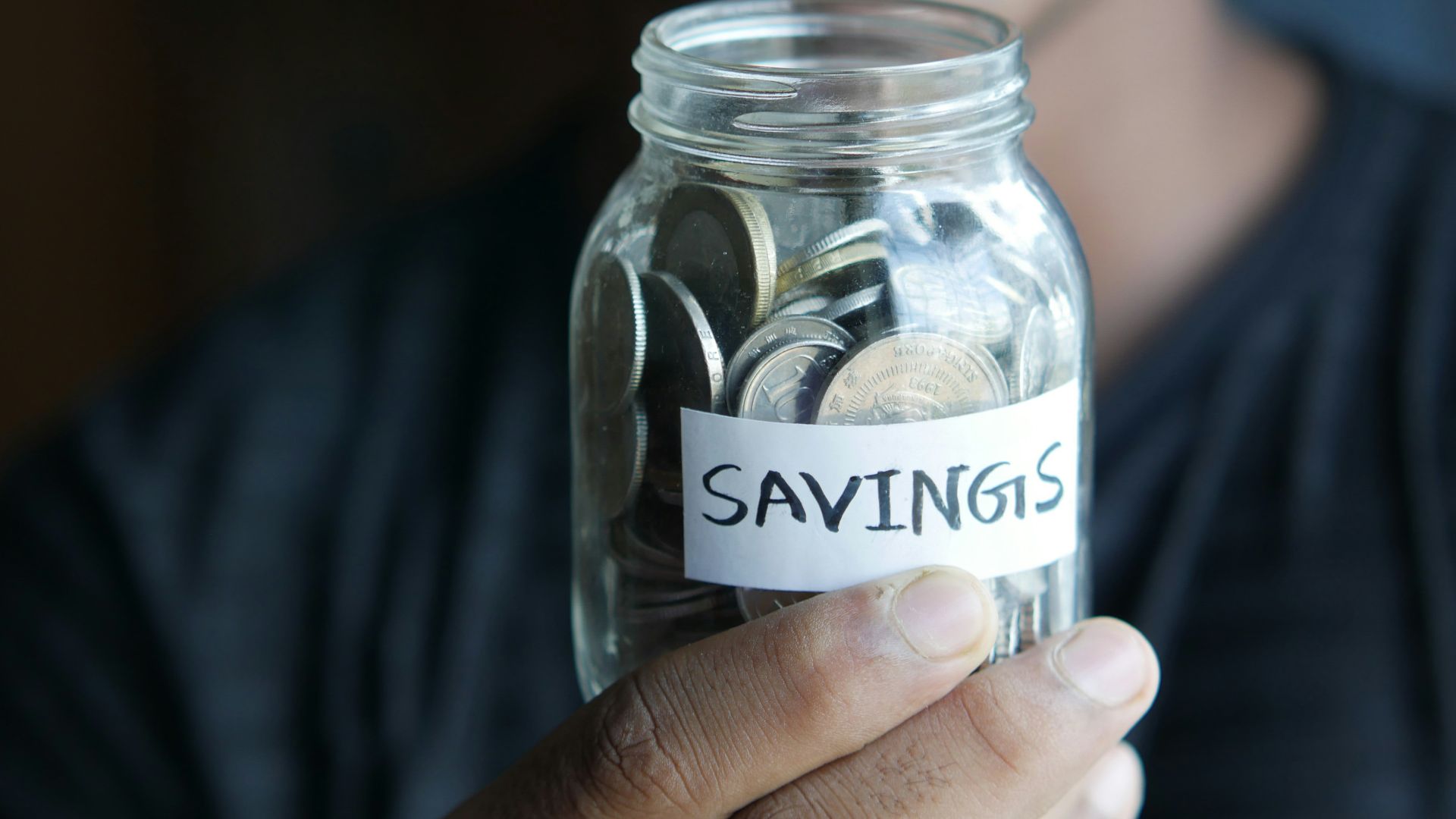
One obstacle to saving is believing that the amount available is too small to matter. Investor.gov explains that small recurring savings can grow substantially over time through compounding, in which returns begin producing additional returns. Consistency can therefore matter more than waiting for the mythical month when there is suddenly plenty of spare cash.
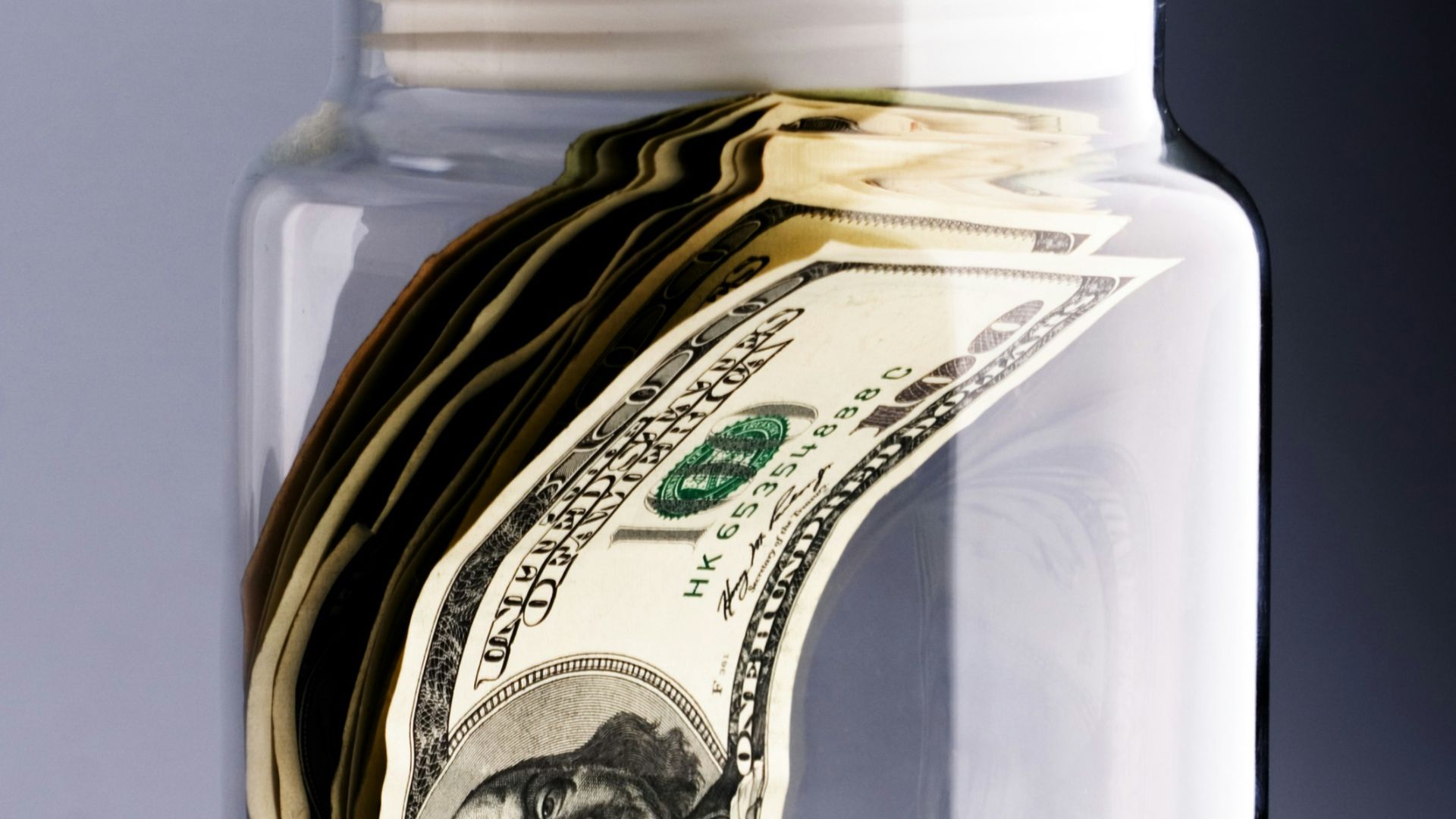
Put The Spare Change Somewhere
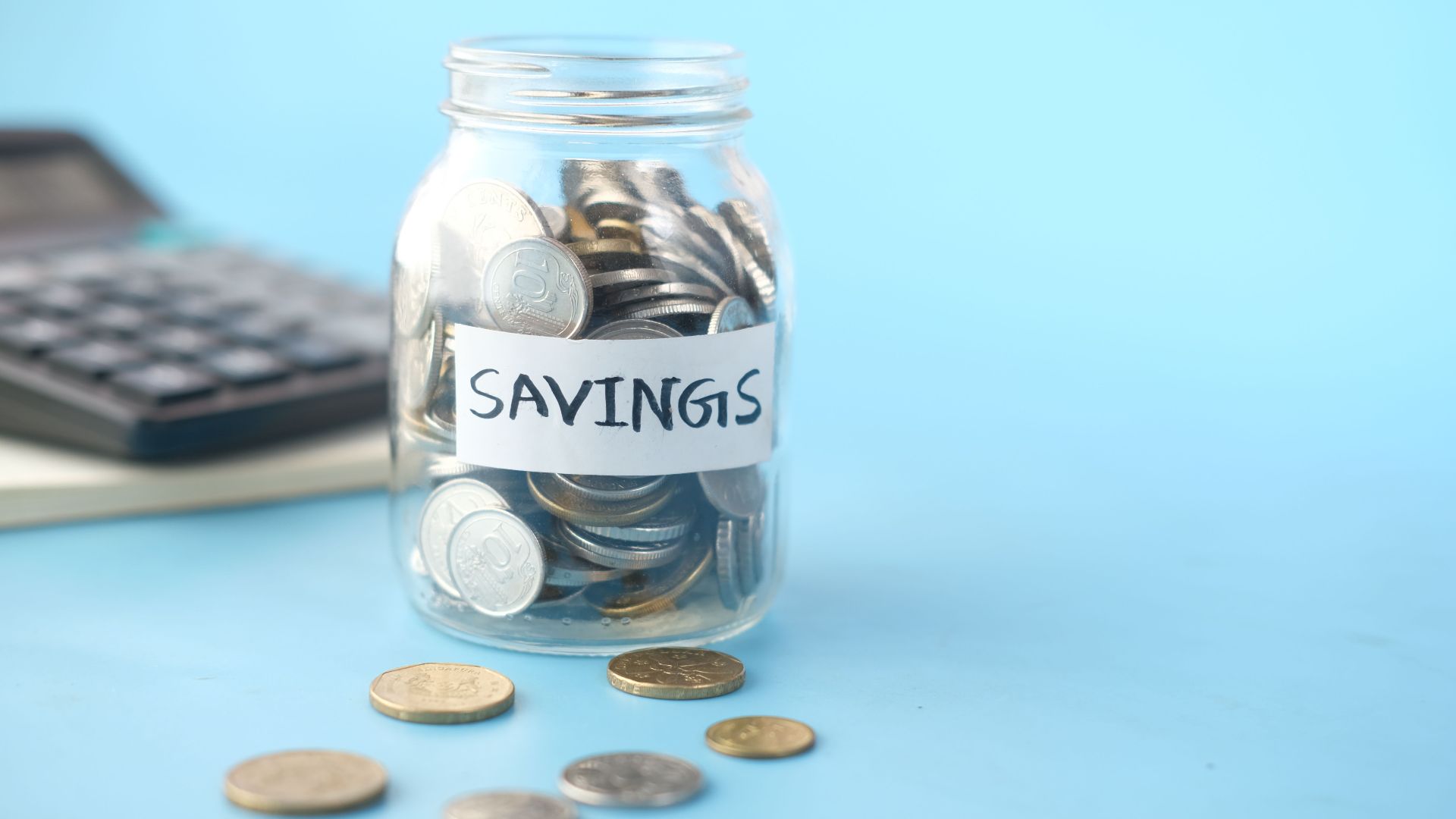
The coin jar was one of the simplest savings tools of the last century. Investor.gov still suggests setting aside spare change as an example of how small amounts can accumulate. Digital round-up programs imitate the same idea, but a physical jar has the advantage of making progress visible every time another coin drops in.
Wait A Day Before Buying It
Catalog shoppers could not always buy something with a single tap, and that delay sometimes worked in their favor. Investor.gov recommends a 24-hour waiting rule for impulse purchases because the desire to buy an item may disappear after some time has passed. The method costs nothing and puts a deliberate pause between wanting something and paying for it.
 https://kaboompics.com/, Pexels
Shop With A Written List
A grocery list may be one of the most effective pieces of low-tech budgeting equipment in the house. USDA’s MyPlate program recommends planning meals, checking what is already in the refrigerator and pantry, and writing a shopping list before going to the store. The EPA likewise advises shopping with planned meals in mind and buying only quantities you expect to use.

Check The Pantry Before Shopping
A well-stocked cupboard does not save money if you continually buy duplicates of what is already inside it. The EPA recommends checking the refrigerator, freezer, and pantry before shopping and planning meals around food that needs to be used. That habit turns household inventory into part of the budget instead of allowing forgotten groceries to become waste.
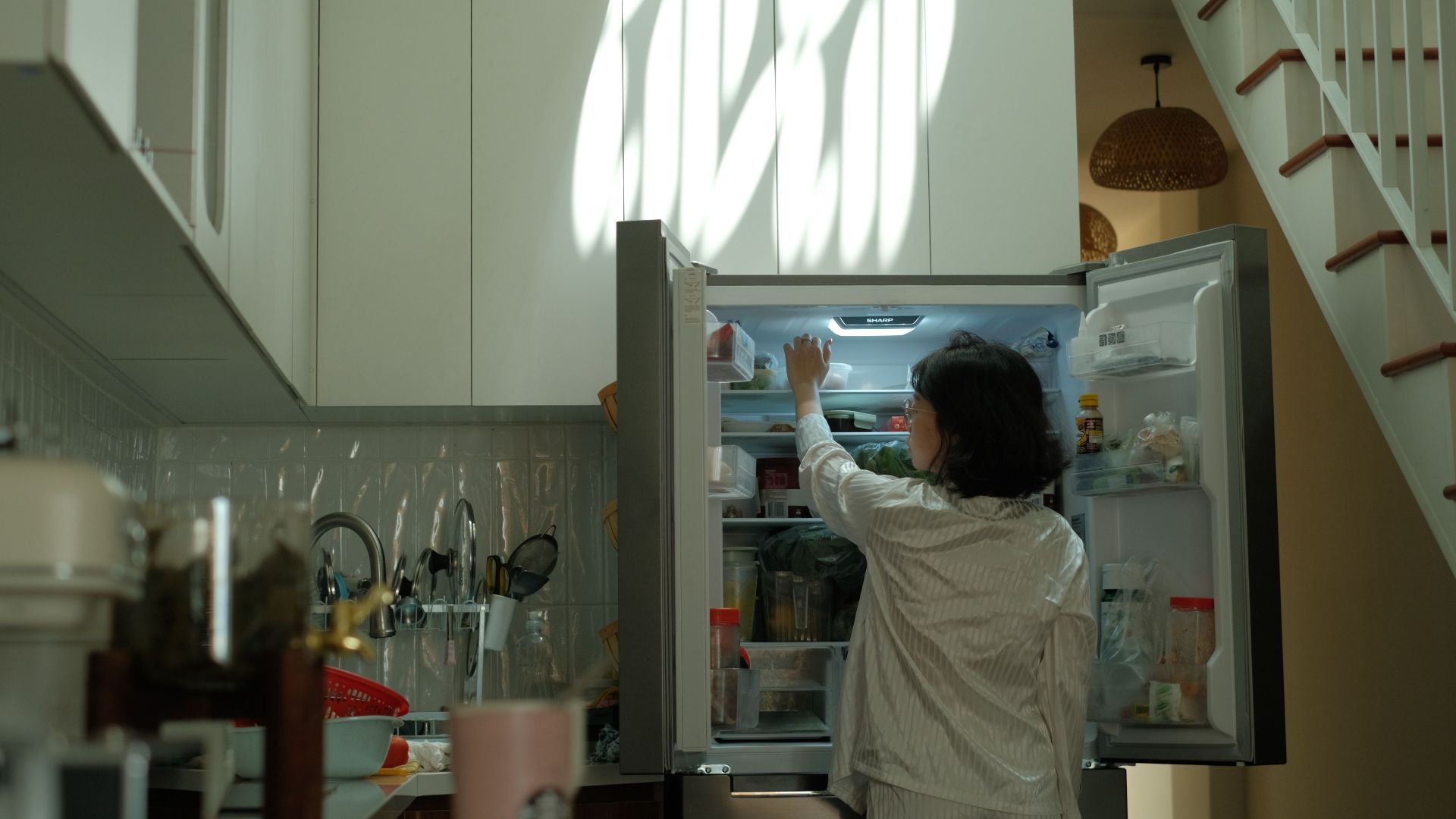
Plan Dinner Before You Buy Groceries
Meal planning was once routine household organization rather than a lifestyle trend. USDA says planning meals before shopping can help people get organized, save money, and make better use of ingredients already on hand. It also lets shoppers decide what food is actually needed before they encounter promotions and displays in the store.

Treat Leftovers Like Tomorrow’s Lunch
Turning Sunday dinner into Monday lunch is basic thrift, but the financial stakes can be substantial. The EPA estimates that food waste costs the average U.S. consumer about $728 annually, with the figure reaching $2,913 for a household of four. Planning to reuse leftovers, freezing excess food, and serving appropriate portions can help keep some of that money out of the trash.
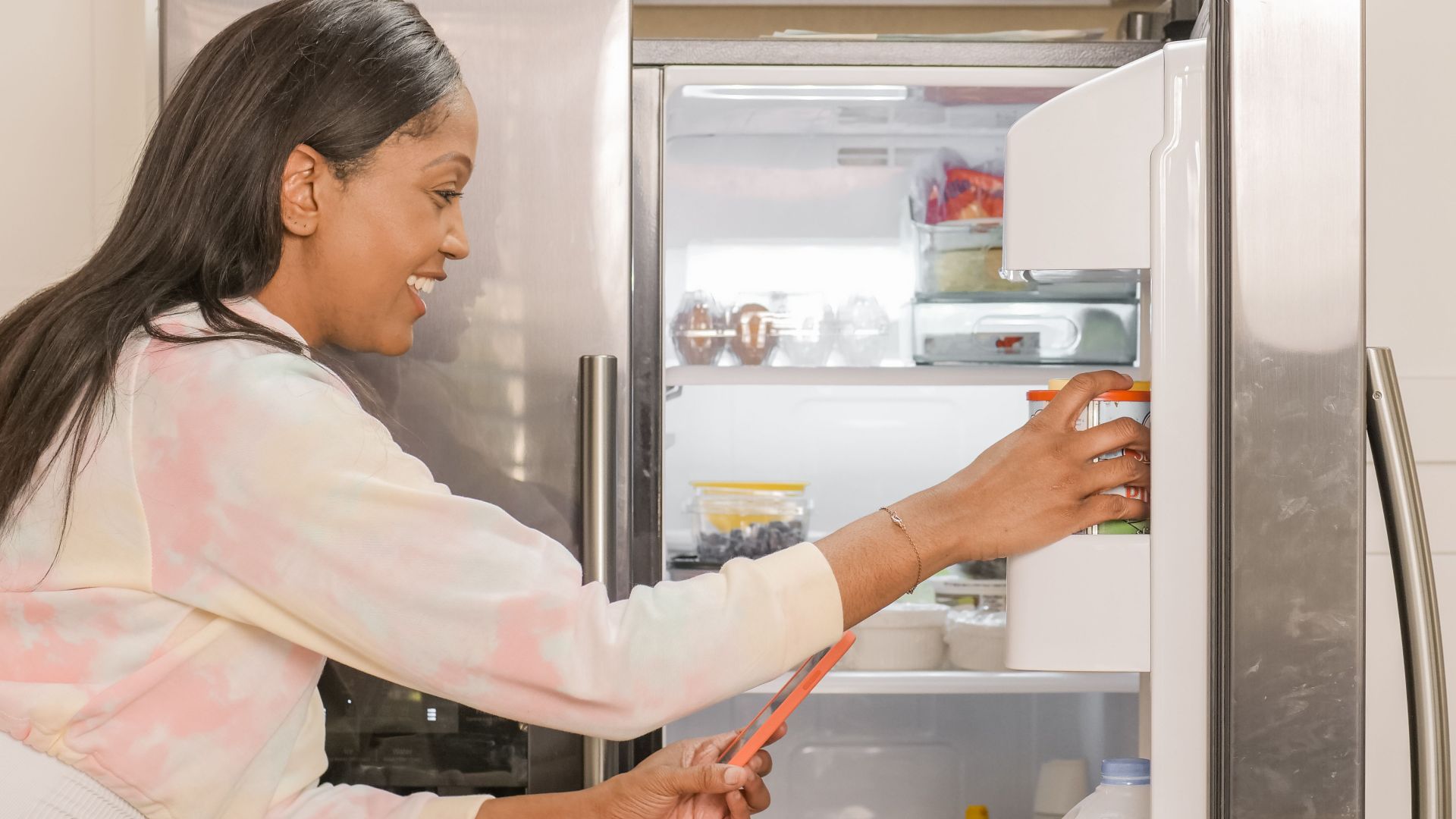
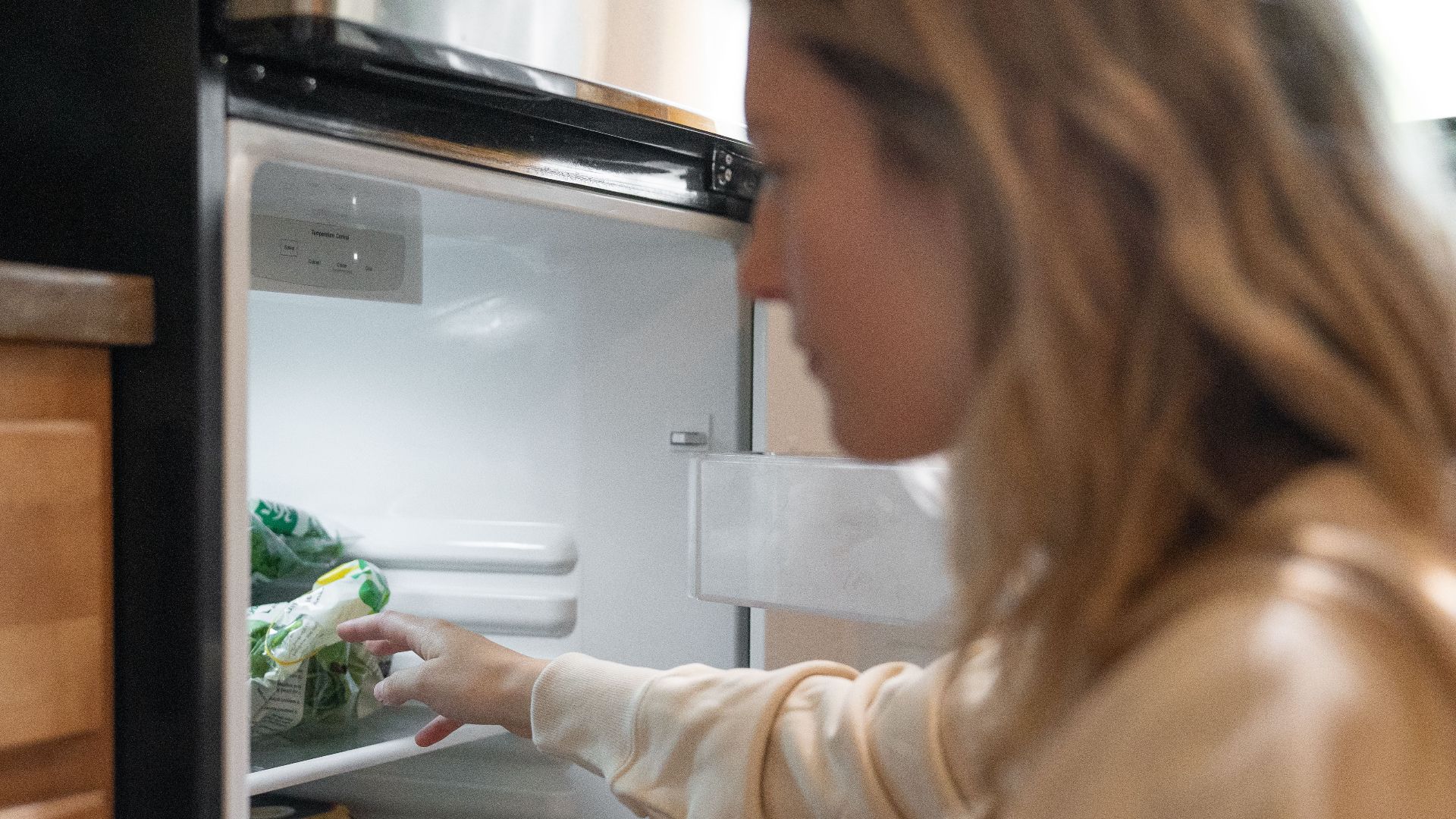
Keep An “Eat First” Area
Older households often knew exactly which food needed to be used before it spoiled because someone regularly checked the refrigerator. The EPA now recommends essentially the same practice through an “Eat First” area that highlights food that should be consumed soon. It is an uncomplicated visual cue that can prevent usable ingredients from disappearing behind newer groceries.
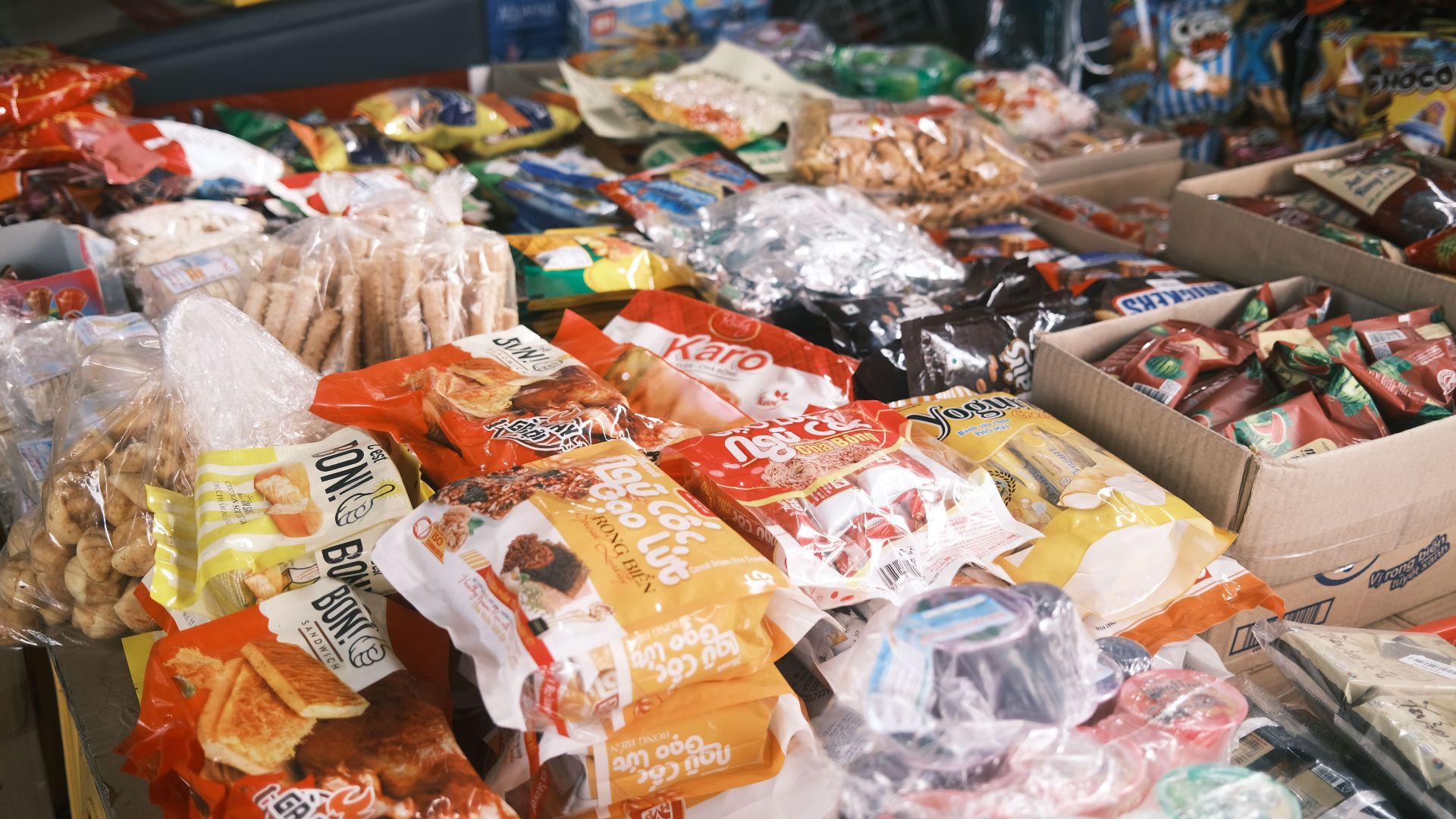
A Bigger Package Is Not Always A Bargain
Warehouse-sized packages can look economical, but buying more only saves money when the food actually gets used. The EPA specifically warns that large quantities and buy-one-get-one promotions save money only if the household consumes the food before it spoils. Frugality sometimes means buying less, even when the larger package appears to offer the better deal.
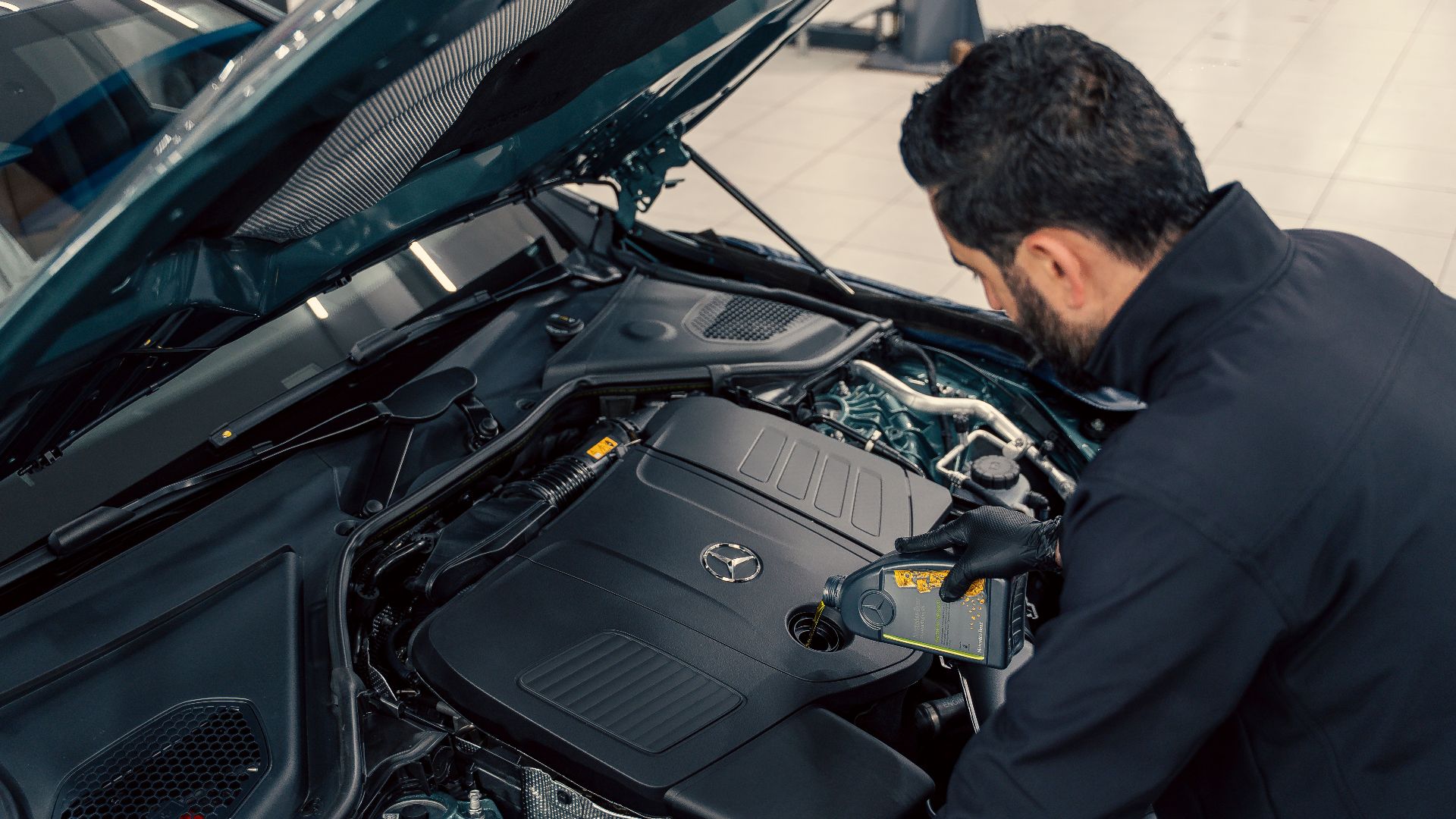
Make Things Last A Little Longer
The 20th-century instinct to maintain possessions rather than immediately replace them still has financial value. The CFPB recommends keeping up with vehicle maintenance, including appropriate attention to oil changes and tire pressure, because doing so can reduce fuel and repair costs. Extending useful life postpones another purchase, which is often more valuable than finding a small discount on a replacement.
Borrow Before You Buy
Libraries were sharing economies long before that phrase became fashionable. The CFPB has specifically suggested borrowing entertainment such as DVDs and CDs from public libraries as a way to save money. Modern libraries commonly provide many kinds of materials and services, but the underlying financial principle is unchanged: temporary access can be cheaper than permanent ownership.

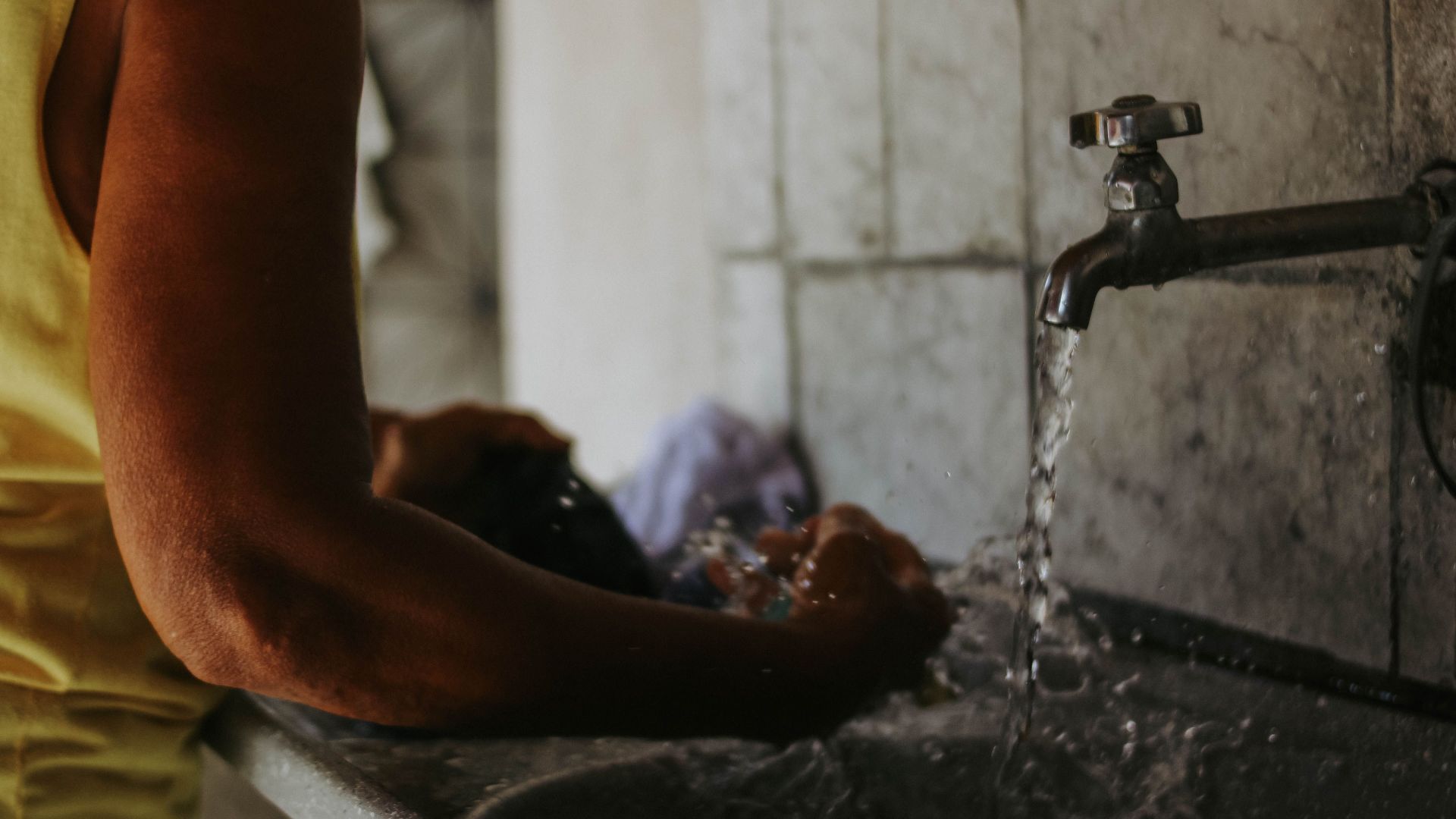
Wash Clothes In Cold Water
Frugal households have long looked for small ways to lower utility bills, and laundry remains a useful place to start. The U.S. Department of Energy says most of the energy used by clothes washers goes toward heating water, and washing with colder water can reduce that energy use. Washing full loads can also make better use of the water and energy required for each cycle.
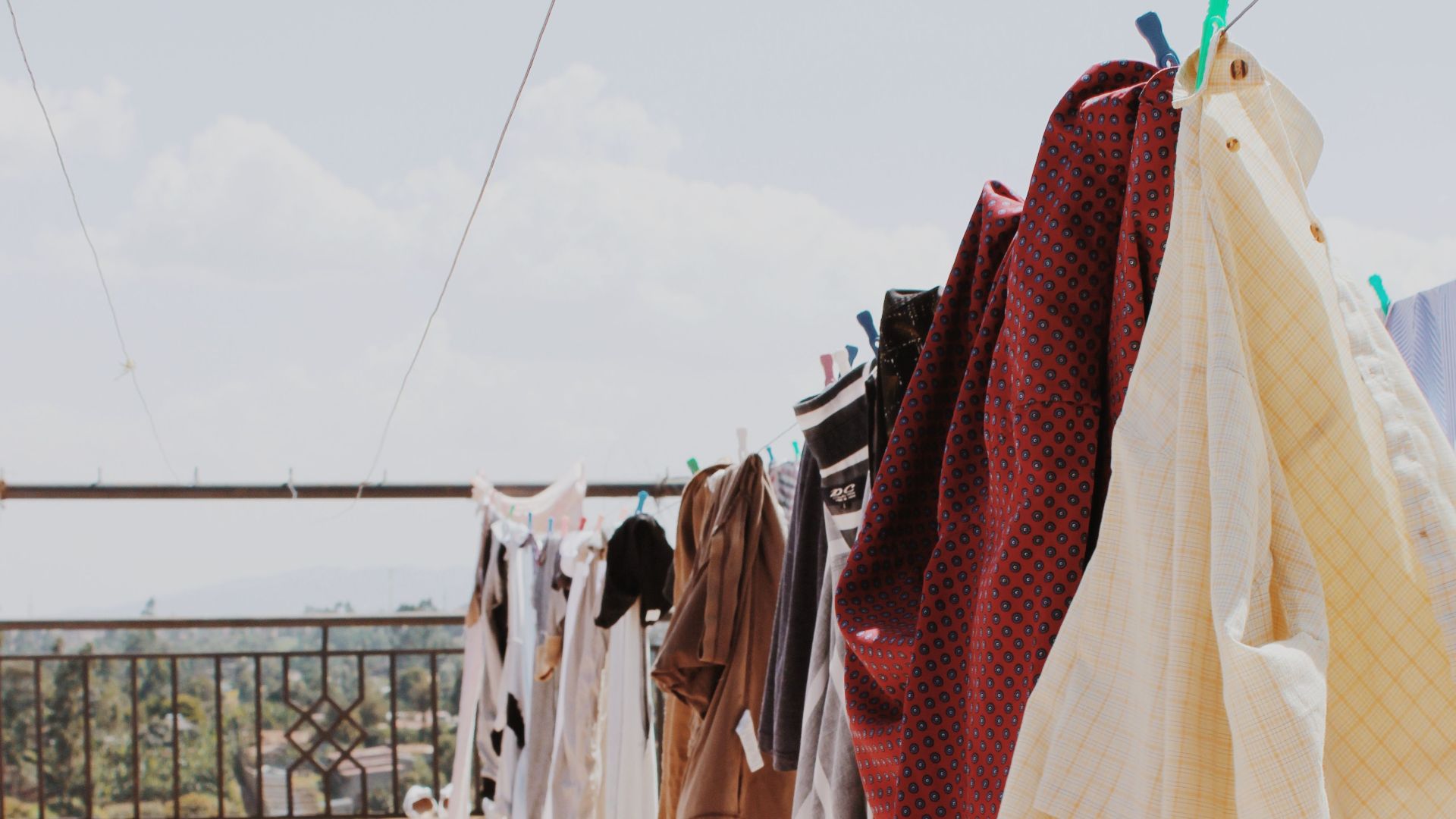
Let The Clothesline Do The Work
Air-drying clothes can replace at least some of the energy consumed by a dryer. Department of Energy guidance recommends considering clotheslines or drying racks as one way to reduce household energy use. You do not have to abandon the dryer completely for the old-fashioned method to lower the number of machine-drying cycles you pay for.
Save Windfalls Before They Disappear
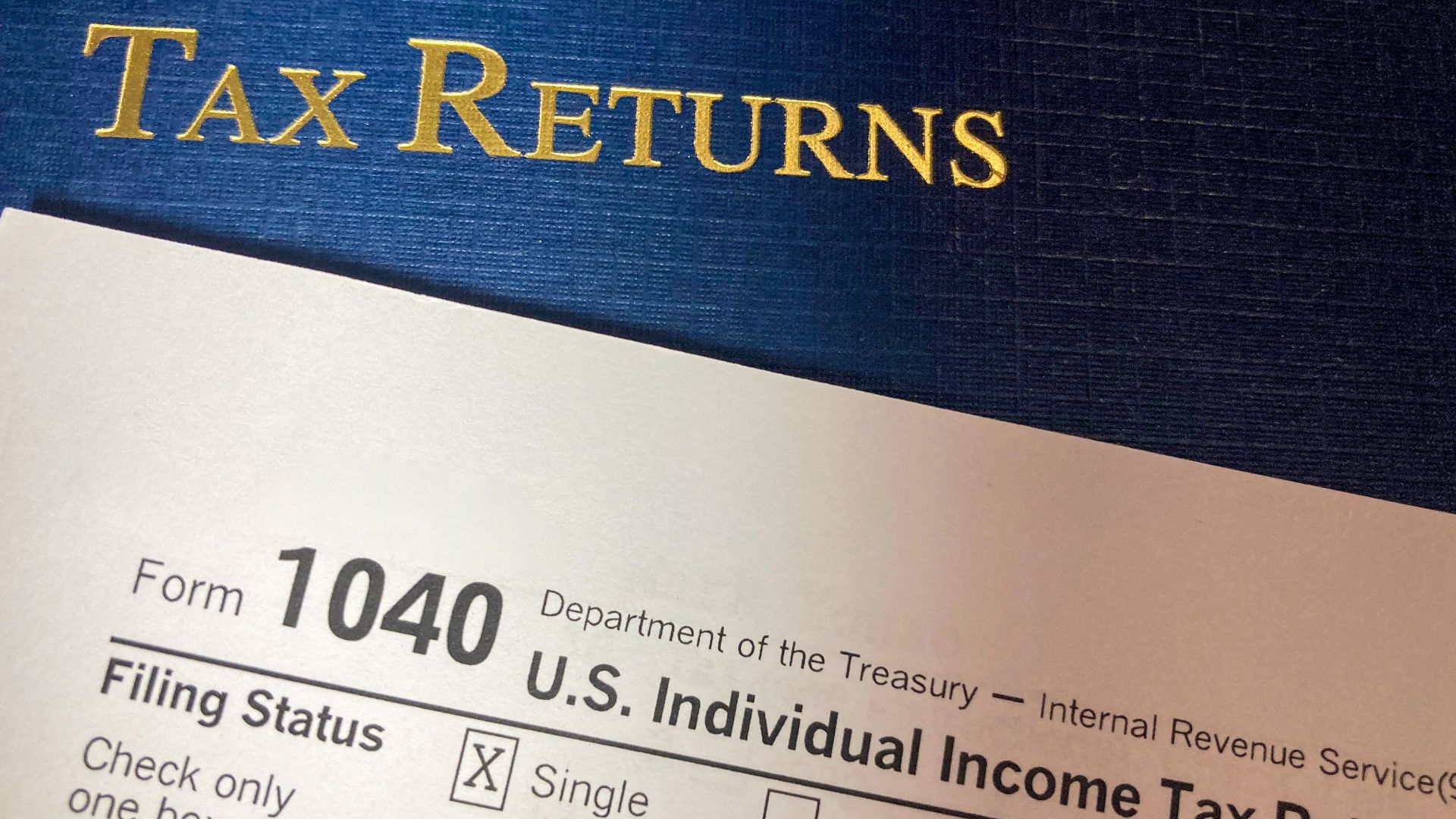
A bonus, gift, or tax refund can feel like permission to increase spending, which is exactly why older savers often banked unexpected money immediately. The CFPB recommends considering one-time inflows as opportunities to establish or strengthen emergency savings. It also notes that tax refunds can be split so some money goes directly into a savings account.
Pay Bills Before They Become More Expensive
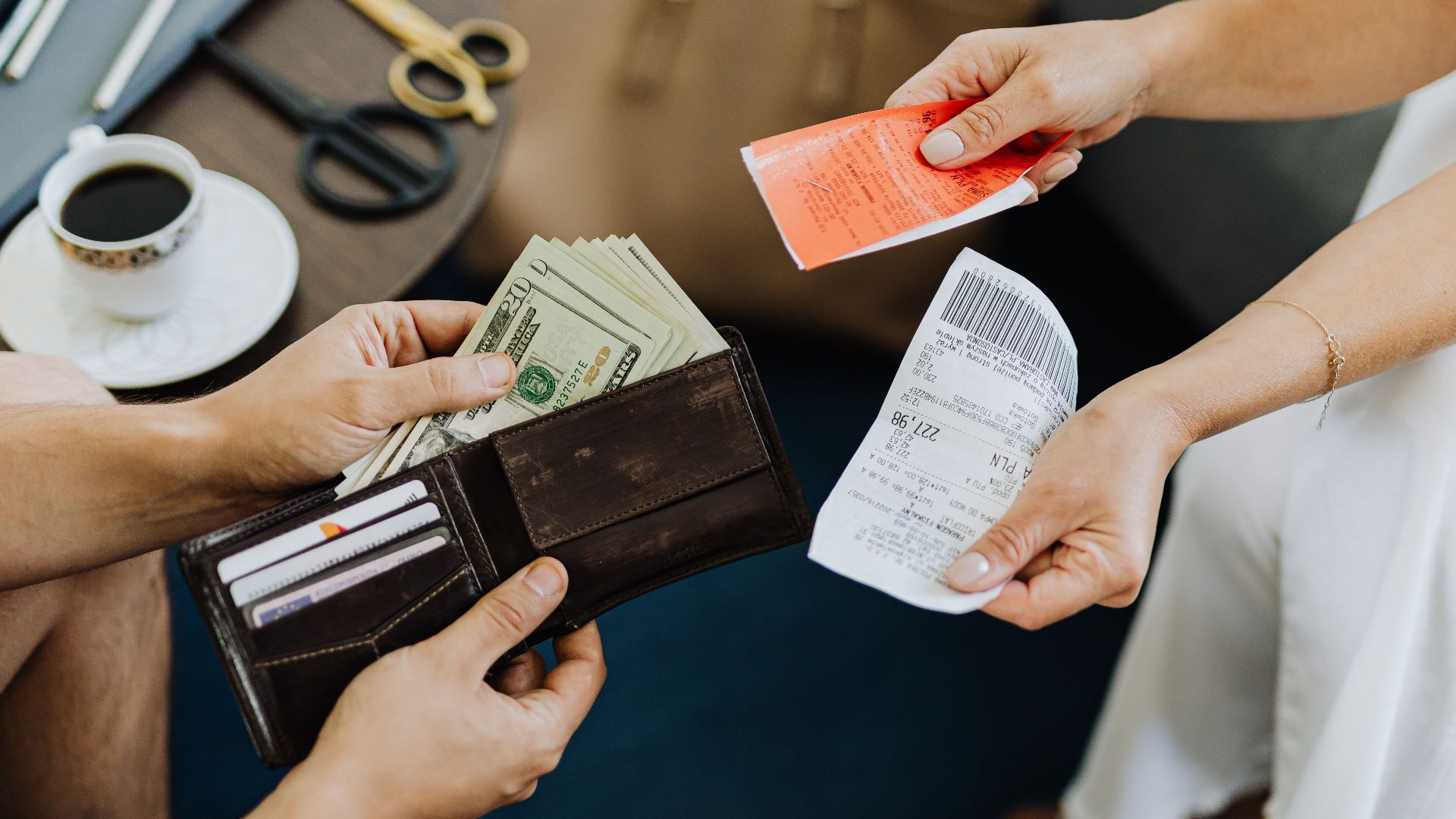
Paying on time is not exciting enough to become a personal-finance trend, but late charges are money that buys you nothing. The CFPB advises paying obligations such as rent and credit-card bills on time to avoid additional charges. A calendar, paper checklist, or automatic payment can all accomplish the same basic goal.
 https://kaboompics.com/, Pexels
Attack Expensive Debt
Earlier generations often described debt repayment in very simple terms: stop paying someone else interest as quickly as practical. Investor.gov notes that paying off high-interest debt can provide a financial benefit that is difficult for ordinary investments to match without additional risk. Eliminating expensive balances also frees future income for saving rather than interest payments.
 https://kaboompics.com/, Pexels
Invest The Same Amount Regularly
Regular investing is another habit that existed long before investment apps turned it into a button. Investor.gov defines dollar-cost averaging as investing equal amounts at regular intervals regardless of market movements. The approach means buying more shares when prices are lower and fewer when prices are higher while maintaining a consistent long-term routine.
Give Compound Growth Time To Work
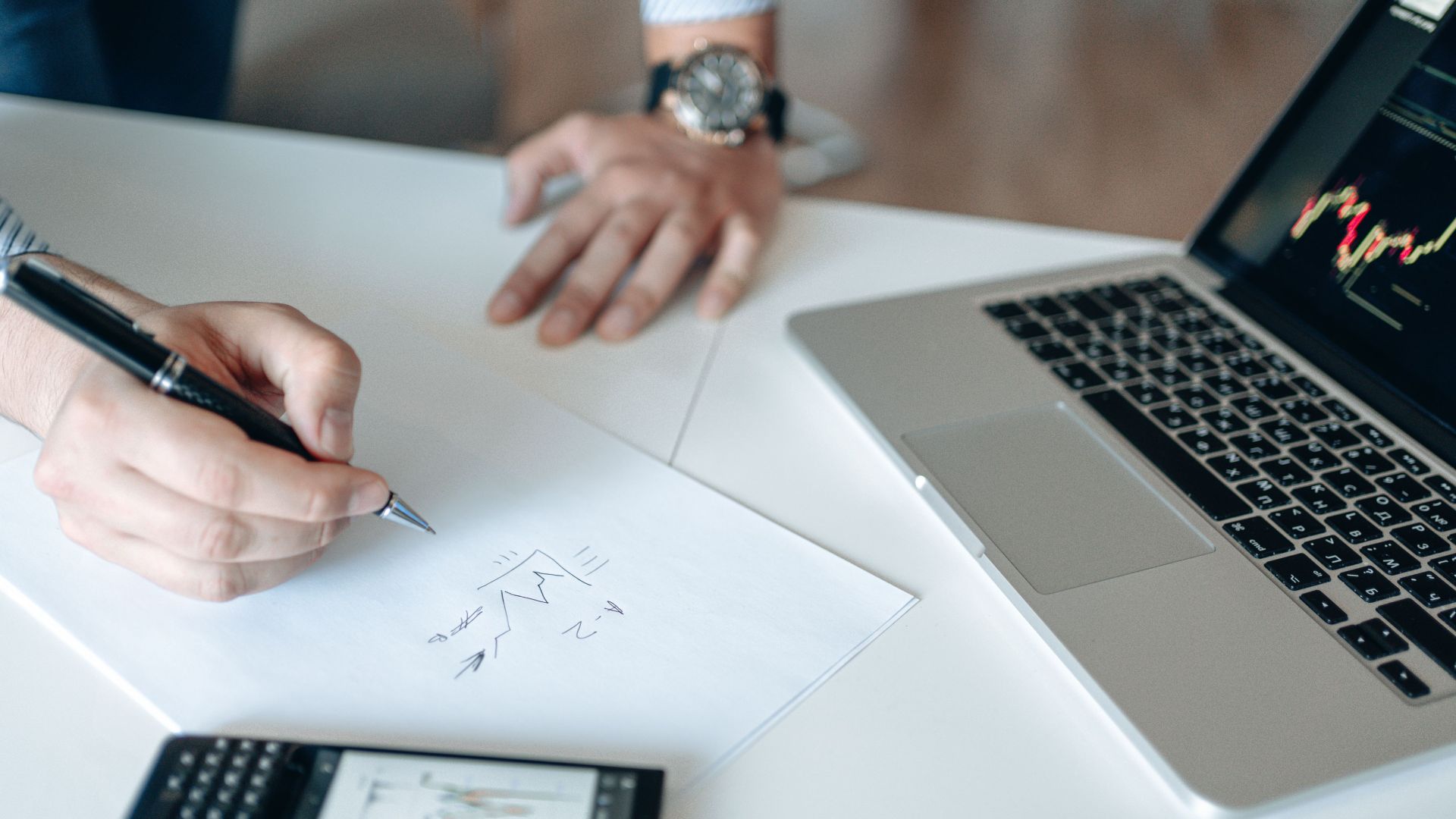
The most important ingredient in long-term saving may be the one no app can manufacture: time. Investor.gov explains that compound growth occurs when returns begin earning returns of their own, and regular contributions made over long periods can magnify that effect. Starting earlier generally reduces how much must be contributed later to pursue the same long-term goal.
 https://kaboompics.com/, Pexels
The Best System Is The One You Actually Notice
Budgeting apps can be useful, especially for people who want automated categorization, account synchronization, or digital reminders. Yet many older habits deliberately create friction by making you write, count, wait, separate, check, or physically see your money before spending it. The enduring lesson is not that technology is bad, but that financial awareness still depends on behavior, and a notebook or envelope can sometimes demand more attention than another notification on your phone.

You May Also Like:
I Tried To Return Spoiled Groceries, But The Store Said Fresh Food Is Final Sale. Is That Normal?