The Table Felt A Little Too Far From Everyone Else
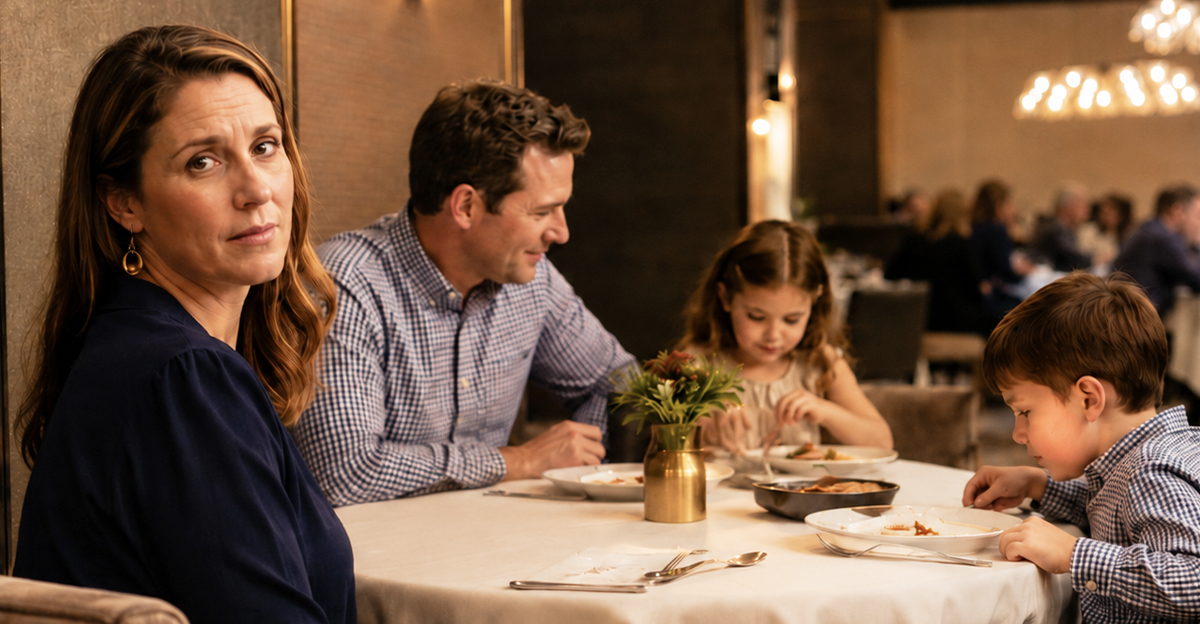
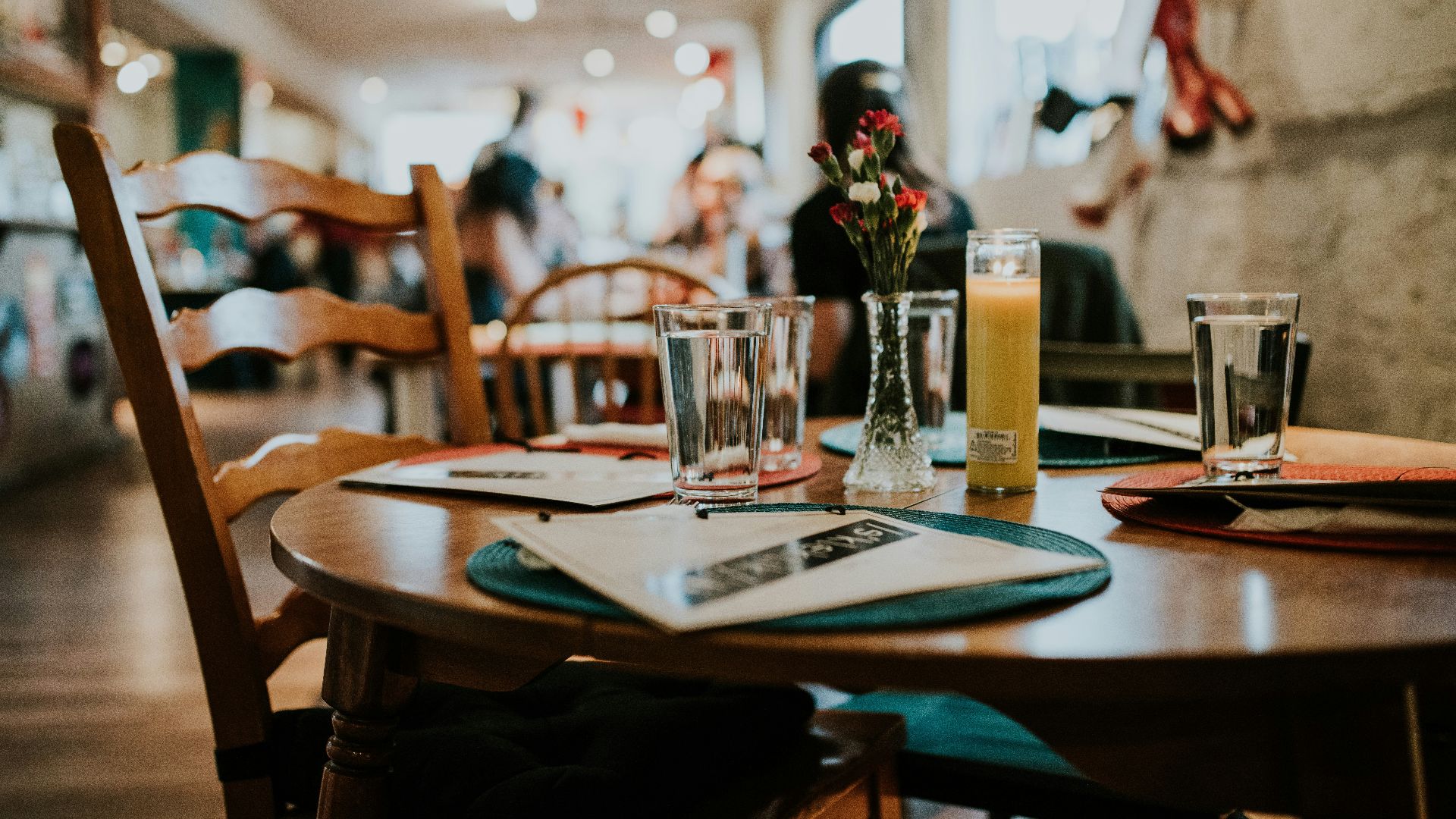
You made a reservation, dressed everyone up, and expected the same special dinner as everybody else. Instead, your family ended up near the kitchen or tucked into a quiet corner while others filled the main dining room. Maybe it was random. Maybe the restaurant was trying to manage the room. Either way, families can make upscale restaurants think differently about seating, even when nobody says it out loud.
Restaurants Do Think Strategically About Seating
Hosts rarely assign tables completely at random. They’re balancing reservations, table sizes, server sections, accessibility, noise, celebrations, expected meal length, and which tables can accommodate particular groups. All that means a family with kids may end up in a different part of the room without it being an insult—but how can you tell?
A Larger Table May Explain It
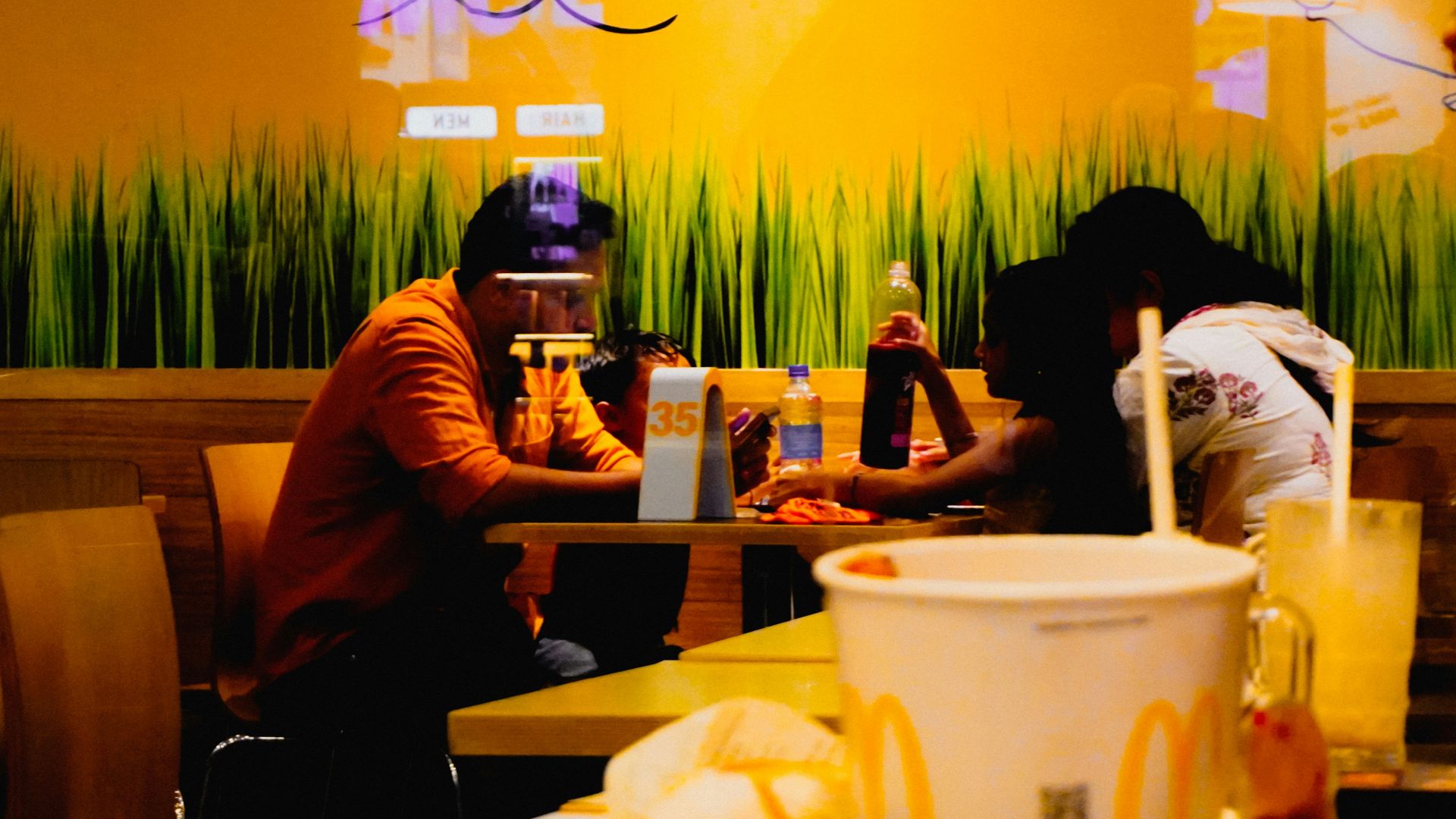
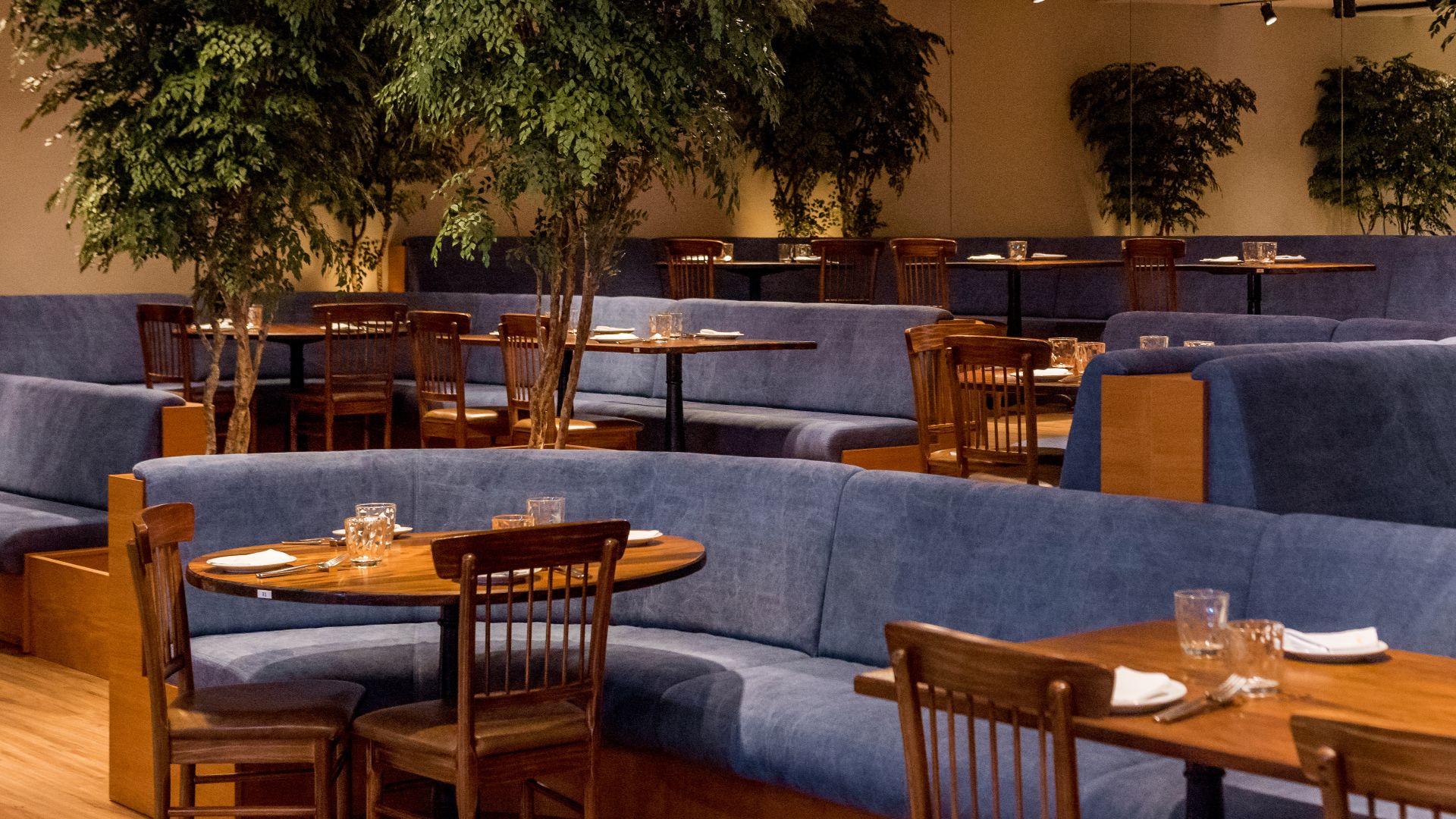
A family of four or five can’t necessarily fit at the same two-top tables given to couples. Some restaurants have only a few larger tables, and those may happen to sit along walls, near the back, or in separate dining areas. What feels like being hidden may simply be where the restaurant can physically fit the party.
Highchairs Change The Equation
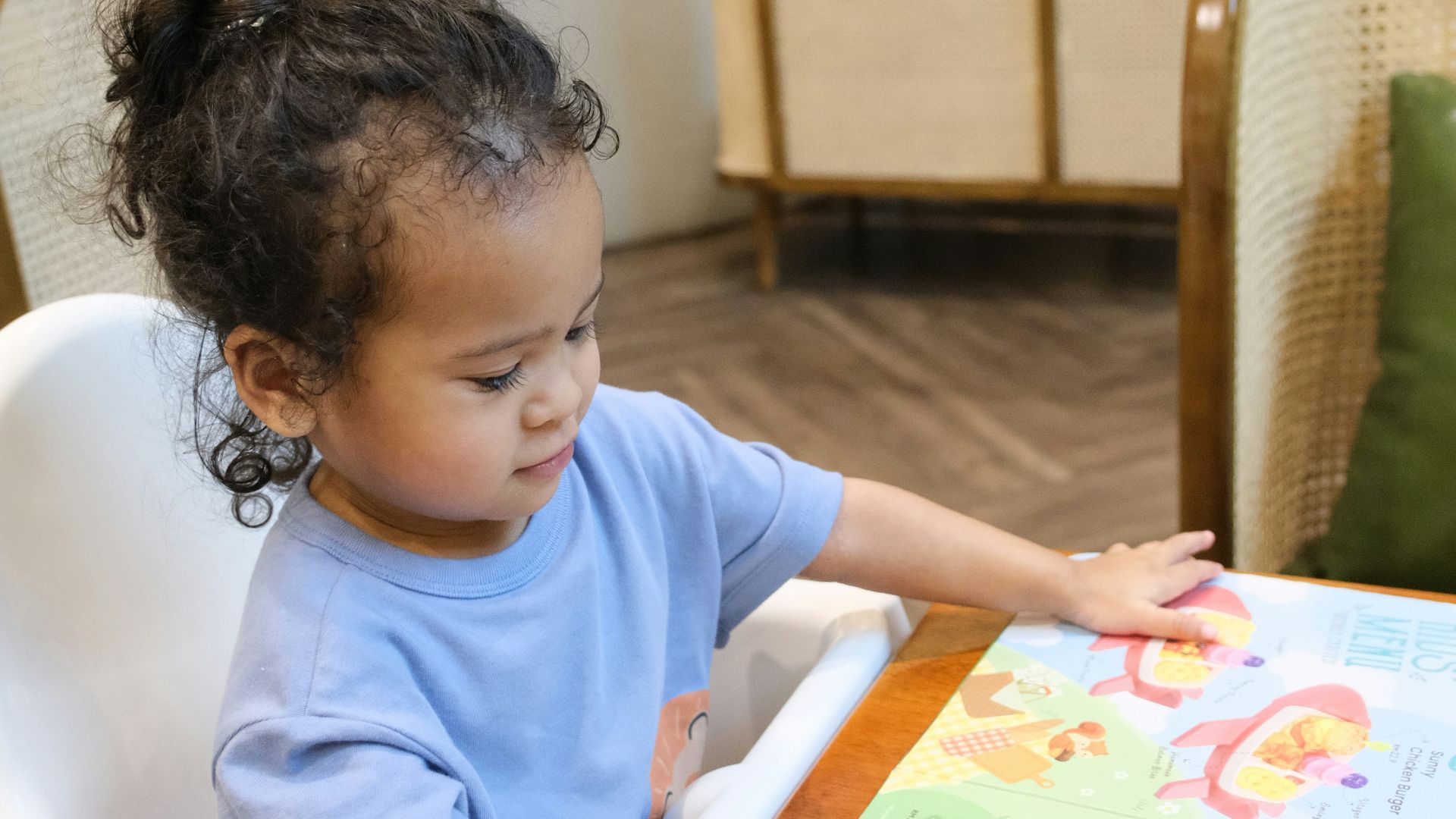
A highchair takes up more room than people expect. Restaurants need to keep aisles clear for servers carrying hot dishes, glassware, and trays. A table that works perfectly for four adults may become impractical once a highchair or booster seat is added.
Strollers Can Affect Seating Too
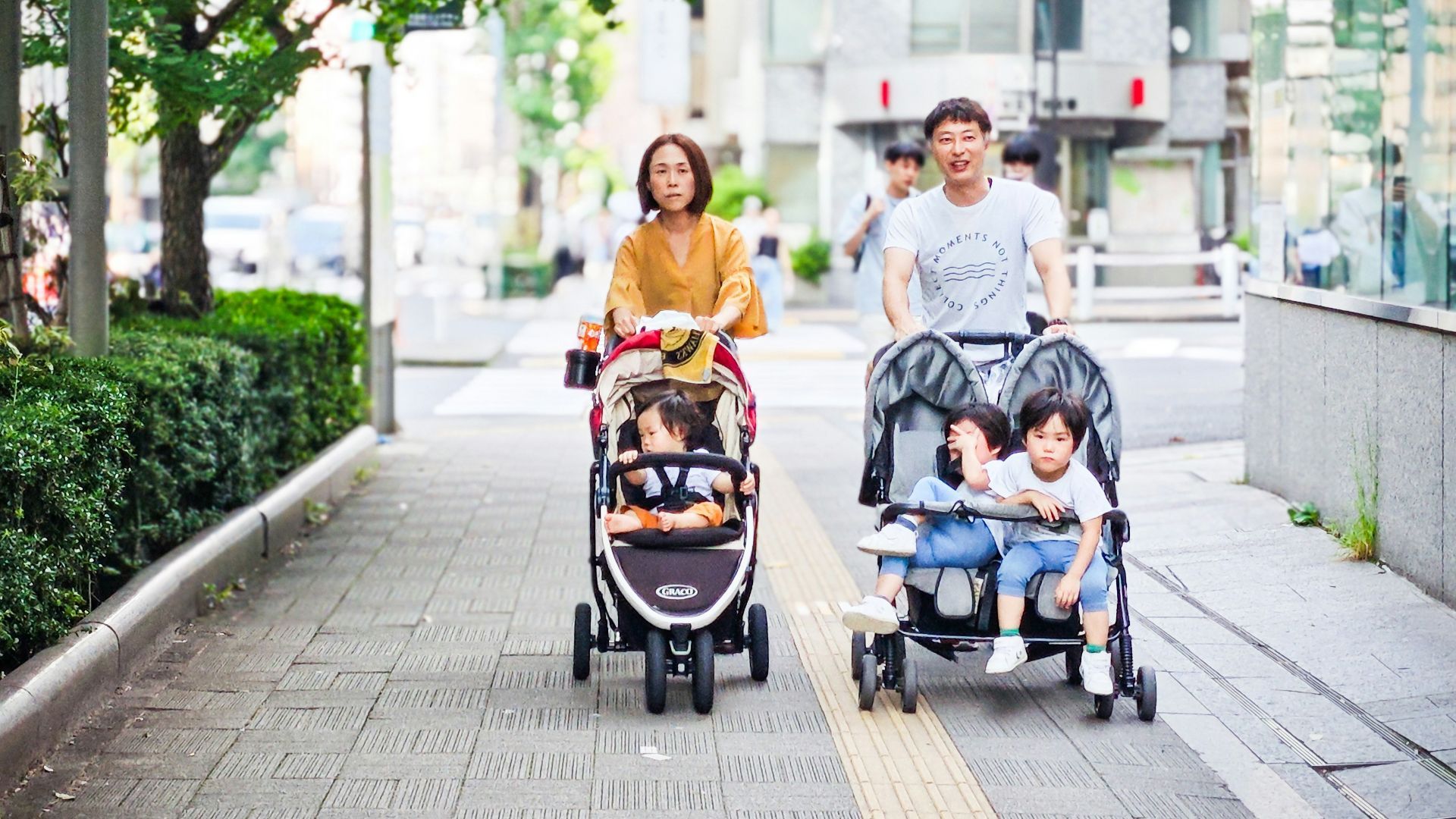
A large stroller can create the same issue. Fire exits, service aisles, and narrow walkways can’t be obstructed, so a host may choose a table with more surrounding space. Calling ahead can prevent an awkward shuffle when you arrive.
Noise Is Probably On The Restaurant’s Mind
An upscale restaurant may assume younger children could be louder than a pair of adults celebrating an anniversary. That assumption won’t always be fair, but restaurants do manage the overall atmosphere of the room. Seating a family near another larger group rather than among several quiet couples may be an attempt to balance noise.
That Doesn’t Automatically Mean Families Aren’t Welcome
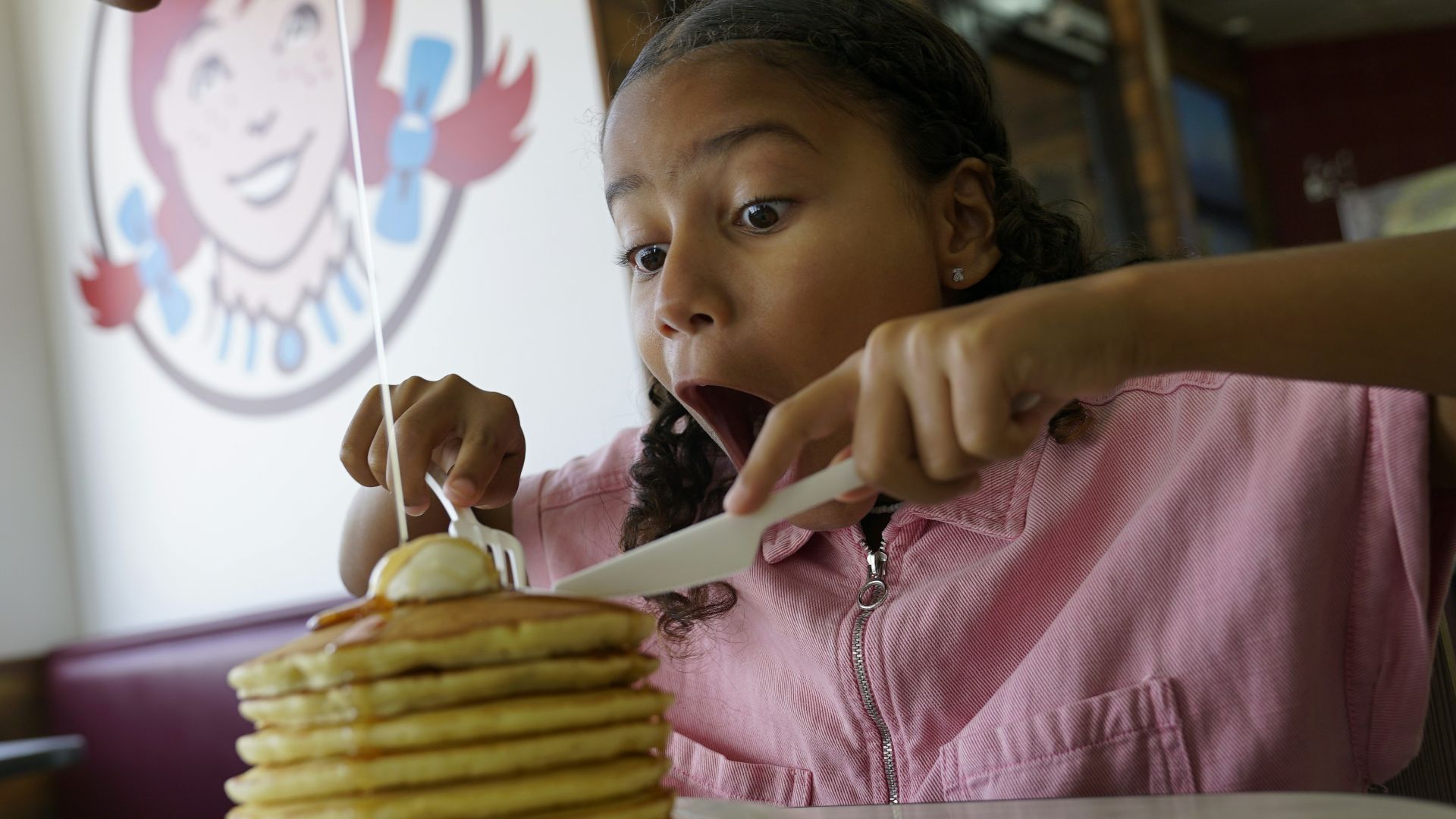
Plenty of fine-dining restaurants regularly host children, particularly for birthdays, holidays, and family celebrations. Some have no kids’ menu at all and still welcome younger diners. The more useful question is whether staff are accommodating the family or making them feel like an inconvenience.
Look At How Everyone Else Is Being Seated
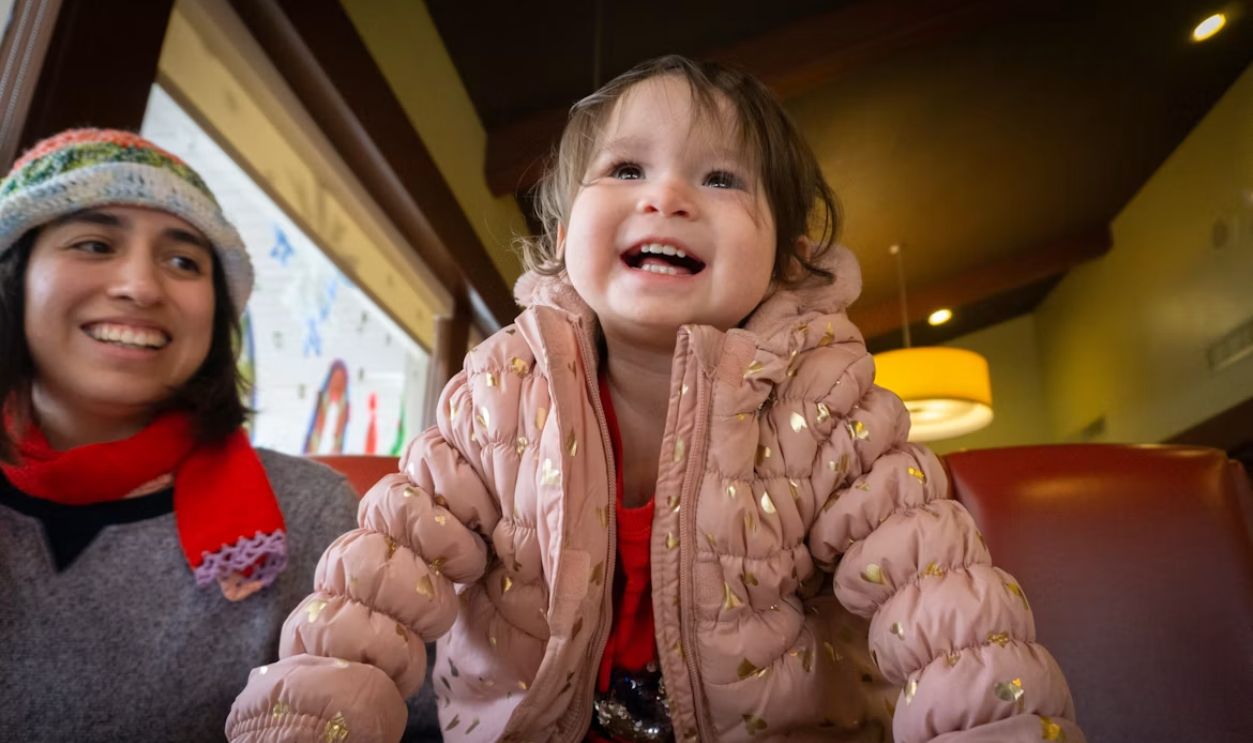
If several parties are being placed in the same side room, your table probably isn’t personal. If every family with children is sent to one distant section while adults without children get noticeably better tables, the pattern becomes harder to ignore.
The Quality Of The Table Matters
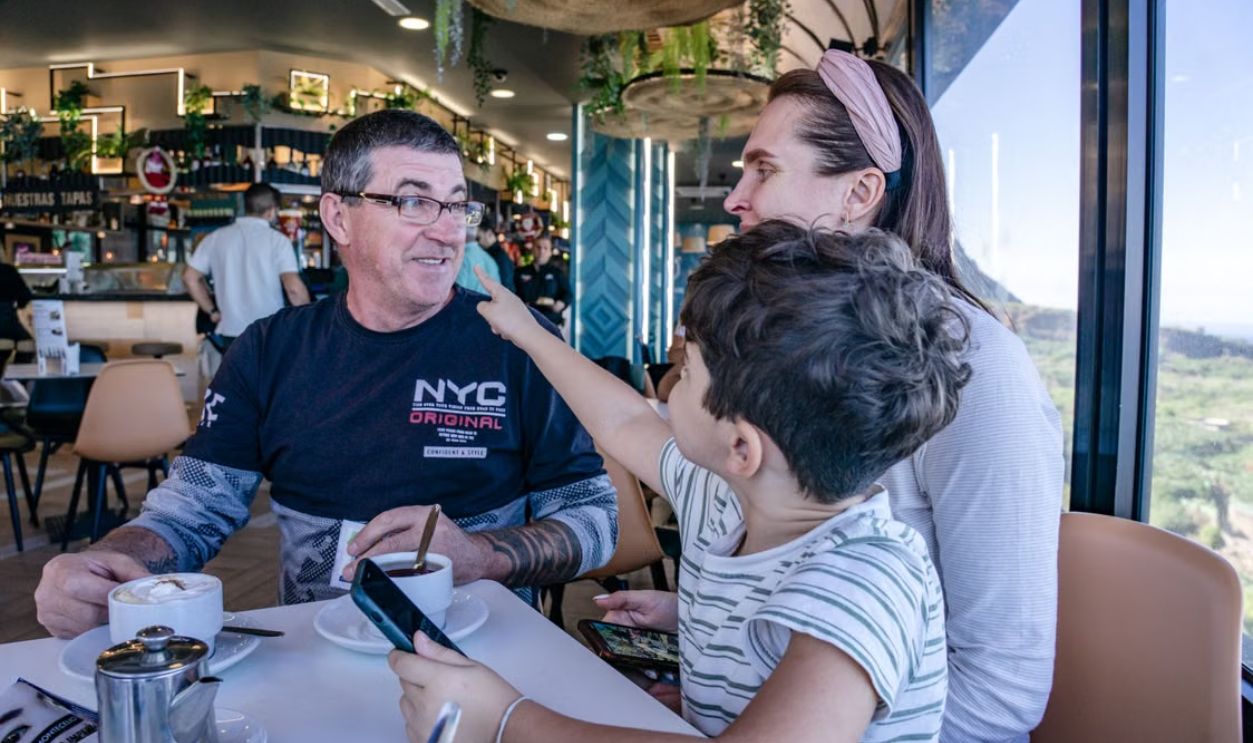
Being placed somewhere quieter isn’t necessarily bad. A spacious booth away from a crowded walkway can actually make dinner with children easier. The problem is when the alternate table is clearly inferior, such as beside the bathrooms, kitchen doors, garbage area, or an unused function room.
It’s Fine To Ask For Another Table
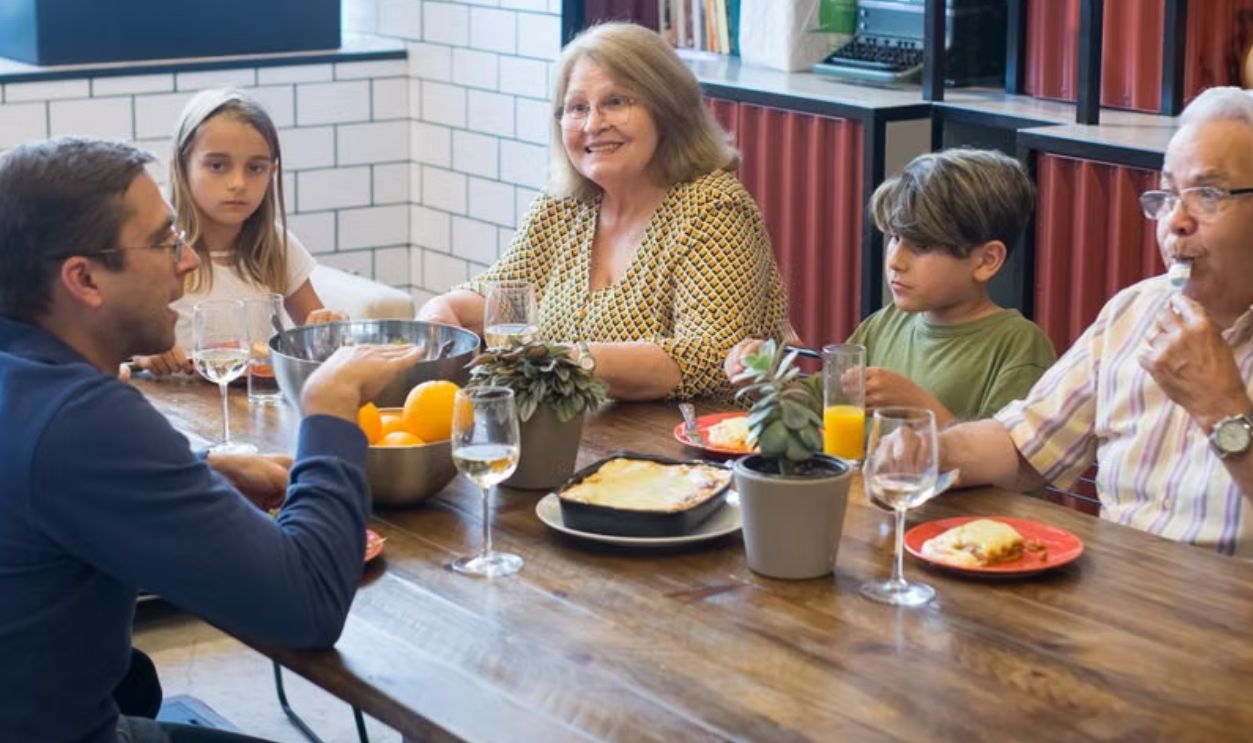
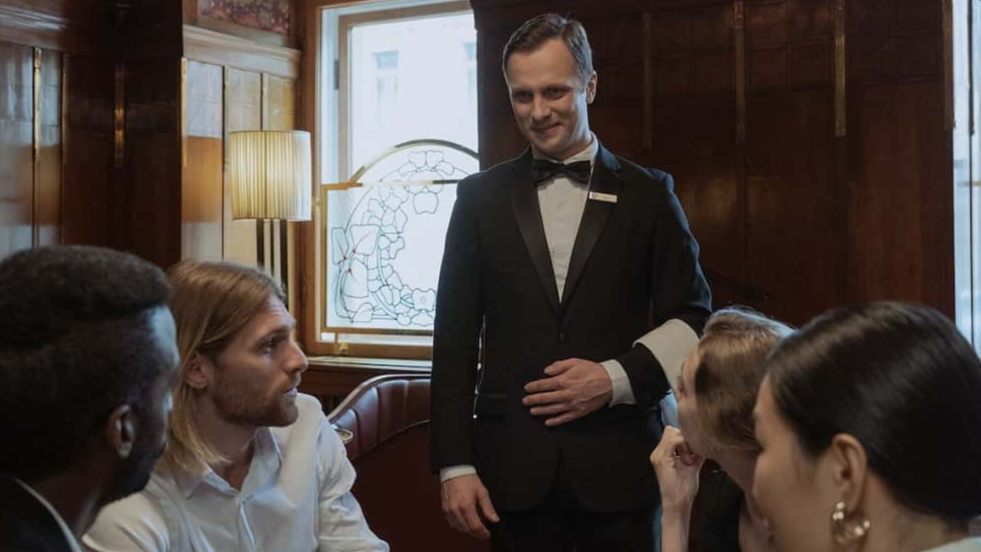
You don’t need to accuse the restaurant of discriminating against families. Simply say you’d prefer a table in the main dining room and ask whether another one is available. The host may be able to move you immediately or explain why that particular table was assigned.
Make The Request Before You Sit Down
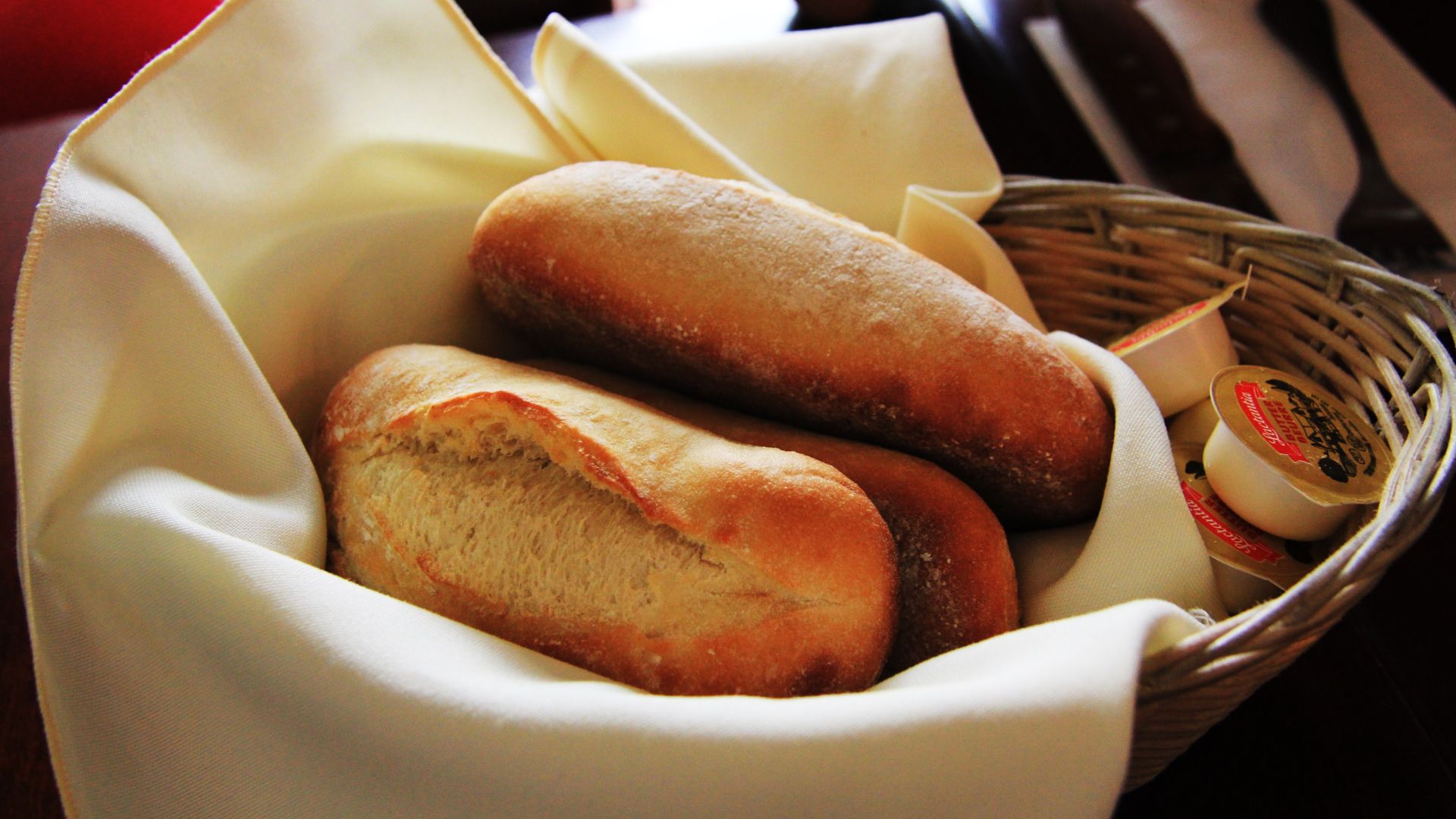
Once menus, water glasses, bread, and place settings are underway, changing tables becomes more complicated for the staff. If the location bothers you, mention it right away. A calm request at the host stand is much easier to accommodate.
 Jiaqian AirplaneFan, Wikimedia Commons
Mention Seating Preferences When Booking
If the evening matters, add a note requesting the main dining room, a booth, or a table away from the kitchen. Restaurants can’t guarantee every request, but advance notice gives the host far more flexibility.
 Unknown authorUnknown author, Wikimedia Commons
Tell Them You’re Bringing Children
Parents sometimes avoid mentioning kids because they worry the restaurant won’t want them. That can backfire if the host prepares a small table that can’t fit a booster seat or stroller. Letting the restaurant know the party makeup helps them plan properly.
Calling Ahead Can Answer The Bigger Question Too
Ask whether children are commonly accommodated, whether highchairs are available, and whether there’s a children’s menu or flexible kitchen. OpenTable restaurant information frequently recommends calling ahead for upscale places when families need specific seating or menu accommodations.

Earlier Reservations Are Often Easier
A 5:30 or 6pm reservation can be much more forgiving than arriving at 8:30 during peak date-night hours. The dining room may be quieter, food can arrive faster, and staff usually have more flexibility with tables. It’s one of the simplest ways to make upscale dining with younger children easier.
Don’t Assume Fine Dining Means Adults Only
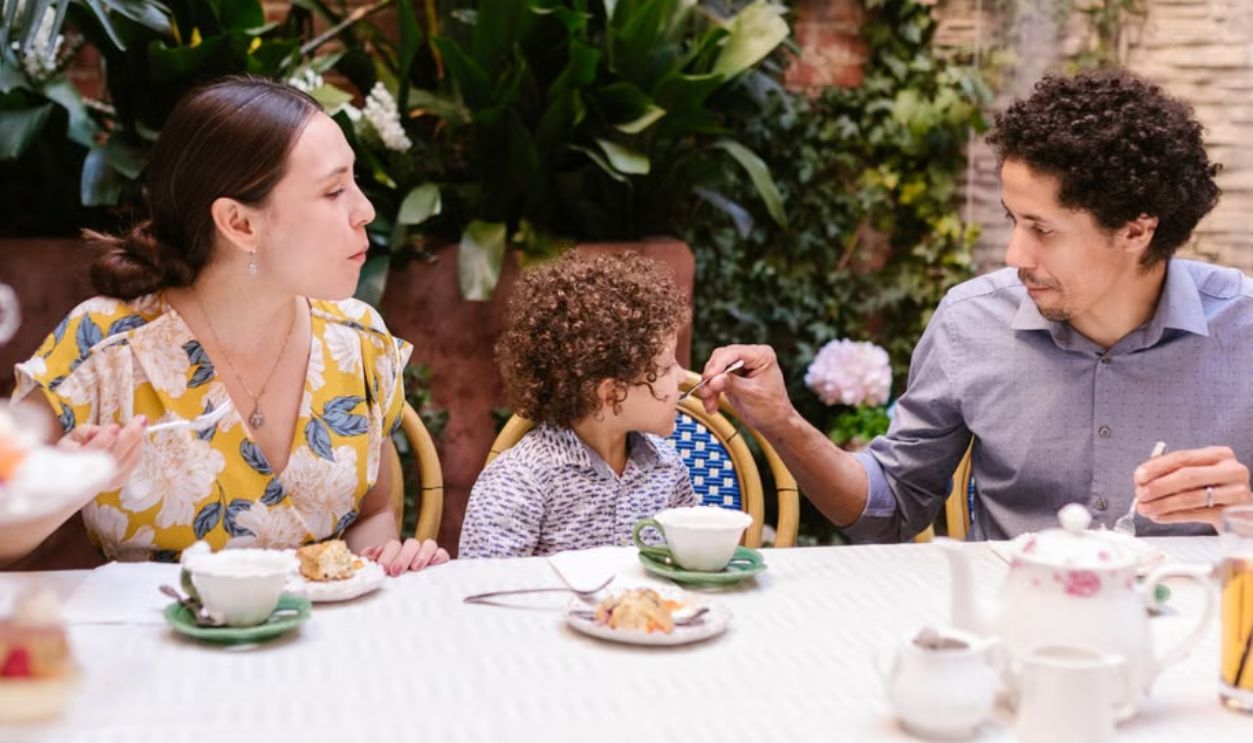
Parents sometimes rule out ambitious restaurants unnecessarily. Condé Nast Traveler has featured parents bringing young children to fine-dining restaurants successfully, while Eater writers have described doing the same at chef-driven restaurants. Children can learn restaurant behavior the same way they learn anything else: by actually getting opportunities to practice it.
Choose The Restaurant, Not Just The Price Point
Some expensive restaurants are remarkably relaxed around families. Others revolve around silent tasting menus, tiny dining rooms, or meals lasting three hours. Read the restaurant’s description, menus, and recent reviews to see whether the format realistically suits your children.

A Kids’ Menu Isn’t Required
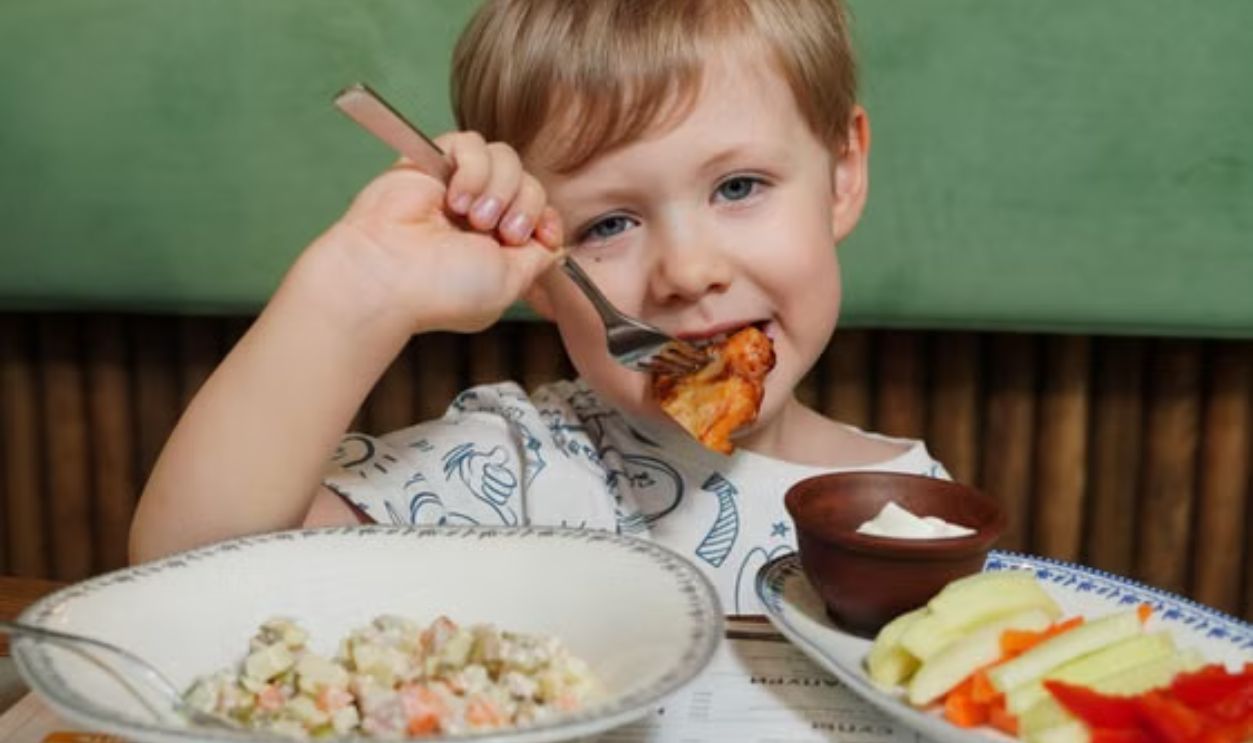
Children don’t necessarily need chicken fingers everywhere they go. Pasta, bread, rice, vegetables, grilled meat, potatoes, and shared plates can work just fine. Asking whether the kitchen can prepare a simpler version of something is often more productive than demanding an off-menu children’s meal.
Check The Menu Before Leaving Home
A little preparation avoids negotiating with a hungry child at the table. Show older kids the menu beforehand and identify a couple of possibilities. If there genuinely isn’t anything they’ll eat, that may be a sign to choose another restaurant for now.

Feed Very Young Kids Beforehand If Necessary
There’s nothing wrong with giving a toddler a snack before a formal dinner. It can take the pressure off the meal and allow them to try a few bites without becoming desperate while waiting for the first course.
 Angie Garrett, Wikimedia Commons
Bring Quiet Backup Entertainment
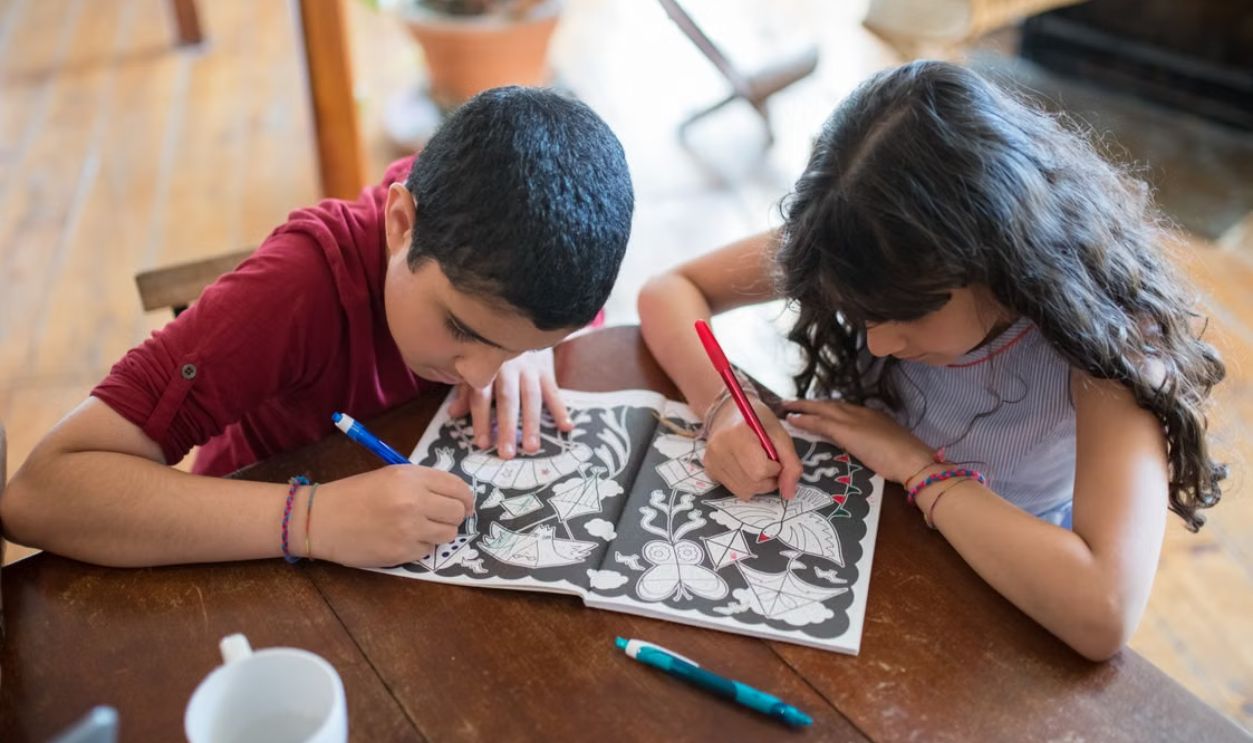
Coloring supplies, a small book, cards, or another quiet activity can save a long meal. The goal isn’t to entertain children every second, but formal restaurants often move at a slower pace than family chains, and children may need something during the gaps.
Keep Screens From Becoming Everyone Else’s Entertainment
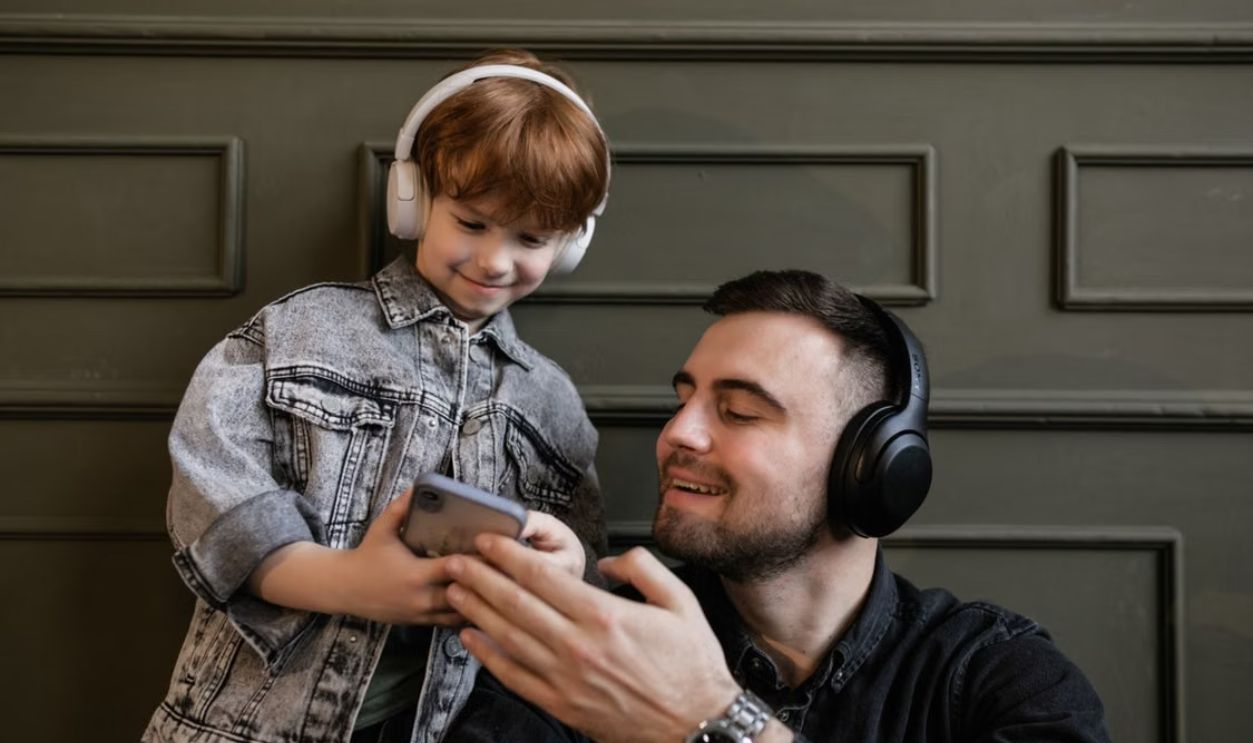
A tablet can be useful in an emergency, but volume should stay off or go through headphones. A cartoon playing loudly at the next table can affect dozens of diners. Bright screens can also be distracting in a dark dining room, so lowering the brightness helps.
Practice The Basics Before The Special Dinner
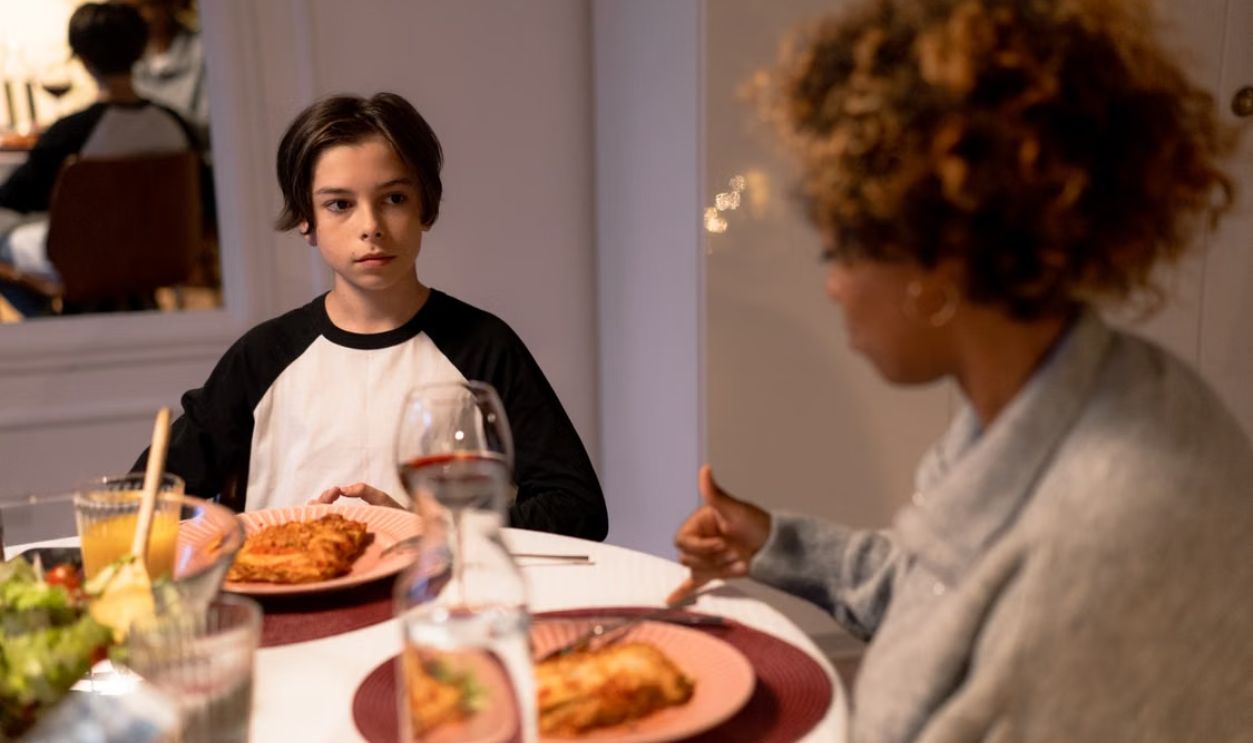
Children don’t need perfect table manners to eat somewhere nice. They should understand a few essentials, though: stay reasonably seated, use an indoor voice, don’t run through the dining room, and avoid grabbing things from neighboring tables.
Don’t Expect Toddlers To Behave Like Adults
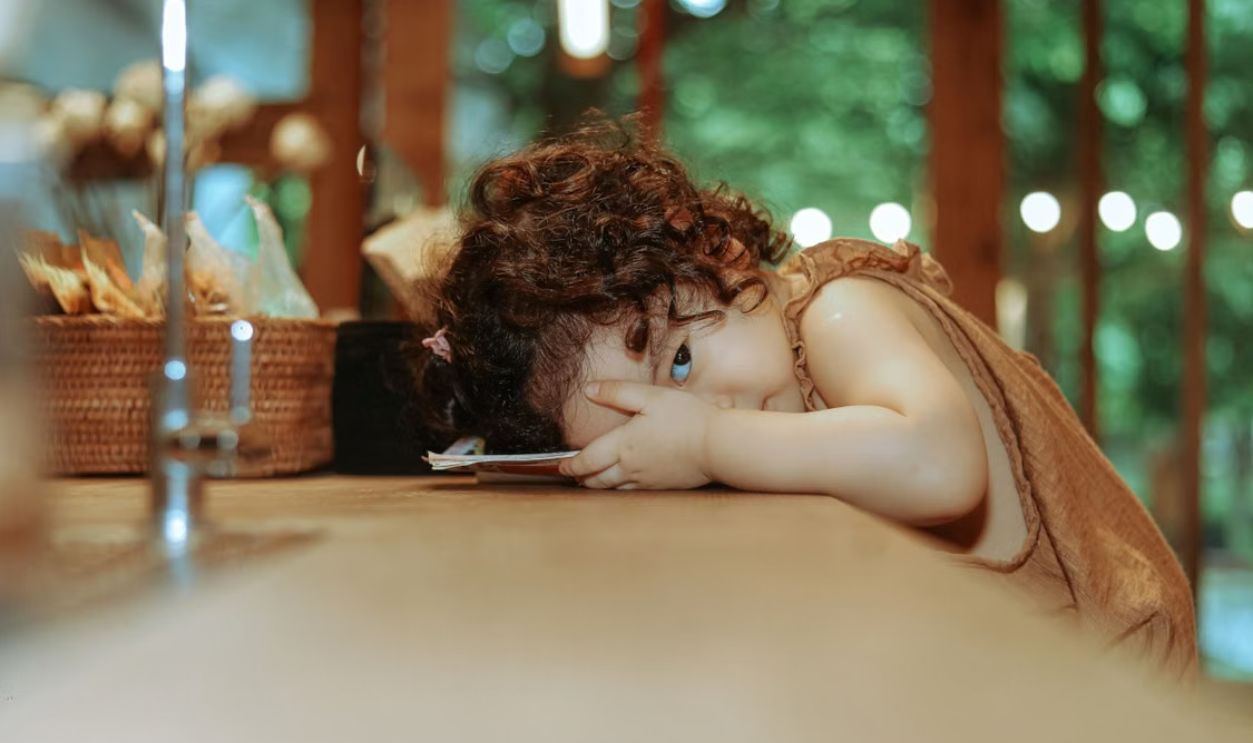
There’s a difference between teaching restaurant manners and expecting a three-year-old to sit silently through a three-hour tasting menu. Choose an experience that matches the child’s age, temperament, and normal bedtime rather than setting everyone up for an exhausting evening.
Step Outside When Things Go Sideways
Even normally calm children have bad nights. If a child is crying loudly, screaming, or repeatedly leaving the table, taking a short walk outside can reset the situation. It’s considerate to other diners and often more effective than trying to force the child to calm down in the chair.
Don’t Turn One Look From Another Diner Into A Crisis
Parents can become hyperaware of everyone around them in an expensive restaurant. Somebody glancing over doesn’t necessarily mean they’re furious that children exist. Focus on your own table unless someone actually raises a problem.
Good Staff Usually Make Families Feel Included
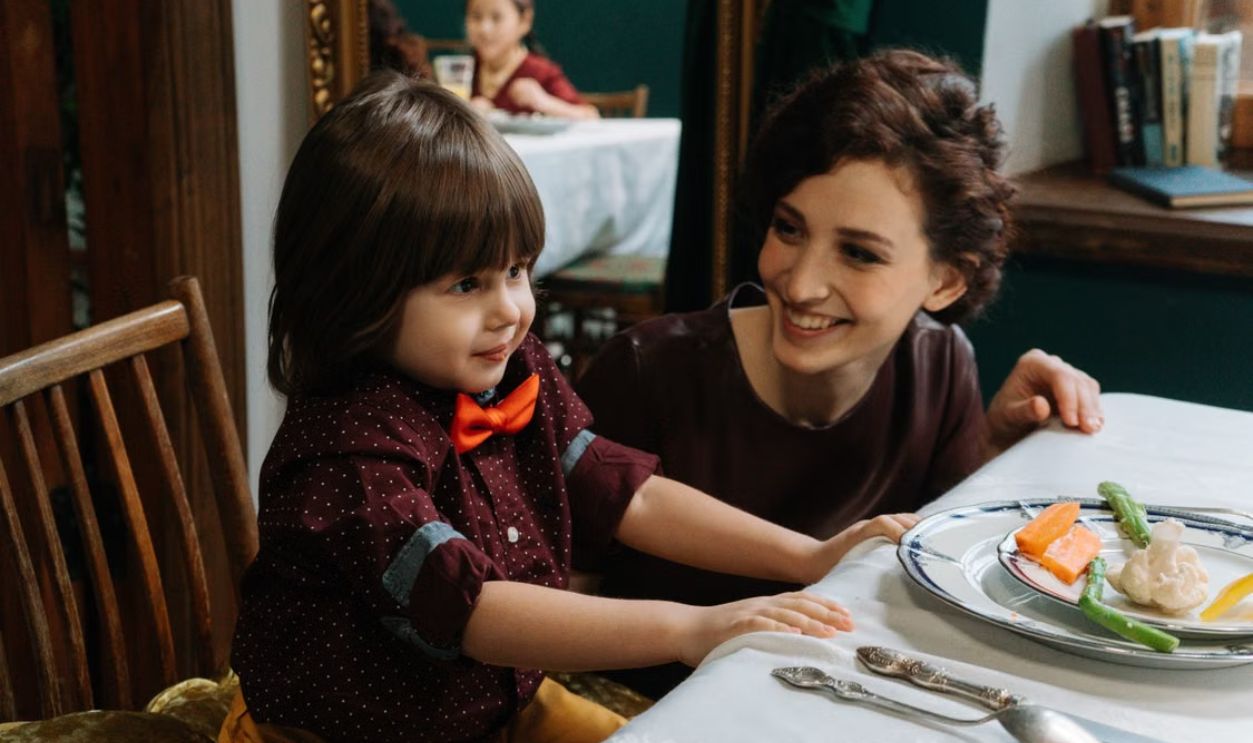
Servers who speak directly to children, bring their drinks quickly, explain dishes, or suggest smaller portions can completely change the experience. Condé Nast Traveler has highlighted destinations where restaurant staff actively engage with children rather than treating them as baggage accompanying the adults.
Parents Can Make The Staff’s Job Easier Too
Be ready to order, keep pathways clear, mention spills promptly, and don’t leave an extraordinary mess behind. If a child accidentally knocks something over, it happens. Showing awareness and helping where appropriate goes a long way.
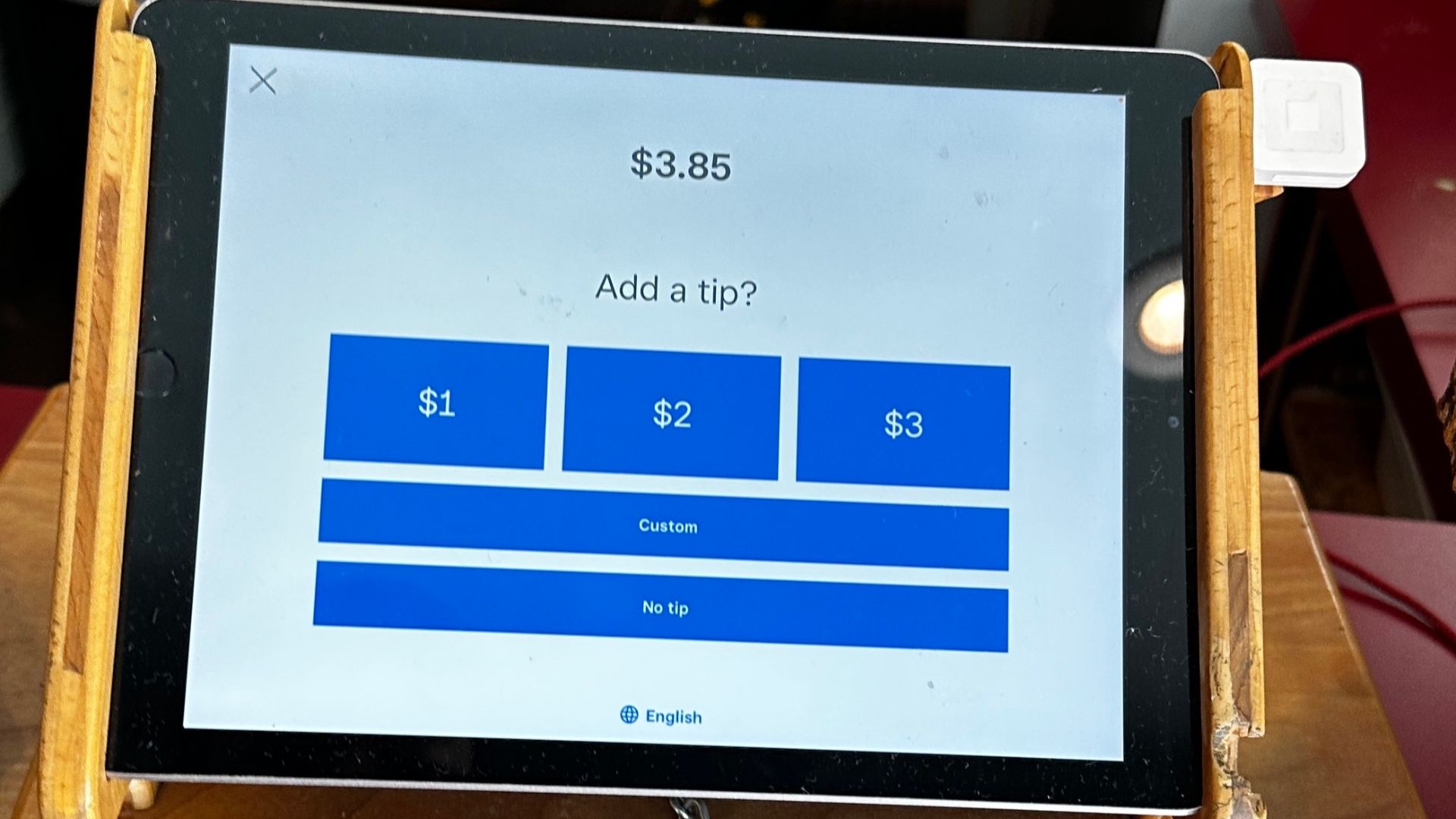
Tip Based On The Service, Not Your Embarrassment
You don’t need to leave an enormous guilt tip simply because children were present. But if staff went out of their way to accommodate special food requests, clean significant spills, rearrange furniture, or make the evening easier, recognizing that extra work is reasonable.
 InvadingInvader, Wikimedia Commons
If The Treatment Really Felt Different, Say Something
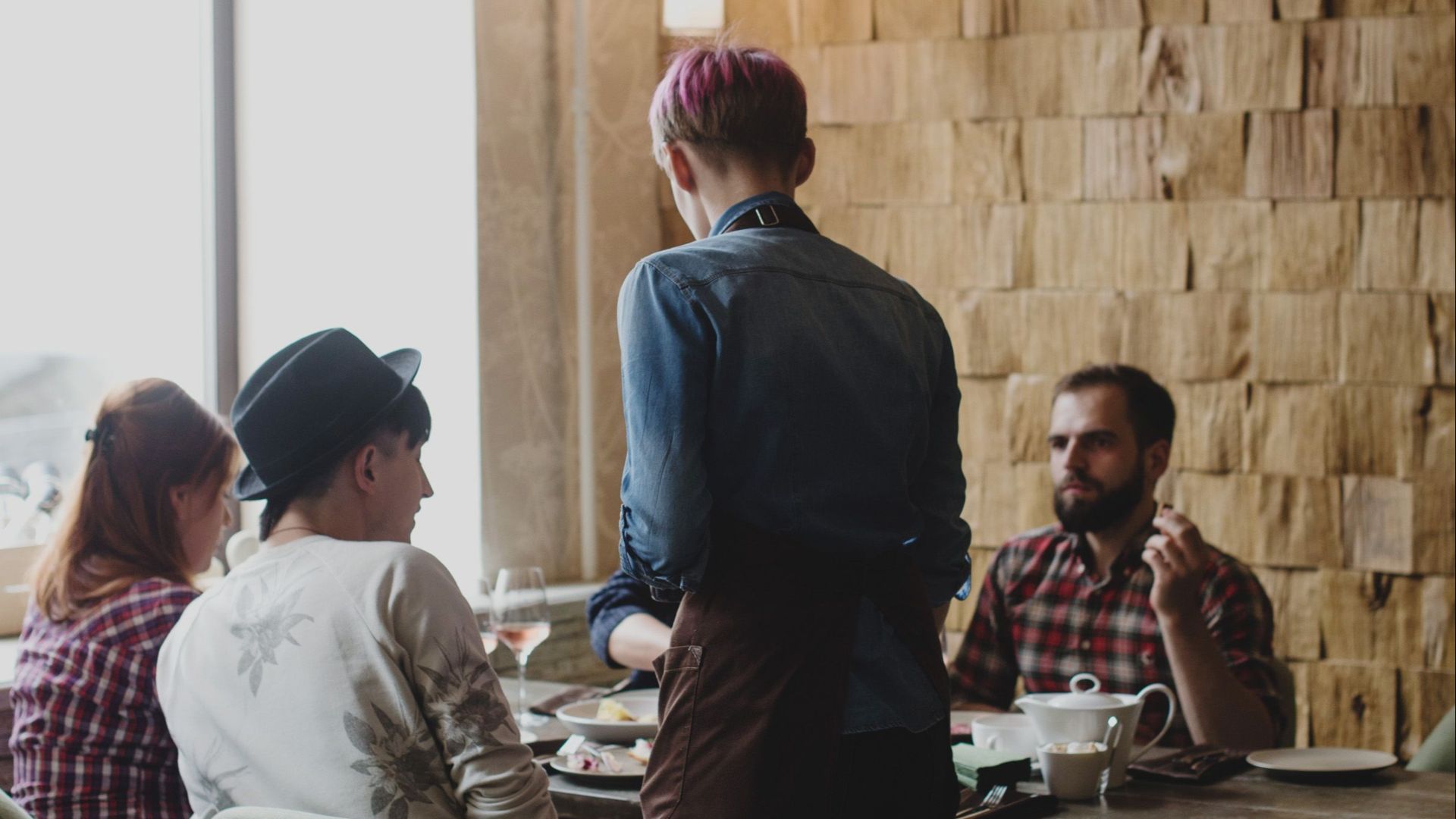
Maybe the issue wasn’t merely the table. Perhaps the host was openly dismissive, staff ignored the family, or the restaurant treated children as though they shouldn’t have been there despite accepting the reservation. Mention it calmly to a manager rather than stewing over it for the entire meal.
Families And Fine Dining Can Coexist
Restaurants may seat families differently for completely practical reasons, including space, highchairs, server sections, and noise management. But parents don’t have to accept being treated like second-class customers simply because children came along. Call ahead, choose a restaurant and time that suit the kids, request the table you want, and give children a chance to learn how special dinners work. Sometimes the best way to raise kids who know how to behave in nice restaurants is simply to bring them to nice restaurants.
You May Also Like: