Dinner Took a Turn
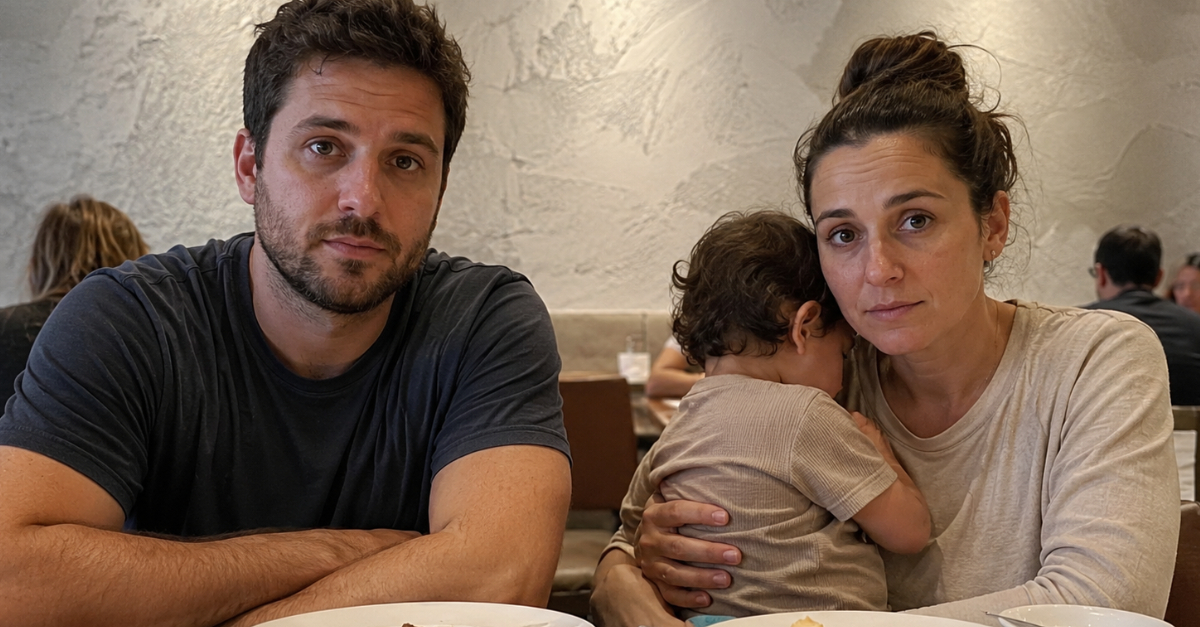
A family sits down for dinner, orders its food and finally gets a chance to relax. Then the toddler starts crying, a manager appears and suddenly everyone is being told to leave.
Being asked to go is one thing. Being handed the entire bill on the way out is where this gets complicated.
It Feels Like Two Different Questions
Most parents can understand a restaurant wanting to calm down a noisy dining room—even if they hate how the manager handled it. But forcing a family out and still demanding full payment for a meal they were not allowed to finish feels like an entirely different issue. Legally, however, the two questions are more connected than they first appear.

The Details Could Change Everything
How long was the toddler crying? Did the parents immediately try to calm them? Did the restaurant offer a warning or ask one parent to step outside first? There is a huge difference between a brief outburst and a prolonged disruption—but the law does not provide a convenient timer that settles the argument.

There Is No Toddler Stopwatch
There is no single federal rule giving every child five minutes, ten minutes or any other guaranteed amount of crying time inside a restaurant. Management usually has to make a judgment call based on the volume, duration, effect on other customers and what the parents are doing to address it.

The Restaurant Has More Control Than It Looks
Restaurants serve the public, but they are still privately operated businesses. State laws commonly give operators considerable control over whom they continue serving. Florida, for example, recognizes food-service establishments as private enterprises and separately permits refusal of service when someone’s conduct disturbs other guests.

One Cry Probably Is Not the Real Test
A toddler crying for a few moments is a normal part of family life. Still, the legal question is not whether toddlers are expected to cry. It is whether the restaurant could reasonably view what was happening at that particular table as a continuing disruption serious enough to justify ending service.

A Warning Would Certainly Help
A restaurant will usually look much more reasonable if staff first ask the parents to calm the child, step outside briefly or accept another workable solution. A warning about the crying may not always be legally required, but immediately removing a family over one short outburst would be much harder to defend to the owner—or the public.
The First Answer Is Starting to Appear
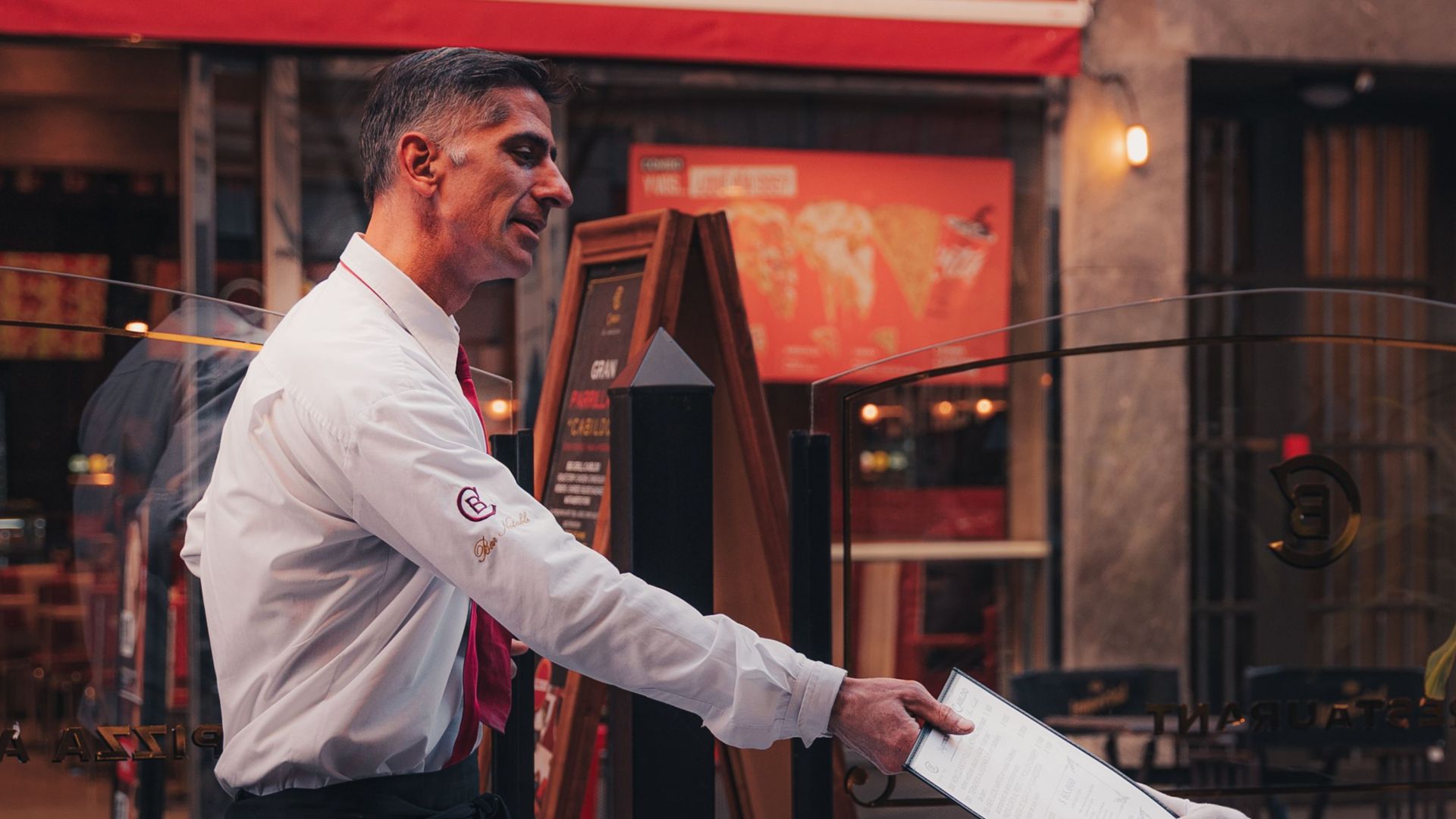
Assuming the child was crying loudly for an extended period and the parents could not settle them, the restaurant could probably end service and ask the family to leave. Florida law expressly permits refusal of service for conduct disturbing other guests and provides a procedure for removing certain guests after they are told to depart.

But Florida Is Only One Example
Florida’s statutes are not a nationwide crying-child law. Other states use their own business, trespass and civil-rights rules. The broader principle is that restaurants generally have substantial authority to address genuinely disruptive conduct—but that authority does not erase every legal protection customers have.

Private Property Is Not a Free Pass
A manager cannot simply point to the fact that the restaurant is private property and remove anyone for a prohibited reason. Restaurants are public accommodations under Title II of the Civil Rights Act and cannot deny full and equal service because of race, color, religion or national origin.

The Real Reason Still Matters
Suppose other equally noisy tables were ignored while this family was immediately targeted. Or suppose staff made comments about the family’s race, religion or national origin. In that situation, “the child was crying” could begin looking less like the true reason and more like an excuse for unlawful discrimination.

Parenthood Is Not Federally Protected Here
Federal public-accommodations law does not generally list parenthood or familial status among the categories protected by Title II. Parents therefore do not automatically have a federal right to remain in a restaurant simply because the person causing the disruption is their young child. Disability protections come through a separate federal law.

Your Zip Code Could Change the Answer
State and local laws sometimes protect more categories than federal law. Washington, D.C., for example, includes both familial status and family responsibilities among the traits protected in public accommodations. That would not excuse unlimited disruption, but it could matter if the restaurant was really objecting to families rather than the noise.

A No-Children Policy Is a Different Fight
Removing one family because of a prolonged disturbance is not the same as adopting a blanket policy against families with children. Whether a child-free policy is lawful becomes a separate state or local civil-rights question, particularly in places that protect familial status or family responsibilities.

What If the Toddler Has a Disability?
This is where the analysis can change significantly. Restaurants are covered by Title III of the Americans with Disabilities Act and must make reasonable modifications to policies, practices and procedures when necessary to give a person with a disability access to the business’s goods and services.

The Restaurant Must At Least Consider It
If the crying is connected to a disability, the parents should explain that and request a practical modification. That might involve briefly stepping outside, moving to a quieter area if one is available or giving the family a reasonable opportunity to settle the child rather than automatically ending the meal.

The Protection Can Cover the Parents Too
The ADA does not protect only the child. A public accommodation also cannot deny equal goods or services to someone because that person is known to have a relationship or association with an individual who has a disability. The parents therefore have protections of their own.

Reasonable Does Not Mean Unlimited
The ADA does not guarantee every modification a family requests. A restaurant may decline a change if it can demonstrate that the change would fundamentally alter what it provides. Ordinary inconvenience or customer annoyance does not automatically meet that standard, and any safety-based exclusion requires an individualized assessment using objective evidence.

Once the Manager Says Leave
Even when the family believes the decision is unfair, refusing to go can create a second problem. Florida’s removal procedure allows an operator to notify a guest that the establishment no longer wishes to serve them, request an immediate departure and seek law-enforcement assistance if the person refuses. Other states have their own trespass rules.

Leaving Does Not Mean Surrendering
Complying with the manager’s order does not mean the family agrees with the decision or gives up the right to challenge it later. They can still dispute an incorrect bill, report suspected discrimination or argue that a disability-related request was ignored. Leaving simply keeps the original disagreement from becoming a separate trespassing problem.

Then Comes the Bill
So the restaurant may have had the right to end the meal. But that still leaves the question that would frustrate most parents even more: can it really stop a family from finishing dinner and then expect them to pay as though nothing happened?

The Half-Eaten Part Feels Important
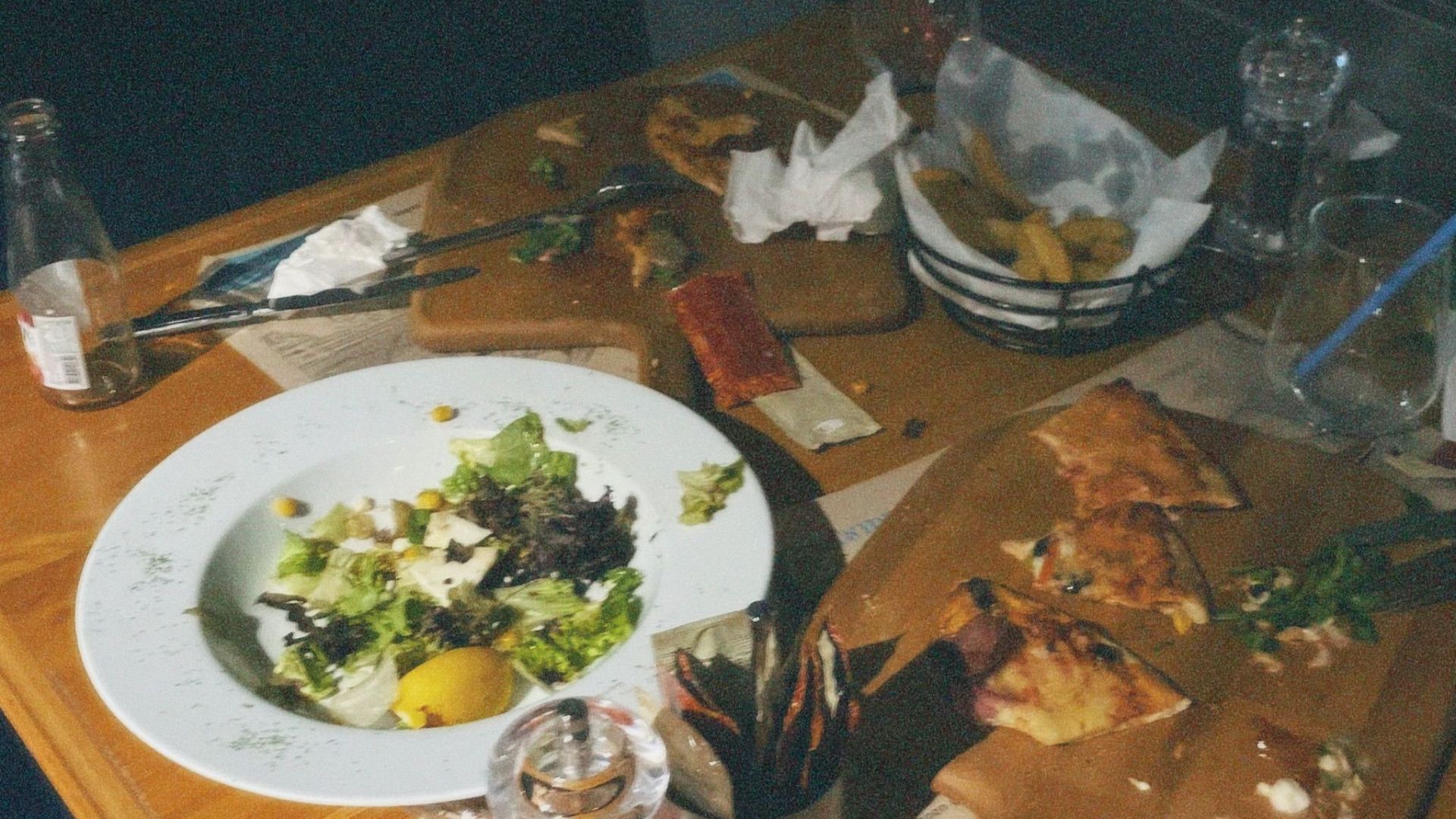
The family did not voluntarily decide that it was finished. It was told to leave while food remained on the plates. That makes a demand for the entire bill feel especially unreasonable—and it may give the customers a persuasive argument when asking the owner for a refund or partial credit.
But It Does Not Automatically Cancel the Meal
There is no general rule saying removal from a restaurant erases everything already ordered and accepted. Florida’s sales law, for example, says a buyer must pay the contract price for accepted goods. Food that was ordered, served and partly eaten would ordinarily give the restaurant a strong claim for payment.

Half-Eaten Does Not Mean Half-Price
Restaurant meals are not normally priced by the bite. Once a dish has been prepared, delivered and partly consumed, the restaurant cannot sell the remaining portion to another customer. Eating only half of an entrée therefore does not automatically reduce its price by half—even when management caused the evening to end early.

Unserved Food Gets More Complicated
The strongest dispute concerns items that were never ordered, prepared or made available. Food already cooked specifically for the table is murkier and may still be chargeable even if it had not reached the diners. The preparation stage, menu terms and applicable state contract law could all matter.

Prix-Fixe Meals Get Messier
A multi-course package can create an even tougher argument. The restaurant may say the entire meal was ordered and later courses were already being prepared. The family may say it never received much of what it purchased. Exactly what had been prepared and what the menu promised could become important.

Ask Them to Box Everything
Before leaving, the family should ask for the remaining food and any completed dishes to be packaged to go. The restaurant may not always be legally required to agree, but allowing customers to take the food they are being charged for is an obvious way to make the situation less unreasonable.

Do Not Simply Walk Out
Leaving without paying can create a much bigger problem. Florida law, for example, prohibits obtaining restaurant food with an intent to defraud, and failing to pay after a demand can be used as evidence of fraudulent intent when there is no dispute over the amount owed.

Paying First May Be the Safer Move
Ask the manager to remove any genuinely incorrect items. If the restaurant refuses, paying the demanded amount while clearly disputing it—and then seeking a refund afterward—may create less immediate risk than leaving an unpaid balance. Keep the itemized receipt and document exactly what was and was not served.

A Chargeback Is Not a Guaranteed Escape
Federal credit-card rules can cover incorrect amounts or goods and services that were not accepted or delivered as agreed. They generally do not turn dissatisfaction with the quality of an accepted service into a billing error. A formal written notice normally must reach the card issuer within 60 days after the first statement showing the charge.

When the Family Has a Stronger Case
The family’s position improves if the restaurant charged for items that were never ordered or prepared, refused to consider a reasonable disability-related request, treated comparable tables differently or made comments suggesting unlawful discrimination. At that point, the issue may be much bigger than one manager making a harsh customer-service decision.

Start With the Owner
A calm written complaint to the owner or corporate office may accomplish more than arguing with the manager in the dining room. The family can explain the timeline, identify the charges it disputes and request a refund or partial credit. Reservations, receipts, names of witnesses and any written messages should be saved.

The Bottom Line
Yes, a restaurant can generally ask a family to leave when a toddler’s crying becomes a genuine and continuing disruption. It can also usually charge for food that was ordered, served and partly consumed. But undelivered items, unlawful discrimination and ignored disability protections could all change the answer—and give the family something worth challenging.

You Might Also Like:
School Supplies Baby Boomers Used All The Time—That No One Born After 2000 Has Ever Touched