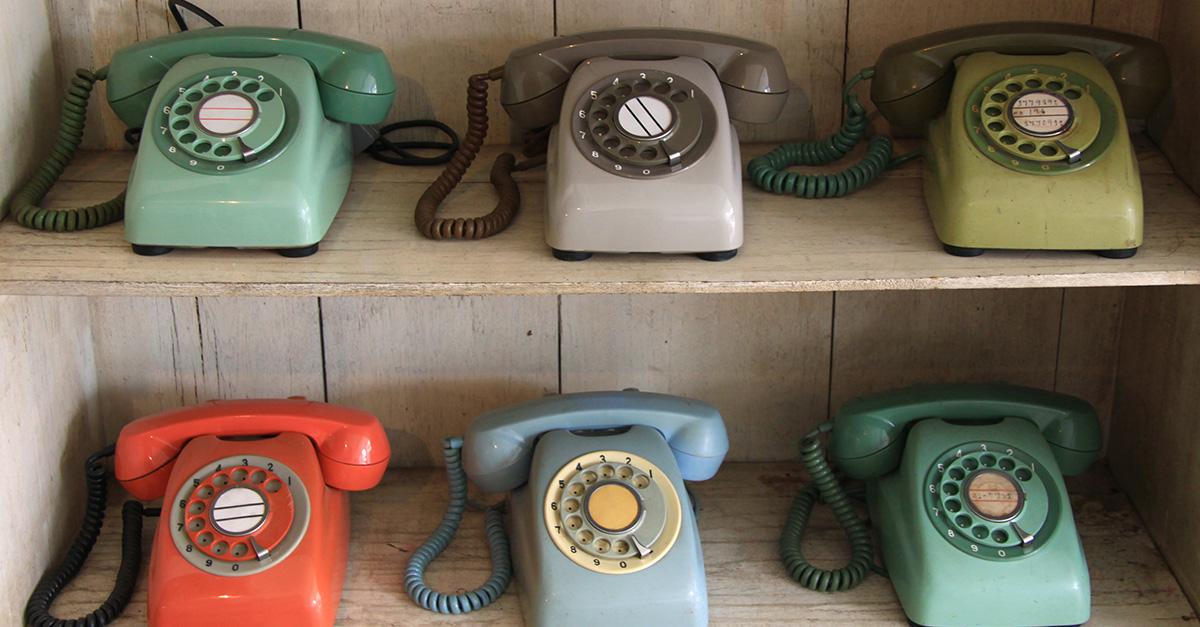
Saving Was Easier To See
There was a time when saving money involved actual money. Bills went into envelopes, coins went into jars, and purchases usually required handing something over. That made spending painfully visible. Today, automatic payments can quietly drain an account while we are busy wondering where the paycheck went.
The Envelope System Kept Spending Honest
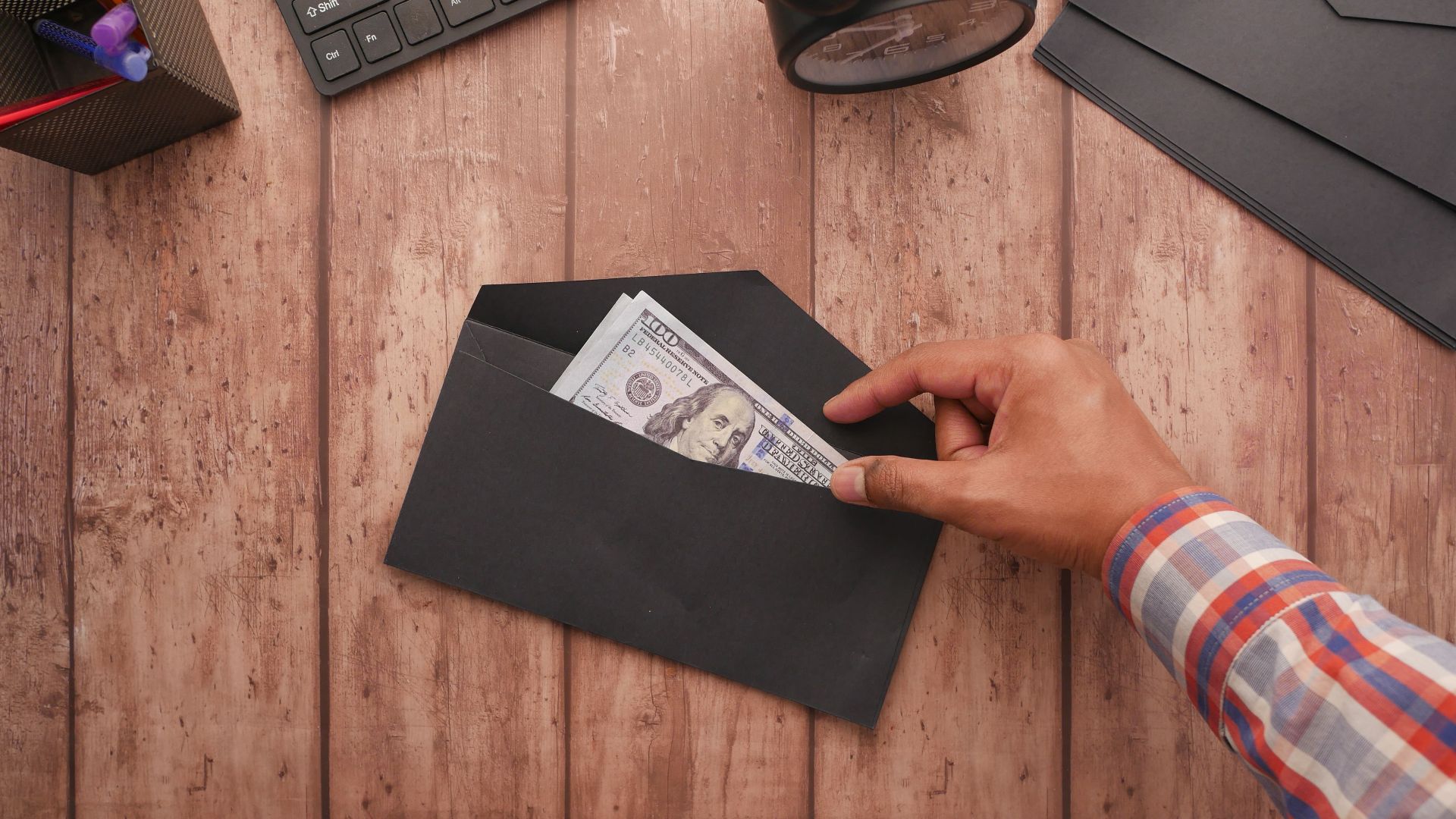
Plenty of families divided cash among envelopes marked groceries, utilities, entertainment, and other expenses. Once the restaurant envelope was empty, dinner out was finished for the month. It lacked sophistication, but it had one enormous advantage: nobody could accidentally spend invisible money.
People Paid Themselves First
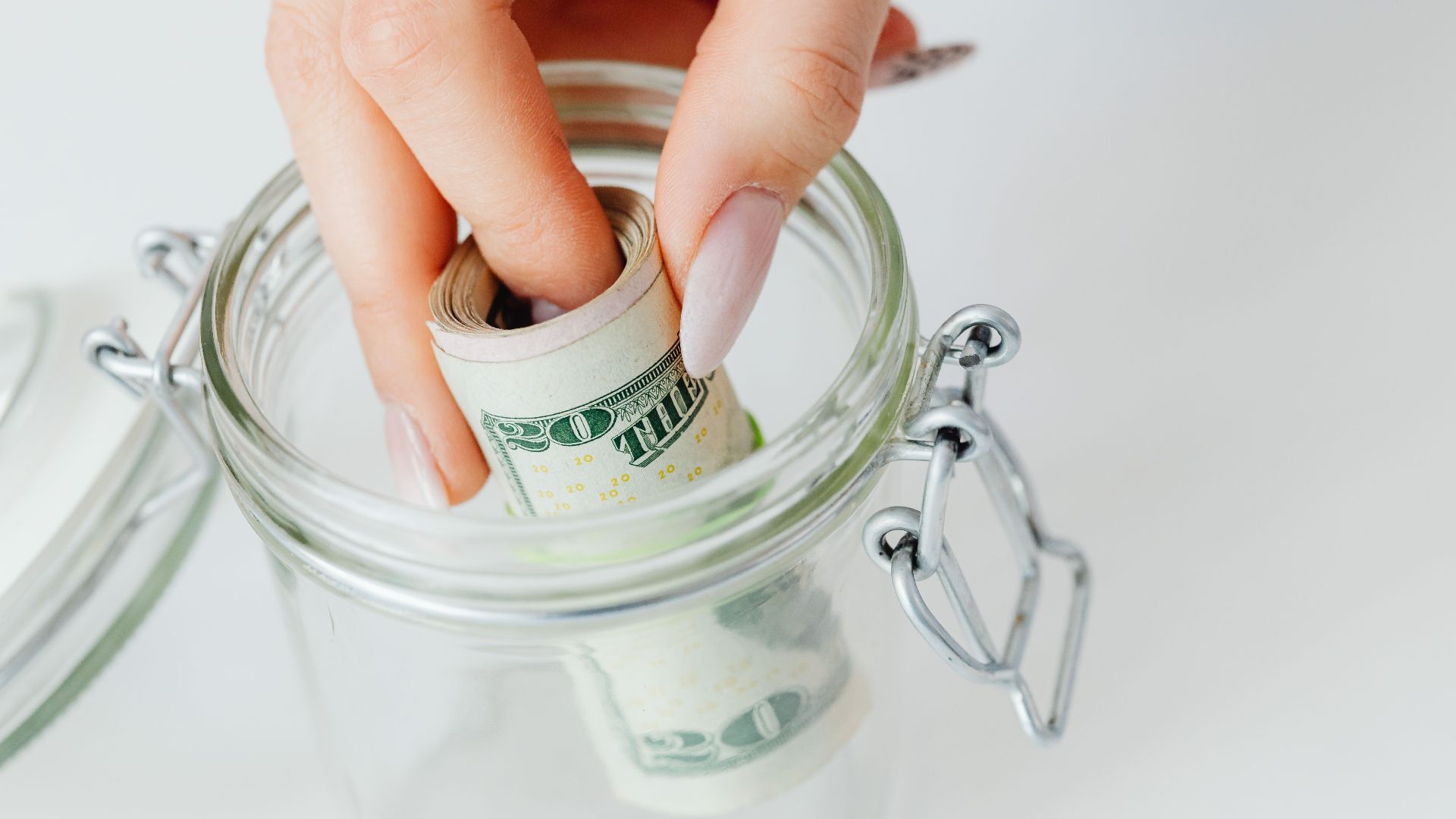
Old financial advice regularly told workers to put something into savings immediately after payday. The amount did not have to be enormous. Moving $10 or $20 before spending began established the idea that savings was a required expense rather than whatever survived at month's end.
 https://kaboompics.com/, Pexels
Spare Change Actually Added Up
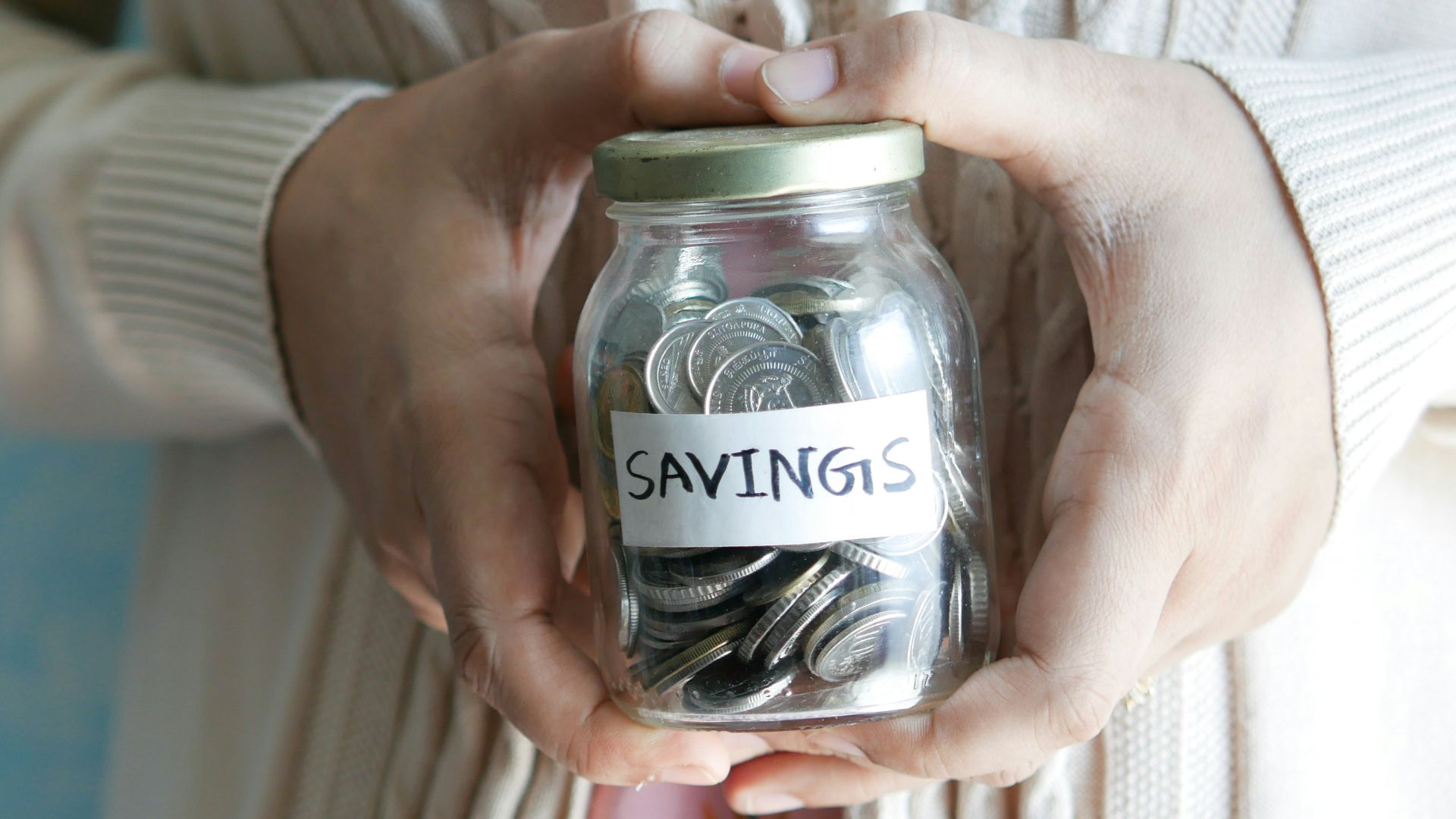
Coffee cans and glass jars full of coins were surprisingly effective savings tools. People emptied their pockets at the end of the day and eventually discovered enough money for Christmas gifts, vacations, or household purchases. Digital payments eliminated much of that accidental saving.
There Were Fewer Automatic Charges
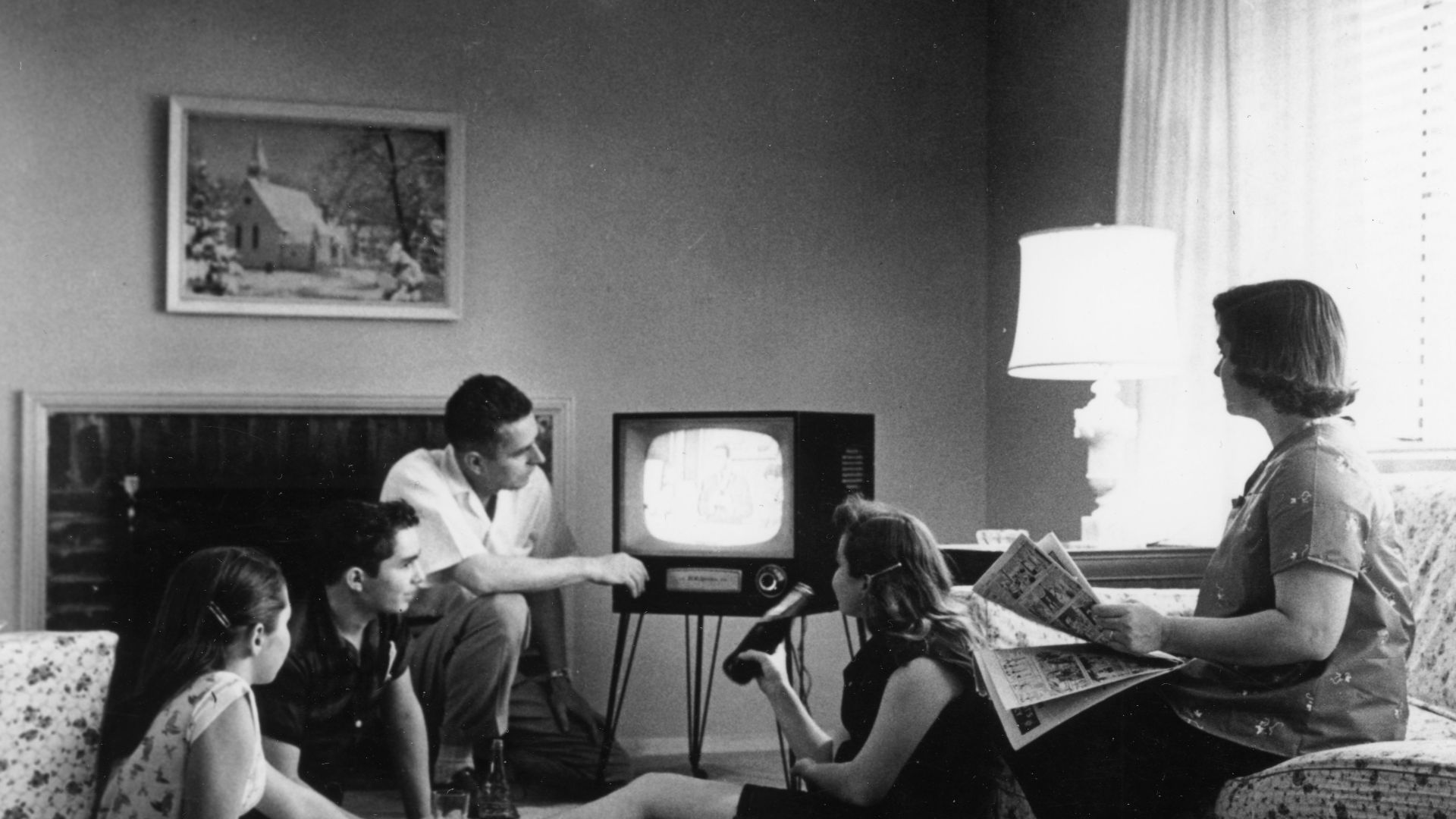
The cable bill may have been annoying, but households weren't necessarily paying separately for streaming television, music, cloud storage, meal kits, premium apps, software, security cameras, gaming services, and five different memberships. Modern budgets often contain a remarkable number of charges nobody consciously decided to keep.
 Evert F. Baumgardner, Wikimedia Commons
Canceling Something Wasn't Necessary
Older households often saved simply by not buying something again. Buy a magazine once, and that was the transaction. Today, buying something can mean authorizing a company to bill you every month until you remember to stop it. Forgetfulness has become a business model.
People Saved Before Buying
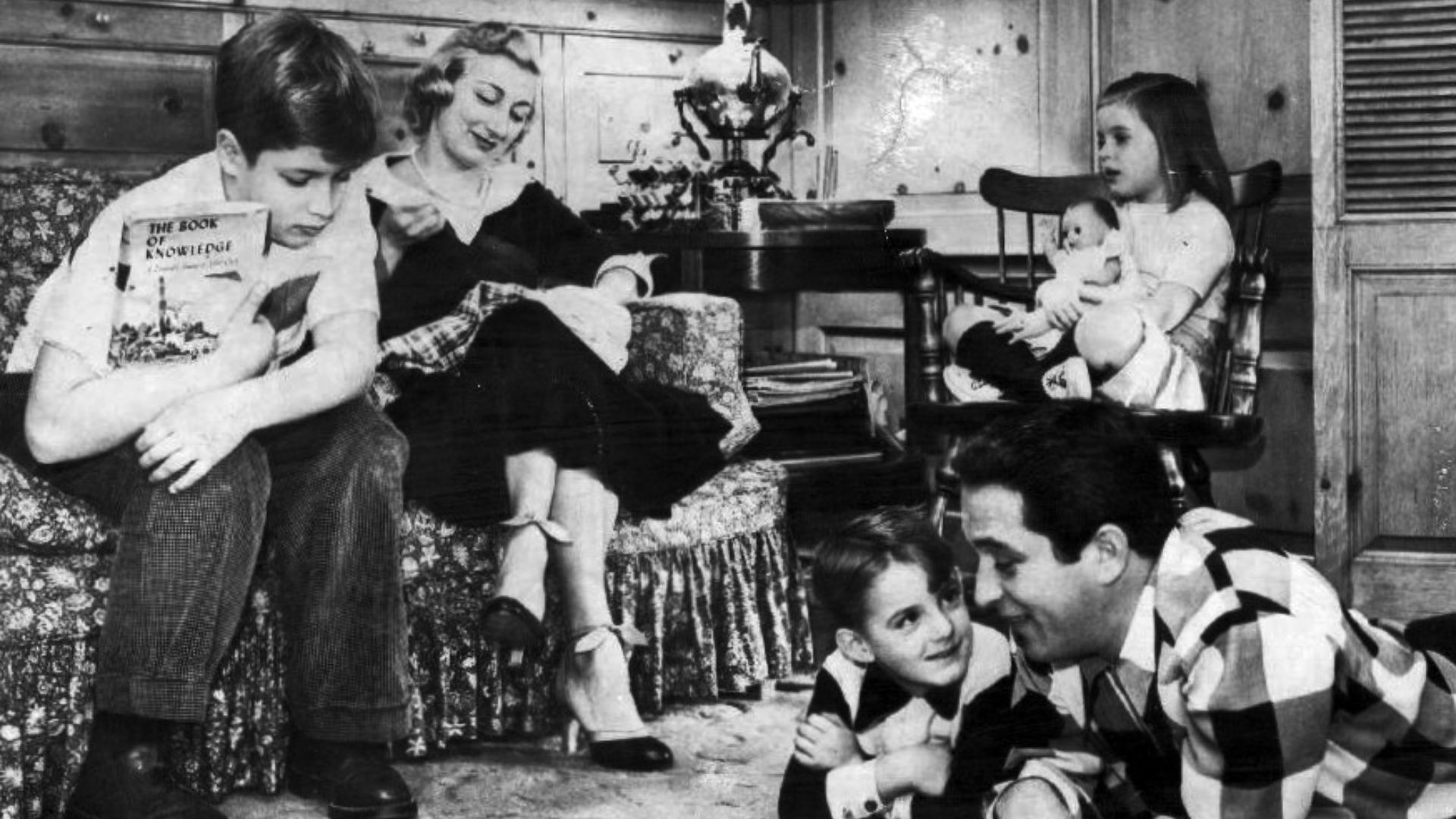
Want a new television? Many families put money aside until they could afford one. The wait could be frustrating, but it prevented future paychecks from being committed to yesterday's purchases. Saving first also provided plenty of time to decide whether you really wanted the thing.
 https://kaboompics.com/, Pexels
Layaway Made The Waiting Obvious
Layaway allowed shoppers to make payments toward merchandise without taking it home immediately. It wasn't instant gratification, but that was partly the point. Unlike borrowing, shoppers generally received the item after paying for it rather than enjoying it today and worrying about the bill tomorrow.
Repairing Things Was Normal
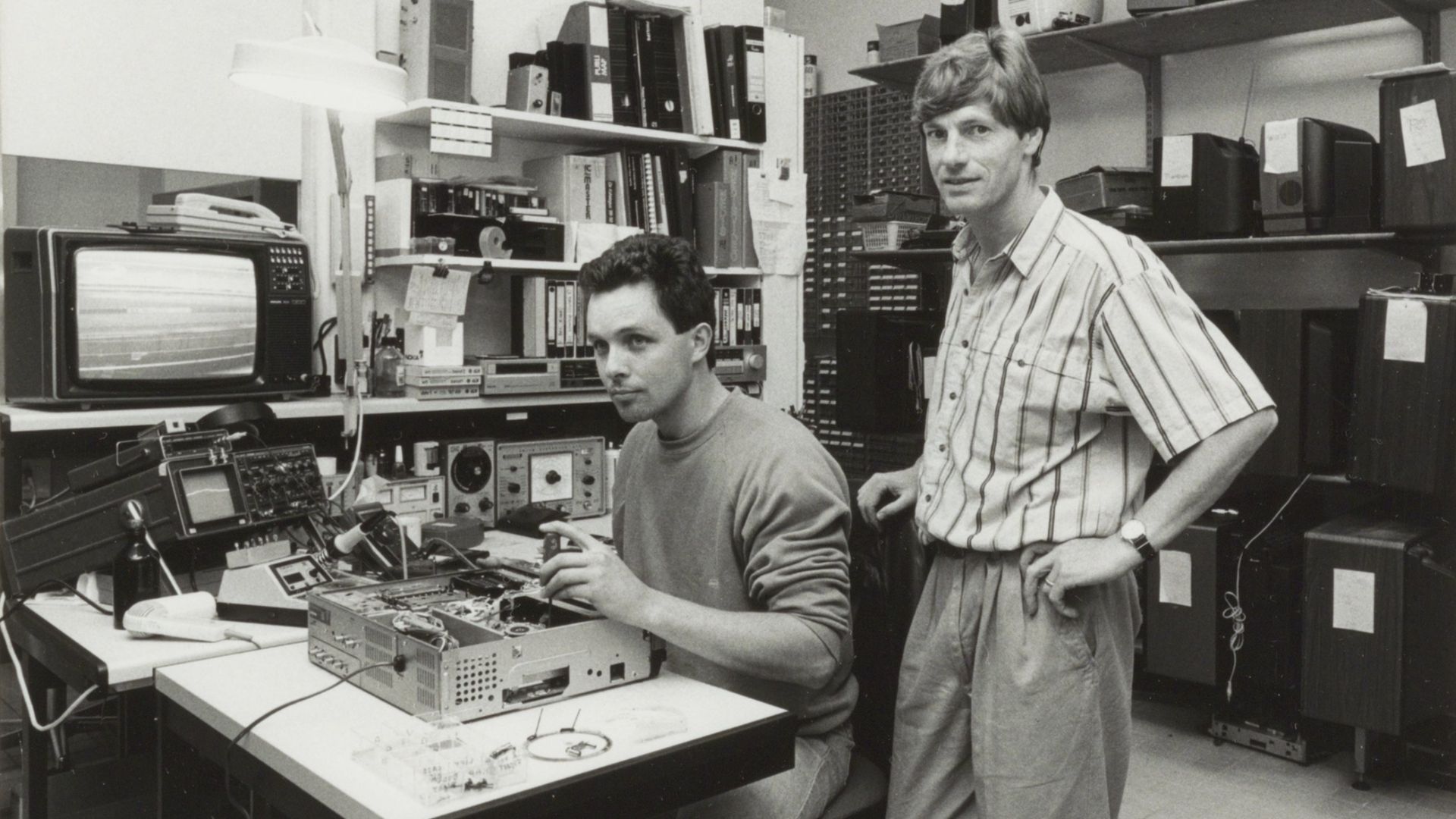
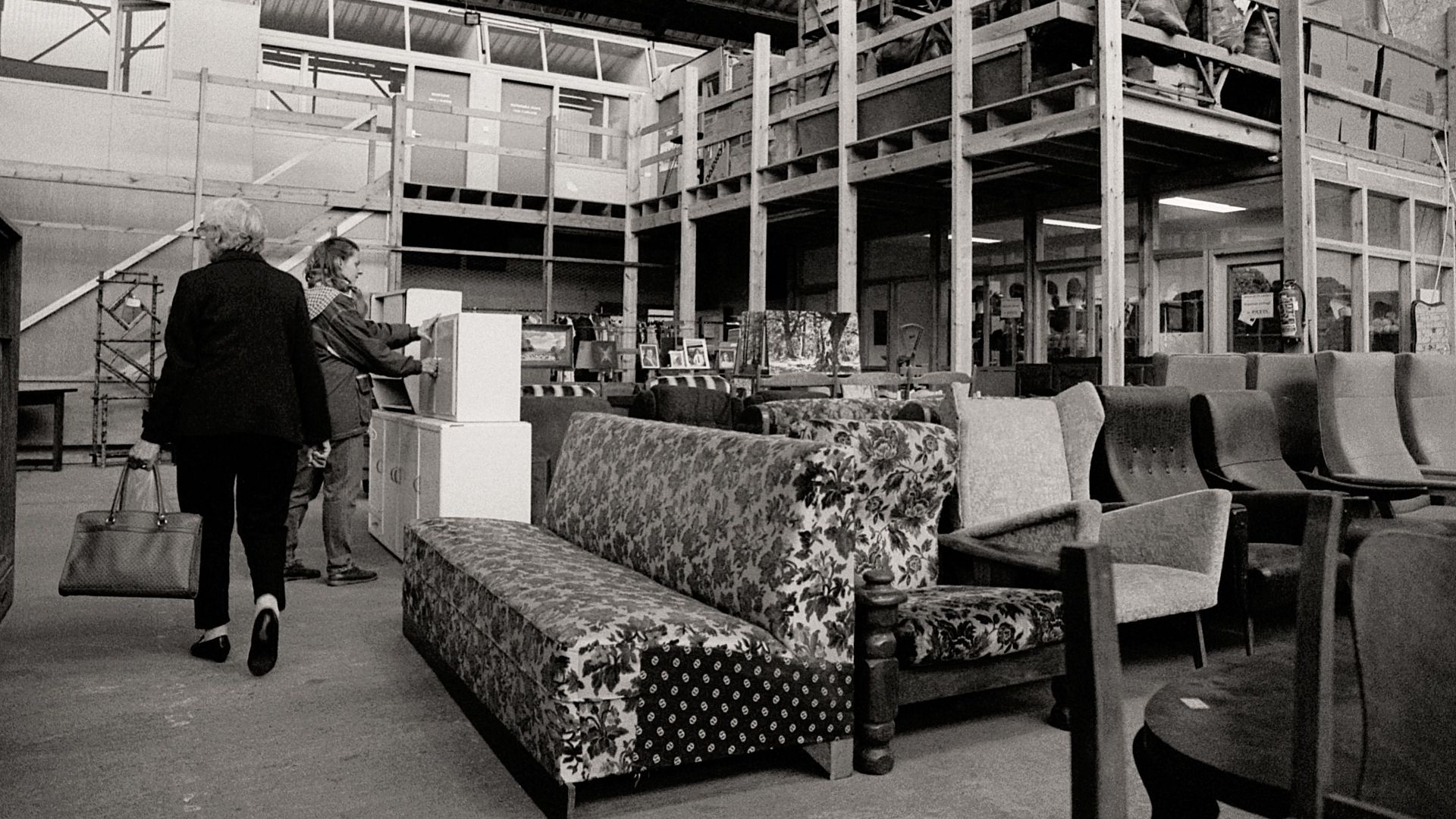
A broken appliance did not automatically mean a trip to the store. Televisions, radios, lawnmowers, shoes, furniture, and household equipment were routinely repaired. Labor wasn't always cheap, but extending the life of expensive possessions could postpone major purchases for years.
 Fotopersbureau de Boer, Wikimedia Commons
Clothes Stayed In Rotation Longer
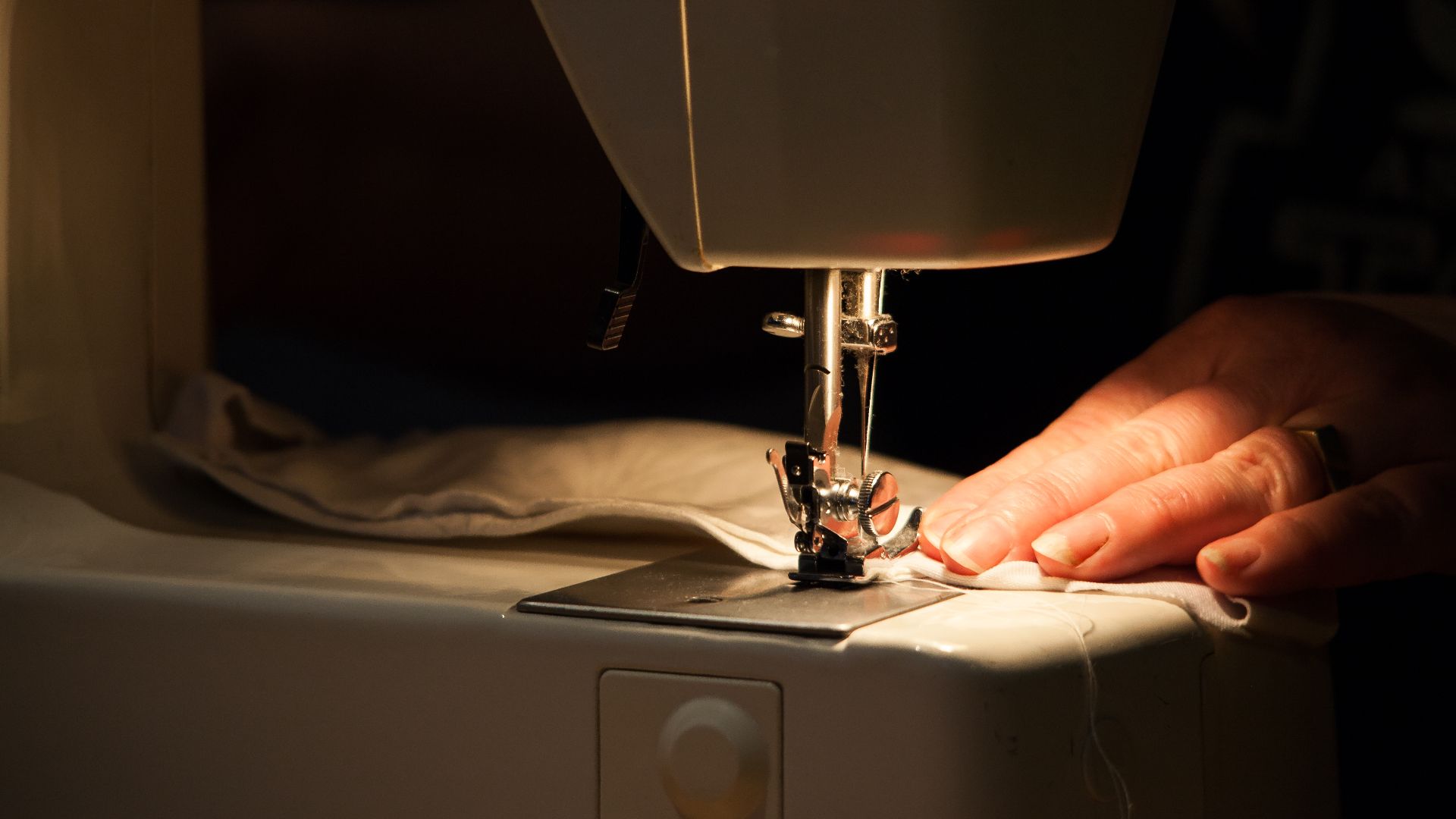
Seasonal fashion cycles existed, but wardrobes weren't constantly refreshed because an app announced another sale. Clothes were patched, altered, handed down, or worn until they genuinely needed replacing. Fewer impulse purchases meant more money remained available for expenses that actually mattered.
 Tadeáš Bednarz, Wikimedia Commons
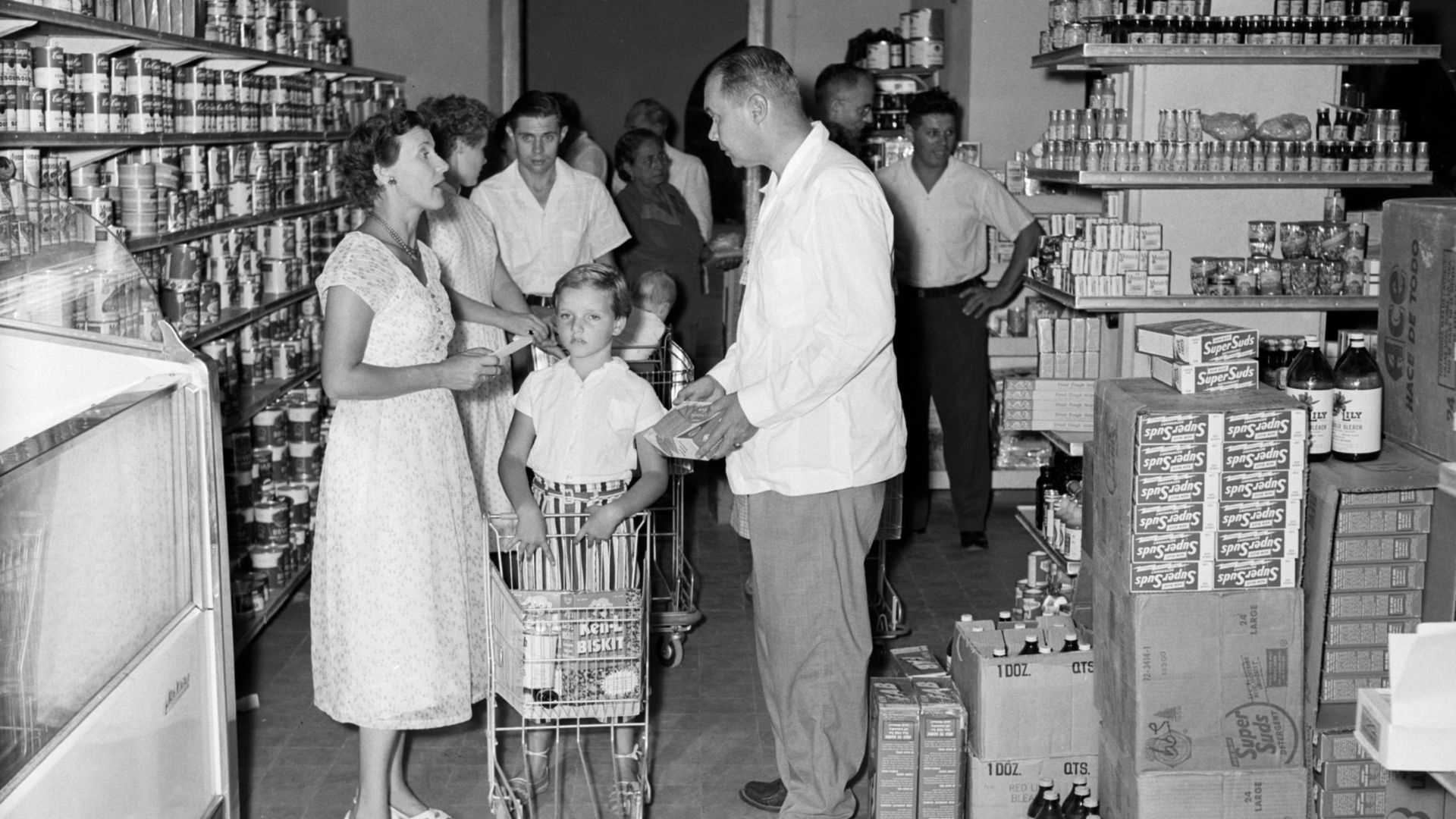
Grocery Lists Were Serious Business
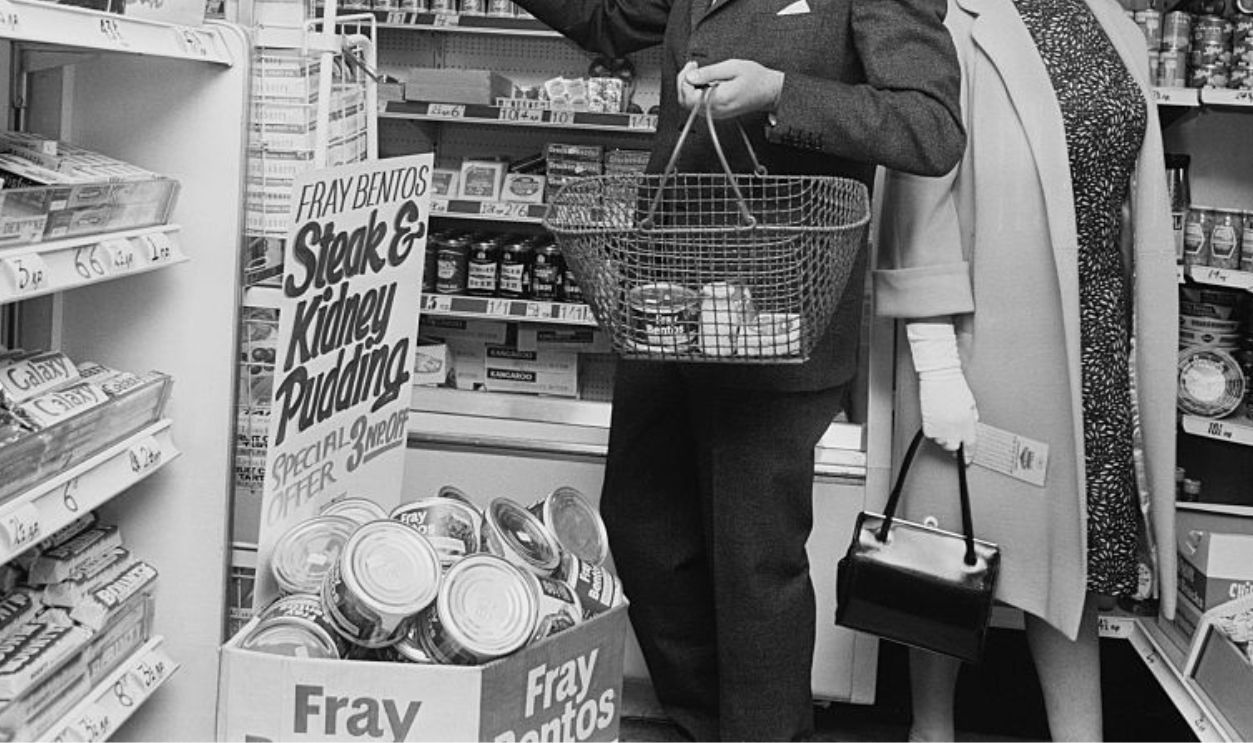
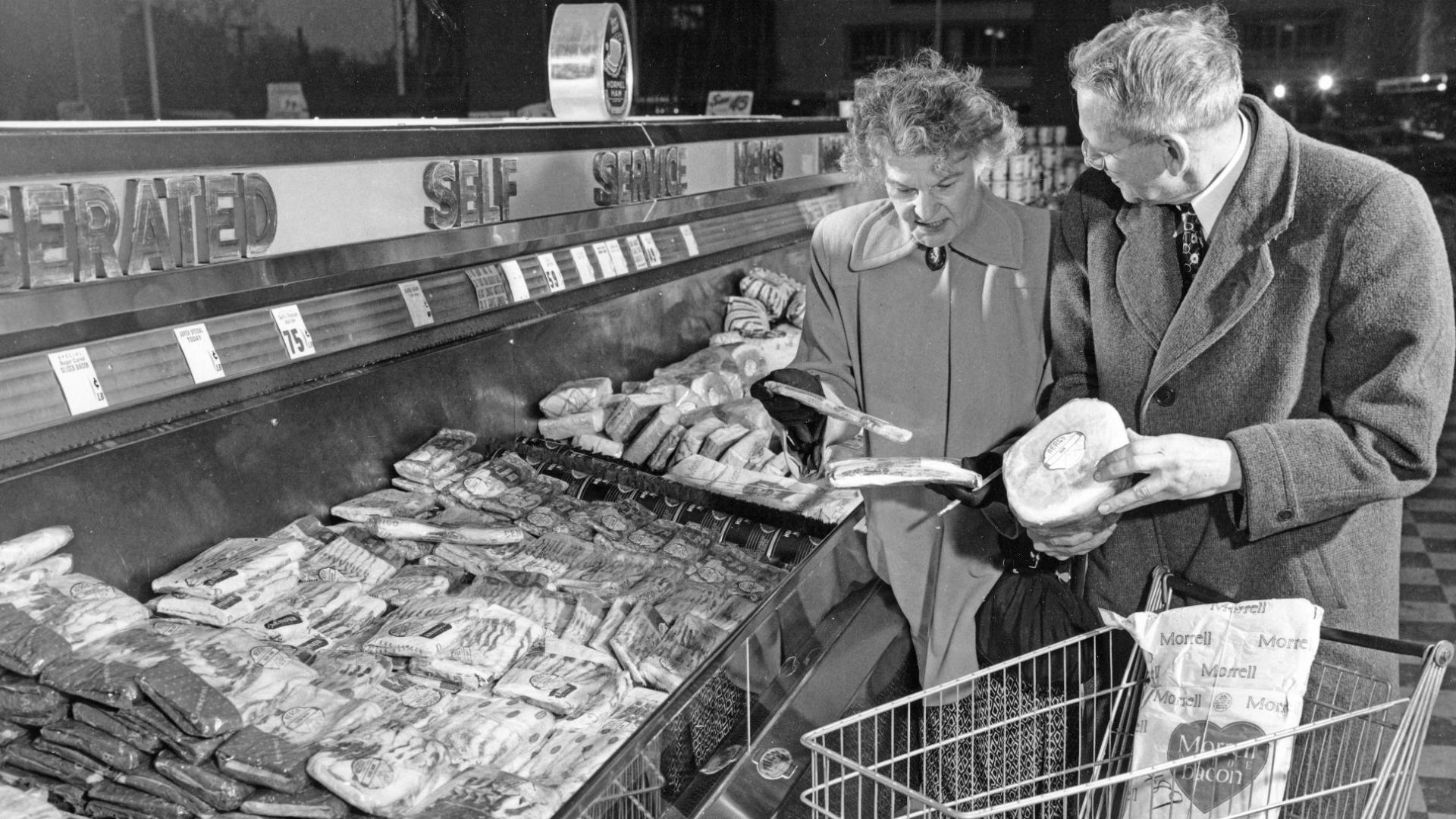
Going to the supermarket without a list was practically asking for trouble. Families planned meals, checked the pantry, clipped coupons, and bought what they needed. Modern shopping apps make purchasing wonderfully convenient, but convenience can also make it remarkably easy to spend without planning.
 OSU Special Collections & Archives : Commons, Wikimedia Commons
Leftovers Were Tomorrow's Lunch
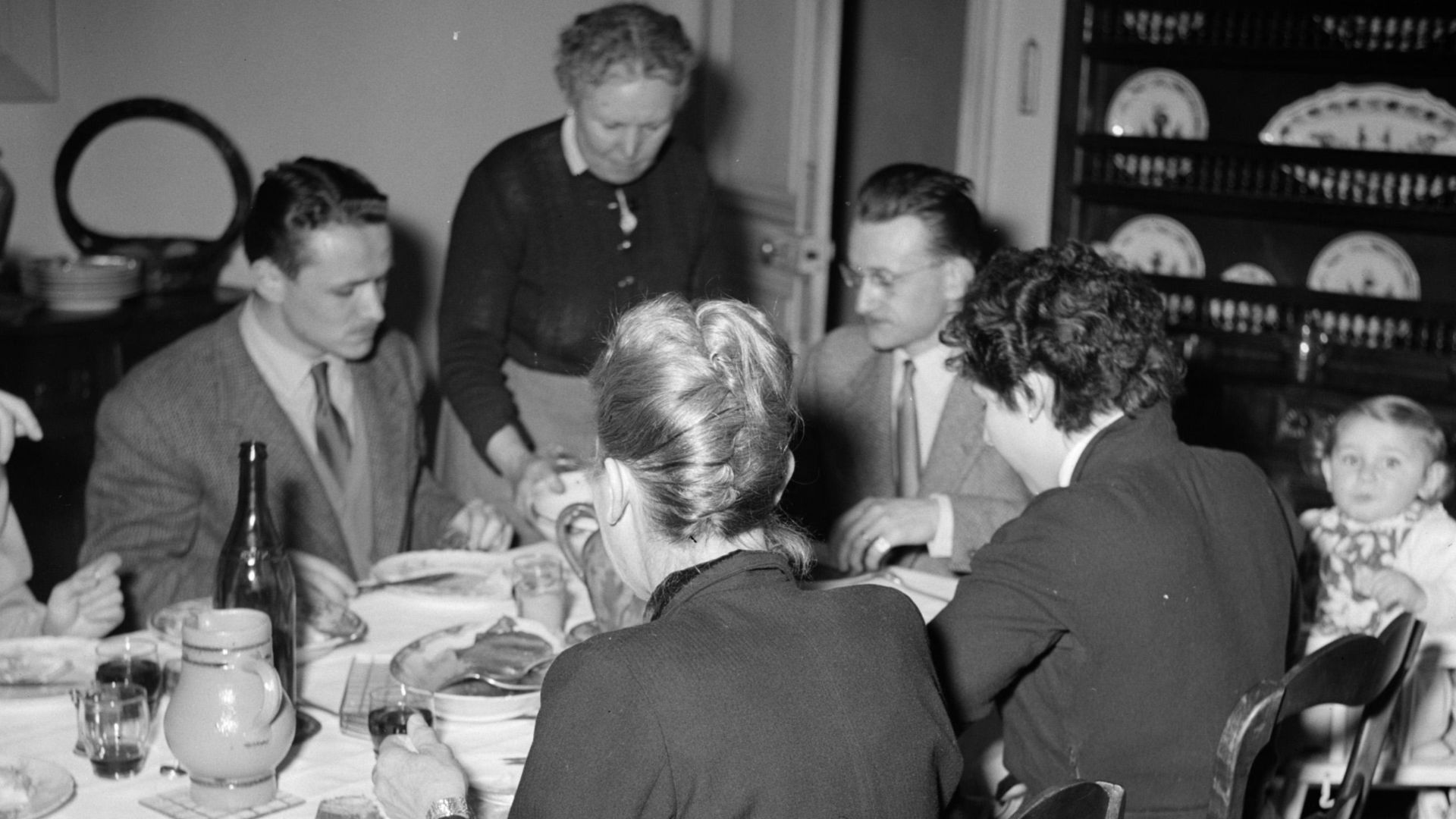
Throwing away perfectly good food was considered wasteful for good reason. Roast chicken became sandwiches. Vegetables became soup. Sunday dinner could reappear Monday evening wearing a clever disguise. Stretching groceries meant fewer shopping trips and fewer opportunities to buy something unnecessary.
 Willem van de Poll, Wikimedia Commons
Coupons Required Some Effort
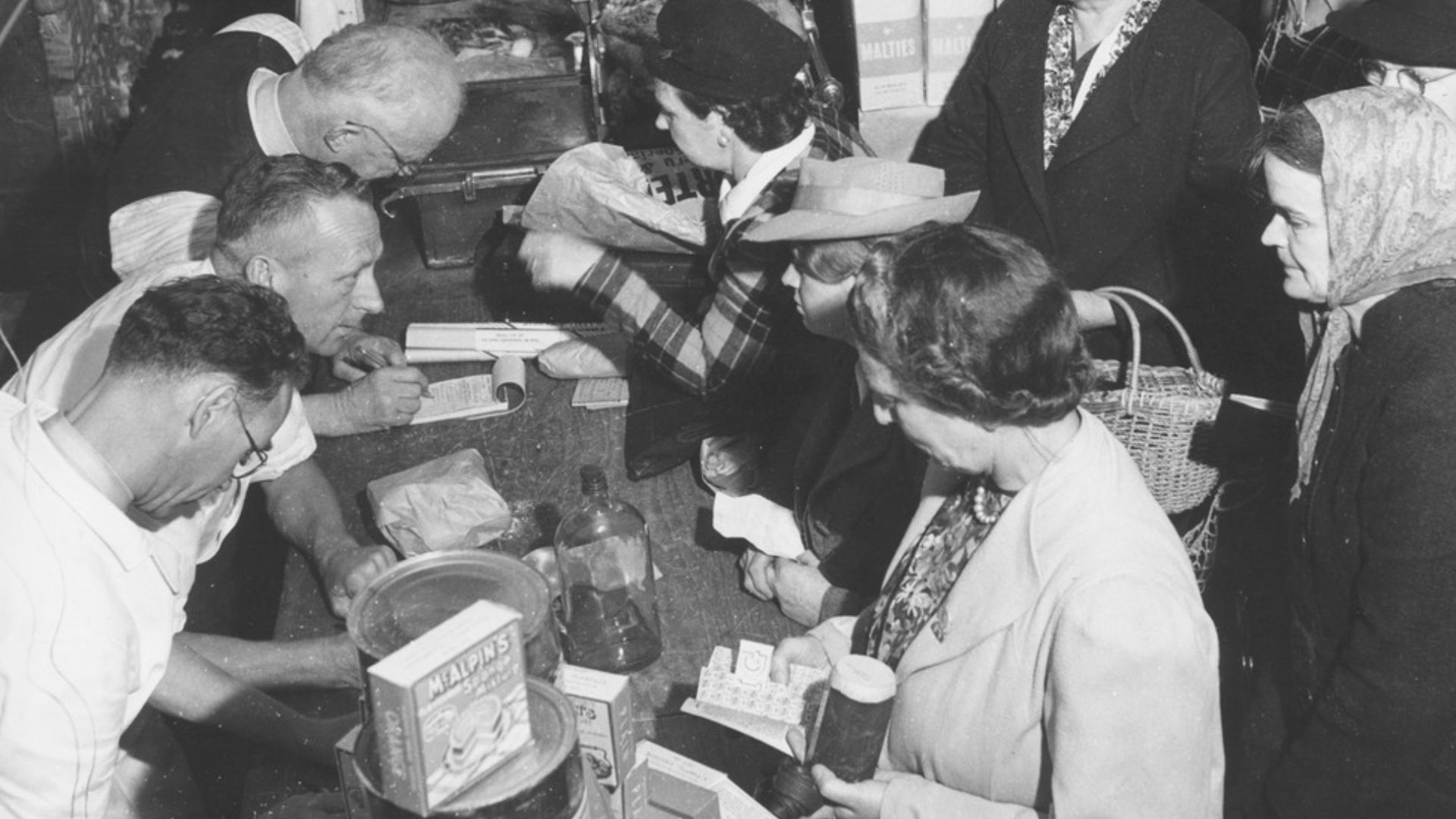
Coupon clipping involved newspapers, scissors, folders, and enough patience to annoy the entire family. That effort created a useful barrier. People generally searched for discounts on products they already intended to buy instead of buying something merely because a phone notification offered 20 percent off.
 National Library of Australia from Canberra, Australia, Wikimedia Commons
Entertainment Didn't Always Cost Money
Families played cards, visited friends, borrowed library books, watched broadcast television, went for drives, or spent afternoons at parks. Not every free hour required a commercial transaction. Modern entertainment is wonderfully abundant, but much of it arrives attached to another monthly payment.
![Collectie / Archief : Fotocollectie Anefo
Reportage / Serie : [ onbekend ]
Beschrijving : Ajax tegen Dukla Praag, spanning in de huiskamer bij de TV
Annotatie : Kwartfinale Europacup 1 in het Olympisch Stadion.
Datum : 1 maart 1967
Trefwoorden : huiskamer](https://www.factinate.com/storage/app/media/moneymade/2026/9/16/1789556241a3b130d89467679d32d40e3174f908992de1c664.jpg) Ben Merk / Anefo, Wikimedia Commons
Ben Merk / Anefo, Wikimedia Commons
The Library Was A Financial Superpower
Books, newspapers, magazines, music, educational materials, and later movies could often be borrowed instead of purchased. Libraries remain excellent today, but many households overlook them while paying for several media subscriptions that deliver surprisingly similar forms of entertainment.
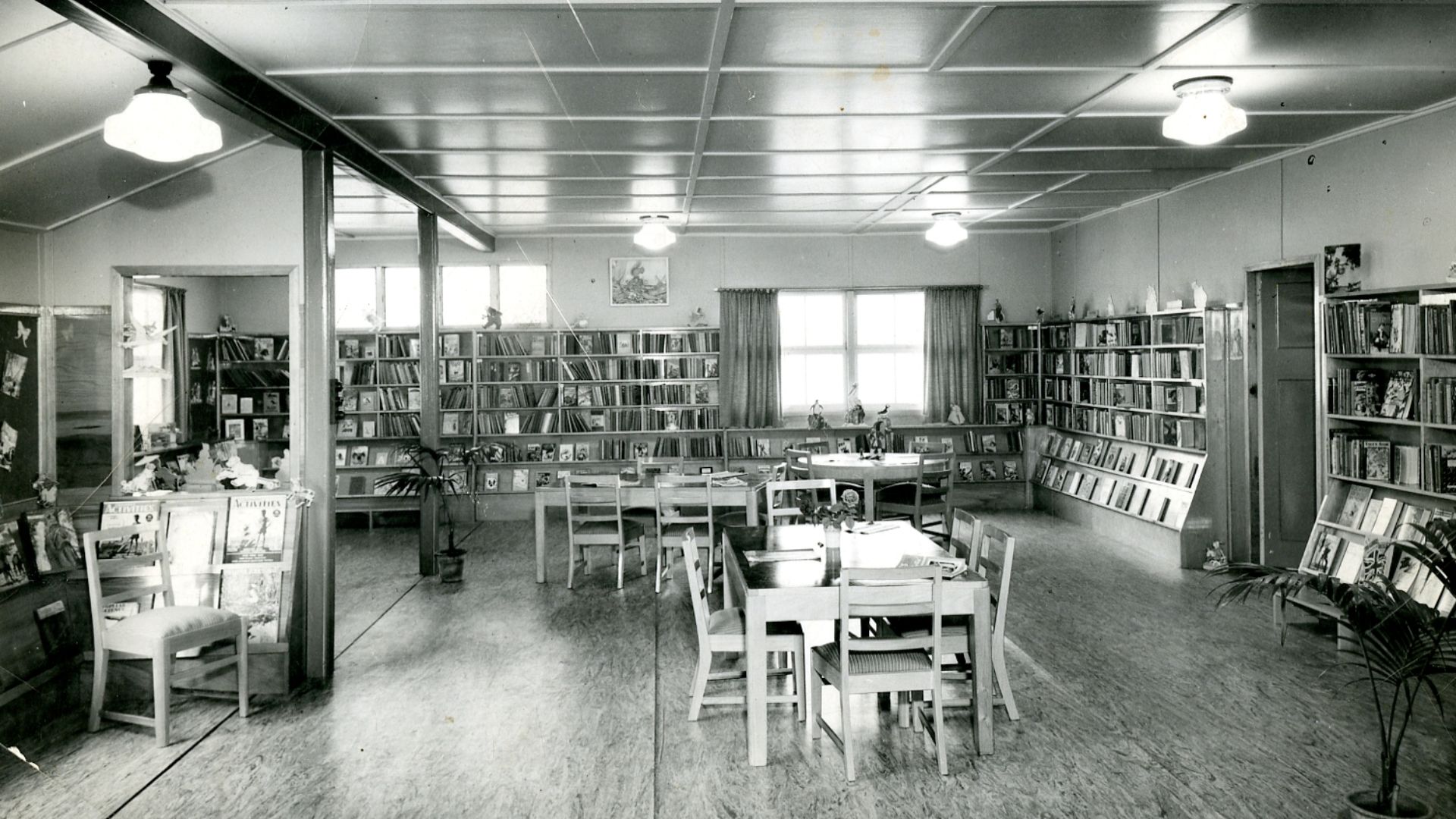 Unidentified, Wikimedia Commons
Vacations Were Saved For In Advance
Vacation clubs and dedicated savings accounts encouraged families to put aside small amounts throughout the year. When the trip arrived, much of it was already funded. Coming home with memories was considerably more pleasant when those memories weren't followed by six months of credit-card payments.
 John H. White, Wikimedia Commons
Christmas Had Its Own Savings Account
Banks once promoted Christmas clubs that allowed customers to deposit small amounts during the year and receive the accumulated money near the holidays. The concept was wonderfully simple: December expenses were predictable, so families started preparing for them months before December appeared.
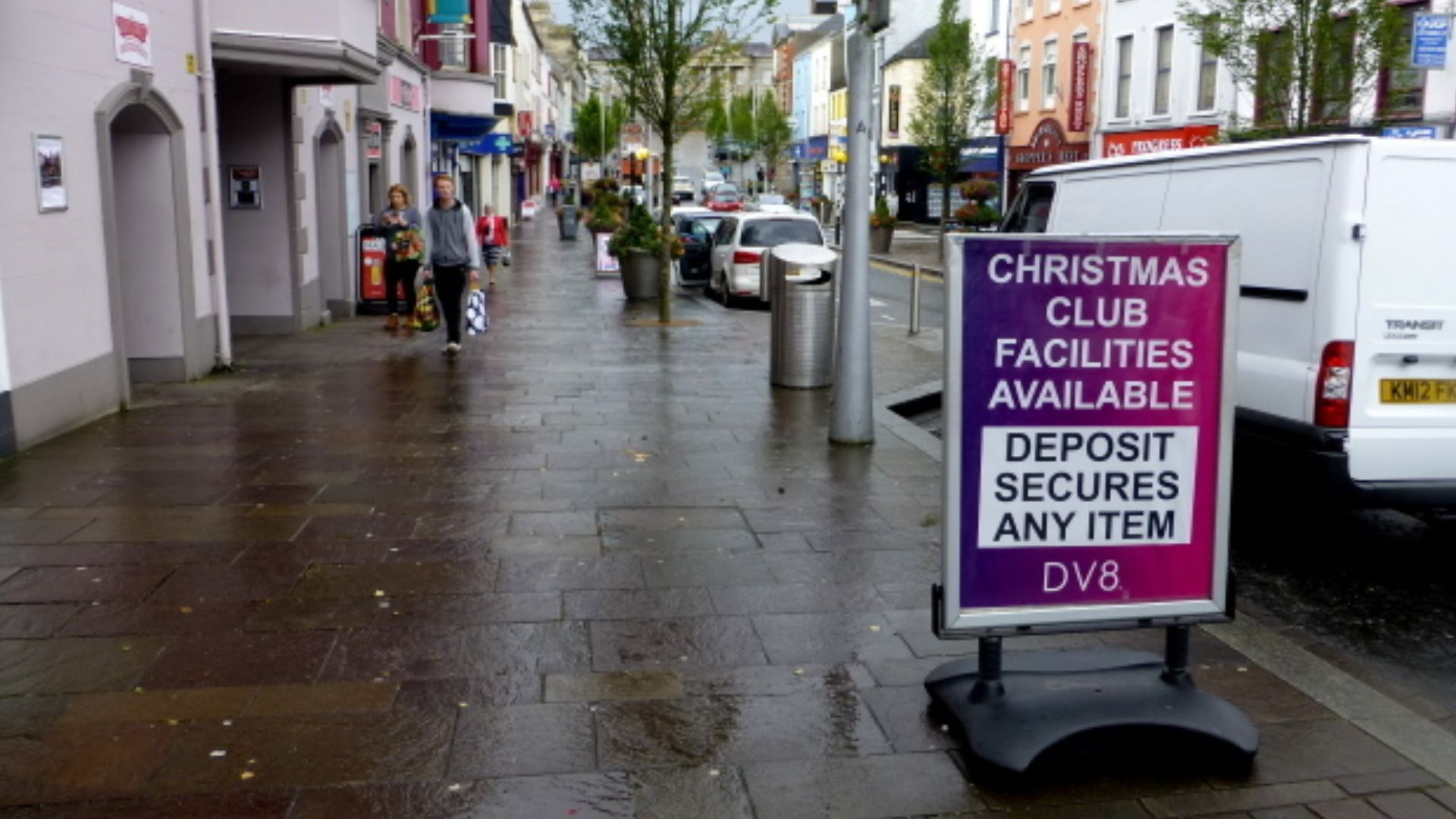 Kenneth Allen , Wikimedia Commons
Raises Didn't Automatically Become Spending
Older financial advice often suggested banking at least part of every raise. If you were already surviving on the old salary, increasing savings before adjusting your lifestyle could build wealth surprisingly quickly. Today, higher income often attracts new subscriptions, upgrades, and recurring expenses almost immediately.

Borrowing Was Treated More Carefully
Consumer credit certainly existed, but many families viewed debt with considerable suspicion. Borrowing was often reserved for houses, cars, or truly major purchases. The idea of financing everyday convenience would have sounded strange to households accustomed to saving first and buying later.
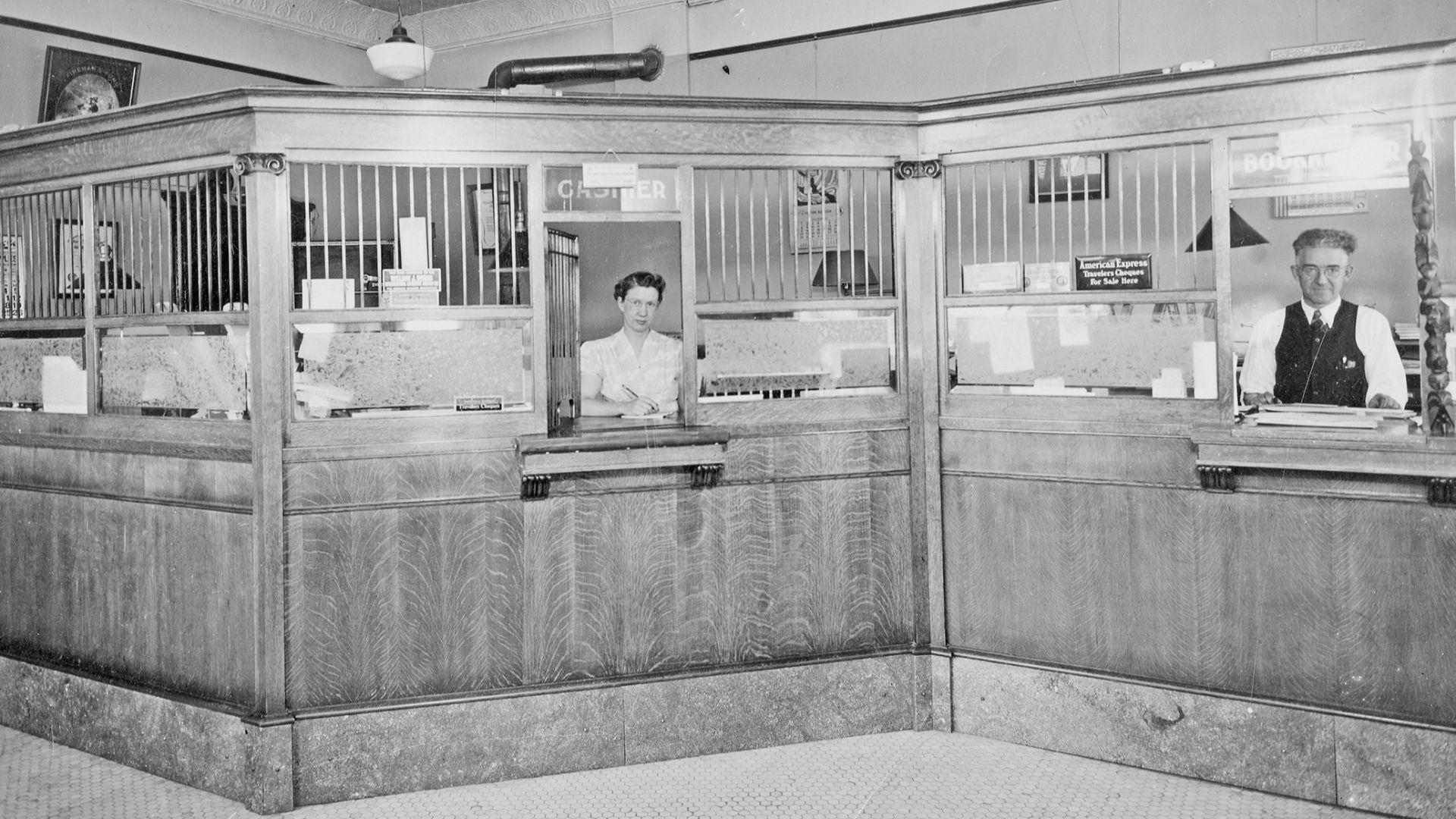
Bills Arrived On Paper
Nobody misses mountains of envelopes, but paper bills made recurring expenses difficult to ignore. You physically opened them, looked at the amount, and wrote a check. Automatic billing is far easier, yet ease also means increases can slip by unnoticed for months.
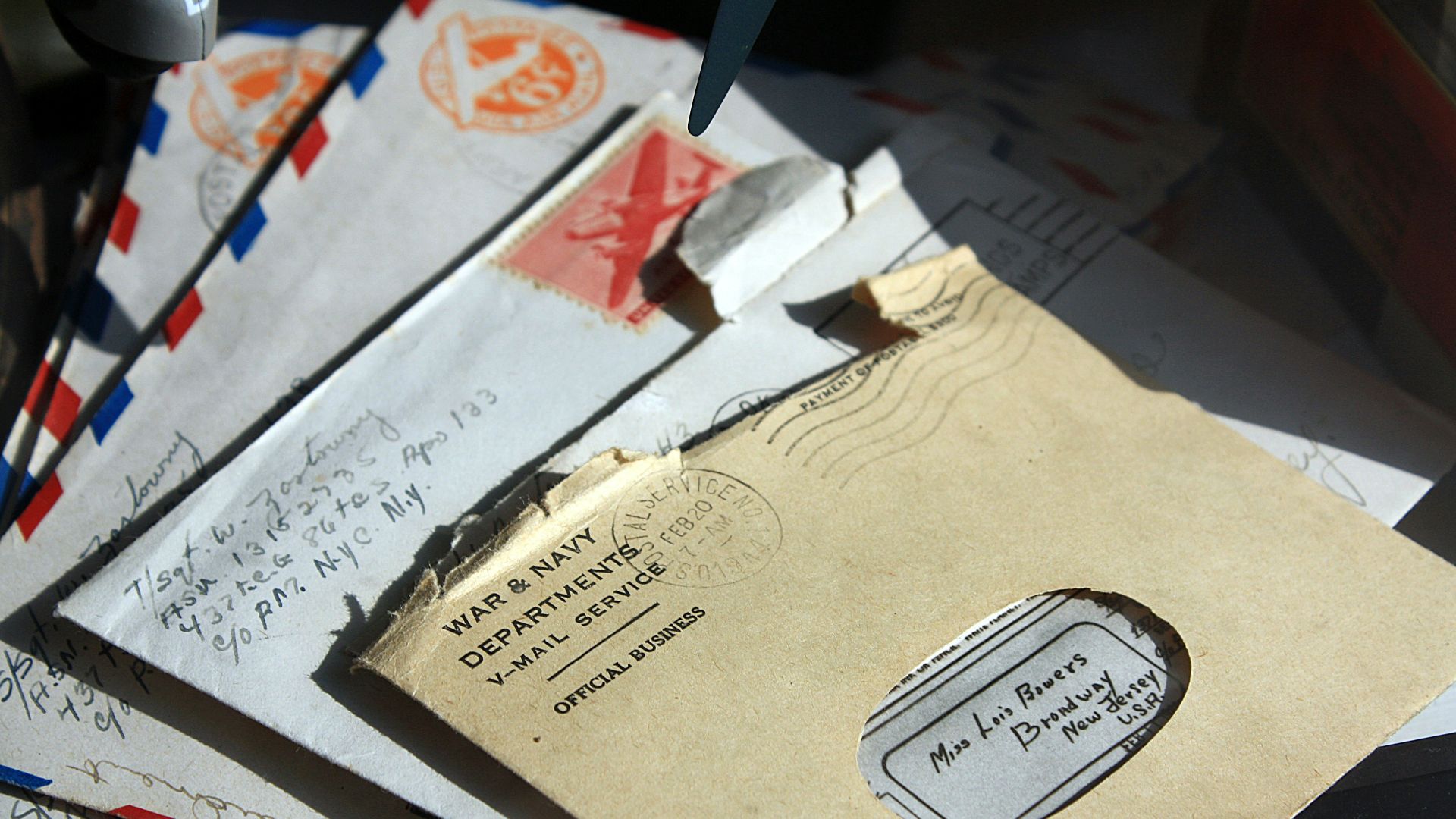
People Compared Monthly Costs
Households routinely scrutinized telephone charges, insurance premiums, heating bills, and bank fees. There were fewer financial dashboards, but people noticed changes because they manually handled the bills. A mysterious $8 increase was harder to overlook when you were writing the check yourself.

Wants Had To Wait
Perhaps the greatest old-school saving trick was simply waiting. People weren't immune to impulse purchases, but there were fewer ways to buy instantly from the sofa. Waiting until Saturday to visit the store gave enthusiasm time to cool—and sometimes saved the entire purchase price.
Saving Had Specific Goals
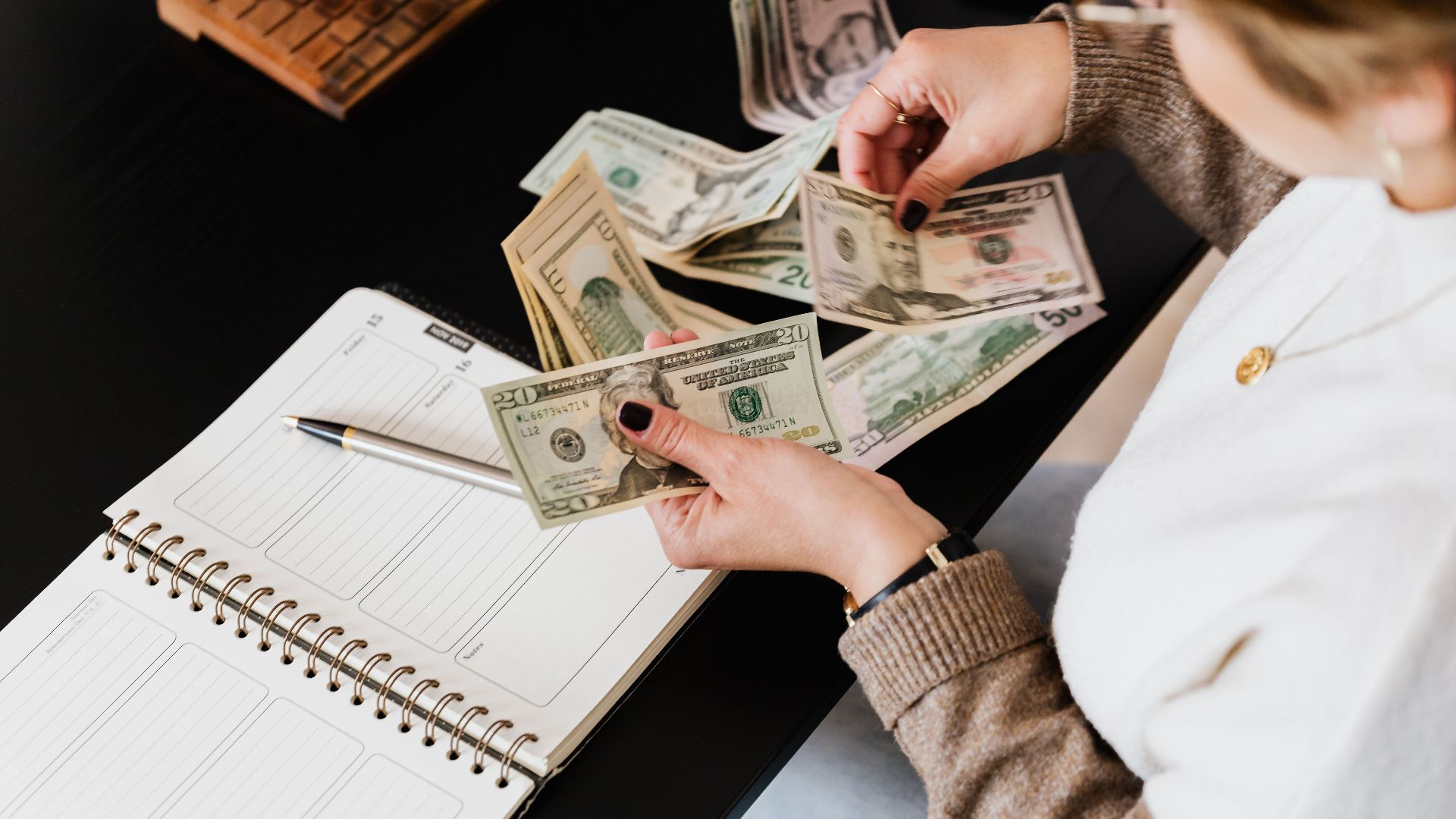
People often saved for recognizable things: a car, a refrigerator, a down payment, a vacation, or college. Specific goals made sacrifice easier. "Save more money" feels vague. "Put $2,000 aside for a new furnace" gives every skipped purchase a clear purpose.
 https://kaboompics.com/, Pexels
Household Budgets Were Simpler
Older budgets certainly had problems, but recurring expenses were easier to identify. Mortgage, electricity, phone, insurance, groceries, gasoline—most costs were obvious. Today's spending can be scattered across dozens of tiny digital payments, making $5 here and $12 there surprisingly expensive when combined.
Subscription Creep Changed Everything
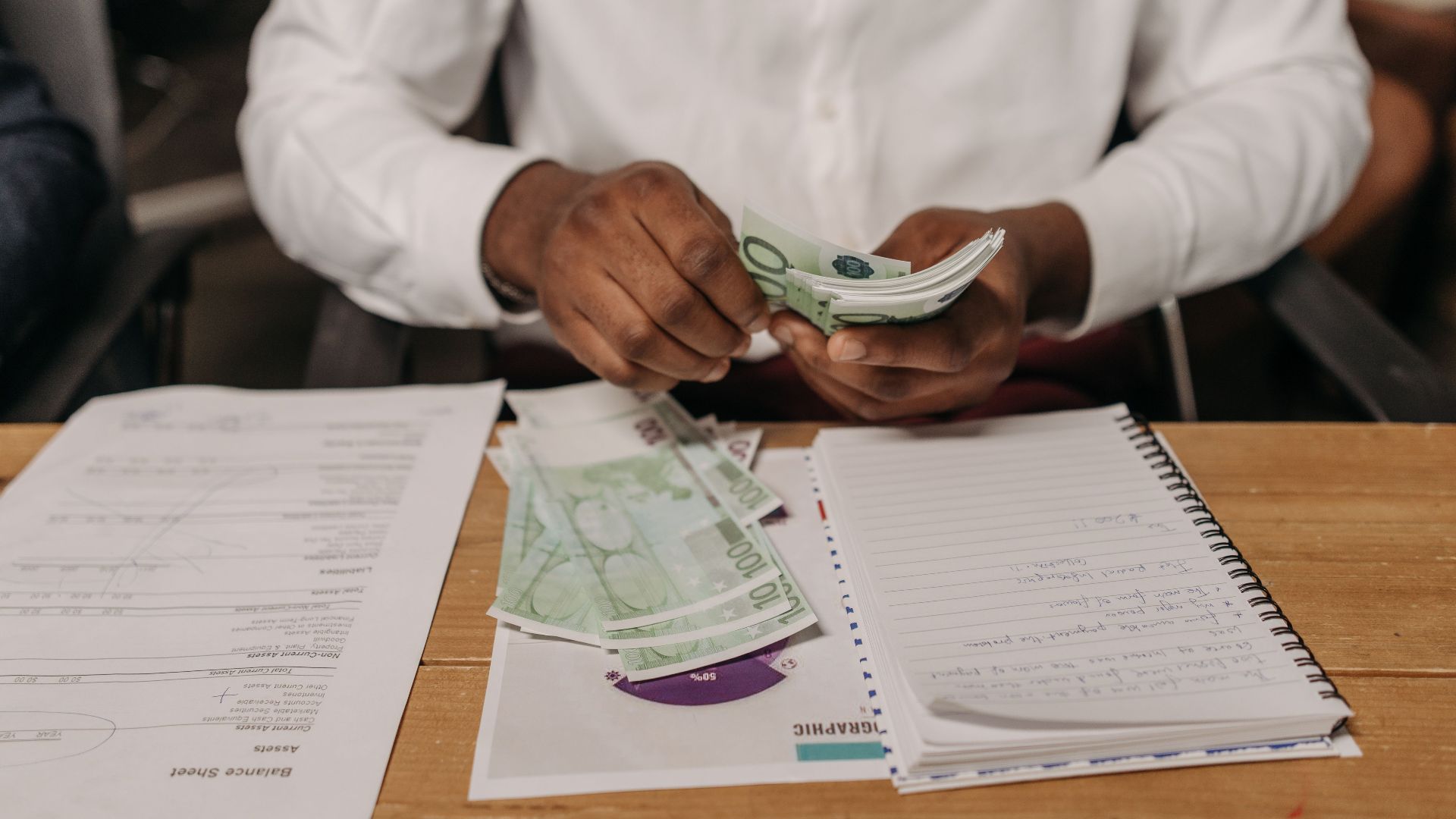
The problem isn't necessarily any individual subscription. Ten dollars for entertainment may be excellent value. The problem arrives when households accumulate 15 modest charges and stop noticing them. Each seems harmless on its own, but together they can consume hundreds of dollars every month.
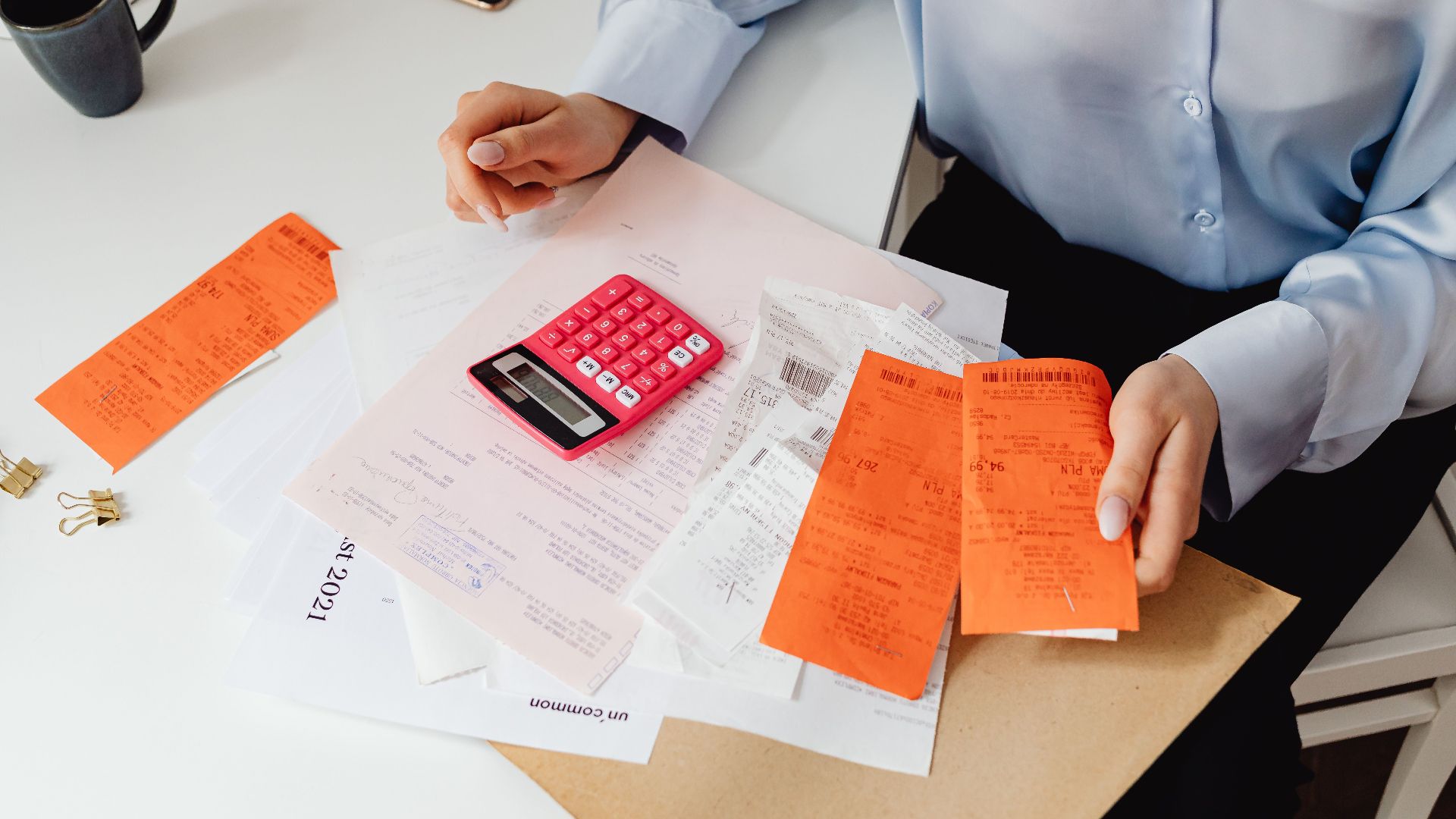
Bring Back A Monthly Audit
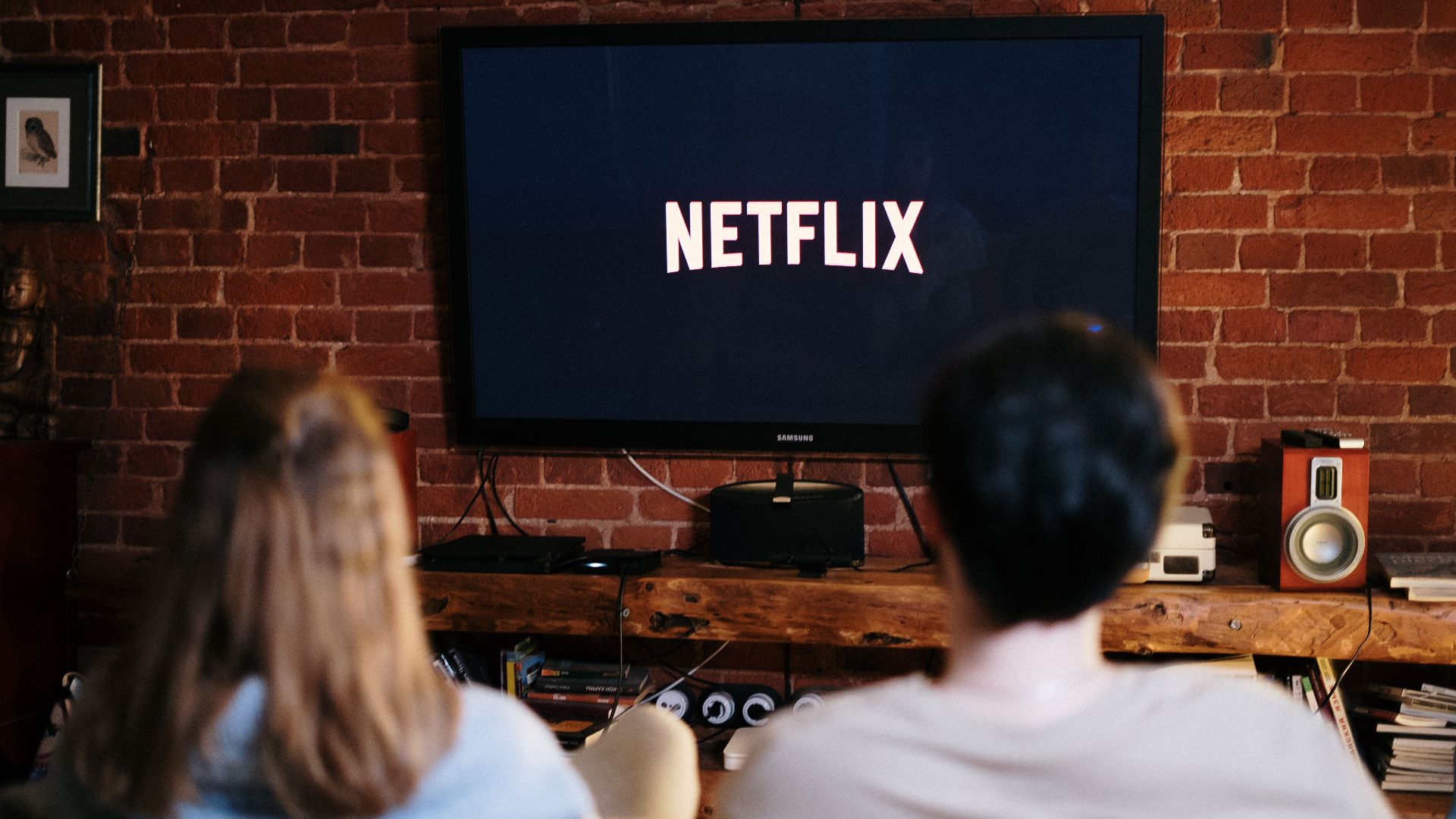
One old-school habit deserves a modern update: regularly sitting down and looking at every expense. Print the statement if necessary. Circle recurring payments. Ask whether each service still earns its place. The goal isn't to eliminate pleasure. It's to stop paying for things you forgot existed.
 https://kaboompics.com/, Pexels
Old Habits Still Work
Technology changed the mechanics of spending, but it didn't repeal basic arithmetic. Save before spending. Wait before buying. Repair what still works. Plan predictable expenses. Review recurring charges. The old methods sometimes looked painfully simple because they were—and that simplicity is exactly why many of them worked.
 Willem van de Poll, Wikimedia Commons
You May Also Like:
5 Expensive Products That Are Absolutely Worth The Money
Grocery Store Freebies From The 1970s And 80s That Shoppers Would Love To Get Back