
Freedom What?
Retirement used to feel like a reward waiting at the end of a long working life. Today, millions of Americans are watching that reward move farther into the distance. The numbers behind that shift are worse than many people realize...and they explain why 75 is beginning to sound less like an exaggeration.

The Dream Was Simple
Work hard, buy a home, raise a family and save enough to stop working while there was still plenty of life left to enjoy. Retiring at 55 was never normal for most Americans, but it represented something powerful: financial freedom arriving before old age did.

Americans Still Want To Retire Much Earlier
That dream has not disappeared. When Pew Research Center asked Americans about the ideal stages of life, the average ideal retirement age was approximately 61.8. Just 6% chose an age in their 70s. Americans are not dreaming about working longer. Many are simply preparing for it.

The Expected Age Is Already 65
The 2026 Retirement Confidence Survey found that workers expect to retire at a median age of 65. Current retirees reported an actual median retirement age of 62. Neither figure is close to 55, but even those numbers hide how dramatically expectations are changing.

The Seventies Are No Longer Unthinkable
Among workers surveyed by EBRI in 2026, 22% expected to retire at age 70 or older. Another 16% said they would never retire. Combined, that means 38% expected to work into their 70s or continue working indefinitely.

Older Americans Are Even More Worried
AARP’s 2024 survey of adults age 50 and older found that 26% of those who had not retired expected never to retire. One in five had no retirement savings, while 61% worried that they would not have enough money to support themselves in retirement.

Americans Are Calling It A Crisis
The National Institute on Retirement Security found that 80% of Americans believe the country faces a retirement crisis. Another 61% worried they would not achieve financial security in retirement, while 68% said preparing for retirement has become more difficult.

Only A Third Feel On Track
The Federal Reserve’s 2024 household survey found that just 35% of nonretired adults believed their retirement savings were on track. That does not necessarily mean everyone else will work until 75, but it leaves an enormous share of the population facing an uncertain future.
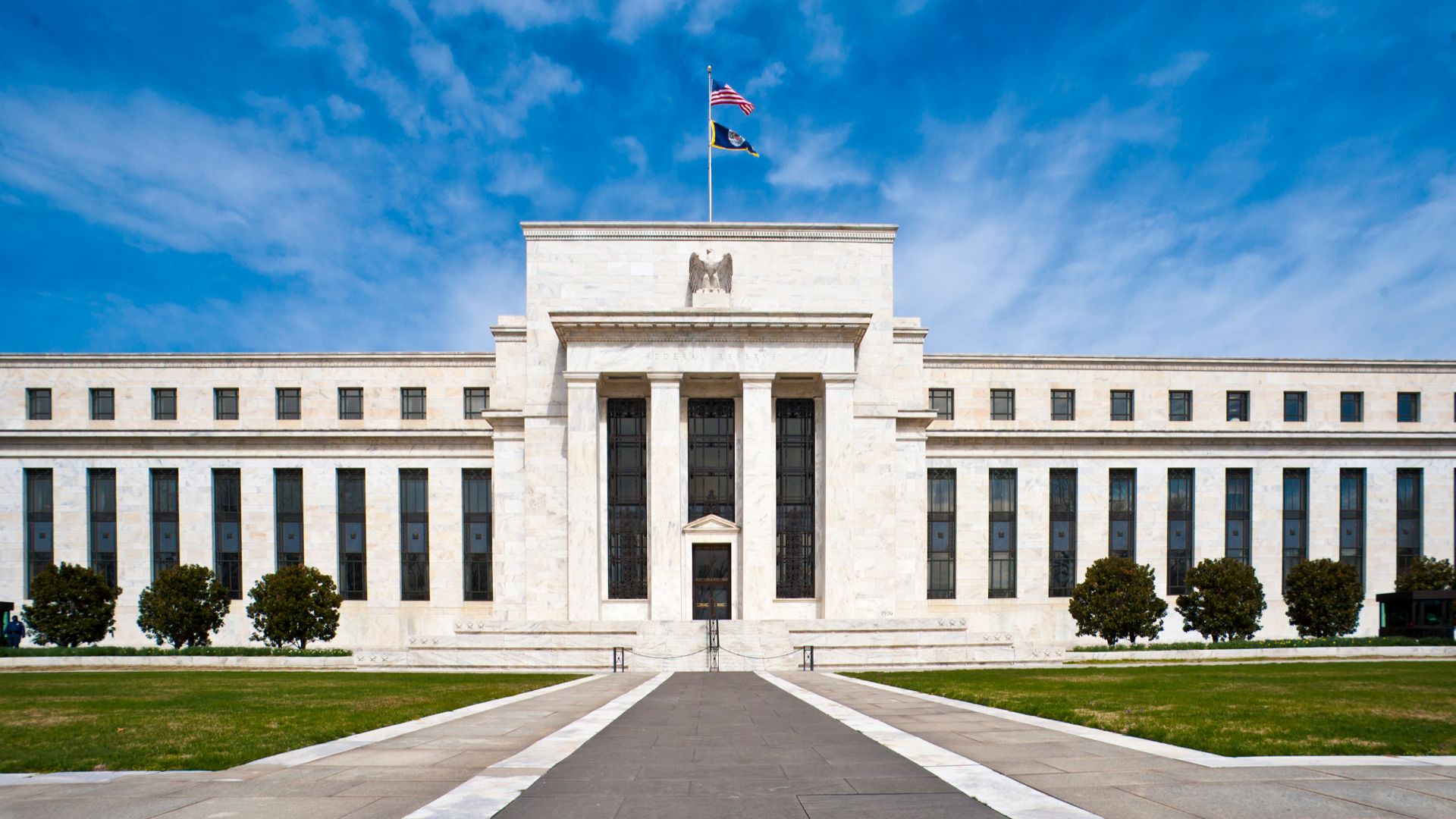 Federalreserve, Wikimedia Commons
The Pension Door Nearly Closed
In March 2025, only 14% of private-industry workers had access to a traditional defined-benefit pension. Meanwhile, 70% had access to a defined-contribution plan such as a 401(k). One generally promises a defined benefit. The other leaves workers managing their own contributions, investments and risk.

The 401(k) Put Workers In Charge
A 401(k) can build considerable wealth, but it works best when contributions remain consistent over decades. Job losses, caregiving, medical expenses, emergencies and periods without an employer plan can all interrupt that process. Unfortunately, life does not always cooperate with a 40-year savings schedule.

The Average Balance Hides The Problem
Vanguard reported that the average account balance among its defined-contribution participants was $148,153 in 2024. That sounds reasonably encouraging. However, the median was only $38,176, meaning the typical participant had far less than the average suggested.

Workers Near Retirement Are Still Short
Among Vanguard participants ages 55 to 64, the average balance was $271,320. The median was just $95,642. These figures cover Vanguard accounts rather than every retirement asset a person may own, but they still reveal how unevenly retirement wealth is distributed.

Half Are Below The Suggested Savings Rate
Vanguard estimates that a typical participant should target a combined contribution rate of 12% to 15%, although the appropriate rate can differ by income. In 2024, 50% of participants met Vanguard’s applicable savings threshold or reached the legal contribution limit.

$100,000 Is Not A Retirement Fortune
The National Institute on Retirement Security found that 47% of Americans had less than $100,000 saved for retirement, including 18% with nothing. Under the commonly discussed 4% withdrawal guideline, $100,000 might initially provide only about $4,000 a year before taxes.

Debt Is Eating The Retirement Fund
When Americans were asked what prevented them from saving more, 41% pointed to debt and 39% cited housing costs. Another 30% blamed emergency expenses. Retirement saving is difficult when today’s bills are already consuming nearly everything coming into the household.

Housing And Health Care Are Squeezing Workers
The 2026 EBRI survey found that 59% of workers believed housing costs were hurting their ability to save for retirement. Health-care costs and debt were each cited by 58%. For many workers, postponing retirement is not about wanting more. It is about never finding enough room to save.

Higher Prices Did Lasting Damage
In the Federal Reserve’s 2024 survey, 60% of adults said price changes had worsened their financial situation during the previous year. Even when inflation slows, prices generally do not return to where they were. That leaves less money available for retirement contributions and more savings required later.

Health Care Is A Six-Figure Problem
Fidelity estimated that a 65-year-old retiring in 2025 could expect to spend an average of $172,500 on health care throughout retirement. That estimate assumes Medicare coverage and does not include long-term-care expenses, making the full financial risk potentially much larger.

Retiring At 55 Creates A Ten-Year Gap
Medicare generally begins at 65. Someone leaving work at 55 may therefore need to finance approximately ten years of health coverage before becoming eligible. Even workers with substantial savings can find that gap difficult to bridge, especially if an employer had previously paid much of the cost.
 Inside Creative House, Shutterstock
Social Security Rewards Waiting
For Americans born in 1960 or later, full Social Security retirement age is 67. Benefits can begin at 62, but claiming early permanently reduces the monthly payment. For people born in 1943 or later, delaying after full retirement age generally increases benefits by 8% annually until age 70.

The System Nudges People Toward 70
Waiting longer can mean additional years of earnings, more retirement contributions, continued employer health coverage and a larger Social Security benefit. For someone already worried about running out of money, working until 70 may feel less like a choice and more like the only available solution.

More Americans Are Working Into Their 70s
In 2025, 26.7% of Americans ages 65 to 74 participated in the labor force. Among those age 75 and older, the rate was 8.5%. The Bureau of Labor Statistics projects those figures will reach 29.1% and 10.1%, respectively, by 2035.

Planning To Work Is Not The Same As Working
The 2026 EBRI survey found that 74% of workers expected employment to provide income during retirement. Only 31% of retirees reported that it actually did. Plans to keep working can be derailed by health, caregiving responsibilities, layoffs or simply the disappearance of suitable jobs.

Retirement Is Often Not A Choice
Nearly half of retirees surveyed by EBRI in 2026 said they retired earlier than planned. Among them, 41% cited a health problem or disability, while 35% pointed to workplace changes such as downsizing, closure or reorganization. Overall, 76% cited something outside their control.

Retirement Can Cost More Than Expected
Working longer does not eliminate every risk. EBRI found that 41% of retirees were spending more than they had expected when they first retired. Housing, health care, insurance and everyday expenses can continue climbing even after the paychecks stop.

Millions Are Already Working At 75
BLS annual averages show that approximately 2.21 million Americans age 75 and older participated in the labor force during 2025, including about 2.13 million who were employed. In other words, “for millions” is not merely a prediction. It is already happening.

Freedom 75 Is Not Universal
High earners, consistent savers, pension recipients and people with valuable property may still retire comfortably in their 50s or early 60s. Others may choose to keep working because they enjoy it. The problem is that millions of Americans will not have either luxury.

Freedom Has A New Meaning
Freedom 55 was always more dream than deadline for most Americans. But when 38% of workers expect to retire at 70 or older or never retire at all, Freedom 75 stops sounding ridiculous. For a growing number of people, freedom may simply mean reaching an age when work finally becomes optional.

You Might Also Like: