The Dream Sounds Seductive
Putting all your savings into one rental property can sound like a power move. Your husband is not alone if he thinks real estate is a one-way escalator to wealth. But the claim that real estate never loses falls apart once you look at market history, vacancy risk, repair bills, and what can happen when too much money is tied up in one address.

Real Estate Has Lost Before
The clearest reality check came during the housing crash tied to the Great Recession. The S&P CoreLogic Case-Shiller U.S. National Home Price Index shows home prices fell hard after peaking in 2006 and did not fully recover nationally for years. That alone should end the idea that property values only move in one direction.

The 2008 Lesson Still Matters
In the years around 2008, millions of homeowners learned that home values can drop fast and stay down longer than expected. Foreclosures surged, credit tightened, and many owners ended up underwater. A rental bought at the wrong time with too much debt can turn from a wealth builder into a cash drain.
 LIGHTFIELD STUDIOS, Adobe Stock
One Property Means One Big Bet
There is a big difference between believing in real estate and betting everything on a single rental. One property leaves you exposed to one neighborhood, one tenant pool, one local job market, and one set of repair surprises. That is concentration risk, and it is the opposite of diversification.

Even The Pros Talk About Diversification
The U.S. Securities and Exchange Commission has long warned investors about the value of diversification because spreading money across assets can soften the blow of a single loss. That idea matters whether you are buying stocks or a duplex. If your whole savings balance is sitting in one rental, one bad outcome can hit your family finances all at once.

A Vacancy Can Blow Up The Math
Rental property spreadsheets often look great until the unit sits empty. The U.S. Census Bureau tracks rental vacancy, and even normal markets have periods when landlords cannot collect rent because nobody is living in the unit. If you are depending on one property, a few empty months can mean you are covering the mortgage, taxes, insurance, and utilities yourself.

Tenants Are Not Guaranteed
Many first-time landlords quietly assume demand will always be there if the property looks appealing today. But local conditions change. A nearby employer can leave town, a wave of new apartments can hit the market, or rents can flatten just as your costs rise.

Repairs Do Not Care About Your Timing
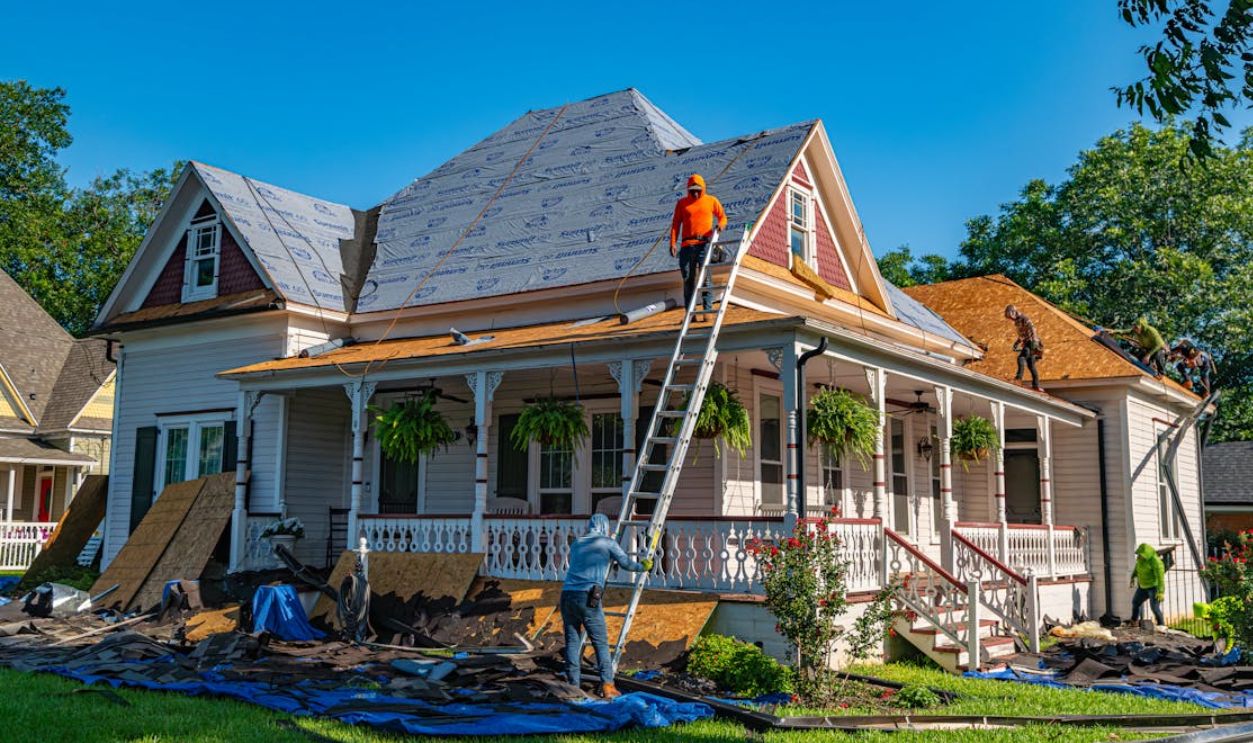
Roofs fail when they fail. HVAC systems quit in peak summer. Water heaters leak on weekends. Fannie Mae notes that landlords should plan for ongoing maintenance and capital expenses, because the sticker price is only the beginning.
Insurance Costs Have Been Rising
Insurance has become a bigger headache for property owners in many parts of the country. The Insurance Information Institute has reported on rising homeowners insurance costs tied to inflation, disaster losses, and rebuilding expenses. For a rental owner, that means your monthly carrying cost may rise even if your mortgage does not.

Property Taxes Can Creep Higher
Taxes are another line item that can sneak up on owners. Local governments reassess values, budgets change, and tax bills can rise over time. A property that barely cash-flows today can become a much tighter squeeze after future tax increases.

Mortgage Rates Changed The Game
For buyers financing a rental, borrowing costs matter a lot. Freddie Mac's Primary Mortgage Market Survey shows mortgage rates climbed sharply from the ultra-low levels seen in 2021. Higher rates mean a larger monthly payment, lower cash flow, and less room for error.

Cash Buyers Still Face Opportunity Cost
Even if you buy in cash, going all in is still risky. Money tied up in one property is money that is not sitting in a high-yield savings account, retirement portfolio, or emergency fund. The tradeoff is not just whether the property might rise in value, but what your savings could be doing elsewhere with less stress and easier access.

Liquidity Is A Bigger Deal Than It Sounds
A rental property is not a savings account. If you need money for a medical bill, job loss, or family emergency, you usually cannot just tap the walls and get cash by tomorrow. Real estate can take weeks or months to sell, and selling fast often means taking a lower price.

The Federal Reserve Keeps Emergency Savings Front And Center
The Federal Reserve's annual report on household economic well-being has repeatedly shown that many adults struggle with unexpected expenses. That makes the idea of draining all savings into an illiquid asset especially risky. Owning a rental can be smart, but not if it leaves you without a financial cushion.

Landlords Need Reserves
Experienced investors often keep cash reserves for vacancies, repairs, legal costs, and periods of weak rent growth. Going all in leaves little margin for those setbacks. A property can be profitable on paper and still cause real financial pain if every surprise has to go on a credit card.
There Is Also Legal Risk
Being a landlord is not just collecting checks. It can involve leases, fair housing rules, local licensing requirements, habitability standards, and eviction procedures. The U.S. Department of Housing and Urban Development provides guidance on fair housing obligations, and ignoring those rules can get expensive fast.

Markets Are Local, Not Magical
National housing headlines can be misleading because real estate performance varies wildly by city and neighborhood. One market can boom while another stalls. That is why saying real estate never loses is too broad to be useful for a real family decision.

Home Prices Do Not Equal Investor Returns
Even when property values rise, your personal return can still disappoint. Repairs, vacancy, taxes, insurance, interest, management fees, and closing costs all eat into gains. A home that appreciates modestly may still be a mediocre investment after all the bills are counted.
Rent Growth Can Slow Down
Some buyers run the numbers as if rents will keep climbing every year. But rent growth can cool or reverse depending on supply and local wages. If your whole plan depends on annual rent hikes, you are making a bet on conditions you do not control.

Leverage Cuts Both Ways
Real estate fans often love leverage because a down payment can control a much larger asset. That can magnify gains when values rise and rent covers the loan. It can also magnify losses when the numbers get tighter, because debt payments keep coming whether your tenant pays on time or not.

Behavior Matters As Much As The Asset
Dangerously overconfident is really a question about mindset, not just real estate. Overconfidence shows up when someone treats one outcome as certain, brushes aside downside scenarios, or shrugs off the need for backup plans. That is a red flag in any investment conversation, especially when the money is family savings.

A Better Question Is What Could Go Wrong
Instead of arguing about whether real estate is good or bad, ask for a full downside plan. What happens if the property sits vacant for three months. What happens if the roof needs replacing in year one. What happens if one of you loses a job right after closing.

Run The Numbers With Stress Tests
A careful couple should model several unpleasant but realistic scenarios before buying. Try vacancy, lower rent, higher insurance, a large repair, and a higher-than-expected tax bill. If the investment only works in the best case, it is not a strong investment plan.

Protect The Emergency Fund First
One of the clearest practical rules is to avoid raiding money meant for emergencies. If buying the rental would wipe out your liquid reserves, the deal is probably too aggressive for your household balance sheet. Opportunity should not come at the cost of basic financial stability.

There Are Safer Ways To Get Real Estate Exposure
If you both like real estate but hate the concentration risk, there are middle-ground options. You could wait and save a larger buffer, buy a less expensive property, or consider diversified real estate investment trusts instead of one physical rental. Those approaches will not remove risk, but they do avoid the all-your-eggs-in-one-house problem.

You Do Not Need To Match Someone Else's Conviction
Sometimes the loudest person in a financial discussion sounds like the most informed person. Confidence is not evidence. If one spouse feels uneasy about putting every dollar into one property, that concern deserves real weight because the downside would affect both of you.
 f.t.Photographer, Shutterstock
The Bottom Line On His Big Claim
Yes, saying real estate never loses is dangerously overconfident. Housing prices have fallen before, rentals can sit vacant, costs can jump, and a single property is an undiversified bet. Real estate can absolutely be part of a smart wealth plan, but draining all savings into one rental only makes sense if your emergency fund, cash reserves, and downside scenarios are already covered.
 Mladen Mitrinovic, Shutterstock