
The Fee That Ate Your Bargain
There is something uniquely irritating about buying a $6 item and somehow paying $9.47 by the time checkout is finished. The culprit is often a convenience fee, service charge, processing cost, or similarly polite-sounding addition. Individually, these fees look small. Percentage-wise, they can be enormous.
Paying A Bill By Credit Card
Some utilities, landlords, government agencies, and other billers charge customers extra for paying with a credit card. A $3 processing fee barely registers on a $1,000 payment. Apply that same fee to a $20 bill, however, and you just paid an extra 15% for the privilege of paying.

Buying A Cheap Concert Ticket
Finding a $20 ticket to a local concert can feel like a victory. Then come the service fee, facility charge, processing fee, and digital delivery fee. Suddenly your bargain night out costs $35 before you have even considered parking, transportation, or anything from the concession stand.
Ordering One Small Meal For Delivery
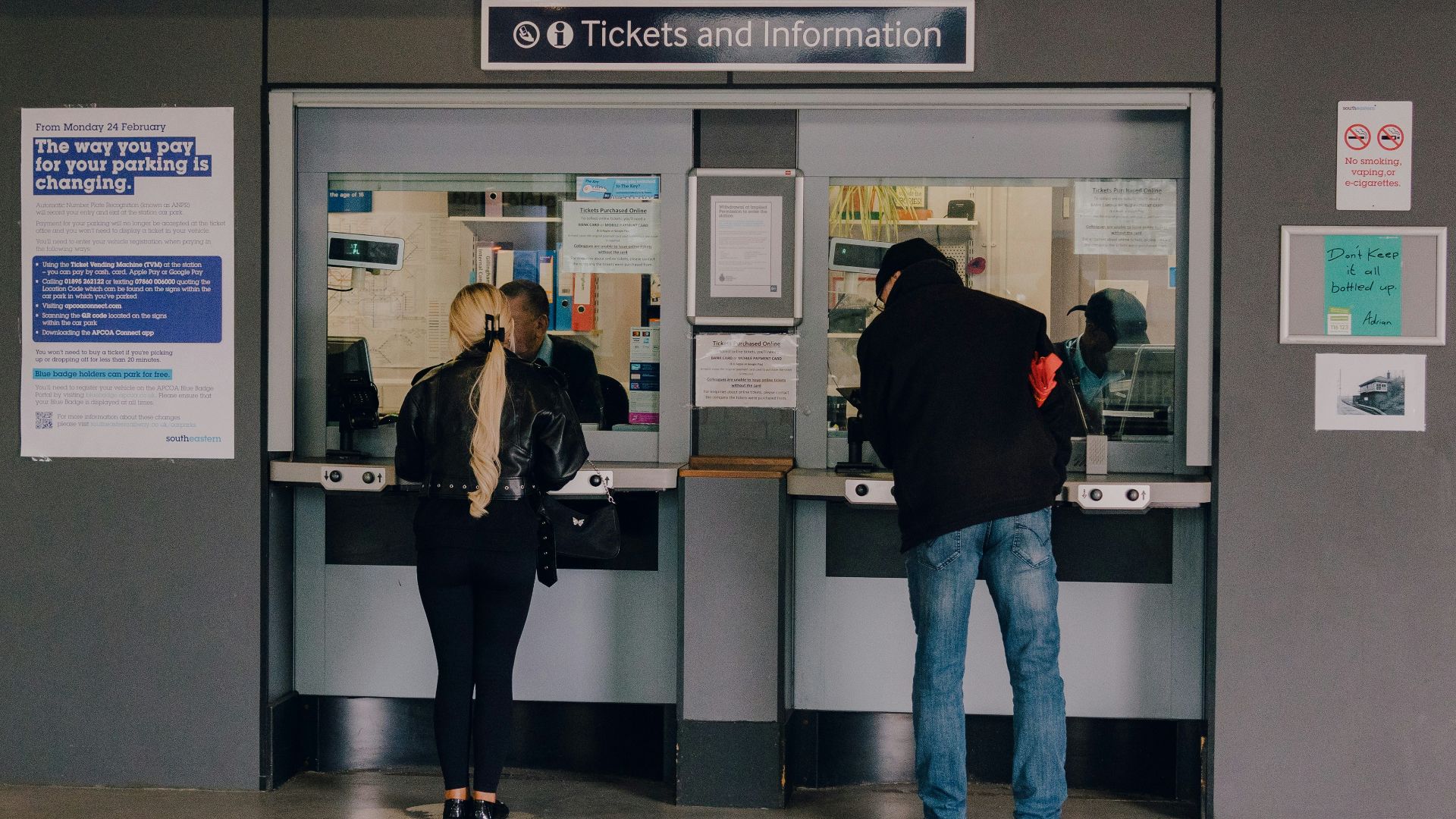
Food delivery is especially good at turning inexpensive meals into financial puzzles. A $12 lunch might come with a delivery fee, service fee, small-order surcharge, taxes, and tip. By checkout, that modest sandwich and fries could be approaching twice the price of picking them up yourself.
The Small-Order Surcharge
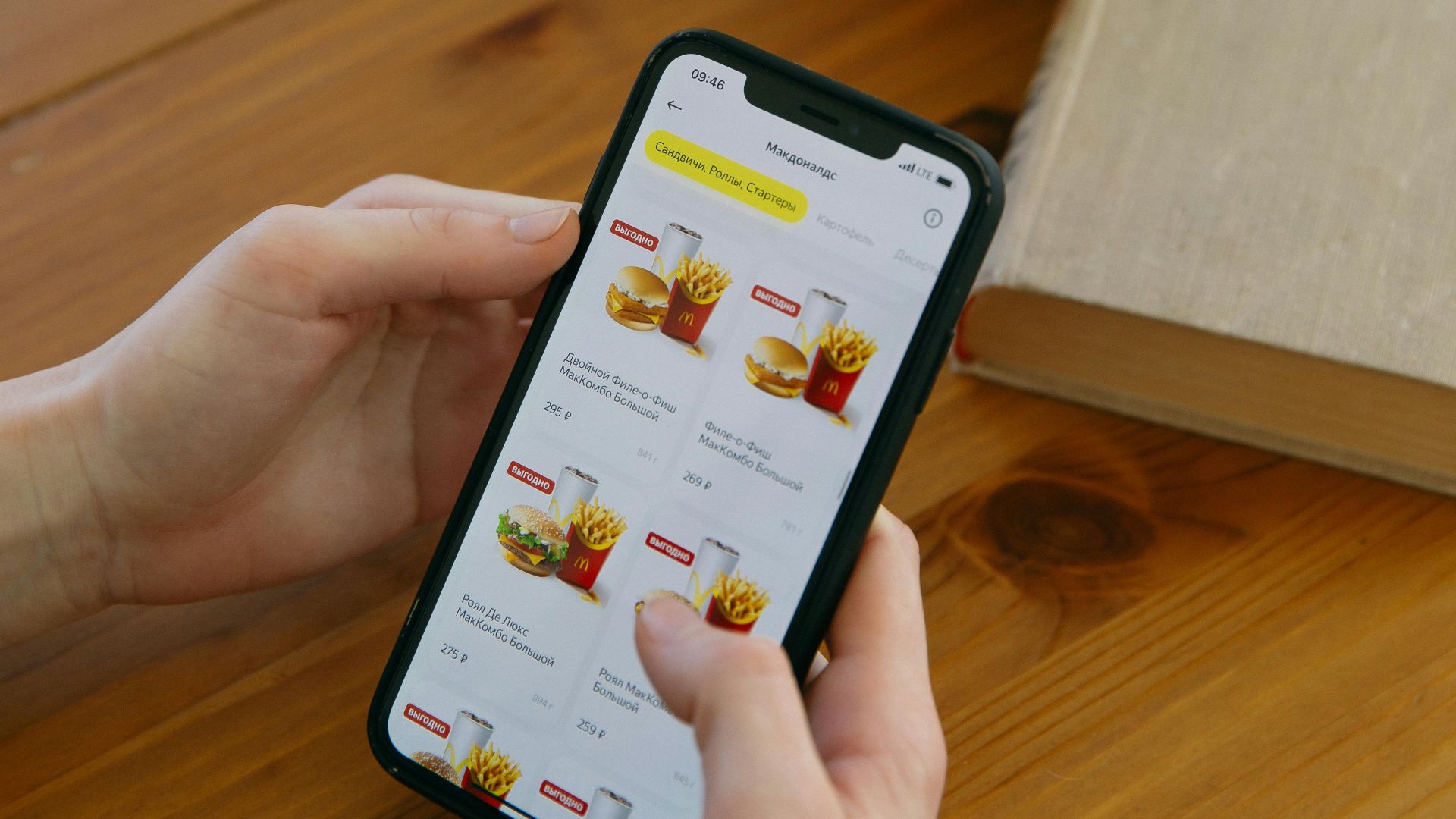
Some services charge extra when your order does not reach a minimum amount. That creates an odd situation where buying less can cost proportionally more. A $4 surcharge on a $10 purchase effectively raises the price by 40%, which is enough to make that “quick little order” surprisingly expensive.

Buying Movie Tickets Online
Buying movie tickets online saves you from lining up at the theater, but convenience sometimes has a literal price. Online booking fees can add several dollars per ticket. That hardly ruins a major night out, but it feels considerably less convenient when the movie itself was advertised as a bargain screening.

Paying For Parking Through An App
Parking apps can be genuinely useful, especially when they let you extend your time remotely. The trouble comes when a short parking session costs $2 and the app adds a 35-cent or 50-cent transaction fee. Suddenly the convenience charge represents a substantial percentage of the parking itself.
Buying A Single Event Ticket
Flat fees become especially painful when you buy only one ticket. If a ticketing platform charges $5 per transaction, purchasing four tickets spreads that annoyance around. Buying one $12 ticket means the fee alone adds more than 40% to the advertised price before taxes enter the picture.
Reloading A Prepaid Card
Prepaid cards can come with activation, reload, withdrawal, or maintenance fees depending on the product. Those costs are particularly noticeable for people using small amounts. Paying several dollars simply to add $20 or $30 to a card can quickly undermine whatever convenience the card originally promised.

Using An Out-Of-Network ATM
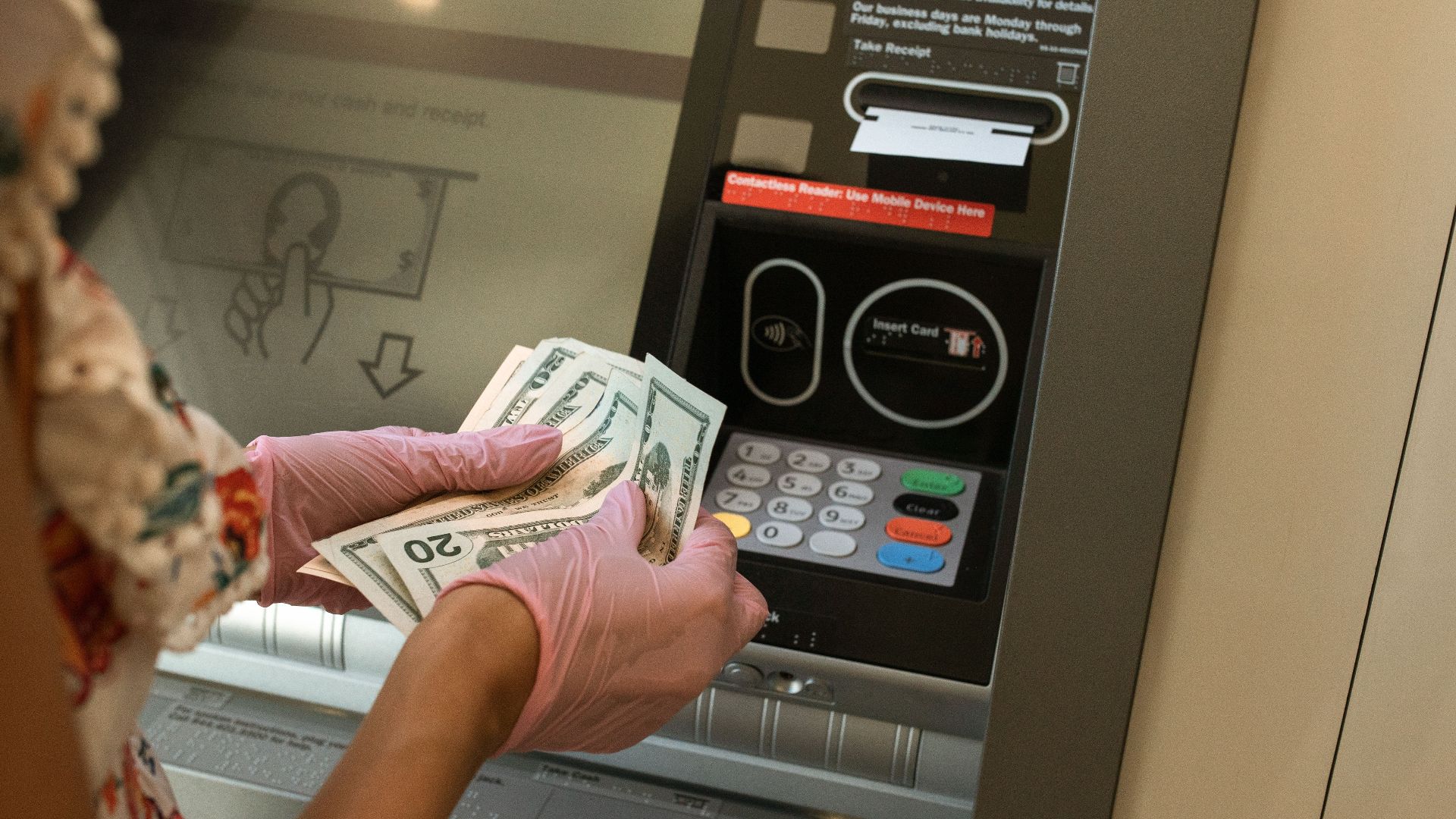
Need $20 in cash? Using the wrong ATM can be one of the most expensive ways to get it. The machine owner may charge a fee, and your own bank might charge another. If the combined fees total $6, withdrawing $20 effectively costs you 30% extra.
Buying Tickets For A Local Attraction
Small museums, fairs, festivals, and local attractions increasingly use online ticketing platforms. That can mean a processing fee gets attached to an otherwise inexpensive admission price. Paying $3 extra on a $15 ticket is easy to overlook in dollars, but it represents a hefty 20% markup.

Convenience Stores With Card Minimums
Some smaller merchants discourage tiny card transactions by imposing minimum purchase amounts or card-related surcharges where permitted. You might walk in wanting a $2 item and leave with $7 worth of things you never planned to buy. Technically, you avoided the fee. Your wallet may disagree.

Paying Taxes Or Government Fees Online
Governments increasingly accept online card payments, but card processing charges may be passed directly to users. When the underlying payment is small, the fee can look ridiculous. Paying a $10 municipal charge and adding $2 for processing transforms a routine payment into a 20% premium.

Buying A Cheap Airline Add-On
Air travel has turned fees into something approaching an art form. A cheap fare may look impressive until you add seat selection, a carry-on, payment-related charges, or other extras. On low-cost trips, even one modest add-on can represent a surprisingly large percentage of the original ticket price.
 Frame Stock Footage, Shutterstock
Paying For A Tiny Online Order
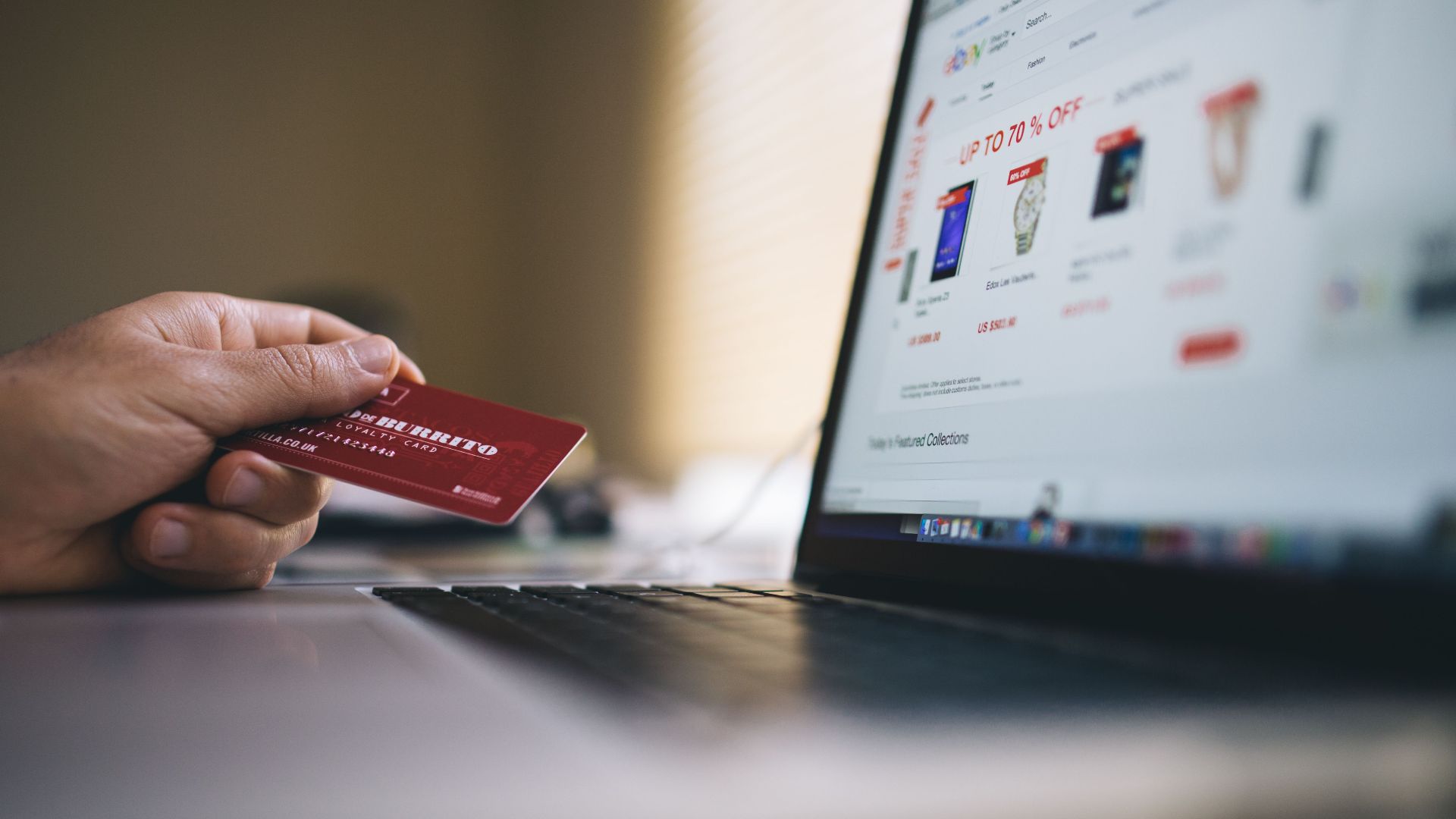
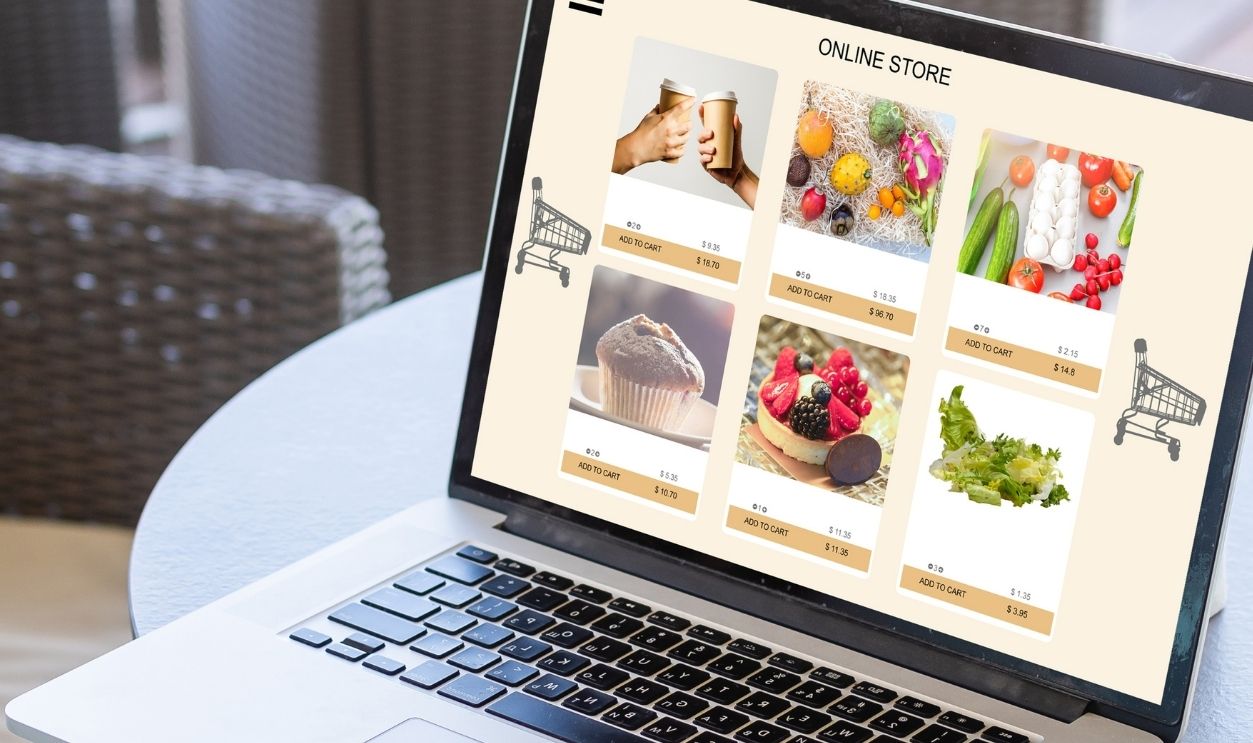
Online retailers sometimes waive shipping only after you reach a spending threshold. That makes a $7 purchase awkward when shipping costs another $6. Shoppers frequently respond by adding unnecessary products to “save” on shipping, somehow spending $35 to avoid paying a $6 delivery charge.
Printing A Ticket At Home
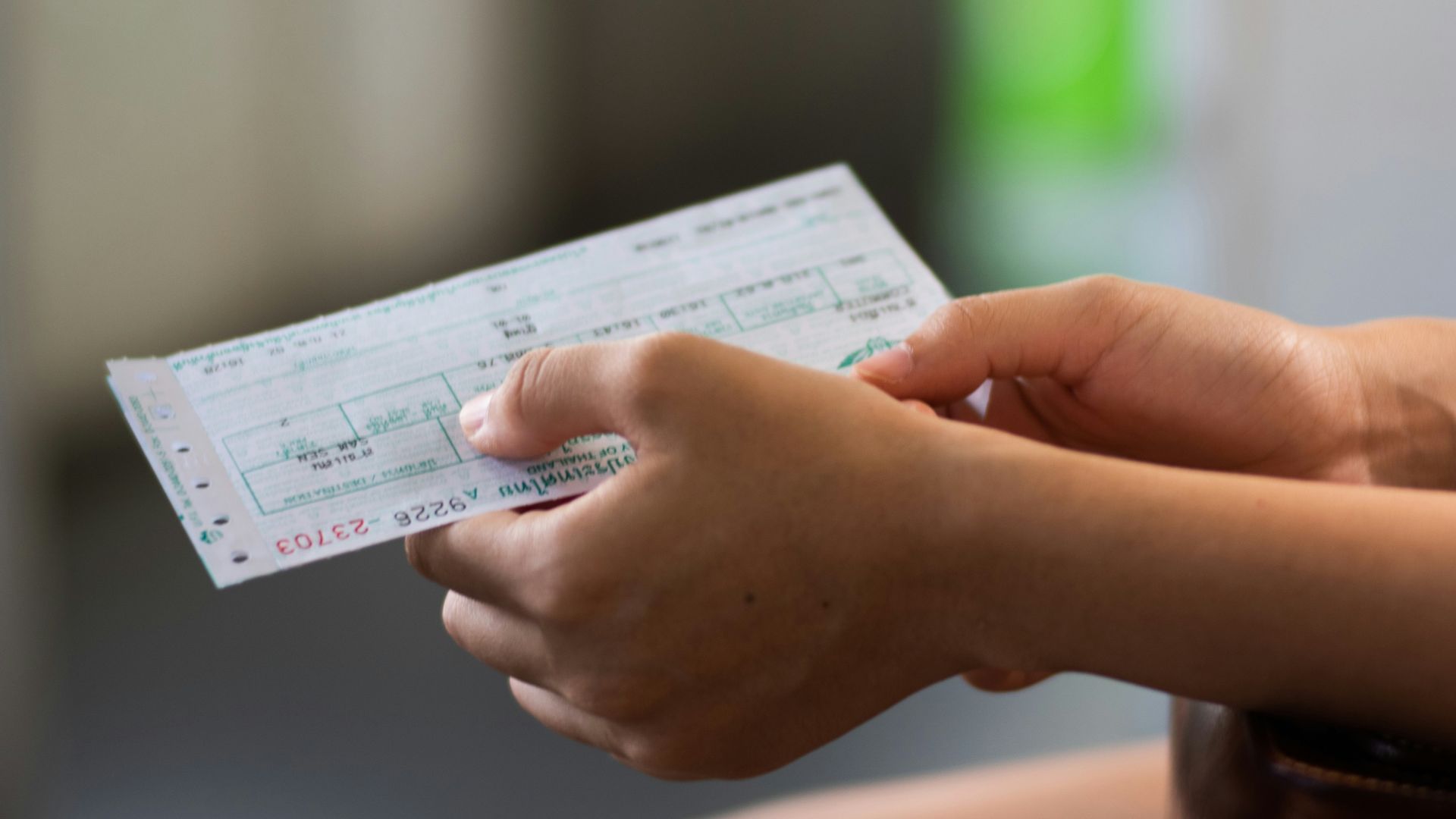
Technology was supposed to eliminate physical ticketing costs, yet some companies historically charged customers even for electronically delivered tickets. Modern versions of the same idea still appear as fulfillment or processing charges. Nothing makes a consumer philosophical quite like paying extra for something that required no envelope.
Buying Something Through A Marketplace
Online marketplaces often collect service fees from either buyers, sellers, or both. Sellers frequently compensate by raising prices. On inexpensive items, even a few dollars in platform costs can make an apparent bargain much less attractive once the final checkout total appears.
Paying For A Short Ride
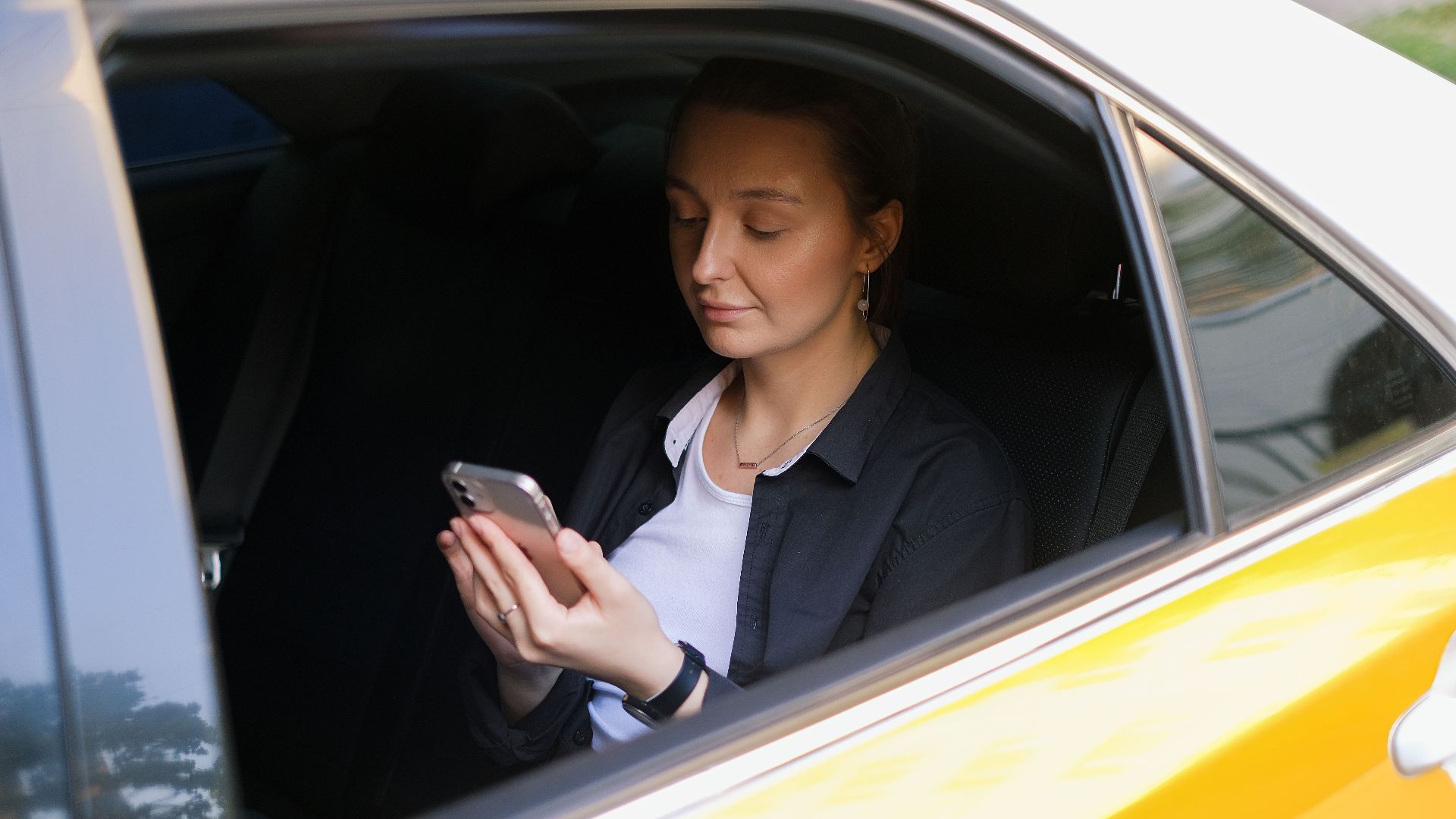
Ride-hailing apps can become disproportionately expensive for very short trips because minimum fares, booking fees, or local surcharges do not shrink along with the distance. A ten-minute ride costing $14 instead of $9 might not sound catastrophic, but that difference becomes meaningful when repeated several times a week.
Buying A $5 Ticket Through Resale
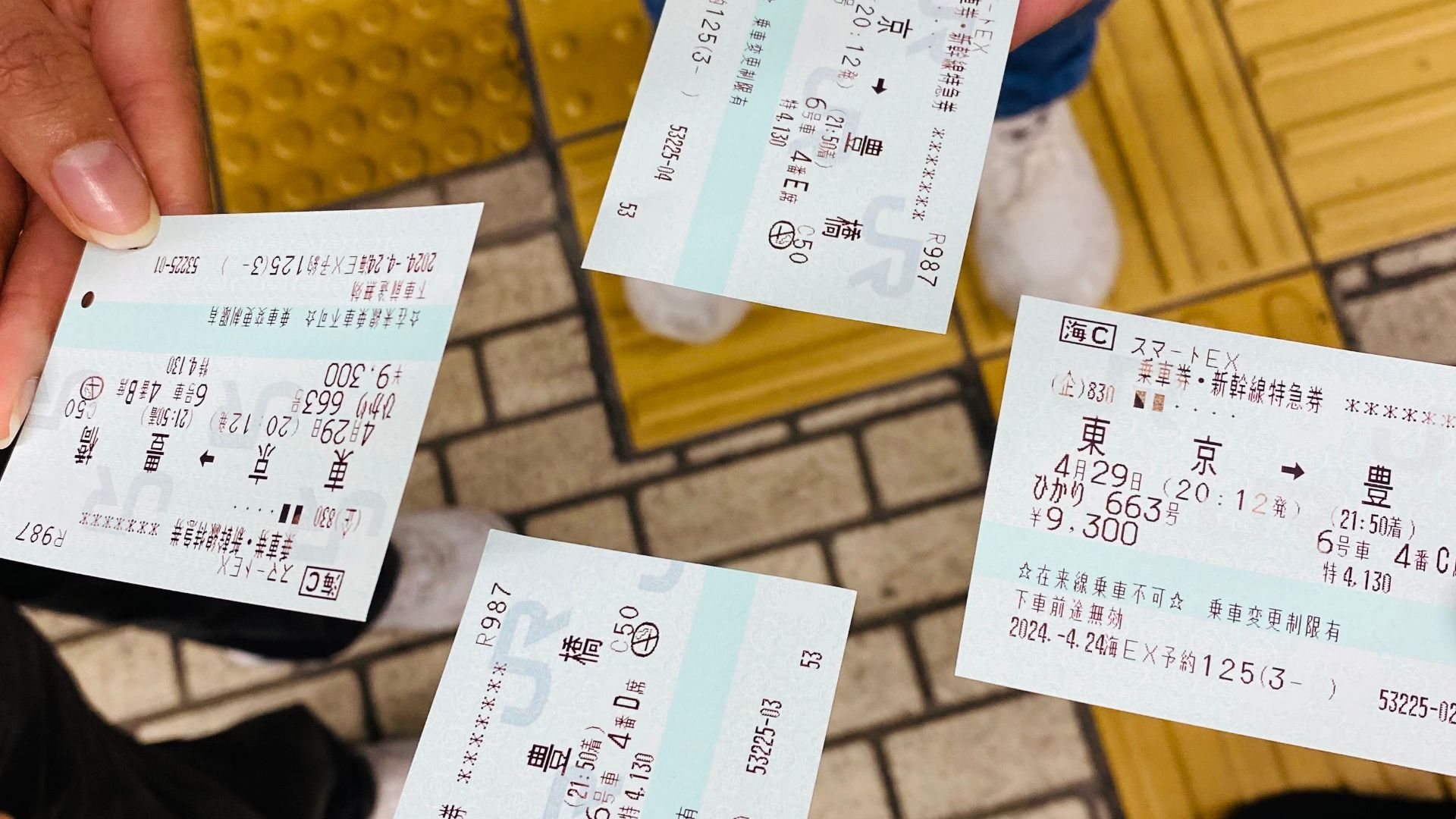
Ticket resale gets particularly strange at the low end. You might find someone practically giving away a ticket for $5, only to discover that the platform charges another $8 in fees. The service charge literally costs more than the product, which is an impressive achievement in modern pricing.

Paying With A Payment App
Certain person-to-person payment apps charge for instant transfers, credit card funding, or business transactions. Moving $10 instantly and paying even 50 cents does not sound serious. But financially, that is a 5% charge for accessing money slightly sooner, which would look outrageous in many other contexts.

Paying A Convenience Fee Every Month
One convenience fee is annoying. Twelve convenience fees become a budget category. A $3 monthly payment charge adds up to $36 a year. Across several bills, subscriptions, parking apps, and ticket purchases, small charges that barely register individually can quietly consume hundreds of dollars annually.

Percentage Fees Can Be Sneakier
Flat fees punish small purchases most severely, but percentage-based fees deserve attention too. A 3% charge sounds insignificant because the number begins with a three. Yet repeat it across dozens of transactions and the cost accumulates, particularly when the fee provides no additional product or service.

The Advertised Price Stops Meaning Much
Convenience fees also create a psychological problem. Consumers make decisions based on the first price they see. A $15 purchase feels reasonable when you click “buy.” Once several fees appear at checkout, you are already mentally committed, making it easier to accept a total you might have rejected initially.

Always Compare The Final Price
The easiest defense is to ignore the headline number and focus on the final checkout total. Compare what you will actually pay, not what the advertisement says. Sometimes the supposedly expensive option is cheaper once another company layers processing, delivery, platform, and convenience charges onto its lower advertised price.

Look For Fee-Free Payment Methods
Many fees are avoidable. Bank transfers, debit payments, cash, automatic withdrawals, box-office purchases, or direct booking may cost less than the most convenient option. Before paying a surcharge, look for another payment method. Thirty seconds of checking can sometimes save several dollars on a tiny transaction.

Bundling Purchases Can Help
When fees are charged per transaction rather than per item, combining purchases can reduce their impact. Paying one $4 processing fee on four tickets is much easier to tolerate than paying $4 each time. The trick is bundling purchases you actually need rather than buying extra things purely to justify the fee.
Small Fees Deserve Big Attention
Nobody becomes financially secure by obsessing over every 40-cent charge. But ignoring small fees completely is not smart either. Convenience fees are most damaging when they attach themselves repeatedly to inexpensive purchases. Watch the final price, know your alternatives, and remember: a “small” fee can be huge when the purchase is smaller.

You May Also Like:
Grocery Items From The 2000s That Seemed Cheap Then But Feel Expensive Now
The Expenses That Actually Get More Expensive After You Retire