When The Grocery Cart Felt A Lot Friendlier
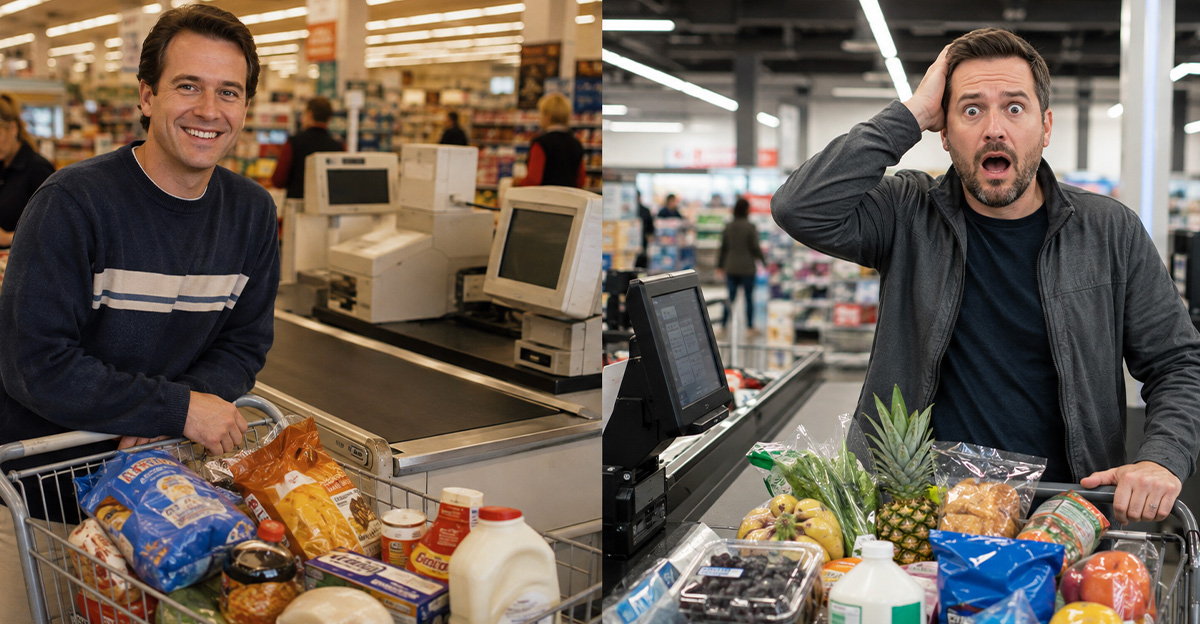
Shopping for groceries in the 2000s certainly wasn’t free, but plenty of everyday foods felt almost casually affordable. You tossed them into the cart without much thought. Today, many of those same staples can produce serious sticker shock, especially when you remember what they seemed to cost twenty years ago.
Breakfast Cereal Was An Easy Yes
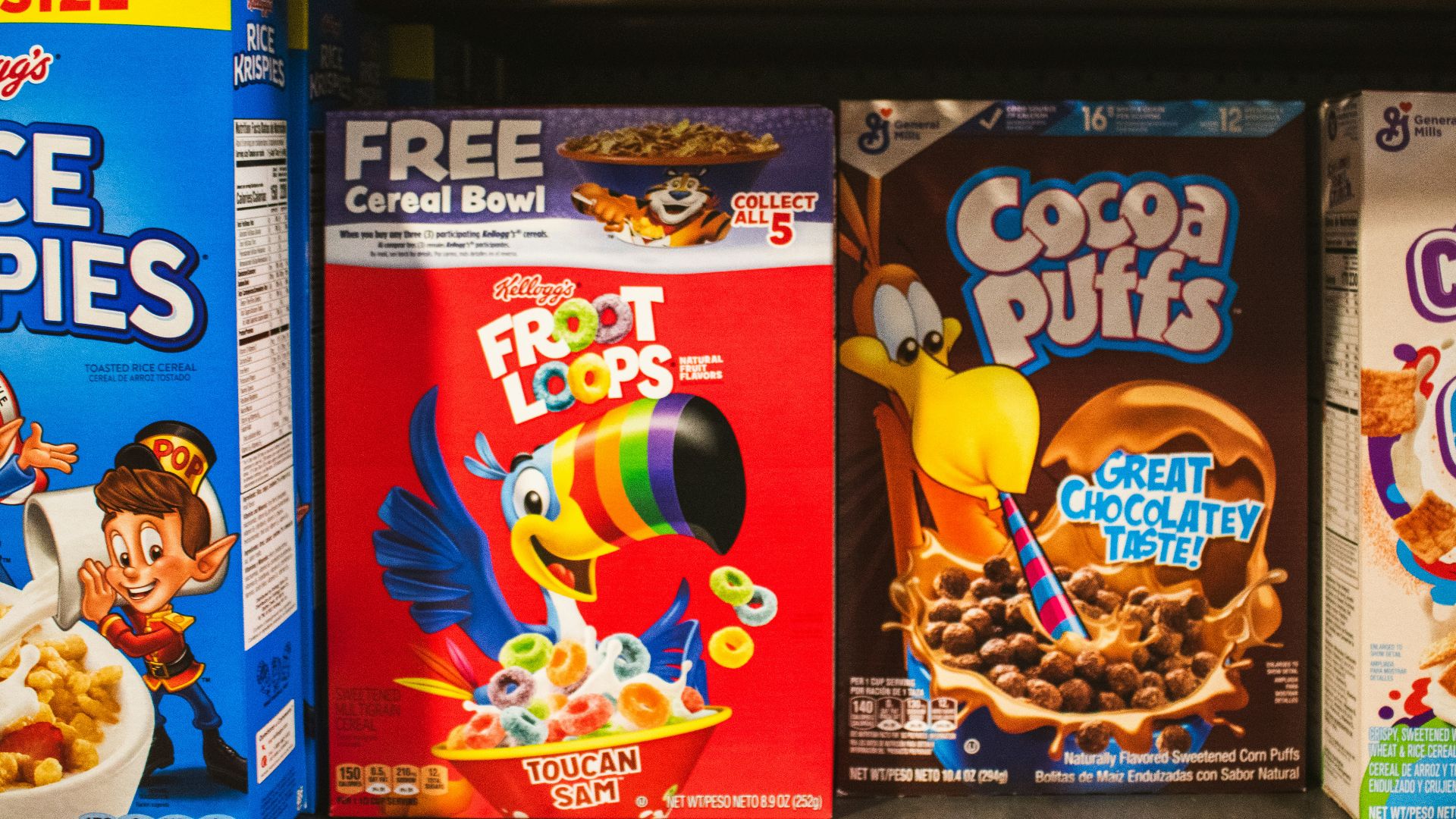
A box of cereal used to feel like one of the safest purchases in the supermarket. Families could grab a couple of favorites without turning breakfast into a budgeting exercise. These days, brand-name cereal can feel surprisingly luxurious, especially once you notice how quickly one box disappears in a busy household.
Potato Chips Became Premium Snacks
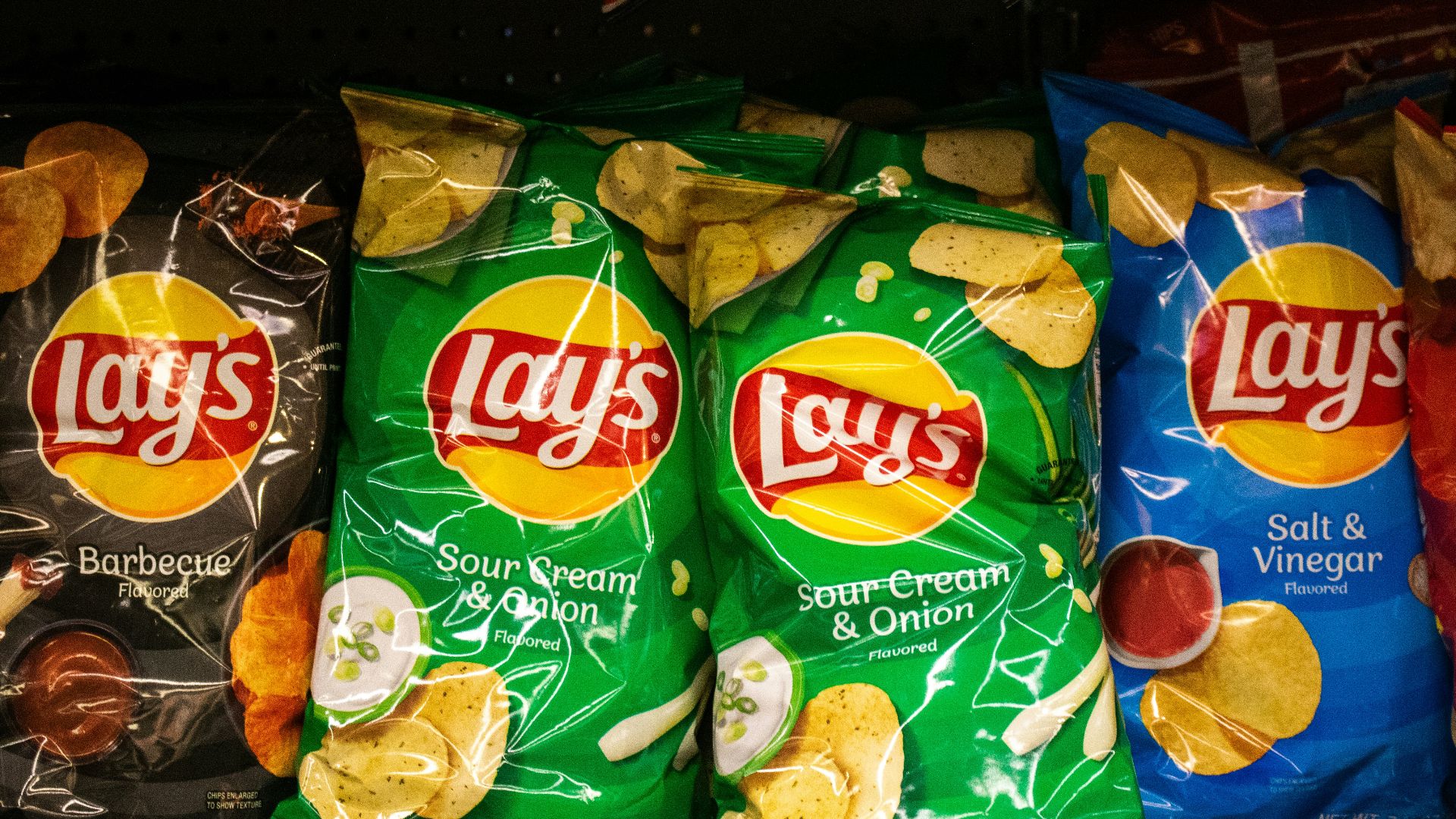
Chips were once the definition of cheap party food. Grab a couple of bags, some dip, and the weekend was handled. Modern prices can make that same snack run surprisingly painful, particularly when bags seem lighter than shoppers remember. Suddenly, movie-night munchies require more financial planning than expected.
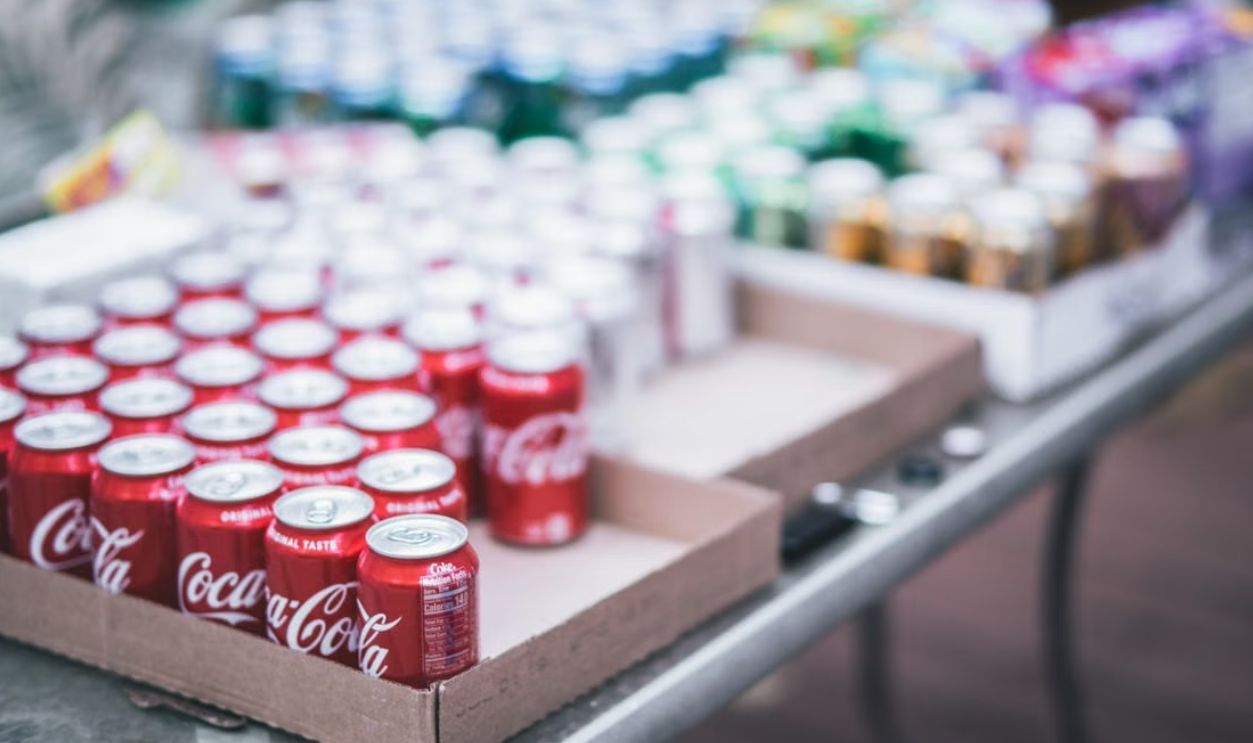
Soda Stopped Feeling Cheap
Cases and bottles of soda were once supermarket staples that regularly appeared in deep promotions. Families stocked the garage before birthdays and barbecues. Today, soft drinks can carry surprisingly hefty price tags, turning something once viewed as an inexpensive treat into an item many shoppers wait to buy on sale.
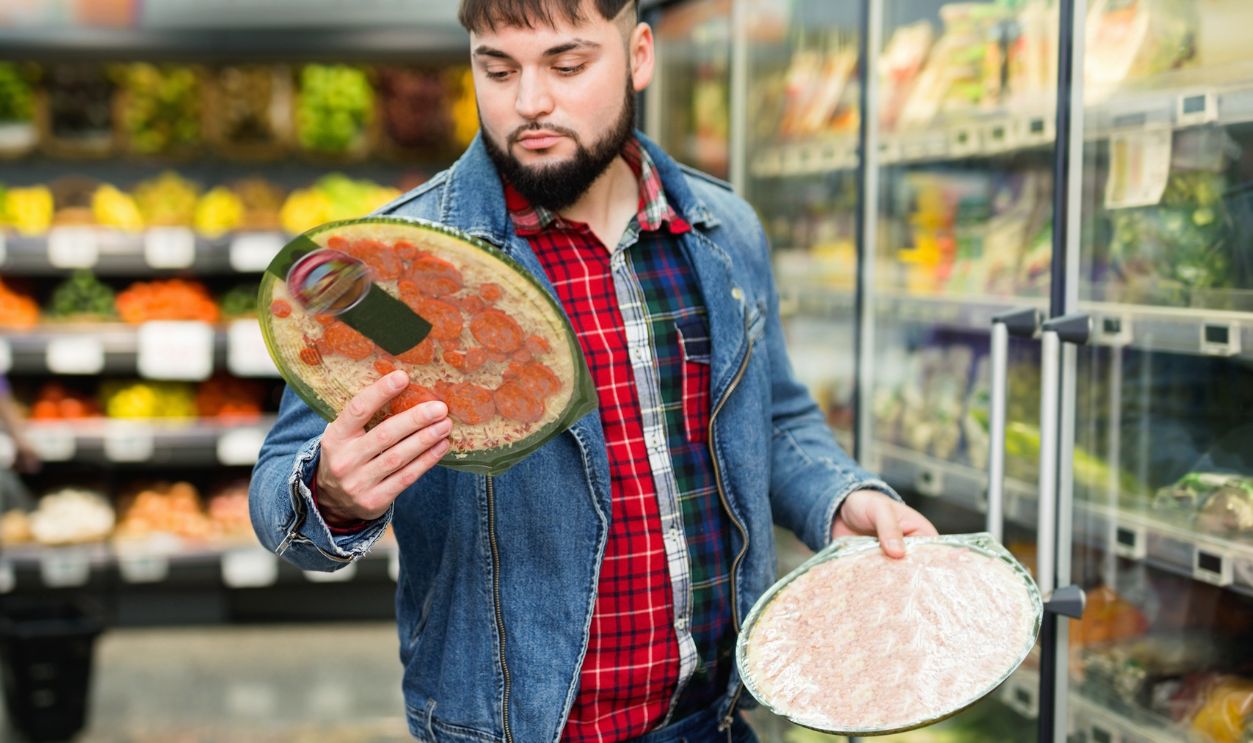
Frozen Pizza Lost Its Bargain Status
Frozen pizza was the emergency dinner of the 2000s. Too tired to cook? Throw one in the oven and call it a night. It was fast, convenient, and usually felt inexpensive. Now, some frozen pizzas cost enough that shoppers start wondering whether ordering takeout would really be that much worse.
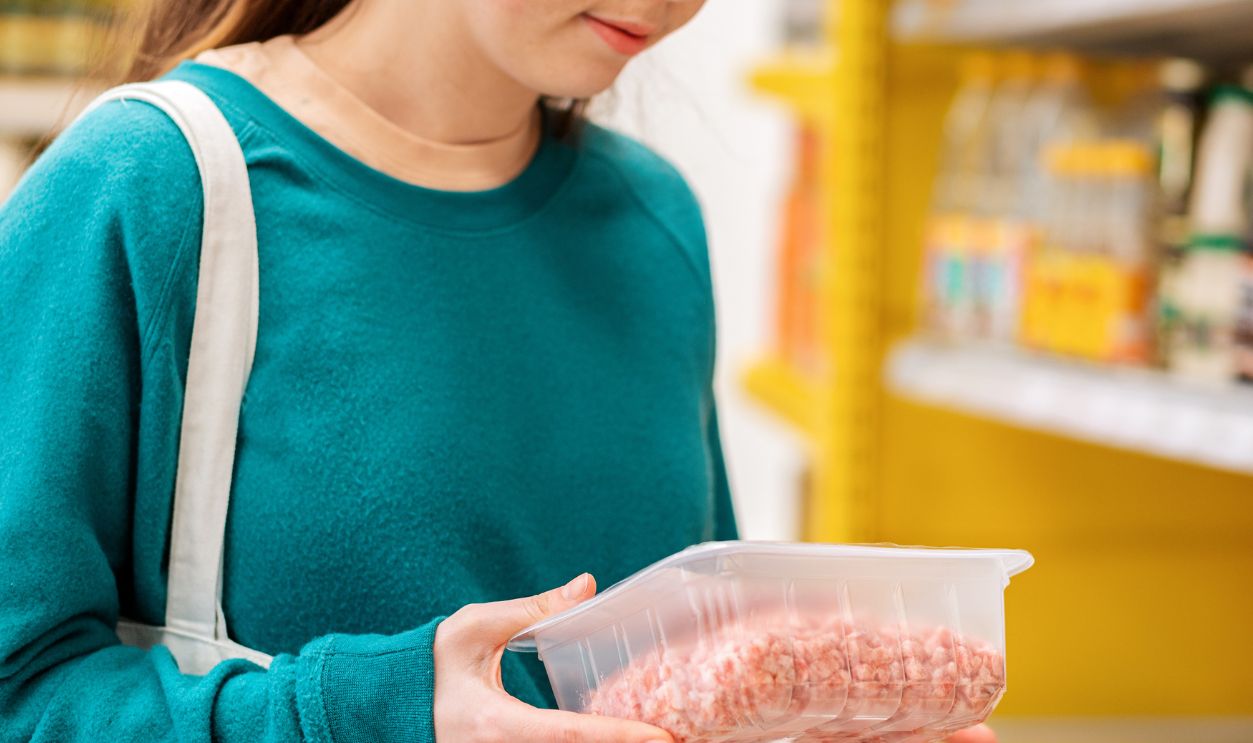
Ground Beef Became A Budget Decision
Hamburgers, tacos, meatloaf, and spaghetti sauce all relied on ground beef because it was versatile and reasonably affordable. Today, shoppers often pause at the meat counter before tossing it into the cart. The humble pound of ground beef has become one of those purchases families actively plan meals around.
Bacon Went From Staple To Splurge
Weekend breakfasts once practically demanded bacon. It wasn’t necessarily dirt cheap, but it felt ordinary enough to keep around regularly. Now, a package can carry the kind of price that makes shoppers reconsider just how badly breakfast needs it. Bacon has quietly moved closer to occasional treat territory.

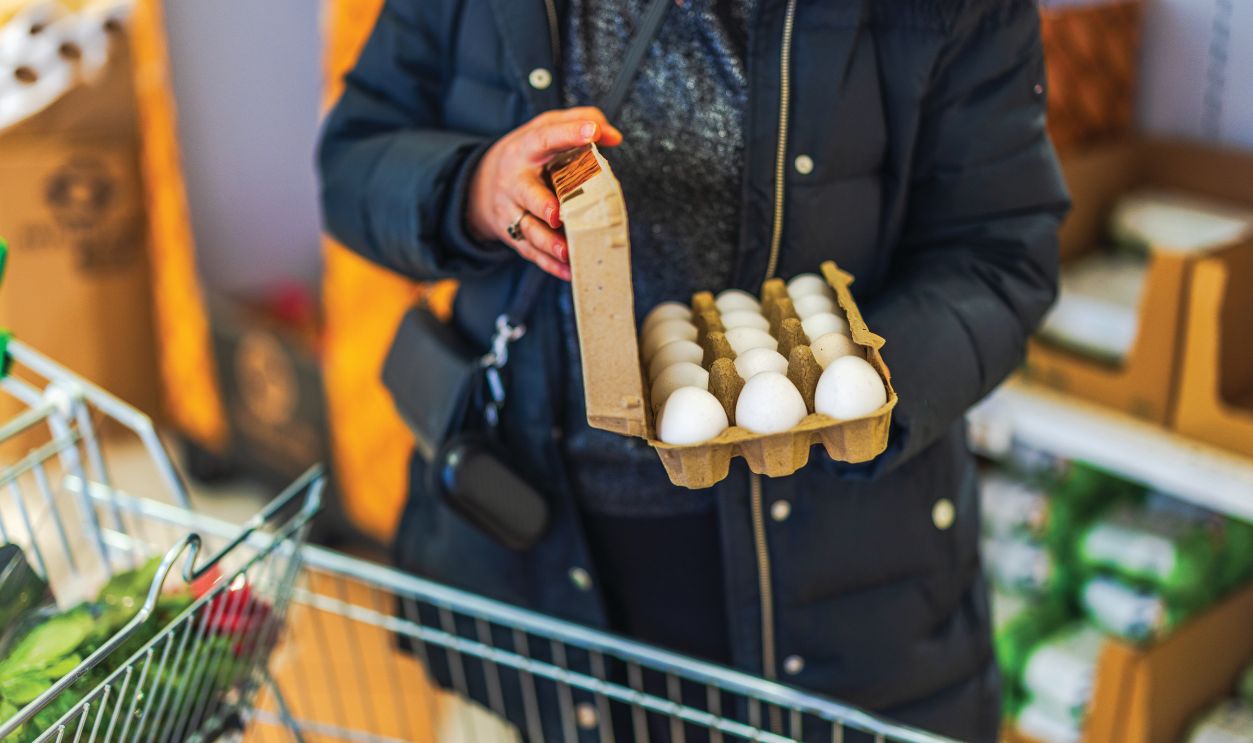
Eggs Suddenly Got Everyone's Attention
For years, eggs were practically the symbol of inexpensive protein. They stretched meals, worked for breakfast or dinner, and were easy to keep around. More recent price swings changed that perception dramatically. Few grocery items have generated more conversations about inflation than something as ordinary as a carton of eggs.
Cheese Became Something You Watch Closely
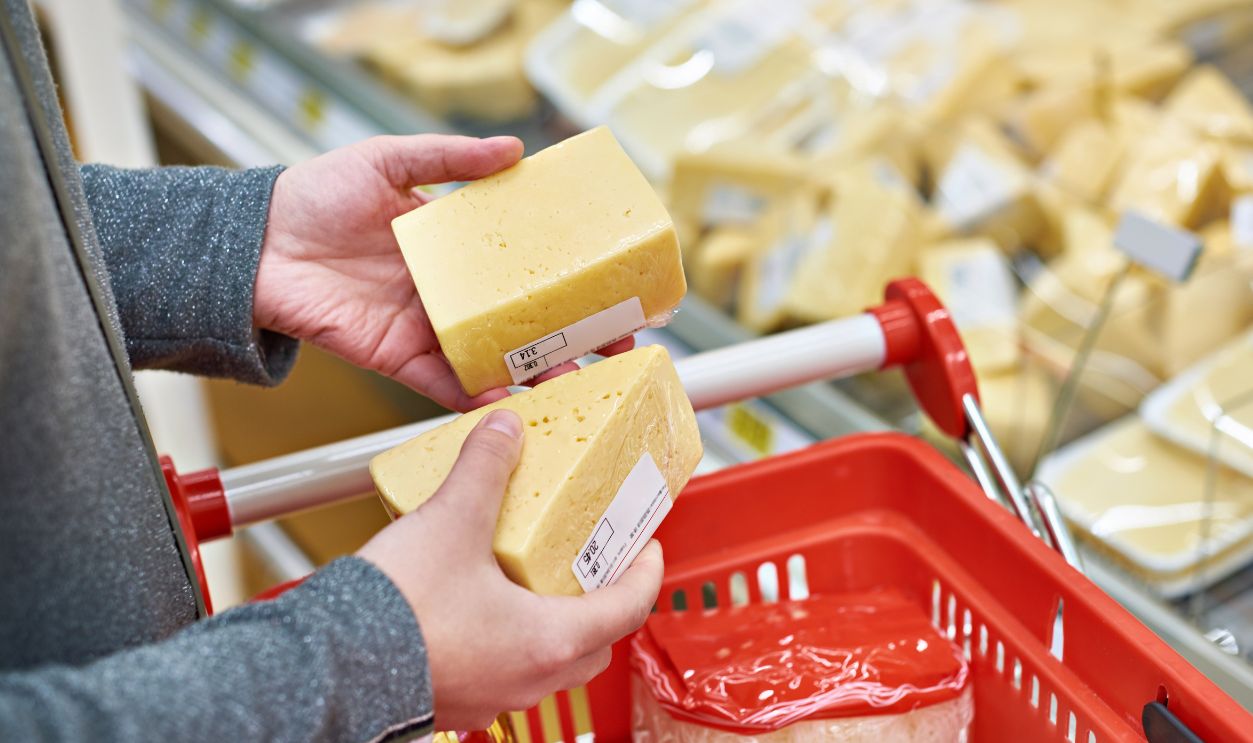
In the 2000s, shredded cheese could disappear into tacos, casseroles, sandwiches, and pizzas without much thought. These days, families may find themselves watching portions more carefully. A couple of bags of cheese can add a surprising amount to the checkout total, especially when feeding hungry teenagers.
Butter Doesn't Feel Basic Anymore
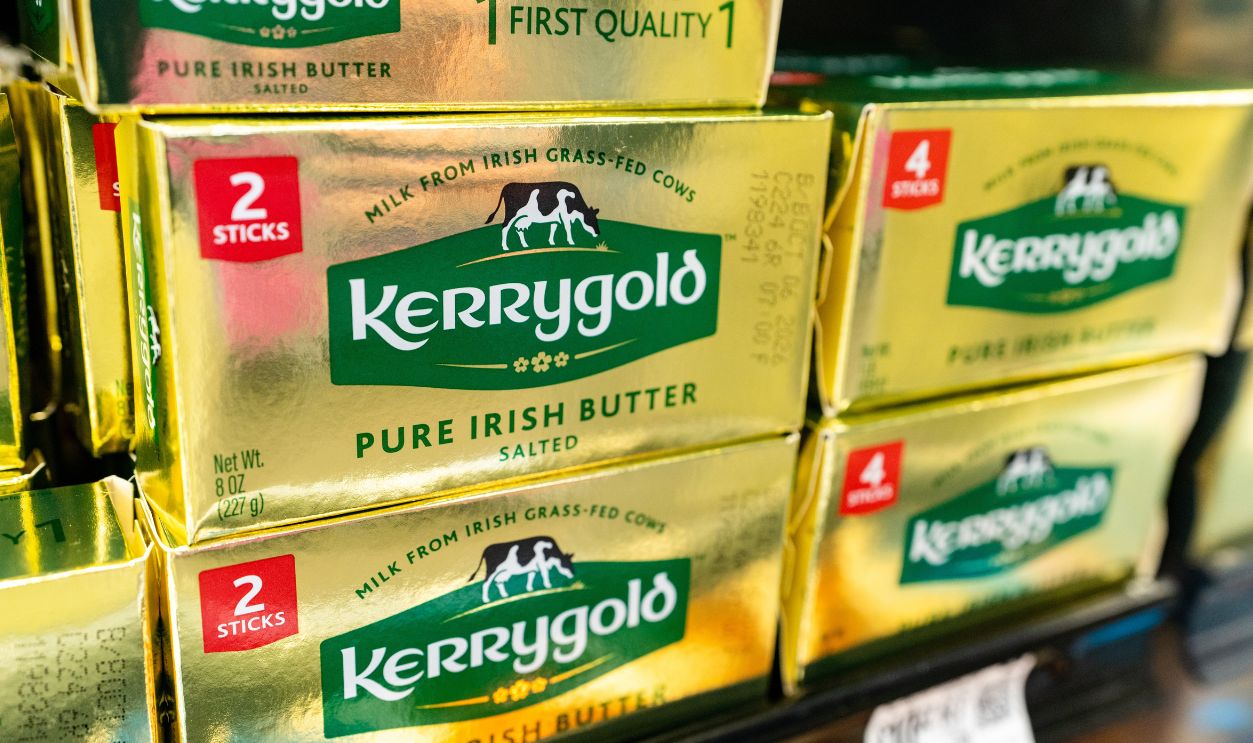
Butter is one of those ingredients you barely notice until its price jumps. Baking cookies, making mashed potatoes, or simply buttering toast once felt financially insignificant. Now, home bakers may wince while stocking up. An ingredient associated with basic cooking can suddenly feel like something worth buying only when discounted.
Orange Juice Became A Morning Luxury
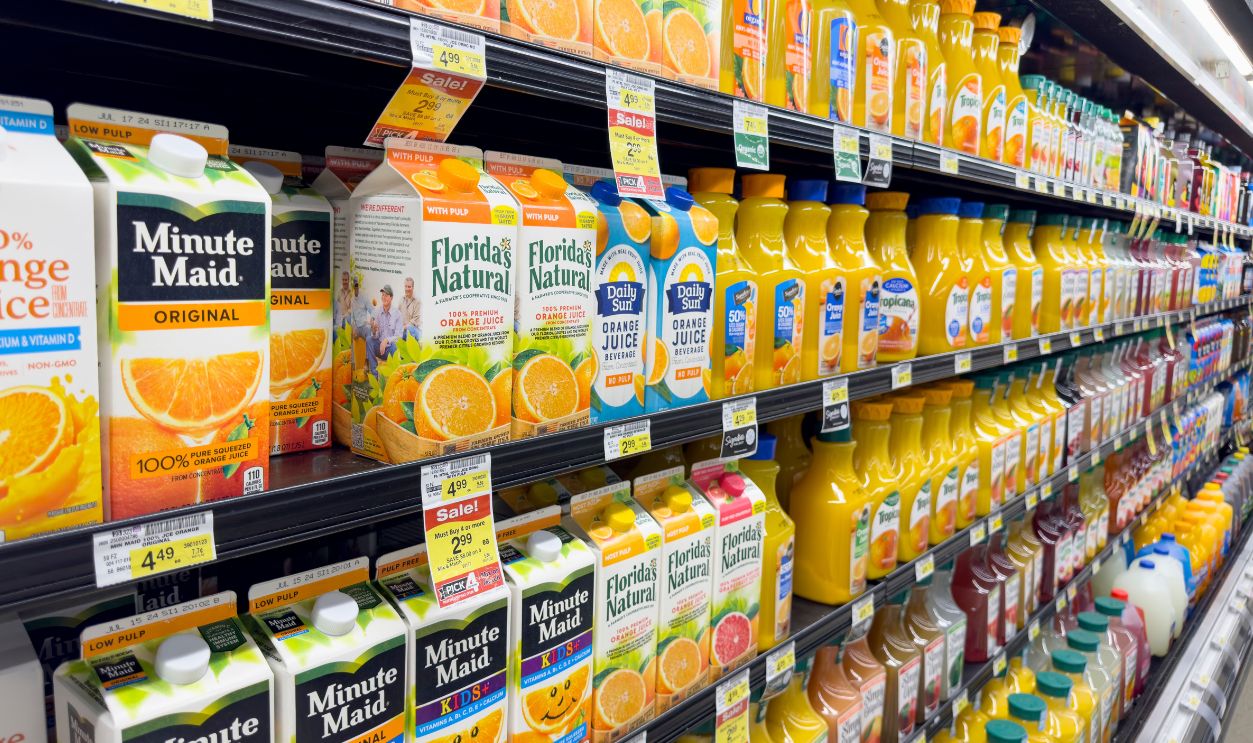
A large jug of orange juice once seemed like a perfectly normal addition to the weekly grocery cart. Today, shoppers can experience genuine sticker shock in the juice aisle. Between agricultural challenges, transportation costs, and changing supply conditions, that classic breakfast drink doesn't always feel like an everyday purchase anymore.
Coffee Became Serious Business
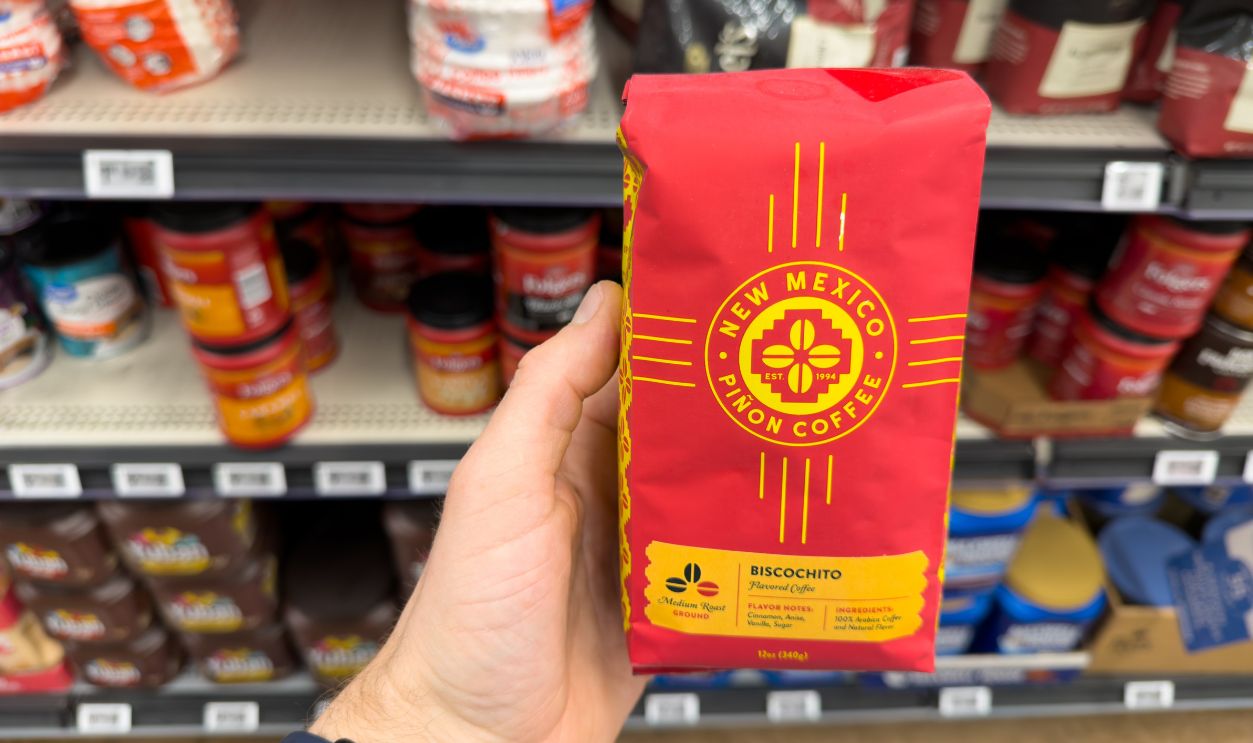
The 2000s already had coffee culture, but brewing a pot at home remained an inexpensive habit for most households. Bags and tins have become considerably harder to ignore at checkout. Coffee lovers may still insist it's cheaper than visiting a café, but the supermarket version certainly isn't invisible to the budget anymore.
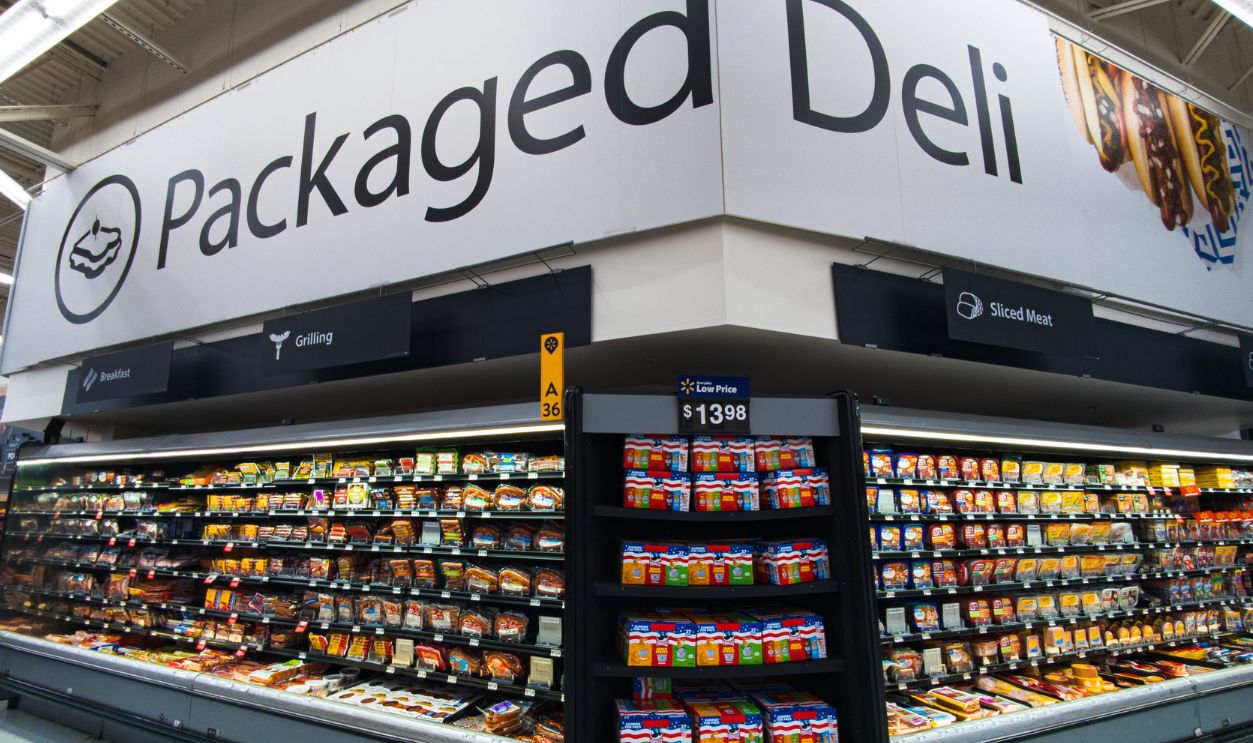
Deli Meat Can Wreck A Lunch Budget
Packing sandwiches used to be one of the obvious ways to save money compared with buying lunch. That calculation has become less comfortable. Turkey, ham, roast beef, and other deli meats can command impressive prices per pound, making a basic homemade sandwich feel strangely upscale.
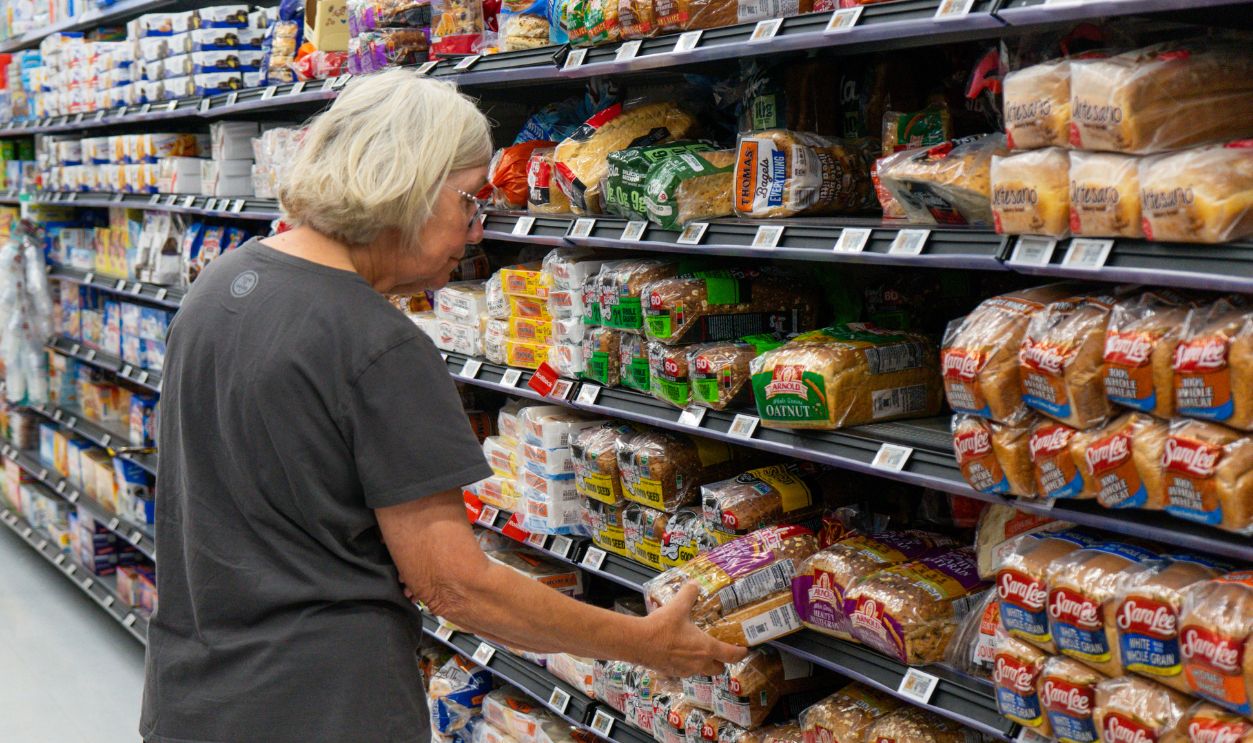
Bread Doesn't Seem So Basic
Bread remains an essential grocery purchase, but the price difference between bargain loaves and premium varieties can be dramatic. In the 2000s, shoppers often grabbed their favorite brand almost automatically. Today, many compare prices, switch brands, or wait for promotions before restocking something as fundamental as sandwich bread.
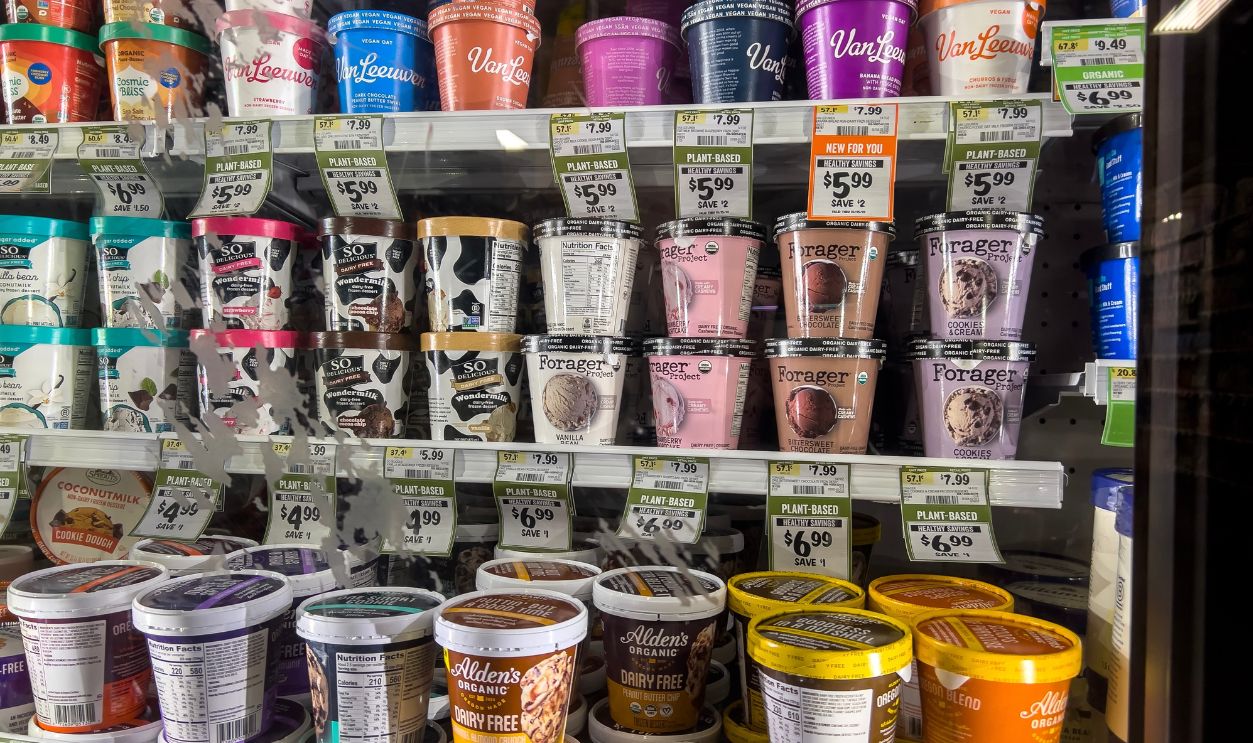
Ice Cream Became A Smaller Treat
Ice cream has been hit by two things shoppers hate: higher prices and packages that sometimes seem smaller. In the 2000s, buying a tub for the family felt like an inexpensive reward. Today, premium brands can turn the freezer aisle into an unexpected lesson in portion control and budgeting.
 Colleen Michaels, Shutterstock
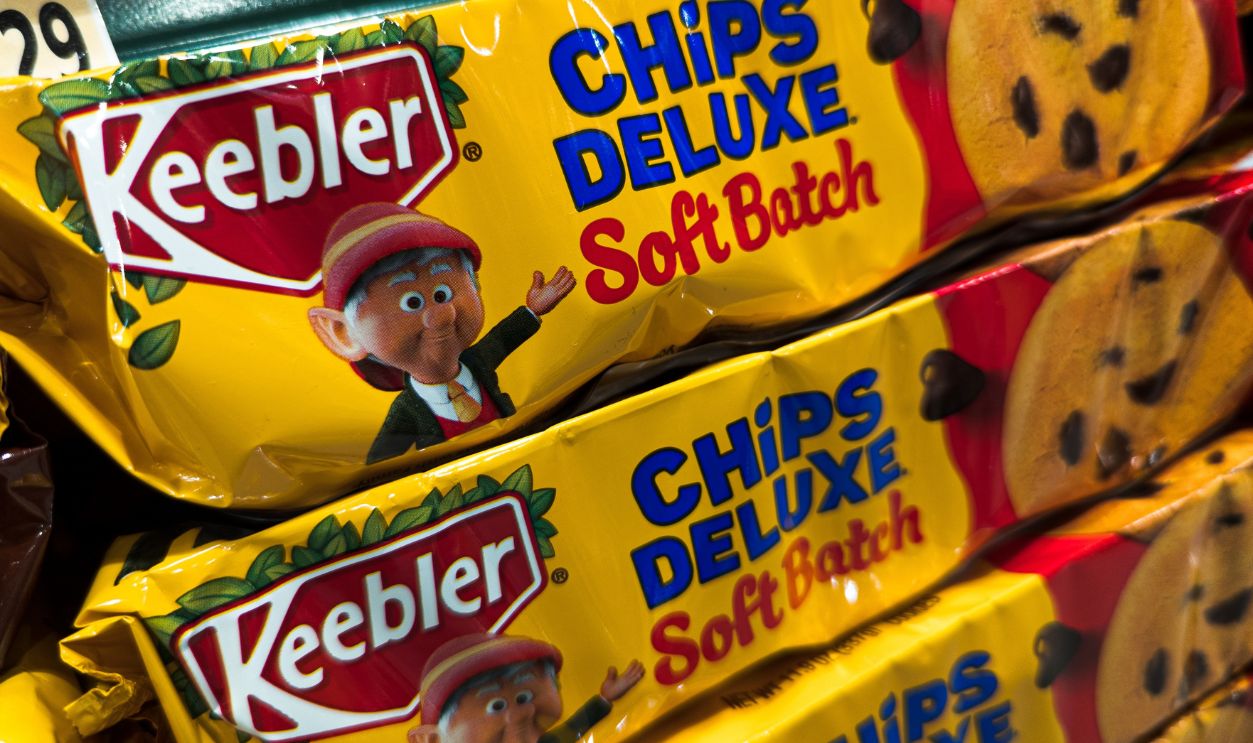
Cookies Aren't Pocket-Change Treats
Packaged cookies once seemed like harmless little extras thrown into the cart, especially when children were shopping with you. Now, name-brand packages can cost enough to trigger hesitation. That quick impulse purchase suddenly competes with actual meal ingredients, which makes cookies considerably easier to leave behind.
Crackers Got Surprisingly Fancy
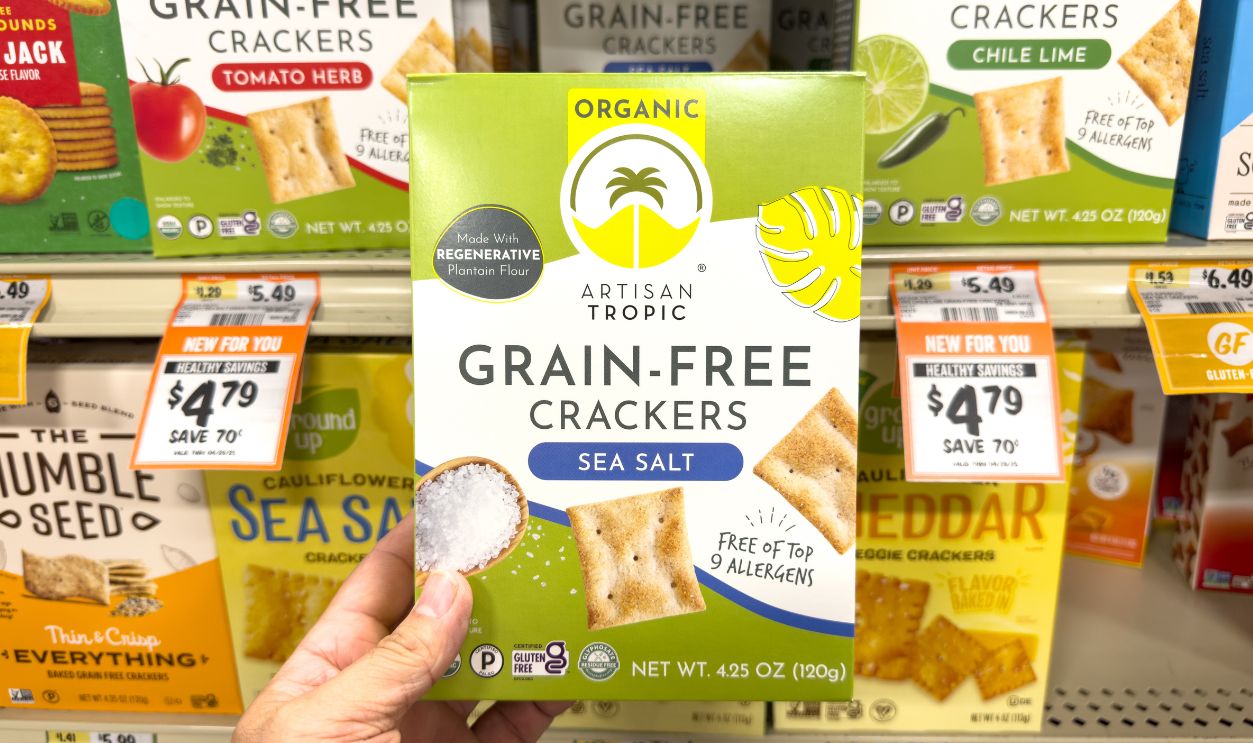
Crackers used to occupy the boring, reliable corner of the pantry. They were inexpensive companions for soup, cheese, and packed lunches. Today, even straightforward varieties can seem surprisingly costly. Add anything labeled artisan, organic, multigrain, or specialty, and you may wonder when crackers became a luxury category.
Peanut Butter Isn't Automatically Cheap
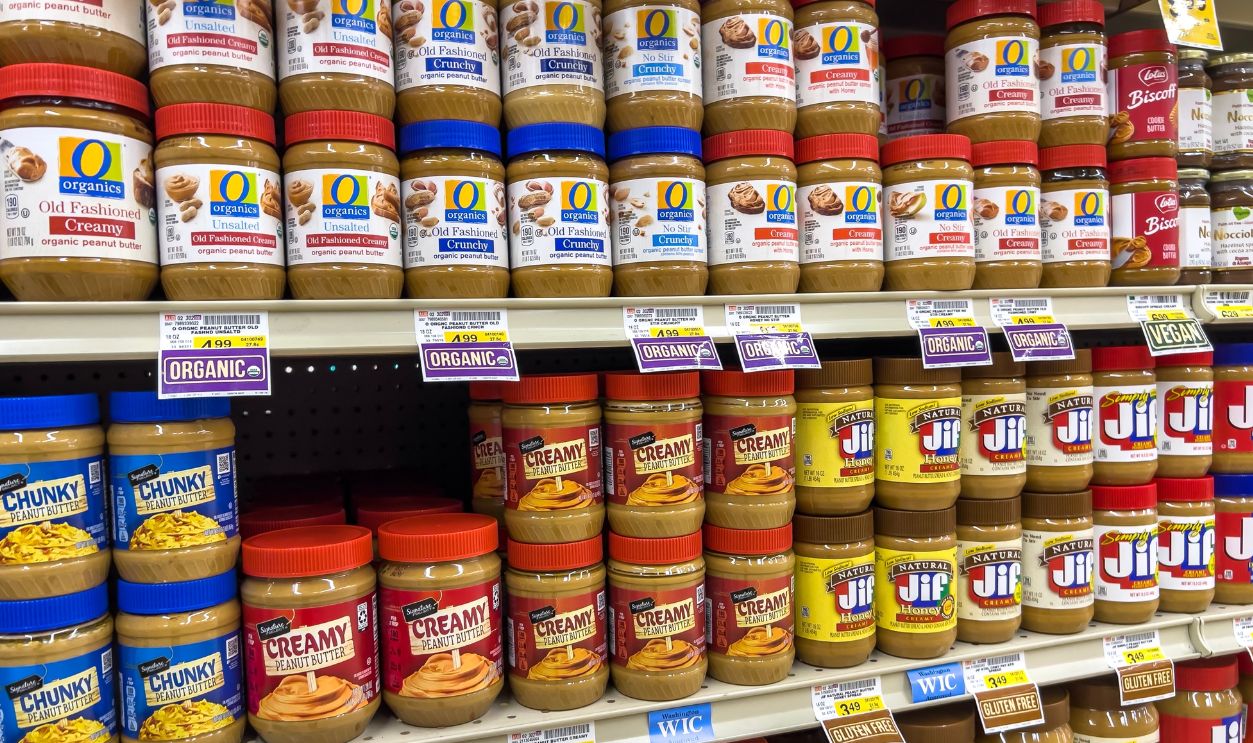
Peanut butter remains one of the great pantry workhorses, but familiar jars don't always feel as inexpensive as they once did. Families who depend on it for school lunches notice the difference quickly. Like many basics, it becomes expensive not because one jar is outrageous, but because you repeatedly replace it.
 Colleen Michaels, Shutterstock
Canned Soup Doesn't Always Feel Frugal
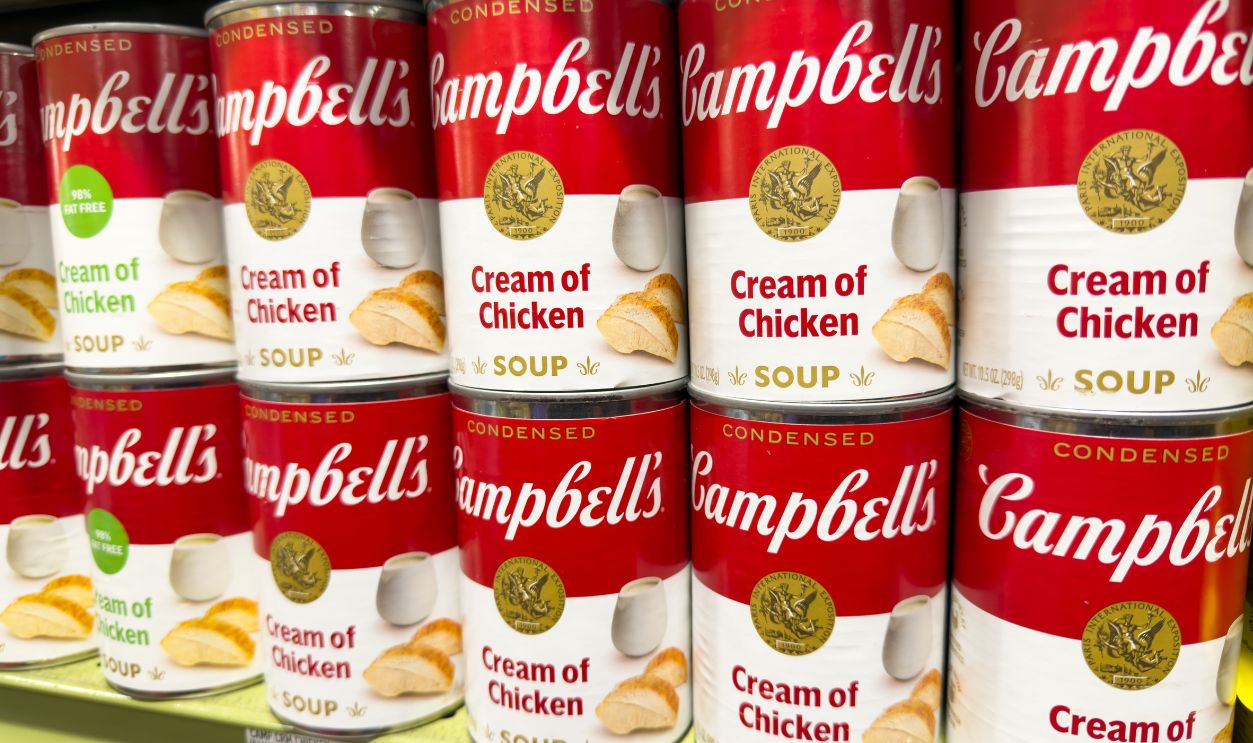
There was a time when canned soup practically screamed budget meal. Add crackers or a sandwich and dinner was done. While cheaper options remain available, many familiar brands now cost enough that shoppers think twice before loading the pantry. Convenience foods aren't automatically synonymous with cheap foods anymore.
Frozen French Fries Got Pricey
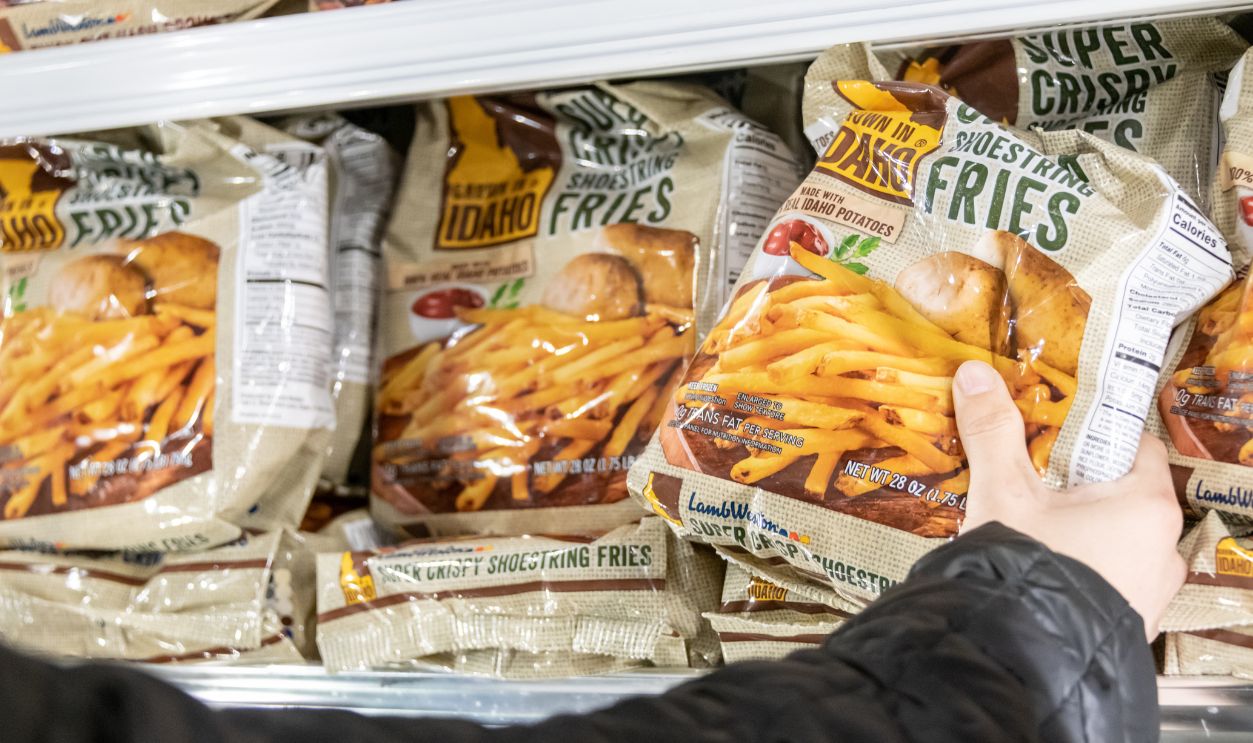
A bag of frozen fries once provided an inexpensive side dish for several family meals. Today, the freezer aisle can deliver a surprise. Potatoes themselves may still seem humble, but once they're processed, seasoned, packaged, transported, and branded, those convenient fries can carry a price that feels anything but basic.
Snack Bars Add Up Fast
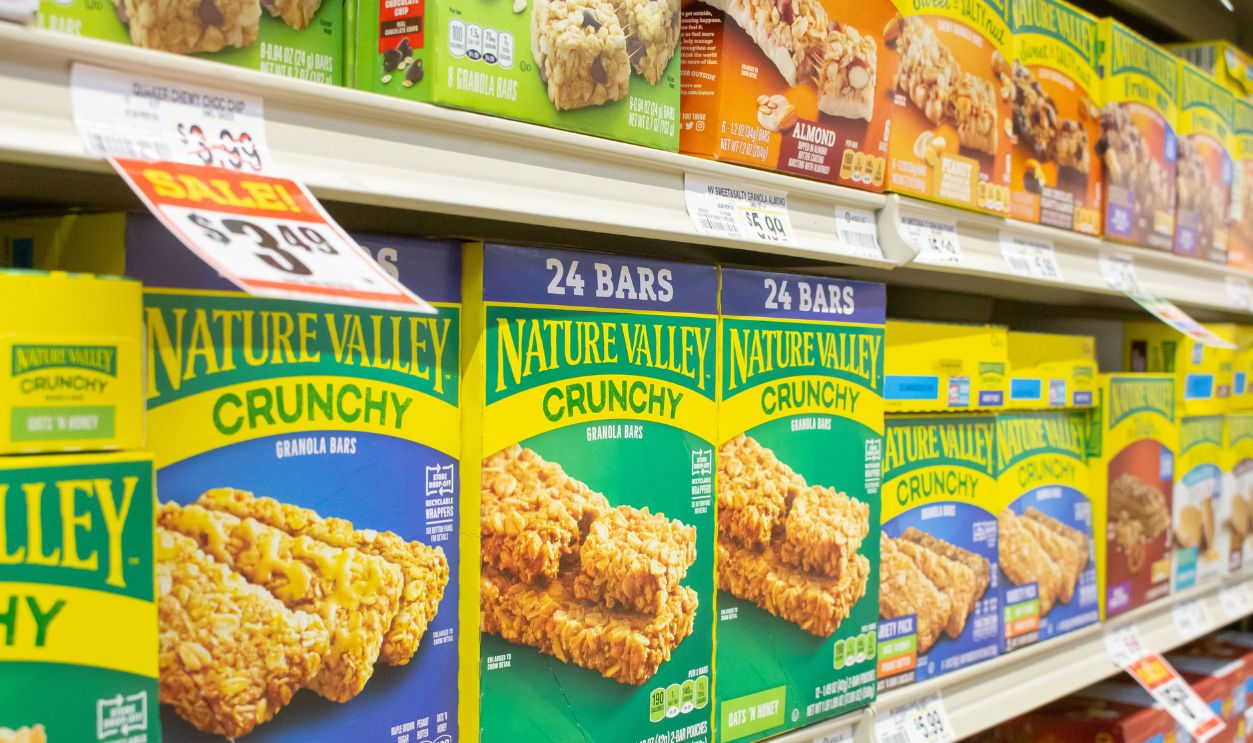
Granola bars and snack bars exploded in popularity during the 2000s, becoming fixtures in lunch boxes and desk drawers. They seemed like inexpensive grab-and-go food. Now, families buying several boxes each week know how quickly those little individually wrapped snacks can quietly inflate the grocery bill.
Chicken Wings Changed Completely
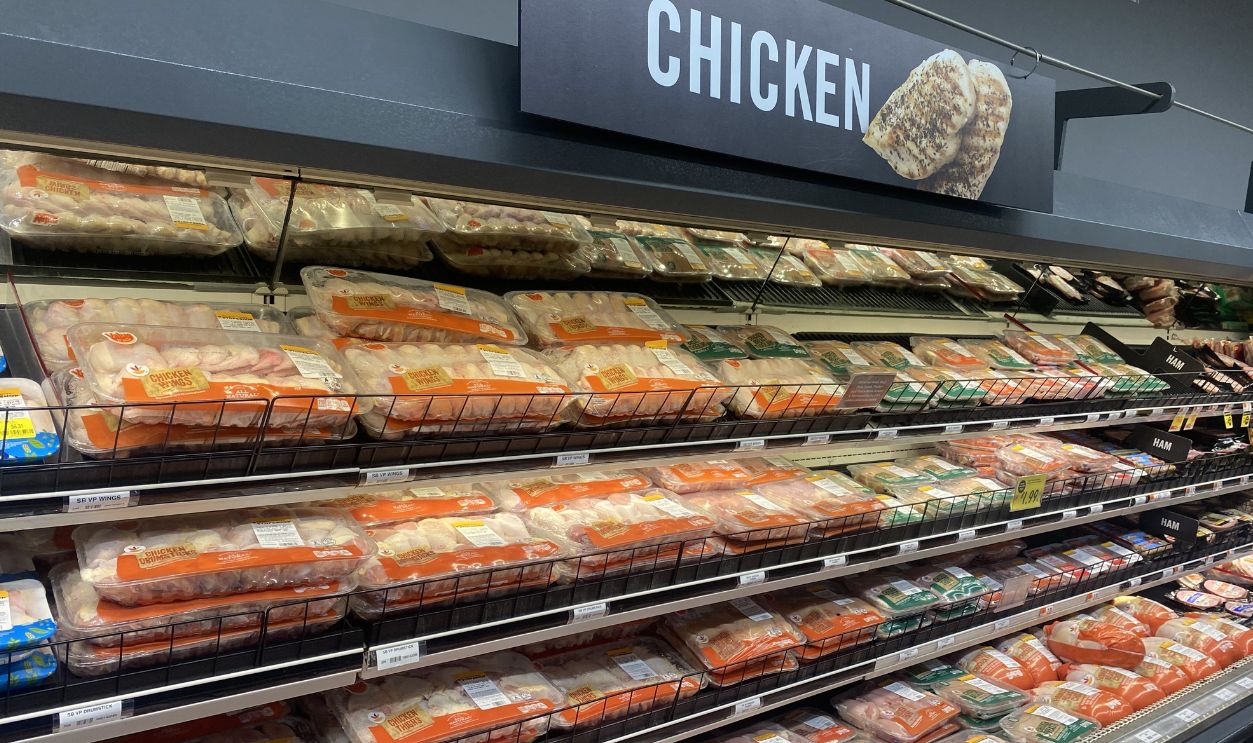
Chicken wings were once associated with cheap pub specials and inexpensive party platters. Their popularity eventually transformed them into a highly desirable product. Grocery-store wings can now command prices that would have seemed absurd during the 2000s, especially around major sporting events when demand predictably takes off.
Breakfast Sausage Isn't An Afterthought
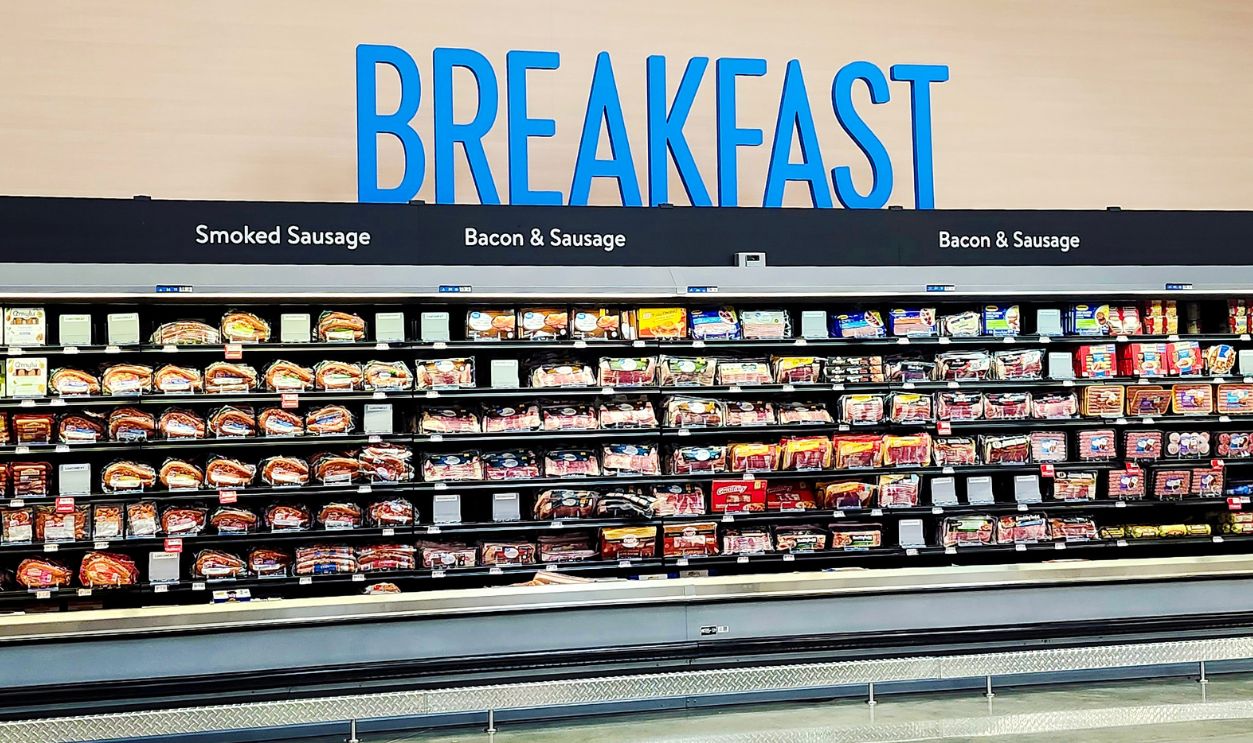
Sausage links or patties used to be an easy addition beside eggs and toast. Today, building the classic big breakfast can become surprisingly expensive once meat, eggs, butter, juice, and coffee all reach the cart. The full weekend spread increasingly feels like a special occasion rather than routine eating.
Name-Brand Condiments Can Shock You
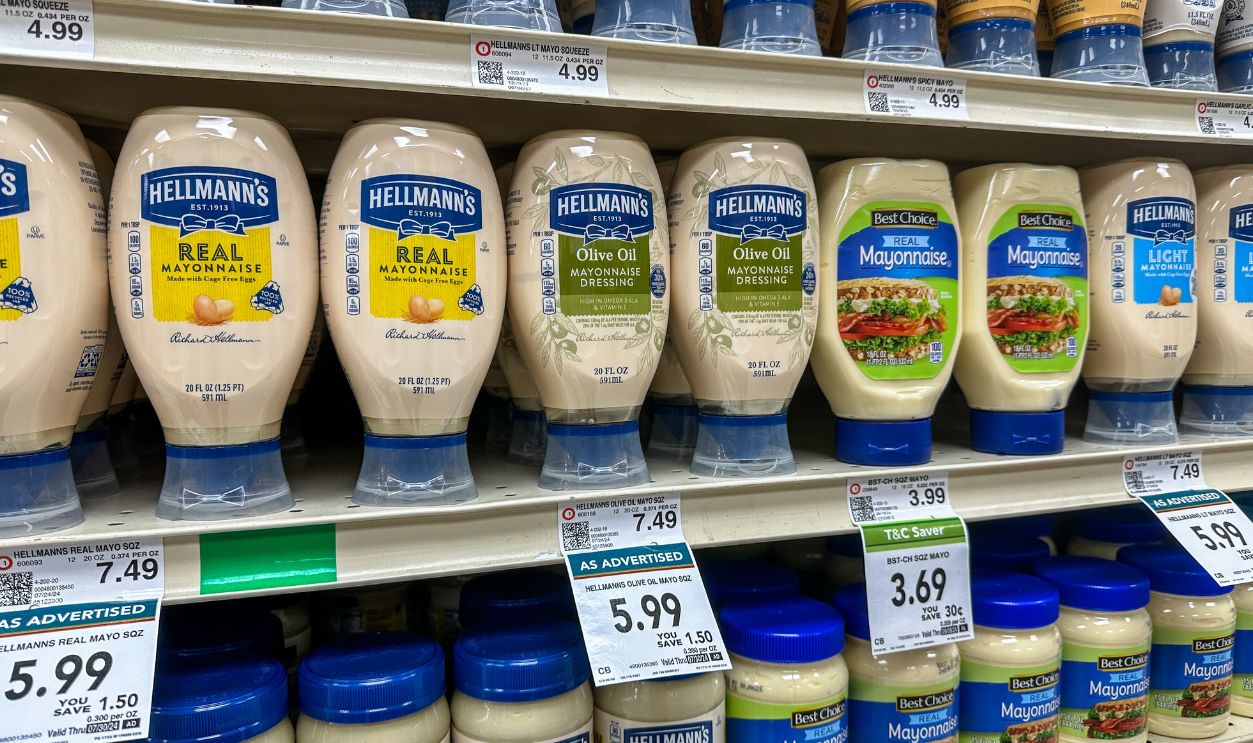
Ketchup, mayonnaise, mustard, and barbecue sauce used to feel financially insignificant because they lasted for weeks. Individual bottles now sometimes carry prices that make shoppers inspect store-brand alternatives more seriously. It's another example of how grocery inflation becomes noticeable when even boring refrigerator-door staples suddenly demand attention.
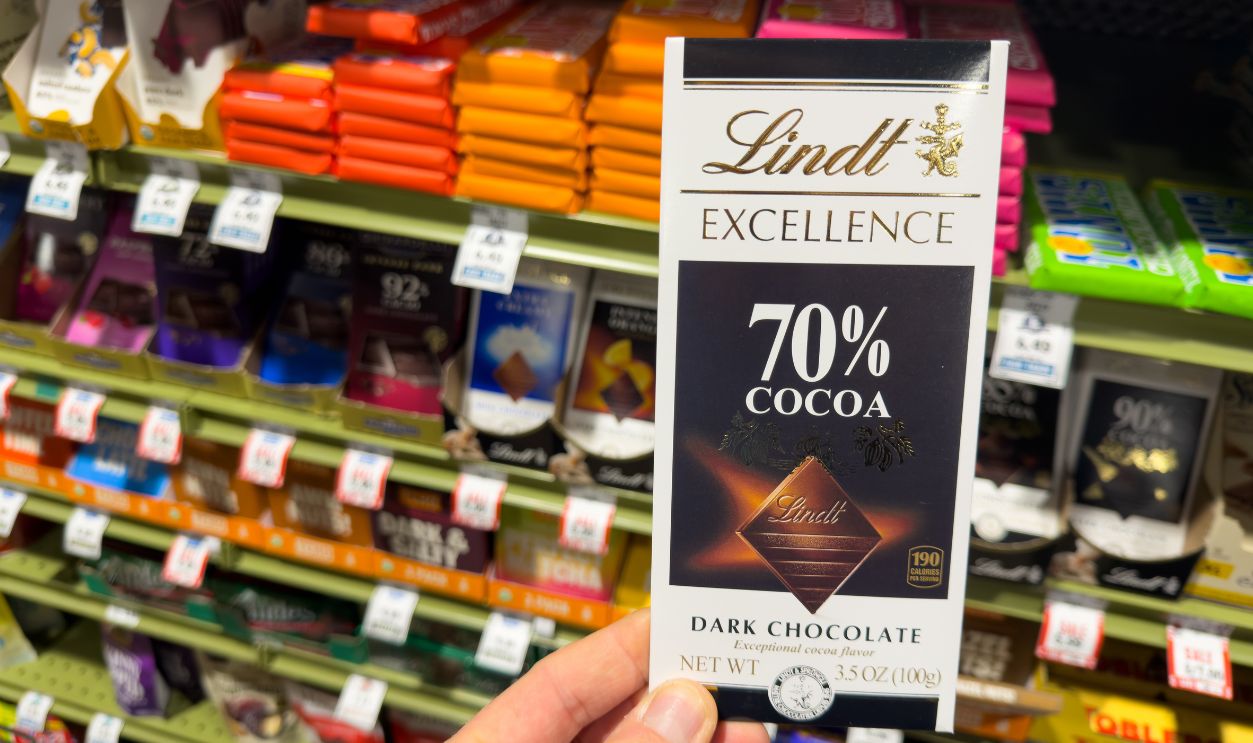
Chocolate Bars Aren't Tiny Purchases Anymore
Candy bars were classic checkout-line temptations throughout the 2000s because they felt cheap enough to buy impulsively. Today's prices can make that little treat seem surprisingly substantial. Toss several into the cart for the family, and suddenly the candy aisle has contributed more to the receipt than anyone expected.
Grocery Inflation Is Especially Sneaky
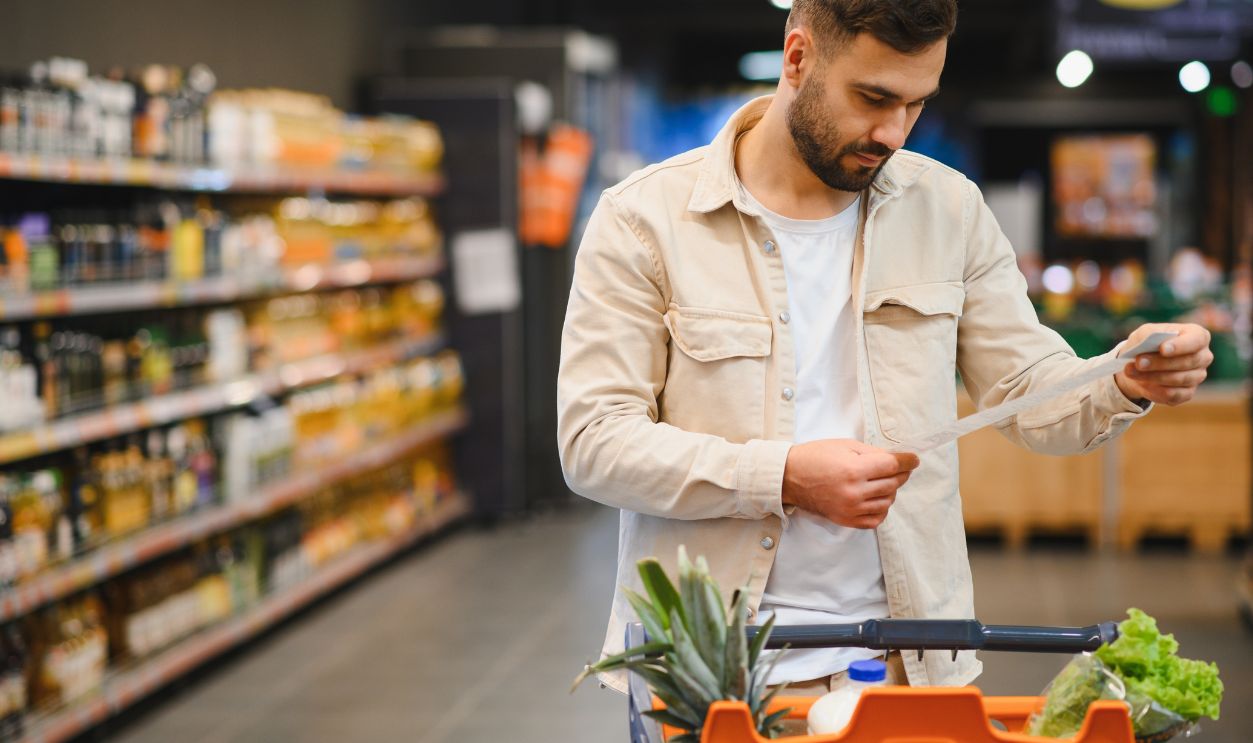
The biggest difference isn't always one dramatic price increase. It's dozens of small increases happening across the entire cart. A dollar more here and two dollars more there can transform the final bill. That's why shoppers often feel groceries have become dramatically more expensive even when individual increases seem manageable.
 Hryshchyshen Serhii, Shutterstock
Nostalgia Makes Old Prices Feel Even Better
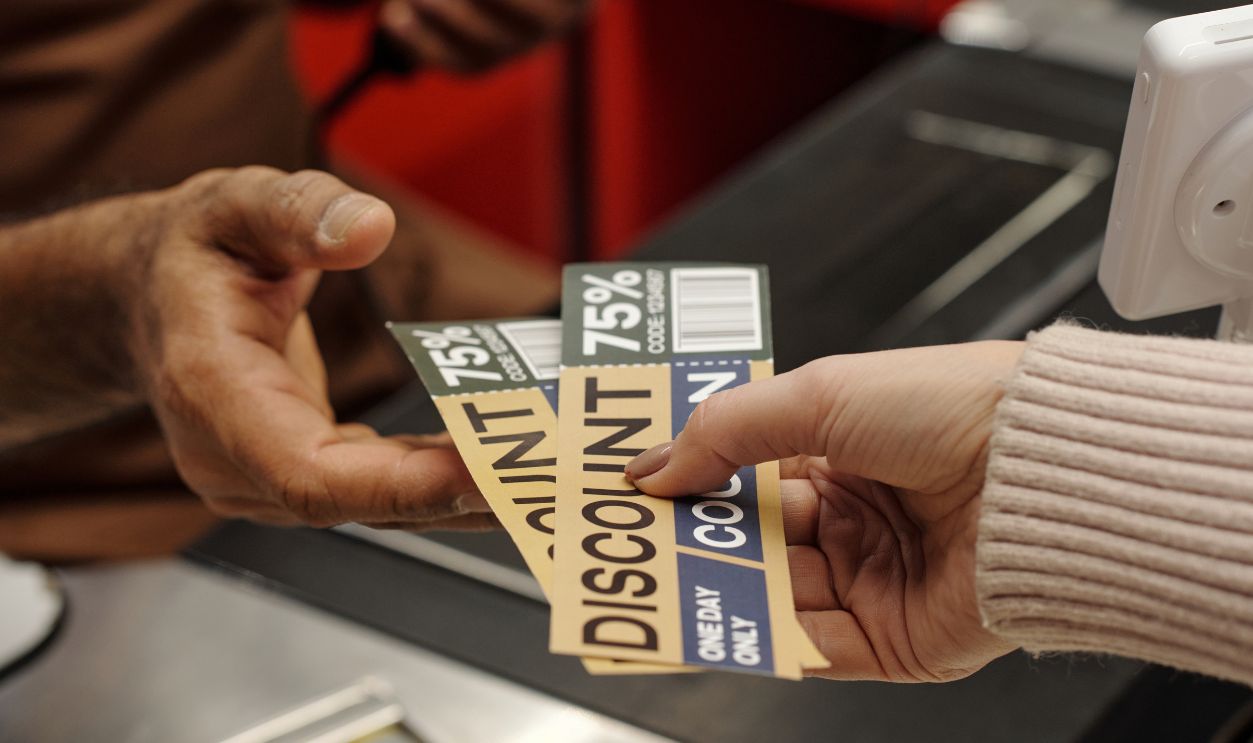
Of course, memory isn't perfect. We remember spectacular sales, childhood snacks, and the prices our parents paid while forgetting that incomes were generally lower too. Still, grocery shopping undeniably feels different when once-mundane staples require comparison shopping, coupons, loyalty programs, and careful planning just to keep the weekly bill under control.
The Cheap Grocery Era Feels Very Far Away
Nobody expected frozen pizza, cereal, bacon, crackers, and orange juice to become objects of financial strategy. Yet that's grocery shopping today. The smartest response isn't simply buying less. Comparing unit prices, switching brands, watching sales, and planning meals can help recreate at least a little of that carefree 2000s shopping experience.
You May Also Like:
Groceries People Think Are Affordable—Until They Compare The Unit Price