Grocery Shopping Had Perks
Grocery shopping wasn't that much cheaper or easier in the 1970s and 80s, but supermarkets certainly knew how to make a trip feel rewarding. Trading stamps, dishes, samples, holiday turkeys and promotional giveaways gave shoppers something tangible to take home. Some of those old freebies would be awfully welcome today.
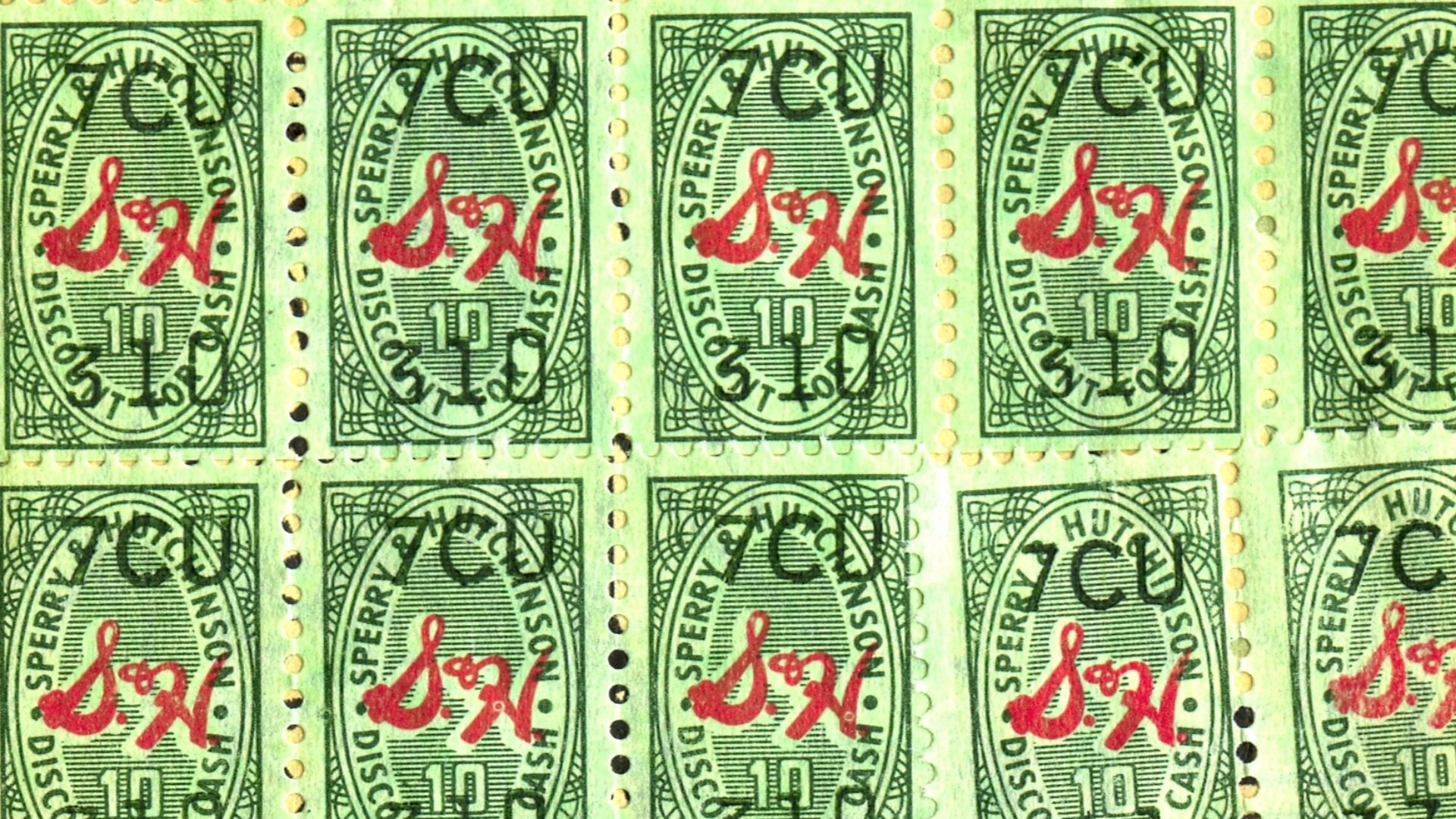
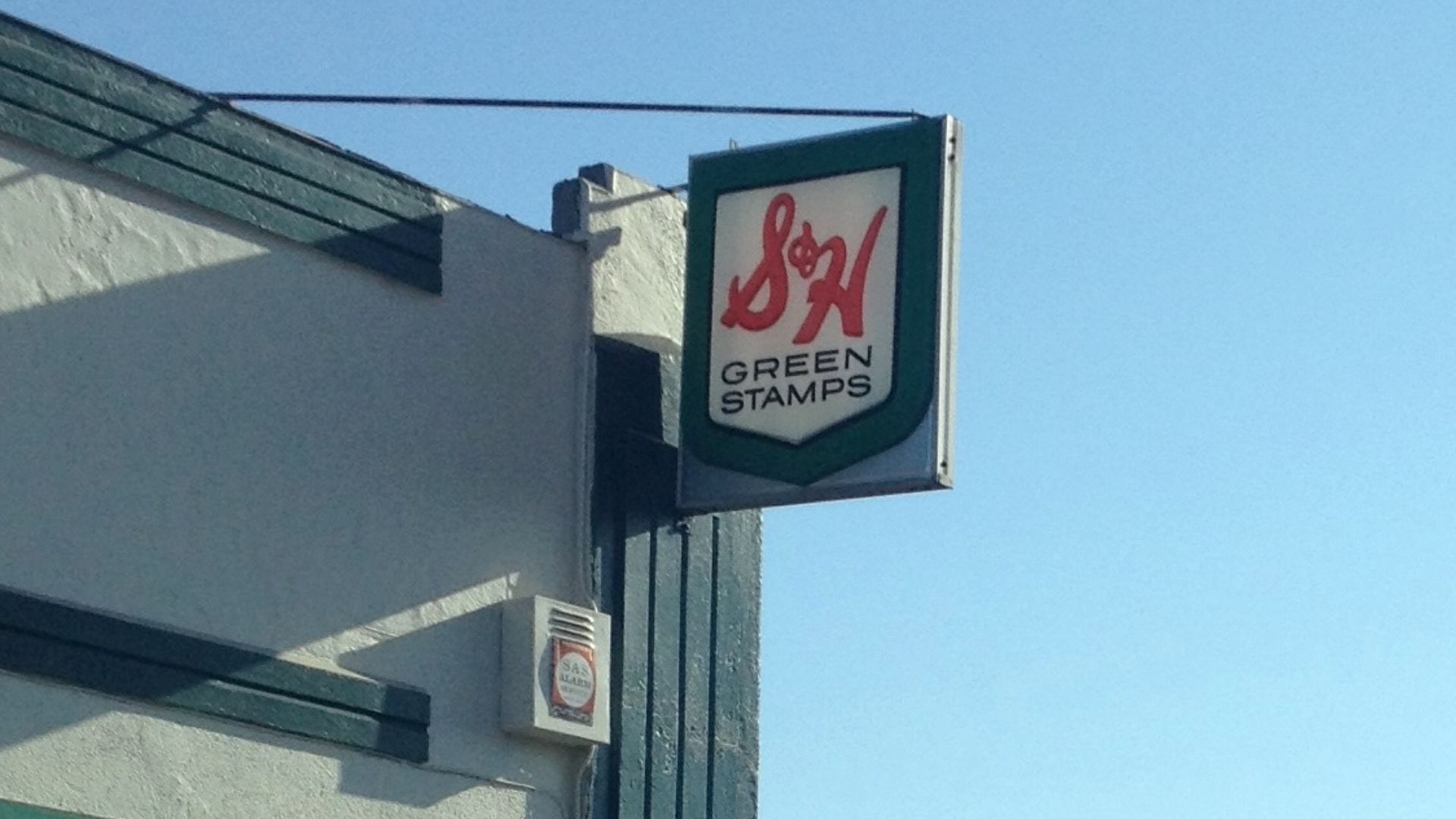
S&H Green Stamps
For generations of shoppers, the little green stamps handed over with groceries felt almost like another currency. You pasted them into books and eventually exchanged completed books for merchandise. Although their popularity declined during the 1970s, S&H Green Stamps remained an instantly recognizable supermarket perk well into the era.
 Wandering Magpie from Surf City, CA, USA, Wikimedia Commons
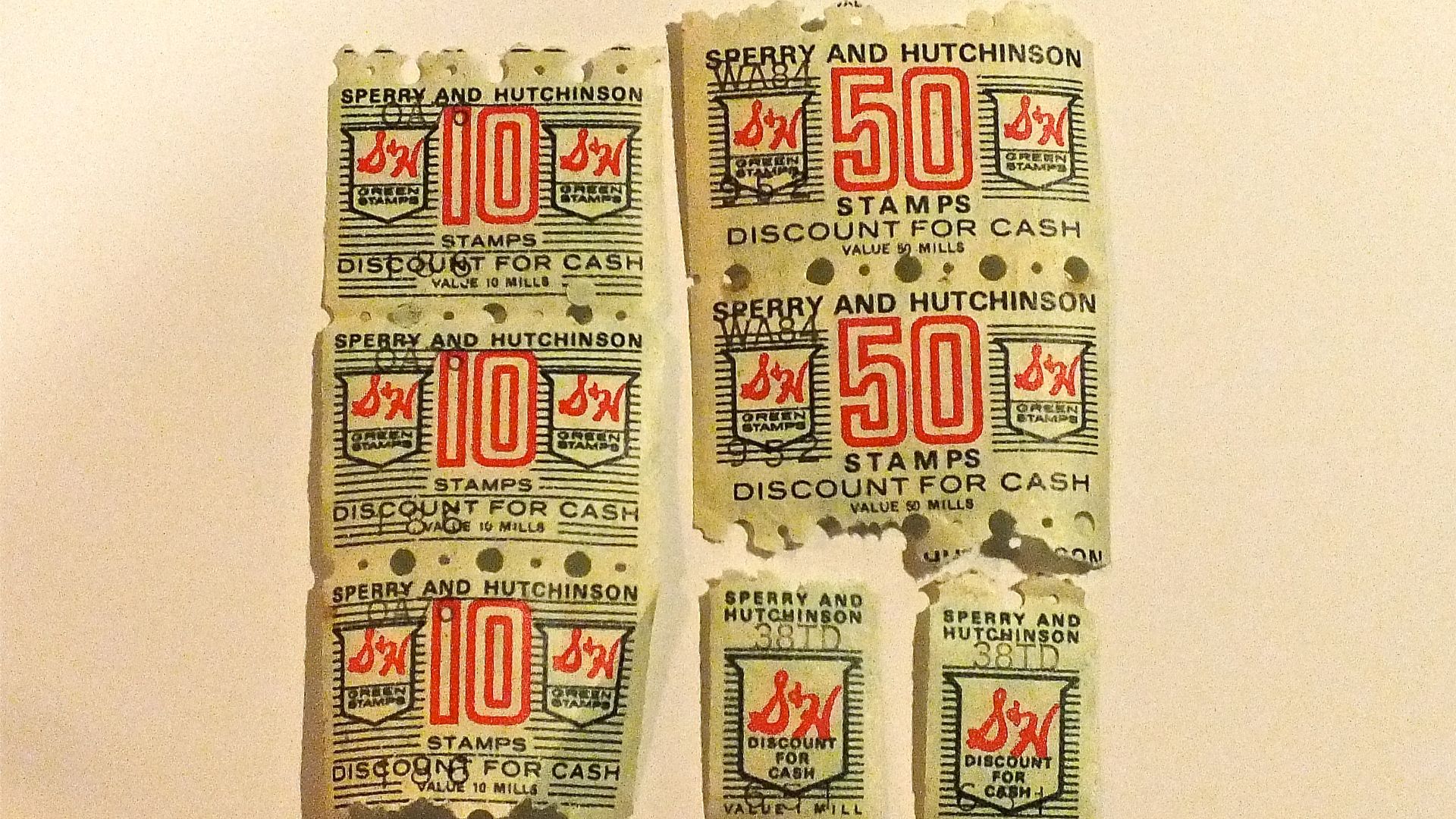
Other Trading Stamps
Green wasn't your only option. Depending on where you shopped, you might collect Top Value, Gold Bond, Blue Chip, Plaid, Triple-S or another regional stamp. Kroger, A&P, Grand Union and numerous other grocers participated in different programs, turning supermarket loyalty into a surprisingly competitive collecting hobby.
 Cayobo from Key West, The Conch Republic, Wikimedia Commons
Bonus Stamp Days
Regular stamps were nice. Double or bonus stamps were better. Supermarkets used extra-stamp promotions to keep shoppers returning, sometimes attaching large bonuses to particular products. A surviving 1983 grocery advertisement promised as many as 1,200 extra S&H Green Stamps for purchasing selected merchandise.
 Britta Gustafson, Wikimedia Commons
Free Toasters
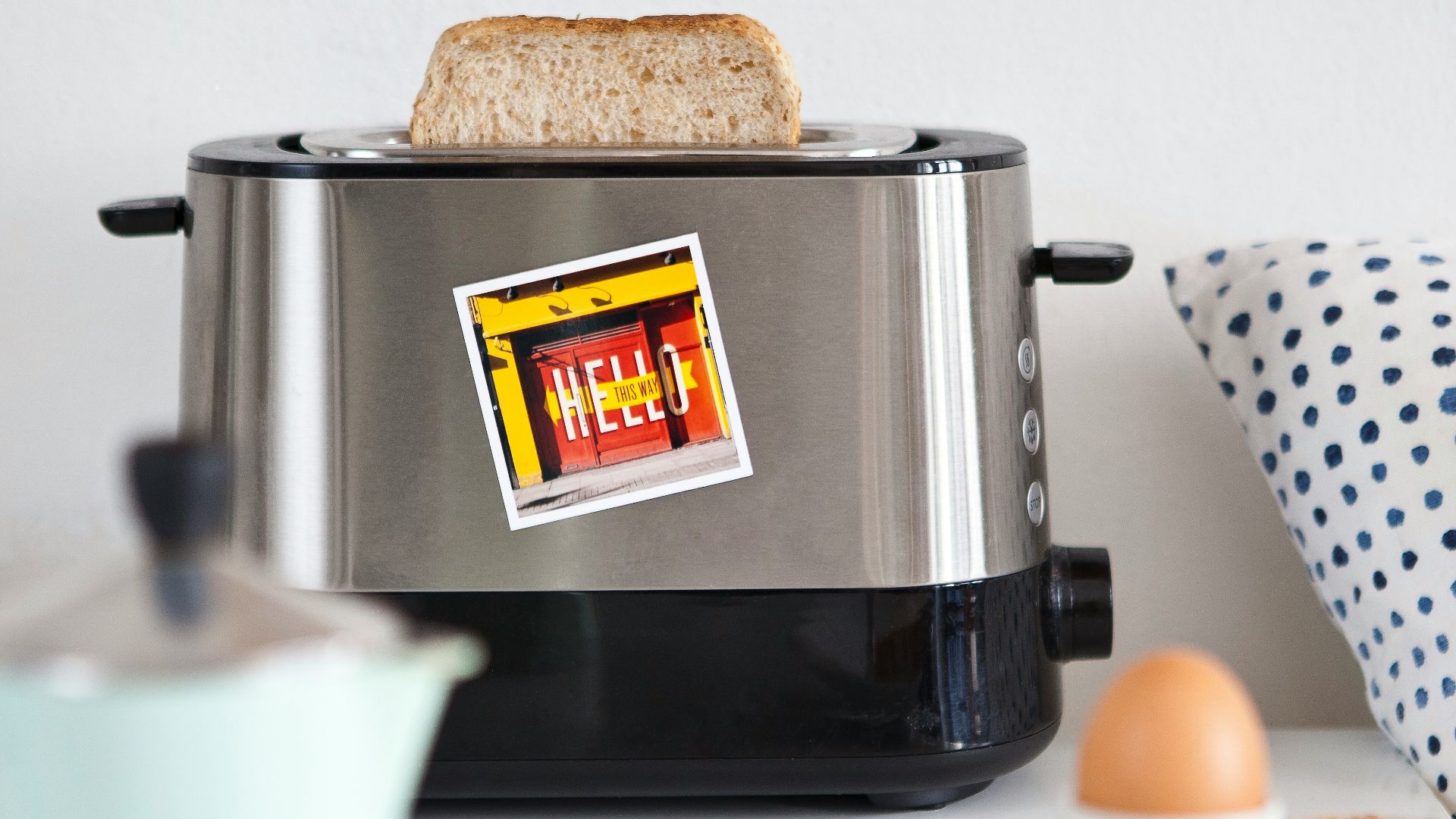
Save enough trading stamps and an ordinary supermarket trip could eventually help furnish your kitchen. S&H catalogs offered toasters among their enormous selection of redeemable merchandise. Technically you earned the toaster over numerous shopping trips, but families understandably regarded the eventual appliance as their reward for buying groceries they needed anyway.
 Kristyna Squared.one, Unsplash
Free Pots And Pans
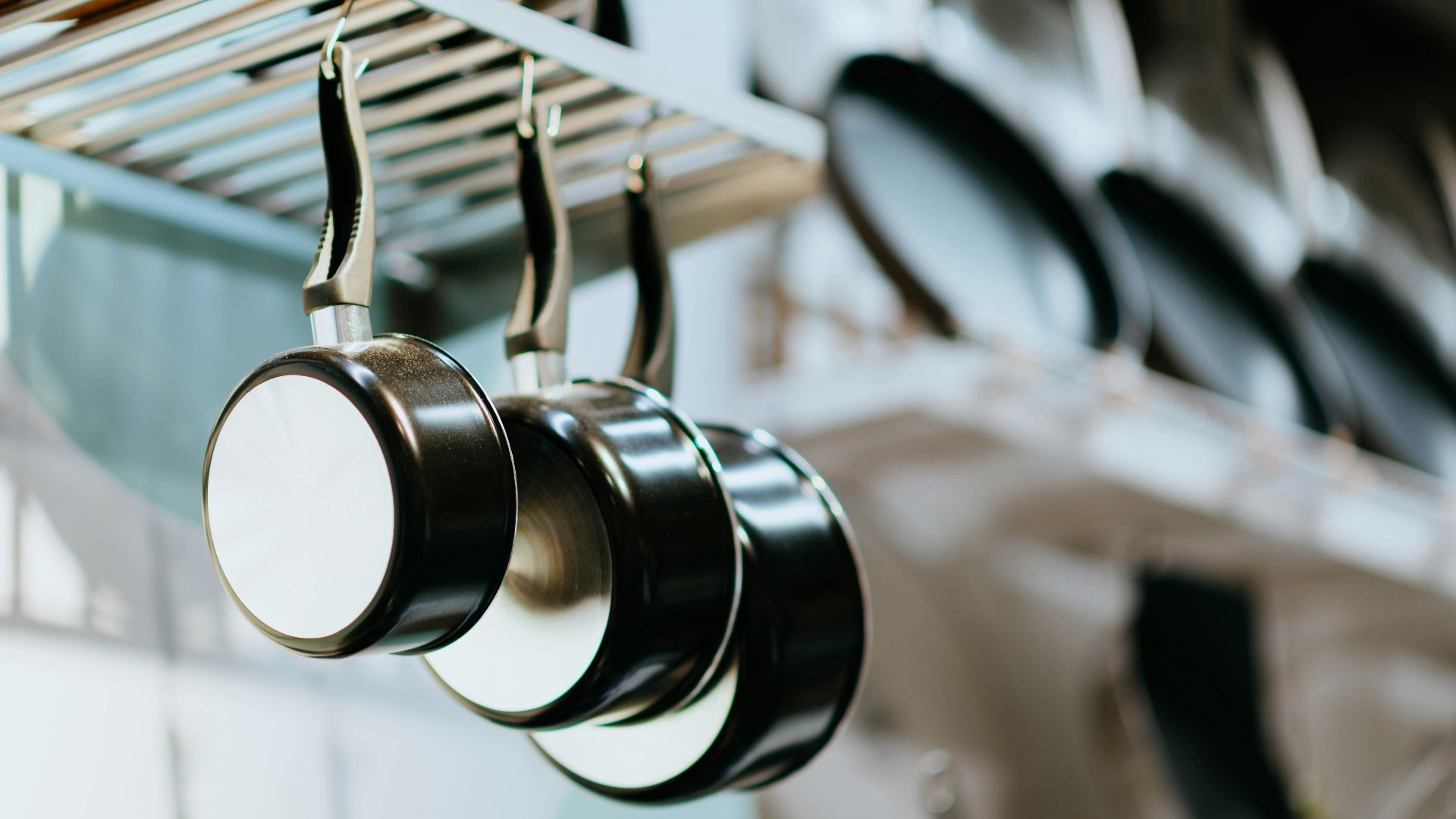
Cookware was another practical trading-stamp prize. S&H premium catalogs included pots, pans and roasters, allowing persistent shoppers to turn supermarket purchases into useful kitchen equipment. Compared with a modern loyalty program offering a few dollars off a future purchase, bringing home an actual piece of cookware felt satisfyingly substantial.
 CHUTTERSNAP, UnsplashFree Glassware
Trading-stamp catalogs were packed with household goods, including glassware and bowls. That made grocery shopping part of a much larger household economy. Families could accumulate rewards while buying food, then use those rewards for things they otherwise might have needed to purchase with actual cash.

Free Bed Linens
The supermarket could even help furnish your bedroom. S&H catalogs included bed linens, curtains and rugs among their redeemable premiums. Saving stamps required patience, but that was part of their appeal. Every week's grocery purchase moved the household a little closer to something genuinely useful without another obvious hit to the budget.
 Lotus Design N Print, Unsplash
Free Clocks
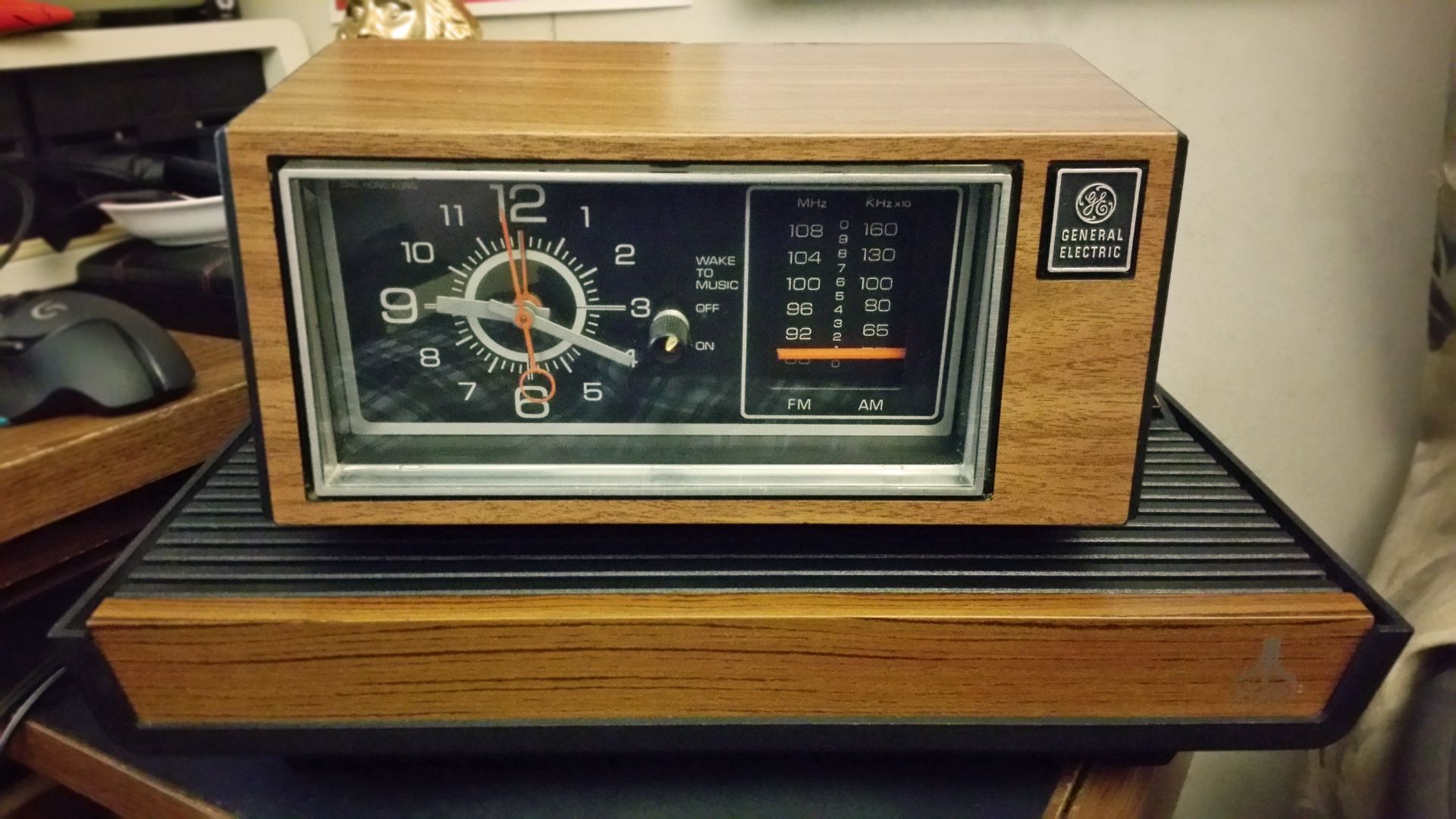
Need a clock? Keep saving. S&H offered numerous clocks among its premiums, with surviving catalogs showing brands including General Electric, Sessions and Seth Thomas. Today's supermarket points often disappear invisibly into an account balance. Older shoppers could point at an object in the house and remember exactly how they earned it.
 phreakindee, Wikimedia Commons
Free Toys
Parents could turn those stamps into something for the kids, too. Premium catalogs offered dolls, wagons, tricycles, roller skates and sporting equipment. Suddenly grocery shopping had an unexpected secondary purpose for kids who knew that another cart full of food meant their family's stamp book was getting closer to a coveted prize.
Free Cameras
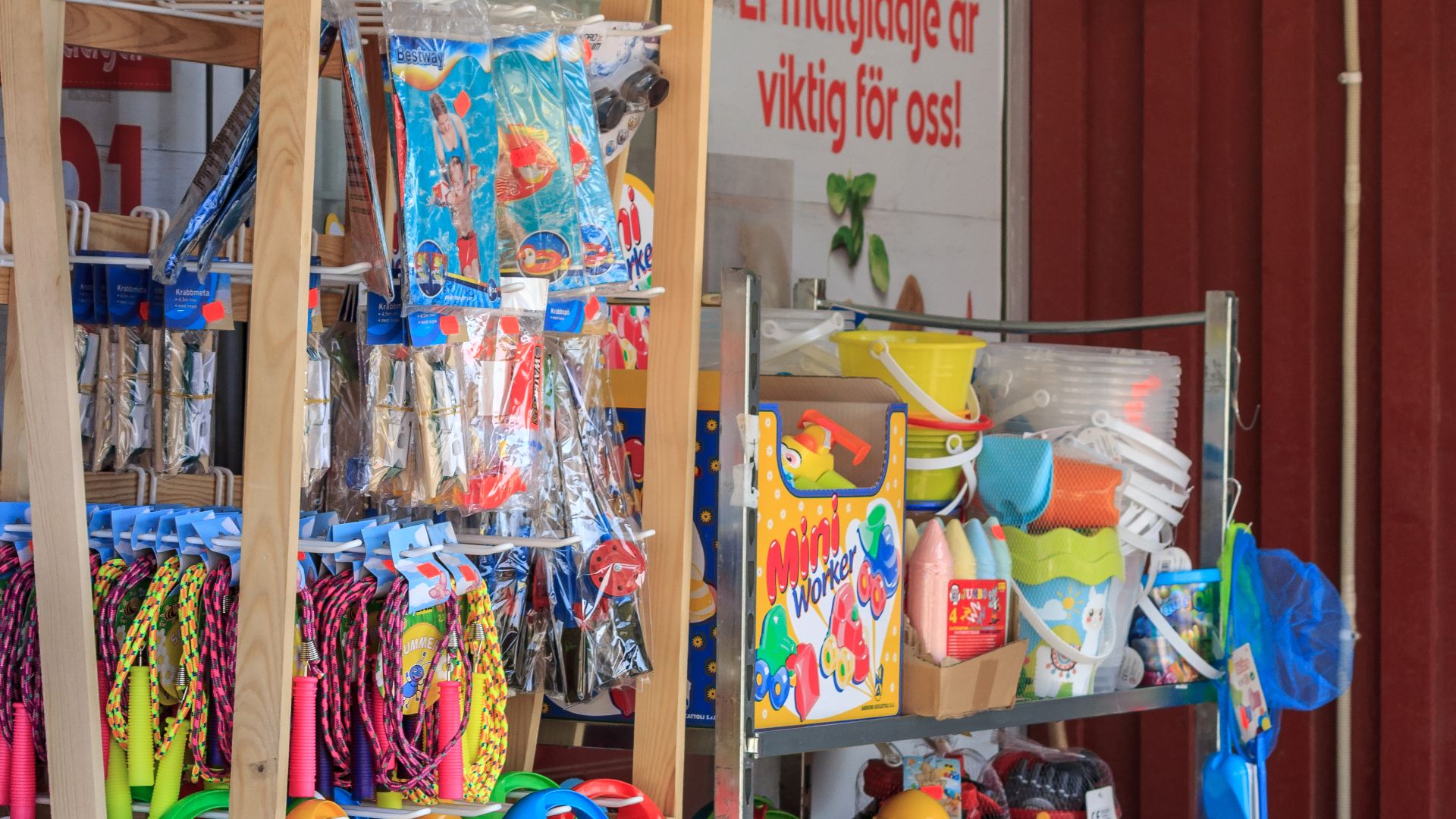
Trading stamps could even be redeemed for cameras and binoculars. These weren't simply disposable promotional trinkets stamped with a supermarket logo. Reward catalogs contained an enormous range of real consumer merchandise, helping explain why collecting stamps became such a powerful habit among American households before their long decline during the 1970s.

Free Recipe Cards
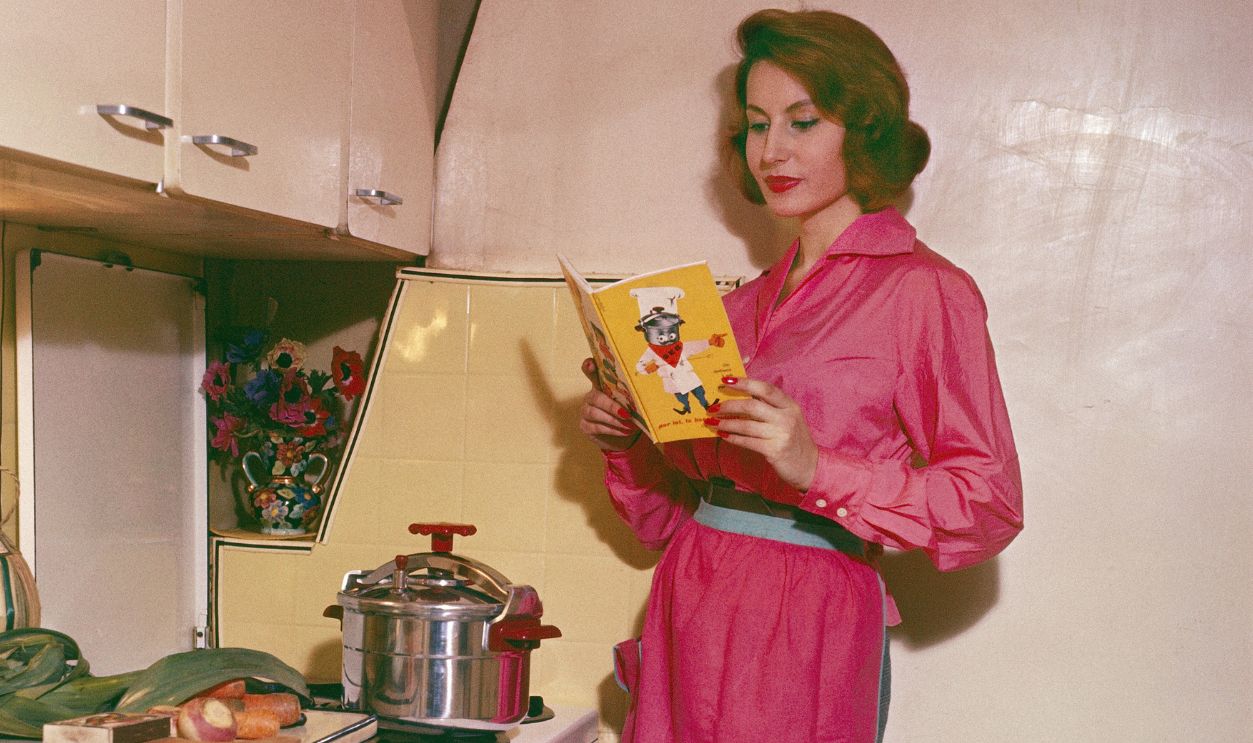
Long before you could search thousands of recipes on your phone, supermarkets provided cooking inspiration themselves. Free recipe sheets and cards could be collected and saved at home. Woodward's Food Floors, for example, distributed free recipes from its Bea Wright kitchen throughout the 1970s and 80s.
 Provincial Archives of Alberta, Wikimedia Commons
Free Cookbooks
Sometimes manufacturers went considerably further than a single recipe. A 1980 promotion offered shoppers an American Beauty cookbook after submitting proofs of purchase, while another offered a 130-page Campbell's-Nabisco cookbook. The hoops varied, but recipe books became another way food companies rewarded households for buying familiar grocery products.
Free Dictionaries
Supermarkets sometimes turned weekly shopping into a collecting project. One nostalgic shopper recalled a Queens supermarket offering sections of a giant dictionary to customers purchasing at least $10 in groceries. Keep shopping week after week and eventually you could assemble the complete reference book, imitation-leather binding and all.

Free Road Atlases
Remember when navigating across the country required an actual map? A 1980 Instant Folger's promotion offered shoppers a Rand McNally road atlas after they submitted the required package seal. It was exactly the sort of genuinely useful household freebie that could remain in the family car for years afterward.

Free Food Samples
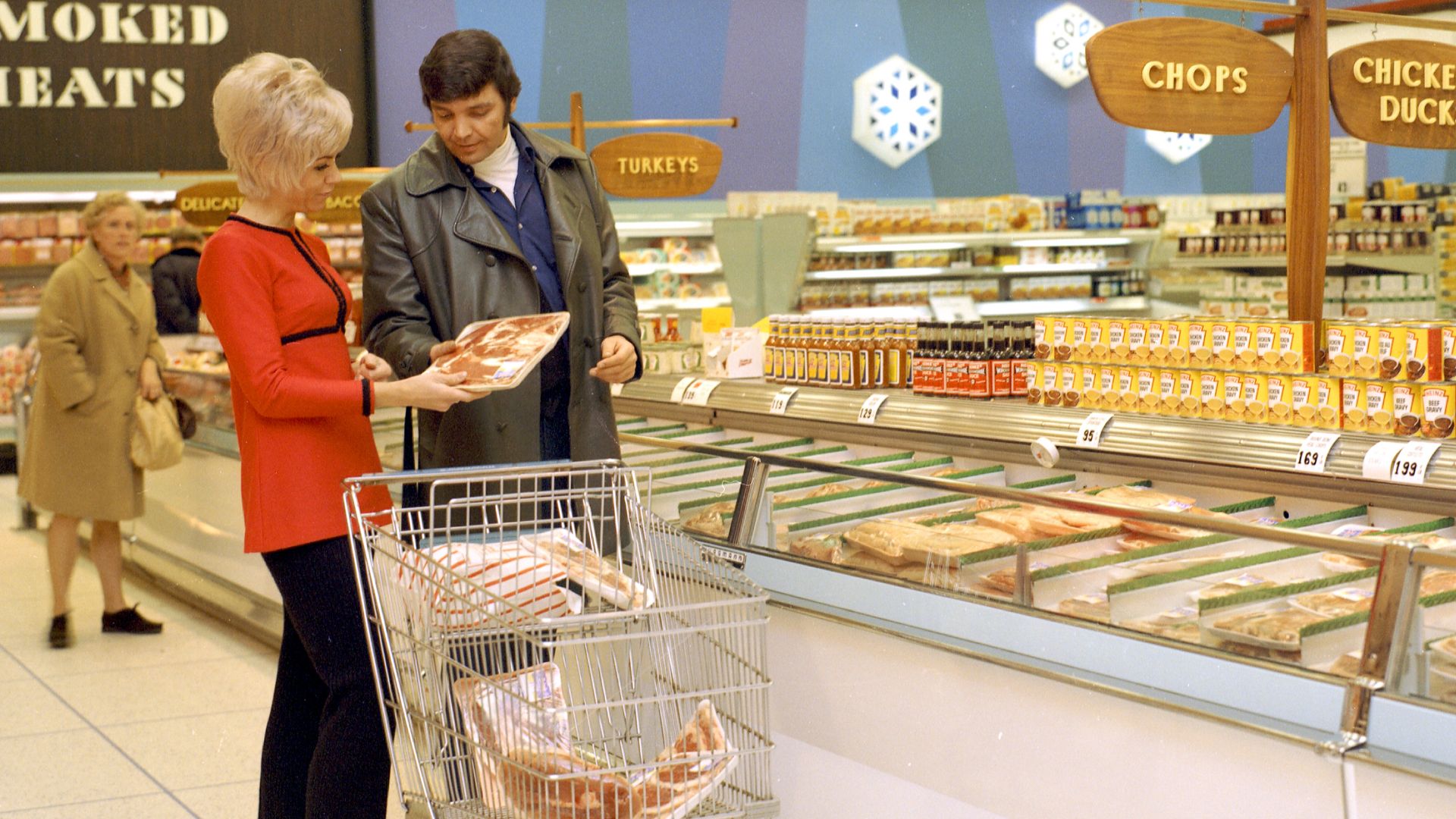
Free samples certainly haven't vanished, but they were already a serious supermarket marketing tool by the 1980s. Manufacturers spent heavily putting samples directly into shoppers' hands because tasting could turn curiosity into sales. Cheese, crackers and other bite-sized temptations made wandering the aisles considerably more interesting.
Free Product Coupons
Manufacturers showered shoppers with coupons, while supermarkets sometimes doubled their value. By 1980, American food manufacturers and retailers were distributing more than 80 billion discount coupons annually. For shoppers willing to clip, organize and combine offers, that little envelope of paper coupons could become a meaningful part of the household grocery budget.
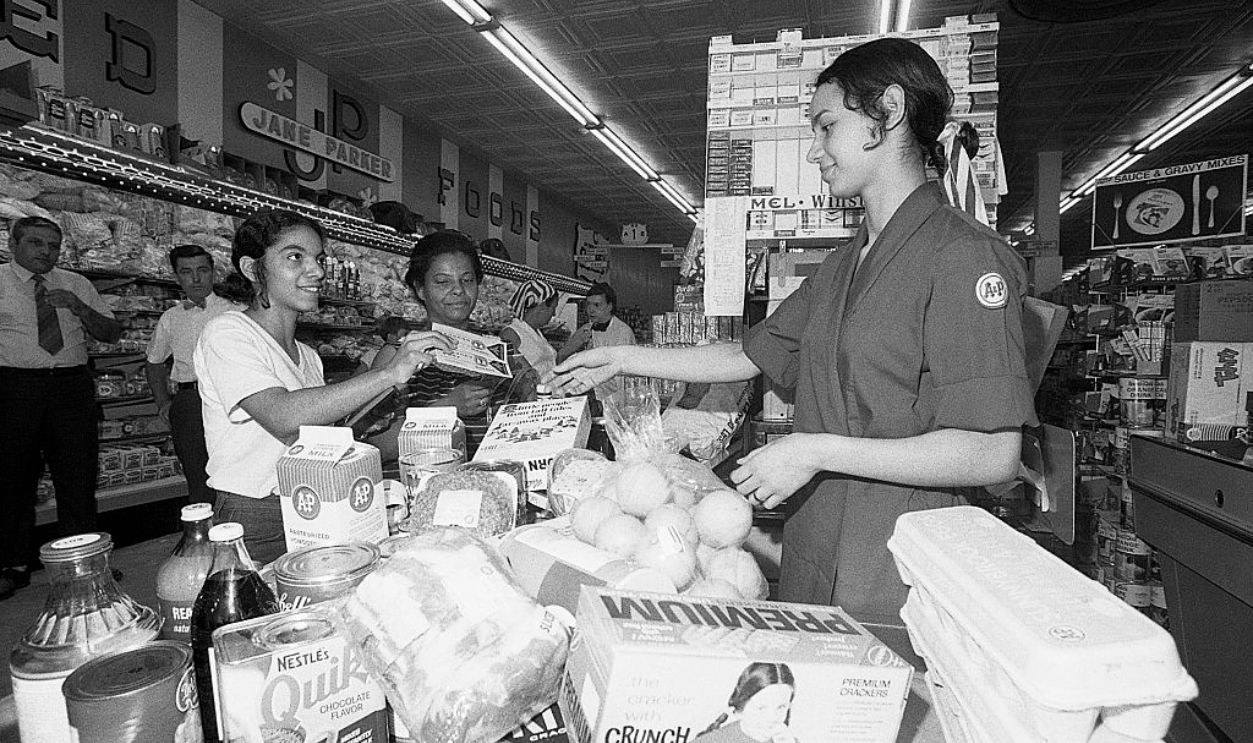
Double Coupon Savings
Some supermarkets didn't merely accept your manufacturer's coupon. They doubled its value. A 1980 Washington Post article described a shopper combining a special Maxwell House certificate and supermarket double-coupon promotion to save $1.20 on a four-ounce jar of instant coffee. For determined coupon users, checkout could become competitive sport!
 National Library of Australia from Canberra, Australia, Wikimedia Commons
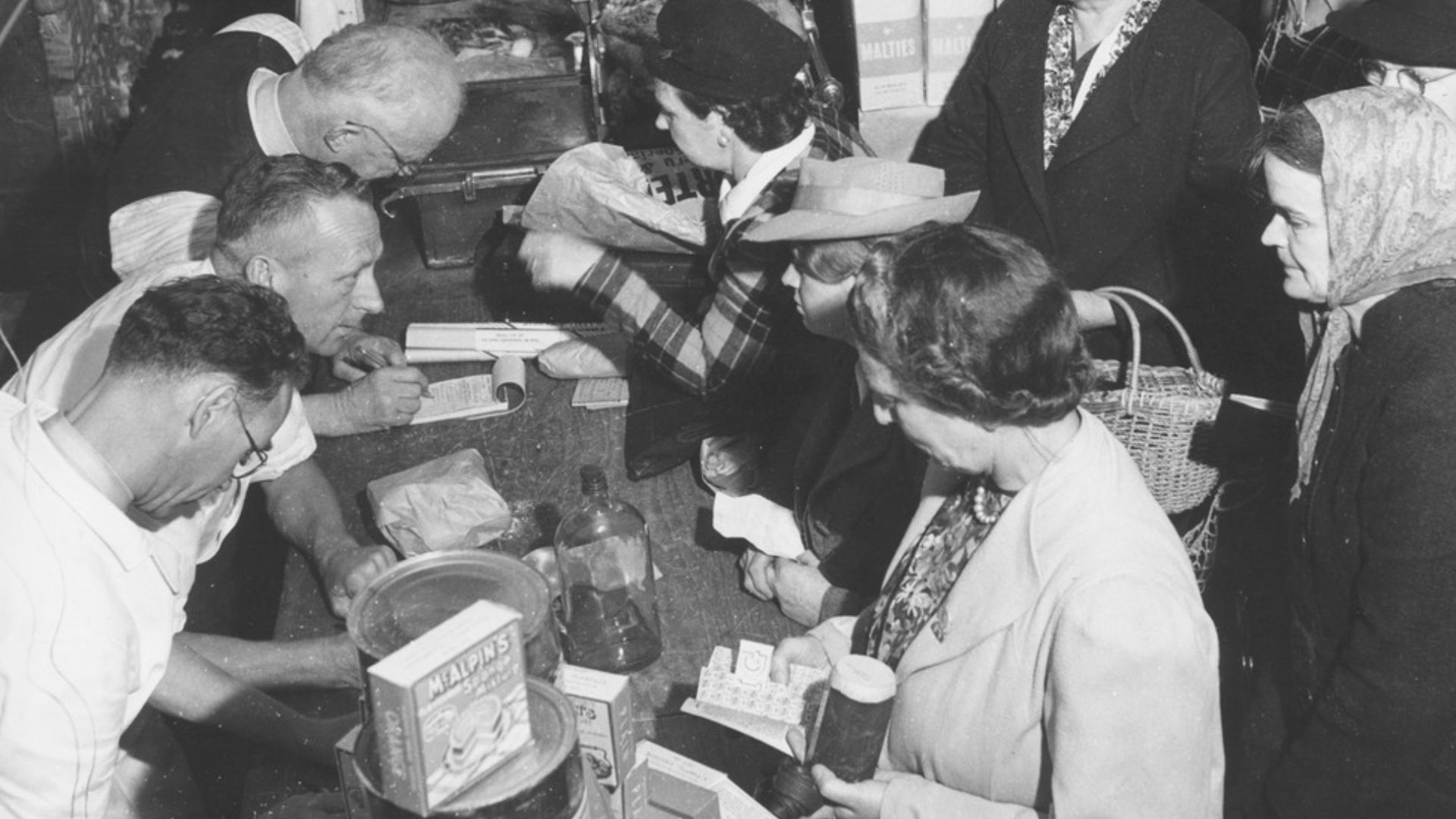
Mail-In Cash Refunds
The supermarket aisles were filled with products carrying mail-in rebate offers. Save a label or UPC, find the required form, buy the necessary products and send everything away. The process was cumbersome, but persistent shoppers could receive checks, cash refunds, merchandise or store certificates weeks later.
 Boston Public Library, Unsplash
Free Eggs
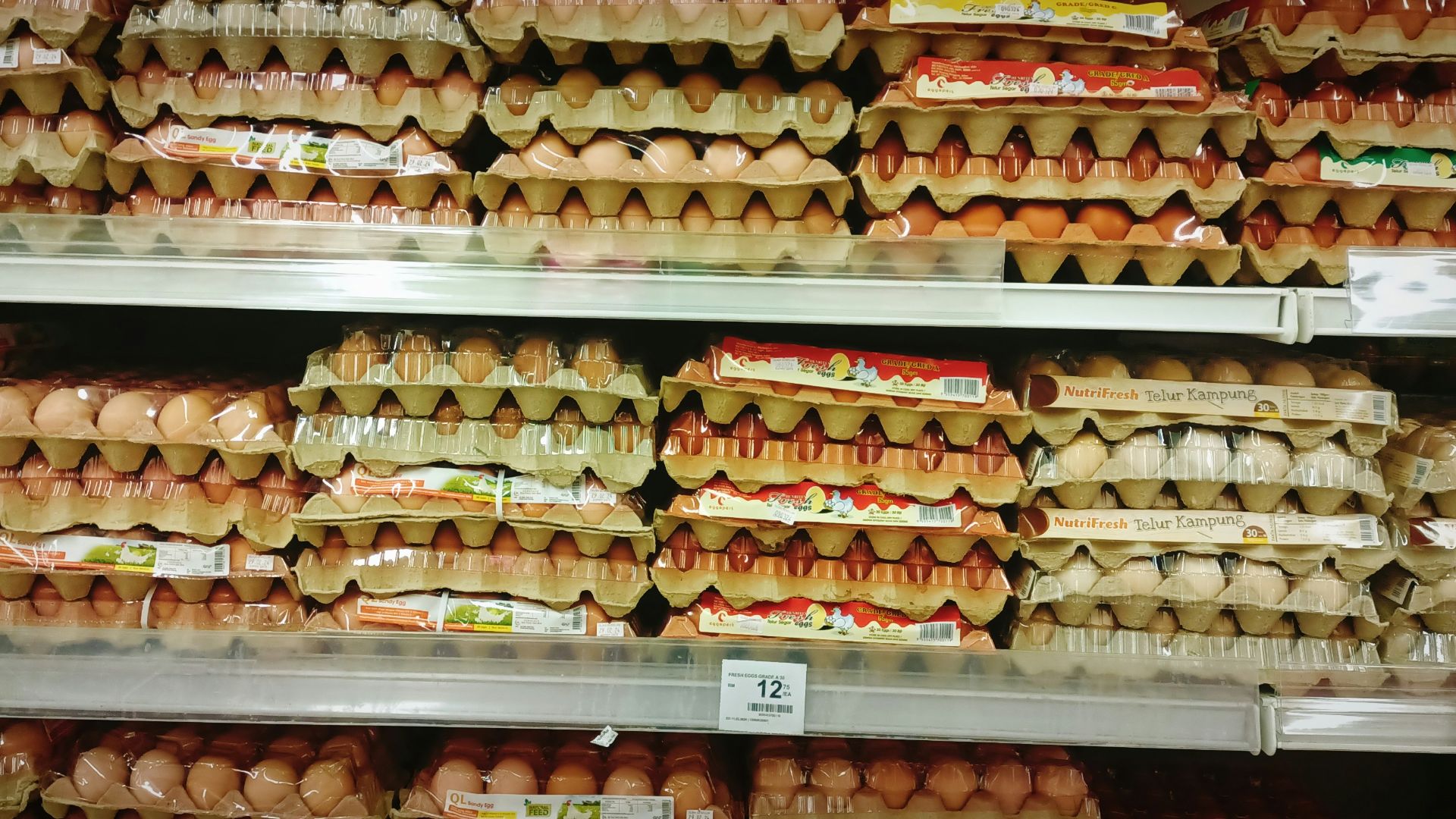
Some grocery giveaways were wonderfully straightforward. A surviving 1983 supermarket advertisement offered a free dozen medium eggs with the purchase of sliced slab bacon. No points balance or smartphone required. You bought one breakfast staple and walked away with another, a promotion that would certainly attract attention at today's egg prices.
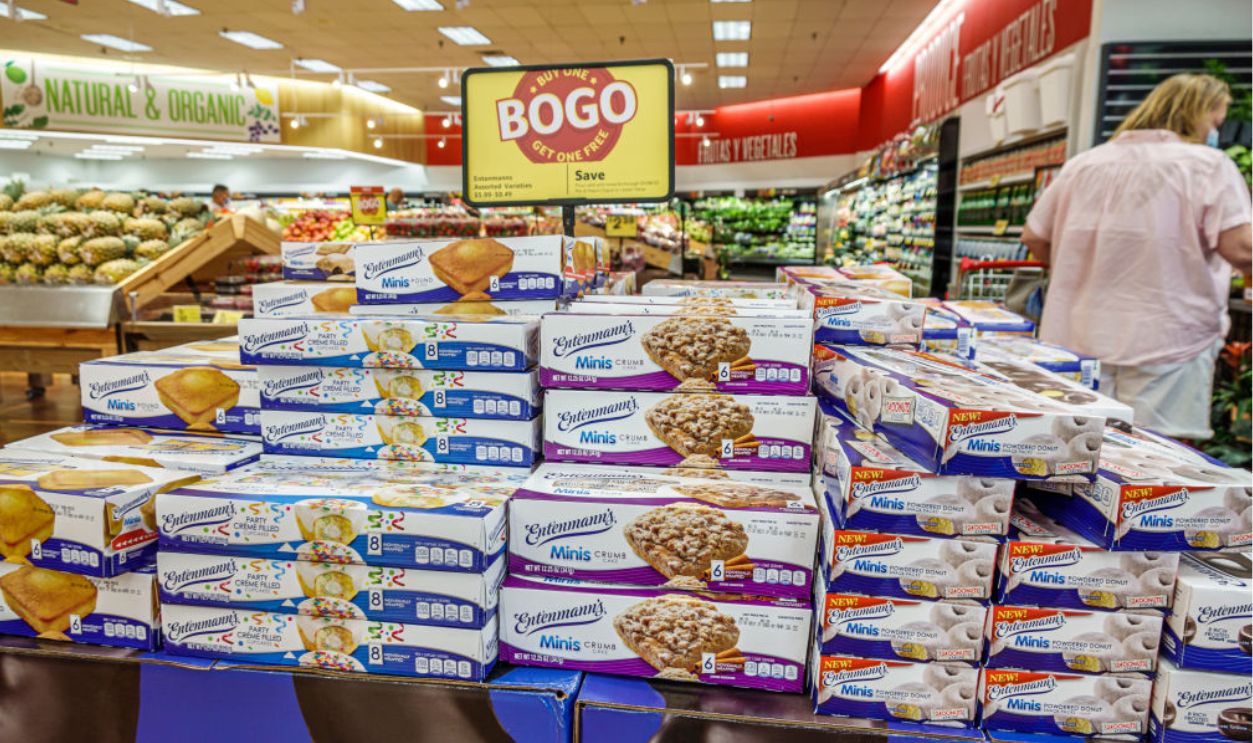
Buy One Get One
Buy-one-get-one-free deals remain alive today, but old supermarket advertisements reveal just how enthusiastically stores deployed them. One 1983 ad offered BOGO frozen pops, hot-dog sauce, lunch meat, tomatoes, cheese spread, toilet cleaner and napkins simultaneously. Shoppers could potentially fill a surprising portion of the cart with freebies.
Free Turkeys
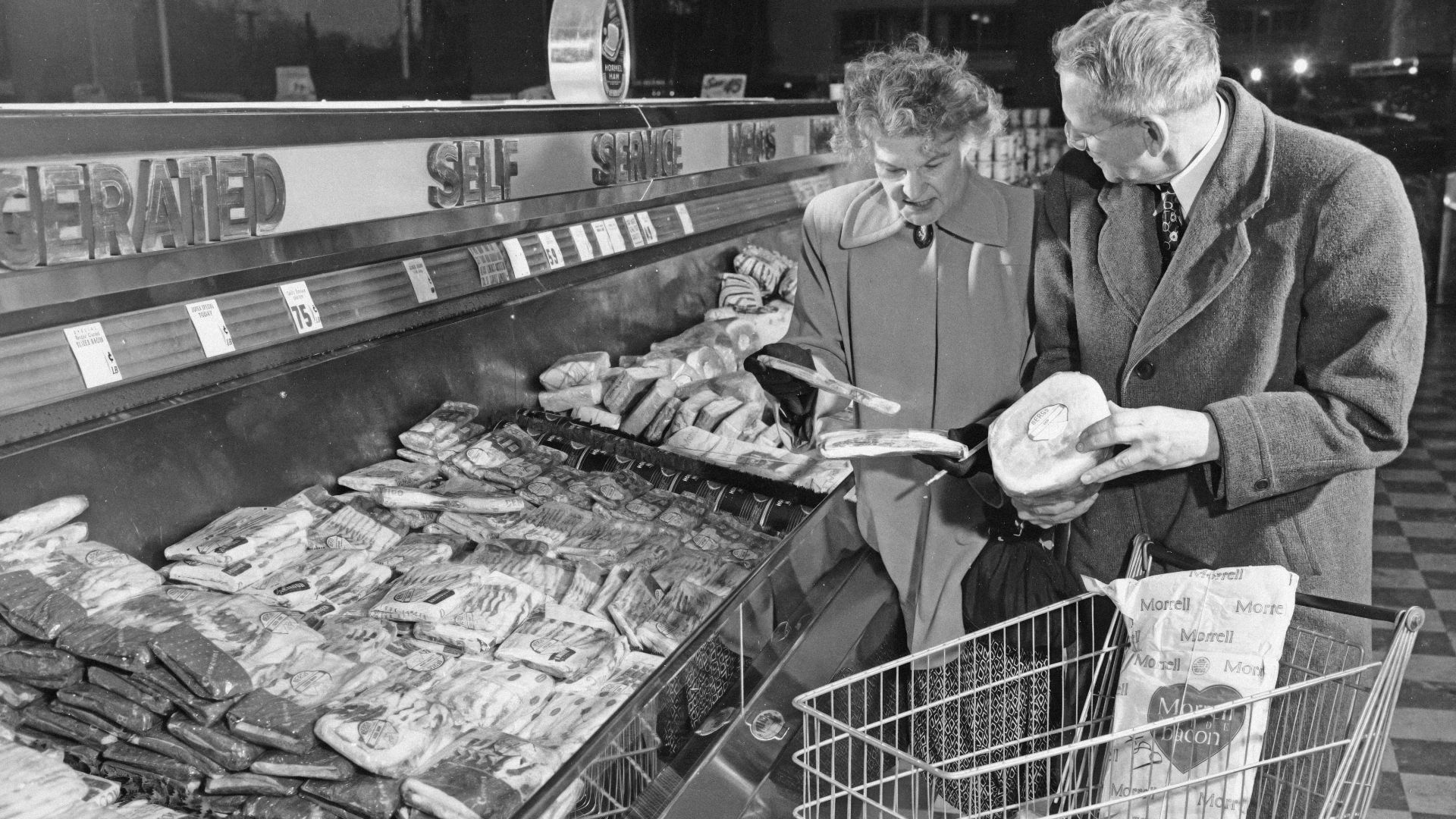
Holiday grocery competition could become wonderfully ridiculous. In 1984, several Southern California chains offered customers a free frozen turkey after purchasing $100 in qualifying groceries. The stores willingly lost money on the birds because winning your enormous Thanksgiving grocery order could make the giveaway worthwhile.
 The Oregon State University Collections and Archives, Unsplash
Free Celery
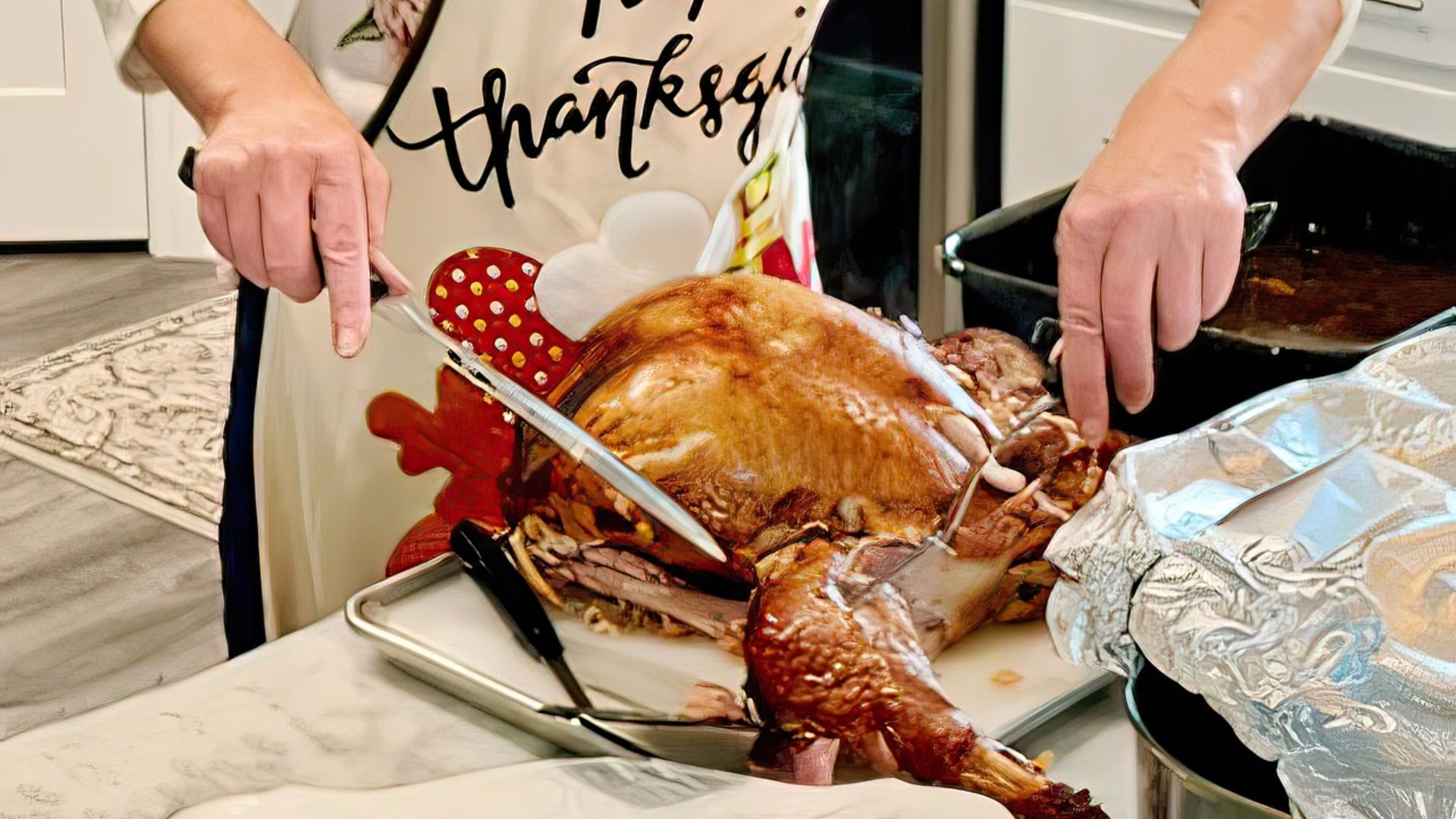
Not every Thanksgiving giveaway was quite as impressive as an entire turkey. During a Kansas grocery-store price war in 1985, one IGA reportedly offered a free bunch of celery with a turkey purchase. It sounds modest, but at least one ingredient for the stuffing had suddenly taken care of itself.
Free Grocery Bags
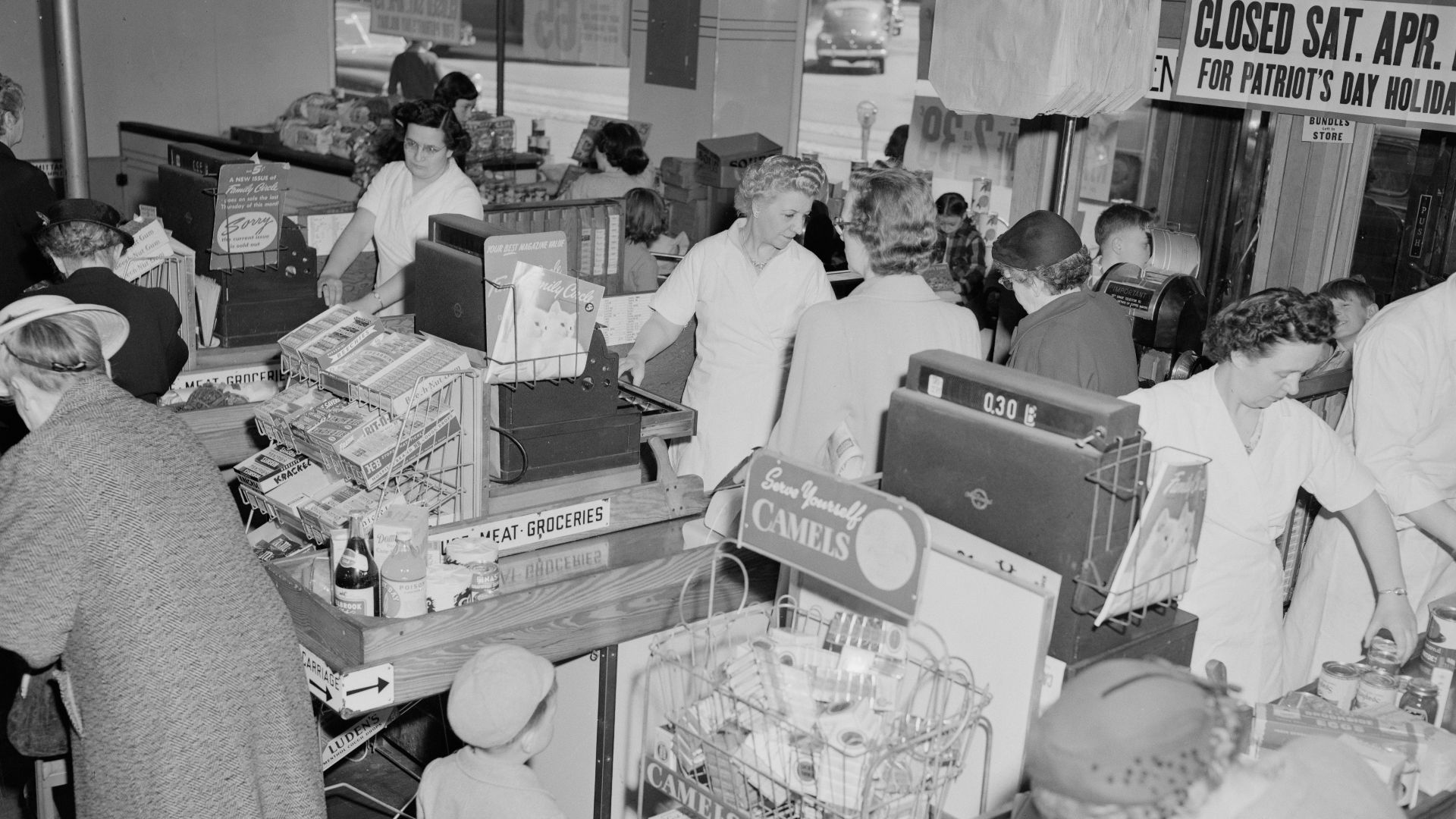
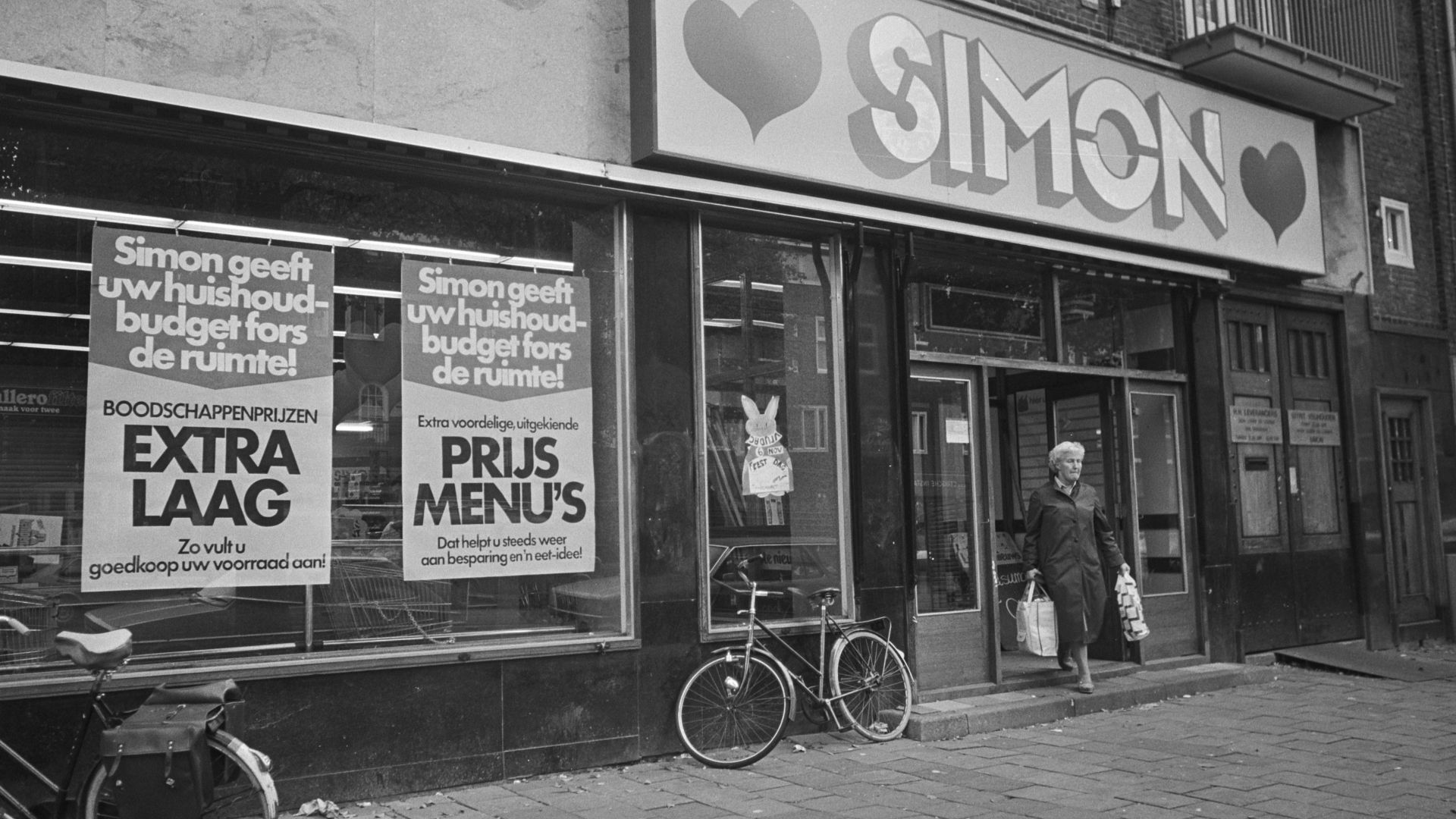
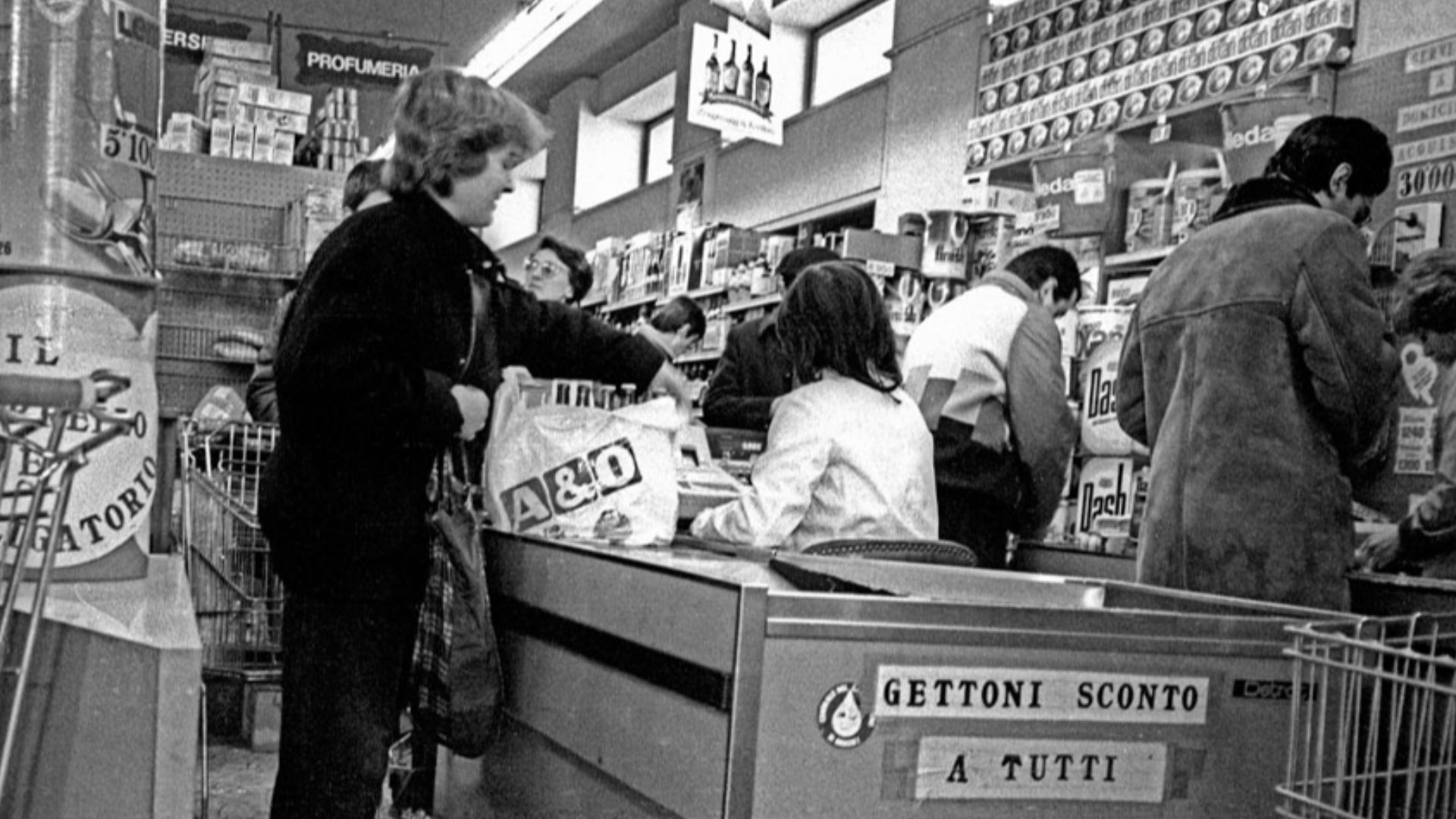
A paper grocery sack once seemed so basic that shoppers barely regarded it as a perk. The rise of stripped-down warehouse supermarkets revealed otherwise. In 1980, Grand Union's new no-frills Basics format eliminated free sacks and required customers to bag purchases themselves in exchange for lower prices. Convenience, it turned out, had a cost.
Free Bagging Service
Traditional supermarkets didn't merely provide the bags. Employees commonly packed groceries for you, a service no-frills competitors deliberately eliminated to cut overhead. By 1980, warehouse-style stores were demonstrating where grocery retail was headed: shoppers could sacrifice little conveniences if doing the work themselves meant getting lower prices.
 Alan Denney, Wikimedia Commons
The Freebies Faded
Why did so many perks disappear? Inflation made shoppers increasingly price-conscious, while supermarkets discovered that trading stamps and elaborate promotions cost real money. By the late 70s, research found shoppers would often prefer a straightforward price discount. The industry increasingly discovered that "free" wasn't necessarily what customers wanted most.
You May Also Like:
Grocery Store Items From The 1990s That No One Remembers—Seriously, Do You Remember Even 5 Of These?
Grocery Items That Cost Less Than $10 In The 2010s—But Today Cost More Than Twice As Much