
When Picture-Perfect Isn't Enough
Your home looks incredible. The kitchen sparkles, the landscaping is immaculate, and every room could belong in a design magazine. So why aren't buyers lining up? Unfortunately, selling a house involves much more than appearances. From unexpected insurance problems to seemingly harmless renovations, these overlooked issues can make even the most beautiful American homes surprisingly difficult to sell.
 Luis Molinero, Shutterstock Images
The Asking Price Is Just A Little Too Ambitious
A stunning home can still struggle when its price exceeds comparable properties. Buyers compare recent sales, not just beautiful finishes. Starting too high can discourage showings and leave a listing sitting longer than expected.

Those Expensive Renovations Don't Match The Neighborhood
That spectacular designer kitchen might have cost a fortune, but buyers won't necessarily reimburse you. Luxury renovations that push a property's price beyond neighborhood comparables can be difficult to recover. Sometimes, simpler improvements deliver better value.
The Listing Photos Aren't Doing The House Justice
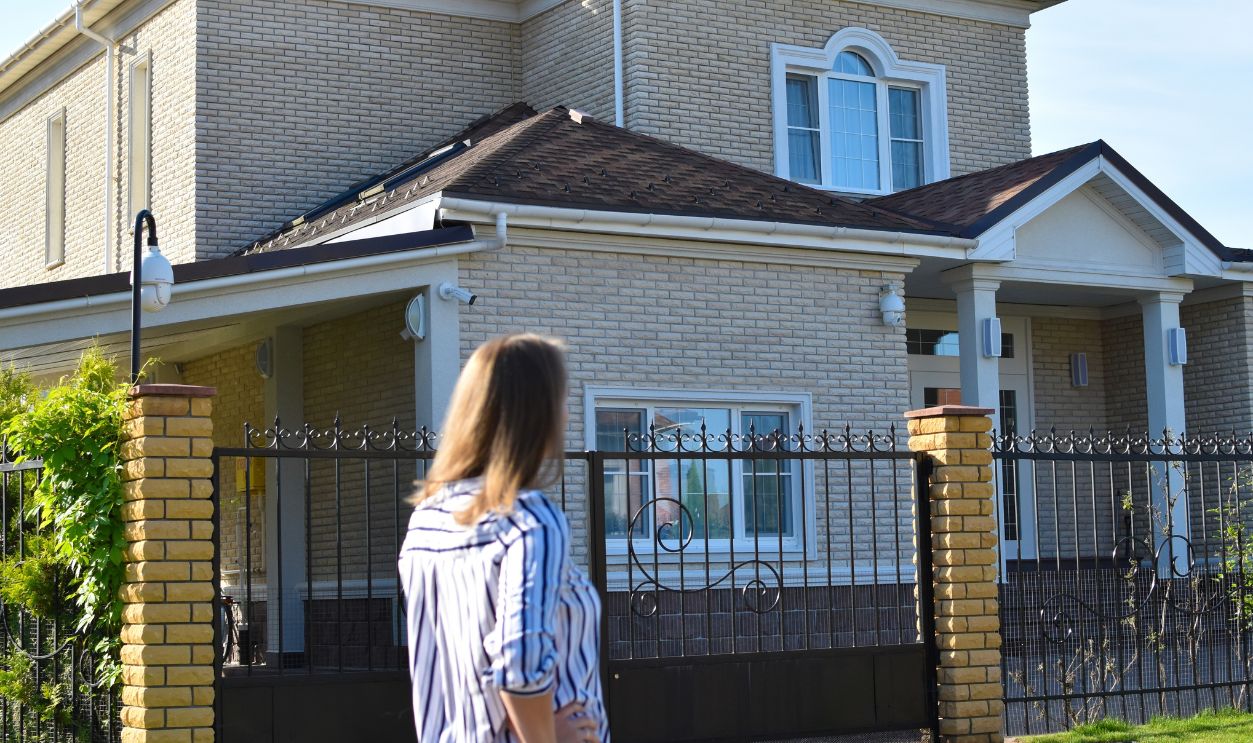
Beautiful homes can look surprisingly ordinary in poorly composed photographs. Dark rooms, awkward camera angles, and unflattering exterior shots can discourage online shoppers. Professional photography helps communicate a property's appeal before anyone schedules a visit.

The Photos Make Everything Look Too Perfect
Digitally enlarged rooms and artificially improved views can create unrealistic expectations. Buyers may feel misled when the actual property looks different. Even an attractive home can lose credibility when its photographs promise something that isn't there.

Buyers Can Barely Schedule A Showing
Requiring extensive notice or restricting visits to inconvenient hours can reduce opportunities. Buyers frequently tour several properties within limited windows. Making appointments unnecessarily difficult could mean your beautiful house never receives a serious look.

The Owner Refuses To Leave During Tours
Nobody particularly enjoys inspecting closets while the current owner watches. Sellers who remain during showings can make visitors uncomfortable. Buyers generally need space to discuss concerns openly and imagine the property becoming their own home.

The Decorating Is Beautiful But Too Personal
Highly personalized interiors aren't necessarily ideal for selling. Distinctive furniture arrangements, collections, and decorative choices can distract from the property's actual features. Effective staging emphasizes the space while helping prospective buyers imagine their own belongings inside.

There's A Smell The Owners No Longer Notice
Longtime residents can become accustomed to persistent odors. Smoke and pet smells may remain in carpeting, upholstery, or walls despite thorough cleaning. Fresh paint and attractive furnishings won't necessarily eliminate those lingering problems.

The Street Is Much Louder Than It Looks
A peaceful-looking property might sit beside a busy traffic route. Road noise can reduce buyer interest regardless of interior finishes. Trains, aircraft, and nearby commercial activity can also influence how desirable a location feels.

The Neighboring Property Looks Neglected
Your landscaping might be flawless, but the house next door could tell another story. Neglected neighboring properties and visible infrastructure problems can concern buyers. Unfortunately, sellers have limited control over appearances beyond their boundaries.

Parking Is More Complicated Than Expected
A beautiful house can make a terrible first impression when visitors struggle to park. Limited parking also raises questions about everyday convenience. Even showing appointments can become frustrating when sellers leave driveways or convenient spaces occupied.
The Property Taxes Are Surprisingly High
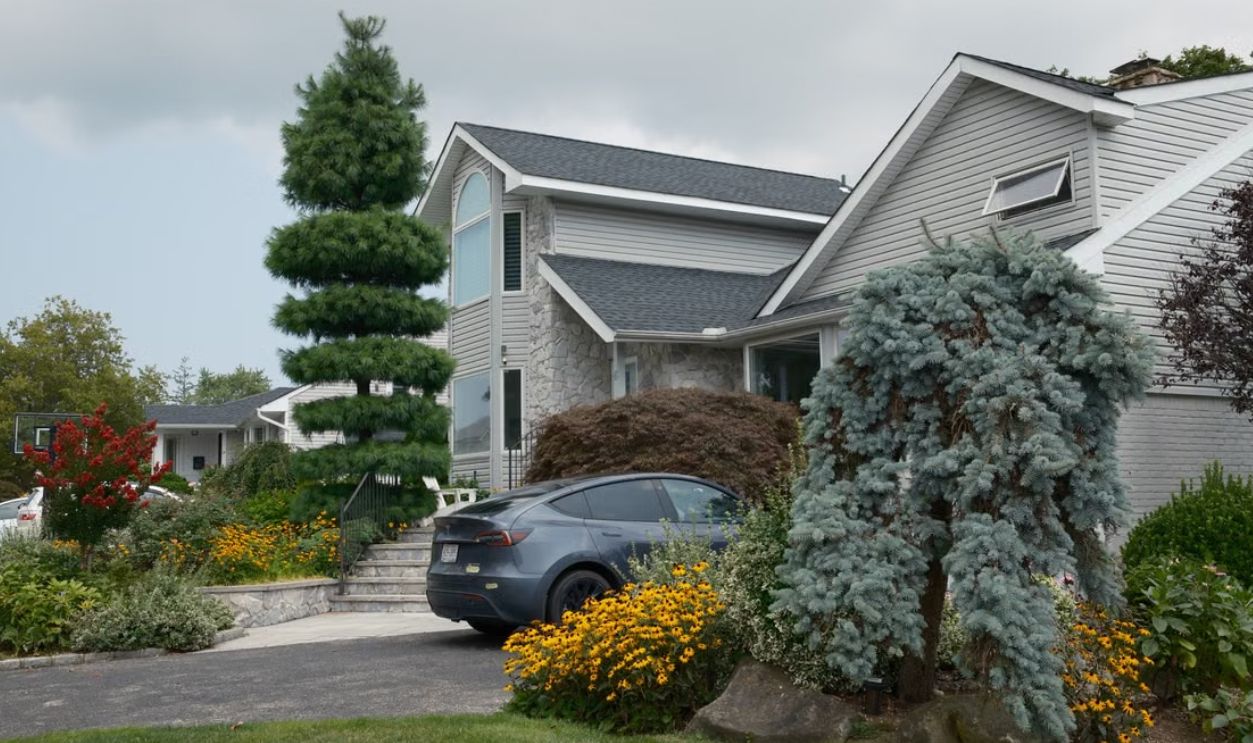
Buyers don't evaluate affordability using the mortgage payment alone. Property taxes contribute to ongoing housing expenses and can affect borrowing budgets. An attractive house may become less appealing when its total monthly ownership costs exceed expectations.

The Homeowners Association Charges A Fortune
A beautifully maintained community can come with substantial monthly dues. Some associations charge hundreds or even more than a thousand dollars monthly. Those payments are generally separate from mortgage bills, increasing buyers' overall housing expenses.

There's An Upcoming Special Assessment
Condominium and homeowners associations sometimes impose special assessments for additional expenses. These charges can significantly affect a buyer's financial calculations. Depending on their payment structure, recurring assessments may also factor into mortgage affordability evaluations.

The Condo Building Has Financing Problems
Even an immaculate condo can face mortgage difficulties because of building-wide issues. Projects with critical repairs, inadequate insurance, or significant litigation may fail certain financing requirements. That can restrict the pool of eligible buyers.

The Solar Panels Come With A Contract
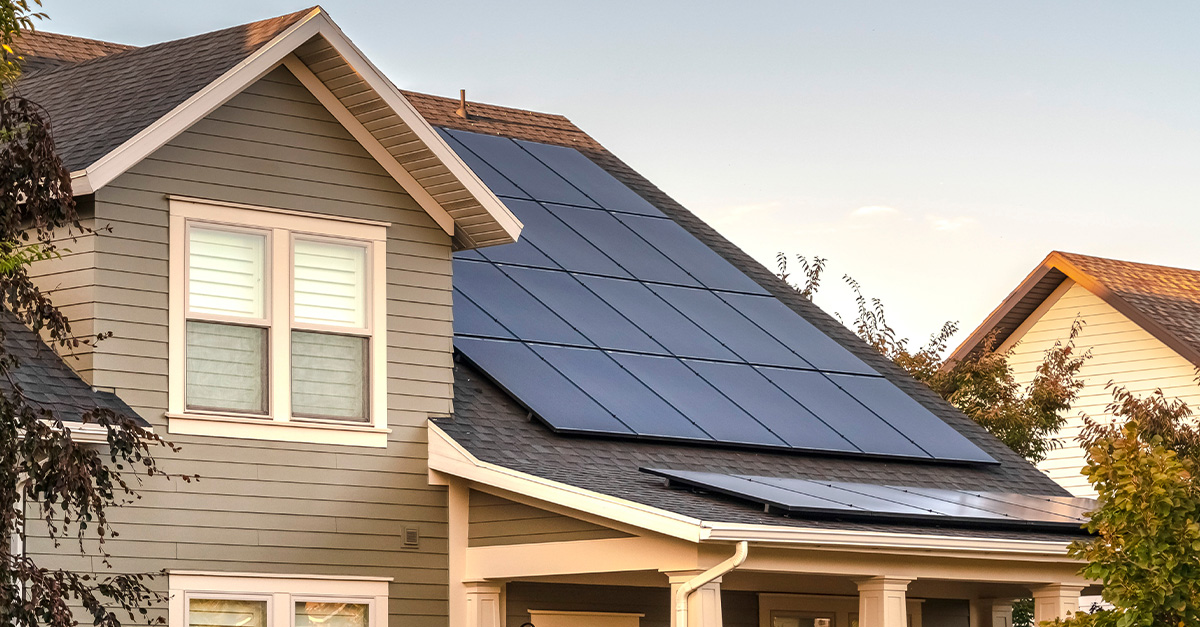
Solar panels can be attractive, especially when they're fully owned. Leased systems introduce another consideration. Buyers might need to assume an existing agreement or qualify with the solar provider, potentially complicating an otherwise straightforward purchase.
The Roof Looks Fine But Is Getting Old
An aging roof doesn't necessarily look damaged from the street. Nevertheless, insurers consider roof age and condition when determining coverage. Some may require inspections, restrict replacement coverage, or decline policies on properties with older roofs.
 Jim.henderson, Wikimedia Commons
The Property Has A Flood-Risk Problem
A beautiful waterfront setting isn't always an uncomplicated selling point. Properties in designated high-risk flood areas may require flood insurance when financed through certain lenders. Buyers must consider those additional premiums alongside possible flood damage.

The Landscaping Sends Water Toward The House
A beautifully planted yard can conceal poor drainage. Ground that slopes toward the foundation may contribute to basement seepage and moisture problems. Proper grading and water management matter more than decorative landscaping when preventing these issues.
Radon Levels Raise Unexpected Questions
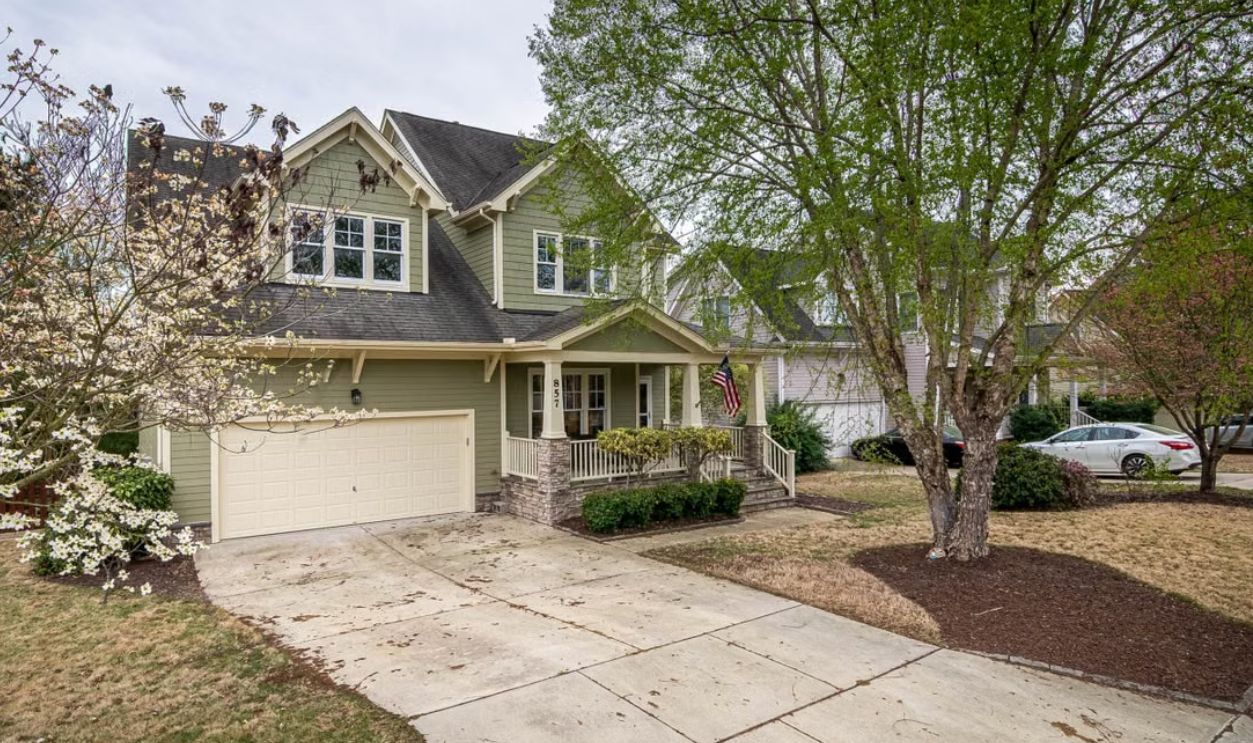
Radon is invisible, making it impossible to judge by appearances. Homebuyers may request testing or review previous results before purchasing. Elevated levels can be reduced, but sellers benefit from addressing problems and documenting mitigation work beforehand.

The Old House Has Lead-Paint Concerns
Vintage charm can come with additional disclosure requirements. Federal rules generally require sellers of pre-1978 housing to provide information about known lead-based paint hazards. Deteriorating lead paint may also create legitimate concerns for prospective purchasers.
The Gorgeous Renovation Was Never Permitted
An elegant bathroom addition might look professionally finished yet lack required permits. Unpermitted work can create inspection, insurance, and financing complications. Buyers may request documentation, negotiate a discount, or reconsider purchasing the property altogether.

The Finished Basement Doesn't Count As Expected
A beautifully finished basement doesn't automatically qualify as above-ground living space. Appraisal standards generally distinguish below-grade areas from the main living area. Confusion over square footage can complicate valuation and disappoint buyers expecting additional official space.

The Appraisal Doesn't Support The Sale Price
An accepted offer doesn't guarantee a completed sale. If the appraisal falls below the agreed purchase price, financing can become complicated. Buyers and sellers may need to renegotiate, provide additional cash, or abandon the transaction.

An Old Debt Is Attached To The Property
Unpaid property taxes, contractor claims, and other outstanding liens can complicate ownership transfers. These issues typically surface during title searches. Even a beautiful house may face closing delays until the outstanding claims are properly resolved.

Someone Else Has Rights To Part Of The Land
A property easement may grant another party specific rights over part of the land. These restrictions can affect how buyers use their property. Discovering an unexpected easement during title review may discourage interested purchasers.

The Major Systems Haven't Aged Nearly As Well
Fresh walls and stylish furniture can disguise outdated electrical, plumbing, or heating systems. Inspectors and appraisers consider property condition beyond appearances. Significant deferred maintenance can produce repair negotiations, financing concerns, or buyers who simply walk away.

You May Also Like:
Mastering The Art Of Price Comparison For Smart Shopping
Americans Are Fleeing These 50 Cities In Droves
Why Paying Annually Instead Of Monthly Could Save You Hundreds Of Dollars
Sources: 1, 2, 3, 4, 5, 6, 7, 8, 9, 10, 11, 12, 13, 14, 15, 16, 17, 18, 19, 20, 21, 22, 23