
First, Figure Out What Actually Disappeared
Coupons, loyalty points, and redeemed rewards are not always the same thing. Some offers vanish because they were used, while others disappear because they expired or because an account was linked to another household member. Before asking the store to restore anything, identify exactly what is missing and when it disappeared.
Check The Account History
Several major grocery programs let members review past rewards activity. Safeway and Albertsons, for example, provide a Rewards History showing points earned, used, reclaimed, and the current balance. That history is the fastest way to tell whether someone spent the rewards or they simply expired.

A Used Coupon May Simply Be Gone
Digital coupons often disappear from the active list after redemption. Kroger says redeemed digital coupons are removed from Active Coupons immediately and normally appear under Redeemed Coupons by the next business day. If your daughter used the account during a shopping trip, check that section before assuming the system lost anything.

Look At Her Grocery Receipts
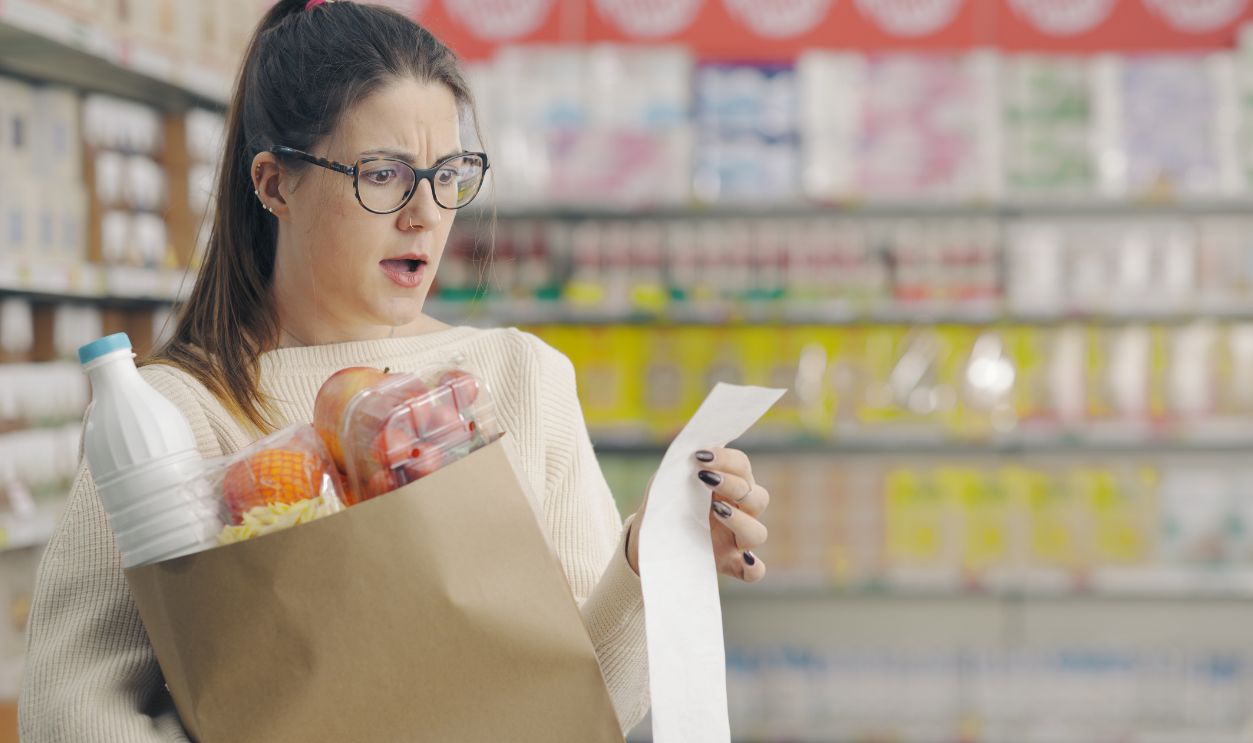
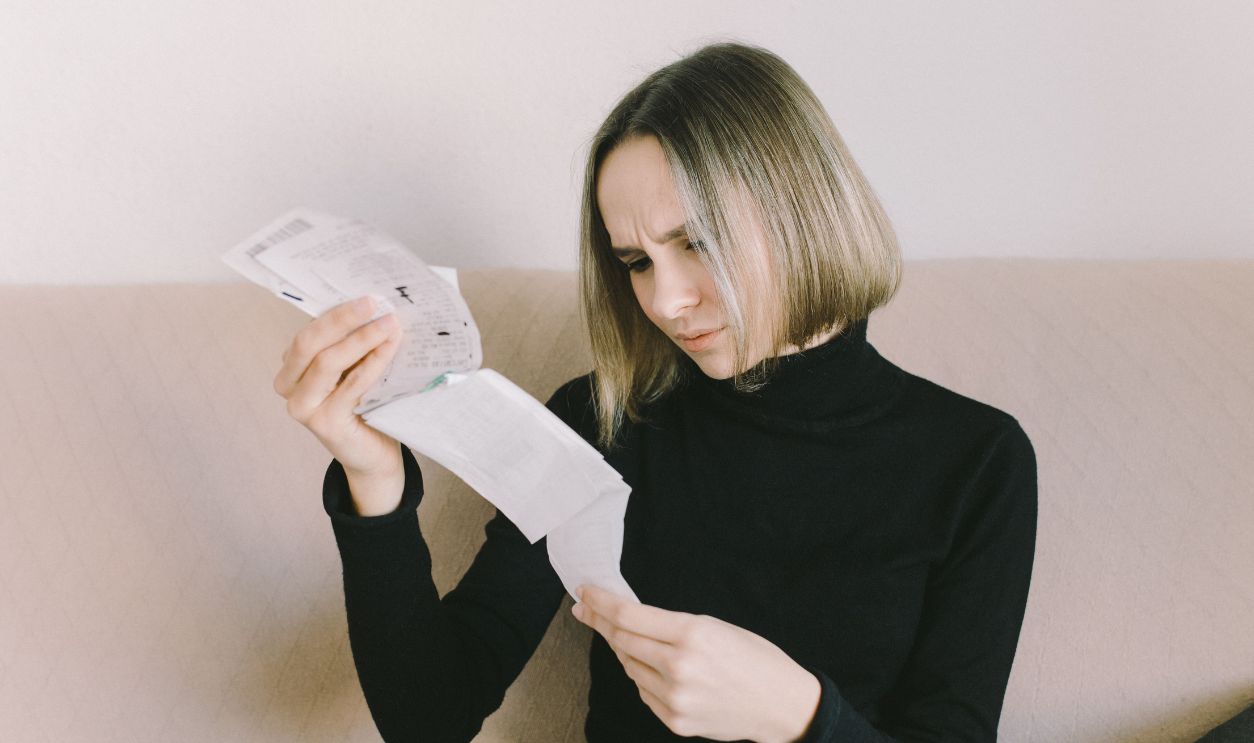
Receipts can provide the missing piece. Kroger says digital coupon discounts appear below the qualifying products on receipts, while Albertsons and Safeway allow members to see loyalty balances on receipts as well. Matching the account history with recent receipts can show exactly where the savings went.
Household Sharing Can Change Everything
Some loyalty programs are designed to let family members share benefits. Kroger says accounts with the same street address and last name may be connected into a loyalty household that combines digital coupons, points, cash-back balances, and rewards. That means giving a relative your loyalty information can sometimes give them access to considerably more than a store discount.

Kroger Can Separate Linked Accounts
If a shared Kroger household is no longer working for you, the company says customers can request to disconnect linked accounts. Kroger directs customers to its customer-service line for help connecting or disconnecting household memberships. Separating the accounts may not restore previously spent coupons, but it can prevent future overlap.

Publix Allows Household Use Too
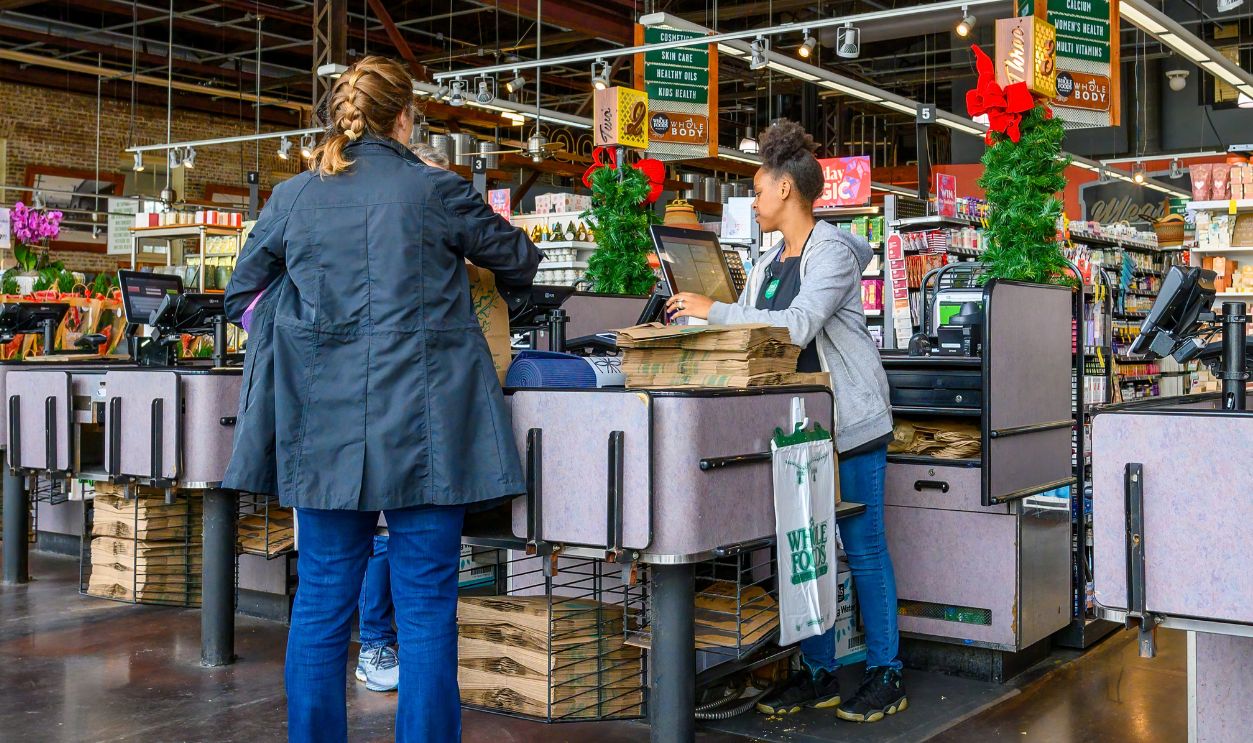
Club Publix takes a slightly different approach. Publix says each account can have only one registered user, but the entire household may use the account by entering the same phone number at checkout. That makes it particularly easy for another family member to redeem coupons that were sitting in the account.
 William A. Morgan, Shutterstock
Most Digital Coupons Are One-Time Offers
A clipped coupon is not necessarily available to every shopper in the household separately. Publix says most digital coupons can be used only once, although the manufacturer determines the exact redemption limit. Once another household member uses a one-time coupon, there may be nothing left for the original account holder to redeem.

Expiration Can Look Like Theft
Coupons may disappear even when nobody used them. Publix automatically removes expired digital coupons from the account, while Kroger moves expired offers into an Expired Coupons section. Check the expiration dates before confronting anyone about missing savings.

Points Can Expire Quickly Too
Some loyalty currencies have surprisingly short lives. Safeway says unused points generally expire within two calendar months, including the month they were earned, unless an applicable FreshPass membership changes that rule. A balance that seemed healthy several weeks ago can therefore vanish without anyone spending it.
Walgreens Has Its Own Clock
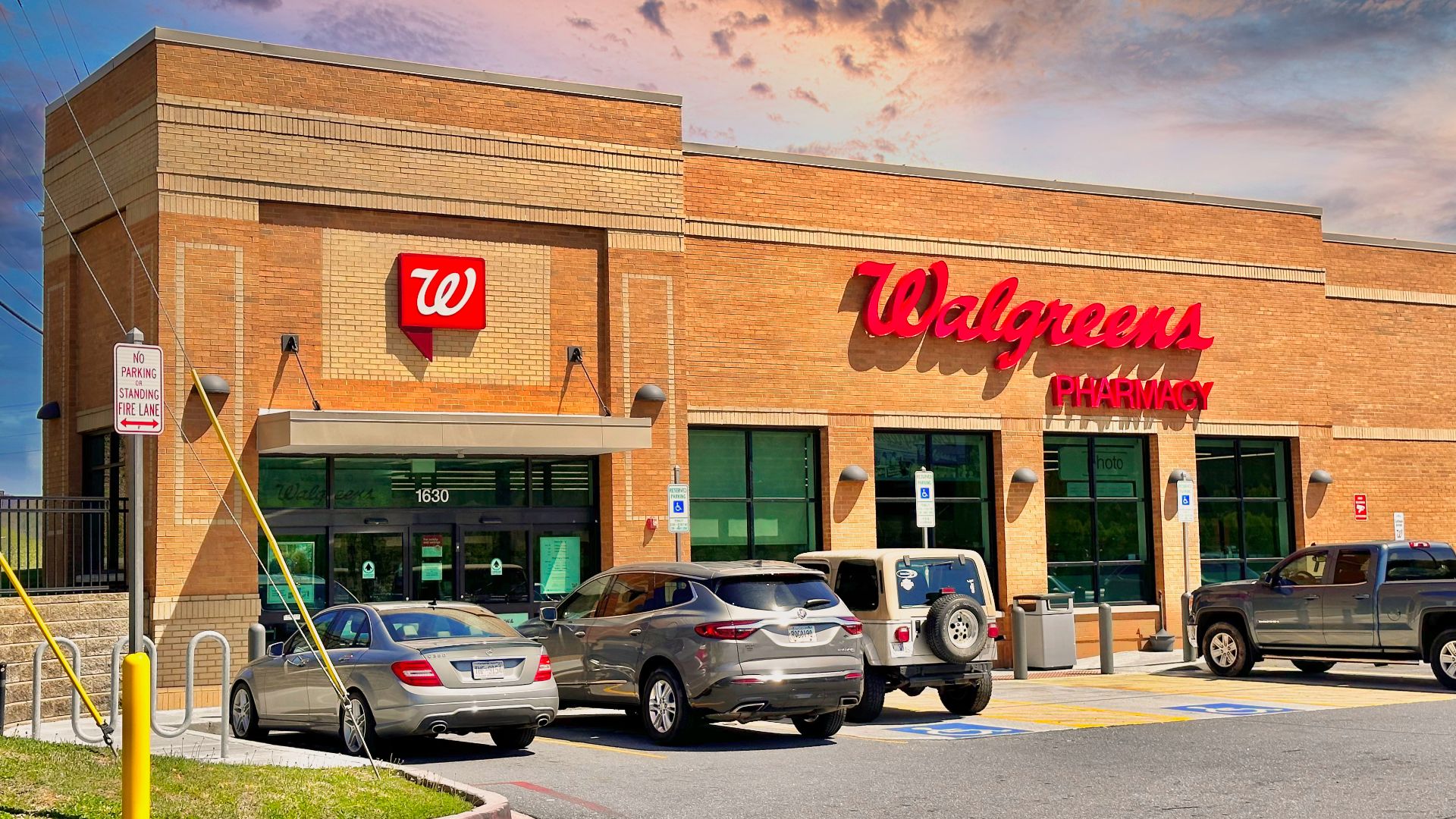
Walgreens Cash rewards generally expire on a rolling 12-month basis, with different rules for certain rewards earned through its credit cards. Walgreens also says an account can be deemed inactive after six consecutive calendar months without a rewards transaction, causing accumulated Walgreens Cash to be forfeited. Every loyalty program has its own expiration rules, so never assume one store works like another.
 Harrison Keely, Wikimedia Commons
Recovery Depends On What Happened
There is no universal rule requiring a retailer to restore loyalty points or coupons. Program terms determine whether an expired, redeemed, transferred, or mistakenly removed benefit can be returned. Your strongest case is usually a documented account error rather than a valid redemption made by someone you voluntarily allowed to use the account.

Safeway Has A Useful Reclaim Feature
Not every redeemed reward is necessarily final. Safeway allows members to reclaim certain grocery rewards that have been selected but not yet claimed, returning the associated points to the account shortly afterward. Once the reward’s expiration deadline passes, however, Safeway says it can no longer be reclaimed.

Albertsons Offers The Same Option
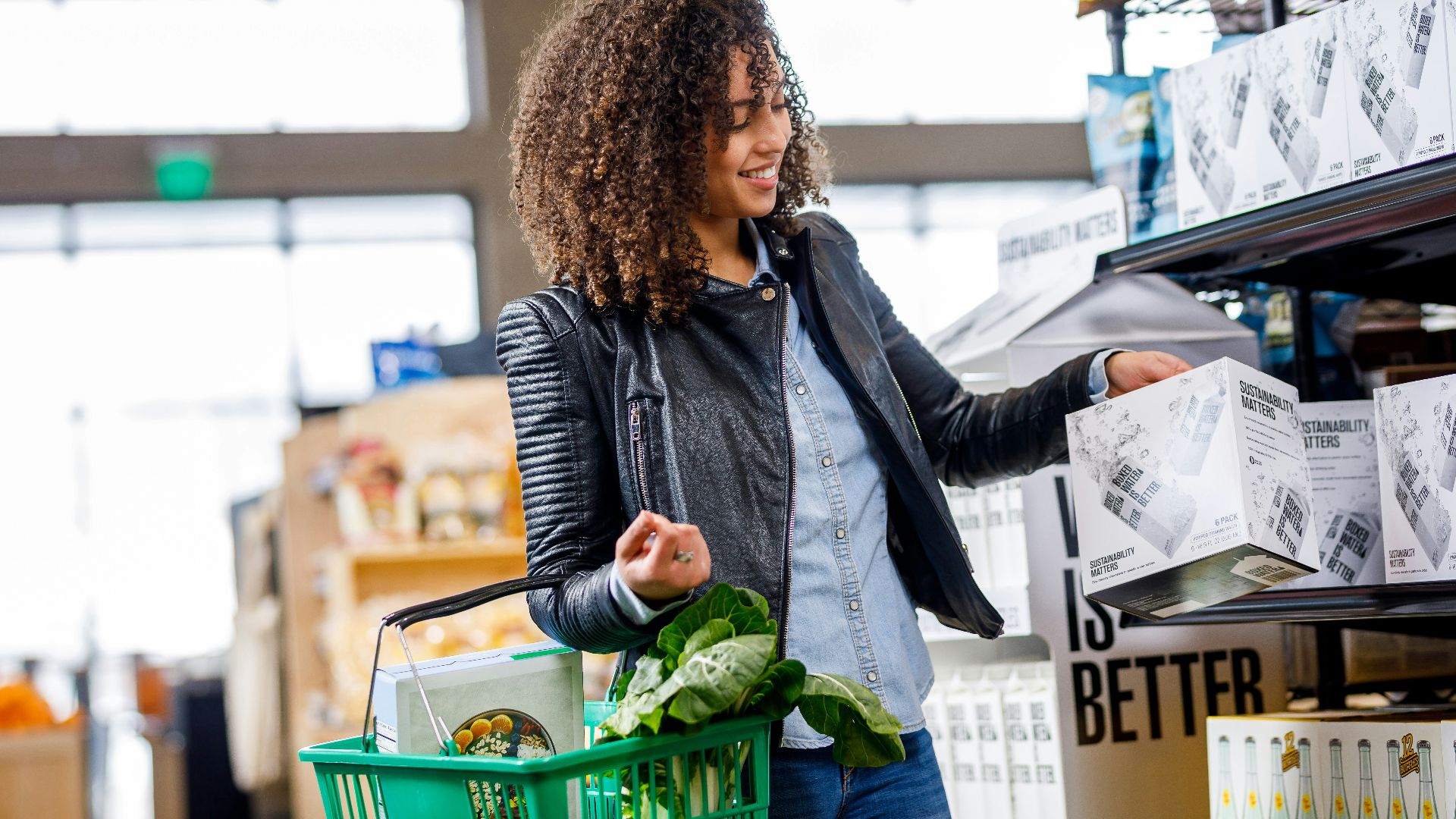
Albertsons provides a similar Reclaim Reward function in its app and website. Points from an eligible unclaimed grocery reward can become available again after the reward is deselected. This is worth checking immediately if the apparent loss came from accidentally choosing a reward rather than actually spending it.
 Boxed Water Is Better, Unsplash
Redeemed Rewards Are Harder
Once a benefit has actually paid for a purchase, recovery becomes more difficult. Walgreens, for example, says Walgreens Cash redeemed in a store cannot simply be credited back to the rewards account after a return, although store credit may be issued instead. Retailers often treat successful redemption differently from an accidental account selection.

Contact Customer Service Quickly
If the account history does not explain the loss, contact the loyalty program rather than waiting for the next shopping trip. Publix directs customers with unresolved digital-coupon issues to Customer Care, while Kroger tells customers to contact its Customer Service Center when digital coupons do not behave as expected. The sooner you report a problem, the easier it is to provide a clear timeline.

Bring Specific Evidence
Have the account email, loyalty number, recent receipts, screenshots, and the approximate missing balance ready. Safeway and Albertsons maintain detailed rewards histories, while Kroger receipts identify redeemed digital coupons. Specific evidence gives customer service something concrete to investigate instead of a vague claim that “everything disappeared.”

Ask Whether The Account Was Relinked
A phone-number change or household-linking issue can move access between accounts. Publix says that when someone verifies ownership of a phone number already attached to another account, the number can be assigned to the new owner and removed from the previous account. If the disappearance coincided with changing account information, ask the retailer whether an account-linking change occurred.

Verify Your Phone Number
Many grocery programs use a phone number as the key that identifies the member at checkout. Club Publix instructs members to verify that the phone number stored in the account is correct when offers do not work. Safeway also allows customers to create or access loyalty benefits using a mobile number entered at checkout.
Change The Password If Access Is Unclear
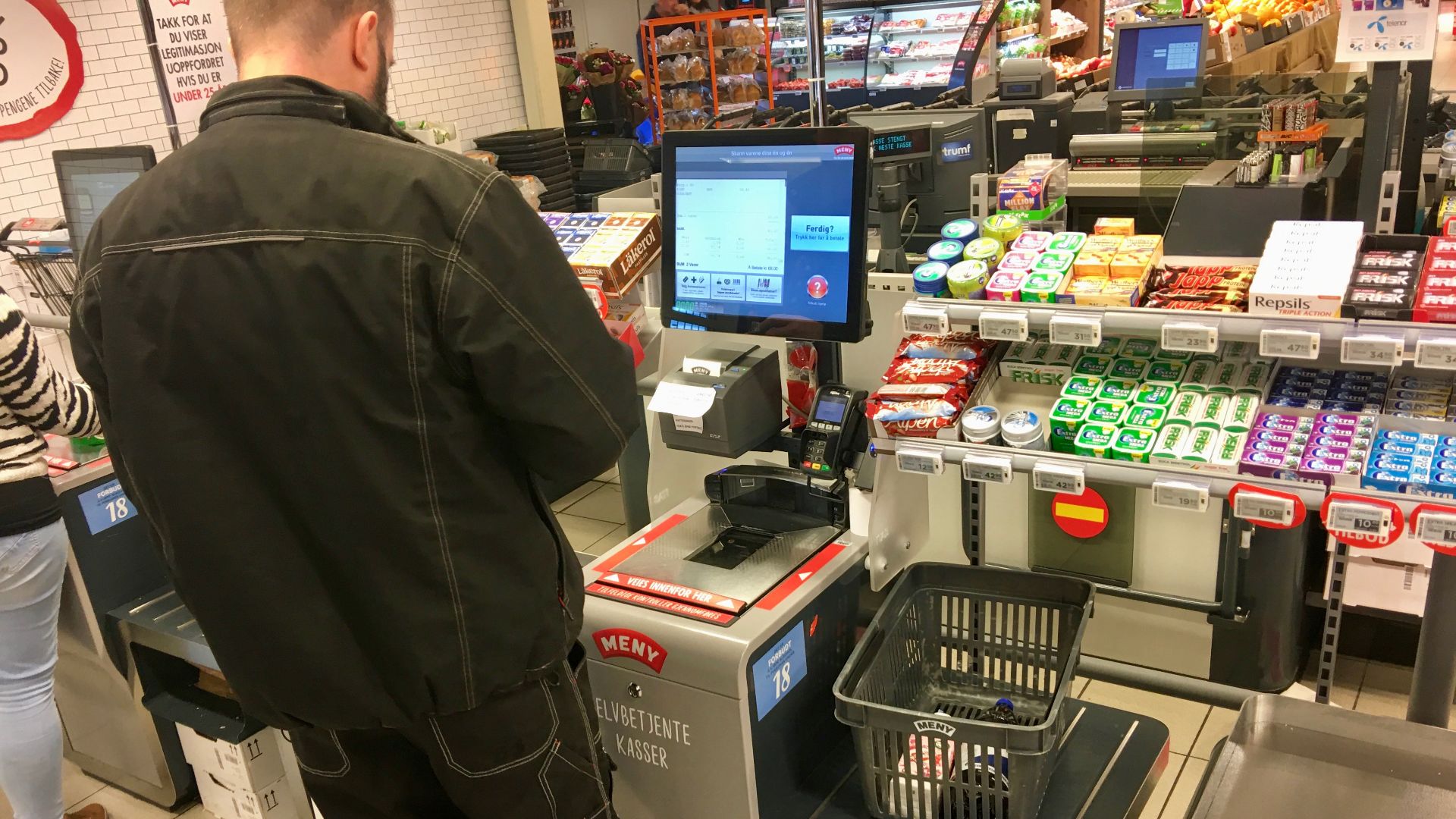
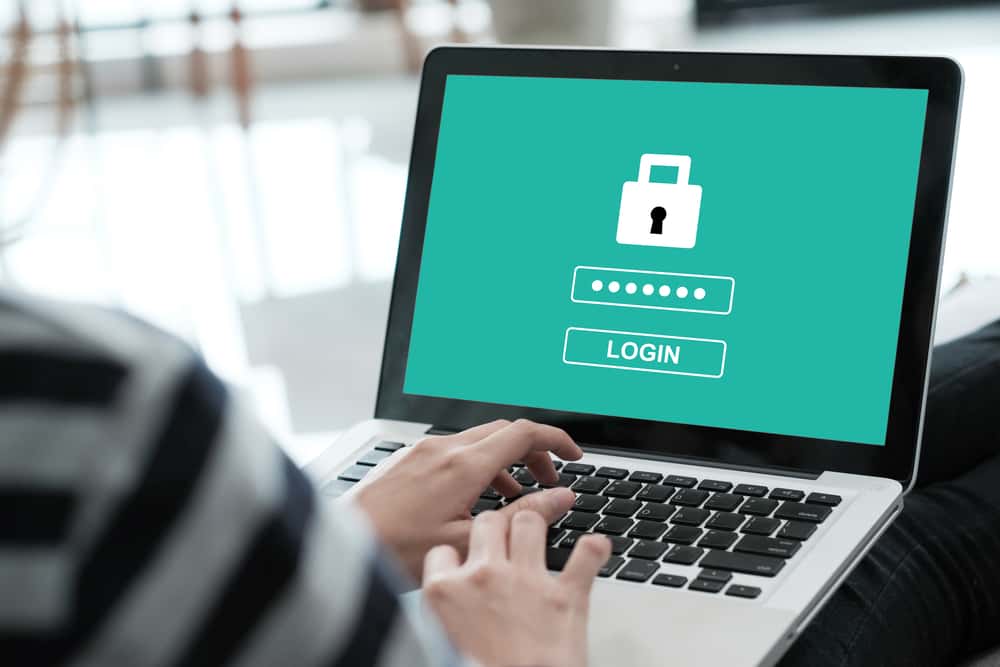
If you are no longer certain who can access the account, change the password. The FTC recommends changing an account password after suspicious activity and signing out of all devices where possible. Those steps can cut off an old login that someone else still has saved.

Use A Unique Password This Time
Do not recycle a password you use for email, banking, or shopping elsewhere. The FTC warns that stolen credentials can be tried on other accounts when people reuse the same password. A long, unique password reduces the chance that a grocery-account problem turns into something more serious.
Turn On Two-Factor Authentication
If the retailer offers two-factor authentication, enable it. The FTC says two-factor authentication provides an additional barrier because a password alone is not enough to enter the account. This is particularly useful when a loyalty profile contains saved addresses, shopping history, or linked payment information.

Secure The Email Behind The Account
Your loyalty account may be only as secure as its recovery email. The FTC notes that someone with control of an email account can request password-reset links for other services and potentially take them over. Protect the associated email with a unique password and two-factor authentication as well.

Stop Sharing Your Login
There is a difference between using a retailer’s approved household-sharing system and simply giving someone your username and password. Kroger specifically supports linked household memberships, while Publix permits household use through the registered phone number. Use the retailer’s intended sharing method whenever one exists instead of handing over full account credentials.

Separate Accounts May Be Cleaner
If two adults shop independently, individual loyalty accounts can make discounts easier to track. Kroger permits one membership per customer while also offering a formal household-linking process, and Publix limits each account to one registered user. Separate logins can reduce arguments over who clipped or redeemed a particular offer.

Personalized Deals Can Change Too
Some grocery offers depend on shopping history. Club Publix says members can receive deals selected for them based on previous purchases, and Kroger promotes personalized coupons and offers through its digital accounts. If another person shops heavily through your account, future offers may start reflecting their purchases instead of yours.
 Vladyslav Starozhylov, Shutterstock
Not Every Missing Coupon Is Recoverable
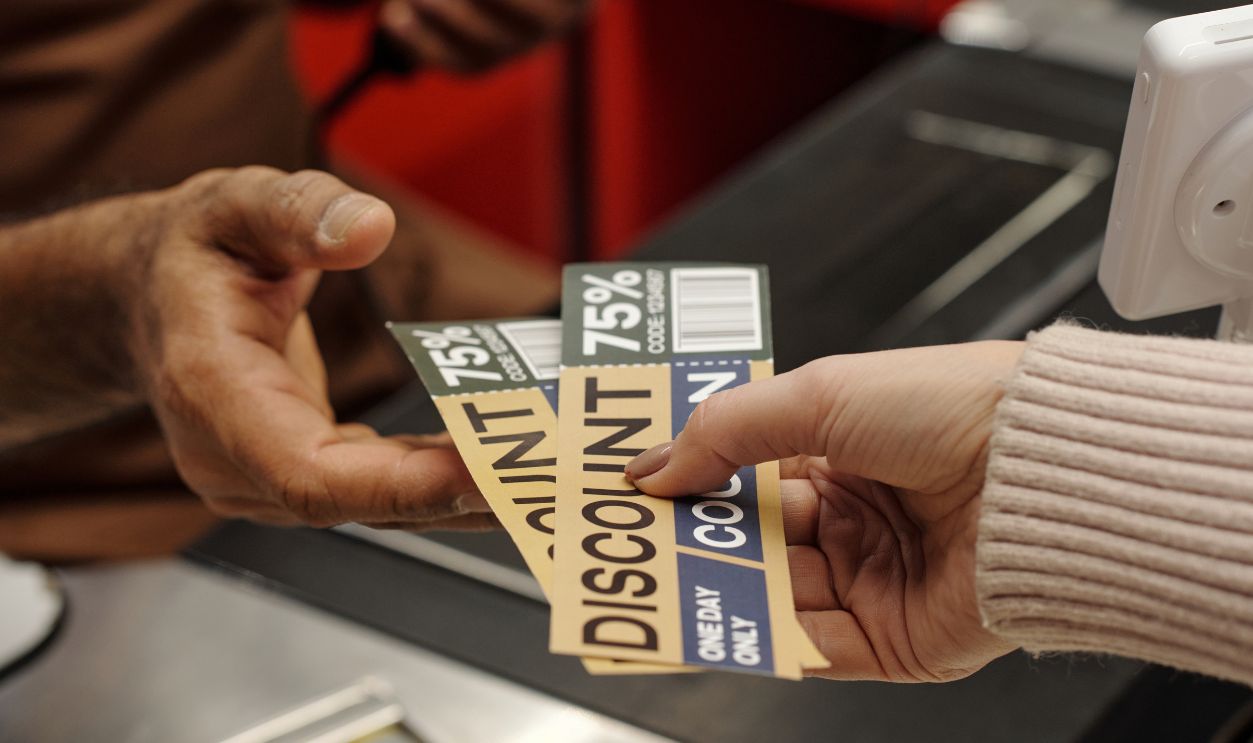
Expired coupons usually cannot simply be revived. Publix tells members that expired offers are no longer redeemable, and Safeway says reclaimed grocery rewards cannot be restored after the applicable expiration date. Customer service may sometimes make an accommodation, but program rules should set your expectations.
Missing Points Deserve More Scrutiny
Points are worth investigating carefully because they may represent multiple shopping trips rather than a single coupon. Safeway and Albertsons both let customers inspect detailed histories showing points earned, used, reclaimed, and remaining. If the history contains a redemption you do not recognize, note the date and contact the program promptly.

Make Loyalty Savings Easier To Track
Check your balance before and after major shopping trips. Save receipts when redeeming large rewards, and periodically review expiration dates for points and clipped coupons. These habits make it much easier to distinguish an account problem from an ordinary expiration or family redemption.
Recovery Is Possible, But Prevention Is Better
Some rewards can be reclaimed, and customer service may be able to correct genuine account errors, but a legitimately used or expired coupon may be gone for good. Start with the transaction history, receipts, expiration rules, and household-account settings, then contact the retailer with specific evidence. Once the issue is resolved, separate access or use the program’s official household-sharing tools so the next grocery trip does not produce the same surprise.

You May Also Like:
Most people make these mistakes with their money.
10 Ways To Save Money With Your Old Phone
Is Exercising At Home Cheaper Than A Gym Membership?
Sources: 1, 2, 3, 4, 5, 6, 7, 8, 9, 10, 11, 12, 13, 14, 15, 16