
The Catch Behind an Unpaid Tab
Your shift ends, a customer walks out or fights a charge, and then your boss says you have to cover the loss. It sounds wrong because it often is. Workers in restaurants, retail, salons, and other service jobs run into this all the time, but in many cases the law does not let employers pass the cost down that easily.

Why This Hits So Hard
For hourly workers, one deduction can take a real bite out of a paycheck. A short cash drawer, a dine-and-dash, or a customer who refuses to pay can suddenly become the employee’s problem if a manager decides to make it one. Wage laws exist for exactly this reason: employers have most of the power when payday comes around.

The Basic Federal Rule
The Fair Labor Standards Act, or FLSA, sets the national baseline for minimum wage and overtime. Under guidance from the U.S. Department of Labor, deductions for things like cash shortages, broken equipment, or customer walkouts cannot bring a worker below required minimum wage or cut into overtime pay. So even when an employer wants repayment, there is a line they cannot cross.
What the Labor Department Says
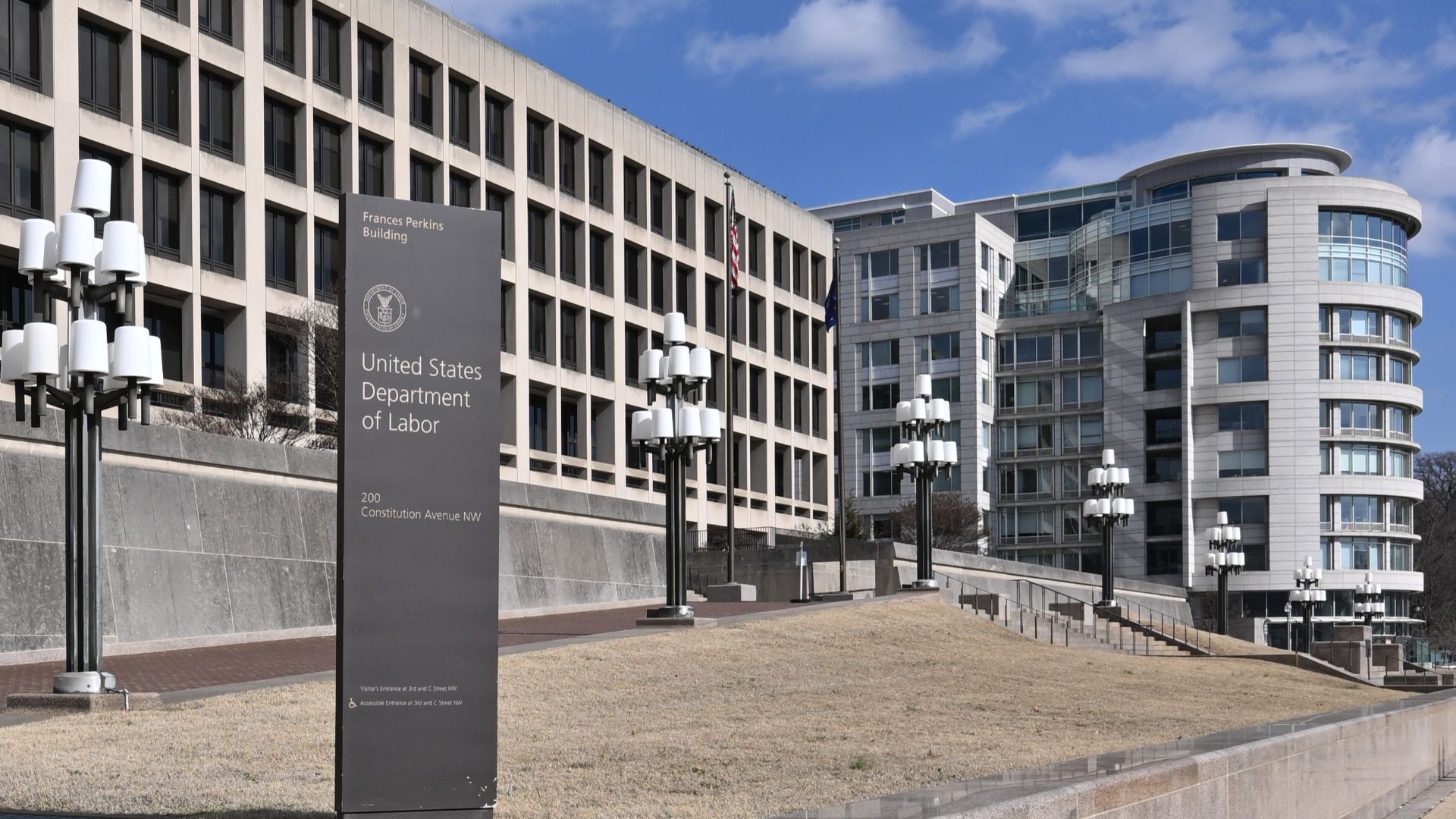
The Department of Labor’s Wage and Hour Division lays this out in Fact Sheet #16, which covers wage deductions under the FLSA. It says an employer cannot make deductions for costs that mainly benefit the employer if doing so drops pay below minimum wage or reduces overtime compensation. The same idea shows up in the agency’s guidance on register shortages and similar losses.
 G. Edward Johnson, Wikimedia Commons
Customer Losses Are Usually a Business Cost
If a business loses money because a customer does not pay, that is usually part of doing business. The company provided the service, set the rules, and took the risk of payment. Federal wage law often treats those losses like other business costs, not as something that can automatically be billed to a worker.

Where Employers Often Cross the Line
The problem gets clearer when a worker already earns close to minimum wage. If an employer takes a customer’s unpaid bill out of a paycheck and that pushes wages below the federal or state minimum, that is where the FLSA issue becomes obvious. The same goes for deductions that eat into overtime that has already been earned.
 https://kaboompics.com/, Pexels
Tipped Workers Face an Even Tighter Squeeze
This comes up a lot in restaurants because many servers work under the tip credit system. Under federal law, an employer using a tip credit still has to make sure the worker gets the required wage. The Department of Labor also says employers cannot keep employee tips except in limited legal tip pool setups, and managers cannot use tips to cover business losses.

The Classic Dine-and-Dash Problem
The Department of Labor often points to restaurants because this situation is so common. When a table leaves without paying, many workers assume they are stuck with the bill. But if making the server cover that tab drops wages below minimum wage or affects overtime, the deduction is not allowed under federal law.

Cash Register Shortages Fall Into the Same Bucket
Cash shortages are treated much the same way. The Department of Labor says employers cannot make deductions for register shortages, breakage, or tools if doing so cuts into minimum wage or overtime. That matters because many employers try to frame these losses as the worker’s responsibility even when the law limits that approach.

State Law Can Go Further
Federal law is just the starting point. Many states have tougher rules on wage deductions, and some broadly ban deductions for loss, theft, or damage unless very specific conditions are met. So a deduction that might squeak by under federal law could still break state law.
California Takes a Hard Line
California is one of the clearest examples. The California Labor Commissioner says employers generally cannot deduct for cash shortages, breakage, or loss of equipment caused by simple negligence or an accident. State guidance and court decisions treat those losses as normal business risks unless the employer can show dishonesty, willful misconduct, or gross negligence.
 Sharon Hahn Darlin, Wikimedia Commons
California Has Held This Position for Years
This is not a new rule in California. Labor Commissioner guidance and court decisions have backed it up for years. The basic idea is simple: employees should get the wages they earned, in full and on time. That is why routine mistakes and unpaid customer tabs usually are not something a boss can just subtract from a paycheck.
New York Also Limits Deductions
New York law also takes a narrow view of what employers can deduct from wages. The New York State Department of Labor says deductions usually must be specifically allowed by law or clearly permitted for the employee’s benefit, such as certain insurance premiums or union dues. Charges for spoilage, breakage, shortages, or customer nonpayment are not open-ended paycheck deductions.
 Dietmar Rabich, Wikimedia Commons
Texas Shows the Federal Rule Still Matters
Texas allows some deductions if they are authorized and do not violate wage laws, but that does not give employers free rein. The Texas Workforce Commission warns that deductions cannot reduce pay below minimum wage in situations covered by the FLSA. Even in a state seen as business-friendly, federal wage limits still apply.
 Eric Statzer, Wikimedia Commons
A Signed Agreement Does Not Fix Everything
Some employers try to get around this by having workers sign forms agreeing to pay for shortages or unpaid tabs. That can feel intimidating, but a signed paper does not wipe out wage laws. If the deduction breaks the FLSA or stricter state rules, the agreement may not hold up.

“Voluntary” Payment Can Still Be a Problem
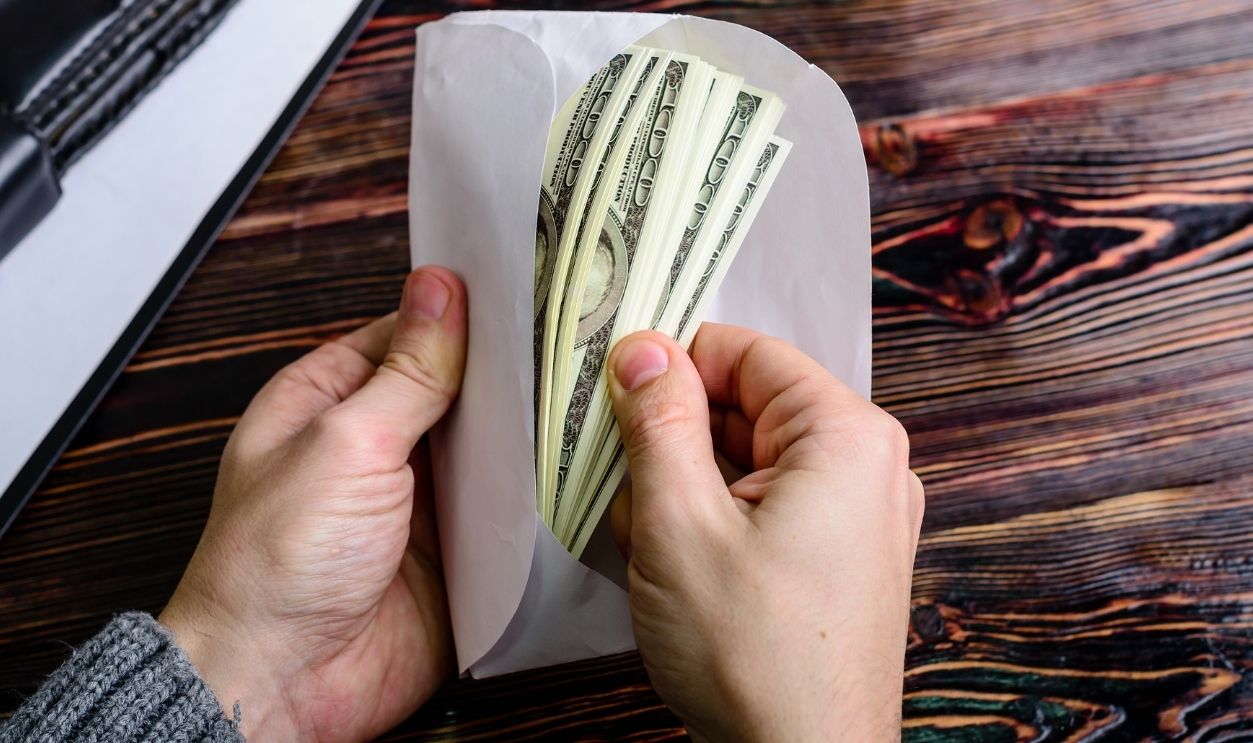
Sometimes an employer skips the payroll deduction and pressures the worker to hand over cash instead. That can be harder to prove, but it is not automatically legal. If the payment is really being demanded to keep the job, labor agencies may still treat it as an illegal wage practice.
Retaliation Is Another Warning Sign
Many workers stay quiet because they are afraid of losing shifts or getting fired. But federal and state labor laws generally ban retaliation against employees who ask about wages, file complaints, or stand up for their rights. So if a worker refuses to pay an unlawful charge, the employer usually cannot legally punish them for speaking up.

The First Move Is to Save Proof
If your employer says you have to cover a customer’s unpaid bill, start keeping records right away. Save schedules, pay stubs, texts, emails, write-ups, and any policy about shortages or unpaid tabs. The key details are what happened, when it happened, who demanded payment, and whether money was actually taken from your wages.

Check Your Pay Stub Closely
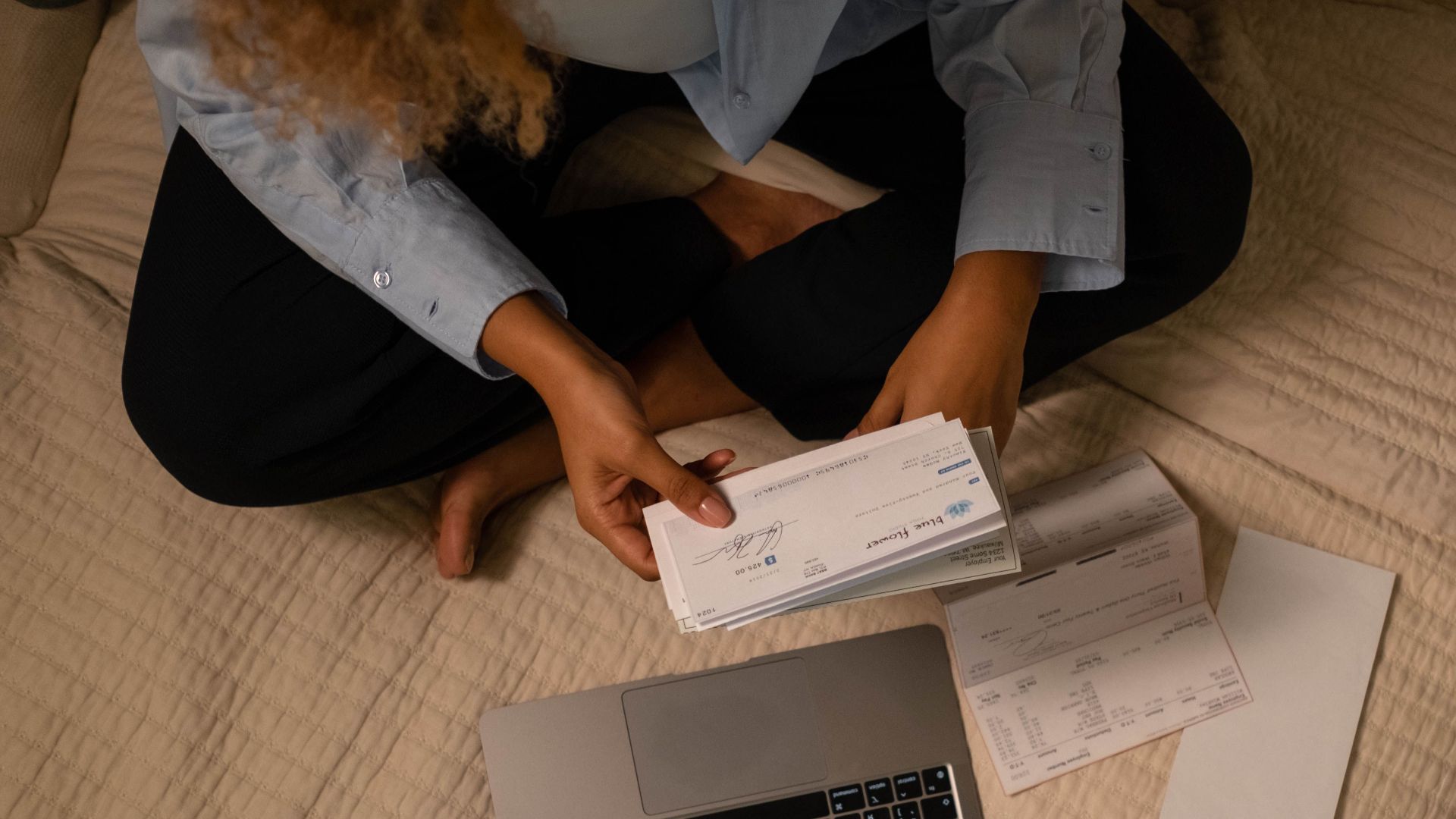
Sometimes the money disappears under a vague label instead of a clear deduction. Watch for entries tied to shortages, adjustments, damages, or miscellaneous deductions. If the numbers on your paycheck do not add up, ask for a written breakdown.
Ask for the Demand in Writing
This is one of the smartest things you can do. If a manager makes the demand out loud, politely ask for the policy or deduction request in writing. Some employers back off fast when they realize they may have to explain a shaky practice on paper.

Know the Minimum Wage Math
The federal minimum wage is still $7.25 an hour, though many states and cities require more. If you already earn close to the legal minimum, any deduction for a customer loss should set off alarm bells. For tipped workers, the math is even touchier because base cash wages can be much lower under the tip credit system.

Overtime Makes It Riskier for Employers
Once overtime enters the picture, employers have even less room to make deductions. The FLSA protects overtime pay, and businesses generally cannot use customer losses or other business costs to undercut it. If you worked more than 40 hours in a workweek and then saw a deduction for an unpaid bill, that matters a lot.

When Employers May Be Able to Recover Losses
There are times when an employer may be able to go after a worker for intentional wrongdoing, theft, or willful damage, depending on state law and the evidence. But that is very different from a routine customer nonpayment or a simple mistake during a busy shift. The law usually treats ordinary business risk and deliberate misconduct as two separate things.

Why This Keeps Happening
Low-margin businesses often look for a quick way to absorb losses. Restaurants, convenience stores, and small retailers can be especially aggressive about shortages because every bad transaction hurts. But pressure on the business does not change wage law.

Labor Agencies Have Been Warning About This for Years
The U.S. Department of Labor has long published guidance on unlawful deductions under the FLSA. State labor departments have done the same, often calling out breakage, cash shortages, and similar losses by name. This is not a new or murky issue, even if many workers only learn about it after a paycheck comes up short.

What to Do If the Money Is Already Gone
If the deduction already happened, you can ask for repayment in writing and point to the wage rule you think was violated. You can also contact your state labor department or the U.S. Department of Labor’s Wage and Hour Division. In some cases, an employment lawyer can help figure out whether you are owed back wages or whether the same thing happened to other workers too.

What to Say to Your Boss
Keep it calm and direct. You can say you are concerned that making you cover a customer’s unpaid bill may violate federal or state wage law, especially if it lowers your pay below the legal minimum or affects overtime. Asking for a written policy and a clear explanation often sends the message that you know your rights.

The Bottom Line
If your employer wants you to pay for a customer’s unpaid bill, do not assume that demand is legal just because it is common. Under federal law, employers generally cannot shift those losses onto workers when doing so cuts into minimum wage or overtime, and many states go even further. The safest move is to document the demand, review your pay, and check the rules where you work before paying anything.