When Groceries Came With A Little Something Extra
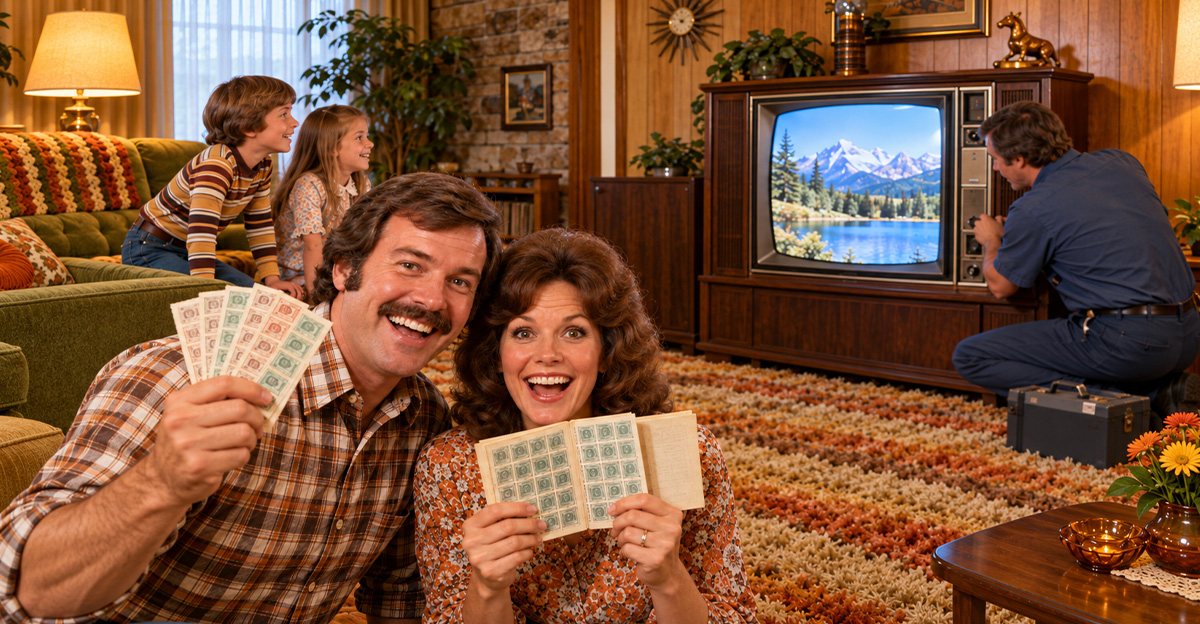
Remember when buying groceries could eventually earn you a brand-new toaster? During the 1970s, trading stamps were a familiar sight in American households. Families saved them for everything from kitchen appliances to bicycles. Best of all, choosing your reward was half the fun.
S&H Green Stamps Were Everywhere
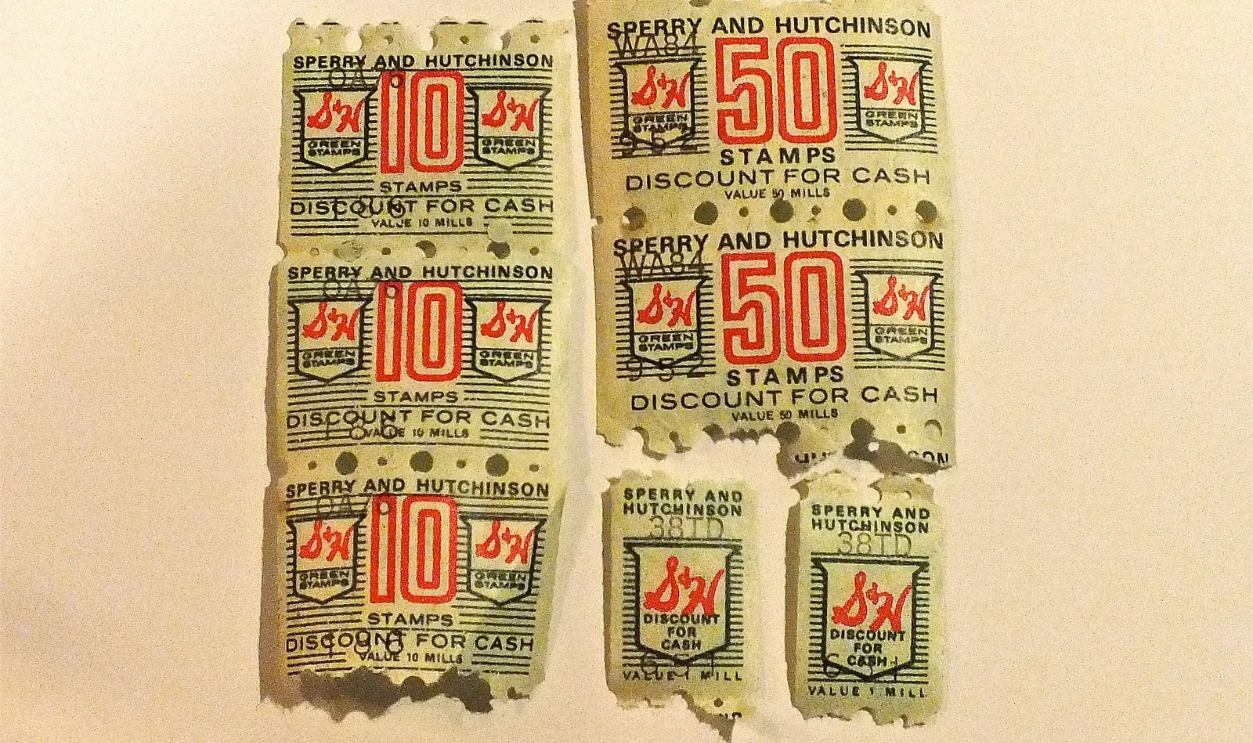
The famous S&H Green Stamps were practically a household institution. Grocery stores and gas stations handed them out with purchases, and shoppers carefully saved them in little booklets. Collect enough, and you could exchange them for something useful. For many families, that felt like getting something for nothing.
The Toaster Everyone Wanted
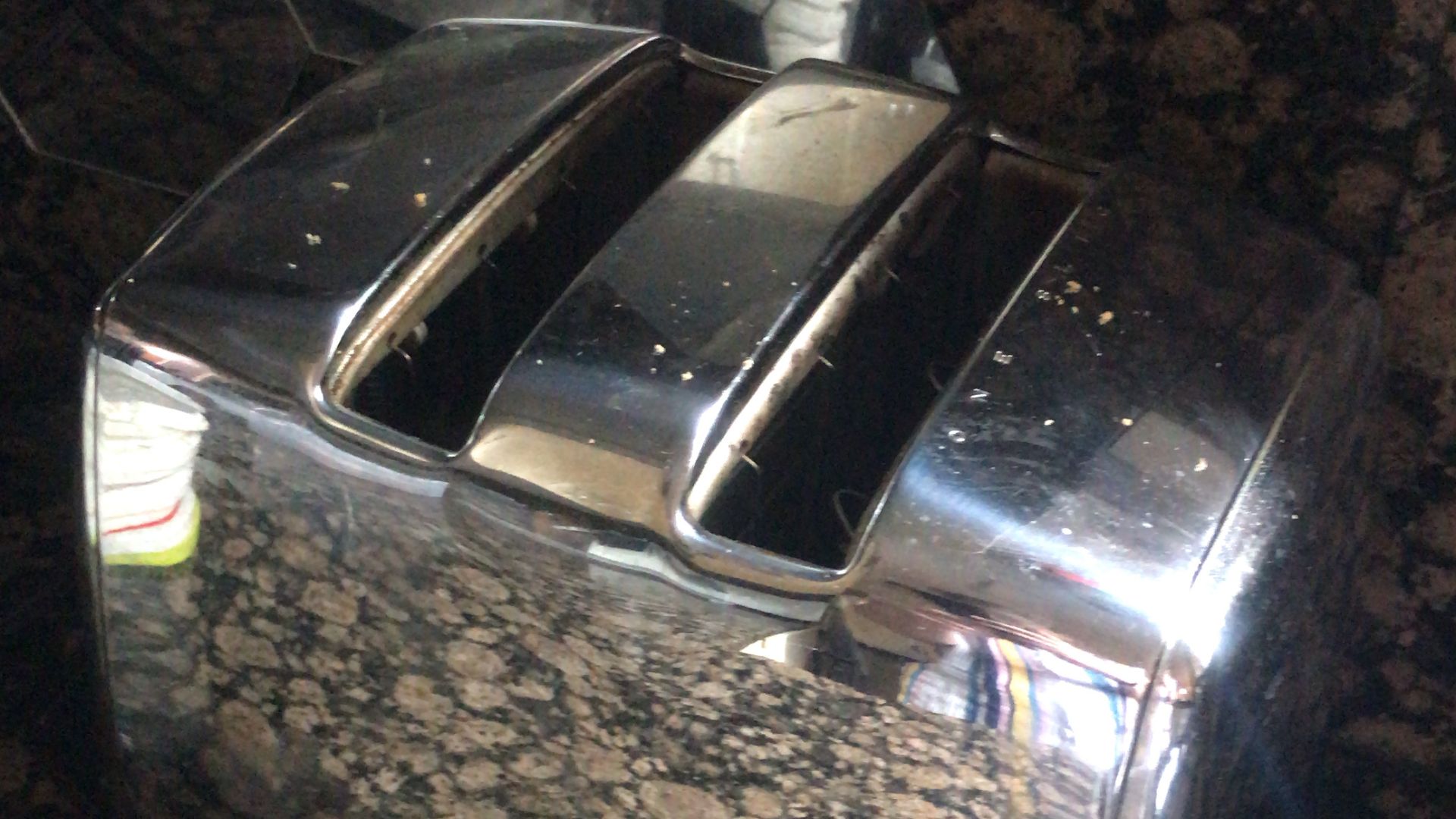
Believe it or not, toasters were among the most popular Green Stamp rewards. Families could save their stamps and eventually bring home a shiny new appliance without handing over cash at redemption. Considering how much use a toaster got every morning, it was a pretty practical prize.
 Tape fanatic 007, Wikimedia Commons
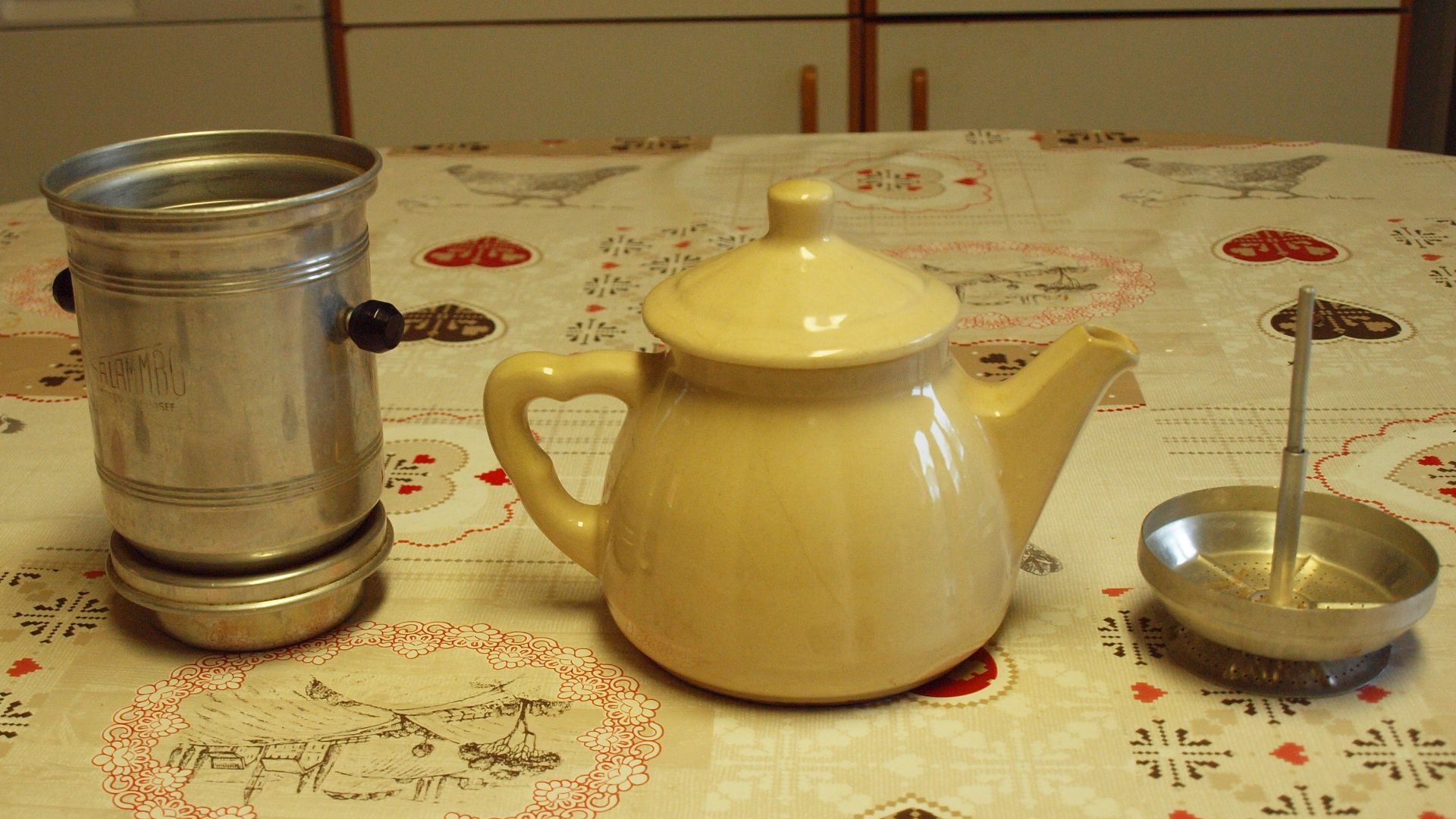
Electric Coffee Percolators
Before fancy espresso machines became kitchen essentials, electric coffee percolators were a popular household appliance. Trading stamp catalogs offered them as rewards for loyal shoppers. Imagine telling someone today that buying enough groceries could eventually earn them the machine that made their morning coffee.
 François GOGLINS, Wikimedia Commons
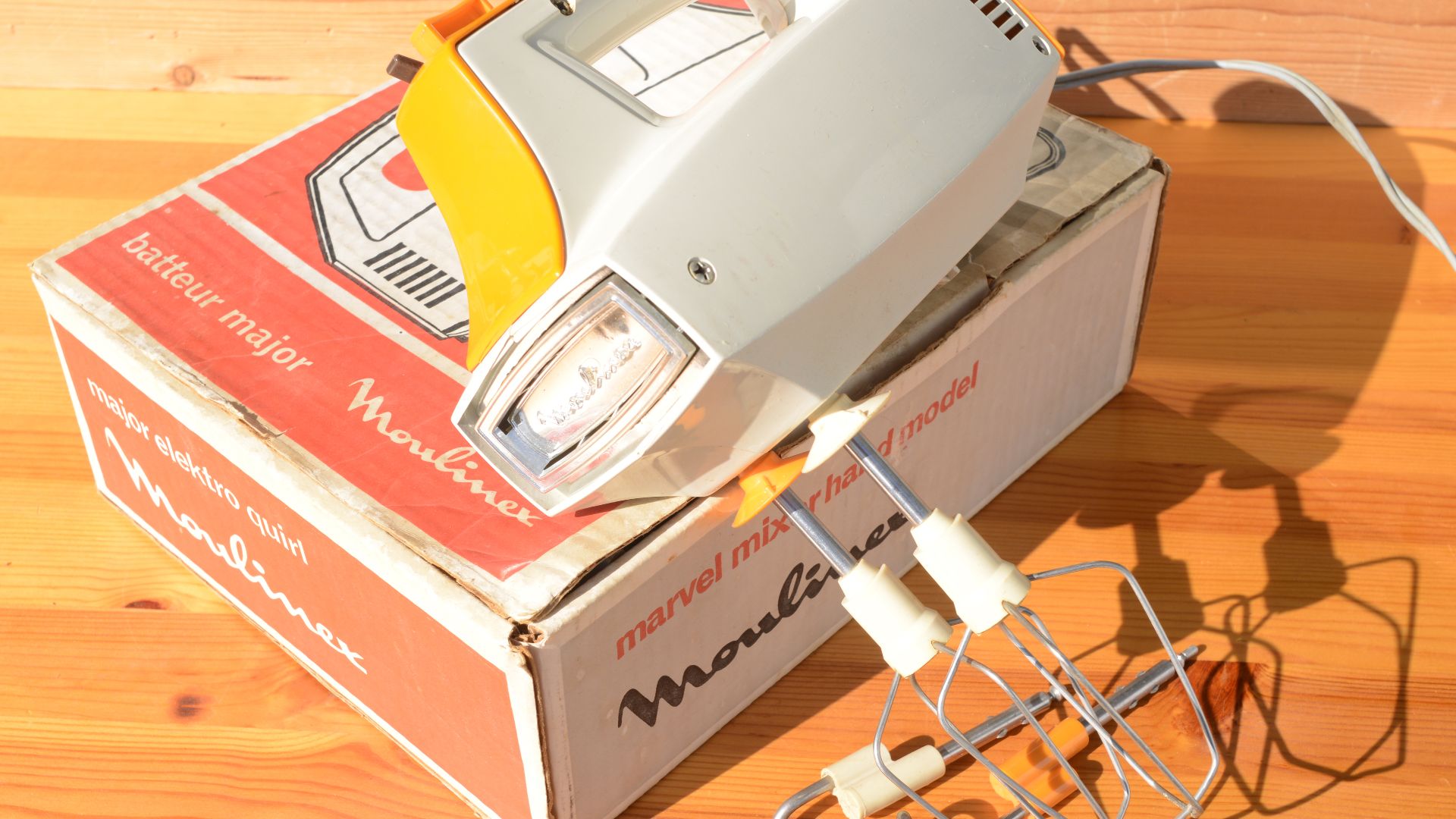
A Brand-New Electric Mixer
An electric mixer was a welcome addition to any kitchen, particularly for someone who spent weekends baking cakes and cookies. S&H catalogs featured mixers among their household rewards. Saving enough stamps to get one made all those grocery trips feel a little more worthwhile.
 Joost J. Bakker IJmuiden, Wikimedia Commons
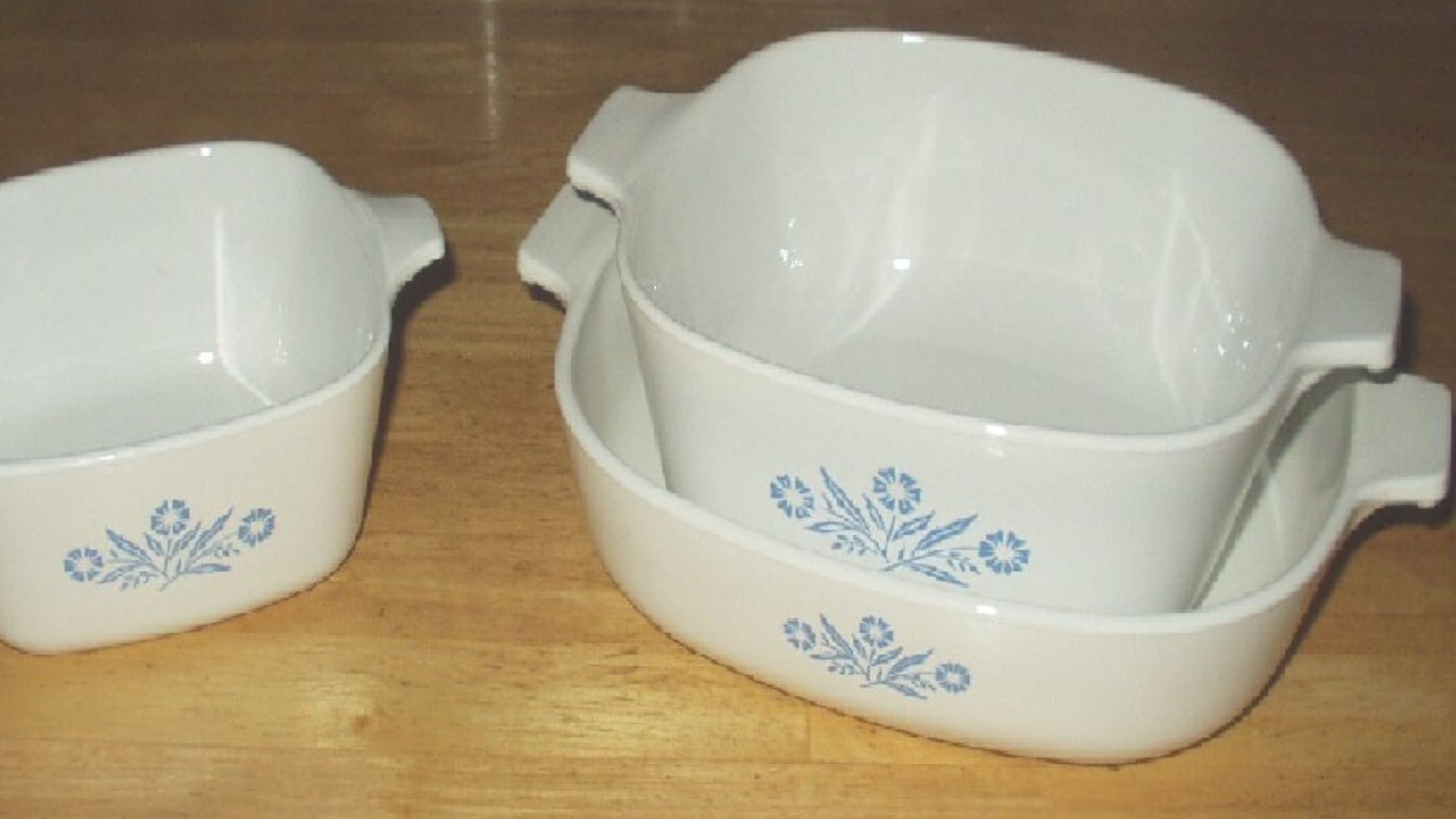
CorningWare Casserole Dishes
Those familiar CorningWare casserole dishes weren't just wedding presents. Trading stamp collectors could also redeem their savings for cookware. Families used these sturdy dishes for everything from Sunday dinners to holiday leftovers. Some were treasured enough to remain in kitchens for decades afterward.
 User:Splarka, Wikimedia Commons
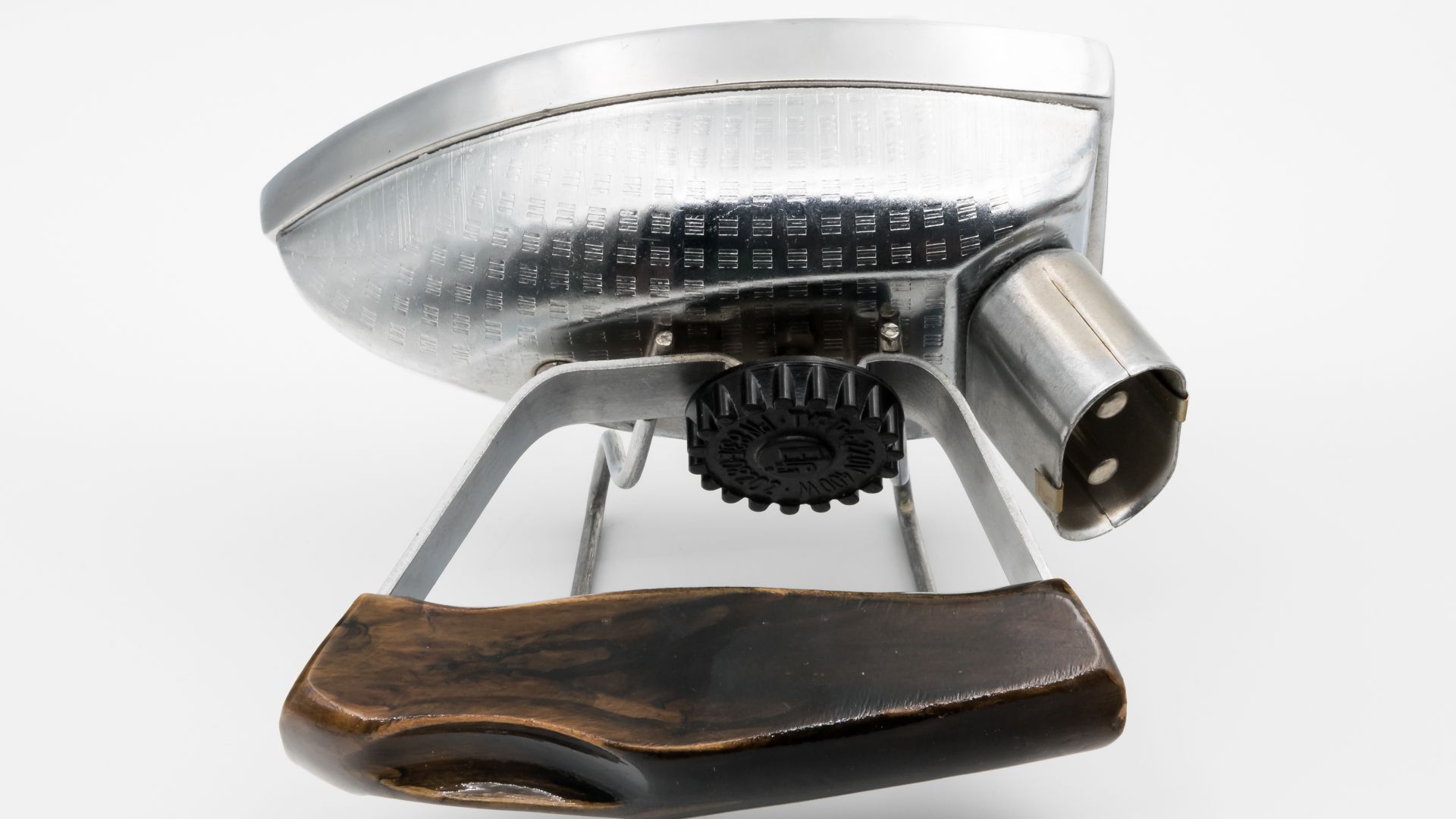
A Shiny New Steam Iron
Nobody particularly enjoyed ironing, but getting a new iron without directly paying for it certainly helped. Steam irons appeared among the practical household merchandise offered through trading stamps. For families watching every penny, collecting stamps could mean replacing an aging appliance without upsetting the household budget.
 Jacek Halicki, Wikimedia Commons
Pots And Pans For The Kitchen
A good set of cookware could represent a significant household expense. Luckily, trading stamp catalogs offered pots, pans, and other cooking essentials. Instead of purchasing everything at once, families could gradually build their collections by saving the stamps they earned from everyday shopping.
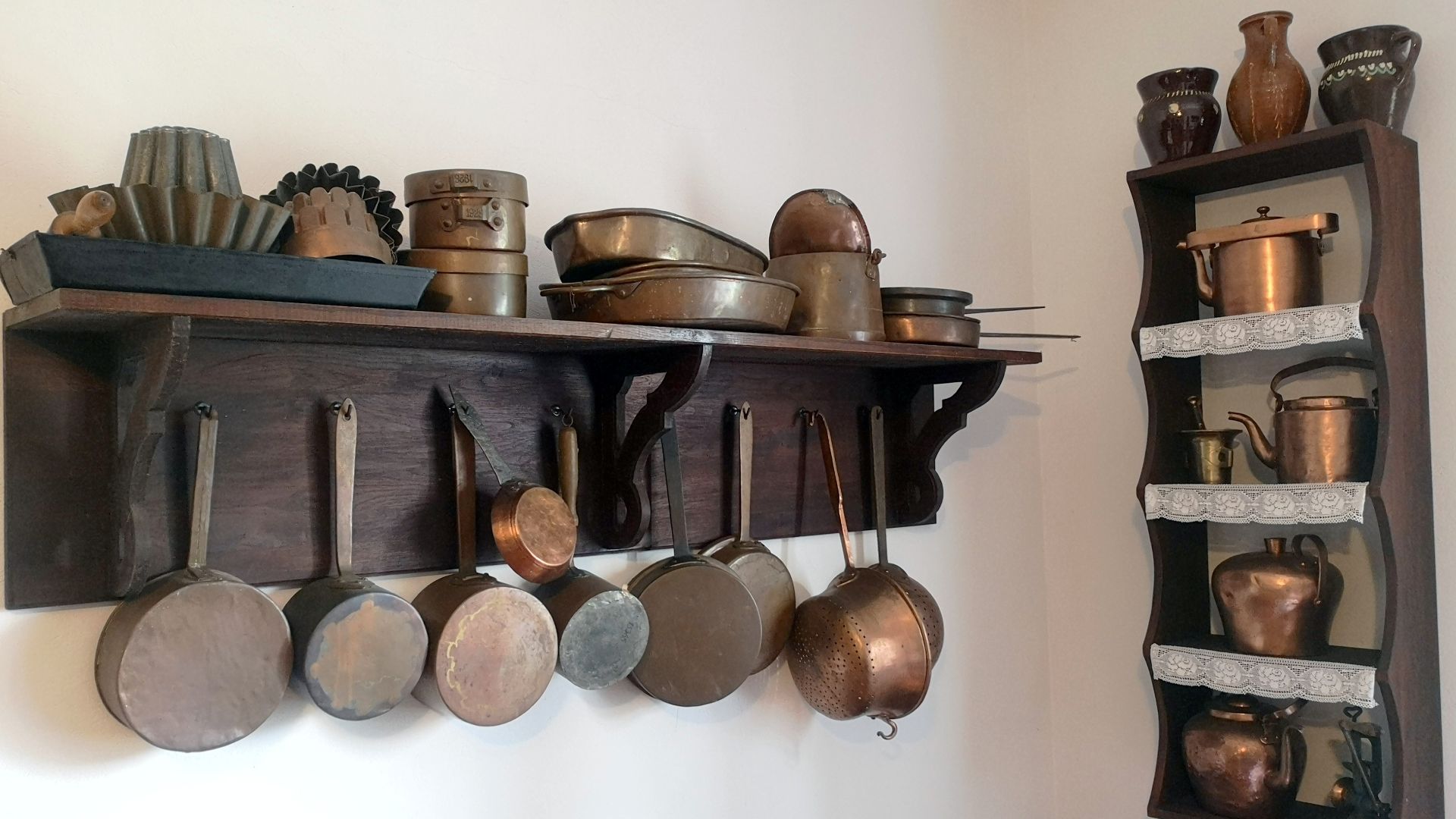
Glassware For Special Occasions
Remember the drinking glasses that only came out when company visited? Trading stamp rewards included decorative glassware and serving pieces. For shoppers who couldn't justify spending extra money on fancy dishes, redeeming stamps offered an appealing way to dress up the dining table.
 Sandra Fauconnier, Wikimedia Commons
Bed Sheets And Linens
Not every reward was glamorous. Sometimes, families simply needed fresh bedsheets. Trading stamp catalogs offered household linens, including sheets and other bedding essentials. It might sound boring to younger generations, but getting something the family actually needed was often more satisfying than another unnecessary purchase.
 Fawaz.tairou, Wikimedia Commons
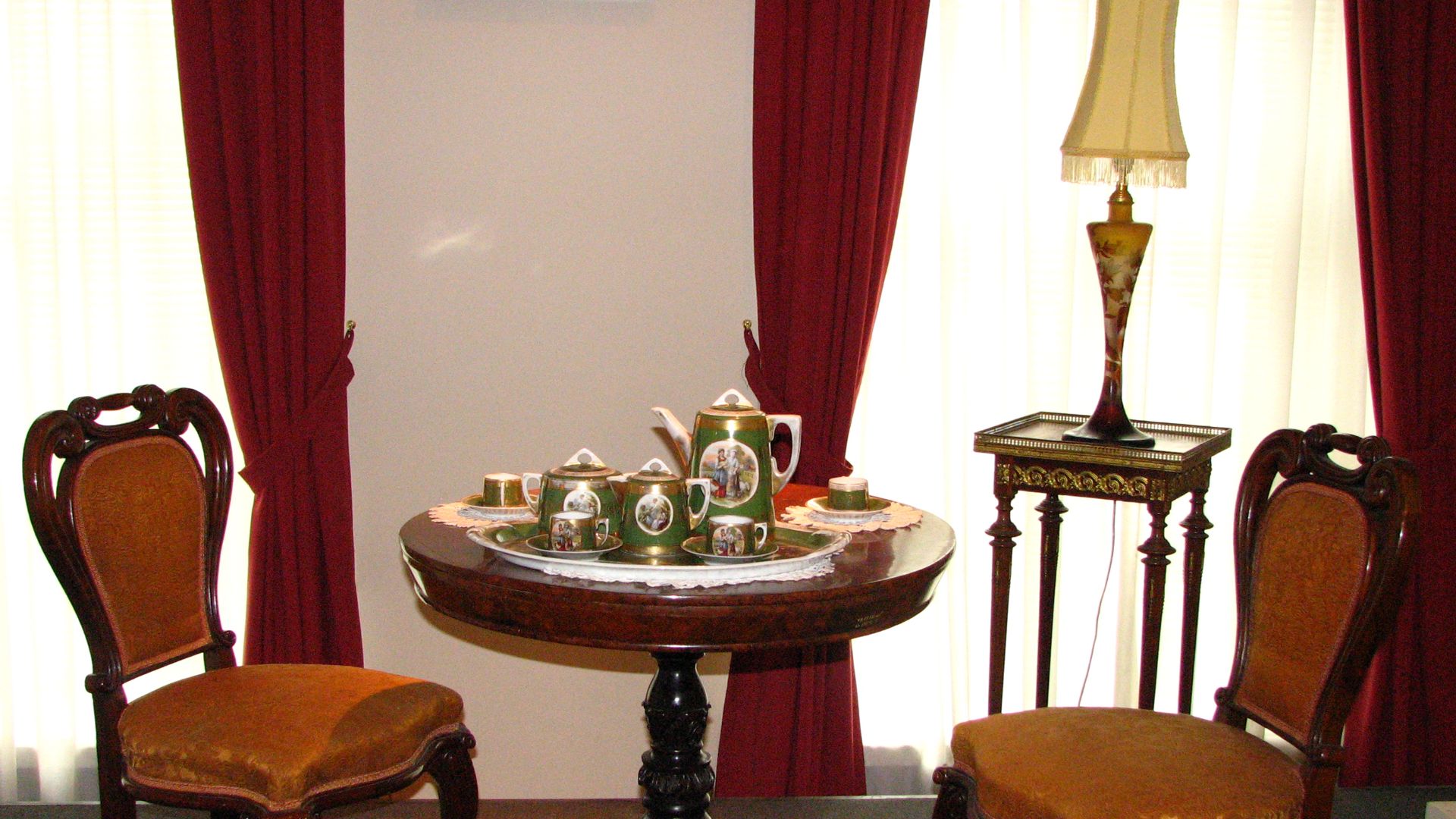
Lamps For The Living Room
A stylish new lamp could brighten an entire room, especially when it didn't require dipping into the household savings. Lamps were popular catalog merchandise, with options ranging from decorative table lamps to more practical lighting. For some households, stamp collecting was practically a decorating strategy.
 Andrey Korzun, Wikimedia Commons
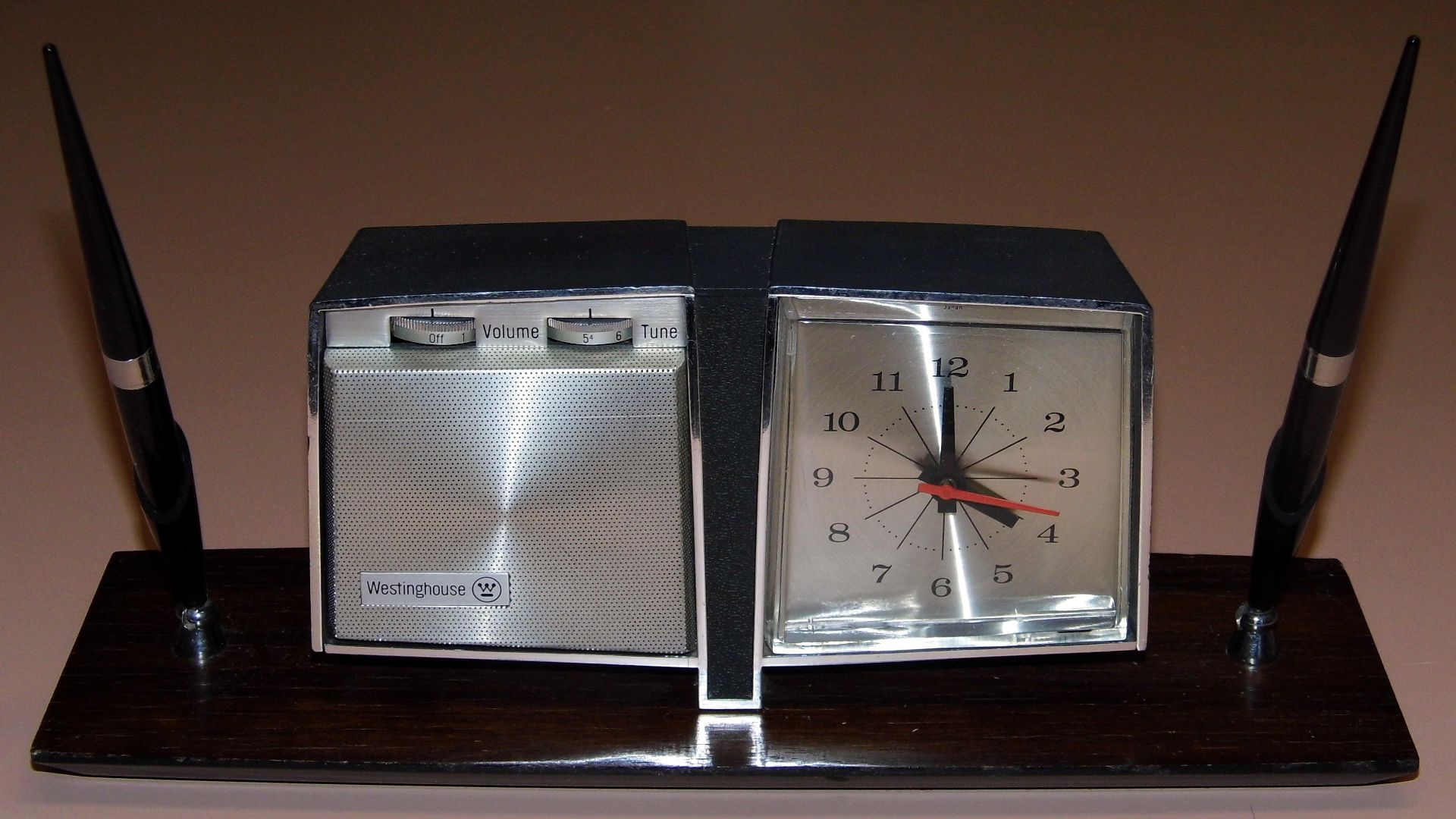
A New Clock Radio
Before smartphones replaced alarm clocks, a clock radio was a pretty exciting piece of bedroom technology. Trading stamp catalogs offered clocks and radios among their rewards. Waking up to your favorite station rather than a harsh alarm? That was a little luxury worth saving for.
 Joe Haupt from USA, Wikimedia Commons
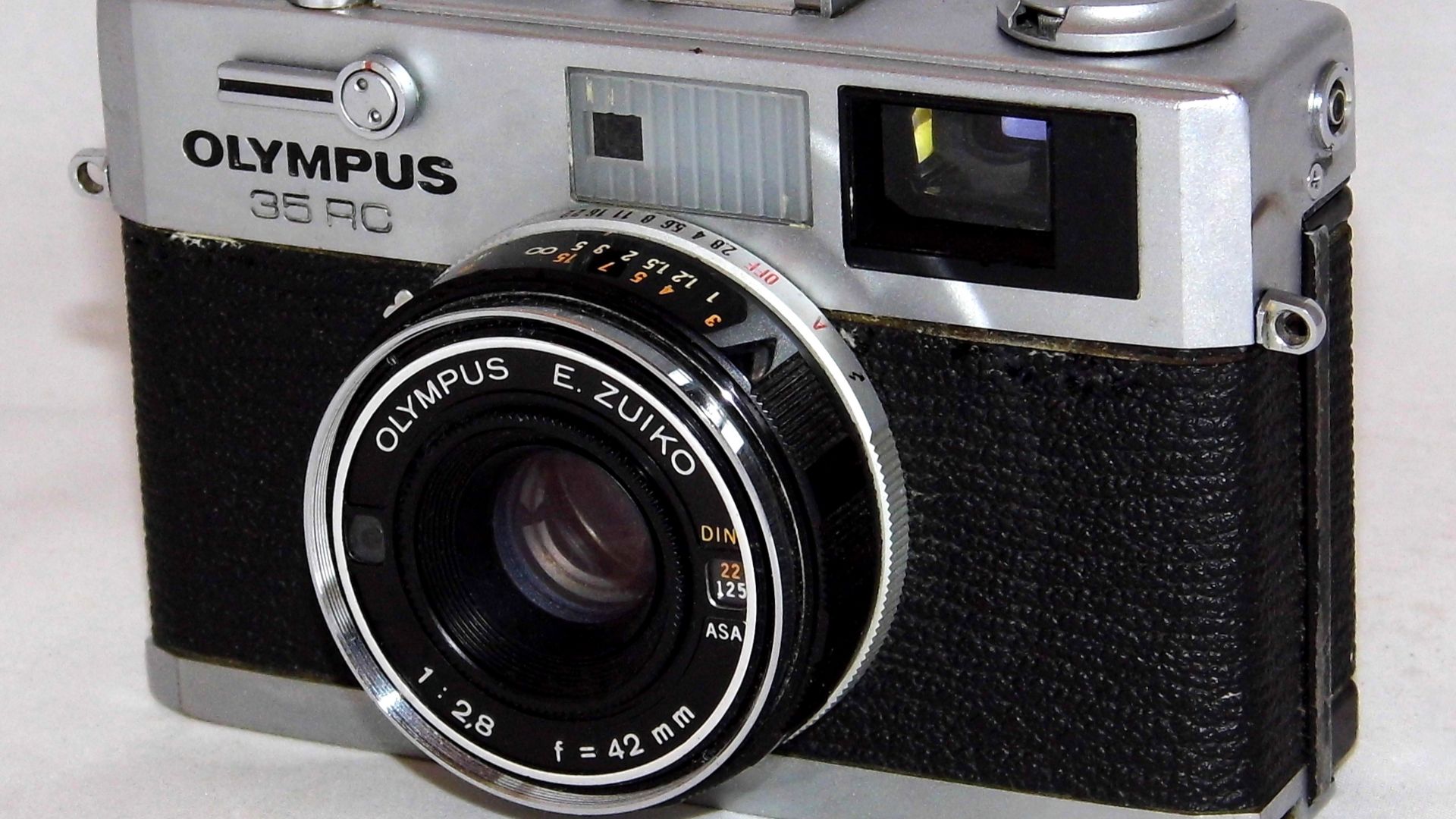
Cameras For Family Vacations
Imagine earning a camera simply by doing the weekly shopping. S&H catalogs included cameras among their merchandise, making photography equipment more accessible to dedicated stamp collectors. Those cameras could capture everything from summer road trips to birthday parties, producing memories that lasted far longer than the stamps themselves.
 Joe Haupt from USA, Wikimedia Commons
Binoculars For Outdoor Adventures
Trading stamps weren't exclusively about household chores. Binoculars appeared among catalog rewards, giving outdoor enthusiasts something exciting to save toward. Whether they were used for birdwatching, sporting events, or family vacations, they offered a reminder that collecting stamps could lead to something genuinely enjoyable.
 R. Henrik Nilsson, Wikimedia Commons
Roller Skates For The Kids
For children, roller skates were considerably more exciting than kitchen appliances. They appeared in S&H's merchandise offerings alongside other sporting goods. Parents could put their grocery shopping rewards toward a present that kept the neighborhood kids entertained. Of course, scraped knees were practically guaranteed.
 Melissa Hanhirova, Wikimedia Commons
A Brand-New Bicycle
Yes, families really could collect trading stamps for a bicycle. Bikes were among the larger rewards offered through stamp programs, requiring considerably more saving than smaller household items. It took patience, but imagine the excitement of finally bringing home that long-awaited set of wheels.

Baseball Gloves And Bats
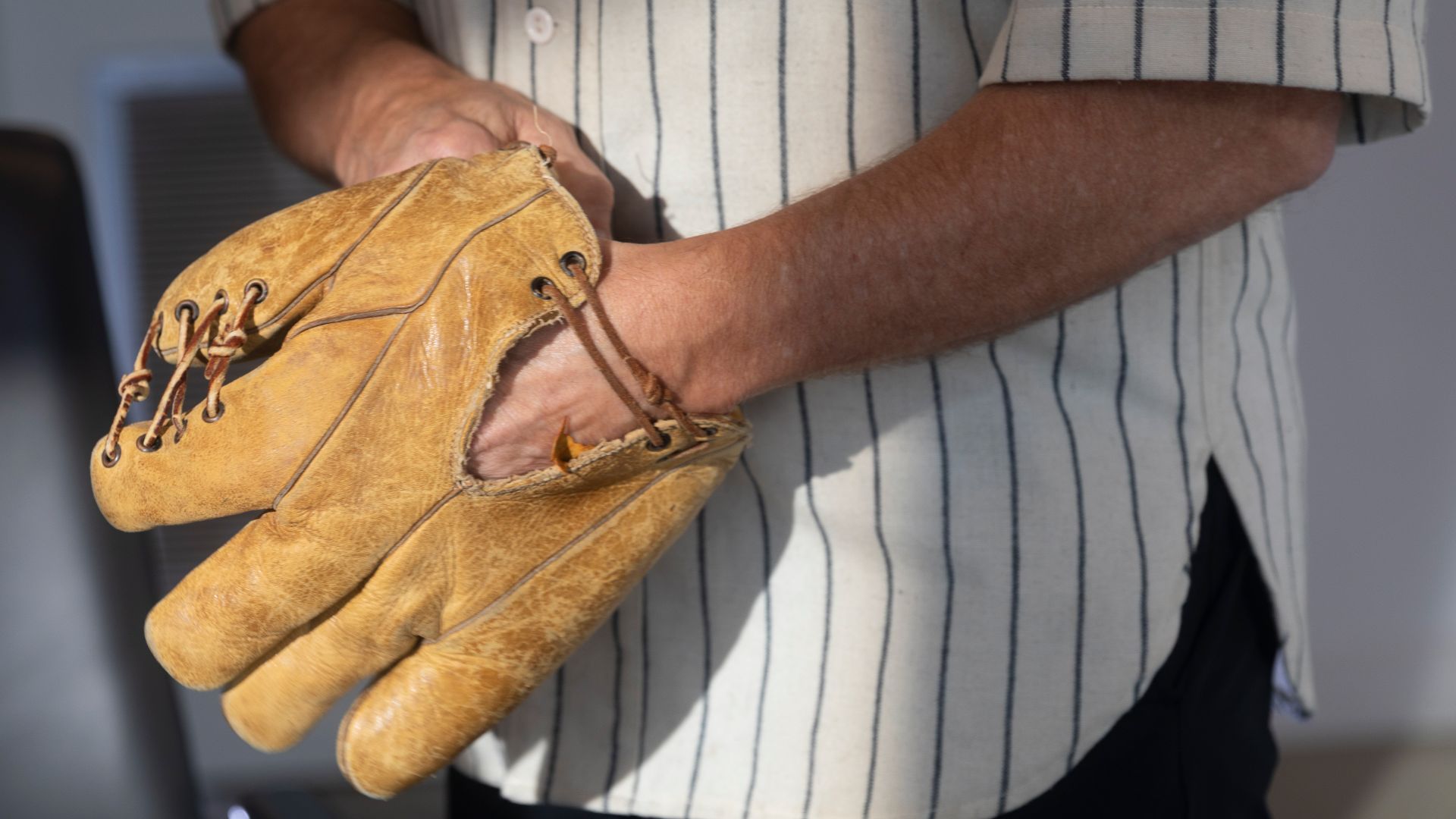
Baseball equipment was another reward that children could get excited about. S&H catalogs featured gloves and bats, giving families a reason to save toward something besides kitchen utensils. For a youngster dreaming of joining the neighborhood baseball game, those stamps represented something much bigger than groceries.
Dolls And Children's Toys
Trading stamp catalogs also included dolls and other toys. Rather than spending additional money at a department store, parents could put their collected stamps toward birthday or holiday gifts. Children might not have cared how the present was purchased, but parents certainly appreciated the savings.
 Photograph by Clem Rutter, Rochester, Kent. (www.clemrutter.net)., Wikimedia Commons
Wagons For The Backyard
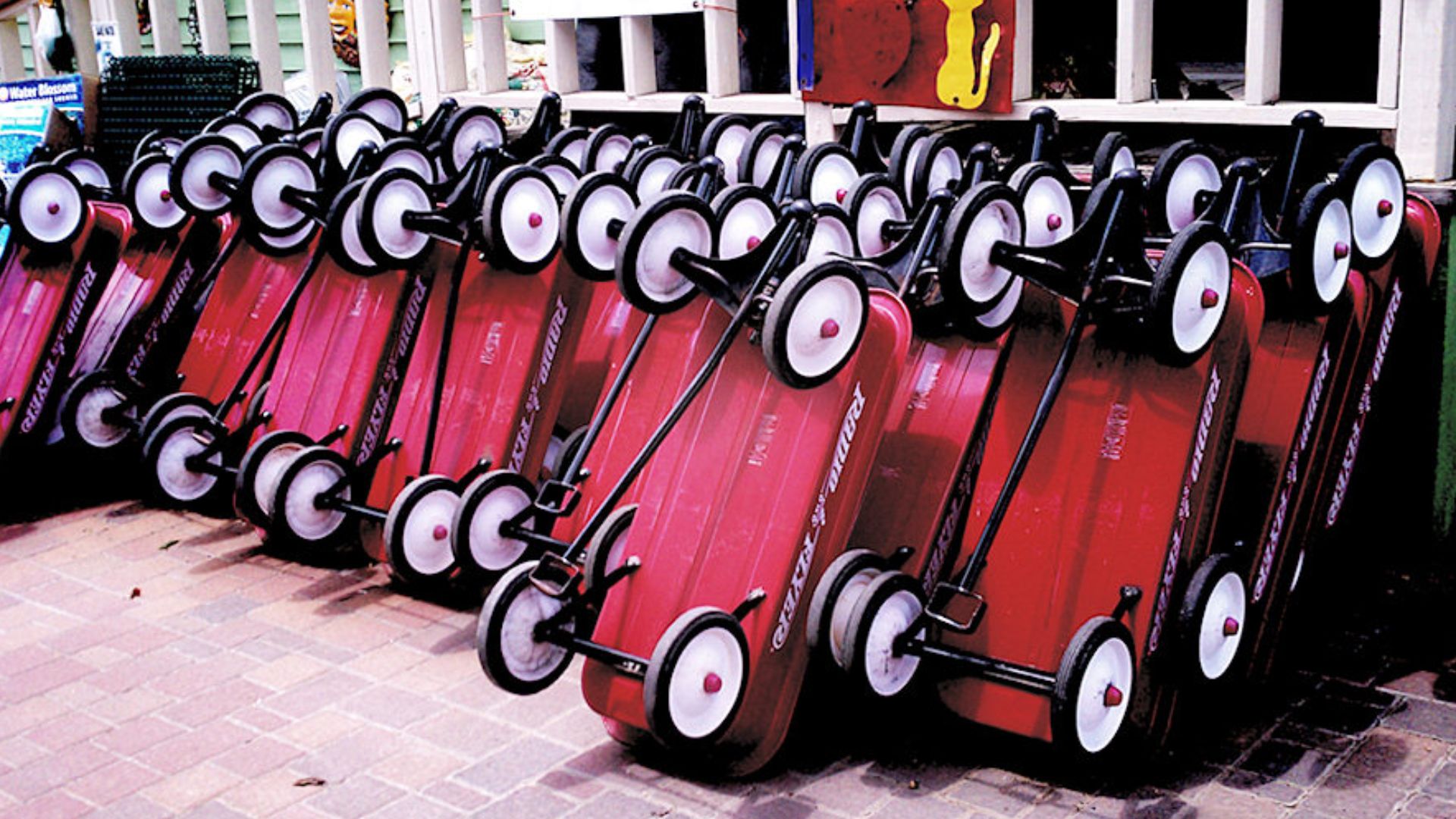
A sturdy children's wagon was another item available through S&H merchandise catalogs. Perfect for hauling toys, garden supplies, or a younger sibling around the yard, these little wagons could provide years of entertainment. All those grocery trips suddenly seemed worthwhile when a new toy arrived home.
 Michael Martin from Cypress, Texas, Wikimedia Commons
Luggage For The Family Vacation
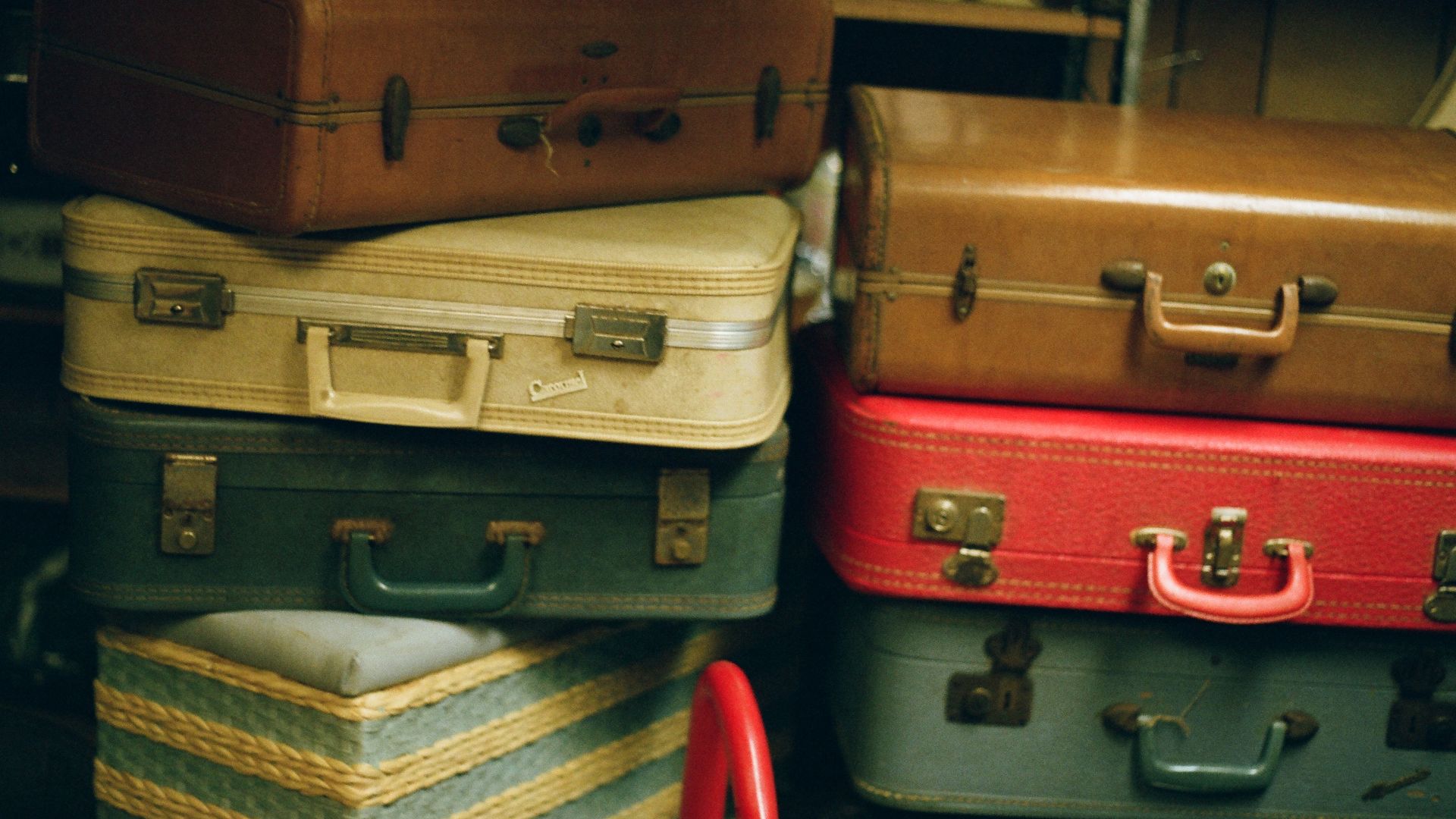
Suitcases and travel bags weren't cheap, especially for families planning their first big vacation. Trading stamp catalogs featured luggage among their rewards. Families could work toward the bags they needed without making a separate purchase. It was a small luxury that made getting away feel even better.
 Steve Snodgrass, Wikimedia Commons
Watches That Felt Like Luxury
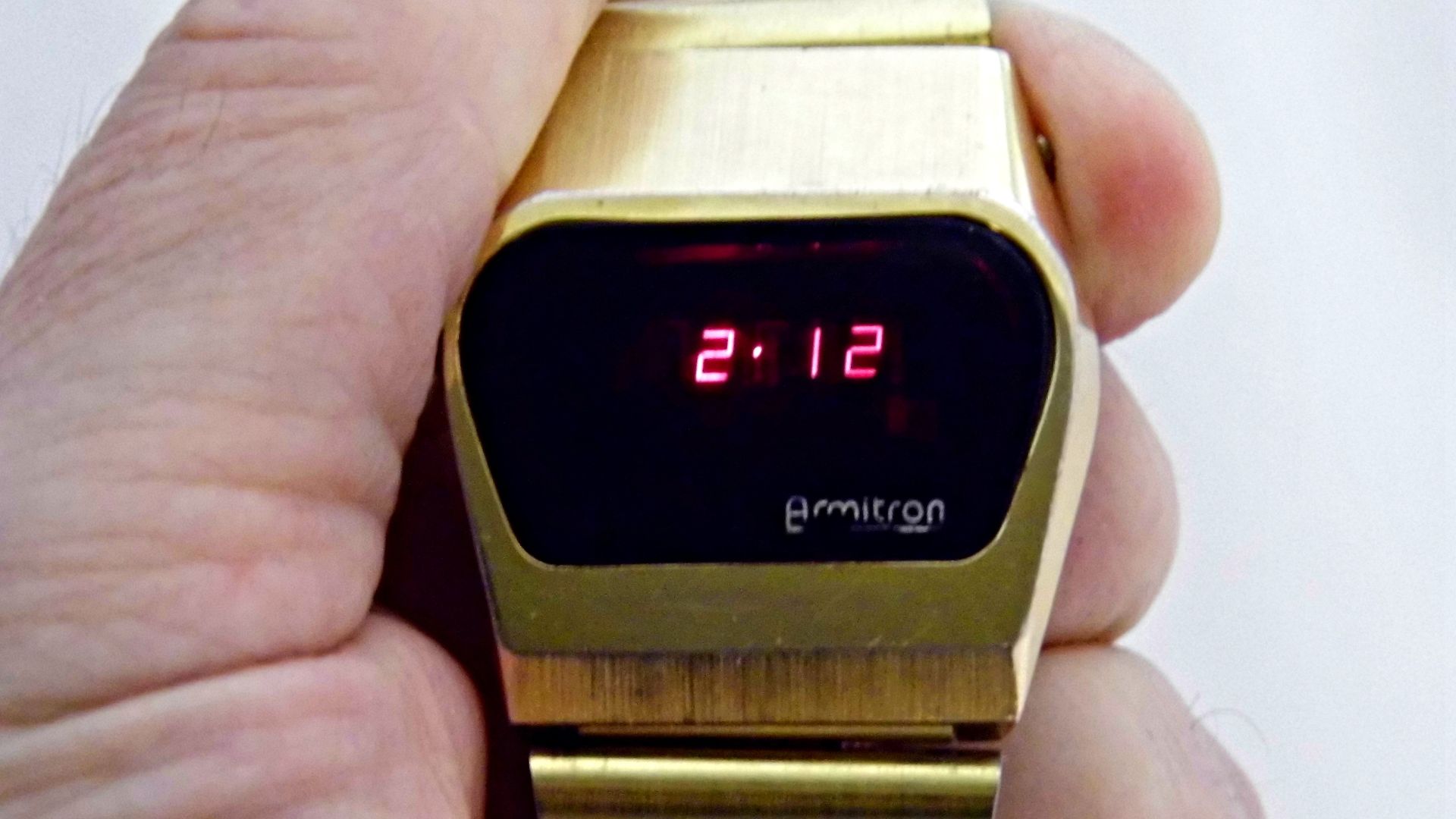
A new wristwatch was once a meaningful purchase, not something casually replaced every few years. Trading stamp rewards included watches from established manufacturers. Certain watches required substantial collections, but the prospect of getting an attractive timepiece made saving all those little paper stamps surprisingly exciting.
 Joe Haupt from USA, Wikimedia Commons
A New Lawn Mower
Some rewards were anything but small. Trading stamp programs offered lawn mowers, giving homeowners another reason to keep collecting. Imagine walking into a redemption center with stacks of completed booklets and leaving with something that could help maintain the yard for years.
 Shixart1985, Wikimedia Commons
Furniture For The House
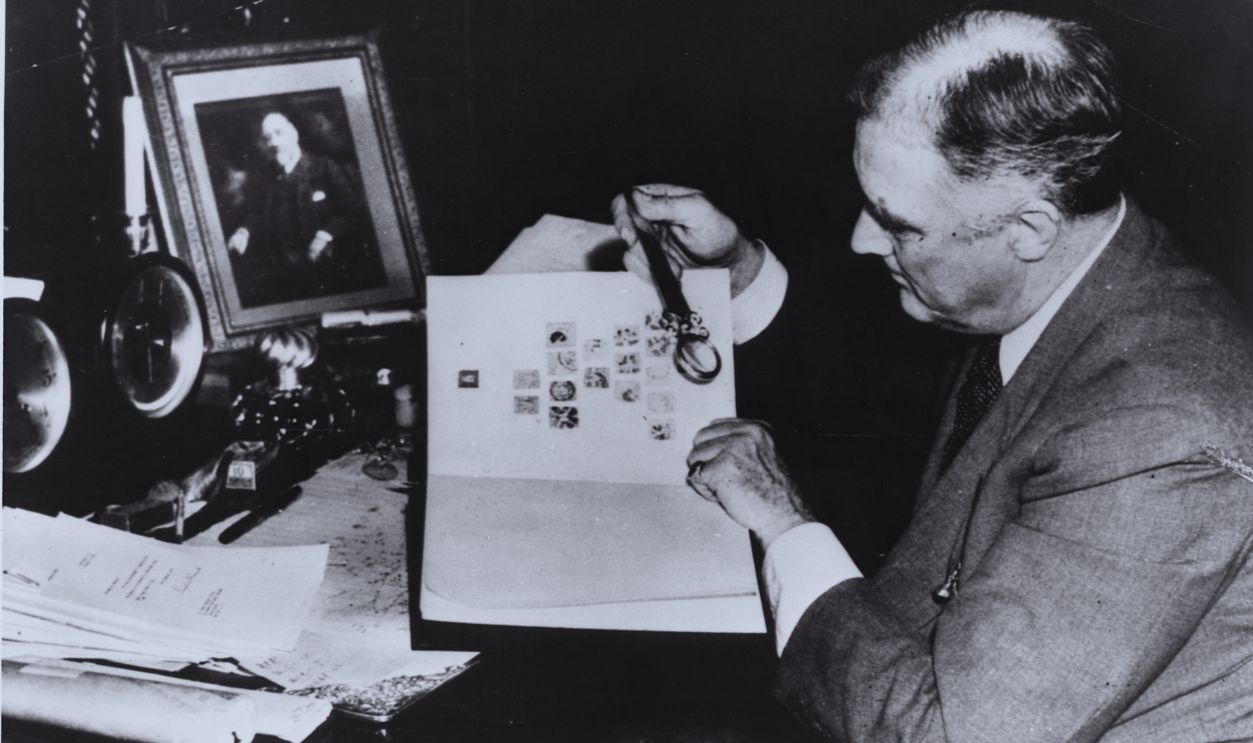
Trading stamps could even help furnish a home. Depending on the company and catalog, rewards included furniture and other substantial household purchases. These were hardly impulse redemptions. Families sometimes saved for months or years, turning everyday grocery purchases into a long-term household improvement project.
 Federal Bureau of Investigation, Wikimedia Commons
A Color Television
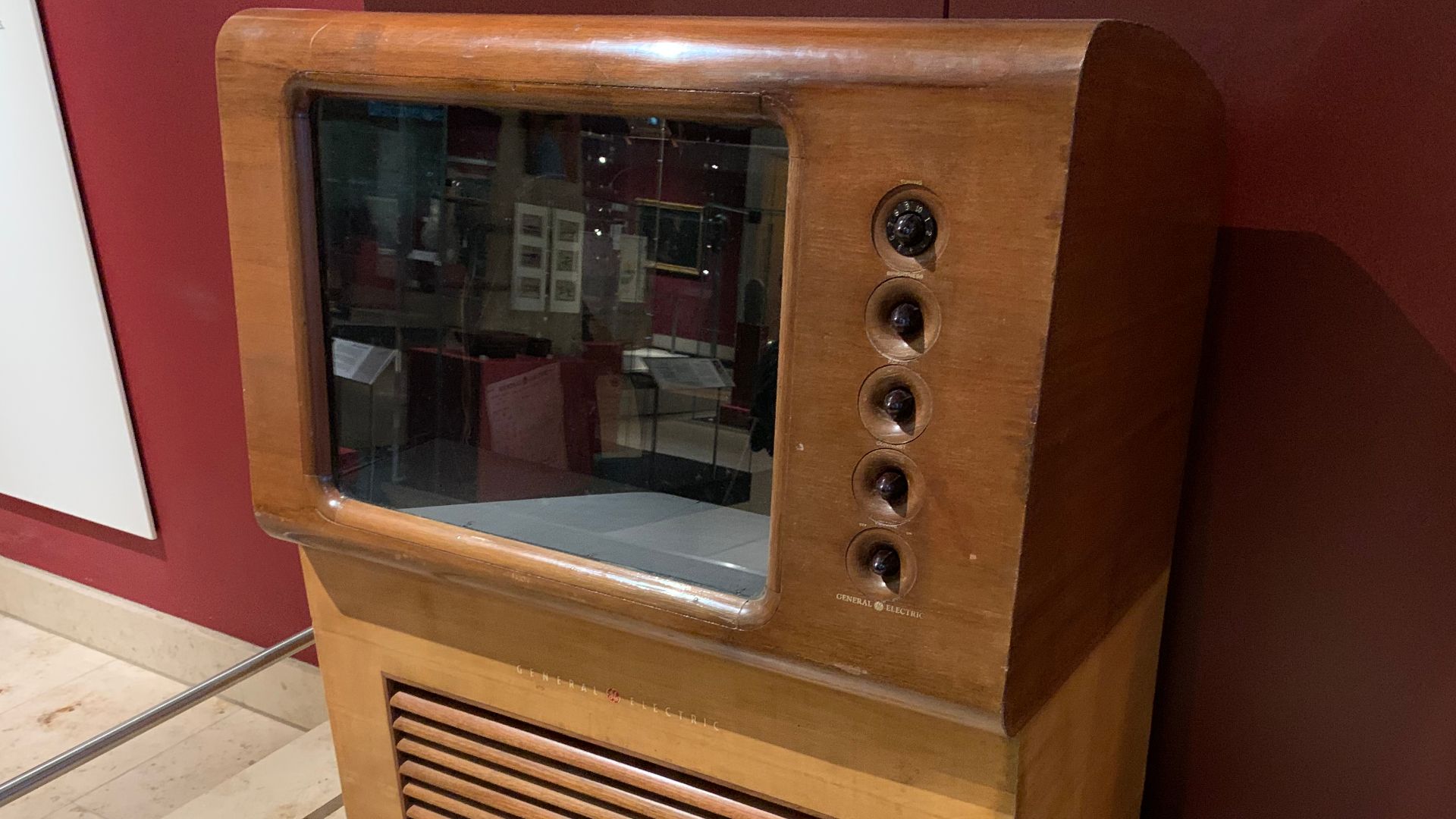
Now here's something that would truly astonish Gen Z. The 1970 Plaid Stamp catalog offered color televisions, with models requiring between 45 and 190 completed stamp books. That's an enormous amount of collecting, but it proves just how ambitious trading stamp rewards could become.
 Alf van Beem, Wikimedia Commons
The Redemption Centers Were Half The Excitement
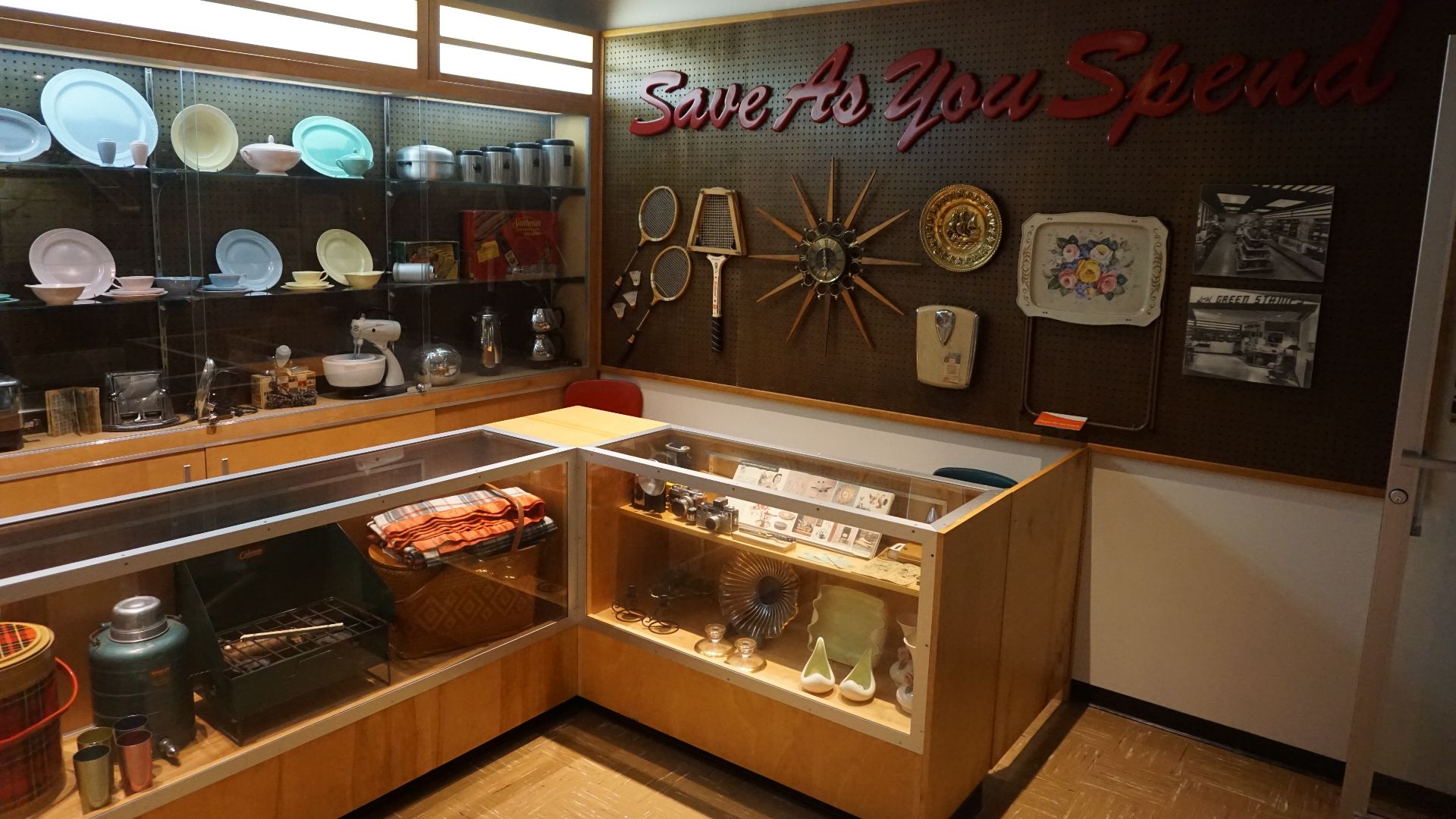
Once enough books were filled, shoppers could visit a redemption center and exchange them for merchandise. These weren't imaginary prizes buried in fine print. Real showrooms displayed real products. In 1972, some Plaid Stamp centers even experienced long lines as worried collectors rushed to redeem their books.
Why Trading Stamps Began Disappearing
By the 1970s, trading stamps were losing their appeal. Supermarkets increasingly competed through lower prices and straightforward discounts. Some shoppers also questioned whether stamp programs contributed to higher grocery costs. Many programs eventually disappeared, although a few retailers tried bringing them back before the decade ended.
 Michael Barera, Wikimedia Commons
Remember The Thrill Of Filling That Last Book?
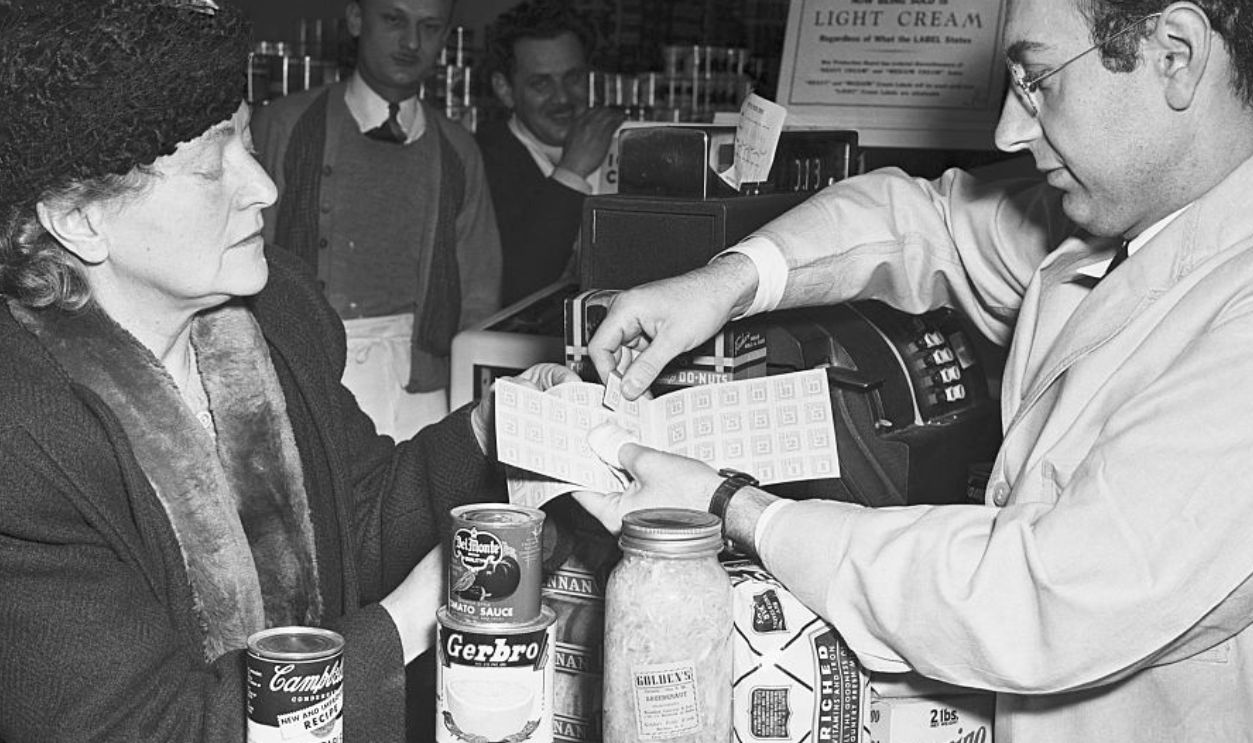
Today, loyalty points appear automatically on phones and receipts. But for anyone who remembers pasting stamps into little books, something has been lost. The reward wasn't just a toaster, bicycle, or television. It was the satisfaction of saving toward something special, one grocery trip at a time.
You May Also Like:
Five-And-Dime Stores From The 1960s That Baby Boomers Loved—But Millennials Have Never Shopped At