
You Do Not Have To Solve Their Entire Lives This Week
When both parents die suddenly, grief can collide with paperwork almost immediately. People start asking about the house, accounts, funeral, insurance, and wills while you are still trying to understand what happened. Your first job is not to settle two estates overnight. It is to protect what matters and take one step at a time.

Start With What Cannot Wait
Before worrying about probate, make sure the immediate practical needs are covered. Who is caring for pets? Is the house locked? Are vehicles secure? Does someone need medication or access to the property? Estate guidance puts protecting people and property near the top of the list for a reason.
 https://kaboompics.com/, Pexels
Get Certified Death Certificates
You will probably need certified death certificates for banks, insurers, retirement accounts, government agencies, and other institutions. Requirements vary, so ask how many copies each organization needs before ordering a huge stack. The state where each parent died can provide additional certified copies later if necessary.
 Krakenimages.com, Shutterstock
Create One Place For Everything
Grief makes even simple paperwork surprisingly difficult. Start one physical folder, binder, or secure digital file for death certificates, bills, insurance information, account statements, attorney contacts, property documents, and notes from phone calls. You are building a map, not trying to understand every document immediately.

Do Not Assume You Are The Executor Yet
Being the oldest child, closest child, or person handling the funeral does not automatically make you the legal representative of the estate. A will may name an executor. If there is no will, a probate court can appoint an administrator. Until authority is clear, be cautious about selling, transferring, or distributing property.

Now Start Looking For A Will
Check places where important paperwork was normally kept: filing cabinets, desks, safes, document boxes, and other secure storage. Look for wills, trusts, attorney correspondence, deeds, tax records, insurance policies, and information about safe-deposit boxes. Even an old document may point you toward the lawyer who prepared a newer one.

Look For The Lawyer, Not Just The Paper
If you find a business card, legal bill, email printout, or letter from an estate attorney, call the office. Your parents may have left original documents with the attorney or the firm may know what estate planning was completed. The lawyer may also be able to explain what documents still need to be located.

Check Whether There Is A Trust Too
A will is only part of some estate plans. Your parents may have created a revocable living trust and transferred certain property into it. If so, some assets may be administered under the trust rather than through ordinary probate. Search specifically for trust agreements and records showing which assets were placed inside them.

If You Cannot Find A Will, Do Not Panic
No will does not mean the estate simply disappears or that the family gets to improvise. Every state has intestacy laws specifying who inherits probate property when someone passes without a valid will. Those rules may not match what your parents would have chosen, but there is still a legal process.

Two Deaths In One Accident Add Another Question
When spouses die in the same accident or within a short period, the order of death can matter for certain inheritances and beneficiary arrangements. Many estate documents contain survivorship provisions, and state law may supply default rules. Do not try to settle this based on who you were told died first. Have the documents reviewed.

Do Not Start Dividing Their Belongings Yet
It can feel harmless for everyone to take a sentimental item home, especially when the family agrees. But until you understand the wills, estate ownership, and who has legal authority, leave significant property where it is. Photograph valuable belongings and make a basic inventory before anything starts disappearing from the house.

Secure The House Without Emptying It
Lock doors and windows, collect mail, remove obvious valuables from view, and confirm that homeowners coverage remains in place. Do not rush into canceling insurance because nobody is living there. An empty house can create new insurance requirements, so the appropriate insurer should be contacted before making changes.

Start Building An Asset List
You do not need exact balances yet. Begin with categories: house, vehicles, checking and savings, investments, retirement accounts, life insurance, pensions, business interests, valuables, and anything else significant. Recent tax returns and bank statements can be especially useful because they often reveal financial institutions you did not know existed.

Not Everything Passes Through A Will
This surprises many families. Life insurance and retirement accounts commonly pass according to beneficiary designations. Jointly owned property with survivorship rights and assets already held in certain trusts may also pass outside probate. Finding a will is important, but it will not necessarily tell you where every dollar goes.

Look For Life Insurance Even If Nobody Remembers Any
Search bank statements for premium payments, check employer benefit paperwork, and look through insurance records. If you still cannot tell whether a policy existed, state insurance regulators provide a free national locator service that can help beneficiaries search participating life insurance and annuity companies.

Check Retirement And Workplace Benefits
A pension, workplace retirement account, or employer life insurance policy may have its own named beneficiary. Contact former employers and plan administrators once you have the appropriate documentation. Do not assume those assets follow whatever the will says, because beneficiary designations can control how many of them are distributed.

Do Not Pay Their Debts From Your Own Pocket
A credit-card company or collector may contact the family surprisingly quickly. That does not automatically mean you personally owe the bill. Debts are generally paid from estate assets. Exceptions can apply to shared debts, co-signers, joint account holders, spouses under certain state laws, and other circumstances.

Do Not Pay Creditors Randomly Either
Even when the estate clearly owes money, avoid grabbing your parents' checkbook and paying whichever bill arrives first. State probate law can determine how claims are handled and which expenses receive priority if there is not enough money for everything. The personal representative should understand that process before making distributions.

Probate Is Not Proof Something Went Wrong
The word “probate” sounds frightening, but it is simply the legal process used to administer certain assets after death. Depending on the state and size of the estate, the process may be formal or relatively streamlined. If there is no will, probate also provides a way to appoint someone with authority to act.

This Is A Good Time For An Estate Attorney
Two parents dying together can mean two estates, two sets of assets and debts, survivorship questions, and potentially overlapping beneficiary arrangements. An attorney licensed in the state where your parents lived can determine what actually requires probate and help you avoid making an irreversible decision while overwhelmed.

Let The Funeral Home Handle What It Normally Handles
Funeral homes generally report deaths to Social Security, so families usually do not need to make that report themselves. Still, surviving family members may qualify for certain benefits, and other government or employer programs may need separate notification. Keep a list rather than trying to remember every agency.
Keep Their Mail Coming For Now
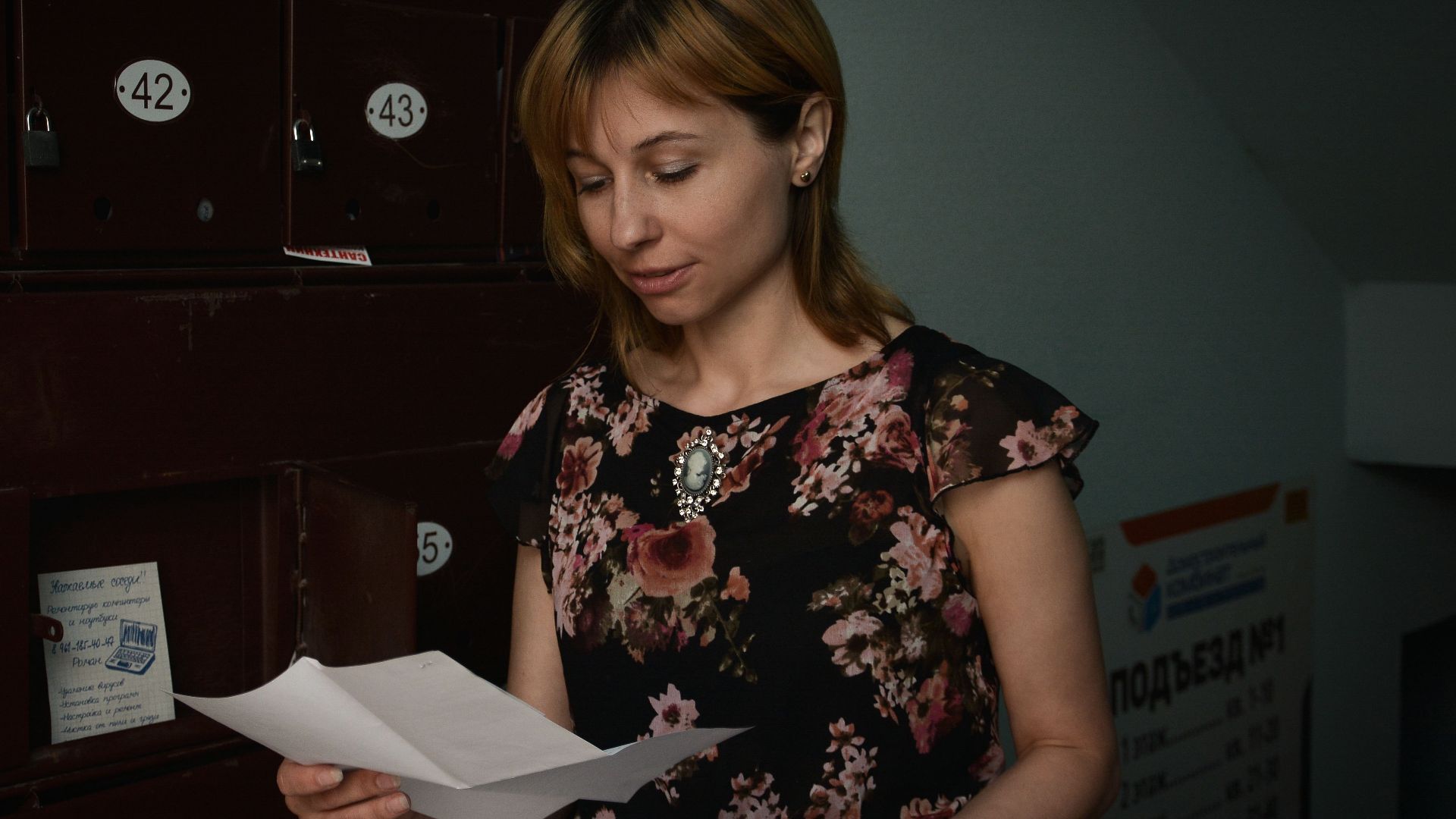
Statements, tax documents, insurance notices, and unfamiliar envelopes can reveal accounts nobody knew about. Do not immediately throw everything away because it looks like junk mail. Incoming mail can become one of the easiest ways to reconstruct a financial life when parents never left their children an organized account list.
Be Careful With Their Digital Accounts
Do not immediately delete email, cloud storage, or other online accounts. Those accounts may contain bills, tax records, insurance information, photographs, or clues about financial assets. Access rights after death can depend on the service and state law, so preserve information rather than trying to bypass passwords or security controls.

Search For Missing Money Later
Once the urgent work is under control, check state unclaimed-property databases in every state where your parents lived. Old bank balances, insurance proceeds, refunds, securities, and other property can eventually end up there. This does not need to happen during the first exhausting days, but it belongs on the longer-term checklist.

Taxes Matter, But They Are Not Tonight's Emergency
Someone will eventually need to deal with your parents' final income tax returns, and an estate that earns income may have its own filing obligations. The personal representative handles those responsibilities. Save tax records and do not dispose of financial paperwork, but there is no reason to master estate taxation while planning a funeral.

Do Not Rush To Sell The House
A house can feel like the largest problem in the room, especially if nobody wants to live there. But selling immediately can create complications if authority has not been established or valuation records are needed. Secure it, insure it, document its condition, and find out how ownership passes before deciding whether to sell.

Watch For People Who Sense Vulnerability
Sudden deaths can attract opportunists. Be cautious about strangers claiming your parents owed them money, people pressuring you to sell property quickly, or anyone asking for account information before proving who they are. Grief makes people understandably eager to make problems disappear. That is exactly when slowing down matters.
 https://kaboompics.com/, Pexels
Keep The Family Informed Without Making Everything A Vote
One person may eventually have legal authority to administer the estate, but basic communication can prevent unnecessary suspicion. Tell siblings what has been found, what remains unknown, and which professional is helping. You do not need unanimous approval for every administrative step, but secrecy can turn confusion into conflict.

Your First Goal Is Control, Not Completion
For now, the plan can be surprisingly simple: get the death certificates, secure the property, gather paperwork, search for wills and trusts, identify the attorney, and avoid transferring money or belongings until authority is clear. Everything else can be organized from there.

Grief And Administration Do Not Move At The Same Speed
The legal system may ask you to make practical decisions while emotionally you are nowhere near ready. That is one of the cruelest parts of sudden loss. Give yourself permission to delegate, write everything down, ask the same question twice, and use professionals where you need them. You do not have to become an estate expert to get your parents' affairs handled properly.

You May Also Like:
Extreme Couponing: Is It Worth It?
Stores From The 1990s That Families Budgeted Around Before Online Shopping Took Over