When Shopping Was A Family Affair
Remember when the Sunday newspaper was full of store flyers, and shopping trips had to wait until payday? Back in the 1990s, families planned their spending around sales, catalogs, and holiday specials. Before Amazon changed everything, these stores were where Americans spent their hard-earned money.
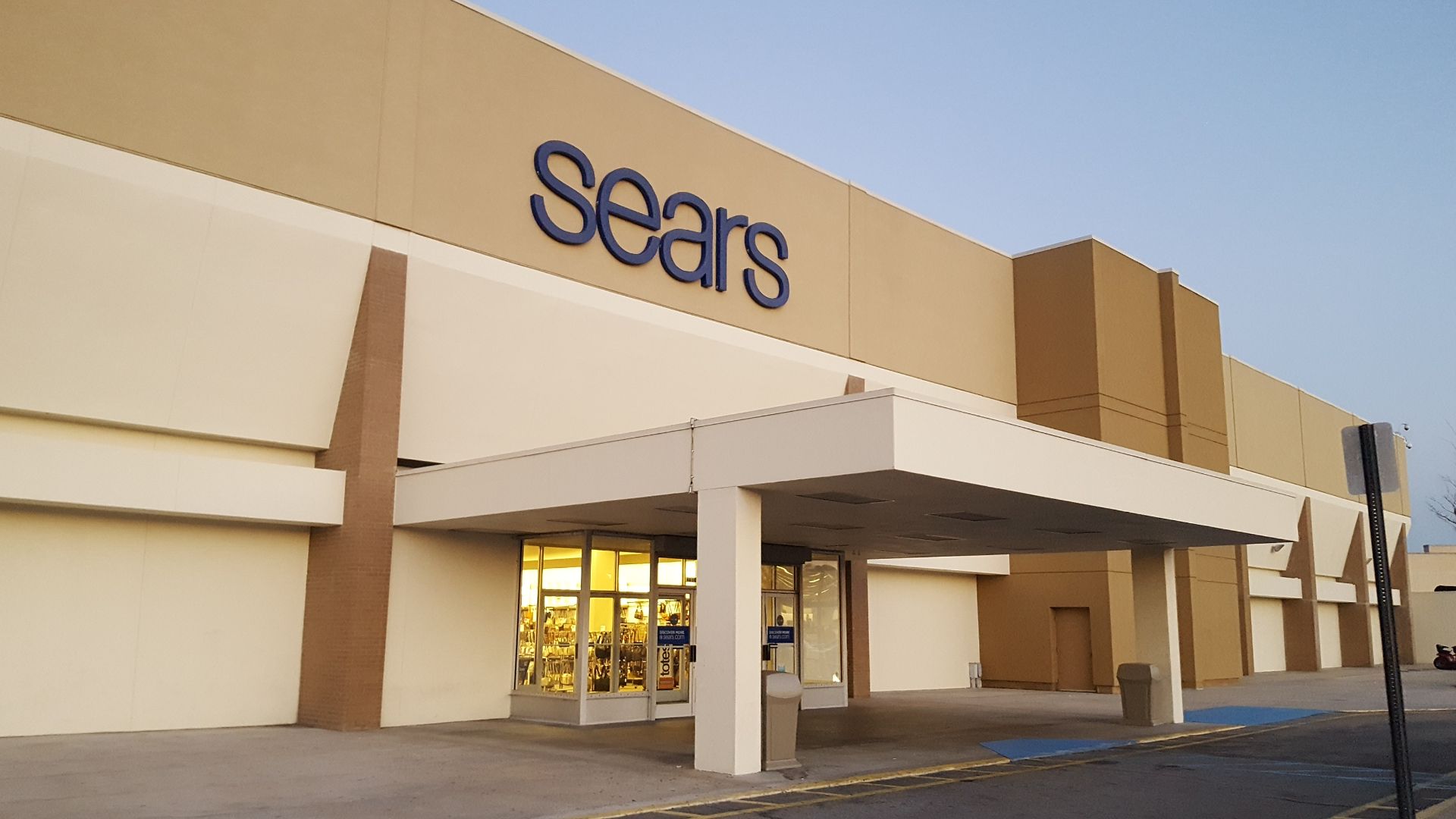
Sears: The Store For Almost Everything
Need a new refrigerator? Head to Sears. Shopping for school clothes? Sears again. For decades, families trusted the retailer for everything from Kenmore appliances to Craftsman tools. Major purchases were often planned months in advance, especially when a new washing machine wasn't exactly in the budget.
 Mike Kalasnik from Jersey City, USA, Wikimedia Commons
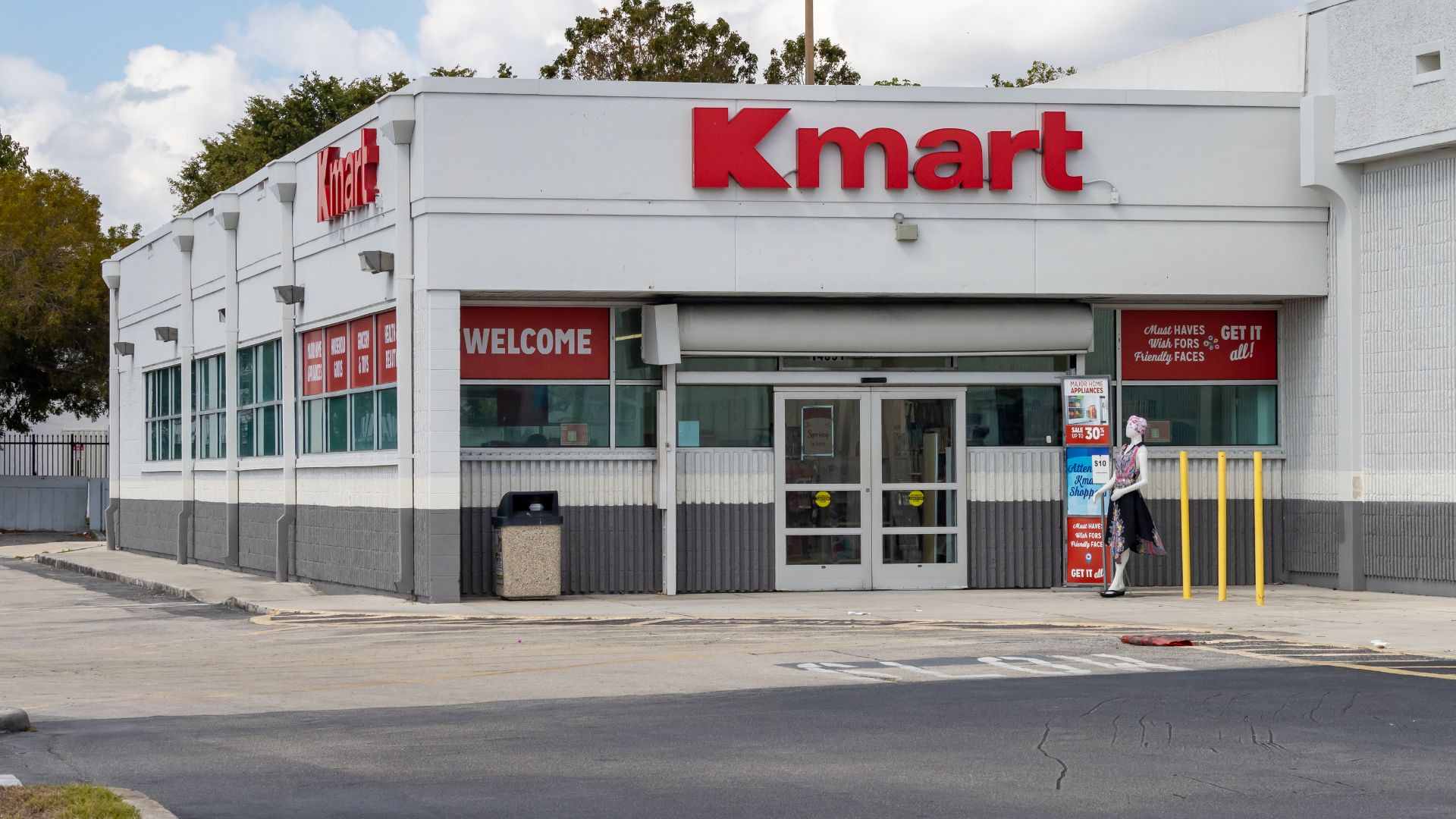
Kmart: Making Every Paycheck Stretch
There was something special about hearing "Attention, Kmart shoppers!" during a Saturday shopping trip. Kmart's Blue Light Specials were legendary, offering unexpected discounts throughout the store. Families also relied on layaway, setting aside Christmas presents and paying them off gradually before the holidays arrived.
JCPenney: The Back-To-School Tradition
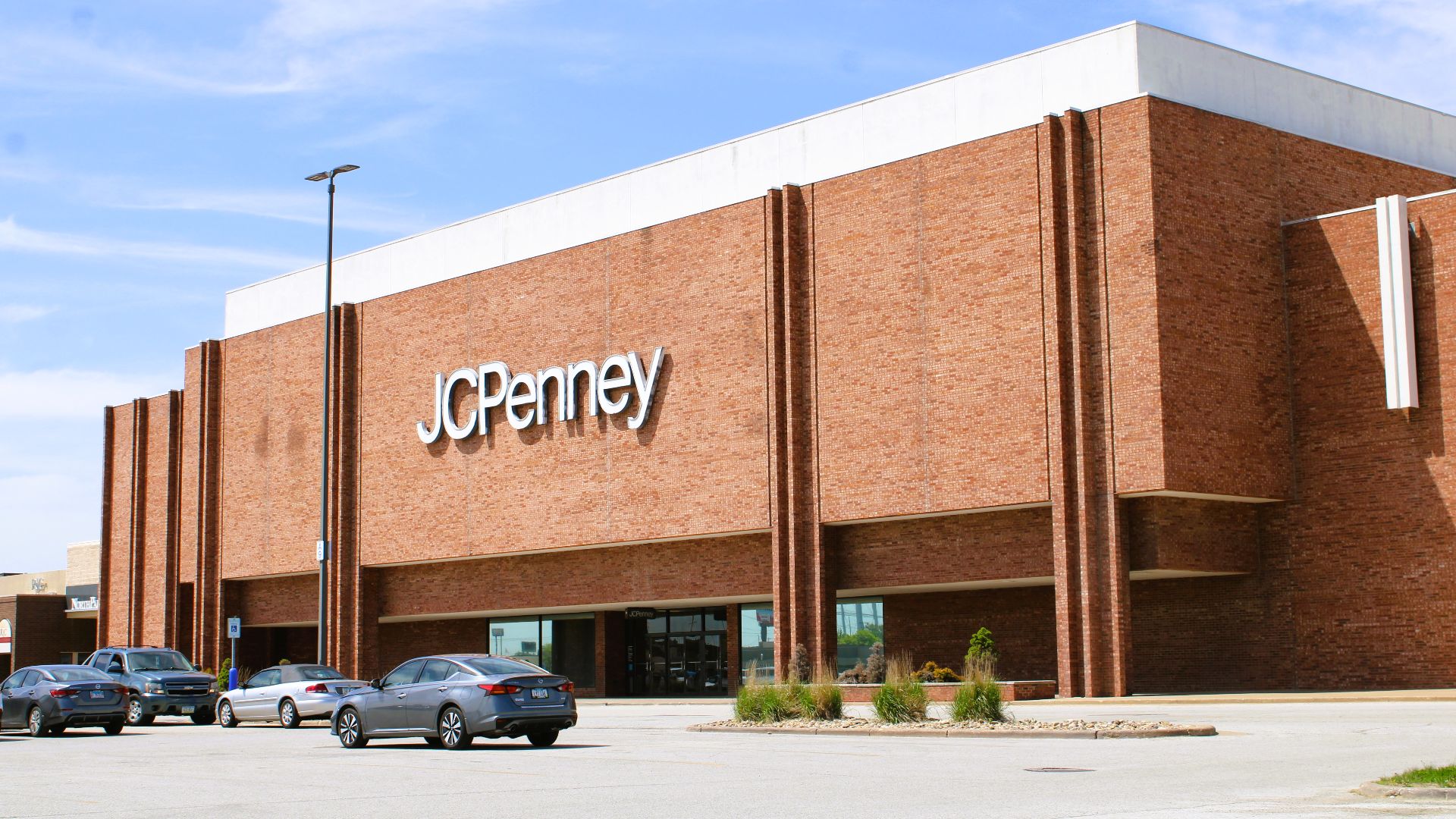
Every August, parents marched their children into JCPenney for new jeans, shoes, and winter coats. The store's thick catalogs were practically required reading in some households. Shopping the seasonal sales could save a family plenty, particularly when several children needed new wardrobes at once.
 Farragutful, Wikimedia Commons
Montgomery Ward: Sears Had Competition
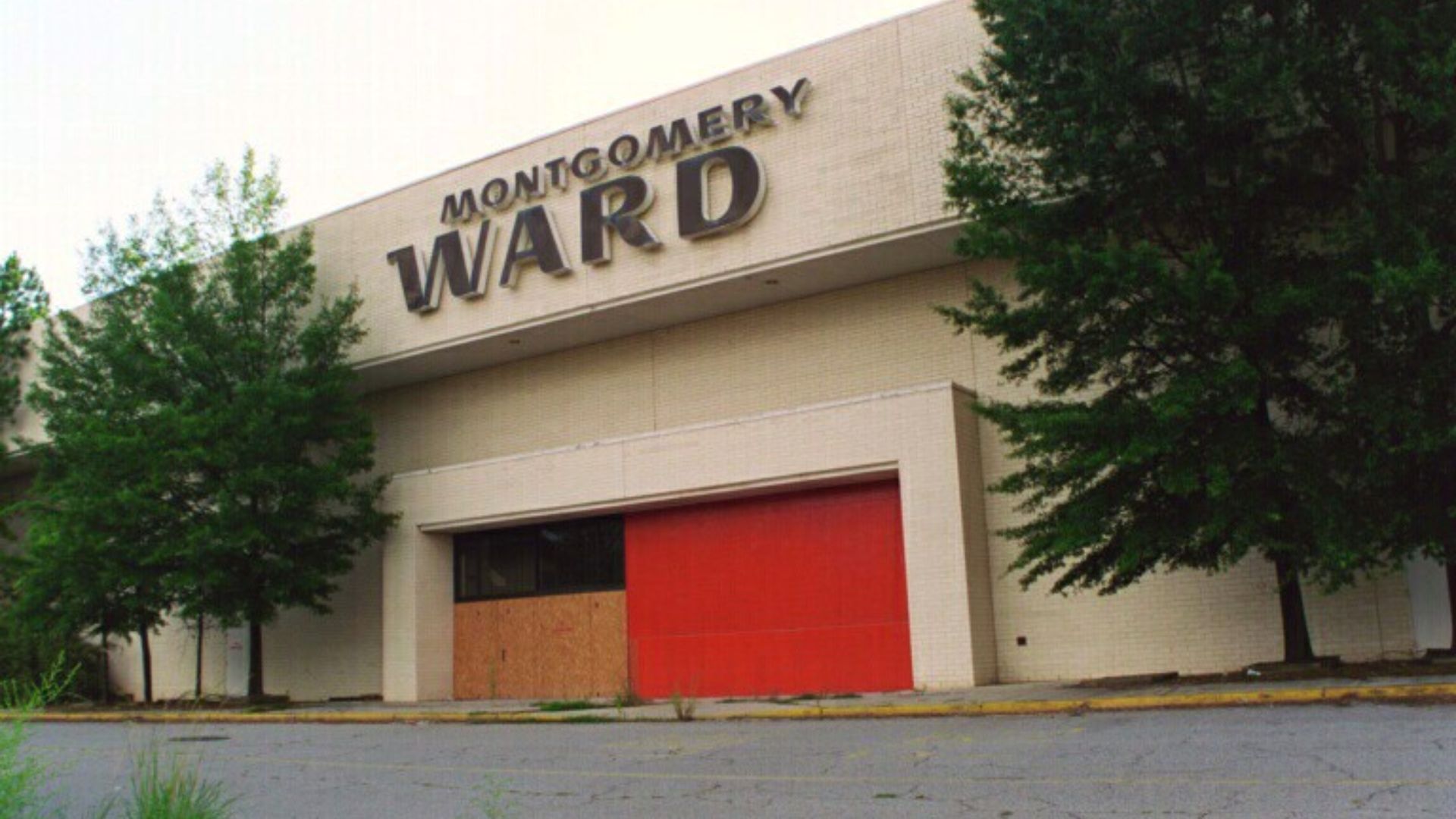
Sears wasn't the only place selling everything under one roof. Montgomery Ward offered appliances, furniture, electronics, and clothing at prices that appealed to middle-class families. Its catalogs were household staples, and its sales attracted bargain hunters. Unfortunately, the chain didn't survive beyond 2000.
 The original uploader was Caldorwards4 at English Wikipedia., Wikimedia Commons
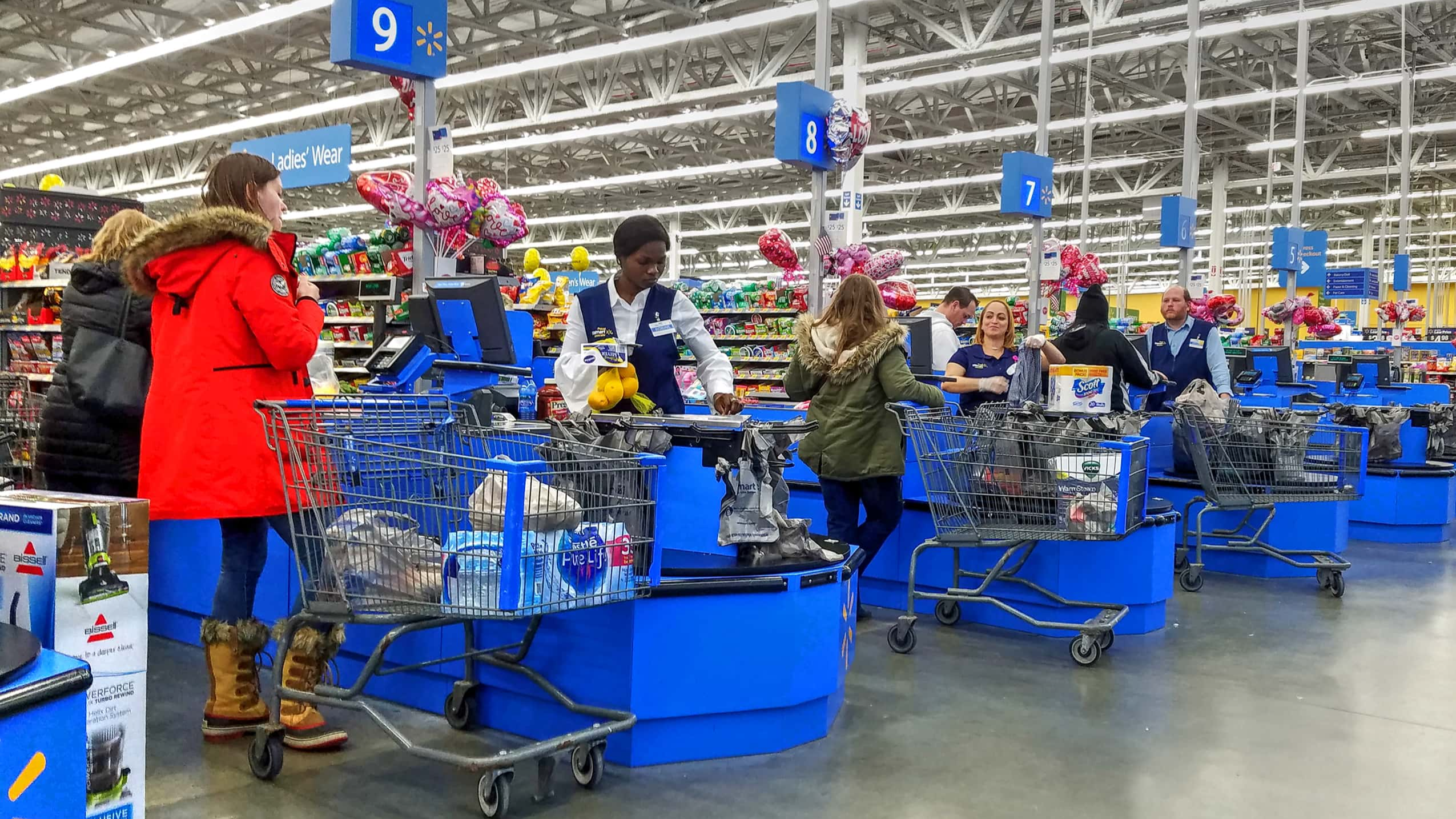
Walmart: The One-Stop Shopping Revolution
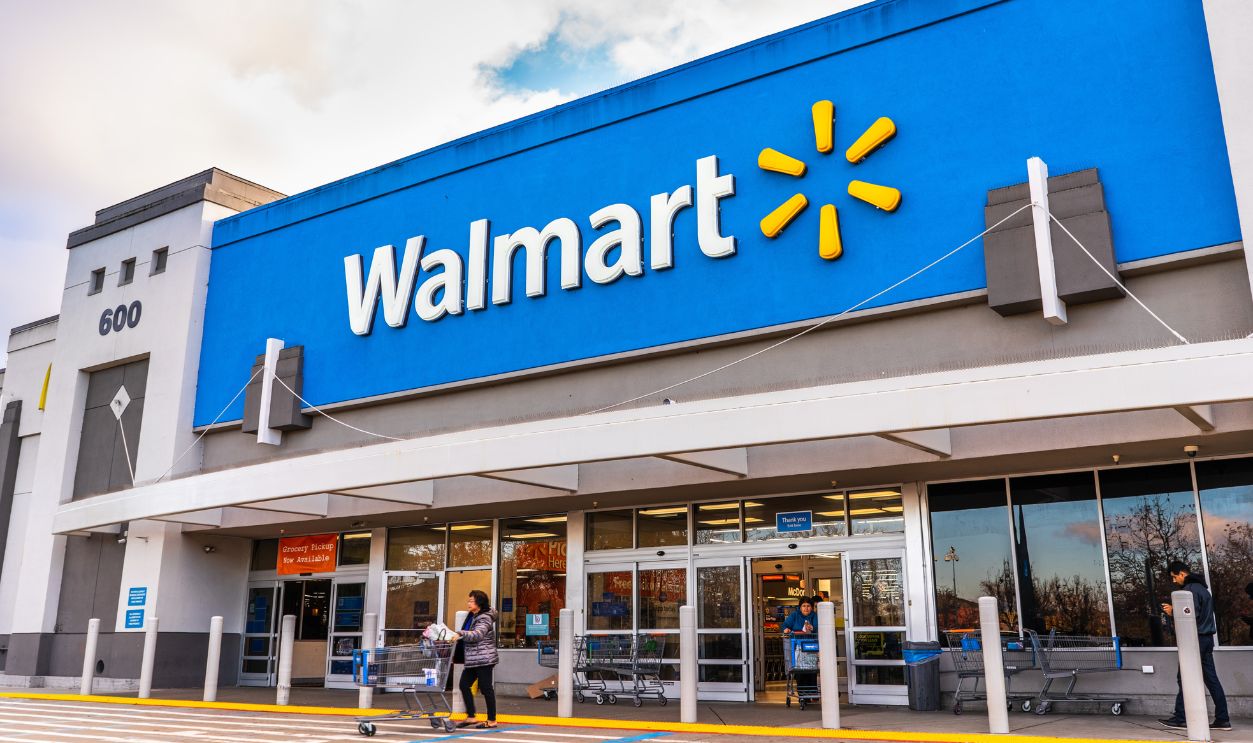
Walmart was already changing American shopping habits throughout the 1990s. Its everyday low prices attracted families who hated paying department-store prices. As Supercenters expanded, shoppers could pick up groceries, clothing, and household necessities in one visit. Suddenly, driving between three different stores seemed unnecessary.
 Sundry Photography, Getty Images
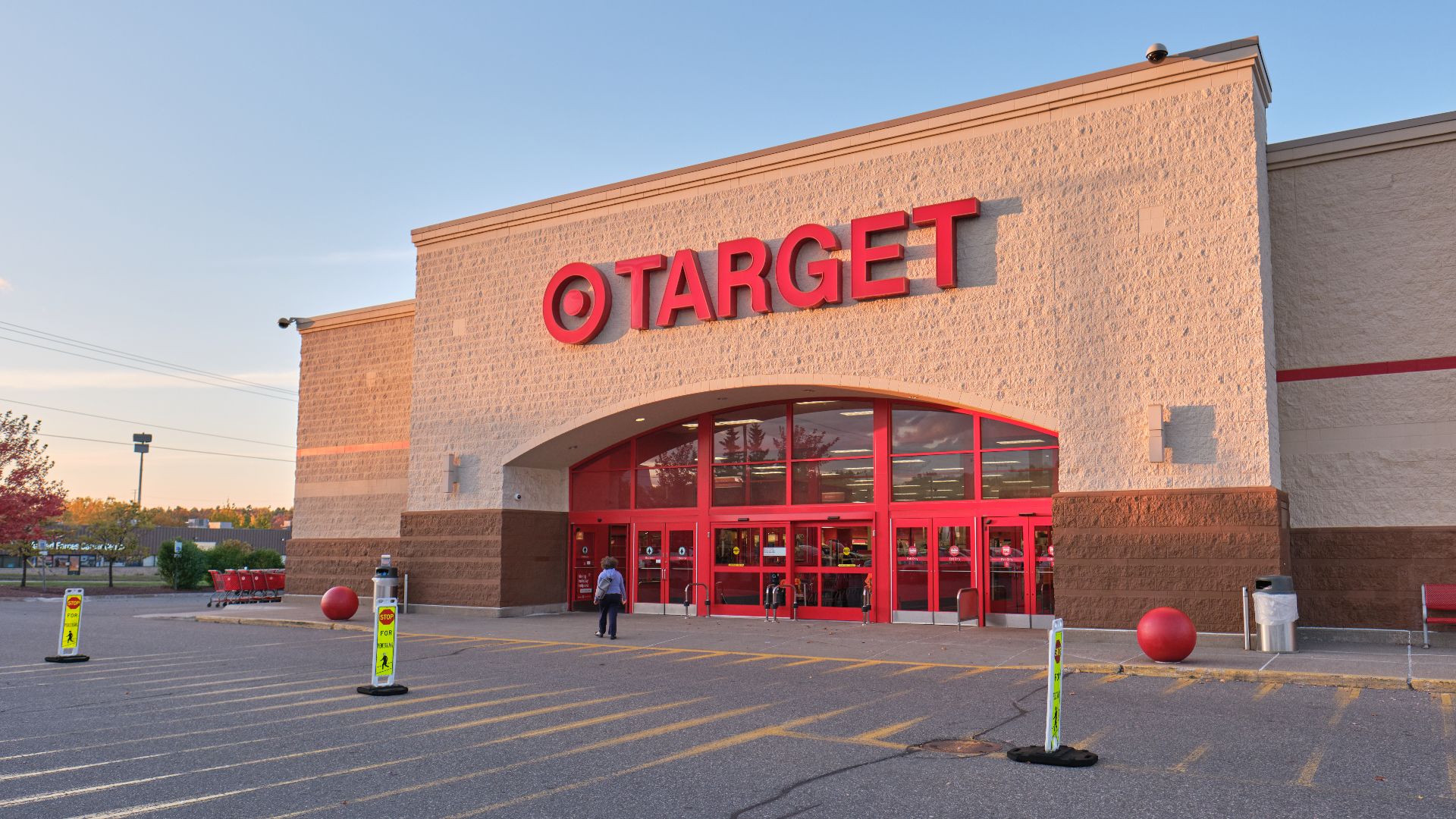
Target: A Little Style On A Budget
Target offered something slightly different from traditional discount chains. Its stores combined reasonably priced clothing, home decorations, and everyday essentials with a cleaner, more stylish presentation. For families who wanted their homes looking nice without spending a fortune, Target became a popular alternative.
 Chris Rycroft, Wikimedia Commons
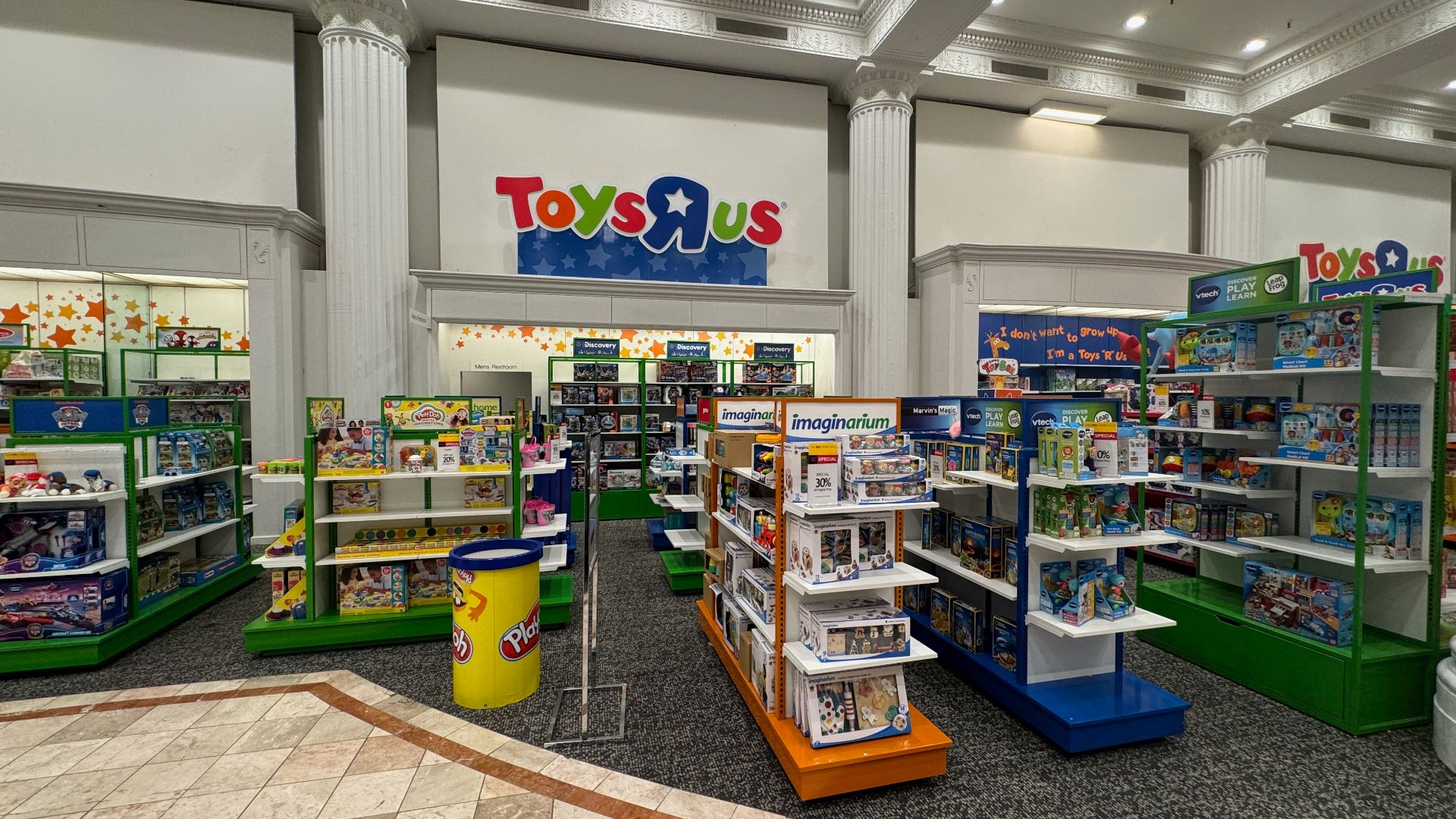
Toys "R" Us: Where Christmas Savings Disappeared
Every child wanted to visit Toys "R" Us, but parents knew the danger. Those enormous aisles were packed with action figures, bicycles, dolls, and video games. Christmas shopping often meant setting aside money for months, especially when the latest must-have toy carried a painful price tag.
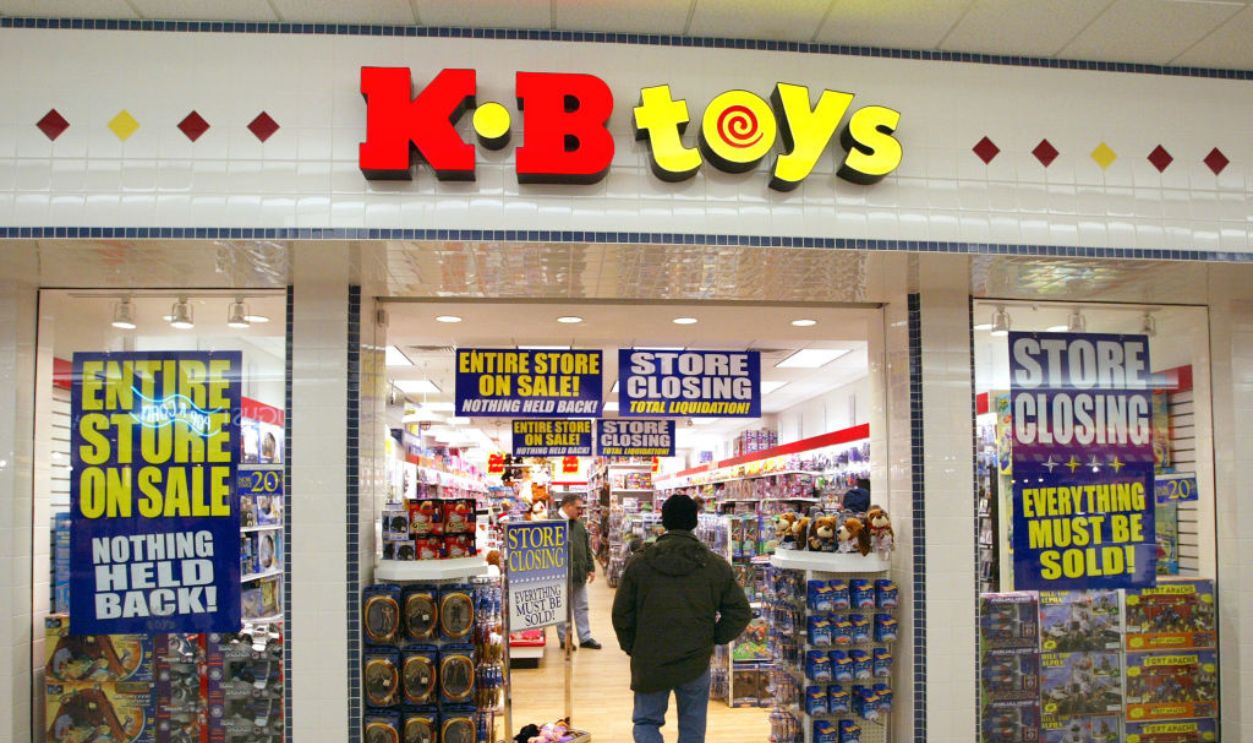
KB Toys: The Mall's Biggest Distraction
You couldn't walk through a 1990s shopping mall without spotting KB Toys. Its small stores were overflowing with games, action figures, and toys. Children begged to stop, while parents quietly calculated how much money was left after paying for groceries and the electric bill.
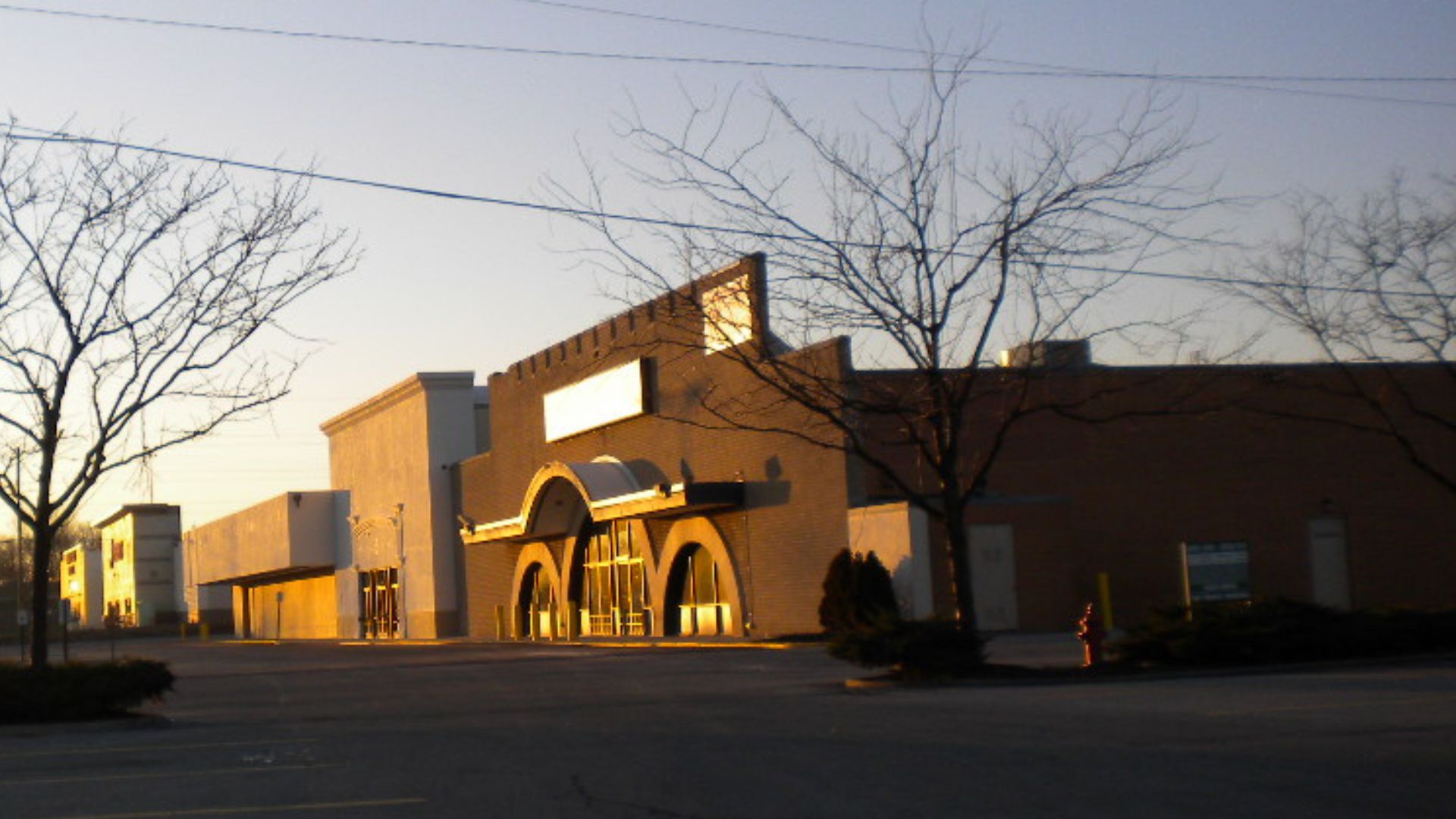
Service Merchandise: Shopping From A Catalog
Service Merchandise offered an unusual shopping experience. Customers browsed showroom displays, checked catalogs, and ordered merchandise for pickup. Jewelry, electronics, and household goods were popular purchases. It was almost like online shopping, except you still had to drive to the store and collect everything yourself.
Circuit City: The Big Electronics Purchase
Buying a new television was a big deal in the 1990s. Circuit City was where families compared expensive TVs, stereos, and camcorders before making a decision. Salespeople explained features, parents discussed financing, and everyone hoped their new purchase would last for years.
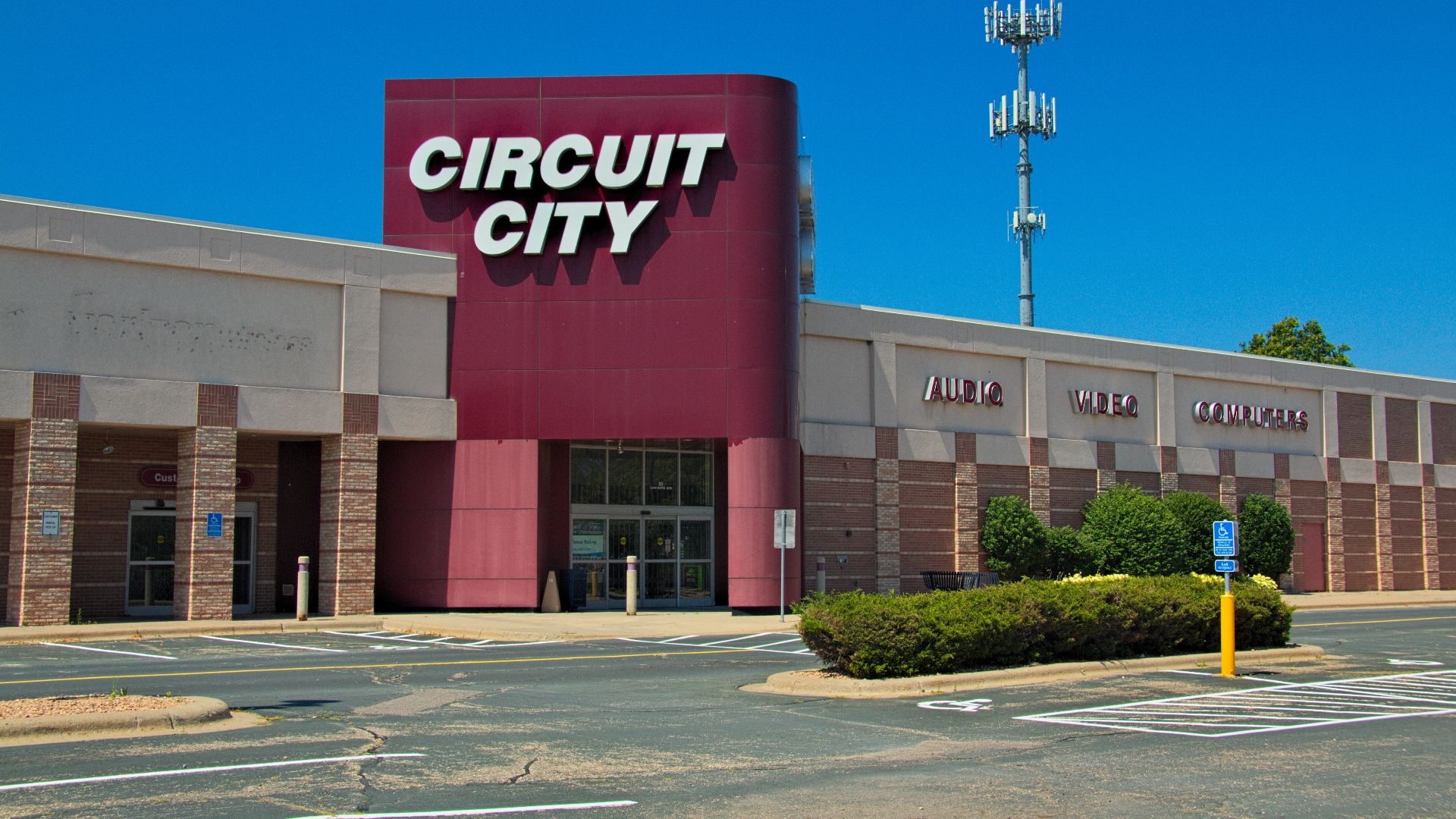 Michael Hicks from Saint Paul, MN, USA, Wikimedia Commons
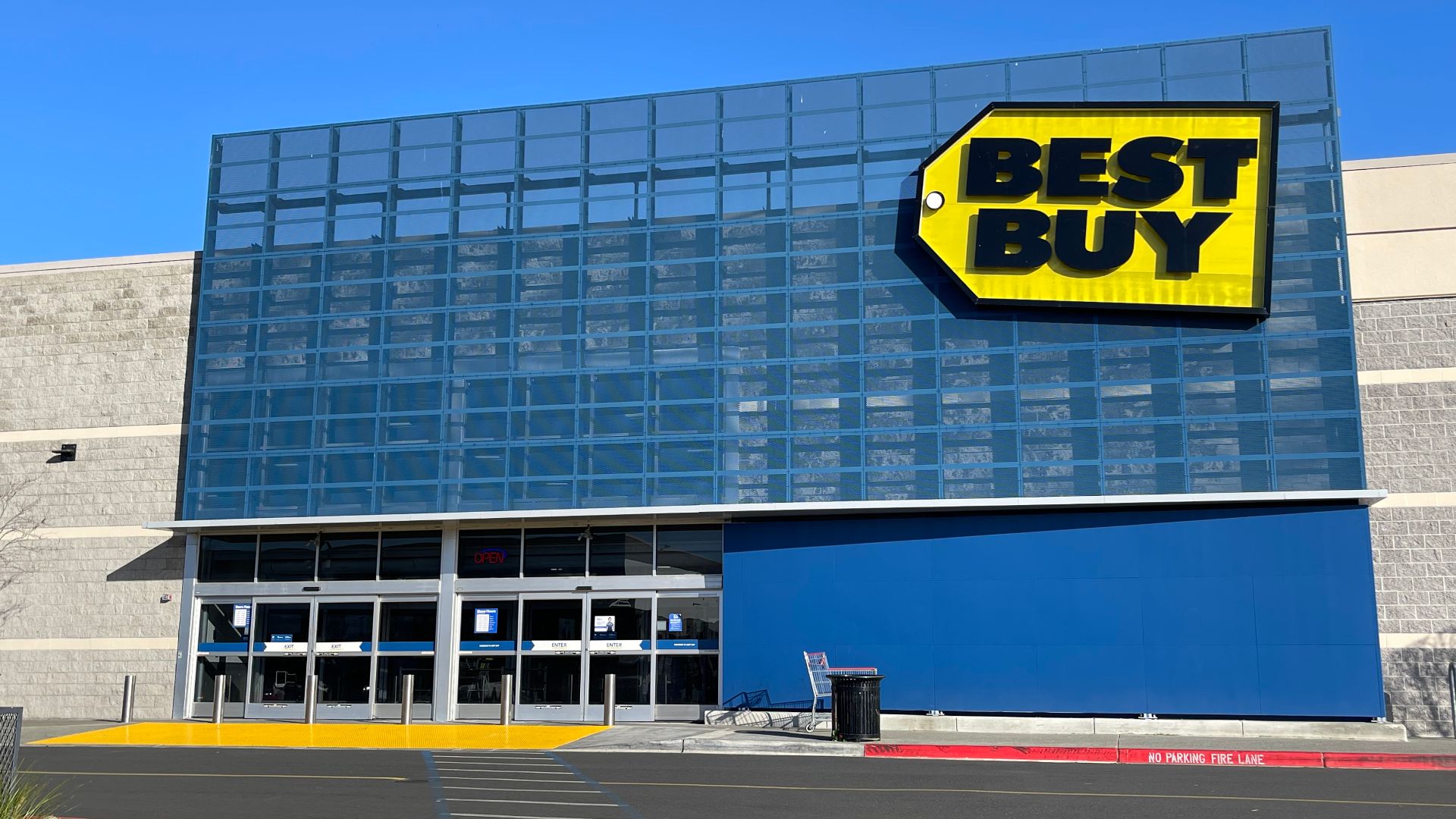
Best Buy: Weekend Electronics Heaven
Best Buy became a favorite destination for Americans shopping for electronics. Families wandered through aisles of televisions, computers, and stereos, comparing prices and features. Teenagers gravitated toward video games and music, while their parents tried remembering why they'd come in the first place.
RadioShack: When Something Needed Fixing
Before people ordered replacement cables online, they went to RadioShack. Batteries, telephone cords, electronic components, and countless little gadgets filled its shelves. If something stopped working around the house, there was a decent chance a RadioShack employee could help you find the right part.
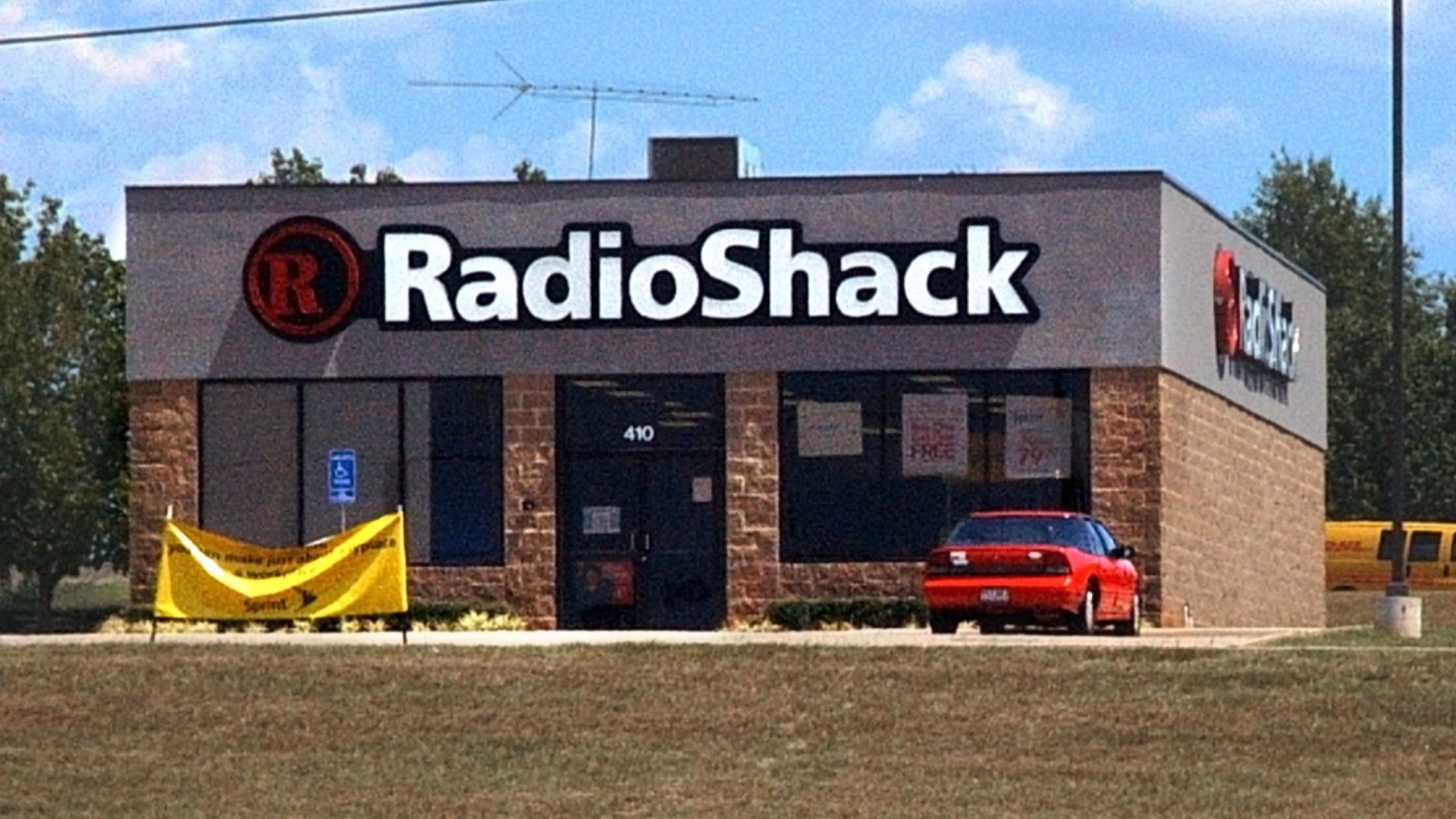 RadioShack_exterior.jpg: en:user:freakofnurture derivative work: Ubcule (talk), Wikimedia Commons
CompUSA: When Computers Cost A Fortune
Buying a home computer in the 1990s could seriously dent the family savings. CompUSA sold desktop computers, printers, and software, attracting shoppers trying to understand unfamiliar technology. Parents studied specifications while their children dreamed about computer games. Nobody wanted to make an expensive mistake.
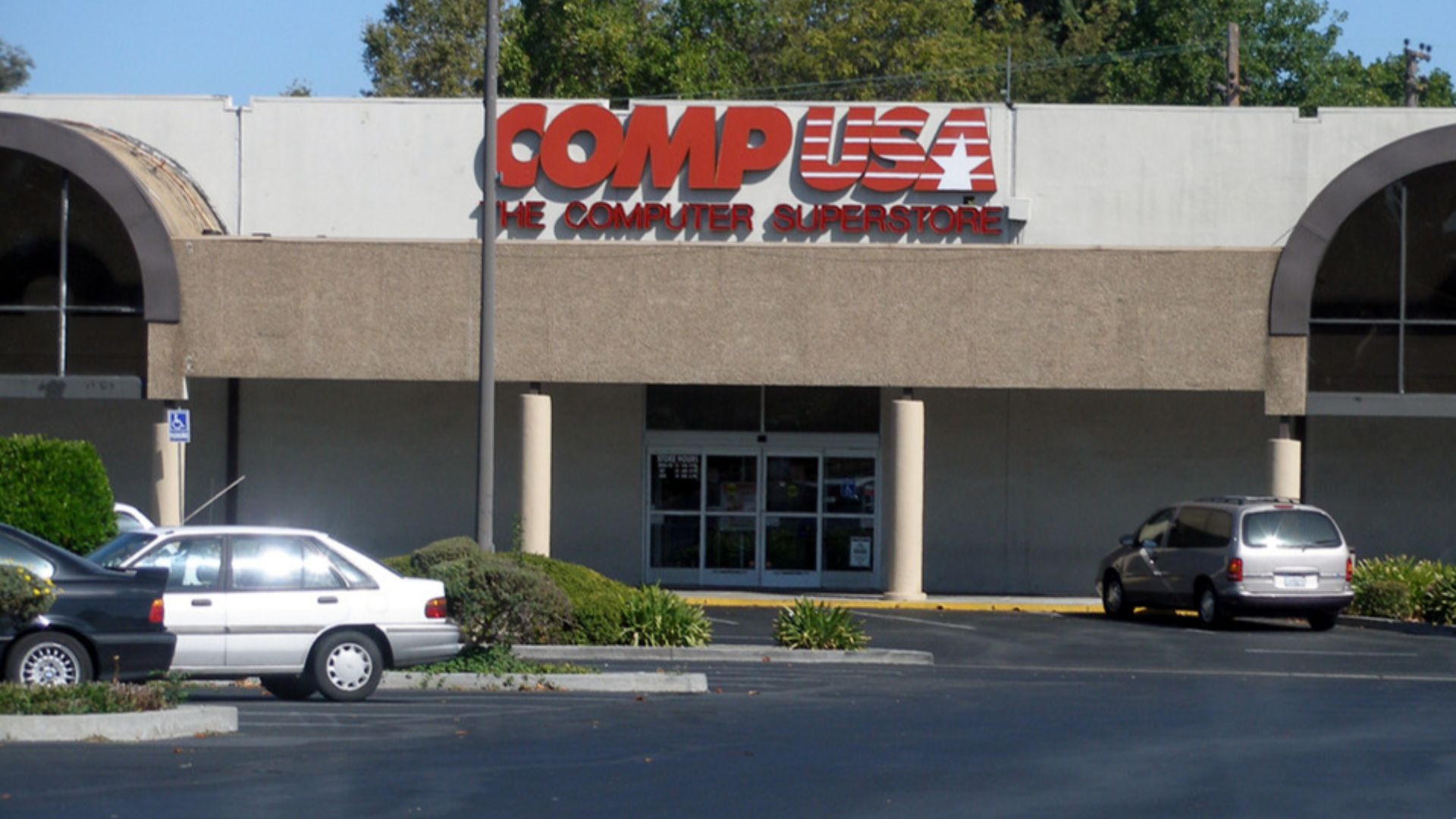 Coolcaesar at en.wikipedia, Wikimedia Commons
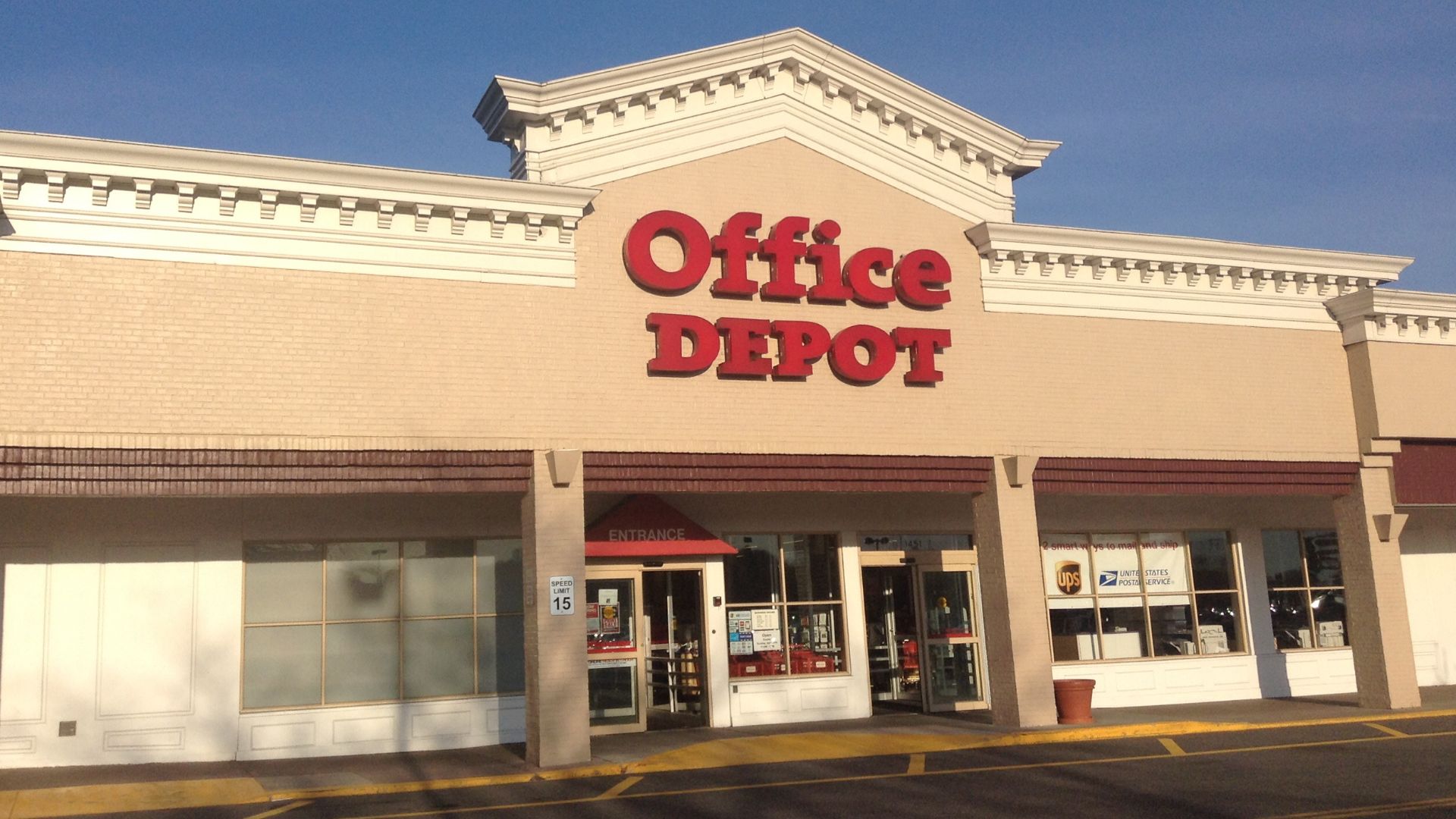
Office Depot: The Back-To-School Money Pit
A trip to Office Depot could get expensive surprisingly quickly. Between notebooks, binders, calculators, and printer paper, parents often left with more than they'd planned to buy. Families with home computers also faced the unpleasant reality that replacement printer cartridges weren't particularly cheap.
 Mike Mozart from Funny YouTube, USA, Wikimedia Commons
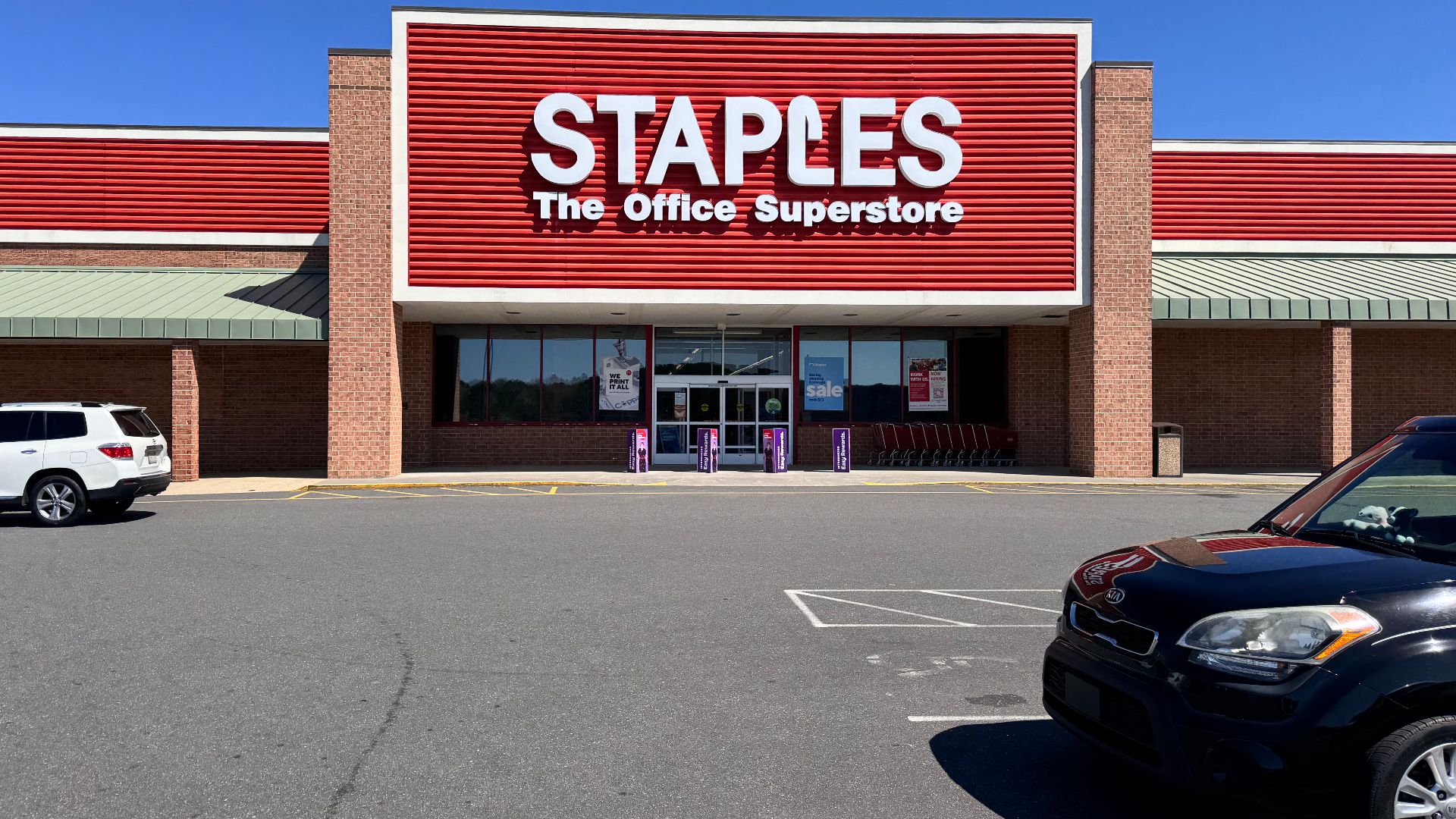
Staples: Where School Supplies Added Up
Staples became another back-to-school favorite during the 1990s. Its shelves were stocked with everything from cheap pencils to expensive office furniture. Parents searched for advertised specials, hoping to finish their children's school-supply lists without spending the grocery money.
 Harrison Keely, Wikimedia Commons
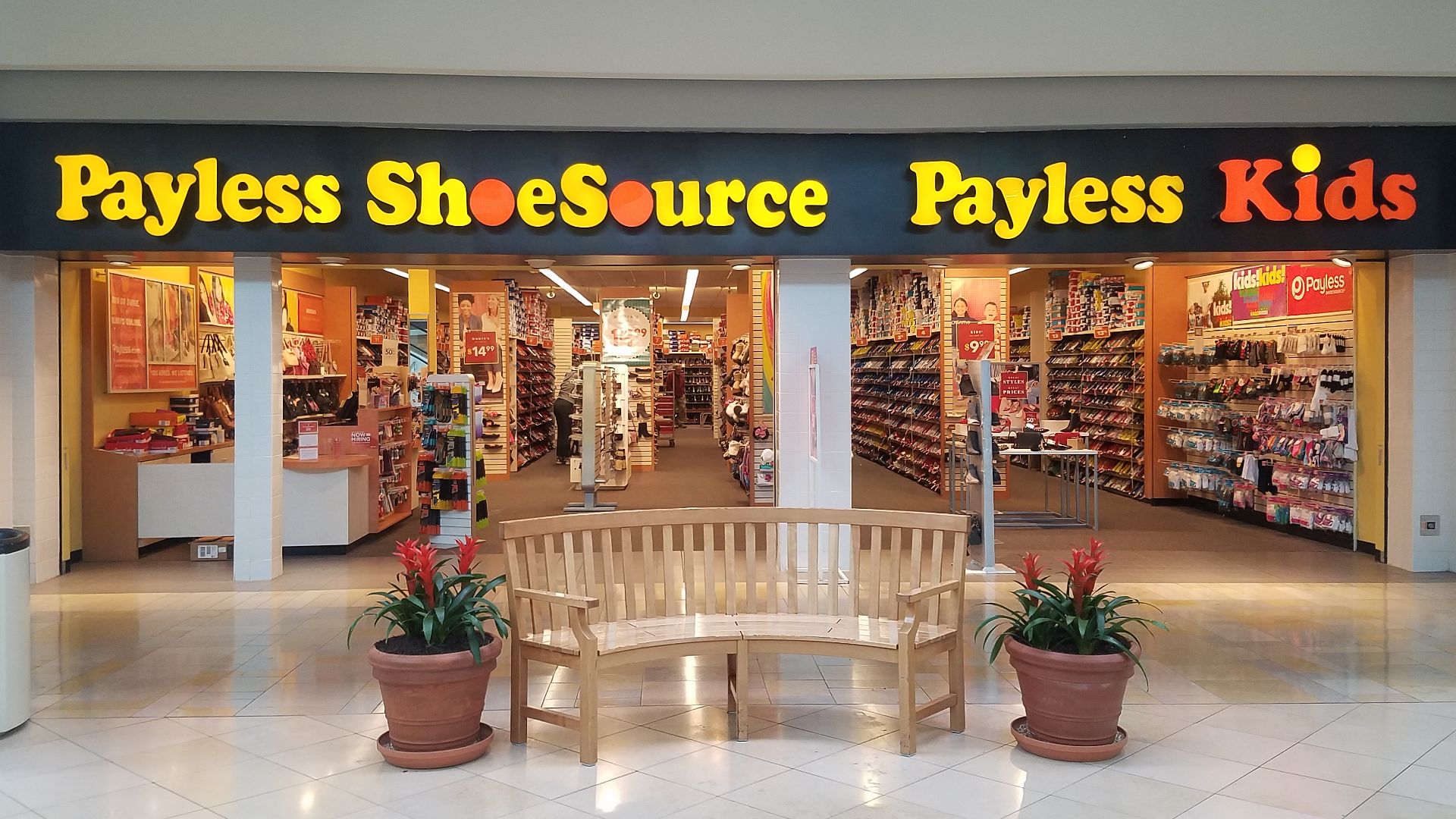
Payless ShoeSource: Growing Feet Were Expensive
Children outgrow shoes at an alarming rate, and parents knew it. Payless ShoeSource made replacing worn-out sneakers more affordable, offering inexpensive footwear for school, work, and special occasions. For families raising several children, those lower prices could make a genuine difference.
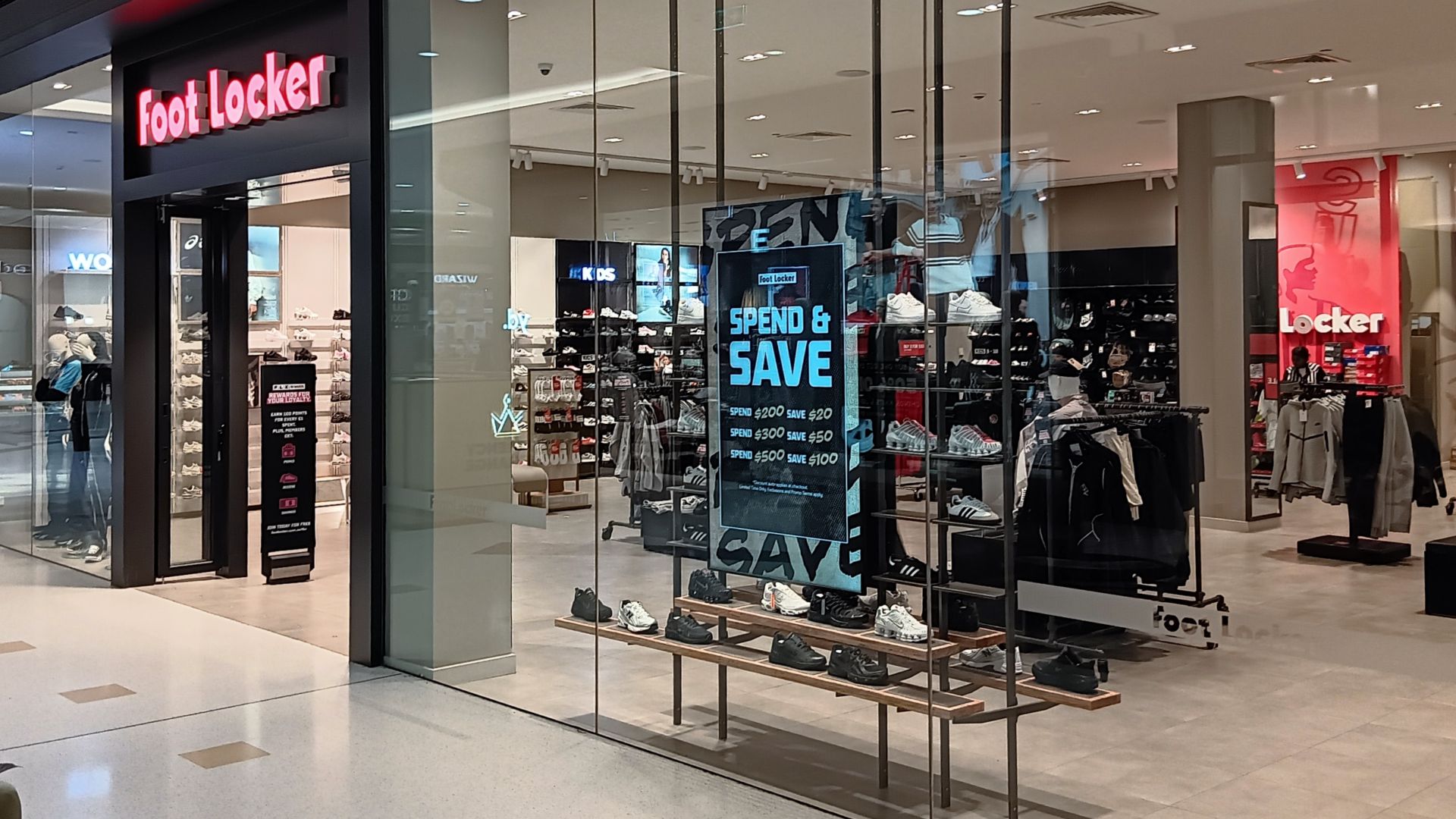
Foot Locker: Every Teenager Wanted Better Sneakers
Of course, teenagers weren't always satisfied with inexpensive shoes. Foot Locker carried popular athletic brands that could quickly wreck a parent's carefully planned clothing budget. A fashionable pair of basketball sneakers might become the biggest birthday request of the year.
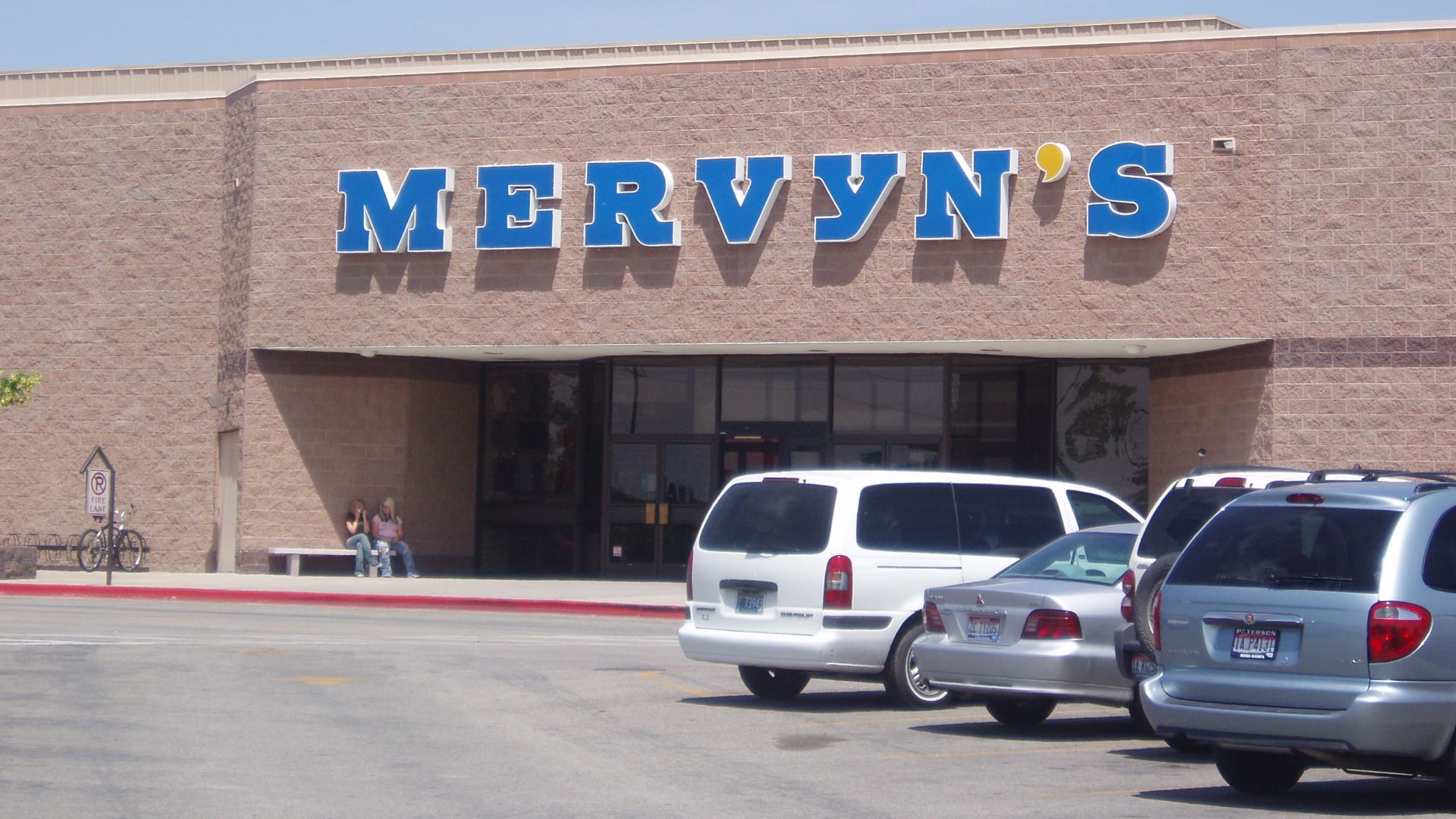
Mervyn's: Department Store Style For Less
Mervyn's appealed to families who wanted decent clothing without paying premium department-store prices. Popular in the western United States, the chain sold shoes, bedding, and everyday fashion. Its frequent sales made it a reliable stop for parents looking to stretch their clothing allowances.
 Caldorwards4 at English Wikipedia, Wikimedia Commons
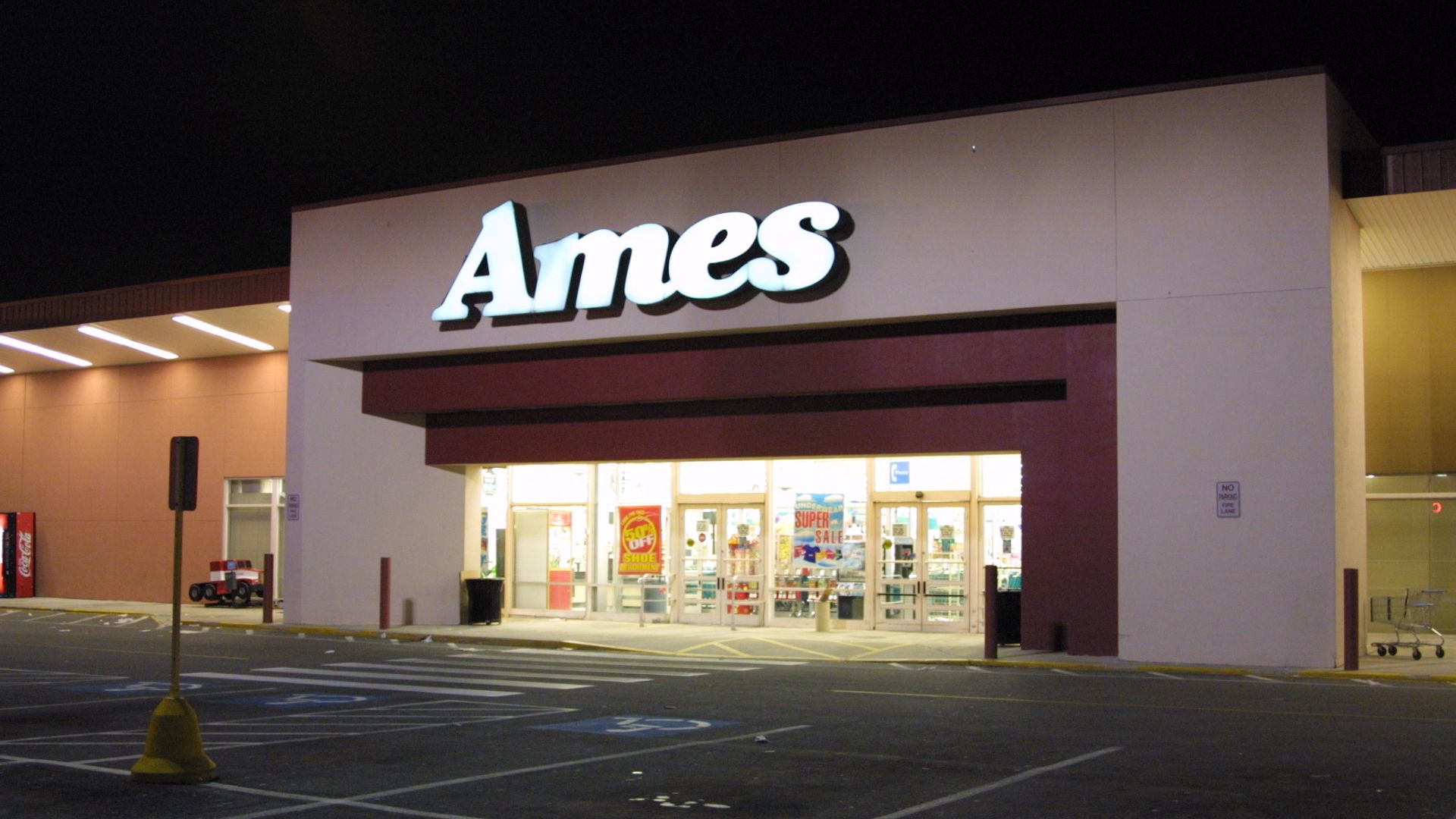
Ames: A Small-Town Shopping Favorite
Not every American family lived near a major shopping mall. For many smaller communities, Ames was the place to buy clothes, toys, and household necessities. Its affordable merchandise attracted shoppers who didn't want to drive an hour just to find a decent bargain.
 Anthony92931, Wikimedia Commons
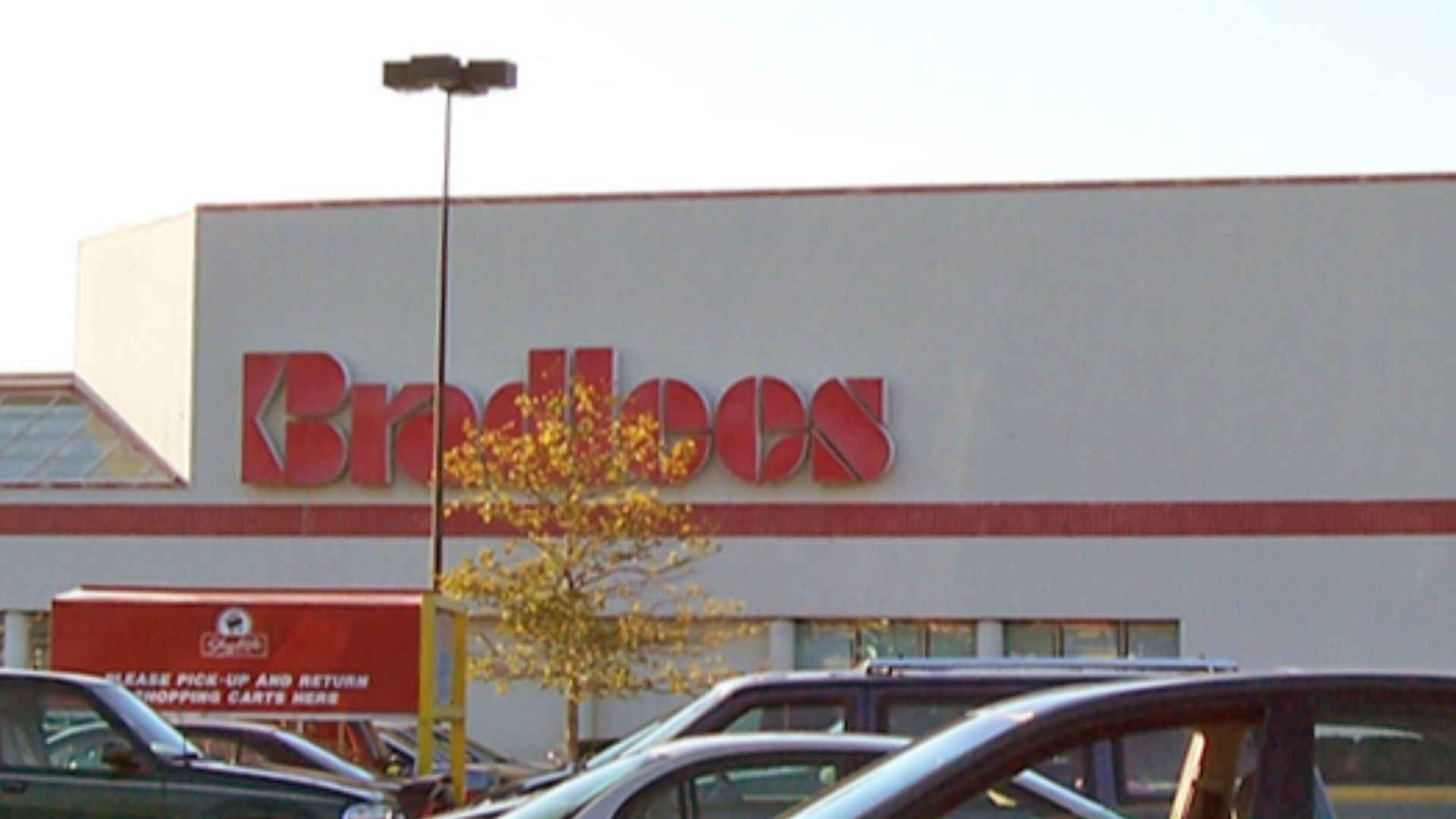
Bradlees: The Northeast's Bargain Headquarters
Bradlees was a familiar name across the northeastern United States. Families visited for affordable clothing, seasonal decorations, toys, and household supplies. Its sales flyers regularly competed for attention with those from Kmart and other discount chains. The retailer eventually closed in 2001.
 Richjenkins (talk) (Uploads), Wikimedia Commons
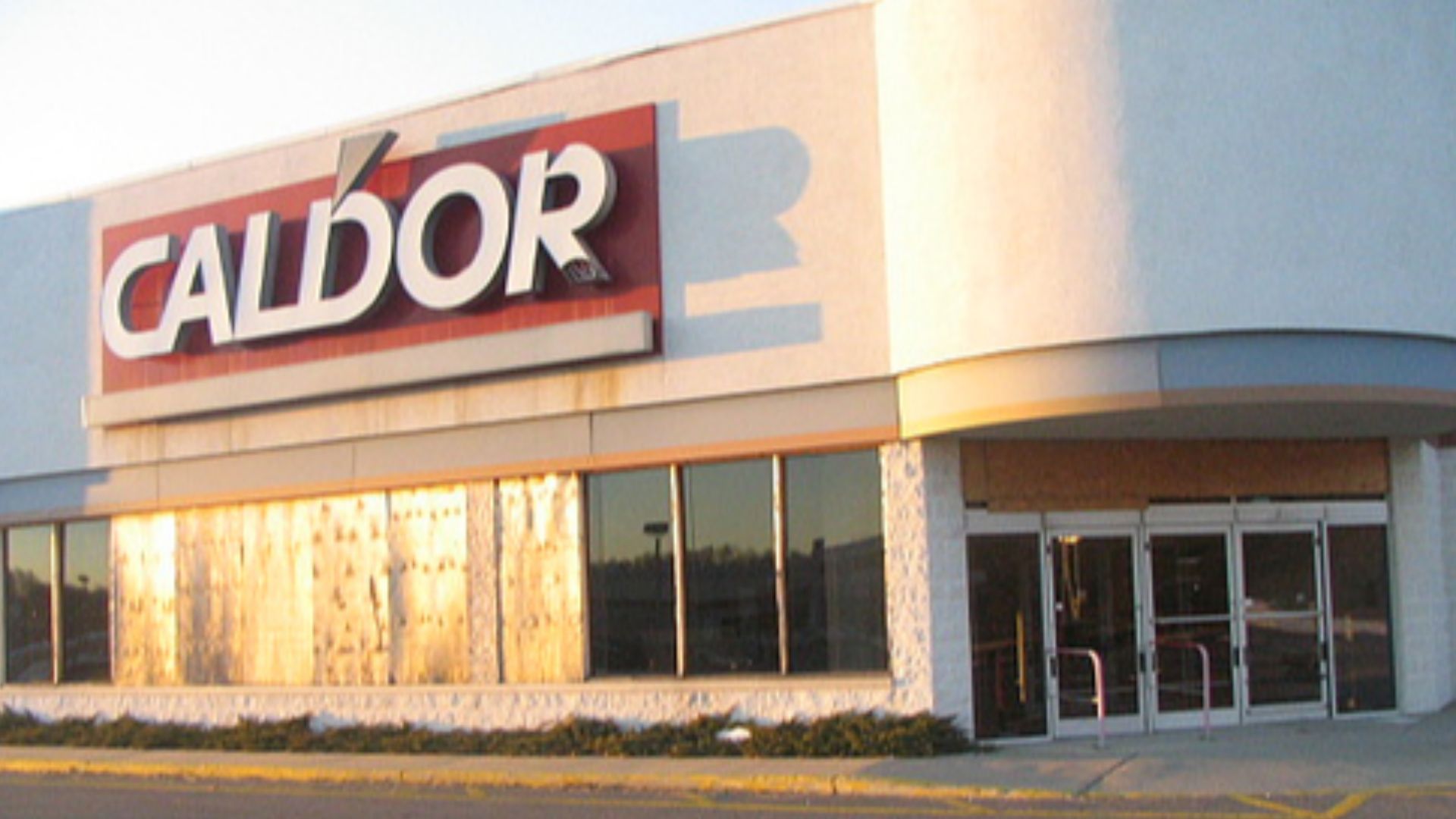
Caldor: Another Familiar Discount Giant
Caldor stores were once common across the Northeast, offering clothing, school supplies, and household merchandise at competitive prices. Families checked its advertisements for bargains before planning shopping trips. When the company closed in 1999, many longtime customers lost a favorite discount destination.
 Charmedone9806, Wikimedia Commons
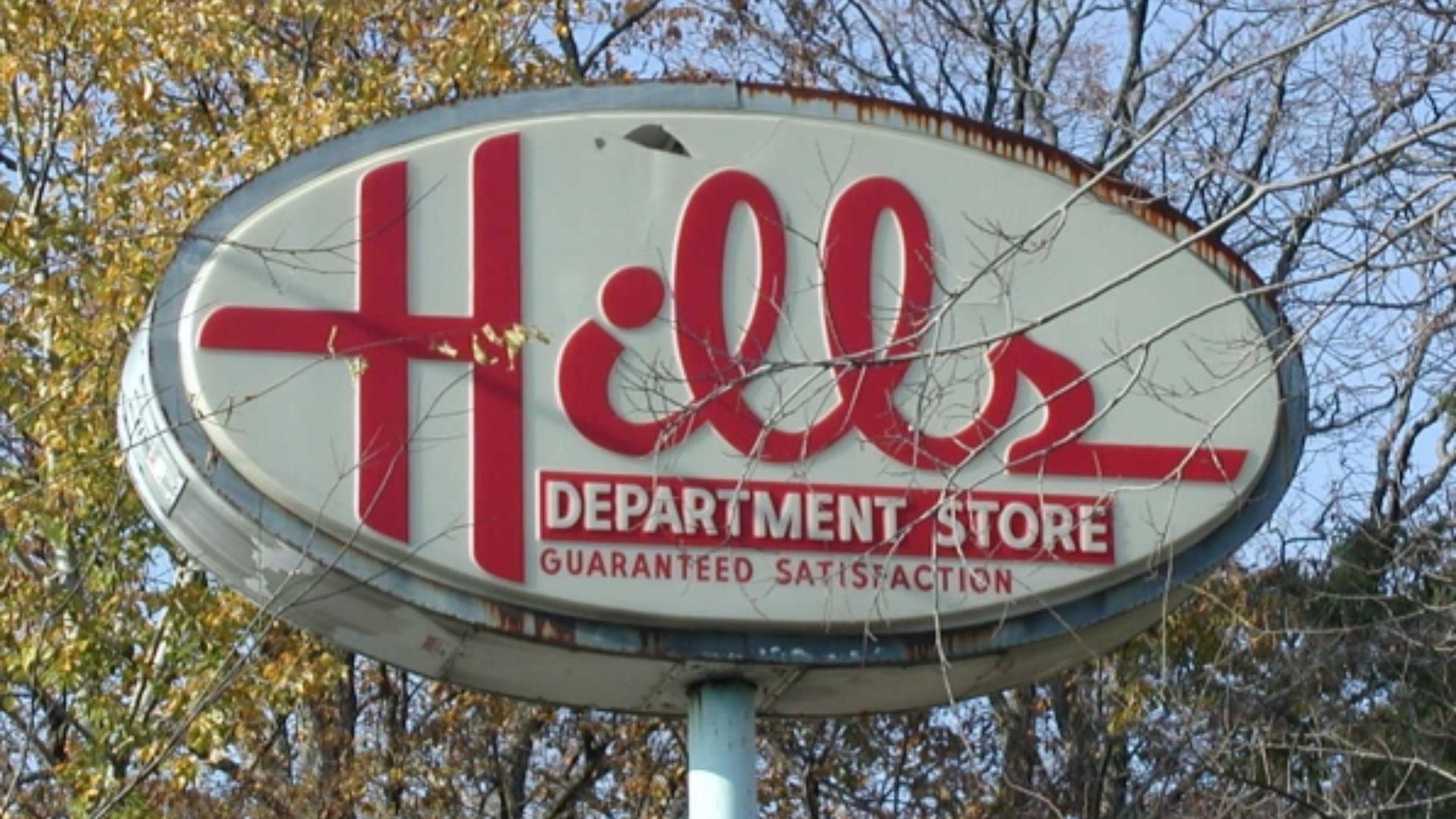
Hills: Where Christmas Shopping Got Serious
Hills Department Stores had a devoted following, especially in Pennsylvania and Ohio. The chain offered inexpensive clothing, household goods, and toys. During the Christmas season, its toy departments drew families looking for presents without spending a fortune. Many shoppers still remember those holiday trips fondly.
 Ichabod at en.wikipedia, Wikimedia Commons
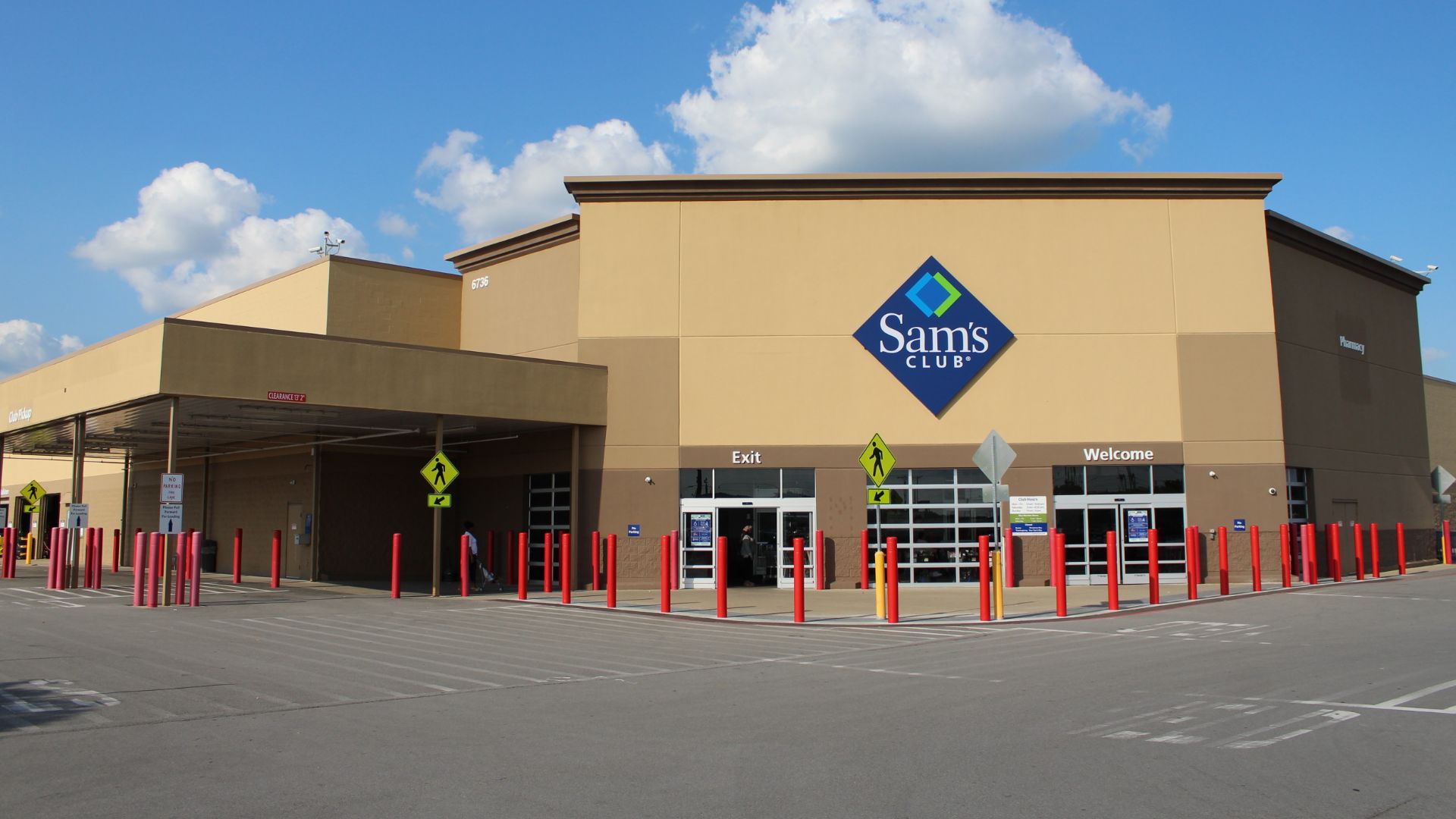
Sam's Club: Buying In Bulk Made Sense
Sam's Club convinced plenty of families that buying larger quantities could save money. Warehouse shelves held enormous packages of paper towels, snacks, and cleaning supplies. The checkout total sometimes looked frightening, but shoppers hoped those bulk purchases would keep future grocery bills smaller.
 Ambrosia LaFluer, Wikimedia Commons
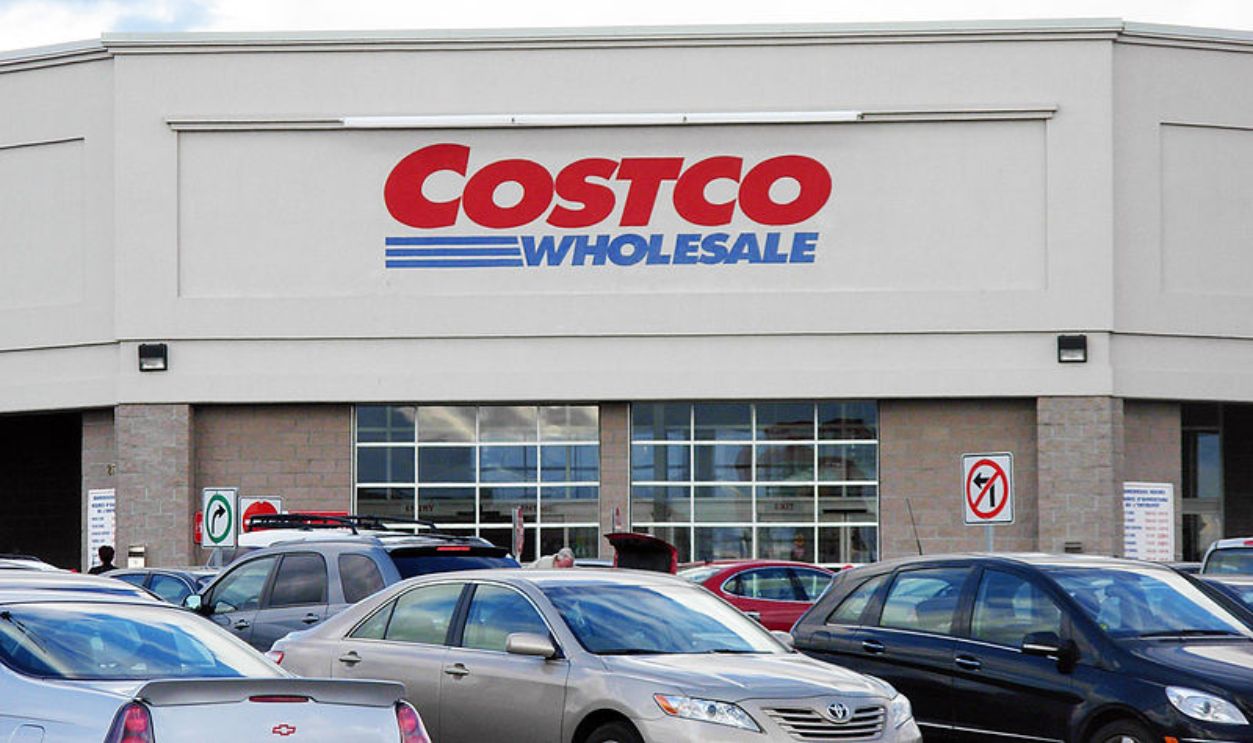
Costco: The Membership That Paid Off
Costco brought a similar approach to family budgeting. Members paid an annual fee for access to discounted groceries, household supplies, electronics, and more. A weekend shopping trip could fill the entire trunk, although finding room in the pantry afterward was another matter.
 Stu pendousmat, CC BY-SA 3.0, Wikimedia Commons
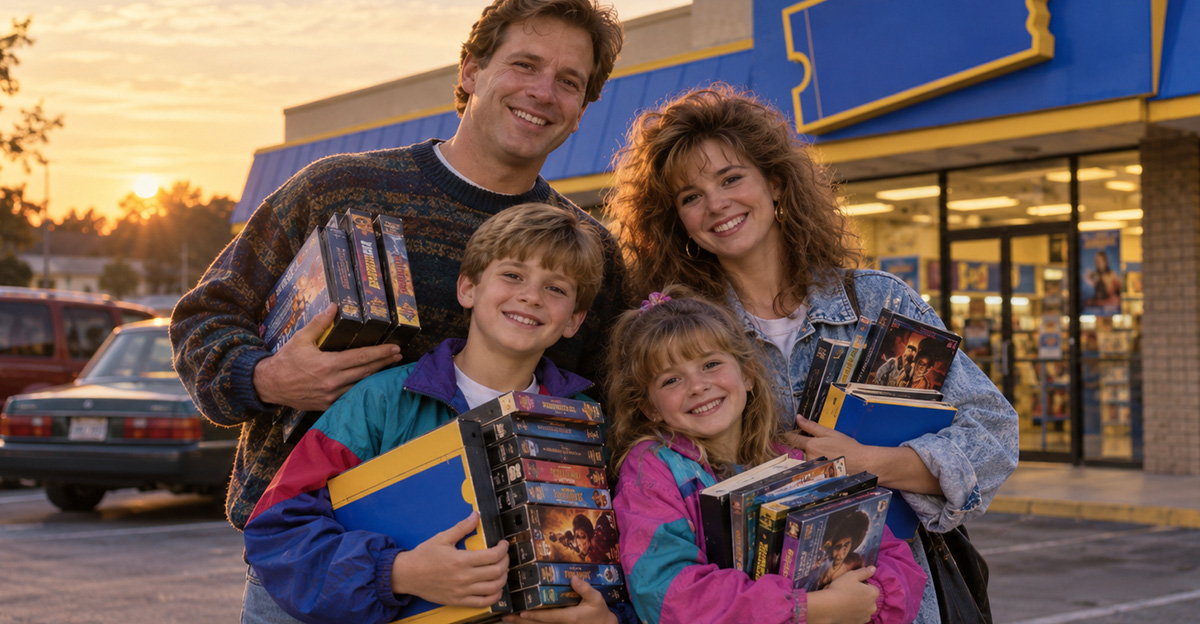
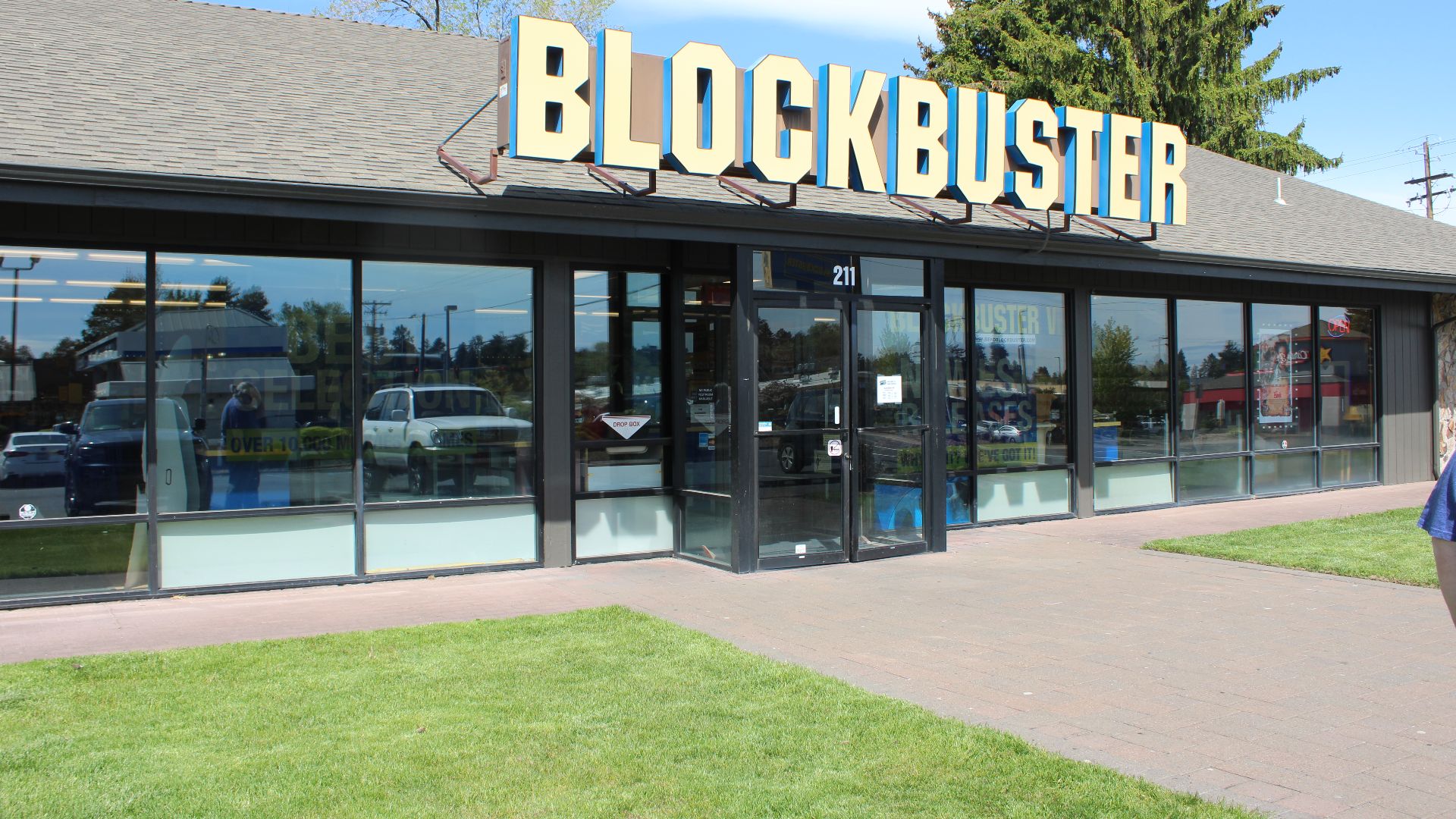
Blockbuster: Friday Night On A Budget
Before Netflix and streaming, families spent Friday evenings wandering Blockbuster's aisles. Renting a couple of movies was cheaper than taking everyone to the theater. Of course, forgetting to return them on time could lead to late fees that made the weekend considerably more expensive.
 Chris Light, Wikimedia Commons
When Shopping Required A Little Patience
Shopping in the 1990s wasn't always cheaper or easier, but it certainly felt different. Families clipped coupons, watched for sales, and saved up for expensive purchases. Some of these stores are still around, while others have disappeared completely. Either way, it's hard to forget when a Saturday shopping trip was practically a family tradition.
You May Also Like: