
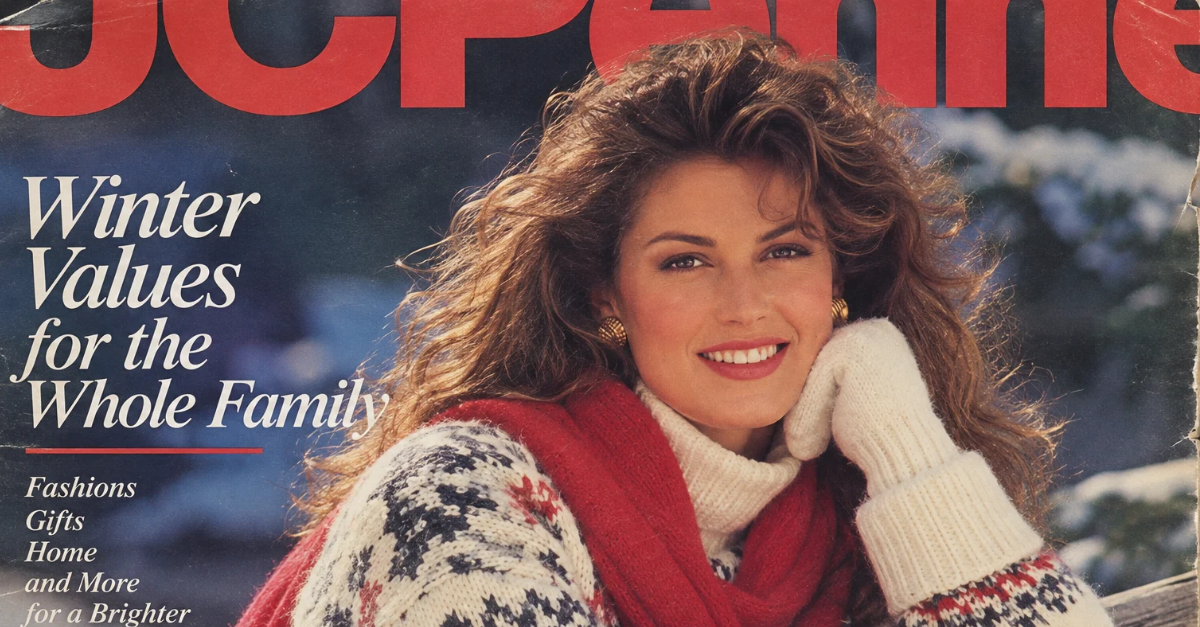
Christmas Came In The Mail
Before online shopping, there was the catalog. Throughout the 1970s, families flipped through colorful pages of toys, clothes, electronics, and holiday gifts, turning the arrival of a thick booklet into one of the most exciting shopping traditions of the year.
Sears Had The Christmas Catalog Everyone Wanted
The Sears Wish Book was already a holiday institution when the 1970s began. First published as the Sears Christmas Book in 1933, it offered everything from toys and clothing to household merchandise and gifts for adults. For many American families, its arrival meant Christmas shopping could officially begin.
The Wish Book Name Was Still Relatively New
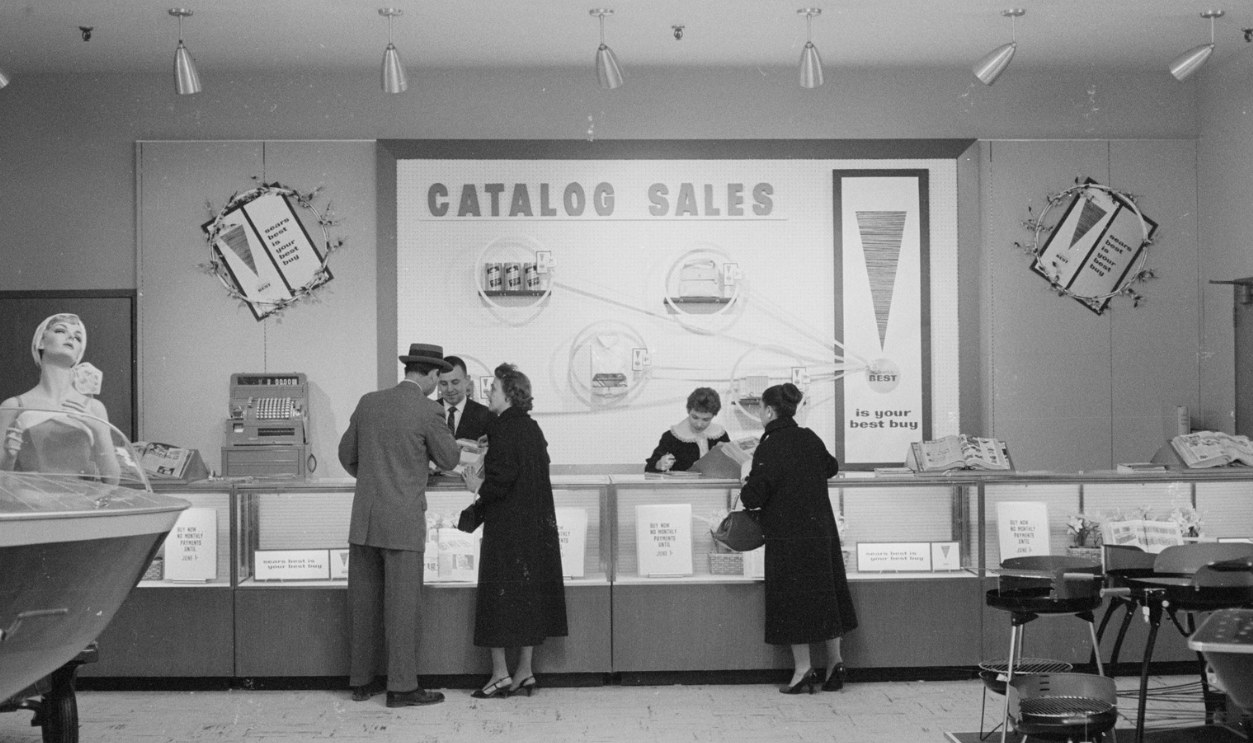
Although customers had called Sears catalogs wish books for years, the company officially adopted the name in 1968. The Christmas edition that year contained 605 pages, including 225 devoted to toys. By the early 1970s, the name was firmly associated with the excitement of choosing Christmas presents.

Sears Had A Catalog For Almost Everything
The Christmas Wish Book was only part of Sears' enormous mail-order business. Its regular seasonal catalogs offered clothing, appliances, tools, furniture, and countless other household products. Families could use the Christmas edition for gifts while relying on the larger catalogs for everyday purchases.
Montgomery Ward Was Sears' Great Rival
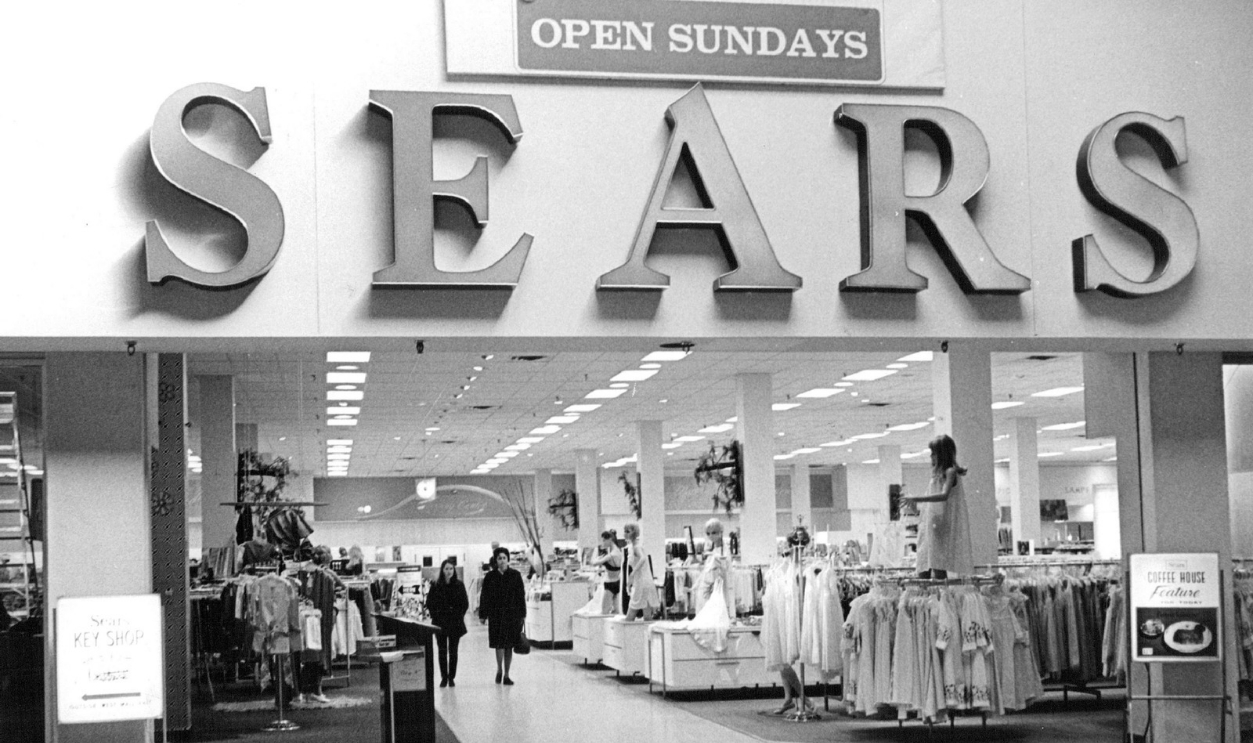
Montgomery Ward had been selling merchandise through catalogs since 1872, making it an older mail-order business than Sears. Its 1970s Christmas books competed directly with the Sears Wish Book, offering toys, clothing, electronics, and household gifts. For shoppers who received both catalogs, the competition provided plenty of opportunities to compare prices and products.

The 1974 Montgomery Ward Catalog Was Packed With Toys
Surviving pages from Montgomery Ward's 1974 Christmas catalog show merchandise connected to Planet of the Apes, a popular entertainment franchise of the period. Similar products appeared in contemporary Sears and JCPenney catalogs. The competing retailers were clearly interested in capturing the attention of children who wanted toys associated with their favorite movies and television programs.
 Silver Screen Collection, Getty Images
Montgomery Ward Had A Famous Christmas Connection
Long before the 1970s, Montgomery Ward helped introduce one of America's best-known Christmas characters. In 1939, company copywriter Robert L. May created Rudolph the Red-Nosed Reindeer for a promotional booklet distributed by the retailer. Families browsing Montgomery Ward catalogs in the 1970s were shopping with a company that had already left its mark on Christmas history.

JCPenney Was Another Holiday Heavyweight
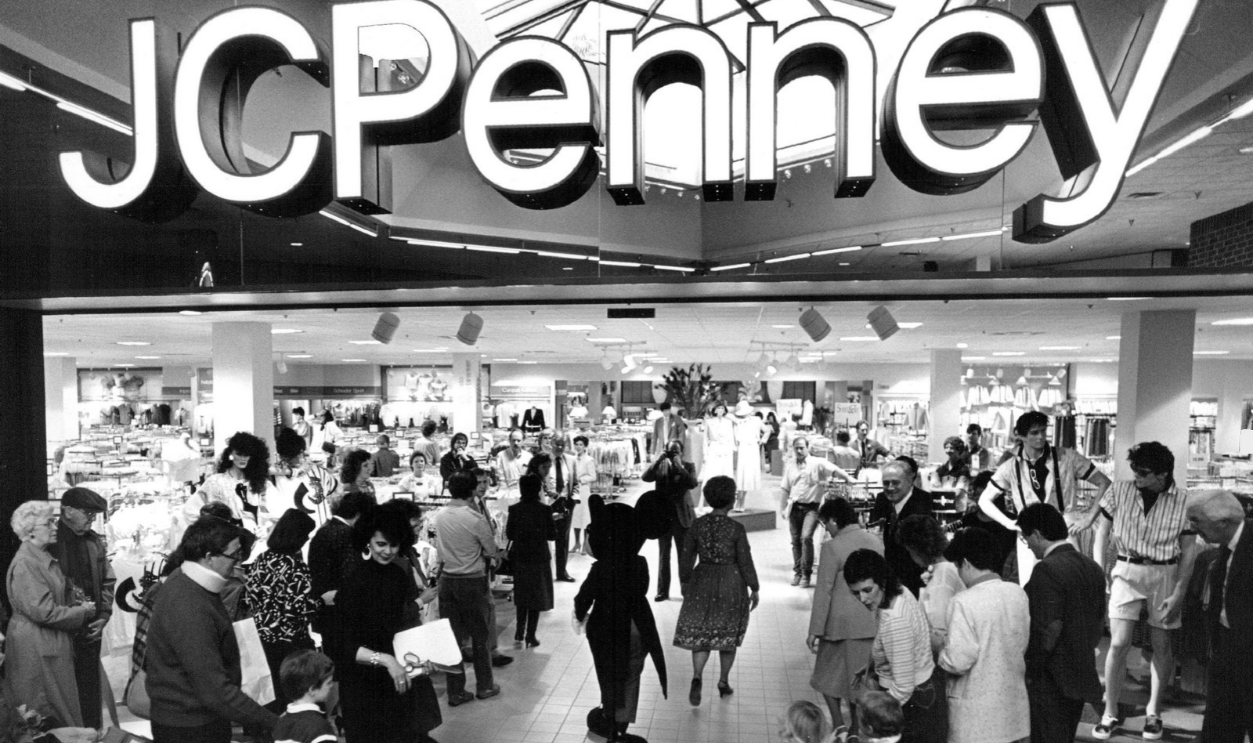
JCPenney published its own Christmas catalogs throughout the 1970s, competing with Sears and Montgomery Ward for holiday shoppers. Surviving editions from 1971 through 1979 reveal extensive selections of toys, clothing, and household gifts. For families who preferred shopping at Penney's, its Christmas Book offered another opportunity to browse without leaving home.
JCPenney's Toy Pages Were Serious Competition
The 1974 and 1975 JCPenney Christmas catalogs featured Planet of the Apes merchandise alongside other popular toys. Their pages demonstrate how major retailers competed for customers interested in the same recognizable products. A child comparing catalogs could find familiar characters advertised by several different stores.

Three Catalogs Could Turn Shopping Into A Contest
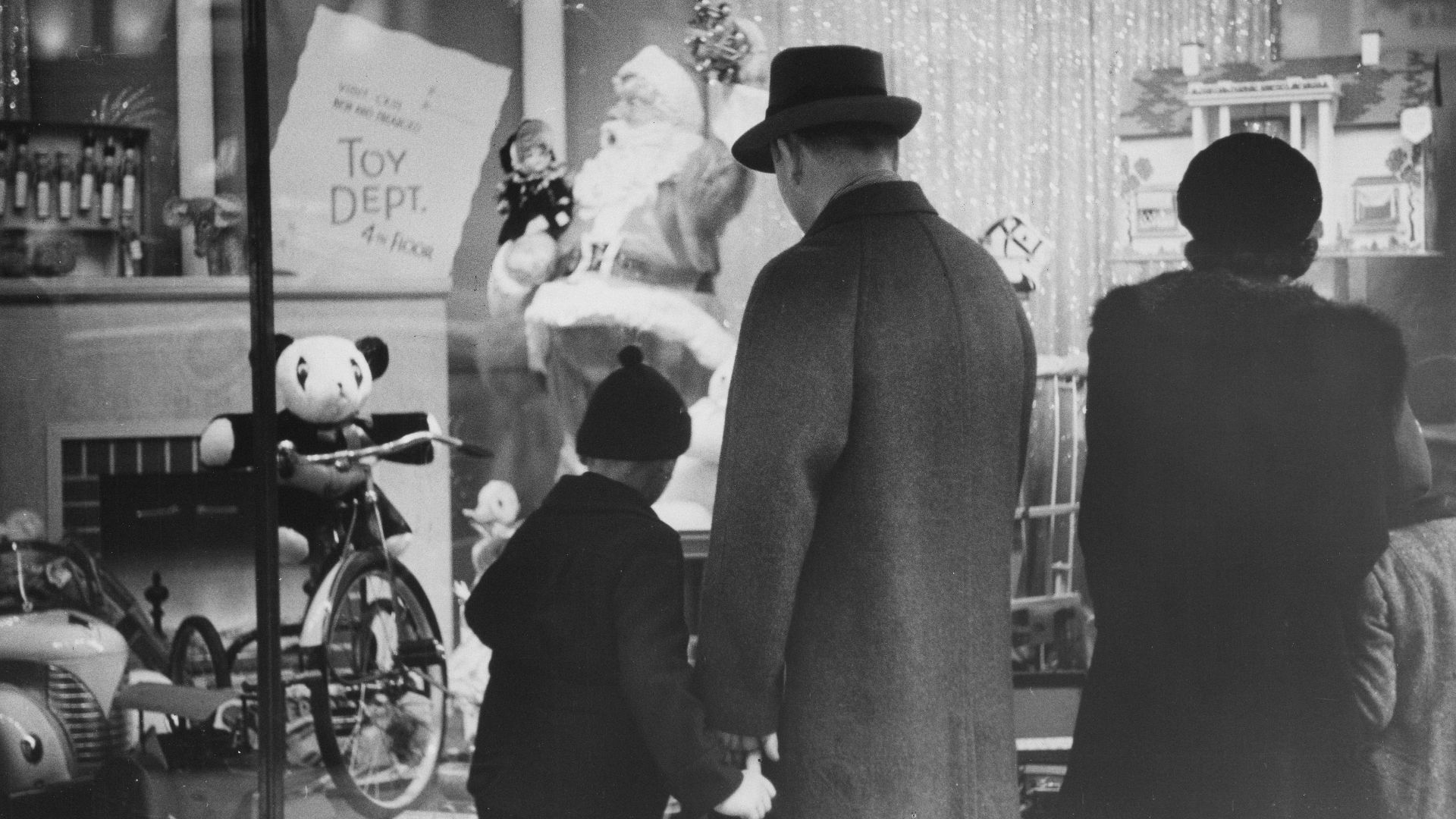
Sears, Montgomery Ward, and JCPenney all published Christmas catalogs during the middle of the decade. Families with multiple catalogs could compare similar toys, clothing, and gift ideas before deciding where to order. The printed pages served as a practical shopping resource, even if they also encouraged children to add more items to their wish lists.
 The New York Public Library, Unsplash
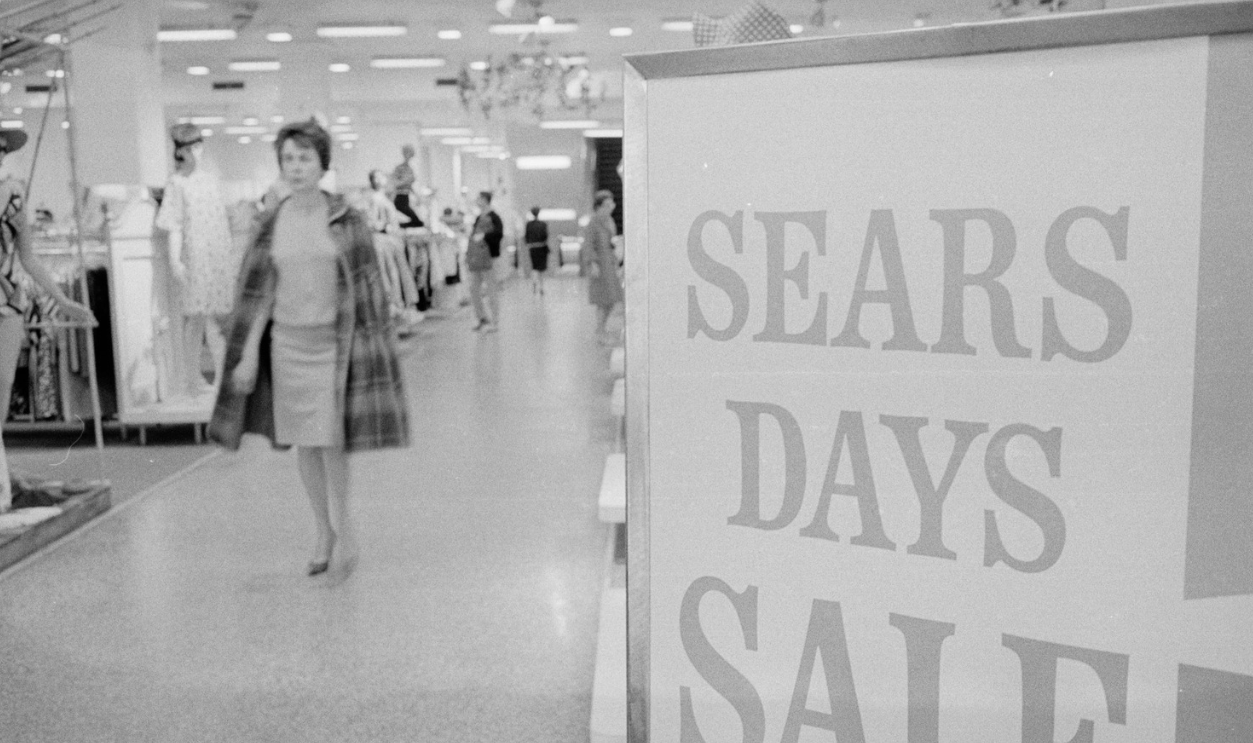
The Sears Toy Selection Reflected The Times
The 1970s Sears Christmas catalogs included toys associated with the decade's changing entertainment tastes. Surviving 1974 through 1976 pages show Planet of the Apes merchandise, reflecting the popularity of licensed characters. These catalogs now provide a detailed record of the toys retailers expected children to want for Christmas.
 Florida Memory, Wikimedia Commons
The Wish Book Wasn't Just For Children
Adults had plenty of reasons to browse Sears' Christmas offerings. The catalog included gifts and merchandise beyond the toy department, reflecting the company's enormous retail assortment. Parents could consider clothing, household goods, and other practical purchases while children focused on their favorite toys.

Spiegel Offered A Fashionable Alternative
Spiegel was another established American mail-order name, particularly associated with fashion and household merchandise. A surviving 1972 Spiegel Christmas catalog shows that the company was participating in the holiday catalog market during the decade. Shoppers interested in clothing and gifts had alternatives to the familiar department-store giants.
 Spiegel, Wikimedia Commons, Modified
Lillian Vernon Specialized In Unusual Gifts
Lillian Vernon had built her business around mail-order merchandise that shoppers couldn't easily find everywhere else. Her company began in 1951 and became increasingly successful during the 1970s. Its focus on distinctive, affordable products made it a natural destination for people searching for more personal presents.

Lillian Vernon's Business Exploded In The 70s
According to the Smithsonian, Lillian Vernon's company reached $1 million in annual sales for the first time in 1970. Business accelerated during the decade, with revenue reaching $6 million by 1976. Those figures show how a specialty mail-order company could thrive alongside enormous department-store chains.
 Fairchild Archive, Getty Images
Personalized Gifts Were Part Of The Appeal
Lillian Vernon built her reputation partly through merchandise that could be personalized with names or initials. Her early business had featured monogrammed accessories, and personalized products remained important to its identity. For holiday shoppers, those touches offered a way to make relatively affordable presents feel more individual.
 Maximiliano I. Pinilla A., Pexels
Neiman Marcus Had The Catalog For Dreamers
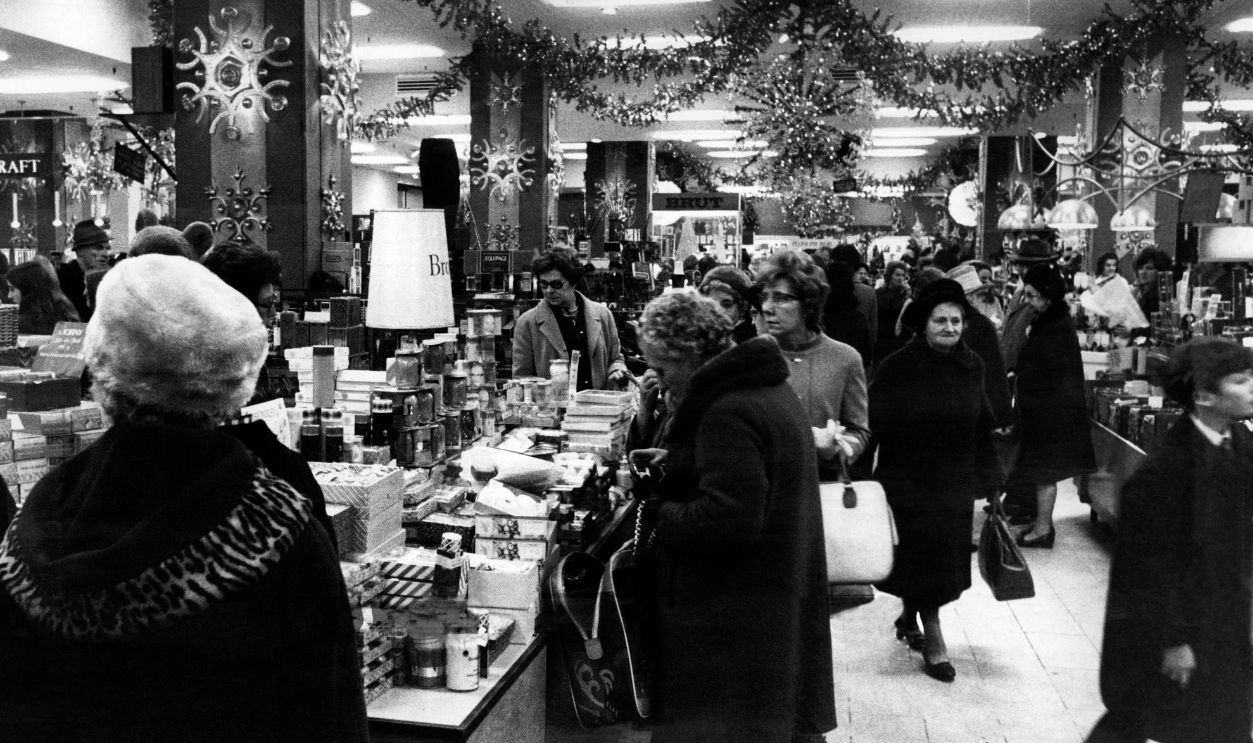
Not every Christmas catalog was designed around ordinary household budgets. The Neiman Marcus Christmas Book offered luxury clothing, jewelry, and exceptional gifts for affluent shoppers. Its reputation for extravagance also made it entertaining for people who had no intention of ordering anything.

The Fantasy Gifts Were Outrageous
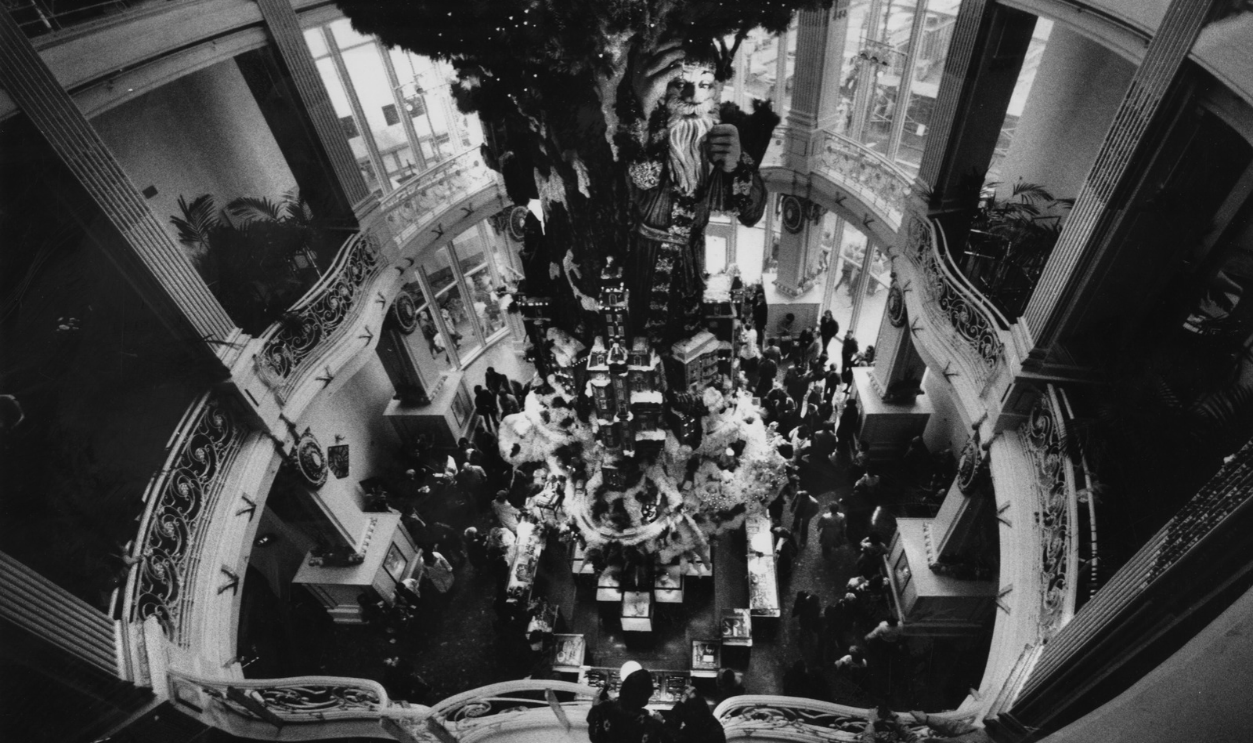
Neiman Marcus introduced its celebrated Fantasy Gifts in 1959, making spectacular presents a recurring feature of its holiday publication. By the 1970s, the catalog was already known for extraordinary merchandise and extravagant ideas. Readers could enjoy imagining what it would be like to give someone a gift far beyond an ordinary Christmas budget.
 San Francisco Chronicle/Hearst Newspapers, Getty Images
Some Neiman Marcus Gifts Defied Belief
The company's holiday offerings included unusual products that attracted attention well beyond its customer base. An early-1970s selection of gifts is documented in a retrospective from Dallas public radio station KERA. These extraordinary items helped distinguish the Neiman Marcus Christmas Book from conventional department-store catalogs.
Canada's Simpsons-Sears Had Its Own Christmas Tradition
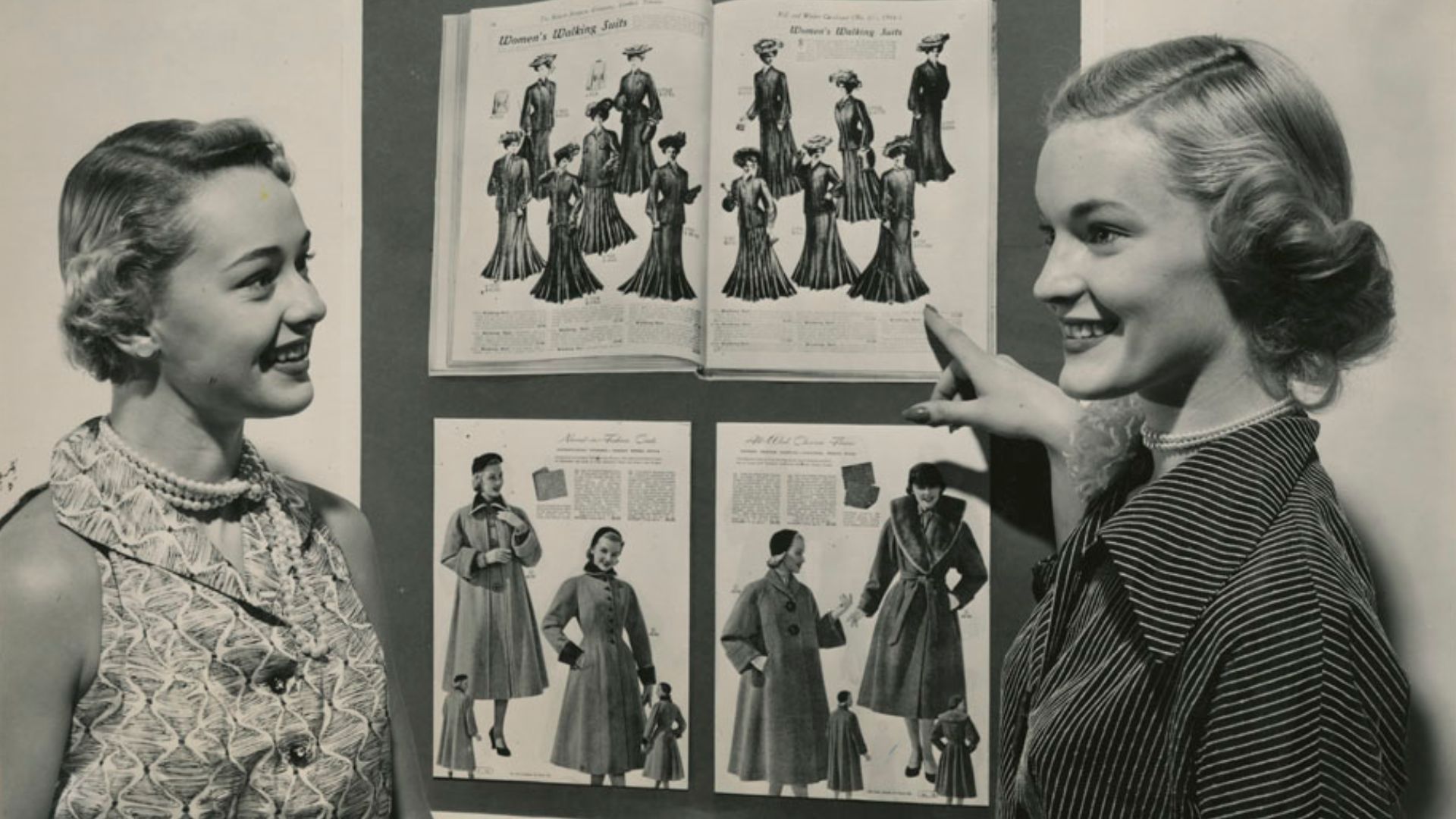
North of the border, Simpsons-Sears published Christmas catalogs that became familiar to Canadian shoppers. A surviving 1972 edition contained 364 pages, including a substantial section devoted to toys, dolls, and games. Its merchandise included action figures and playsets that reflected the same toy trends seen in American catalogs.
 BiblioArchives / LibraryArchives, Wikimedia Commons
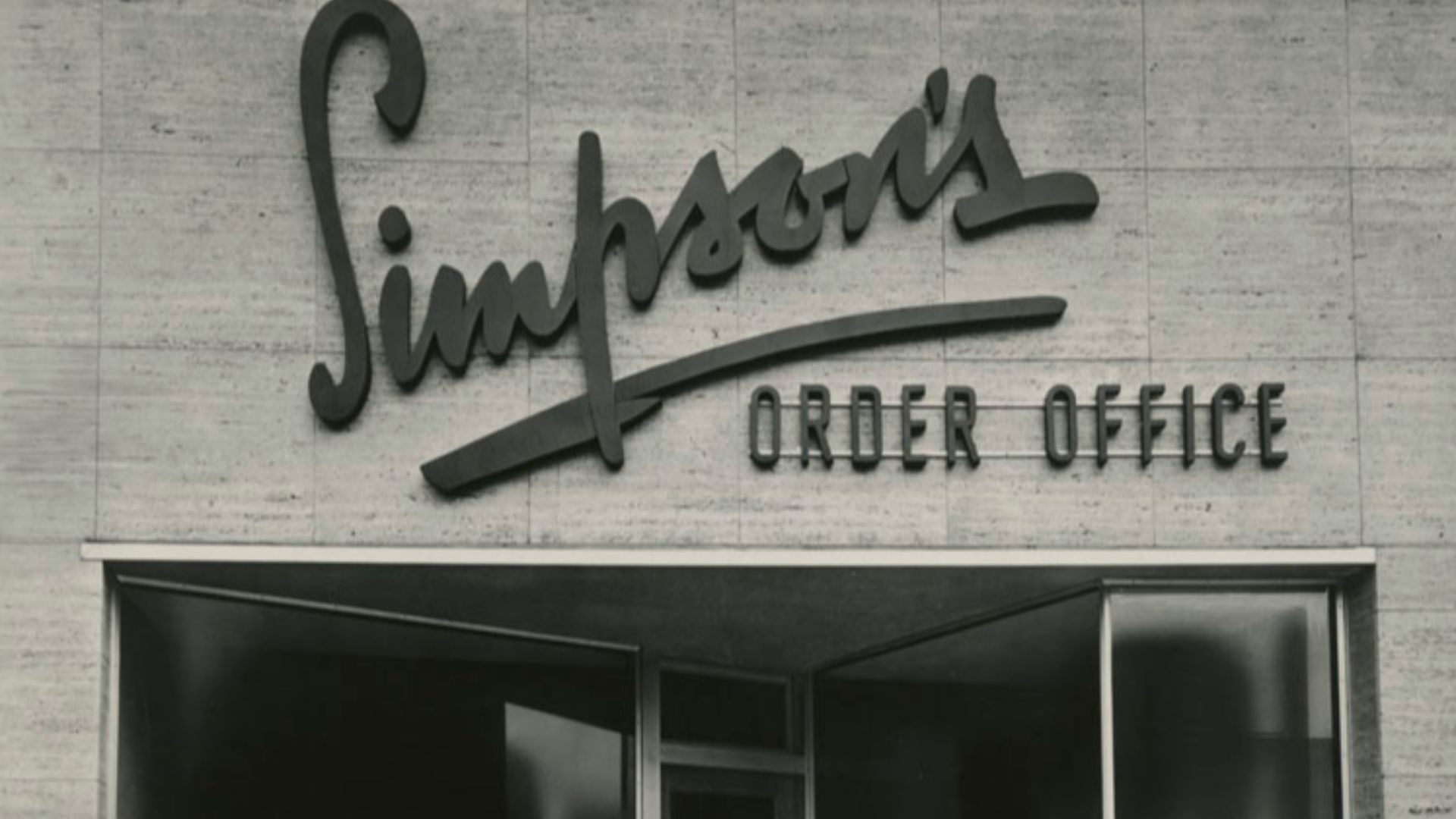
The Canadian Sears Name Changed During The Decade
The Simpsons-Sears name appeared on the company's earlier Canadian Christmas catalogs. By 1973, the surviving Christmas edition displayed the simpler Sears name on its cover. Canadian families continued receiving holiday catalogs, but the branding was evolving as the decade progressed.
 BiblioArchives / LibraryArchives, Wikimedia Commons
Eaton's Was Another Canadian Christmas Favorite
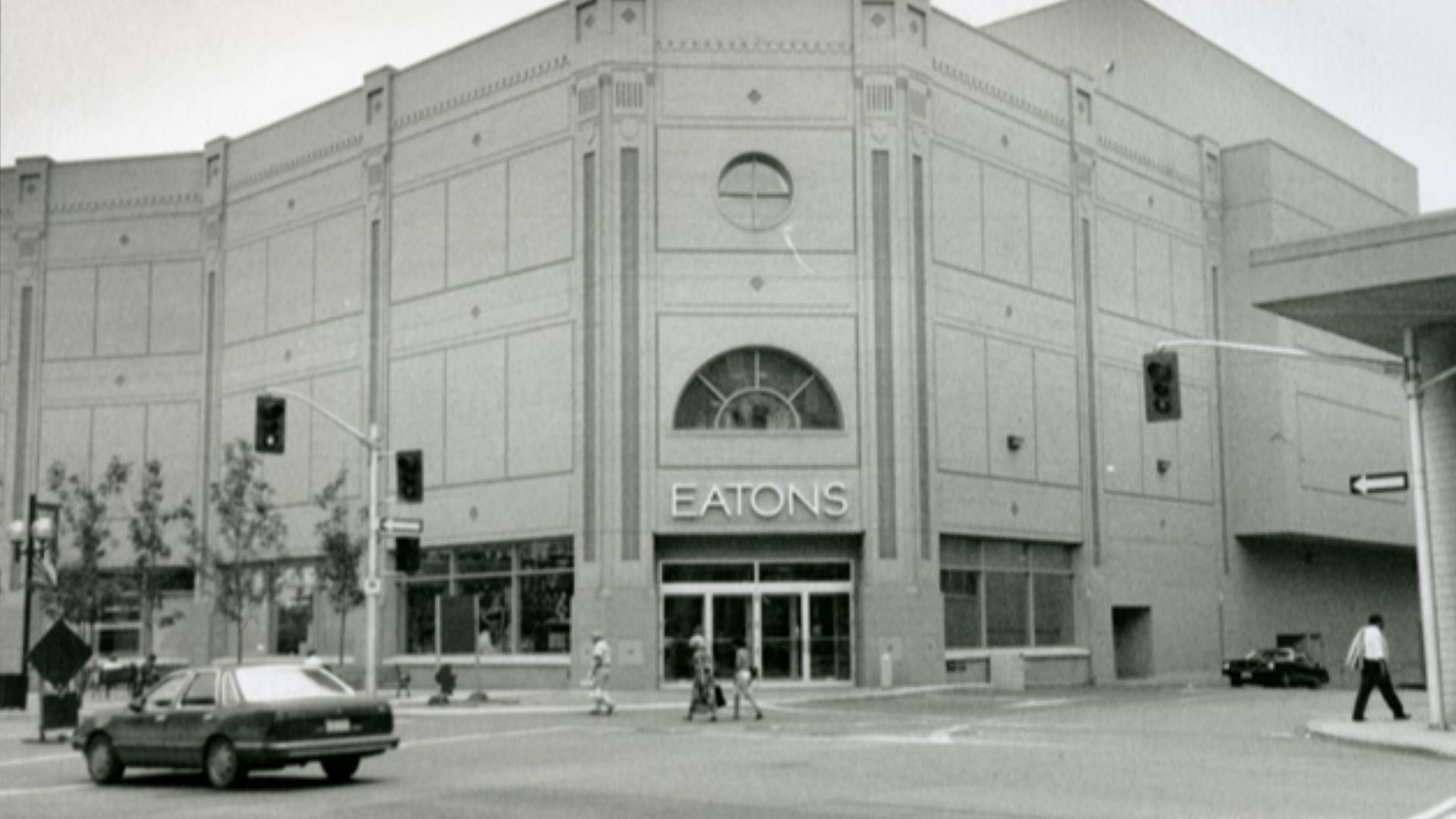
Eaton's also published extensive mail-order catalogs for Canadian households. Library and Archives Canada preserves a 1975 Christmas edition containing 435 numbered pages. Its survival offers a detailed look at the gifts and merchandise available to Canadian shoppers during the decade.
 Photographer unknown. Published by the T. Eaton Co. Limited., Wikimedia Commons
Eaton's Had A Particularly Memorable 1975 Edition
The 1975 Eaton's Christmas catalog included a substantial selection of toys, dolls, and games. Collector documentation identifies a 73-page section devoted to those categories, with products such as G.I. Joe figures. For children browsing its pages, the catalog offered plenty of possibilities for a Christmas wish list.
 Local History & Archives, Hamilton Public Library, Wikimedia Commons
The Canadian Catalog Competition Was Fierce
In 1975, both Eaton's and Sears Canada published substantial Christmas catalogs. A collector's comparison identifies 436 pages in the Eaton's edition and 388 in the Sears Canada edition, counting their covers. The two publications demonstrate how important mail-order holiday shopping remained on both sides of the border.
The 70s Catalogs Captured A Changing Toy Market
Action figures, licensed entertainment merchandise, dolls, and playsets all appeared in surviving catalogs from the period. Products associated with Planet of the Apes appeared across several American retailers, while Canadian catalogs featured familiar action-figure brands. Looking through these pages today reveals how closely toy marketing followed popular culture.

Parents Could Compare Prices Without Driving Anywhere
Printed catalogs allowed households to examine competing products and advertised prices from home. That was particularly useful for families planning multiple Christmas purchases within a limited budget. A careful shopper could make a list, compare available options, and decide which gifts were worth ordering.
Ordering Required More Planning Than Today
Catalog shopping involved identifying the correct merchandise and following the retailer's ordering instructions. Customers had to pay attention to product descriptions, sizes, colors, and availability rather than simply clicking an online shopping cart. Allowing enough time for delivery was especially important when the purchase was intended as a Christmas present.
The Catalogs Also Encouraged Bigger Wish Lists
A thick Christmas catalog placed hundreds of potential purchases in front of shoppers at once. Children could discover toys they hadn't known existed, while adults encountered gifts and household products they hadn't planned to buy. The same convenience that made catalogs useful also made it easy to become tempted by additional purchases.
The Catalog Era Eventually Changed
The enormous catalogs that dominated much of the twentieth century did not remain untouched by changes in retailing. Montgomery Ward ended its traditional catalog business in 1985, while Sears discontinued its general merchandise catalog in 1993. Those decisions came after the 1970s, but they marked the eventual decline of the mail-order giants that had shaped so many Christmases.
 Mike Kalasnik from Fort Mill, USA, Wikimedia Commons
The Old Catalogs Have Become Time Capsules
Collectors and archives now preserve Christmas catalogs because they reveal what retailers sold and what shoppers could buy in a particular year. Online collections include numerous Sears, JCPenney, and Montgomery Ward Christmas editions from the 1970s. Looking through them offers a vivid reminder of how holiday shopping worked before the internet.
Which Catalog Did Your Family Wait For?
Some households relied on Sears, while others preferred Montgomery Ward, JCPenney, Spiegel, or a specialty catalog such as Lillian Vernon. Canadian families might remember Eaton's or Simpsons-Sears just as fondly. Whichever one arrived at your house, those colorful pages captured a particular kind of Christmas excitement that online shopping has never quite reproduced.
You May Also Like:
A Guide To Building Your Emergency Fund
How To Save Money Without Sacrificing Your Social Life