When Frozen Pizza Night Was Something Special
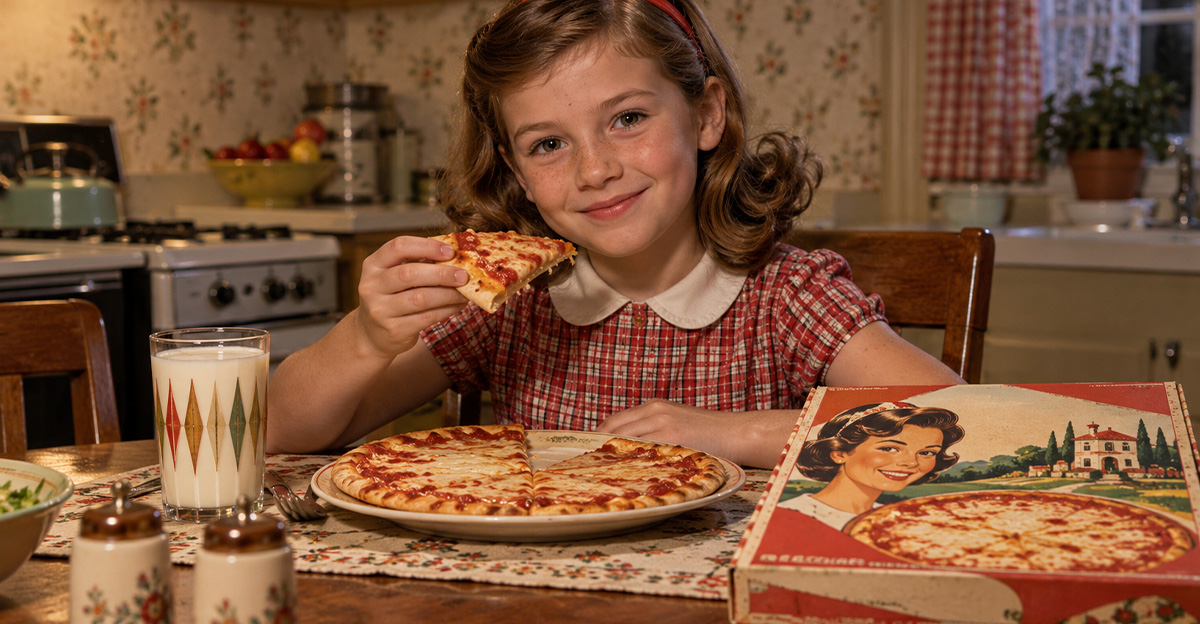
Remember when having frozen pizza for dinner was a big deal? Back in the 1960s, America's freezer aisles were filling up with brands promising delicious pizza without leaving the house. Some became household favorites, while others disappeared almost completely. How many of these forgotten pizzas do you remember?
Celentano's Frozen Pizza Started Something Big
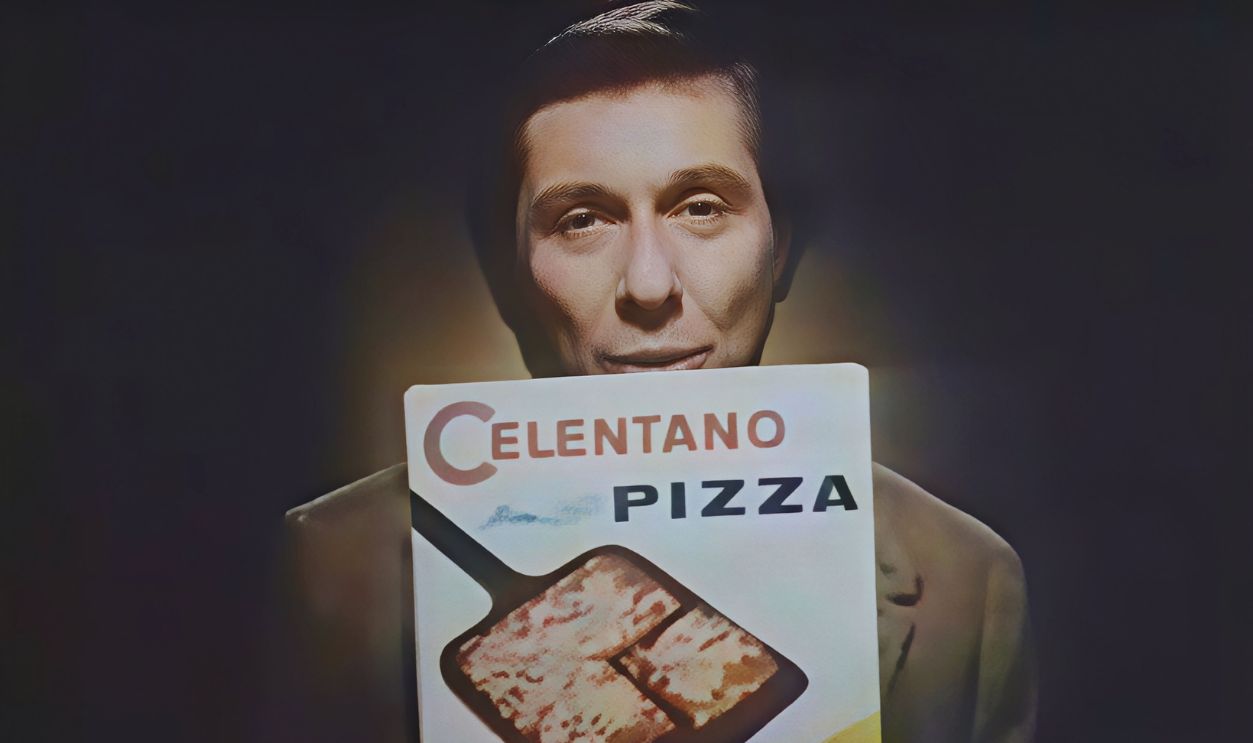
Before today's frozen pizza giants took over, the Celentano brothers were introducing Americans to pizza they could keep in their freezers. By 1957, their company was distributing frozen pizzas nationally. For families accustomed to making dinner from scratch, this convenient new product was something worth getting excited about.
Celentano's Was An Italian-American Favorite
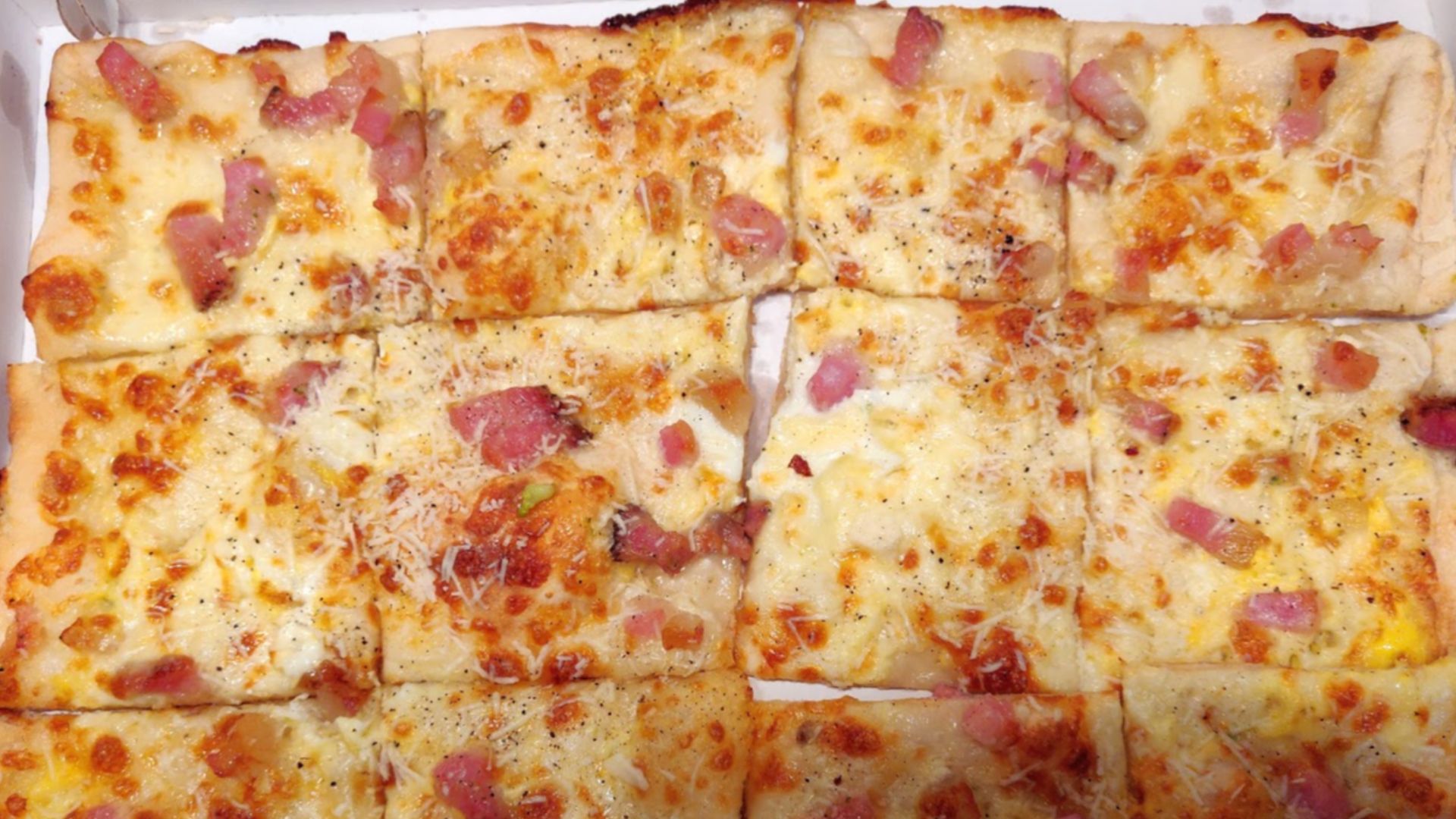
Celentano's became known for its Italian-American frozen foods, and pizza helped establish that reputation. Instead of preparing dough, sauce, and toppings from scratch, parents could simply heat one up. It wasn't quite like visiting the neighborhood pizzeria, but for a busy family on a weeknight, it was close enough.
 Camelia.boban, Wikimedia Commons
What Happened To Celentano's Pizza?
Celentano's pizza eventually vanished from American grocery-store freezers, although the company name survived through other Italian frozen foods. Rosina Food Products acquired the business in 2000, and the pizza line was discontinued. Anyone hoping to enjoy one of those early frozen pizzas again will have to settle for memories.
Mama Celeste Was A Familiar Face
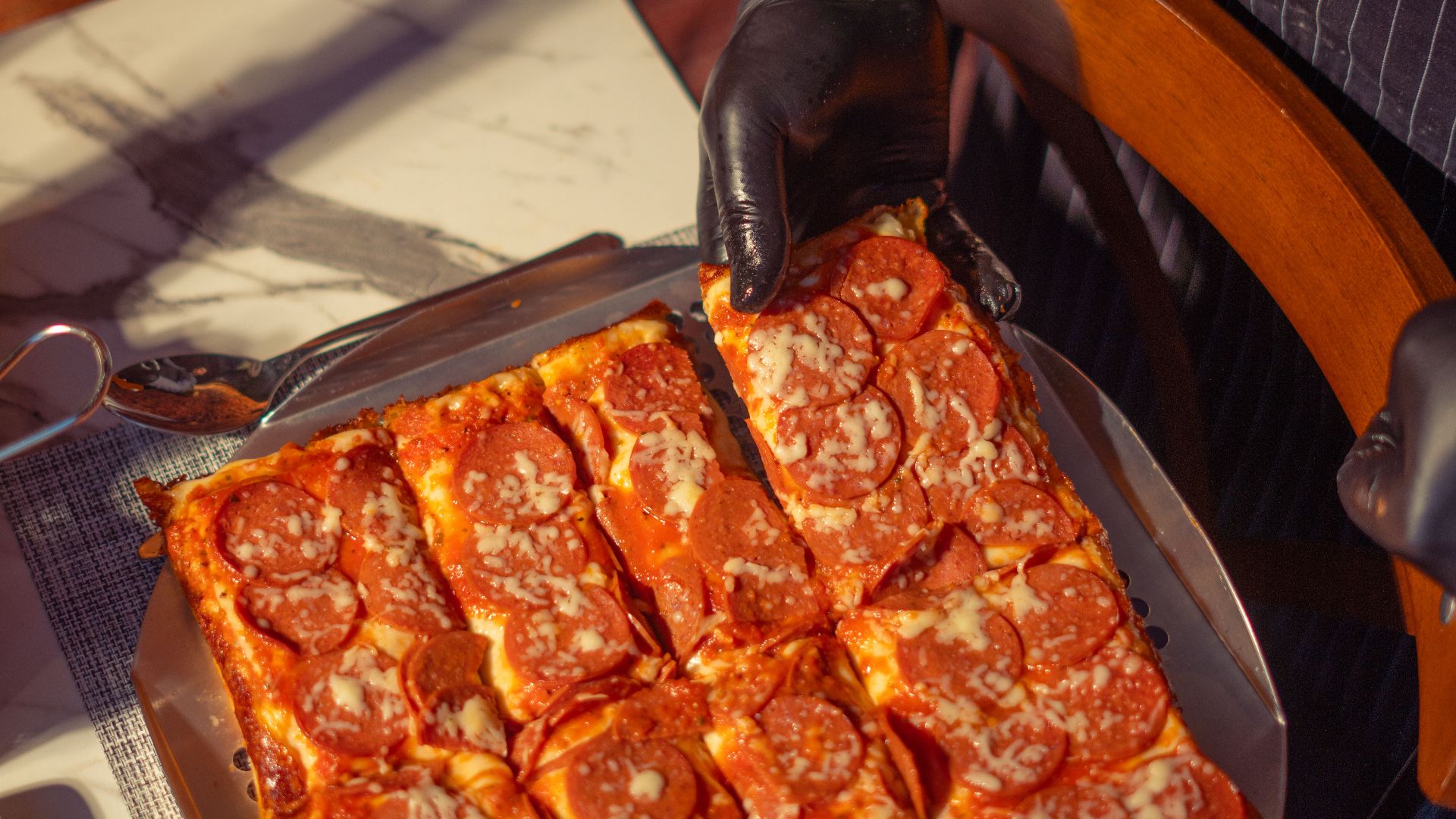
If you remember seeing Mama Celeste on a frozen pizza box, you're certainly not alone. The brand began with Celeste Lizio, whose family's Chicago food business expanded into frozen pizza in 1962. Her Italian cooking helped create a product that eventually became a familiar sight in American kitchens.
Mama Celeste's Family Recipe
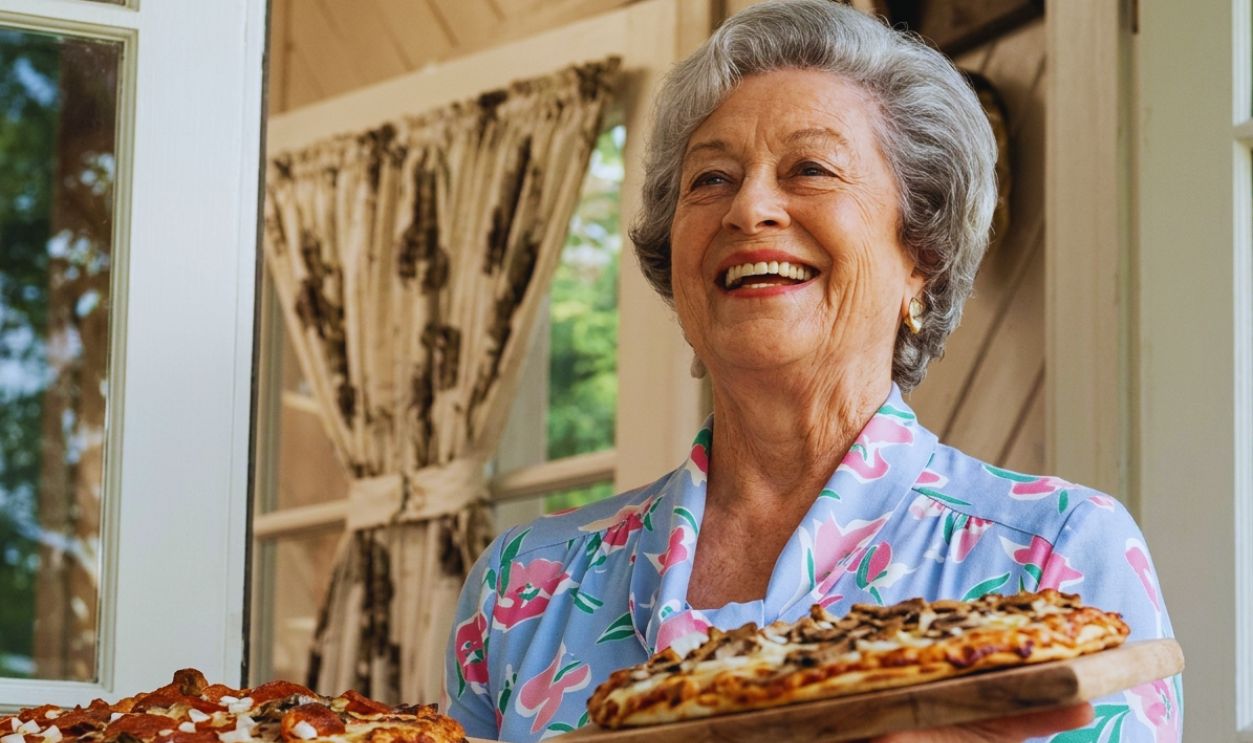
Unlike some frozen food companies, Celeste had genuine restaurant roots. Celeste and her husband, Anthony, operated a Chicago restaurant before concentrating on commercially prepared Italian foods. Their family's reputation helped give the frozen pizzas a homemade image, even when they were sitting alongside dozens of other products in the supermarket.
 Screenshot from Celeste Pizza For One Commercial, Celeste/Conagra Brands (1982), Modified
Mama Celeste Takes Over The Freezer Aisle
In 1969, Quaker Oats purchased the Celeste business, helping introduce its frozen pizzas to shoppers nationwide. Before long, Mama Celeste became a recognizable name in grocery stores. For families who couldn't afford restaurant pizza every week, keeping a couple of these affordable pies in the freezer seemed like a pretty good idea.
Those Famous Mama Celeste Pizza Commercials
Who could forget Mama Celeste herself? Her smiling face appeared on packaging, while advertising emphasized the company's Italian family roots. It was clever marketing that made a frozen pizza feel like something from Grandma's kitchen. Whether the finished product actually tasted homemade was another question, but shoppers certainly remembered the name.
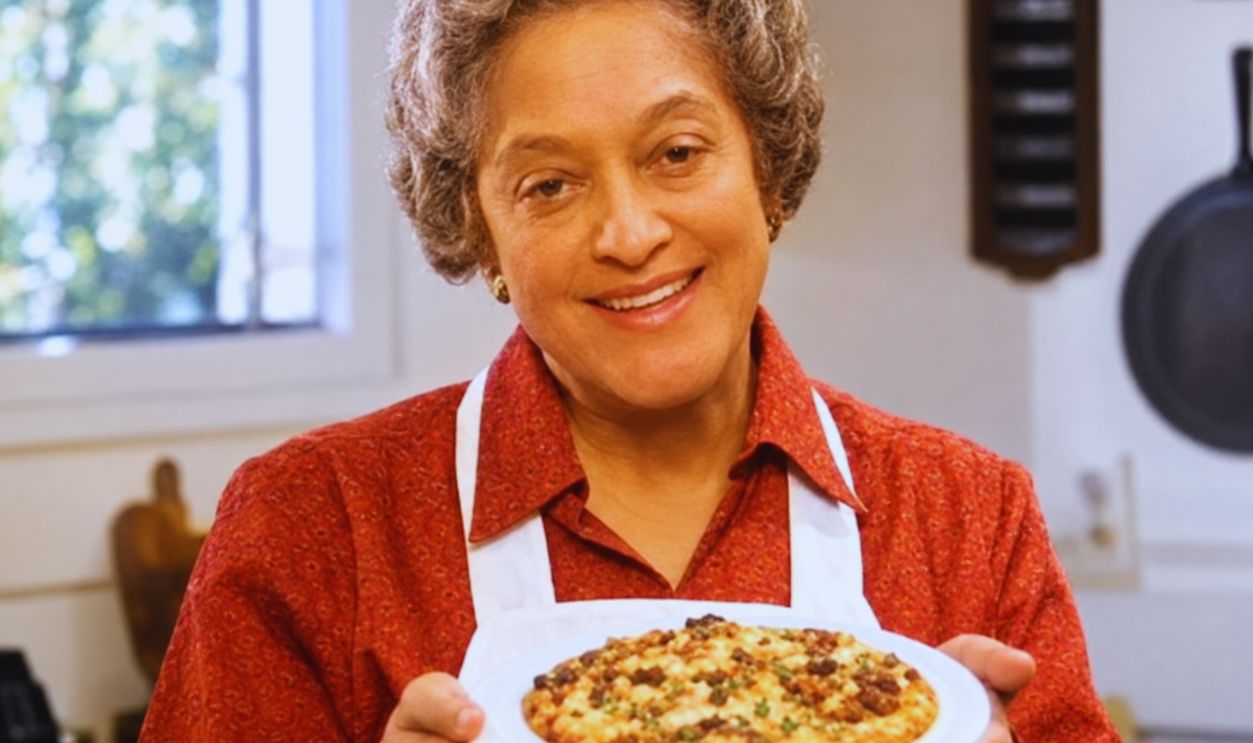 Screenshot from Celeste Pizza For One Commercial, Celeste/Conagra Brands (1982), Modified
Mama Celeste's Pizza For One
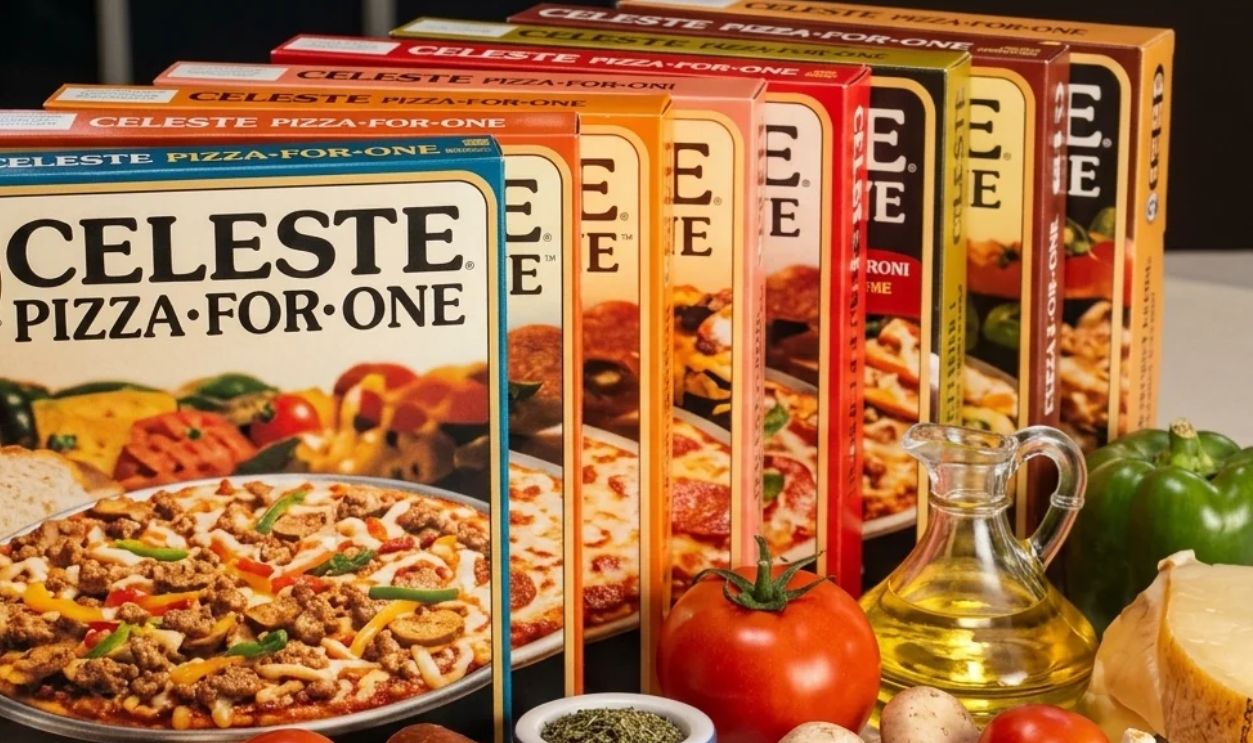
Although Celeste began selling frozen pizzas in the 1960s, many Boomers particularly remember its later personal-sized versions. These little pizzas became convenient lunches, after-school snacks, and inexpensive dinners. There was something wonderfully satisfying about having an entire pizza to yourself, even if it was considerably smaller than a restaurant pie.
Mama Celeste Finally Says Goodbye
In September 2026, Conagra confirmed that it had stopped producing Celeste frozen pizzas, bringing more than six decades of history to an end. The company cited its decision to discontinue less profitable products. For generations who grew up with Mama Celeste, another familiar freezer-aisle favorite had officially disappeared from American supermarkets.
Chef Boyardee's Forgotten Frozen Pizza
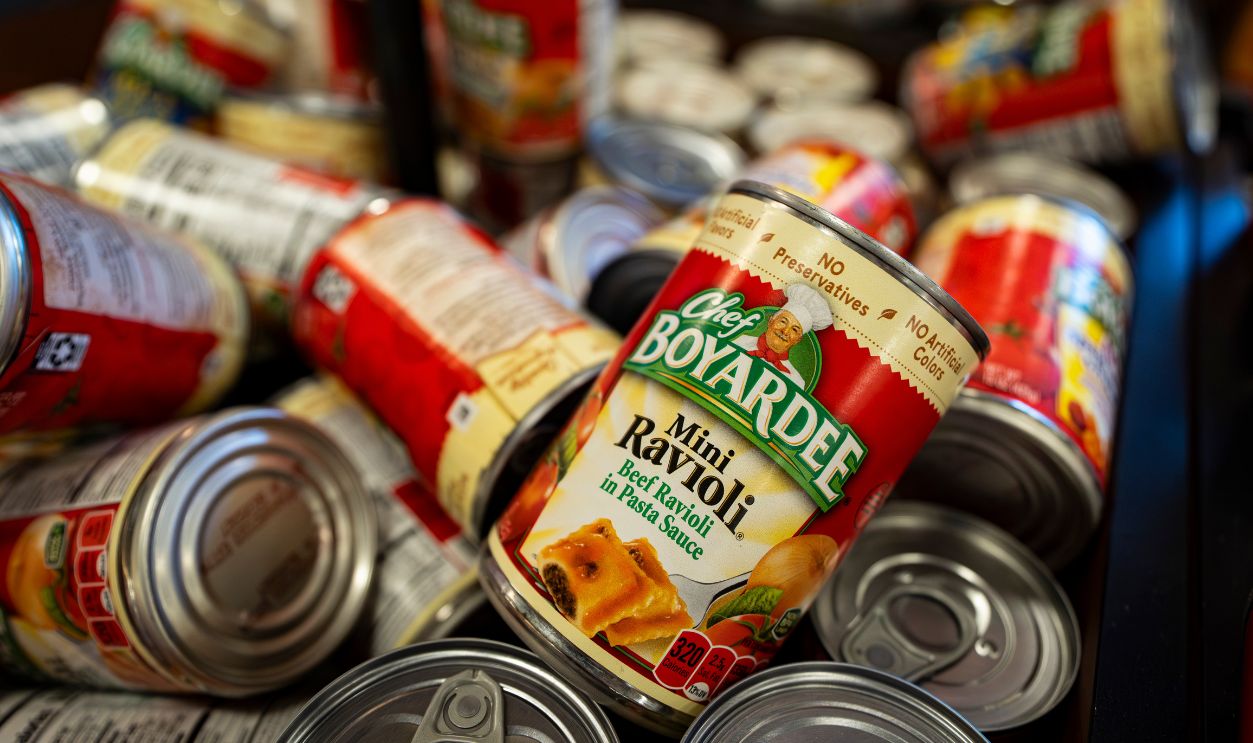
Most people remember Chef Boyardee for canned ravioli and spaghetti, but did you know the company also sold frozen pizzas? During the 1960s, Chef Boyardee joined the growing frozen pizza business, promising families a convenient alternative to ordering from their neighborhood pizza restaurant. It's a product many younger shoppers have never encountered.
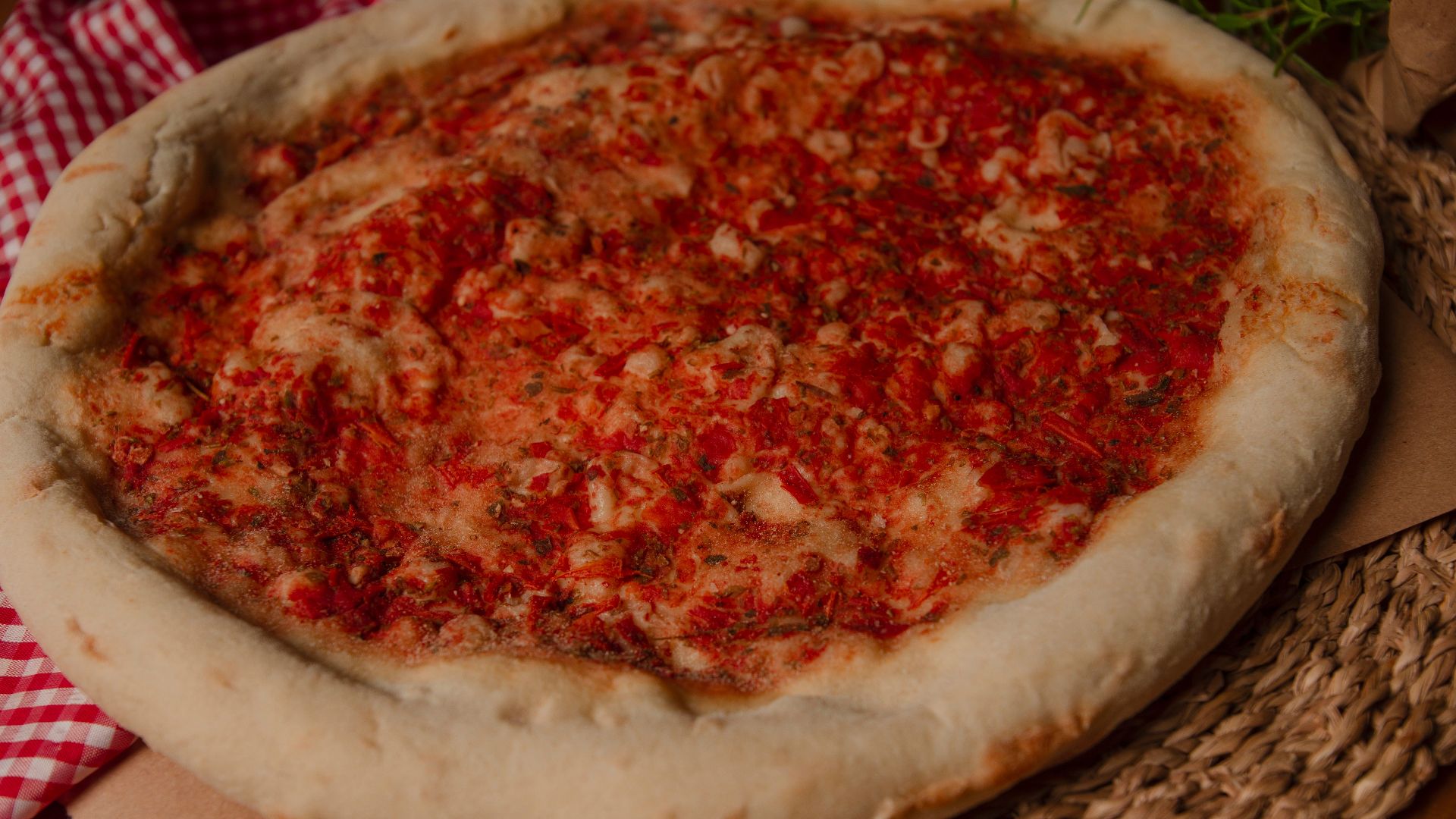
Chef Boyardee Promised Pizza In Minutes
One memorable Chef Boyardee commercial showed a father bringing home a pizza that had gone cold during the trip. The solution? Keep Chef Boyardee frozen pizza at home instead. Advertisements promoted pizza that could be ready in just eight minutes. For busy American families in the 1960s, that sounded pretty impressive.
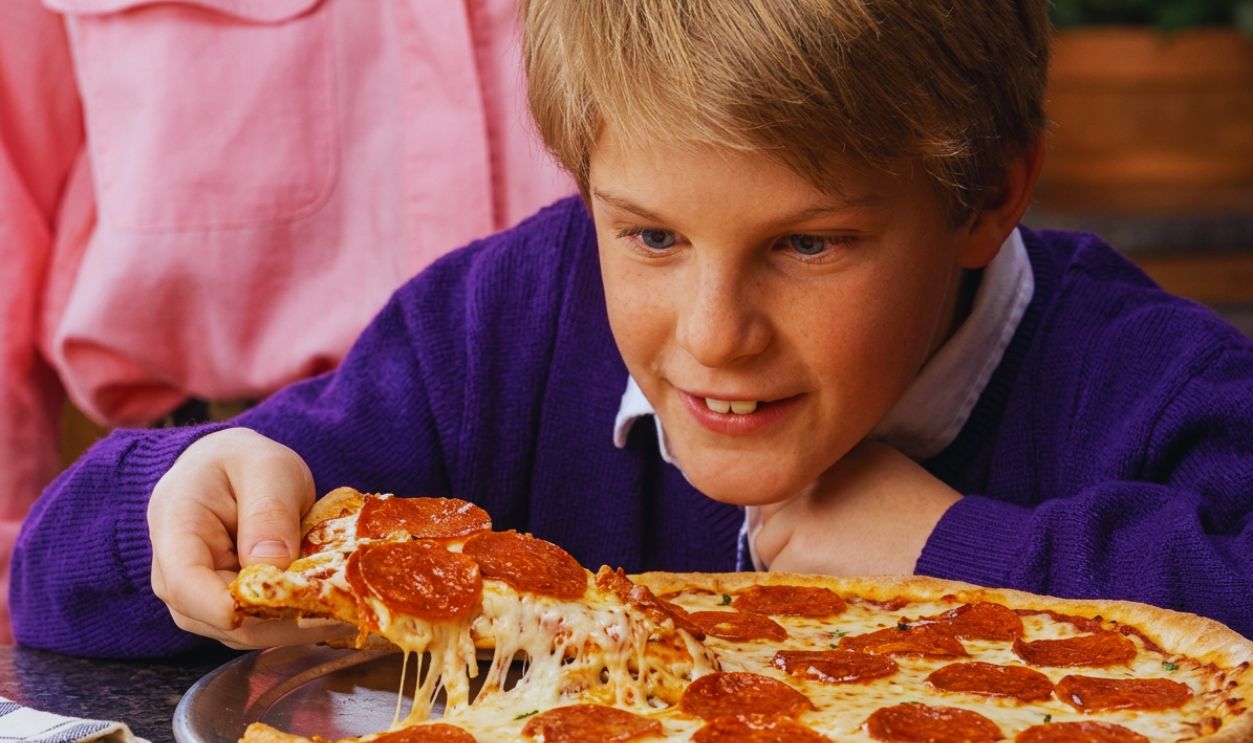
Chef Boyardee's Cheese And Sausage Pizzas
Chef Boyardee offered familiar toppings, including cheese and sausage, appealing to families looking for a quick, straightforward dinner. The company was already trusted for convenient Italian-American foods, so frozen pizza seemed like a natural addition. Unfortunately, a familiar name wasn't enough to guarantee the product would remain popular forever.
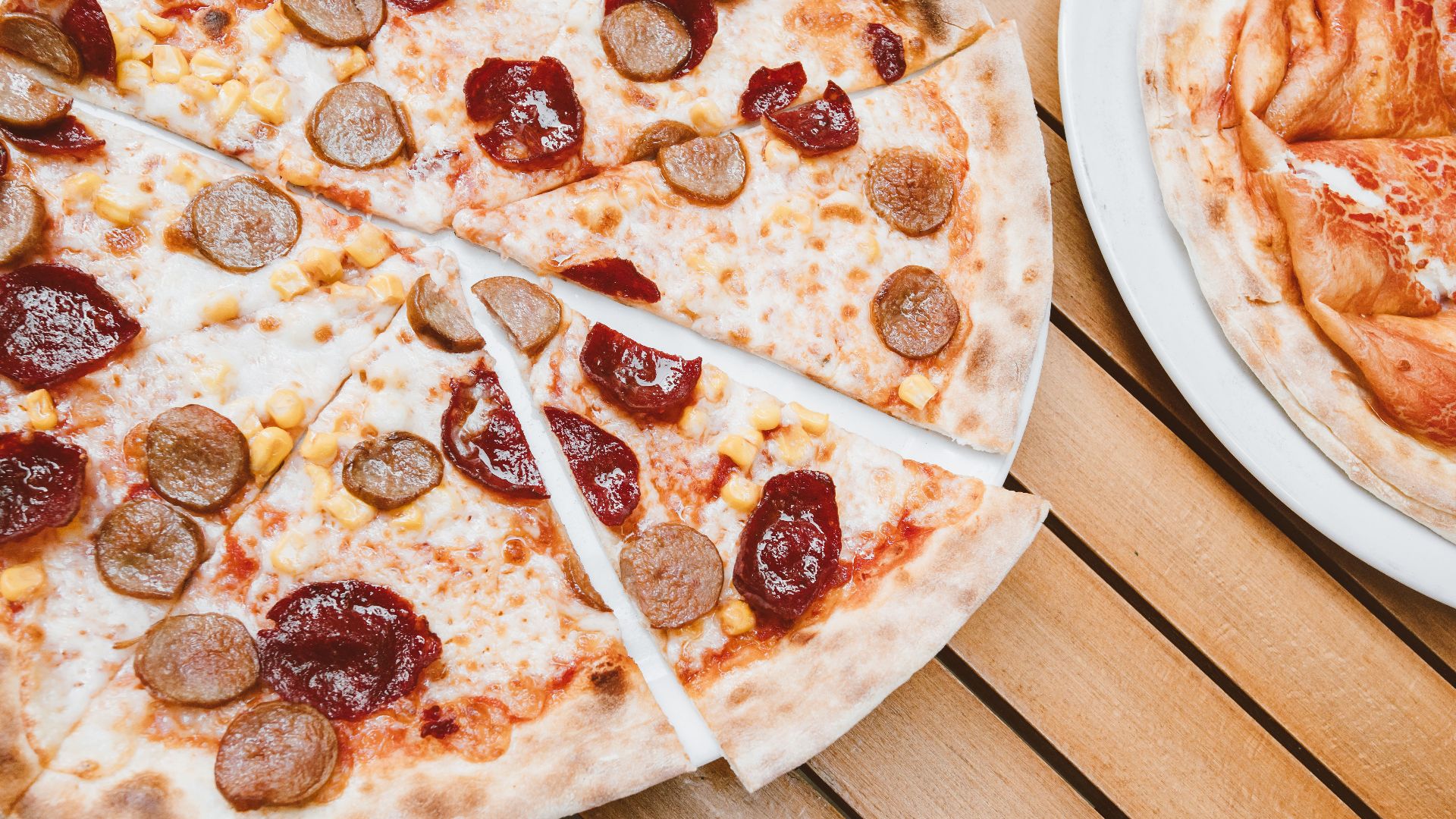
Why Chef Boyardee Frozen Pizza Disappeared
Chef Boyardee eventually withdrew from the frozen pizza business, concentrating on the canned pasta products that made its name famous. Its frozen pizzas survived beyond the 1960s before disappearing altogether. Today, finding an old advertisement or package might be the closest anyone gets to experiencing a genuine Chef Boyardee frozen pizza again.
Jeno's Frozen Pizza Arrives
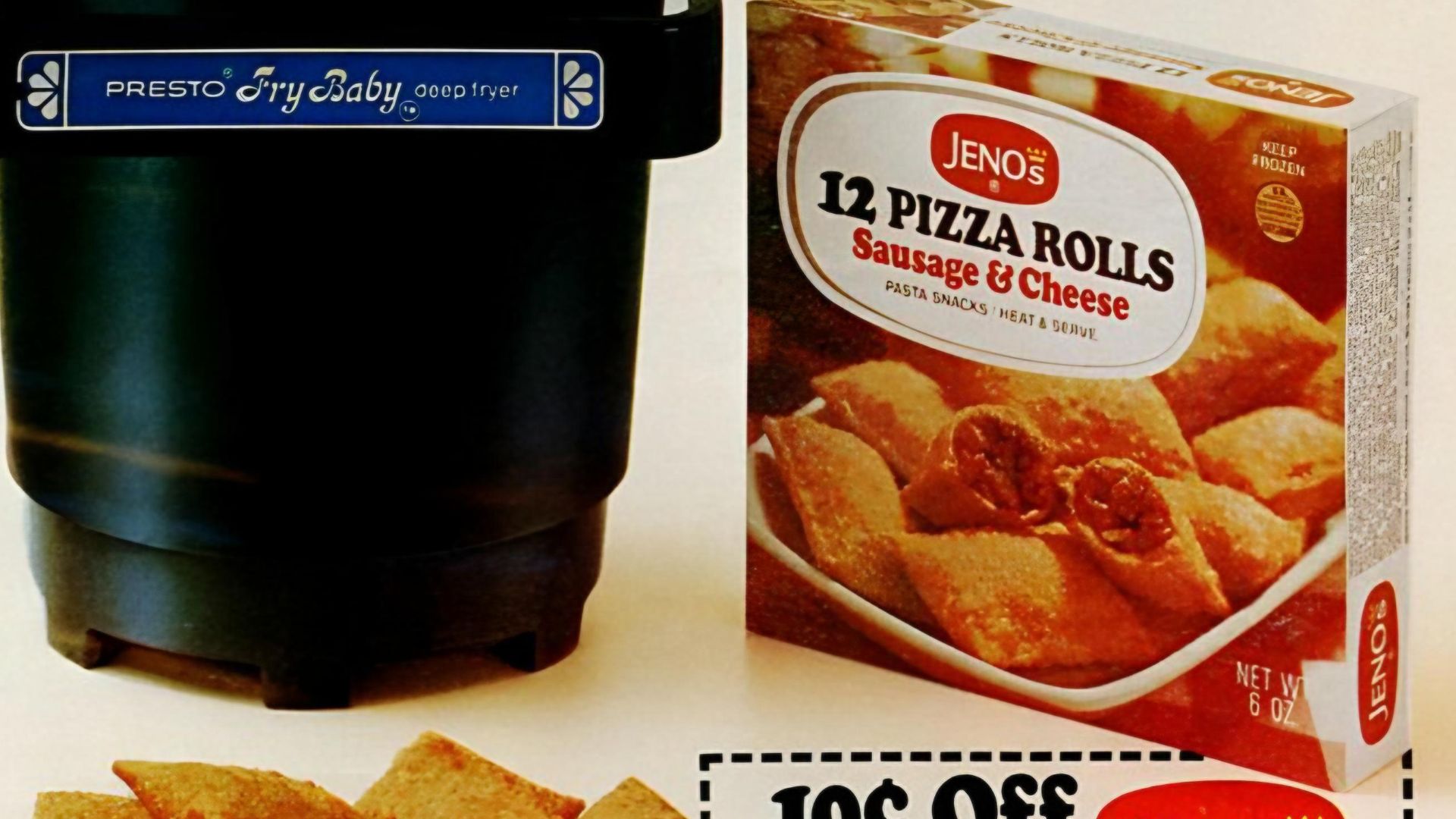
In 1967, entrepreneur Jeno Paulucci founded Jeno's Frozen Pizza, hoping to bring affordable pizzas to families nationwide. Paulucci had already found success with Chun King Chinese foods, and he recognized that Americans were becoming increasingly comfortable buying frozen dinners. Pizza seemed like the perfect product to introduce to a growing market.
Jeno's Becomes A Household Name
Jeno's grew into a major frozen food business thanks to affordable products and widespread advertising. Its pizzas appealed to shoppers who wanted something tasty without spending much money. By making frozen pizza an ordinary grocery purchase rather than a special treat, Jeno's helped change the way American families approached pizza night.
Remember Jeno's Crisp 'N Tasty?
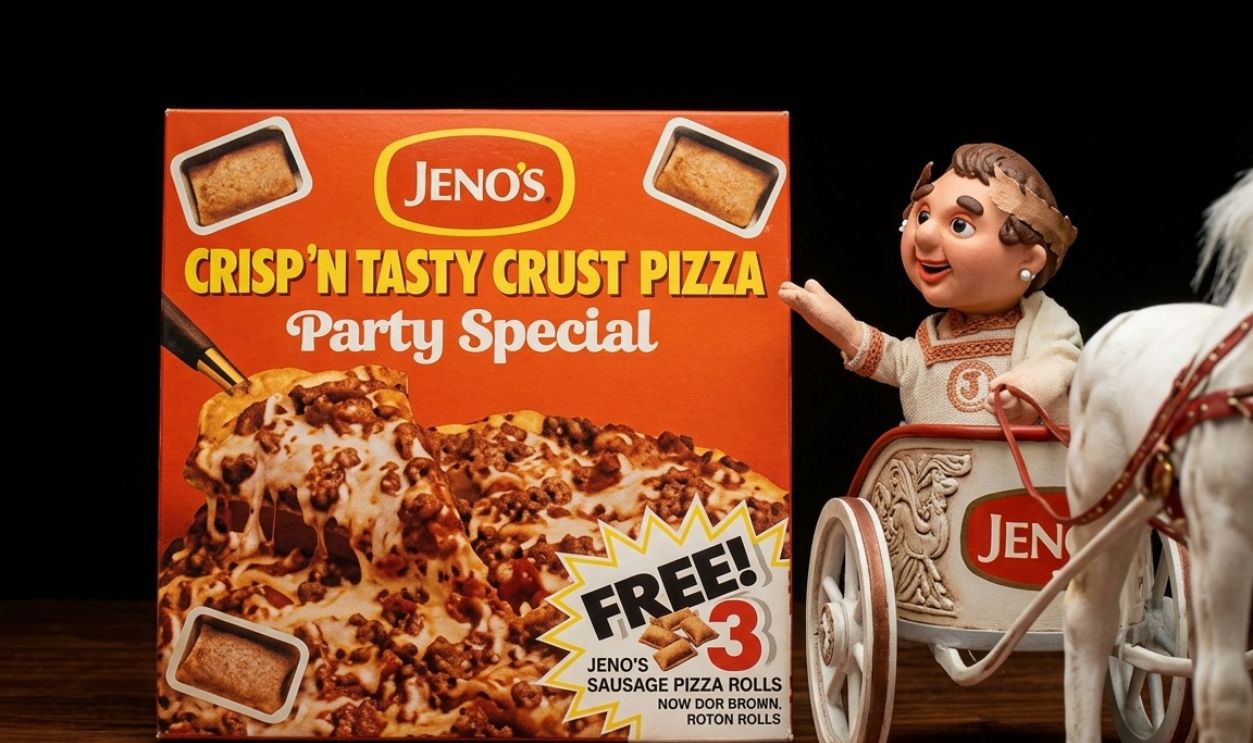
One of the best-remembered Jeno's products was Crisp 'N Tasty Pizza, which became popular after the brand's 1960s beginnings. As its name suggested, the crispy crust was an important selling point. For people who preferred thin, crunchy pizza over thick, doughy slices, this was a frozen favorite worth remembering.
 Screenshot from Jeno's Pizza Commercial, Pillsbury / General Mills (1981), Modified
Jeno's Eventually Disappears
Paulucci sold Jeno's to Pillsbury in 1986, but that wasn't the immediate end of the brand. Its pizzas continued appearing in grocery stores for years afterward. Eventually, however, the Crisp 'N Tasty line was discontinued. For shoppers who grew up eating Jeno's, newer frozen pizzas never quite replaced that familiar favorite.
 Jeno's, Inc., Wikimedia Commons
Nabisco Poppins Were A Different Kind Of Pizza
In 1969, Nabisco introduced Poppins, a strange but memorable frozen pizza product designed for ordinary house hold toasters. These miniature pizzas came in cheese, sausage, and pepperoni varieties. Imagine telling your children they could prepare something resembling pizza using the same appliance that made their morning toast. What could possibly go wrong?
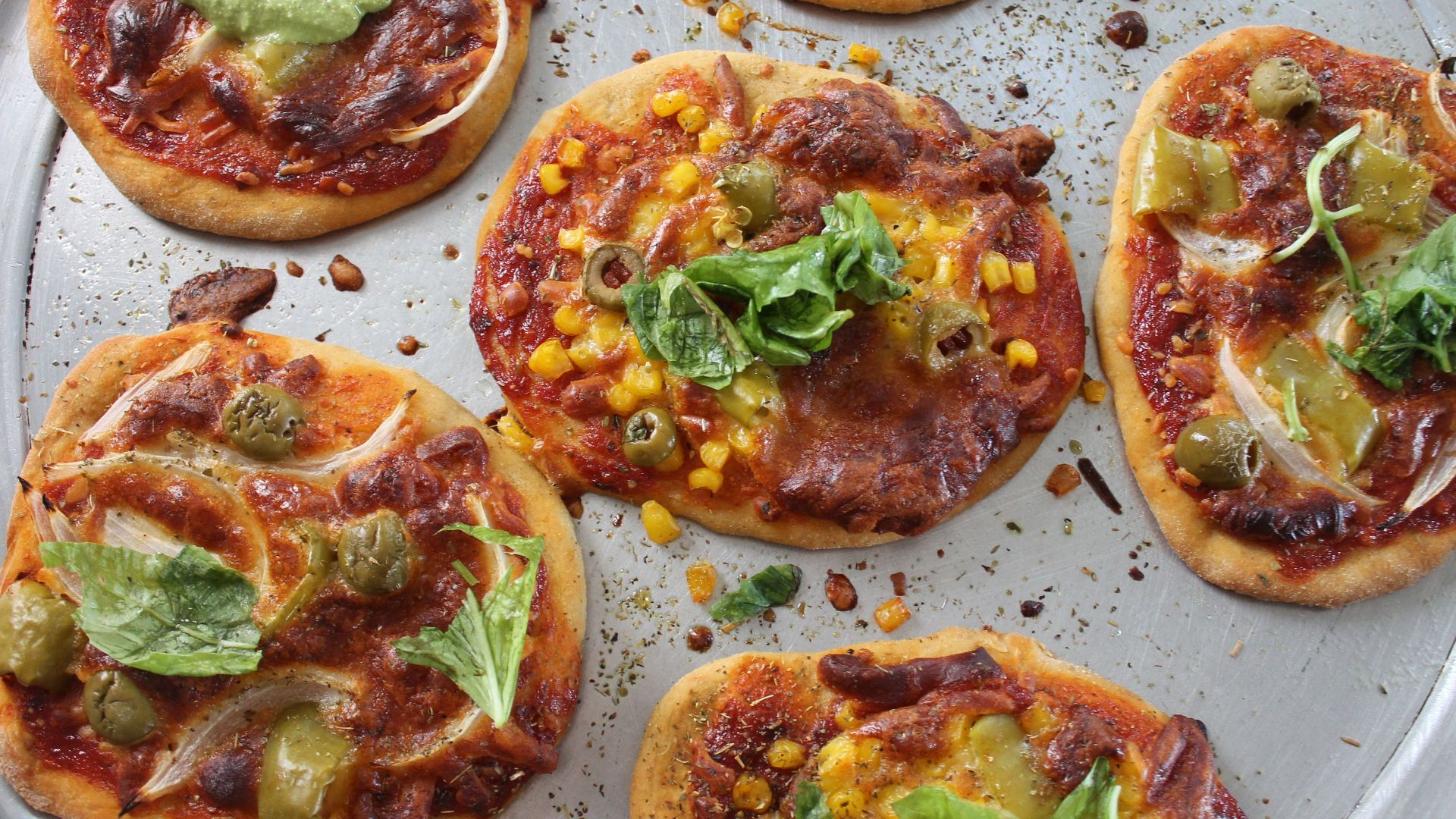
Six Little Pizzas In A Box
Nabisco Poppins reportedly sold for around 50 cents for a box of six. That made them an appealing snack for families with hungry children. Better yet, nobody had to heat the entire oven. Unfortunately, there was one fairly obvious problem with putting a tiny cheese-covered pizza into an ordinary household toaster.
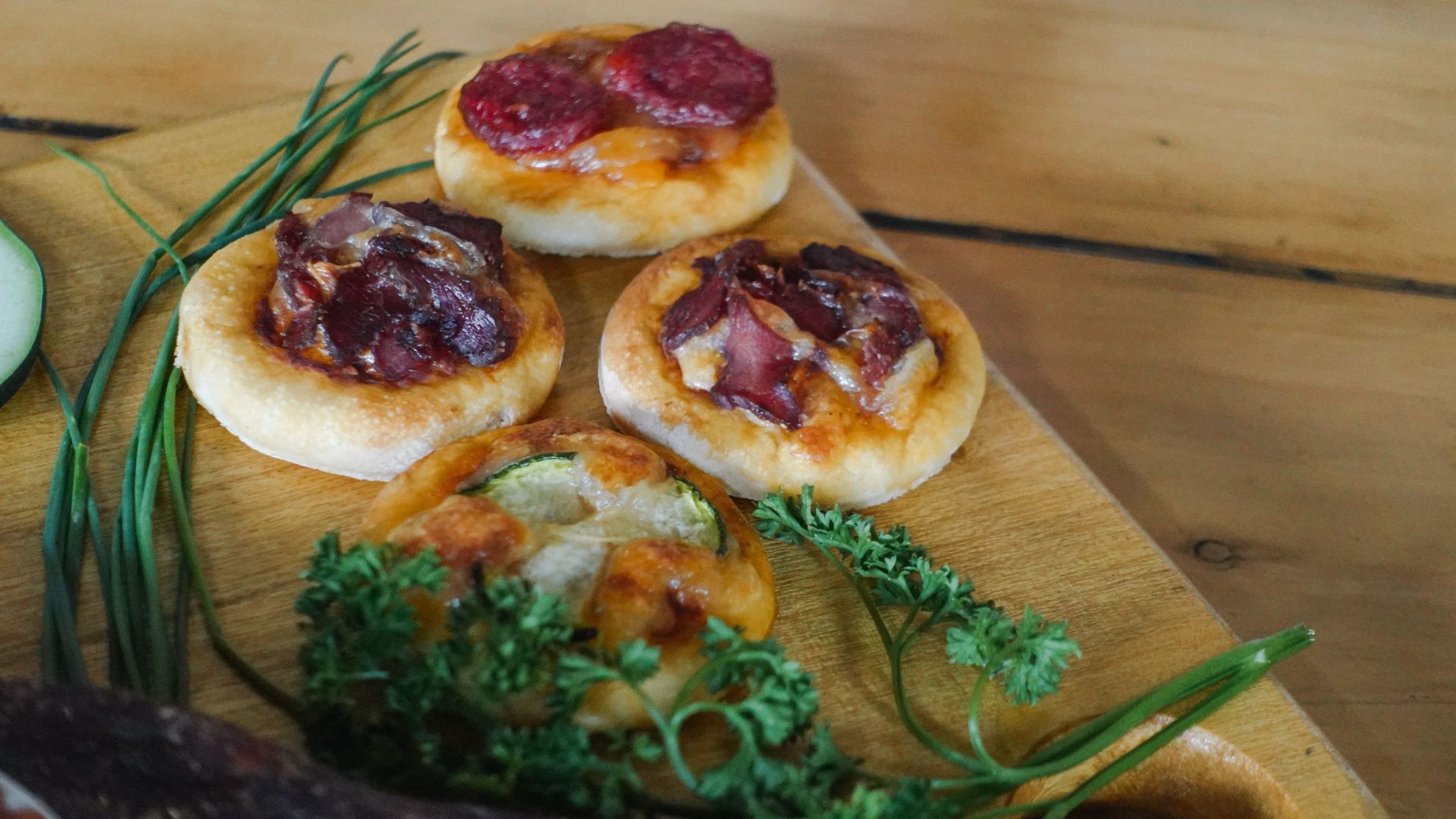
The Trouble With Nabisco Poppins
Those miniature pizzas didn't always behave themselves. Getting them heated properly could require multiple toaster cycles, while melting toppings sometimes slipped off the crust. That wasn't exactly ideal inside an electrical appliance. Poppins disappeared in the early 1970s, but their unusual design ensured that some customers would never forget them.
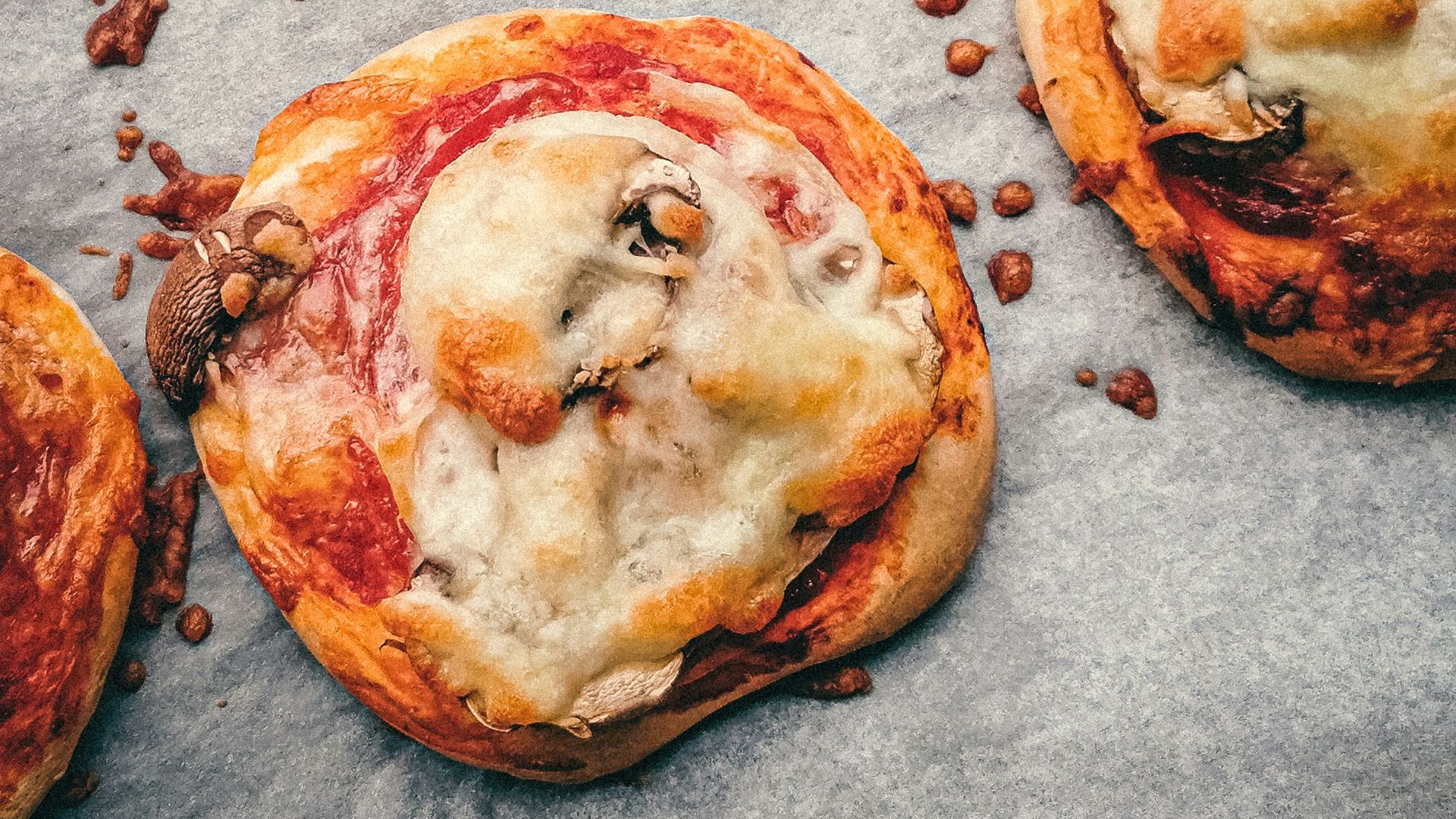
Buitoni Toasterinos Were Another Forgotten Favorite
Buitoni later introduced Toasterinos, pizza-flavored pastries with their fillings enclosed inside dough. Unlike Poppins, there were no exposed toppings threatening to fall into the toaster. These products belonged more to the 1970s than the 1960s, but they perfectly captured America's fascination with turning almost anything into a convenient frozen snack.
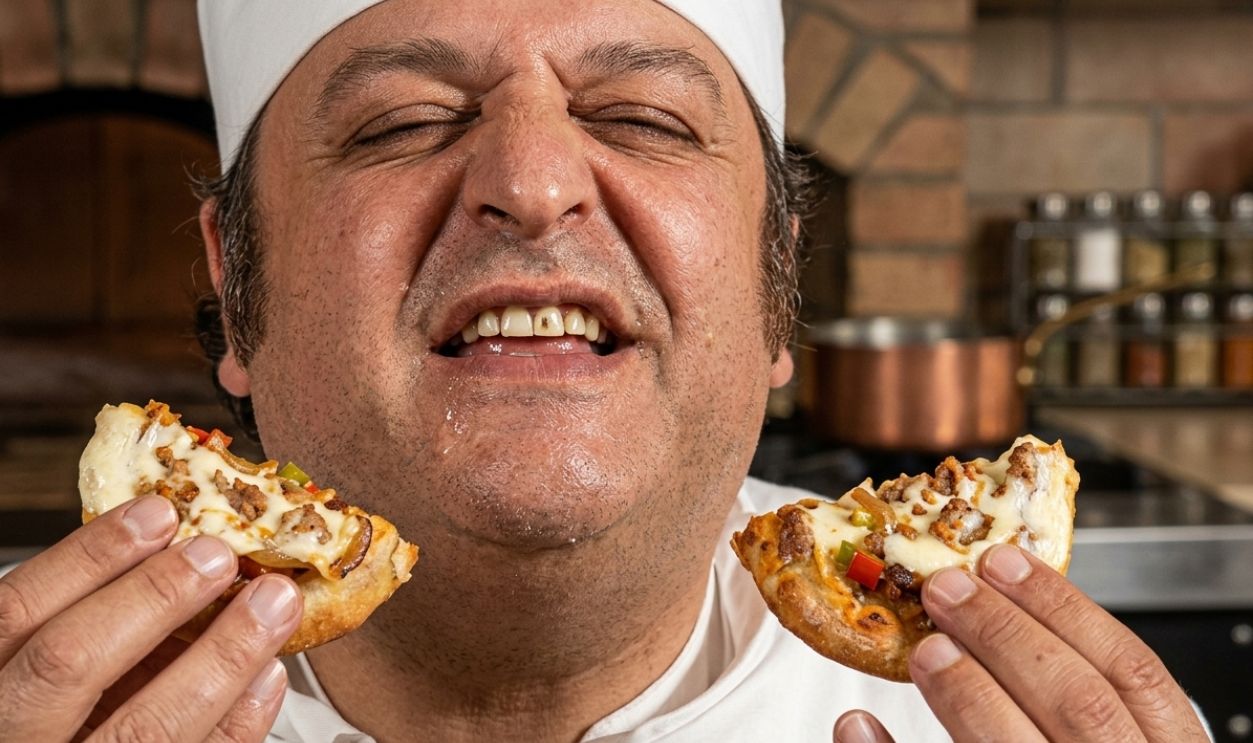 Screenshot from Buitoni Toasterinos Commercial, Buitoni (1987)
Freezer Queen's Forgotten Frozen Pizza
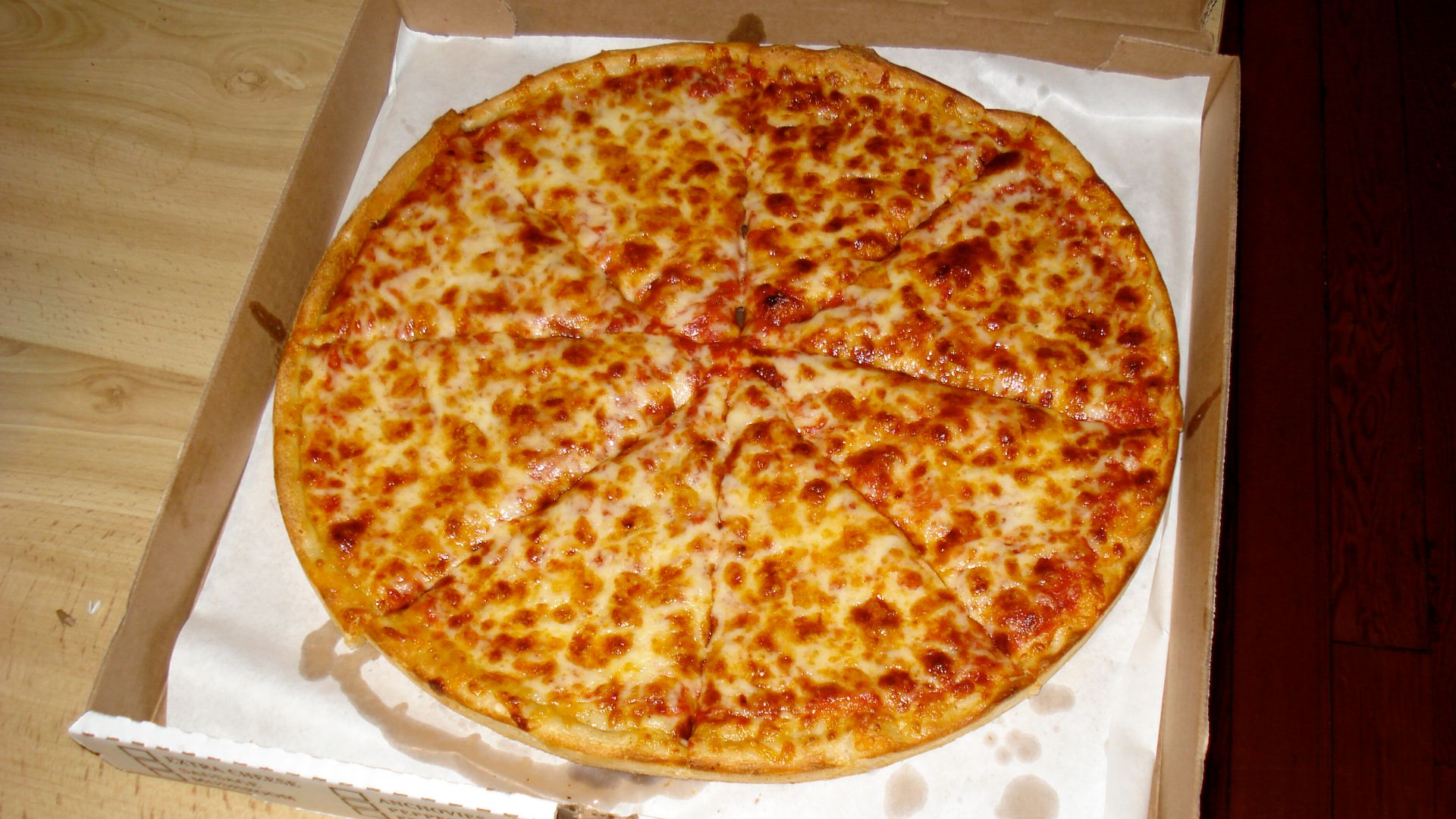
Freezer Queen was another early frozen food name that offered pizza around the beginning of the 1960s. Old grocery advertisements document its frozen pizzas competing with other inexpensive convenience foods. Although less famous today, the brand reminds us that supermarket freezers once contained plenty of names that have since been forgotten.
 The Pizza Review, Wikimedia Commons
The Regional Frozen Pizzas Nobody Remembers
Before national companies dominated the business, regional frozen pizza makers played an important role. Some began as neighborhood restaurants selling pizzas that customers could bake at home. Many never achieved national recognition, meaning your favorite childhood frozen pizza might have been completely unknown to families living just a few states away.
Not Every 1960s Pizza Brand Disappeared
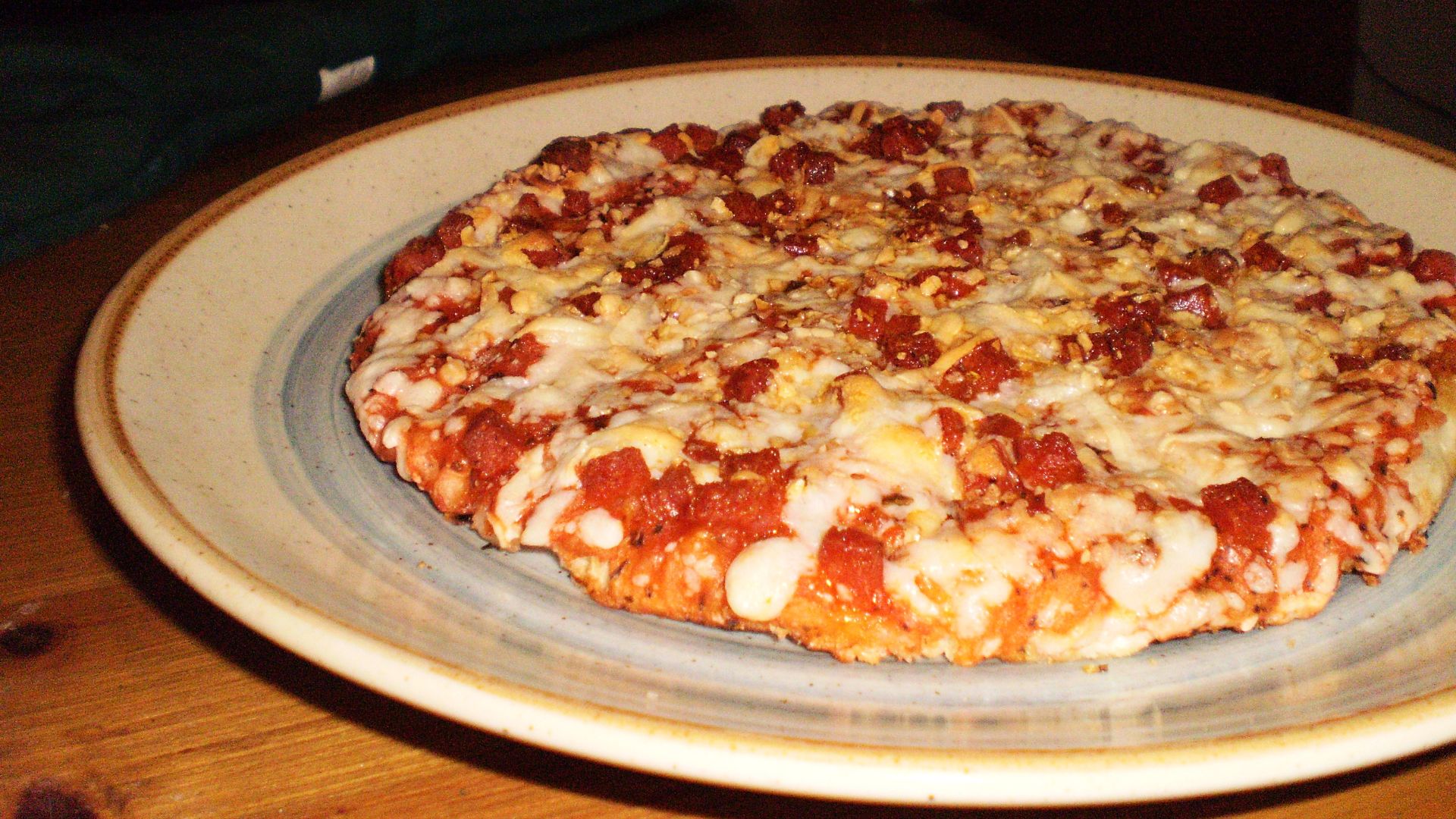
Of course, some early frozen pizza favorites survived. Totino's began mass-producing frozen pizza in 1962 and remains recognizable today. Tombstone also emerged during that decade and continues selling pizzas. These surviving brands show just how competitive the industry became as American shoppers discovered the convenience of keeping pizza in their freezers.
 Lenin and McCarthy, Wikimedia Commons
Why So Many Frozen Pizza Brands Vanished
As frozen pizza became increasingly popular, smaller companies faced fierce competition from businesses with larger advertising budgets and national distribution networks. Changing tastes and new products also made older varieties less appealing. Some companies were acquired, others stopped making pizza, and a few simply lost their place in America's supermarket freezers.
Which Forgotten Frozen Pizza Would You Bring Back?
Whether you remember Celentano's, Mama Celeste, Chef Boyardee, or Jeno's, those old frozen pizzas were about more than dinner. They bring back memories of family kitchens, television nights, and the excitement of trying something new. The brands may be gone, but the memories remain. Which one would you bring back?
You May Also Like: