

When Did The Basics Become So Expensive?
Remember when these were the cheap options? From everyday groceries to household essentials, products that once barely registered on the shopping bill can now make you reconsider whether they're worth buying at all.
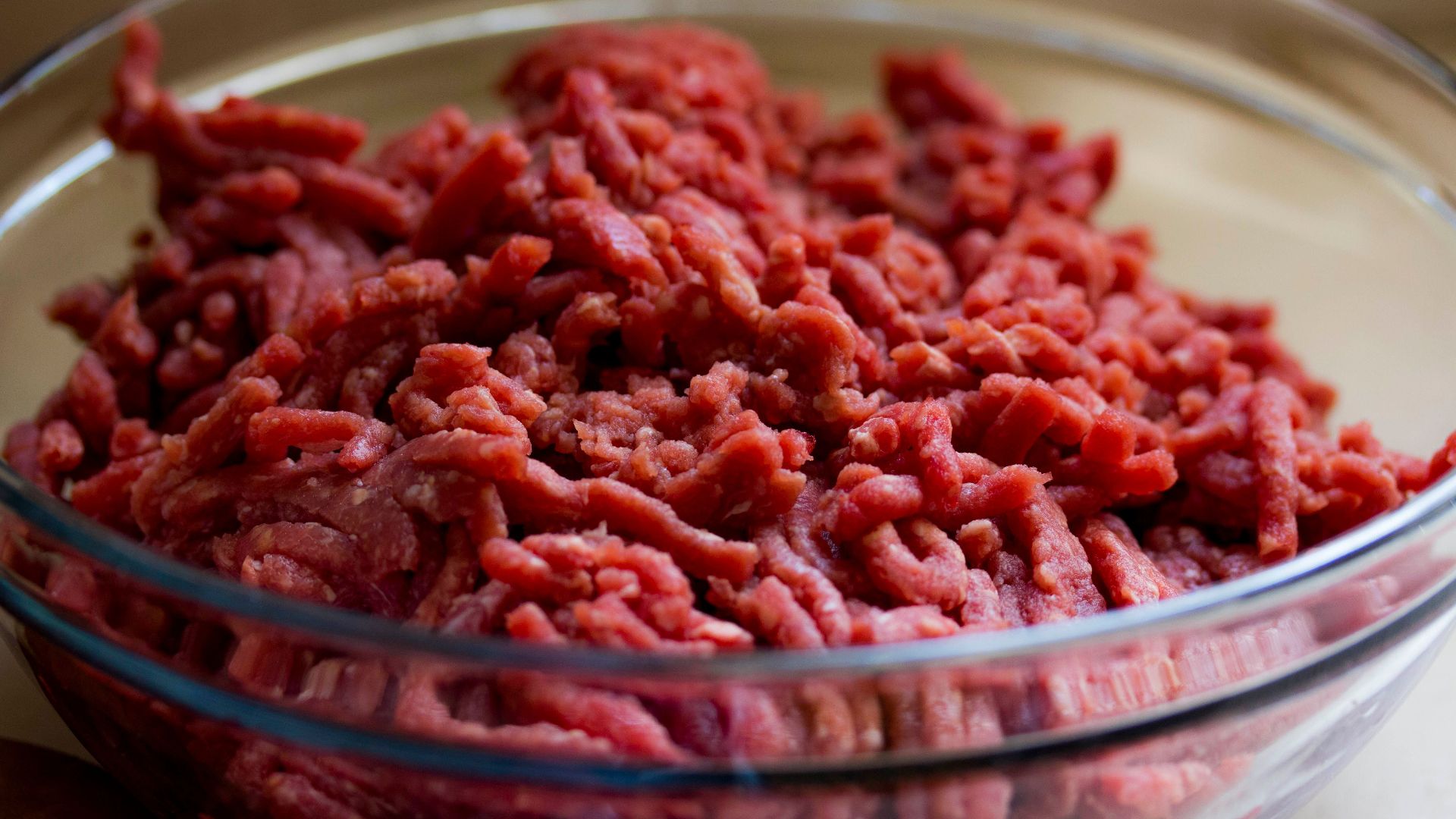
Ground Beef Is No Longer The Obvious Budget Choice
Ground beef used to be a dependable choice for stretching a family's dinner budget, especially in burgers, meatloaf, and casseroles. But beef prices have climbed substantially, with the USDA forecasting another significant increase in 2026 as cattle supplies remain tight. Comparing the price per pound with ground turkey, chicken, or beans can reveal a cheaper way to prepare familiar meals.
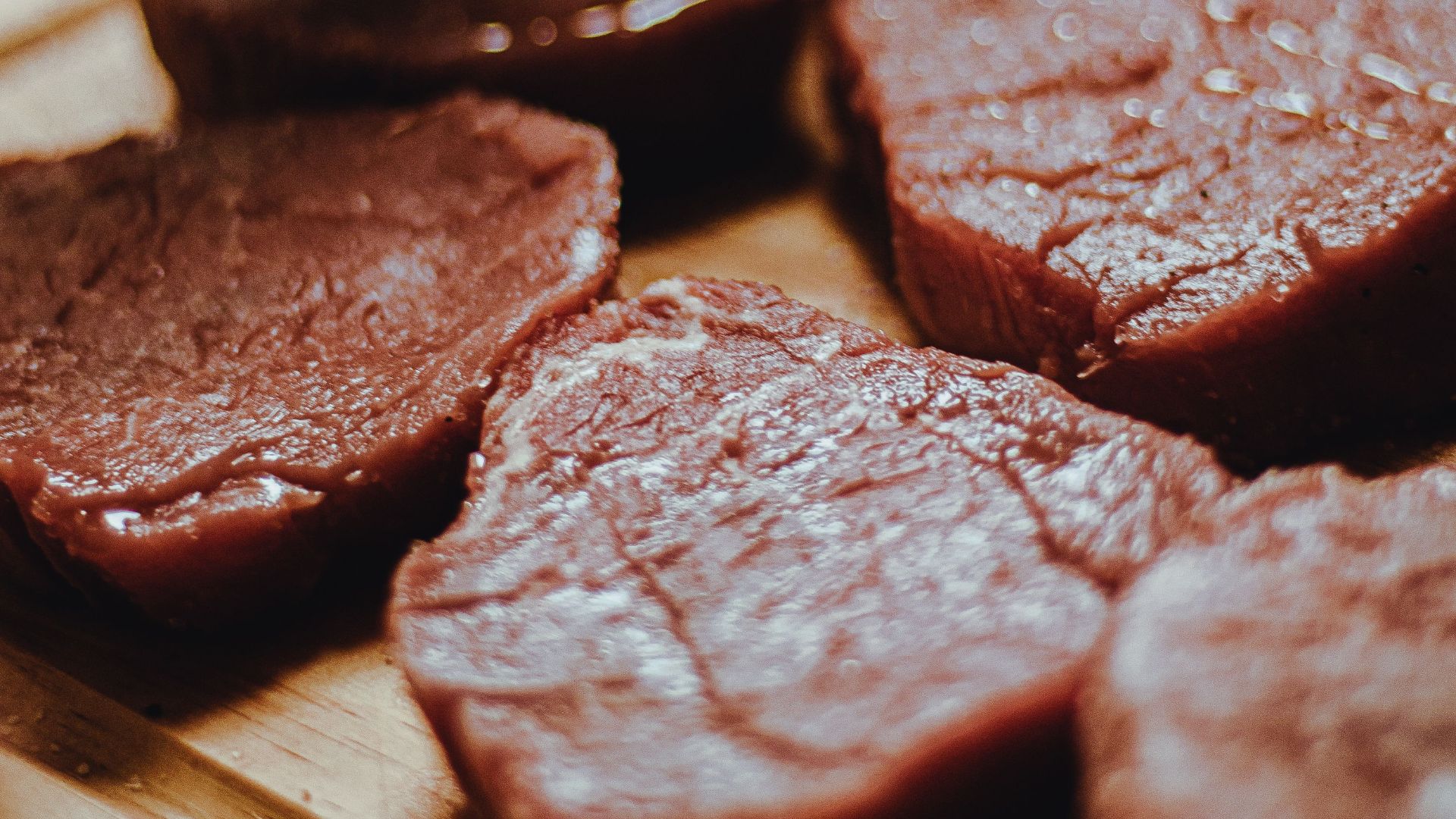
A Basic Steak Can Feel Like A Splurge
You don't need to buy filet mignon to notice how expensive beef has become. The USDA reports that cattle supply constraints have pushed beef prices higher, affecting cuts beyond the traditional premium selections. Look for advertised specials and compare less expensive cuts, but don't assume a cut is affordable simply because it used to be.
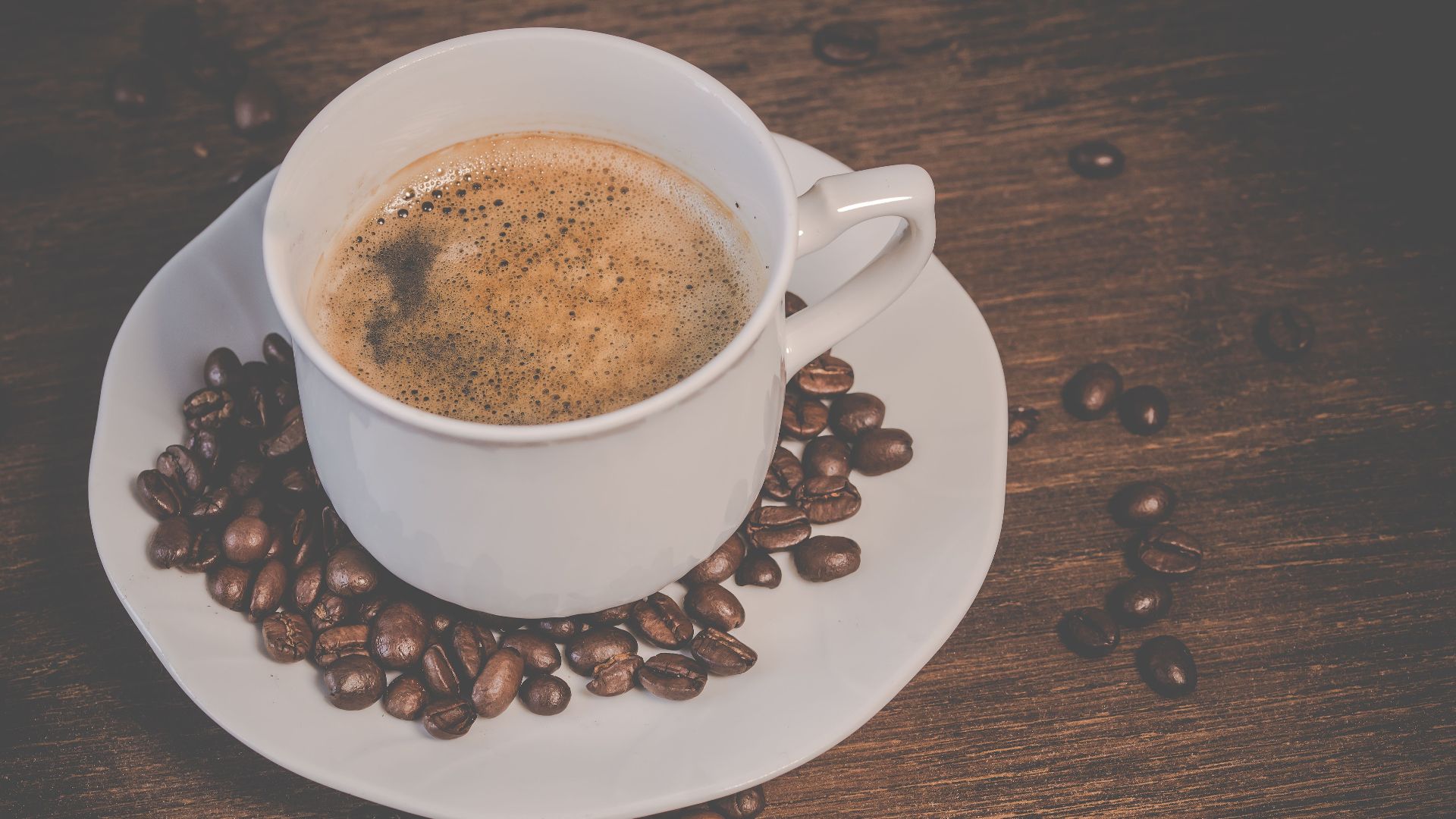
Coffee Has Become An Expensive Morning Habit
Making coffee at home remains an alternative to buying drinks at a café, but the beans themselves aren't immune to inflation. USDA figures show retail coffee prices were 6.1% higher in August 2026 than a year earlier. Comparing prices by ounce, buying larger quantities only when you'll use them, and avoiding unnecessary single-serving packaging can help control the cost.
Chocolate Is Getting Harder To Justify
An ordinary chocolate bar once seemed like a small, inexpensive treat. Rising cocoa costs and higher retail prices for sweets have made that habit more expensive, with the USDA forecasting a 6.6% increase in sugar and sweets prices during 2026. Check package weights as well as shelf prices, because a cheaper-looking bar isn't necessarily the better deal.

Orange Juice Is No Longer A Cheap Breakfast Extra
Orange juice used to be an easy addition to the family breakfast table. Citrus production challenges and price pressures have made it a product worth comparing carefully instead of automatically placing in the cart. Whole oranges, frozen concentrate, and smaller portions may offer better value depending on local prices.

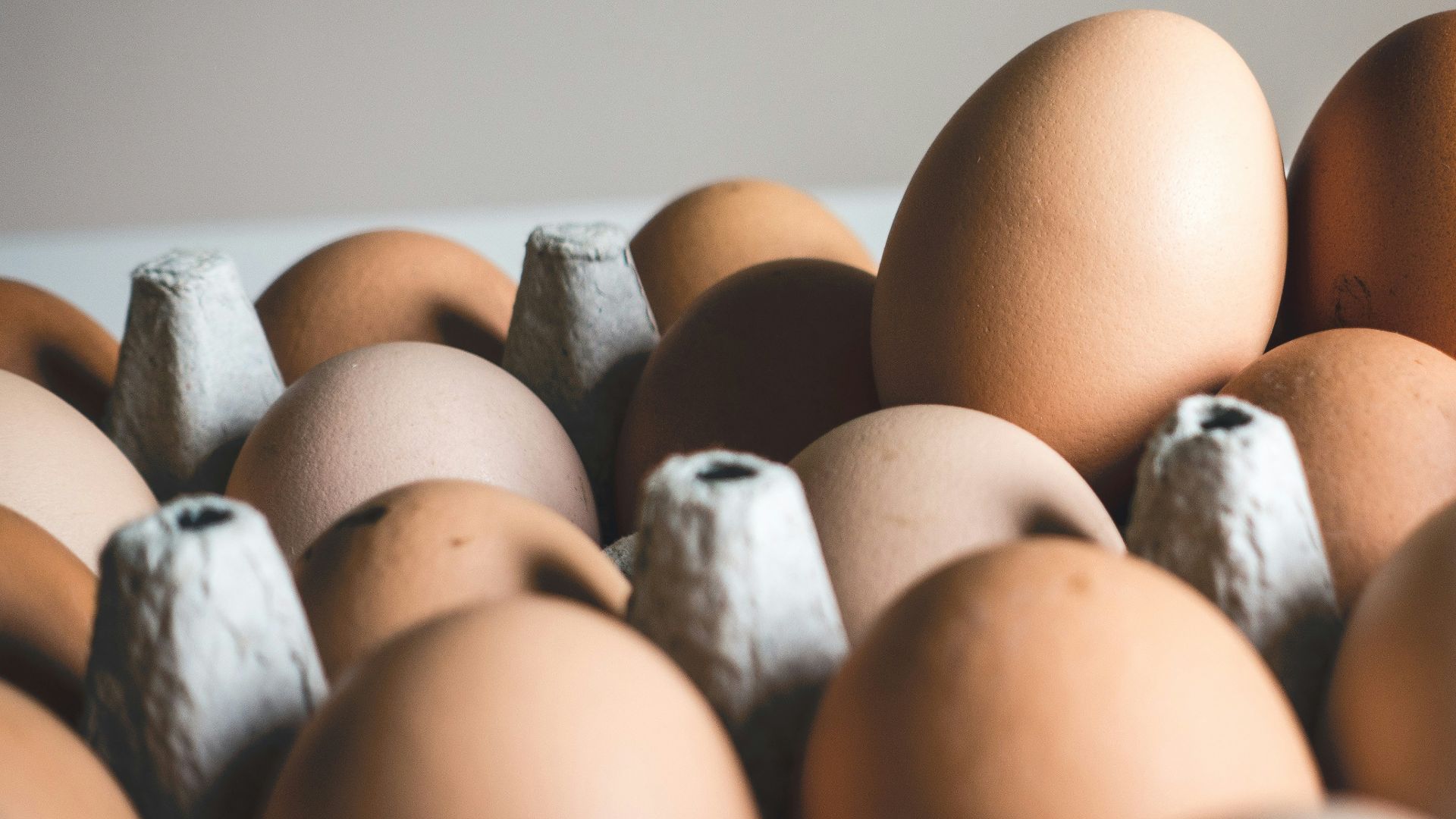
Eggs Have Turned Into A Price Roller Coaster
For generations, eggs have been associated with inexpensive breakfasts and affordable protein. Avian influenza outbreaks disrupted production and helped push retail egg prices sharply higher in several recent years, although prices fell considerably in 2026. That volatility makes eggs a good reminder to check current prices rather than assuming last month's bargain still exists.
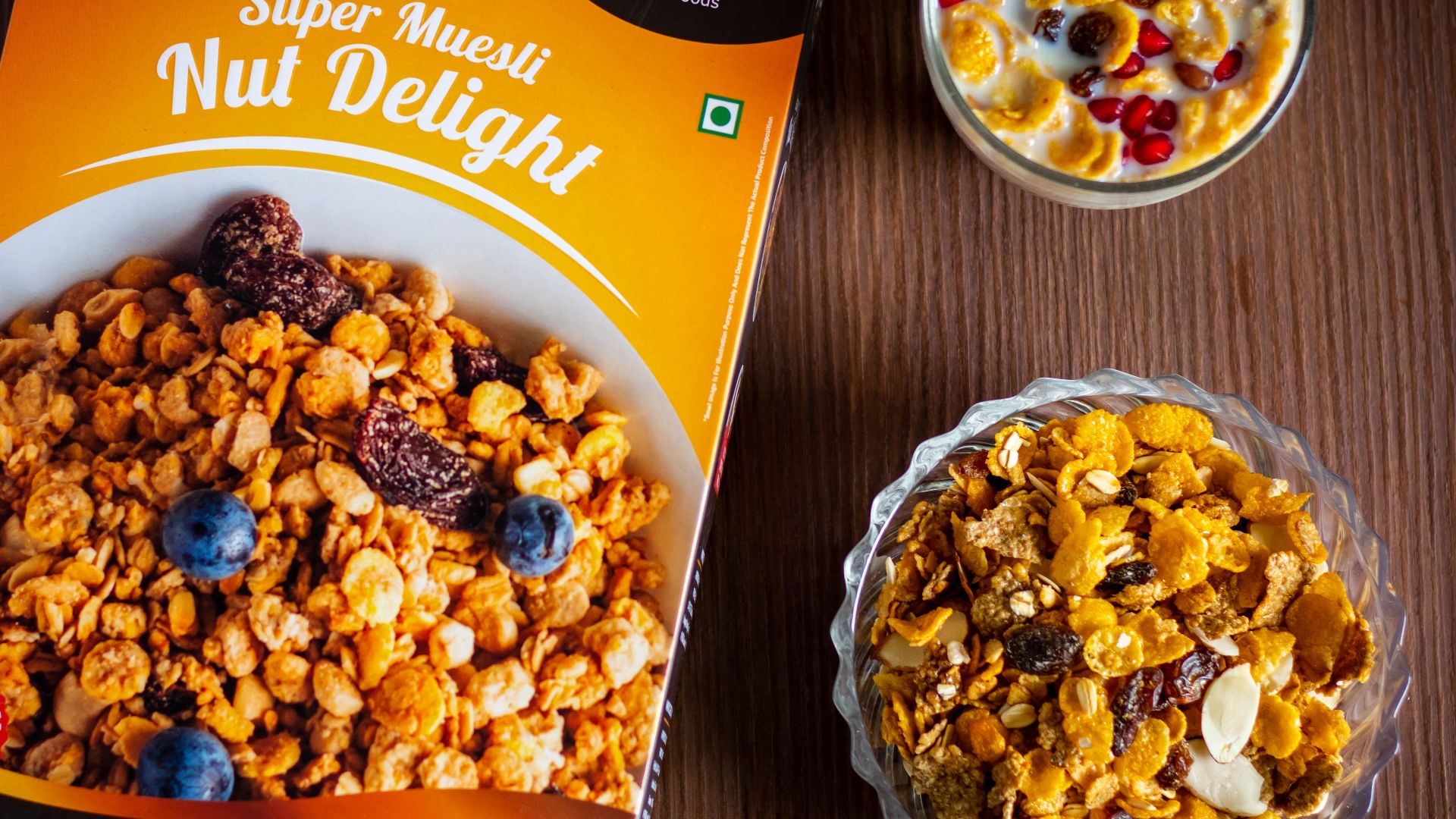
Breakfast Cereal Isn't Always A Bargain
A box of cereal may look like one of the simplest things in the grocery store, but cereal and bakery products experienced substantial price increases during the inflation surge. The Bureau of Labor Statistics continues to track breakfast cereal as a distinct grocery category. Compare unit prices and serving sizes, especially when a smaller box is displayed beside a larger one.
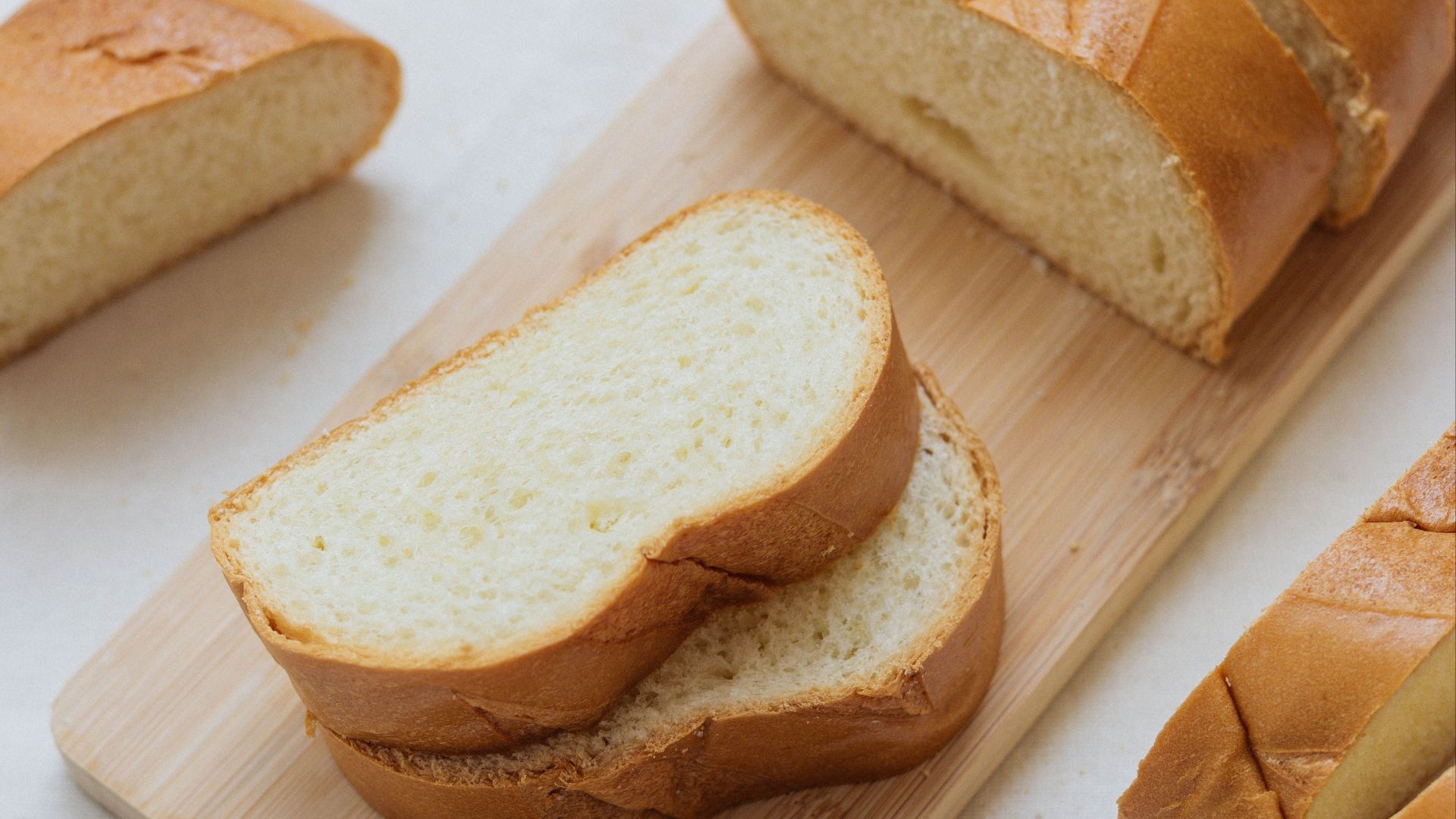
Bread Costs More Than Its Humble Reputation Suggests
Sandwich bread has long been one of the most familiar household staples. But flour, transportation, energy, and other production expenses have contributed to higher bakery prices in recent years. Store brands and larger loaves can sometimes offer savings, provided your household will finish the bread before it spoils.
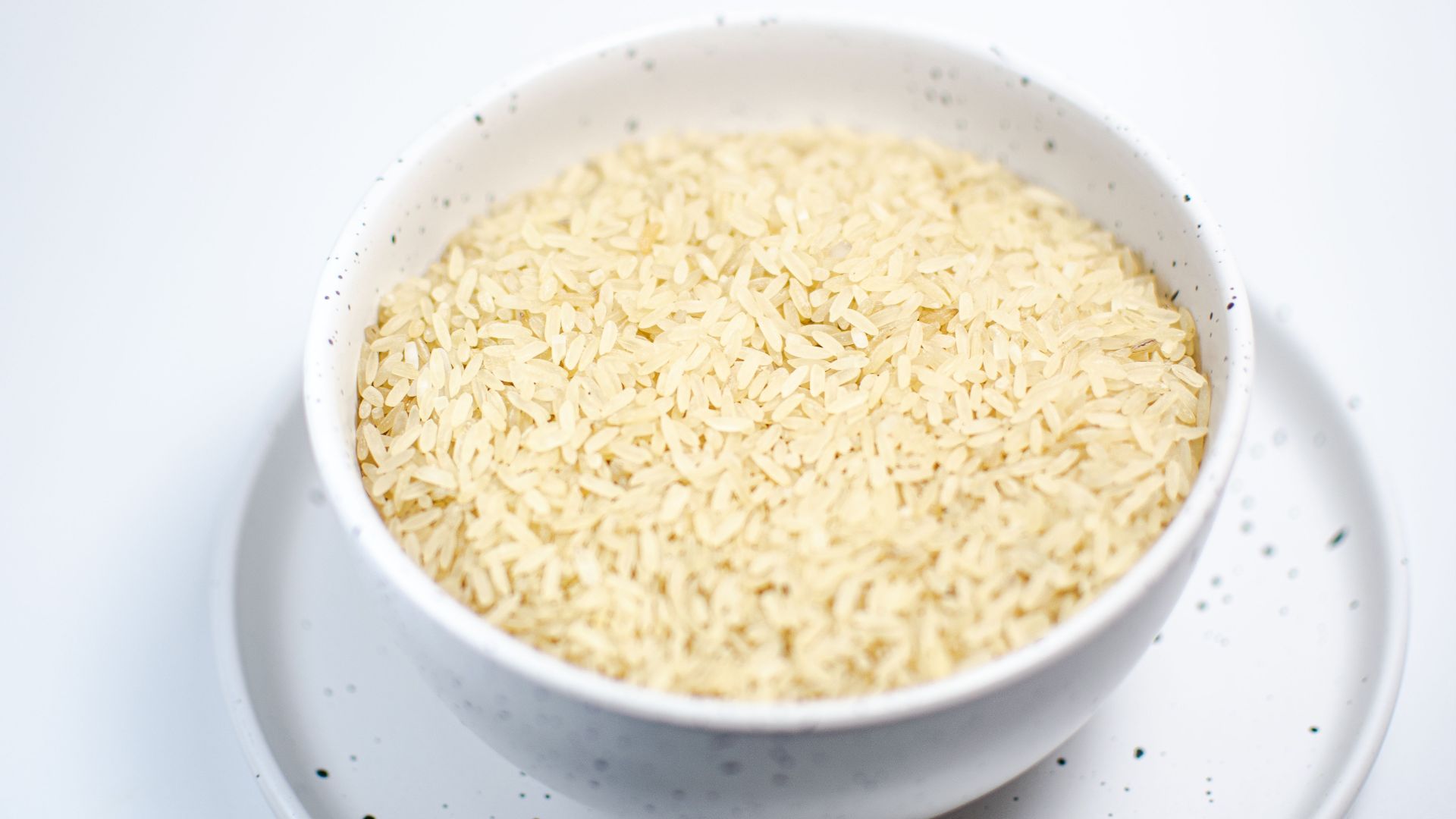
Rice Isn't Always The Cheapest Side Dish
Rice is often recommended as a low-cost way to make meals more filling. Yet the Bureau of Labor Statistics reported a 7.1% increase in retail rice prices over the year ending September 2026. Compare dry rice by weight with potatoes, pasta, and other grains rather than assuming one staple will always be cheapest.
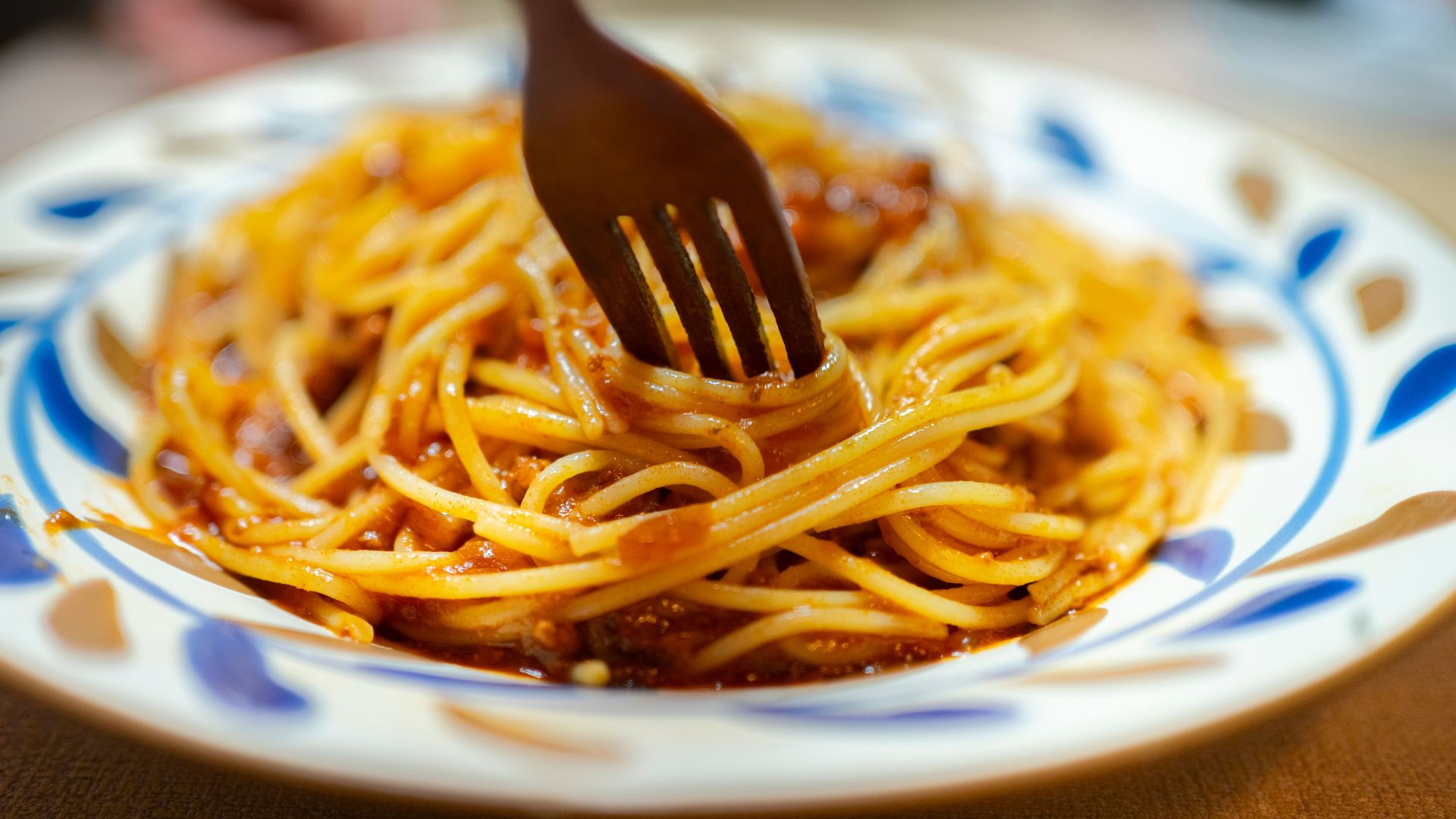
Pasta Has Lost Some Of Its Budget Magic
A package of pasta can still feed several people, but even inexpensive pantry staples have been affected by grocery inflation. Wheat-related production costs contributed to the sharp increase in cereal and bakery prices during 2022. Buying plain pasta on sale and making a simple sauce can be less expensive than choosing packaged meal kits or specialty varieties.
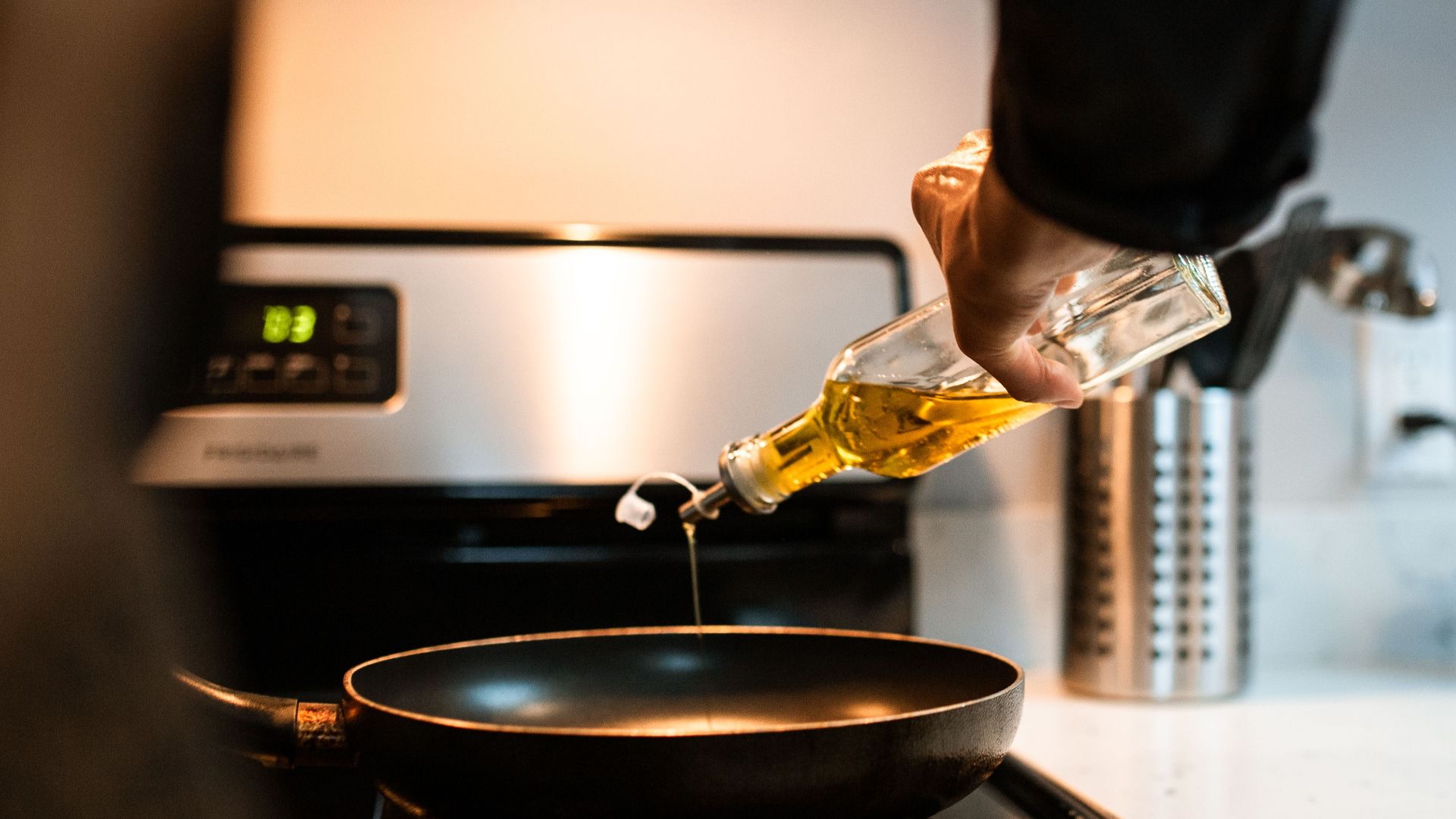
Cooking Oil Can Surprise You At Checkout
Vegetable oil once seemed like an inexpensive pantry item that lasted for weeks. USDA data show that fats and oils prices rose 18.5% in 2022 and another 9% in 2023. Comparing bottle sizes and choosing the type of oil suited to your cooking needs can prevent you from paying extra for features you don't need.
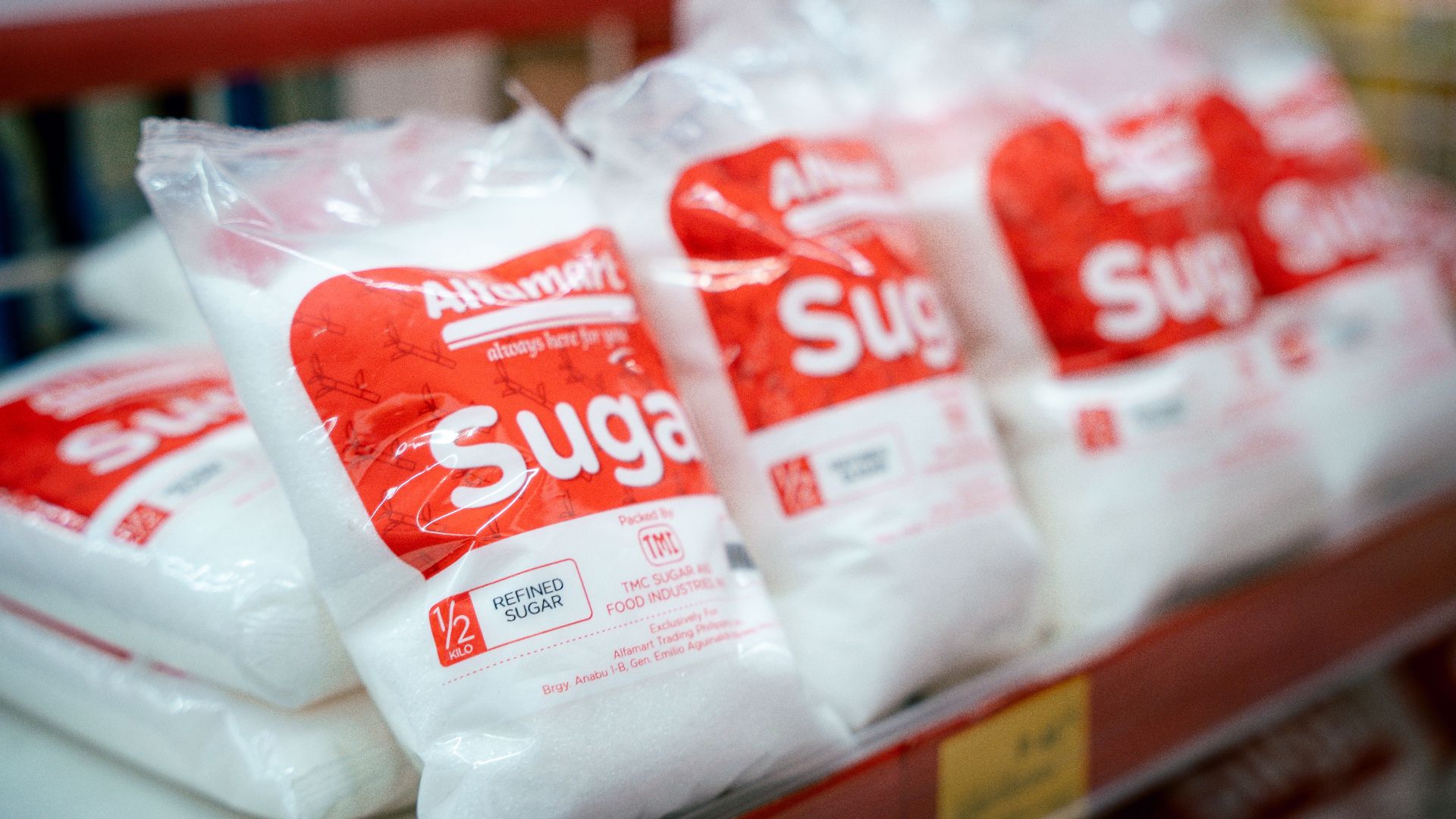
Sugar Isn't Quite The Cheap Baking Essential It Was
A bag of sugar used to be an easy purchase for home baking, but even basic ingredients have faced higher costs. USDA data show that the broader sugar and sweets category rose 8.7% in 2023, following the sharp grocery inflation of 2022. Compare the price per pound and consider whether a larger bag will actually save money for your household.
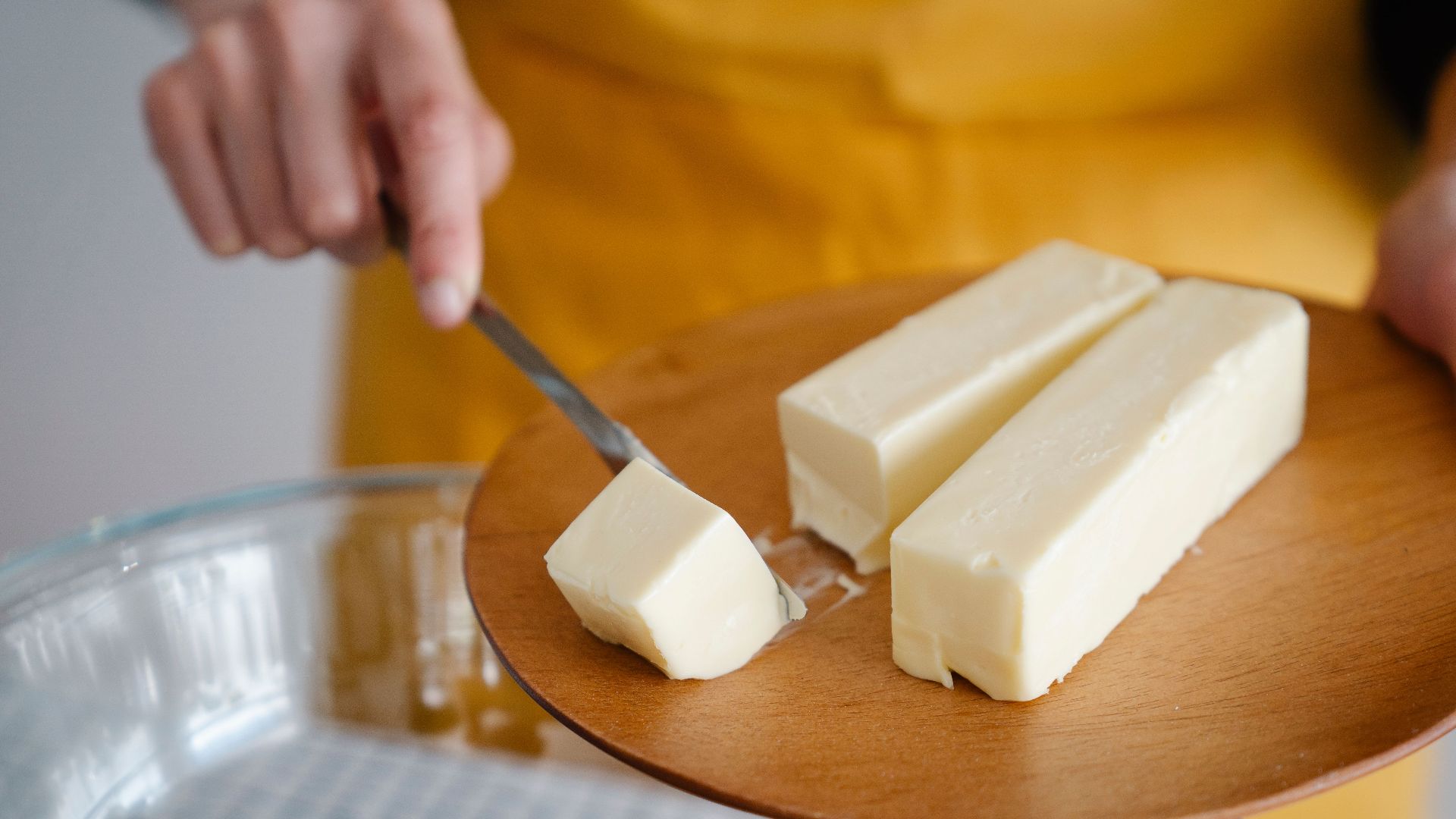
Butter Can Make Homemade Baking Expensive
Baking at home can still be economical, but ingredients such as butter can make a noticeable difference to the final cost. Dairy prices fluctuate, so a recipe that was affordable one month may cost more another month. Compare store brands, check sale prices, and freeze extra butter when buying ahead makes financial sense.
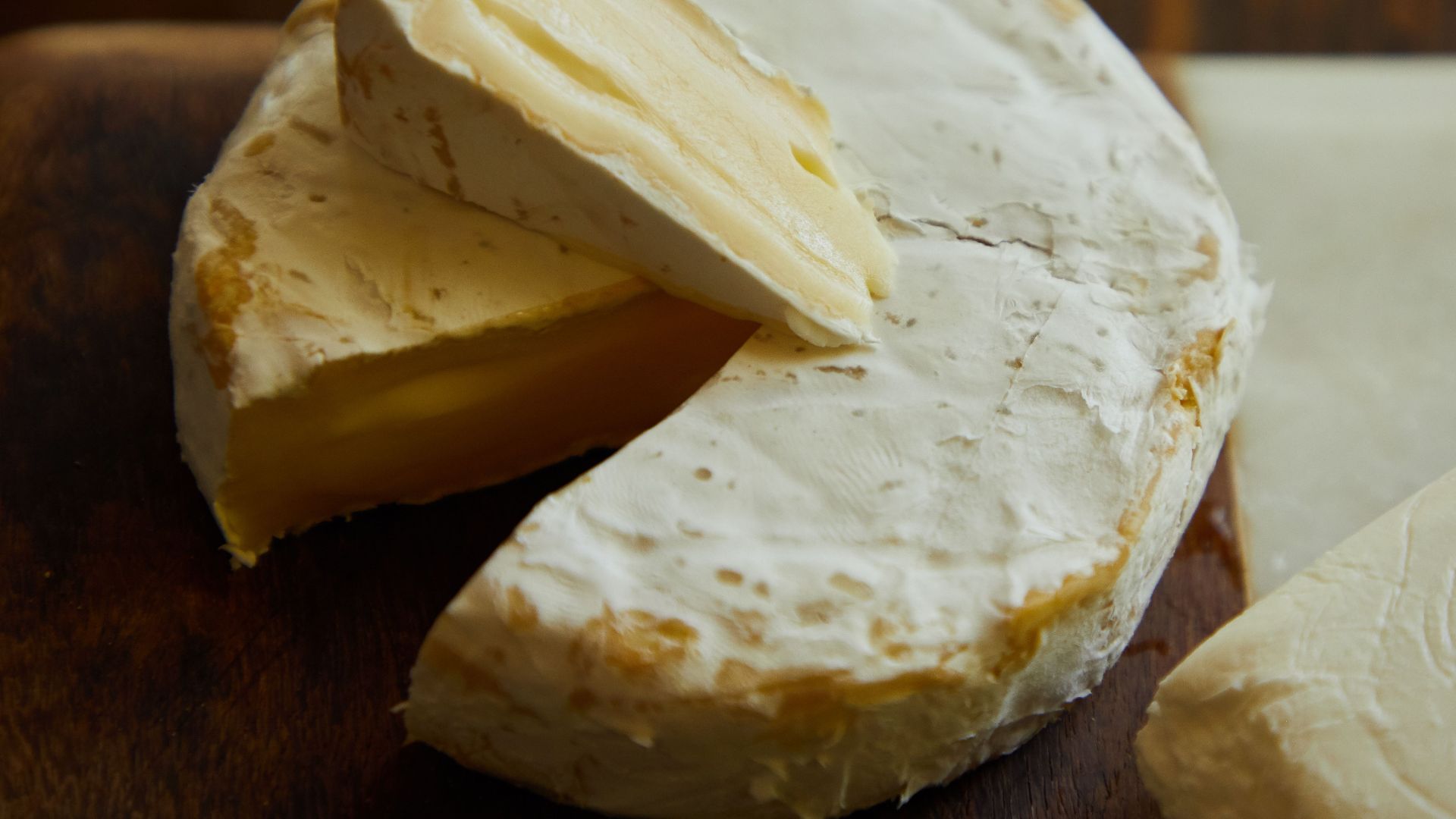
Cheese Is Worth Comparing By The Ounce
Cheese is a familiar ingredient in sandwiches, casseroles, and family dinners, but the price can vary considerably by brand and format. Pre-shredded, sliced, and block cheese aren't always priced equally for the same weight. Check the unit price before paying extra for convenience, particularly when you're cooking for several people.
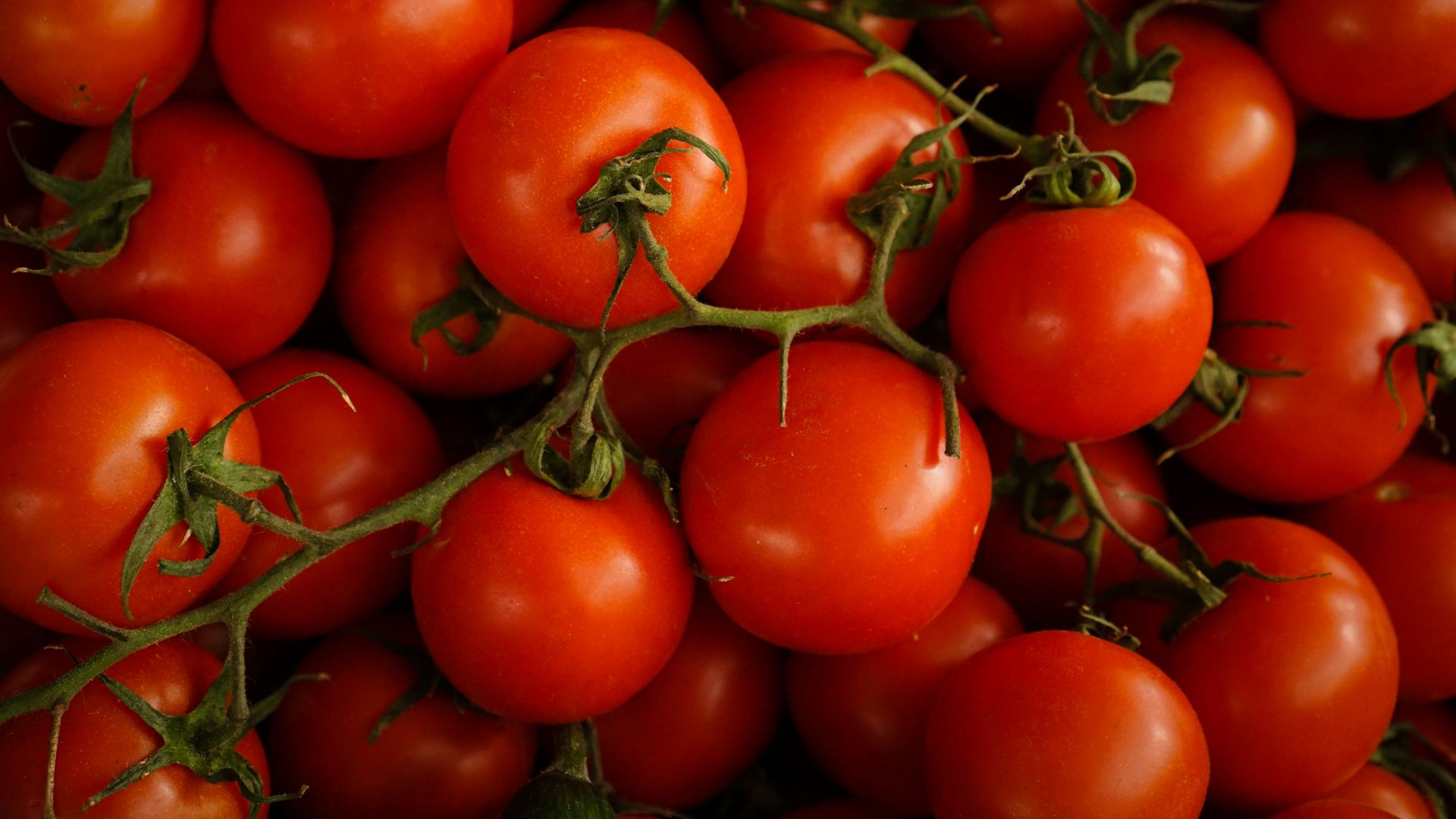
Chicken Breasts Aren't Automatically The Cheapest Protein
Chicken has long been a popular substitute when beef becomes expensive. But USDA figures show poultry prices jumped 14.6% in 2022, demonstrating that even familiar budget proteins can experience sharp increases. Compare boneless breasts with thighs, drumsticks, and whole chickens before deciding which option gives you the best value.
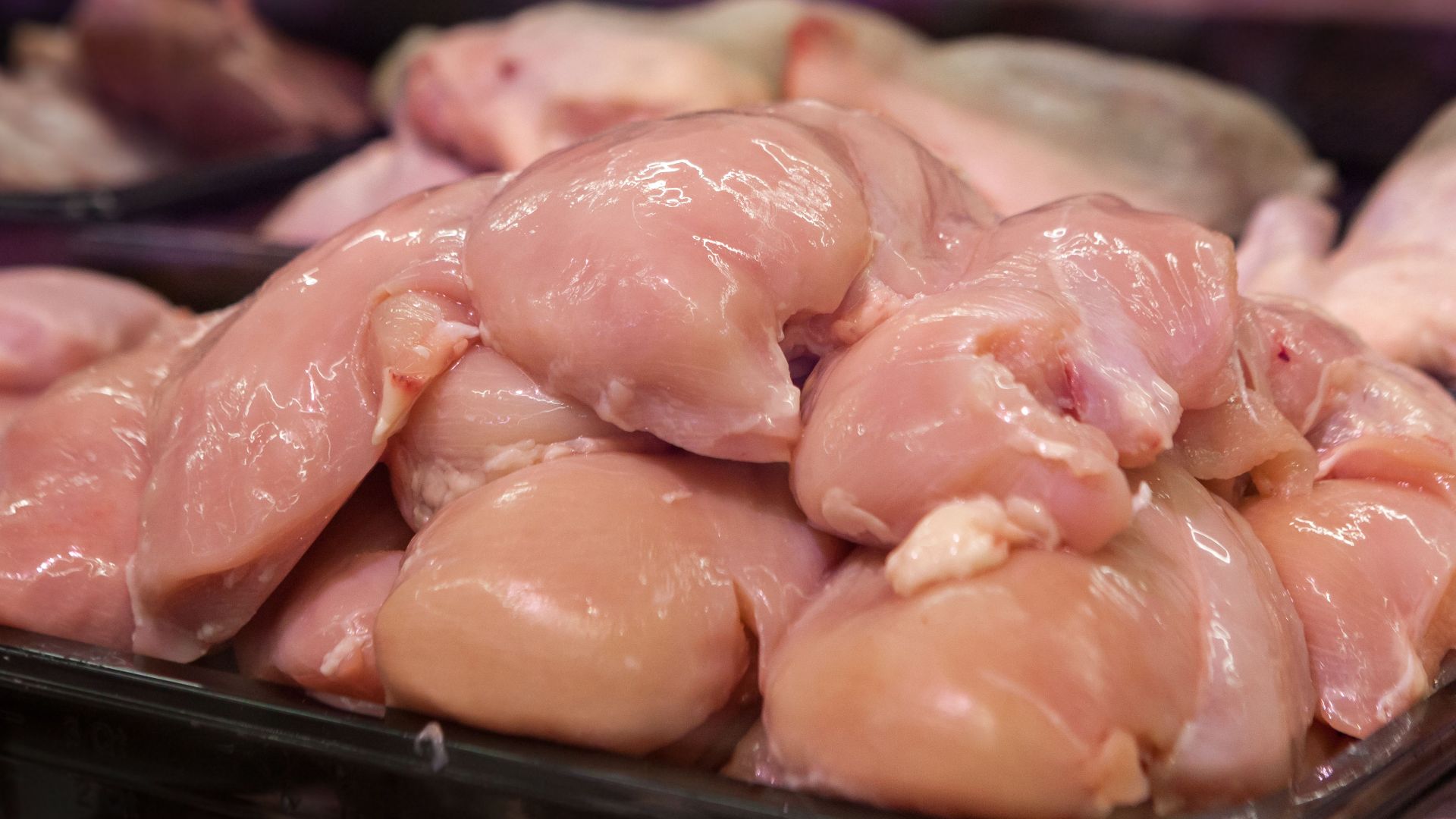
Frozen Vegetables Aren't Immune To Inflation
Frozen vegetables are useful because they can be stored for long periods and portioned as needed. However, the USDA includes processed fruits and vegetables among the food categories facing above-average price growth in its 2026 forecast. Plain store-brand vegetables may offer better value than packages containing sauces or elaborate seasoning blends.
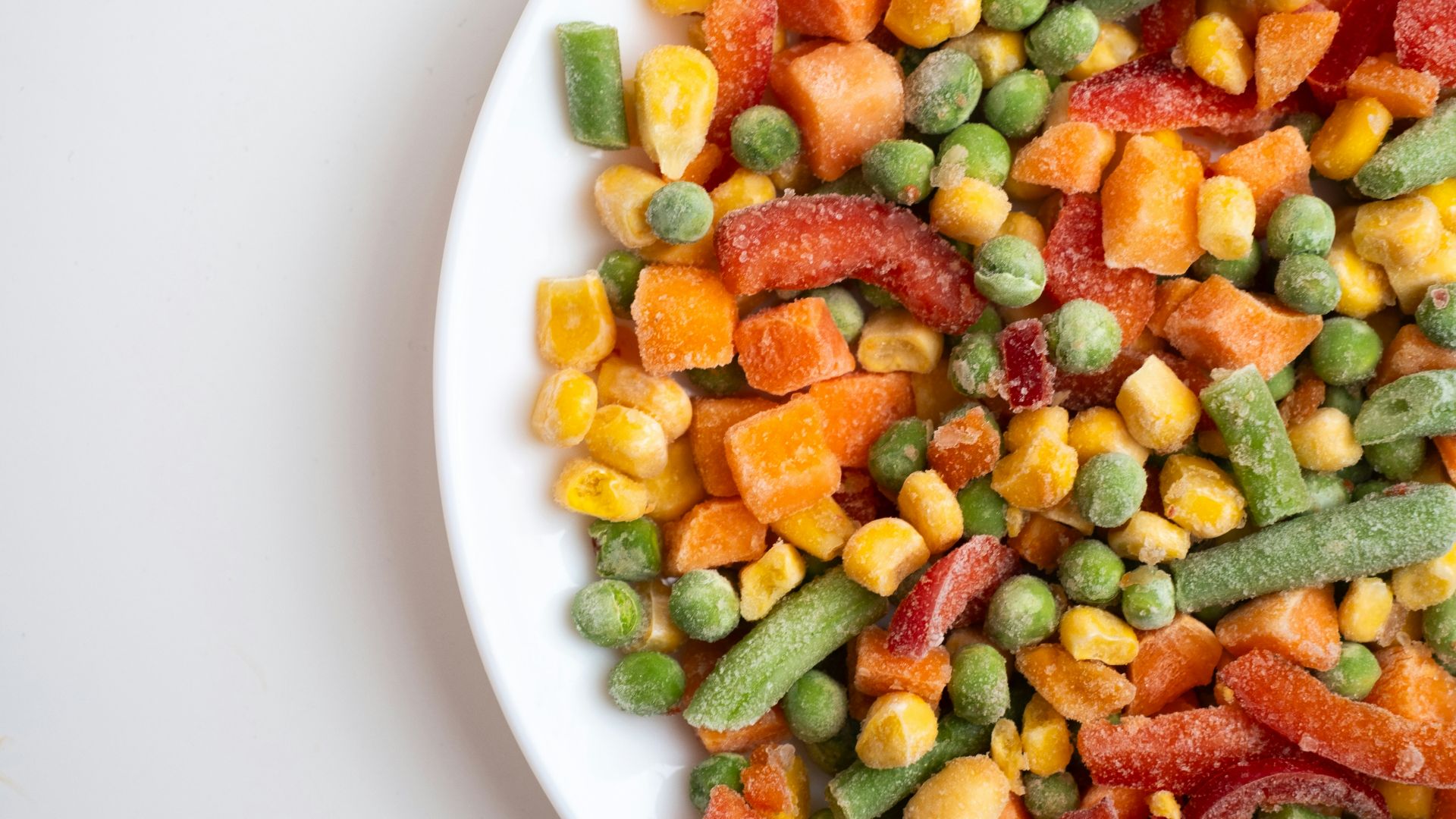
Fresh Lettuce Can Be A Pricey Salad Ingredient
A simple salad doesn't always come with a simple grocery bill. Fresh vegetable prices have been volatile, with USDA data showing increases across several produce categories during 2026. Compare whole heads of lettuce with bagged salad mixes and consider how much you'll realistically use before either option spoils.
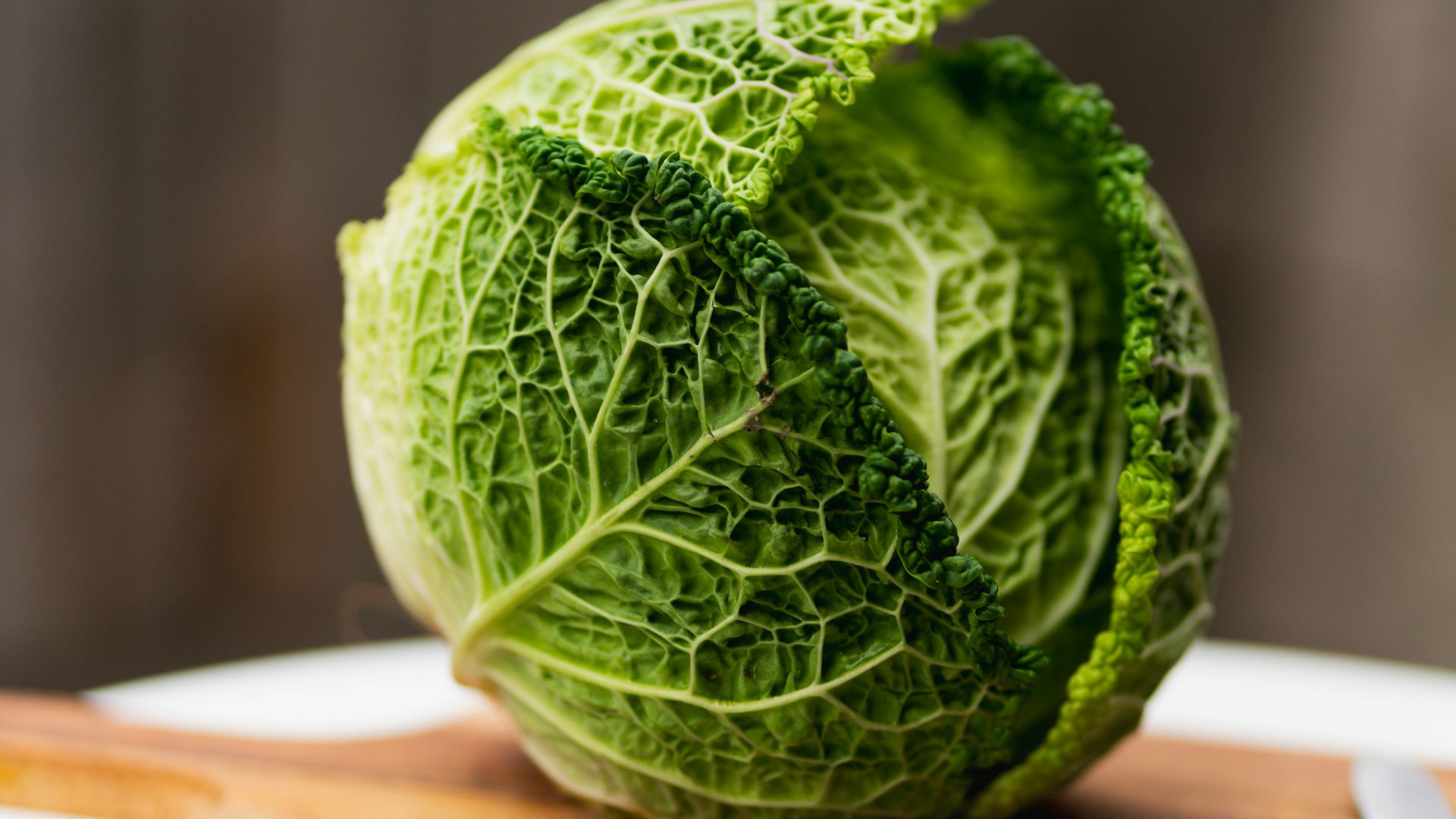
Tomatoes Can Turn A Cheap Sandwich Into A Costlier One
Tomatoes are a basic ingredient in sandwiches, salads, and homemade sauces, but their prices can change substantially. USDA figures show that fresh vegetable inflation has varied by product, with tomatoes experiencing particularly notable increases during parts of 2026. Canned tomatoes may be a better-value alternative when you're cooking rather than serving them fresh.
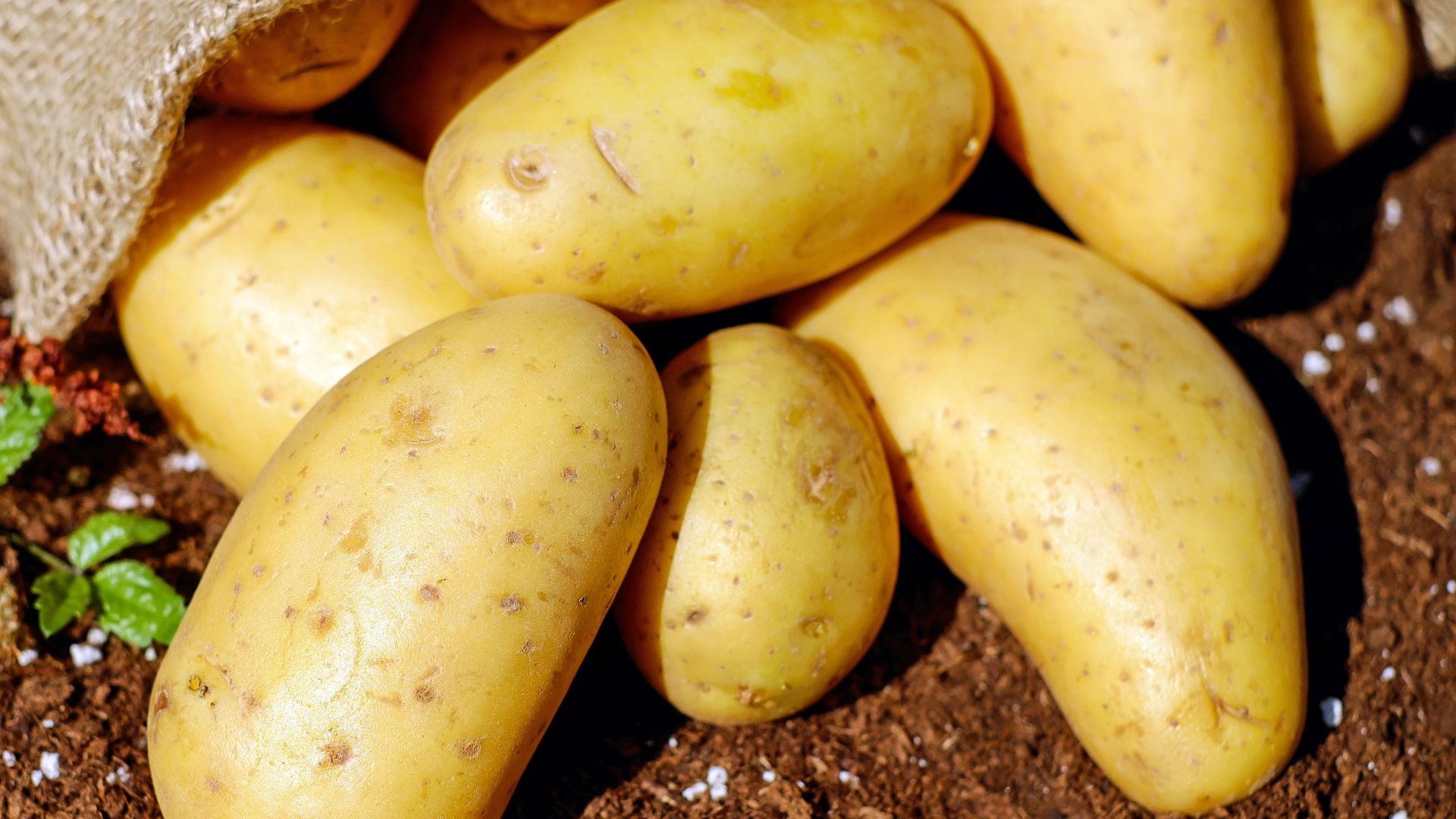
Potatoes Aren't Always The Automatic Bargain
Potatoes remain versatile, but shoppers shouldn't assume they're always the least expensive side dish. USDA data show that potato prices have experienced increases alongside other fresh vegetables. Compare prices by pound and avoid paying for a large bag if part of it is likely to spoil before you use it.
Apples Can Add Up Quickly
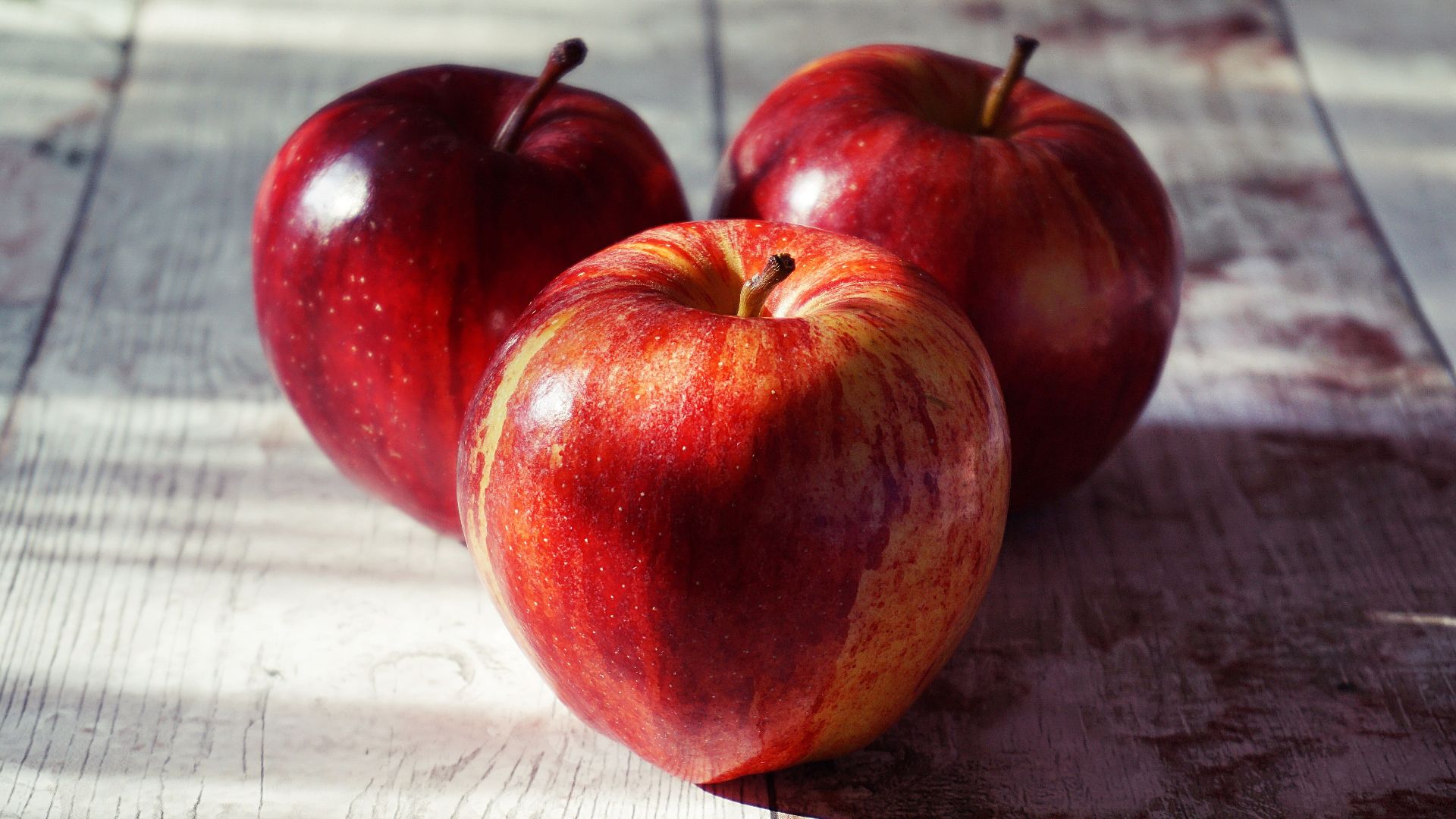
An apple seems like one of the simplest things to toss into a lunch bag. Yet fresh fruit prices have faced renewed inflation, with the USDA forecasting additional increases in 2026. Buying seasonal varieties, comparing loose and bagged fruit, and checking the price per pound can help keep this everyday purchase manageable.
Frozen Fruit Can Cost More Than Expected
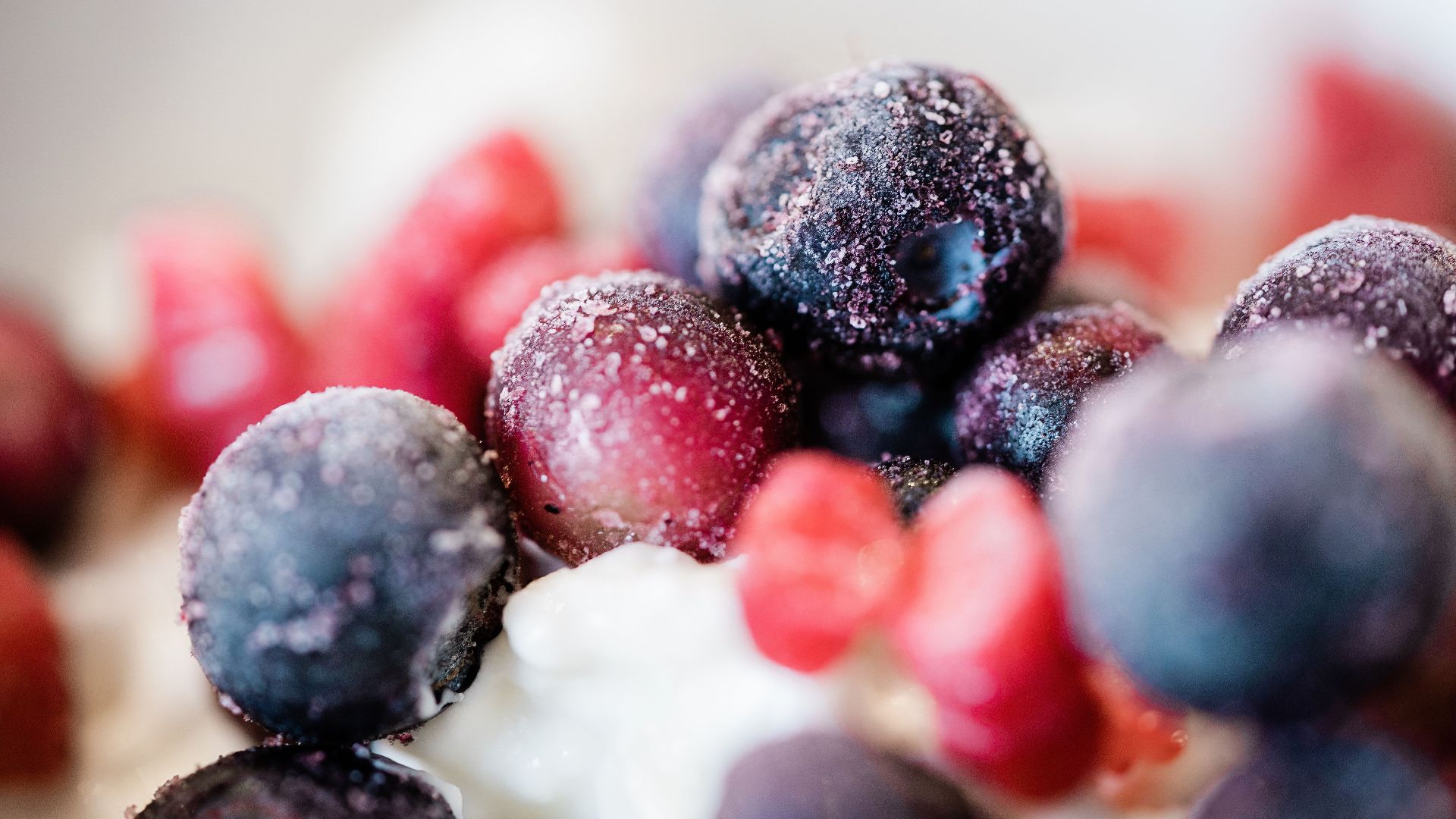
Frozen berries and mixed fruit are convenient for smoothies, baking, and breakfast. But frozen products fall within the broader processed fruit and vegetable market, which has also faced price pressures. Compare plain fruit with smoothie blends and check the package weight before assuming frozen always means cheaper.
 Jessica Lewis 🦋 thepaintedsquare, Pexels
Peanut Butter Deserves A Second Look
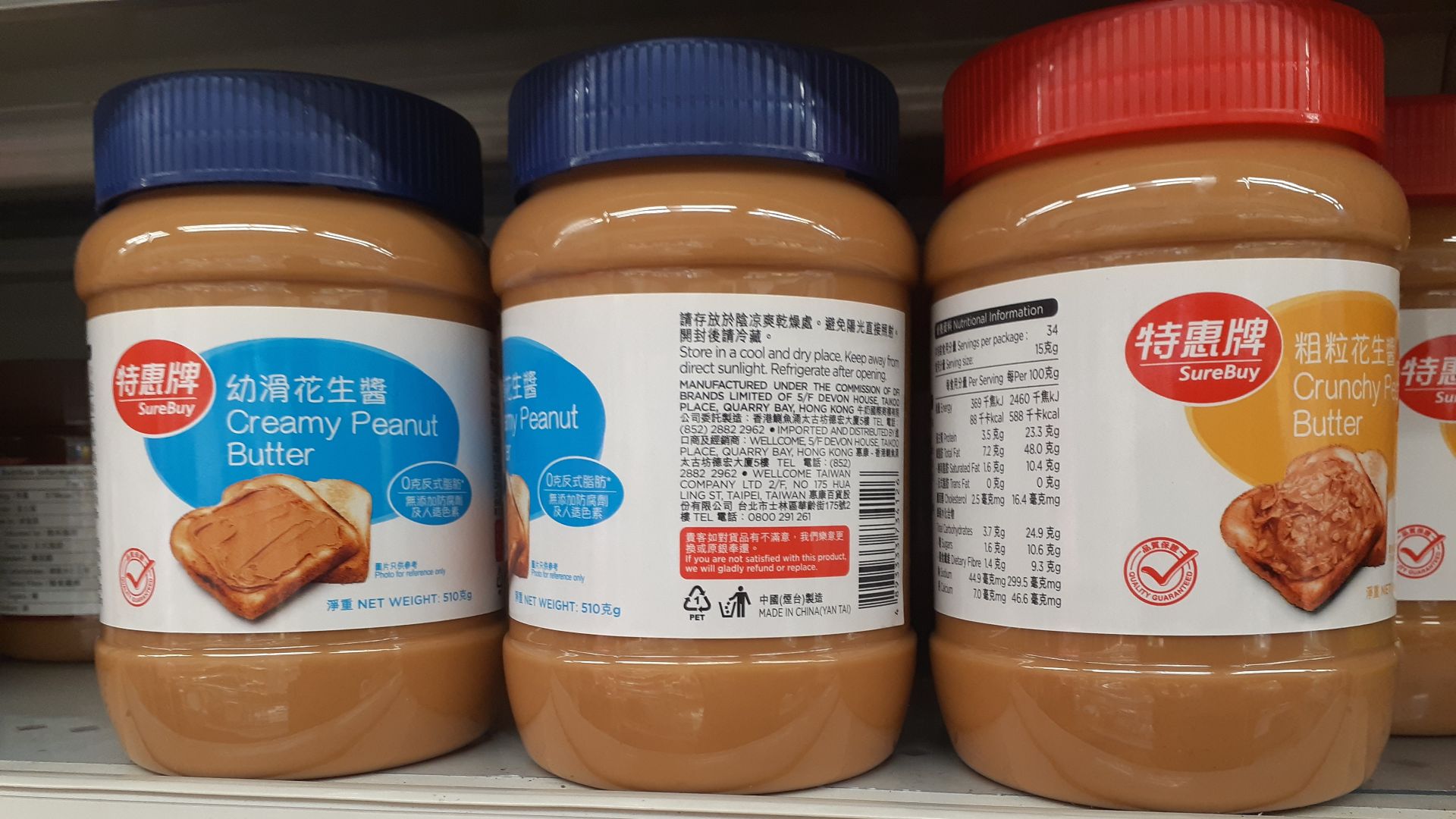
Peanut butter has long been associated with inexpensive sandwiches and pantry-friendly meals. The Bureau of Labor Statistics tracks peanut butter separately within its detailed food price data, reflecting its place in household grocery spending. Compare prices by ounce and check whether a larger jar offers a meaningful discount.
 Gutygore Kfsoe bfzdao, Wikimedia Commons
Jam And Jelly Aren't Necessarily Small Expenses
A jar of jam might seem insignificant until you're buying several breakfast and sandwich staples together. Fruit spreads are part of the wider grocery market affected by rising production and retail costs. Store brands, larger jars, and simpler varieties may be worth considering, but compare unit prices rather than relying on package appearance.
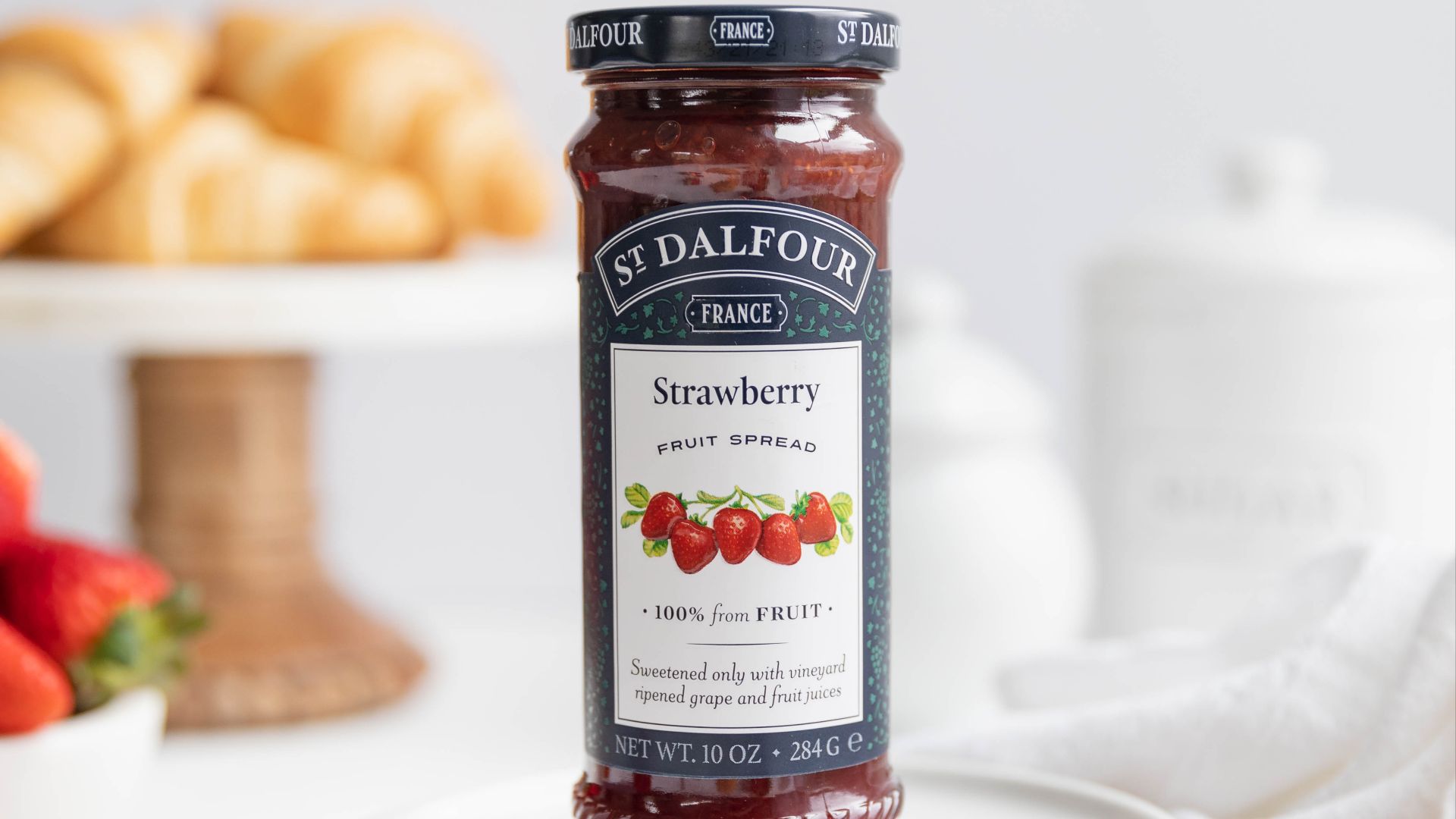 St Dalfour France, Wikimedia Commons
Cookies Can Make A Grocery Bill Creep Up
Packaged cookies used to be an easy extra to add to the cart. The Bureau of Labor Statistics recorded a 3.6% increase in cookie prices over the year ending September 2026. Compare package weights and prices carefully, because buying several smaller packages can cost more than choosing one larger package.
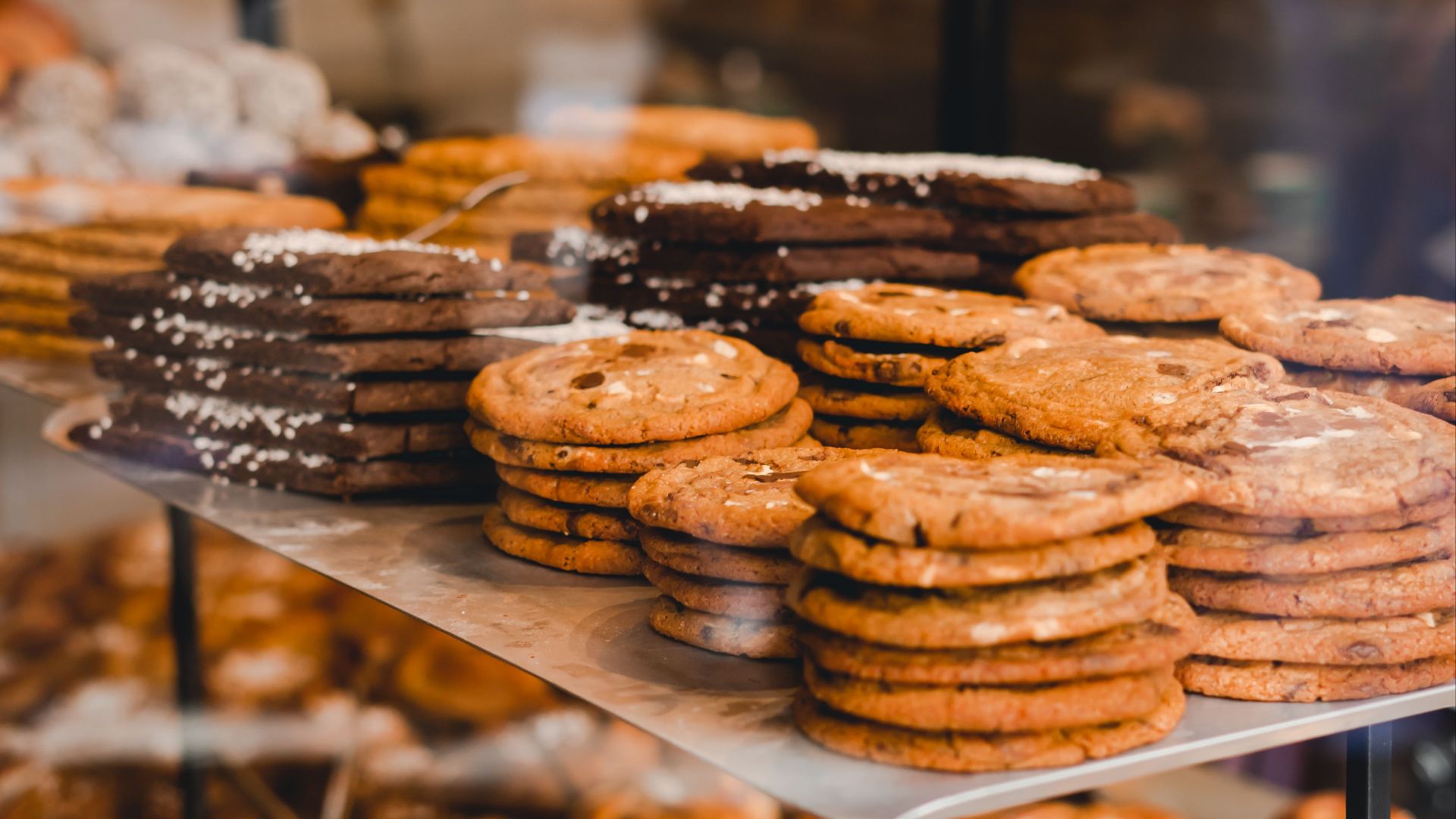 Julias Torten und Törtchen, Pexels
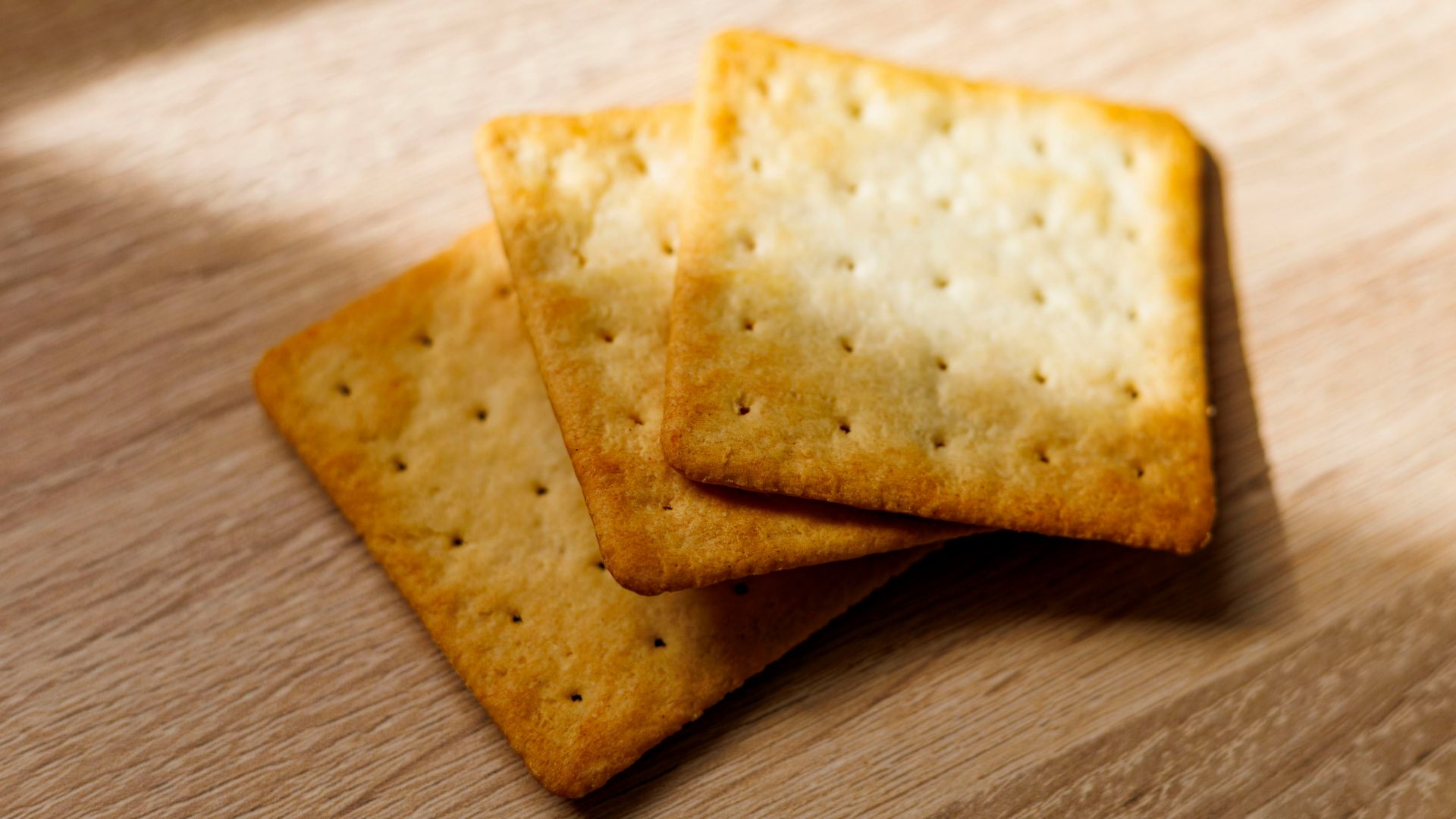
Crackers Aren't Always The Budget Snack
Crackers are a familiar addition to lunchboxes, soups, and snack plates. They fall within the bakery products tracked by the Bureau of Labor Statistics, a category that experienced significant inflation earlier in the decade. Store-brand alternatives can be worth trying, especially when the product is being served with cheese or other toppings.
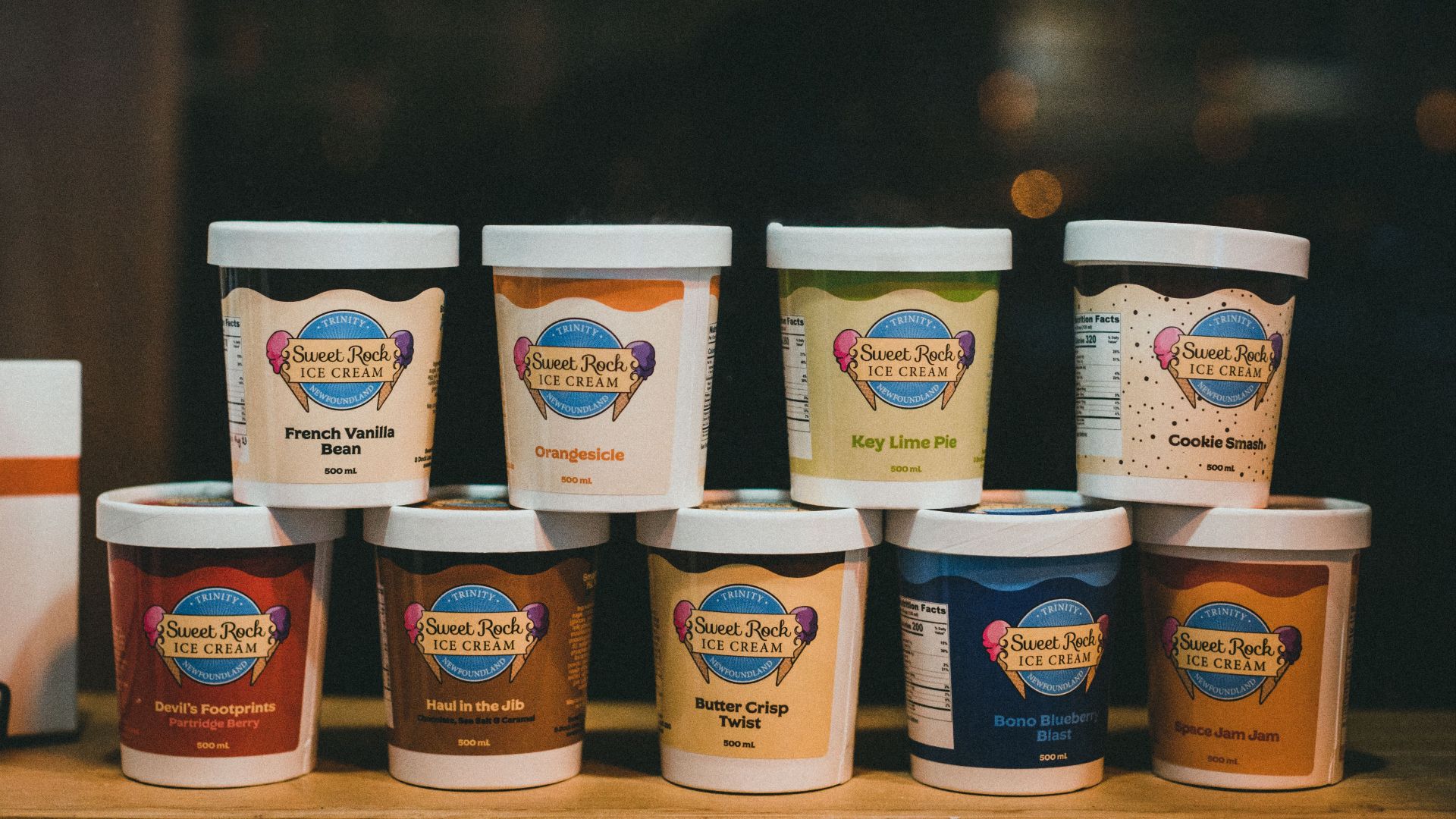
Ice Cream Has Become A Treat Worth Budgeting For
A carton of ice cream can still be an affordable family dessert, but the price depends heavily on brand, size, and ingredients. Frozen desserts are included in the dairy-related products tracked by federal inflation statistics. Compare the actual volume of each container, because two similarly shaped cartons may not hold the same amount.
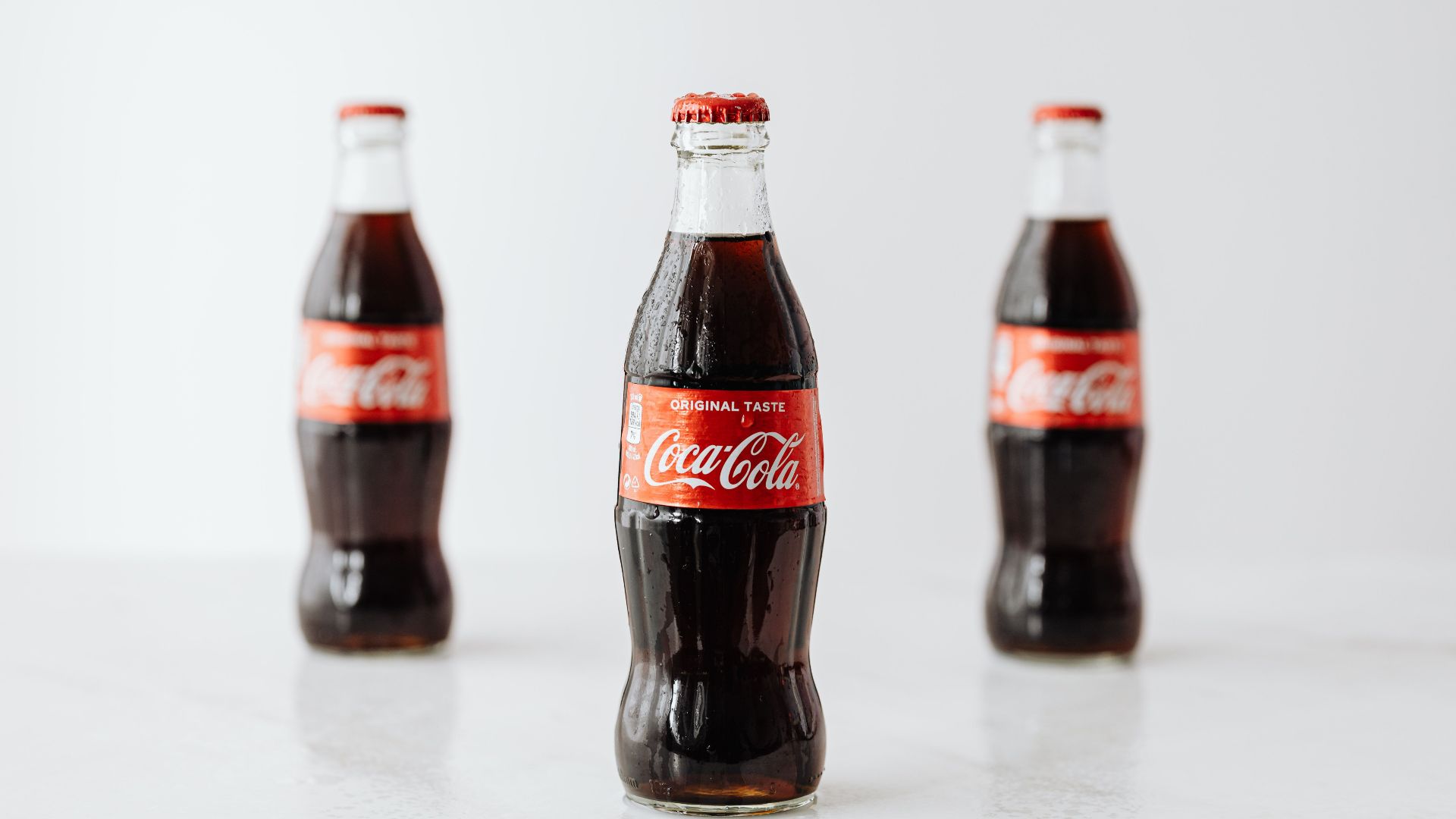
Soda Is No Longer Such A Cheap Add-On
A bottle or multipack of soda can noticeably increase a grocery bill, particularly when purchased regularly. USDA figures show that nonalcoholic beverage prices continued rising in 2026, with a projected 4.2% increase for the year. Buying less frequently, comparing multipack unit prices, or choosing tap water can reduce the expense.
 https://kaboompics.com/, Pexels
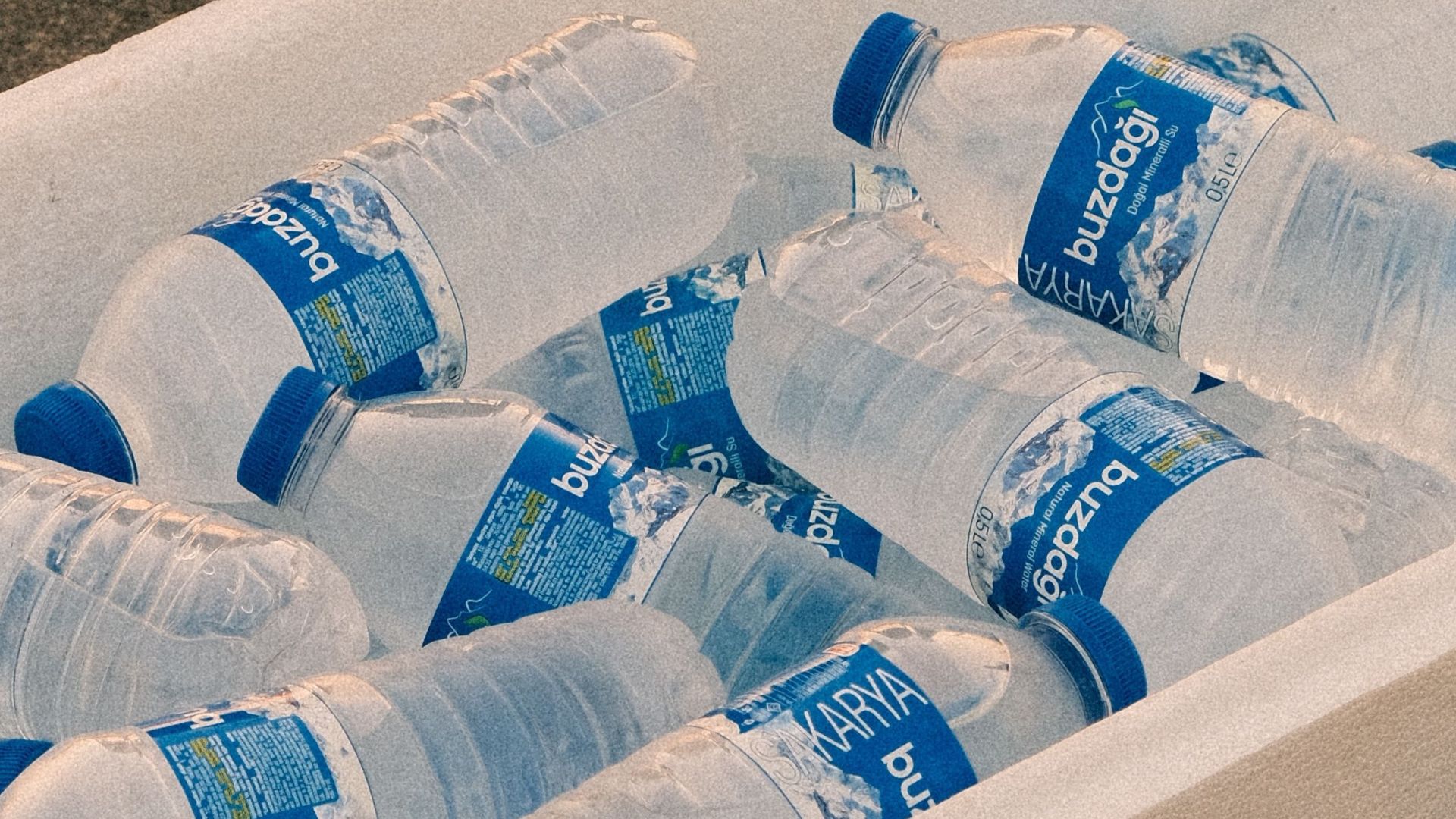
Bottled Water Can Be An Unnecessary Premium
Bottled water may be convenient, but buying it regularly adds an expense that households with safe drinking tap water may not need. Nonalcoholic beverages are among the categories experiencing continuing price increases in USDA forecasts. A reusable bottle and an appropriate home filter, if needed, can reduce repeated purchases of packaged water.
Even The Cheapest Staples Need A New Strategy
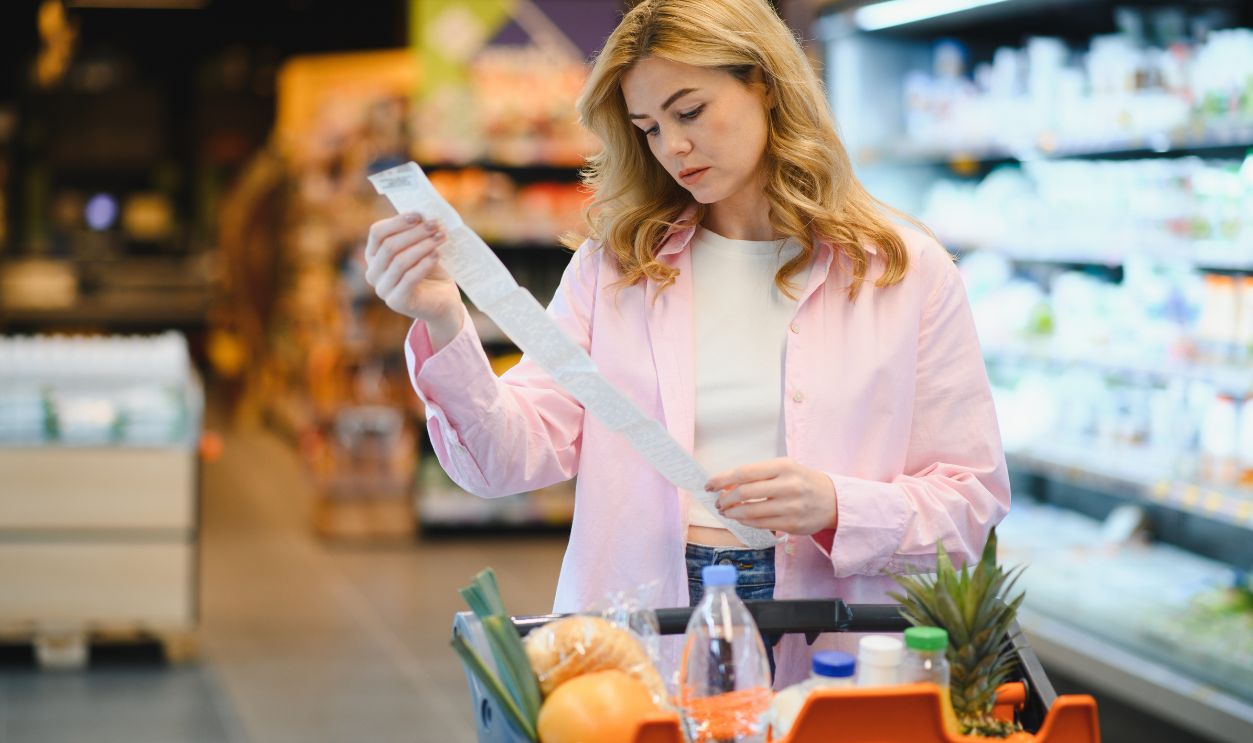
The frustrating part of grocery inflation is that many affected products aren't luxuries at all. USDA data show that grocery prices rose 11.4% in 2022 and another 5% in 2023, while prices continued increasing more slowly afterward. Comparing unit prices, switching brands, planning meals around sales, and avoiding waste can help protect a budget even when yesterday's cheap staples no longer feel cheap.
 Hryshchyshen Serhii, Shutterstock
Paper Towels Can Be A Surprisingly Costly Convenience
Paper towels are another everyday product that can quietly drain a household budget. Unlike reusable cloths, they have to be purchased repeatedly, and the number of sheets per roll can vary between packages. Compare the price per sheet where available and reserve disposable towels for jobs where they offer a genuine practical advantage.

You May Also Like:
Is Exercising At Home Cheaper Than A Gym Membership?
A Guide To Building Your Emergency Fund