
The Protection Plan That Costs Almost As Much As The Purchase
You find a reasonably priced appliance, head toward checkout, and suddenly face another expensive decision. The retailer offers an extended warranty that promises protection against unexpected repairs, but the price seems surprisingly high compared with the appliance itself. Spending hundreds to protect something that costs only a few hundred dollars raises an obvious question. Are you buying valuable peace of mind or paying too much to avoid a relatively small financial risk?

The Numbers Can Get Ridiculous Fast
Imagine buying a microwave for $250 and being offered a $150 protection plan. That means spending another 60% of the appliance's purchase price just to cover certain future problems. Your total investment would climb to $400 before the microwave even leaves the store. These are hypothetical numbers, but they illustrate why comparing warranty prices with replacement costs matters.
Why Retailers Push Extra Protection
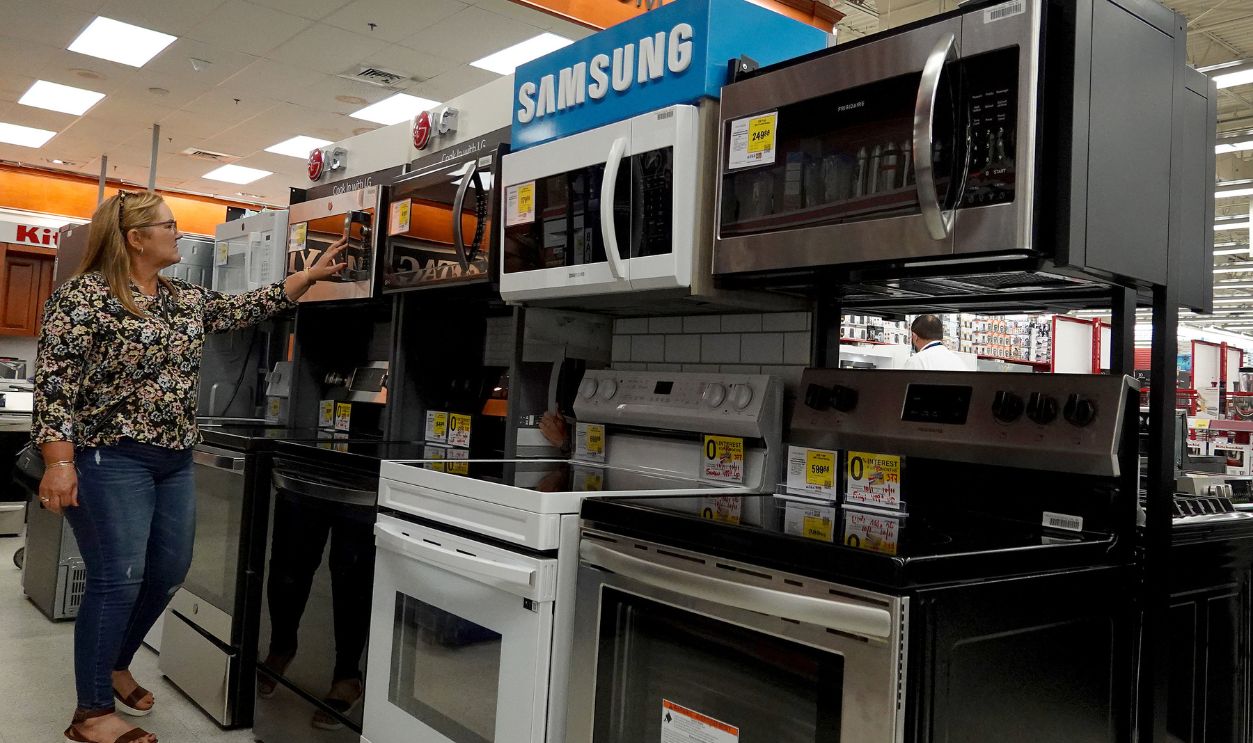
Extended warranties provide retailers with another product to sell alongside appliances, electronics, and other household purchases. The Federal Trade Commission explains that these optional contracts cost extra and may provide coverage different from the manufacturer's original warranty. Their appeal is straightforward because nobody enjoys the possibility of paying for unexpected repairs. However, the fact that protection sounds reassuring does not automatically make it financially worthwhile.
 Hryshchyshen Serhii, Shutterstock
Your Appliance Probably Already Has A Warranty
Many appliances come with a manufacturer's warranty included in the purchase price. This protection typically covers certain defects or malfunctions for a specified period, although the exact terms vary by product. The FTC warns that separately purchased service contracts sometimes duplicate coverage consumers already possess. Before spending anything extra, find out precisely what the original warranty promises.

Extended Doesn't Always Mean Longer Protection
A five-year protection plan might sound like five additional years of coverage, but that is not necessarily how the contract works. Some plans begin when the appliance is purchased, meaning part of their advertised duration overlaps the manufacturer's warranty. Others provide different benefits during the overlapping period. Ask when the additional coverage actually begins and what protection remains after the original warranty expires.
 Hryshchyshen Serhii, Shutterstock
The First Year Could Be Money Wasted
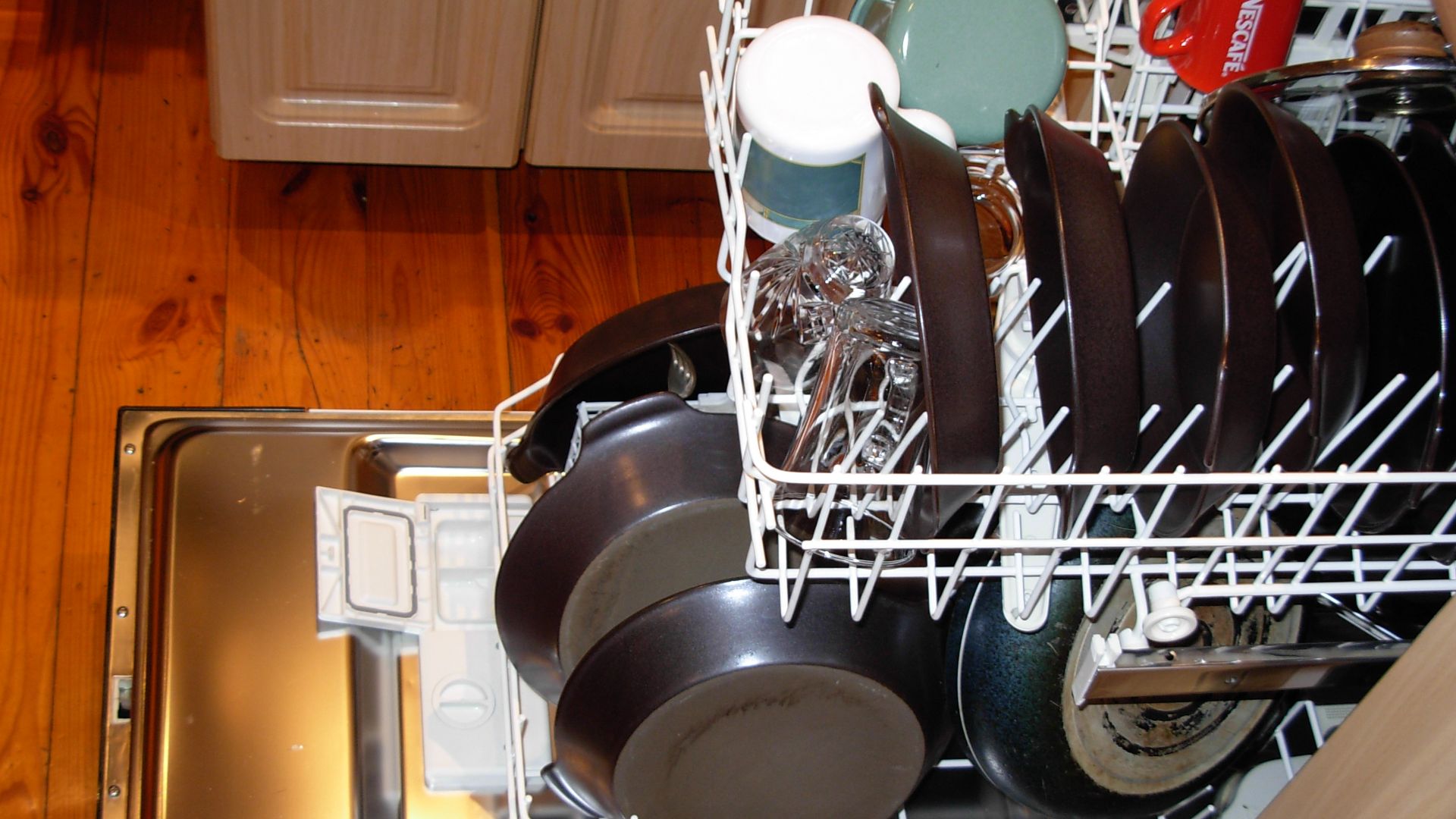
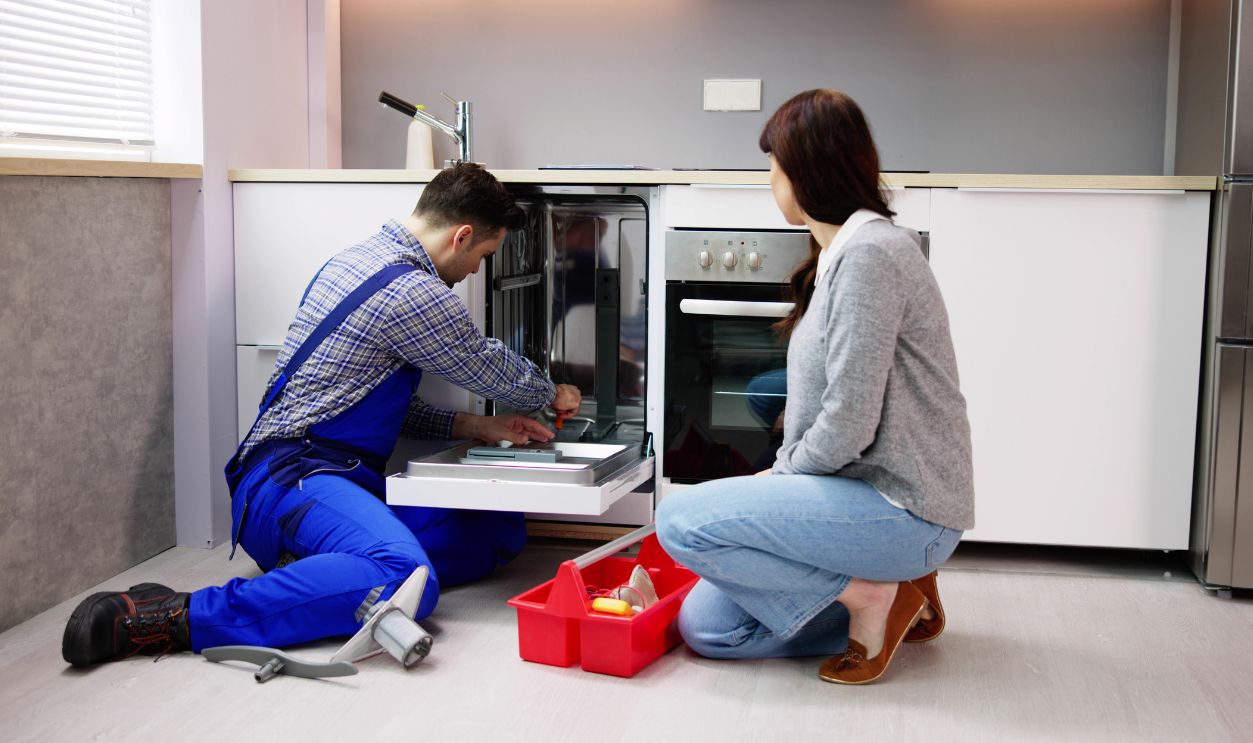
Suppose your new dishwasher includes a one-year manufacturer's warranty, while the retailer offers a three-year service plan beginning immediately. Depending on the contract, much of the first year's protection could overlap with coverage you already have. That leaves fewer years of genuinely additional protection than the advertised term might suggest. The FTC specifically recommends checking for overlapping coverage before purchasing a service contract.
 No machine-readable author provided. Piotrus assumed (based on copyright claims)., Wikimedia Commons
Reliability Matters More Than Sales Pitches
Not every appliance carries the same risk of expensive repairs. Consumer Reports evaluates appliance reliability using extensive surveys of owners and their experiences with products over time. Its findings show why researching specific appliance categories and brands can be more useful than assuming everything will eventually break. A reliable product may be a better financial investment than an unreliable one paired with an expensive protection plan.
 Consumer Reports, Inc. , Wikimedia Commons
Some Appliances Really Do Break More Often
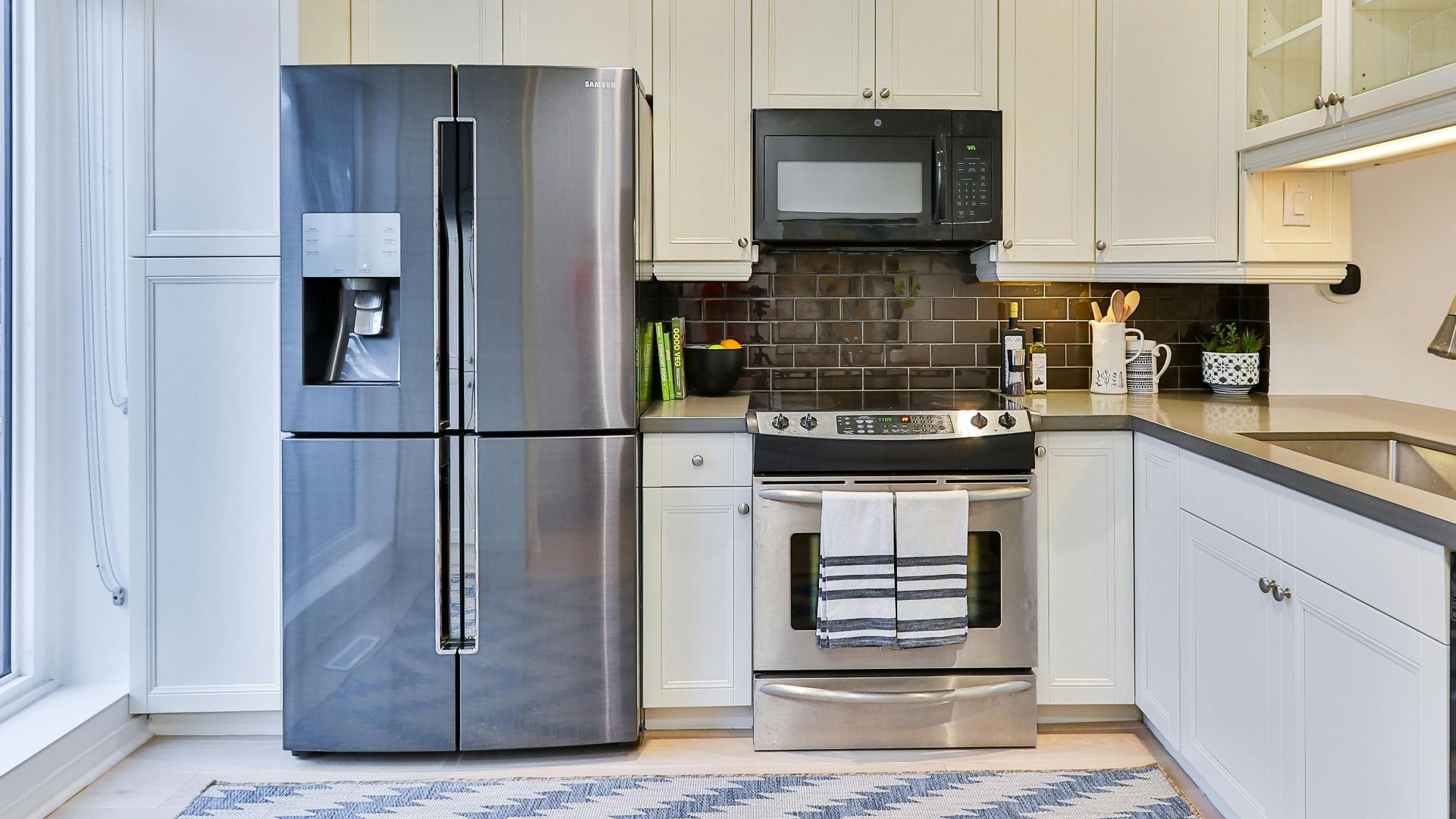
Refrigerators illustrate why appliance-specific research matters. Consumer Reports' refrigerator testing and reliability information indicates that nearly one-third of refrigerators experience problems requiring repairs by their fifth year. Ice makers and water dispensers are among the most commonly reported trouble spots. That does not mean every refrigerator needs an extended warranty, but it does mean repair risks deserve serious consideration.
 Lotus Design N Print, Unsplash
The Warranty Might Never Get Used
Consumer Reports found that nearly half of surveyed consumers who purchased extended refrigerator warranties never used them. Specifically, 48% reported receiving no benefit through a claim. Those buyers paid for protection without needing to exercise it, although some may still have valued the reassurance. The important question is whether that reassurance justifies the price being charged.

The Repair Bill Might Be Surprisingly Manageable
Not every appliance malfunction leads to an enormous repair bill. Consumer Reports found that median professional repair costs for several categories of clothes dryers were roughly between $116 and $200 in its survey. A protection plan costing a similar amount could therefore provide little financial advantage if it covers only one ordinary repair. Comparing realistic repair expenses with the contract price is essential before deciding.
A $200 Warranty Doesn't Guarantee $200 In Savings
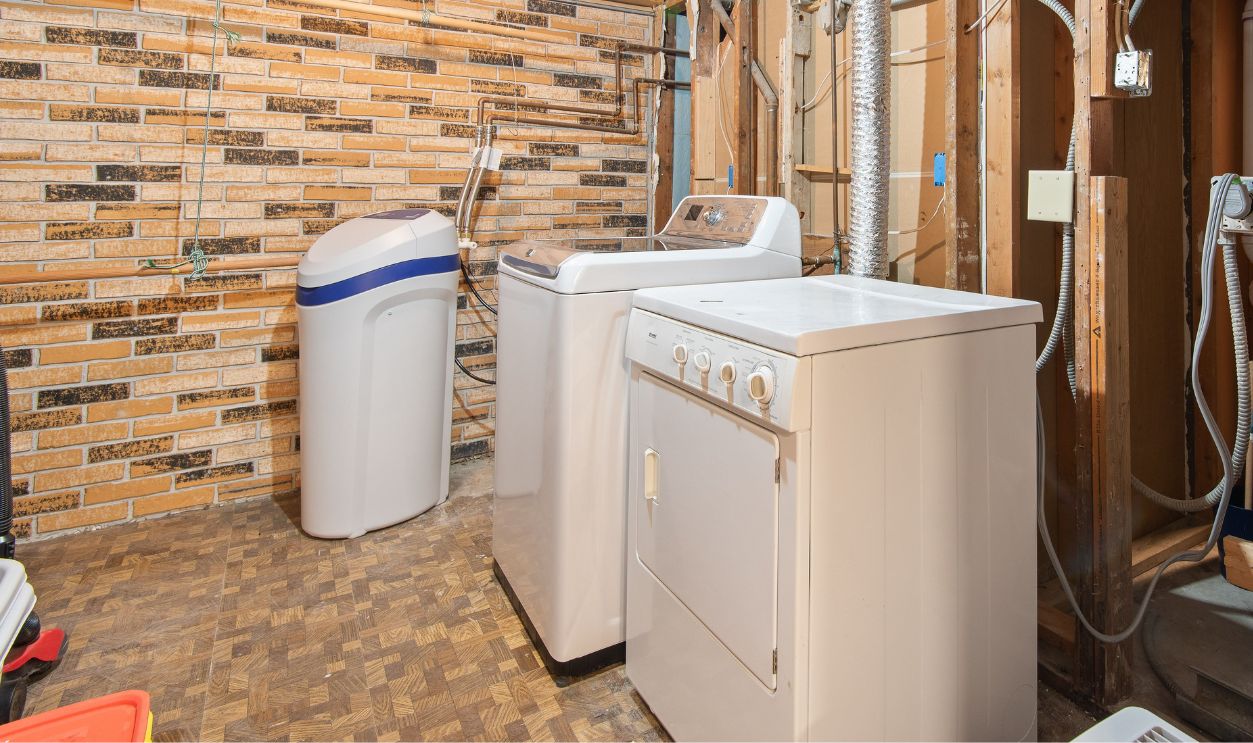
Consider a hypothetical $600 washing machine with a $200 protection plan. If the machine never needs repairs, the entire $200 becomes an additional ownership expense. If it requires one covered $150 repair, the plan still costs more than paying that bill yourself. Only sufficiently expensive covered repairs would make the contract financially advantageous, assuming there are no additional fees.
Deductibles Can Make The Deal Worse
The upfront warranty price is not always the full cost of protection. Some service contracts require deductibles or separate fees whenever a technician visits or repairs an appliance. The FTC advises consumers to investigate these charges before purchasing coverage. A seemingly reasonable protection plan can become much less attractive when every claim requires another payment.

Watch Out For Hidden Service Charges
Beyond deductibles, some contracts may impose shipping charges, service fees, or other expenses connected with repairs. These costs can be especially frustrating when the appliance itself was relatively inexpensive. The FTC recommends reviewing potential hidden expenses and reimbursement limitations before agreeing to coverage. Calculate what you might actually pay during a claim rather than focusing exclusively on the advertised warranty price.

Not Every Breakdown Qualifies
A service contract does not necessarily cover every problem that prevents an appliance from working properly. Certain components, types of damage, or circumstances may be excluded under its terms. The FTC warns that consumers should examine exactly which repairs are included rather than assuming comprehensive protection. If an expensive component is excluded, the contract may offer much less financial security than expected.
Normal Wear And Tear Can Be A Problem
An appliance can gradually deteriorate without experiencing the kind of sudden failure a service contract covers. Depending on the wording, problems attributed to ordinary wear, improper maintenance, or misuse may fall outside the agreement. The FTC specifically warns that failing to follow maintenance instructions can affect eligibility for coverage. Read those exclusions carefully before assuming every malfunction qualifies for a free repair.
A Replacement Promise May Have Limits
Some protection plans advertise replacement benefits when an appliance cannot be repaired. However, contracts may limit reimbursement amounts or specify circumstances under which replacement is available. The FTC recommends investigating these limits before purchasing coverage. A promise to replace your appliance is worth considerably less if the company will not cover the full cost of an equivalent new model.

Getting Repairs Approved Can Be Frustrating
Even a legitimate claim may involve procedures that make repairs less convenient. The warranty provider might require authorization, direct customers to particular repair companies, or demand that the appliance be returned to a designated location. The FTC identifies complicated claims procedures and reimbursement delays as important considerations when evaluating service contracts. Before purchasing, find out exactly how quickly and easily you can obtain assistance.

Who Actually Handles Your Warranty?
The retailer selling the protection plan may not be the company responsible for honoring it. According to the FTC, extended warranties and service contracts can be administered by companies unfamiliar to the buyer. That makes the provider's reputation an important part of the purchasing decision. Research the actual company responsible for claims rather than relying solely on the retailer's familiar name.
Small Appliances Present A Different Calculation
Extended warranties deserve particularly careful scrutiny when the appliance is inexpensive to replace. Consider a hypothetical $180 coffee maker with a $100 protection plan. The warranty costs more than half the price of purchasing another machine, and it may still contain exclusions or service requirements. Unless the coverage provides a compelling benefit, keeping that $100 available for replacement could be the more practical choice.
 Shixart1985, Wikimedia Commons
Expensive Appliances Deserve More Thought
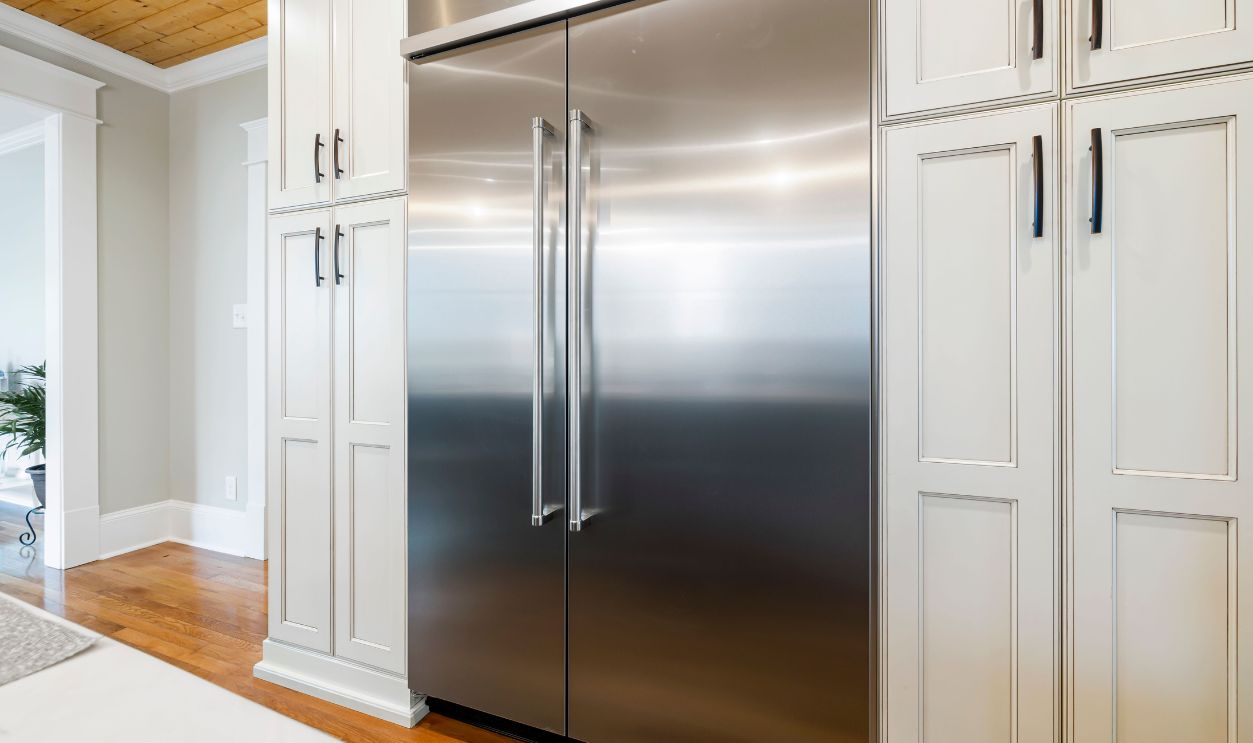
A high-end refrigerator presents a different financial situation from a basic countertop appliance. Consumer Reports identifies refrigerator repairs as a meaningful concern, particularly when expensive components such as compressors are involved. Its research also shows that some refrigerator problems can be resolved with relatively inexpensive fixes. The sensible approach is to investigate the specific model's reliability, likely repair costs, and warranty coverage rather than automatically accepting or rejecting protection.
Your Credit Card Might Already Offer Protection
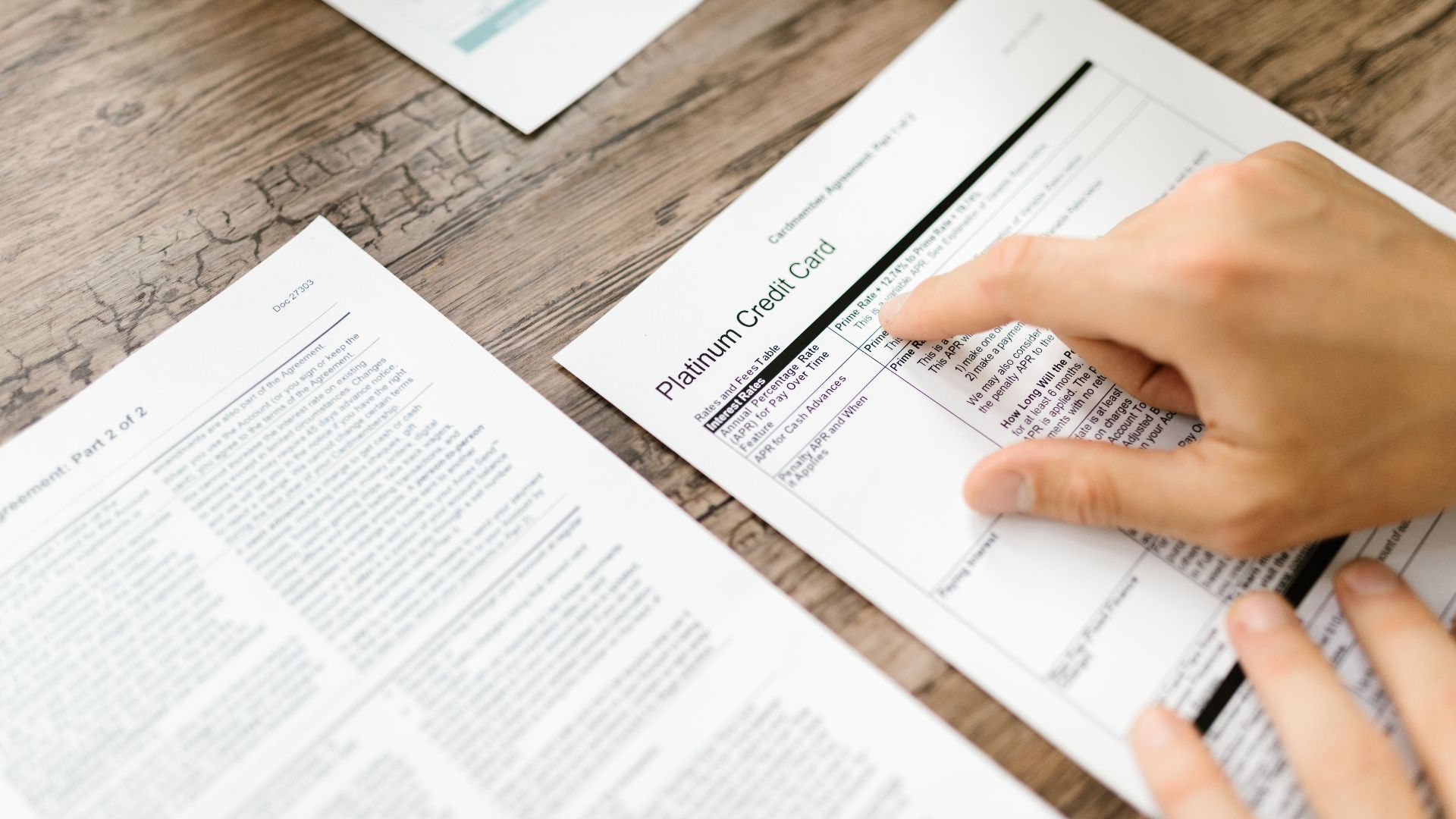
Before buying additional coverage, check whether your credit card includes an extended warranty benefit. Some card issuers provide eligible purchases with additional protection beyond the manufacturer's original warranty. Coverage periods, purchase requirements, exclusions, and claims procedures depend on the card's benefit terms. Reviewing those details could reveal that you already have protection without purchasing another service contract.
Consumer Protection Laws May Also Help
A manufacturer's written warranty is not necessarily the only protection available when an appliance fails. The FTC explains that state laws may provide implied warranties requiring products to perform their intended functions. These protections vary by jurisdiction, and certain sales conditions can affect their application. Understanding your legal rights may prevent you from paying for repairs that a seller or manufacturer is already responsible for addressing.

Sometimes Saving The Money Makes More Sense
The FTC explicitly identifies setting money aside in savings as an alternative to purchasing extended warranties. Instead of paying $150 for a hypothetical protection plan, you could deposit that amount into a dedicated appliance repair fund. If the appliance works without problems, the money remains available for other household expenses. If something breaks, you can decide whether repairing or replacing the appliance offers better value.

Build Your Own Appliance Emergency Fund
Households with several appliances can approach repair expenses as a shared financial responsibility rather than buying protection for every individual purchase. Suppose you skip three hypothetical $150 warranty plans and save the combined $450. That money could help cover a future repair or contribute toward a replacement appliance. Unlike a service contract, the savings would not depend on whether a particular malfunction qualifies under complicated coverage rules.
 https://kaboompics.com/, Pexels
The Break-Even Calculation Is Worth Doing
Before accepting a warranty offer, calculate how much covered repair work would be necessary to recover its cost. For example, a $180 plan with a $40 service fee would require more than $220 in covered repairs to provide a financial advantage over paying directly, assuming one claim. Multiple claims or additional fees would change the calculation. The important comparison is between the total cost of protection and the repair expenses it could realistically save.

Don't Let Checkout Pressure Make The Decision
An extended warranty can sound especially appealing when a salesperson emphasizes everything that might go wrong. However, the FTC recommends investigating costs, coverage, claims procedures, and the provider's reputation before committing. Those details are difficult to evaluate when you're focused on completing a purchase. Request the full contract and take time to review it rather than agreeing simply because the offer is presented at checkout.

There Are Times When Coverage Makes Sense
Extended warranties are not automatically poor purchases. A reasonably priced plan could provide value when an appliance has significant repair risks, expensive components, and coverage that genuinely extends beyond the original warranty. The decision also depends on whether an unexpected repair would create serious financial difficulties for your household. The key is ensuring the benefits are substantial enough to justify the price and contractual restrictions.
Five Questions To Ask Before Paying
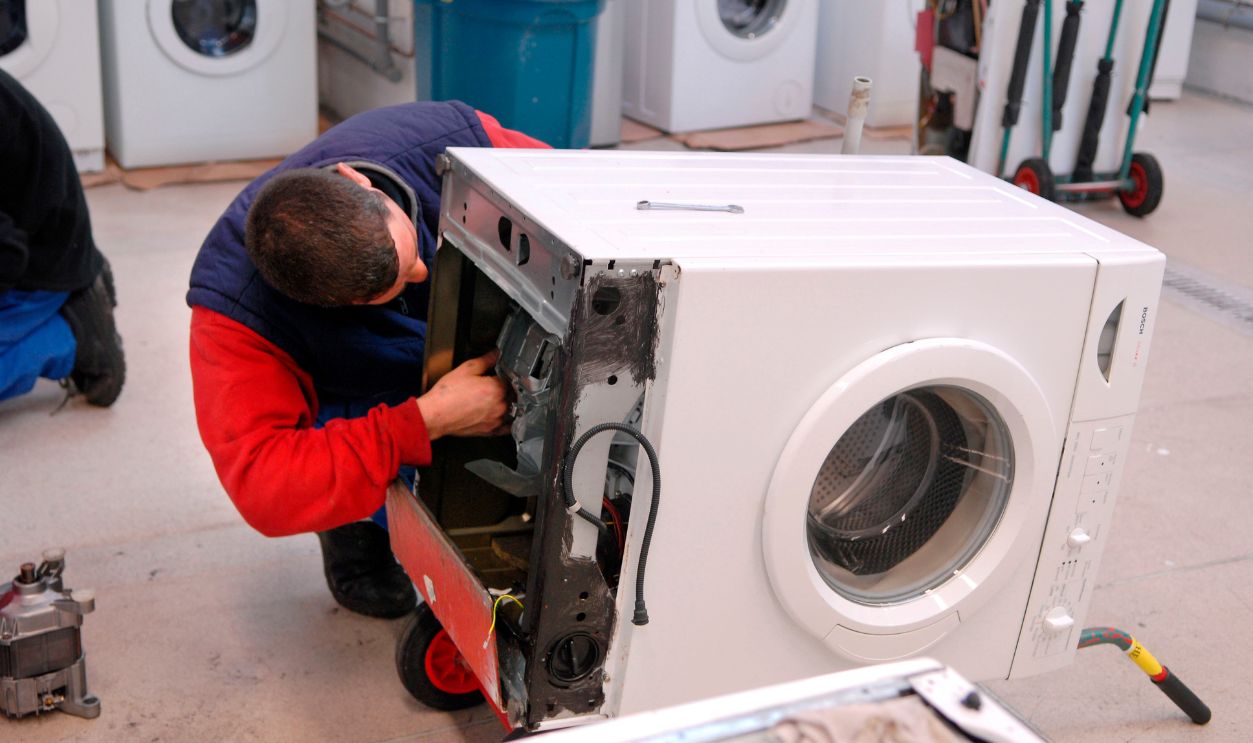
Before purchasing protection, ask what the manufacturer's warranty already covers and when the additional coverage begins. Next, establish which repairs qualify, whether deductibles apply, and how much reimbursement is available. Find out who handles claims and whether the company has a dependable reputation. Finally, compare the complete contract price against realistic repair and replacement expenses before making your decision.

The Best Warranty Decision May Be Walking Away
An extended warranty should solve a genuine financial problem rather than create another unnecessary expense. When protection costs nearly as much as the appliance, the contract needs to deliver unusually strong benefits to justify its price. For many inexpensive products, keeping the money available for repairs or replacement may be the more flexible strategy. Ultimately, the smartest purchase is not necessarily the one with the longest protection plan, but the one that leaves you financially prepared without paying for coverage you are unlikely to need.

You May Also Like:
I Tried To Return Spoiled Groceries, But The Store Said Fresh Food Is Final Sale. Is That Normal?
Refund Policies That Leave Customers With Credit Instead Of Cash When Money Is Tight