
A Refund Is Not Always Money Back
Returning a purchase can feel straightforward until the cashier hands you a store card instead of putting money back in your bank account. For someone trying to cover groceries, rent, or another urgent expense, $100 in merchandise credit is very different from $100 in cash. In many ordinary retail situations, the difference comes down to the seller's disclosed return policy rather than a universal right to a cash refund. Factinate Ltd
Stores Often Write Their Own Rules
There is no general federal rule requiring every U.S. retailer to accept an unwanted, nondefective item simply because a shopper changed their mind. State laws can impose disclosure requirements or provide additional protections, but retailers often have considerable freedom to establish return conditions. California's attorney general, for example, advises shoppers to check policies because stores may offer a refund, exchange, store credit, or no return at all in some circumstances.

Store Credit Can Be Perfectly Legal
Receiving merchandise credit rather than cash can be frustrating without necessarily being unlawful. New York tells consumers that retailers accepting returns generally are not required to provide refunds in one particular form, provided the available form of refund is properly disclosed before purchase. That means a clearly disclosed store-credit-only policy may be enforceable for an ordinary return.

The Fine Print Matters Before Checkout
Return rules can specify deadlines, receipt requirements, restocking fees, and whether refunds come as cash, an exchange, or credit. The FTC recommends checking these details before making an online purchase, especially for sale merchandise that may carry different conditions. Reading the policy before paying can therefore be surprisingly important when money is tight.

Losing The Receipt Can Change Everything
A missing receipt can turn a normal refund into store credit even at retailers with relatively generous return policies. Target says it may issue a merchandise return card when a customer returns an item without eligible proof of purchase. Walmart similarly says an approved non-receipted return may result in a Walmart gift card rather than money returned to the shopper.
 https://kaboompics.com/, Pexels
Target Shows How Restricted Credit Works
Target's merchandise return card demonstrates how different store credit can be from ordinary money. The company says the card is used for approved non-receipted returns and can be spent in Target stores, but generally cannot be redeemed for cash or credit except where required by law. Target also says these merchandise return cards cannot be used on Target.com and may be subject to identification requirements.

Walmart Has Similar Receipt Rules
Walmart's published policy says customers attempting a non-receipted return must present valid government-issued photo identification. If its refund verification process approves the transaction, the customer can receive a Walmart gift card. Walmart also limits the number and frequency of non-receipted returns as part of its fraud-prevention system.

The Original Payment Method Matters
Keeping proof of purchase can make the difference between recovering usable money and receiving restricted credit. Walmart says purchases made using debit or credit cards are generally refunded to the same card. If Walmart cannot refund an original card for a store purchase, however, the company says it may issue store credit to a Walmart gift card or Walmart Balance.

Gifts Often Work Differently
Gift returns commonly produce store credit because the person returning the item was not the original purchaser. Best Buy says a gift returned in one of its stores receives store credit for the purchase price, while a gift returned by mail is credited to the purchaser. Target says eligible returns accompanied by a gift receipt or packing slip generally produce a Target GiftCard.

Gift Card Purchases Usually Stay Gift Card Money
Paying with store credit can also determine what happens later if the merchandise is returned. Best Buy says an amount originally paid using a gift card is credited back to that gift card after a qualifying return. Target similarly says purchases made with a Target GiftCard are refunded as a new Target eGiftCard.

Store Credit Can Lock Up Household Cash
This distinction becomes particularly noticeable during a financial squeeze. A retailer credit may replace the value of the returned merchandise, but it normally cannot pay unrelated expenses such as a utility bill or rent. The FTC notes that sellers may be more willing to offer store credit than refunds because doing so costs them less and keeps the consumer as a customer.

California Requires Important Disclosures
California law provides a useful example of how states regulate return policies without guaranteeing cash for every return. Retailers offering policies that do not provide specified refund, credit, or exchange options within seven days generally must conspicuously display those restrictions, subject to exceptions. If a seller covered by the rule fails to display its limited policy properly, the consumer may be entitled to return the item with proof of purchase for a full refund within 30 days.

New York Gives Shoppers Another Safeguard
New York also requires retailers to disclose their refund policies. If no policy is posted, state guidance says unused and undamaged merchandise generally can be returned with proof of purchase within 30 days, with the consumer choosing cash or credit. When a policy is posted, however, the retailer can specify whether qualifying returns result in cash, credit, or an exchange.

Connecticut Has Its Own Version
Connecticut allows sellers to establish refund and exchange policies as long as those policies are properly disclosed. When no policy is posted, a shopper generally may return a new, unused item with proof of purchase within seven calendar days. State guidance says a cash purchase then receives a cash refund, while a credit sale receives a credit to the customer's account.

Massachusetts Lets Stores Set Policies Too
Massachusetts similarly warns shoppers that there is no general state-mandated return policy for nondefective merchandise. A retailer may establish its own policy as long as the policy is clearly disclosed and customers have an opportunity to read it before buying. The state's guidance also says merchandise credit issued for returned goods must remain redeemable for at least seven years.

Defective Goods Can Be A Different Story
A simple change of mind is not necessarily treated the same way as merchandise that fails to work properly. Massachusetts says defective merchandise must be accepted for return regardless of a store's ordinary policy, with the consumer offered repair, replacement, or a refund of the price. California also directs consumers with defective products to consider warranty protections, including implied warranties that may apply under state law.

Final Sale Really Can Mean Final
Clearance racks and deeply discounted items deserve extra attention because return rules can change. The FTC specifically advises online shoppers to check refund policies for sale items because sellers often use different rules for clearance merchandise. California likewise identifies merchandise marked "final sale" as an exception to certain state return-policy requirements.

Restocking Fees Reduce What Comes Back
Even a return that is accepted may not restore the entire purchase price. Connecticut permits disclosed restocking fees, particularly on some large products, while New York requires retailers to disclose return-related fees as part of their policies. The FTC likewise recommends checking for restocking charges before purchasing online.

Online Purchases Need Extra Attention
Internet shopping can make return conditions easier to overlook because the customer never sees a sign beside a physical register. The FTC advises checking who pays return shipping, how long the return window lasts, and whether restocking fees apply before placing an order. Those costs can substantially reduce the practical value of returning a relatively inexpensive purchase.

Store Credit Is Not The Same As A Gift Card
Consumers should not automatically assume every credit created by a return receives exactly the same legal treatment as a conventional gift card purchased with money. Federal Regulation E contains specific rules for gift certificates, store gift cards, and general-use prepaid cards, including restrictions involving expiration dates and certain fees. The precise protections depend on whether a particular product falls within the regulation's definitions and exemptions.

Ordinary Gift Cards Have Federal Protections
Federal rules generally prevent covered gift-card funds from expiring for at least five years from issuance or, in applicable cases, the last loading of funds. Federal rules also restrict dormancy, inactivity, and service fees, including generally requiring at least 12 months of inactivity before such fees can begin. State law can provide additional protections beyond the federal baseline.

Travel Credit Raises The Stakes
The difference between credit and cash becomes even larger when the original purchase costs hundreds or thousands of dollars. Airbnb says eligible refunds ordinarily go to the original payment method, although customers may sometimes be offered the option of choosing booking credits instead. Once that refund method has been issued, Airbnb says the choice cannot be reversed.

Airbnb Also Illustrates The Choice Problem
When an Airbnb host cancels before check-in, the platform says the guest is entitled to a full refund. Airbnb generally converts the original payment to travel credit to help facilitate immediate rebooking, but its policy says guests can request a refund to the original payment method instead. If that travel credit remains unused after 72 hours, Airbnb says it is refunded to the original payment method.

Airlines Face Much Stricter Refund Rules
Air travel provides an important contrast to ordinary retail returns. Under U.S. Department of Transportation rules, passengers owed refunds because of airline cancellations or significant changes generally must receive an automatic refund when they reject alternative transportation or other compensation. Airlines cannot substitute vouchers or travel credits for an owed monetary refund unless the passenger affirmatively chooses the alternative.
 Austrian Airlines from Austria, Wikimedia Commons
Airline Refunds Must Also Be Prompt
The DOT's rules establish deadlines for those required refunds. Airlines and ticket agents generally must issue qualifying refunds within seven business days for credit-card purchases and 20 calendar days for other forms of payment. Required refunds must also go back as cash or through the original form of payment rather than being involuntarily converted into travel credit.

Credit Cards Offer Another Possible Route
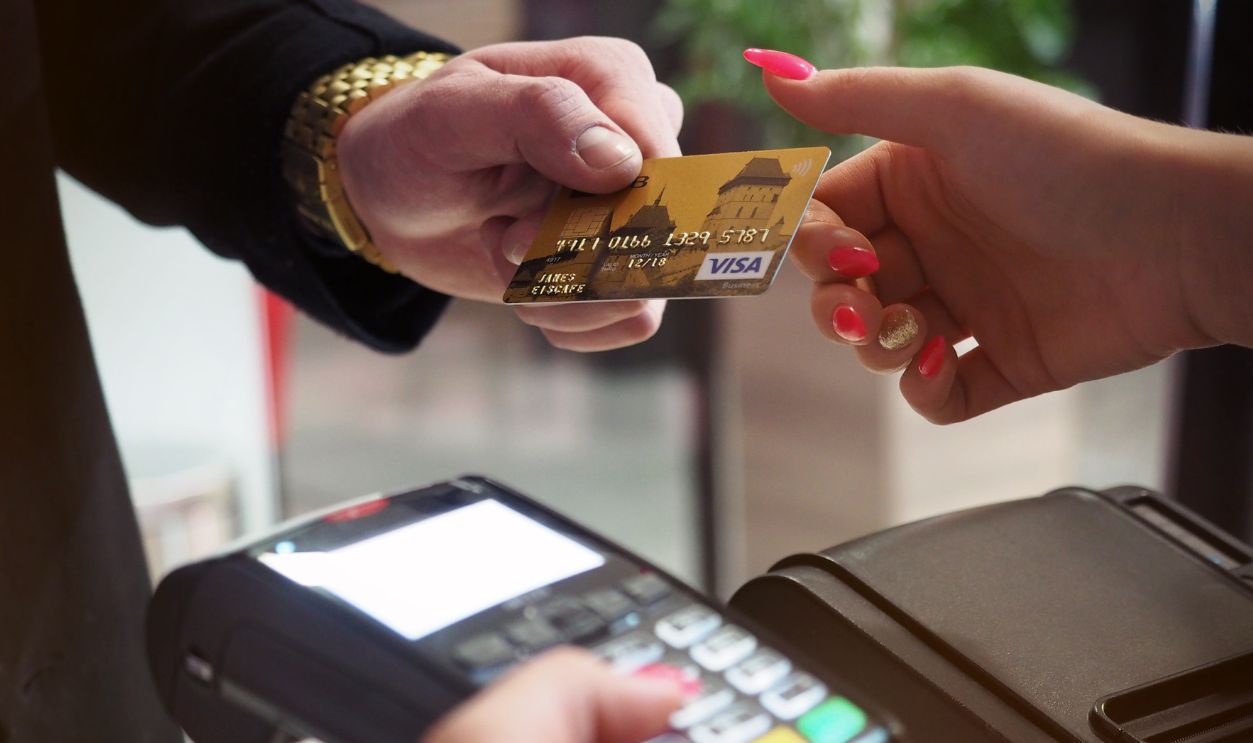
When a seller will not resolve a legitimate problem, paying by credit card can provide additional protections in qualifying circumstances. The Consumer Financial Protection Bureau recommends contacting the merchant first and asking it to correct the problem. Depending on the facts, consumers may then be able to dispute the charge through their credit-card issuer.
Disputes Come With Deadlines
A credit-card dispute is not simply a way to bypass a return policy because a shopper prefers cash. Federal billing-error protections instead cover particular problems, such as being charged for merchandise that was not delivered as agreed. The CFPB says consumers seeking to protect their billing-error rights generally need to send written notice to their card issuer within 60 calendar days after the charge appears on the statement.

Some Purchases Really Do Have A Cooling-Off Period
The familiar idea that consumers always have three days to change their minds is largely a myth, but federal law does create such a right for certain transactions. The FTC's Cooling-Off Rule covers qualifying sales made at a consumer's home, workplace, dormitory, or certain temporary locations. When the rule applies and cancellation is timely, the seller generally has 10 days to refund the consumer's money and meet other cancellation obligations.

Your Best Protection Starts Before Buying
When every dollar matters, a generous return window is less useful if the only available refund is credit you cannot spend elsewhere. Before making an expensive or uncertain purchase, check the return deadline, required proof of purchase, restocking fees, final-sale restrictions, and exactly how the refund will be issued. Keep receipts and related documents because the FTC specifically recommends gathering receipts, statements, invoices, contracts, warranties, and other records when resolving a dispute with a business.

Cash And Credit Are Not Interchangeable
Store credit can be a reasonable solution when you already intend to shop with the same company again. During a cash-flow crunch, however, its restrictions can make a refund much less useful even when the dollar amount looks identical. Understanding the policy before checkout, preserving proof of purchase, and knowing when consumer-protection laws override ordinary store rules can make the difference between getting spending power back and getting money that remains tied to one business.

You May Also Like:
I Tried To Return Spoiled Groceries, But The Store Said Fresh Food Is Final Sale. Is That Normal?