When Packing For Vacation Didn't Cost Extra
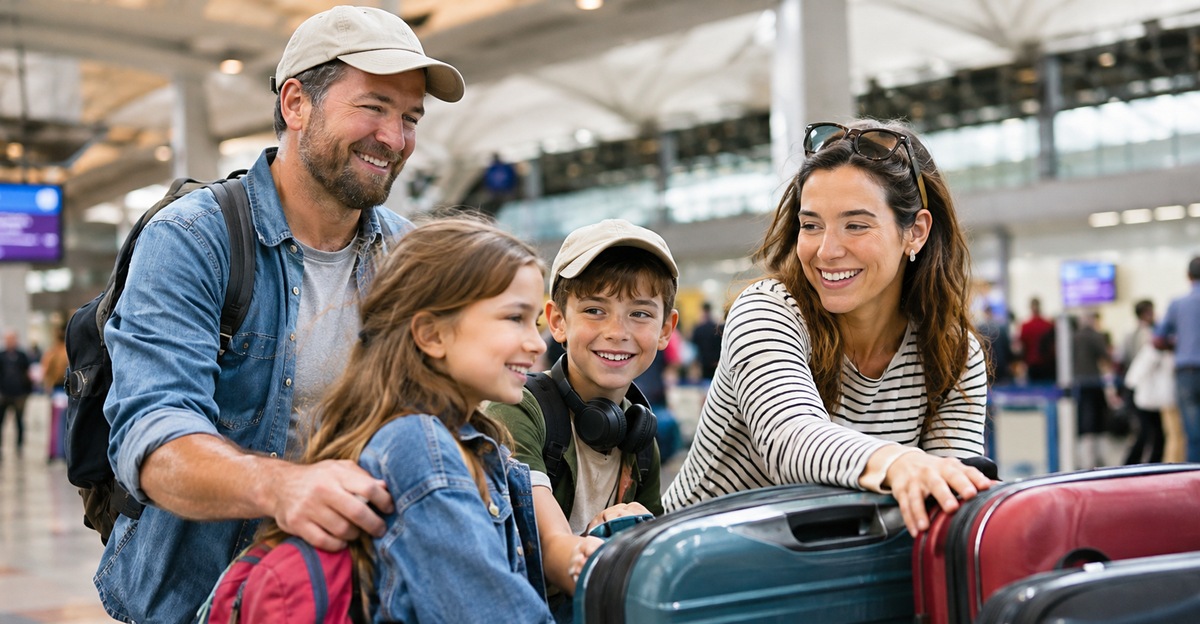
There was a time when families could arrive at the airport with several suitcases without worrying about another charge appearing on their travel bill. Checked luggage was generally included with standard airline tickets, making vacation budgeting considerably simpler. Today, those same suitcases can add hundreds of dollars to a family trip, even before anyone reaches the departure gate.
The Days When Two Bags Were Included
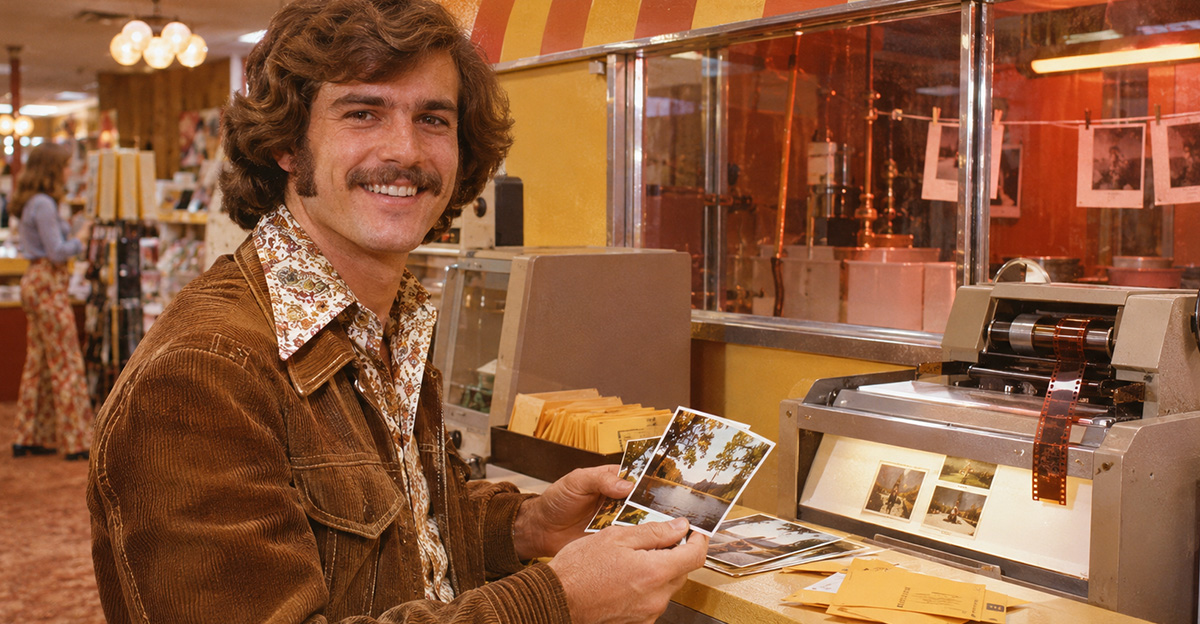
Before checked baggage fees became widespread, major American airlines commonly allowed economy passengers to check two standard bags without paying extra. American Airlines confirmed that passengers purchasing tickets before May 12, 2008, generally received two complimentary checked bags. For a family of four, that could mean eight checked suitcases without a separate baggage bill.
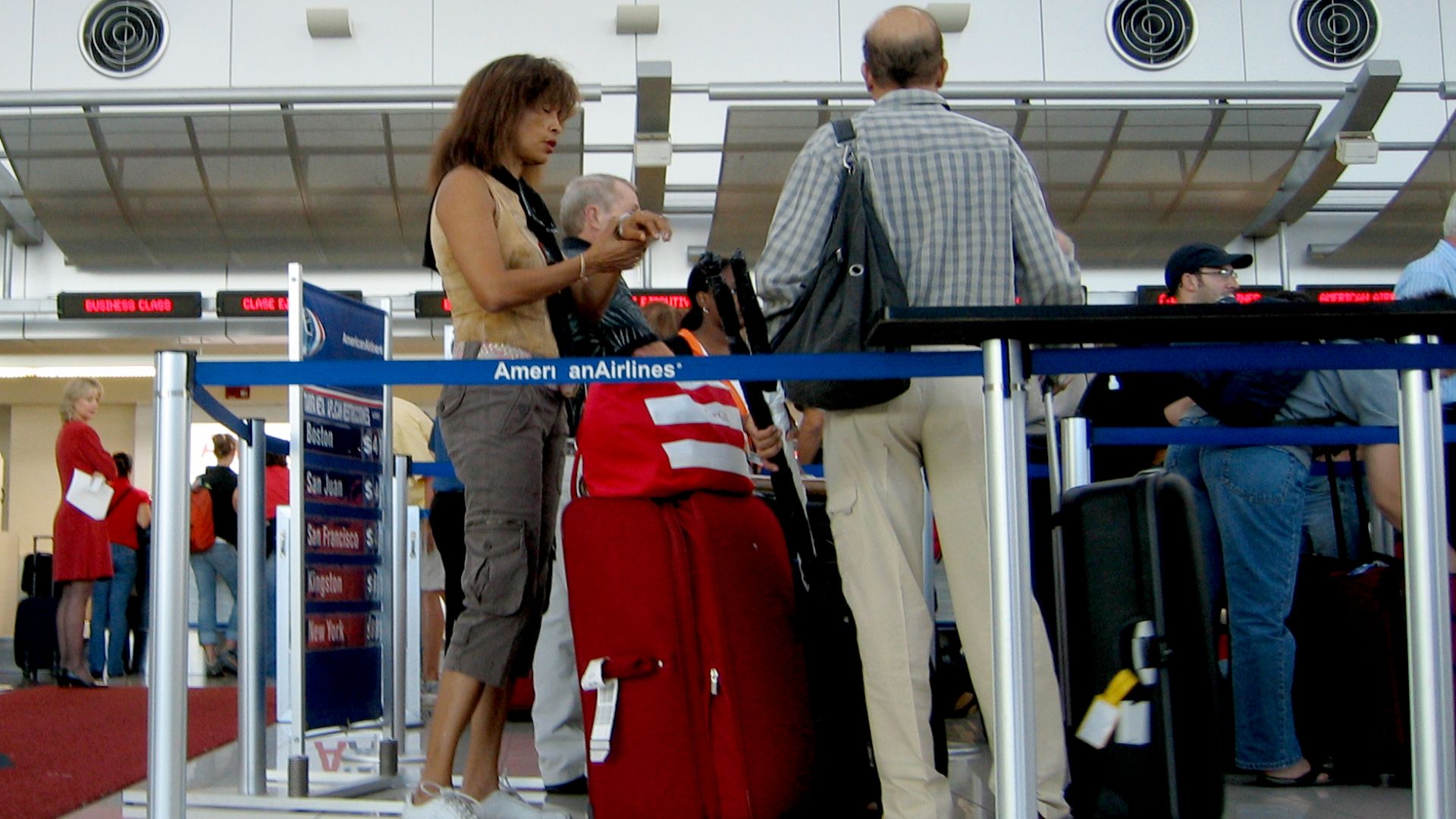 Alex Steffler (alex-s), Wikimedia Commons
The Year Everything Started Changing
The turning point arrived in 2008, when American Airlines announced a $15 fee for the first checked bag on many domestic economy tickets. The change took effect for tickets purchased beginning June 15 and followed an earlier decision to charge for second bags. Other major carriers soon introduced similar charges, fundamentally changing how Americans paid for air travel.
Why Airlines Started Charging
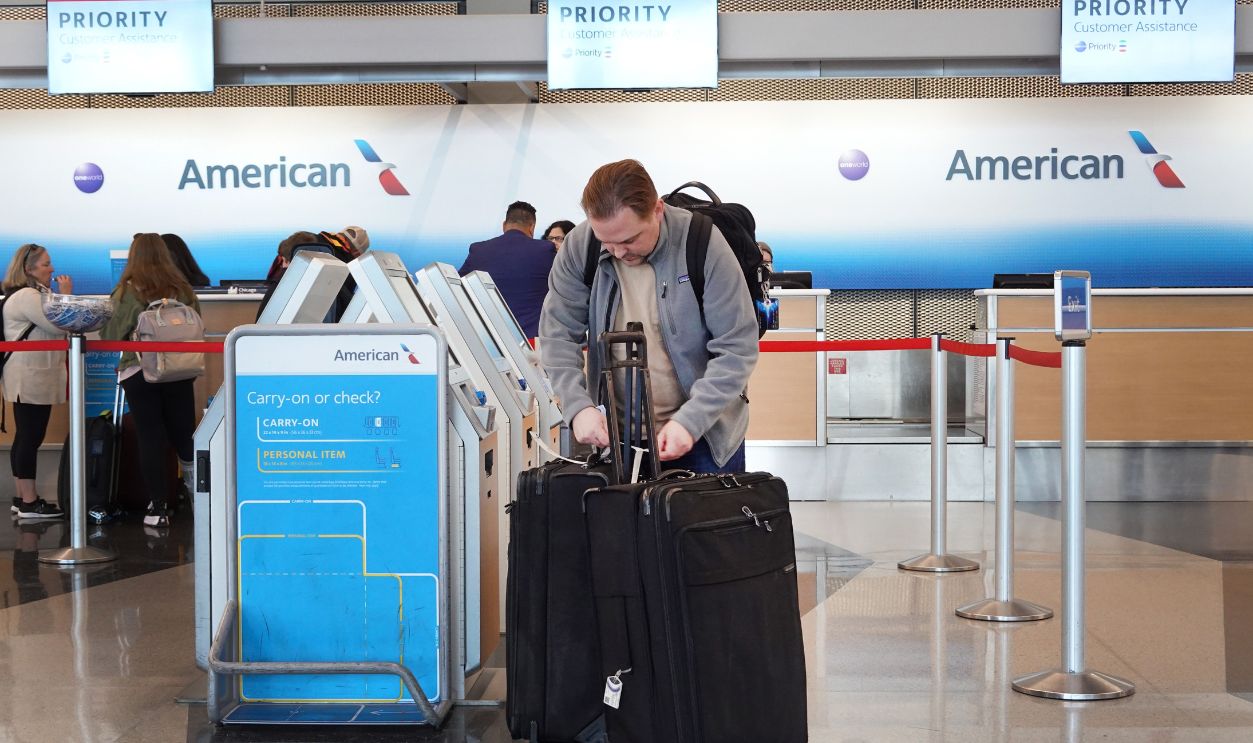
Airlines initially justified baggage fees partly by pointing to soaring fuel prices and difficult economic conditions. In 2008, American Airlines said higher oil prices had increased its expected annual fuel expenses by nearly $3 billion. Charging separately for luggage offered another way to generate revenue while airlines struggled with operating costs.
Fifteen Dollars Seemed Small At First
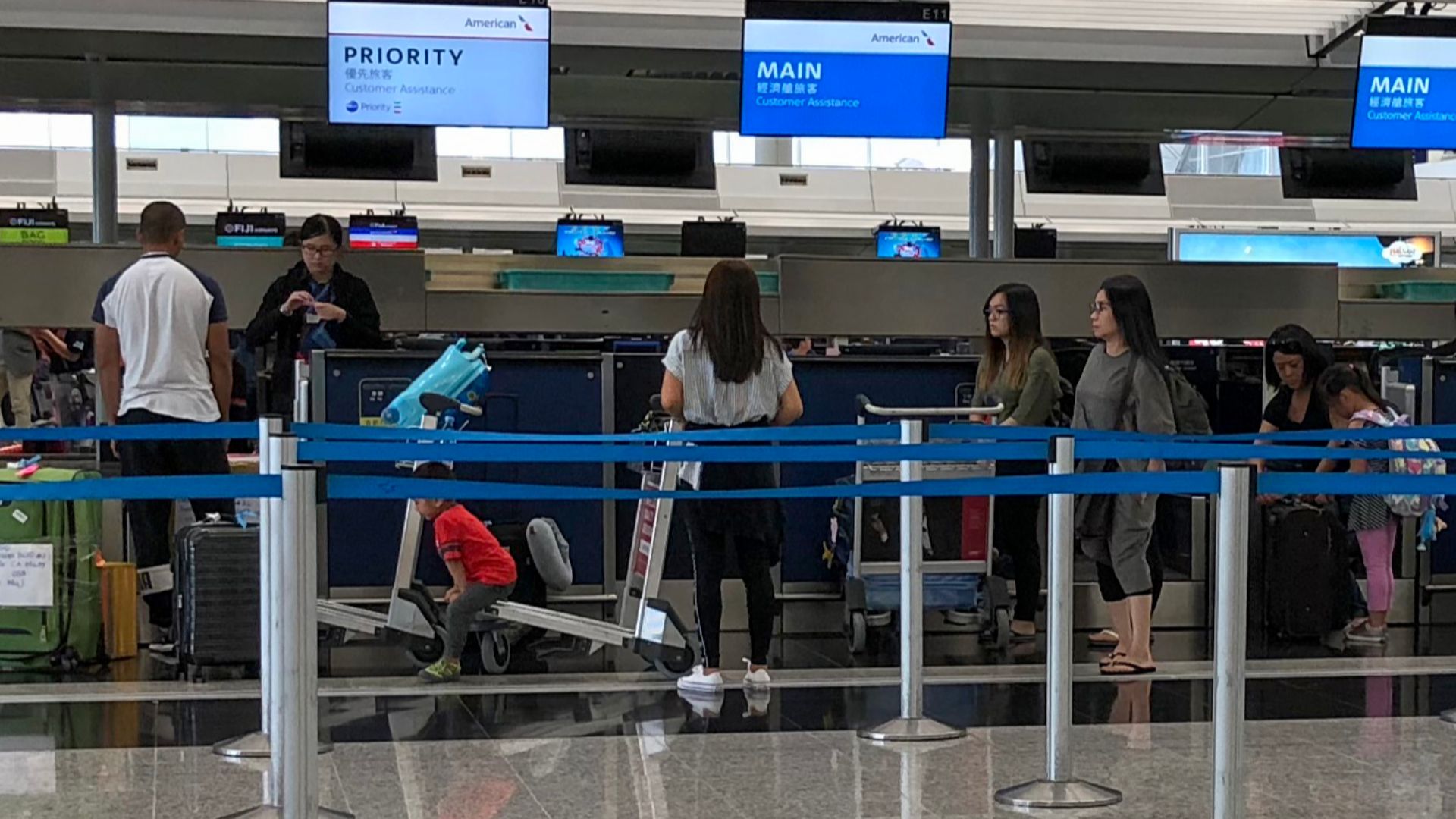
When American introduced its $15 first-bag fee, the amount might not have seemed especially alarming to someone traveling alone. However, that charge applied in each direction, meaning one suitcase could cost $30 on a round trip. A family checking four bags would suddenly face $120 in charges for something that had previously been included.
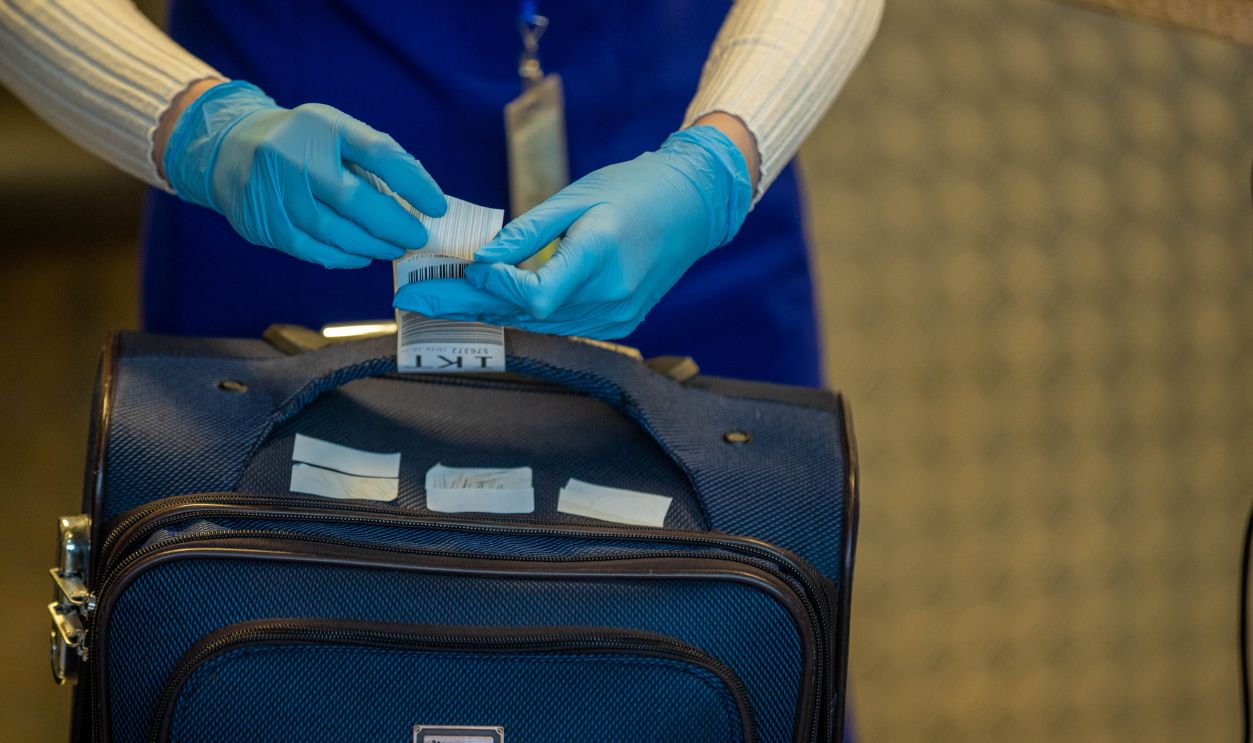
The Original Fees Were Only The Beginning
The $15 baggage charge did not remain the industry standard for long. Airlines gradually increased fees, and the price of checking a suitcase became another variable travelers had to consider when comparing tickets. By 2026, standard first-bag fees at major U.S. carriers had climbed to roughly three times American's original charge.
 Frame Stock Footage, Shutterstock
What American Airlines Charges Today
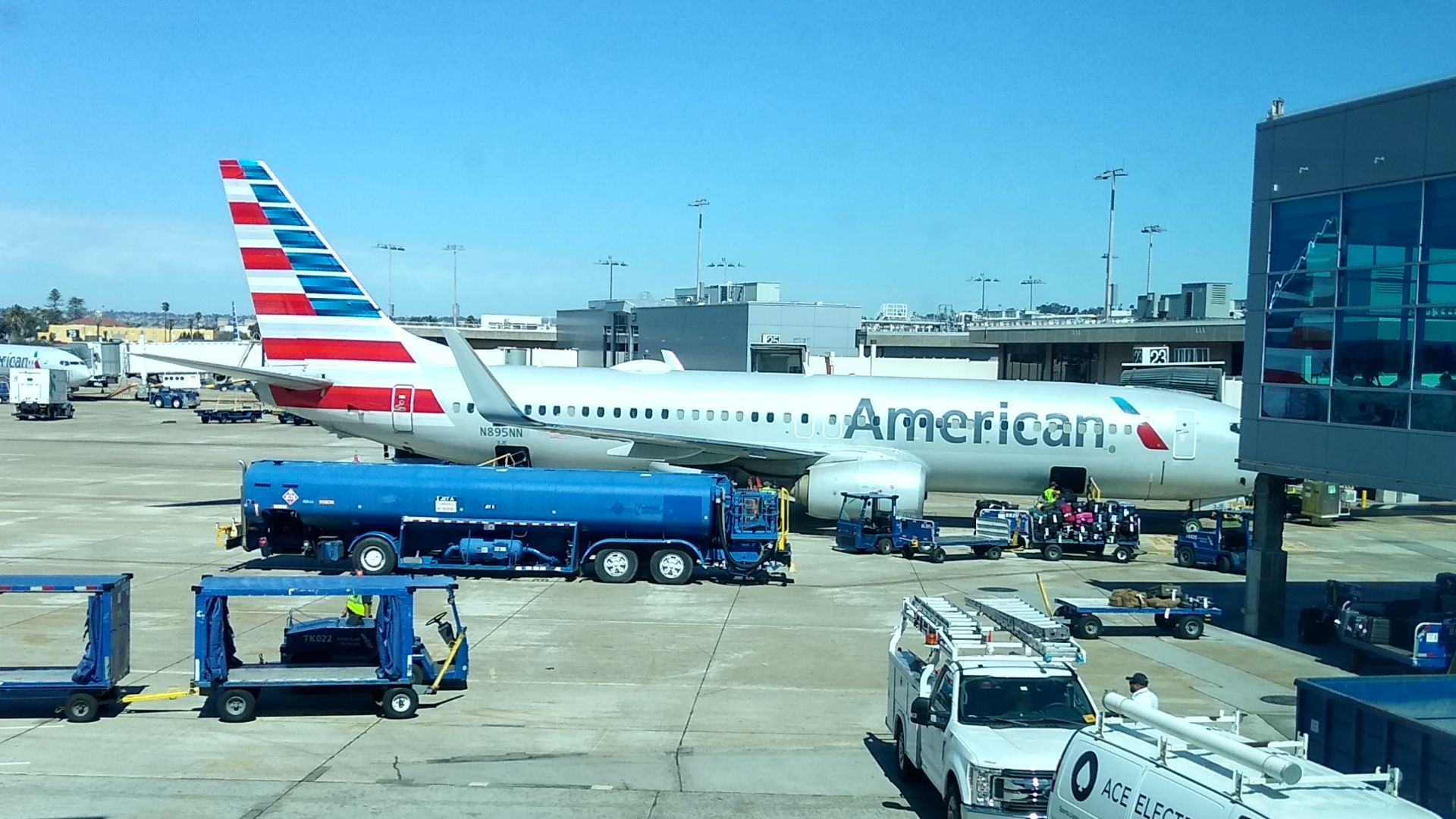
Under American Airlines' published fees for qualifying tickets issued from April 9, 2026, the first standard checked bag costs $45 when purchased online or $50 at the airport on many domestic itineraries. Basic Economy customers face an additional $5 charge for their first and second checked bags under the applicable newer fee rules. That means families can pay substantially different amounts depending on their ticket type and when they purchase baggage.
Delta Isn't Much Cheaper
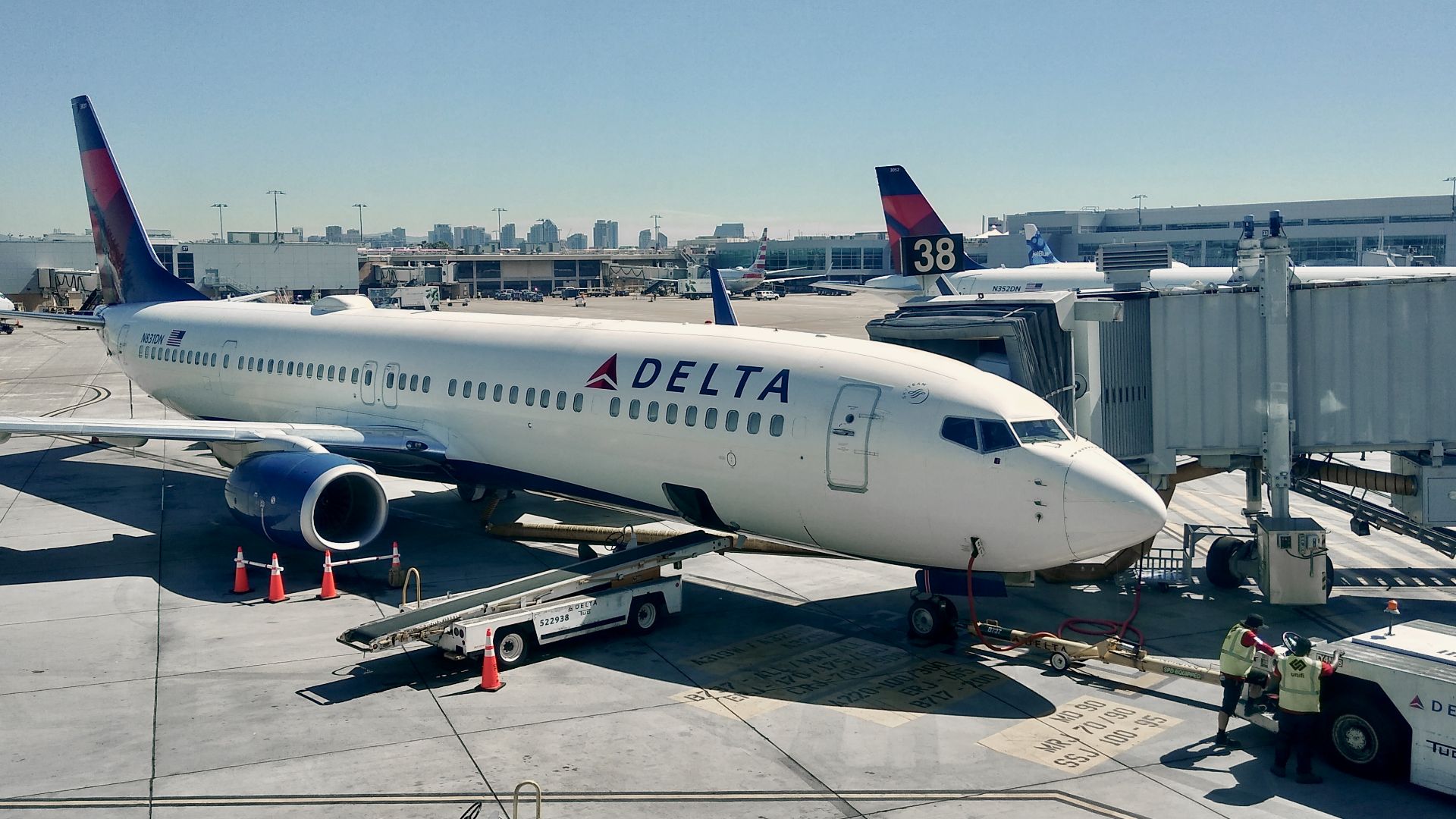
Delta Air Lines also lists a $45 first checked bag fee for standard domestic Main Cabin and Delta Comfort passengers without qualifying exemptions. Its second standard checked bag costs $55, with both charges applying in each direction. For a family traveling together, even the first suitcase for each person creates a sizable additional expense.
Southwest's Famous Free Bags Are Gone
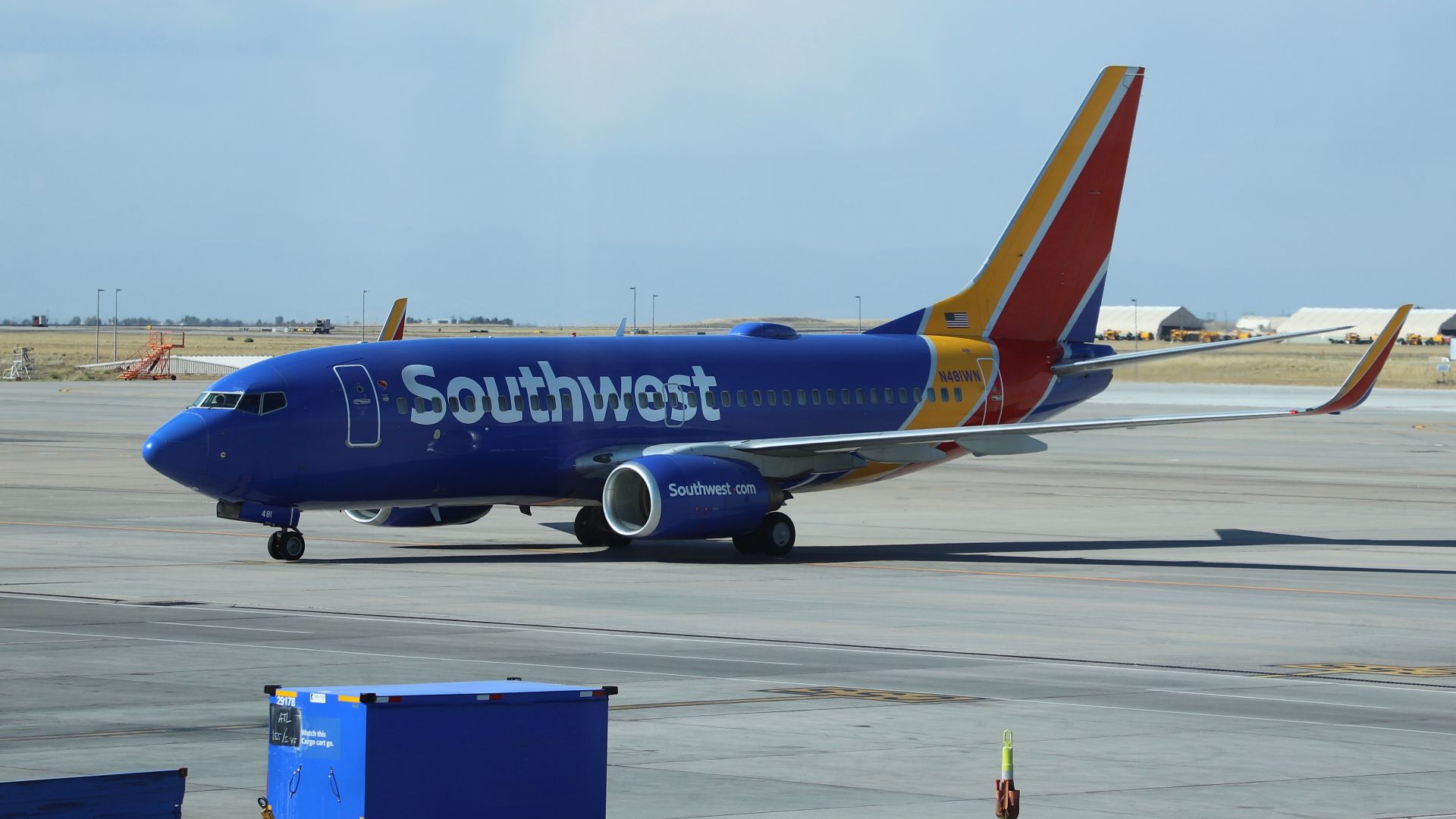
For years, Southwest Airlines stood out by allowing customers to check two bags without paying extra. That distinction disappeared for most customers booking flights from May 28, 2025, onward, although certain fares and loyalty benefits retained free allowances. Under its April 2026 mainland U.S. fee schedule, Southwest charges $45 for the first bag and $55 for the second on Basic, Choice, and Choice Preferred fares.
Four Suitcases Can Now Cost $360
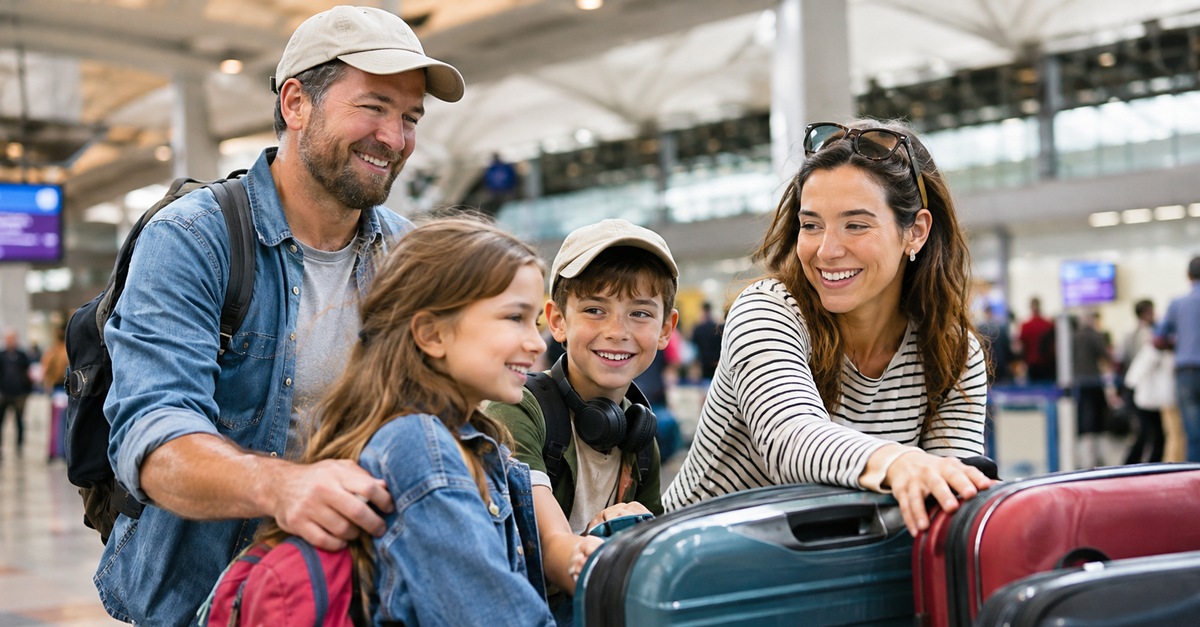
Consider a family of four taking a domestic round-trip flight, with each traveler checking one standard suitcase. At $45 per bag in each direction, the baggage bill reaches $360, even if the airline tickets themselves are relatively affordable. Under the old two-free-bags-per-person model, the same family would have paid nothing separately for those suitcases.
The Airport Counter Can Make Things Worse
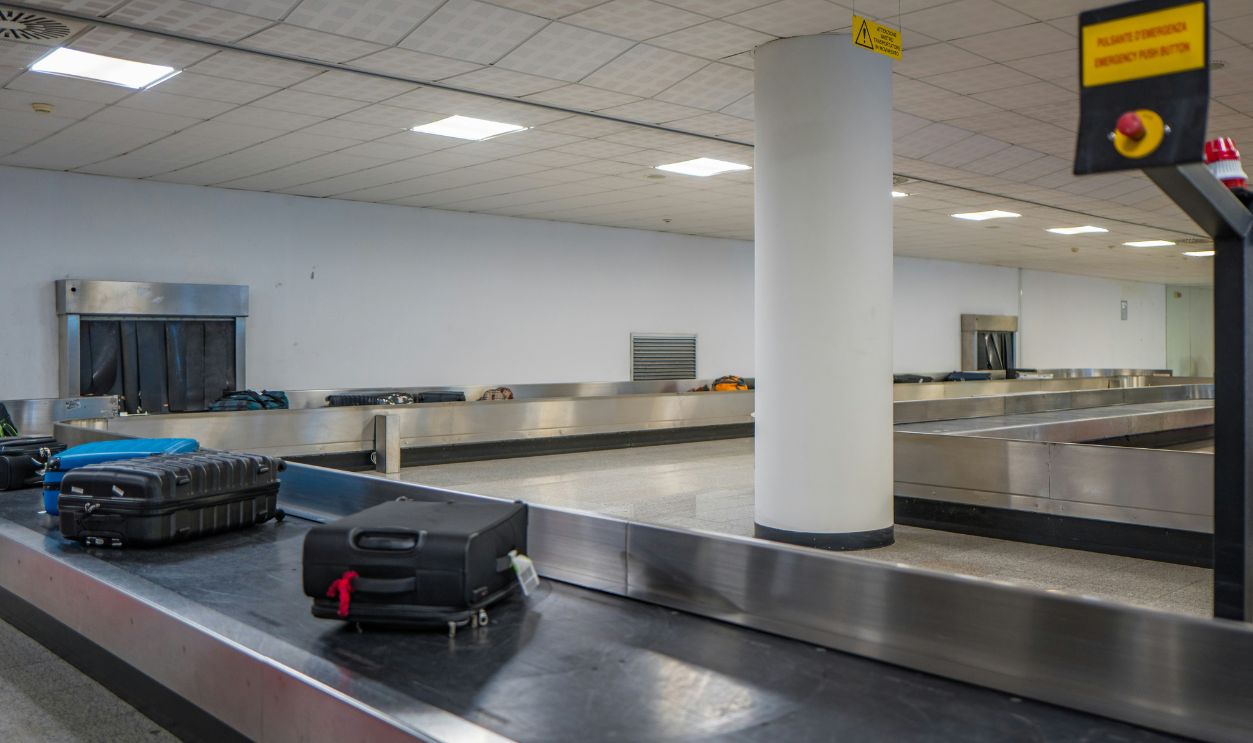
Some airlines charge more when passengers pay for checked luggage at the airport instead of online. American Airlines, for example, lists a $5 difference between online and airport payment for a first standard checked bag on many domestic tickets. For four family members traveling round trip, that difference alone can add another $40 to the vacation budget.
Eight Bags Tell An Even Bigger Story
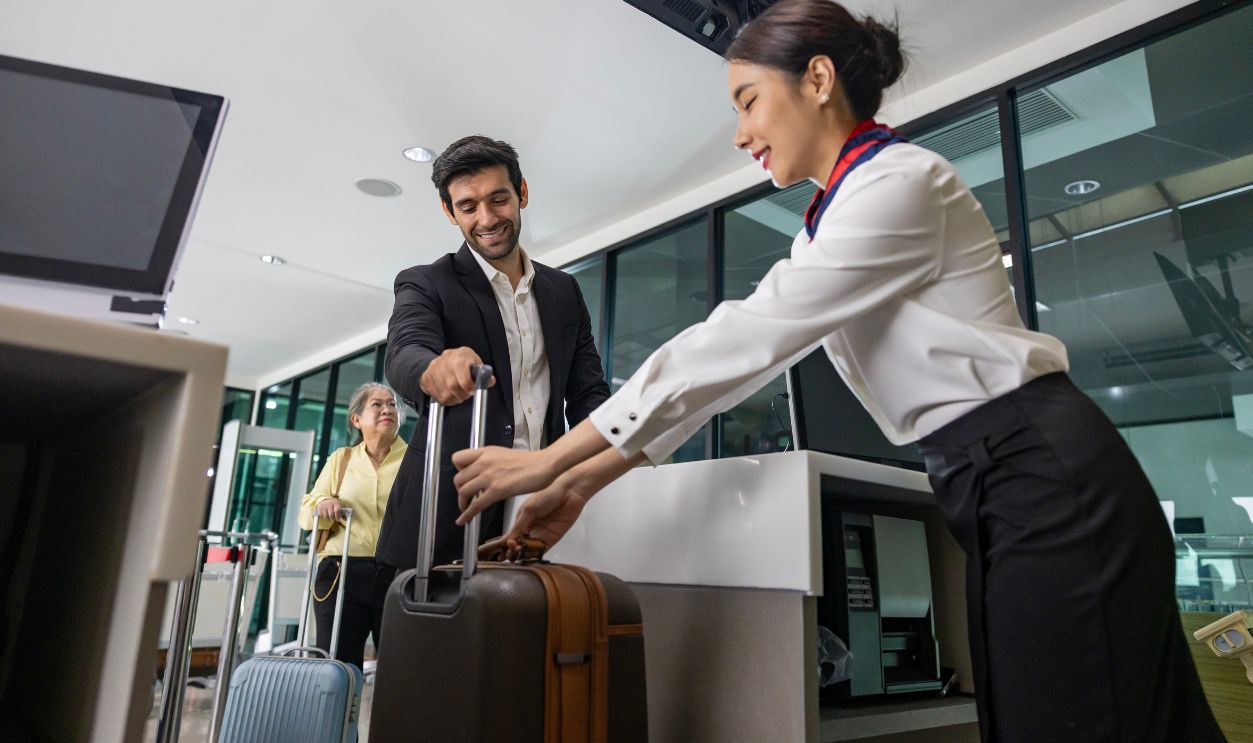
Now imagine a family of four checking two suitcases per person for a longer vacation. Using Delta's published $45 first-bag and $55 second-bag fees, that works out to $100 per traveler in each direction. Across four passengers and a round trip, the total reaches an eye-watering $800, compared with no separate baggage charge under American's pre-2008 two-bag allowance.
A Single Extra Suitcase Changes The Math
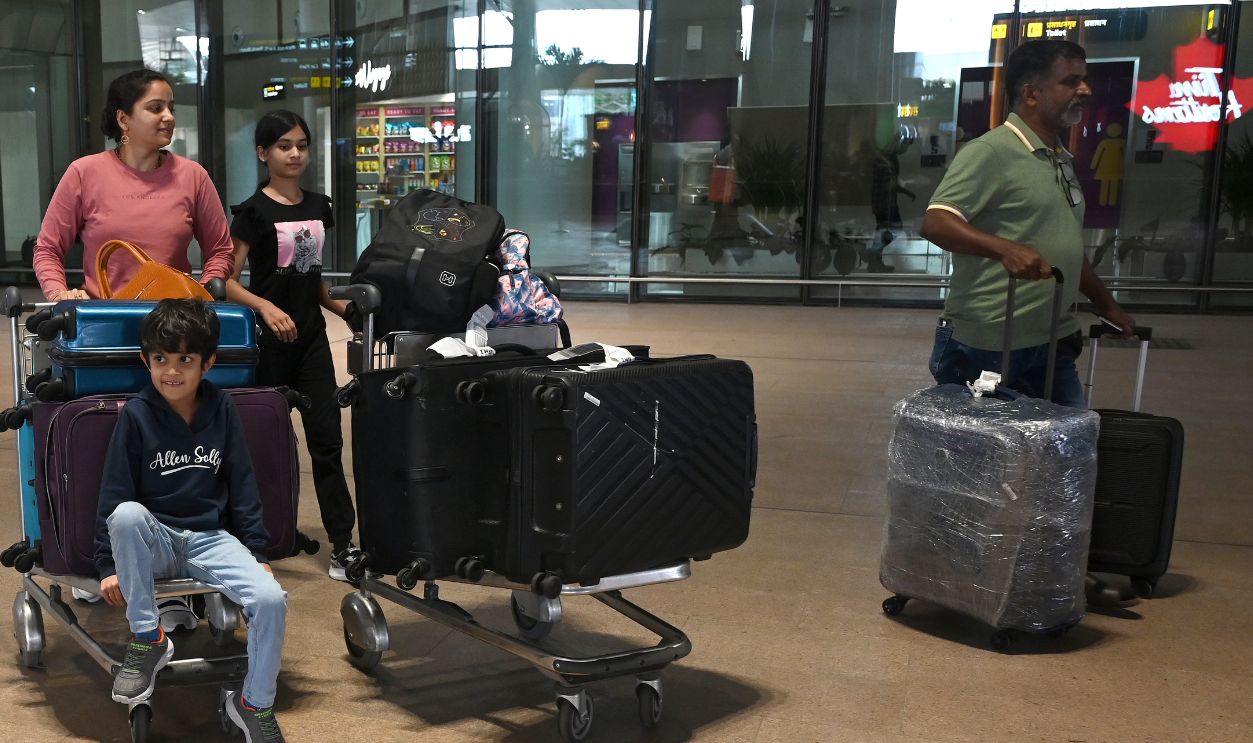
Families sometimes assume that placing more belongings into fewer suitcases will automatically reduce their costs. However, airlines commonly charge more for second bags than first bags, so the allocation of luggage across travelers matters. A family should compare the cost of another checked bag against the cost of packing more efficiently before leaving home.
The Weight Limit Creates Another Trap
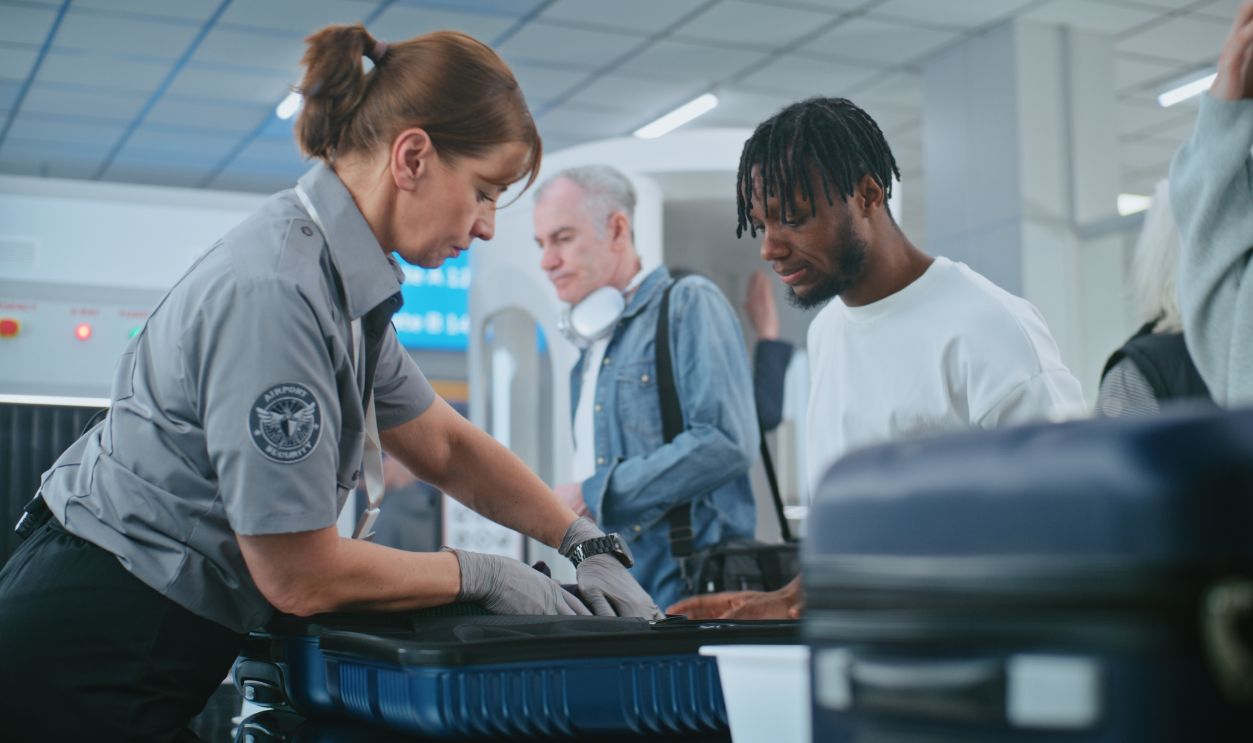
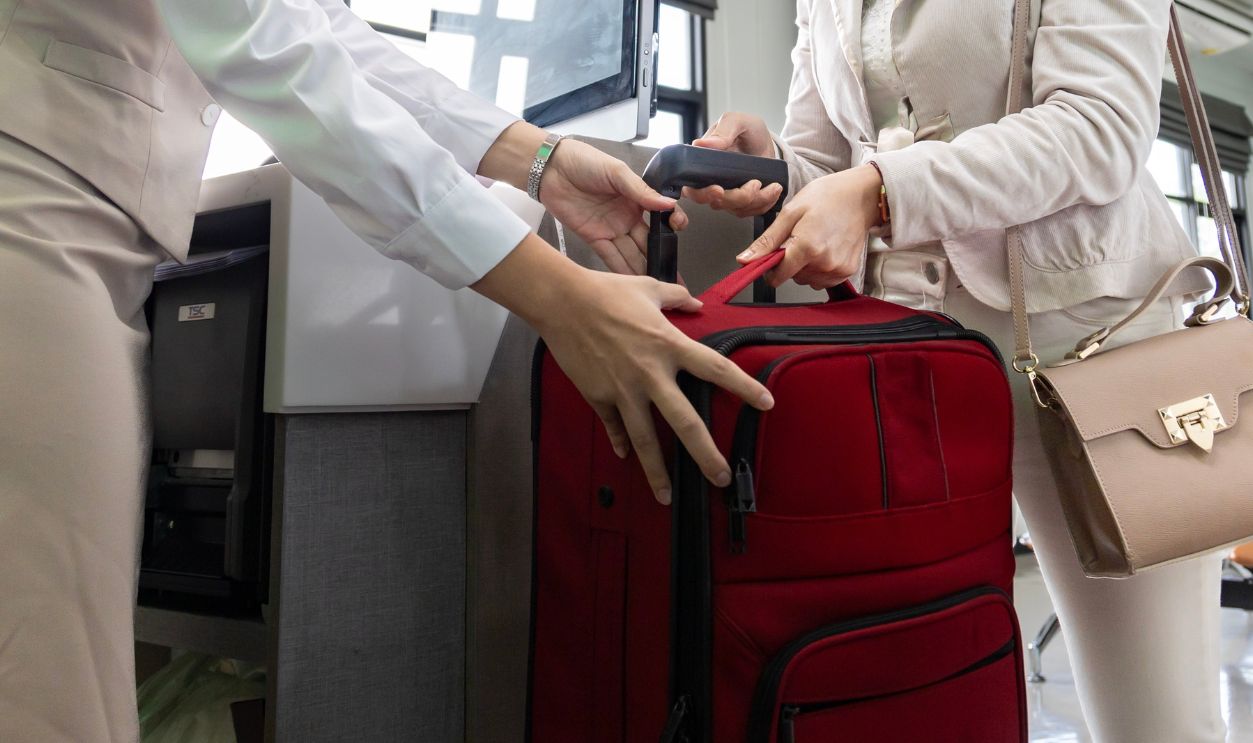
Most standard domestic checked-bag allowances at major U.S. airlines use a 50-pound weight threshold. American Airlines lists an additional $30 for bags weighing more than 50 pounds through 53 pounds on qualifying U.S. routes, with larger penalties at higher weights. A suitcase that seems only slightly too heavy can therefore cost considerably more than its original checked-bag fee.
One Heavy Suitcase Can Cost Another $100
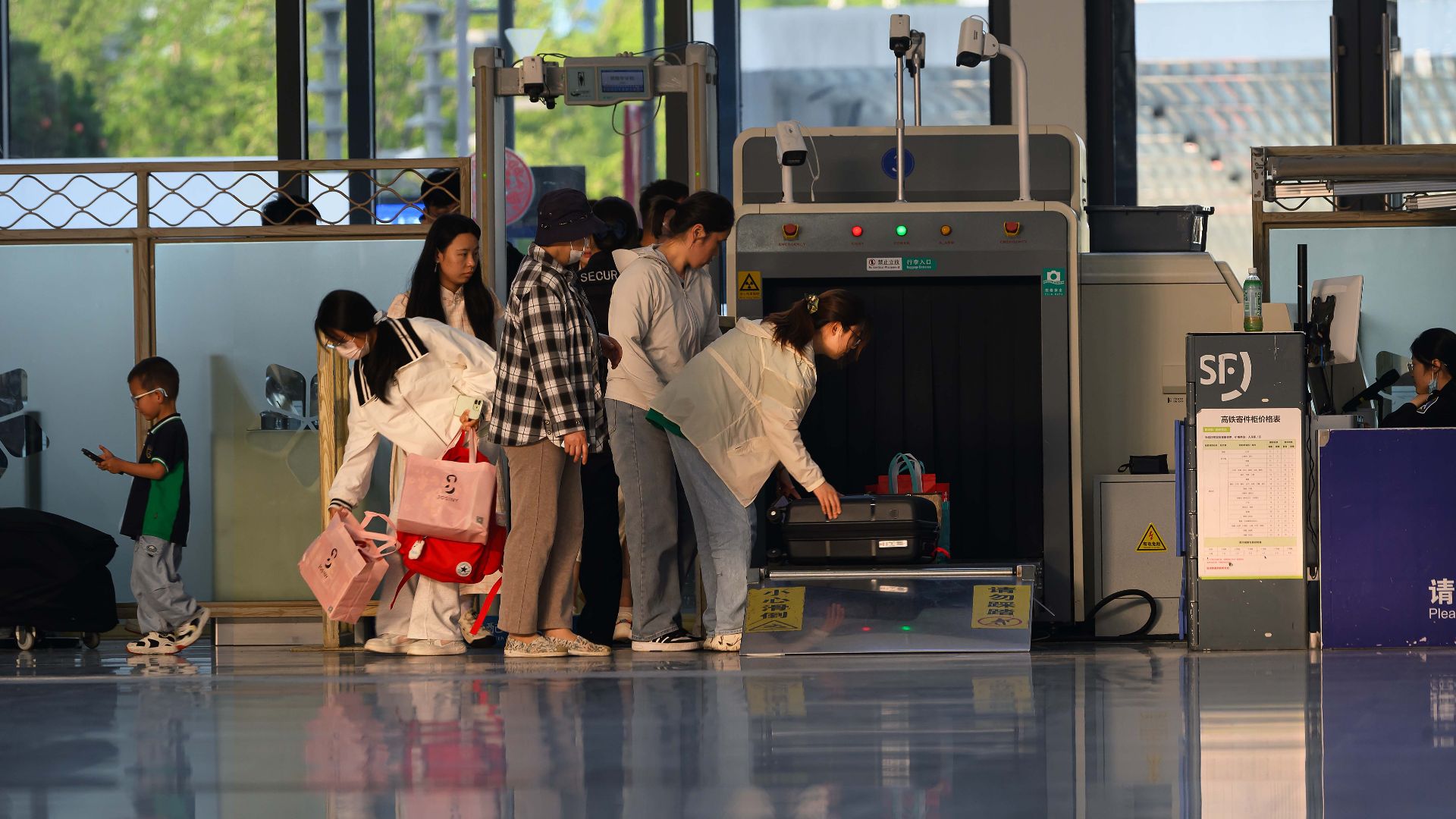
American's published overweight fee rises to $100 for qualifying bags weighing more than 53 pounds through 70 pounds on U.S. and Canadian routes. That charge comes on top of the ordinary checked-bag fee when applicable. Families attempting to combine everyone's belongings into one oversized suitcase should calculate the possible weight penalties before assuming they are saving money.
The Cheapest Ticket Might Not Be Cheapest
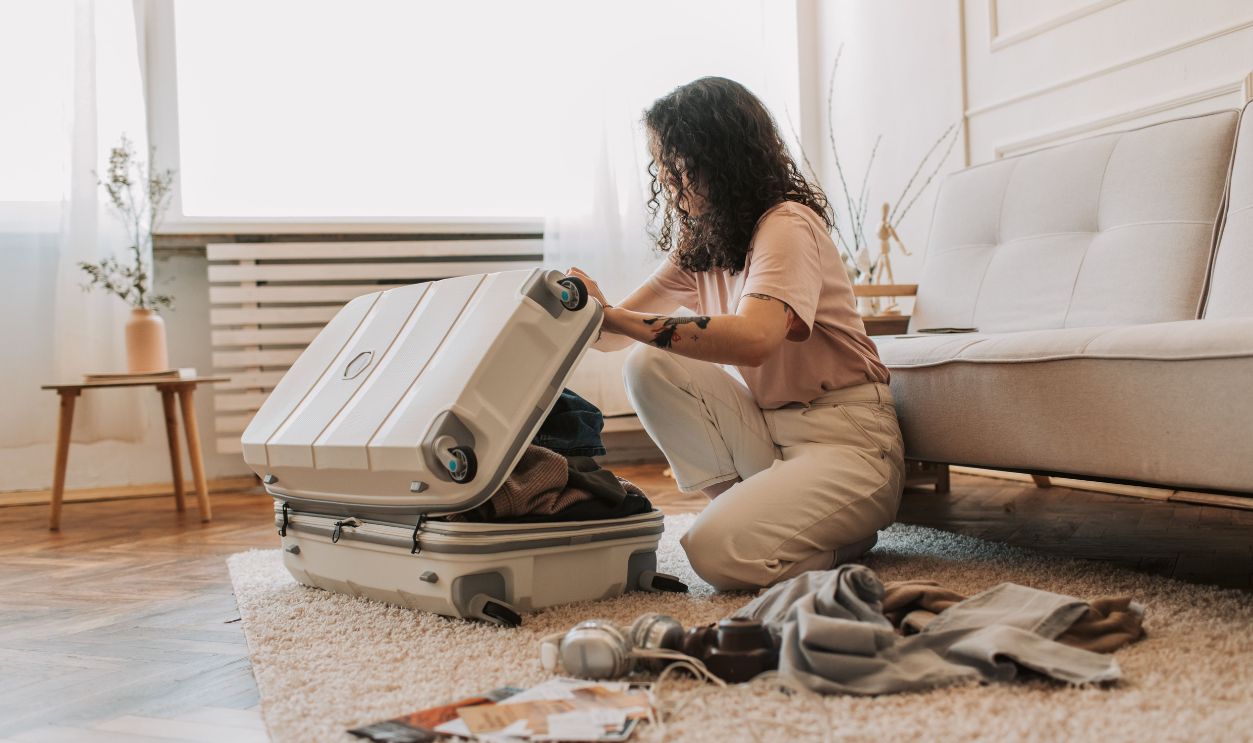
Airfare comparison websites often emphasize the ticket price, but baggage charges can change which flight offers the best overall value. A family paying $360 to check four suitcases round trip should add that amount to the advertised airfare before making a decision. A competing flight that costs slightly more per ticket could still be cheaper if it includes checked luggage.
 everythingforall, Shutterstock
Basic Economy Can Add Another Surprise
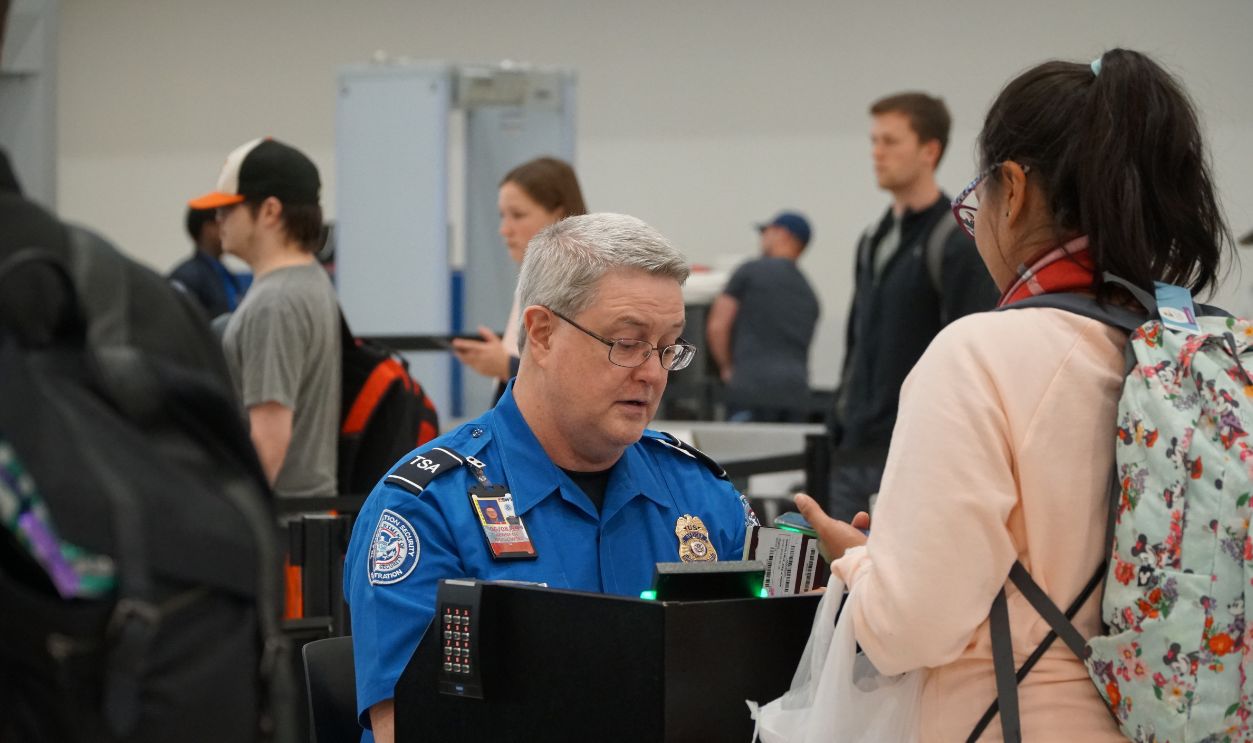
American Airlines charges Basic Economy travelers more for their first and second checked bags on many routes under its newer fee schedule. For qualifying tickets issued from May 18, 2026, the first bag costs $50 online or $55 at the airport. That makes it important to compare fare categories carefully instead of assuming every economy ticket carries the same baggage allowance.
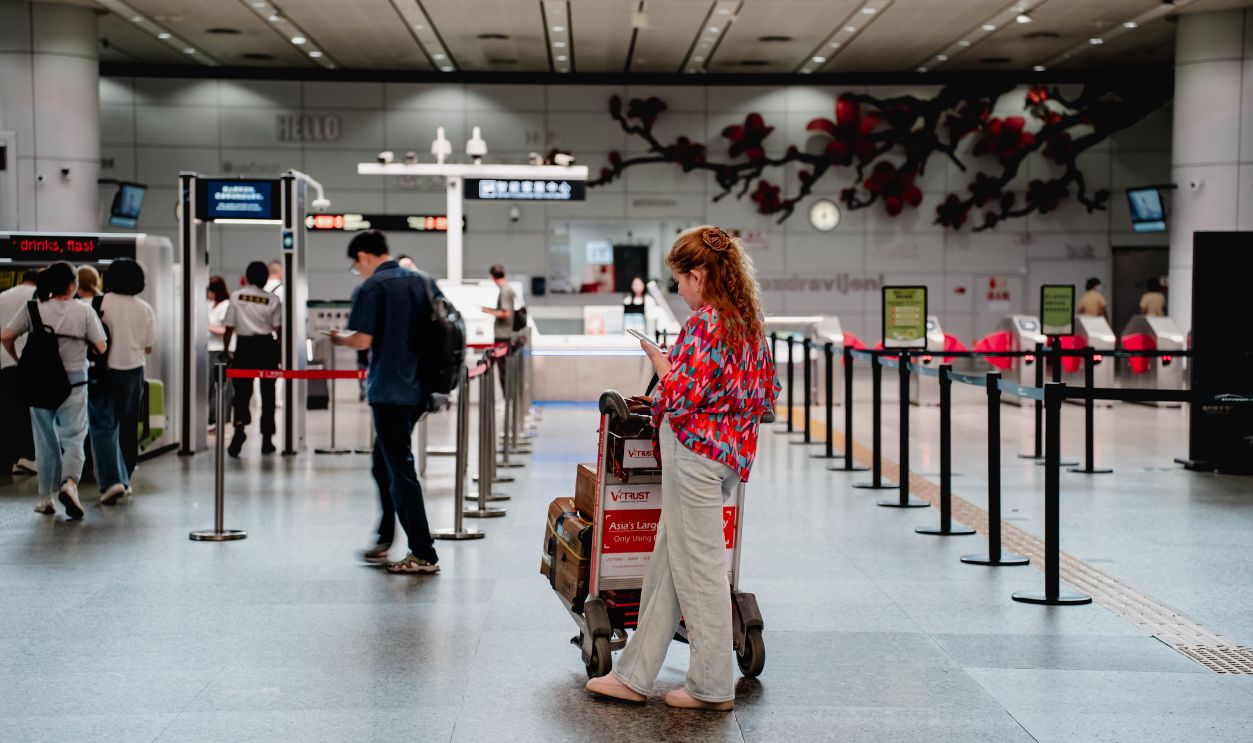
Premium Tickets Deserve A Second Look
Paying more for a higher fare category can occasionally make financial sense when baggage is included. American Airlines offers complimentary checked-bag allowances with qualifying premium cabins, while Southwest's Choice Extra fare includes two checked bags. However, travelers should calculate the total upgrade cost for everyone before assuming that a premium ticket delivers better value.
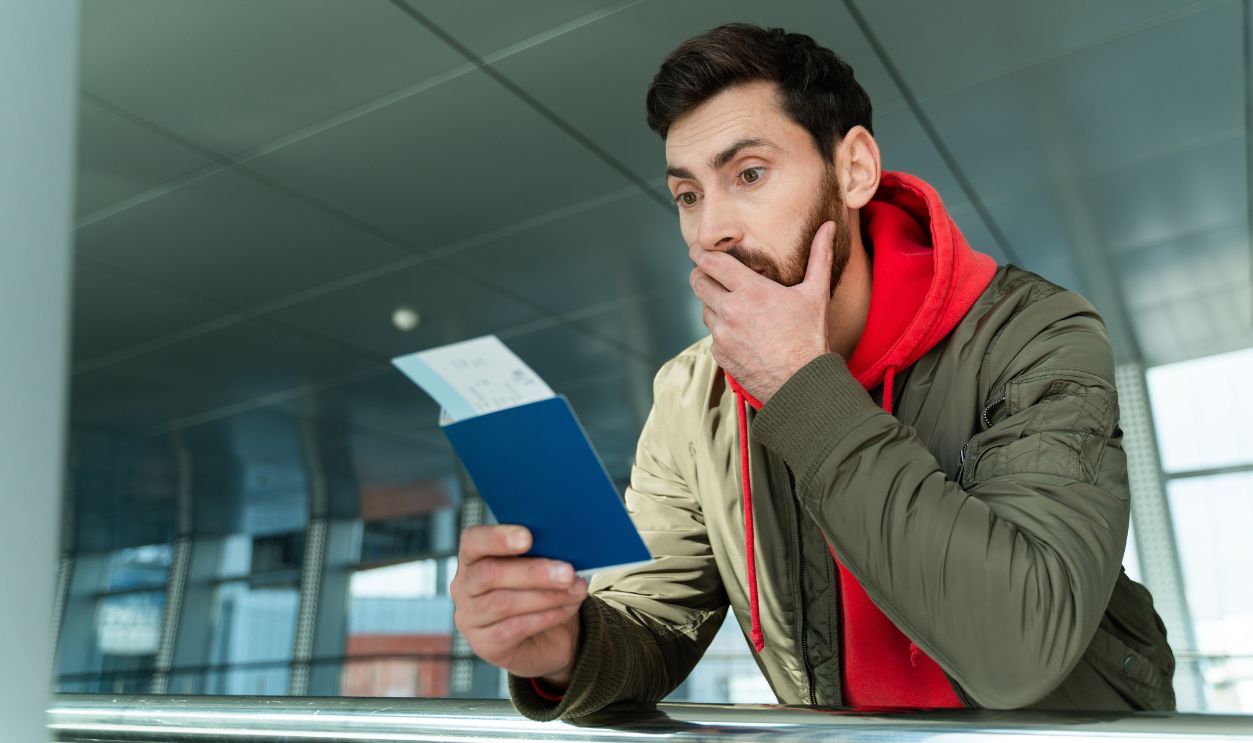
Airline Credit Cards Can Change The Equation
Some airline-branded credit cards include complimentary checked baggage as a travel benefit. Southwest says eligible Rapid Rewards credit cardholders can receive a free first checked bag for themselves and up to eight companions on the same reservation. Families considering such cards should compare the potential savings with annual fees and other card conditions rather than opening an account solely for one vacation.
 HockleyM3/peopleimages.com, Adobe Stock
Frequent Flyers May Have An Advantage
Airline loyalty programs sometimes reward frequent travelers with baggage allowances unavailable to ordinary passengers. Southwest's A-List Preferred members, for example, receive two free checked bags under the airline's published policy, with benefits extending to eligible companions on the same reservation. This can make loyalty status particularly valuable when several family members travel together.
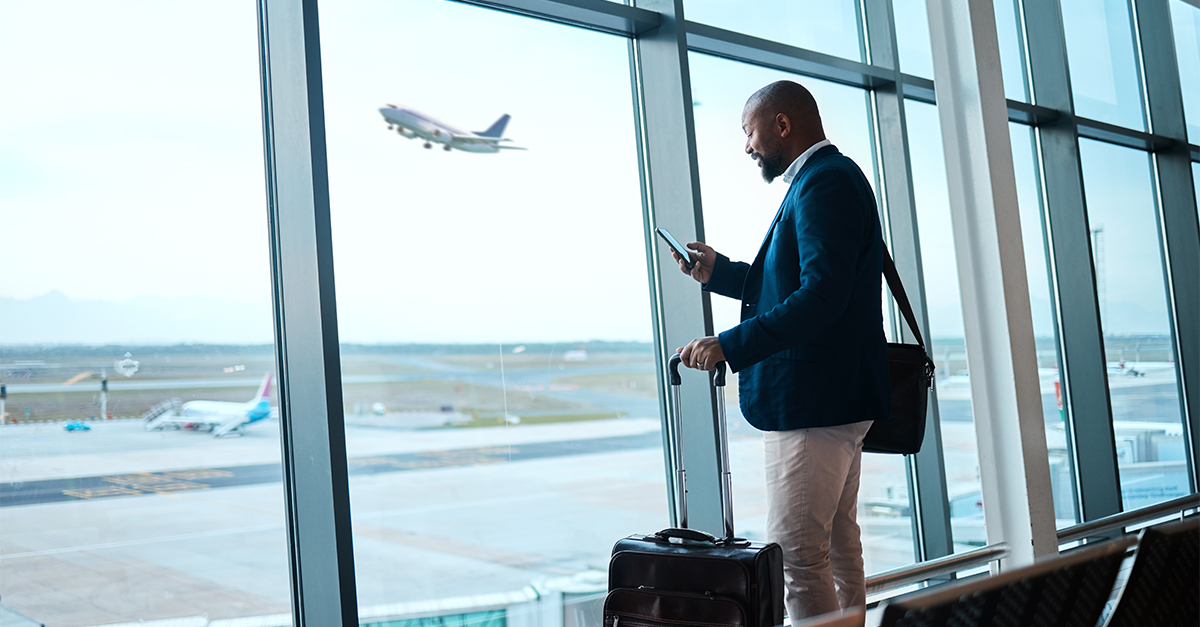
Carry-On Bags Offer A Possible Escape
Families willing to pack lighter can often avoid checked-bag fees by using permitted carry-on luggage. Delta allows a standard carry-on bag and a personal item with its regular domestic baggage policy, while Southwest also includes both on its listed fares. Travelers should still verify size limits and fare restrictions before assuming everything can travel in the cabin.
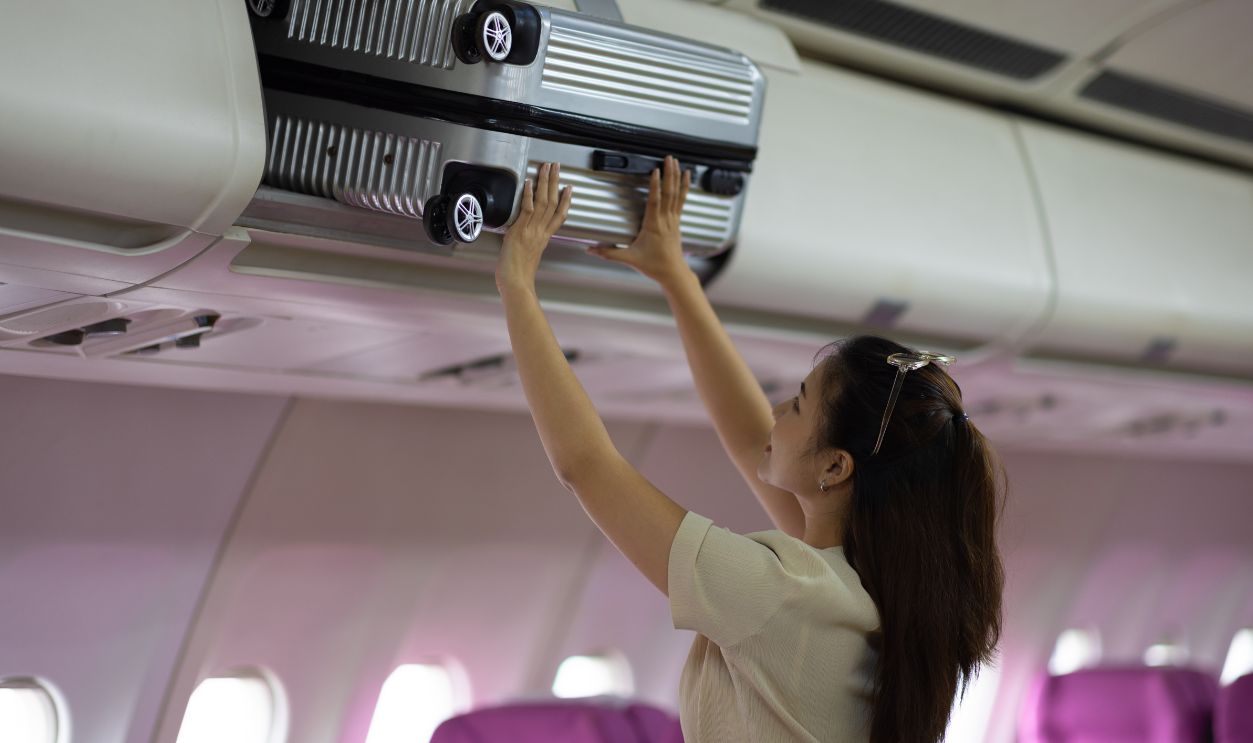
Packing Together Can Reduce The Bill
A family of four does not necessarily need four checked suitcases for a short vacation. If everyone can comfortably share two bags while staying within the airline's weight limits, the baggage charge at $45 per suitcase falls from $360 to $180 round trip. The potential savings are significant, although families should consider whether shared packing is practical for their particular trip.
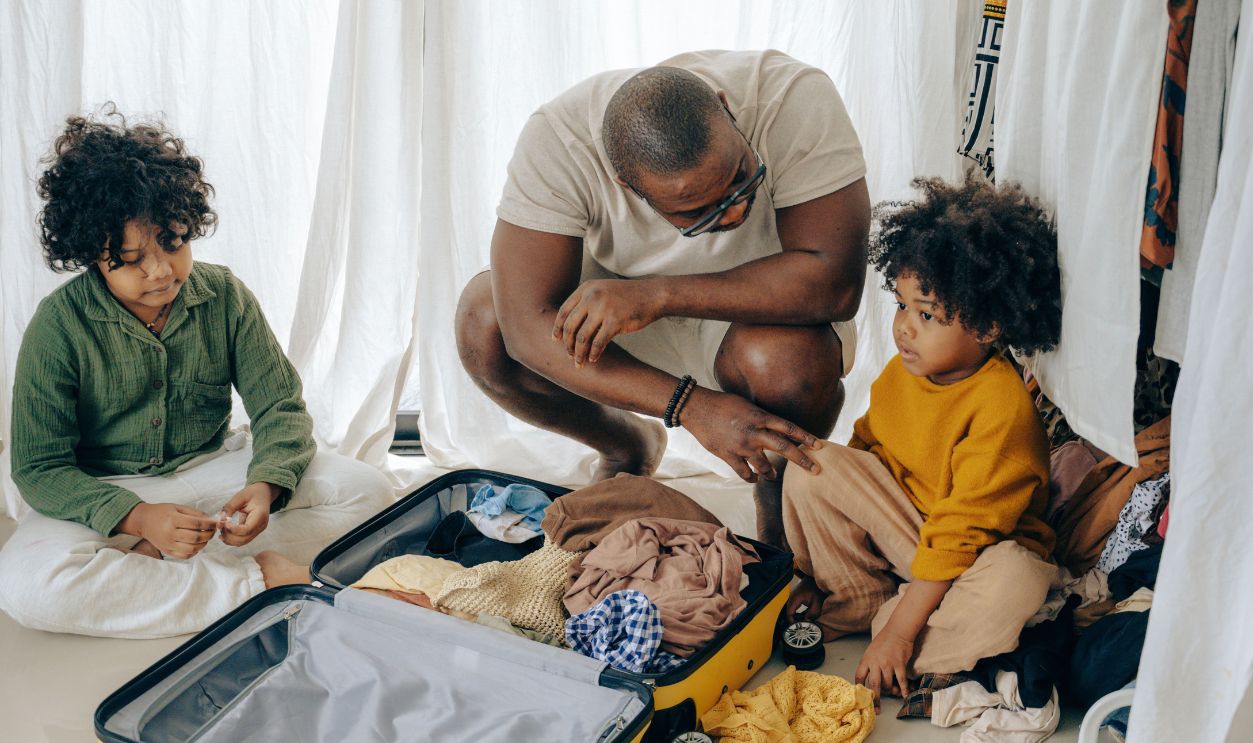
Sometimes Laundry Beats Another Suitcase
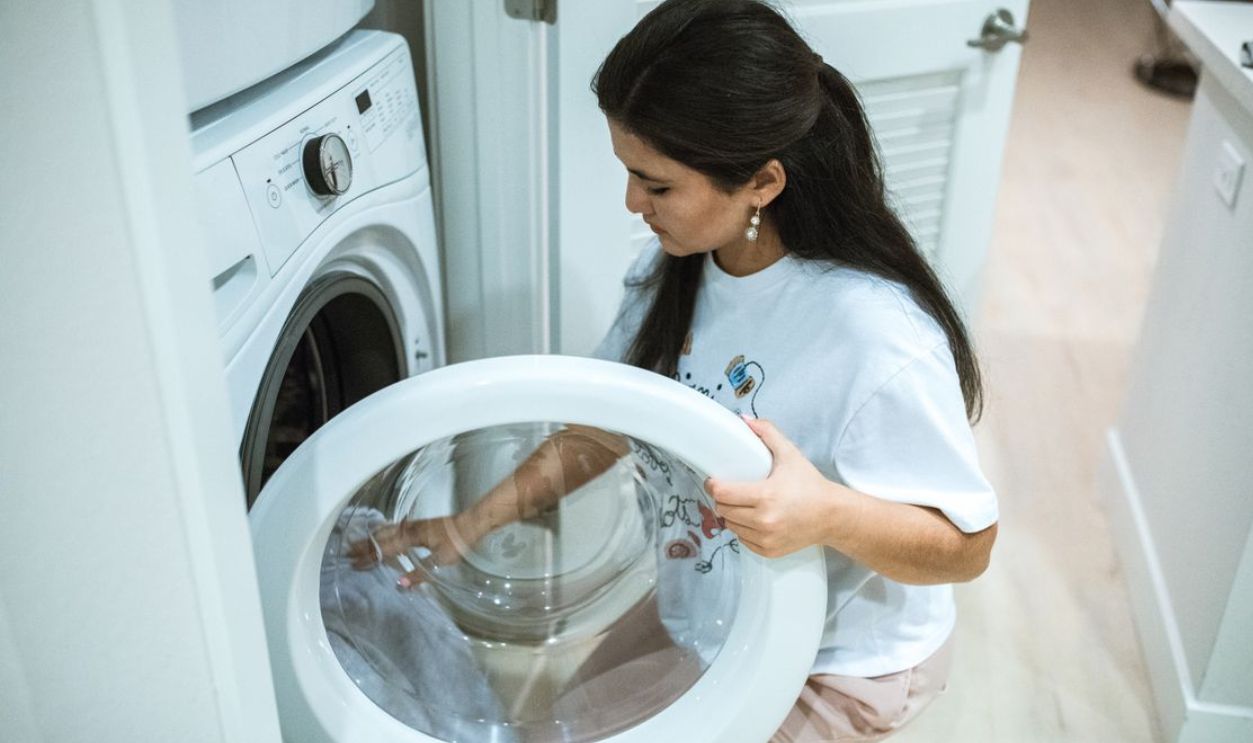
For longer vacations, travelers may find that washing clothes once during the trip costs less than paying for another checked bag. At a hypothetical $45 per direction, eliminating one suitcase saves $90 on a round trip. Even a modest hotel laundry expense could leave the family ahead financially, provided they confirm the service's actual price.
Families Should Check Their Seating Costs Too
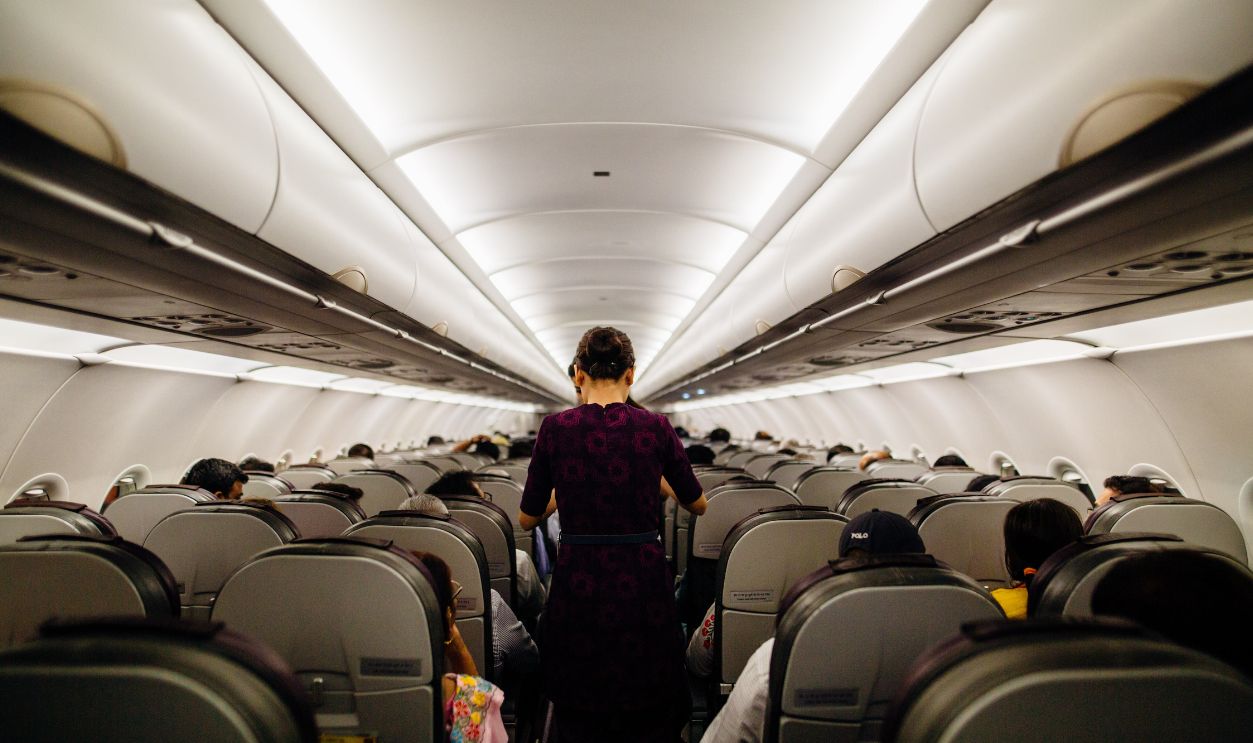
Baggage is not the only extra expense families may encounter when booking flights. Some airlines charge for advance seat selection, creating another possible cost for parents who want everyone sitting together. The U.S. Department of Transportation maintains a family seating dashboard identifying airlines that guarantee adjacent seats for children 13 and younger and an accompanying adult without additional charges, subject to certain conditions.
Delayed Bags May Qualify For A Refund
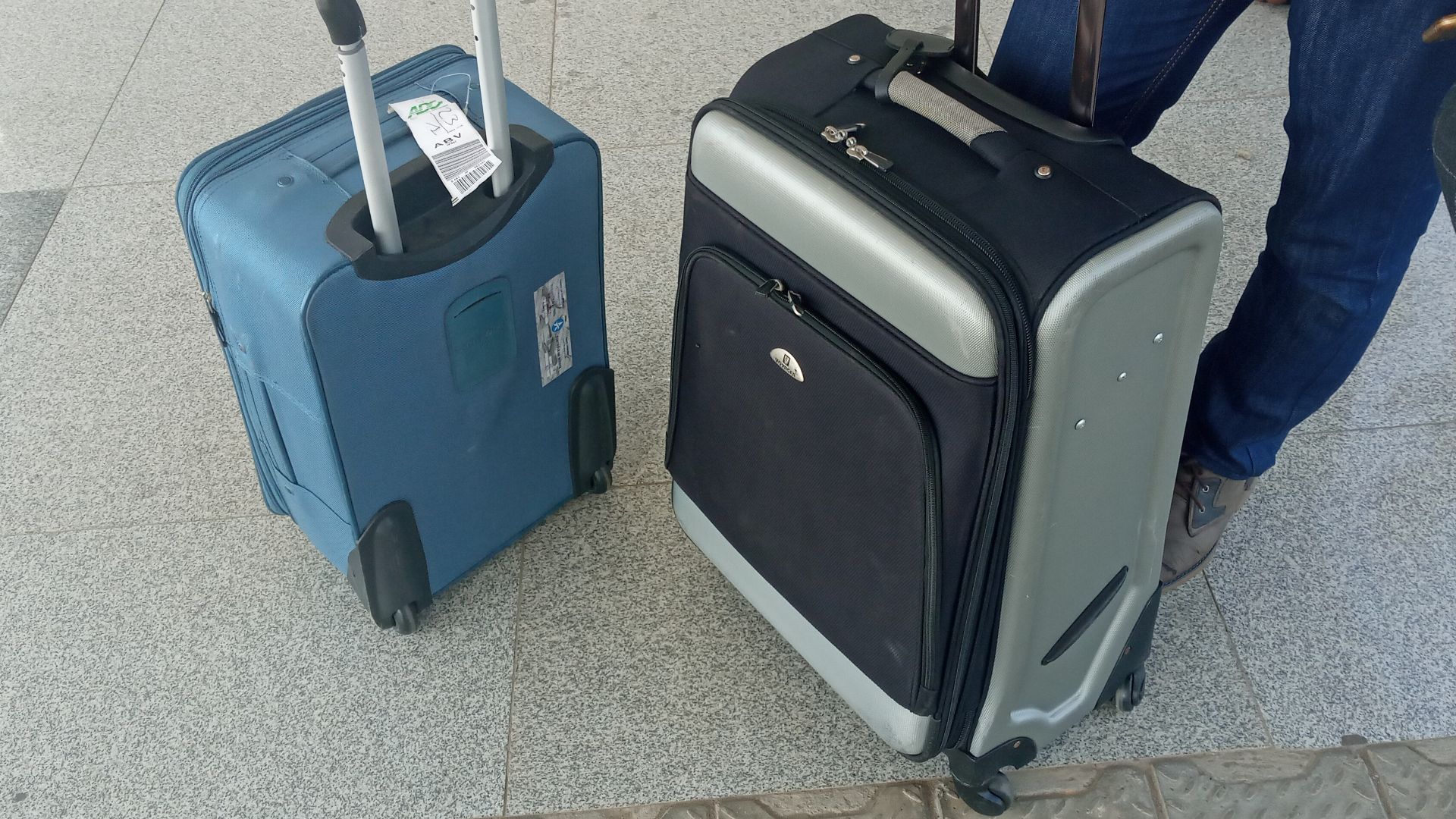
Paying to check luggage does not guarantee that the suitcase will arrive alongside its owner. Under U.S. Department of Transportation rules, passengers who file a mishandled baggage report are entitled to a baggage fee refund if their suitcase is significantly delayed, generally more than 12 hours after a domestic flight arrives. Families should report missing luggage promptly and retain their baggage receipts and claim information.
 Minette Lontsie, Wikimedia Commons
The Smartest Savings Start Before Booking
The easiest way to avoid baggage surprises is to calculate the complete trip cost before purchasing airline tickets. Families should compare airfare, checked luggage, carry-on allowances, fare upgrades, and any applicable loyalty benefits across competing airlines. A few minutes of additional research can prevent a seemingly inexpensive vacation from becoming considerably more expensive.

The Real Difference Is Hundreds Of Dollars
In the era when two checked bags were included with many domestic economy tickets, a family of four could travel with eight suitcases without paying separate baggage charges. Using Delta's published 2026 first- and second-bag rates, transporting those same eight bags round trip would cost $800. The biggest change is not simply that airlines charge more for luggage, but that families must now budget separately for something that once came with the ticket.
 Ekaterina Pokrovsky, Shutterstock
You May Also Like:
I Tried To Return Spoiled Groceries, But The Store Said Fresh Food Is Final Sale. Is That Normal?
Refund Policies That Leave Customers With Credit Instead Of Cash When Money Is Tight