They Knew How To Stretch A Dollar
In the 1970s, rising prices and gas shortages meant Americans had to get pretty creative with their money. But boomers knew a thing or two about stretching a dollar. From collecting trading stamps to finding clever ways to make things last, they knew how to get the most out of every penny.
Here are some of the smartest money-saving tricks from the 1970s that younger Americans could learn a thing or two from.

They Collected Green Stamps
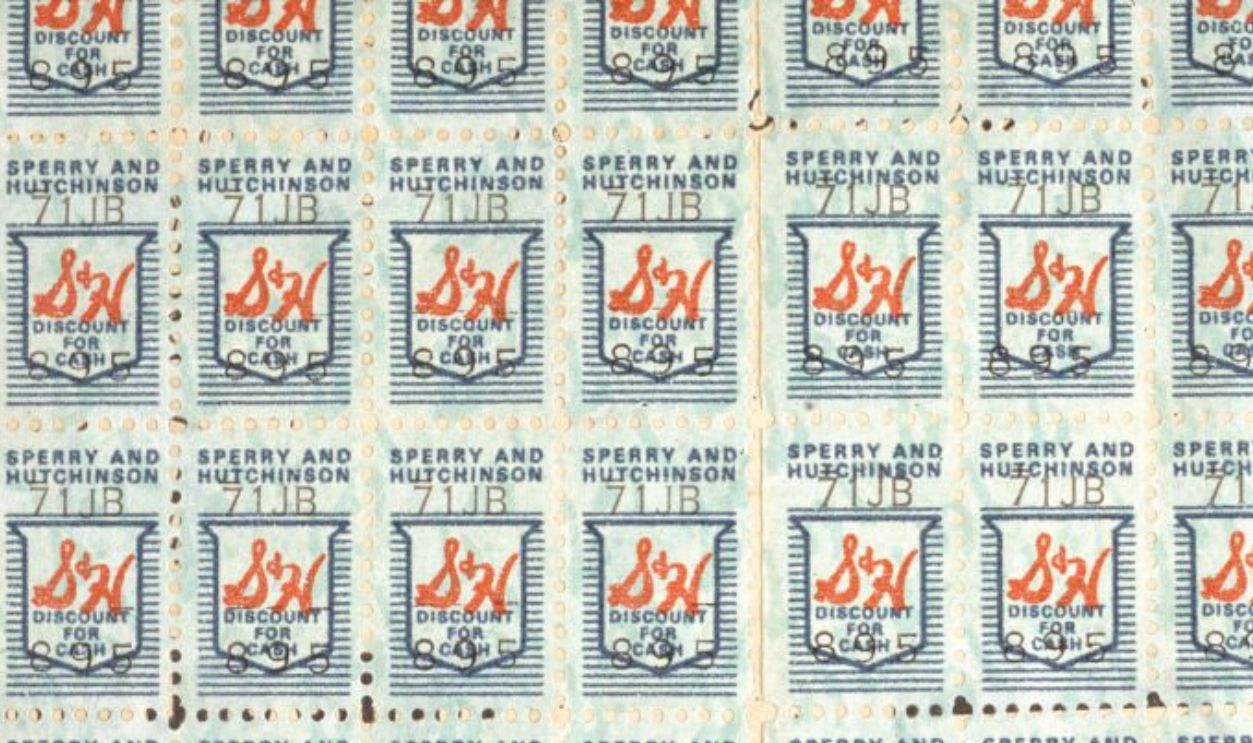
Long before credit card rewards, shoppers collected S&H Green Stamps from participating grocery stores and gas stations. They pasted the stamps into booklets and redeemed them for merchandise, including appliances, toys, and household goods. Although the program began declining during the 1970s, families could still turn everyday purchases into useful rewards.
They Clipped Coupons From Newspapers
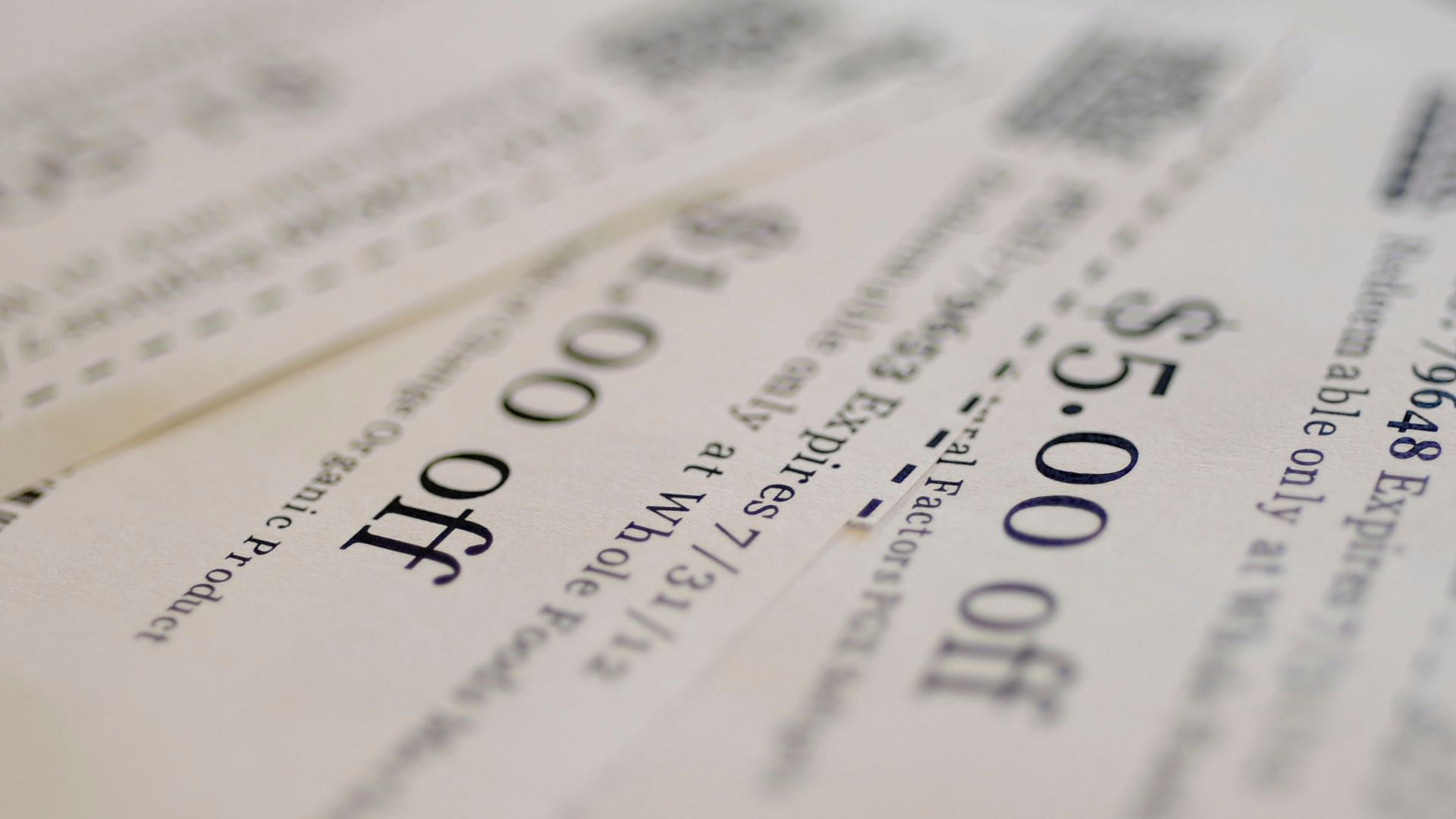
For bargain hunters, Sunday newspapers were practically treasure chests. Grocery coupons offered discounts on everything from cereal to cleaning products, and dedicated shoppers organized them in envelopes or files. In 1978, one New York woman reportedly used coupons to reduce a $130.18 grocery bill to just $7.07.
 Senior Airman Wesley Farnsworth, Wikimedia Commons
They Repaired Clothes Instead Of Replacing Them
A missing button or torn seam didn't automatically mean buying something new. Sewing kits, patches, and basic mending skills helped families keep clothing wearable for longer. Repairing a favorite jacket or pair of pants could save the cost of a replacement.

They Returned Empty Bottles For Cash
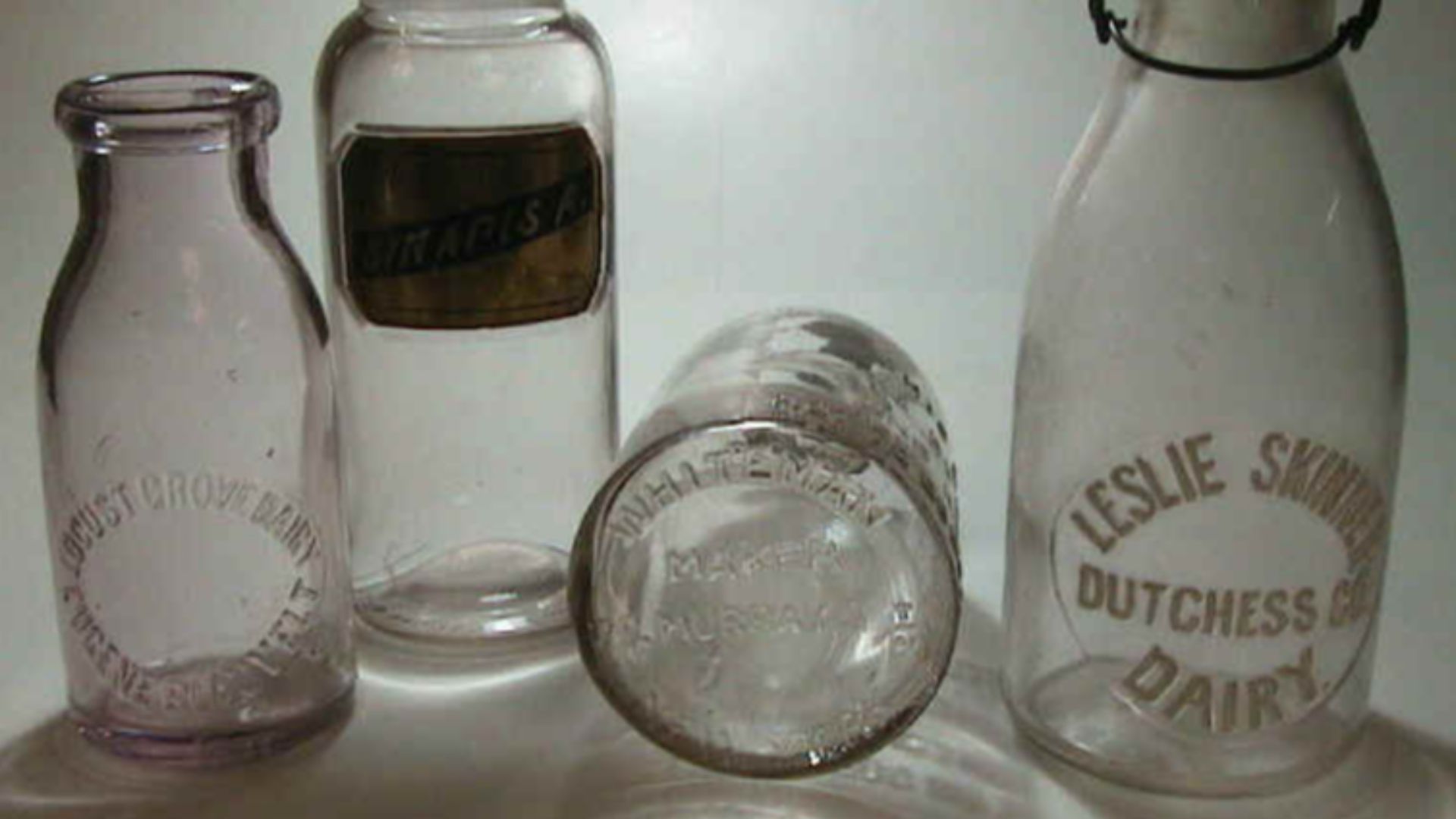
In 1971, Oregon passed America's first statewide bottle deposit law, which took effect in 1972. Consumers could recover deposits of up to five cents per eligible beverage container by returning their empties. For families accustomed to saving bottles rather than throwing them away, the system made it easier to recover money already spent.
 Potomacbase at English Wikipedia, Wikimedia Commons
They Took Advantage Of Double Coupons
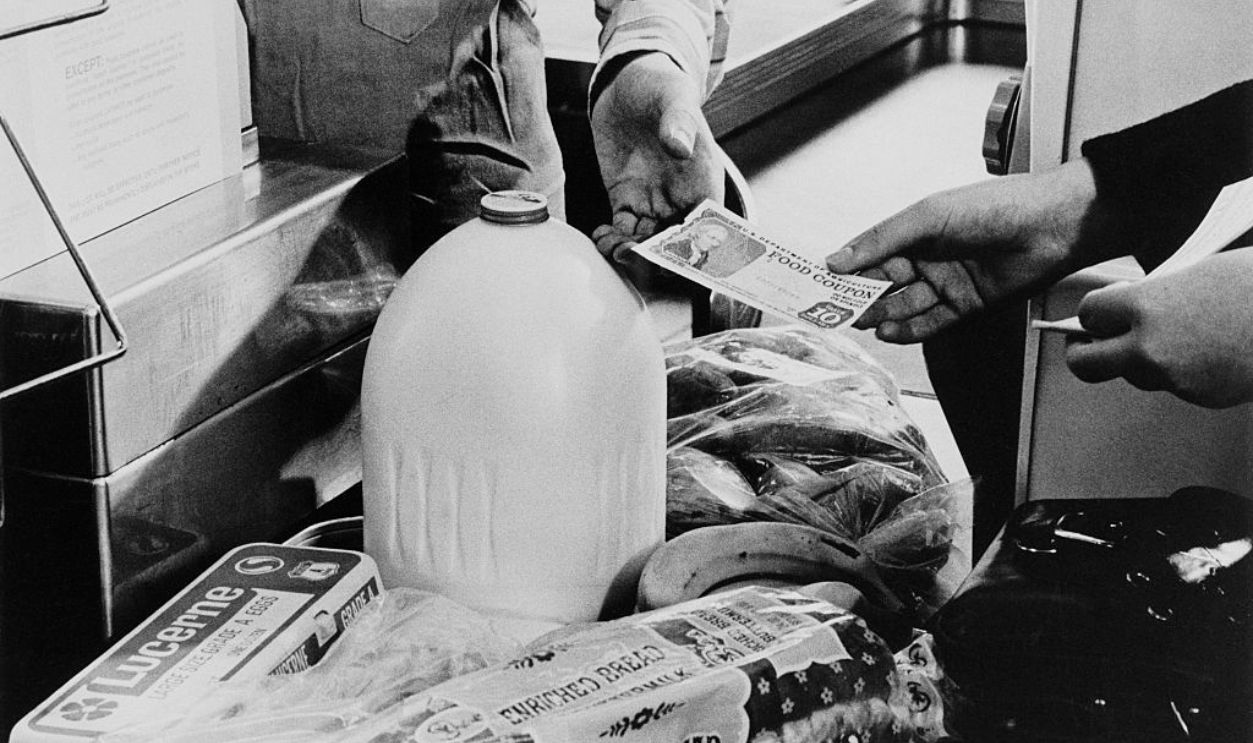
Some supermarkets began doubling manufacturers' coupons during the late 1970s to attract customers. A coupon worth 25 cents could suddenly knock 50 cents off the price of an item. Shoppers who matched these promotions with products they already needed could stretch their grocery budgets even further.
They Studied The Weekly Grocery Ads
Before grocery shopping, careful households checked the supermarket advertisements in their local newspapers. Weekly circulars highlighted discounts on meat, produce, and pantry staples, helping families plan affordable meals. Instead of deciding what to cook first, shoppers could build their menus around the best bargains.
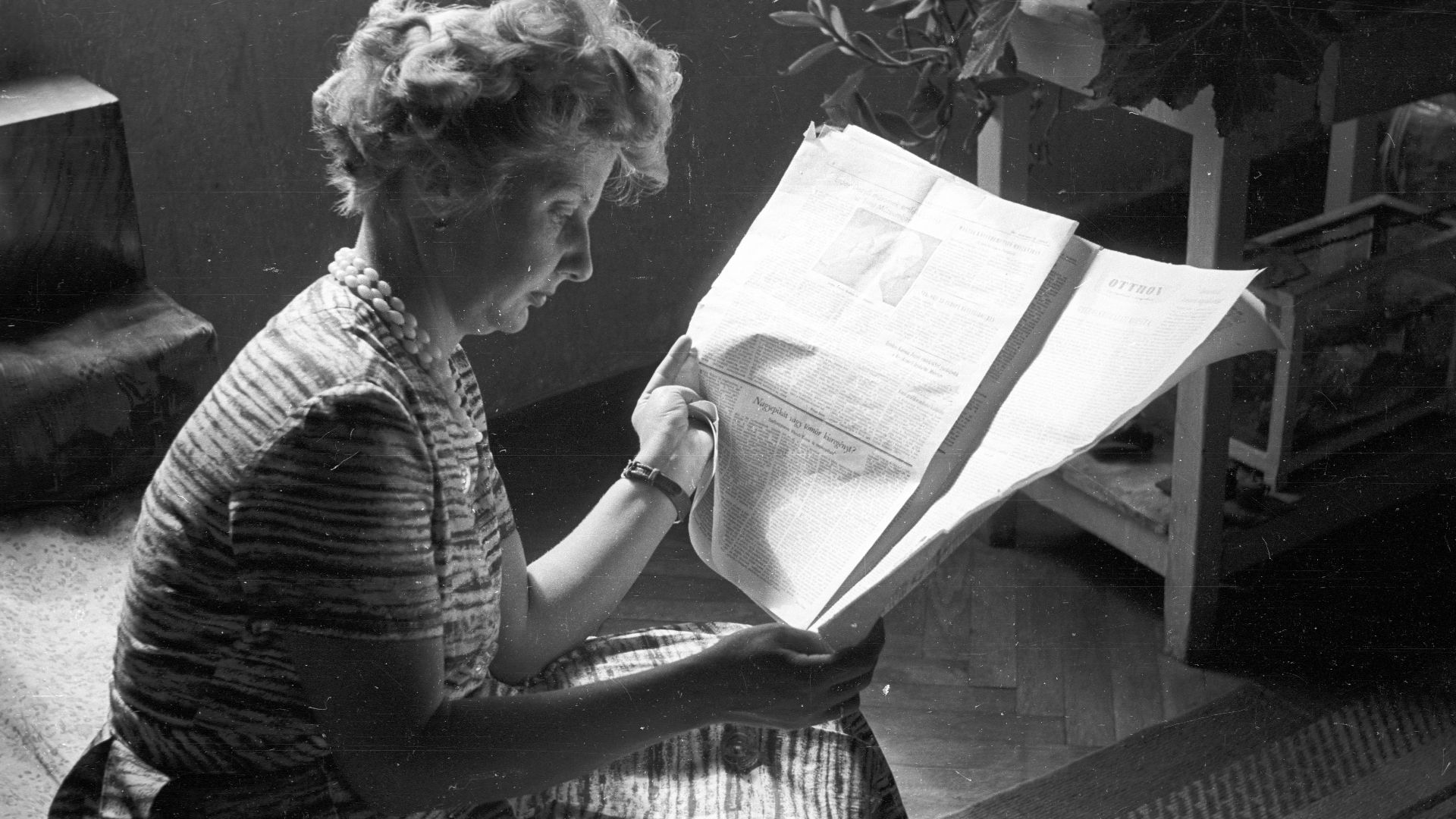 FOTO:Fortepan — ID 60849: Adományozó/Donor: Lencse Zoltán., Wikimedia Commons
They Shared Rides To Work
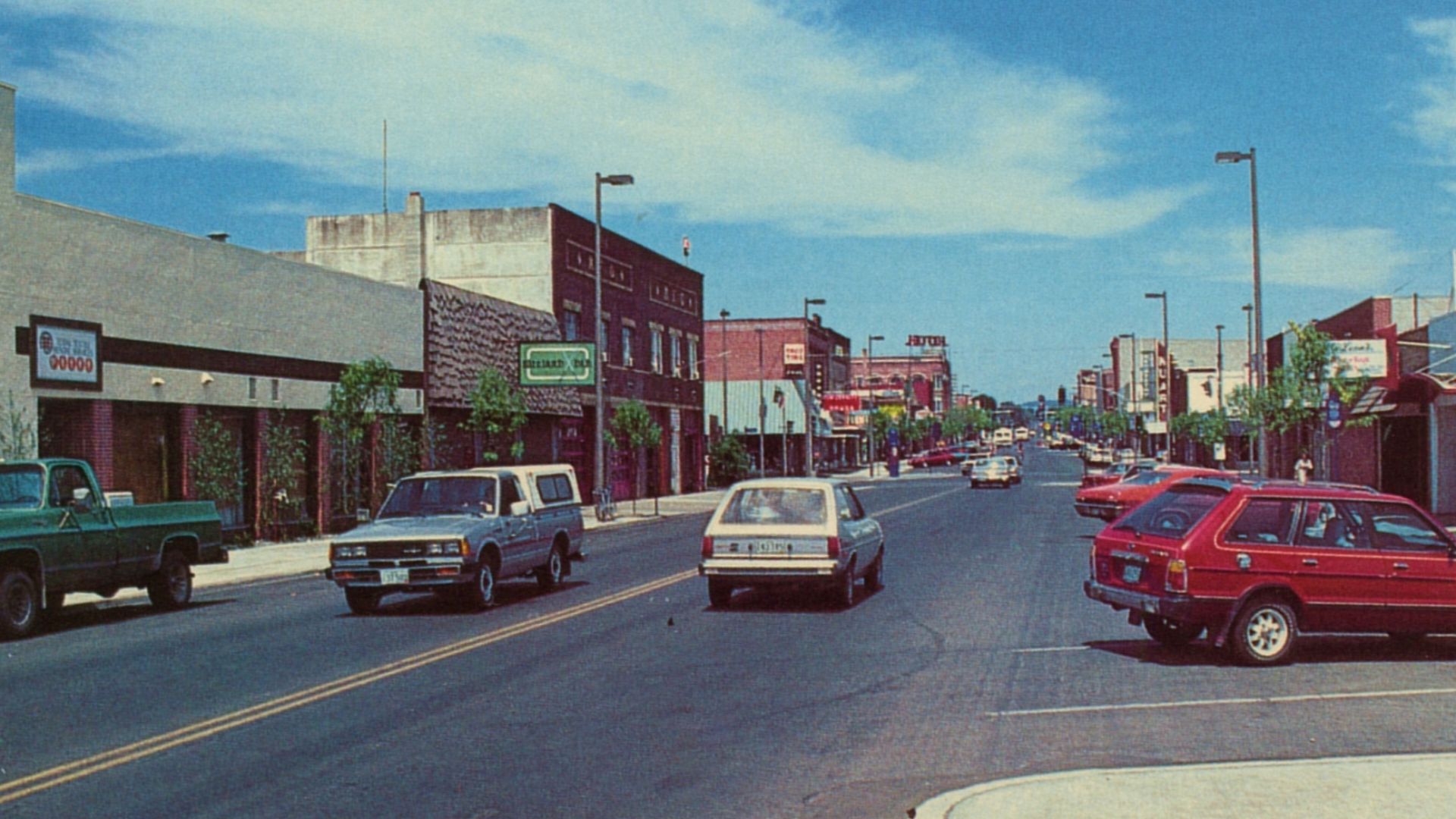
The 1970s gasoline crises made carpooling especially attractive to commuters. Coworkers and neighbors traveling in the same direction could share rides instead of driving separate vehicles. Taking turns behind the wheel reduced individual fuel expenses and unnecessary mileage.
 Steve Shook from Moscow, Idaho, USA, Wikimedia Commons
They Made Cheaper Cuts Of Meat Taste Good
Expensive steaks weren't necessary for a satisfying family dinner. Slow-cooked pot roasts, stews, and casseroles could turn tougher, less expensive cuts into tender meals. Combining smaller portions of meat with potatoes, beans, or vegetables also helped feed more people.
 Mark Miller, Wikimedia Commons
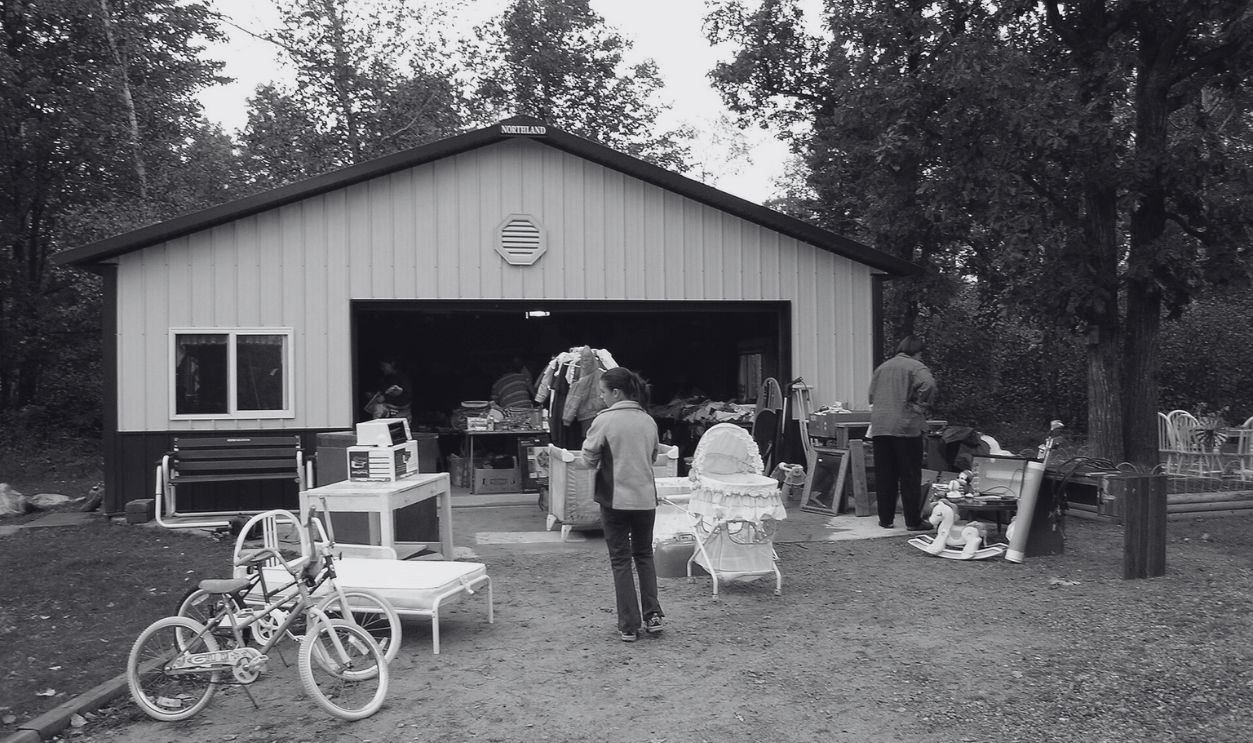
They Shopped At Garage Sales
Garage and yard sales offered secondhand furniture, toys, clothing, and household supplies at prices below those of many stores. Bargain hunters could inspect merchandise, negotiate politely, and find items that still had years of use left. For families furnishing homes or raising children, buying used helped keep expenses manageable.
 National Archives and Records Administration, Wikimedia Commons
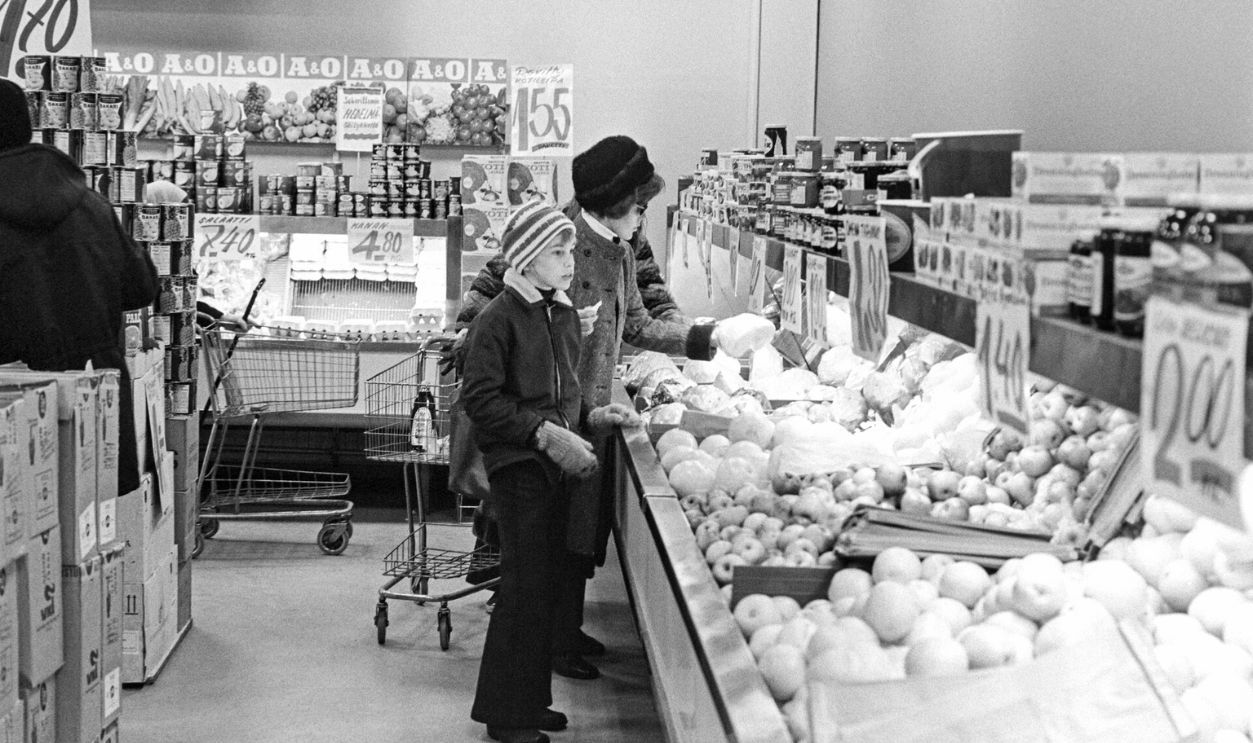
They Bought Plain-Label Groceries
In 1978, A&P introduced no-frills groceries that cost roughly 30% less than nationally advertised brands. These products came in basic packaging and included canned vegetables, detergents, and other household staples. Although quality sometimes differed, shoppers willing to skip familiar labels could save a considerable amount.
 U. A. Saarinen, Wikimedia Commons
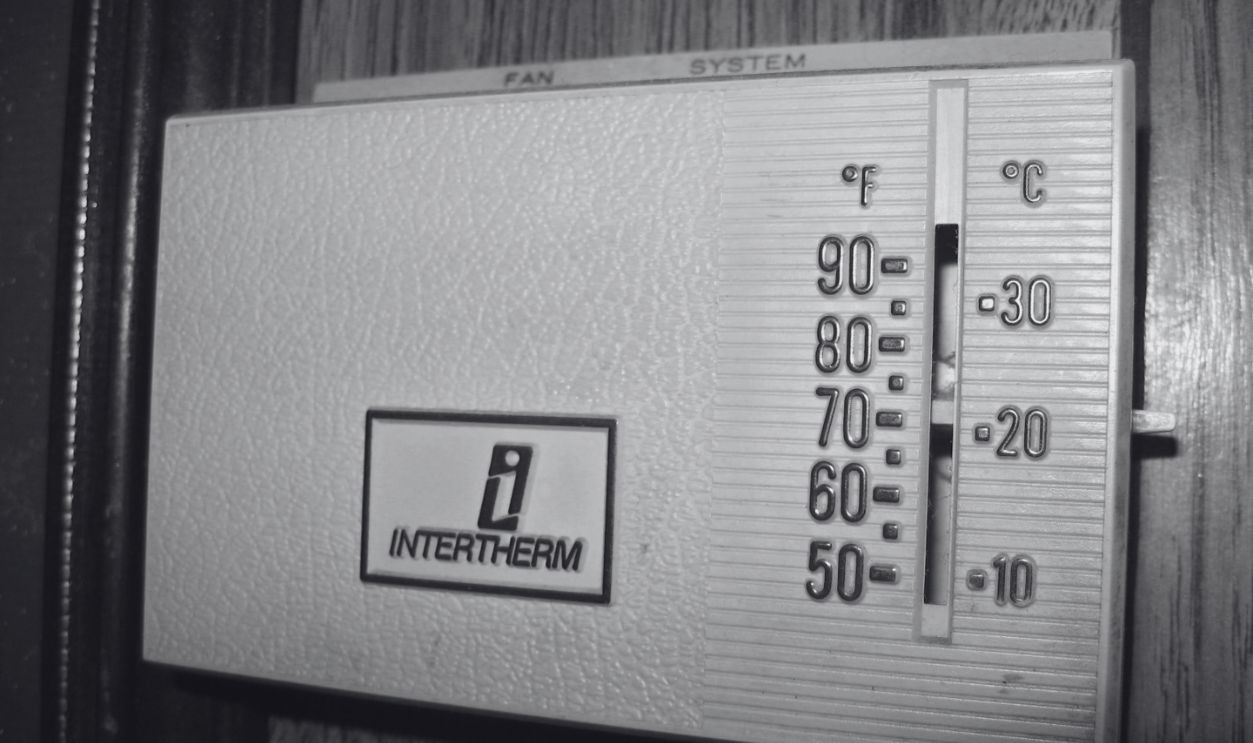
They Turned Down The Thermostat
In January 1977, President Jimmy Carter urged Americans to lower their home thermostats to 65°F or below to conserve heating fuel. The energy crisis made adjusting indoor temperatures an increasingly important household concern. Wearing warmer clothing indoors and reducing unnecessary heating could help control utility expenses.
They Grew Their Own Vegetables
Home gardening gained renewed popularity during the 1970s as Americans embraced self-sufficiency and the back-to-the-land movement. A small backyard garden could provide tomatoes, beans, lettuce, and other seasonal vegetables. For families with the time and space, a productive garden helped supplement supermarket purchases.

They Preserved Their Summer Harvest
When gardens produced more food than families could eat, home canning helped make the harvest last. The practice experienced a resurgence during the early 1970s, alongside growing interest in do-it-yourself living. Properly preserved fruits and vegetables could be enjoyed long after the growing season ended.

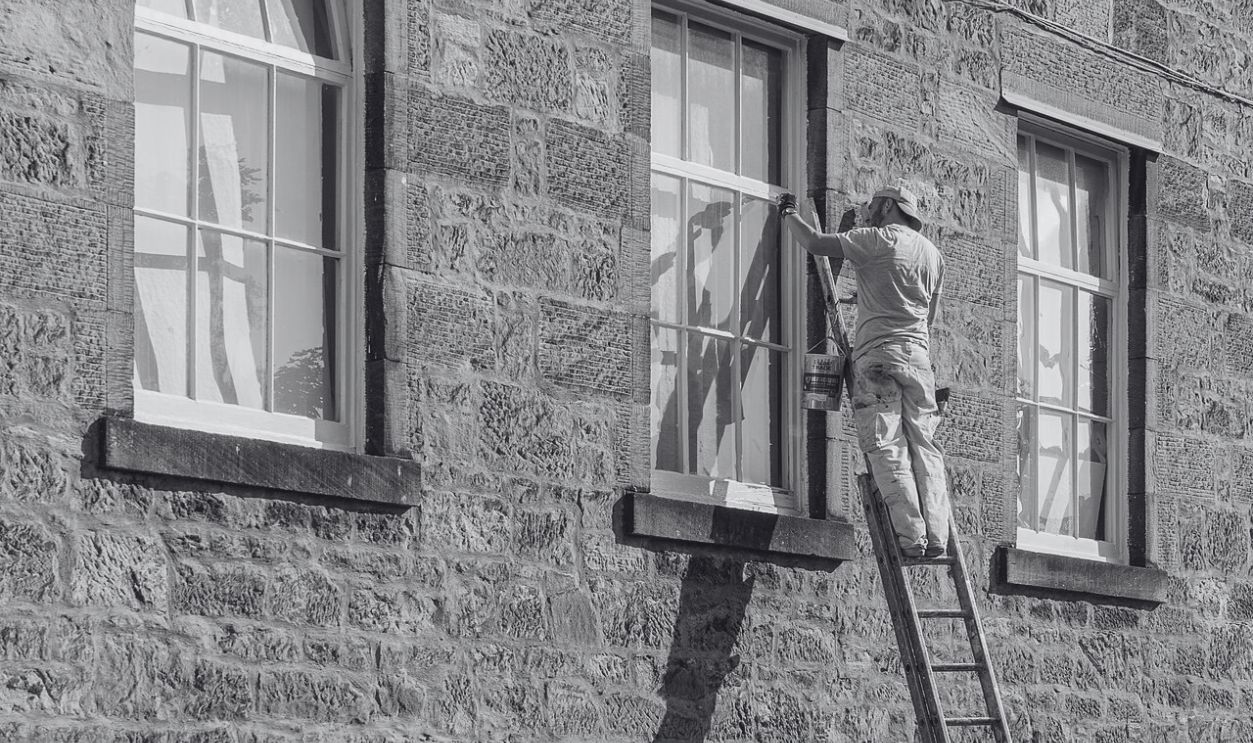
They Borrowed Things From Their Neighbors
Why buy a ladder or specialized tool for a job that might take only an afternoon? Borrowing equipment from friends, neighbors, and relatives helped households avoid purchases they rarely needed. Sharing occasional-use items also meant less money tied up in belongings sitting unused.
They Took Advantage Of Loss Leaders
Supermarkets sometimes advertised popular products at extremely low prices to attract shoppers. These deals, known as loss leaders, could offer genuine savings on everyday necessities. The trick was buying the discounted items without filling the cart with expensive extras.
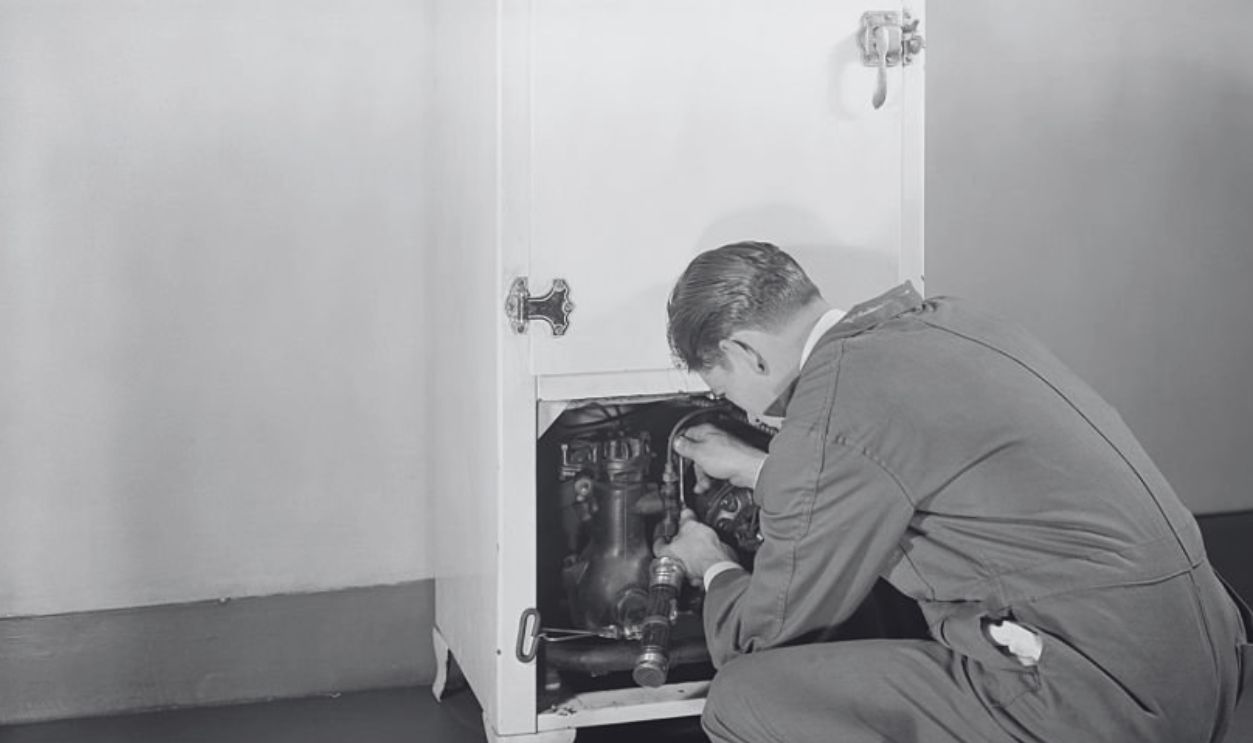
They Repaired Household Appliances
A broken appliance wasn't necessarily destined for the trash. Owners could consult repair manuals, replace worn parts, or take equipment to local repair shops. Fixing an affordable problem often made more financial sense than purchasing an entirely new machine.
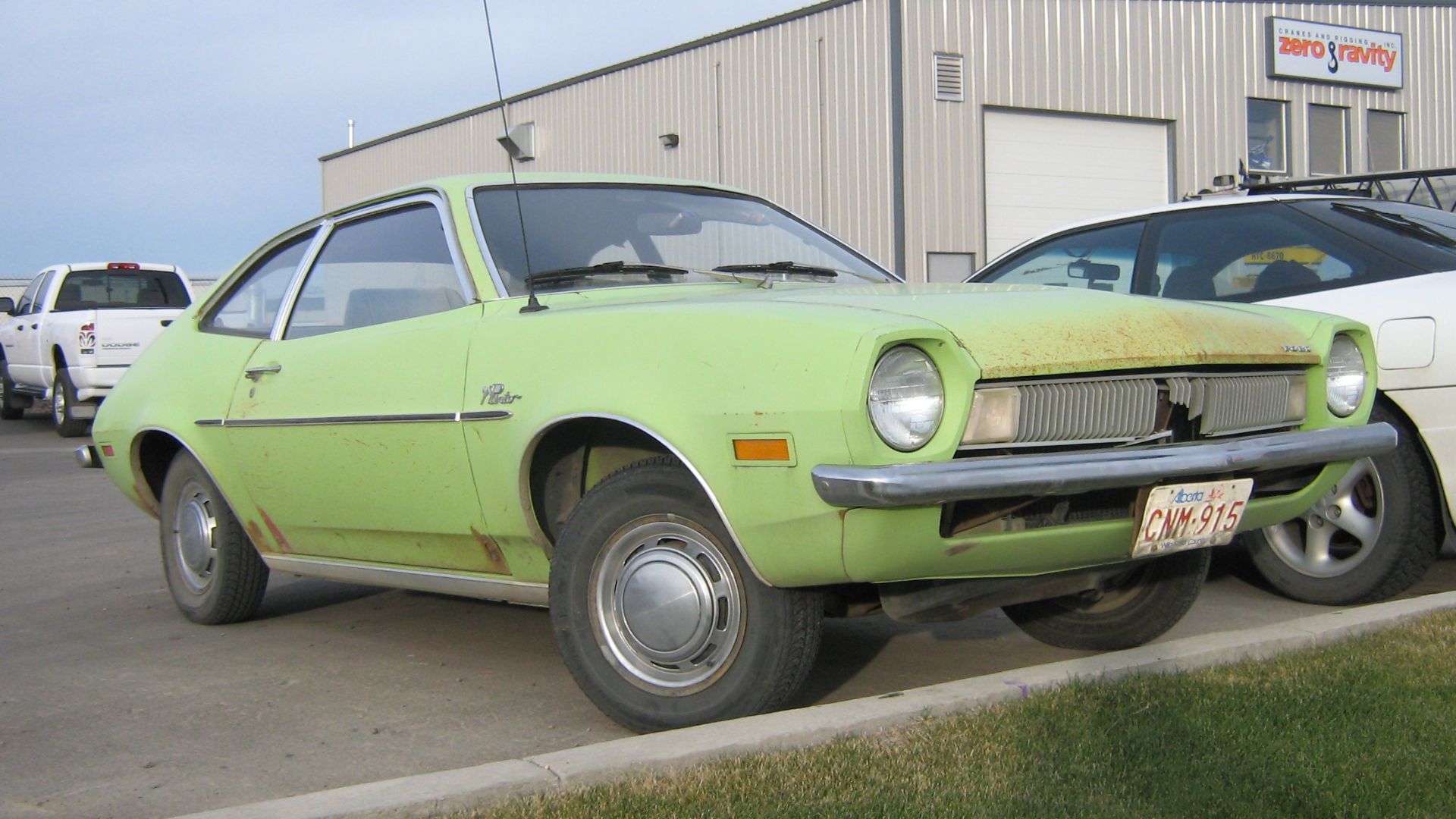
They Chose Smaller, Fuel-Efficient Cars
The energy crises encouraged Americans to reconsider their large, gas-hungry vehicles. Smaller cars, including increasingly popular Japanese imports, offered drivers a way to reduce fuel expenses. Choosing a vehicle that used less gasoline could make a noticeable difference for families with long commutes.
 dave_7 from Lethbridge, Canada, Wikimedia Commons
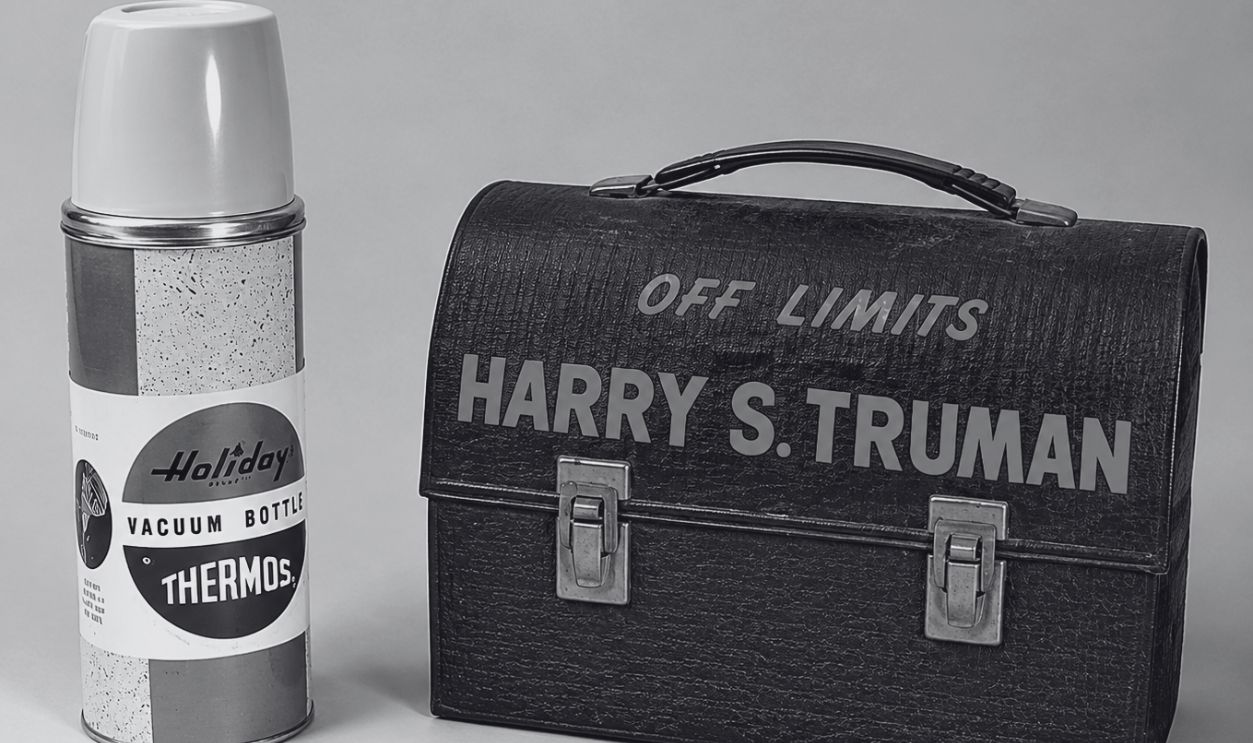
They Packed Their Lunches
Instead of buying lunch every workday, many budget-conscious workers brought sandwiches, fruit, and leftovers from home. A reusable lunchbox or simple paper bag kept the routine inexpensive. Preparing lunch before leaving the house also helped avoid the temptation of buying something extra.
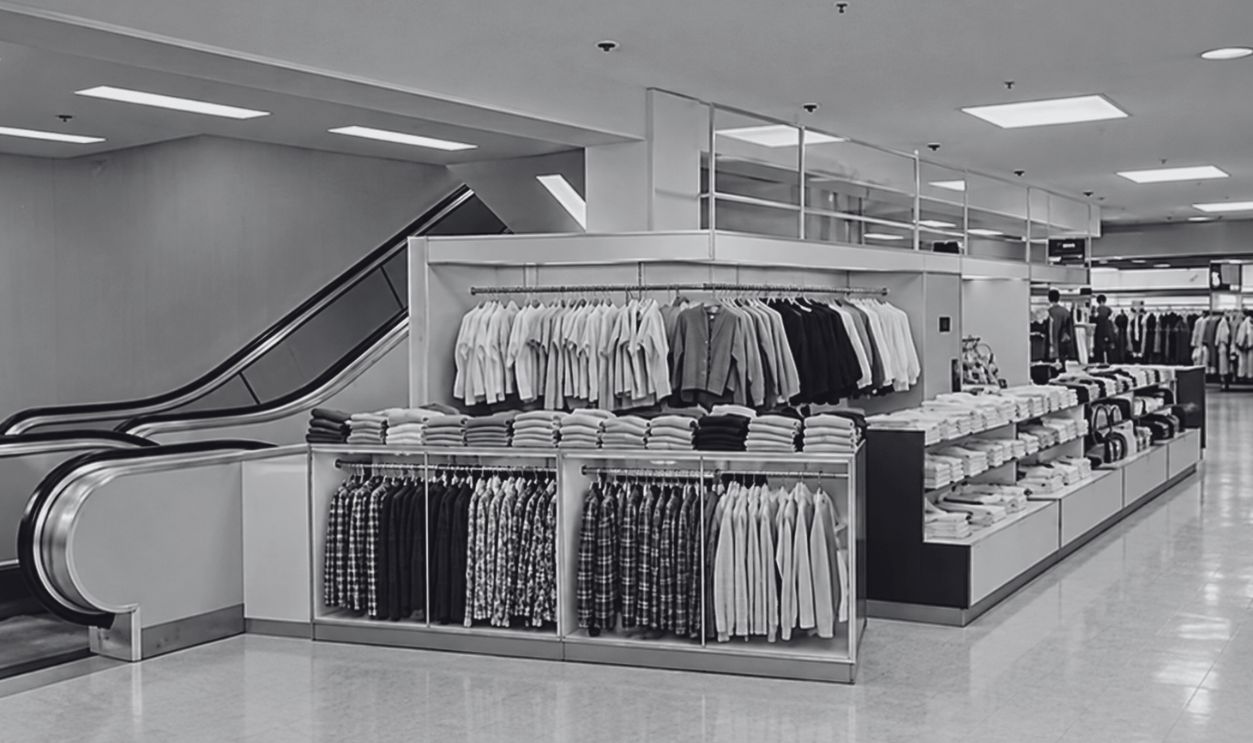
They Used Layaway Instead Of Credit Cards
Rather than borrowing money for every major purchase, shoppers could use department-store layaway plans. Customers paid toward reserved merchandise over time and collected it after completing their payments. The arrangement generally avoided credit card interest, although stores could charge service fees.
 Gottscho, Samuel H., Wikimedia Commons, Enhanced
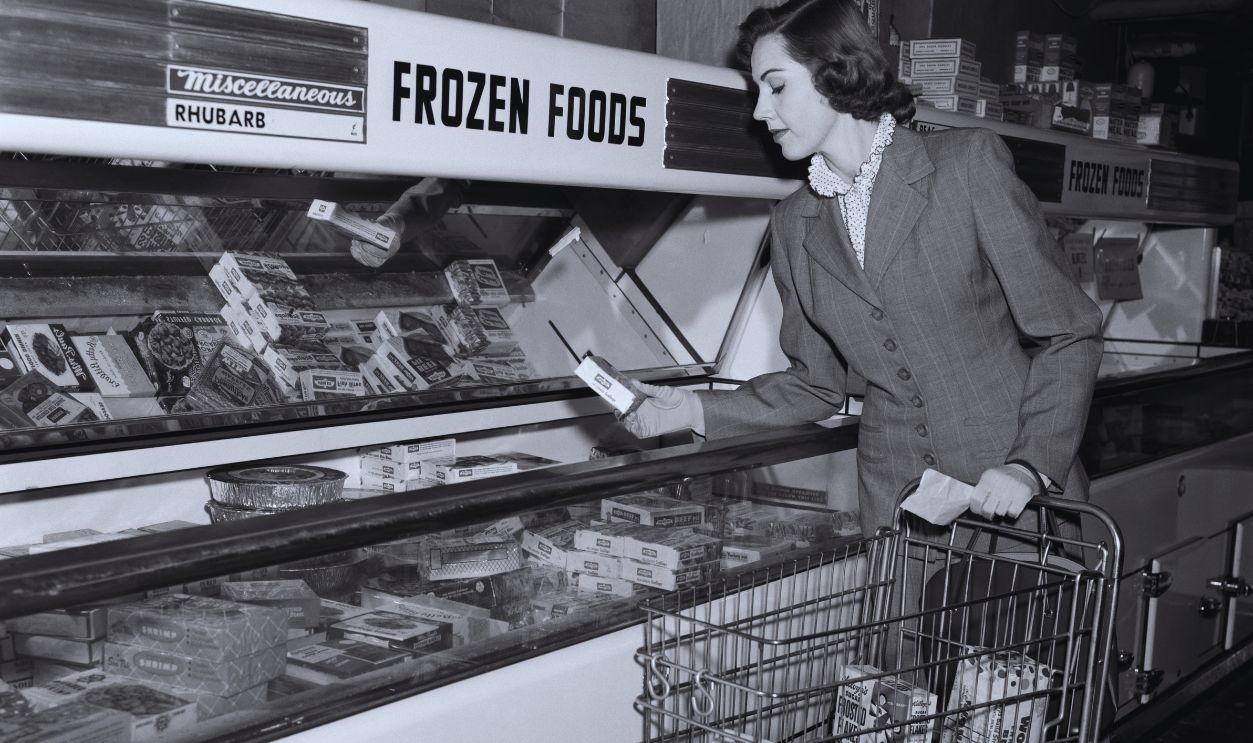
They Bought Meat In Bulk And Froze It
Families with enough freezer space could purchase larger quantities of meat when prices were favorable. Dividing those purchases into smaller portions made it easier to prepare affordable meals throughout the month. The strategy worked especially well when families compared per-pound prices and avoided buying more than they could use.
 Unknown photographer, Wikimedia Commons
They Passed Down Almost Everything
Growing children could quickly outgrow clothes that were still in perfectly good condition. Families saved money by passing jackets, winter coats, and other usable belongings to younger siblings or relatives. Every successful hand-me-down meant one fewer item to purchase.
 Hine, Lewis Wickes; National Child Labor Committee Collection, Wikimedia Commons
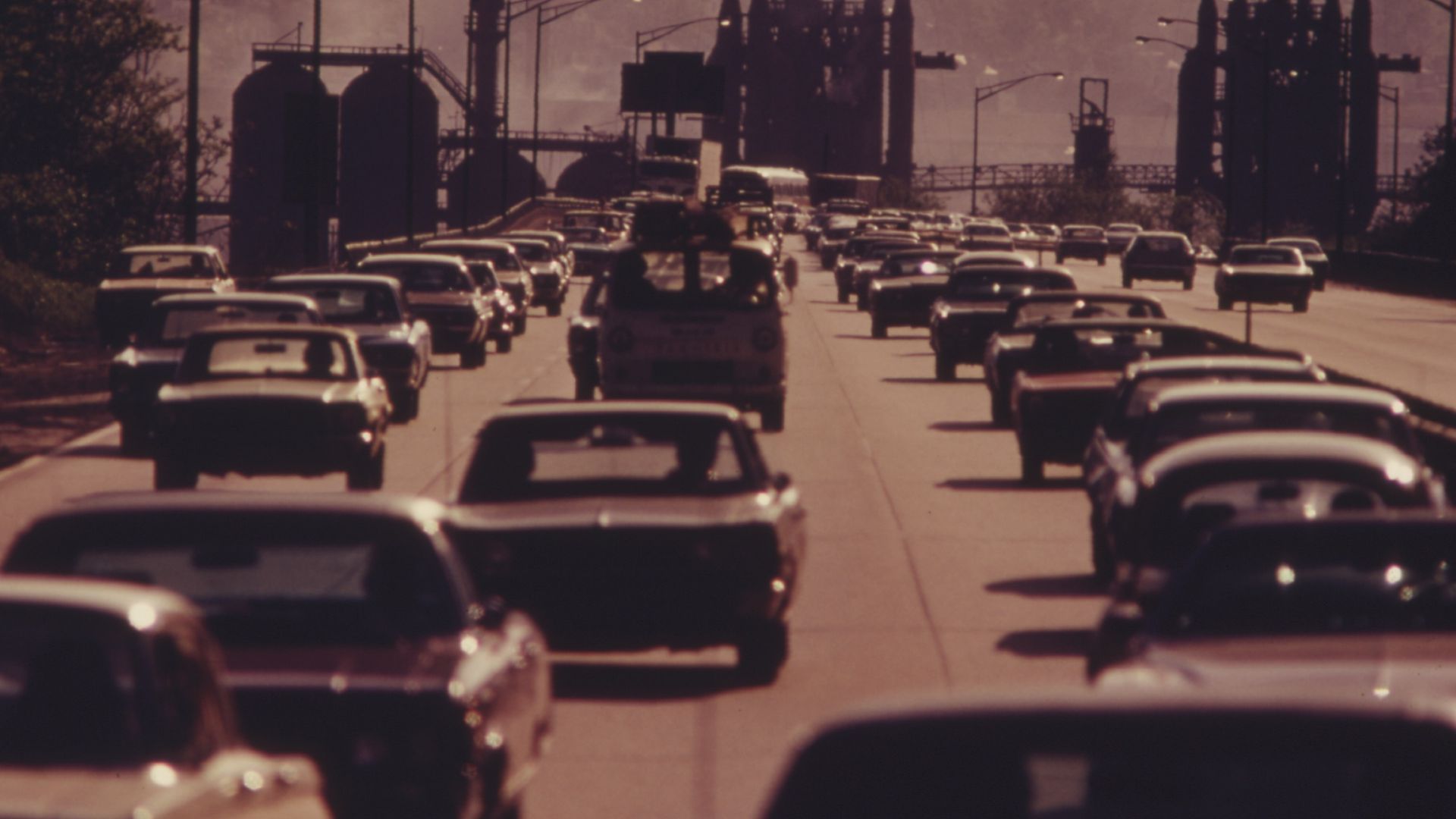
They Slowed Down To Save Gas
In January 1974, President Richard Nixon signed legislation pressuring states to adopt maximum speed limits of 55 mph. The measure was designed to conserve fuel during the energy crisis, and all 50 states complied. Driving at more moderate highway speeds could also help motorists spend less at the pump.
 John L. Alexandrowicz, Wikimedia Commons
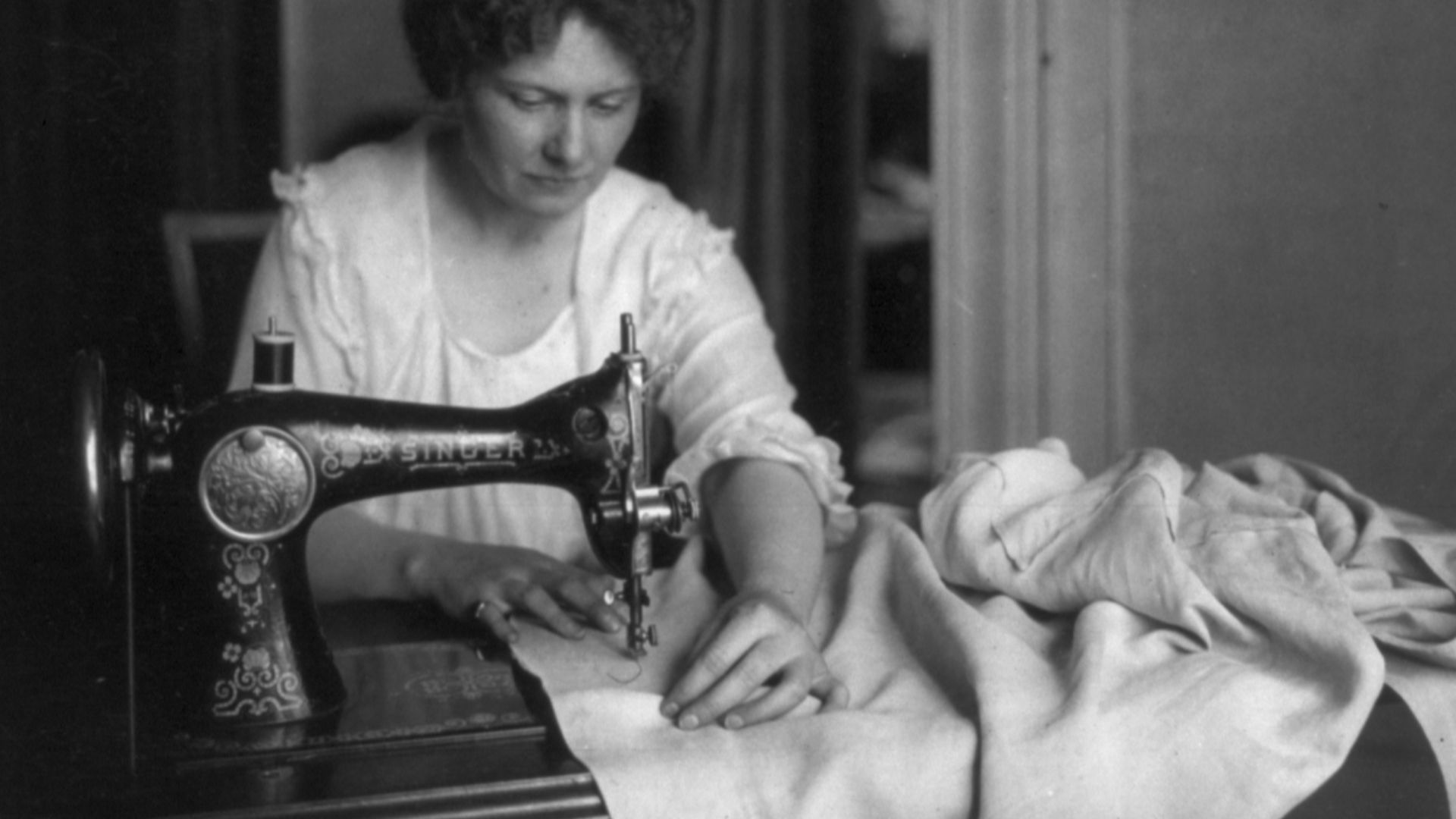
They Made Their Own Clothes
Although home sewing was declining during the 1970s, some households still relied on sewing machines and store-bought patterns. Making dresses, skirts, and children's clothing offered an alternative to buying everything ready-made. The savings depended on fabric prices, but altering existing garments could be particularly economical.
 George Grantham Bain Collection, Wikimedia Commons
They Turned Leftovers Into New Meals
A Sunday roast could become Monday's sandwiches and Tuesday's soup. Families stretched expensive ingredients by incorporating leftover meat and vegetables into casseroles, stews, and other dishes. Using everything already in the refrigerator meant fewer unnecessary grocery purchases.

They Used The Public Library For Entertainment
A library card provided access to books, magazines, newspapers, and other resources without paying for each one. Families could enjoy reading and educational activities without regularly visiting a bookstore. For households watching their spending, the local library offered an inexpensive alternative to buying entertainment.
 Unknown authorUnknown author, Wikimedia Commons
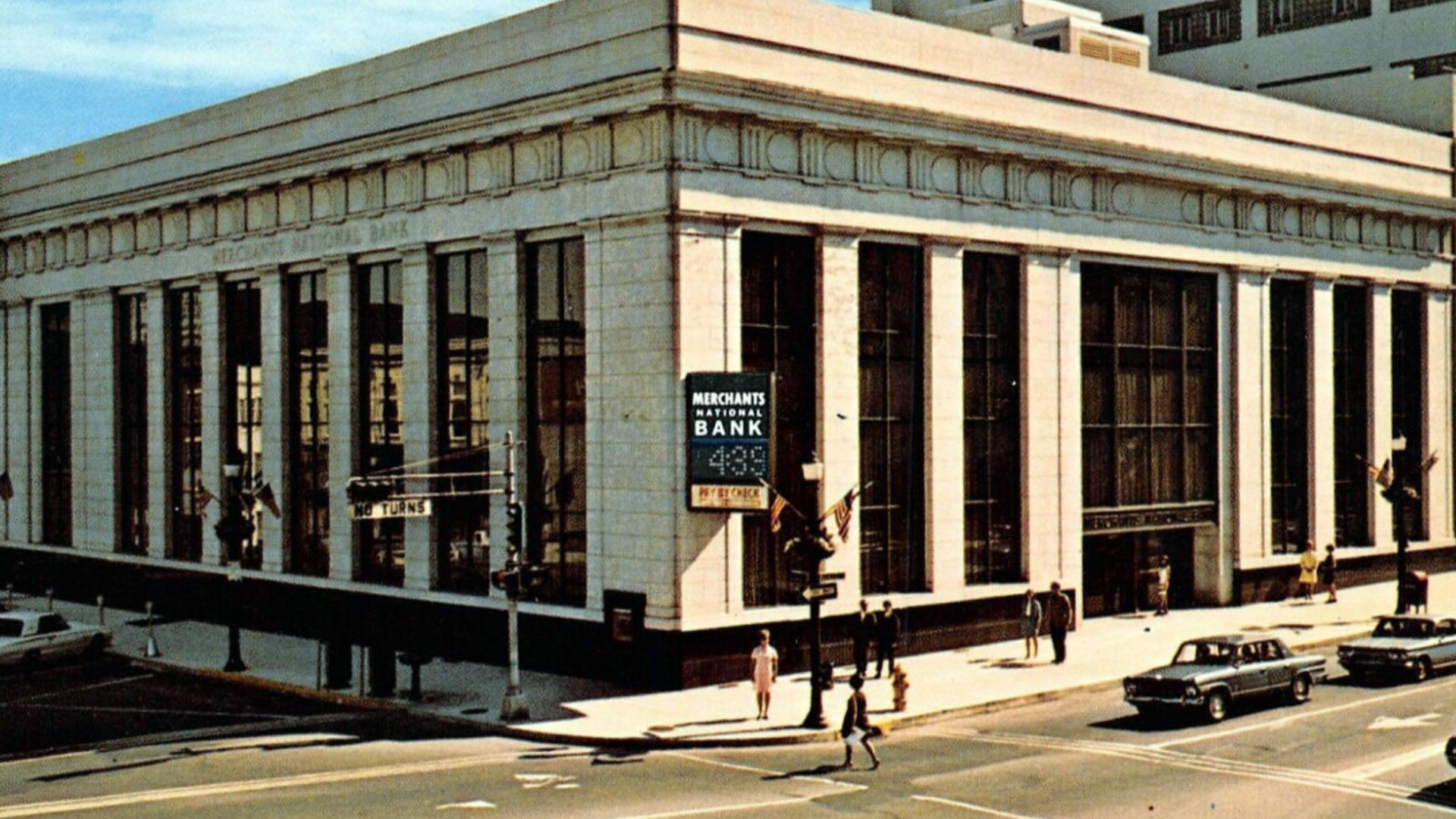
They Combined Errands Into One Trip
When gasoline prices climbed and shortages disrupted everyday life, unnecessary driving became increasingly expensive. Families could plan visits to the grocery store, bank, and pharmacy along the same route. Combining several errands into one trip reduced fuel consumption and saved time.
 Self-Scanned, Wikimedia Commons
They Sealed Drafty Windows And Doors
Heating a poorly insulated home could waste money during cold weather. Applying weatherstripping and sealing gaps around windows and doors helped reduce heat loss without requiring major renovations. These relatively inexpensive improvements could lower heating expenses and make rooms more comfortable.
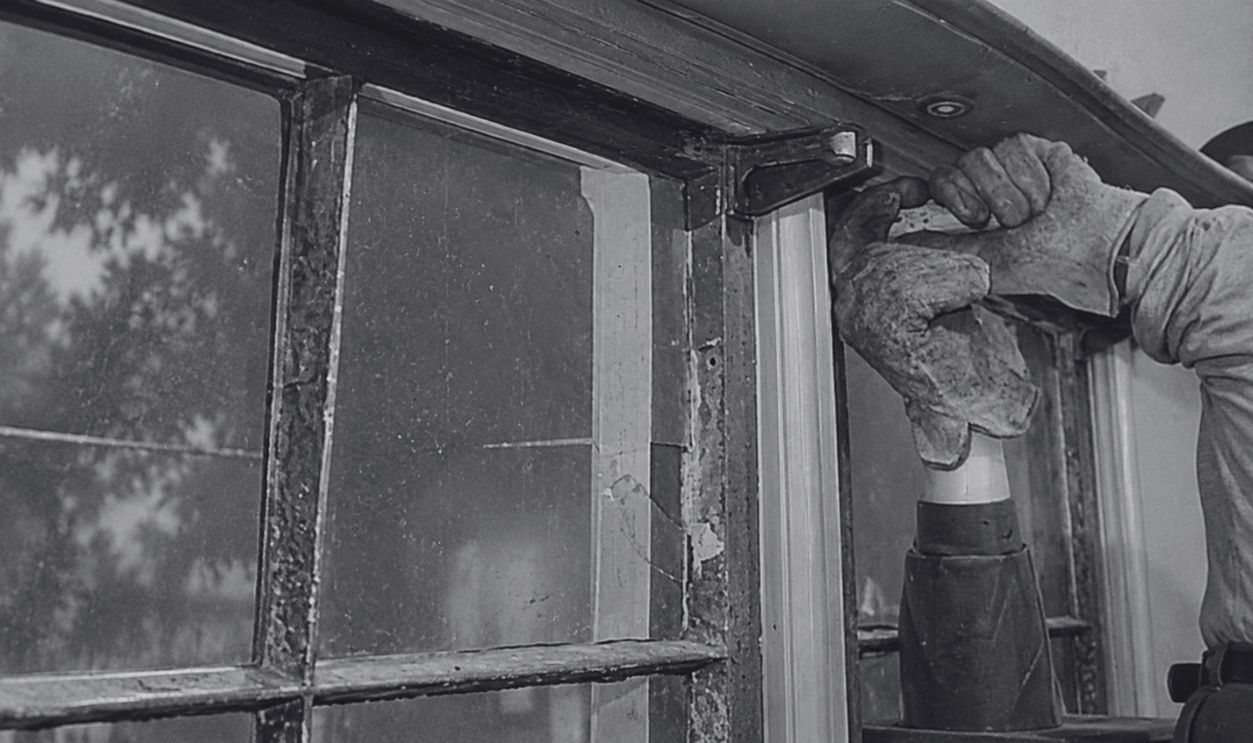 Chad Randl, Wikimedia Commons, Enhanced
They Tracked Every Dollar By Hand
Before banking apps and spending alerts, households could monitor their finances with notebooks, check registers, and paper budgets. Writing down purchases made it easier to see how much money remained for groceries, bills, and other necessities. Although the process required discipline, it encouraged families to think carefully about where their paychecks went.

Some Of Their Best Tricks Still Work
Not every 1970s money-saving habit deserves a comeback, especially when the time and effort outweigh the savings. But repairing belongings, reducing waste, and planning purchases are still smart ways to stretch a dollar. So which of these old-fashioned money-saving tricks are worth bringing back, and which ones are better left in the past?
You May Also Like:
Vending Machines In The 60s And 70s Sold Things You'd Never Expect Today—Did You Buy Any Of Them?
Foods That Used To Be Considered Fancy In The 1970s—But Are Laughably Ordinary Today
Forgotten Frozen Foods From The 1970s And 1980s That Once Filled America's Freezers