Vending Machines Had Some Surprising Secrets
Think vending machines have always been about candy bars, chips, and soda? In the 1960s and 1970s, a handful of coins could buy you things that seem almost unbelievable today. From complete meals to life insurance policies, these machines offered far more than a quick snack.
Here are the most surprising things people could buy from vending machines.
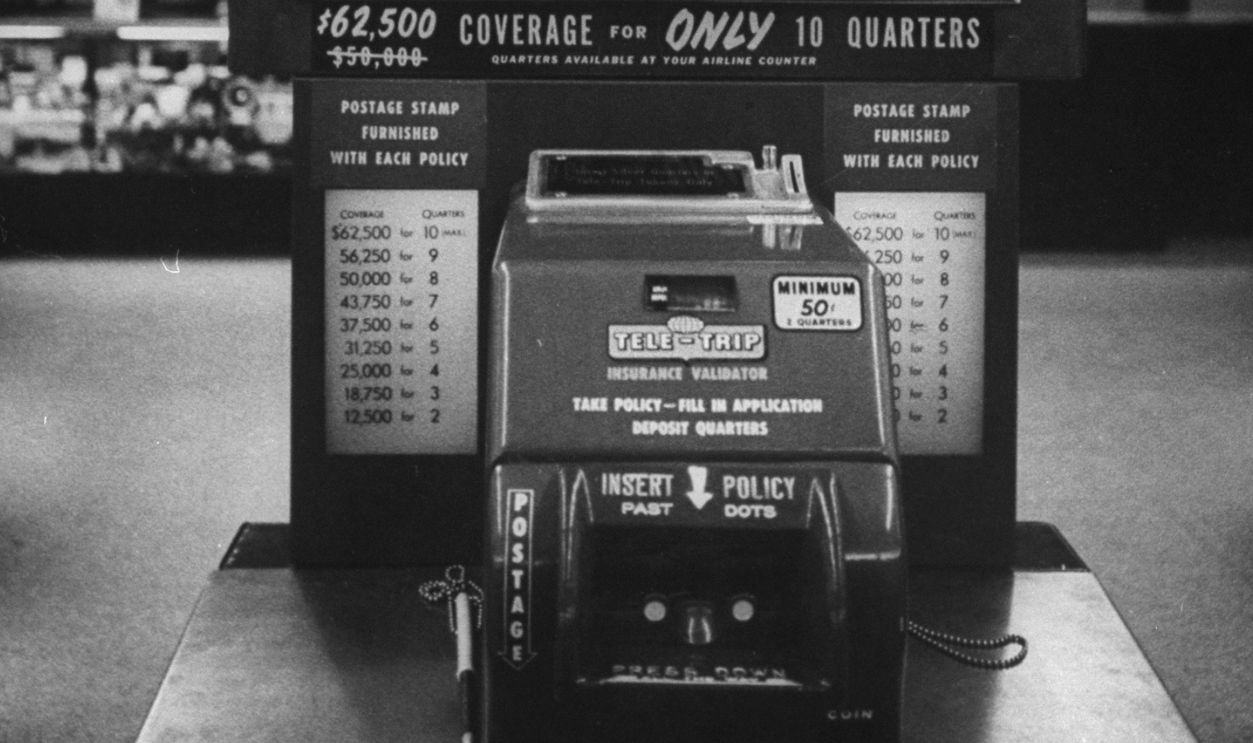
Flight Insurance
Airports in the 1960s had vending machines selling life insurance policies for individual flights. Travelers could purchase coverage from companies such as Tele-Trip Insurance for as little as $2.50, paid in quarters. It was a last-minute financial purchase that today's airline passengers would probably find rather strange.
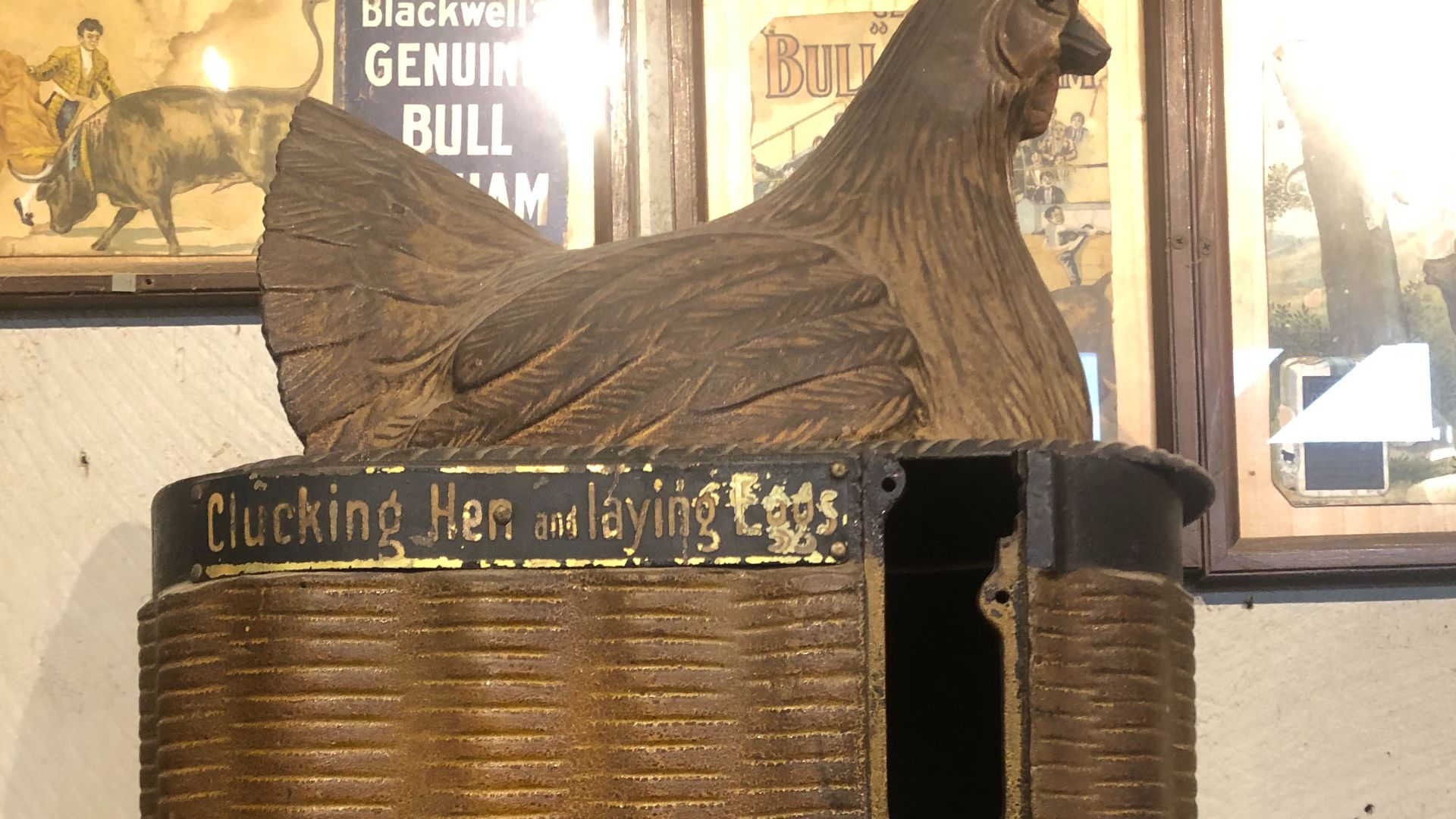
Hard-Boiled Eggs
One of the strangest inventions of the 1960s was a vending machine shaped like a chicken. Designed for tavern customers, it dispensed hard-boiled eggs automatically. A 1976 industry report described the unusual device and noted that it operated without refrigeration, a detail that would raise obvious food-safety concerns today.
 DTParker1000, Wikimedia Commons
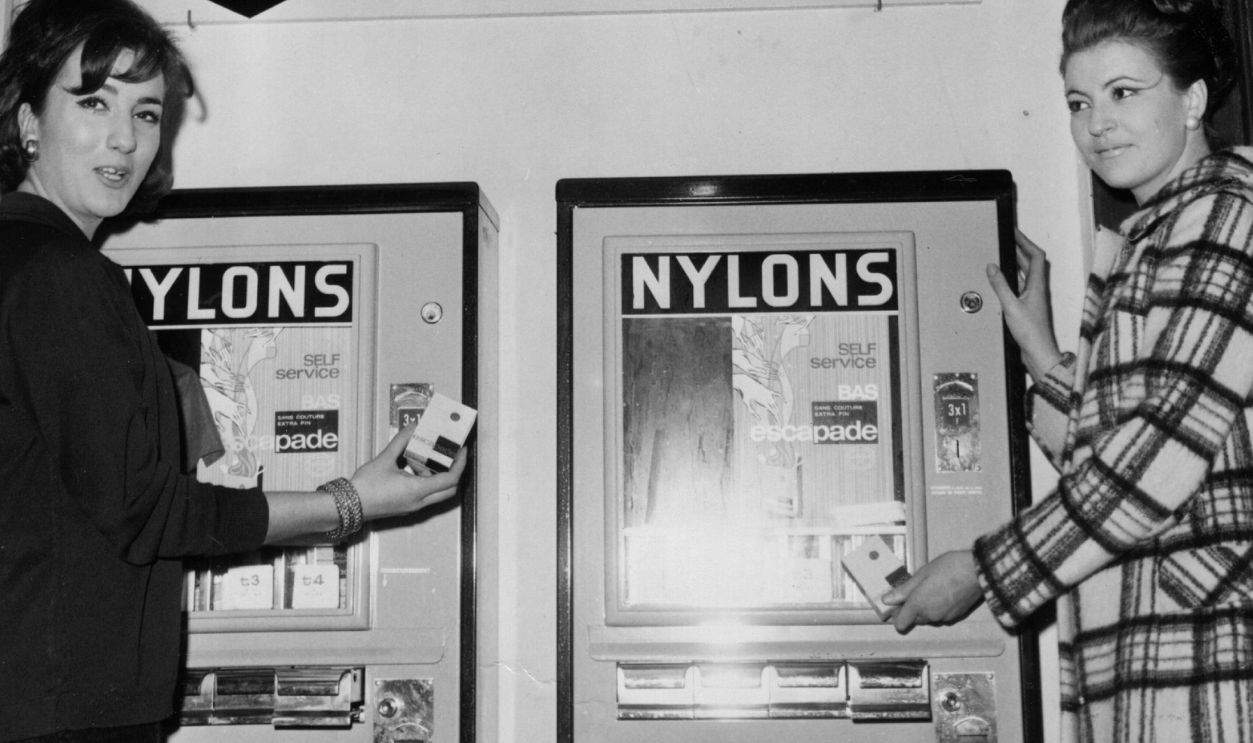
Nylon Stockings
A torn stocking could ruin an otherwise perfectly good outfit, especially when hosiery was an everyday wardrobe essential. Some vending machines offered replacement nylon stockings without requiring a trip to a department store. Historical photographs document the unusual dispensers, which made emergency clothing purchases possible with a few coins.
Hot Dogs
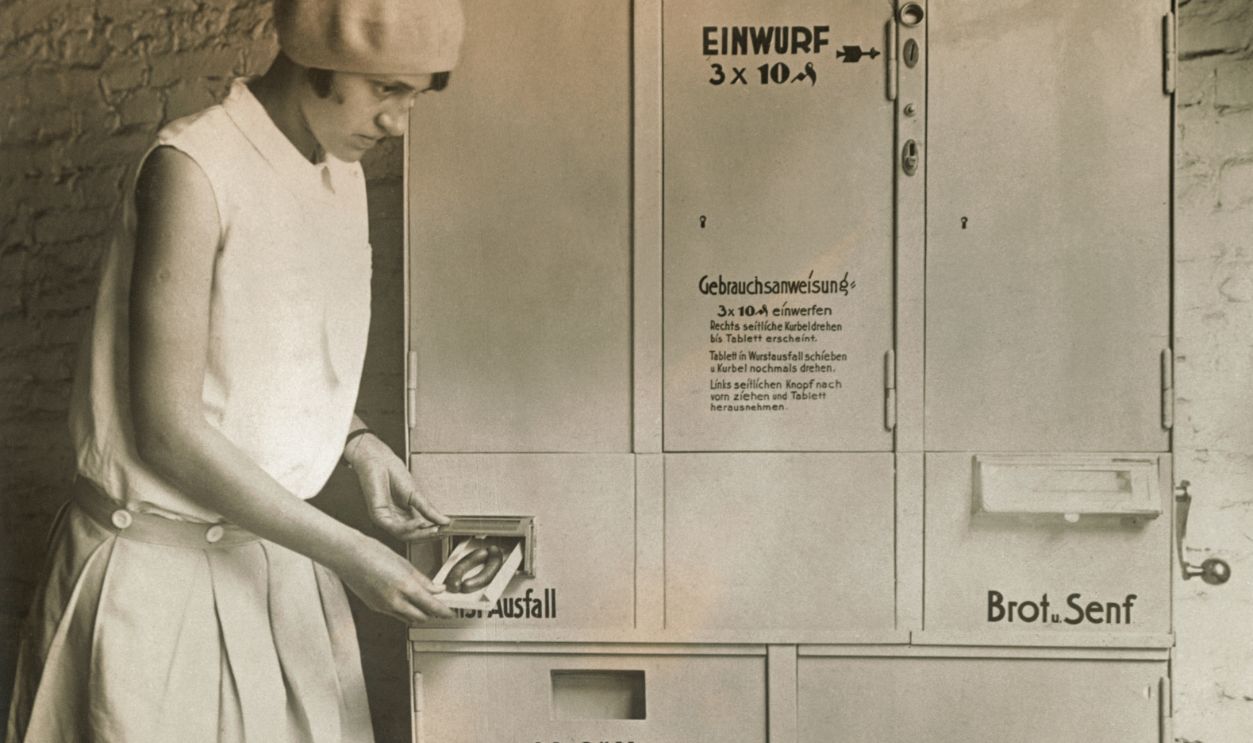
Hot dogs weren't limited to diners and ballparks. During the 1970s, vending machines could dispense prepared hot dogs without a cook or cashier. Although far less common than ordinary snack machines, they offered customers a quick meal at the push of a button.
Hamburgers
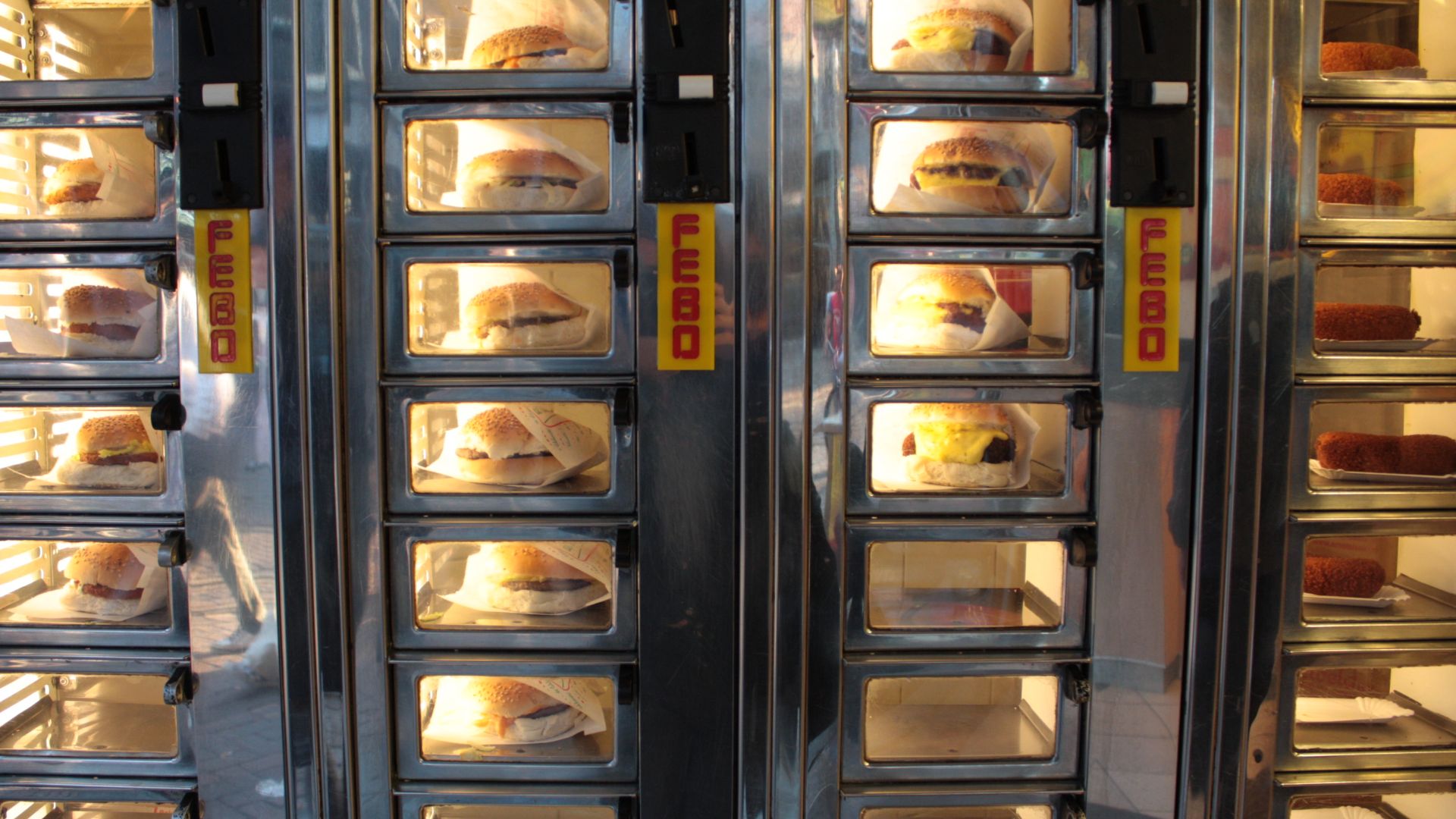
Even hamburgers could come from an automatic machine. A 1976 Canadian vending-industry survey included hamburgers among the prepared meals sold through hot-food dispensers. Customers could get a quick meal without waiting at a traditional restaurant counter, although these machines required more servicing than ordinary snack vendors.
Postage Stamps
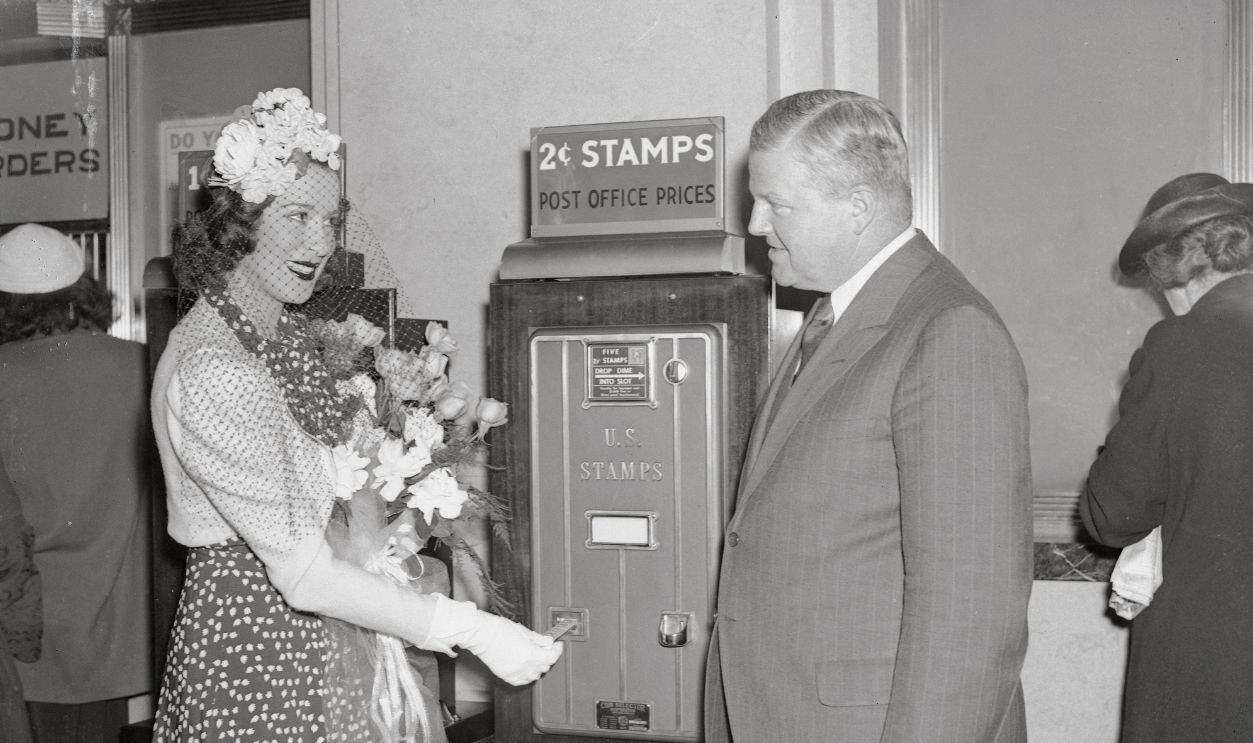
Postage stamps were another practical vending purchase. By 1961, the U.S. Post Office Department operated approximately 4,500 stamp vending machines, alongside roughly 400,000 privately owned machines. Customers could purchase stamps without waiting for a postal clerk, making the machines particularly useful when counters were closed.
Complete Meals
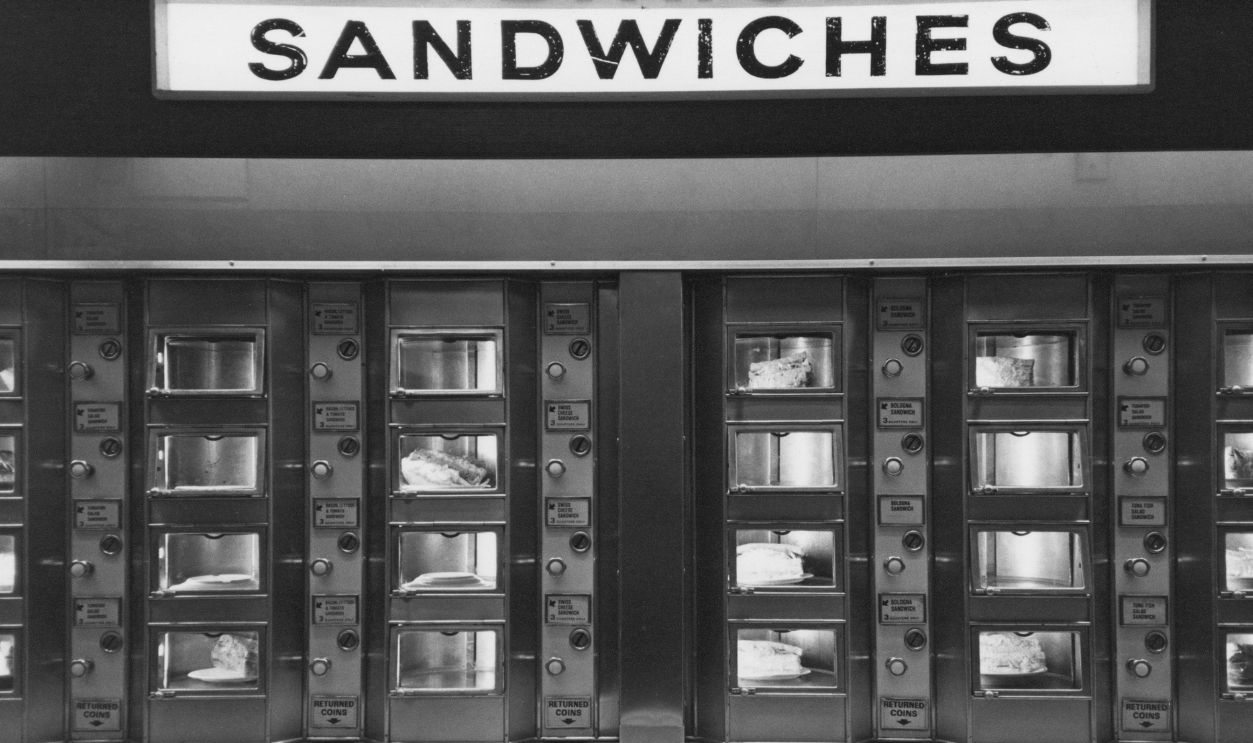
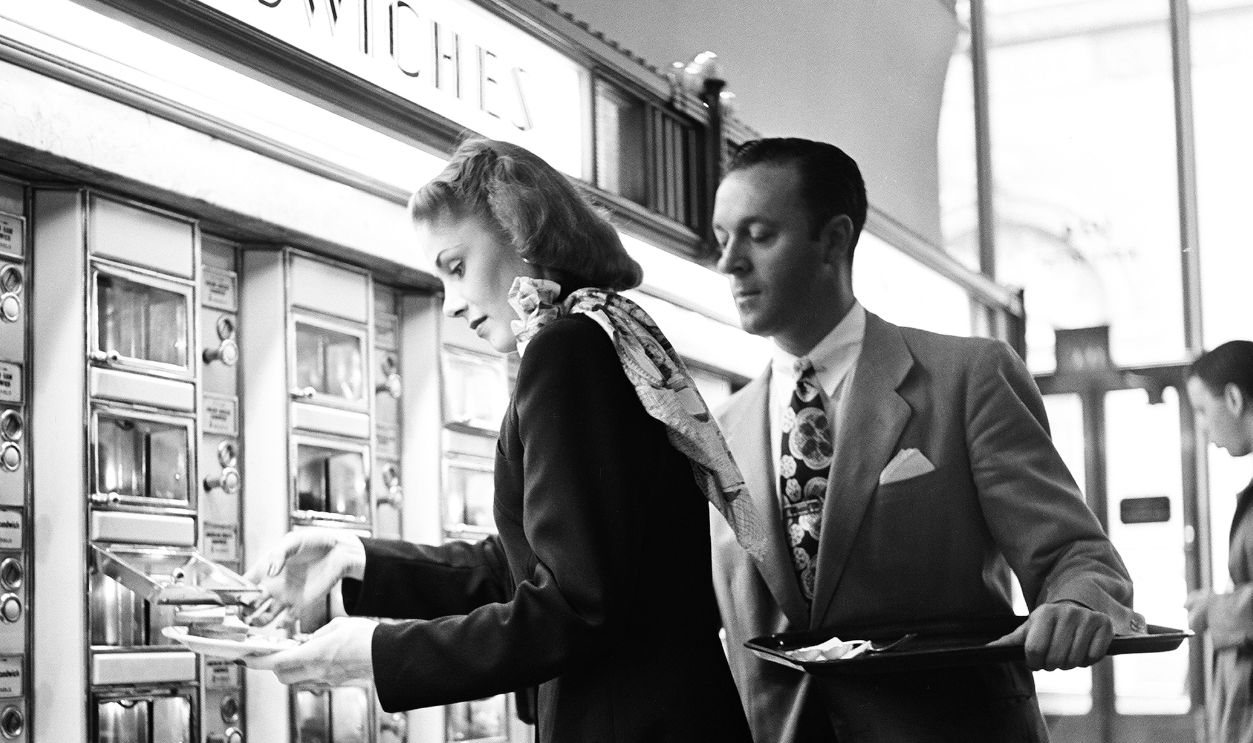
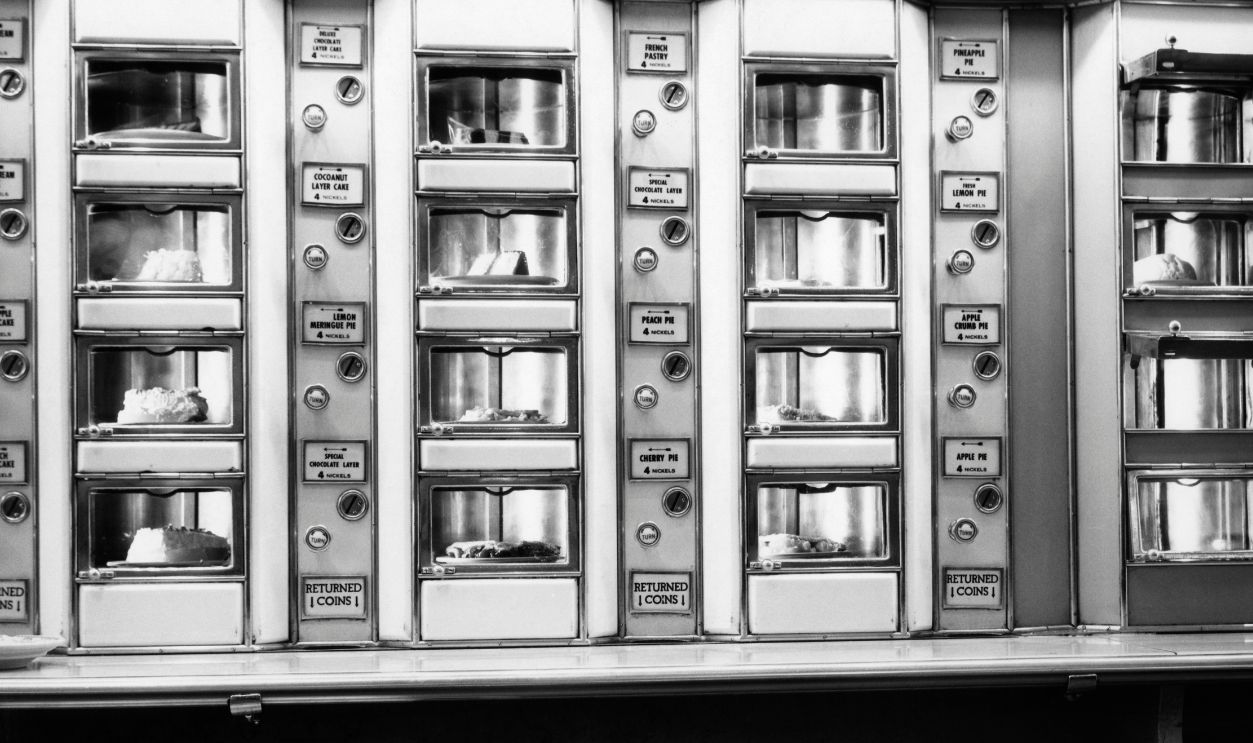
At Horn & Hardart Automats, customers could assemble surprisingly substantial meals using coins. These unusual restaurants offered dishes such as macaroni and cheese, sandwiches, and other prepared foods, many displayed behind small glass doors. Although Automats originated decades earlier, they remained part of American dining culture throughout the 1960s and 1970s.
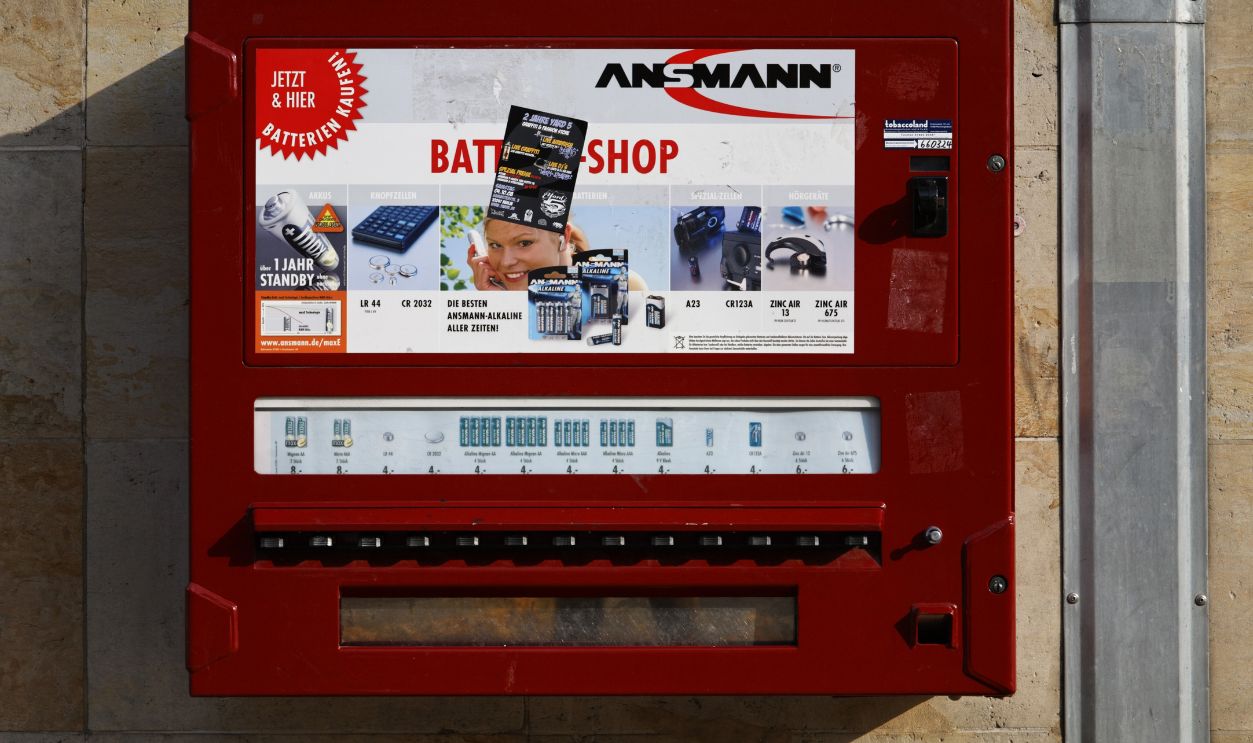
Batteries
Even batteries appeared in vending machines during the 1970s. Canadian government statistics included them among the nonfood merchandise sold through automatic dispensers. Unlike fresh foods, packaged batteries didn't require refrigeration, making them a relatively straightforward product for vending operators.
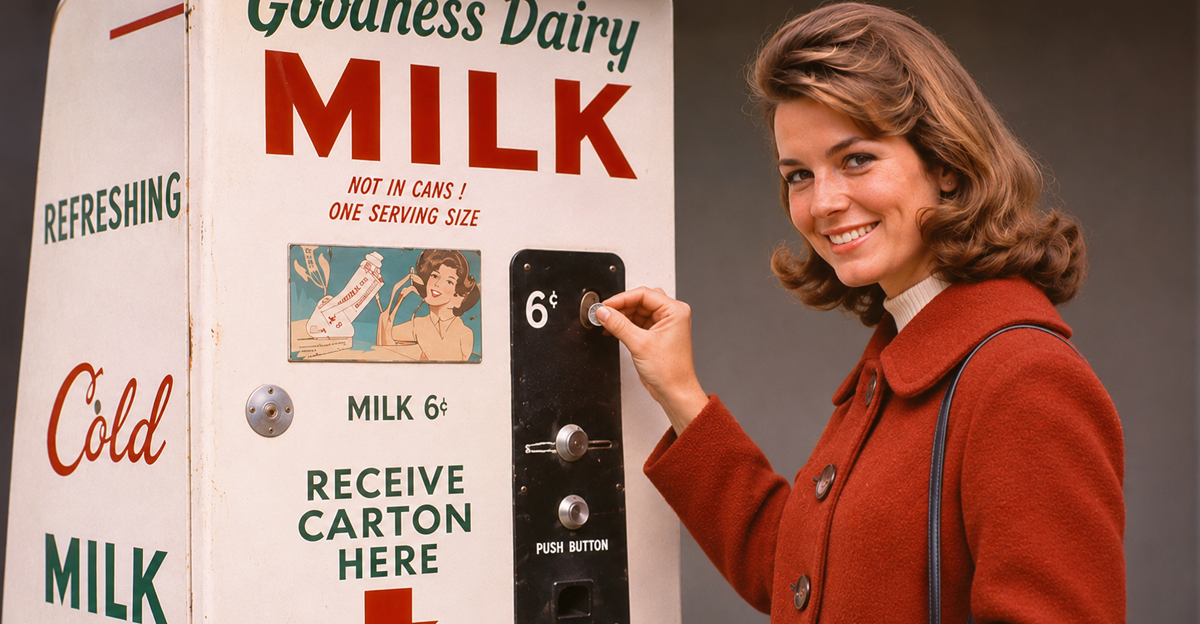
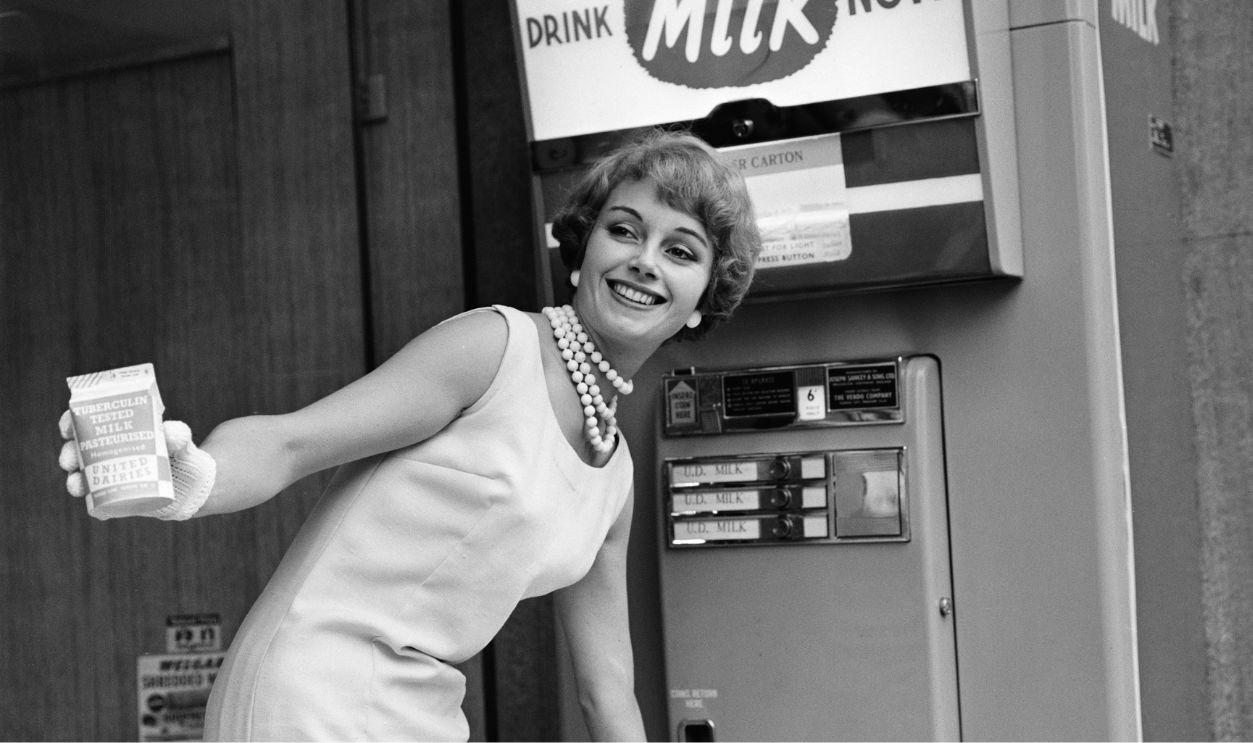
Cartons Of Milk
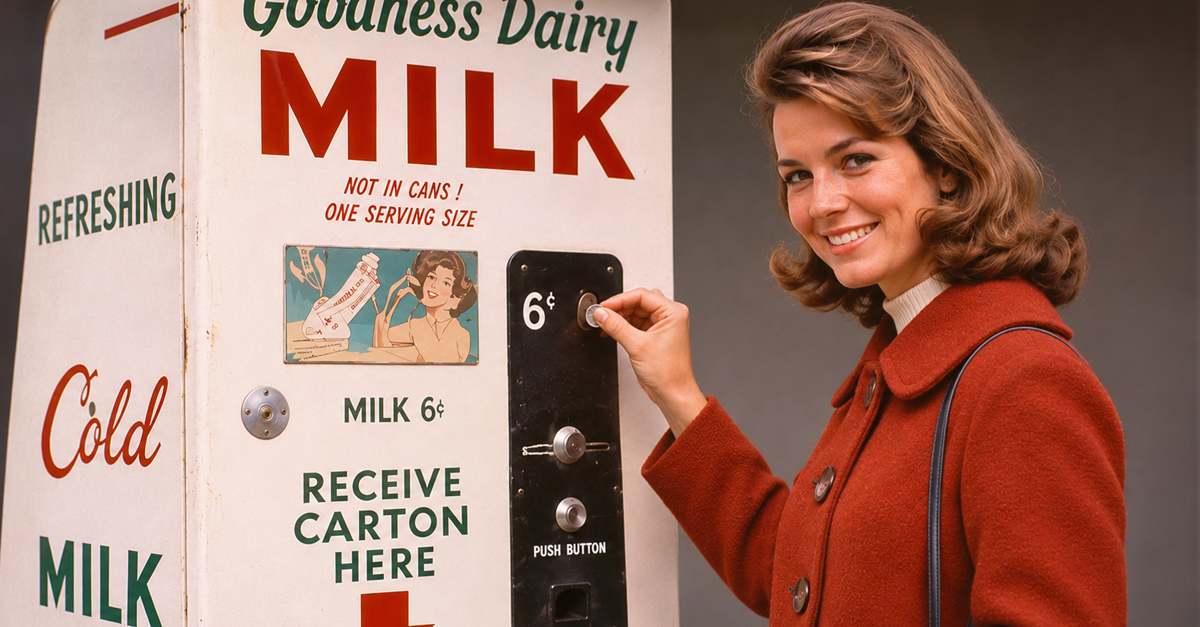
Milk vending was an established business by the 1960s. Customers could purchase packaged milk from refrigerated machines without visiting a grocery store. The practice was particularly convenient in locations where people wanted a quick drink or needed milk outside ordinary shopping hours.
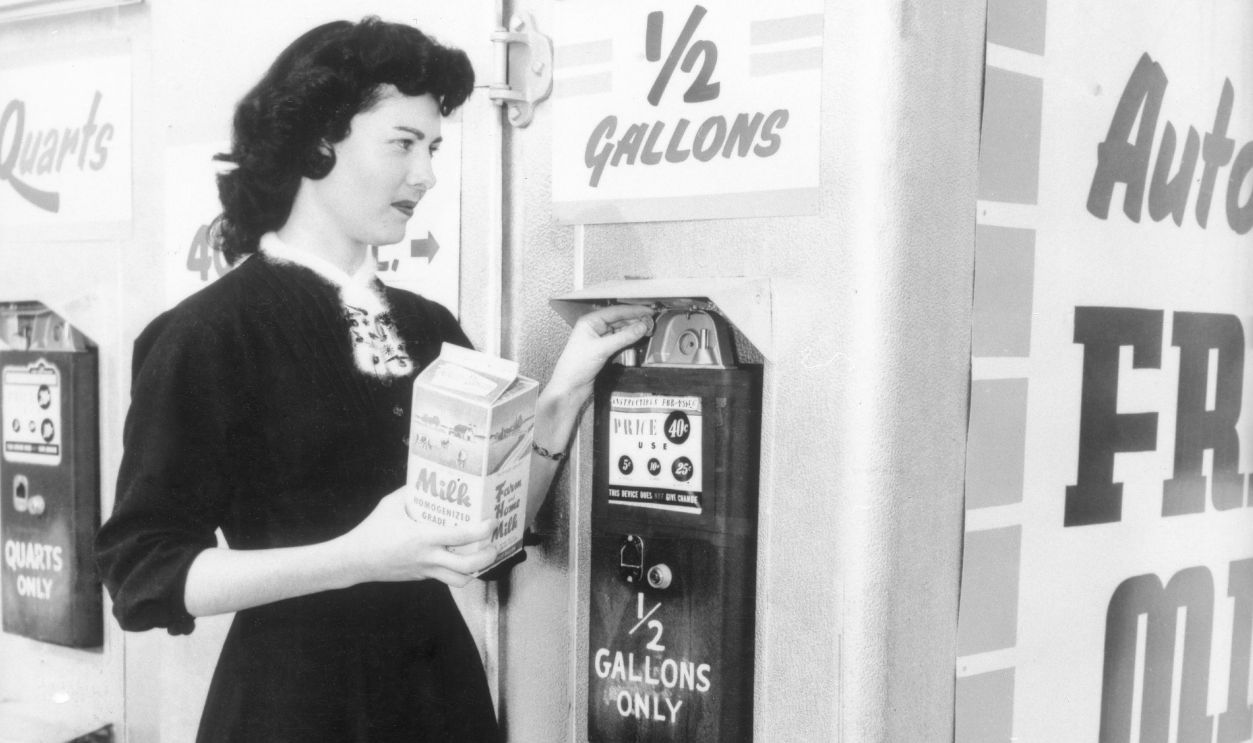 ullstein bild Dtl., Getty Images
Milkshakes
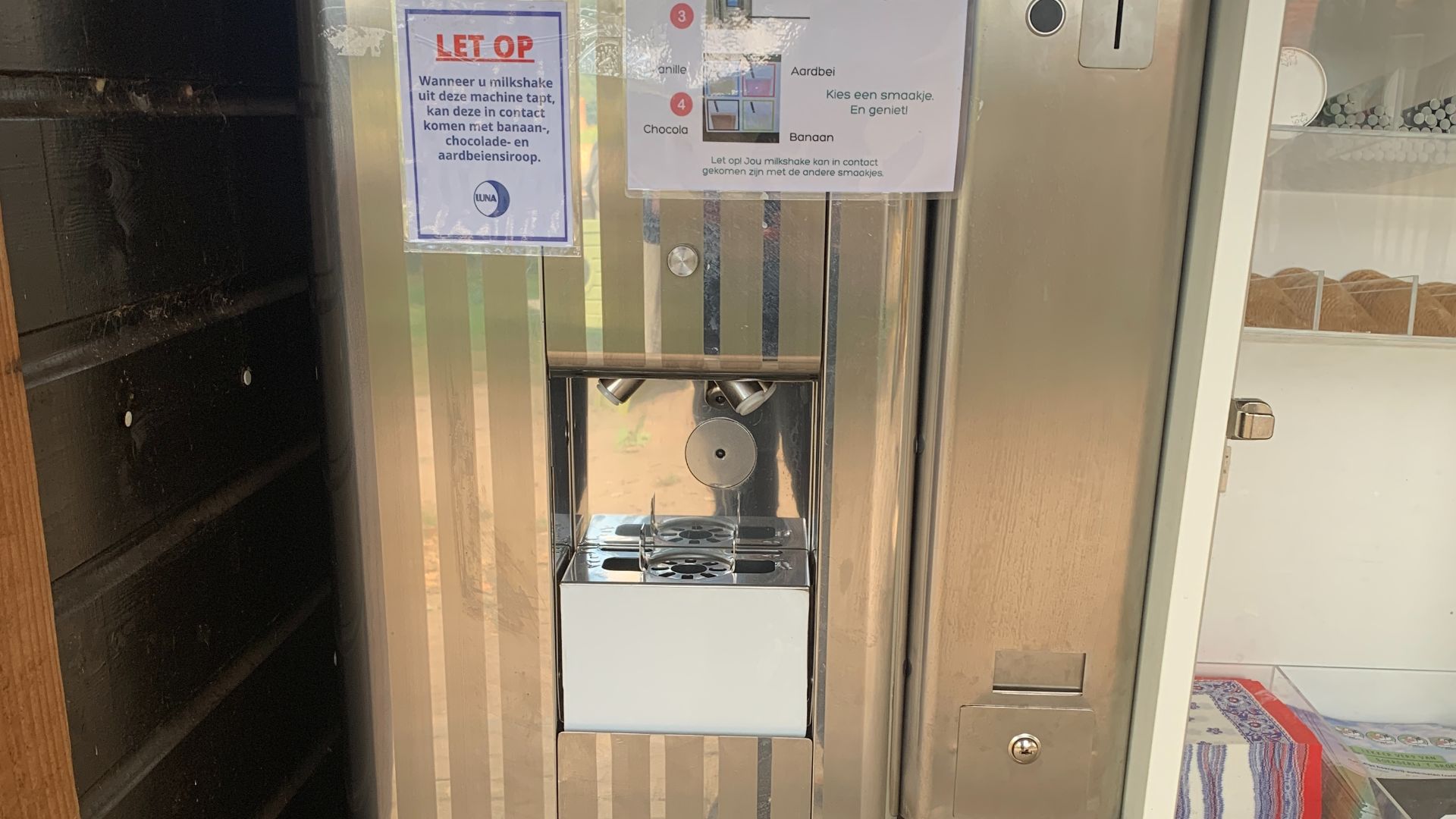
Some machines went a step further by preparing milkshakes automatically. During the 1960s, manufacturers introduced equipment that mixed dry dairy products into milkshakes and similar beverages. Customers could enjoy a prepared drink without waiting for someone behind a soda fountain.
Potatoes
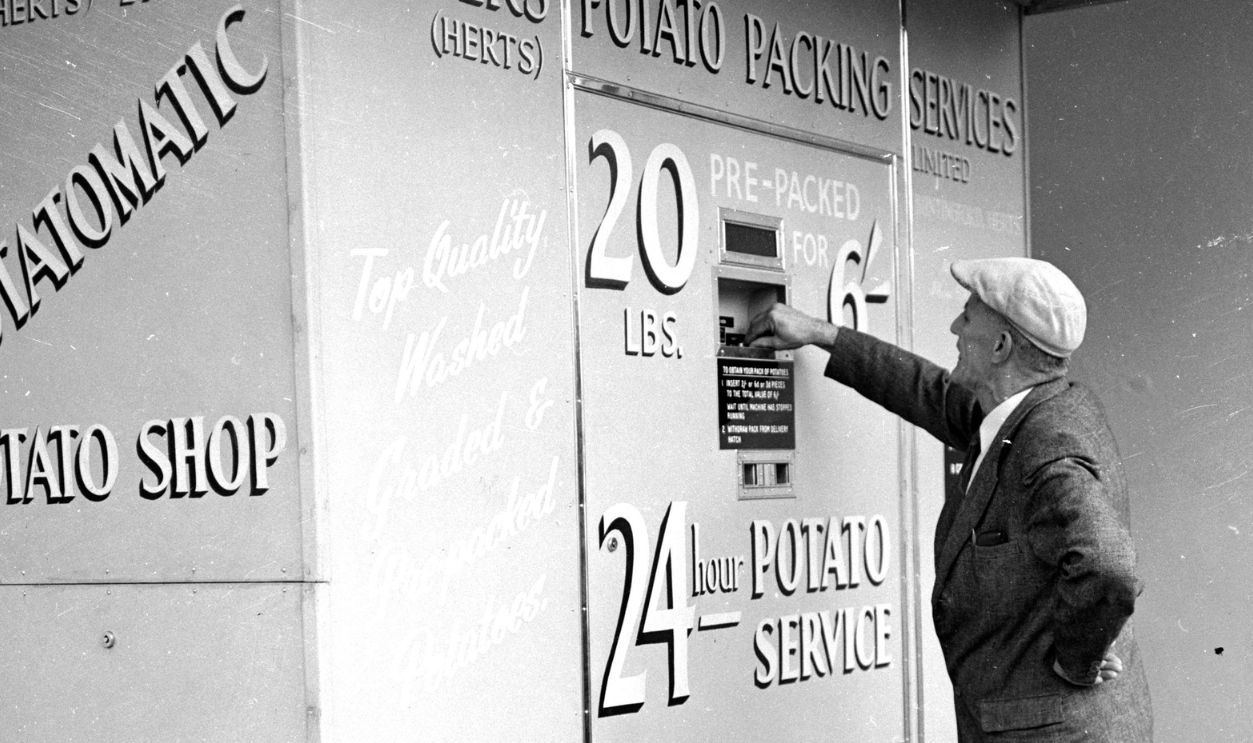
In 1962, a greengrocer in Chelsea, London, introduced a vending machine selling prepackaged potatoes. Customers could purchase a basic household staple outside normal store hours. It was a surprisingly early example of the round-the-clock grocery shopping that later became commonplace.
Hot Soup
Soup was a major vending product during the 1970s. Canadian operators recorded approximately $4.1 million in sales from machines dispensing hot canned foods and soups in 1974. For customers looking for something warm without visiting a restaurant, the machines offered a convenient alternative.
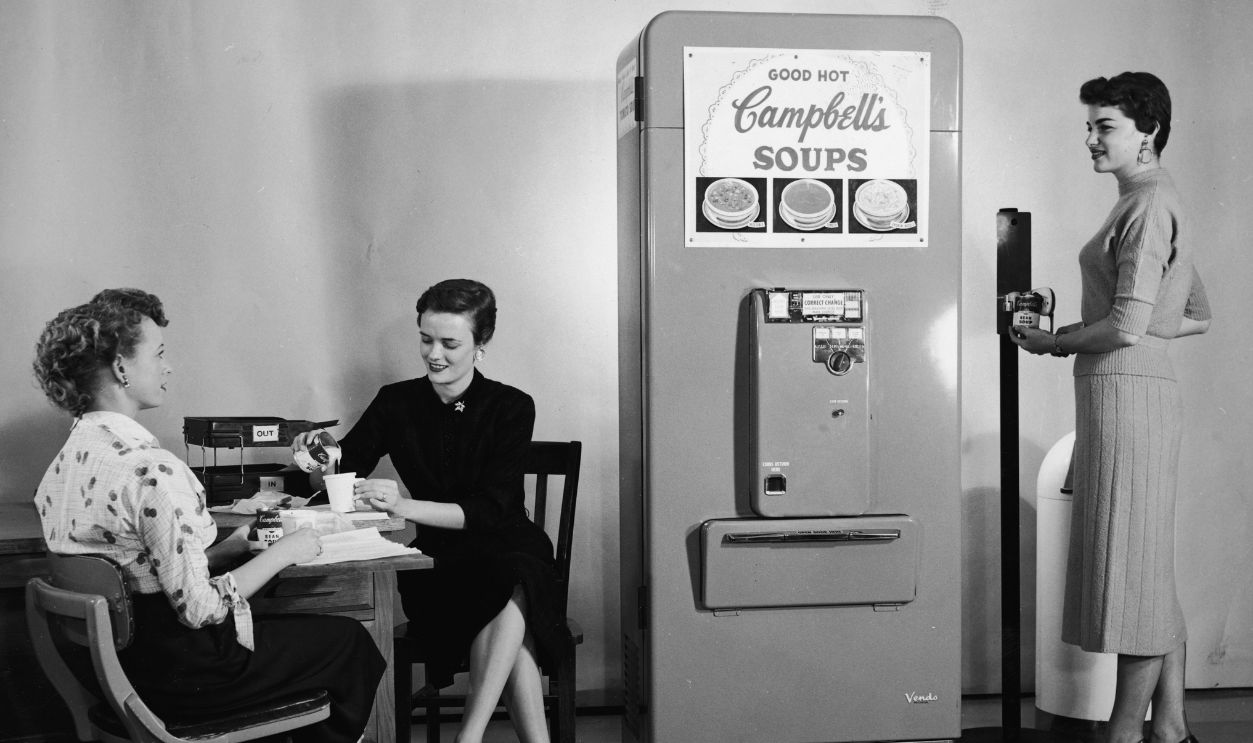 Authenticated News, Getty Images
Books
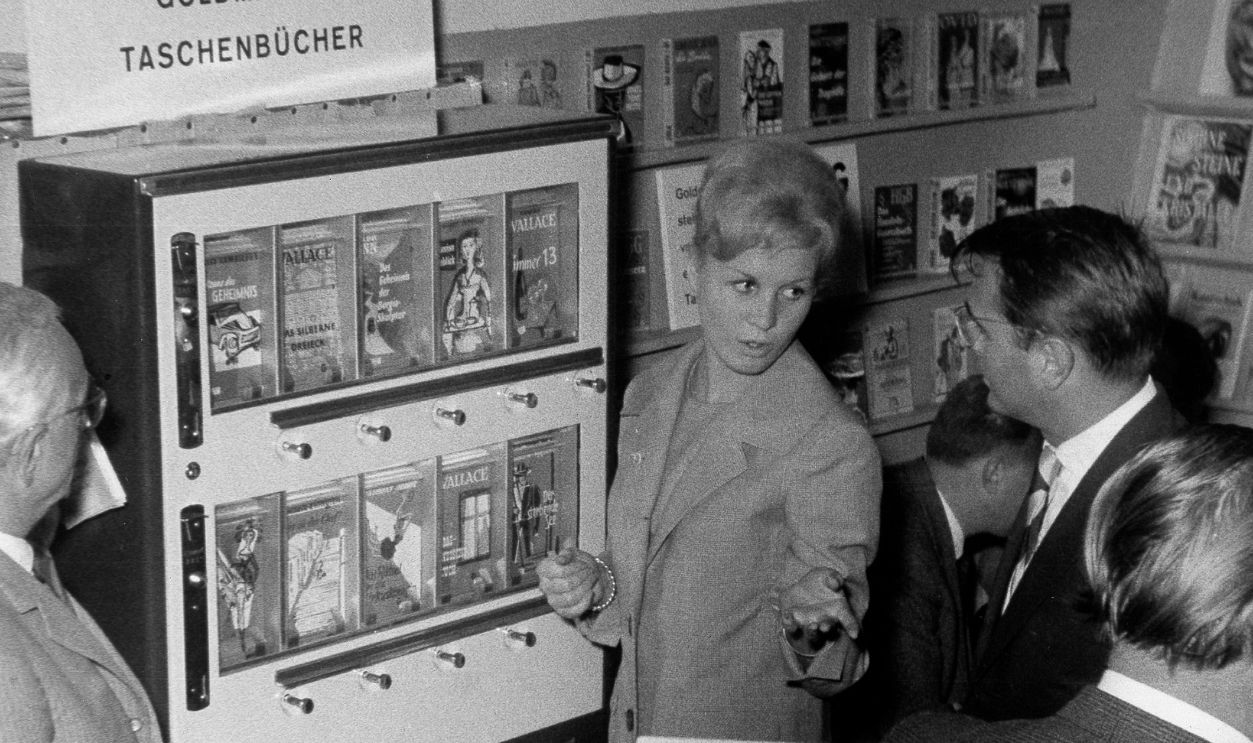
Reading material wasn't limited to bookstores and newsstands. During the 1960s and 1970s, some vending machines even sold books. Although far less common than snack machines, these unusual dispensers allowed customers to pick up something to read without visiting a bookstore.
Fresh Eggs
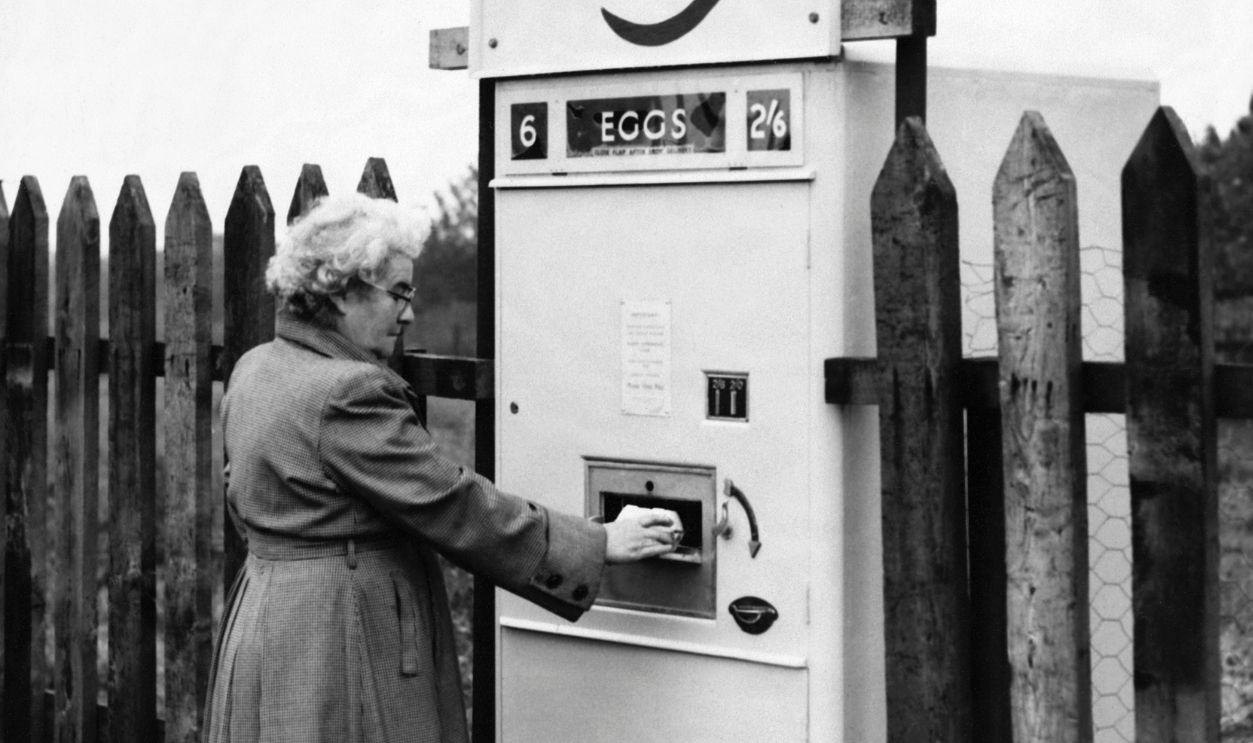
Some farmers experimented with selling fresh eggs through automatic dispensers. In 1963, egg vending machines were photographed in Britain, offering customers a way to buy eggs without visiting a store or speaking to the farmer. The unusual machines turned an everyday grocery purchase into a self-service transaction.
Sanitary Napkins
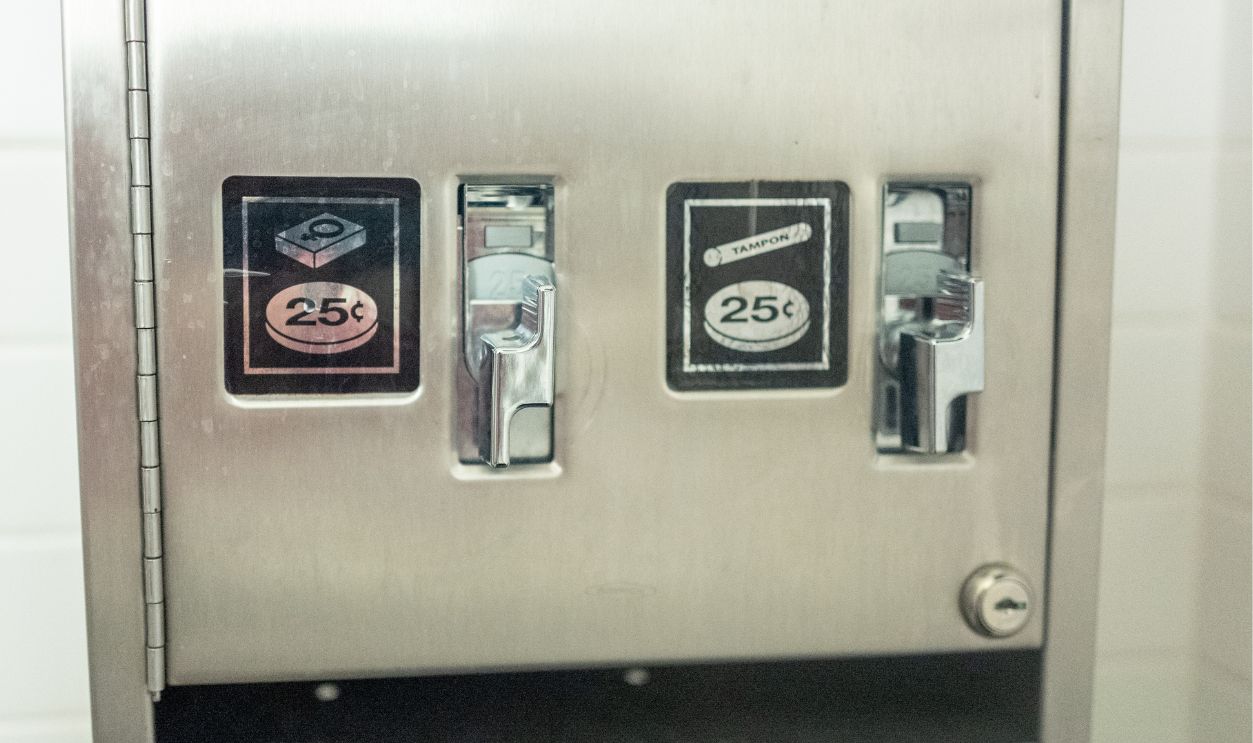
Restroom vending machines offered a practical solution for women caught without necessary supplies. A surviving Modess dispenser from the 1960s, now in the Smithsonian's collection, charged just 10 cents for a sanitary napkin. These machines provided discreet access to an essential product without requiring a purchase from a store clerk.
 Smith Collection/Gado, Getty Images
Heated Sandwiches
During the 1960s, vending manufacturers introduced machines that heated sandwiches using infrared ovens. By the 1970s, some models incorporated microwave technology, making the process even faster. Customers could enjoy a warm sandwich without visiting a restaurant or waiting for someone to prepare it.
Aspirin
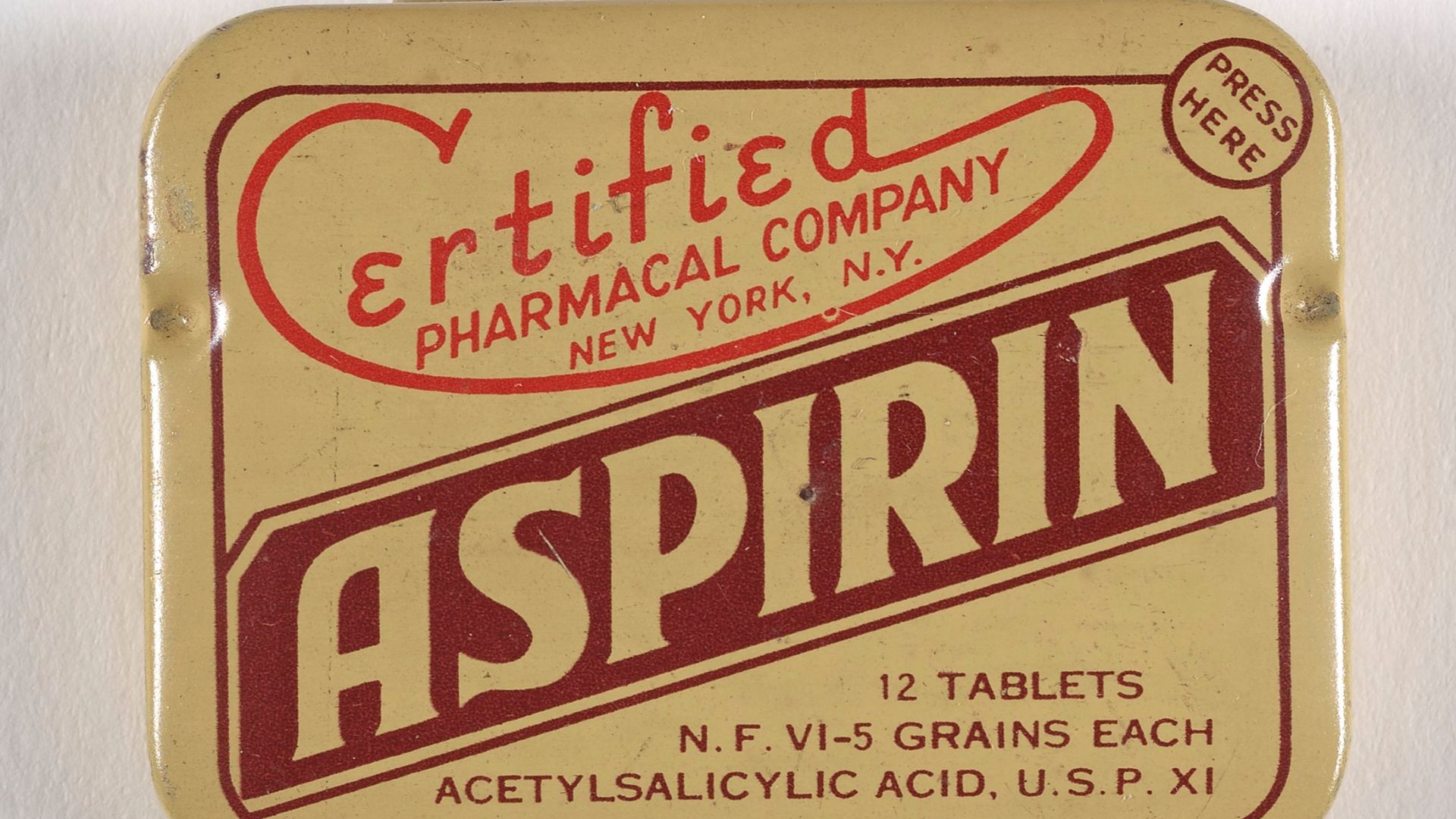
Even common pain relief products were available from vending machines. Historical records identify aspirin among the nonfood merchandise dispensed automatically during the 1970s. Customers could purchase a basic medicine without visiting a pharmacy counter, although medication regulations and packaging requirements have changed since then.
 Certified Pharmacal Company, Wikimedia Commons
Slices Of Pie
Dessert was another attraction at the Automat. Customers could insert coins, turn a knob, and open a glass compartment containing a slice of pie. Workers replenished the compartments from behind the machines, making the process appear almost magical to customers.
Pens
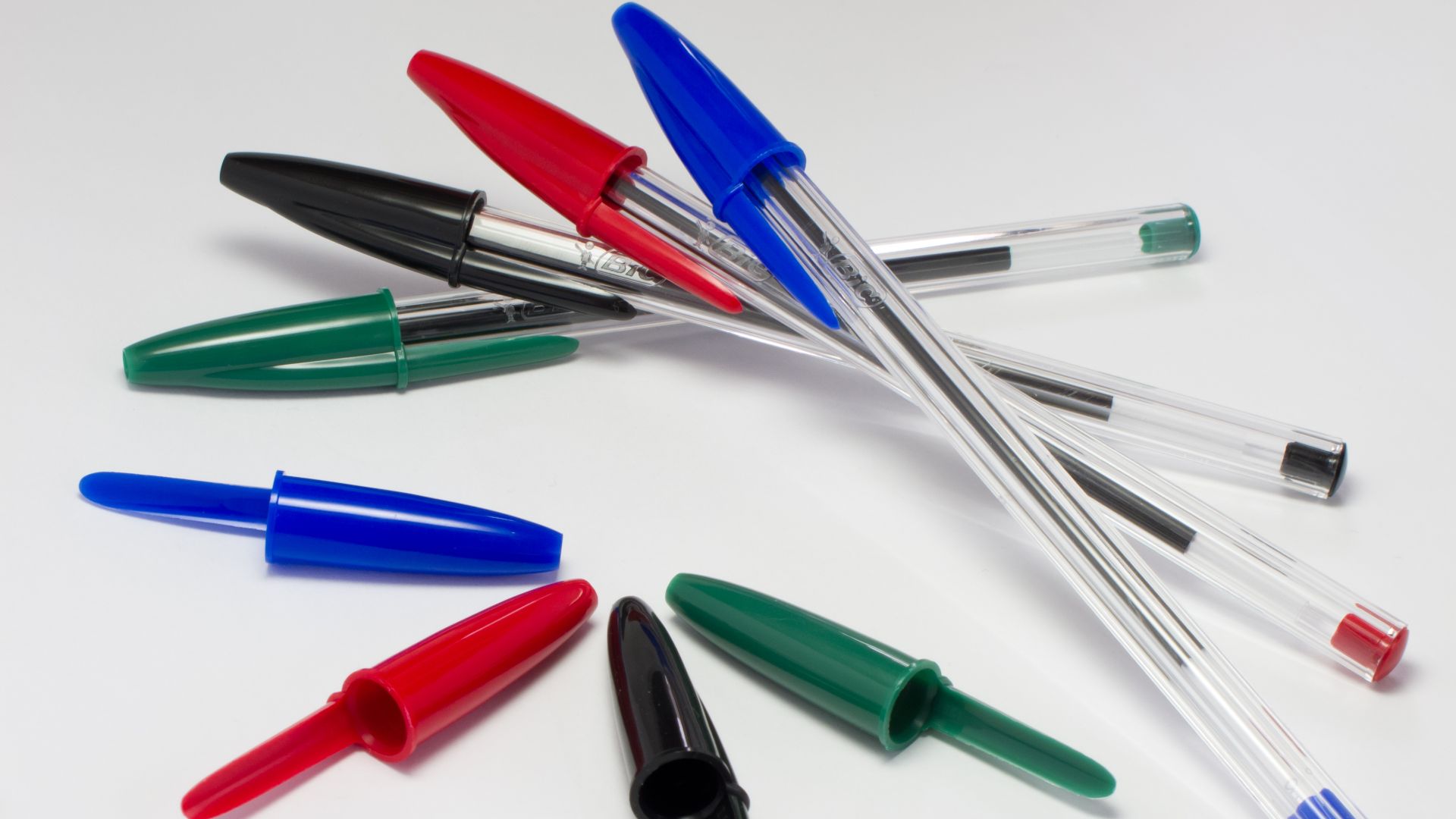
Forgotten your pen before an appointment or meeting? During the 1960s and 1970s, some vending machines offered a convenient solution by dispensing pens for a few coins. These practical machines made it easy to pick up a writing essential without searching for a stationery store.
 Carlos Delgado, Wikimedia Commons
Ice Cream
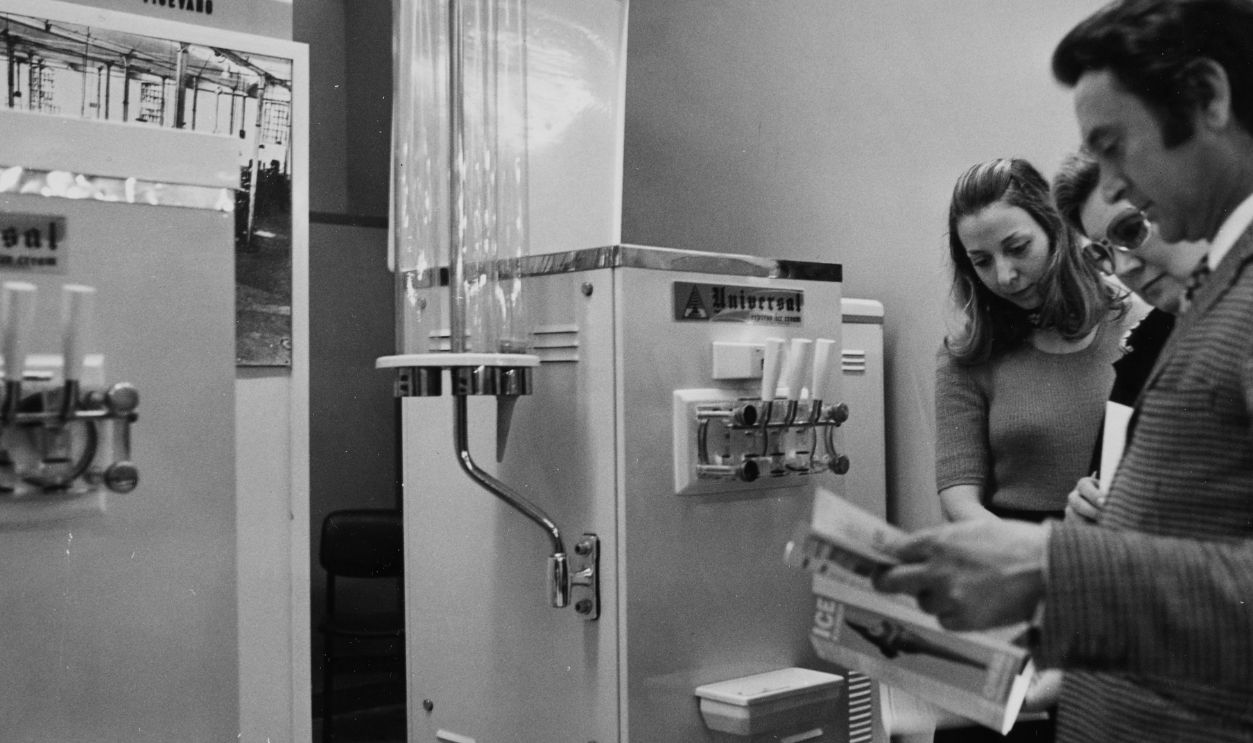
Frozen desserts were another popular vending category. Machines kept packaged ice cream cold until customers inserted their money and selected a treat. Canadian vending operators reported approximately $840,000 in ice cream sales during 1974, demonstrating that automatic frozen-dessert sales had become an established business.
 Mondadori Portfolio, Getty Images
Cigarettes
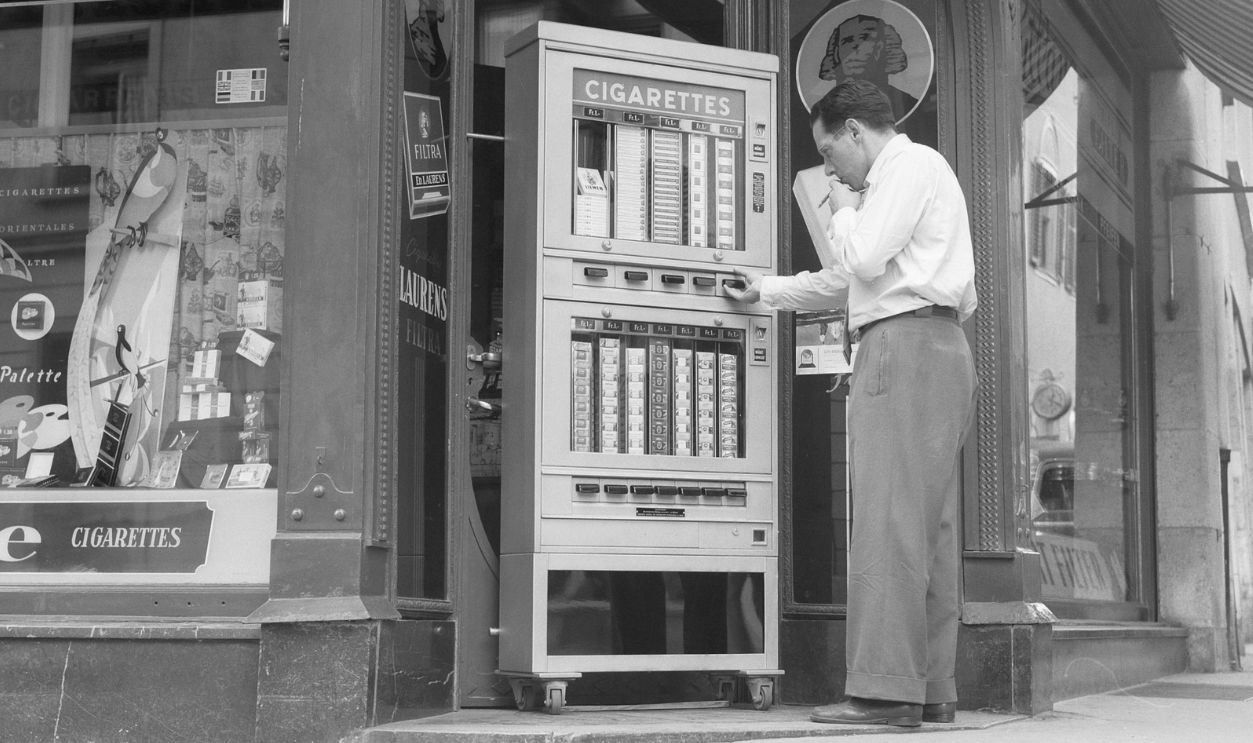
Cigarette vending machines were common sights in restaurants, bars, and other public establishments during the 1960s and 1970s. Customers could purchase packs directly from coin-operated dispensers, often without the age-verification safeguards expected today. Their widespread presence reflected an era when tobacco sales faced fewer restrictions, before greater awareness of smoking's health risks prompted tighter controls.
Fresh Salads
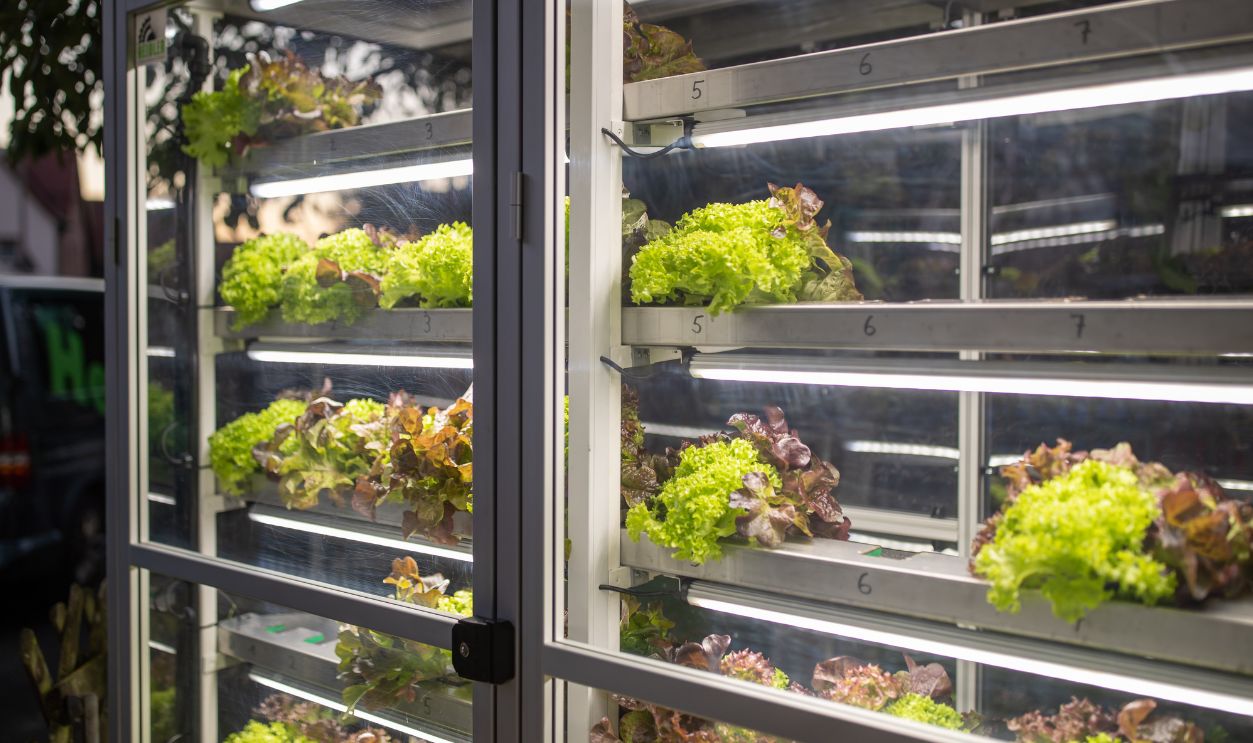
Believe it or not, salads were another vending machine offering. Refrigerated food dispensers sold prepared salads alongside sandwiches and other perishable foods during the 1970s. These machines required reliable refrigeration and regular restocking, making them considerably more complicated to operate than candy machines.
 picture alliance, Getty Images
Toiletries
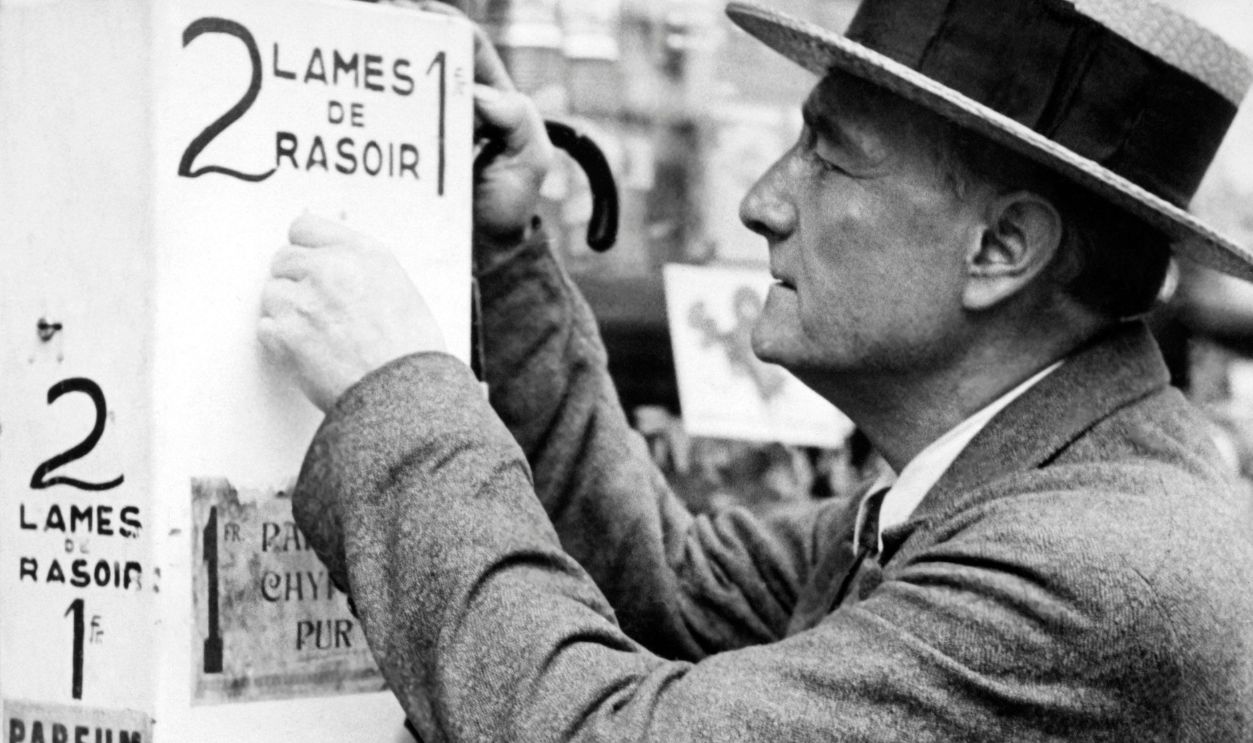
Personal-care essentials were another vending machine category. Historical records identified toiletries and cosmetics among the nonfood products available from automatic dispensers. These machines offered a convenient option for customers who needed small personal items without making a separate trip to a drugstore.
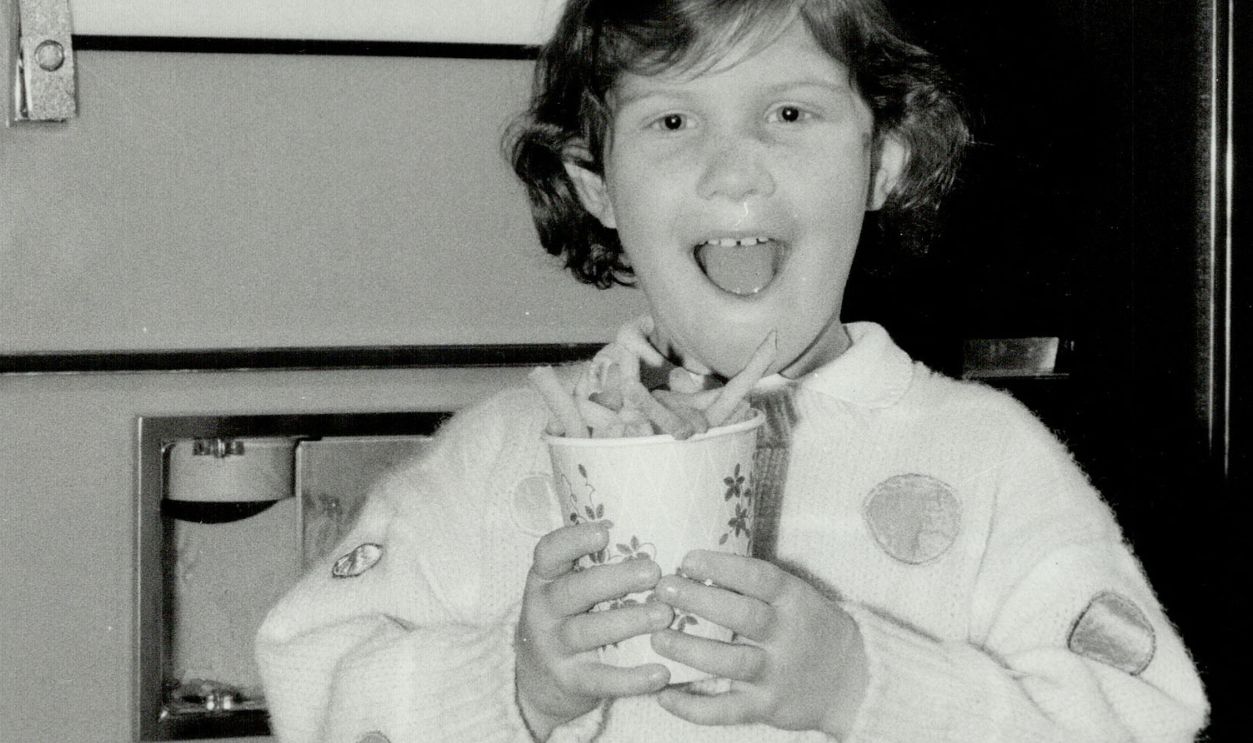
French Fries
By the mid-1970s, inventors were experimenting with machines that could cook French fries automatically. A 1976 American vending-industry report described equipment developed in Canada and Britain that cooked individual portions in approximately 30 to 40 seconds. It was an ambitious concept that promised hot fries without a traditional restaurant kitchen.
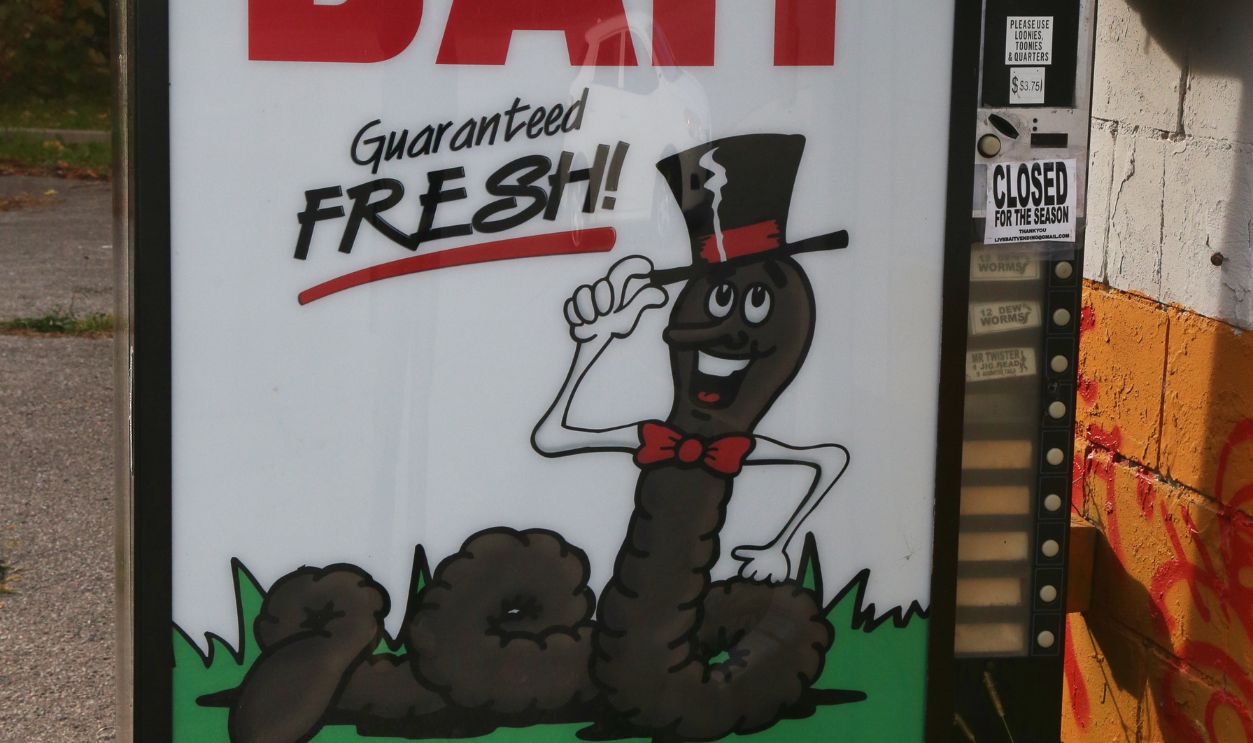
Live Worms
Even live fishing bait could come from a vending machine. In 1965, refrigerated machines sold containers of worms for around 50 cents, allowing anglers to stock up without visiting a bait shop. Some machines kept the worms chilled to preserve them until purchase, making them particularly useful for early-morning fishing trips.
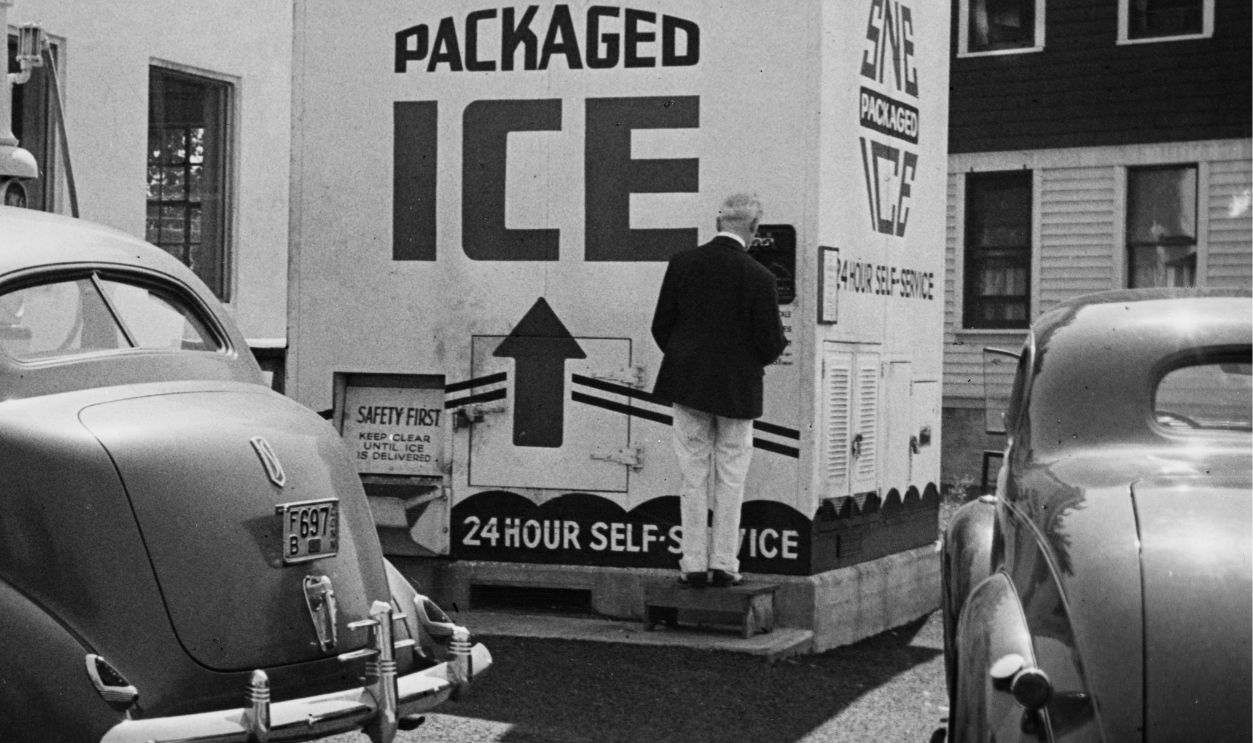
Bags Of Ice
Even ice was being sold through sophisticated vending equipment during the 1970s. Some machines could manufacture ice, dispense it into plastic bags, and seal the packages automatically. A 1976 industry report described machines capable of holding dozens of bags, offering customers a way to purchase ice without assistance from a store employee.
 Lawrence Thornton, Gettu Images
When Almost Anything Came Out Of A Machine
The vending machines of the 1960s and 1970s were far more ambitious than many shoppers remember. Some products, such as stamps and personal necessities, filled genuine everyday needs, while others were unusual experiments that never became mainstream. Although modern machines are increasingly sophisticated, plenty of these old ideas remain surprisingly inventive.
Which of these forgotten vending machine purchases do you remember seeing?
You May Also Like:
Things That Made Pizza Parlors More Fun In The 60s And 70s—And Easier On The Budget
The Real Cost Of A Family Movie Night In The 1980s Compared With Today
Why Casino Buffets Were Once Ridiculously Cheap—And Why So Many Of Them DisappearedYou May Also