When Dinner Made You Look Rich
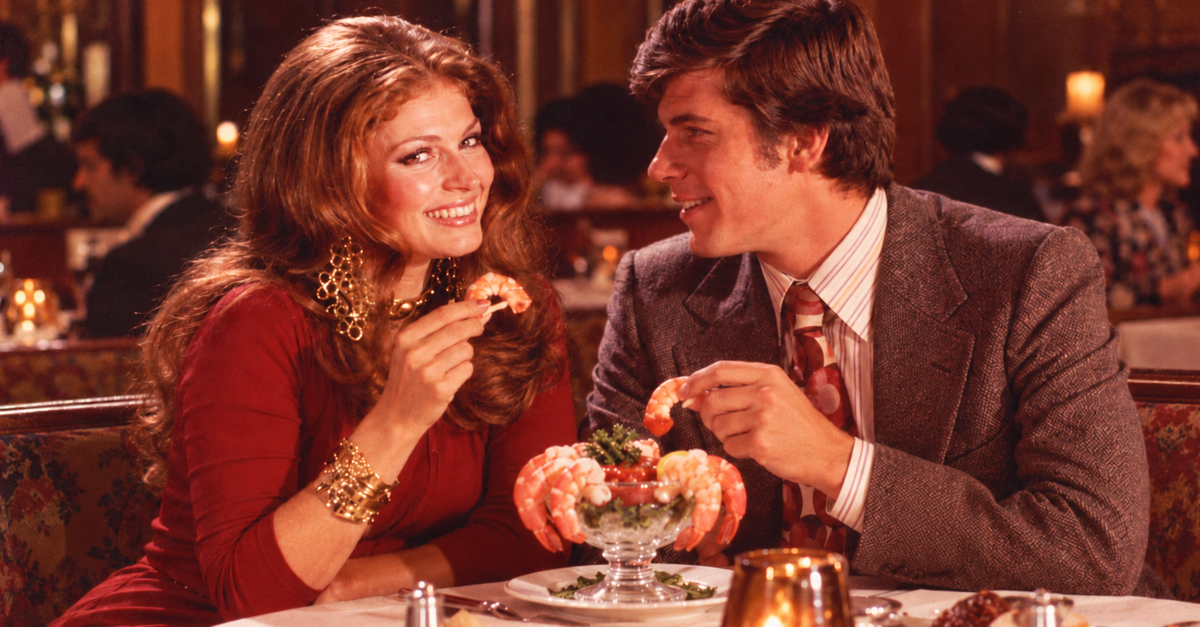
In the 1970s, serving the right food could make you look downright wealthy. Imported cheeses, exotic fruits, and European-inspired dishes were status symbols, and some ingredients required a trip to a specialty store. Today, many of those same foods are sitting in ordinary supermarkets, sometimes at surprisingly affordable prices.
So which foods once made Americans feel rich but barely raise an eyebrow today?
Shrimp Cocktail
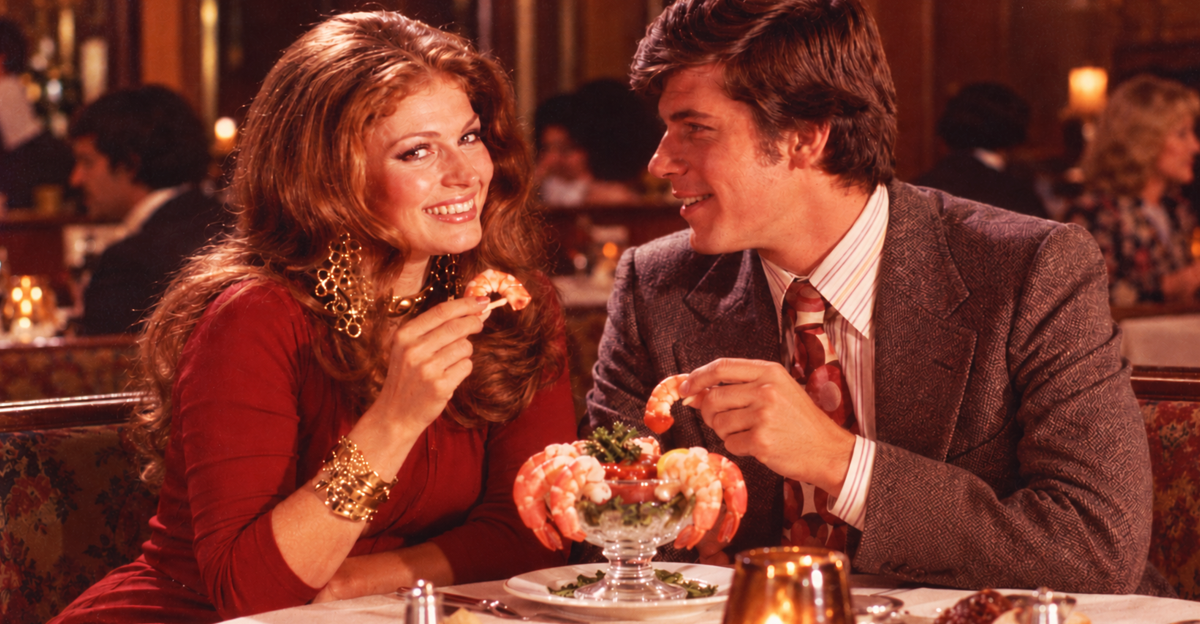
In the 1970s, serving shrimp cocktail was an easy way to make a dinner party feel expensive. Chilled shrimp arranged around a glass of cocktail sauce looked elegant, even though the preparation was relatively simple. Today, frozen shrimp and bottled cocktail sauce let anyone recreate this once-glamorous appetizer at home, often for considerably less than a restaurant would charge.
Cheese Fondue
Nothing suggested sophisticated entertaining quite like a bubbling pot of melted cheese surrounded by guests holding long forks. Fondue became a fashionable dinner-party activity, and retailers sold specialized pots and accessories for the experience. Today, you can recreate much of the same meal with supermarket cheese, bread, and an ordinary saucepan, without buying expensive equipment.
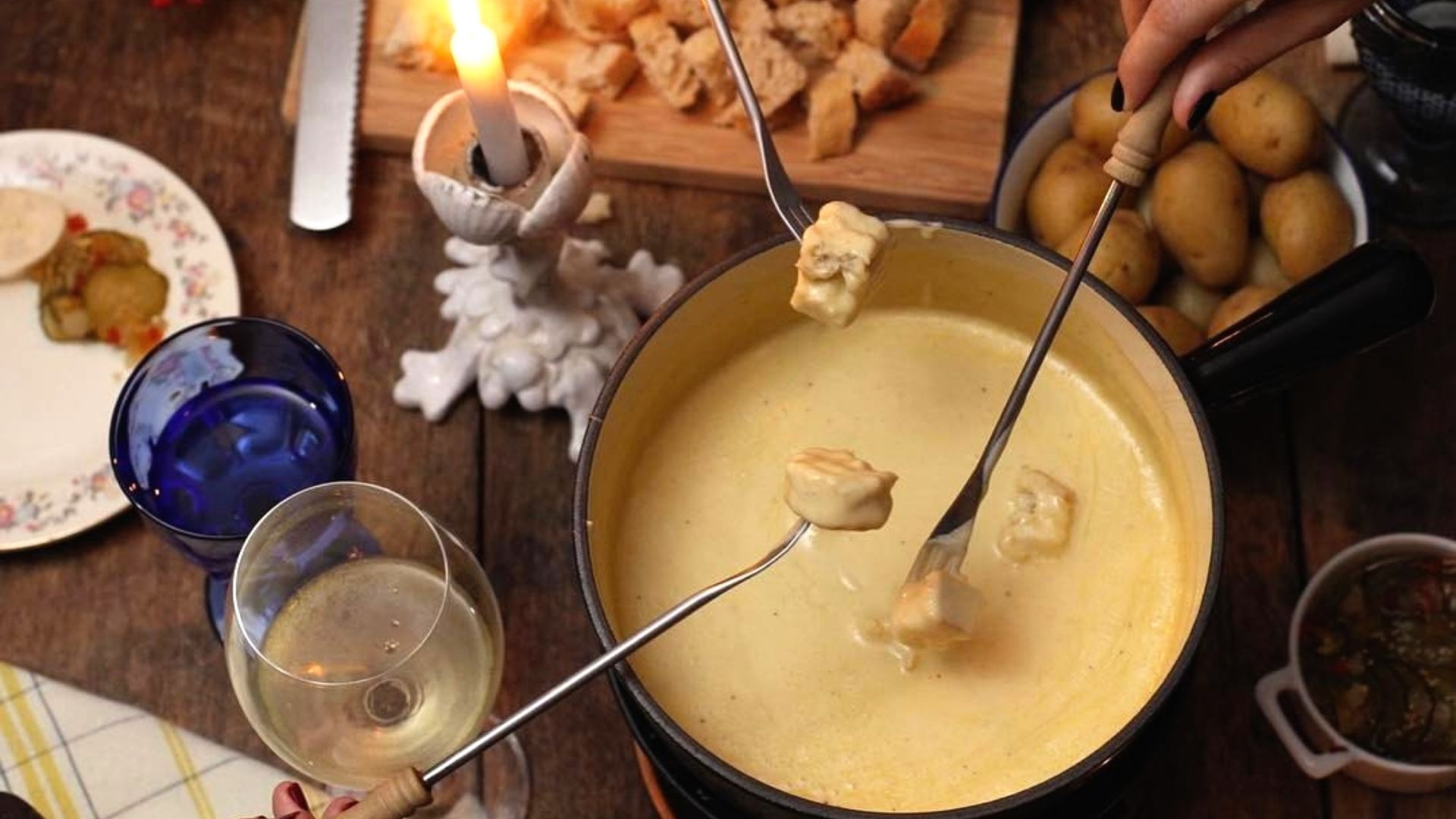 Juliano Mendes, Wikimedia Commons
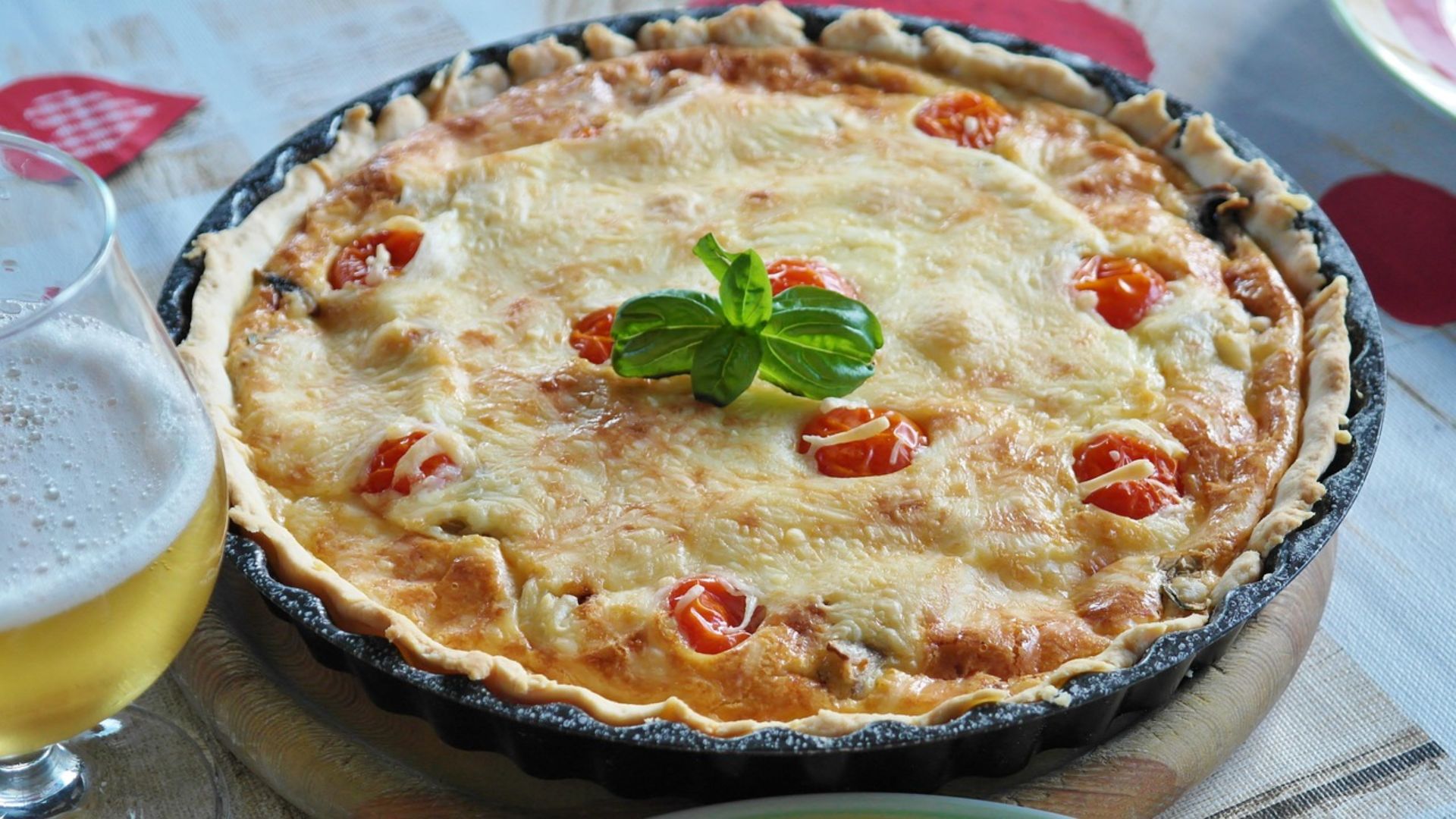
Quiche Lorraine
A buttery pastry filled with eggs, cream, bacon, and cheese sounded wonderfully French to Americans embracing quiche during the 1970s. Julia Child had introduced television viewers to the dish in the previous decade, helping establish its sophisticated reputation. Today, quiche is a familiar brunch item, available from bakeries, supermarket freezer cases, and home kitchens without much fuss.
Brie Cheese
In the 1970s, placing a wheel of Brie on the table could make an ordinary cheese platter look sophisticated. French cheeses attracted growing attention as specialty shops and supermarkets expanded their offerings. Today, Brie is stocked by many mainstream grocers, making a formerly impressive entertaining choice surprisingly routine.
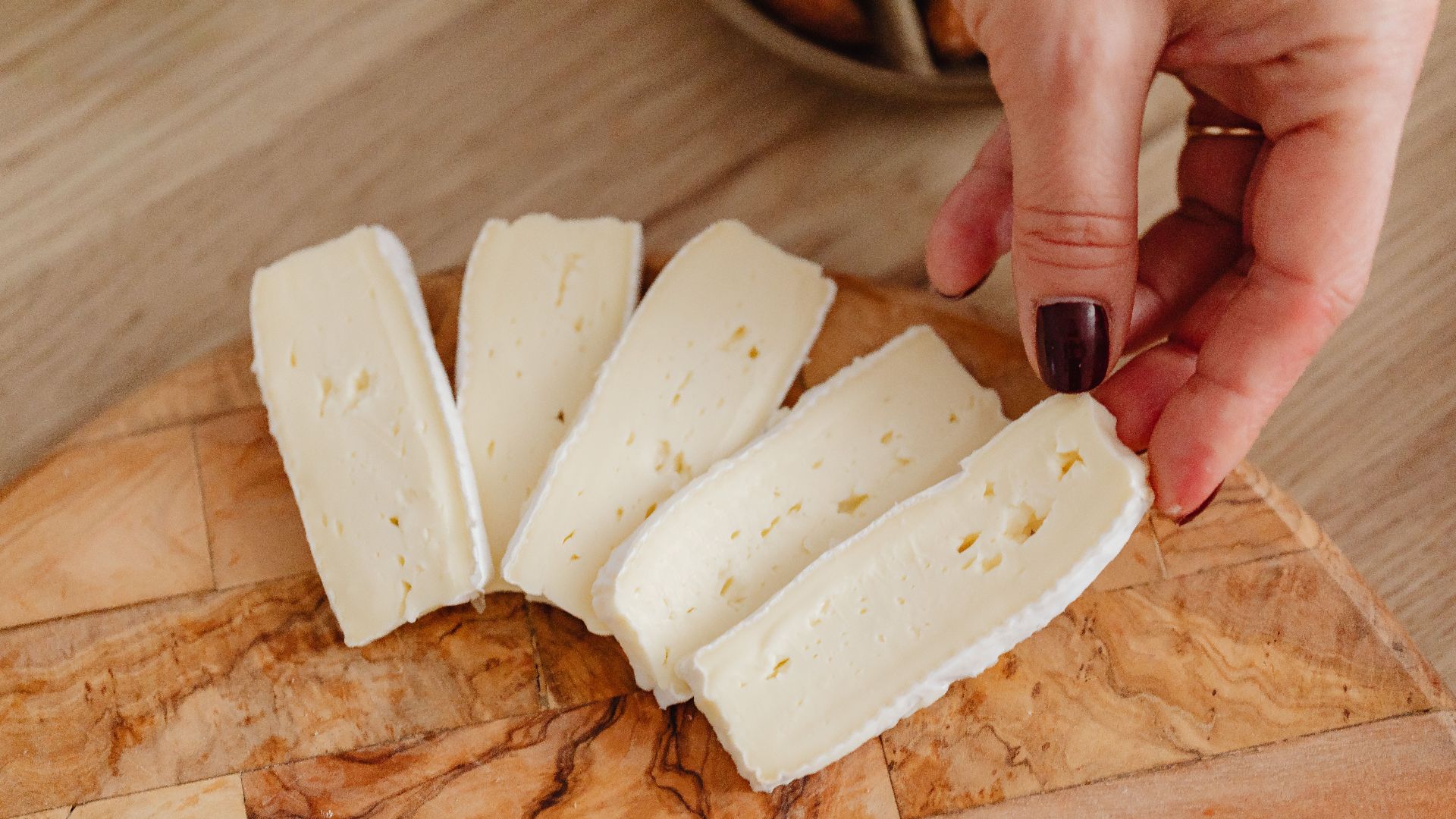 https://kaboompics.com/, Pexels
Chocolate Mousse
Chocolate mousse once brought a little French restaurant glamour to American dining rooms. By the late 1970s, it had become fashionable enough that food writers were discussing elaborate variations, including chocolate mousse cakes. Today, mousse appears in supermarket desserts, restaurant menus, and simple homemade recipes, proving that an impressive dessert doesn't always require an expensive evening out.
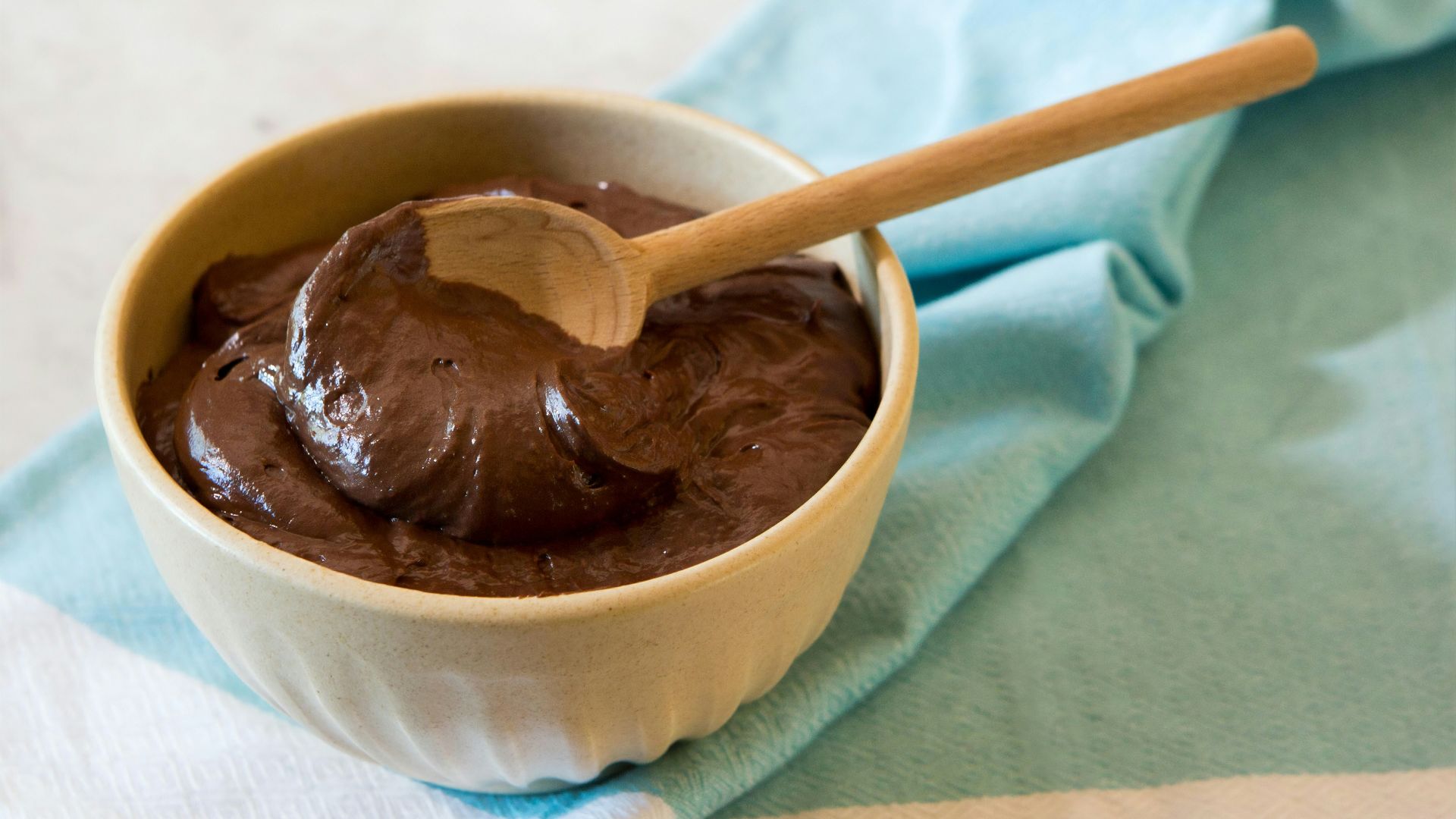 American Heritage Chocolate, Unsplash
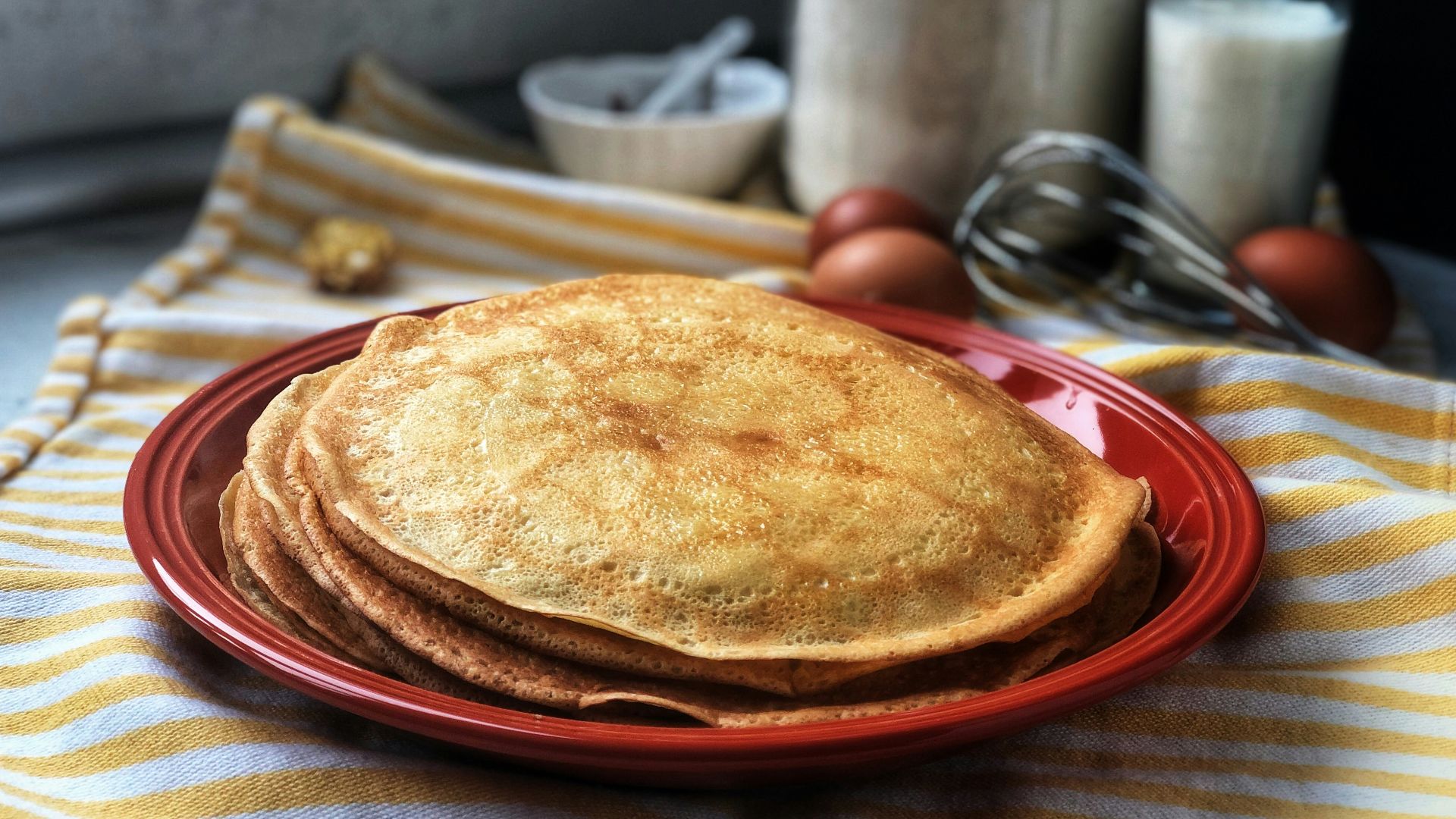
Crêpes
Thin French pancakes became so fashionable during the 1970s that manufacturers marketed special crêpe-making equipment to home cooks. Sweet versions filled with fruit or cream and savory versions filled with meat or vegetables offered an elegant alternative to familiar American dishes. Today, an inexpensive nonstick pan and basic pantry ingredients can produce similar results, making the once-impressive dish far less intimidating.
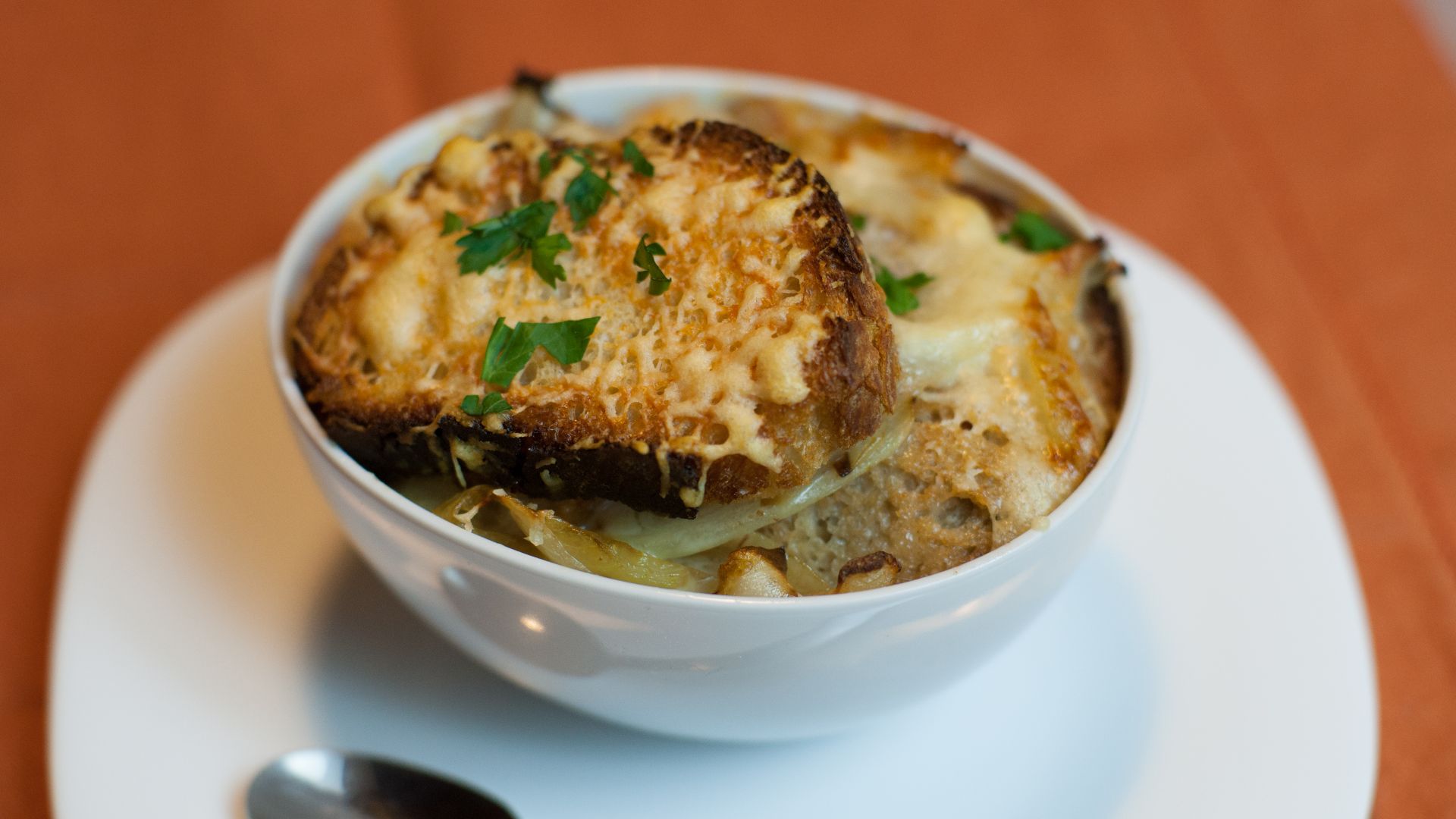
French Onion Soup
A bowl of French onion soup topped with toasted bread and melted cheese once brought a touch of Parisian restaurant style to American dining tables. Recipes circulated in the 1970s, including convenient versions that used canned beef broth instead of homemade stock. Today, supermarkets sell prepared French onion soup, while home cooks can make their own with inexpensive onions, broth, bread, and cheese.
 Ludovic Péron, Wikimedia Commons
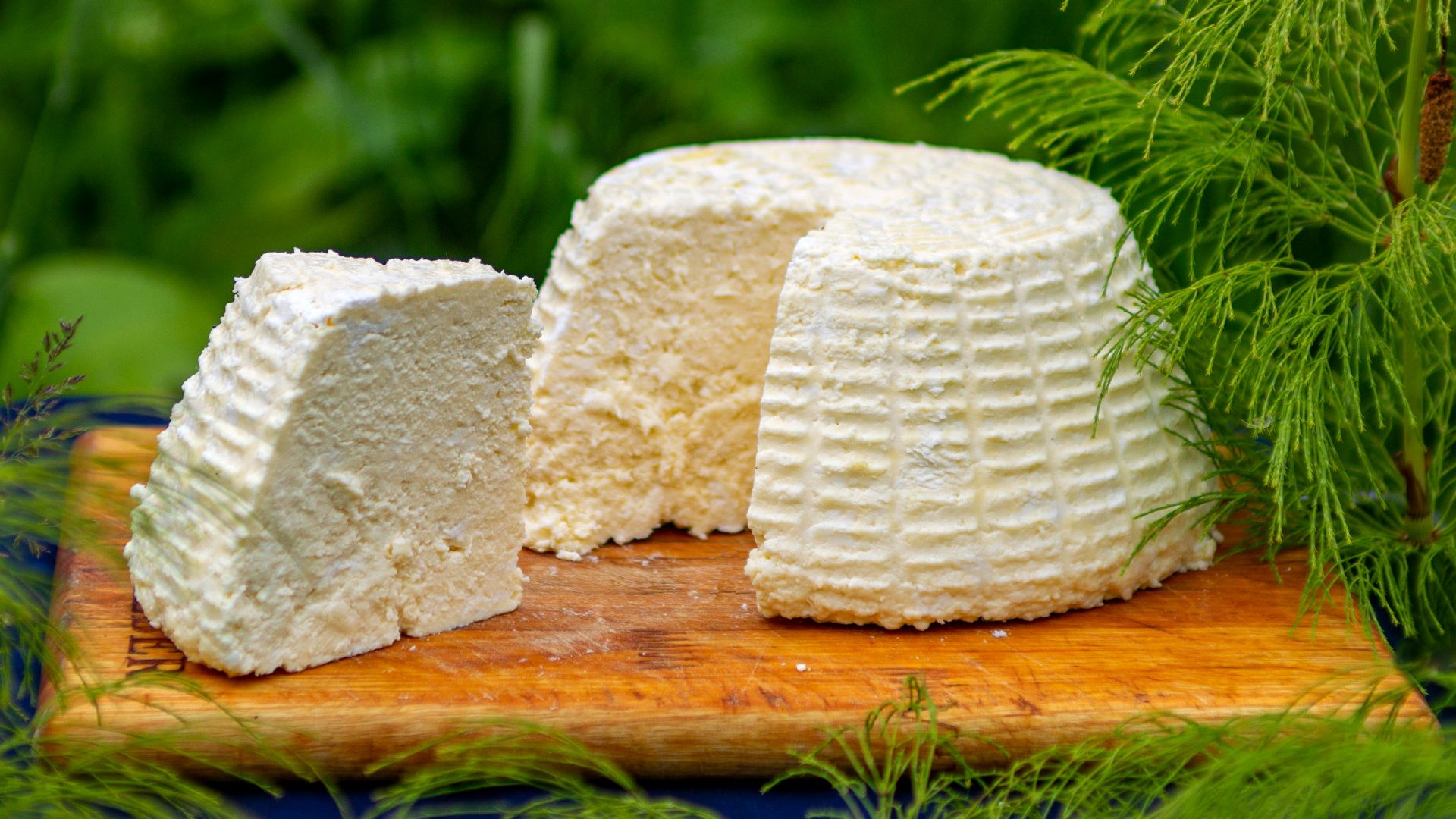
Goat Cheese
Goat cheese was once an unusual find for American shoppers whose everyday choices leaned toward cheddar, processed cheese, and cream cheese. By the late 1970s, food writers were noting its arrival in specialty markets as Americans explored European cheeses. Today, creamy goat cheese routinely appears in supermarket cheese sections, salads, sandwiches, and appetizers.
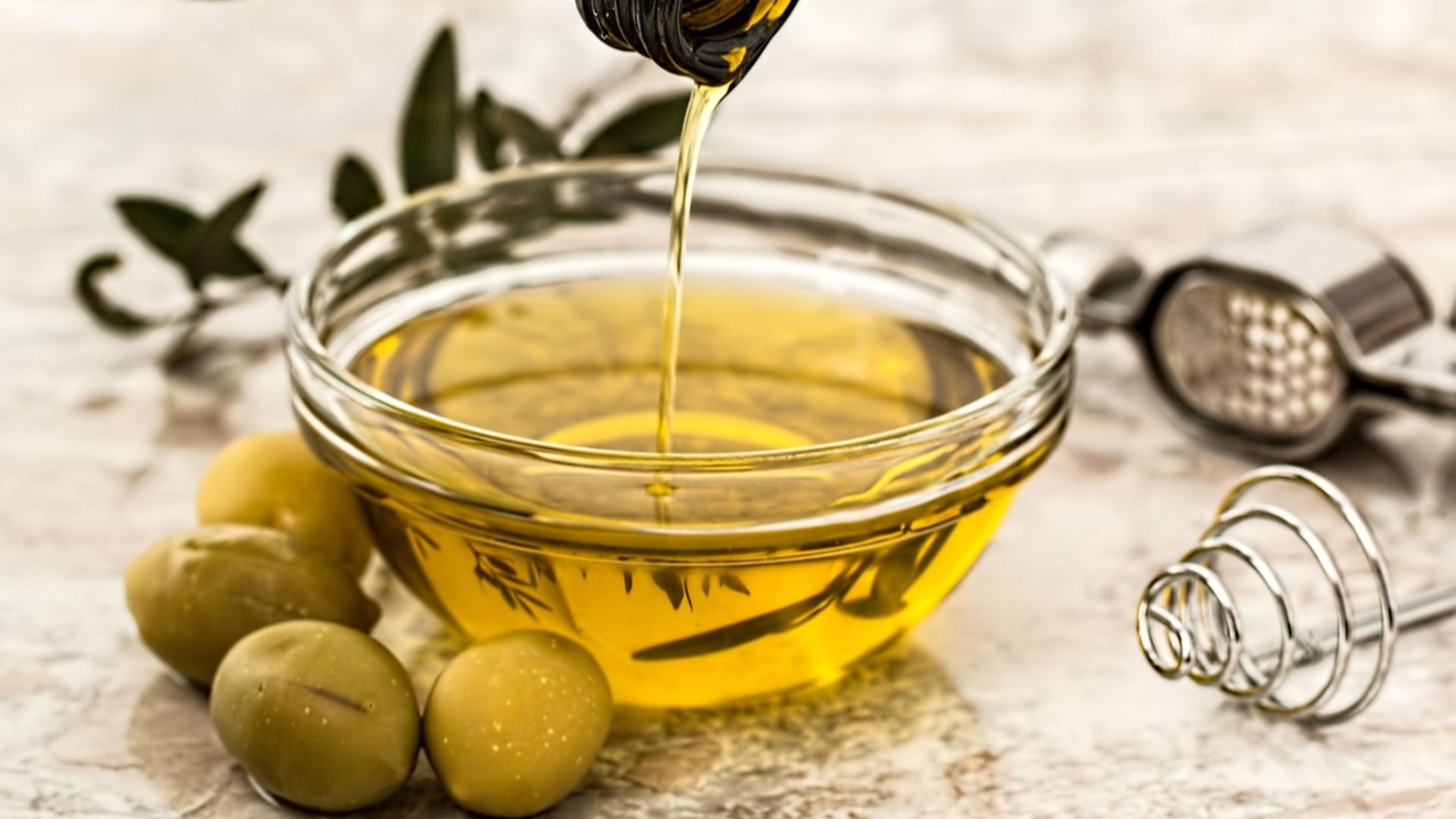
Extra-Virgin Olive Oil
Olive oil was already familiar in Italian and Mediterranean American households, but premium varieties carried a fashionable gourmet image during the 1970s. Food writers increasingly discussed different grades of olive oil as shoppers explored European ingredients. Today, extra-virgin olive oil is a mainstream grocery product, with affordable store brands competing against expensive specialty bottles.
Wine Vinegar
At the beginning of the 1970s, many American supermarkets offered relatively few vinegar choices beyond familiar household staples. By the decade's end, wine vinegars had become easier to find as shoppers explored European-style dressings and sauces. Today, red and white wine vinegars are common grocery items, often sitting alongside numerous flavored alternatives.
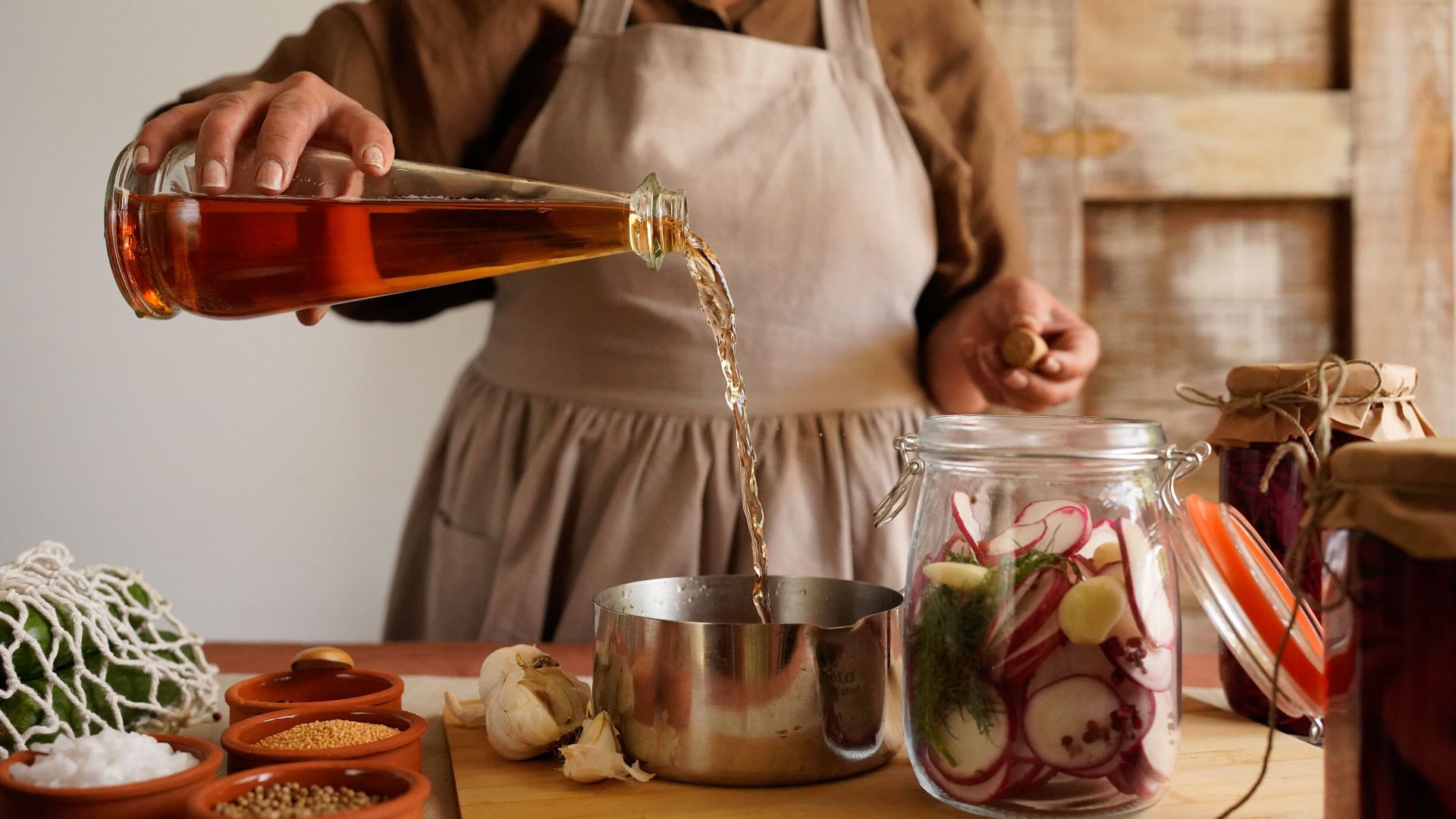
Gourmet Mustard
An ordinary sandwich could suddenly feel sophisticated when its mustard came with a French name. During the 1970s, gourmet food shops and expanding supermarket selections introduced more Americans to Dijon and other specialty mustards. Today, Dijon, whole-grain, honey, and spicy varieties occupy ordinary condiment aisles, allowing shoppers to upgrade a sandwich without visiting an expensive specialty store.
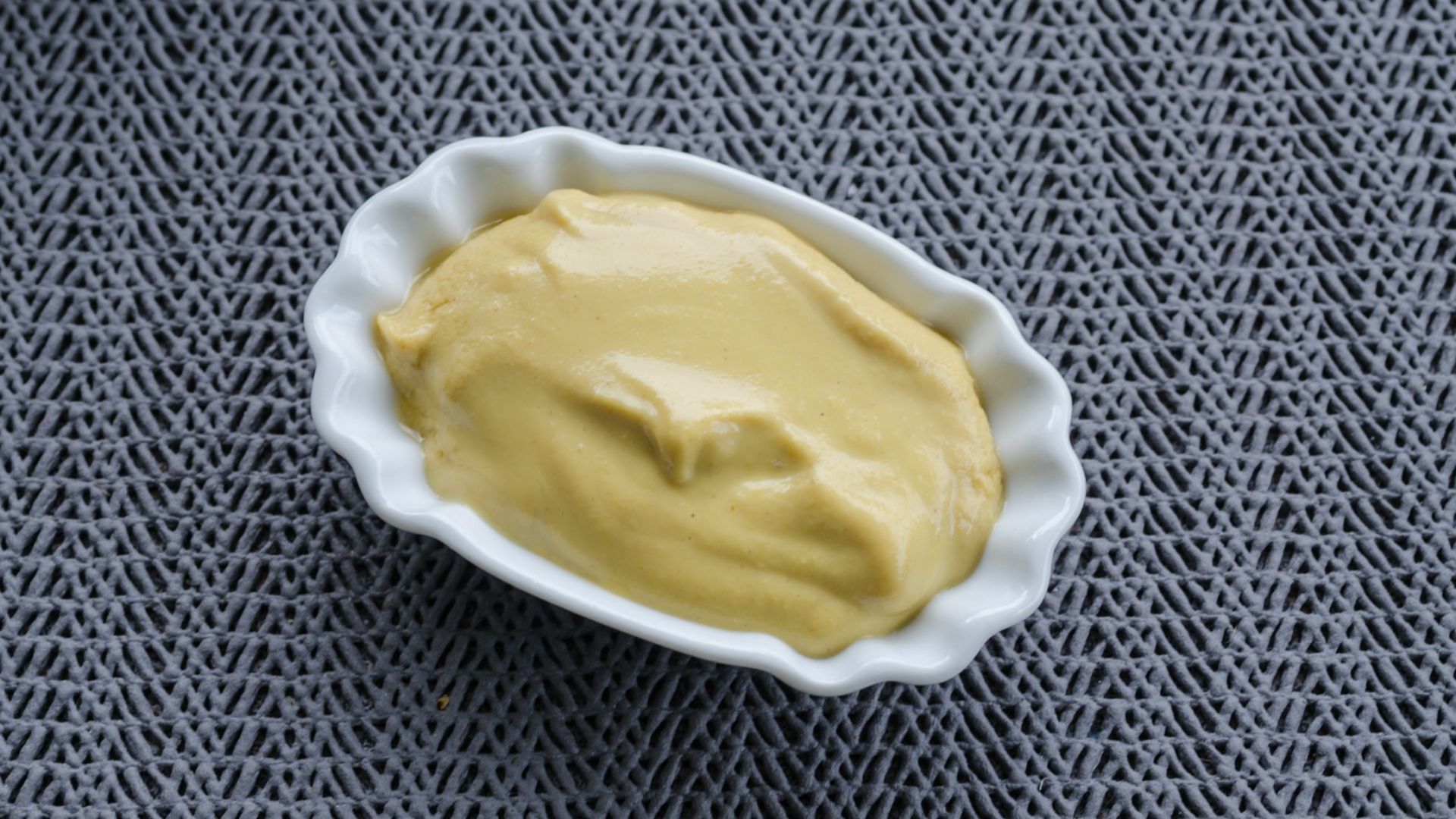
Greek Olives
For Americans accustomed to canned black olives or green olives stuffed with pimentos, Greek olives offered something different. During the 1970s, growing interest in Mediterranean foods brought more specialty varieties into American shops. Today, Kalamata olives are familiar ingredients in salads, pizzas, and pasta dishes, with convenient jars available in many supermarkets.
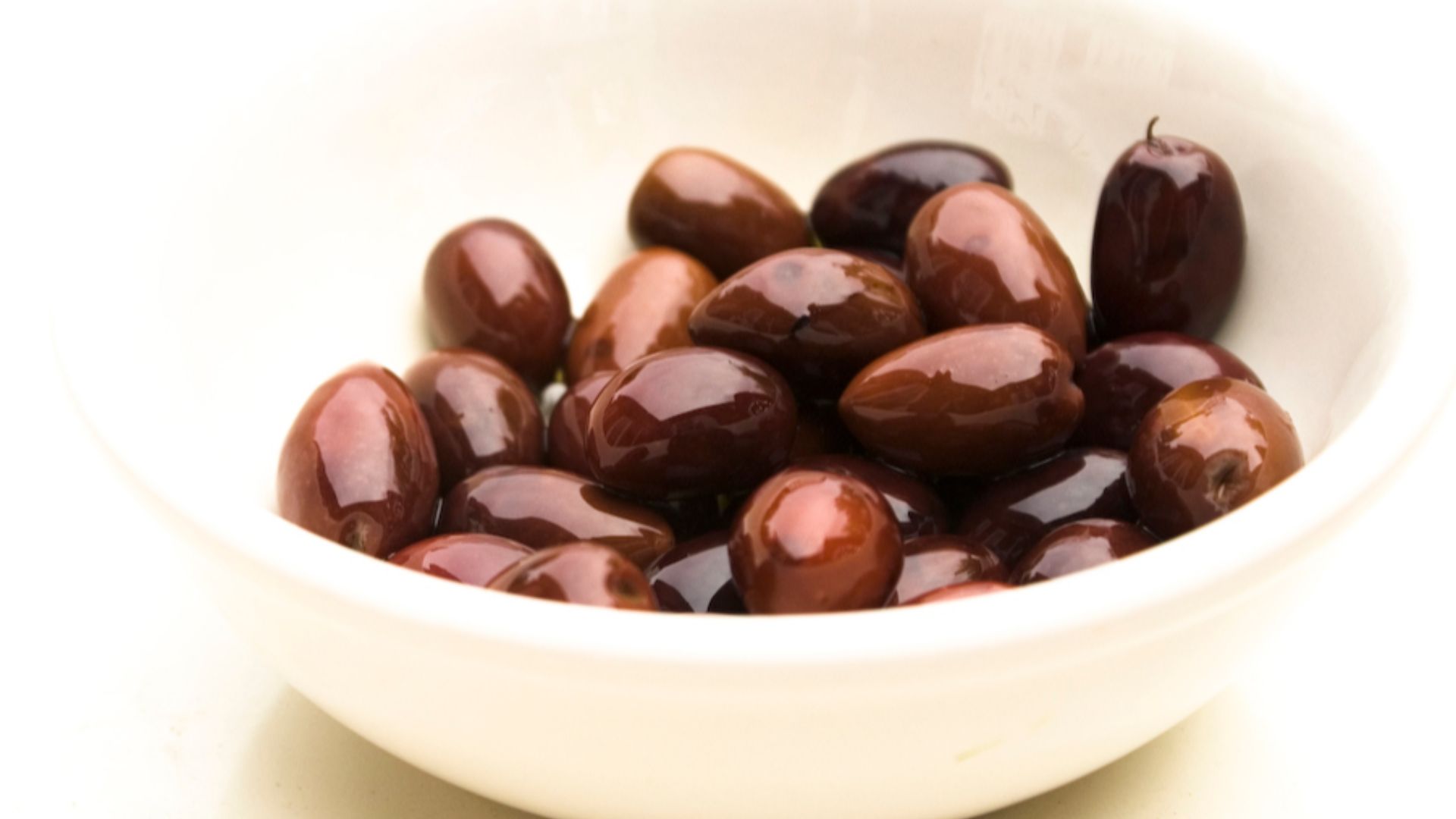
Fresh Artichokes
Artichokes could make a dinner-party table look impressive, especially when presented whole with a dipping sauce or filled with other ingredients. Julia Child featured artichokes in her cooking programs, while 1970s entertaining recipes found elaborate ways to serve them. Today, shoppers can buy fresh artichokes, canned hearts, or frozen versions, making dishes such as spinach-artichoke dip considerably easier to prepare.
Fresh Basil
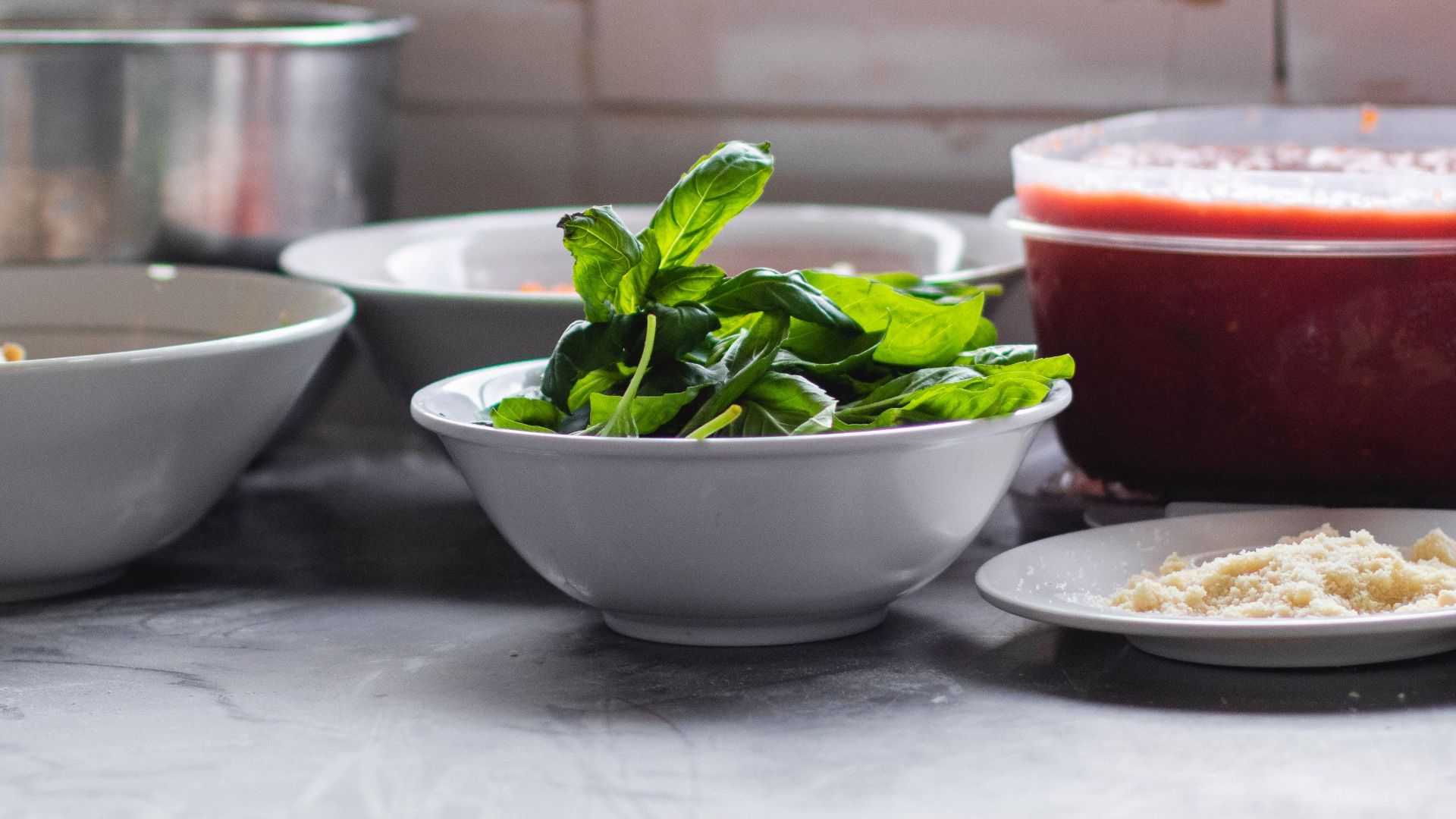
Fresh basil could be difficult to find in ordinary American supermarkets during the early 1970s. By the decade's end, specialty markets were supplying more of the fresh herbs that cooks needed for increasingly popular European dishes. Today, basil is sold in grocery-store produce departments and even as inexpensive potted plants, making restaurant-inspired cooking much more accessible.
Pesto Sauce
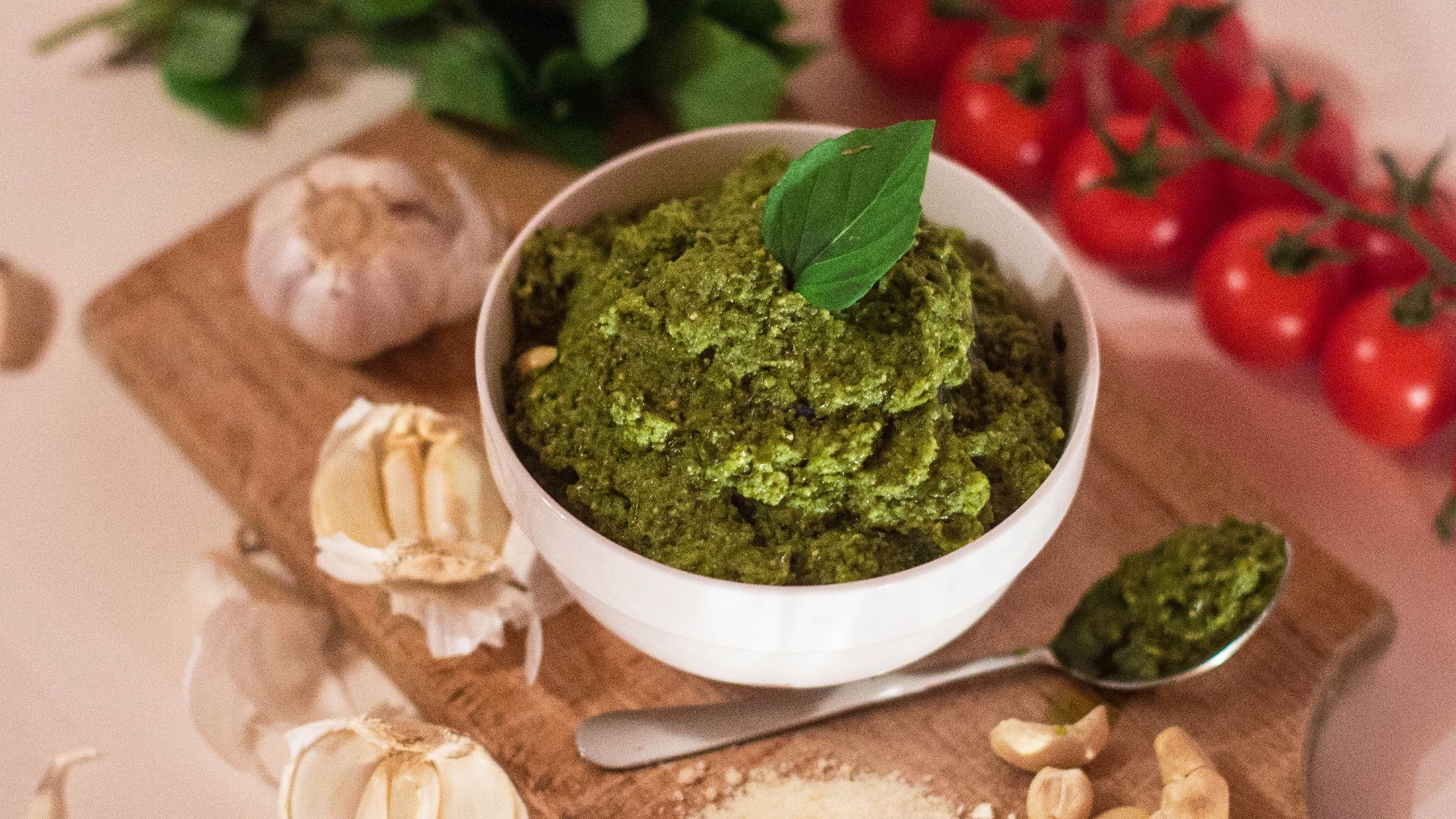
Pesto once sounded impressively sophisticated to American diners more accustomed to tomato-based pasta sauces. By the late 1970s, food writers were discussing the growing popularity of sauces made with fresh basil, olive oil, Parmesan, and nuts. Today, jars of pesto are widely available, allowing shoppers to turn inexpensive pasta into a seemingly gourmet meal with very little effort.
 Стефанија Видовски, Wikimedia Commons
Fettuccine Alfredo
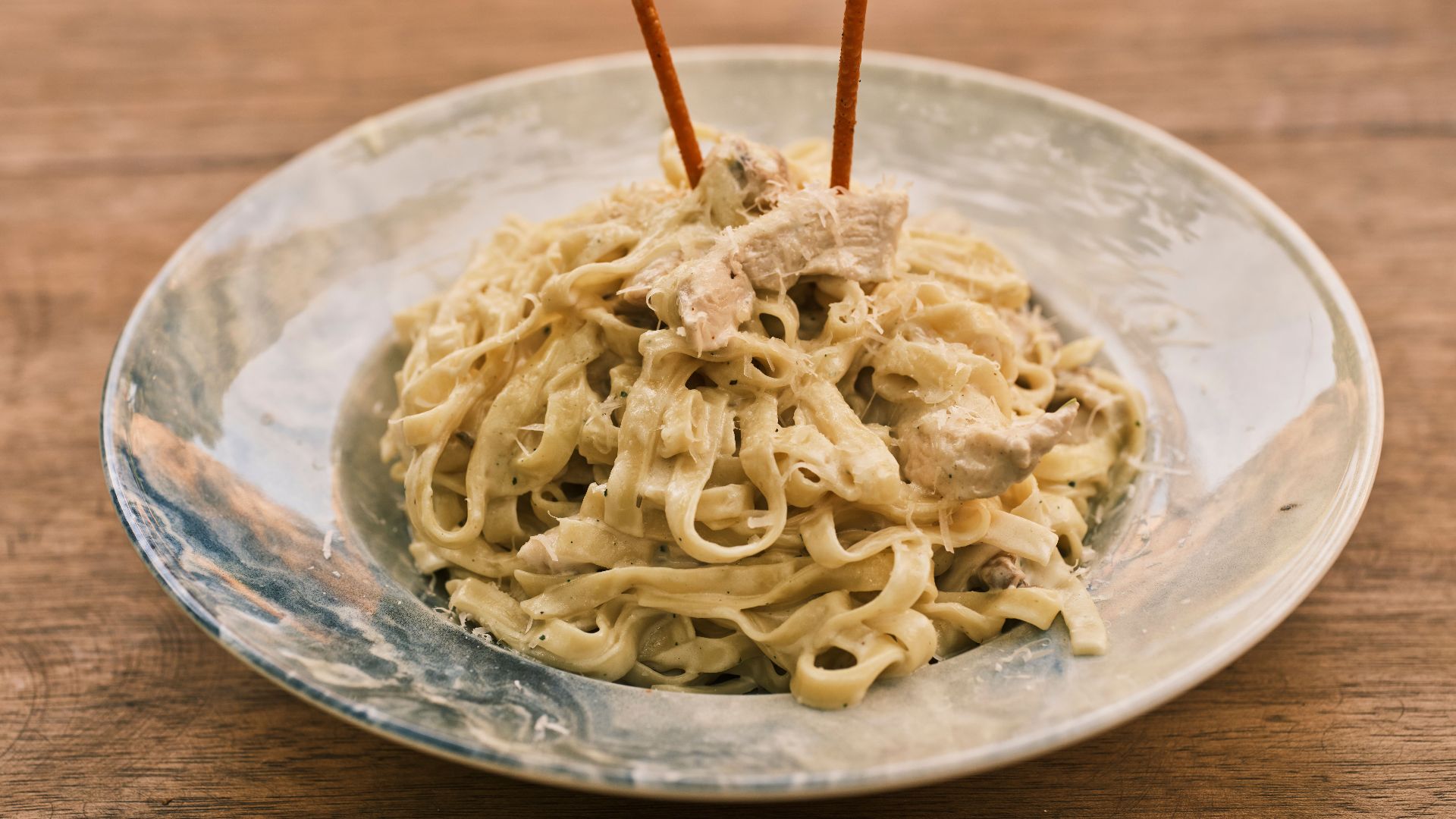
Fettuccine Alfredo was among the Italian-inspired dishes that gained a sophisticated reputation in American restaurants. The combination of pasta, butter, and Parmesan seemed luxurious, especially as rich sauces became fashionable during the 1970s. Today, cream-based American versions appear on casual restaurant menus, while supermarket sauces offer a convenient shortcut for budget-conscious home cooks.
Fresh Pasta
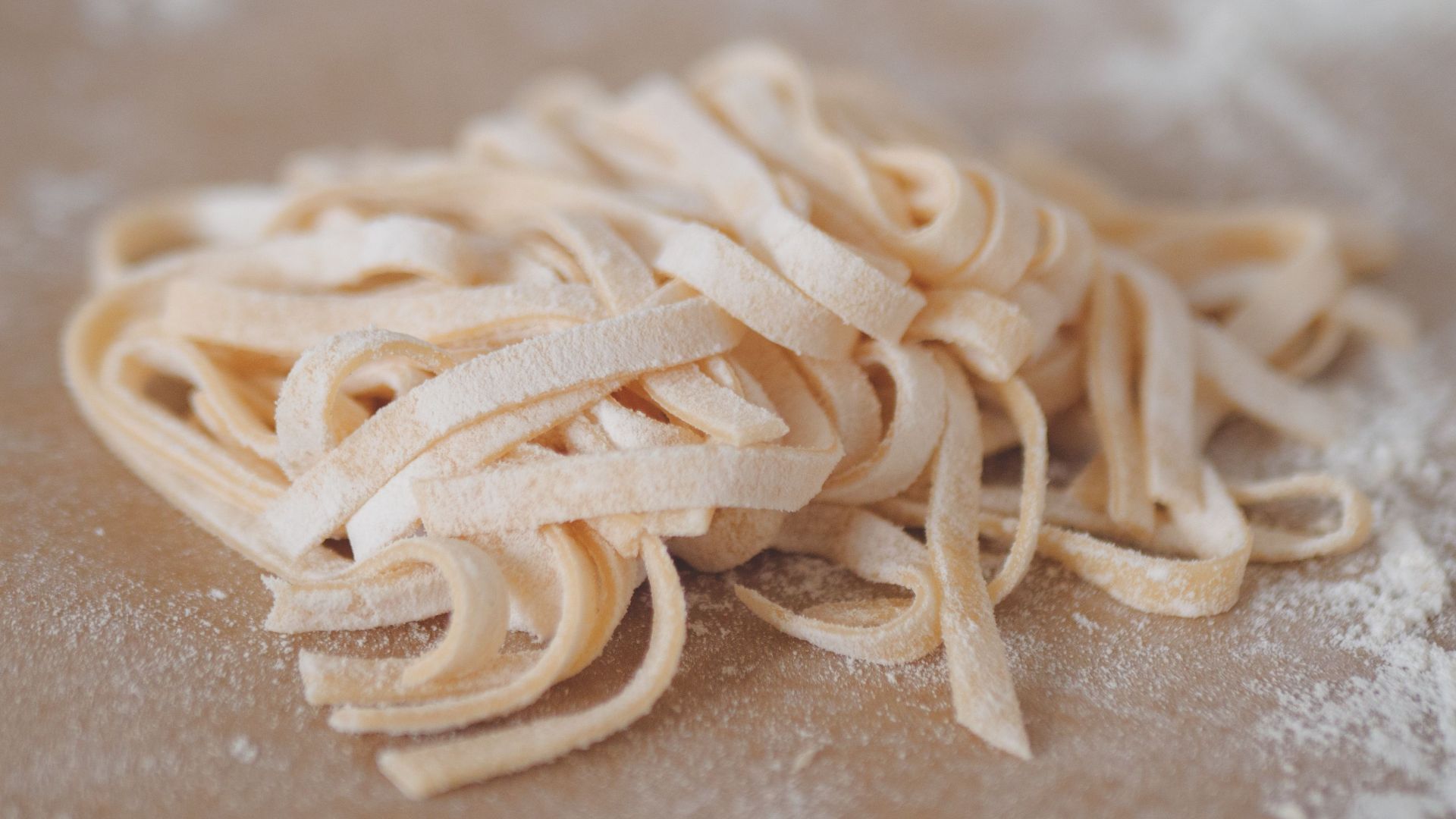
Fresh pasta once suggested a restaurant kitchen or an ambitious home cook willing to spend hours preparing dinner. During the 1970s, Americans became increasingly interested in Italian cooking, experimenting with different pasta shapes, sauces, and ingredients. Today, refrigerated pasta is available in many supermarkets, and filled varieties such as ravioli and tortellini can be prepared in minutes.
Puff Pastry
In the 1970s, buttery, flaky puff pastry could make an ordinary filling look like something from an expensive restaurant. The pastry appeared in elegant appetizers and desserts, but preparing it traditionally required considerable time and skill. By the decade's end, commercially prepared frozen versions were reaching mainstream supermarkets, helping turn an impressive culinary technique into a convenient shortcut.

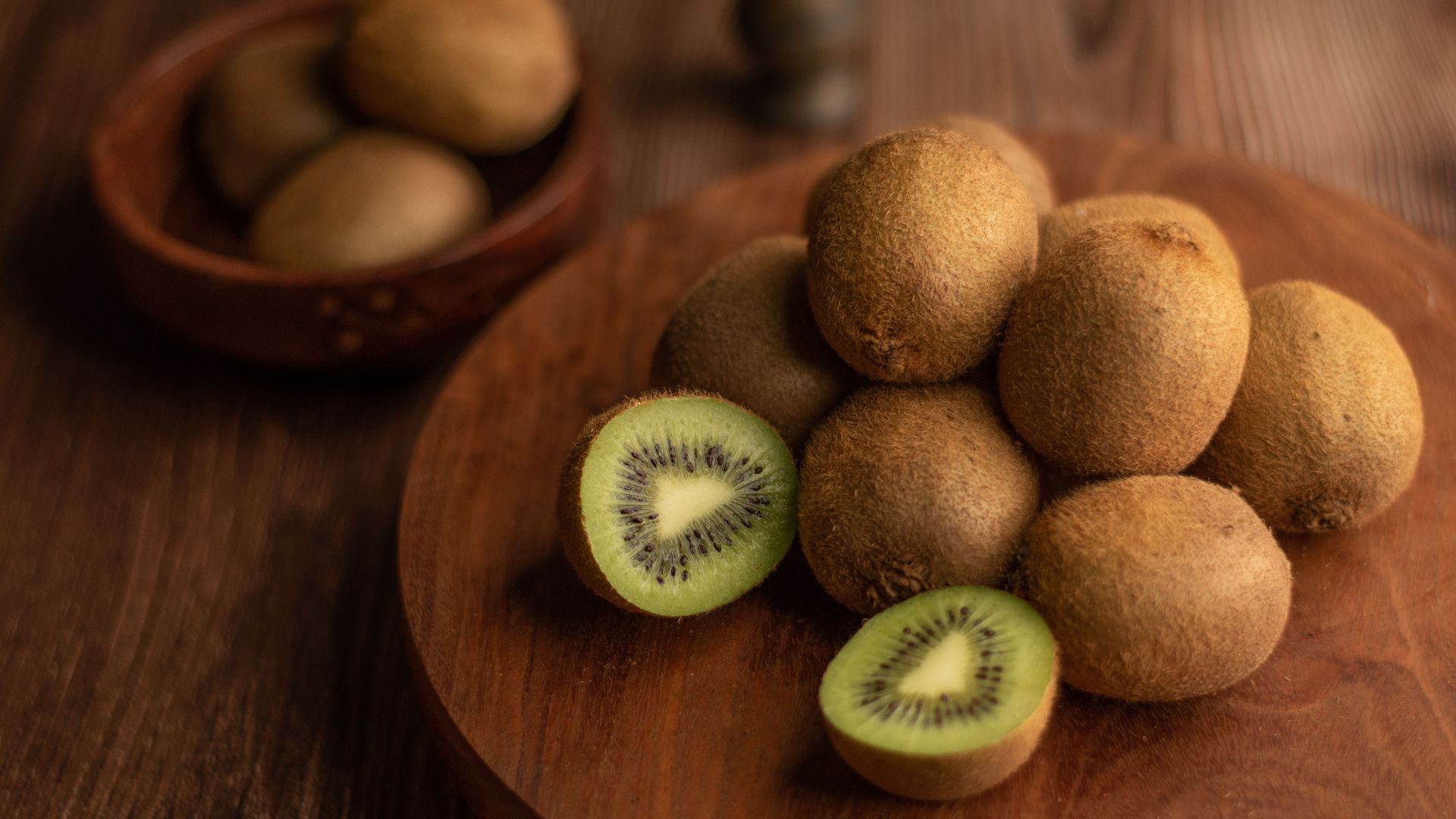
Kiwi Fruit
Kiwi fruit was once unfamiliar enough to many American shoppers that its fuzzy brown skin and bright green interior made it a conversation piece. By the late 1970s, food writers were identifying kiwi as one of the exciting fruits appearing in expanding supermarket produce departments. Today, kiwis are familiar supermarket purchases, with their once-exotic appearance rarely attracting much attention.
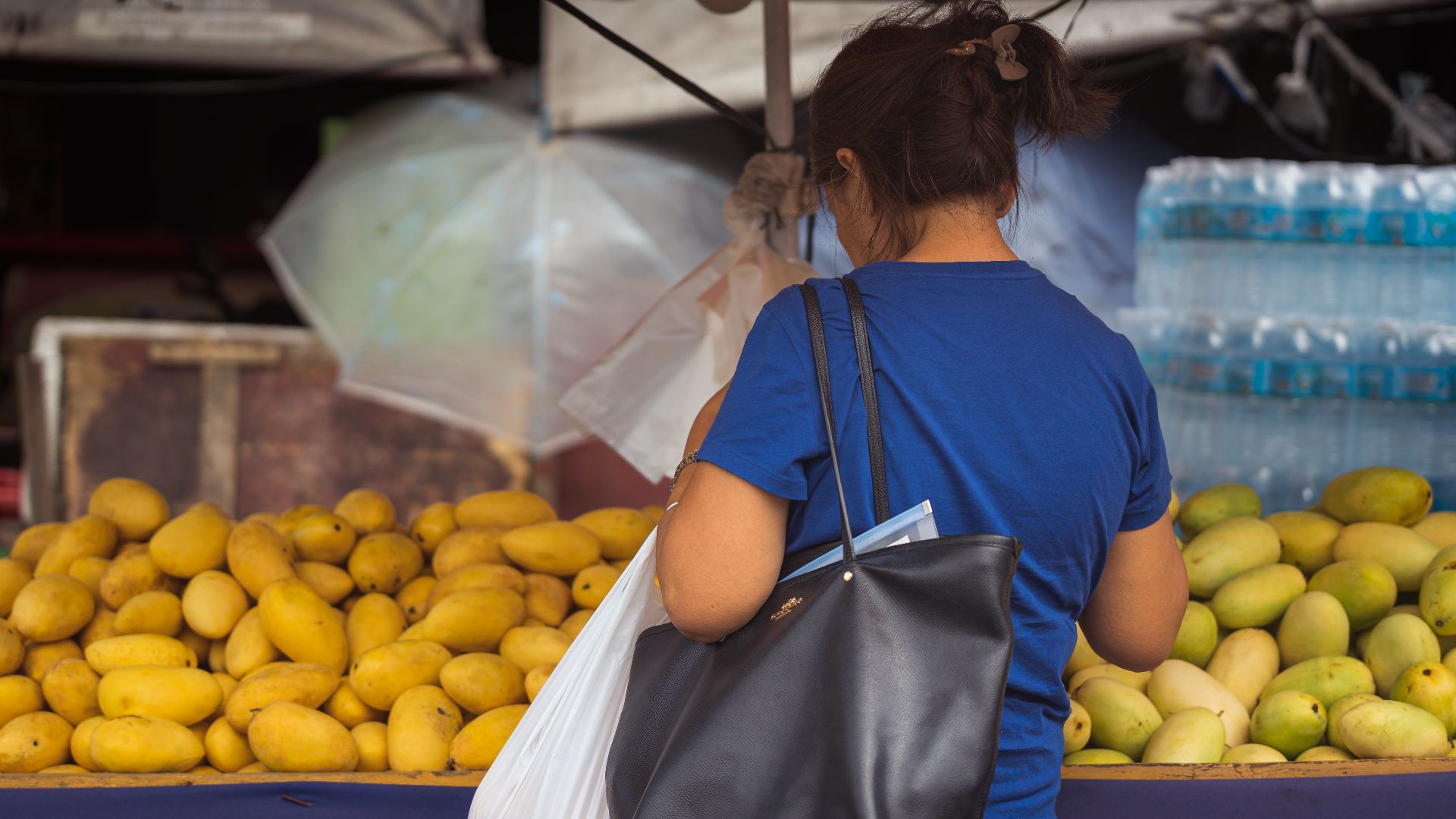
Mangoes
A fresh mango once seemed like a special discovery for American shoppers accustomed to apples, bananas, and oranges. During the 1970s, mangoes were among the tropical fruits gaining attention as supermarkets expanded their produce selections. Today, mangoes appear in many grocery stores, while frozen mango chunks make smoothies and fruit desserts convenient year-round options.
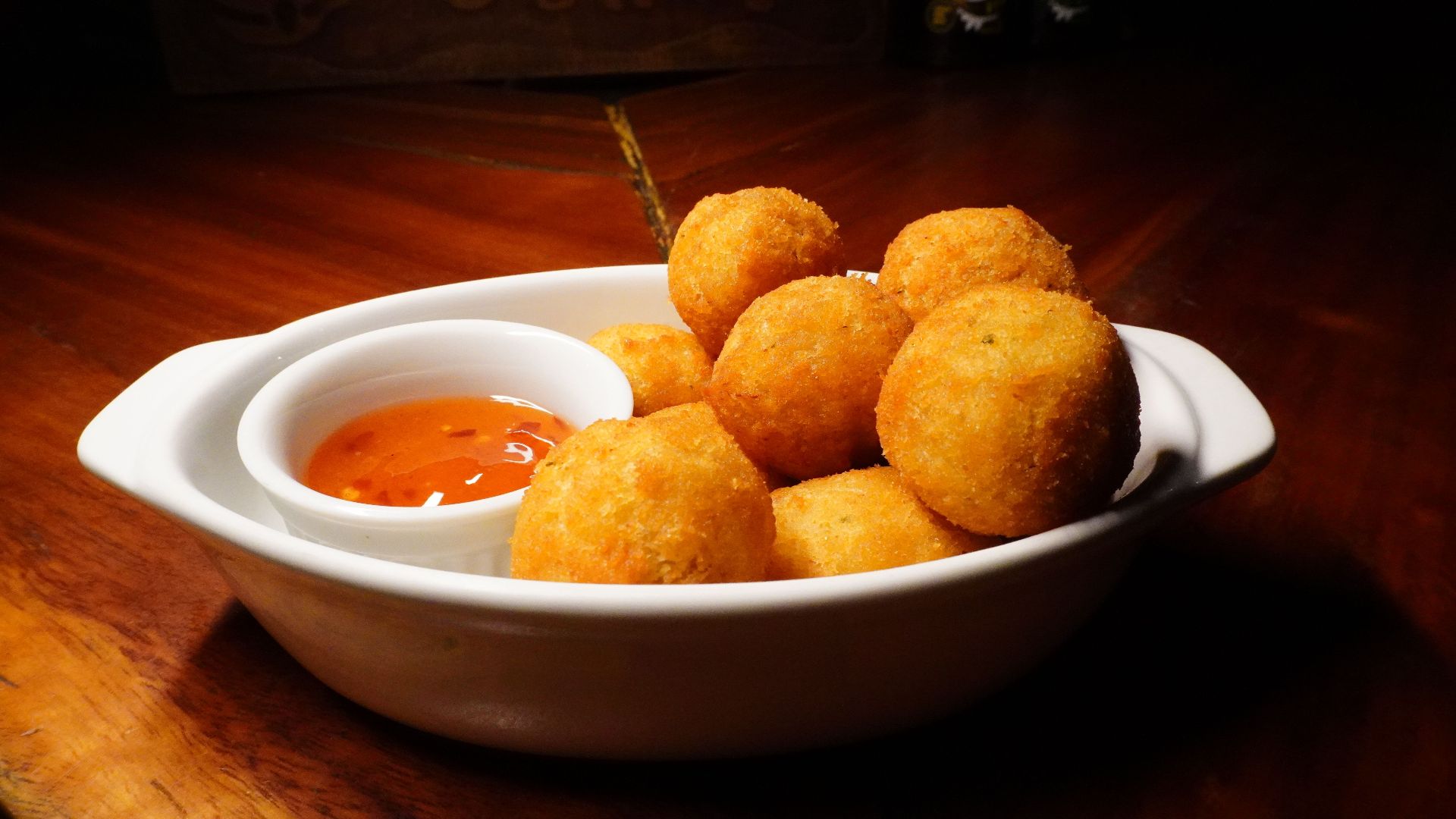
Cheese Balls
A ball of cream cheese mixed with seasonings and rolled in chopped nuts could make a 1970s cocktail party feel like a special occasion. Cheese balls became popular entertaining staples, often surrounded by neatly arranged crackers on decorative serving platters. Today, the same appetizer can be assembled from inexpensive supermarket ingredients or purchased ready-made, making its former sophistication seem rather amusing.
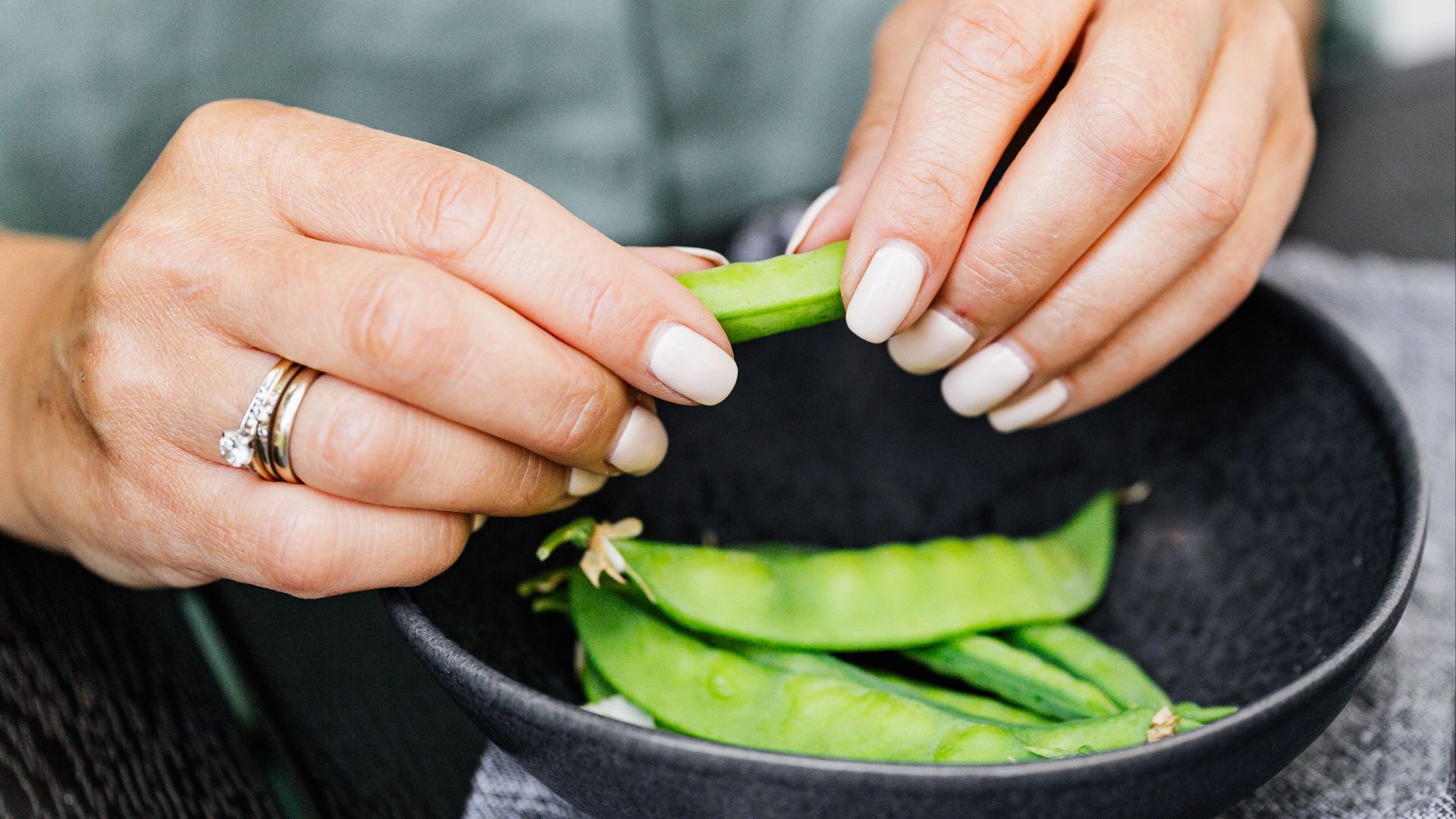
Snow Peas
Snow peas once seemed like a restaurant ingredient rather than something destined for an everyday American dinner plate. By the late 1970s, they were among the vegetables appearing in increasingly varied supermarket produce departments. Today, shoppers can find snow peas in fresh produce sections or frozen vegetable blends, making restaurant-inspired stir-fries an accessible home-cooking option.
 https://kaboompics.com/, Pexels
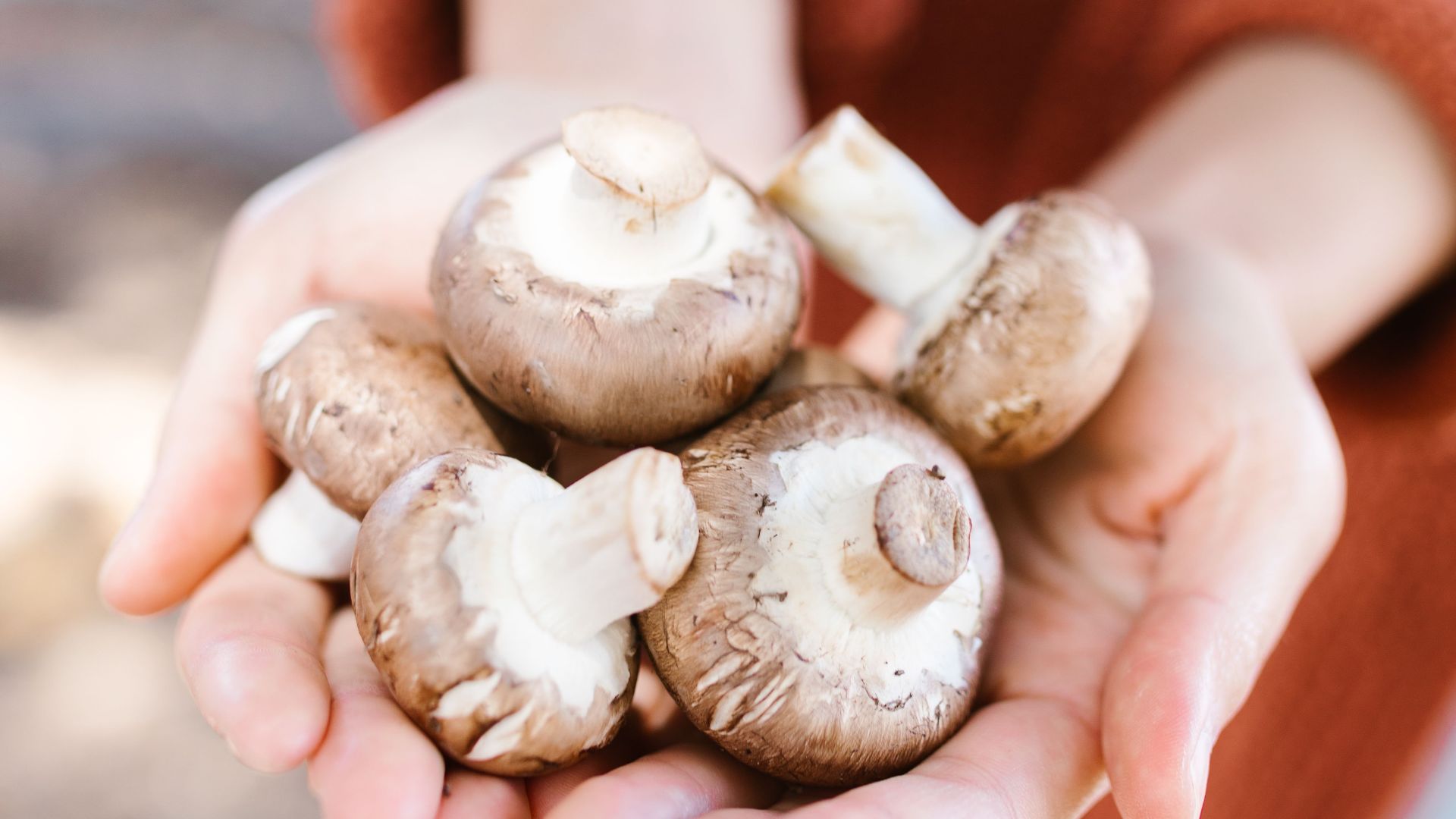
Fresh Mushrooms
Early in the 1970s, canned mushrooms were a familiar convenience for many American cooks, while fresh mushrooms offered something different. As supermarket produce selections expanded, mushrooms increasingly appeared raw in salads and appetizers rather than simply being cooked or added to casseroles. Today, packages of fresh button mushrooms are grocery-store staples, proving that a once-fashionable ingredient can become remarkably ordinary.
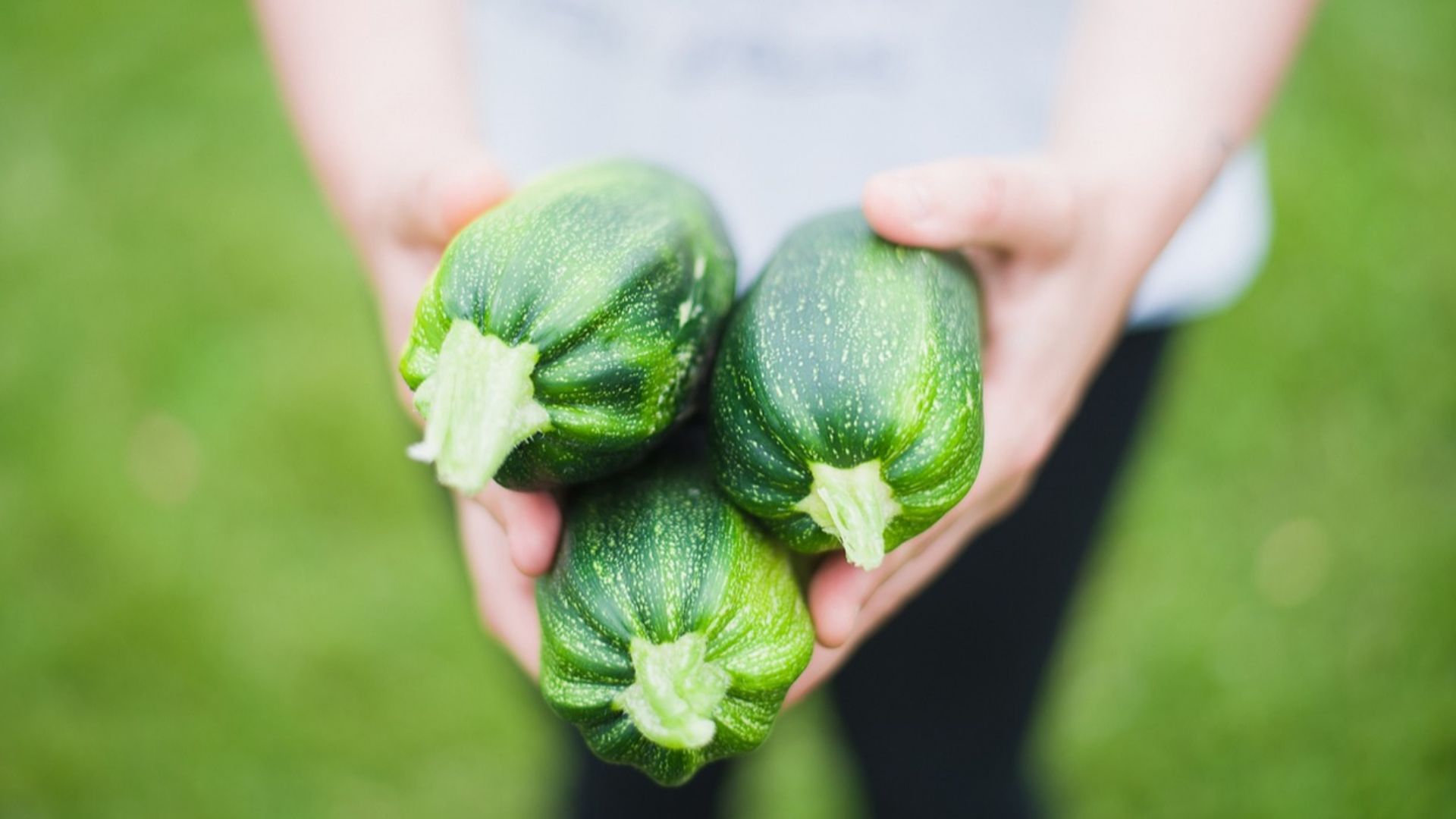
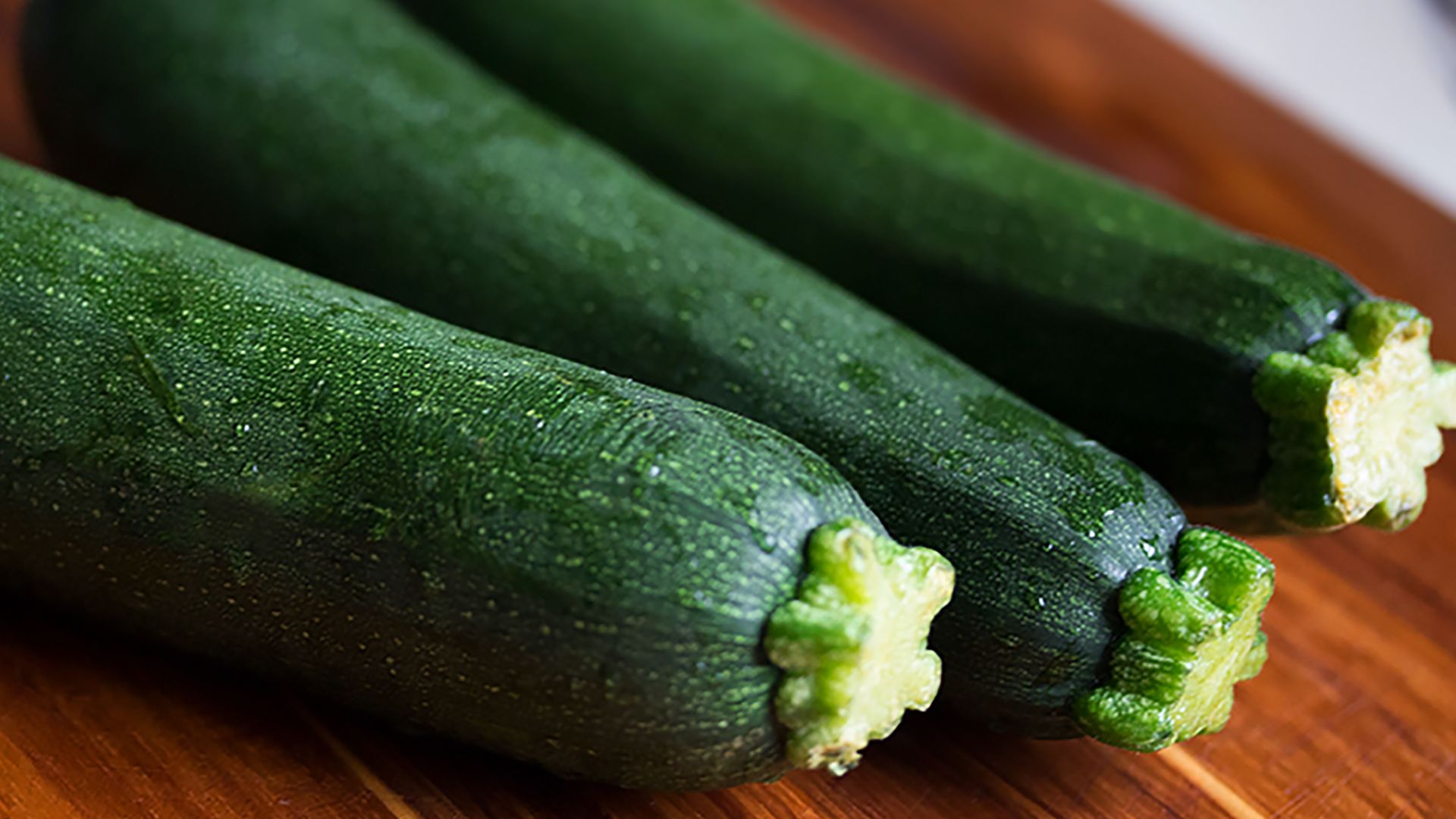
Zucchini
Zucchini was still considered relatively exotic in parts of the United States before its popularity surged around the 1970s. Americans began using it in ratatouille, sautéed vegetable dishes, quick breads, and countless other recipes. Today, zucchini is a familiar, often inexpensive vegetable that works just as well in a weeknight stir-fry as in a more elaborate meal.
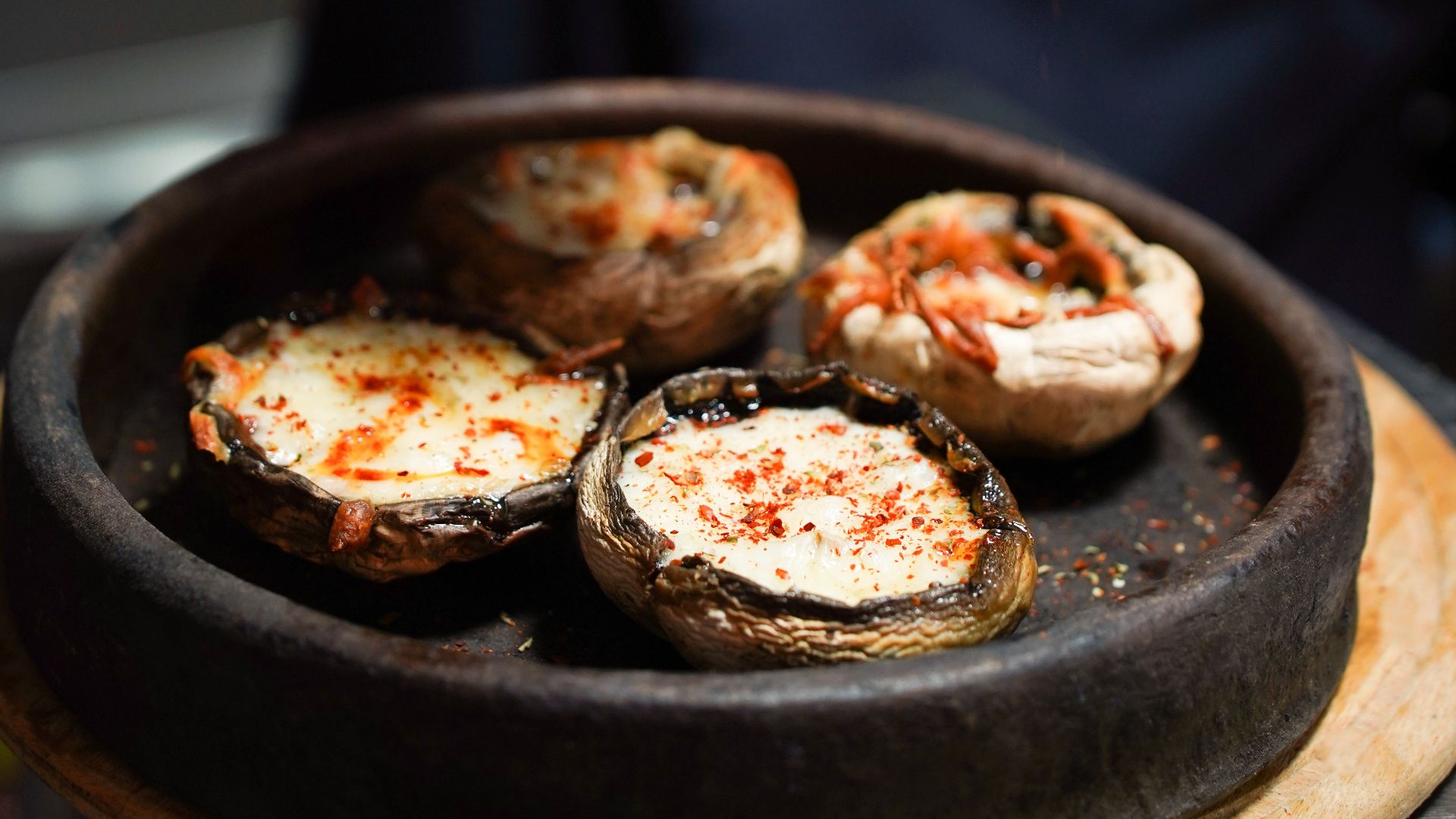
Stuffed Mushrooms
Mushrooms filled with breadcrumbs, cheese, herbs, or other savory ingredients could turn a simple appetizer into an elegant dinner-party offering. Stuffed mushrooms appeared on formal entertaining menus during the 1970s, reflecting the decade's enthusiasm for elaborate presentation. Today, the same basic dish can be made with affordable supermarket ingredients, and prepared versions are available from some grocery-store deli and frozen-food sections.
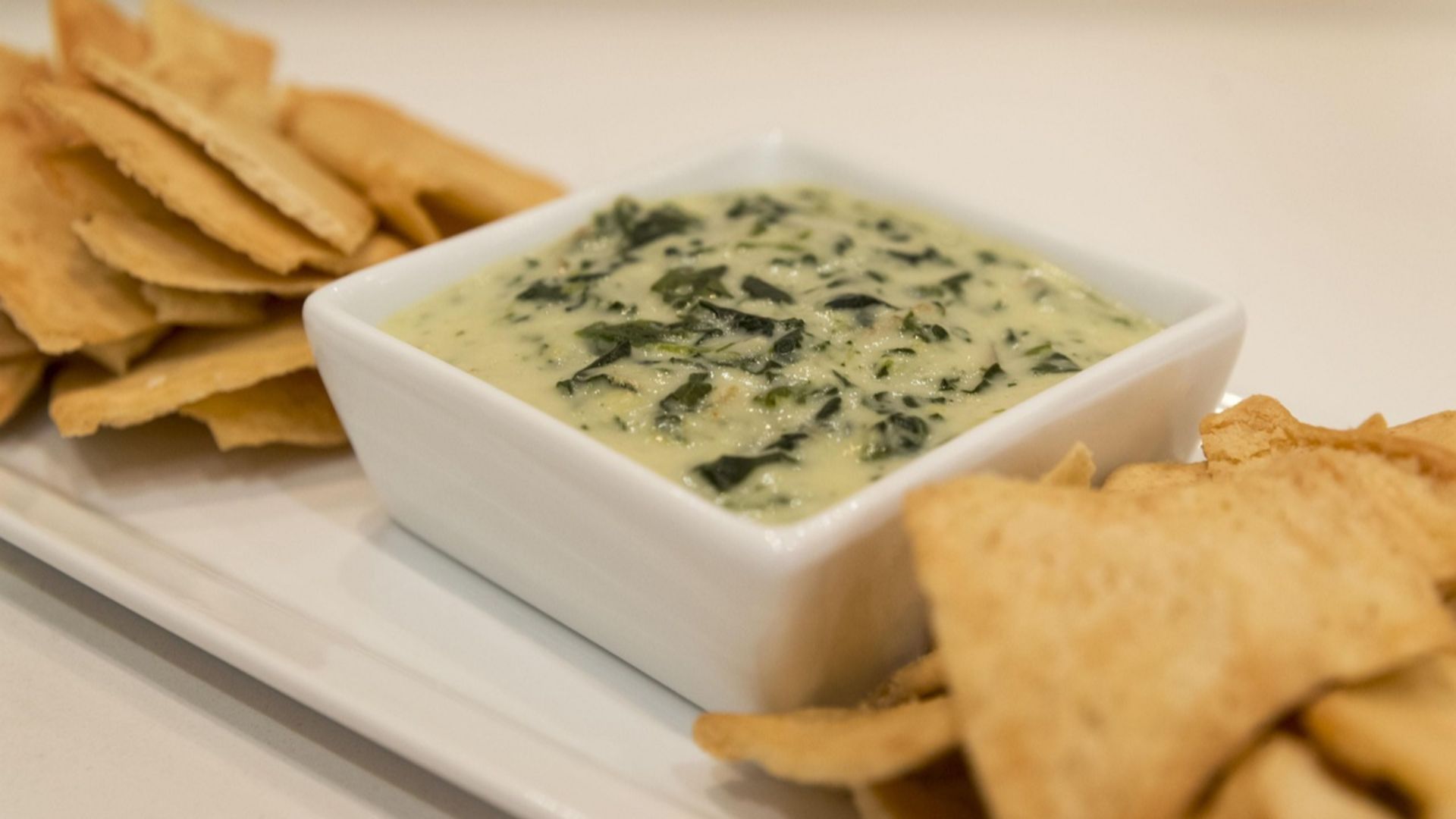
Spinach Dip
Spinach dip became a popular party appetizer during the 1970s, with recipes combining spinach, sour cream, seasonings, and sometimes water chestnuts. Serving it in a hollowed-out bread loaf added an impressive touch, even though the ingredients were relatively inexpensive. Today, ready-made spinach dip is a familiar supermarket product, showing how an entertaining favorite can become an everyday convenience food.
Bottled Mineral Water
In the late 1970s, serving imported mineral water could make an ordinary meal feel surprisingly sophisticated. Perrier was associated with fashionable European restaurants before its American marketers began pushing the brand into mainstream supermarkets in 1977. Today, sparkling water is commonplace, with inexpensive domestic brands competing alongside premium imports, making bottled bubbles a much less exclusive indulgence.

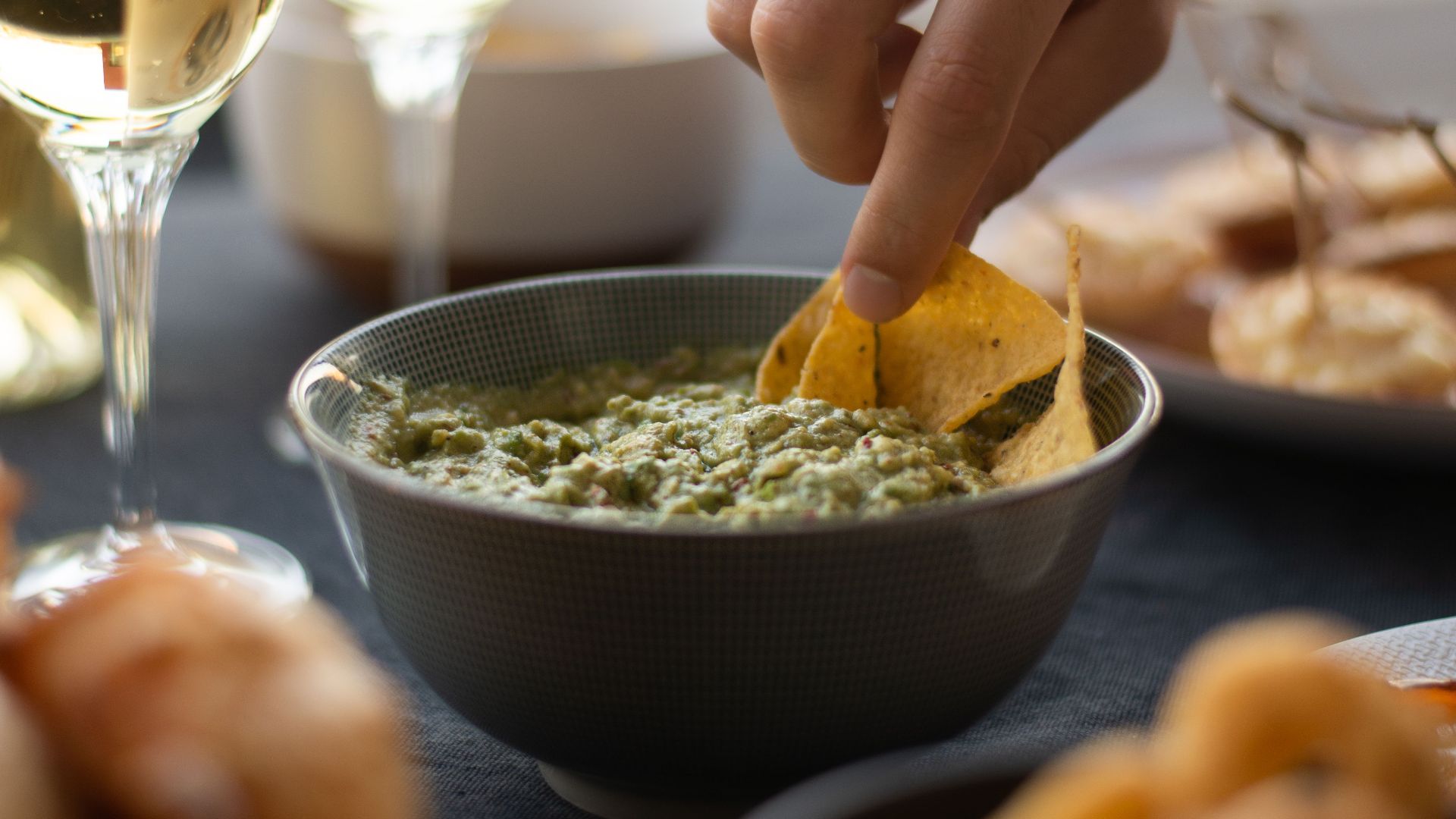
Guacamole
In parts of the United States, a bowl of guacamole could add an impressive Mexican-inspired touch to a 1970s cocktail party. The dish was already familiar in California, the Southwest, and Mexican American communities, but it was less established in many other American households. Today, ready-made guacamole and fresh avocados are widely available, turning a once-unusual appetizer for some shoppers into a familiar party staple.
How Yesterday's Luxury Became Today's Grocery Staple
What changed wasn't simply Americans' taste in food, but the business of selling it. Expanding supermarket selections, improved distribution, mass production, and changing consumer demand helped bring once-specialized ingredients and fashionable dishes into the mainstream. Not everything became cheaper after adjusting for inflation, but shoppers gained access to far more choices without visiting expensive specialty stores. The next time an ordinary grocery item seems completely unremarkable, remember that someone in the 1970s might have considered it a special treat.
You May Also Like:
Forgotten Buffet Chains That Americans Loved Because They Seemed Like A Deal—Even If They Weren't
Forgotten Frozen Foods From The 1970s And 1980s That Once Filled America's Freezers
1970s Shopping Habits That Would Feel Totally Foreign Today—Which Would You Actually Bring Back?