The Grocery Aisle Got Sneaky
Americans know prices went up. What is easier to miss is that some packages quietly got smaller at the same time. This is commonly called, "shrinkflation". The box looks familiar, the bag still feels puffy, and the bottle still fits in the fridge. Then you check the ounces and realize your snacks have been going to the gym.

#25. Sports Drink Bottles
Sports drinks are one of the most obvious shrinkflation examples. Some familiar bottles moved from 32 ounces to 28 ounces in many stores, a 12.5% size cut. A bottle that once hovered around $1.50 to $2.00 can now sit around $2.00 to $2.50. Hydration got lighter, but not cheaper.

#24. Nacho Flavored Tortilla Chips
Nacho Flavored Tortilla bags are famous for looking huge because half the experience is chips and the other half is “protective air.” Some popular nacho flavored brands reportedly dropped from 9.75 ounces to 9.25 ounces, about 5% less. Prices that once sat near $3.99 now often land around $5.49. The crunch survived. The count did not.
 Larry D. Moore, Wikimedia Commons
#23. Sandwich Cookies
Sandwich cookies remain an American pantry icon, but some family-size packages have slimmed down. Reports have tracked about a 6% decrease in certain popular brands. A pack that once felt like a $3.50 treat can now cost around $5.00 to $6.50. Apparently “family size” now depends on the family’s appetite.

#22. Boxed Crackers
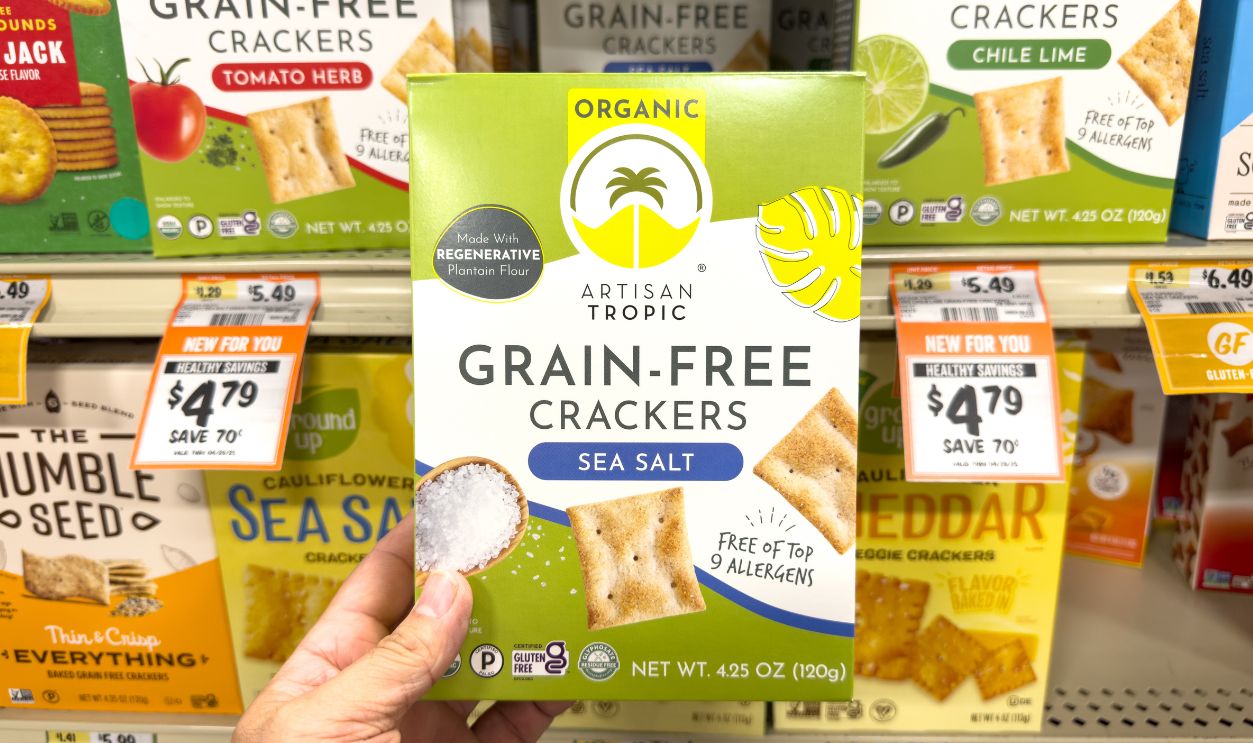
Boxed crackers are the kind of thing people buy when they want something crunchy but still want to feel vaguely responsible. Reports have cited about a 12% package decrease in some popular cracker brands. A box that used to run around $3.00 to $3.50 can now cost about $4.50 to $5.50. The box still looks familiar, which is the trick.
#21. Flavored Tortilla Chips
Flavored tortilla chips (the kind you buy to go with your salsa) are dangerous because people say they will have “a few,” then wake up beside an empty bag. Some popular brands dropped from 13 ounces to 11 ounces, roughly 15% less. Bags that once cost around $3.99 can now run $5.00 to $6.00. The flavor stayed bold. The bag got shy.

#20. Party-Size Potato Chips
Party-size potato chips used to imply enough snacks for actual guests. Some reports tracked party-size chip bags shrinking from 14.75 ounces to 12.5 ounces, about 15% less. A bag that once cost around $3.50 to $4.00 can now approach $5.50 to $6.50. The party is smaller now, apparently.
#19. Cheese Puff Snacks
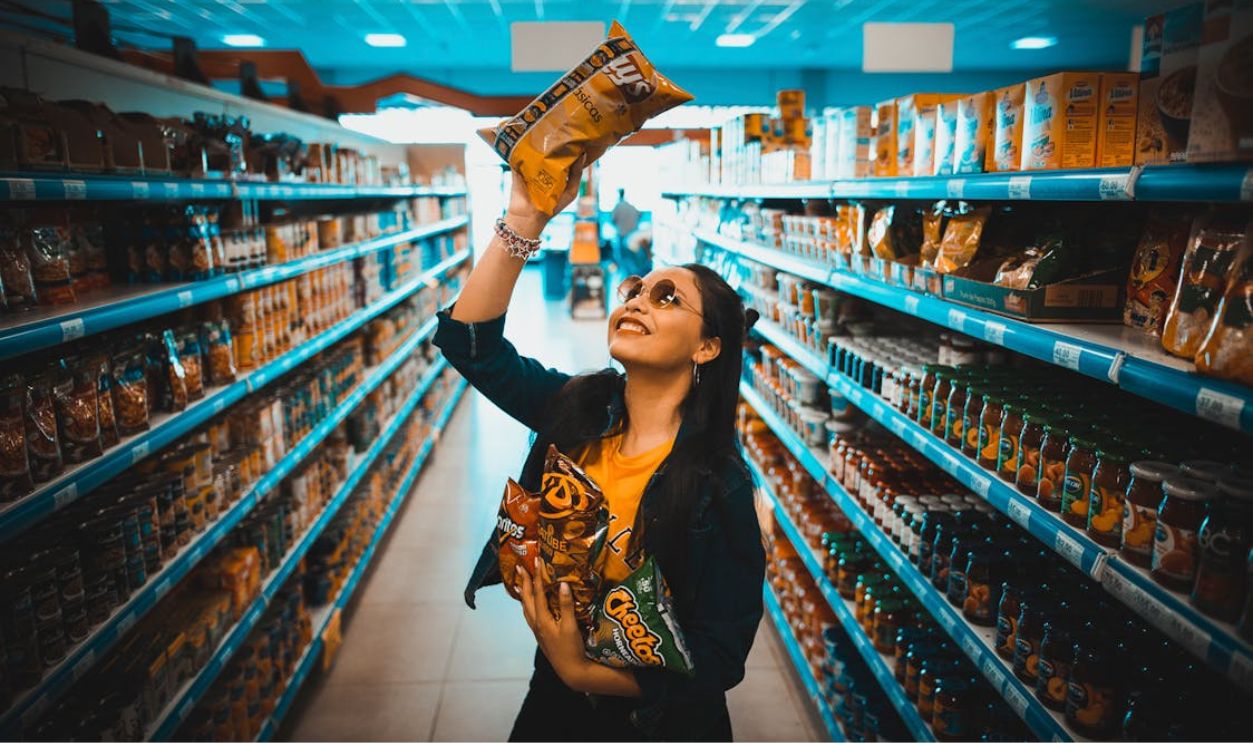
Cheese puff snacks have also joined the “less in the bag” club. Some tracked party-size bags dropped from 17.5 ounces to 15 ounces, about 14% less. Prices that once sat around $4.00 can now hit roughly $5.50 to $6.50. The orange fingers remain free, but the snacks are rationing themselves.
 HardyNathan, Wikimedia Commons
#18. Candy Bags
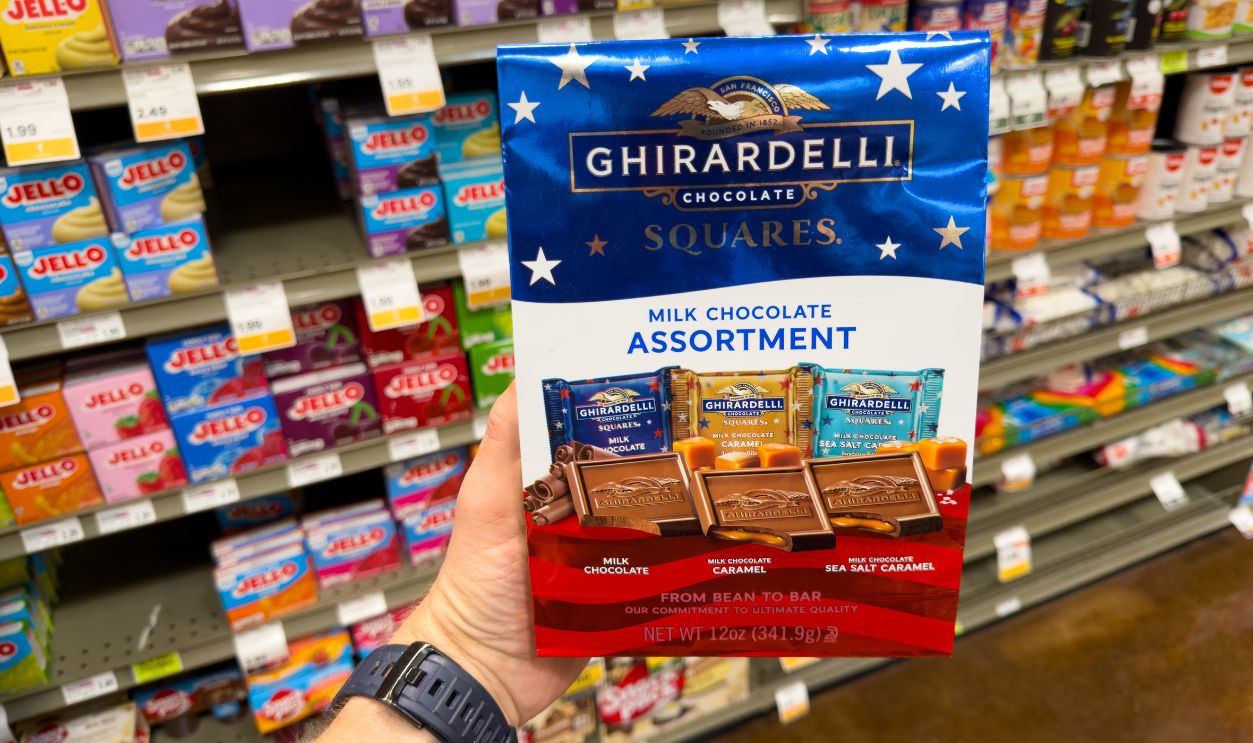
Candy bags have quietly joined the shrinkflation parade. Some tracked examples include popular miniature chocolate bags moving from 40 ounces to 35.6 ounces, and party-size candy bags moving from 42 ounces to 38 ounces. Prices can still hover around $10 to $14. The candy bowl looks full, but it is lying with confidence.
#17. Family-Size Cereal Boxes
Cereal is one of the easiest places to miss shrinkflation because the boxes still look big. Popular frosted, chocolate, and peanut butter cereals have all been tracked in smaller packages. Boxes that once cost around $3.50 to $4.50 can now run $5.50 to $7.00. Breakfast got narrower.

#16. Orange Juice
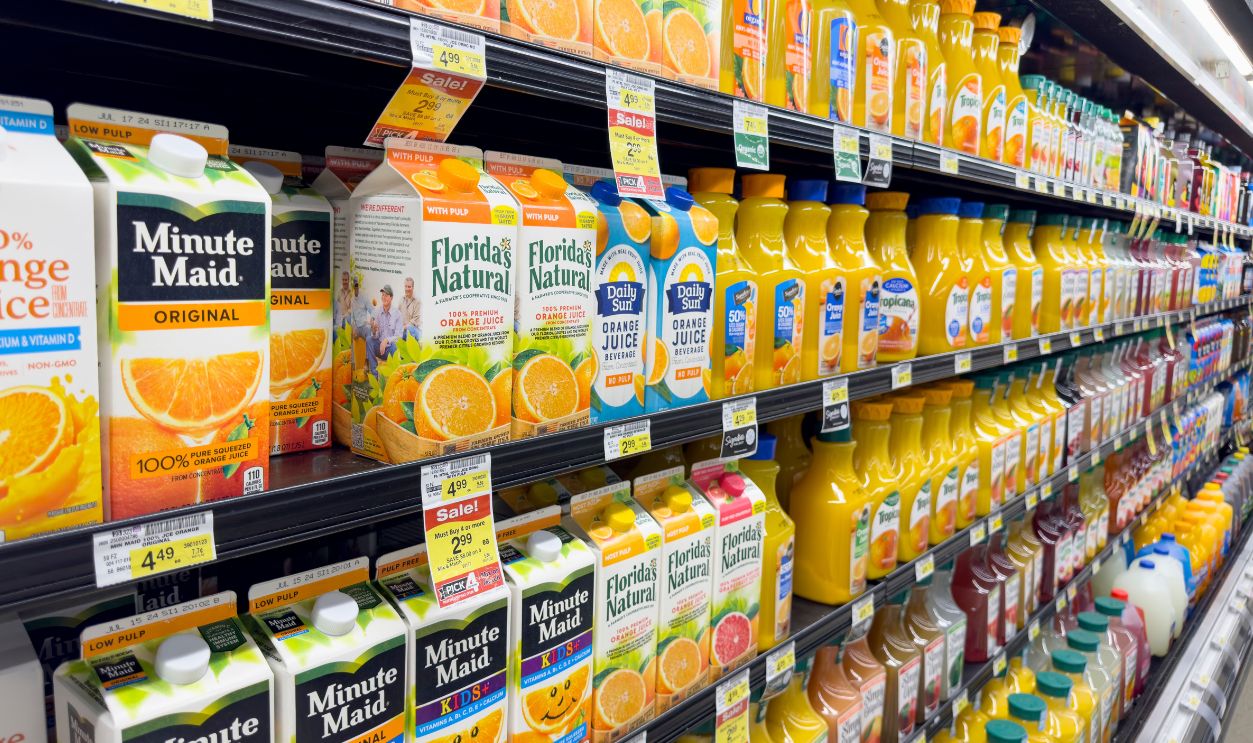
Orange juice has drawn attention for smaller bottles in recent years. Some popular brands on shelves today moved from 59 ounces to 52 ounces, while older cartons were often 64 ounces. Prices around $3.99 to $5.49 are common now, depending on store and sale. Breakfast juice went from “pour freely” to “measure with respect.”
#15. Yogurt Cups With Mix-Ins
Yogurt cups with crunchy or sweet mix-ins have reportedly shrunk from 5.3 ounces to 4.5 ounces, about 15% less yogurt and toppings. Cups that once sold around $1.25 to $1.50 can now sit around $1.50 to $2.00. The little topping compartment is still fun, but it feels more like a preview.

#14. Premium Ice Cream Pints
Premium ice cream is a classic example because many “pints” became 14 ounces instead of 16 ounces. That is 12.5% less ice cream before you even grab a spoon. Prices that once hovered around $4.00 can now run $5.00 to $6.50. Calling it a pint is now emotionally complicated.
 Colleen Michaels, Shutterstock
#13. Family-Size Ice Cream Cartons
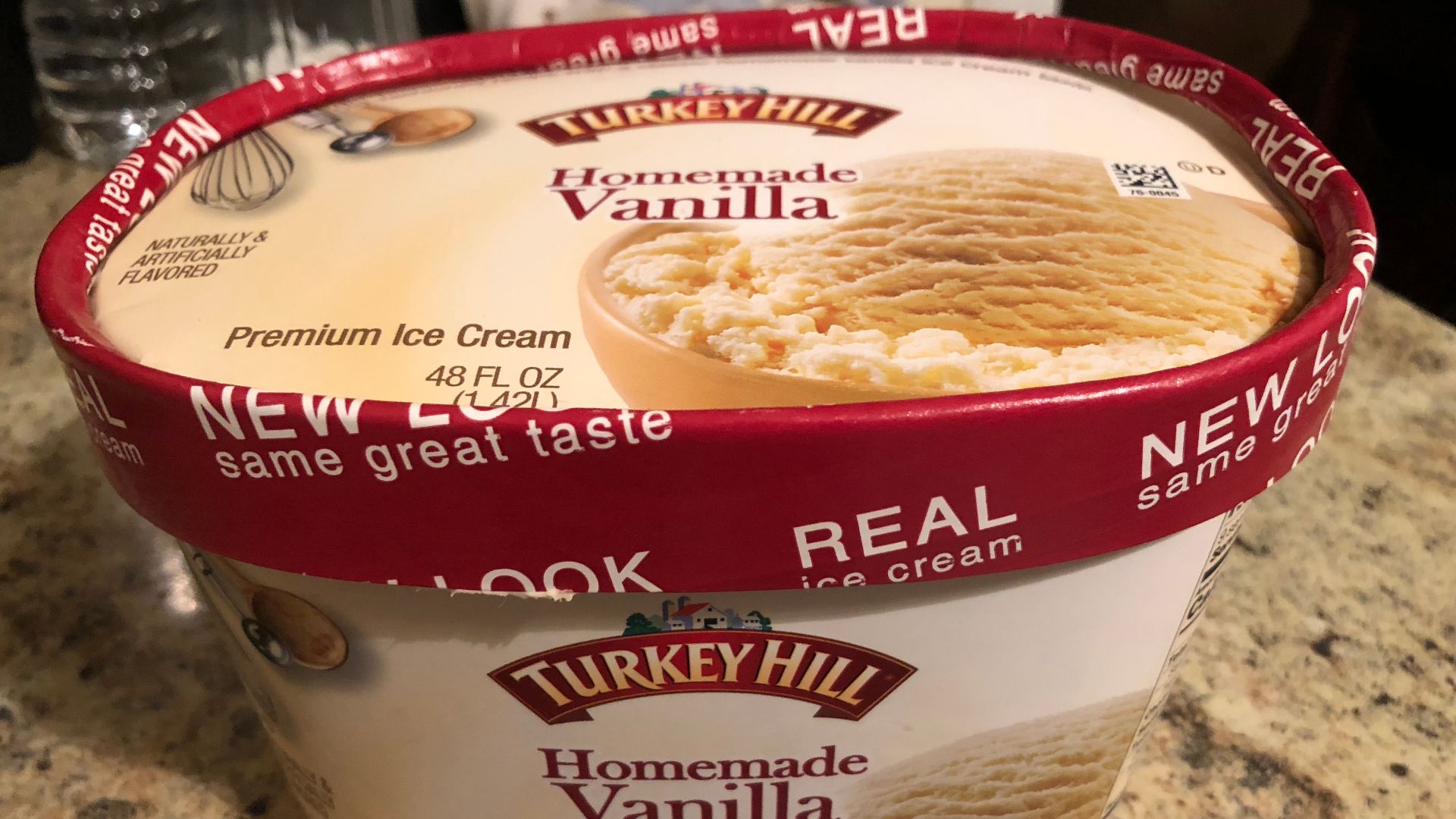
Ice cream is one of shrinkflation’s greatest disappearing acts. Many big ice cream cartons that were once half-gallons, or 64 ounces, are now commonly 48 ounces. Prices around $4.00 to $6.50 are common today. The carton still looks large until one family movie night proves otherwise.
#12. Ground Coffee
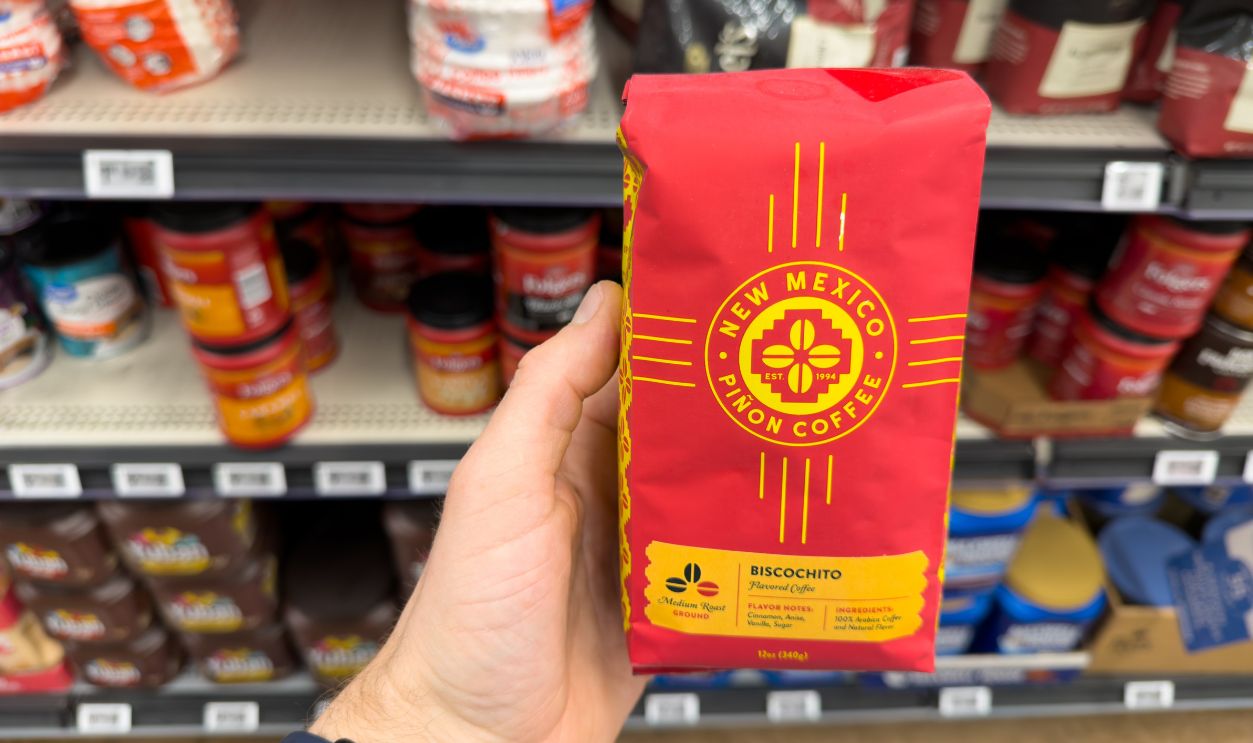
Coffee shrinkflation hurts because America runs on caffeine and denial. Some popular ground coffee containers have been tracked dropping from 25.4 ounces to 22.6 ounces, while federal research found downsized coffee products had average unit-price increases around 32%. Containers that once cost $6 to $8 can now run $9 to $12. Rude behavior before 8 a.m.
#11. Paper Towels
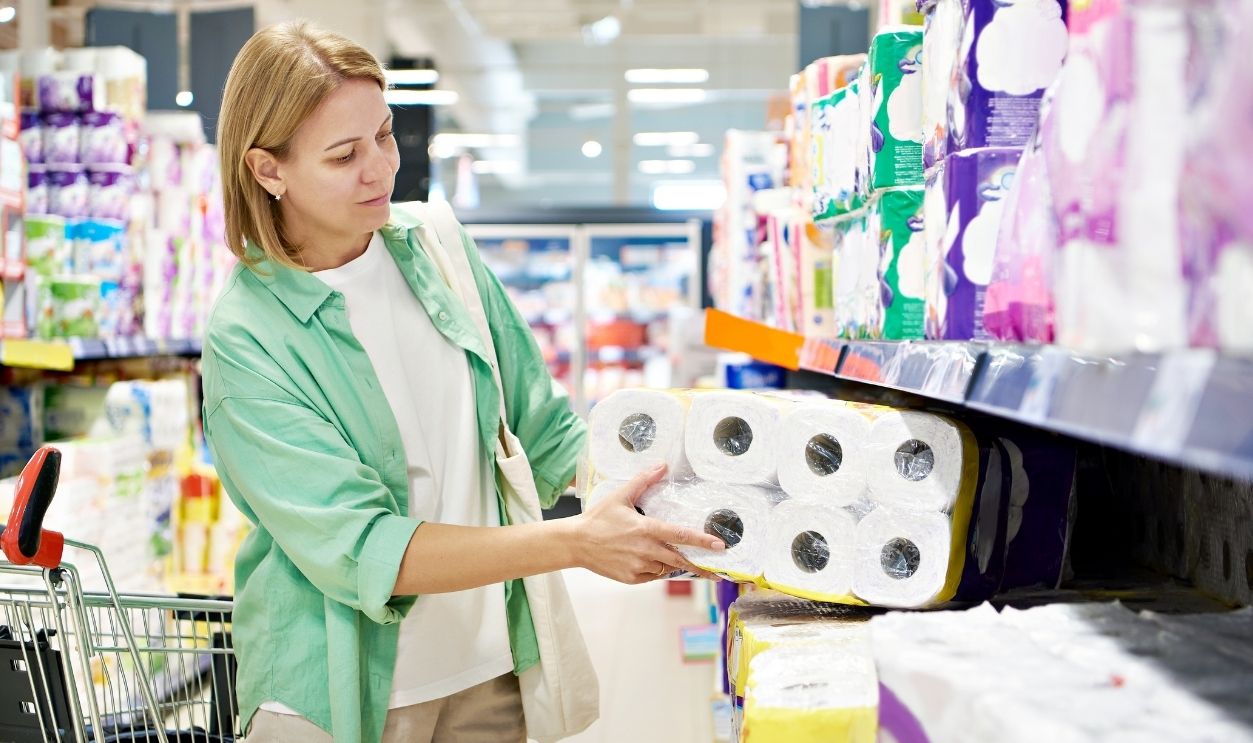
Paper towels are shrinkflation royalty. Well-known paper towel brands have been reported with fewer sheets per roll in some packages. Big packs that once felt like $12 to $15 purchases can now run $20 to $30. Somewhere, a parent is yelling, “That was not a two-sheet spill.”

#10. Toilet Paper
Toilet paper shrinkflation feels personal because nobody wants bathroom math. Popular mega-roll versions have been tracked with fewer sheets, while some value-brand rolls have also been reported shrinking. Big packs that once cost around $12 to $18 can now run $18 to $25. This is not the place to get sneaky.
#9. Dish Soap
Dish soap bottles can look almost identical while holding less. Some tracked examples show popular bottles shrinking from 24 ounces to 21.6 ounces, about 10% less. A bottle that once cost around $3.50 to $4.50 can now cost $5.00 or more. The grease is still there, unfortunately.

#8. Food Storage Bags
Food storage bags are another easy-to-miss shrinkflation target because people notice the box, not the count. Some tracked storage-bag boxes dropped from 40 bags to 32 bags. A box that once felt like $3.50 to $4.50 can now land around $5.00 or more. Leftovers are now negotiating.

#7. Laundry Detergent
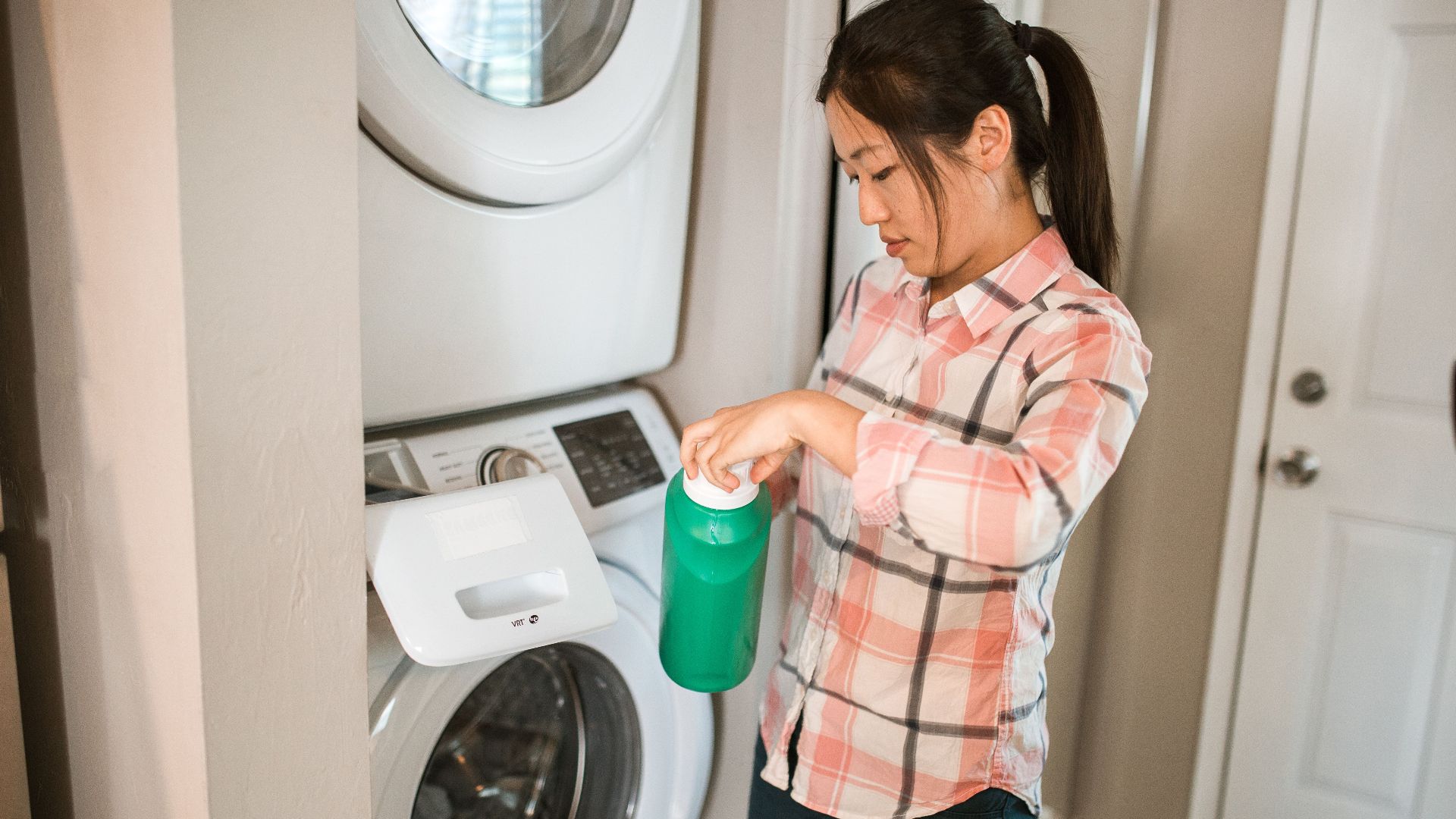
Laundry detergent is tricky because bottles may shrink while formulas become “concentrated.” Federal research still found laundry detergent among categories tracked for downsizing. Large bottles that once cost around $10 to $13 can now run $15 to $22. The label promises loads, but shoppers now need a calculator and emotional support.
#6. Toothpaste
Toothpaste shrinkflation is sneaky because nobody memorizes tube ounces. Federal research tracked toothpaste as one of its selected categories, and some products have moved from larger tubes toward smaller sizes such as 4.1 ounces to 3.8 ounces. A tube that once cost about $3.00 can now reach $5.00 or more. Even your smile has unit pricing now.

#5. Deodorant
Deodorant sticks are another everyday item where the package can look almost identical while the net weight changes. Common sticks that once held around 3 ounces may now be closer to 2.6 or 2.7 ounces. Prices around $3.00 to $4.00 became $5.00 to $7.00. Staying fresh became a luxury sport.

#4. Soap And Body Wash
Soap is not safe from the shrink ray either. Some tracked examples show popular beauty bars shrinking from 100 grams to 90 grams, while body wash bottles have also appeared in smaller sizes. Prices can still sit around $8 to $12 for multipacks. Cleanliness is getting oddly expensive.
 LAUICKWUIR loopwourawoe 01, Wikimedia Commons
#3. Moisturizing Lotion
Moisturizing lotion has been cited as an example of a bottle that lost about 2 ounces in some versions. Lotion is already one of those “how is this almost empty?” products. A bottle that once cost around $7.00 to $9.00 can now run $10.00 to $13.00. Dry skin never stood a chance.

#2. Pain Relievers
Pain relievers are especially frustrating because shoppers often focus on the bottle size, not the pill count. Federal research tracked over-the-counter drugs, including pain relief, as a category affected by size changes. A bottle that once felt like a $6 to $8 staple can now cost $9 to $12. Even headaches got a price adjustment.
 ParentingPatch, Wikimedia Commons
#1. Diapers
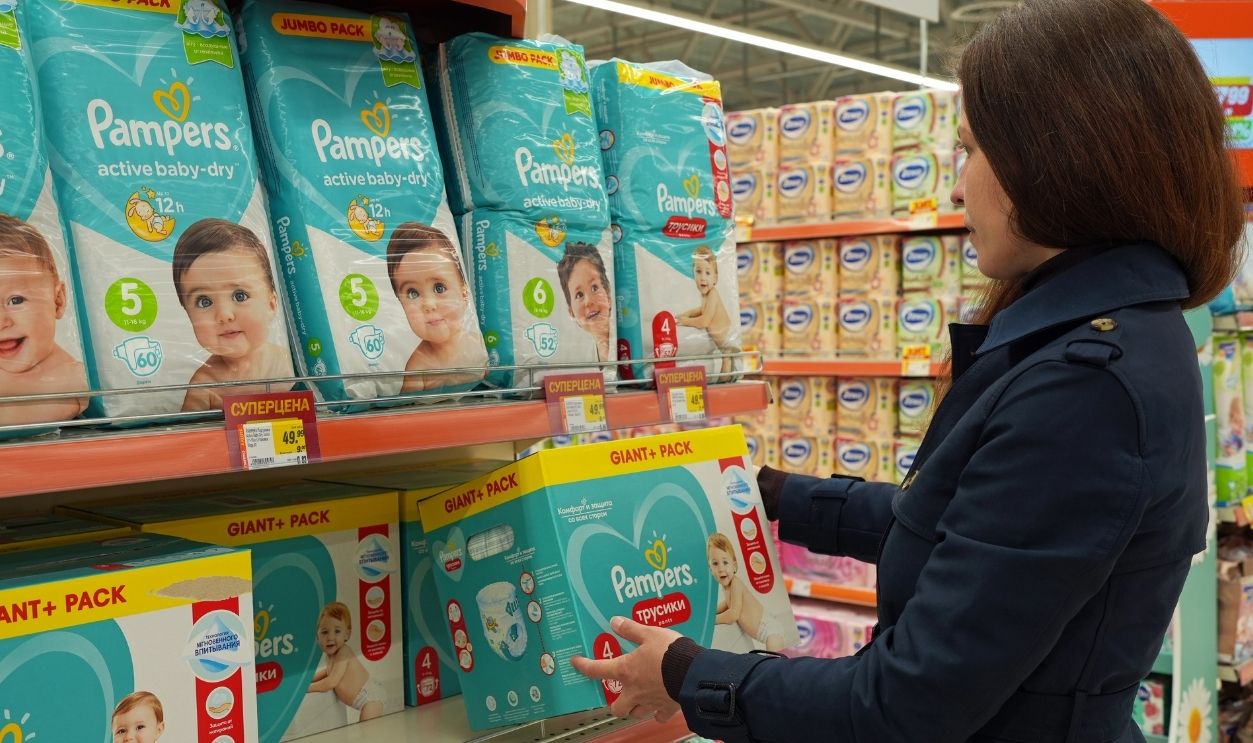
Diapers may be the most painful shrinkflation example because parents already buy them constantly. Some tracked packs have dropped from 96 diapers to 84 while staying around the same shelf price. A box that once cost about $30 can still cost around $30 to $35, but parents get fewer changes. Babies remain unimpressed by economics.
You May Also Like:
Workplace Habits Americans Think Are Normal—But The Rest Of The World Finds Bizarre
Financial Rights Most Americans Don’t Know They Have—And It’s Costing Them Money
These Strange Financial Rules Are Affecting Your Money—And You Don’t Even Know It