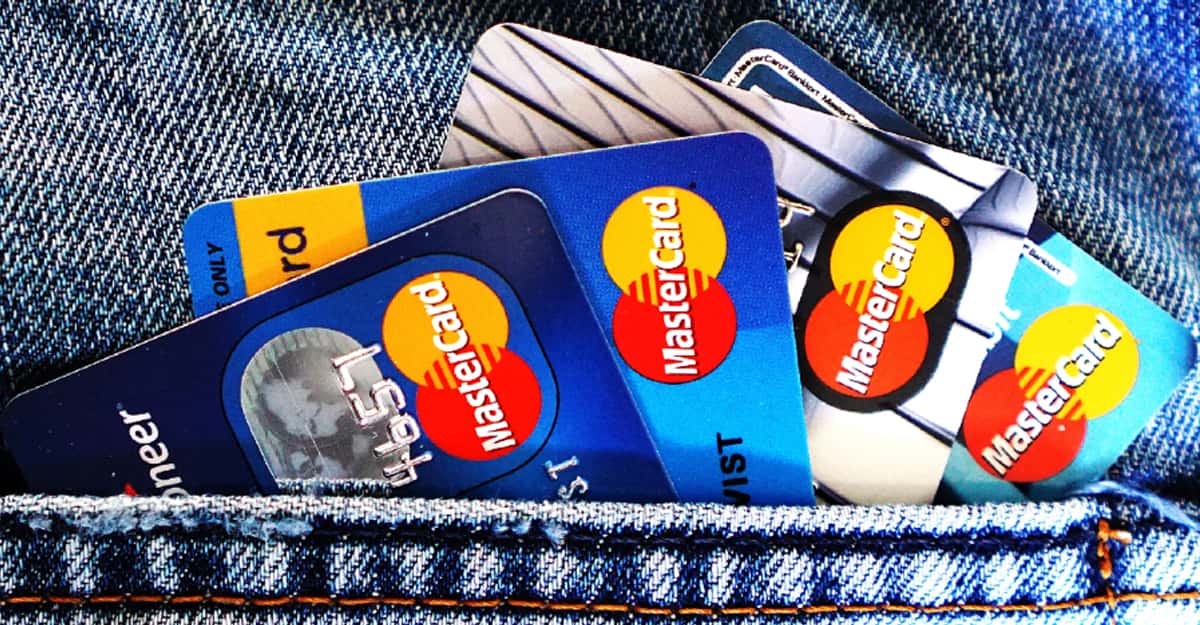
The Price You See Is Often Just The Beginning
A bold advertised price can grab your attention without showing what the purchase will ultimately cost. Mandatory fees, financing charges, subscriptions, and optional extras may appear later in the transaction. Recognizing these tactics can help you compare purchases using the amount you will actually pay.

Mandatory Fees Appear At Checkout
Some businesses reveal service, processing, or facility fees only after customers have spent time selecting an item. This practice is commonly called drip pricing because charges are disclosed gradually during the purchase process. Compare final checkout totals instead of relying on the first price displayed.

Ticket Prices Can Grow Quickly
A ticket that initially looks affordable may carry mandatory service, venue, or order-processing fees. The Federal Trade Commission’s fees rule requires live-event ticket sellers to display the total price, excluding limited charges such as taxes, more prominently than other pricing information. Still, check the final total because optional products and taxes can increase what you pay.

Hotel Rates May Exclude Important Charges
A hotel or vacation rental may look inexpensive until mandatory resort, destination, cleaning, or management fees enter the picture. The FTC fee rule also requires short-term lodging businesses to display a prominent total price that includes mandatory fees. Compare properties using the total for the entire stay rather than the nightly figure.
 LightField Studios, Shutterstock
Delivery Prices May Not Match Store Prices
Ordering groceries or restaurant food through an app can involve more than a delivery charge. Prices offered through a delivery service may differ from prices available through another channel, while service fees, small-order fees, and tips can further increase the bill. Compare the delivered total with pickup or direct ordering before choosing convenience.

Free Shipping Often Has A Threshold
A retailer may offer free shipping only after the cart reaches a required minimum. Adding an unnecessary item to avoid a smaller delivery charge does not automatically save money. Compare the cost of shipping with the cost of whatever you would add to qualify.

Free Trials Can Turn Into Paid Plans
Many free trials automatically convert into paid subscriptions unless the customer cancels before a deadline. Some offers also require payment for shipping or other charges, so they are not completely free. Read the renewal price, trial length, and cancellation procedure before providing a card number.

Promotional Rates Eventually Expire
Internet, streaming, and subscription services often attract customers with low introductory prices that last for a limited period. The automatic renewal may cost substantially more than the initial offer. Record the promotion’s expiration date and decide whether the regular price still fits your budget before it takes effect.

The Monthly Price Hides The Annual Cost
A subscription costing $15 per month may feel minor, but it totals $180 over 12 months. That framing becomes even more powerful when several services draw automatic payments from the same account. Multiply monthly prices by 12 and include taxes or recurring fees before deciding whether the service fits your budget.

Annual Plans Can Create False Savings
A discounted annual subscription usually costs less per month than paying monthly, but only if you use it long enough. Paying upfront can waste money when your interest fades or your circumstances change. Check the refund policy and compare the annual charge with the number of months you realistically expect to use the service.

Preselected Extras Inflate The Cart
Websites and apps sometimes use pre-checked boxes or default settings to add insurance, memberships, donations, or recurring shipments. The FTC identifies this type of interface design as a potential dark pattern when it tricks or manipulates consumers into choices they did not intend. Inspect every selected option before completing an order.

Low Monthly Payments Mask Bigger Totals
Cars, furniture, electronics, and other expensive purchases are frequently marketed through manageable monthly payments. Extending the repayment period can lower each payment while increasing the total interest paid. Compare the cash price, annual percentage rate, loan term, and total of payments instead of negotiating around the monthly figure alone.

Car Add-Ons Enter The Loan
An auto payment can include optional products such as guaranteed asset protection coverage, credit insurance, extended warranties, or dealer-installed accessories. Financing these extras means they become part of the loan balance and may accrue interest. Ask for an itemized contract and remove anything you did not knowingly choose.

Minimum Payments Make Debt Look Manageable
A credit card’s minimum payment is only the smallest amount required to keep the account current. Paying just that amount can extend repayment and increase the interest charged. Credit card statements generally include a warning showing the estimated time and cost of minimum-only repayment.

Installments Shrink The Number
Buy now, pay later offers divide a purchase into smaller payments, sometimes with no interest. However, some plans may impose late, transaction, or payment-change fees, and missed payments may affect a borrower’s credit when reported. Judge the purchase by its full price and confirm every fee before accepting a plan.

No-Closing-Cost Loans Still Have Costs
A mortgage advertised with no closing costs does not make those expenses disappear. According to the CFPB, the trade-off may be a higher monthly payment, while lender credits can also be paired with a higher interest rate. Compare Loan Estimates and calculate borrowing costs over the period you realistically expect to keep the loan.

Rent-To-Own Emphasizes The Small Payment
Rent-to-own advertising commonly spotlights an affordable weekly or monthly amount rather than the total required to own the product. An FTC study found that rent-to-own purchases were not the lowest-cost method of acquiring merchandise. Multiply the payment by the required number of payments and compare the result with retail and financing alternatives.
 Antoni Shkraba / AI25.studio, Pexels
A Sale Price Needs A Real Reference
A discount looks impressive when placed beside a much higher “regular” or former price. FTC pricing guidance says a former price comparison can be deceptive when the higher price was not offered openly and regularly for a reasonably substantial period. Check price histories or competing retailers instead of relying on the crossed-out number.

Discounts May Have Hidden Qualifications
An advertised price can incorporate rebates or discounts that are unavailable to many shoppers. Eligibility might depend on membership, financing, a trade-in, a specific occupation, or another condition. Confirm that you personally qualify before treating the advertised amount as the real price.

Rebates Delay The Real Savings
A mail-in rebate lowers the effective price only if the buyer submits the correct materials on time and receives the payment. Until then, the customer generally pays the higher amount at checkout. Treat the rebate as conditional and save copies of the receipt, form, product code, and submission.

The Penny That Changes Your Perception
Retailers often price products just below a round number, such as $9.99 instead of $10. This approach, commonly called charm pricing, can make the price feel lower because the first digit drops from 10 to 9. Mentally round the price up when budgeting, especially for expensive purchases marked at $999, $1,999, or $9,999.

Multipack Promotions Encourage Extra Spending
Offers such as “three for $10” can draw attention to a bundle even when one item can be purchased at the same unit price. Store policies differ, so shoppers should not assume they must buy the stated quantity. Check the shelf label or ask an employee whether the discount applies to a single unit.
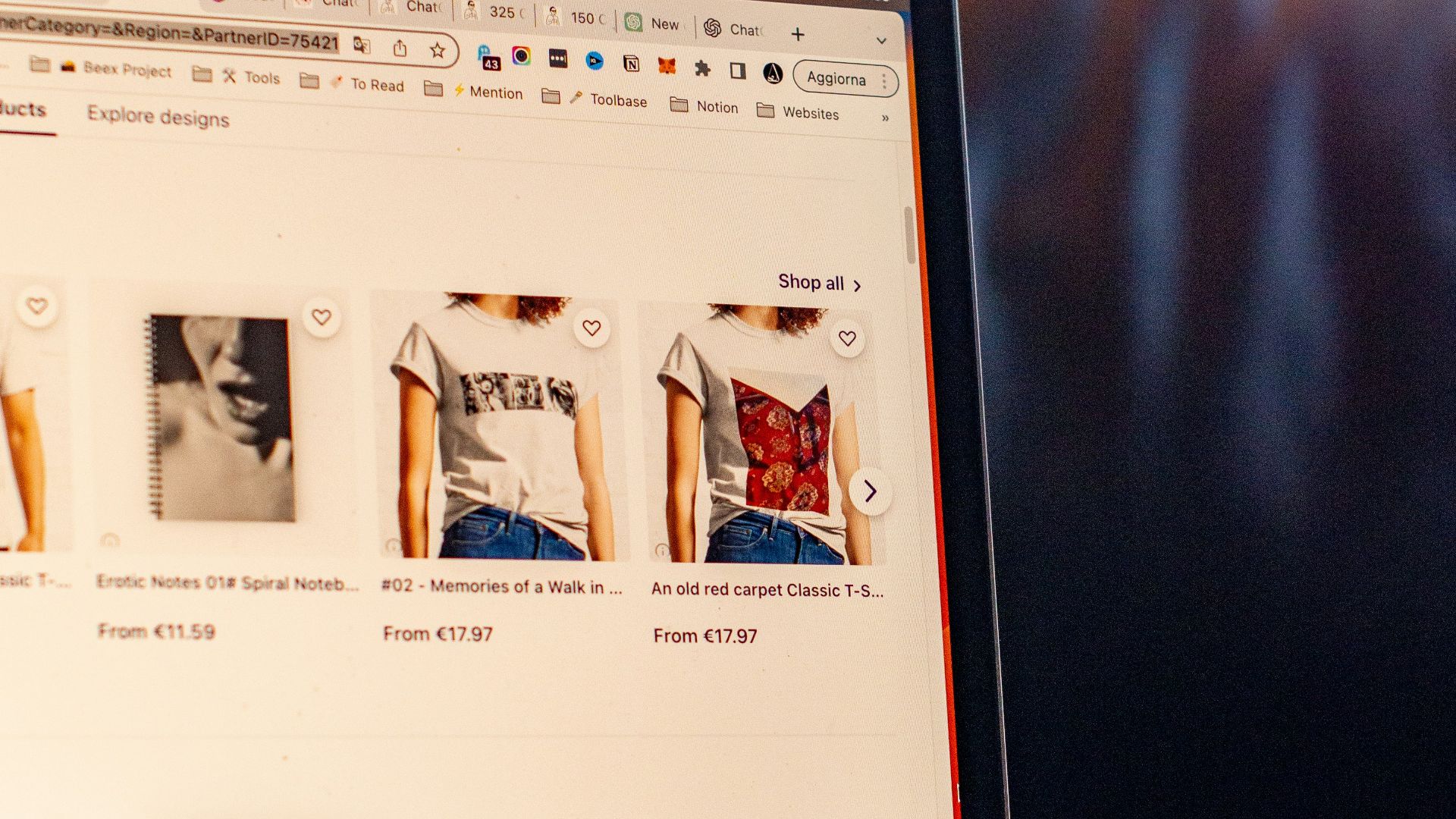
Bulk Packages Are Not Automatically Cheaper
A larger package can cost less per ounce, count, or sheet, but that is not guaranteed. NIST recommends consistent unit pricing because it helps shoppers compare packages of different sizes. Read the unit-price label and consider whether you can use the product before it expires or deteriorates.
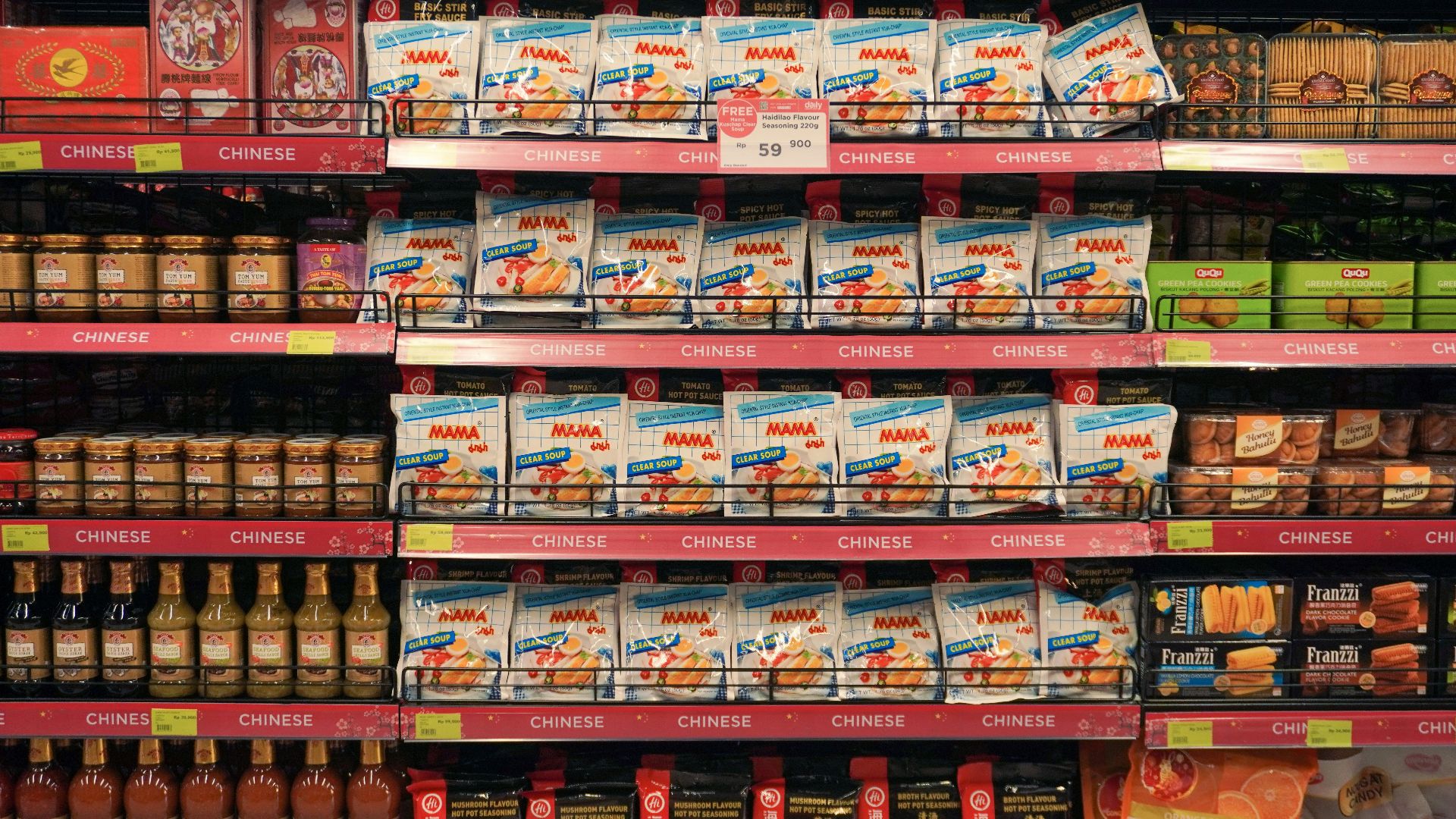
Shrinkflation Keeps The Sticker Familiar
A manufacturer can reduce the quantity in a package while leaving its shelf price unchanged. The U.S. Bureau of Labor Statistics treats a size reduction at the same price as a price increase when calculating the Consumer Price Index. Compare net weight and unit price instead of recognizing the package and assuming nothing changed.

Optional Extras Become Practically Necessary
A low base price may exclude features that many buyers consider essential. Baggage, seat selection, installation, equipment, delivery, or sufficient data can materially change the final cost. Build your own all-in price using only the extras you will realistically need.

Energy Costs Outlive The Purchase Price
A cheap appliance may cost more to operate than a more efficient alternative. Federal EnergyGuide labels provide estimated yearly energy consumption and operating cost for many household appliances. Compare those estimates alongside the sticker price, particularly for products that run frequently.

Personalized Offers May Not Be Equal
FTC research found that pricing intermediaries can use information such as location, browsing patterns, shopping history, and online behavior to tailor prices or promotions. This means different customers may encounter different offers for the same type of purchase. Comparing prices while signed out or through another retailer can reveal whether a displayed deal is competitive.

Taxes Still Affect The Final Bill
Some advertised prices exclude applicable sales, occupancy, or other government-imposed taxes. These charges may be permitted to appear separately even where mandatory business fees must be included upfront. Enter the necessary location and trip details before comparing final totals across sellers.

Make The Total Price Your Default
The strongest defense is a short comparison routine that works across industries. Write down the upfront payment, mandatory fees, financing cost, recurring charges, required extras, and cancellation terms before committing. When a seller makes the total difficult to determine, treat that difficulty as a reason to pause.

You May Also Like:
Things Grocery Stores Once Did For Free That Now Feel Like Paid Luxury Services