That Free Reward May Be Costing You
A free coffee, $10 coupon, or pile of bonus points can make a purchase feel like a win. But loyalty programs are not designed only to reward customers. They're also built to keep shoppers coming back, spending more, and responding to psychological triggers that make rewards feel harder to resist. The biggest savings may come from recognizing when those rewards are changing what you planned to spend.
Retailers Know The Programs Change Behavior
There is a reason loyalty programs have become such a major retail strategy. In a Deloitte survey, 72% of consumers said loyalty programs made them more likely to spend with a preferred brand, while 56% said the programs caused them to spend more. The rewards can be genuine, but increased spending is part of what makes these programs valuable to retailers.

Points Make Spending Feel Different
A dollar is easy to understand, while 400 points or 2,000 Stars feels more abstract. Research on loyalty currencies has found that consumers mentally account for points differently from ordinary money, and people can assign very different values to the same rewards. That makes the real value of a points-based deal less obvious than a straightforward cash discount.
The Reward Starts Looking Like A Goal
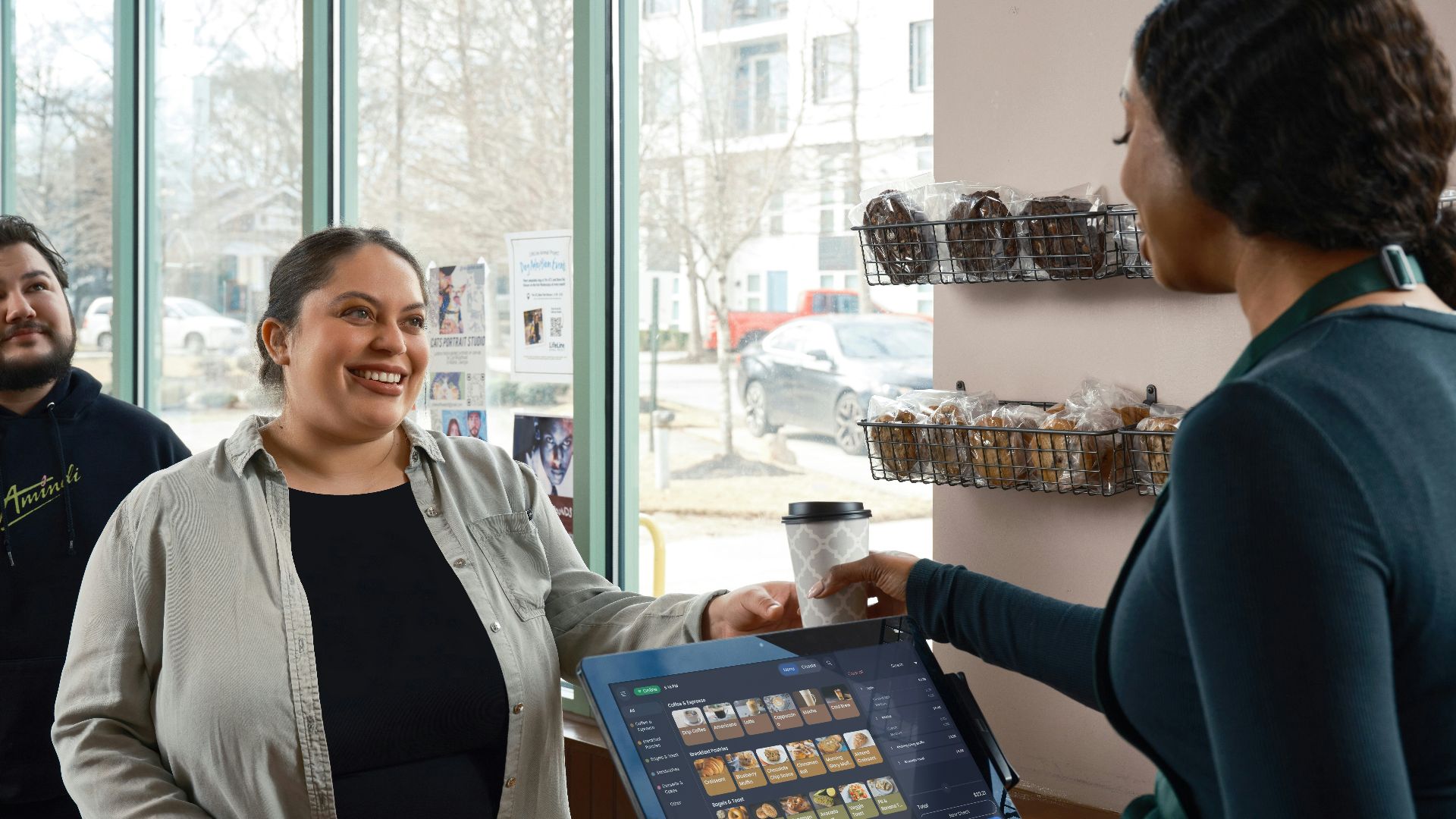
Once a program shows you a progress bar, stamp card, or point total, shopping can start feeling like completing a task. Researchers studying a real café loyalty program found that customers purchased coffee more frequently as they moved closer to earning a free one. The reward itself had not grown, but getting closer to it changed customer behavior.
A Head Start Can Make The Goal Stronger
Researchers have even found that artificial progress can encourage people to finish a loyalty program. In one experiment, customers received either a 10-stamp card or a 12-stamp card with two stamps already completed, meaning both groups still needed 10 purchases. Customers who felt they had already begun making progress completed the program faster.
Bonus Events Make Spending Feel More Valuable
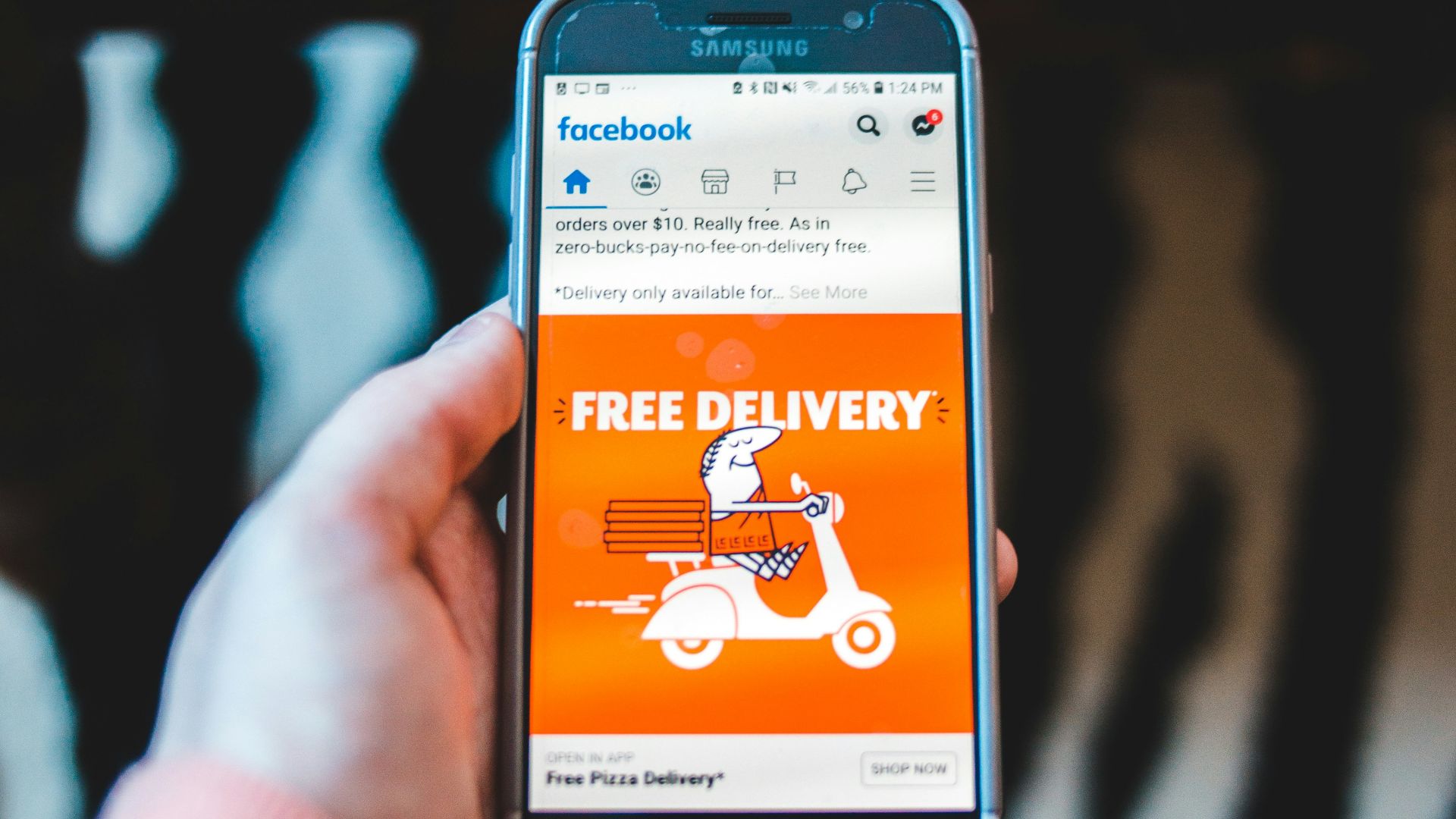
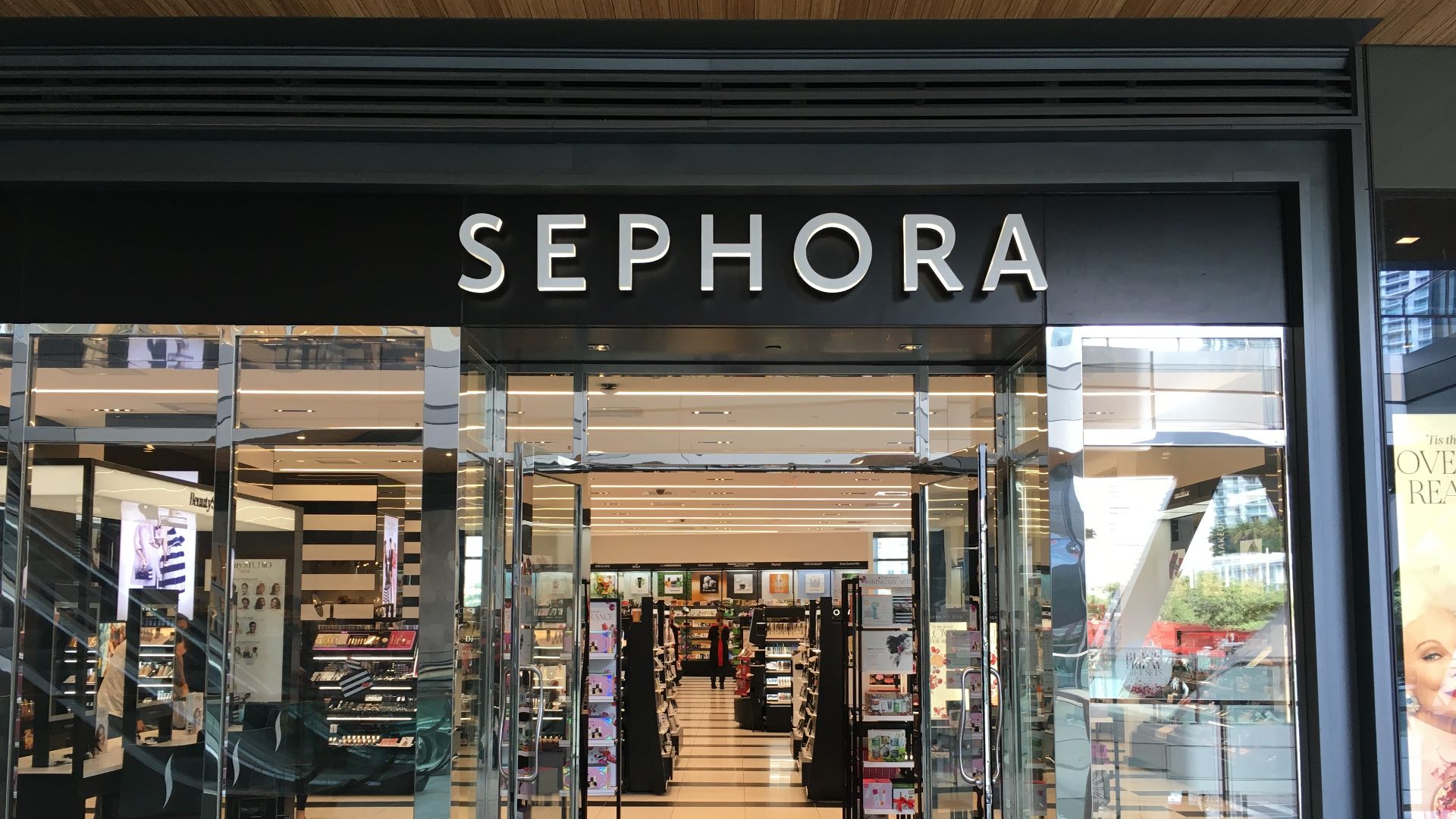
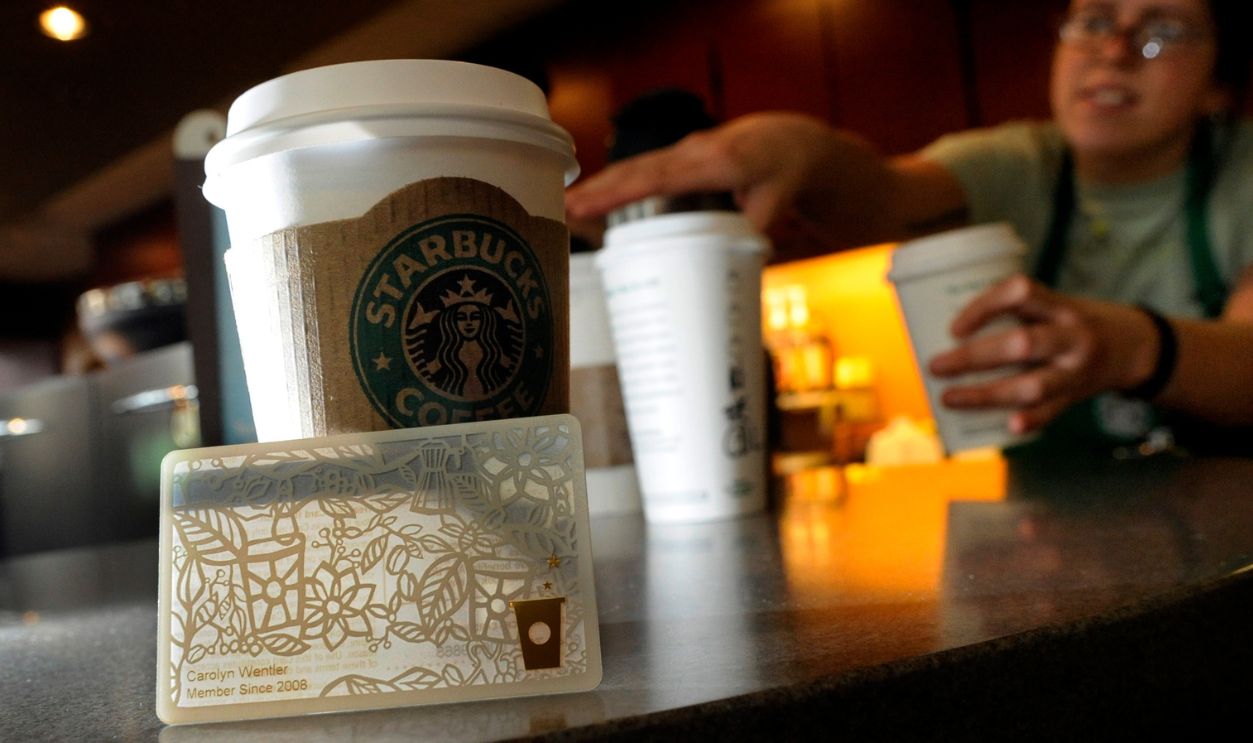
Many loyalty programs offer temporary point multipliers, bonus events, or special earning opportunities. Sephora can offer bonus-point promotions, while Starbucks uses promotions such as Double or Triple Star Days. These deals may be worthwhile on purchases you already planned to make, but they can also turn an optional purchase into something that suddenly feels urgent.

Free Shipping Can Push The Cart Higher
Free shipping thresholds create another goal for shoppers to chase. Research on threshold-based free shipping has found that these policies can encourage customers to add purchases in order to reach the required order amount. If you are $12 short of free delivery, compare that extra spending with the actual shipping charge before throwing another item into the cart.
Loyalty Programs Also Sell Status
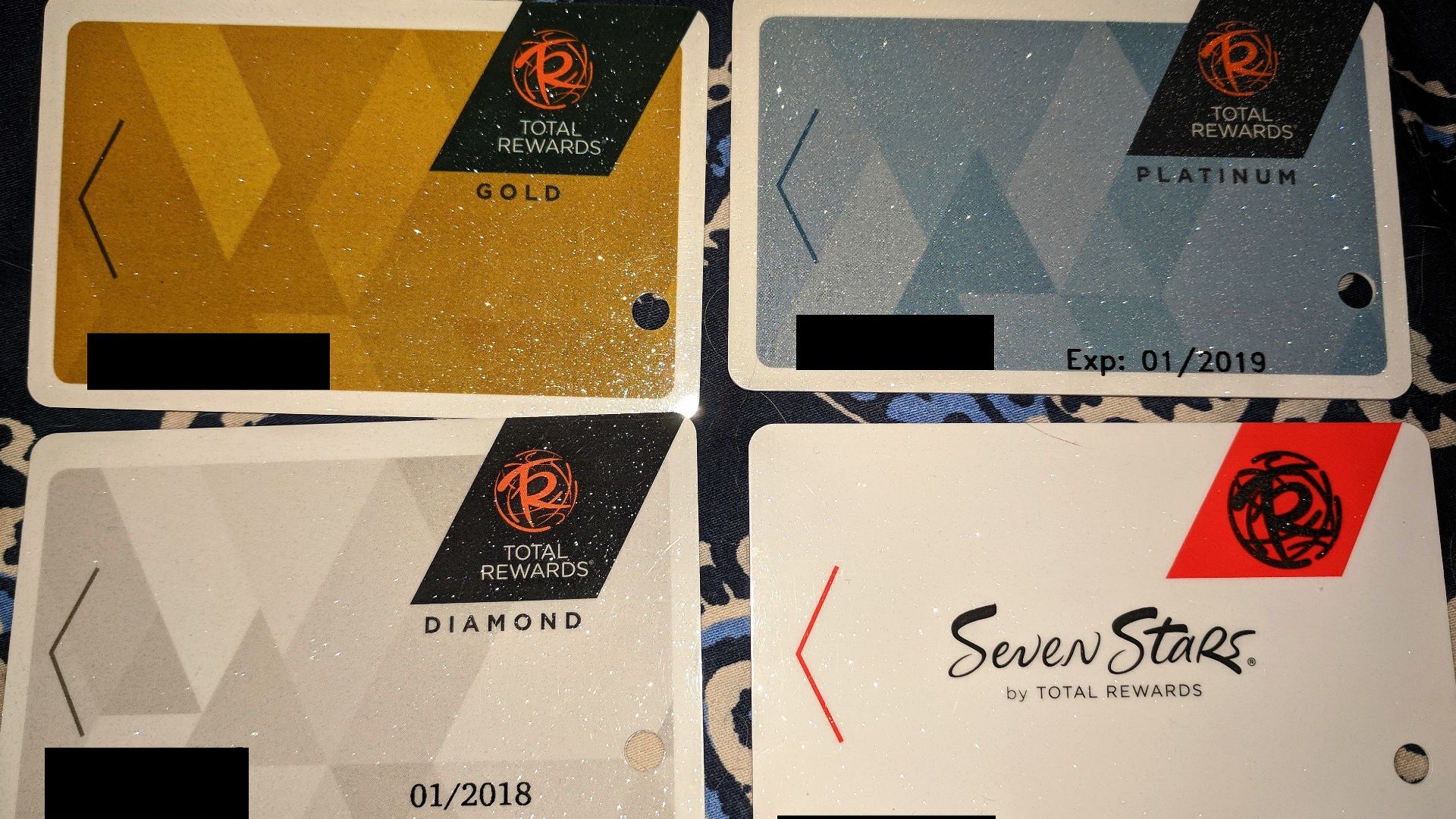
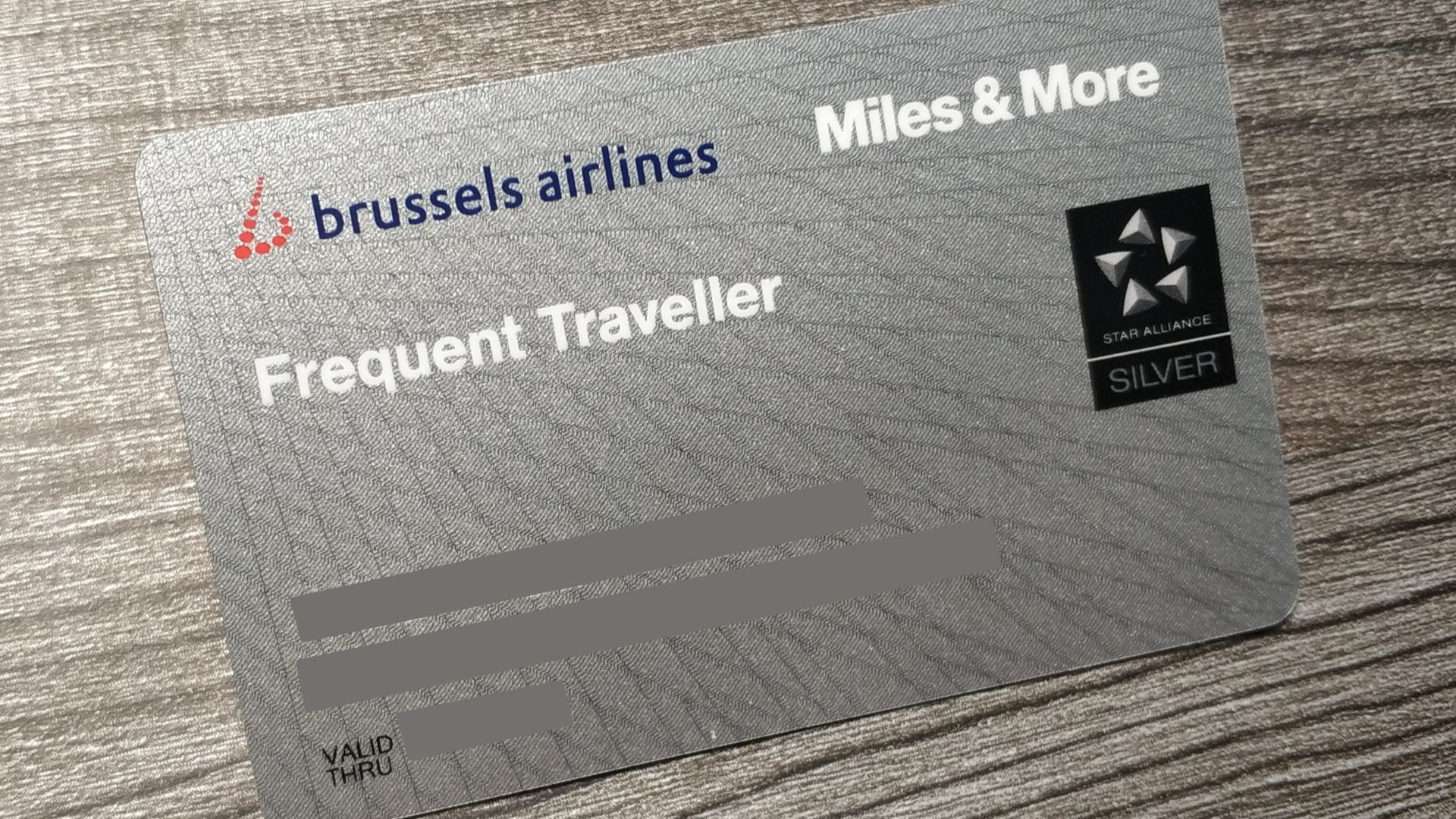
Not every reward comes in the form of dollars or points. Research has found that loyalty tiers can create feelings of status and exclusivity, particularly when programs divide customers into groups with labels such as Gold or Silver. That gives shoppers something else to pursue even when the financial benefit is modest.
Higher Tiers Require Higher Spending
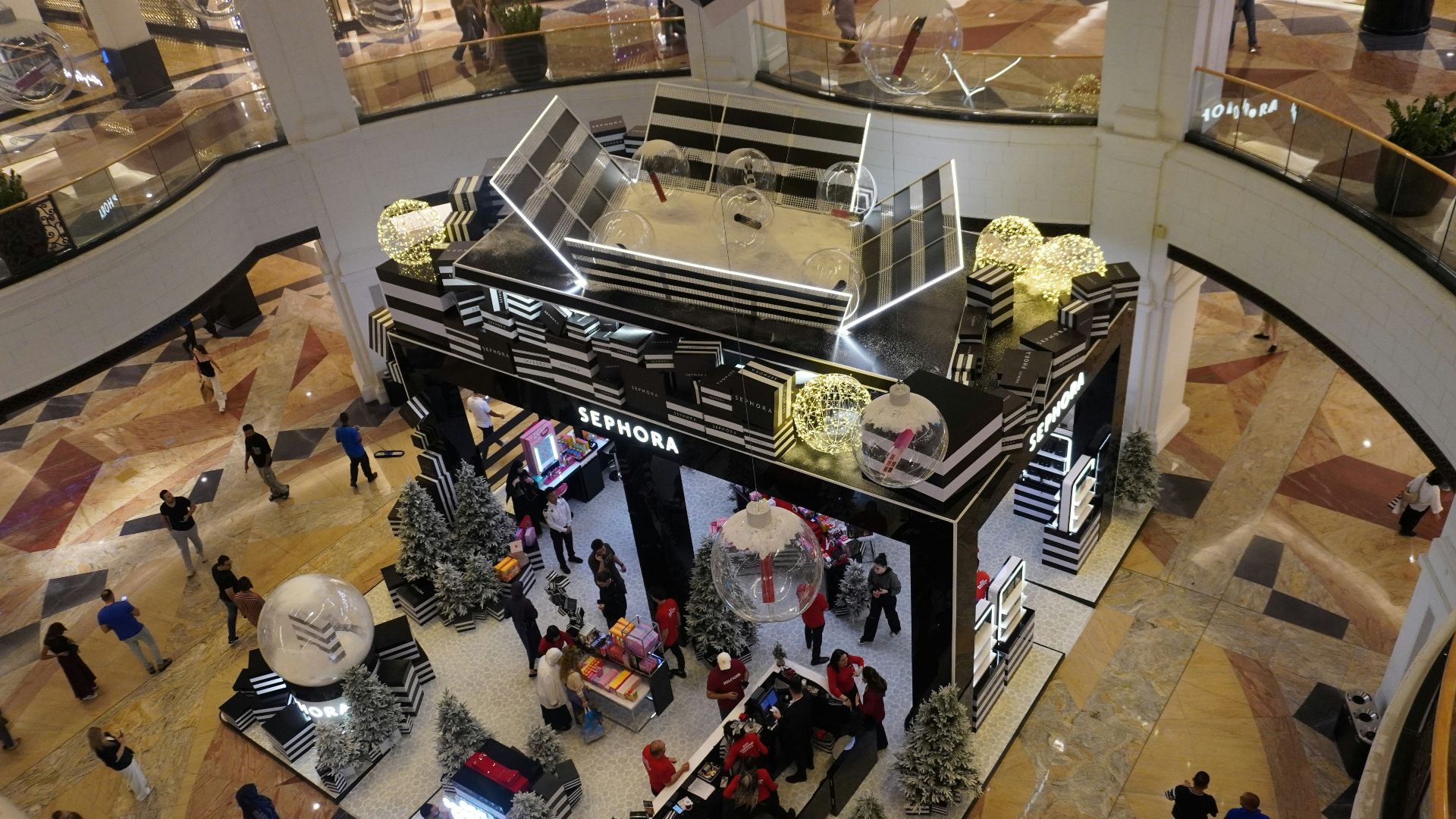
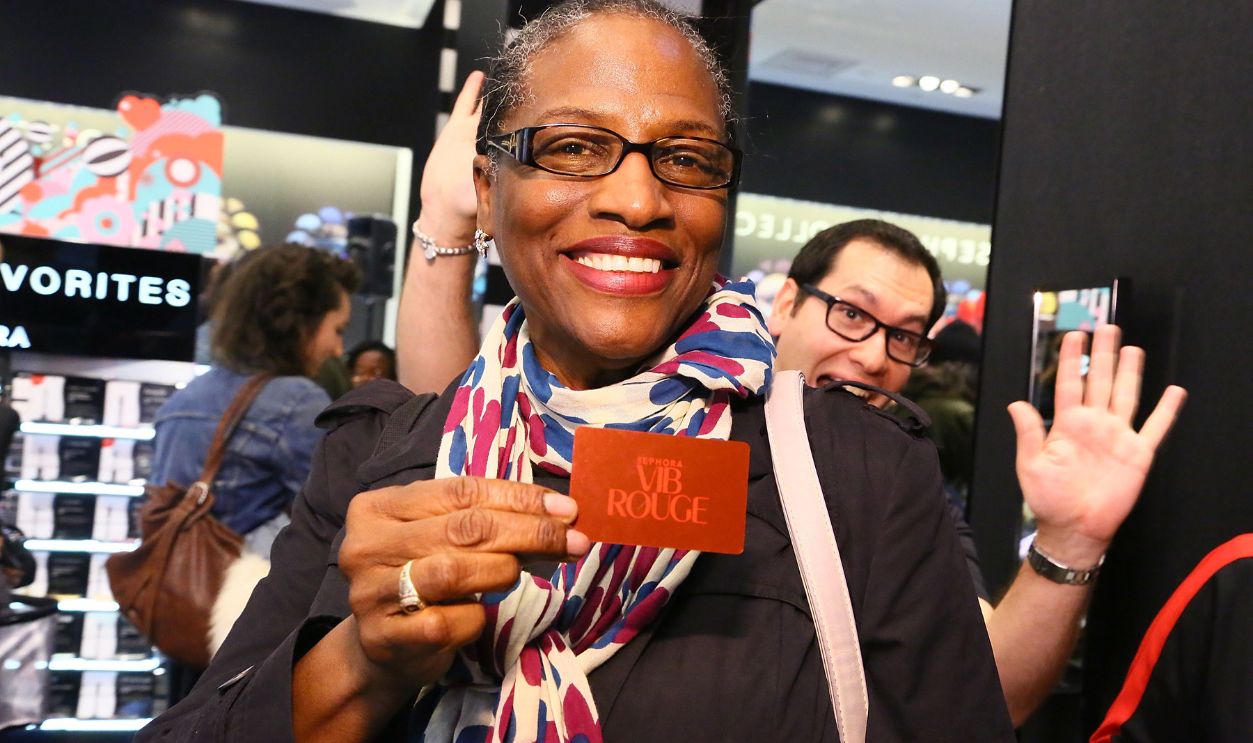
Retailers can turn that status into a specific spending target. Sephora currently requires $350 in annual spending for VIB status and $1,000 for Rouge, while Starbucks uses Star thresholds for higher membership levels in its U.S. program. When someone is close to the next tier, spending a little more can feel easier to justify because previous purchases have already moved them toward the goal.
Status Can Become Its Own Reward
Higher tiers may be appealing even when the financial payoff is difficult to calculate. Research has found that consumers can value the status associated with exclusive loyalty benefits separately from their economic value. Before chasing a premium level, look at the benefits you would realistically use and compare their value with any additional spending required to qualify.
Personalized Deals Feel Hard To Ignore
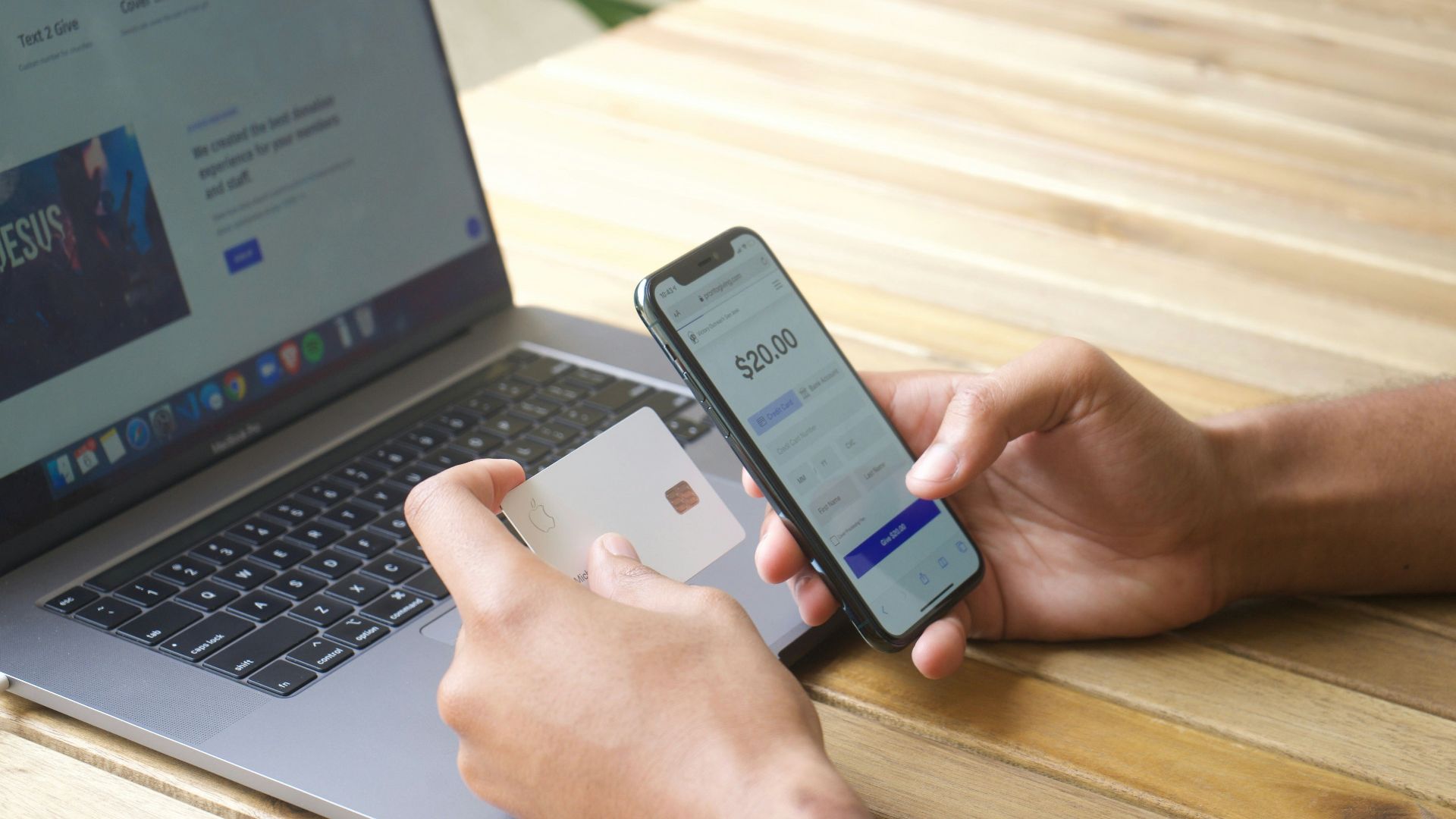
A coupon for something you regularly buy feels more useful than a random promotion, which is precisely why personalization can be powerful. Consumer Reports found that Kroger uses purchase history as an important factor when selecting personalized discounts and may also use demographic and online behavioral information. A relevant discount can save money, but it can also encourage you to buy sooner or purchase more than you intended.

Your Shopping History Has Value Too
Those personalized offers are possible because loyalty accounts can connect purchases to individual customers. The Federal Trade Commission has found that companies involved in personalized pricing can use information such as shopping history, browsing behavior, location, demographics, and other behavioral data. Shoppers should recognize the exchange clearly: a retailer may provide useful discounts while gaining valuable information about how they shop.
The Member Price Is Not Always The Best Price
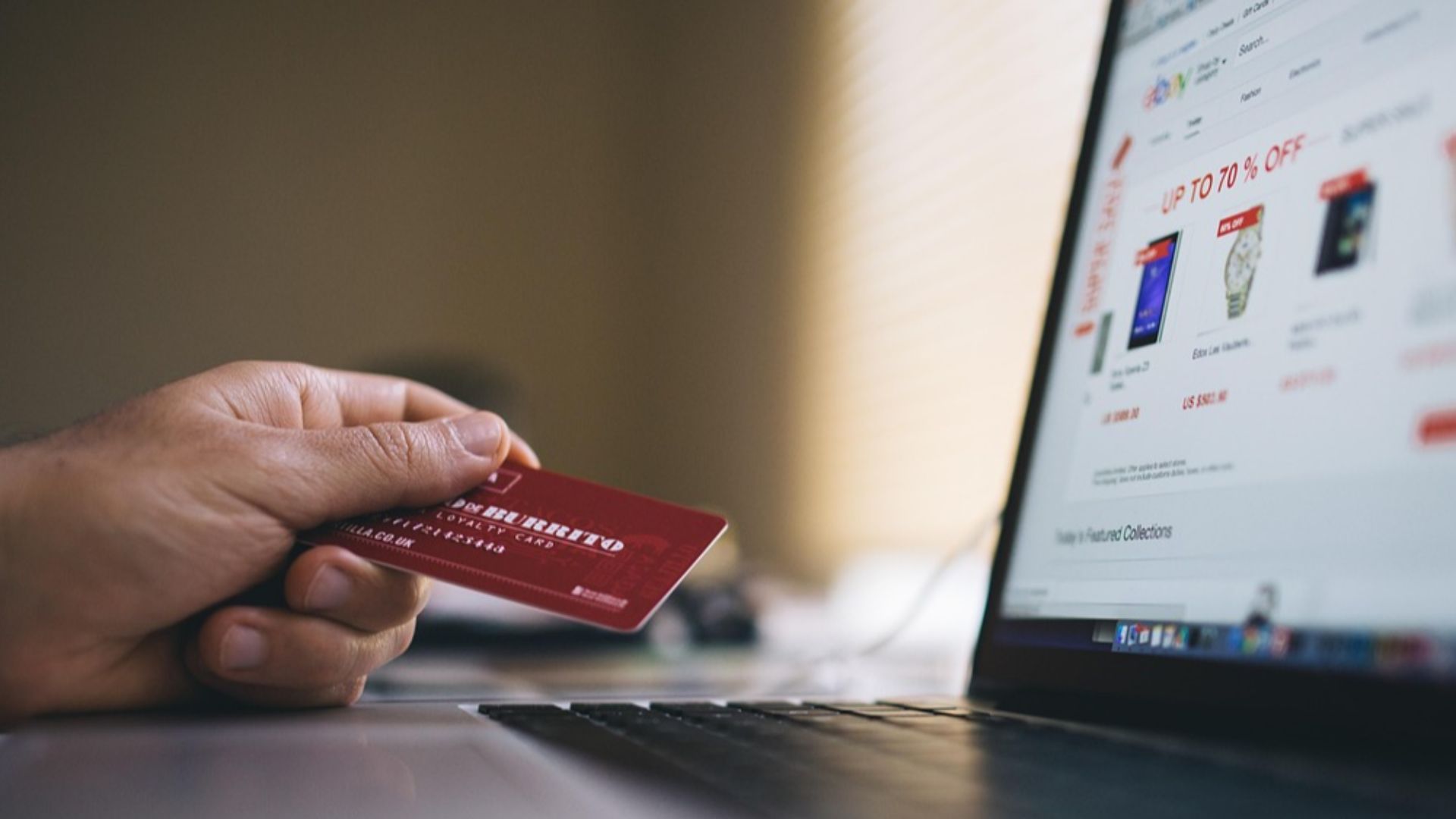
A loyalty discount can make the regular price seem like the obvious comparison. What really matters is how the member price compares with the price of the same or a similar product somewhere else. Saving $5 off one retailer's listed price means less if another store sells the item for $7 less without requiring a membership.
Loyalty Can Reduce Comparison Shopping
The more rewards you accumulate with one retailer, the easier it becomes to shop there automatically. Deloitte found that consumers commonly belong to multiple loyalty programs but actively participate in fewer of them. Before choosing a store because you have points there, compare the final price elsewhere after discounts, shipping costs, and rewards are included.

Expiring Rewards Create A Deadline
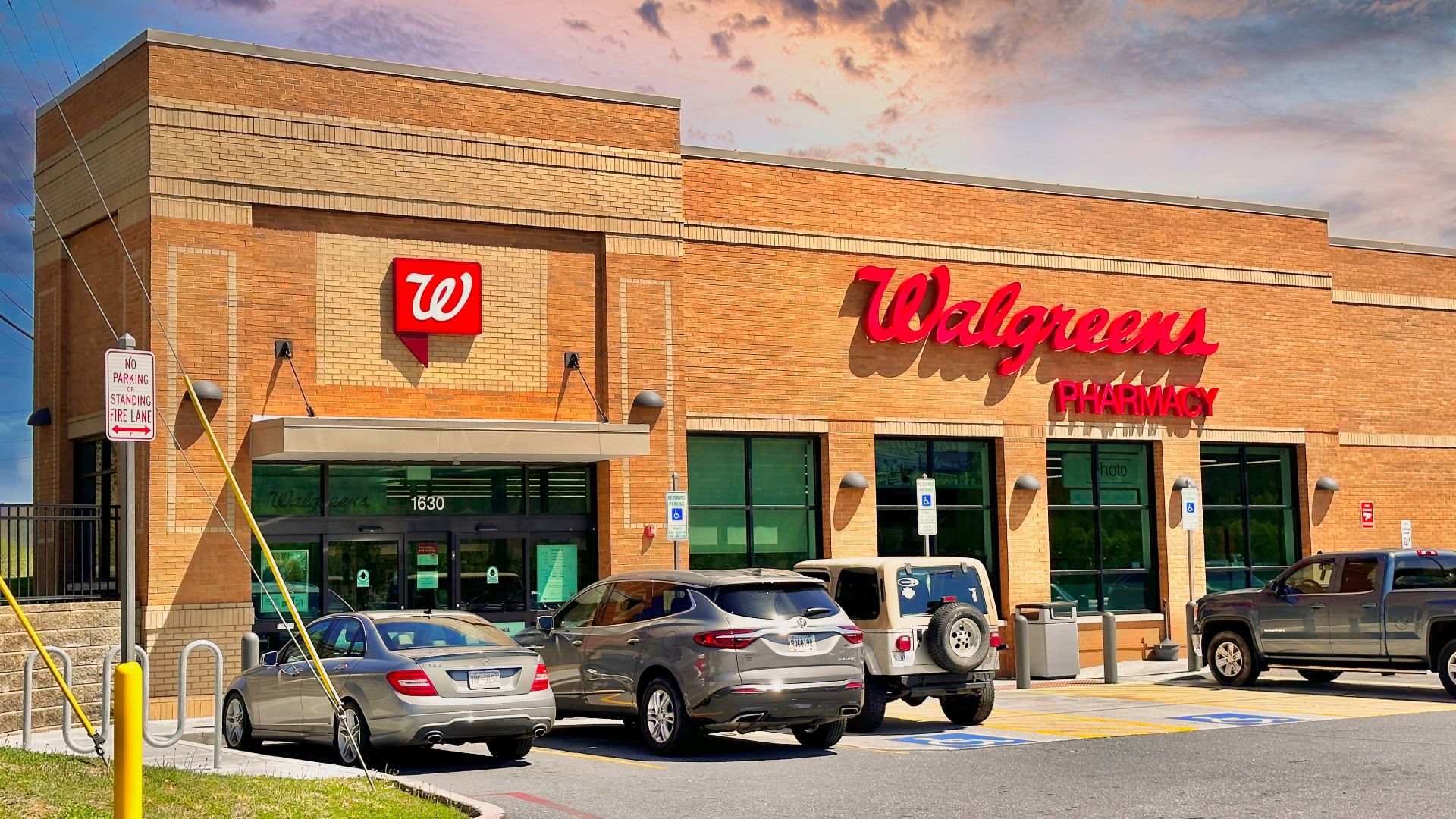
Points become especially persuasive when shoppers believe they are about to lose them. Walgreens Cash generally expires on a rolling basis for active members, while Starbucks says Green members' Stars can expire six months after the month they were earned unless qualifying activity extends them. Spending $20 solely to prevent a much smaller reward balance from expiring does not put you ahead.
 Harrison Keely, Wikimedia Commons
Redeeming A Reward May Require Spending
Some loyalty rewards are not completely free to redeem. Sephora says certain rewards require a $25 merchandise purchase when redeemed online, although that requirement does not apply to eligible in-store redemptions. Always check whether claiming a reward requires you to spend more first.

Restrictions Can Shrink The Real Value
A loyalty balance is not necessarily equivalent to cash in your bank account. Walgreens Cash has redemption restrictions and cannot simply be converted into cash, while many Sephora rewards have no cash value and remain subject to availability. A reward advertised as being worth $10 is only worth $10 to you if you can use it on something you actually want.
 Phillip Pessar, Wikimedia Commons
Not Every Point Has The Same Value
Even within one program, different redemption choices can produce very different returns. Sephora currently lets Beauty Insider members redeem 500 points for $10 off, while eligible Rouge members can redeem 2,500 points for a $100 Rouge Reward. Comparing the dollar value per point can reveal whether you are using rewards efficiently or simply redeeming them because they are available.
Complicated Math Can Affect What We Choose
The difficulty of calculating a reward can influence consumer decisions. Research published in the Journal of Consumer Psychology found that people were more likely to redeem loyalty points when calculating the percentage savings was easier, even beyond the size of the discount itself. Converting points into a simple dollar value before shopping can make competing offers easier to compare.

Shoppers Can Become Attached To Their Balance
Consumers do not always treat unused loyalty points the way they would treat cash. Research using data from an international retailer found that psychological factors helped explain why customers accumulated points instead of redeeming them, even when waiting was not necessarily financially advantageous. A growing balance can start feeling like an achievement instead of money-like value meant to be used.

Program Rules Can Change
Points also differ from cash because the company issuing them controls the rules. Major loyalty programs such as Starbucks, Sephora, and Walgreens reserve rights to alter aspects of their programs, including benefits, earning structures, or redemption conditions. Building an enormous point balance therefore carries a risk that simply keeping cash does not.
Credit Card Rewards Add Another Layer
The psychology becomes even more complicated when loyalty programs overlap with credit card rewards. The Consumer Financial Protection Bureau has warned that rewards programs can involve changes to point values, redemption rules, or promised benefits. Before spending specifically to earn credit card rewards, calculate whether the reward is worth any annual fee, interest, or additional purchases involved.
Never Pay Interest To Earn A Reward
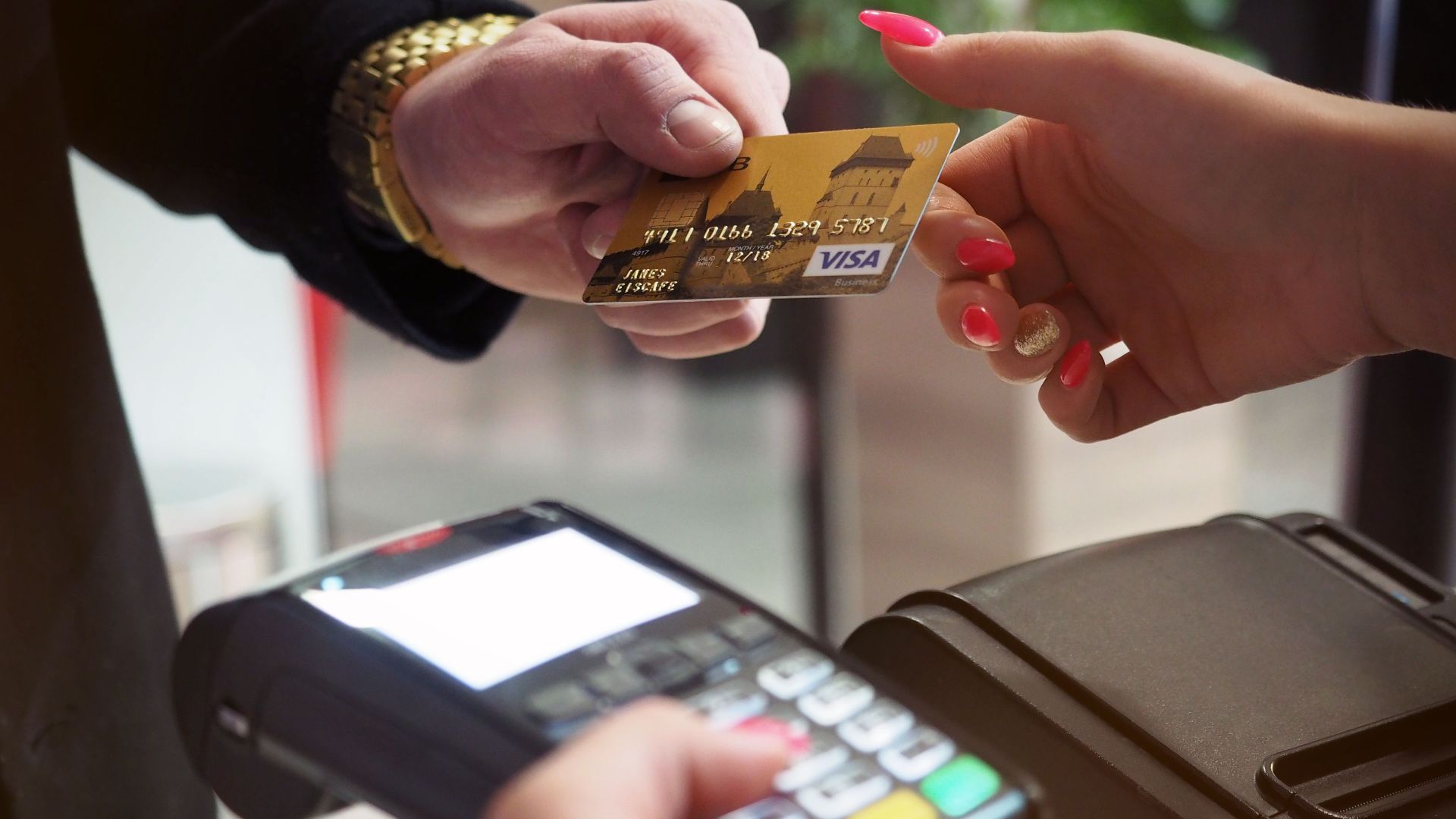
Credit card rewards can be useful when they come from spending you were going to do anyway. They become far less attractive if earning them helps create a balance that accrues interest. A small percentage back in points, miles, or cash rarely compensates for carrying expensive revolving debt.

Put The Purchase Before The Points
One of the easiest ways to use loyalty programs effectively is to reverse the decision-making process. Decide what you need, how much you are willing to spend, and where you can get the best overall price before looking at bonus points or progress toward another reward. If the loyalty benefit then lowers the cost of an already-planned purchase, you have captured the reward without letting it drive the purchase.

Calculate What You Really Saved
The number that matters is not how many rewards you earned but what happened to your total spending. If a program gives you $60 in discounts but persuades you to make $200 in purchases you otherwise would not have made, calling that a $60 saving misses the bigger picture. Periodically compare the rewards you actually redeem with any additional spending, fees, or higher prices you accepted to earn them.

Let The Program Work For You
Loyalty programs are not automatically bad deals. They can offer real savings when they reward purchases you already planned to make. The key is recognizing the psychology behind them and noticing when points, status, or limited-time rewards start influencing your choices. Use the program when it saves you money, but do not let it change how you spend.
You May Also Like:
Common Financial Advice From The 1980s That Will Almost Definitely Backfire In Today’s Economy
Sneaky Ways Companies Make Prices Look Lower Than What You Actually Pay