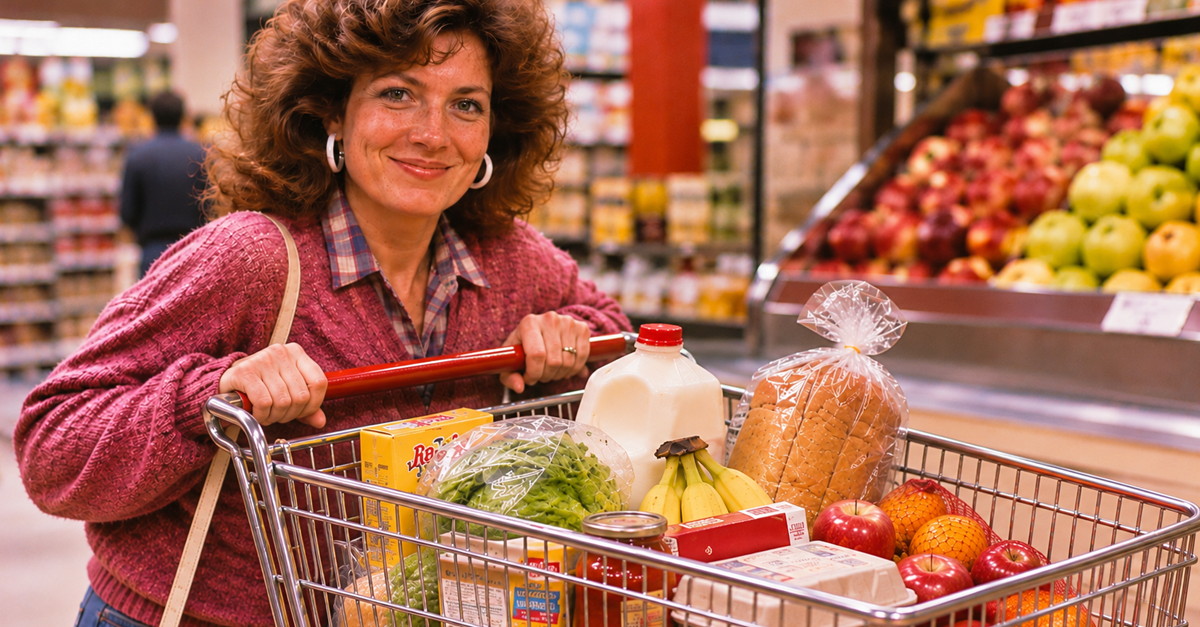
Remember When $50 Could Fill Your Grocery Cart?
There was a time when $50 could buy enough groceries to make a supermarket cart feel surprisingly full. In the 1980s, hamburger cost little more than a dollar a pound, eggs were under a dollar a dozen, and even bacon was relatively affordable. Today, some of those same groceries cost several times as much.
So what would a $50 grocery cart from the 1980s actually cost today?
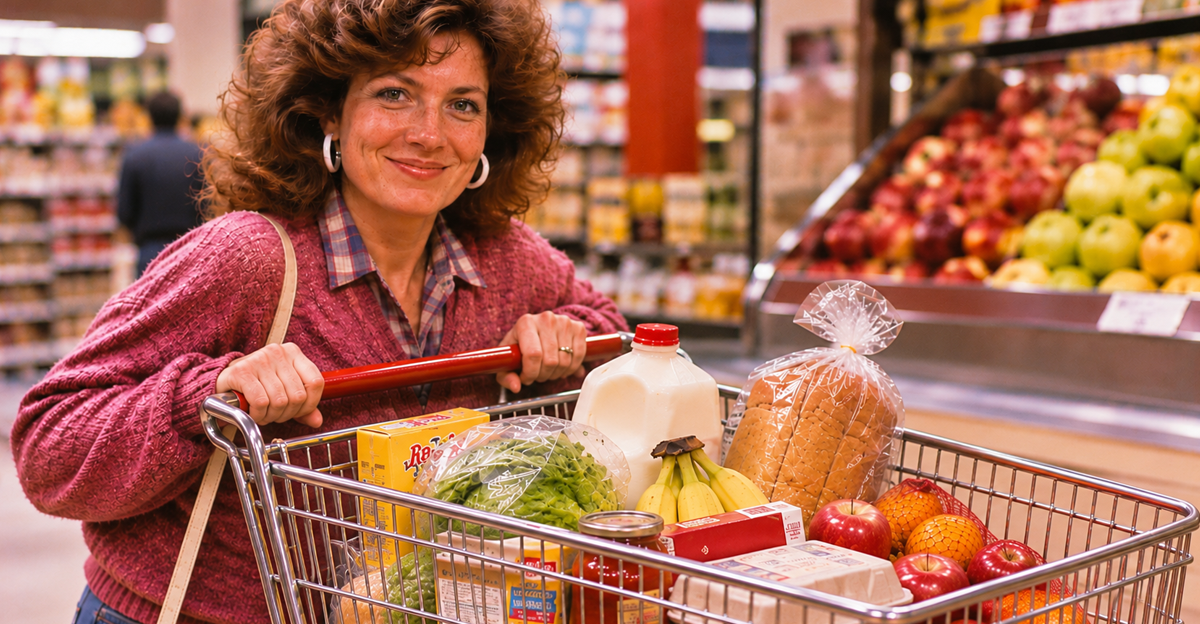
Let's Go Grocery Shopping In 1985
To make the comparison fair, we're using 1985, right in the middle of the decade. We'll build a $50 grocery cart using historical prices, then see what those exact groceries would cost today. Historical prices come from U.S. Bureau of Labor Statistics records, while today's comparisons use October 2026 averages. These aren't special sale prices or receipts from individual stores, but national averages for everyday groceries.
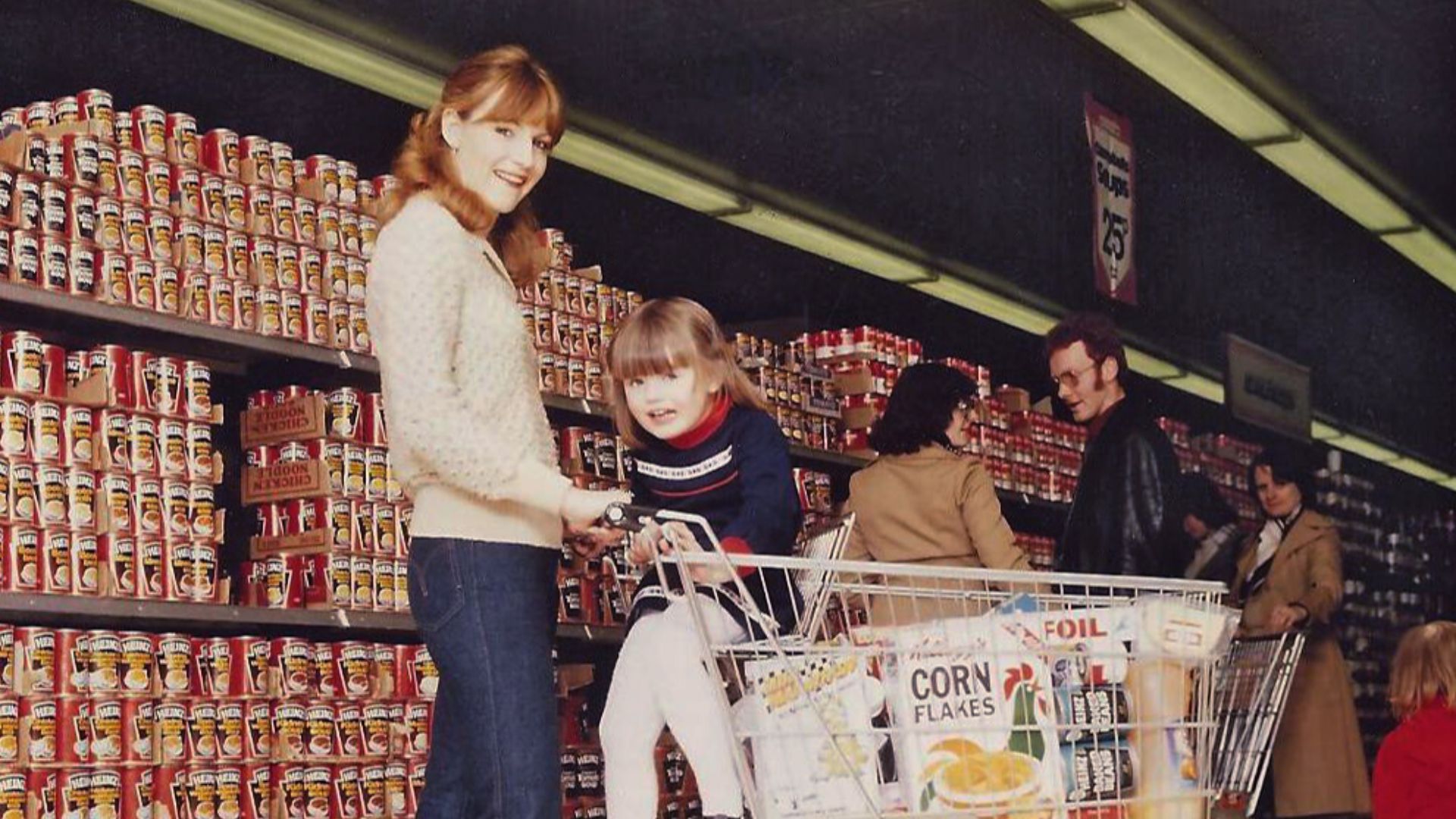
Here's What $50 Could Buy
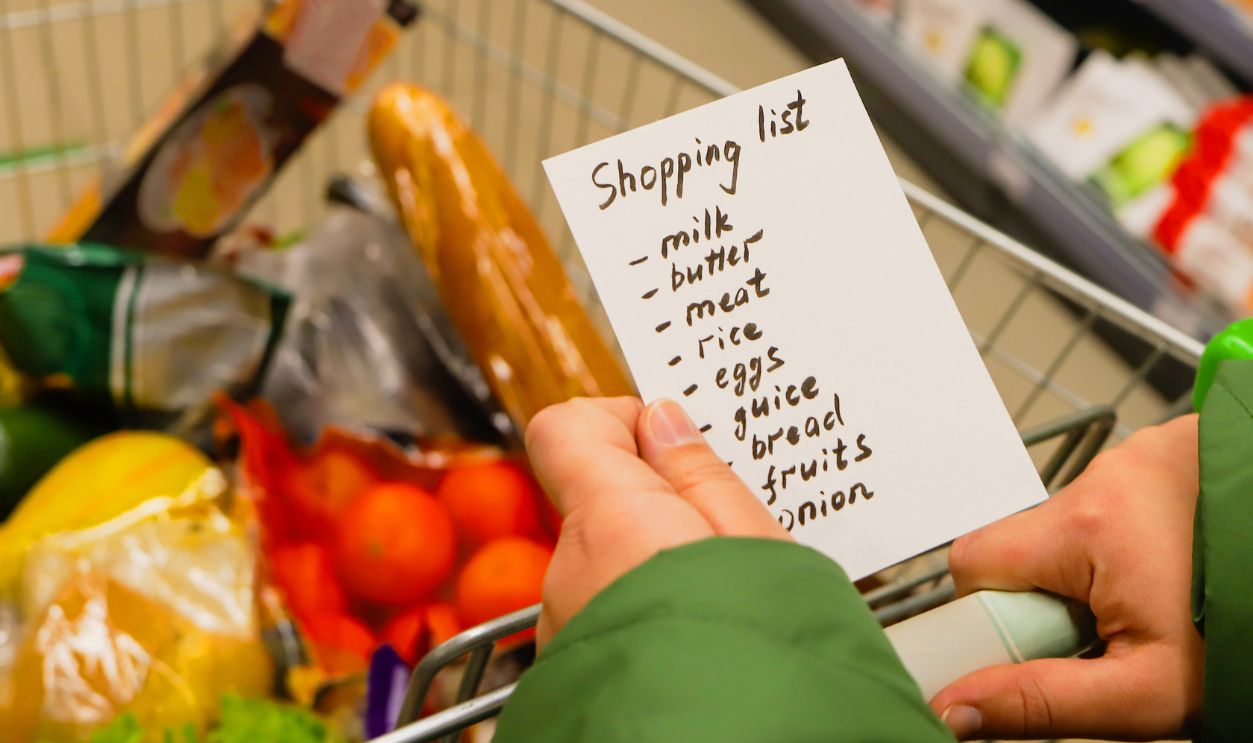
In 1985, $50 could cover an impressive selection of groceries, including meat, produce, baking supplies, and a few treats. Our hypothetical shopping basket contains 17 different products, with enough of some staples to last through several meals. Using historical average prices, the estimated total comes to just $49.88. Now let's see what was in that cart.
 SOLOVEVA ANASTASIIA, Shutterstock
Eggs
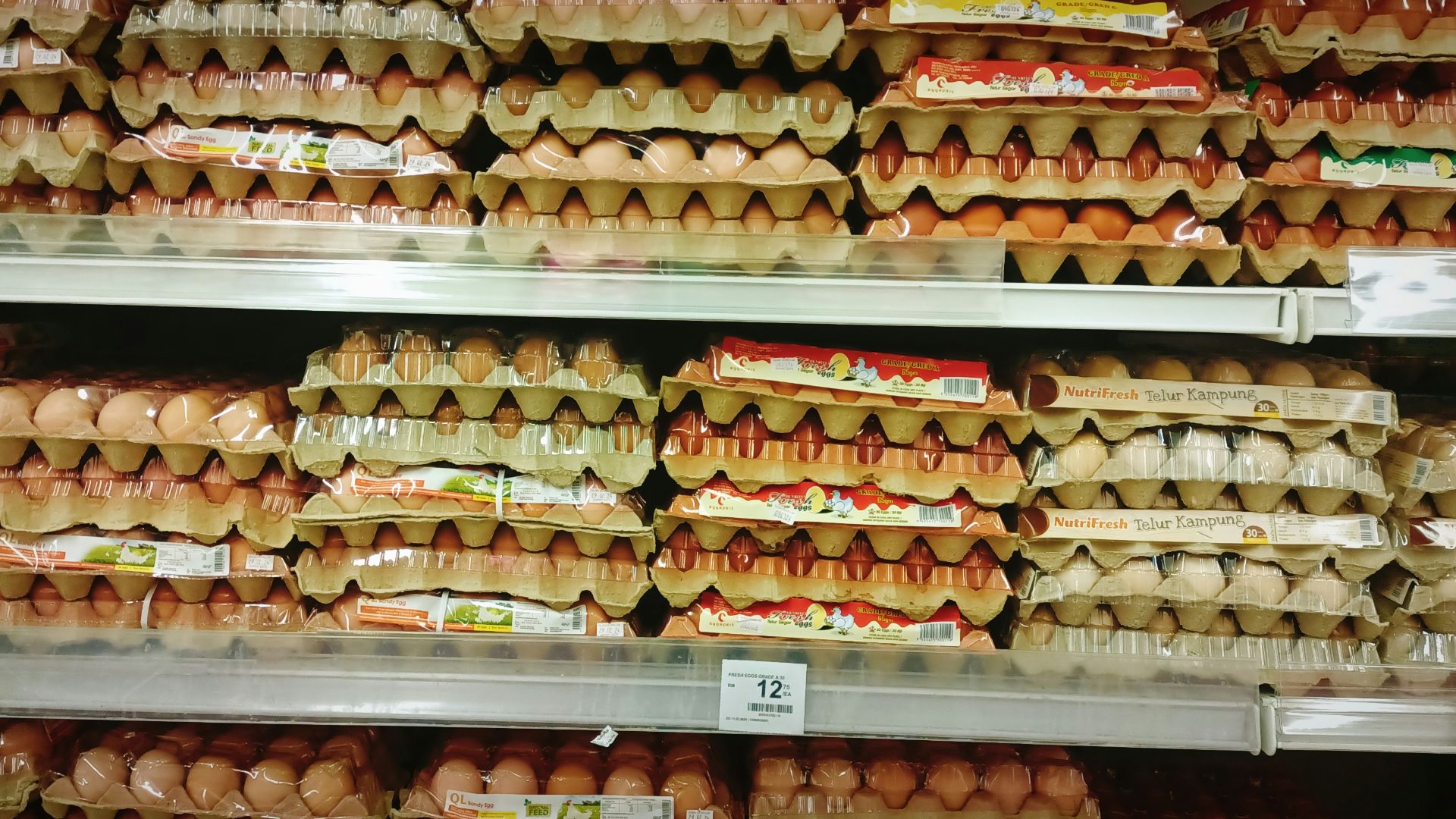
In 1985, a dozen large eggs averaged about 80 cents, making breakfast relatively inexpensive. Three dozen would have cost roughly $2.41, compared with $6.96 in October 2026. Egg prices have been especially volatile in recent years, with avian influenza outbreaks disrupting supplies. Even so, eggs have actually become slightly cheaper when adjusted for overall inflation.
Bread
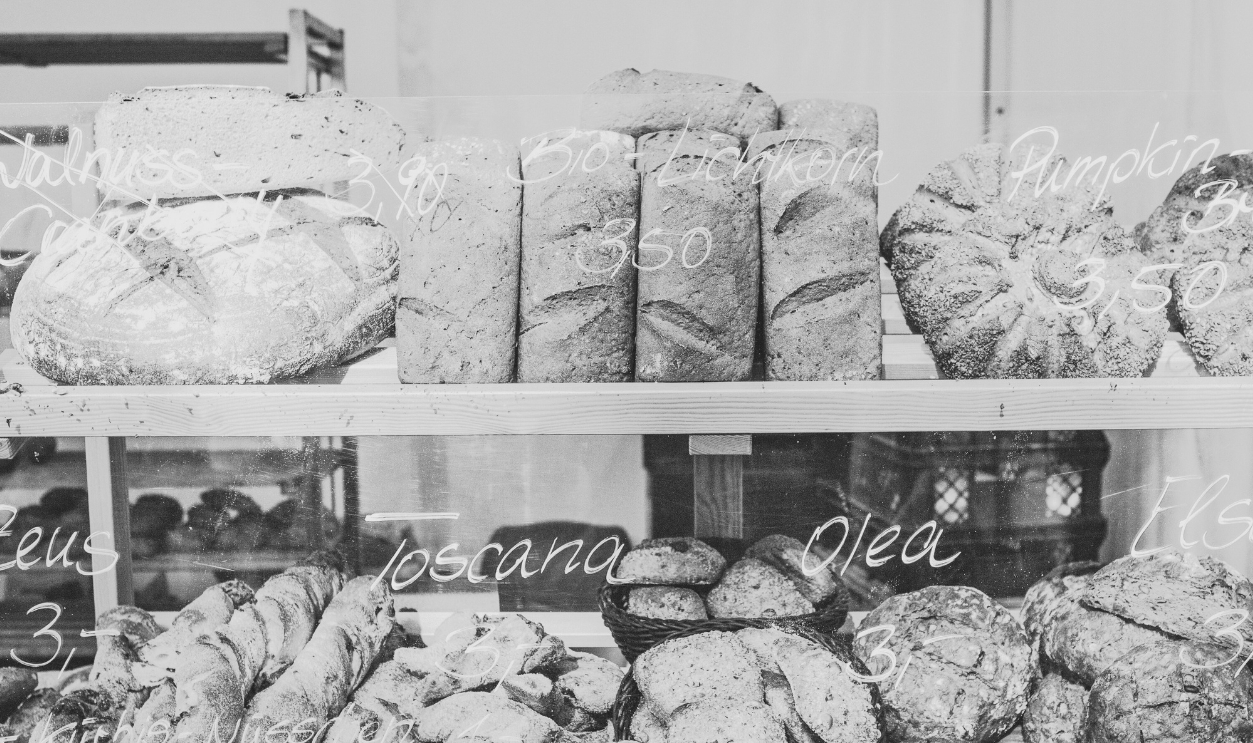
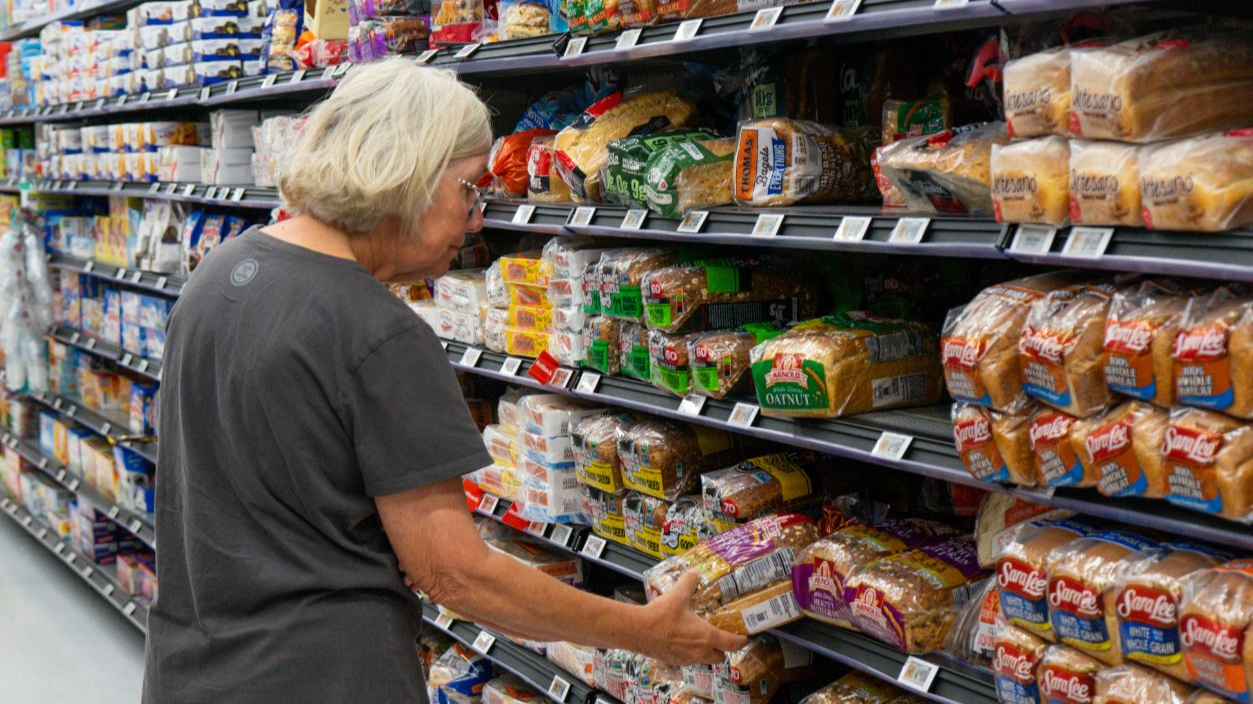
A pound of white bread averaged approximately 55 cents in 1985. Four pounds would have added just $2.21 to your grocery bill, compared with $7.44 today. That's more than three times the original price, even before adding anything between the slices. Unlike several other staples, white bread has become slightly more expensive after accounting for inflation.
Hamburger
Ground beef is where the difference starts getting dramatic. In 1985, a pound of ground beef averaged just $1.24, making four pounds approximately $4.96. By October 2026, the price had climbed to around $6.75 per pound, putting those same four pounds at $27. That's a particularly painful increase for families who regularly make burgers, meatloaf, or spaghetti sauce.
 Ser Amantio di Nicolao, CC BY-SA 4.0, Wikimedia Commons
Chicken
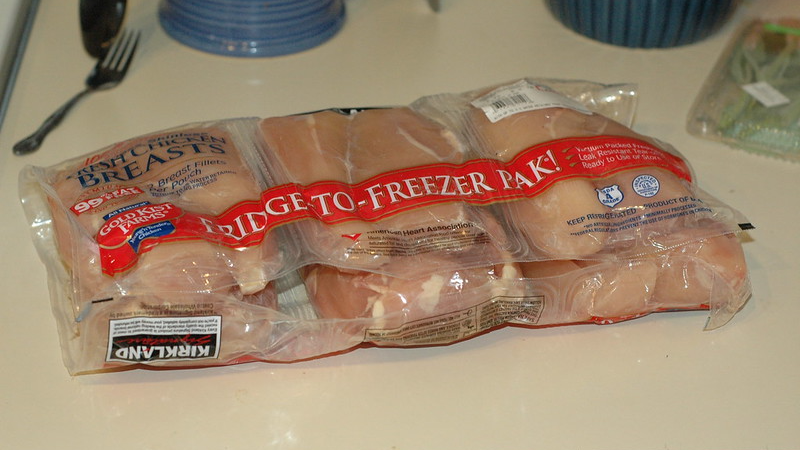
A pound of whole chicken averaged approximately 76 cents in 1985. Six pounds would have cost about $4.58, compared with $12.18 in October 2026. Although that represents a sizable increase, chicken has actually become more affordable relative to overall inflation. It's also held up considerably better than ground beef.
Bacon
In 1985, a pound of sliced bacon averaged approximately $1.94. By October 2026, shoppers were paying around $6.69 for the same weight. That's more than three times the original price, making a big bacon breakfast noticeably more expensive. Unlike chicken, bacon has also become somewhat more expensive after adjusting for inflation.

Cheese
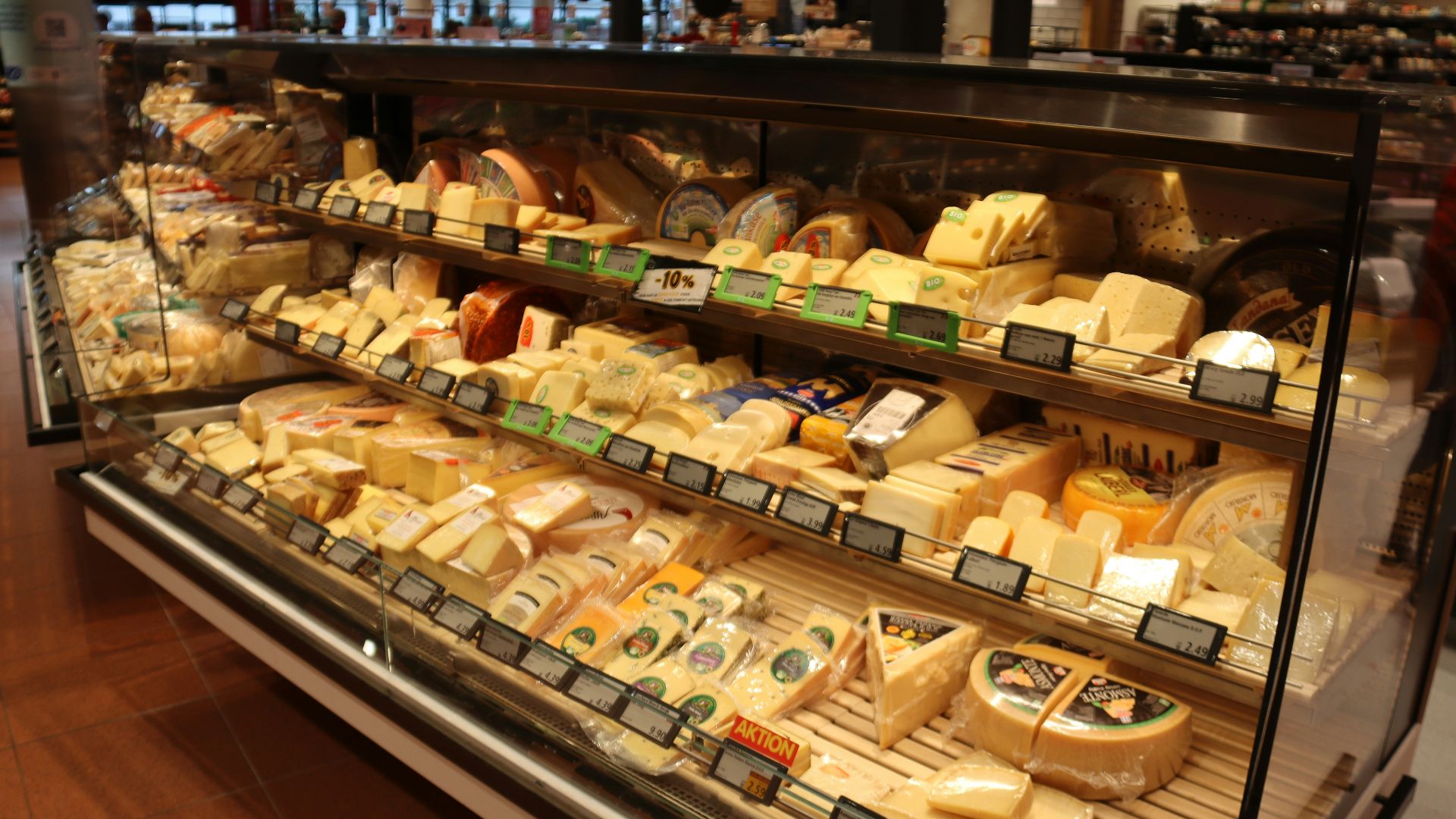
Cheddar cheese averaged approximately $3.09 per pound in 1985, making it one of the more expensive items on our shopping list. Two pounds would have cost $6.18, compared with $12.26 today. But here's the surprising part: cheddar prices haven't kept pace with overall inflation. In terms of purchasing power, cheese is actually a better deal now than it was in 1985.
Bananas
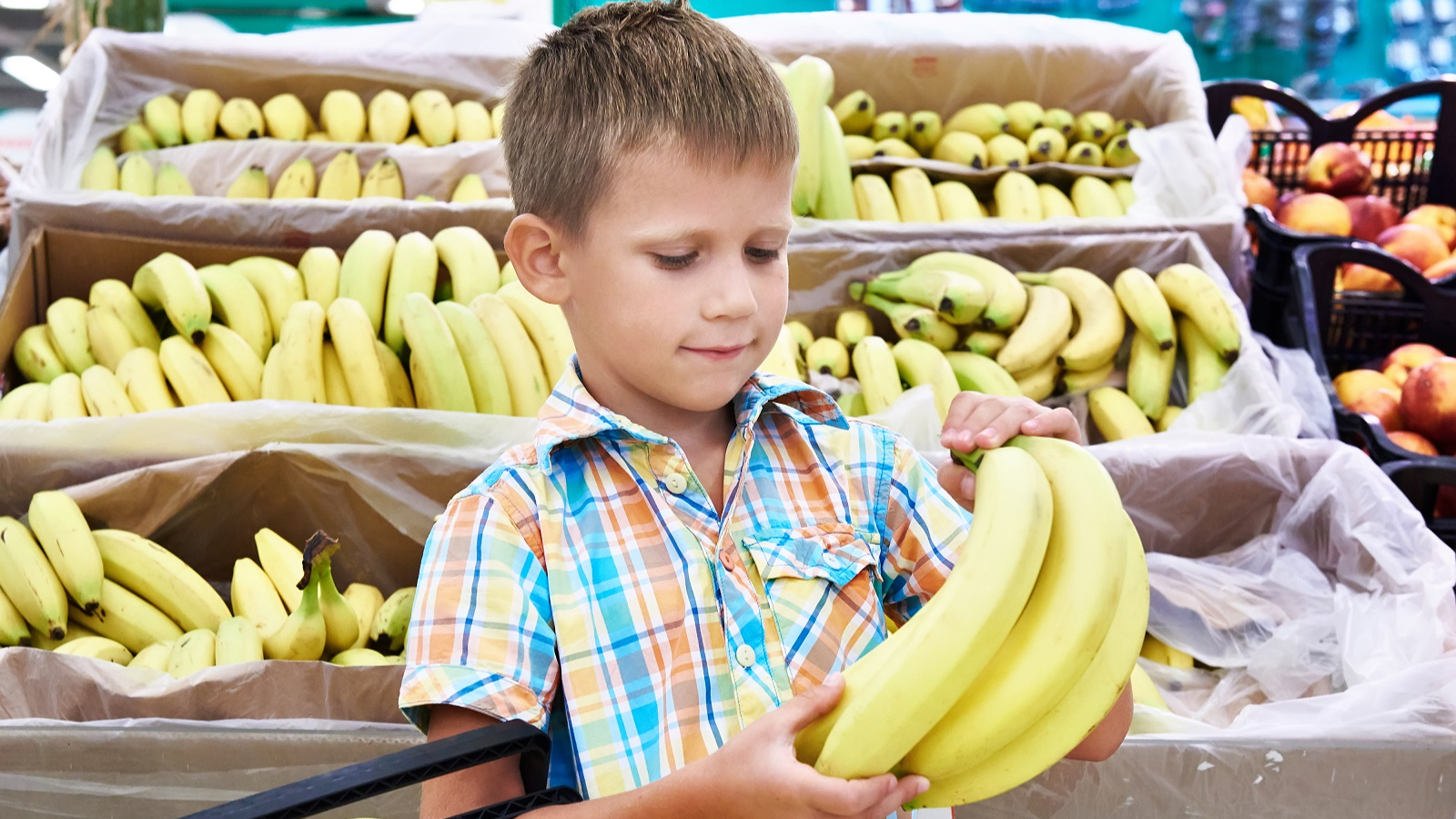
Bananas averaged just 37 cents per pound in 1985, making them one of the cheapest fruits in the produce aisle. Five pounds would have cost approximately $1.84, compared with about $3.28 today. That's a relatively modest increase compared with many other groceries. Adjusted for inflation, bananas have become substantially more affordable.
Tomatoes
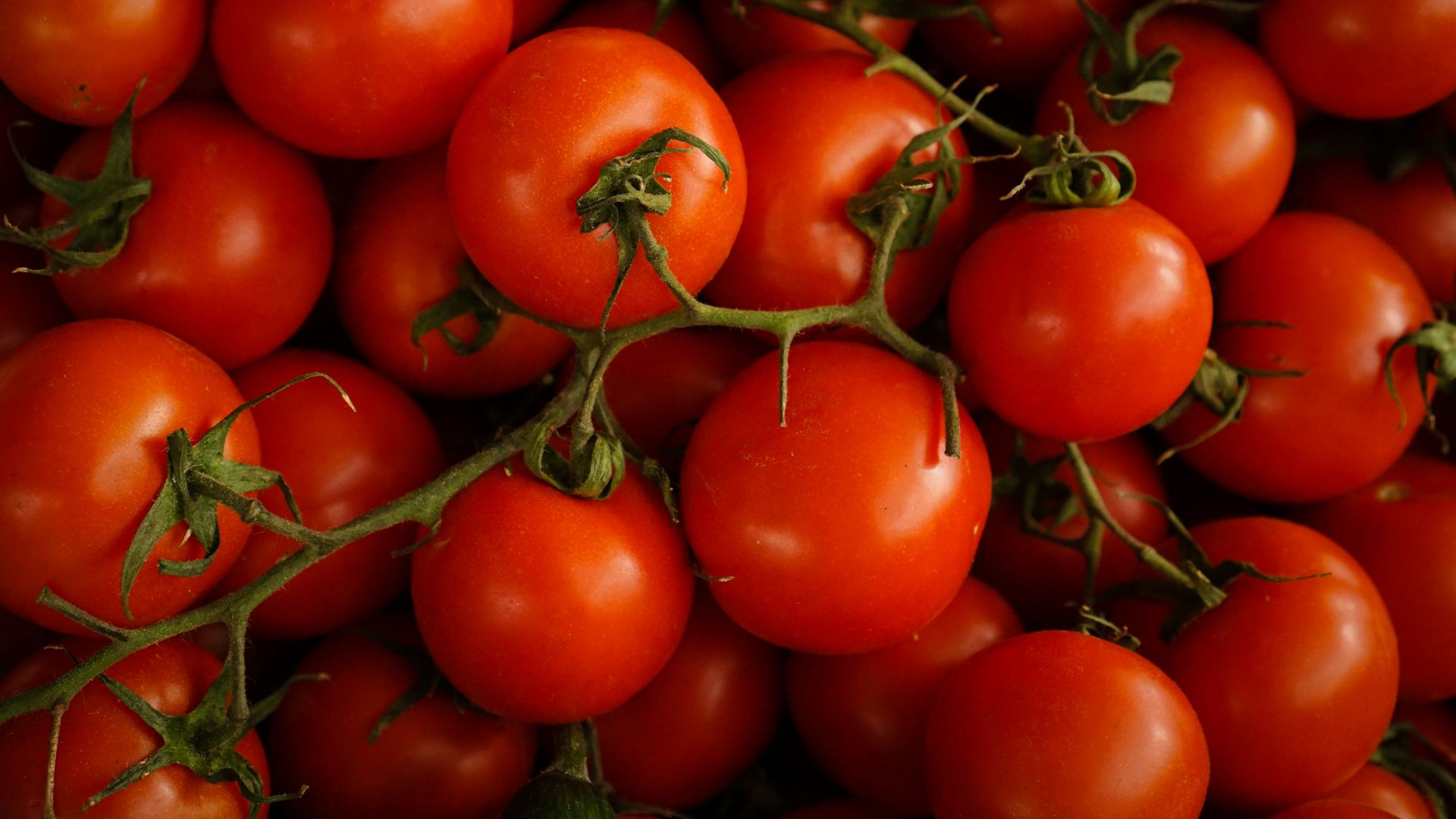
Fresh field-grown tomatoes averaged approximately 78 cents per pound in 1985. By October 2026, the price was around $2.08, putting three pounds at $6.24 instead of the old $2.33. Tomatoes are particularly useful for seeing how sticker prices can be misleading. Despite costing more than twice as much, they're cheaper today after accounting for overall inflation.
Lettuce
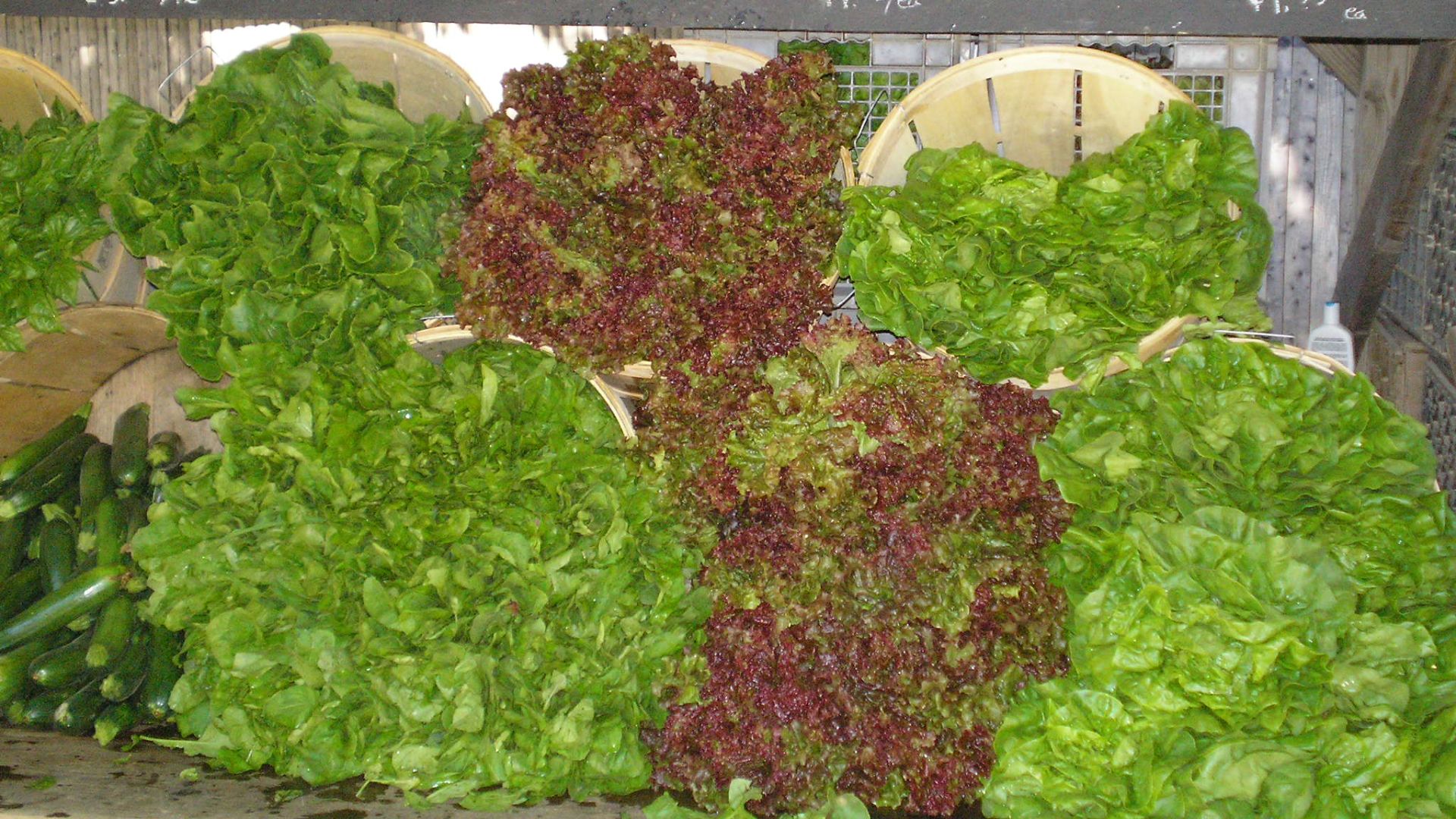
A pound of iceberg lettuce averaged approximately 54 cents in 1985. By October 2026, the price had climbed to around $1.96, meaning two pounds would cost $3.92 instead of $1.08. Lettuce has increased faster than overall inflation, making it one of the less favorable comparisons in our produce selection. Of course, actual supermarket prices can vary considerably with growing conditions and the season.
 David Shankbone, Wikimedia Commons
Rice
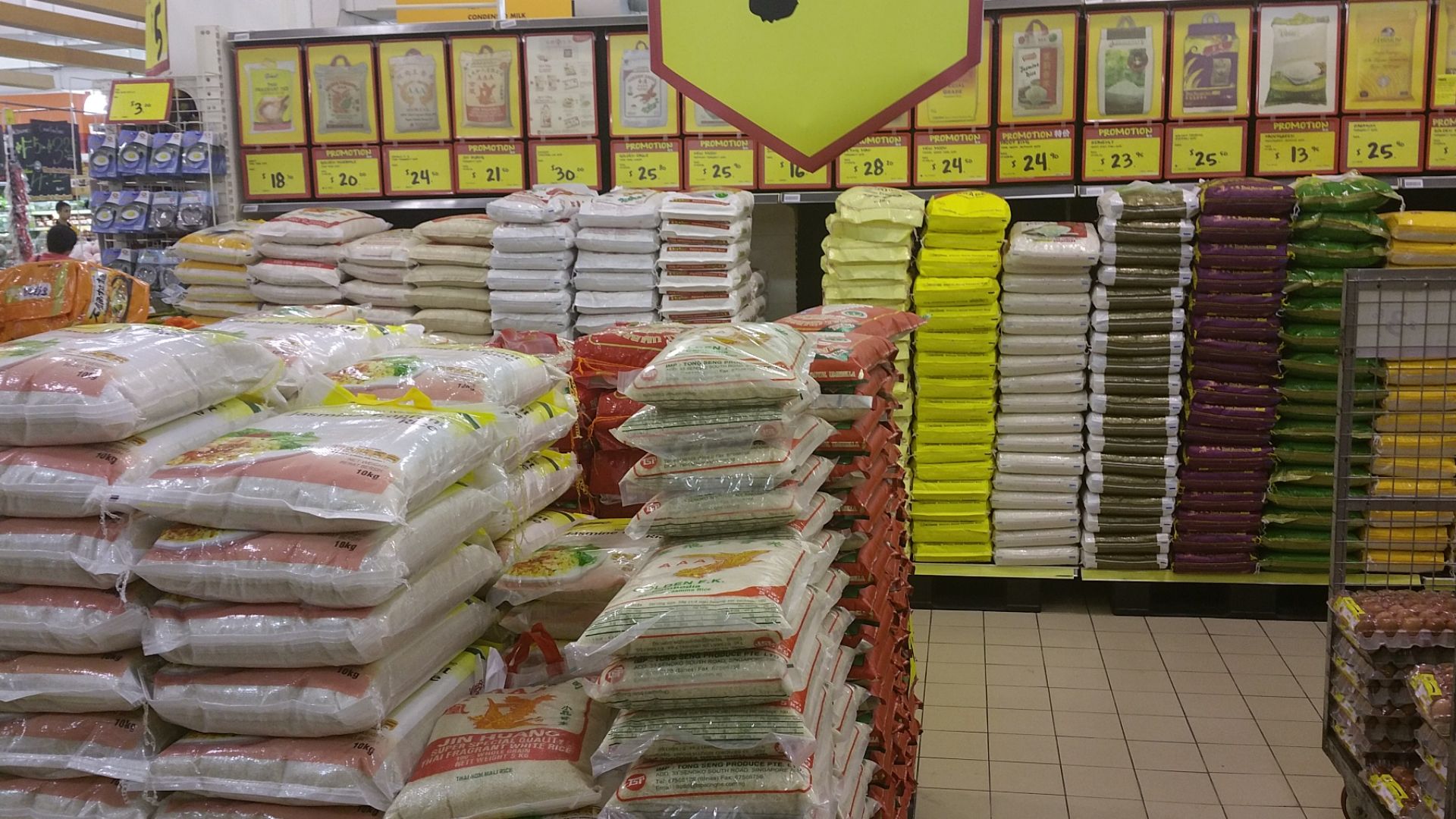
Rice was already a dependable budget staple in the 1980s. A pound of long-grain white rice averaged approximately 47 cents in 1985, compared with $1.10 in October 2026. Three pounds would therefore cost $3.30 today instead of $1.41. Even with that increase, rice remains relatively inexpensive and can be used in numerous meals.
 Orderinchaos, Wikimedia Commons
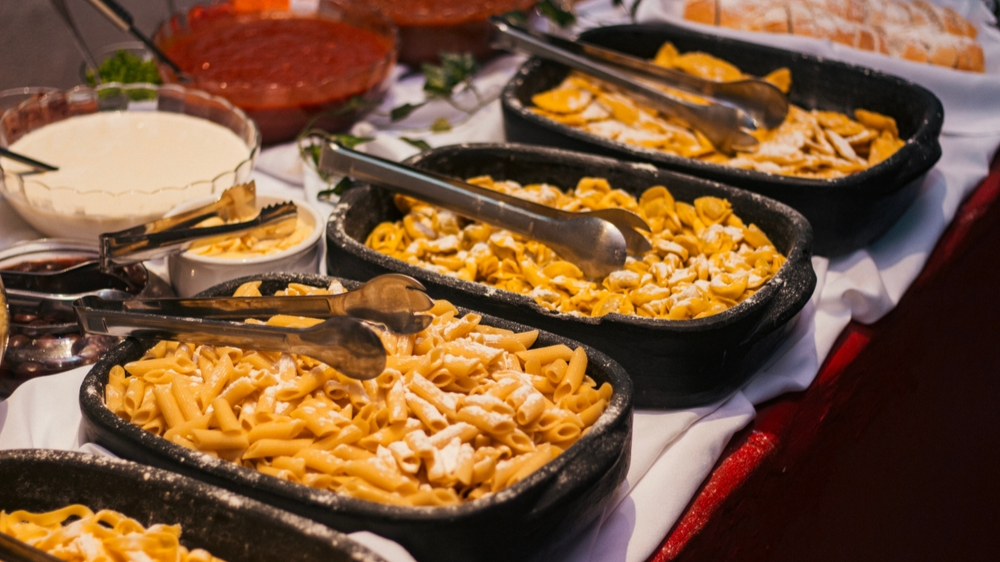
Pasta
Spaghetti and macaroni averaged approximately 74 cents per pound in 1985. Three pounds would have cost about $2.22, compared with $4.14 today. That's an increase of less than 90%, well below the overall inflation rate since 1985. For households looking to stretch their grocery budgets, pasta remains one of the better bargains.
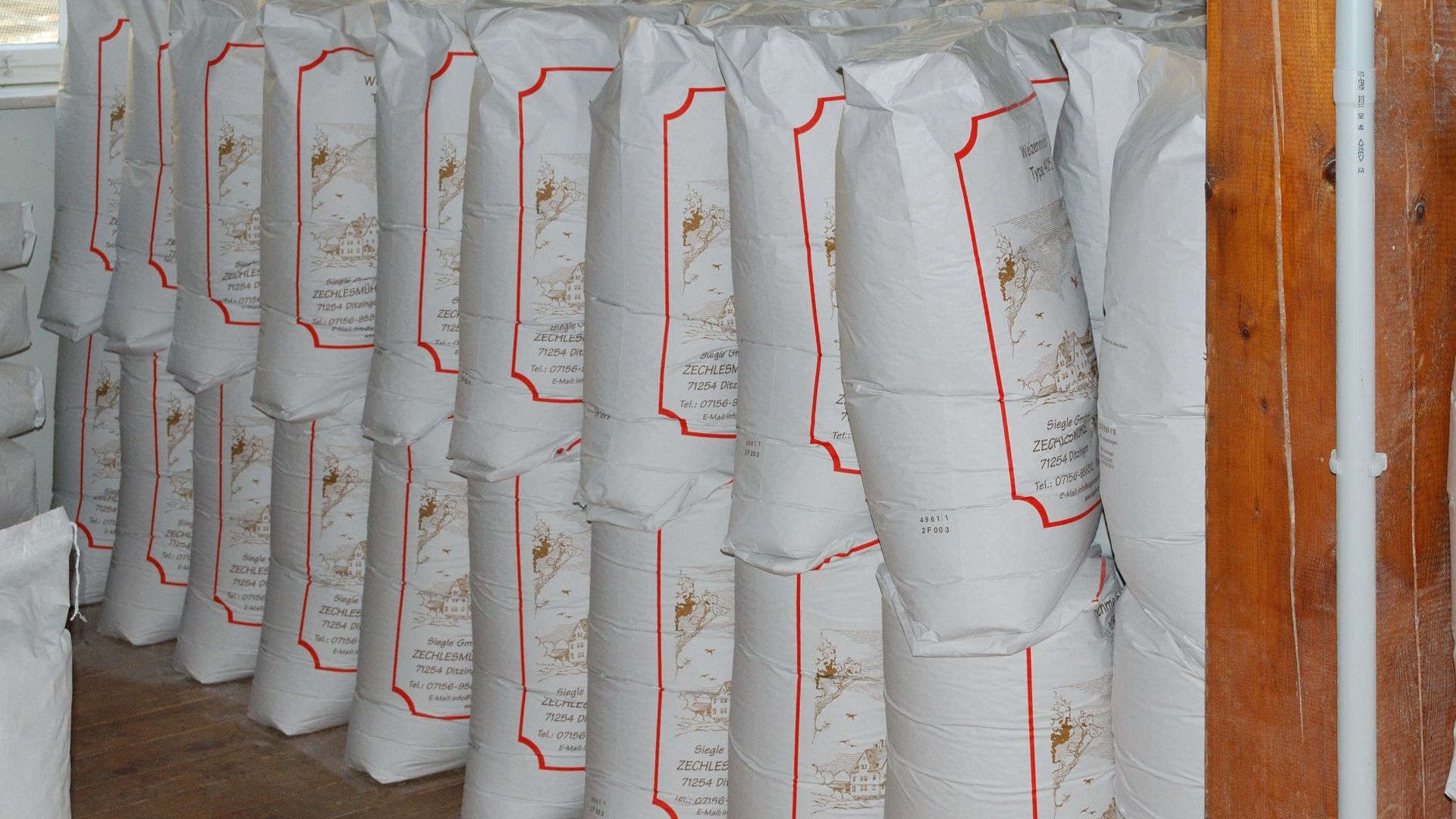
Flour
A pound of all-purpose white flour averaged just 21 cents in 1985. Five pounds would have cost approximately $1.06, compared with $2.68 in October 2026. That's still a relatively small expense for an ingredient used in bread, biscuits, cakes, and other homemade foods. Flour has also become cheaper in inflation-adjusted terms.
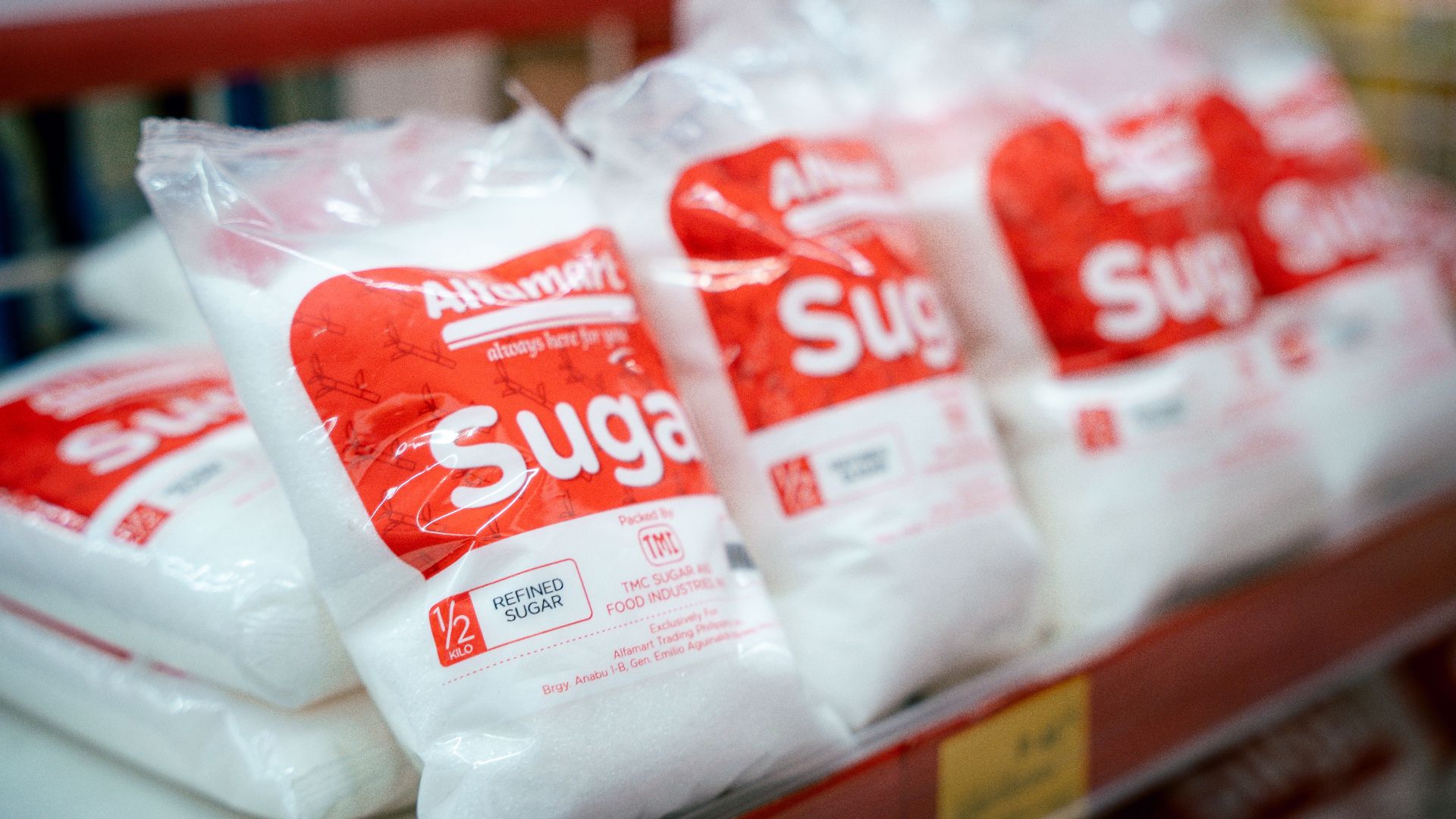
Sugar
White sugar averaged approximately 35 cents per pound in 1985. Four pounds would have cost about $1.41, compared with $4 in October 2026. Although that looks like a substantial price increase, sugar hasn't quite kept pace with overall inflation. Regular home bakers may still notice the difference when buying several ingredients together.
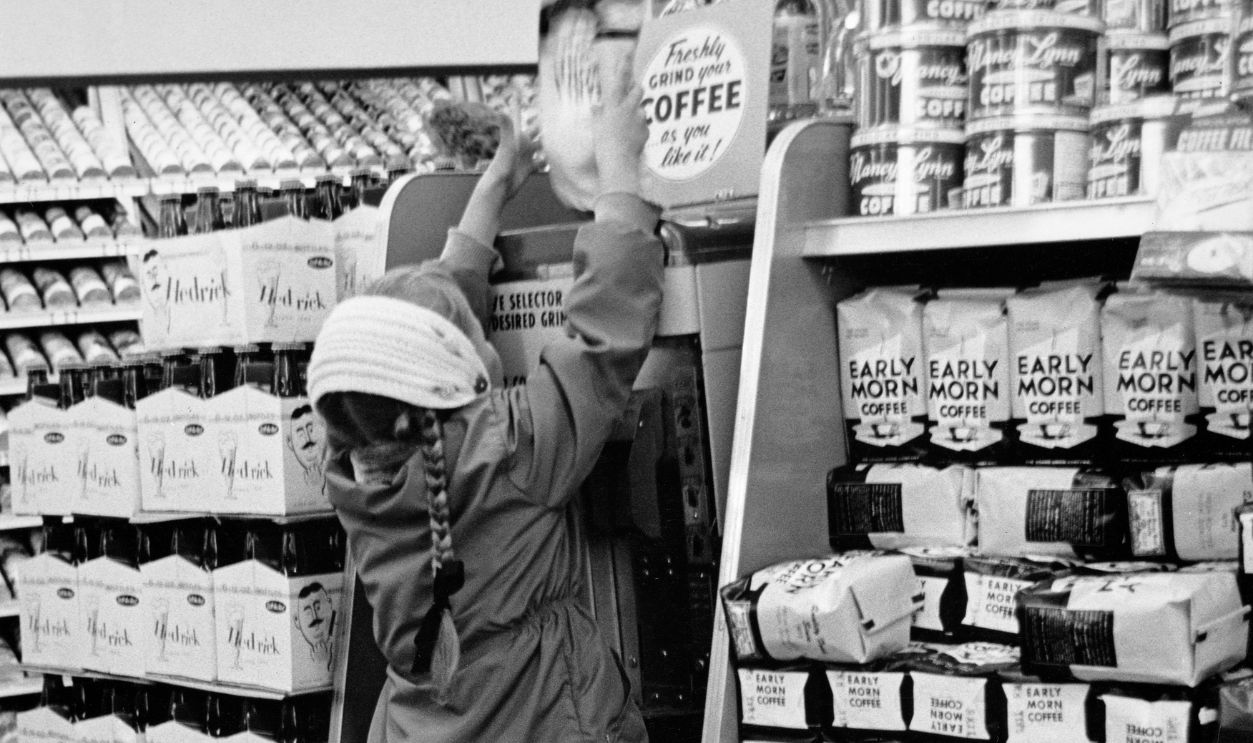
Coffee
Coffee is one of the more painful comparisons for anyone who starts the morning with a cup. Ground roast coffee averaged approximately $2.58 per pound in 1985, compared with $9.25 in October 2026. Two pounds would therefore cost $18.50 today instead of $5.16. Coffee has become more expensive even after adjusting for inflation, unlike many other pantry staples.
Cookies
Chocolate chip cookies averaged approximately $1.94 per pound in 1985. Two pounds would have added $3.88 to our shopping basket, compared with $10.50 today. That's a noticeable increase for an occasional treat. However, the price has risen more slowly than overall inflation, meaning cookies are technically more affordable in real terms.
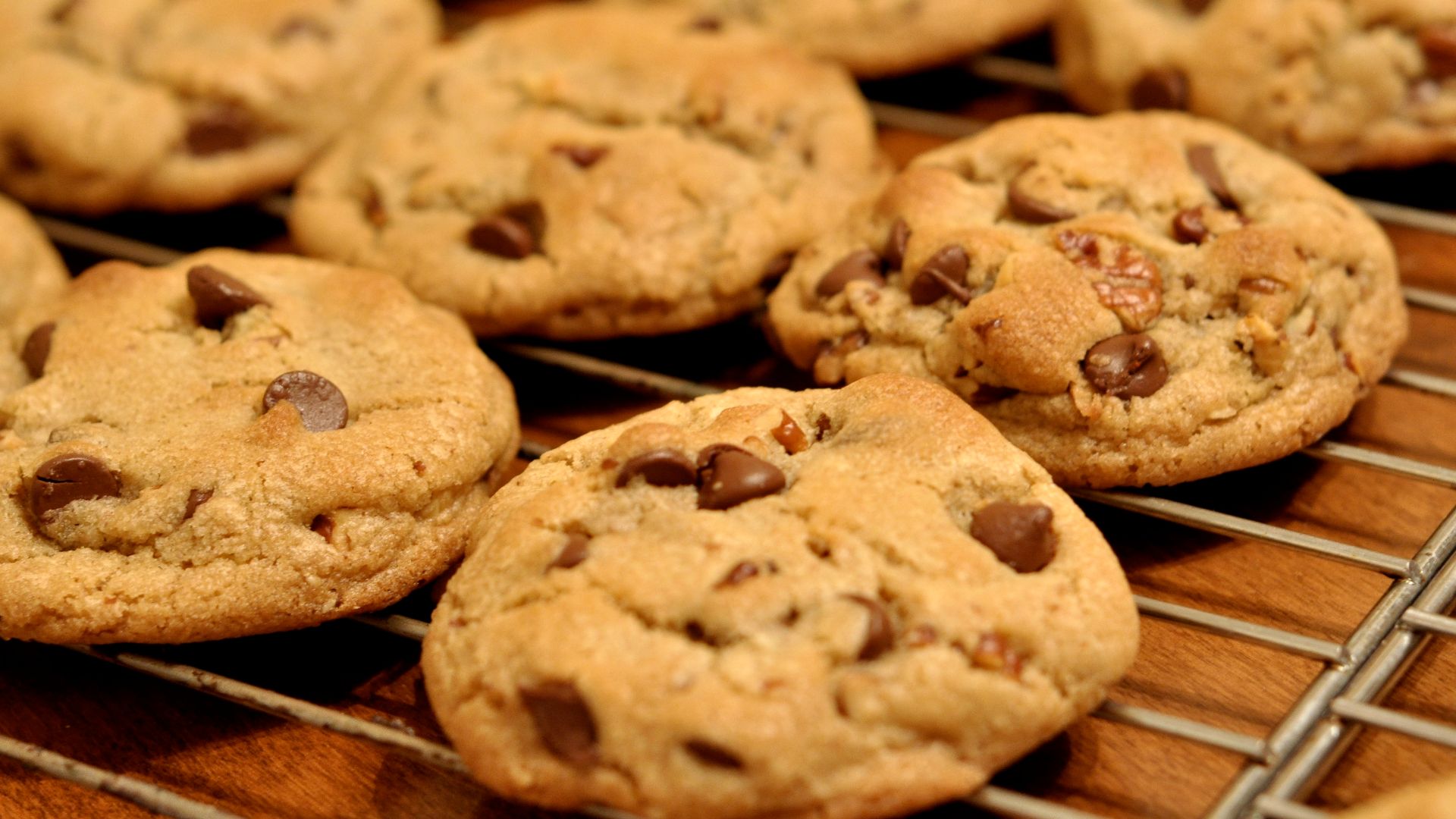 Kimberly Vardeman from Lubbock, TX, USA, Wikimedia Commons
Bag Of Chips
In 1985, a 16-ounce package of potato chips averaged approximately $2.61. By October 2026, the average price for the same amount had reached around $6.64. It's an increase shoppers can certainly feel when buying snacks for the family. Interestingly, the rise is still smaller than the increase in overall consumer prices since 1985.

Ice Cream
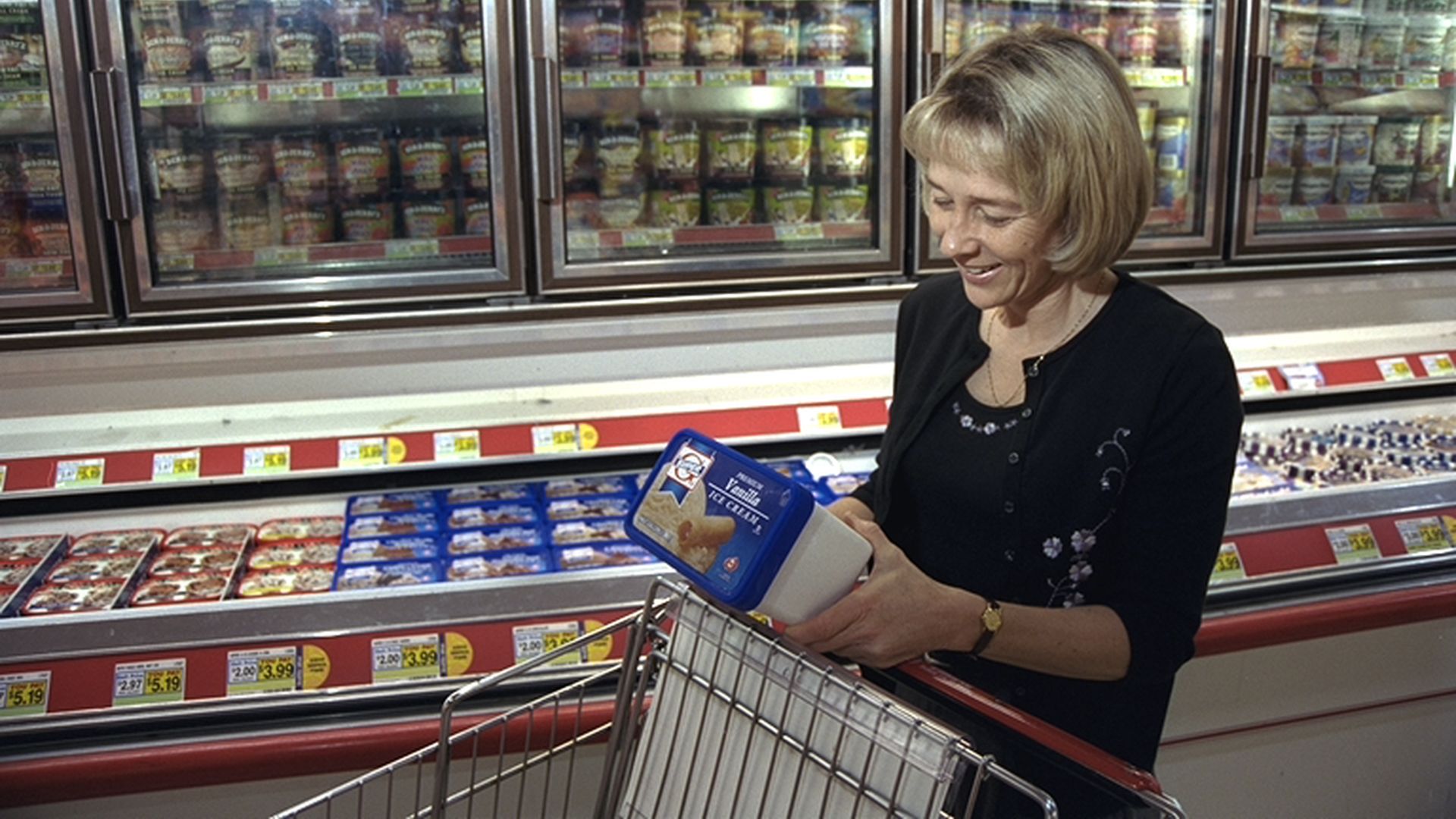
A half-gallon of ice cream averaged approximately $2.30 in 1985. Two half-gallons would have cost $4.60, compared with approximately $12.06 in October 2026. That's a considerable difference for families treating themselves to dessert. Yet ice cream has also become cheaper relative to general inflation, despite the higher price at checkout.
Here's What That Cart Costs Today
Now comes the number that really puts everything into perspective. Our hypothetical 1985 grocery basket cost approximately $49.88, including meat, produce, pantry staples, and a few treats. Buying those exact quantities at October 2026 average prices would cost approximately $147.79. That's almost $98 more for the same groceries, without adding a single extra item.

But There's An Inflation Catch
Before declaring that groceries were universally cheaper in 1985, there's something important to consider. According to the Consumer Price Index, $50 in 1985 had approximately the same overall purchasing power as $157 in October 2026. That means the dollar itself has lost considerable value over the past four decades. Comparing prices without accounting for inflation can make increases look more dramatic than they really are.
The Surprising Truth About That Cart
Here's where the comparison takes an unexpected turn. Adjusted for overall inflation, our $49.88 grocery basket from 1985 would be equivalent to approximately $156.50 today. Yet its actual October 2026 price is only about $147.79. For this particular selection of groceries, the cost has actually fallen slightly relative to general inflation, even though the checkout total has nearly tripled.
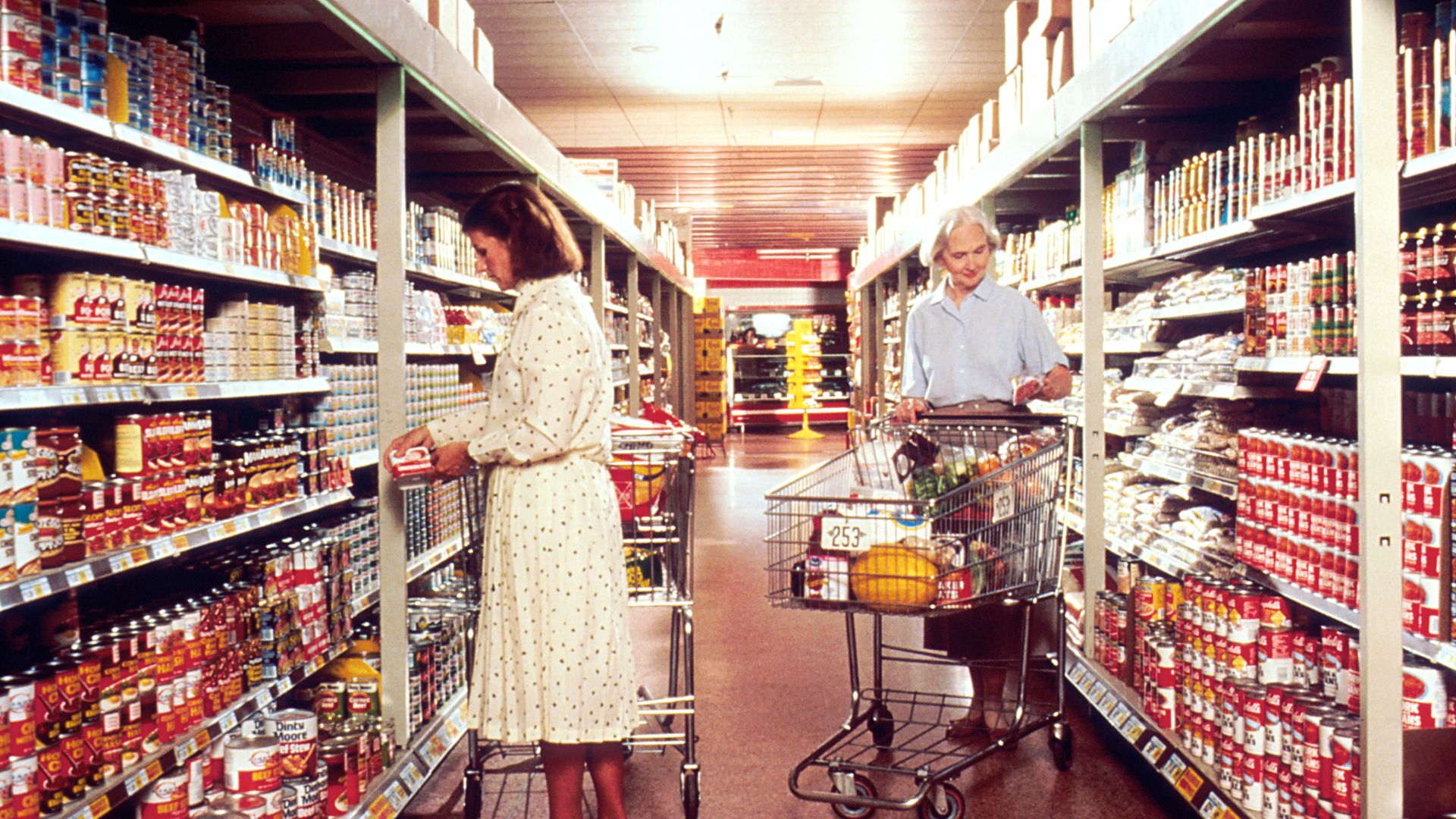 Bill Branson (Photographer), Wikimedia Commons
What Would $50 Buy You Today?
Take that same shopping list into a supermarket today, and your $50 budget wouldn't come close to covering everything. At national average prices, it would purchase only about one-third of the quantities in our original basket. You'd have to reduce portions, eliminate some items, or substitute less expensive ingredients. That's the practical difference shoppers notice when they compare today's $50 bill with their memories of the 1980s.

Some Foods Have Become Bigger Budget Problems
The overall basket may be cheaper after inflation, but that doesn't mean every item is a bargain. Ground beef has risen much faster than the general cost of living, while bananas, pasta, and whole chicken have become relatively more affordable. A household that buys plenty of beef could therefore experience a very different increase than one relying on chicken and pasta. What you put in the cart matters enormously.
Grocery Prices Jumped Sharply In 2022
The recent inflation surge helps explain why supermarket prices still feel particularly painful. According to the USDA, food-at-home prices increased 11.4% in 2022, far above the typical annual increase over the preceding two decades. Egg prices climbed 32.2% that year, while poultry and bakery products also experienced substantial increases. Those jumps pushed grocery bills higher in a relatively short period.

Higher Prices Don't All Go To Farmers
It's tempting to assume farmers receive most of what shoppers spend at the grocery store. But USDA research found that farmers received just 18.5 cents of every dollar spent on food purchased for home consumption in 2024. The remaining 81.5 cents went toward activities including processing, transportation, distribution, and retailing. Grocery prices reflect a much larger supply chain than the cost of producing food on a farm.

Even A Basic Food Budget Exceeds $50
The USDA's September 2026 Thrifty Food Plan estimated weekly food costs of $58.60 for a woman aged 20 to 50 and $73.60 for a man in the same age group. Those figures assume groceries are prepared at home and represent economical, nutritious food plans. They're not estimates of what everyone actually spends, but they show how restrictive a $50 weekly budget can be. For families, the challenge becomes considerably greater.
 William A. Morgan, Shutterstock
How To Make Your $50 Go Further
The historical comparisons offer a useful lesson for today's shoppers. Chicken, rice, pasta, and bananas have remained relatively affordable, making them sensible starting points for budget-friendly meals. Comparing unit prices, choosing lower-cost alternatives, and planning meals around ingredients you already have can also help. Small changes to what you buy can make a meaningful difference over repeated shopping trips.

The Grocery Cart Has Changed, But So Has The Dollar
There's no question that $50 buys far less at the supermarket today than it did in 1985. However, the comparison isn't quite as simple as remembering cheap eggs, hamburger, and bread. Some familiar groceries have outpaced inflation, while others have become genuine bargains in terms of purchasing power. The biggest lesson is that stretching a grocery budget has always depended on choosing the right foods, not just remembering what they used to cost.

You May Also Like:
The Real Cost Of A Family Movie Night In The 1980s Compared With Today
1970s Shopping Habits That Would Feel Totally Foreign Today—Which Would You Actually Bring Back?