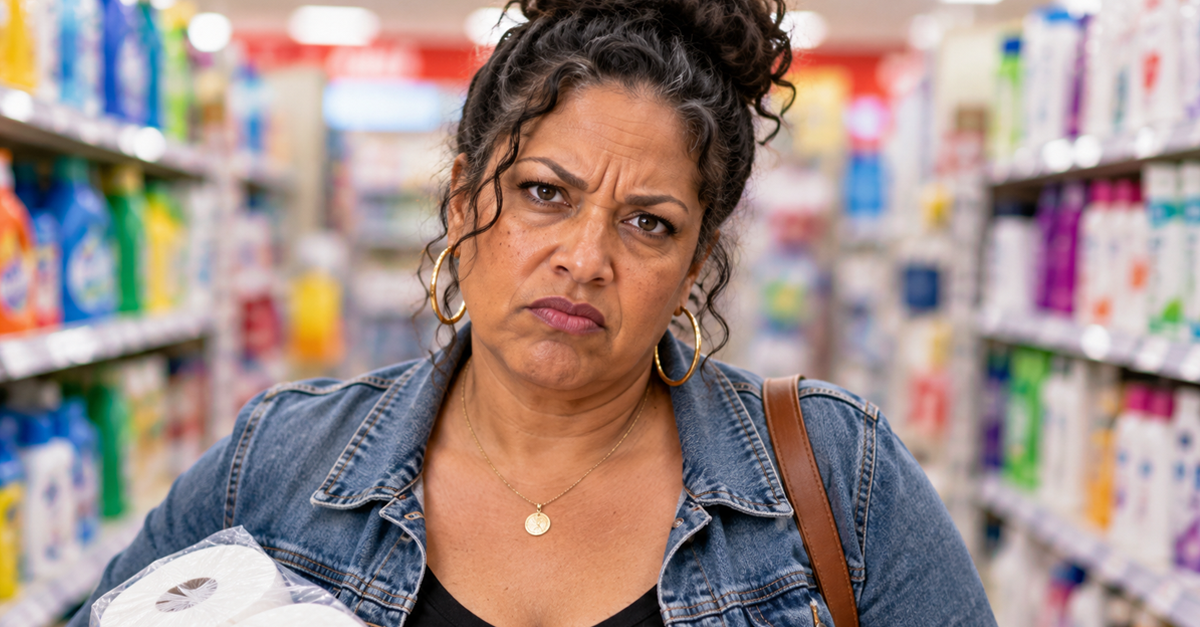
Shrinkflation Has Left The Grocery Aisle
Most shoppers know shrinkflation from cereal boxes and bags of chips. But it has quietly spread far beyond the grocery aisle. Toilet paper has lost sheets, bottles have lost ounces, and everyday household products have gotten smaller without getting any cheaper. In some cases, you may be paying even more for less.
What Shrinkflation Really Means
Shrinkflation happens when the amount inside a package falls without a matching drop in price. The sticker price may look familiar, but the cost per ounce, sheet, or item quietly climbs. The Bureau of Labor Statistics counts that lost quantity as a price increase when measuring inflation.
Household Goods Have Been Hit Hard
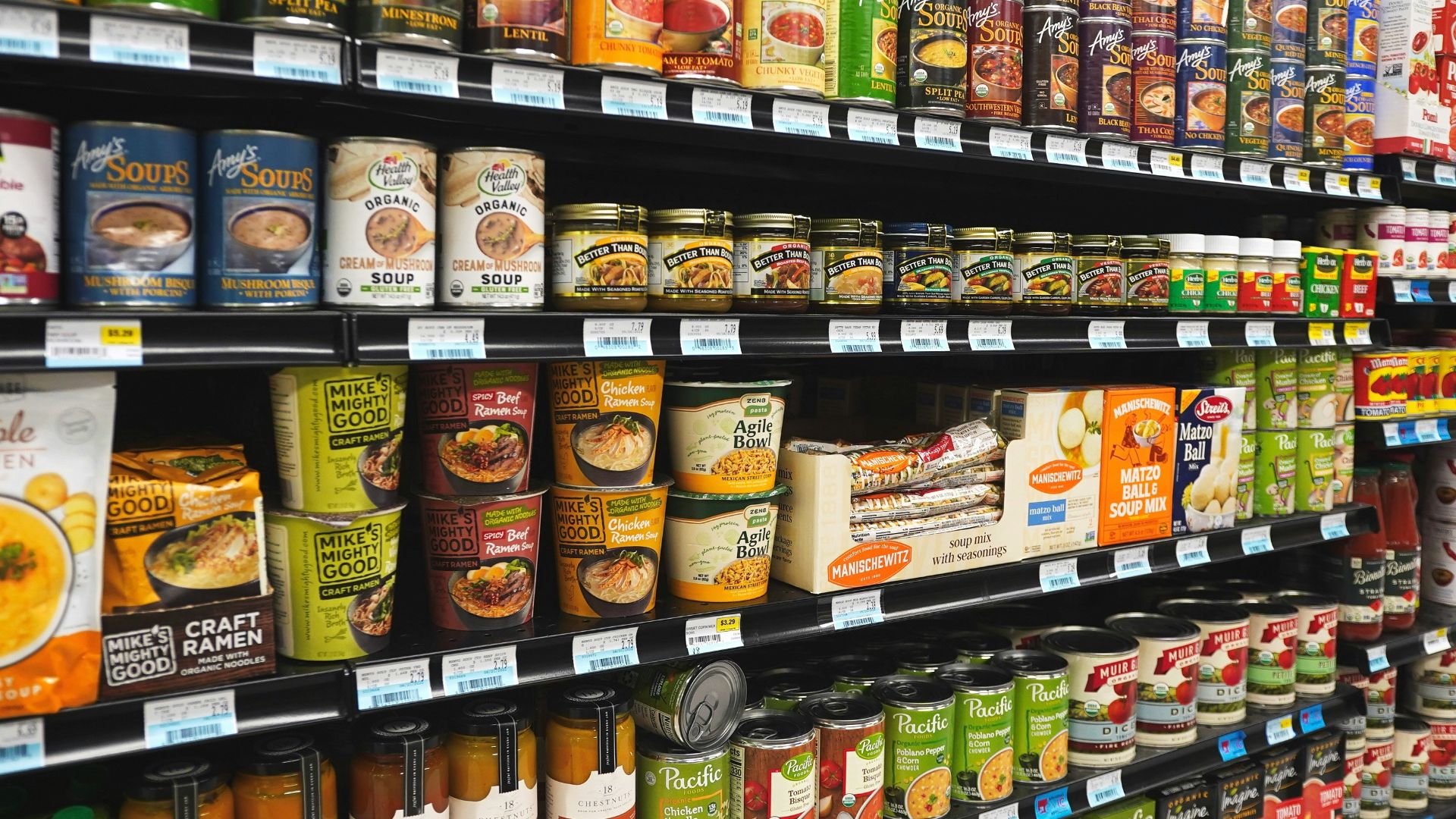
A 2025 Government Accountability Office analysis found downsizing across toilet paper, paper towels, laundry detergent, toothpaste, and other everyday products. Paper goods were the standout, while downsizing was less common in products like toothpaste and pain relievers. From 2021 through 2024, the government recorded roughly three times as many downsizing reports as upsizing reports.
Toilet Paper
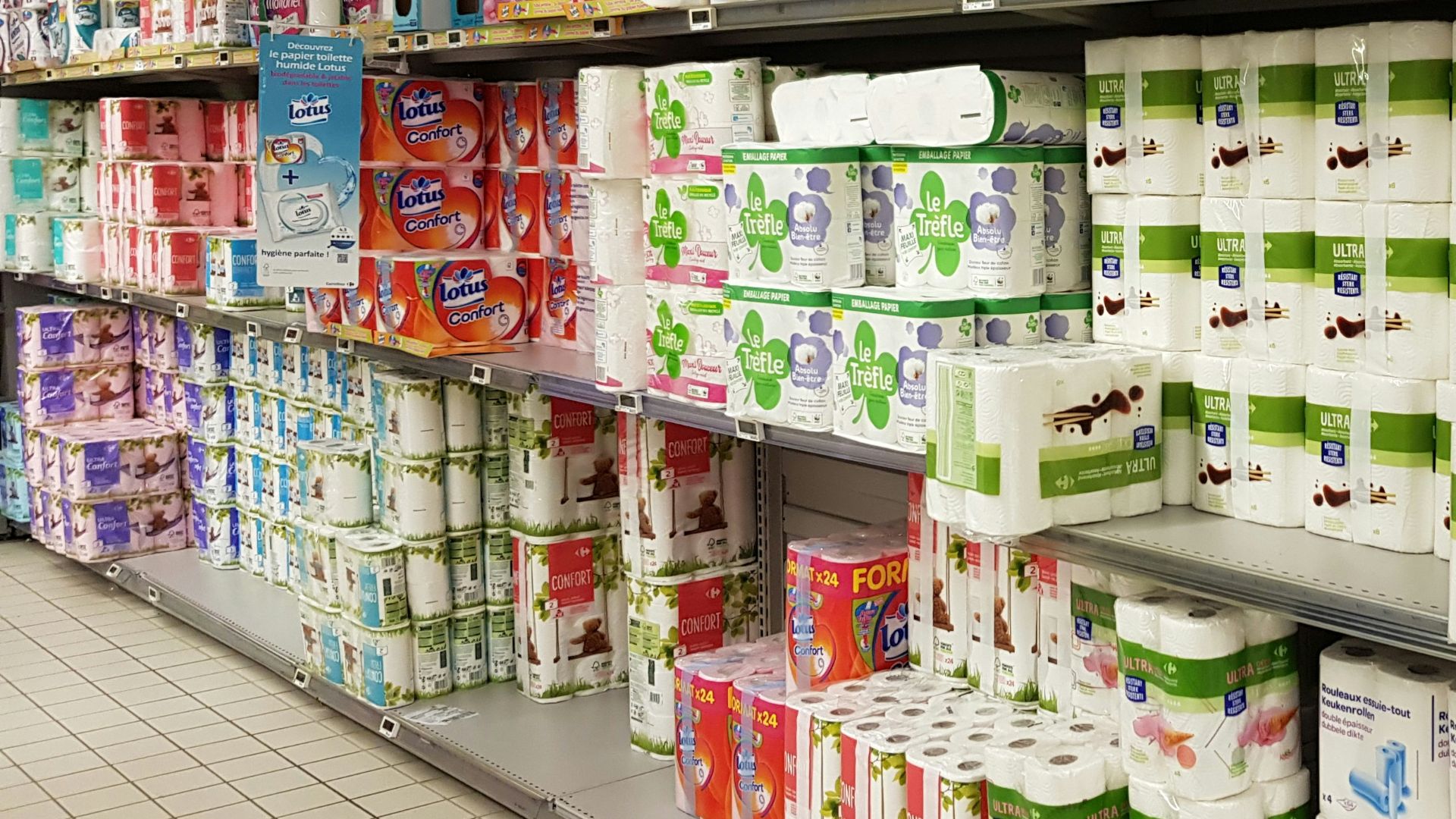
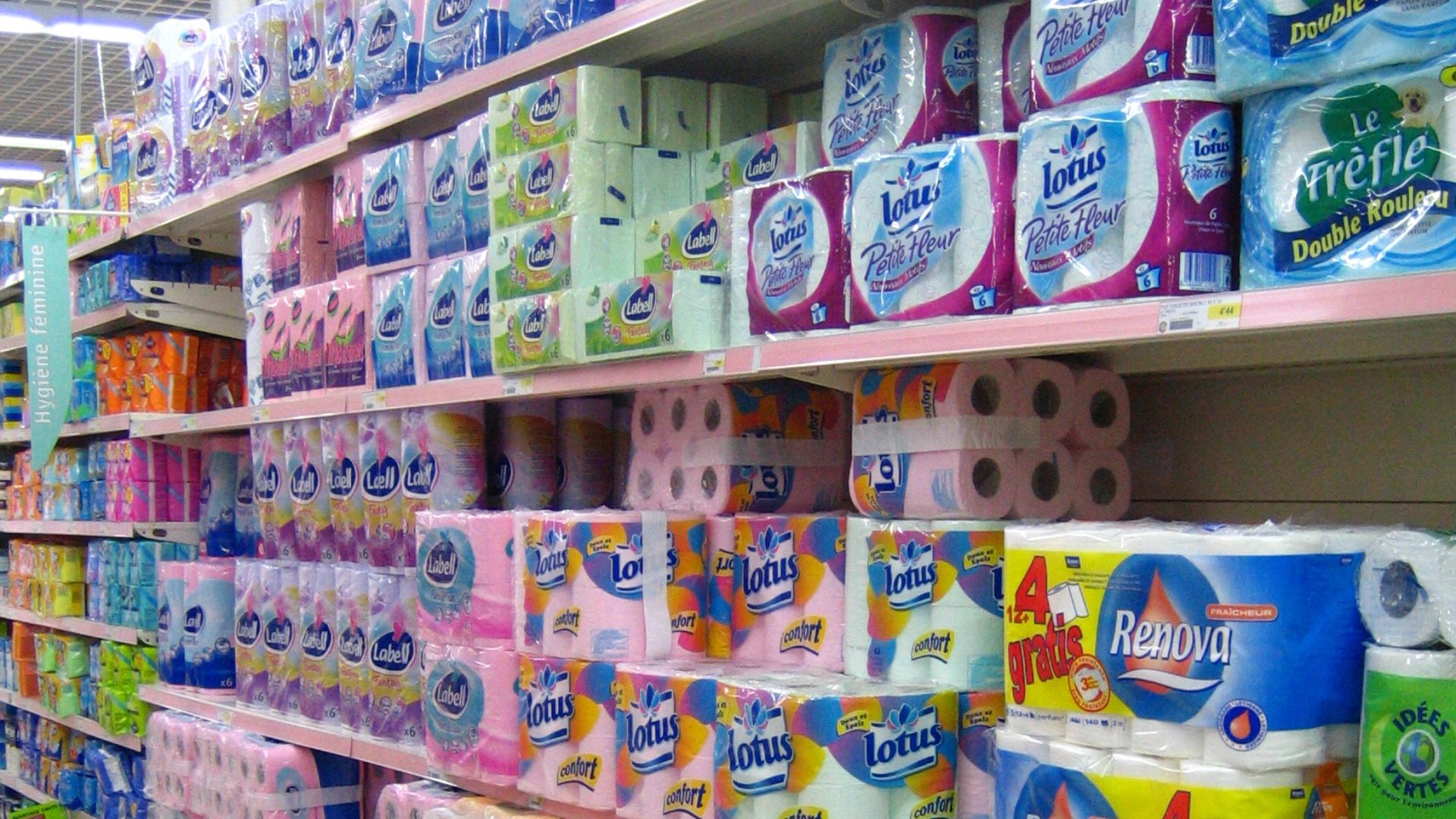
Toilet paper has been a frequent target of shrinkflation, usually through fewer sheets on each roll. Some documented rolls have lost more than 20% of their product over time, even when the packaging still looks familiar. Across the category, smaller rolls can quietly raise the price per sheet without shoppers noticing at checkout.
Paper Towels
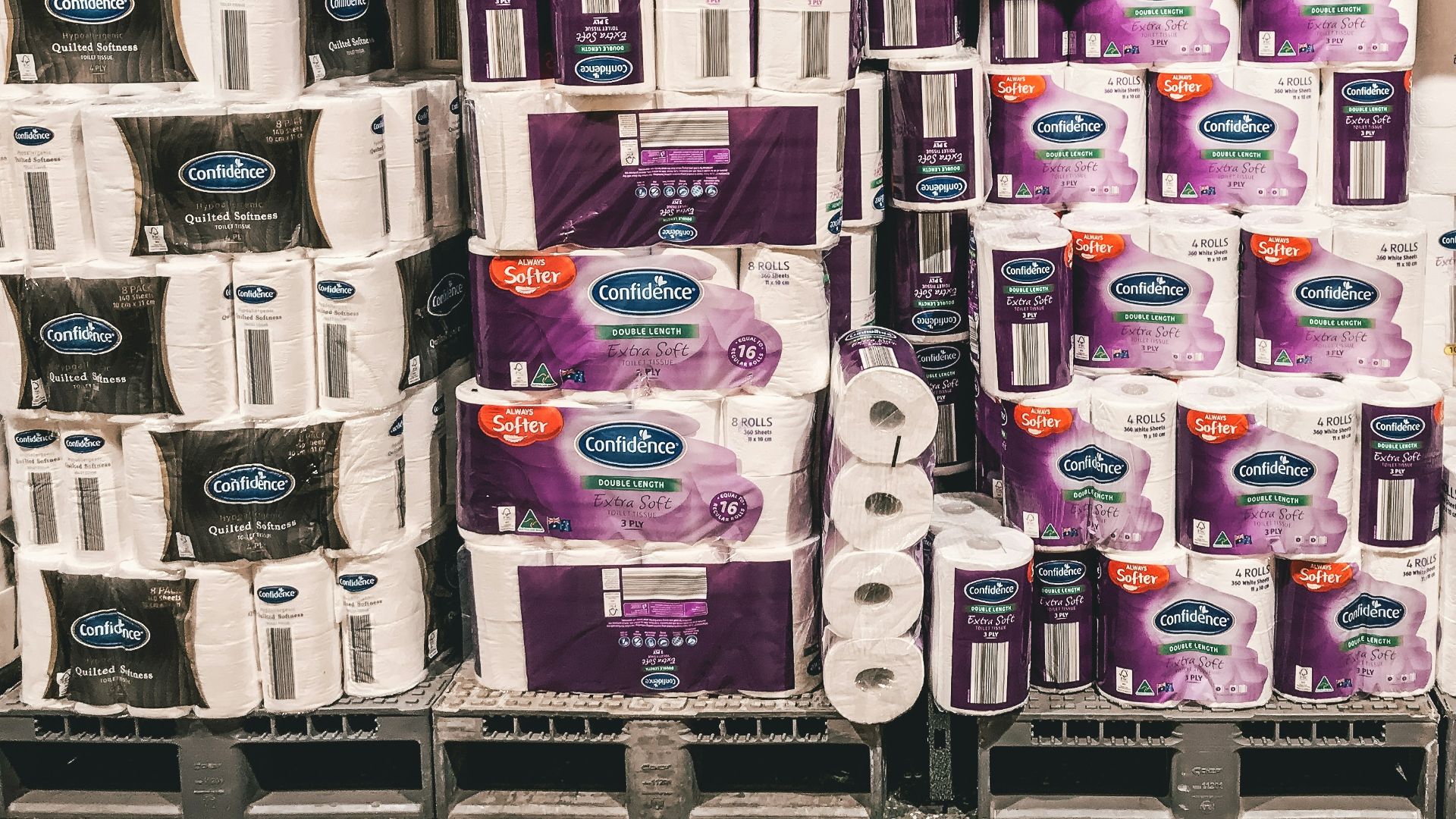
Paper towels have been hit especially hard by shrinkflation, usually through fewer sheets on each roll. Government data found that downsized products made up nearly 39% of paper-towel sales during one recent three-year period. Among the products that shrank, the smaller sizes effectively raised prices by nearly 12% on average.
Facial Tissues
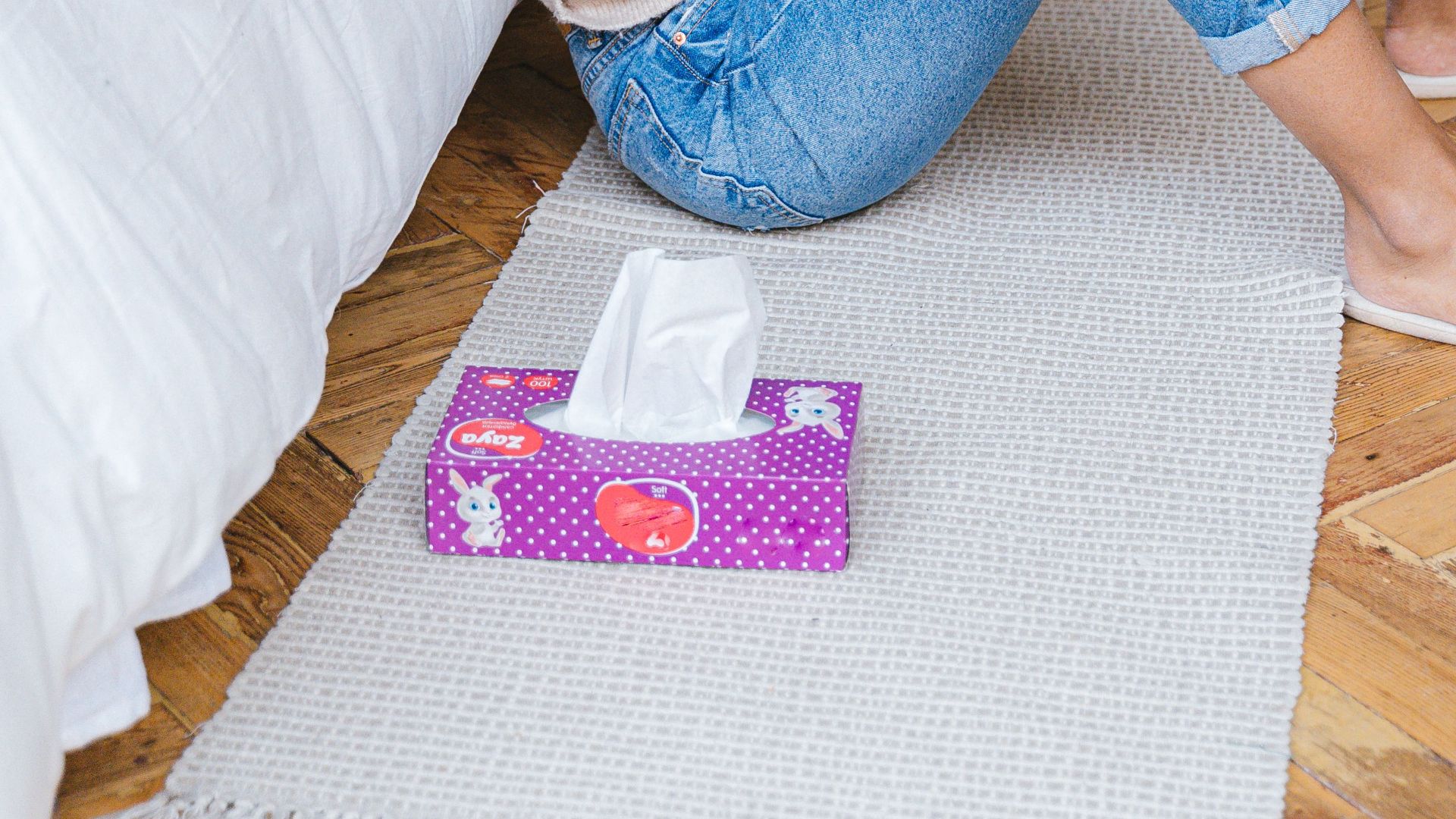
Even tissue boxes have quietly lost a few sheets. One documented package reduction cut a box from 65 tissues to 60 without making the change obvious from the front of the box. Five tissues may not sound dramatic, but repeated across every purchase, it means replacing boxes sooner.
Dish Soap
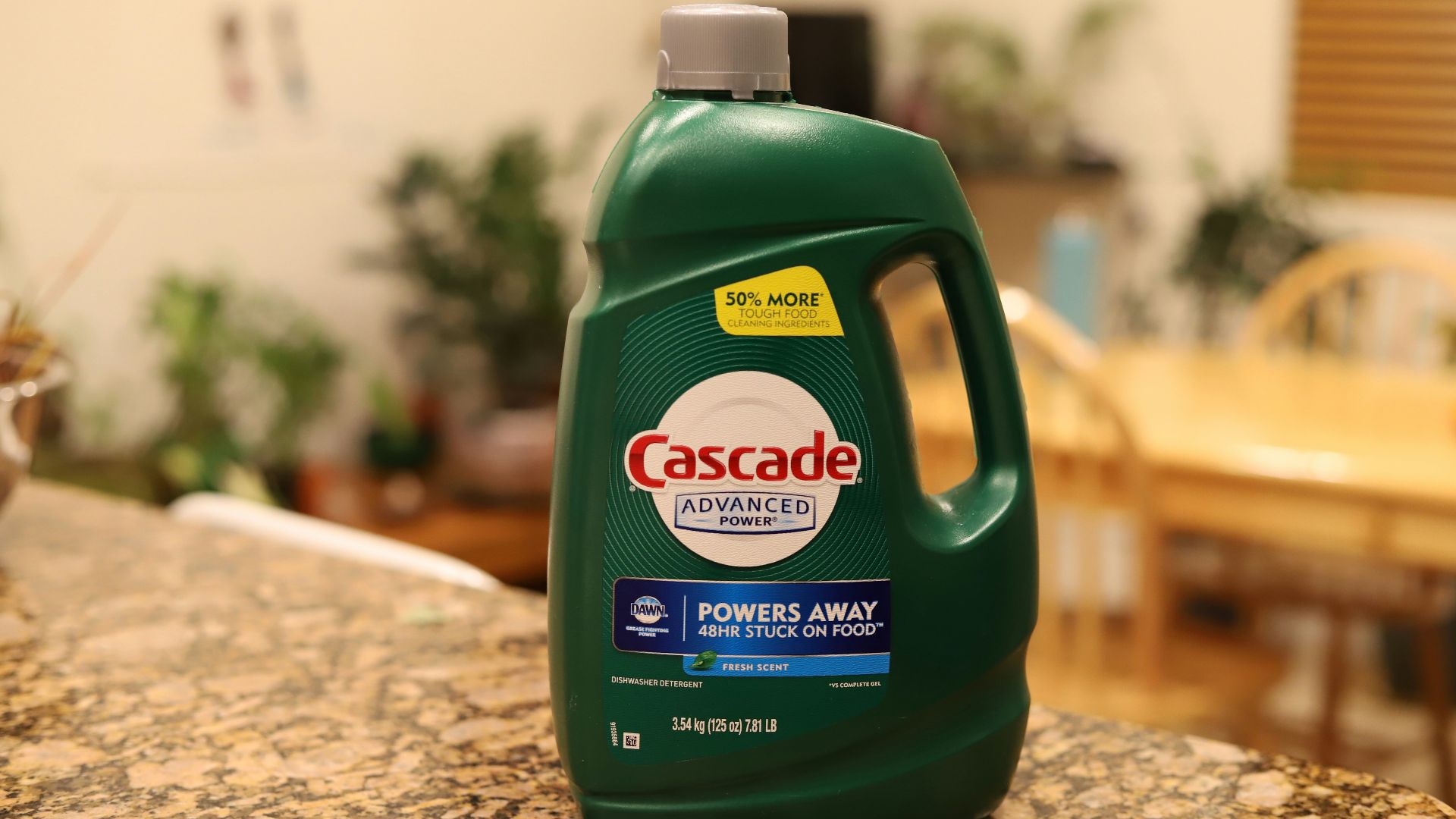
Liquid dish soap can shrink without the bottle looking dramatically different. Consumer Reports previously documented one dish detergent falling from 30 ounces to 24 ounces, a 20% reduction. More recently, shrinkflation trackers have continued finding smaller bottles across the category.
 soumya parthasarathy, Unsplash
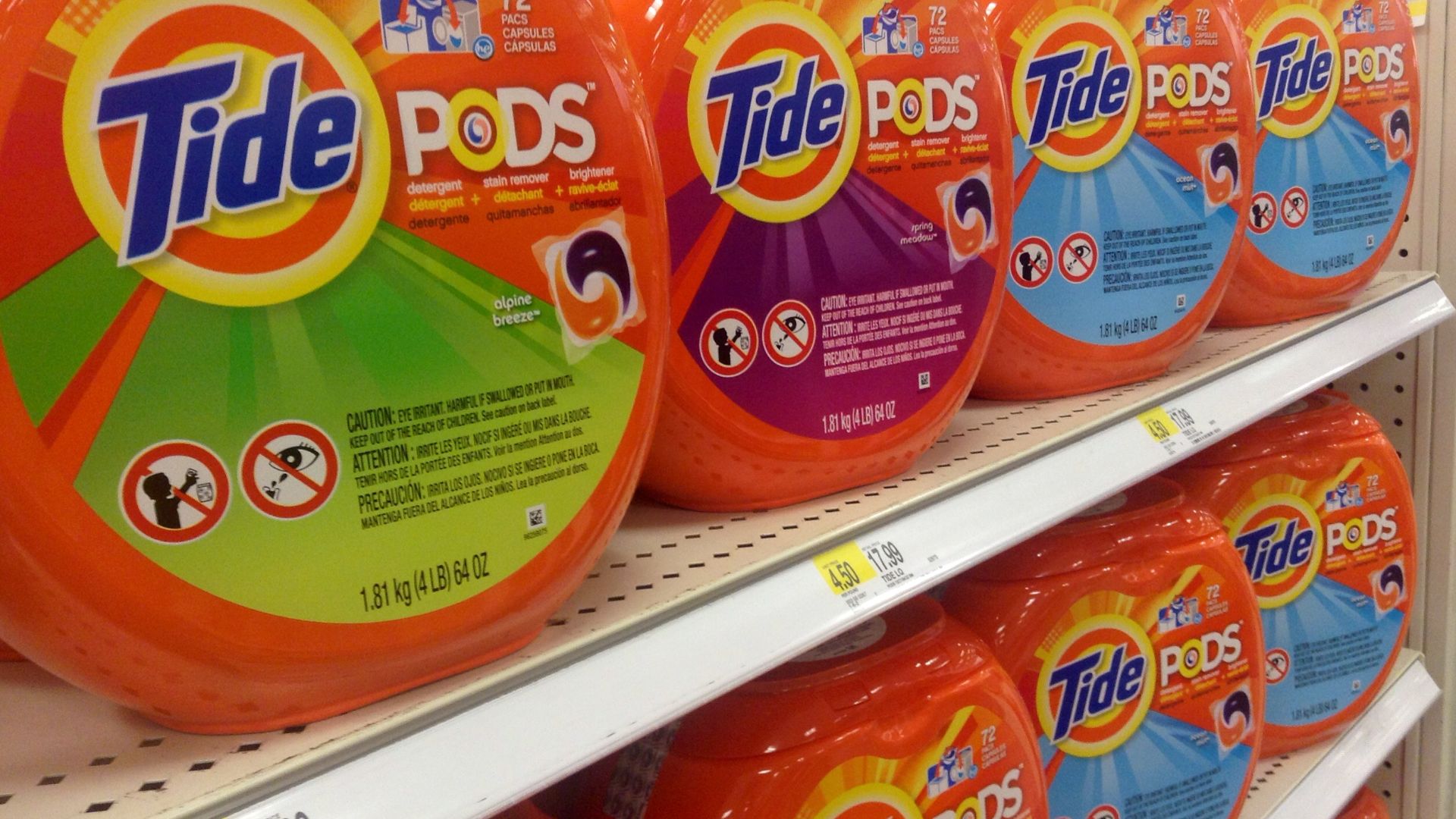
Laundry Detergent
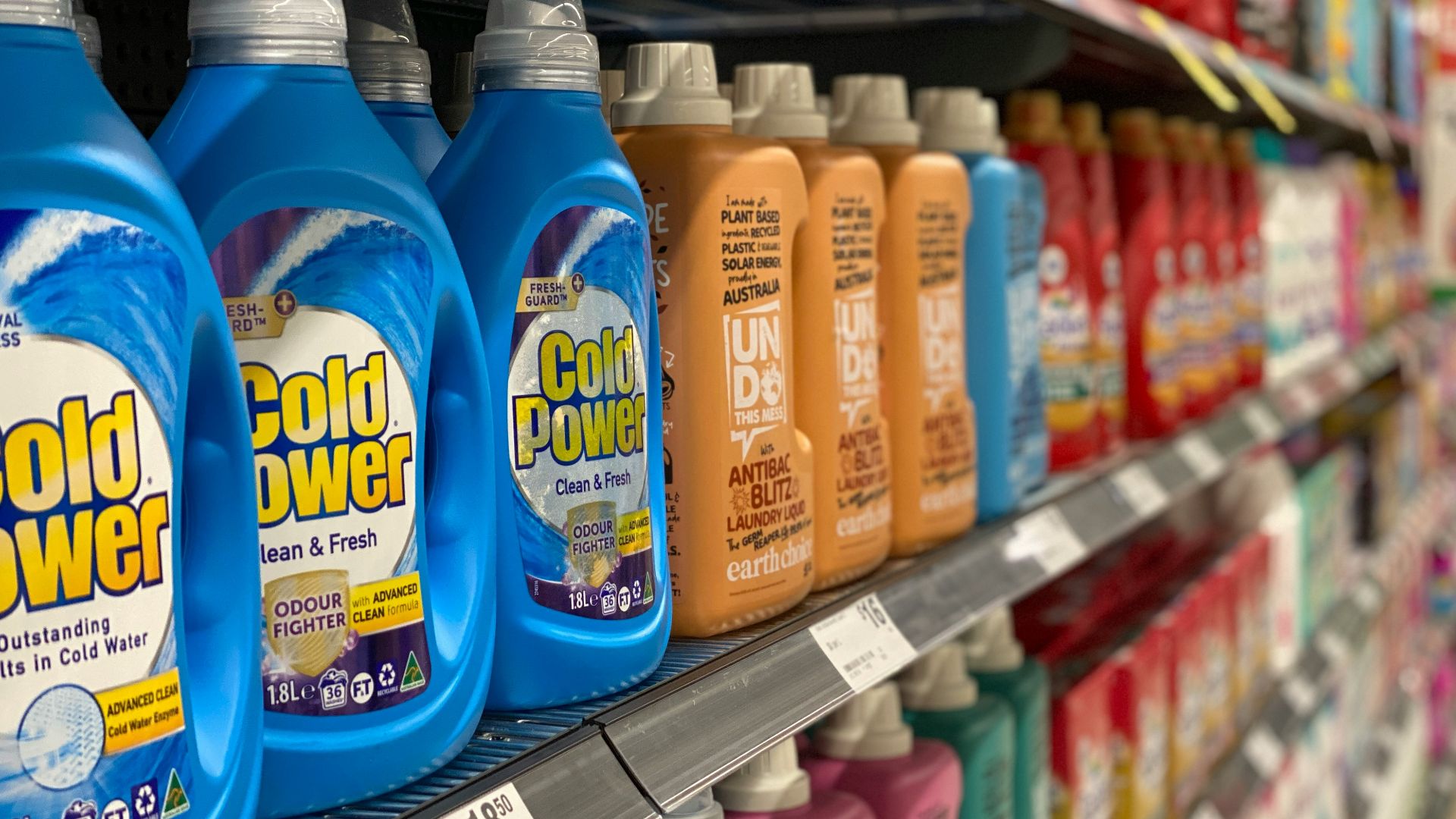
Laundry detergent has seen some shrinkflation too, although it appears less common than with paper products. Recent government data found downsized detergents represented about 3.4% of category sales over a three-year period. Still, a smaller bottle is not always a worse deal, since concentrated formulas can deliver the same number of loads with less liquid.
 Mike Mozart from Funny YouTube, USA, Wikimedia Commons
Fabric Softener
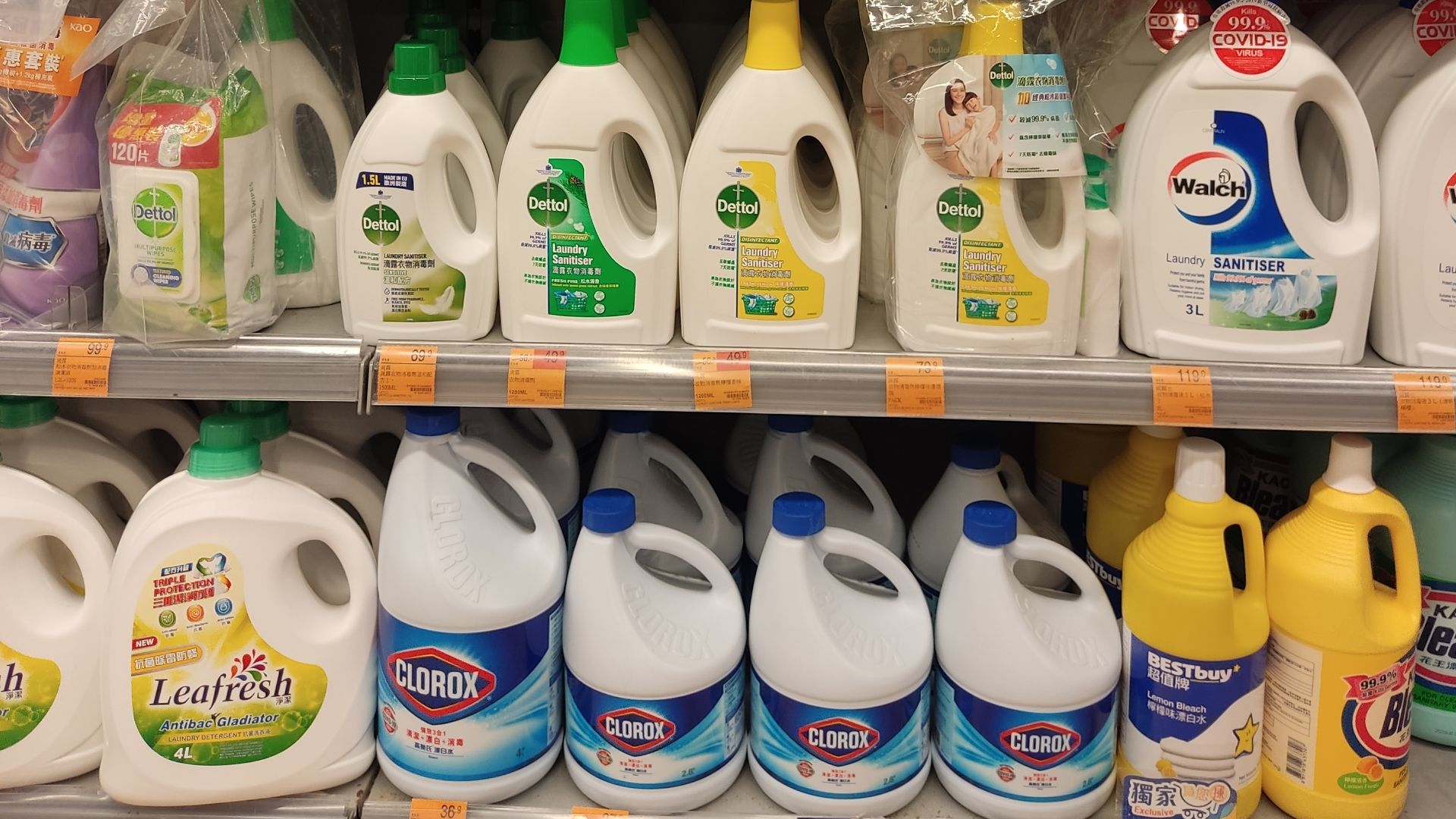
Fabric softener has faced its own bottle squeeze. One documented example found a bottle falling from 51 fluid ounces to 41, a reduction of nearly 20%. A bottle can still look substantial on the shelf even when a large chunk of the liquid has disappeared.
 Boeng Wengka Bor Shum, Wikimedia Commons
Dishwasher Tablets
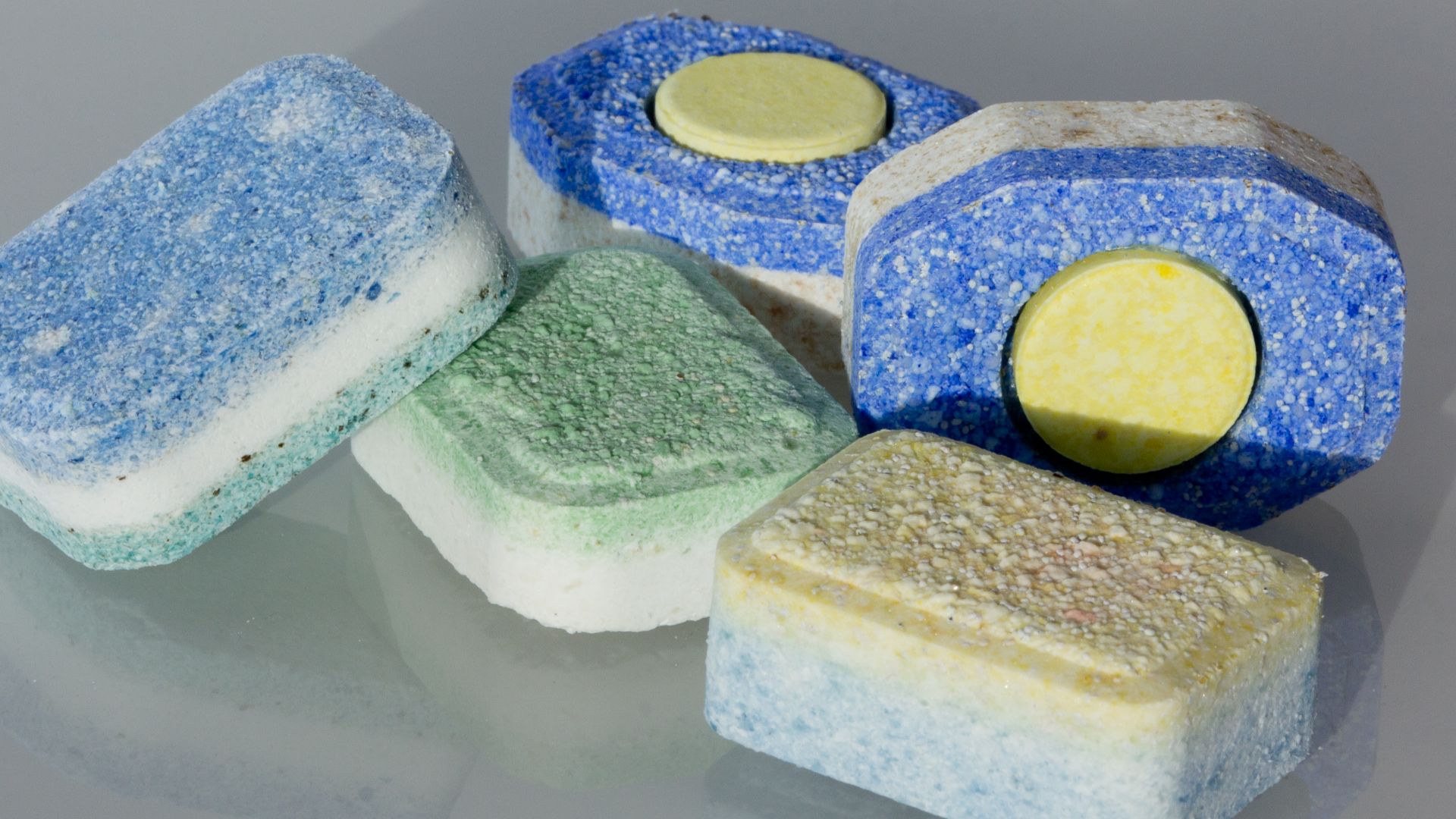
Shrinkflation can also mean fewer individual items rather than a lighter bottle. Dishwasher-tablet packages have been documented with lower tablet counts, so shoppers get fewer loads from each box. The easiest comparison is not the box size, but how many washes you are actually buying.
 Elke Wetzig, Wikimedia Commons
Cleaning Wipes
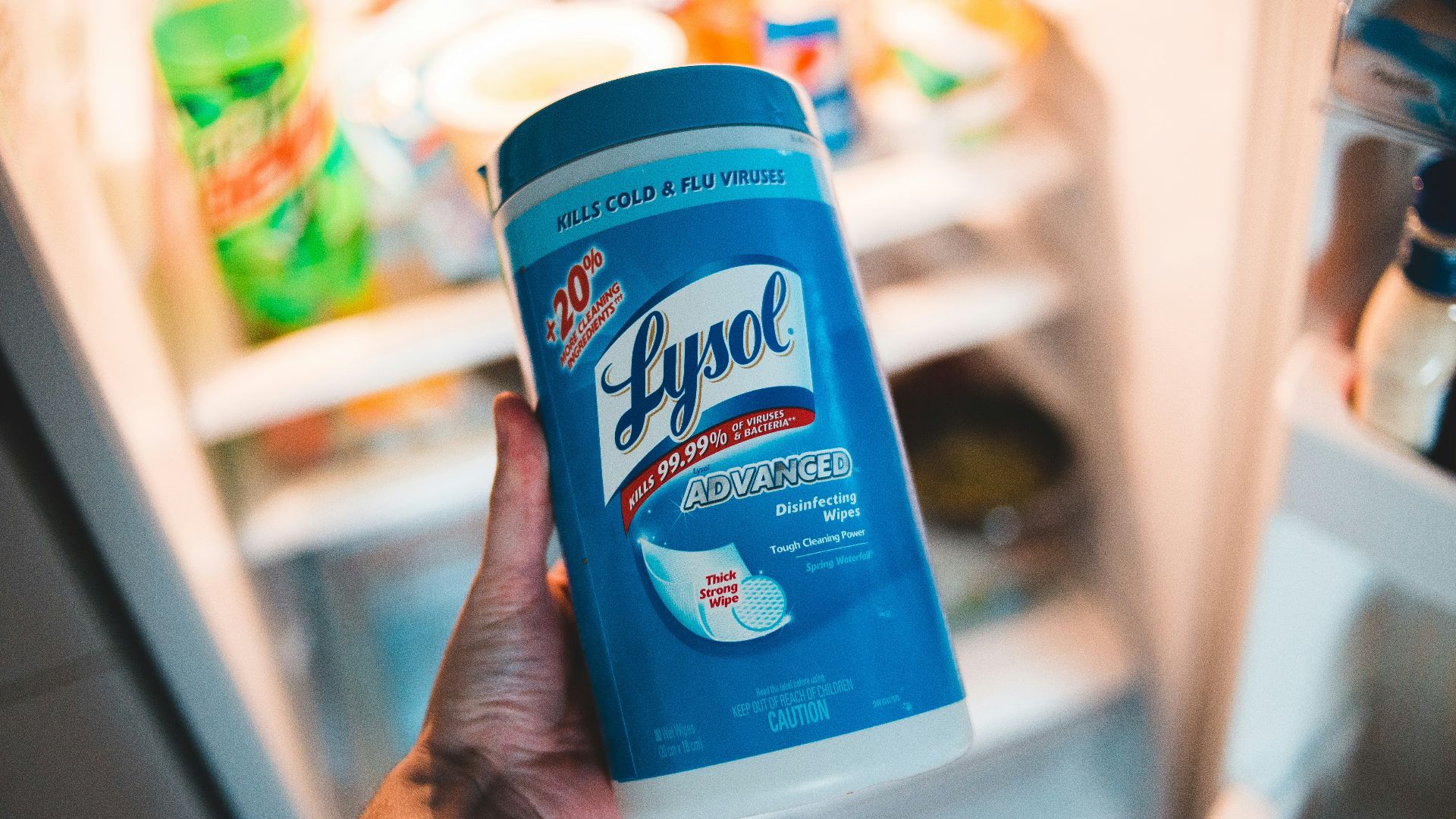
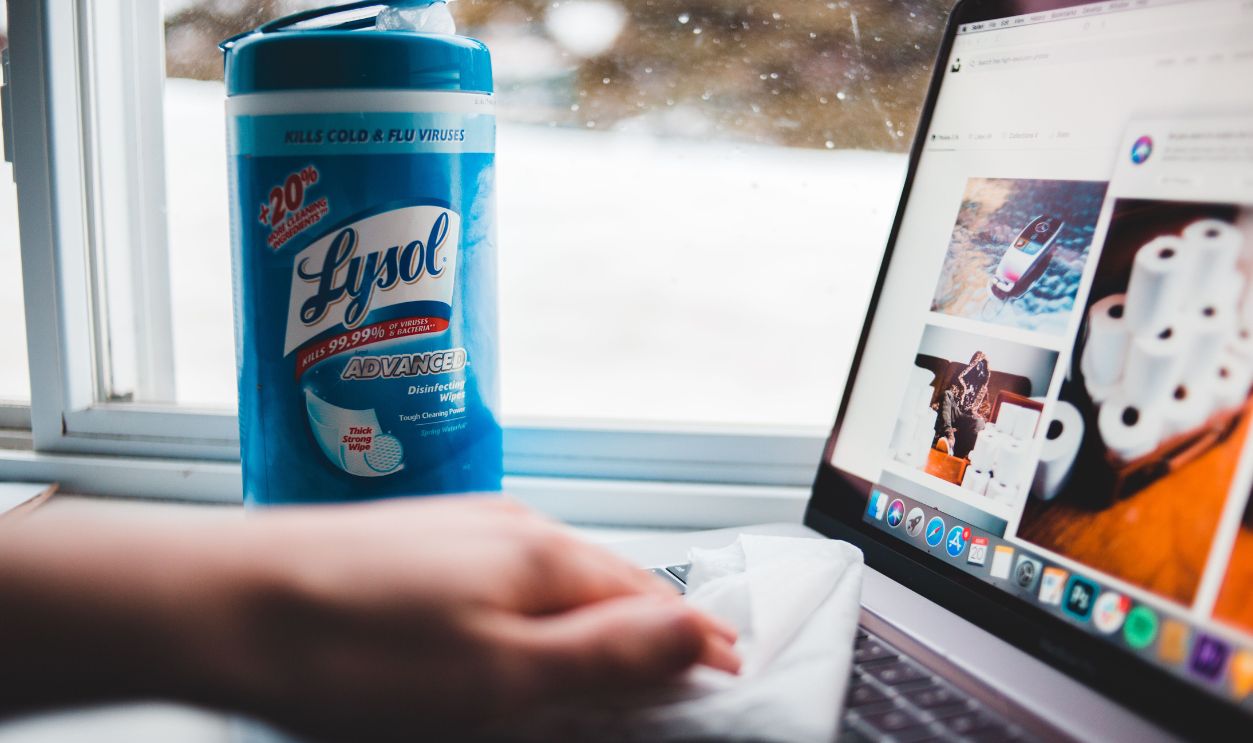
Cleaning wipes are another product where the container can stay familiar while the count inside changes. Documented examples have shown canisters being sold with fewer wipes than earlier versions. If the price stays close to the old one, each individual cleanup effectively becomes more expensive.
Trash Bags
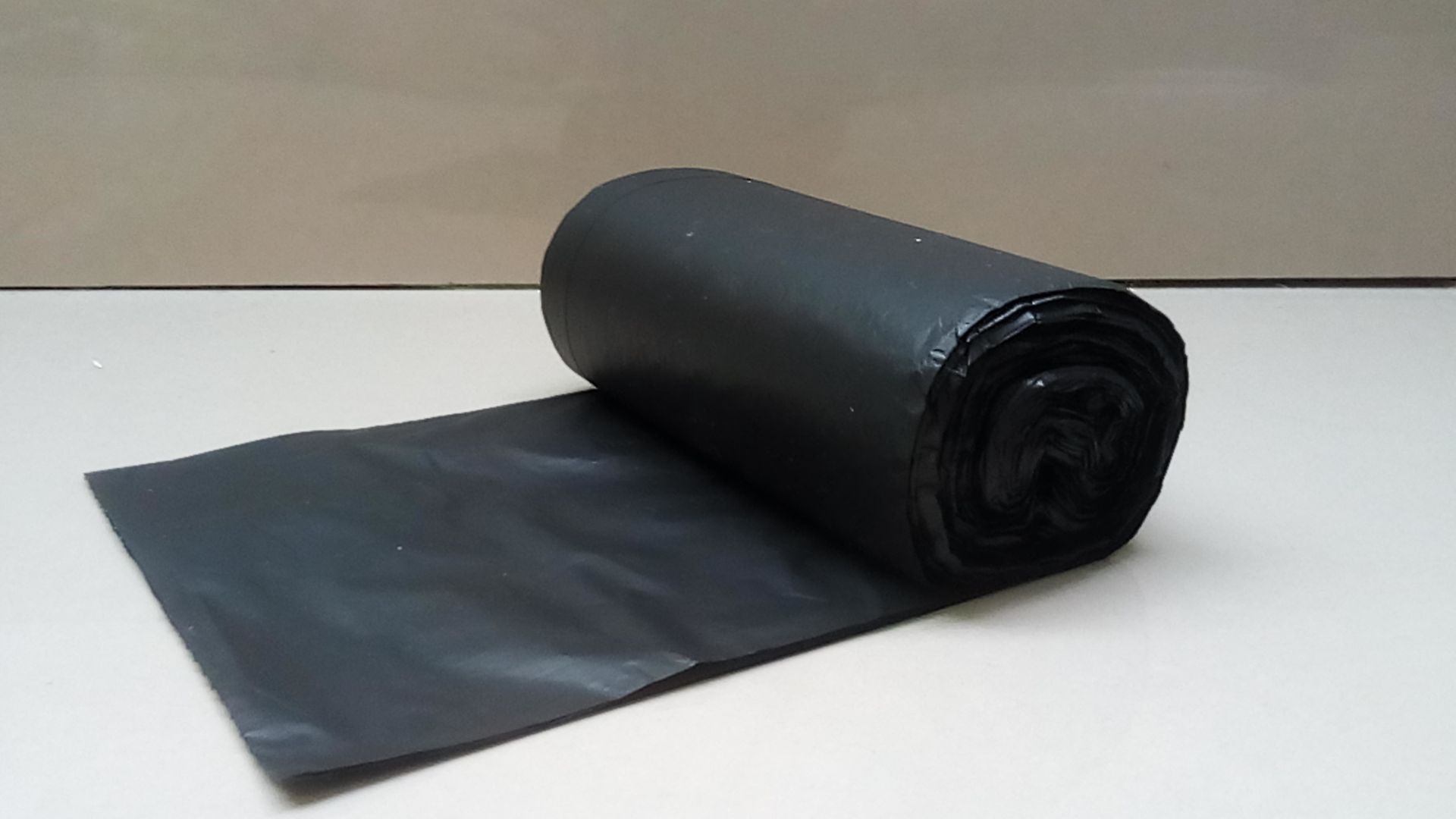
Trash bags offer one of the simplest examples of count-based shrinkflation. The Washington Post reported on a package that dropped from 90 bags to 80 while remaining around the same price. Ten missing bags means the next box lands on the shopping list sooner.
 Wiki Farazi, Wikimedia Commons
Food Storage Bags
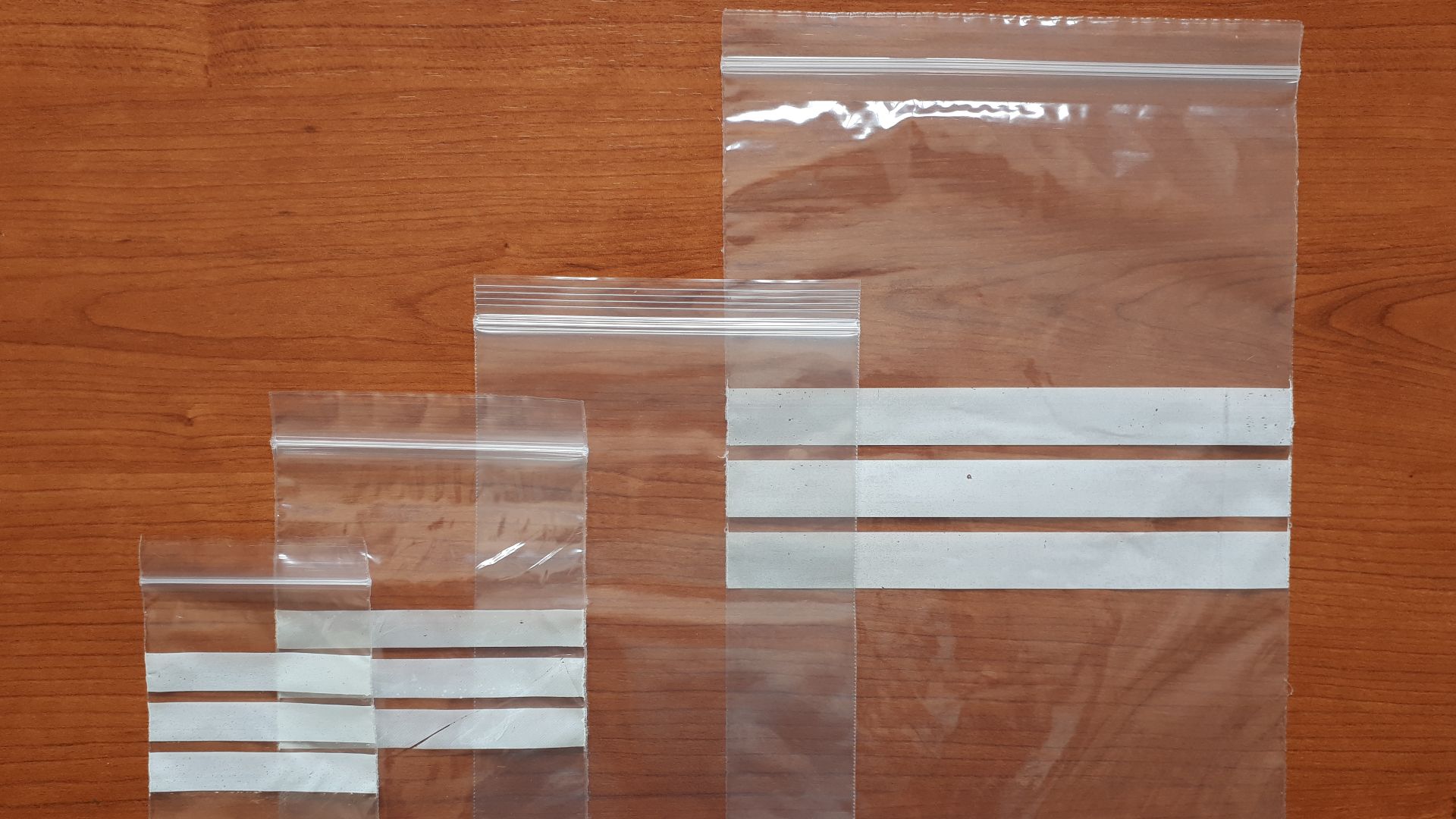
Boxes of disposable storage bags have also been cut back. Manufacturers can lower the count while leaving the box and branding largely familiar, making the change easy to overlook. One manufacturer acknowledged in 2025 that counts had been adjusted in some packages, although it also said later pricing and pack changes had improved value across much of its lineup.
Toothpaste
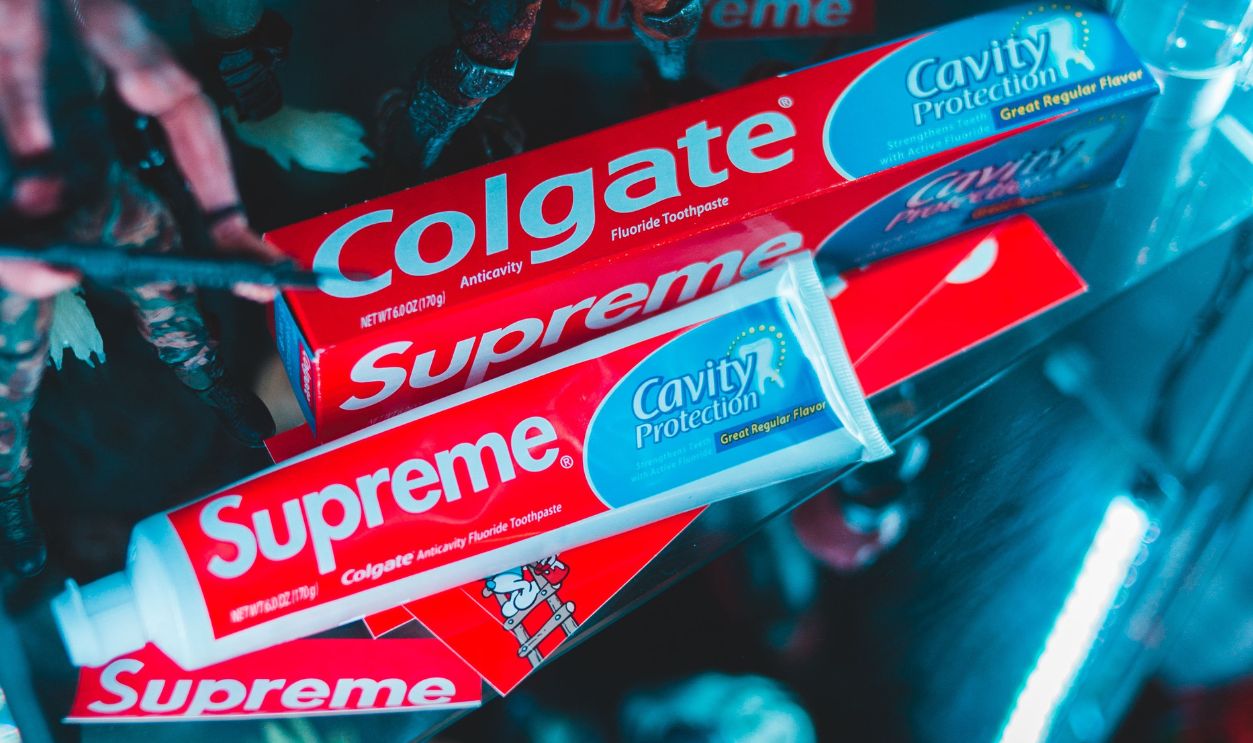
Toothpaste has been hit by shrinkflation too, although less often than household paper products. Recent data found downsized toothpaste accounted for about 2.3% of category sales over a three-year period. A few tenths of an ounce disappearing from a familiar tube can be especially easy to miss.
Body Wash
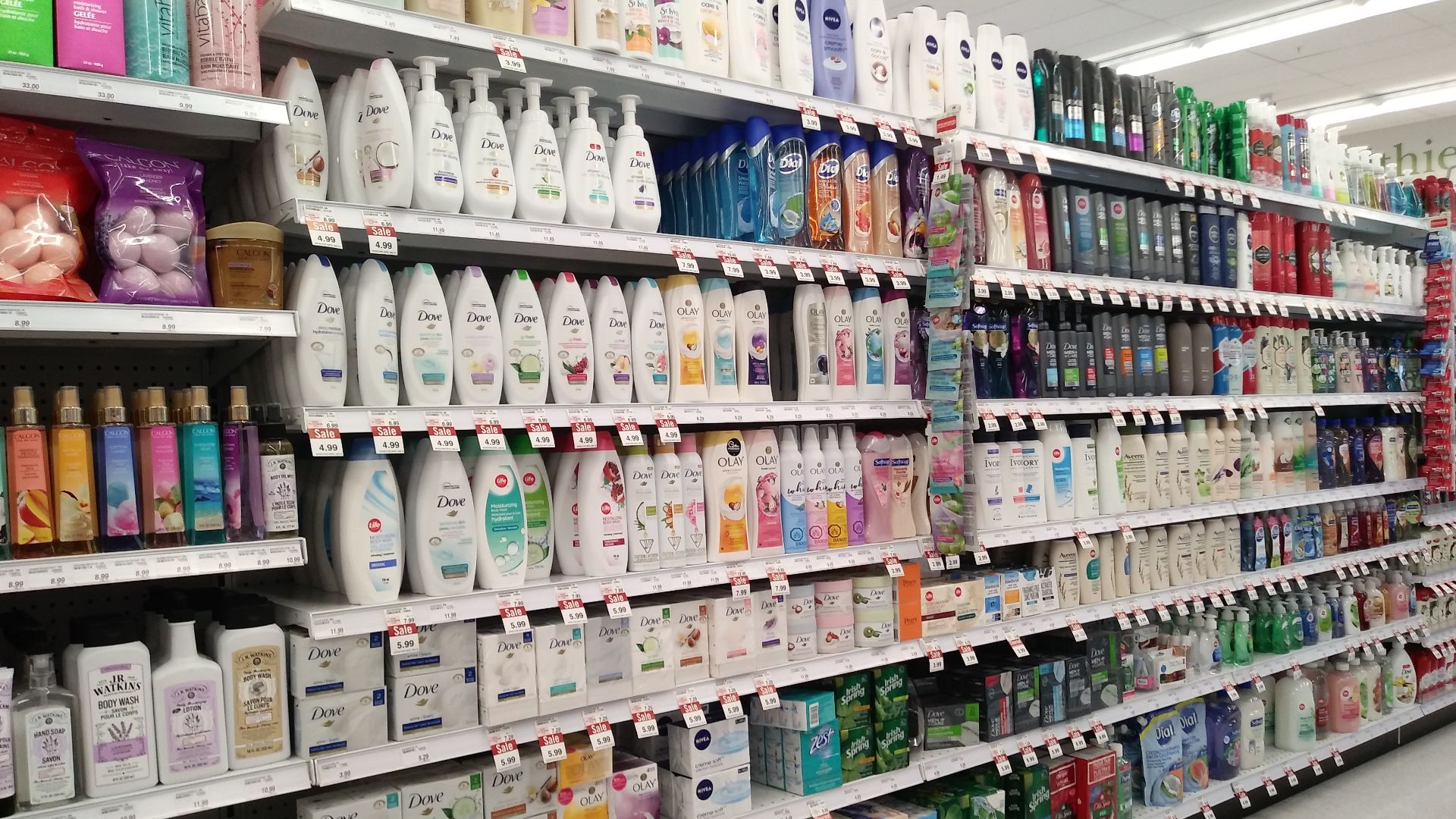
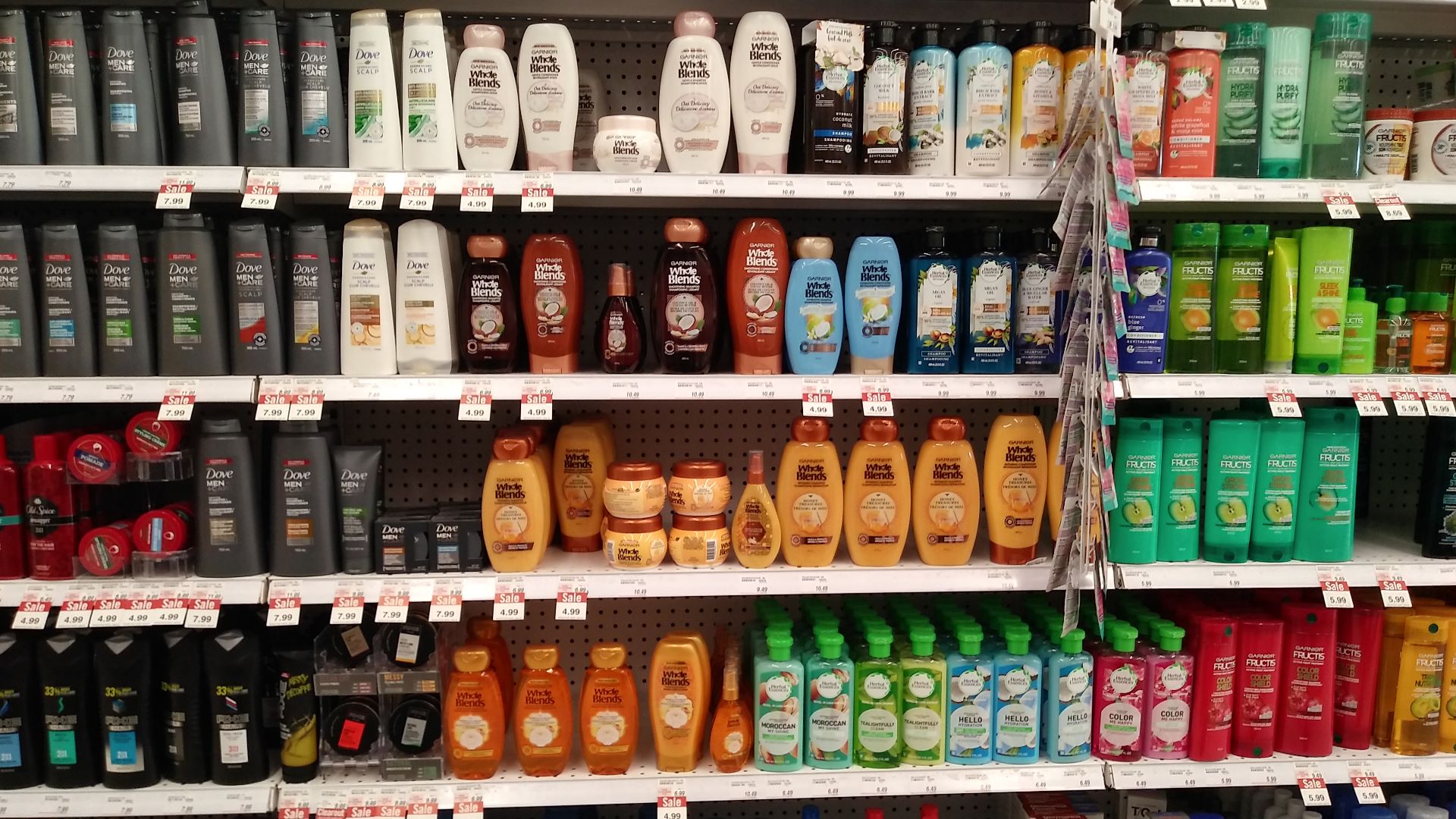
Bathroom shelves have not escaped the squeeze. One widely reported body wash reduction took a bottle from 24 ounces to 22 while the smaller size could still sell for the same price. That works out to roughly 8% less product without an obvious price cut.
Shampoo And Conditioner
Hair-care bottles have also gotten lighter. A documented conditioner package fell from 12 fluid ounces to 10.4 ounces while continuing to sell for $3.99. That meant shoppers received about 13% less product for the same listed price.
Bar Soap
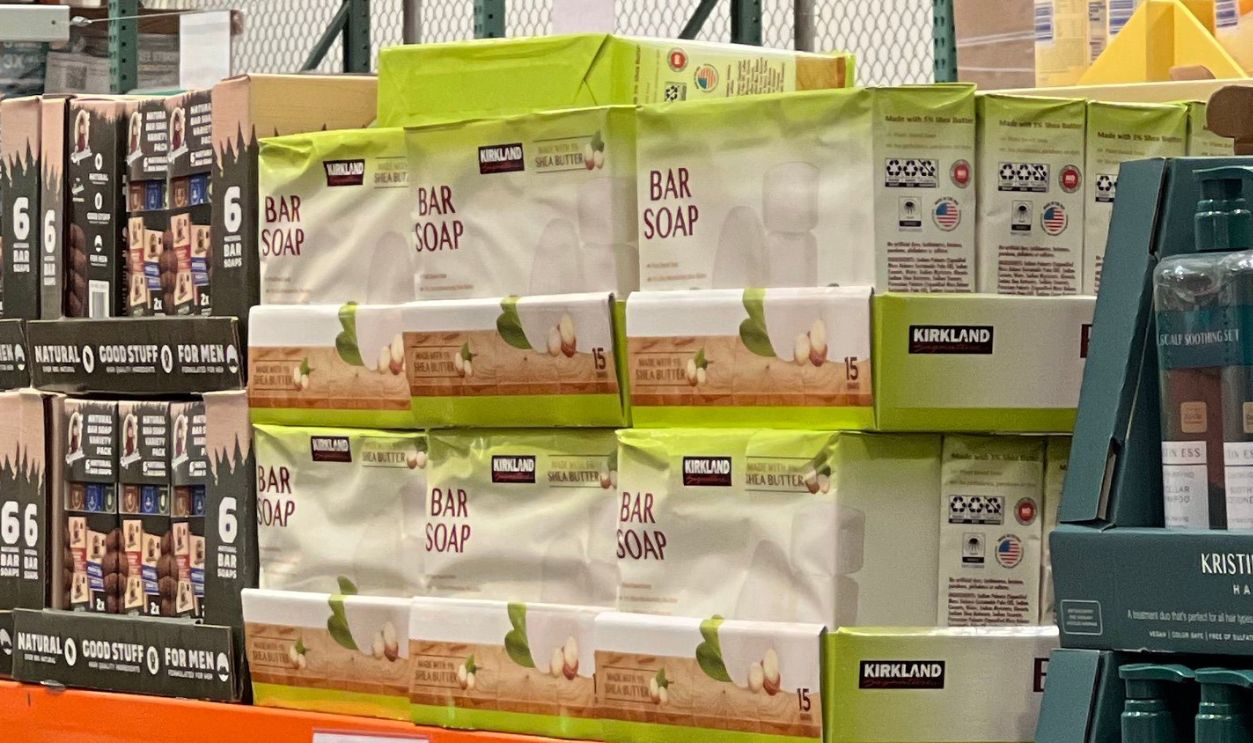
Sometimes the bottle disappears entirely and the bar itself gets smaller. Shrinkflation trackers have documented soap bars dropping from four ounces to 3.2 ounces, a 20% reduction. Because the wrapper and shape can be redesigned at the same time, the missing product may not be obvious until the old and new bars are placed side by side.
Diapers
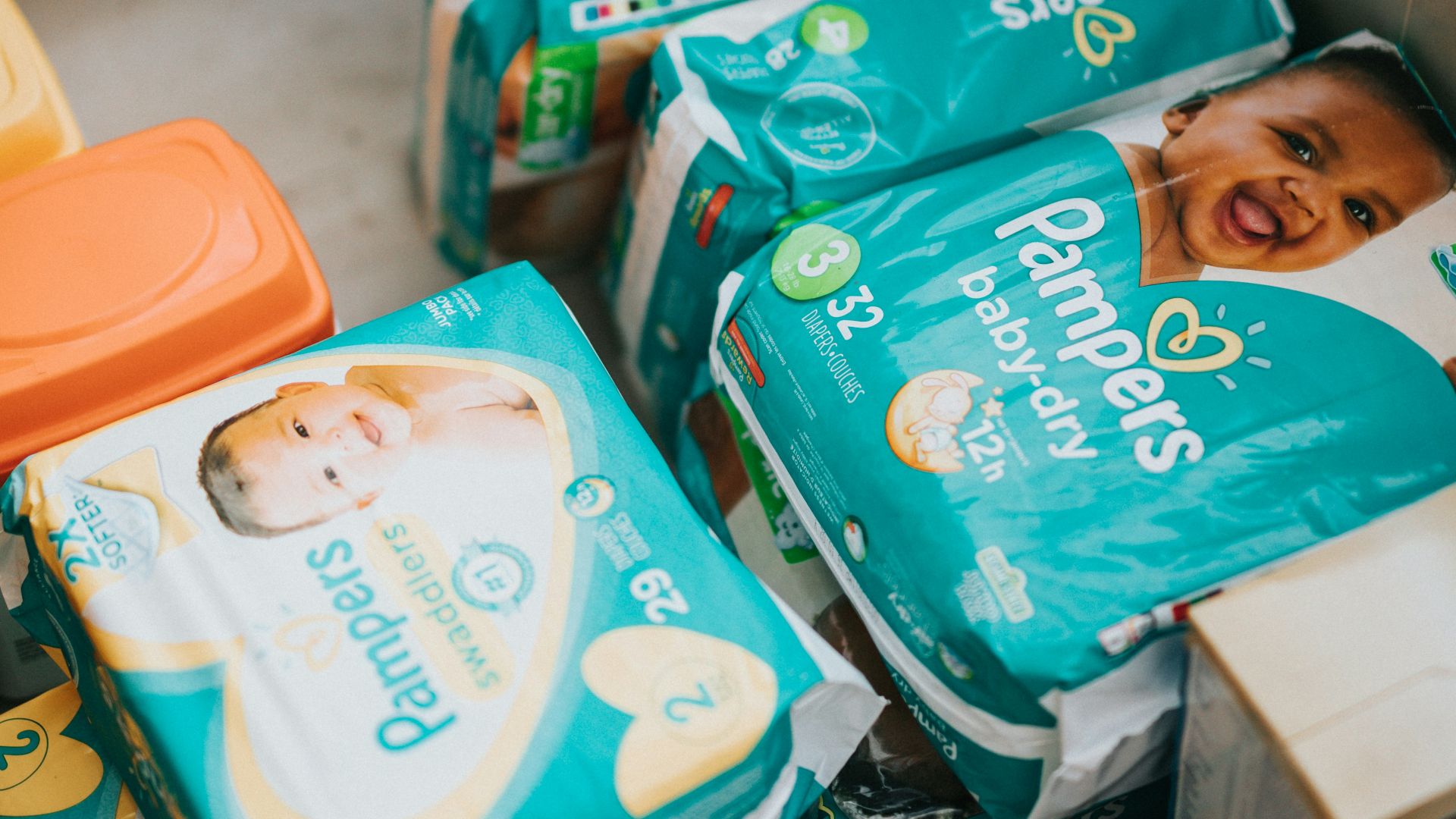
For parents, losing units from a package can add up especially quickly. One documented diaper package dropped from 96 diapers to 84 while keeping its $29.99 price. That is 12 fewer diaper changes before another box has to be purchased.
Pain Relievers
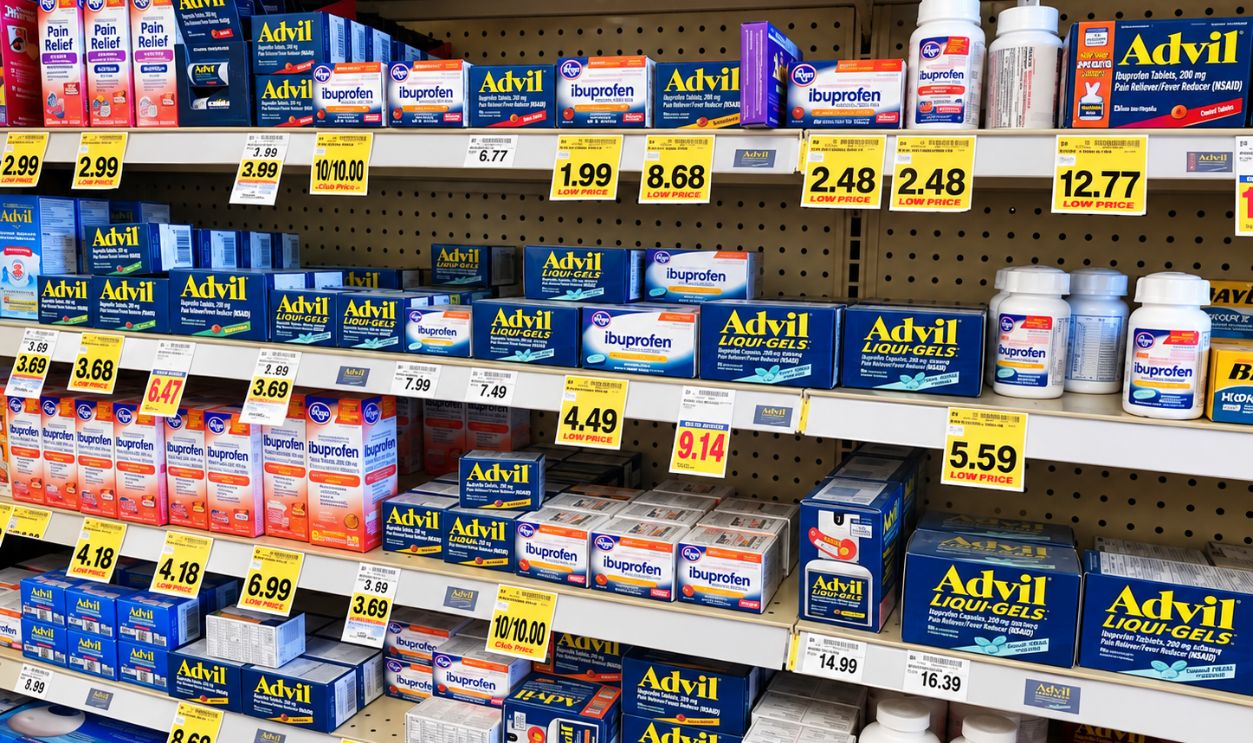
Even the medicine cabinet has seen some downsizing. Recent data found shrinkflation among over-the-counter pain relievers, although it was far less common than with paper products. Downsized pain relievers accounted for only about 0.5% of category sales over a recent three-year period.
 ParentingPatch, Wikimedia Commons, Modified
First Aid Products
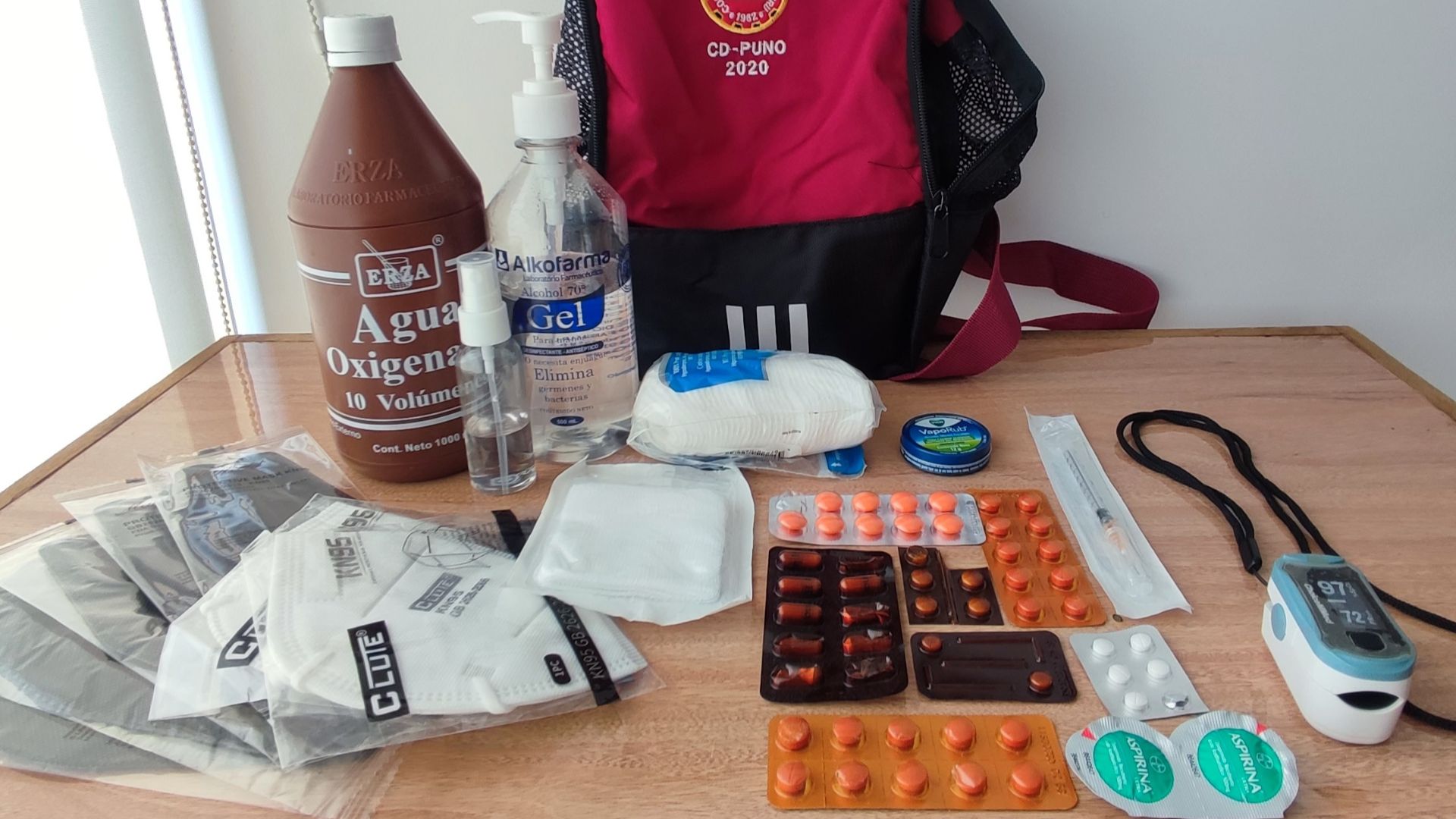
Shrinkflation in household essentials is not a new phenomenon. One documented first-aid spray dropped from 113 grams to 99 grams more than a decade ago. Manufacturers were quietly trimming packaged household products long before the recent inflation surge made the practice widely recognizable.
 Isabel Calderon 98, Wikimedia Commons
Paper Products Are The Biggest Standout
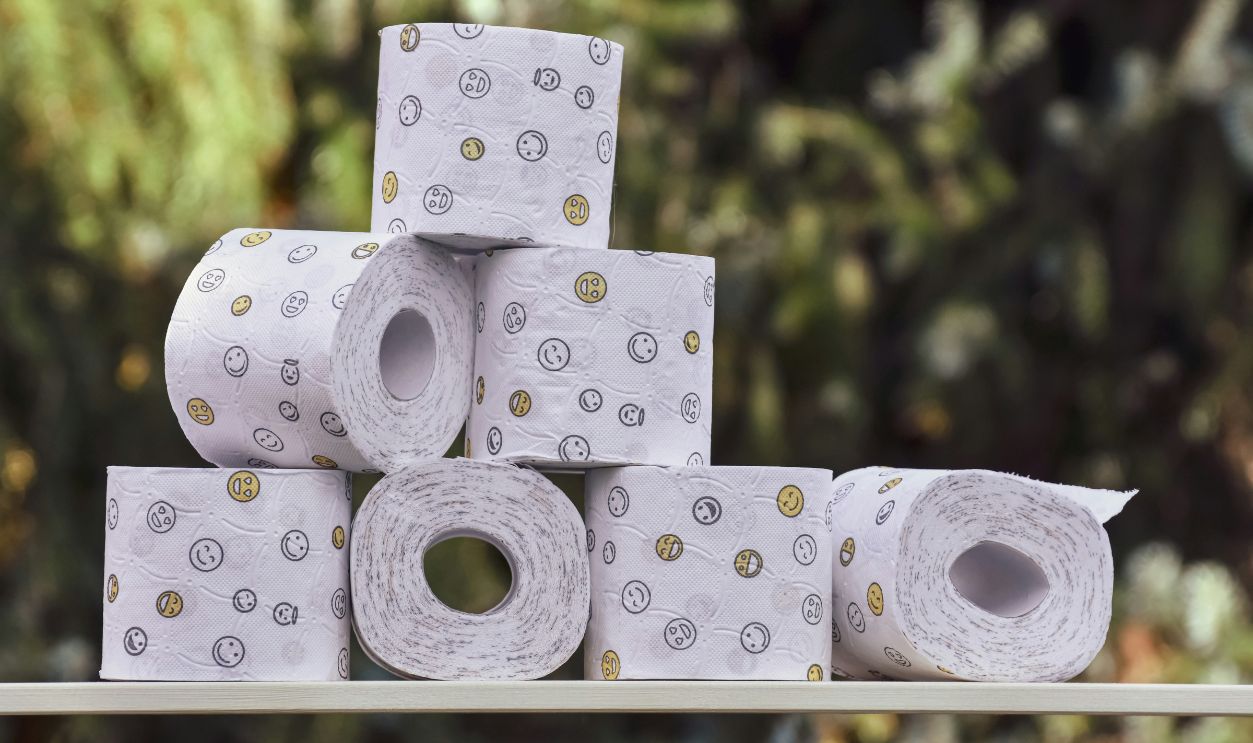
The data make one thing especially clear: paper products have been hit harder than many other household essentials. The Government Accountability Office estimated that downsizing added 3 percentage points to household-paper inflation between 2019 and 2024. Toilet paper and paper towels have been frequent targets because manufacturers can change sheet counts without dramatically altering the package.
Popular Products May Be More Exposed
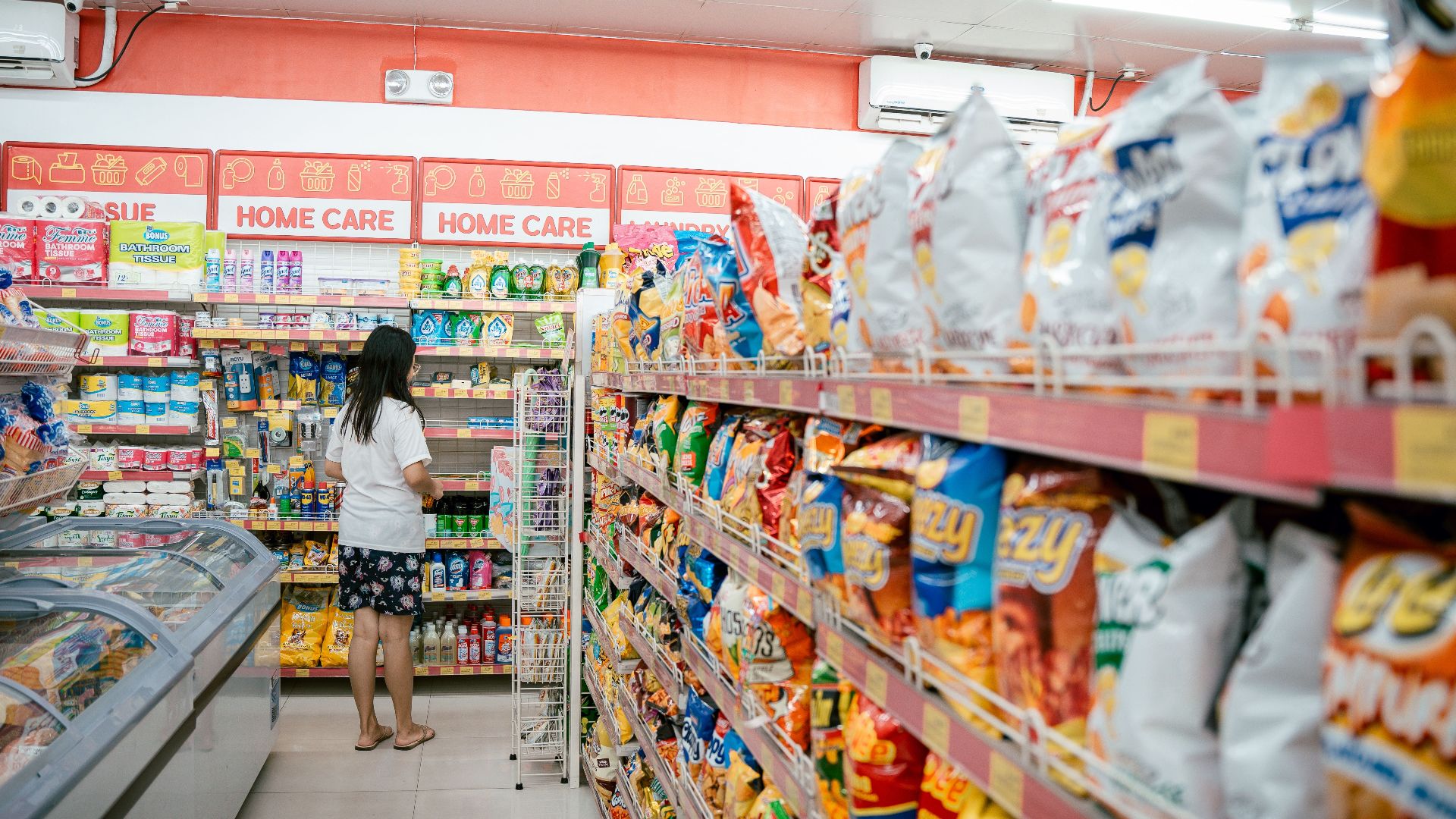
Shrinkflation was not widespread across every product the GAO studied. Fewer than 5% of individual items in each selected category were downsized between 2021 and 2023. However, downsized products often represented a much larger share of sales, suggesting some heavily purchased products were more likely to be affected.
A Smaller Bottle Is Not Always Shrinkflation
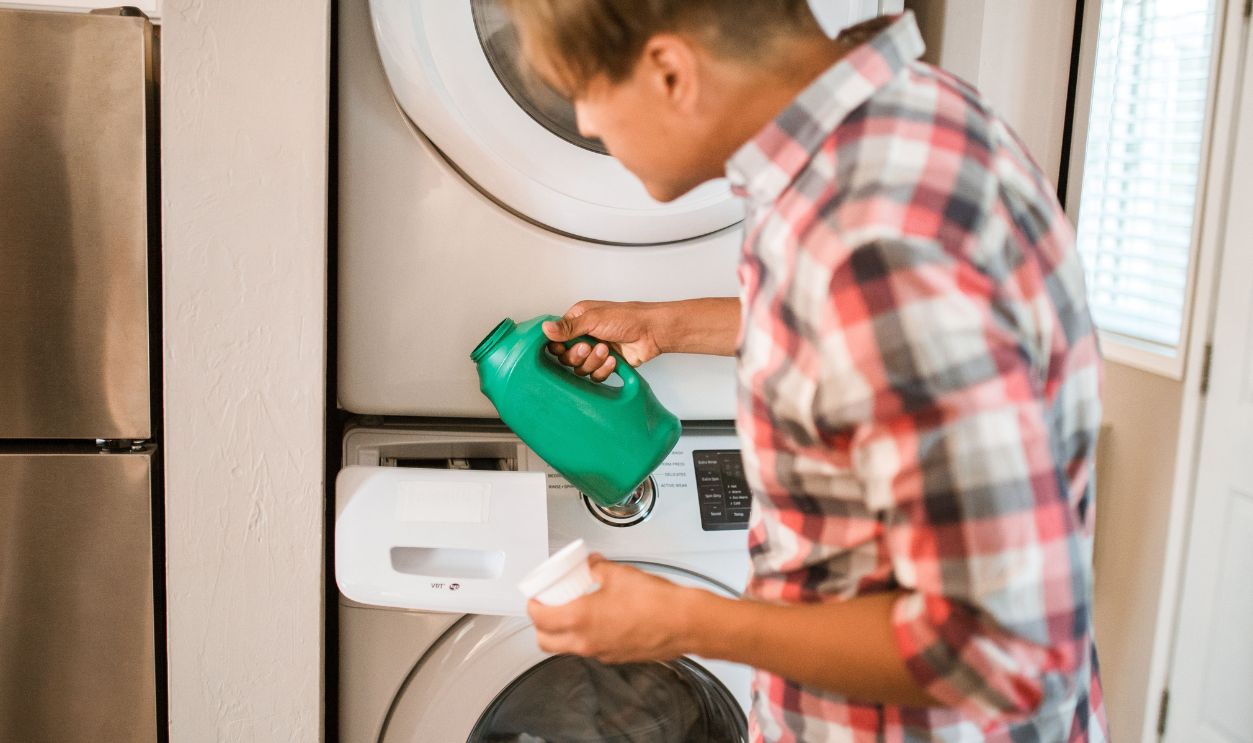
There is an important catch, especially with detergents and cleaners. A manufacturer can reformulate a product so that less liquid delivers the same number of uses, meaning a smaller bottle does not necessarily mean worse value. Compare the number of loads, doses, or uses before assuming the missing ounces are costing you money.
The Package Can Fool You
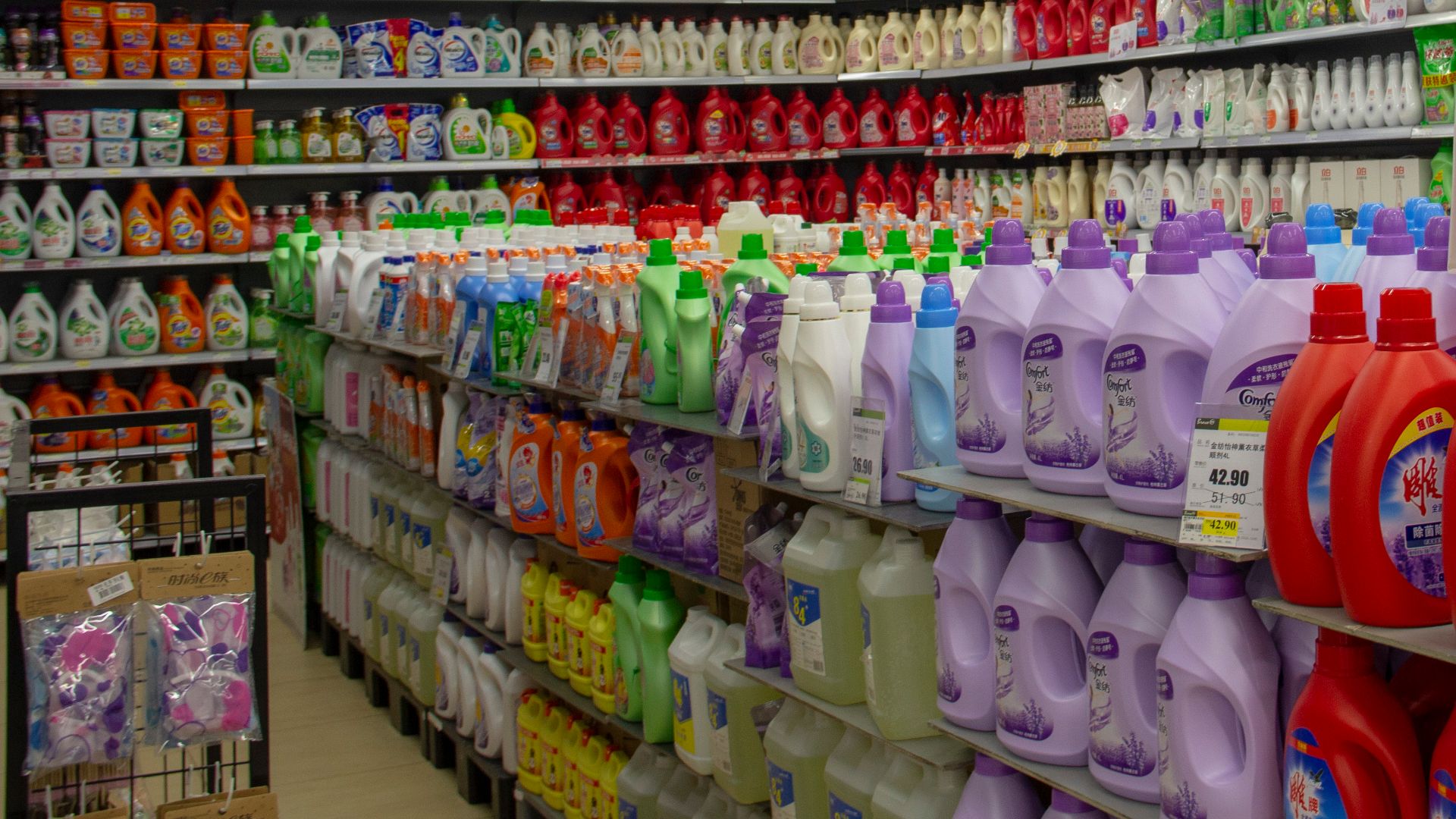
Companies do not necessarily have to make the outside of a package dramatically smaller when the quantity changes. Bottles can be reshaped, boxes redesigned, and rolls described with terms like “mega” or “double” that make direct comparisons difficult. The GAO notes that package downsizing is generally not disclosed prominently to shoppers.
 Weiji xiao bawang, Wikimedia Commons
Check The Unit Price
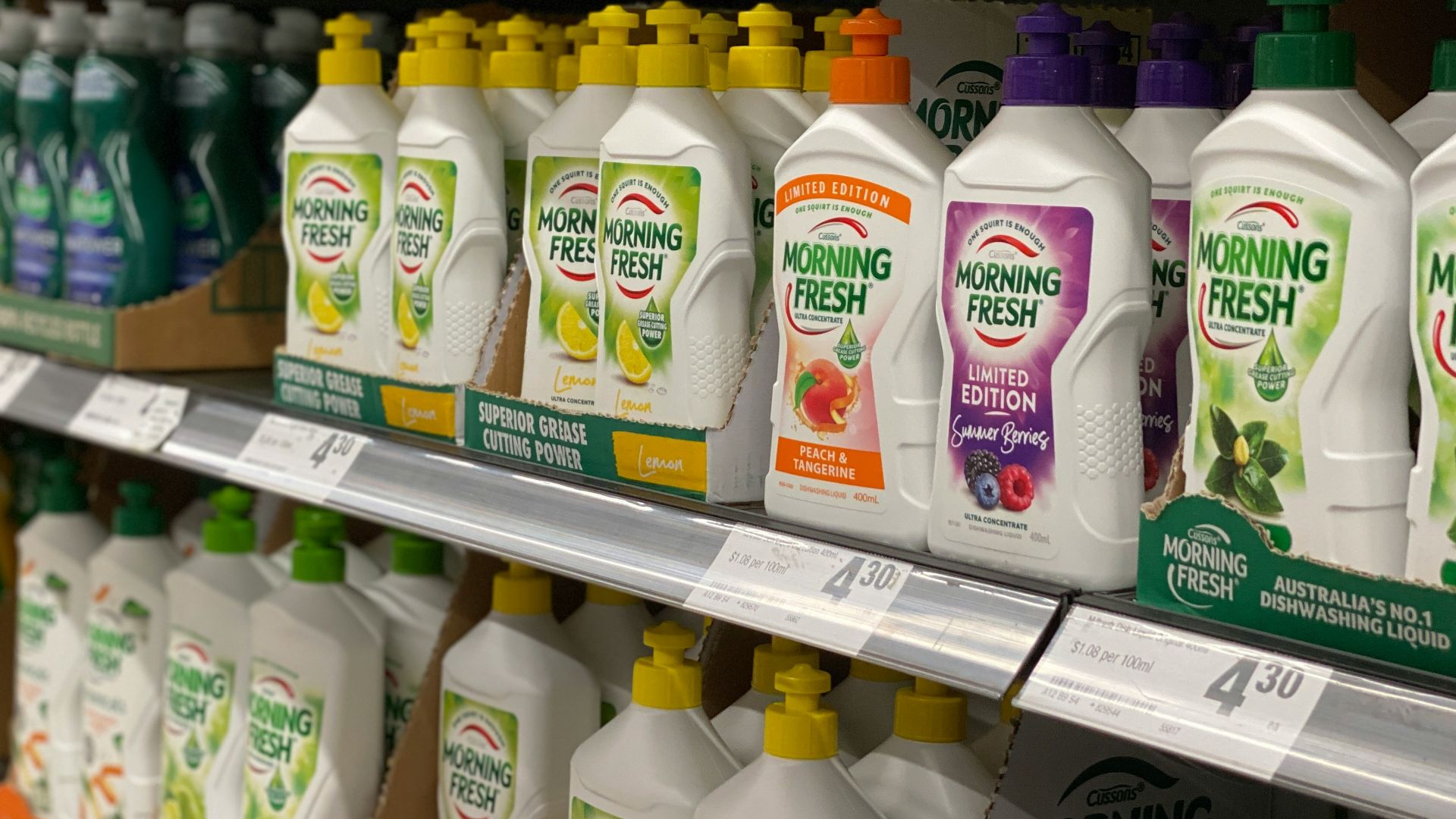
The easiest way to cut through the packaging is to look at the unit price. Compare cost per ounce, sheet, bag, tablet, or other useful measurement instead of relying on the sticker price alone. A package that costs $10 this year and $10 last year is not the same deal if you are getting 15% less product.
Count The Uses
For some household products, ounces are not even the best measurement. Dishwasher tablets, diapers, trash bags, wipes, and detergent are easier to compare by the number of uses each package provides. If one box handles 80 jobs and another handles 100, the larger-looking package is not necessarily the better deal.
Do Not Automatically Ignore Store Brands
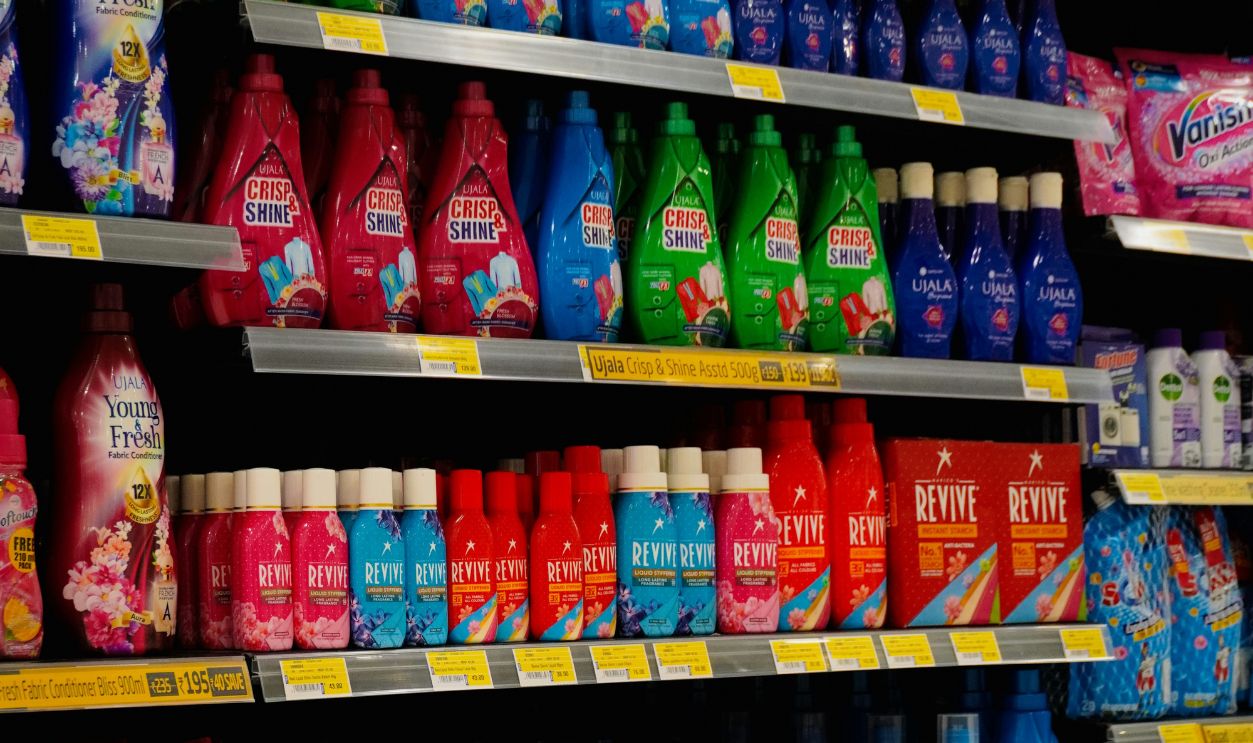
Brand loyalty can make shrinkflation easier to overlook because shoppers often grab the same familiar package without comparing alternatives. Consumer advocates recommend checking competing and store-brand products when a favorite has been downsized. A cheaper brand that still offers the old quantity can suddenly become the better value.
Keep A Tiny Price History
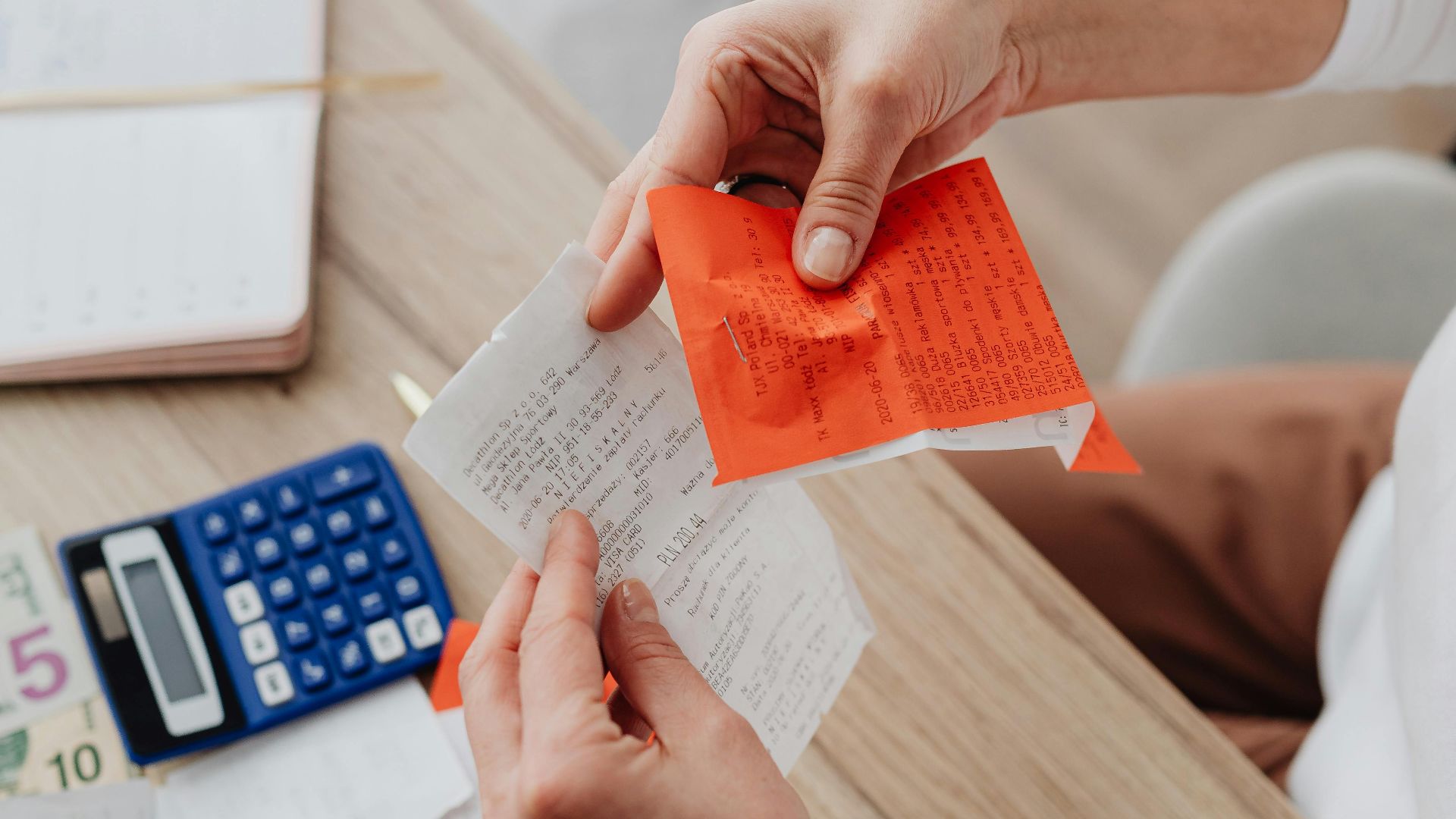
You do not need a spreadsheet tracking every bottle of soap in your house. Save an occasional receipt, online order screenshot, or photo of the package size for the household products you buy most often. The next time the packaging changes, you will have something concrete to compare instead of relying on memory.
Less Product Is Still A Price Increase
Shrinkflation is easy to shrug off when it means five fewer tissues or a few missing sheets of toilet paper. But those small reductions keep repeating every time you replace the product. Paying the same price for less means your real cost has gone up, even if the number on the shelf never changed.
 Ville Säävuori from TURKU, Finland, Wikimedia Commons
You May Also Like:
These Everyday Grocery Store Products Got Hit By “Shrinkflation”—Which Ones Have You Noticed?
Sneaky Ways Companies Make Prices Look Lower Than What You Actually Pay
Grocery Items That Cost Less Than $10 In The 2010s—But Today Cost More Than Twice As Much