Remember When This Was A Treat?
Going out to eat in the 60s could mean something super fancy, or it could mean a bag of burgers or a pancake breakfast. Some of these places were national names, but none of them are names the younger generations are familiar with.
So, how many do you remember? And just curious—which one would you bring back if you could?
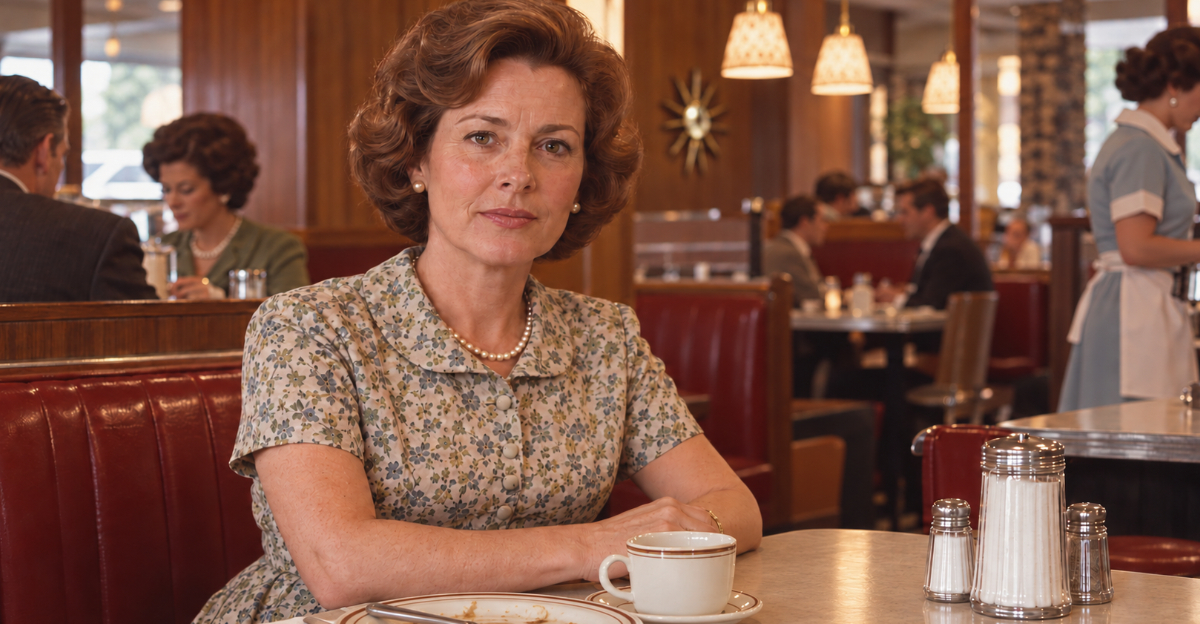
Mayflower Coffee Shops
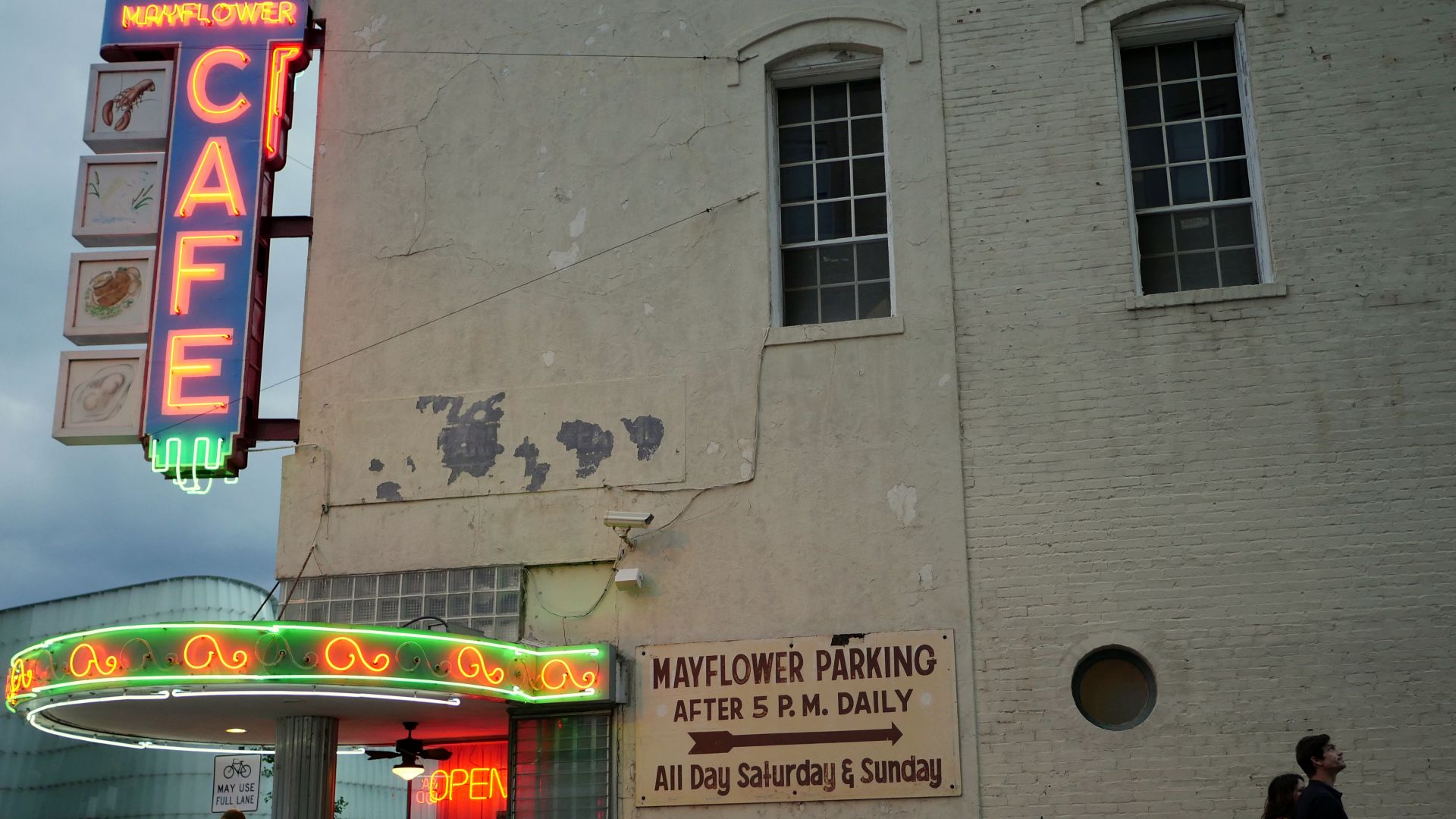
Mayflower Coffee Shops offered doughnuts, pancakes, and coffee during the 60s. Behind the counter was the Doughnut Corporation of America, which also sold doughnut machines and mixes. That’s a business built around a hole. Its Chicago shop on Rush Street closed in 1970.
 Thomas Robertson, Wikimedia Commons
Golden Point
Golden Point served gold-foil burgers beneath buildings topped with golden spikes. Subtle wasn’t really the idea. During the 60s, its real-estate division bought land, built restaurants, and leased them to franchisees. Economic pressures hurt the chain in the 70s; Cleveland’s last location closed in 1974.
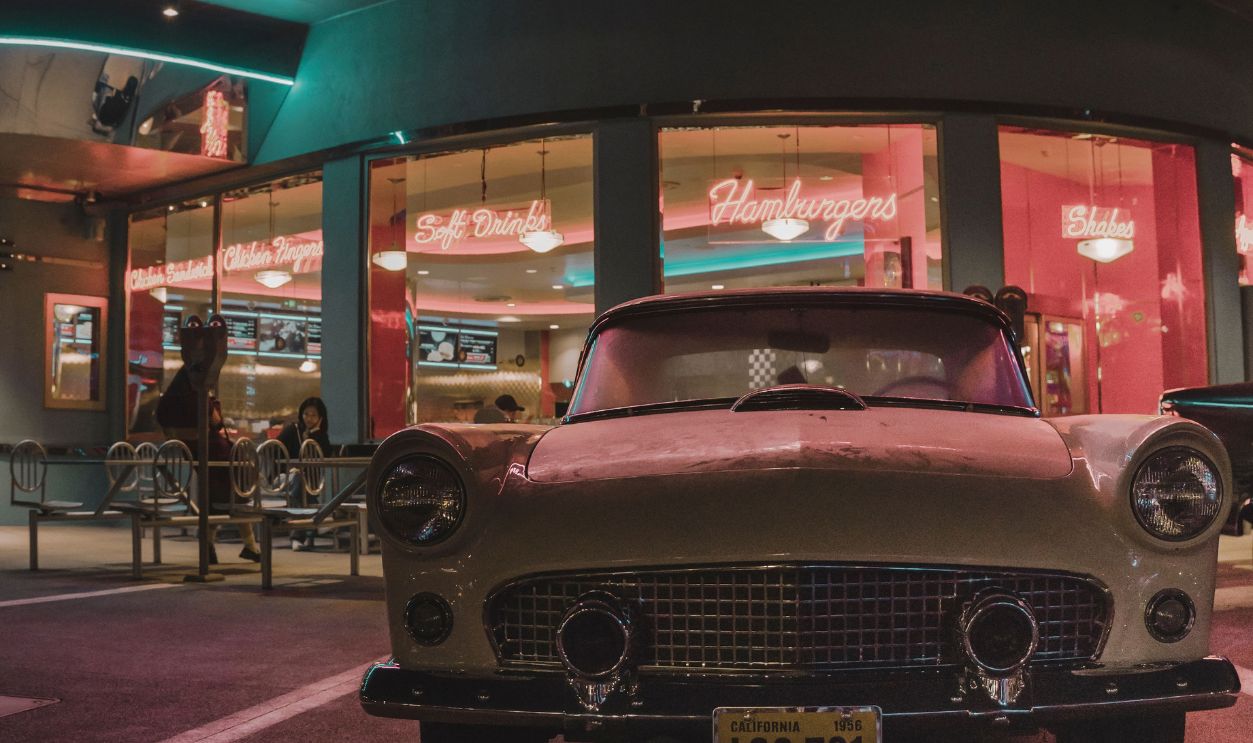
Kungsholm
At Chicago’s Kungsholm in the 60s, dinner meant a Swedish smorgasbord and a miniature puppet opera. That’s one way to keep the kids interested. The Fred Harvey chain had bought it in 1957, but production quality slipped and business declined. The restaurant and show ended in 1971.
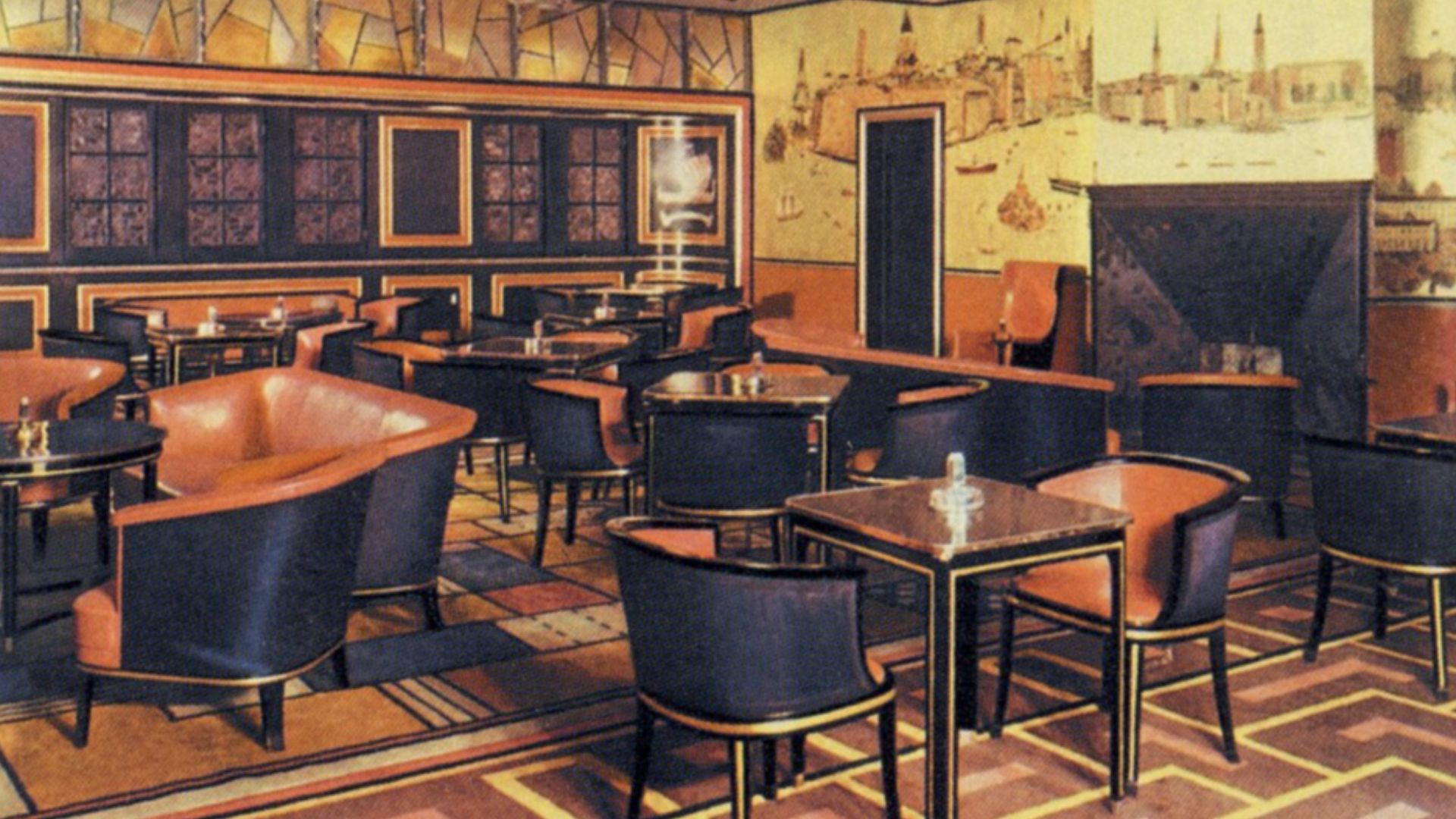 samtida reklamtryck från Amerikalinjen, Wikimedia Commons
Minnie Pearl’s Fried Chicken
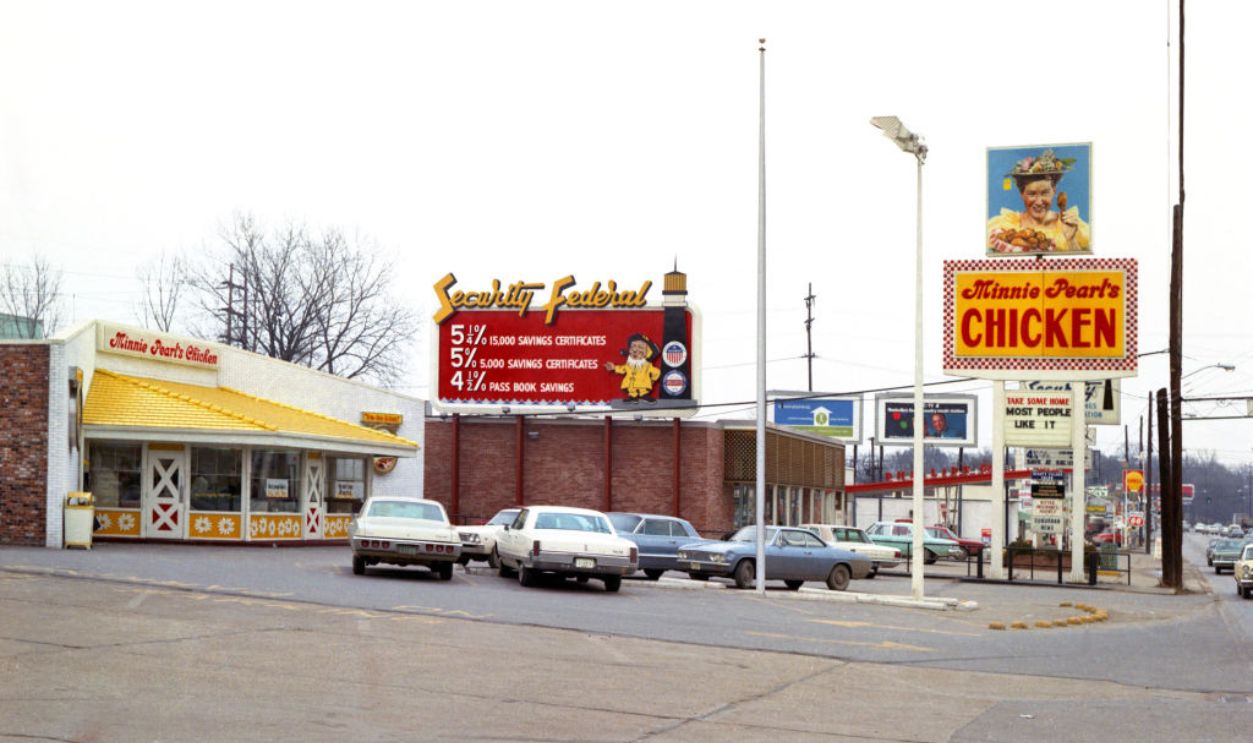
Minnie Pearl’s Fried Chicken arrived in the late 60s with a famous name and plans to challenge KFC. Franchise sales helped send its stock soaring, but accounting irregularities shattered investor confidence and the chain unraveled during the 70s. A famous name couldn’t fix the books.
Toffenetti’s Times Square Restaurant
Toffenetti’s Times Square restaurant was still serving around the clock in the 60s, with room for 1,000 customers. Nobody could accuse it of thinking small. In 1968, the family sold the building for $3 million, and Nathan’s Famous moved in. The restaurant’s next chapter belonged to the hot dogs.
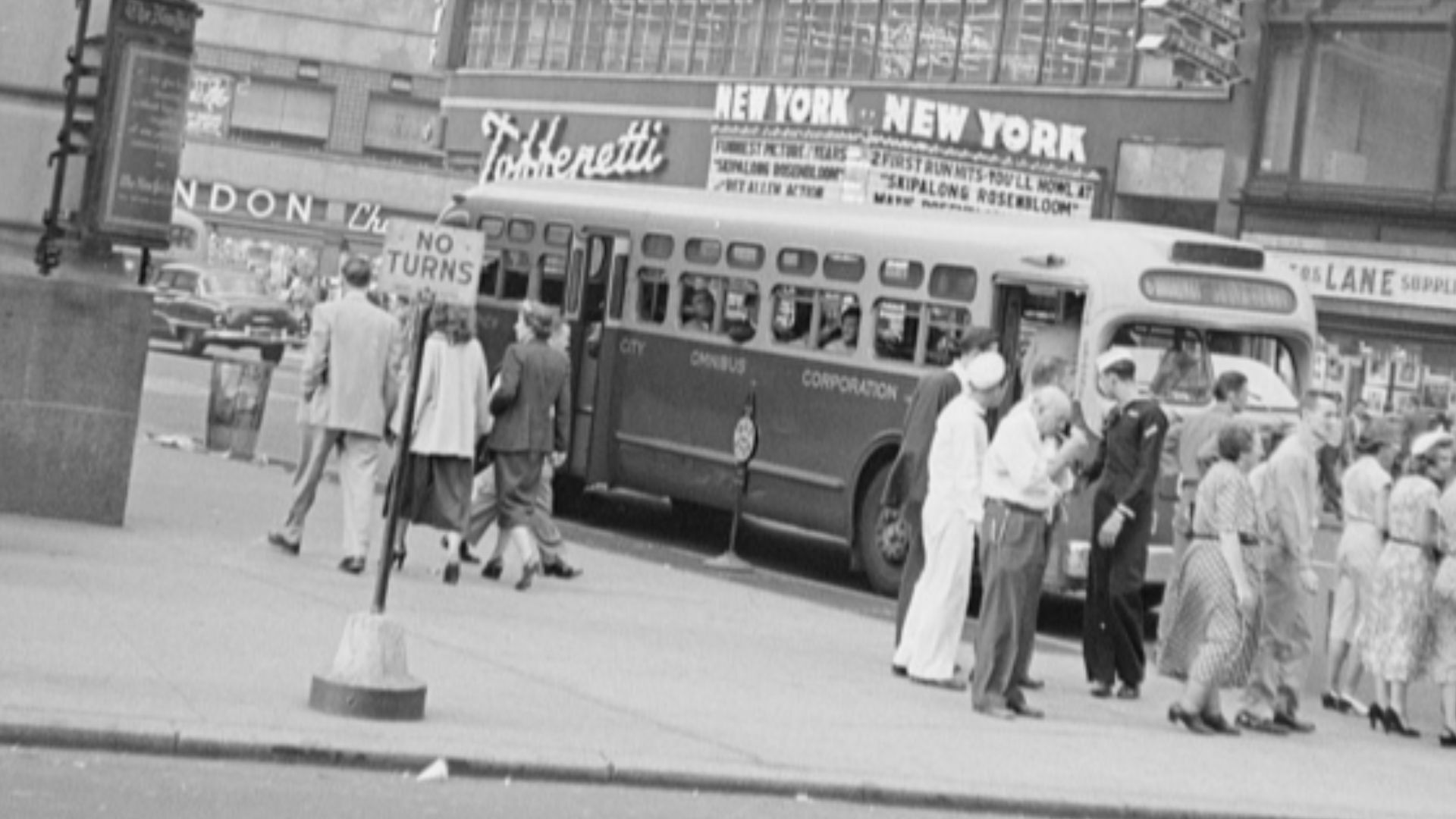 The Library of Congress, Wikimedia Commons
Chin Tiki
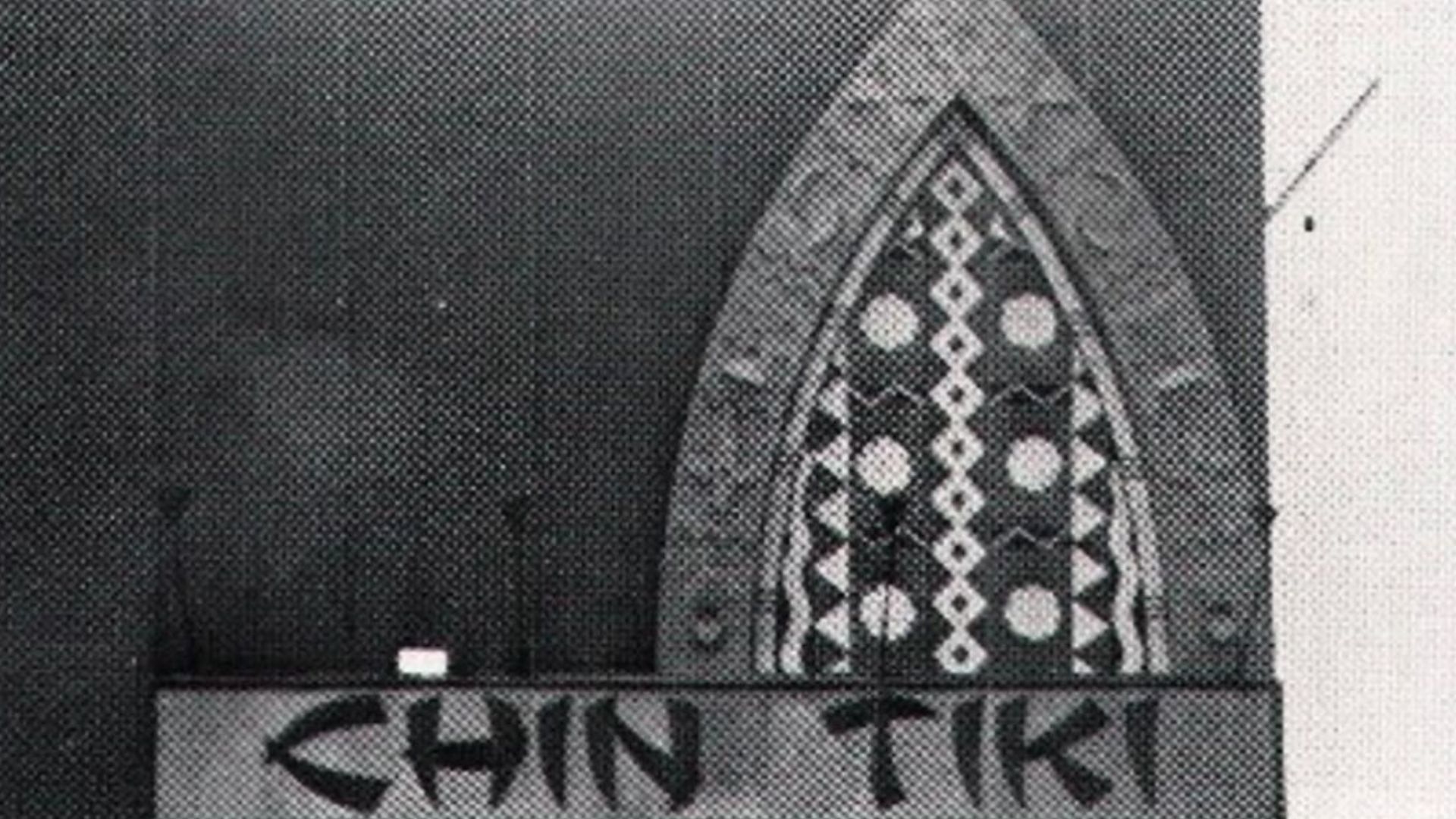
Chin Tiki offered Detroit diners waterfalls, a bamboo bridge, and a tropical escape in the late 60s. Owner Marvin Chin was a former Ford engineer who designed the restaurant himself. Economic troubles helped end the business in 1980. An indoor paradise still needed customers.
 Unknown authorUnknown author, Wikimedia Commons
Sandy’s
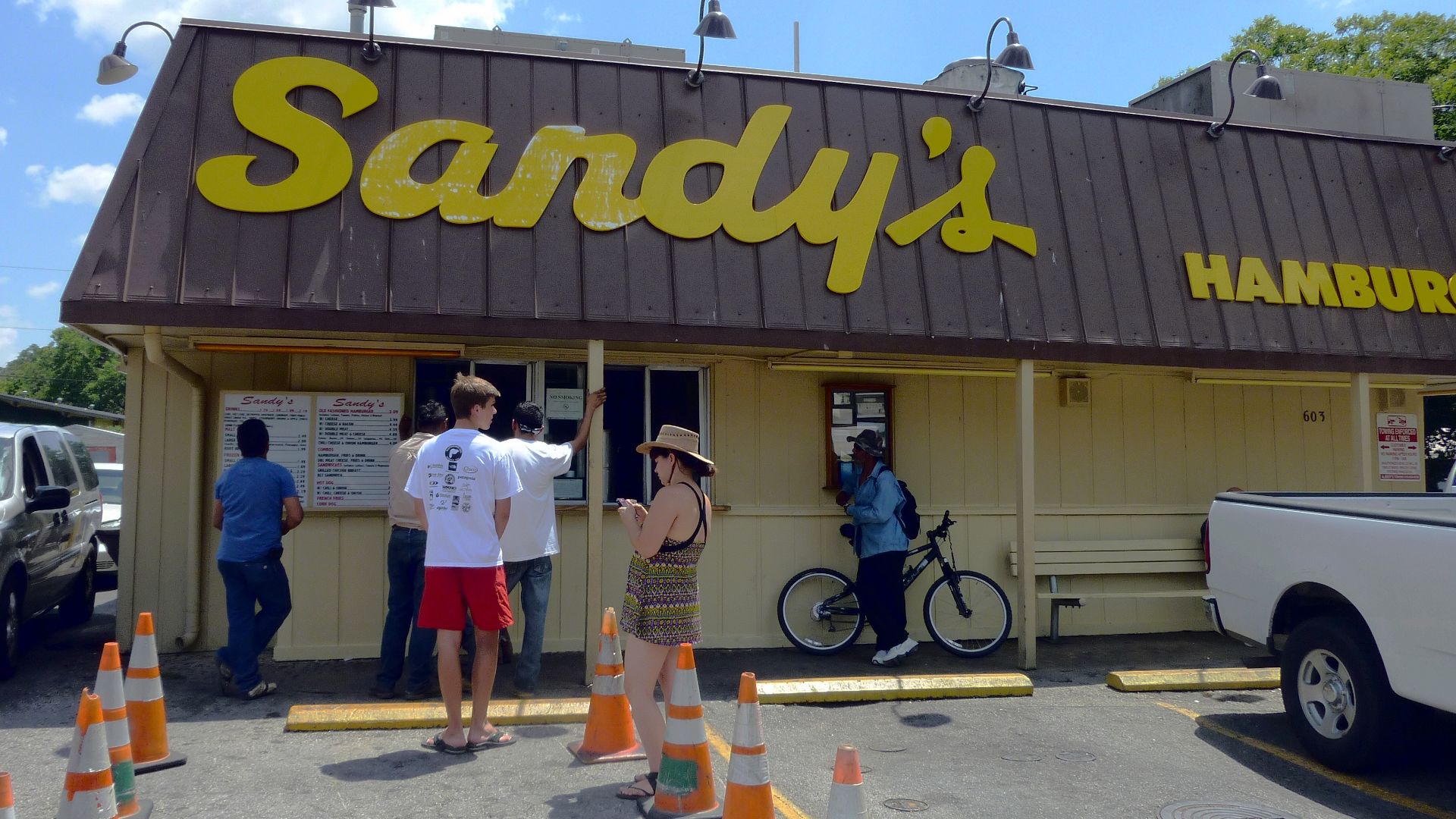
Sandy’s Scottish theme came with a burger called the Big Scot. By 1966, the chain had grown to 121 restaurants, but it later lacked the cash to match competitors’ television advertising. Hardee’s acquired it in 1972, and most locations eventually exchanged their Scottish branding for a different burger sign.
Fritzel’s
Fritzel’s was a Chicago favorite in the 60s, with nearly 100 items on its menu. Owner Joe Jacobson admitted cutting the menu would make more money, but refused. Falling downtown traffic and lost convention business hurt sales. It closed in 1972 after four weeks without breaking even.
Foster’s Cafeterias
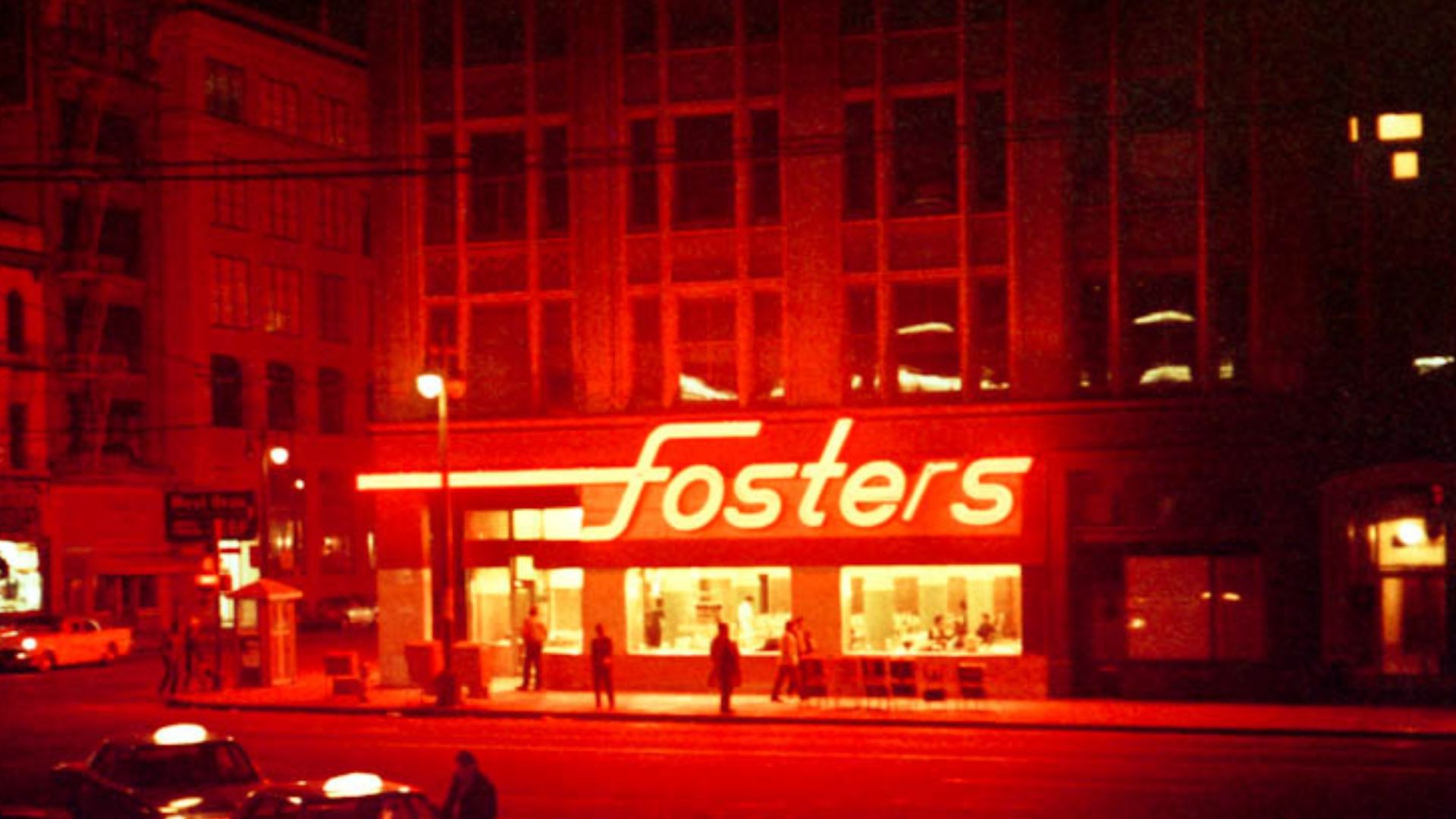
Foster’s Cafeterias and bakeries were familiar San Francisco stops during the 60s. The business operated under Bickford’s, giving this local favorite a connection to a much larger restaurant company. But size wasn’t a guarantee. By the early 70s, its San Francisco restaurants and bakery operations had disappeared.
 pml2008 from Philadelphia, USA, Wikimedia Commons
Wetson’s
Wetson’s expanded around New York during the 60s, offering inexpensive hamburgers beneath its recognizable orange-circle signs. At its peak, it had roughly 70 locations. But bigger competitors crowded its market, and a 1975 merger with Nathan’s Famous ended the brand. Customers could still find fast food—just under another name.
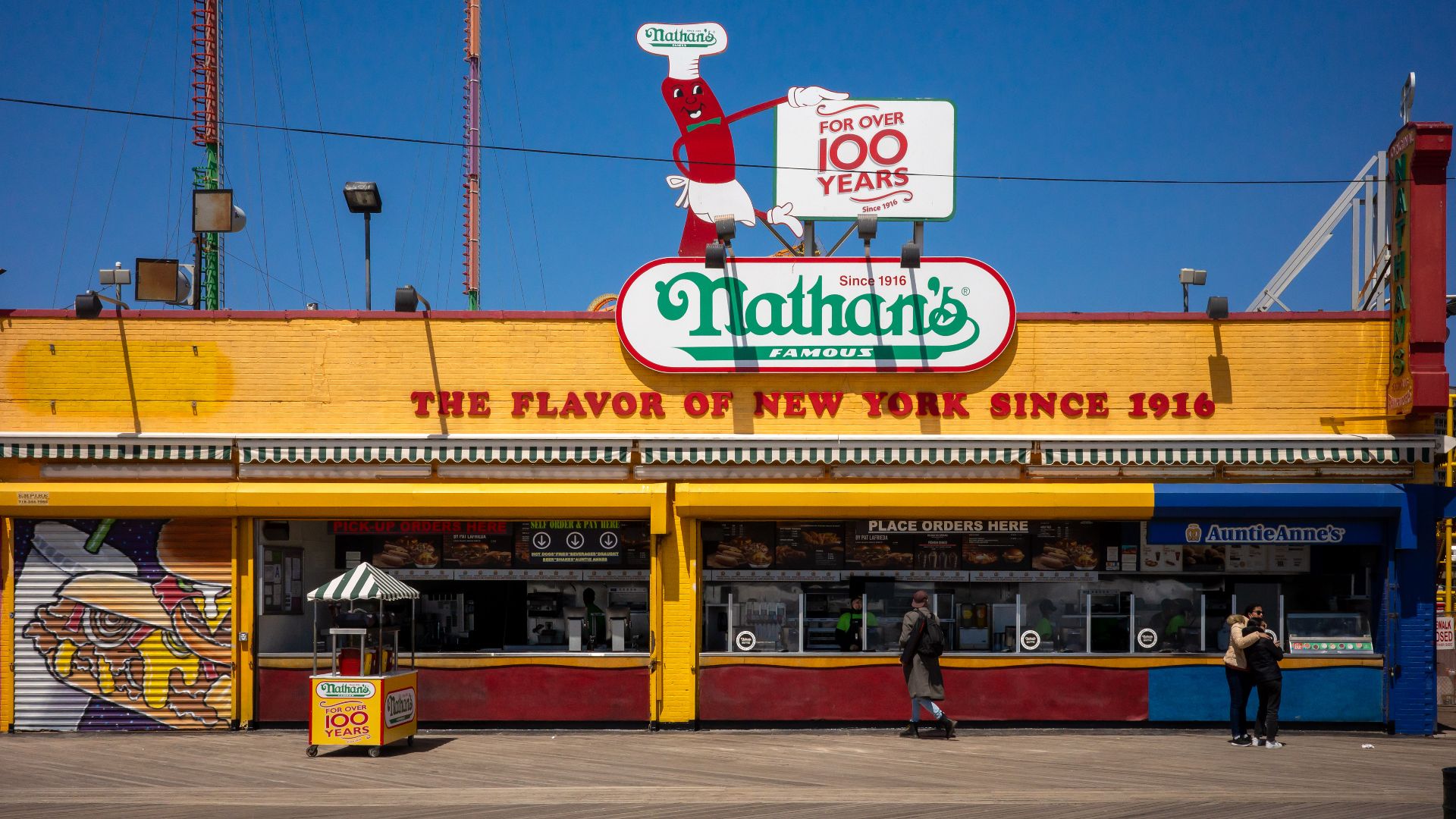 Chepry 💬 (Andrzej Barabasz) 📷 🇵🇱, Wikimedia Commons
Longchamps
Longchamps offered elaborate interiors and a dressier meal around Manhattan during the 60s. A controlling stake went to the Riese brothers in 1967, and some locations subsequently became steakhouses. The former parent company filed for bankruptcy in 1975, after selling several restaurants.
Prexy’s
Prexy’s advertised “The Hamburger With a College Education.” Apparently, even lunch needed qualifications. The small chain added a location near Yale in 1965—a fitting spot for that slogan. Former customers remembered burgers broiled to order, but Prexy’s never became the lasting national name its larger competitors did.
The Luau
The Luau brought waterfalls, tiki decor, and tropical dining to Beverly Hills during the 60s. Owner Steve Crane ran it through a restaurant management company called Macrane Enterprises. In 1978, he sold it for more than $4 million. The restaurant disappeared, but Crane got quite a retirement fund.
Carrols
Carrols built a substantial Northeast following during the 60s, with Herbert Slotnick developing its New York operation. But the company eventually chose a different path to growth. In 1975, it agreed to convert suitable locations to Burger King restaurants. The business continued; its own restaurant brand gradually disappeared.
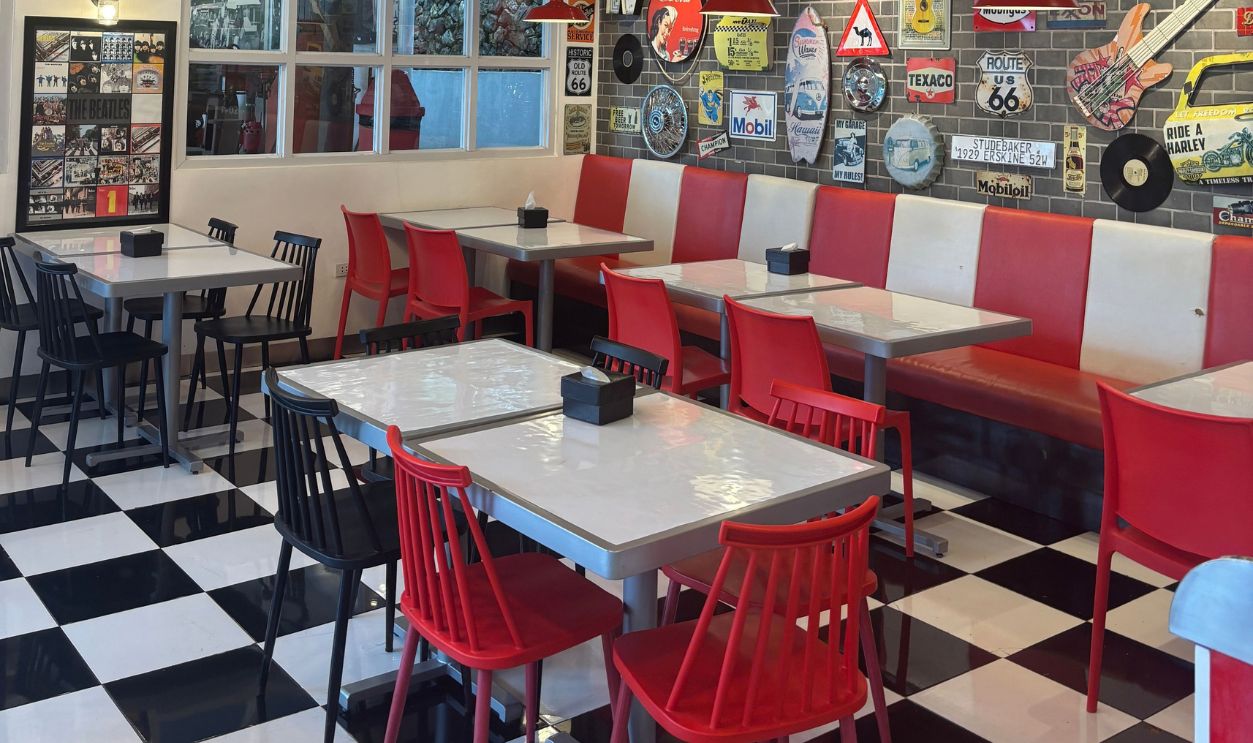
Dubrow’s Cafeteria
Dubrow’s gave New Yorkers a hearty meal and somewhere to linger over coffee during the 60s. This family-owned cafeteria business depended on the neighborhoods around it. Changing demographics and economic decline weakened that customer base. Its last location closed in 1985. Regulars lost more than somewhere to eat.
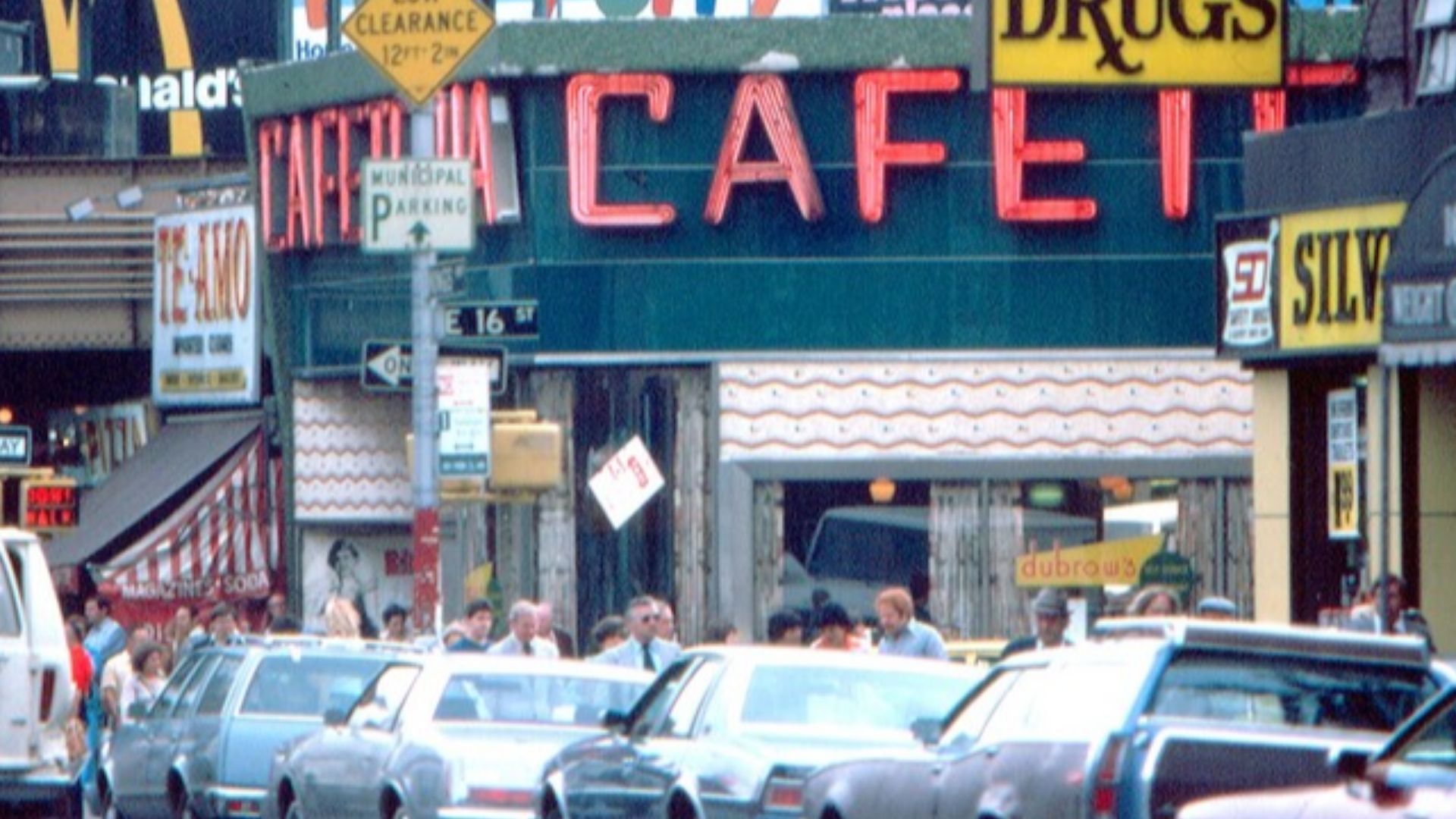 Guyspeakwell, Wikimedia Commons
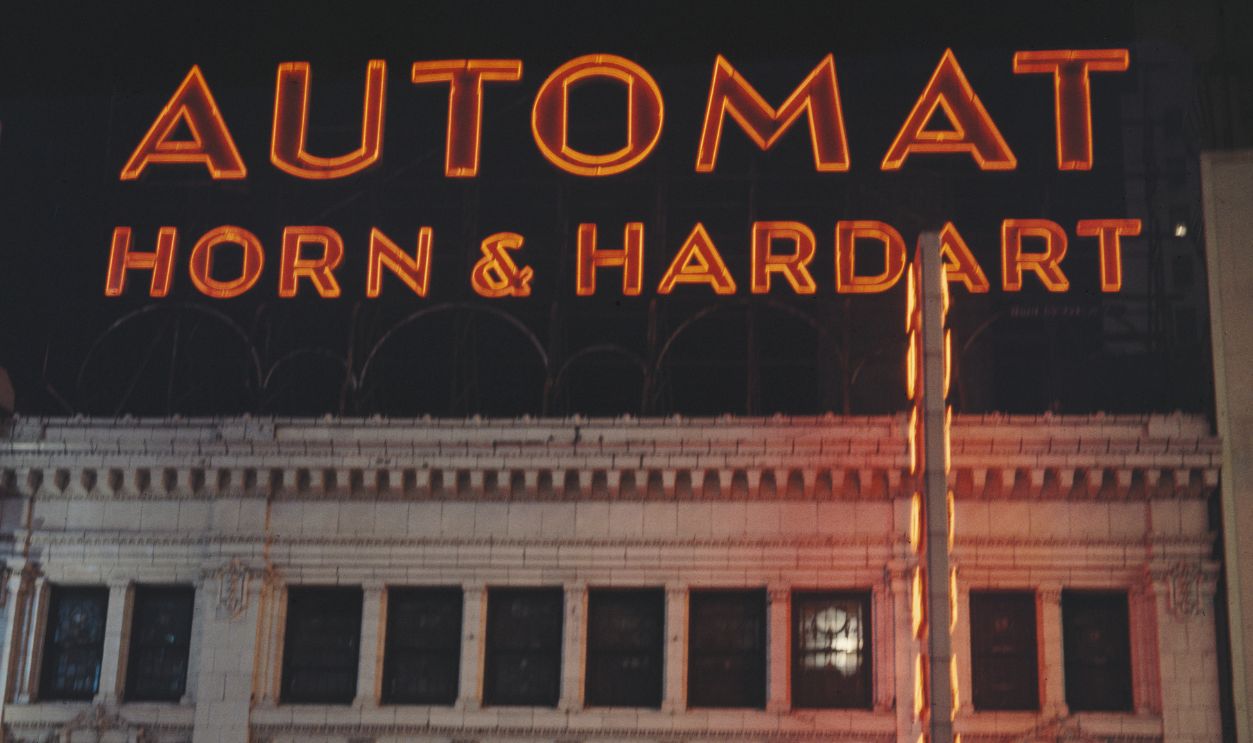
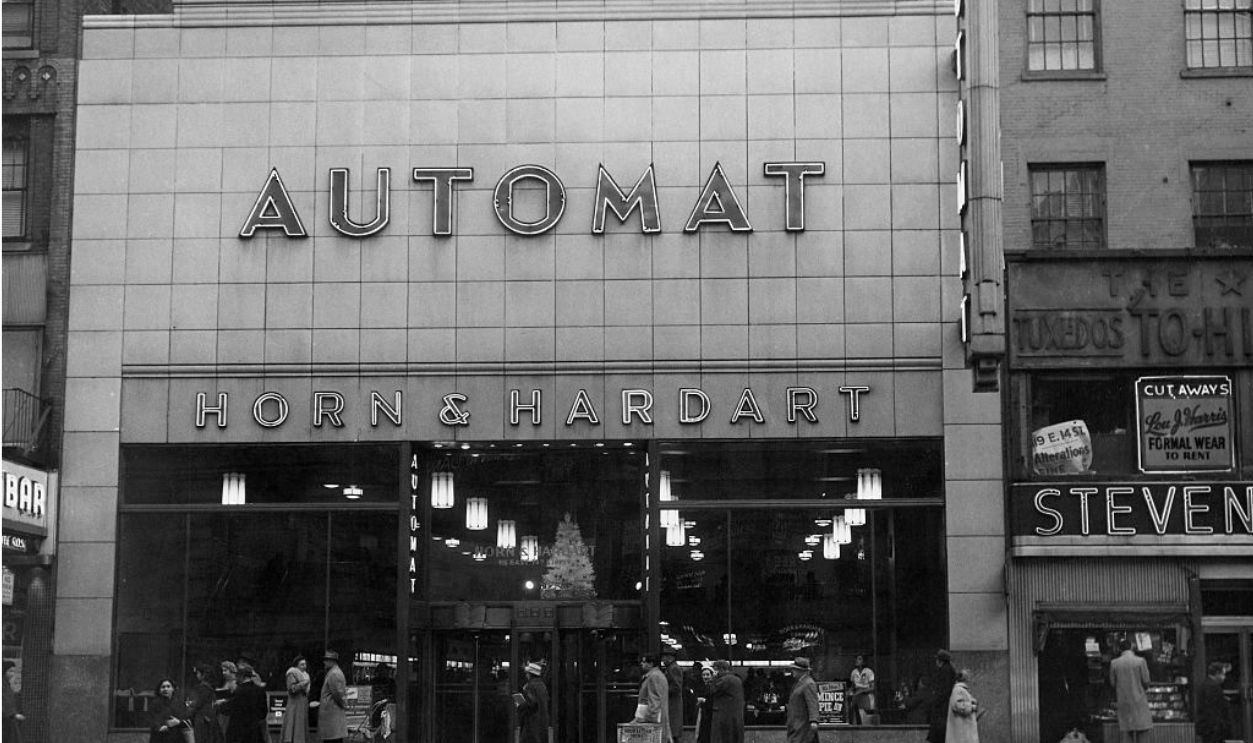
Horn & Hardart
For kids in the 60s, coins and a little glass door made lunch surprisingly entertaining. But Horn & Hardart’s Automats still needed workers behind those doors. Suburban migration, fast-food competition, and operating costs weakened the business. The last Automat closed in 1991. Those nickels couldn’t cover the bills.
 Michael Ochs Archives, Getty Images
Mauna Loa
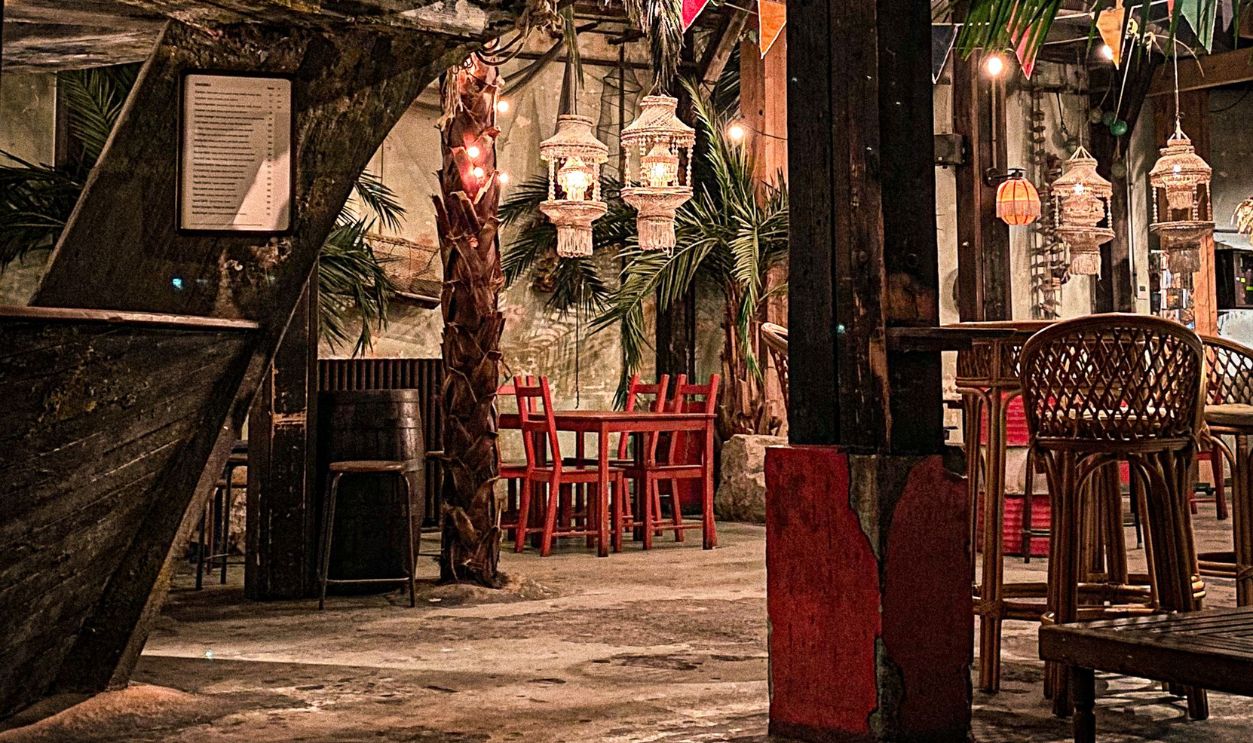
Detroit’s Mauna Loa opened in 1967 with a reported $2.25 million investment, a man-made lagoon, and lavish tropical decor. Apparently, a table and chairs weren’t enough. It opened the same year Detroit experienced major civil unrest. By 1971, this expensive escape had closed.
Winky’s
Winky’s opened near Pittsburgh in 1962 with 15-cent hamburgers and grew to 14 locations by 1965. Its founders already owned a meat company, giving them a ready supply of patties. Unfortunately, that advantage wasn’t enough. Parent company Jiffy Foods filed for bankruptcy protection in 1982 as the regional economy struggled.
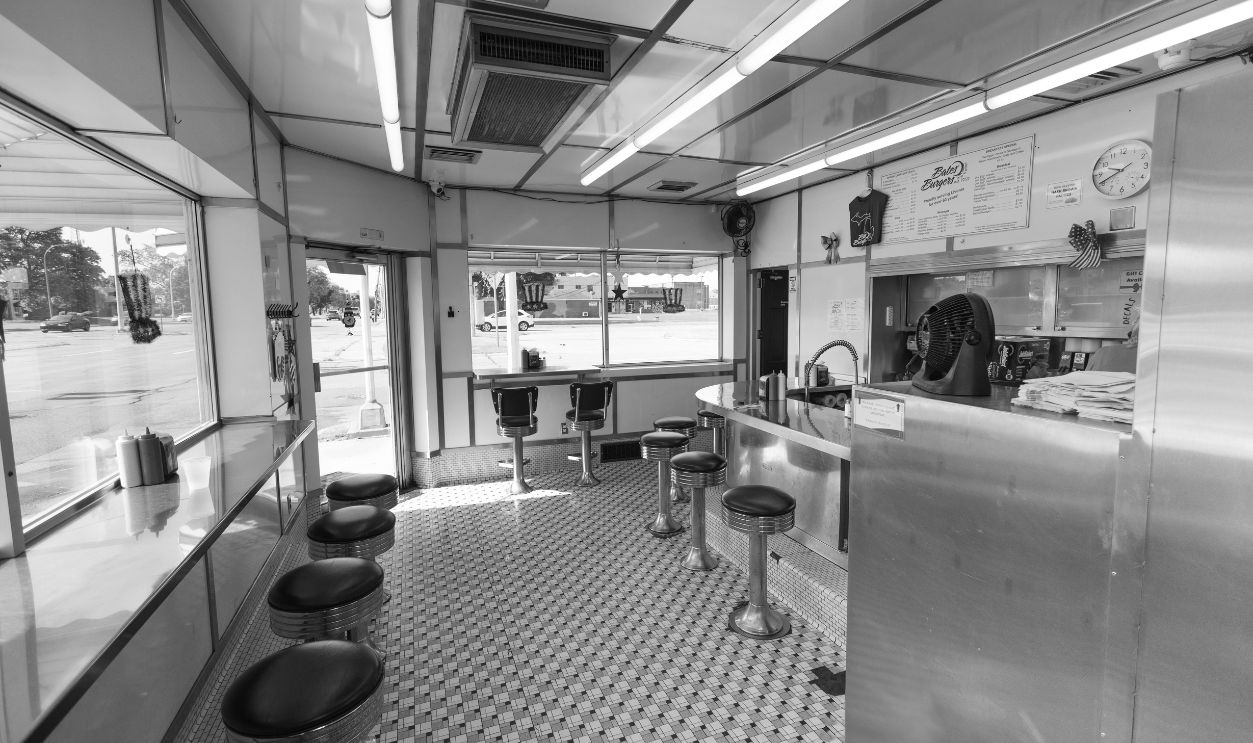
Blue Ribbon On West 44th Street
The Blue Ribbon on Manhattan’s West 44th Street served German meals during the 60s. Its 1966 ten-year lease should have offered some security. But a developer’s bankruptcy and U.S. Steel’s control of the property helped force it out in 1975. Dinner lost to a real-estate deal.
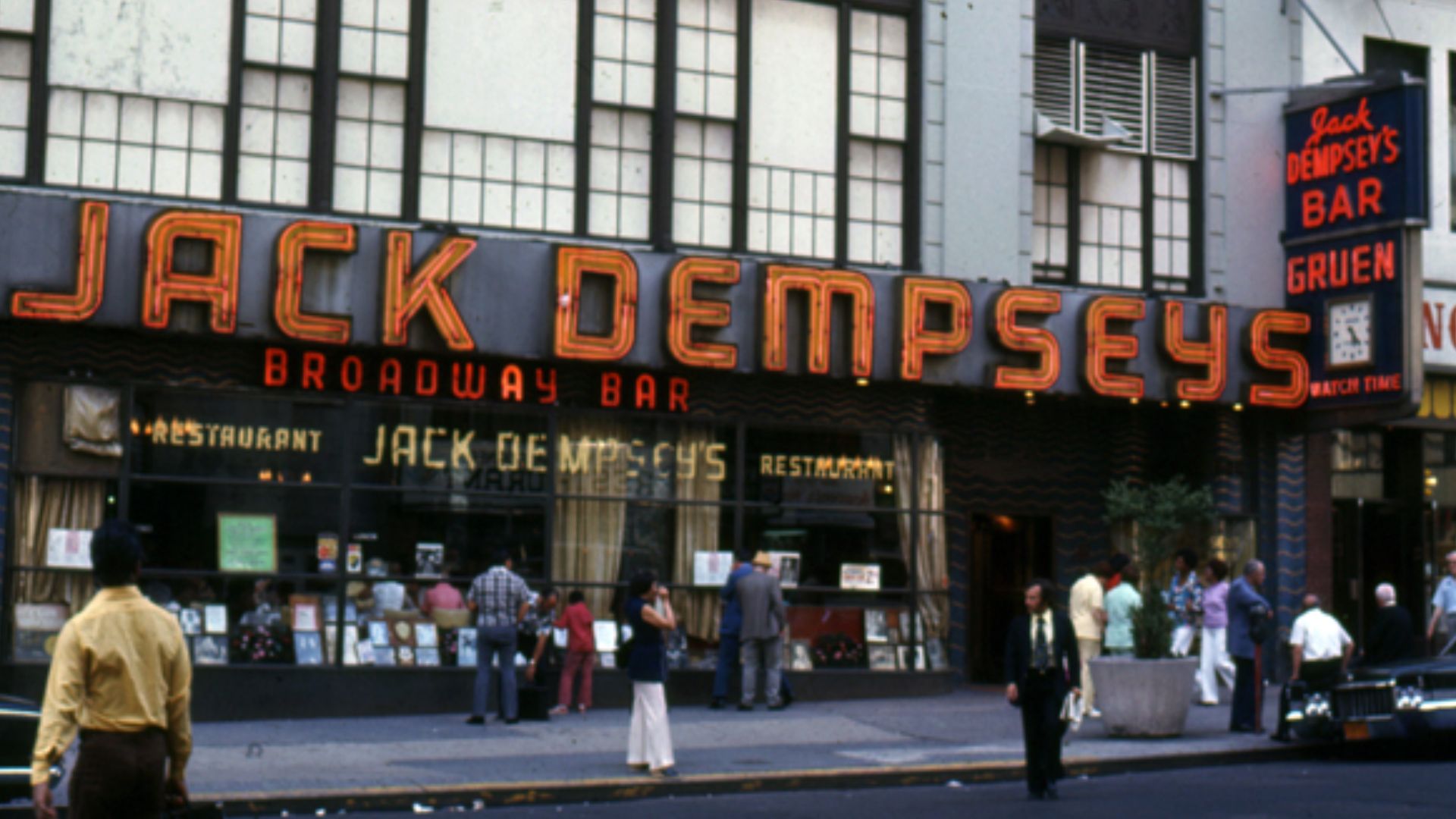
Jack Dempsey’s Broadway Restaurant
Jack Dempsey’s Broadway restaurant served steaks and chops in the 60s, with the former heavyweight champion often there to greet customers. But even a famous fighter couldn’t beat rising costs. Rent pressure and failing plumbing helped close the restaurant in 1974. Repairs would have cost too much.
The Forum Of The Twelve Caesars
The Forum of the Twelve Caesars made a 60s dinner feel like a visit to ancient Rome—with considerably better plumbing. Restaurant Associates spent $500,000 creating the lavish Manhattan restaurant, complete with Roman-inspired uniforms and tableware. An economic downturn helped bring this little empire to an end in 1975.
Which One Would You Bring Back?
Some lost customers. Others lost their names in a buyout. But try telling someone their favorite childhood burger was just another burger. How many of these places did you actually eat at—and which one would get your order if it reopened tomorrow?
You Might Also Like:
Brands That Older Americans Trusted With Their Lives, But Younger Shoppers Have Barely Even Heard Of