
The Sticker Price Is Only The Beginning
A low advertised price can be useful, but it is not always the amount that ultimately leaves your bank account. Hotels, tickets, restaurant meals, flights, car rentals, financial products, and internet plans can all involve additional charges. The smarter comparison is usually the total cost required to get the product or service you actually intend to use.

Cheap Wins The Search, Total Cost Wins The Budget
Extra charges become especially important when shoppers compare businesses primarily by their advertised starting prices. A company with a lower base price can end up costing more once mandatory or likely add-ons are included. That is why consumer agencies repeatedly advise shoppers to compare total prices rather than headline numbers alone.
 https://kaboompics.com/, Pexels
Hotel Resort Fees Can Erase The Bargain
A hotel room advertised at an attractive nightly rate may also carry a mandatory resort or destination fee. Since May 12, 2025, the FTC's fee rule has required short-term lodging businesses that advertise prices to display the total price including mandatory fees they can calculate upfront. The rule improves transparency, but it does not prohibit hotels from charging those fees.

Vacation Rentals Have Their Own Mandatory Extras
Vacation rentals can create the same problem when cleaning or other required charges sit on top of the nightly rate. Under the FTC rule, a mandatory cleaning fee that the customer must pay belongs in the displayed total price. Government charges and certain shipping charges can still be treated separately, so shoppers should continue checking the final breakdown.

Ticket Fees Used To Hide Until Checkout
Concert and sporting-event shoppers have long encountered service and processing charges on top of ticket prices. The FTC's current rule covers both primary ticket sellers and resellers and requires mandatory calculable charges to be included in the upfront total. That makes it harder for an unusually cheap ticket price to leap ahead of competitors simply because required fees appear later.

Ticket Rules Changed, But Fees Did Not Vanish
The new federal rule is about price disclosure rather than fee elimination. Sellers may still impose service charges and other permitted fees as long as they follow the disclosure requirements and do not misrepresent them. A $60 ticket can therefore still cost considerably more than $60, even when the higher total is now visible earlier.

A Free Delivery Label Can Still Cost Money
The word "free" deserves extra attention when ordering groceries or meals online. In a 2025 case, the FTC alleged that Instacart advertised free delivery while some customers still faced mandatory service fees, and the company later agreed to a settlement that included consumer refunds and changes to its practices. The lesson is simple: zero dollars for the line labeled "delivery" does not necessarily mean zero extra cost for having an order delivered.

Food Apps Can Stack Several Charges At Once
A delivery order may include a delivery charge, service fee, small-order fee, taxes, and a tip in addition to the food itself. Consumer Reports has documented how combinations of these charges can make delivery substantially more expensive than the menu price initially suggests. The FTC was still examining online food and grocery delivery fee practices in 2026, showing that price transparency remains an active consumer issue.
Menu Prices May Be Higher In The App
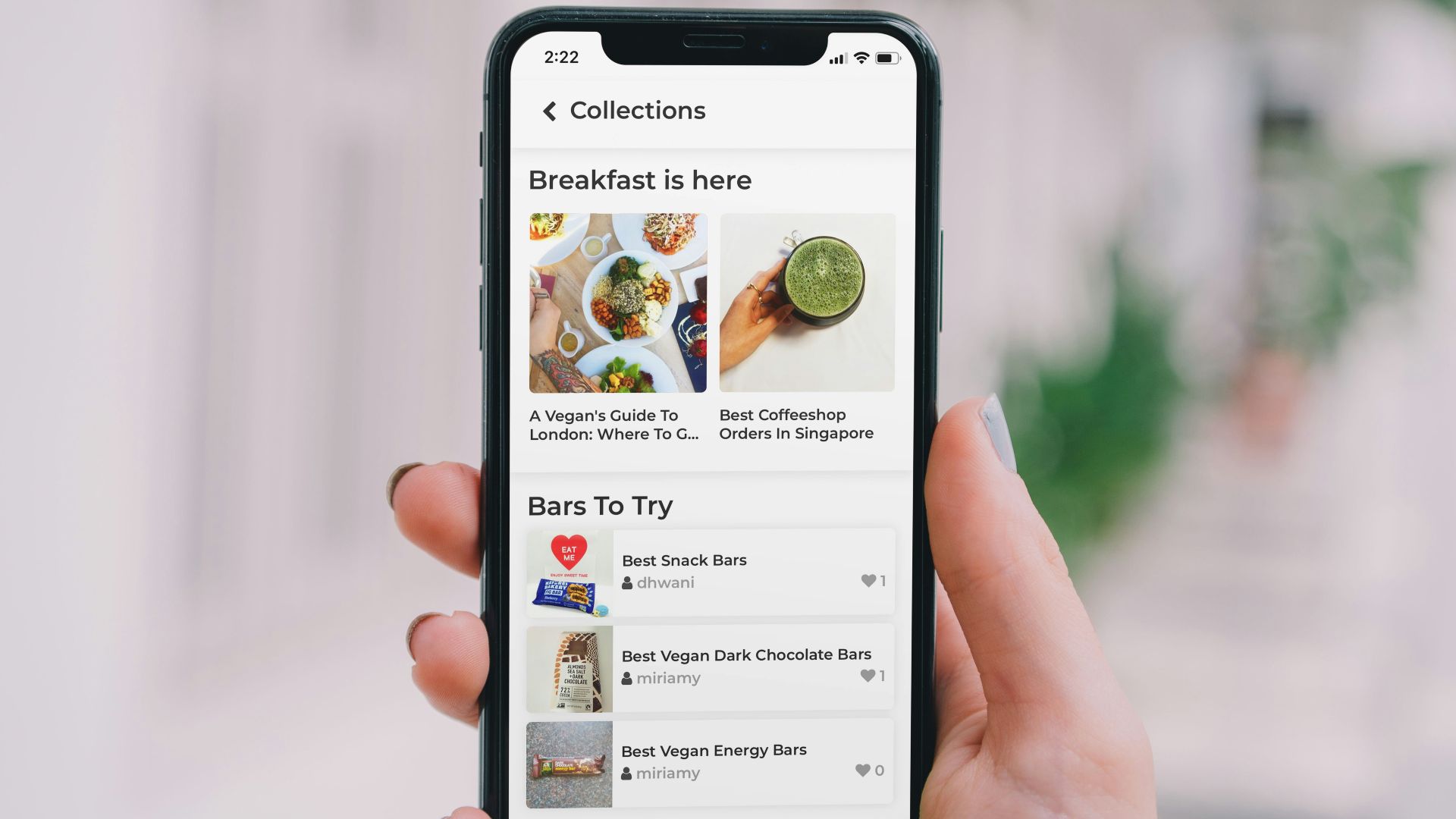
The fees shown at checkout are not always the only premium associated with food delivery. Consumer Reports has found examples where individual items cost more through third-party ordering services than when purchased directly from the restaurant. Comparing the restaurant's own menu with the app can reveal a price difference before service and delivery charges are even added.
Restaurant Service Fees Change The Math
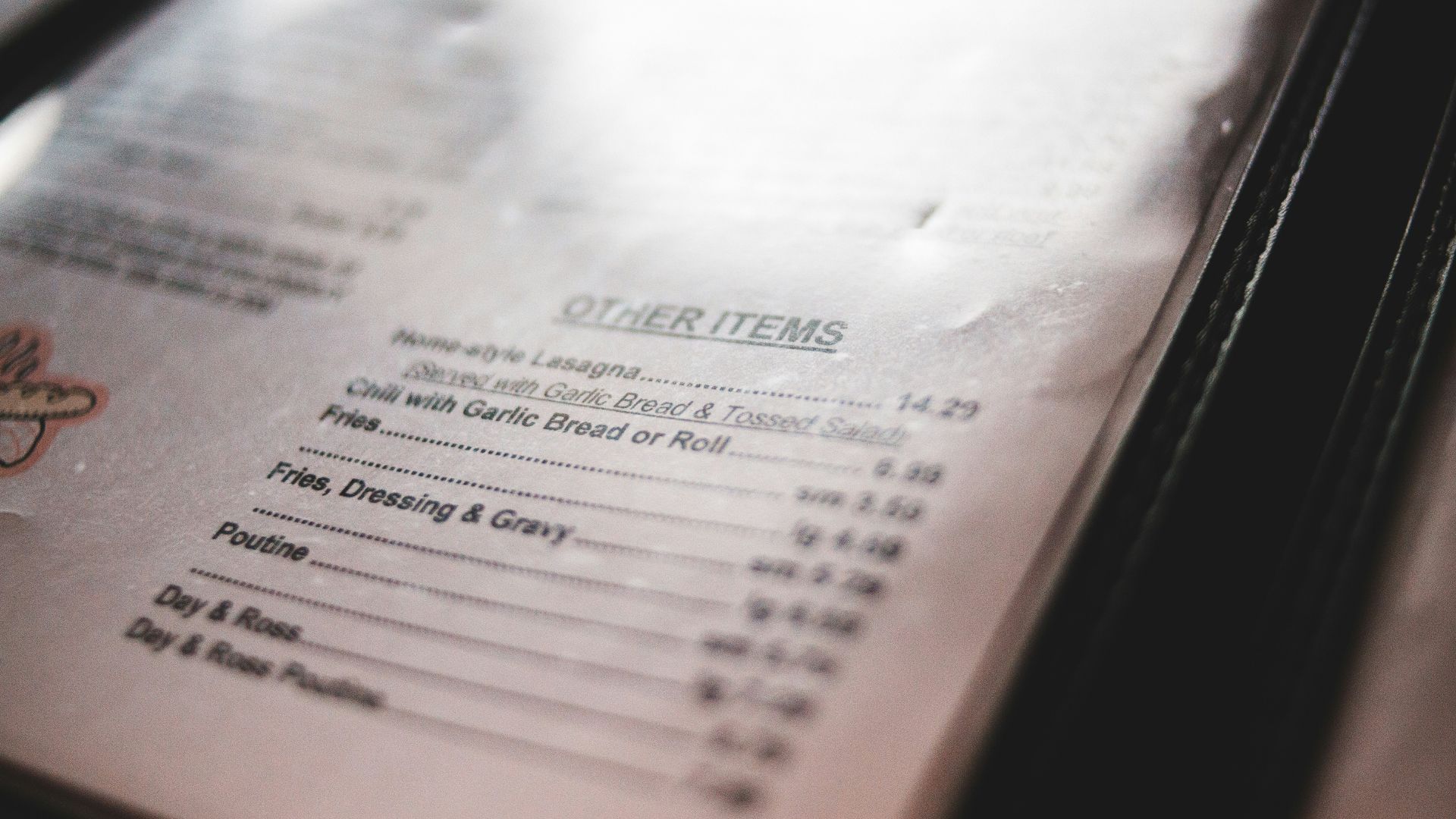
Restaurants have increasingly experimented with service fees, kitchen fees, and other surcharges instead of putting every cost directly into menu prices. Consumer Reports documented examples of restaurant service charges ranging from roughly 5 percent to 20 percent in its 2024 reporting. Before deciding that one restaurant is cheaper than another, it can be useful to check the menu or restaurant website for automatic charges.

Paying By Card Can Add Another Line Item
Some restaurants also impose a surcharge when customers pay by credit card. Consumer Reports found examples of card-processing charges around 1.5 percent to 3 percent, although laws and merchant rules governing surcharges can vary. On an inexpensive meal the amount may look small, but repeated fees can quietly increase a household's dining costs.

Low Airfare Can Become A High Travel Bill
Airline fares are a classic example of why the cheapest starting price is not automatically the cheapest trip. Optional airline services can include checked baggage, advance seat selection, Wi-Fi, food, upgrades, and lounge access. Travelers who need several of those extras should compare the cost of the itinerary they will actually purchase rather than the basic fare alone.
Checked Bags Are A Classic Add-On
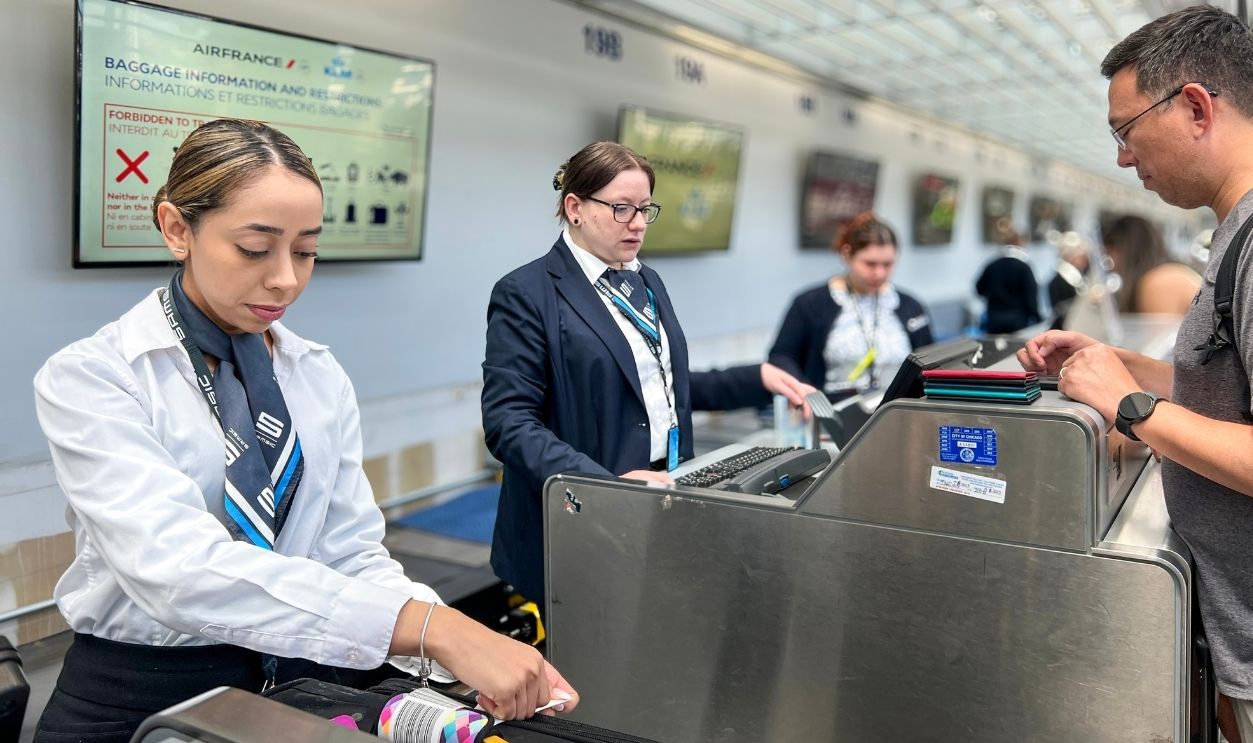
A ticket can look like a bargain until baggage is added for every traveler and every direction of the trip. The Department of Transportation treats baggage transportation as an ancillary service for which airlines may charge fees. DOT also requires refunds of certain baggage fees when a checked bag is lost or significantly delayed and the applicable requirements are met.

Seat Choice Can Turn Into A Family Expense
Seat selection can become another cost when passengers want specific locations or want to ensure that family members sit together. DOT maintains a Family Seating Dashboard showing which major airlines commit to seating a child age 13 or younger next to an accompanying adult without an additional fee, subject to stated conditions. Because the commitments differ among carriers, families should check the policy before buying a seemingly cheaper fare.
 Michael Ball, Wikimedia Commons
Rental Cars Have More Than A Daily Rate
The FTC specifically warns consumers not to judge rental cars only by the advertised daily rate. Possible additional costs include taxes, early or late return charges, airport surcharges, fuel costs, mileage restrictions, and toll-related charges. A low daily rate can therefore lose its advantage once the complete rental quote is calculated.
Airport Rentals Can Be Especially Fee Heavy
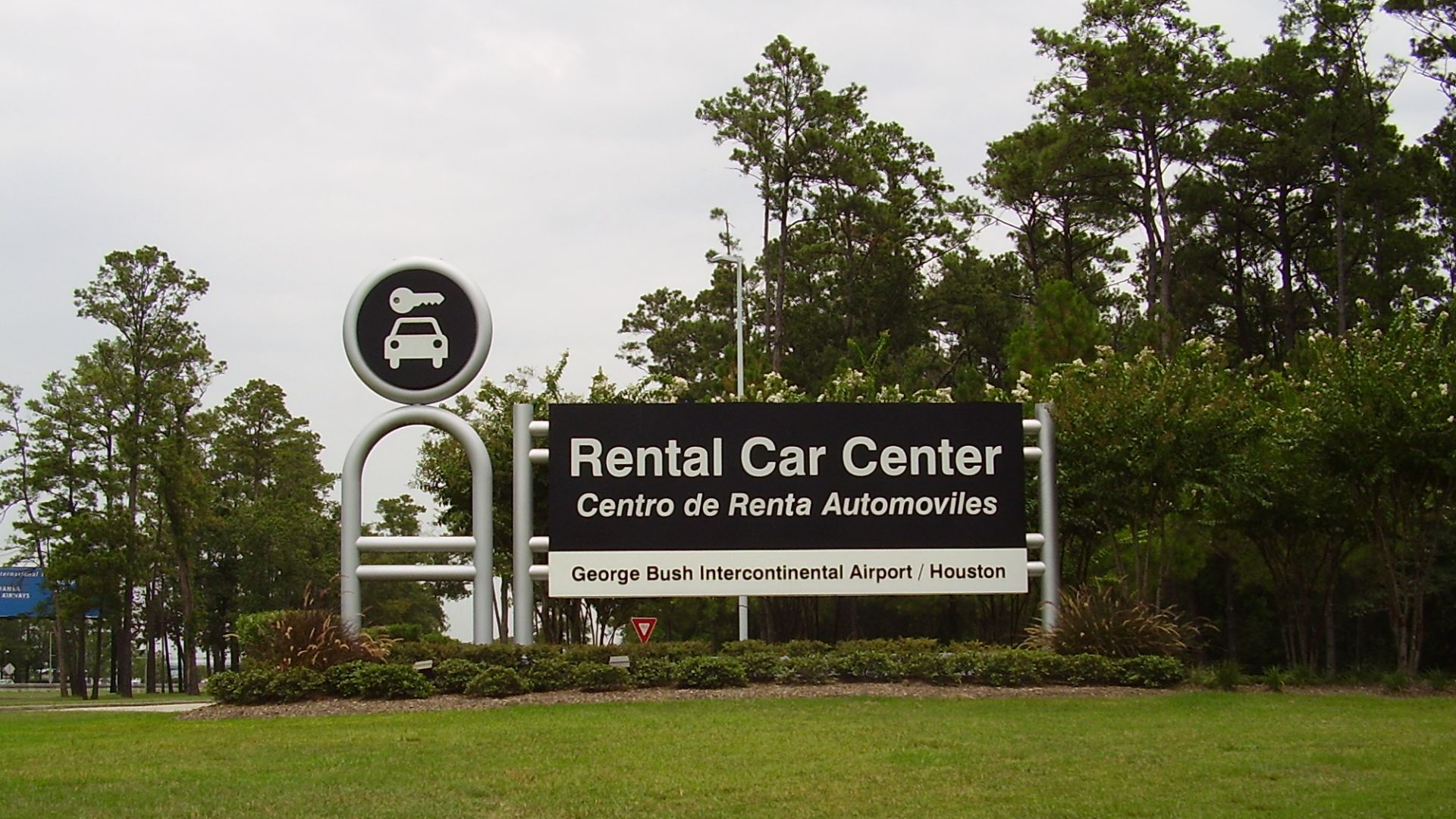
Picking up a rental car at an airport can bring additional surcharges. The FTC notes that airport-related charges may apply even when a rental company uses a shuttle to take travelers to an off-site lot. Comparing an airport location with a convenient neighborhood location can therefore reveal a meaningful difference in total cost.
 WhisperToMe, Wikimedia Commons
Returning The Tank Empty Can Cost More
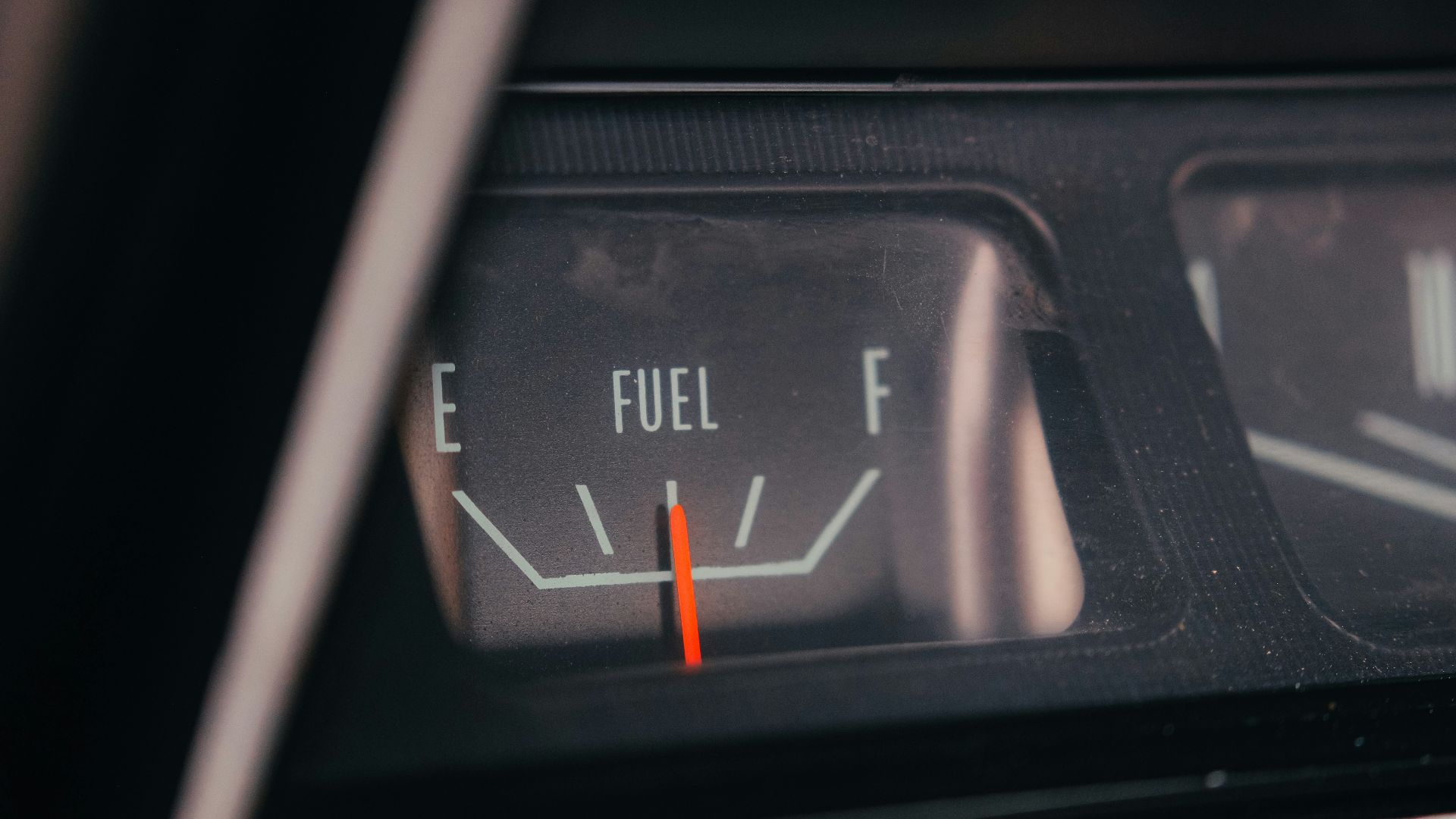
Rental companies commonly expect customers to return vehicles with the required amount of fuel. When customers do not, the company's refueling price can be higher than the price at a nearby gas station. Prepaid fuel can be convenient, but the FTC cautions that it may also be more expensive than filling the tank yourself.
Tolls Can Come With Administrative Charges
Toll roads create another place where the cost of a rental car can grow. Rental companies often provide electronic ways to handle tolls, but the FTC notes that this convenience can come with additional costs. Travelers expecting to use toll roads should review the company's toll program rather than assuming they will pay only the posted toll amount.

Car Deals Need An Out-The-Door Price
A vehicle advertisement can highlight an attractive price while leaving important charges for later in the process. The FTC recommends asking the dealership for the out-the-door price in writing before visiting, including applicable charges and fees. That figure makes competing offers much easier to compare than a monthly payment or promotional price alone.

Dealer Add-Ons Can Inflate A Cheap Vehicle
Gap products, extended service contracts, rustproofing, window etching, and other dealer add-ons can increase the cost of a vehicle. The FTC says these products are optional and warns consumers to make sure unwanted items have not been inserted into the paperwork. When an add-on is financed, the buyer may also pay financing costs associated with that additional amount.

Intro Internet Prices Deserve A Second Look
An internet plan can look inexpensive because the first price a customer sees is promotional. FCC broadband-label requirements were designed to make the standard monthly price and information about introductory pricing easier to compare. Checking what the service costs after the promotional period can prevent a pleasant introductory bill from becoming an unpleasant long-term one.

Broadband Labels Make Extra Charges Easier To Spot
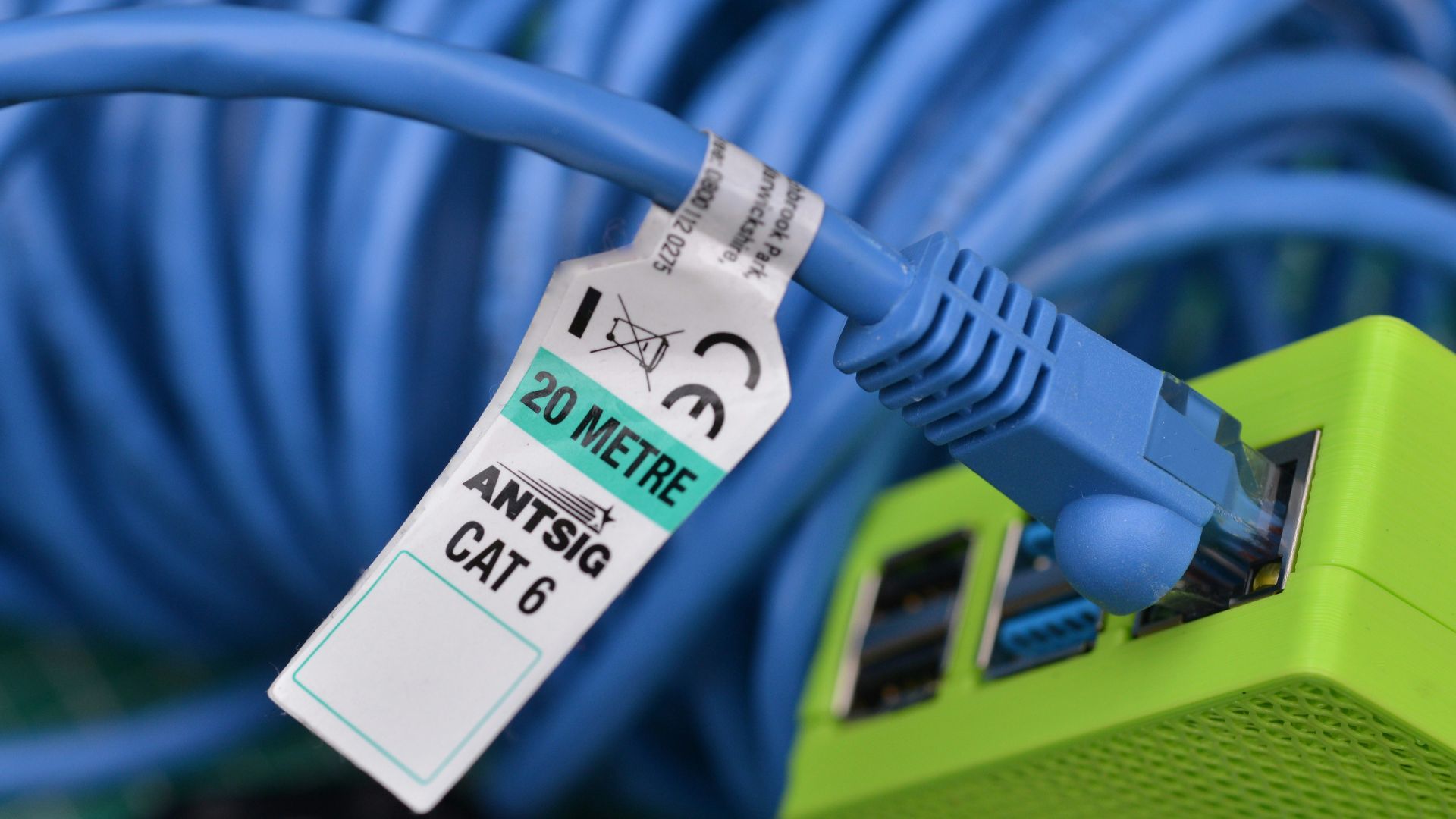
Broadband labels also include information about provider-imposed recurring charges and one-time charges under applicable FCC requirements. These can include things such as equipment, installation, activation, or other provider fees when they apply. Reading the label before ordering makes comparison shopping far more useful than comparing promotional slogans alone.
Bank Accounts Can Charge Just For Being Open
A checking account advertised as convenient or inexpensive may still have a monthly maintenance charge. The FDIC advises consumers to ask whether fees can be avoided through measures such as qualifying direct deposits or other account arrangements. A slightly different account with easier fee-waiver requirements can sometimes be the less expensive choice.

Low Balances Can Trigger Maintenance Fees
Some bank accounts require customers to maintain a minimum balance to avoid a fee. That turns a supposedly inexpensive account into a recurring expense when the balance frequently falls below the threshold. The FDIC recommends understanding the minimum requirement and considering balance alerts so the fee does not arrive unexpectedly.

The Wrong ATM Can Cost Extra
Convenience can become expensive when an ATM is outside a customer's bank network. The FDIC notes that some banks charge customers for using out-of-network ATMs and recommends checking whether the institution reimburses any of those charges. Finding an in-network machine before withdrawing cash can keep a small transaction from carrying a disproportionately large extra cost.
 Web Stock Gallery, Shutterstock
Overdraft Fees Can Make Tiny Purchases Expensive
A small debit transaction becomes very different financially when it triggers an overdraft charge. The CFPB says many banks and credit unions charge $30 or more per overdraft transaction, although policies vary widely. For ATM withdrawals and one-time debit-card transactions, financial institutions generally cannot charge an overdraft fee unless the consumer has opted into that coverage.
Late Credit Card Payments Can Add Penalty Fees
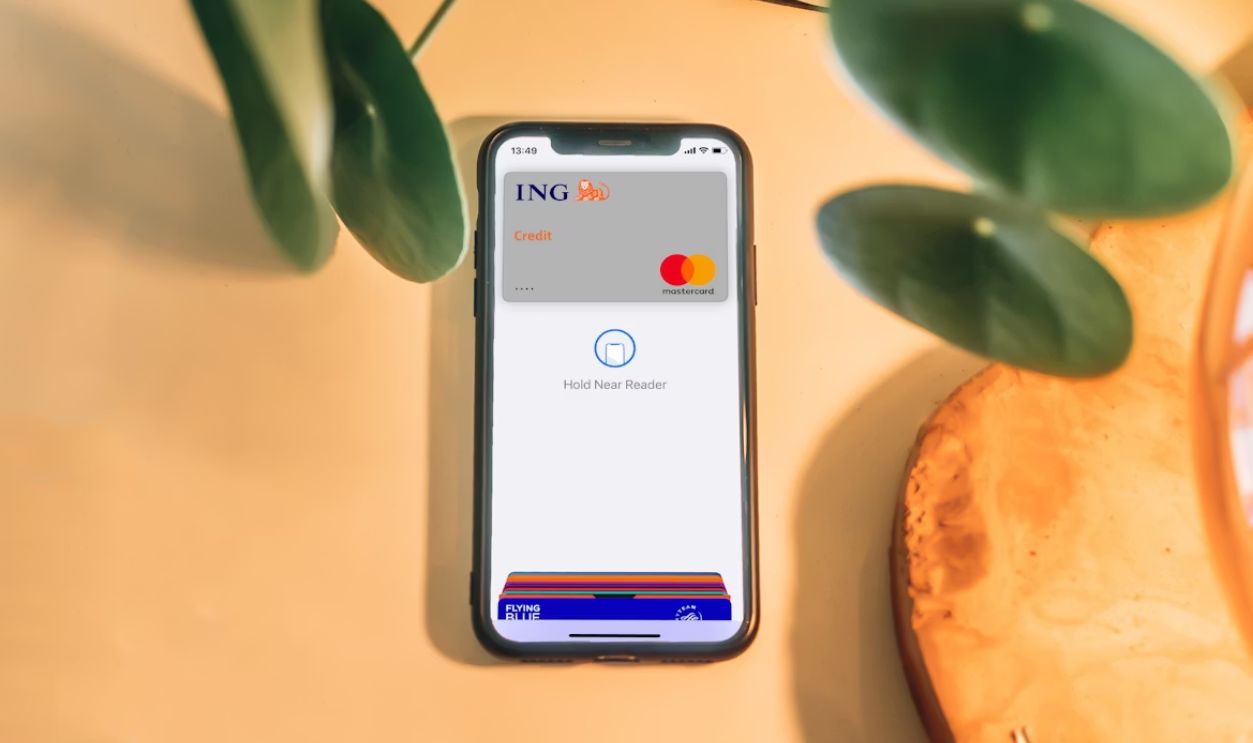
The purchase itself is not the only cost that matters when a credit card is involved. Credit card companies can generally assess a late-payment fee when a required payment arrives late, subject to legal limits and the account's terms. Paying on time therefore protects more than a credit history because it can also prevent a modest purchase from acquiring an avoidable penalty charge.

Free Trials Can Become Paid Subscriptions
A product advertised as a free trial may require payment information because billing begins automatically after the trial unless the customer cancels. The FTC advises consumers to identify exactly when the free period ends, how cancellation works, and whether shipping or other charges apply. A trial that quietly converts into recurring billing can ultimately cost far more than buying a product outright.

Small Shipping Fees Deserve Attention Too
The FTC specifically warns that an offer requiring payment for shipping or other fees is not literally free. Small initial charges can also distract shoppers from recurring-payment terms that begin later. Before entering card information for a bargain sample or trial, it is worth finding the full terms rather than focusing on the tiny upfront charge.

The Cheapest Offer Should Survive A Total-Cost Test
The easiest way to compare competing bargains is to recreate the purchase you actually intend to make. Add required fees, likely optional charges, delivery costs, baggage, equipment, or other extras before deciding which option is cheapest. Consumer agencies use the same basic principle repeatedly: total cost is more useful than the most attractive advertised starting price.

A Two-Minute Fee Check Can Save Money
Before pressing "buy," scan the checkout page, pricing label, rental agreement, ticket total, restaurant menu, or service contract for additional charges. Ask whether each fee is mandatory, optional, recurring, refundable, or avoidable through a different payment or purchasing method. Cheap purchases can still be genuine bargains, but only when the final price remains cheap after the extras are counted.

You May Also Like:
Common Purchases That All Boomers Made—But Millennials Aren’t Buying