Millennials Changed The Shopping Script
Millennials did not wake up and decide to destroy classic American products. They entered adulthood during recessions, student debt, high rents, and a digital shopping boom. That combination changed what felt useful, affordable, and worth keeping.
The Blame Is Too Simple
Headlines often say millennials “killed” a product, but the real story is usually more complicated. Prices, technology, health habits, and convenience all matter. Still, millennial preferences helped push several old-school categories into decline.

Cereal Lost Its Morning Crown
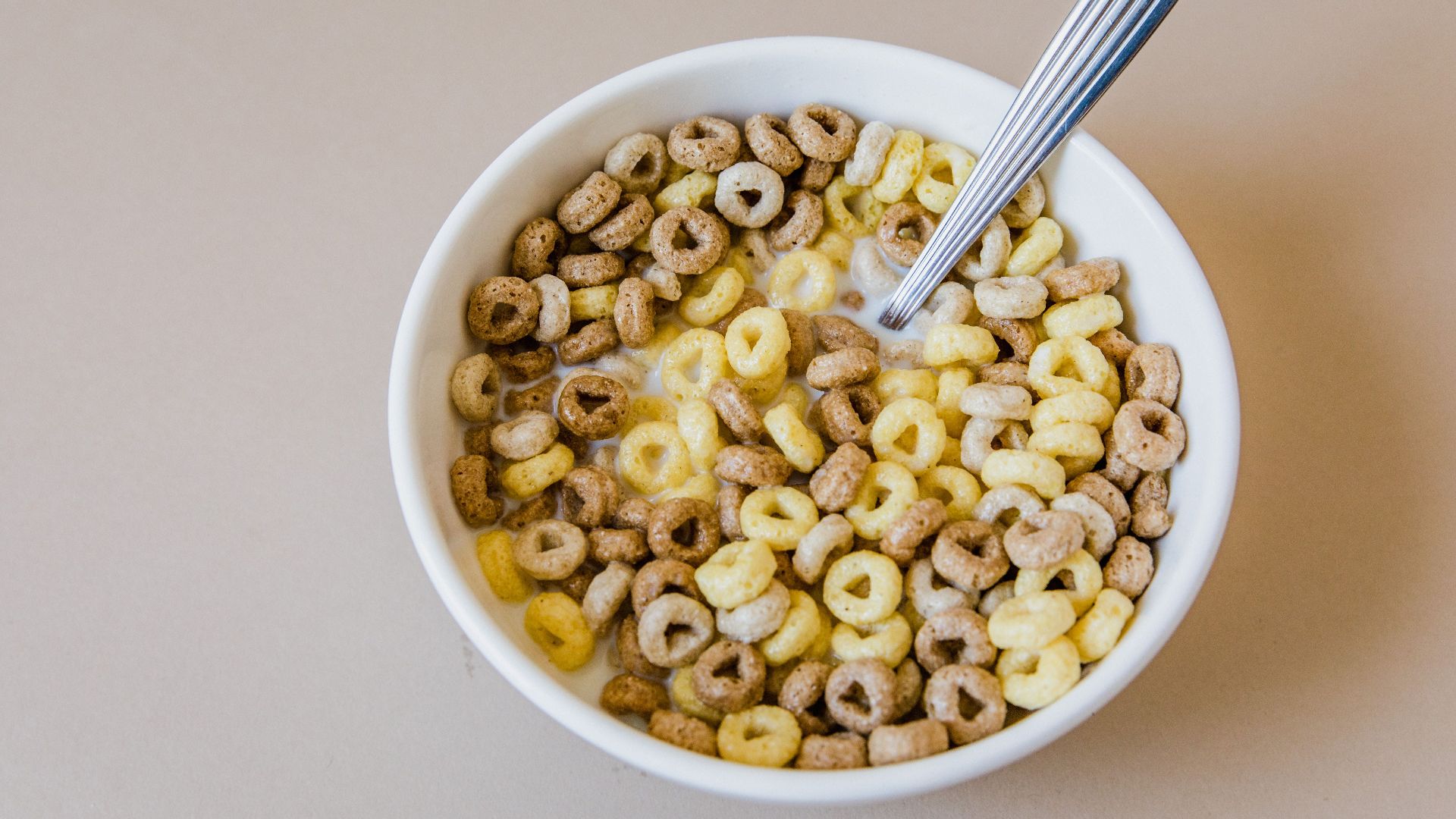
Cold cereal used to be the default quick breakfast. Mintel found that many millennials viewed cereal as inconvenient because it left dishes to clean. That sounds funny, but it reflected a larger shift toward portable breakfasts.
Breakfast Moved Out The Door
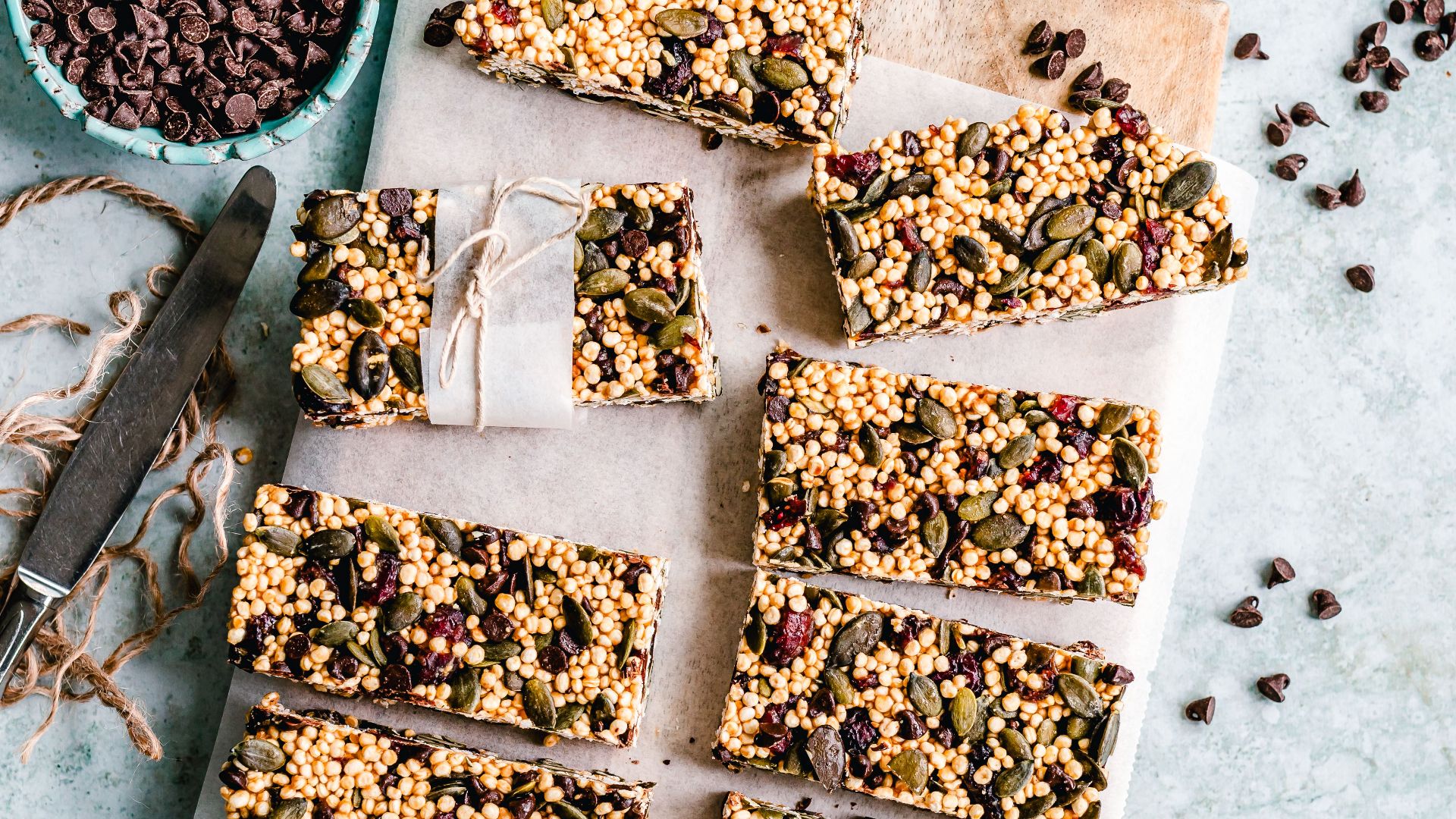
Protein bars, smoothies, coffee drinks, and takeout breakfast fit better with rushed mornings. Cereal companies had to rethink packaging, flavors, and marketing. The bowl-and-spoon ritual no longer felt automatic.
Convenience Became The Product
Millennials did not reject breakfast. They rejected breakfast that created extra steps. That is why cereal’s problem was less about taste and more about modern routines.

Fabric Softener Got Left Behind
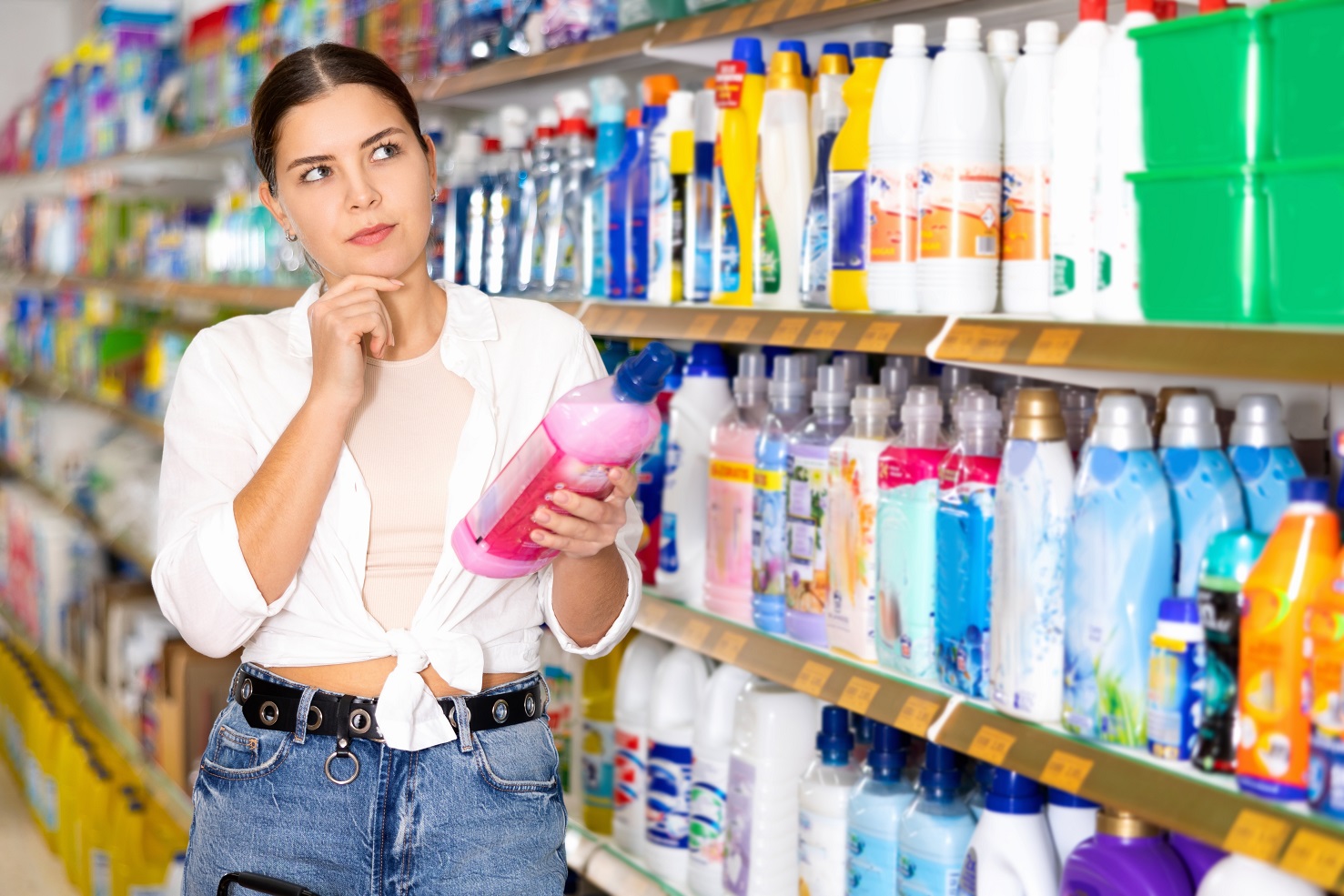
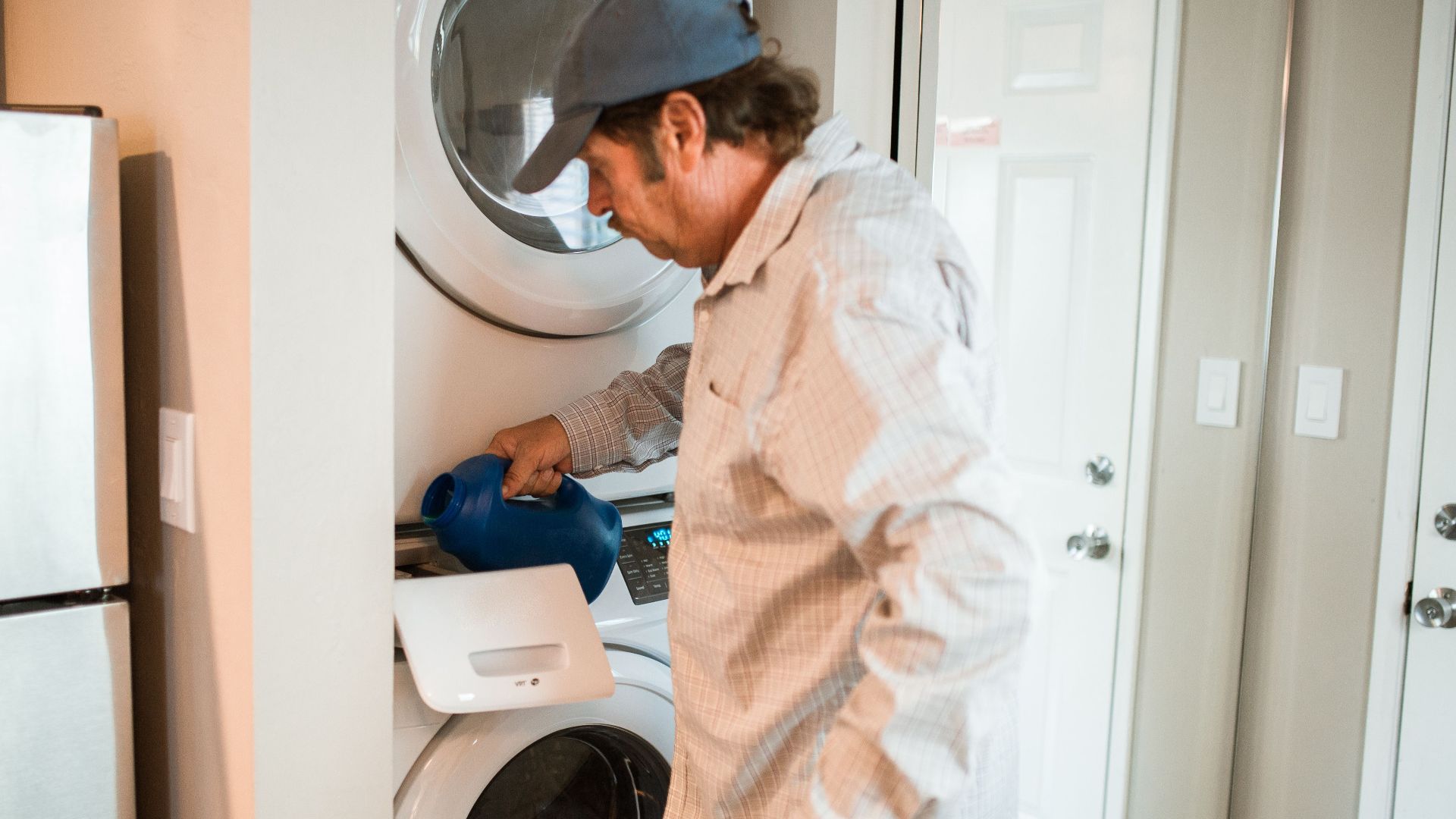
Fabric softener was once a laundry-room staple. Fox Business reported that Downy liquid softener sales fell 26% between 2007 and 2015. The broader U.S. liquid softener category also declined during that period.
Laundry Habits Got Leaner
A Procter & Gamble executive said many millennials did not know what fabric softener was for. Athletic clothes and improved detergents also made softener feel less necessary. The extra bottle became easier to skip.
Soft Clothes Were Not Enough
Fabric softener sold comfort, habit, and scent. Millennials often wanted speed, performance, and fewer products under the sink. That made the category feel optional instead of essential.
Bar Soap Slipped In The Shower
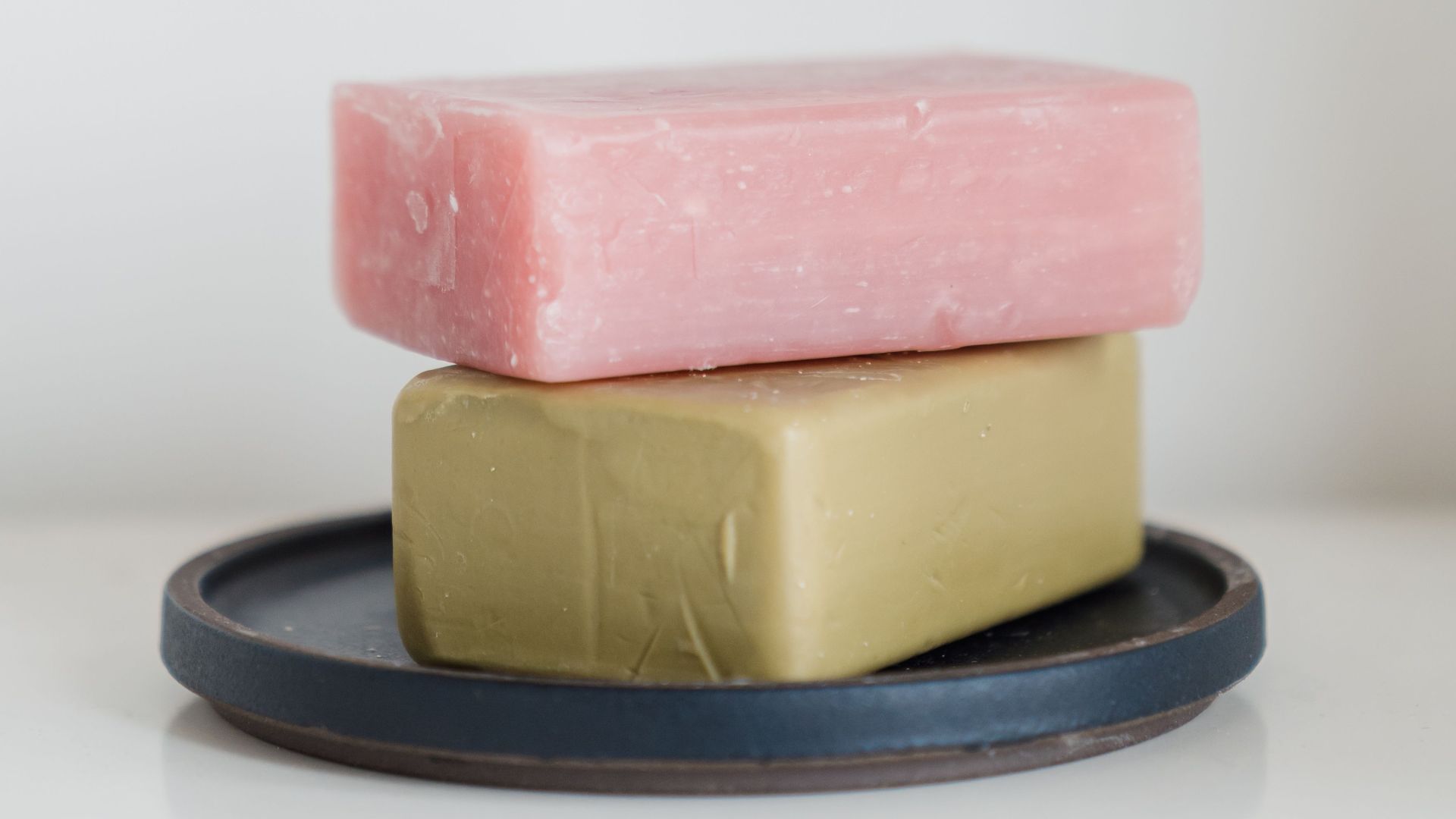
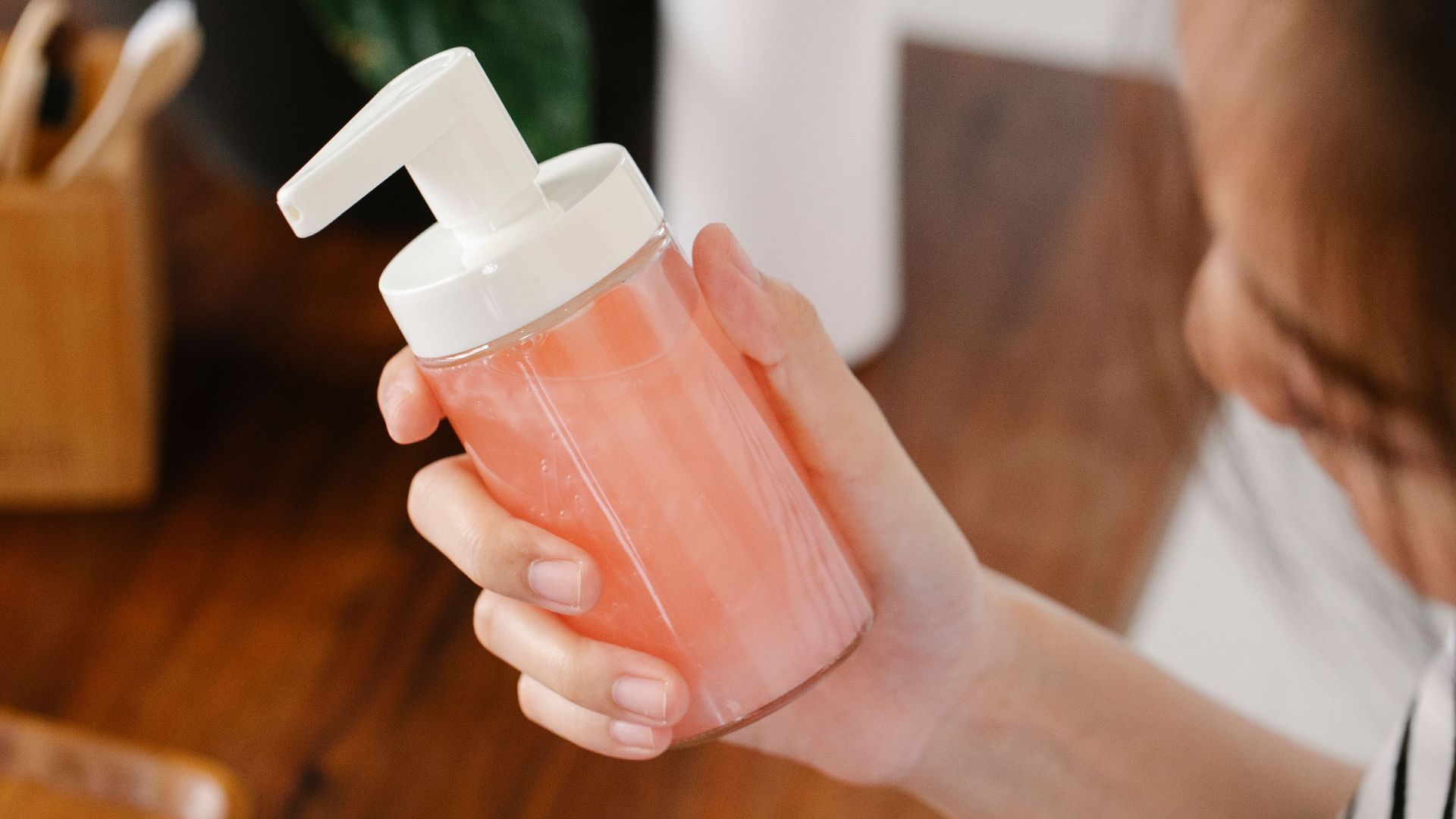
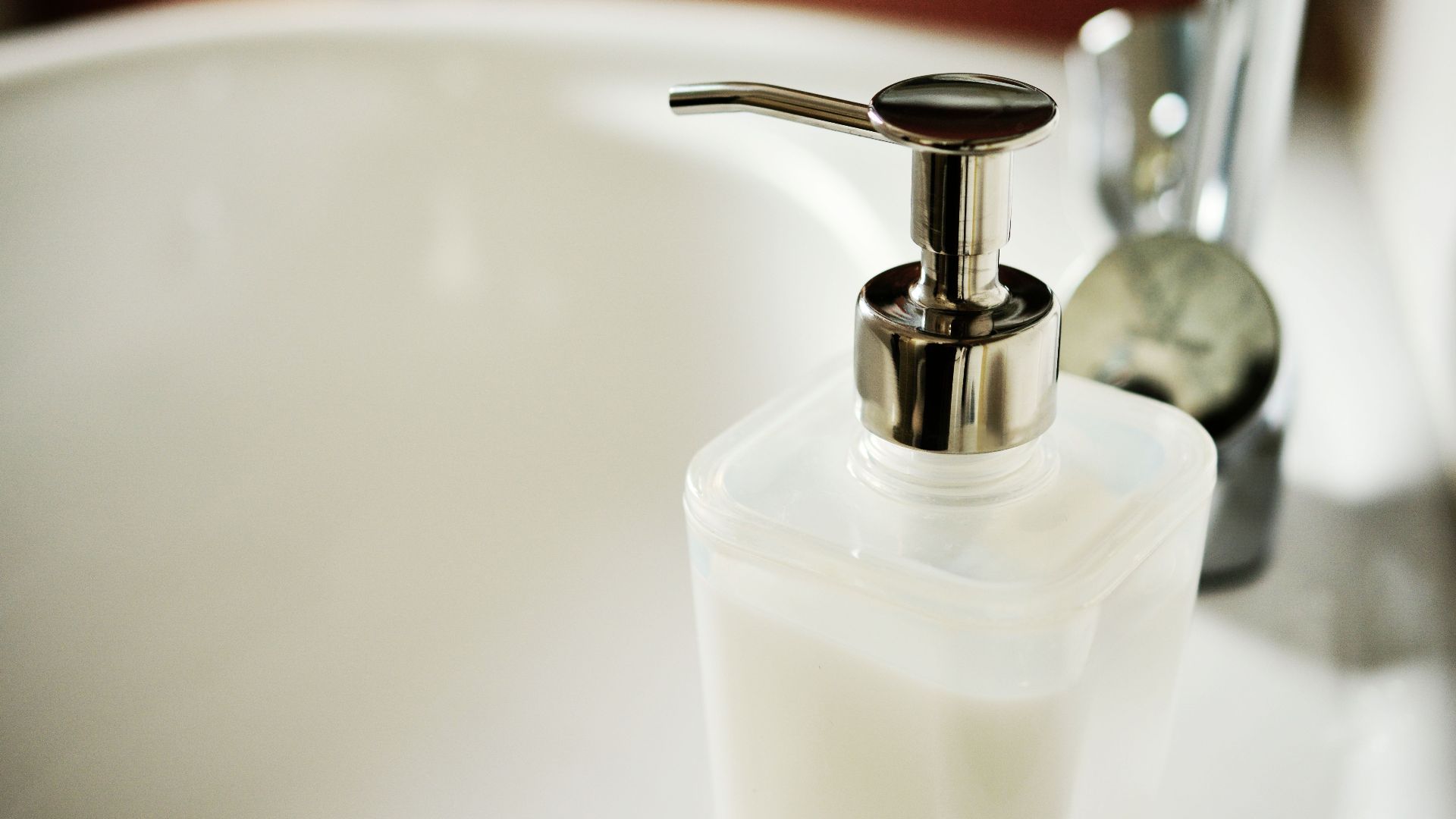
Bar soap has been around forever, but that did not protect it. Mintel reported that U.S. bar soap sales declined as consumers shifted toward liquid soap. Younger consumers were especially likely to see bar soap as less appealing.
Germ Concerns Hurt The Bar
Mintel found that many consumers associated bar soap with germs. Pump bottles felt cleaner, easier to share, and more modern. The humble bar suddenly looked old-fashioned.
Liquid Soap Won The Countertop
The broader soap and shower market kept growing while bars lost share. That matters because millennials were still buying hygiene products. They were simply buying different formats.
Mayonnaise Became A Punchline
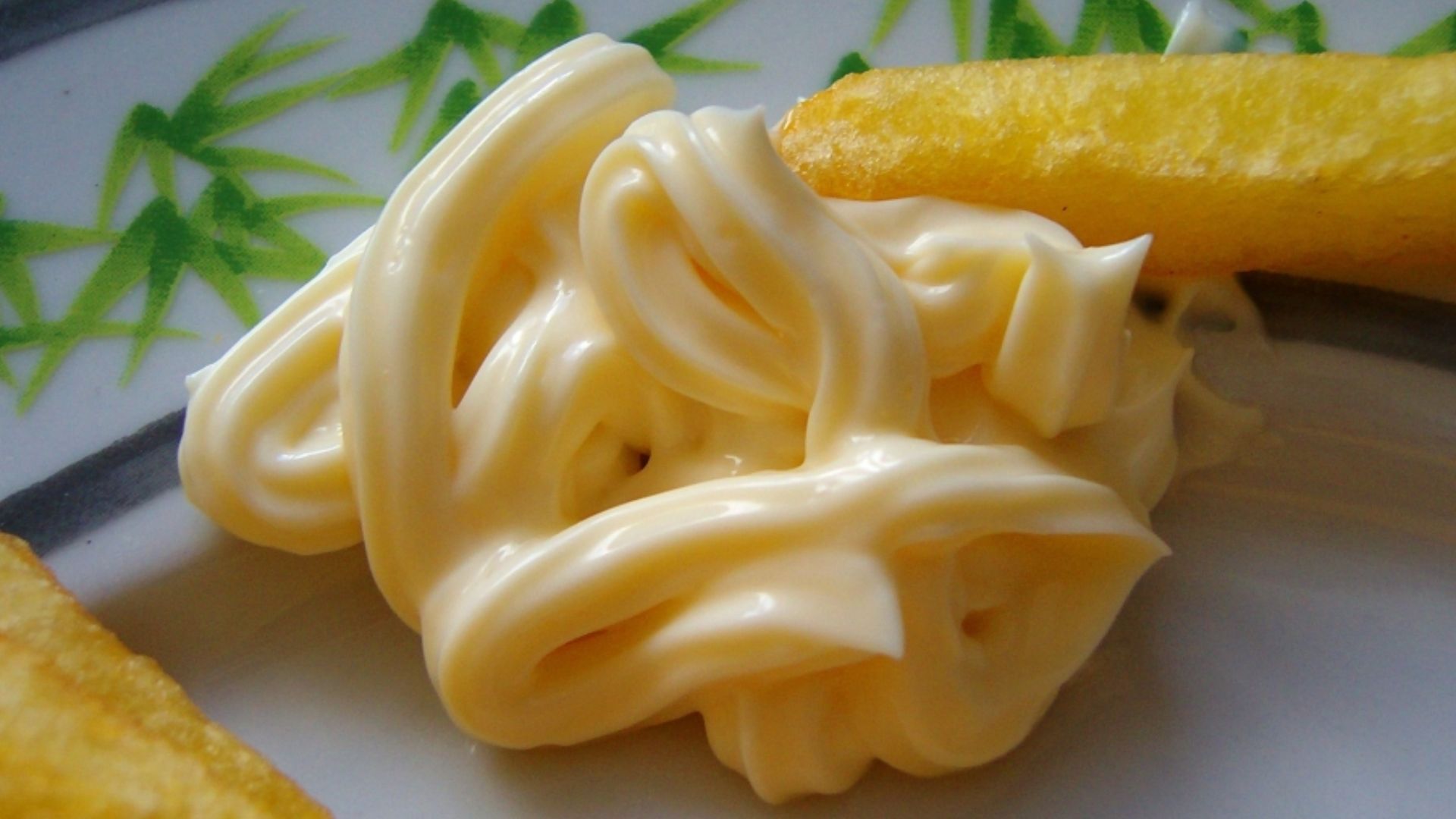
Mayonnaise became one of the internet’s favorite “millennials killed it” stories. Philadelphia Magazine argued that younger eaters were drifting toward more expressive condiments. The article captured a real cultural shift, even if the headline was playful.

Condiments Got More Personality
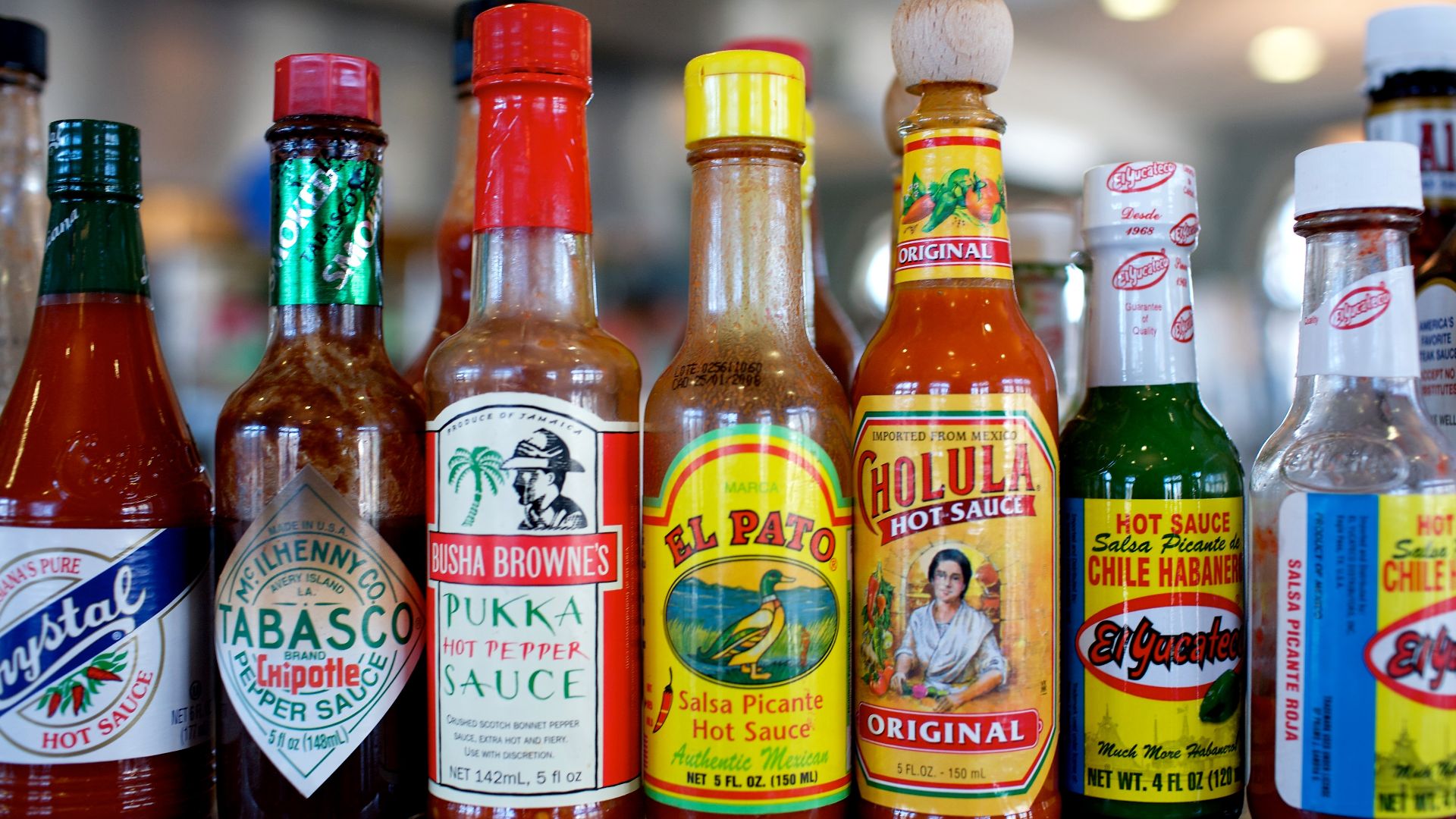
Hot sauce, sriracha, hummus, aioli, avocado spreads, and global flavors crowded the fridge door. Millennials helped make food choices feel like identity choices. Plain mayo had to compete with louder, trendier options.
 Alan Turkus, Wikimedia Commons
Old Staples Needed A Rebrand
Mayonnaise did not disappear from America. It just lost some of its automatic place in sandwiches and salads. Brands had to work harder to make it feel fresh.
Casual Dining Lost Its Hangout Status
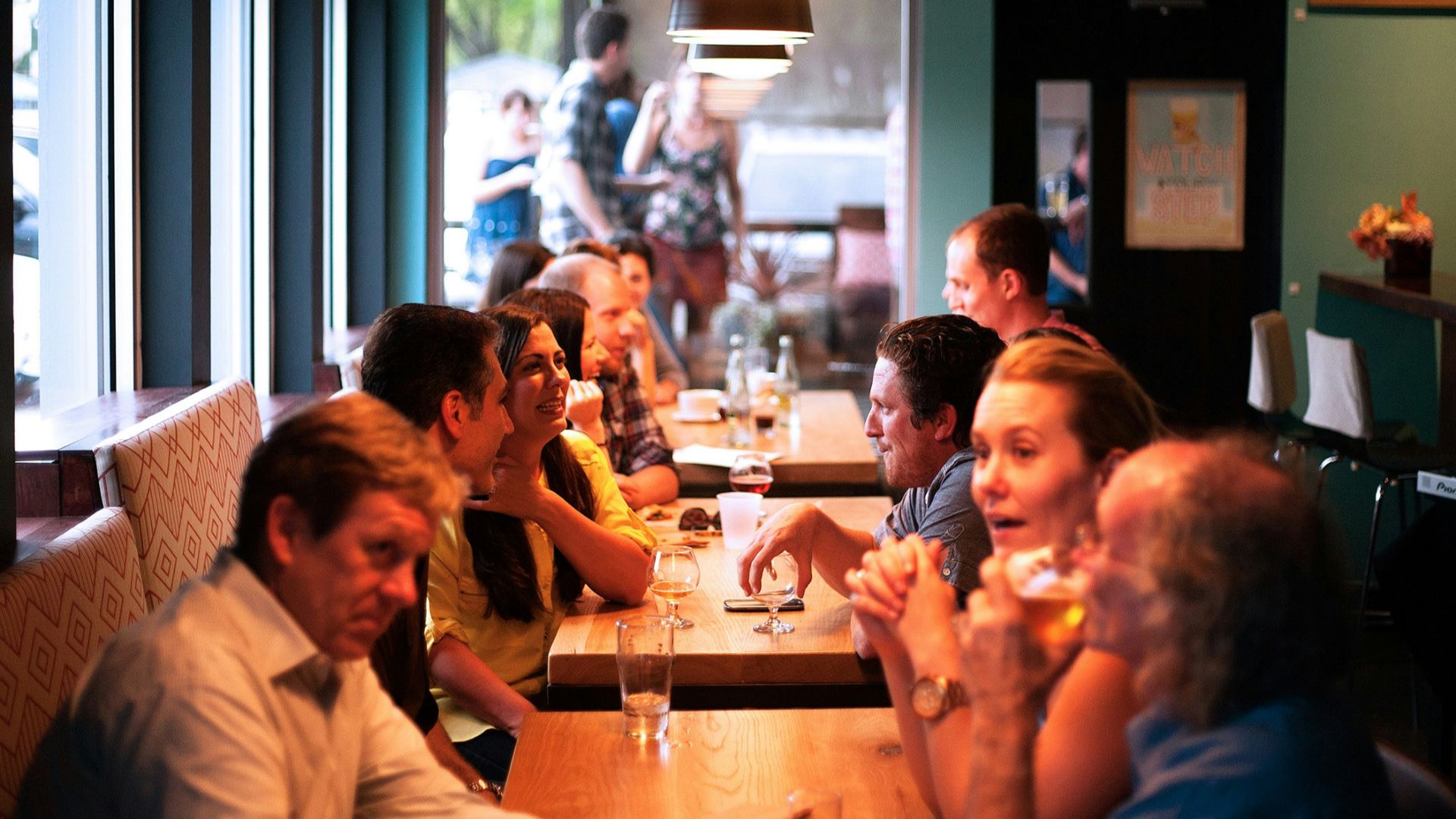
Casual dining chains once owned birthdays, dates, and weekend dinners. CBS News reported that industry experts linked millennial dining habits to struggles at chains like Applebee’s and Buffalo Wild Wings. Younger diners often wanted faster, fresher, or more local options.
The Middle Got Squeezed
Fast casual restaurants offered speed without feeling like traditional fast food. Delivery apps made eating at home easier. Independent restaurants and food trucks gave diners more variety.
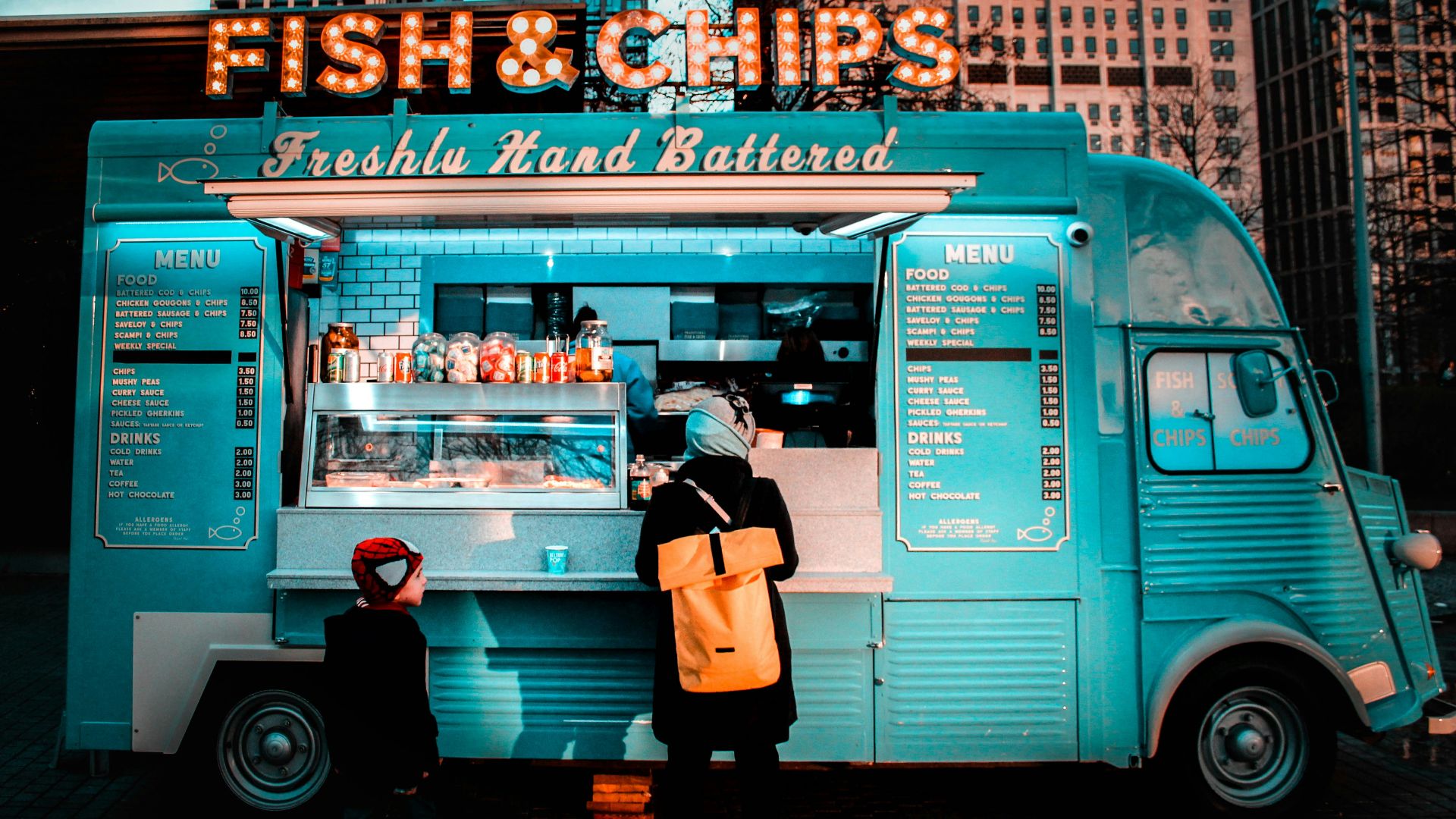
Chains Had To Chase Experiences
Millennials did not stop eating out. They wanted meals that felt worth the time and money. That pushed casual chains to refresh menus, remodel stores, and rethink value.
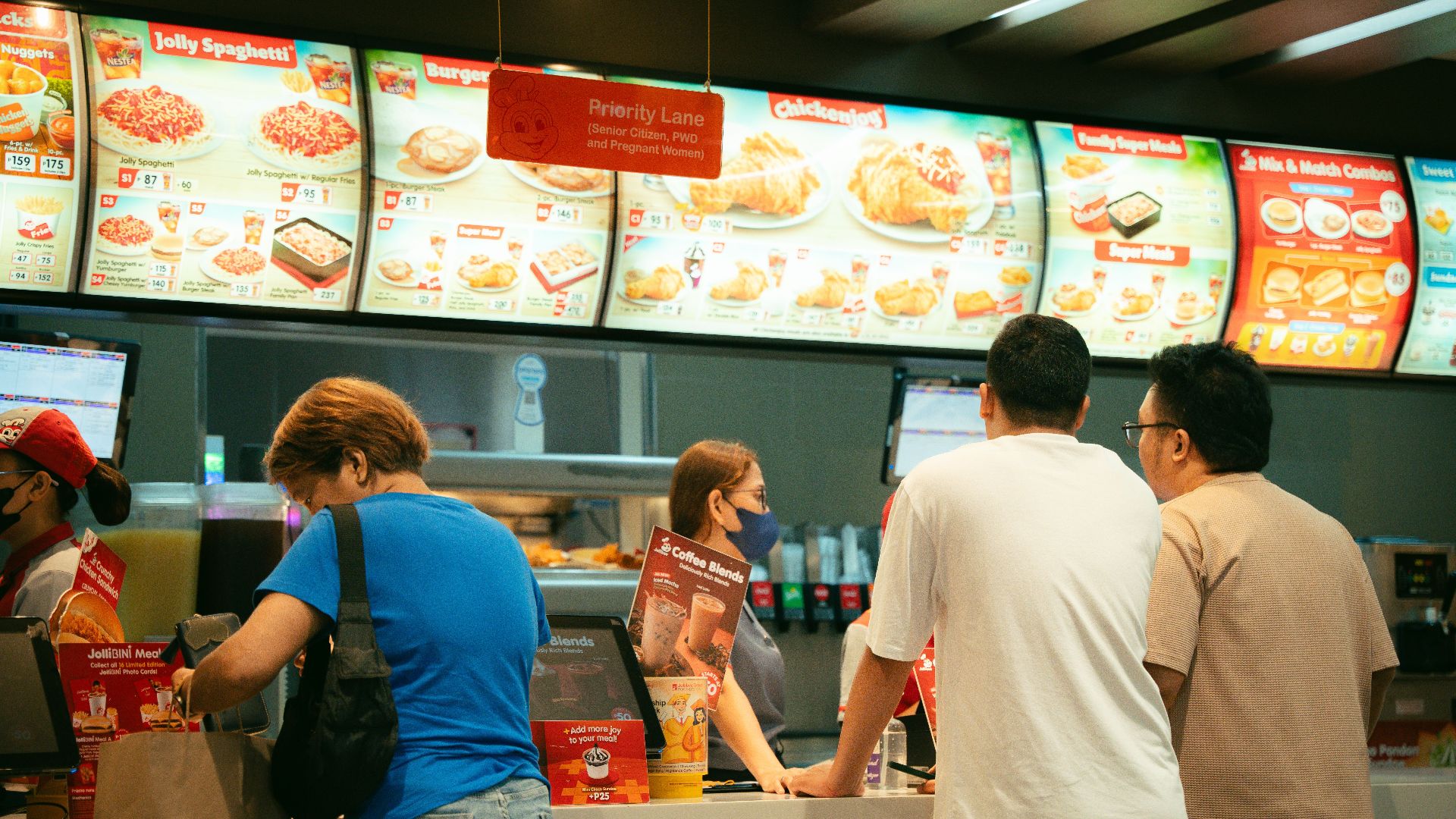
Cable Packages Became Too Heavy
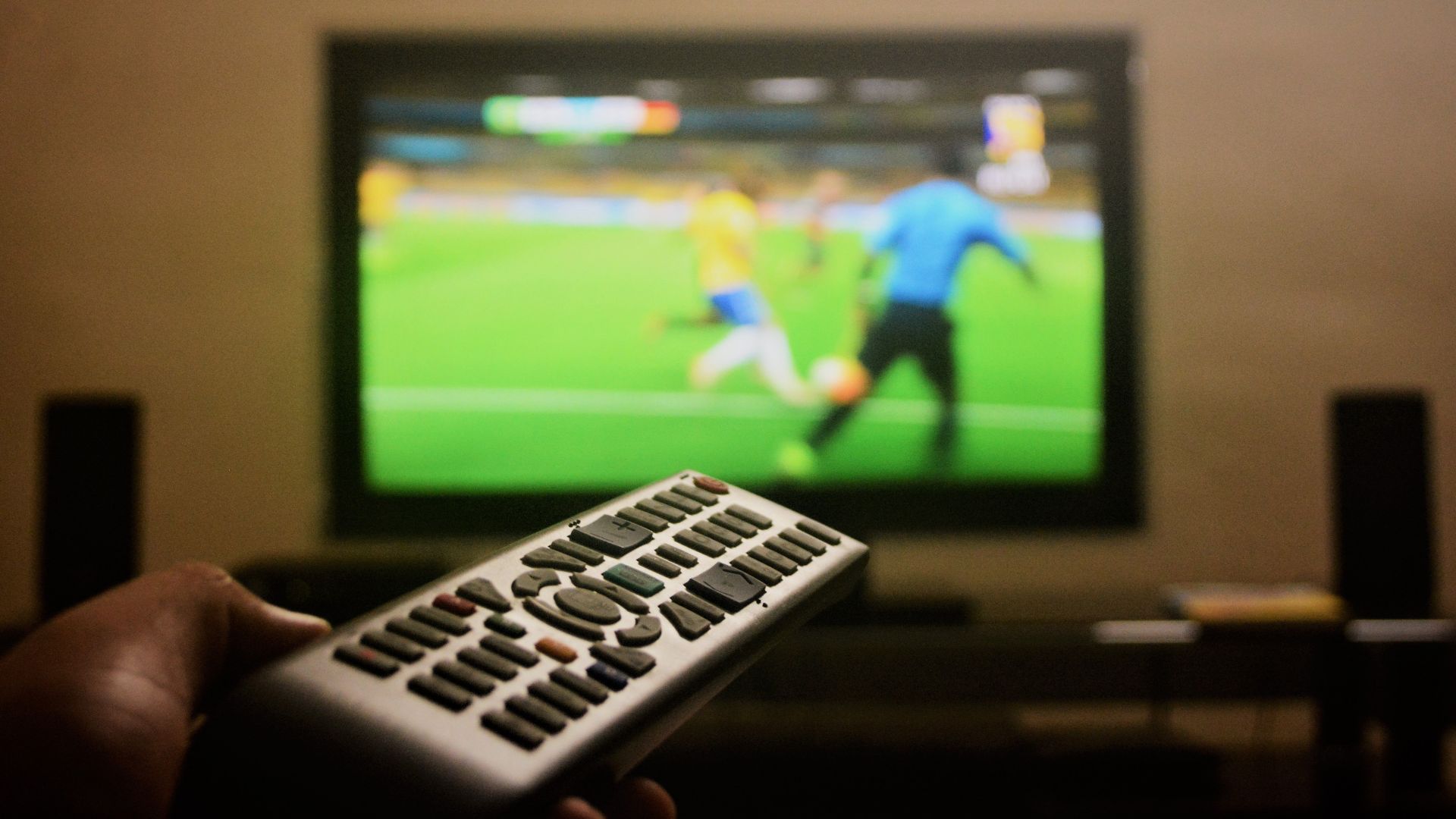
Cable television used to be the standard way to watch everything. Pew Research found that cable and satellite use dropped sharply in the United States after 2015. Streaming services made the old bundle look expensive and rigid.
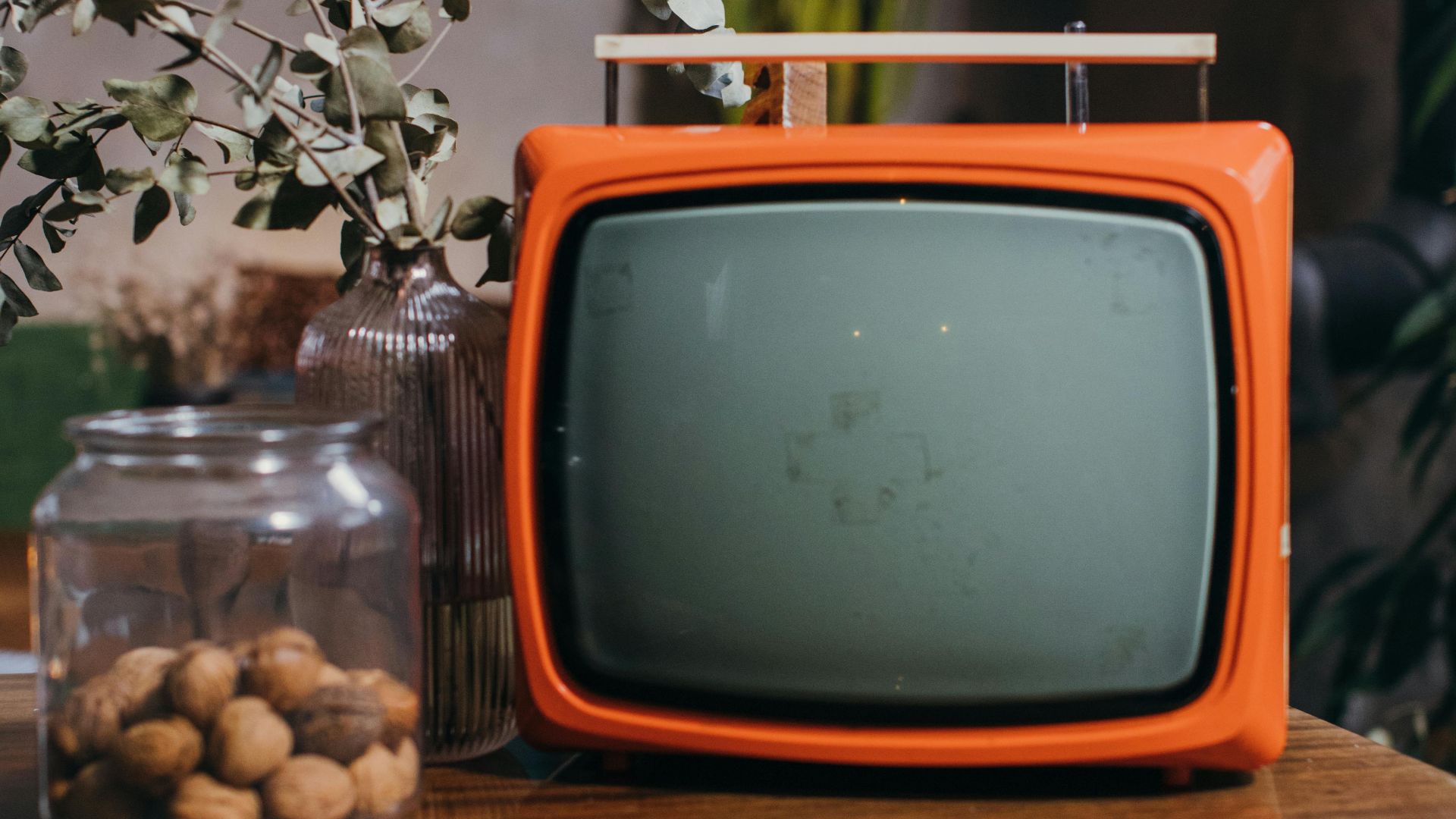
Cord Cutting Became Normal
Younger adults were especially comfortable replacing cable with streaming. They could pick services month by month and cancel when prices rose. The big bundle lost power once viewers had options.
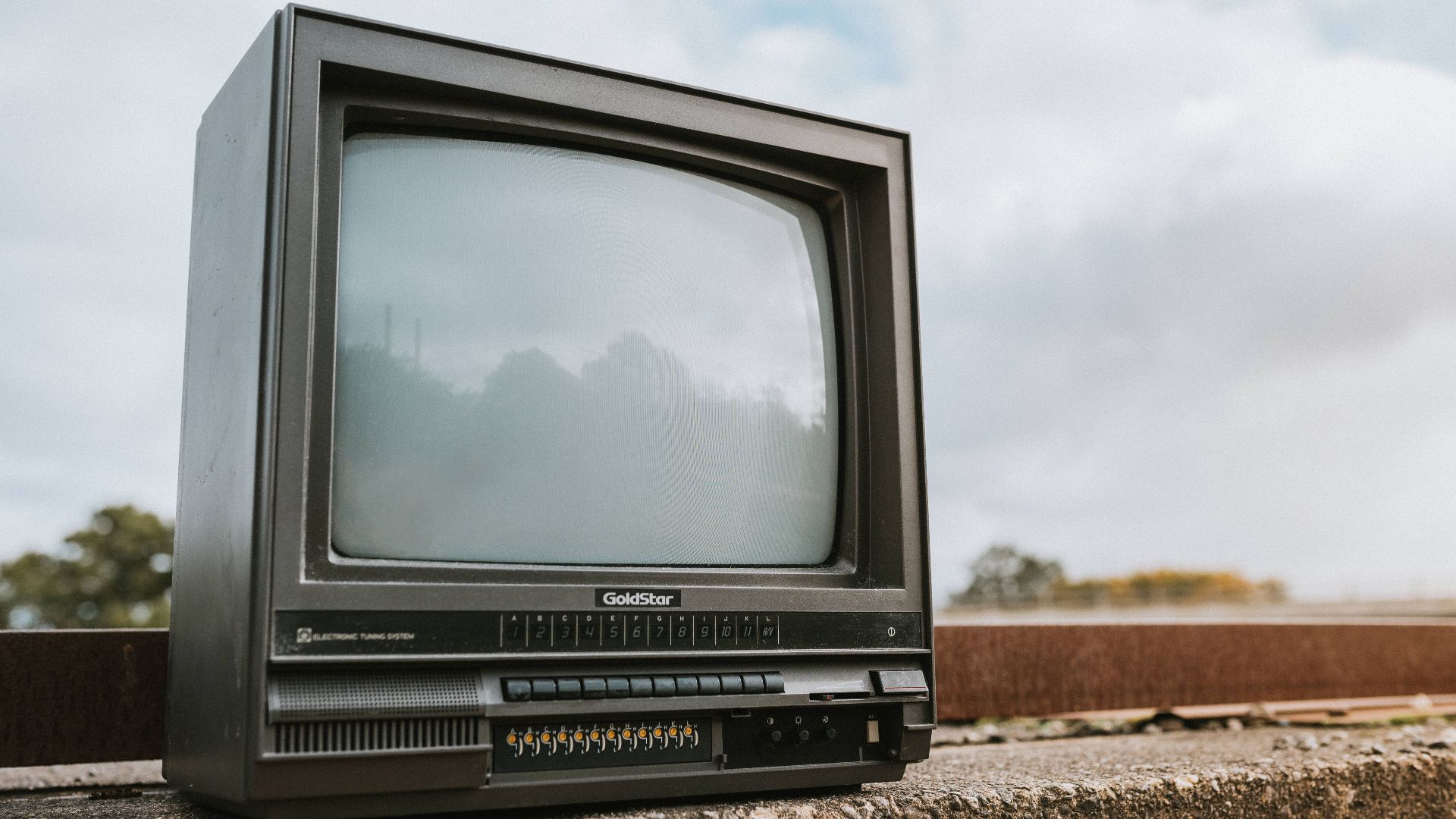
Live TV Lost Its Grip
Sports and live events still keep some people connected to traditional TV. But many millennials learned to watch shows on demand. Appointment viewing became less central to daily life.
Natural Diamonds Faced A Sparkly Rival
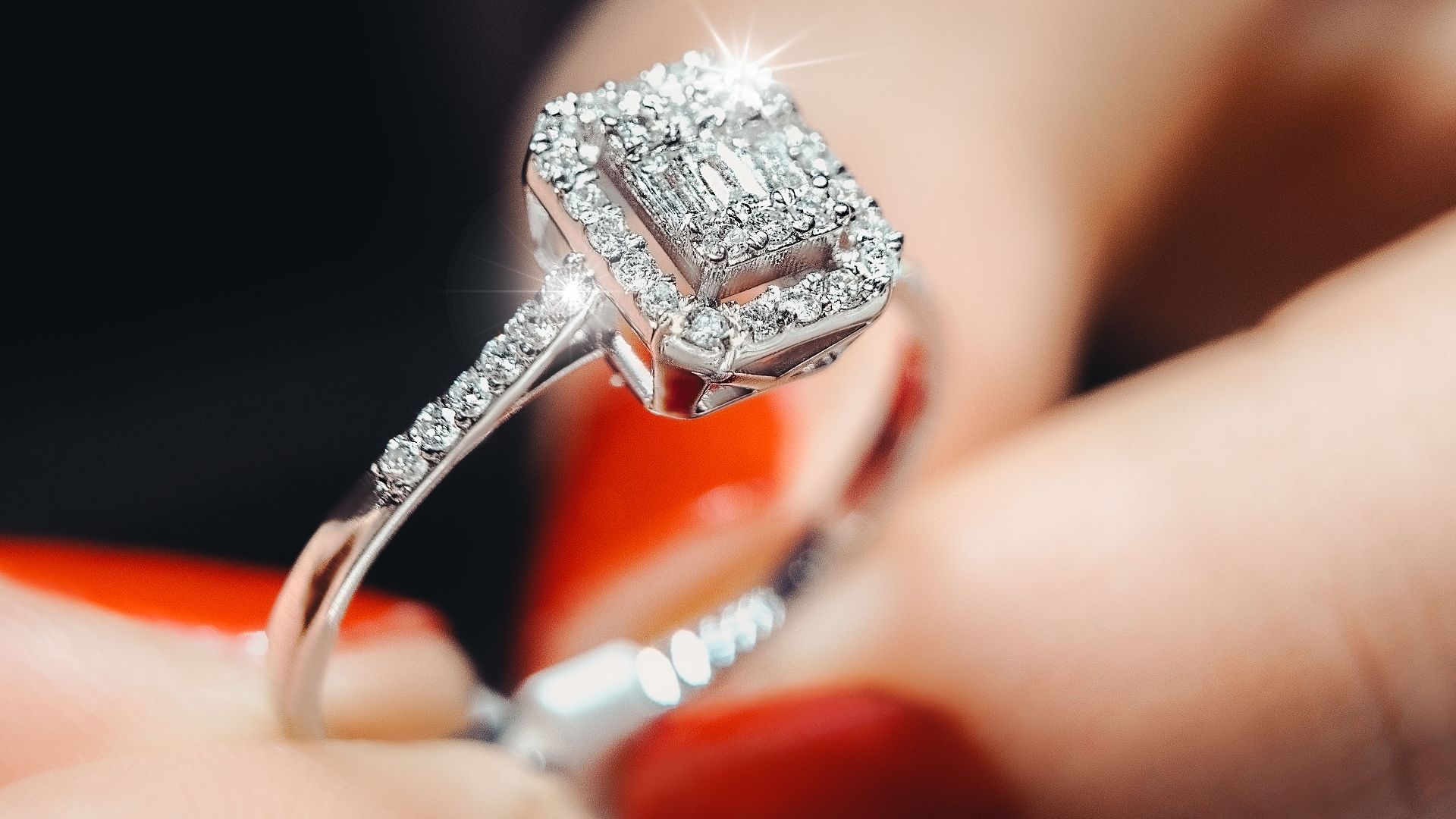
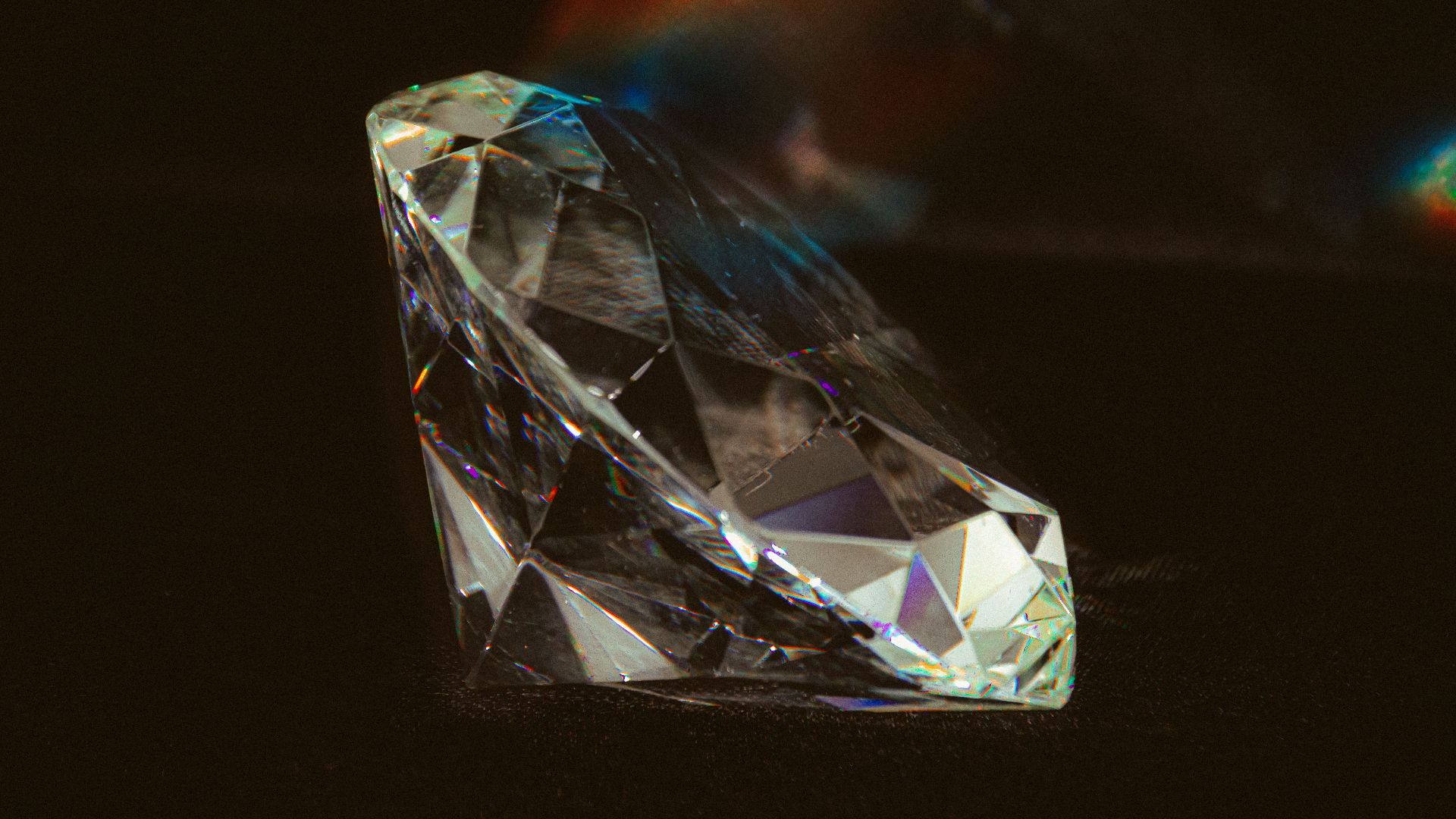
Natural diamonds still matter, but lab-grown diamonds changed the engagement ring market. The Guardian reported that natural diamond prices fell while lab-grown stones gained share. Younger buyers were drawn to lower prices and easier-to-trace sourcing.

The Ring Budget Changed
Millennials often married later and faced larger housing and debt pressures. A less expensive lab-grown diamond could leave room for travel, savings, or a down payment. The emotional value stayed, but the spending logic changed.
Forever Needed An Update
The old diamond pitch relied on tradition. Younger shoppers asked more questions about price, ethics, and resale value. That forced the jewelry industry to defend what natural diamonds uniquely offer.
Motorcycles Faced An Aging Rider Base
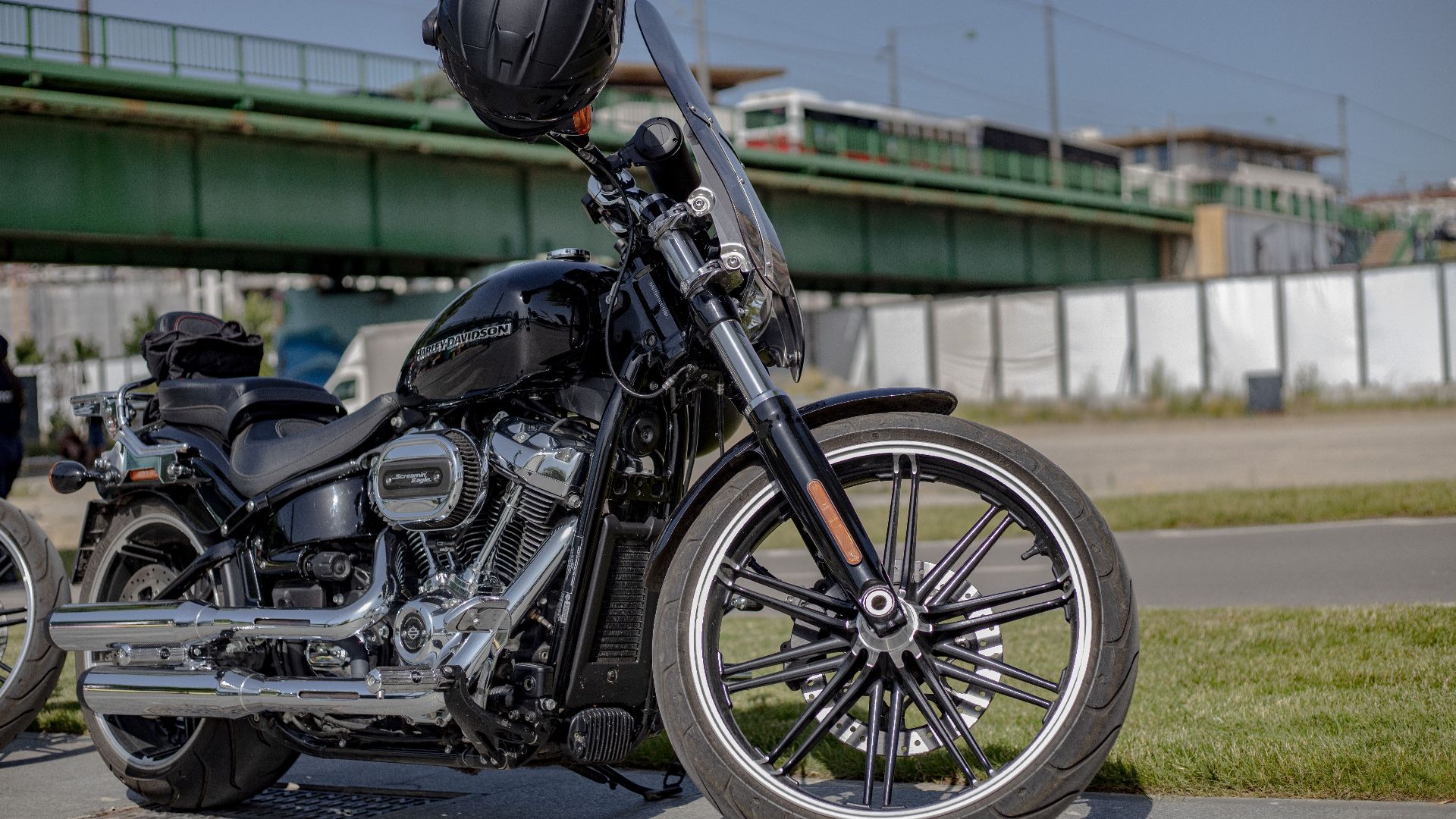
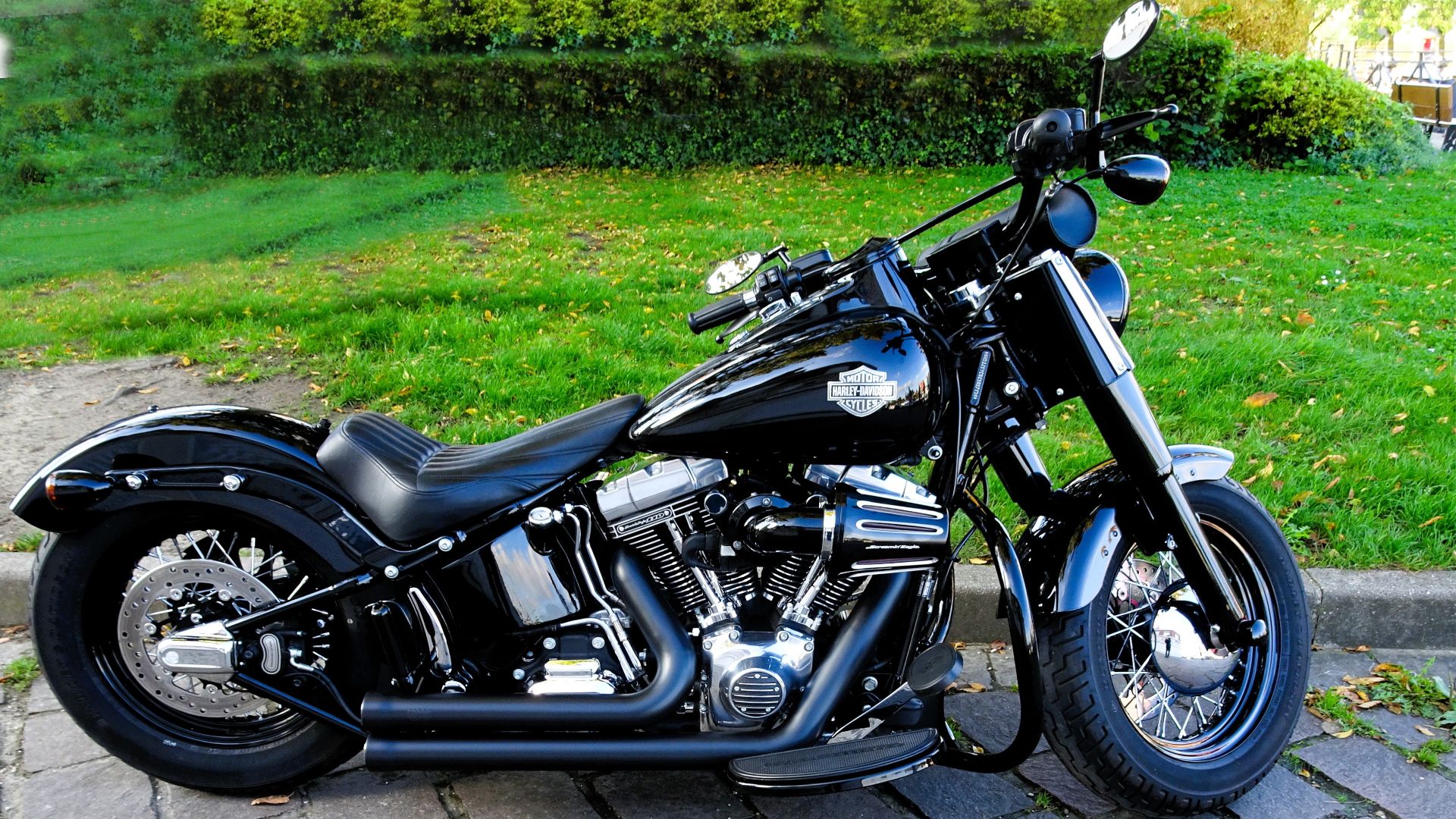
Harley-Davidson became a clear example of a legacy brand chasing younger buyers. Axios reported that Harley’s retail motorcycle sales fell for a fourth straight year in 2025. The company has struggled to attract younger riders while also dealing with tariffs and high costs.
Big Bikes Got Harder To Justify
Motorcycles are expensive hobbies, especially when insurance, storage, maintenance, and safety gear are included. Many millennials prioritized practical transportation, rideshare, public transit, or smaller vehicles. A heavyweight cruiser became less attainable for younger households.
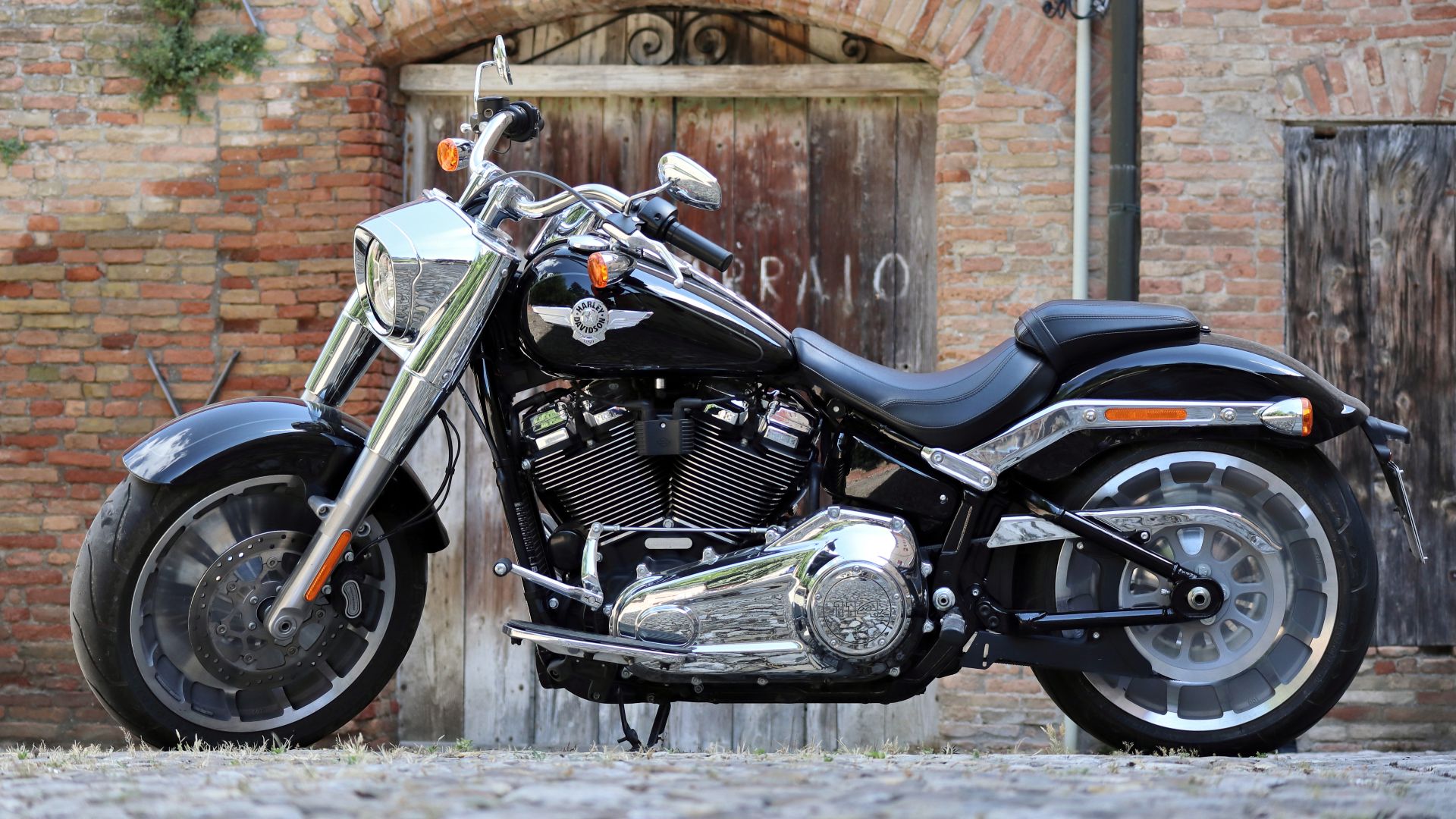
The Open Road Needed New Riders
Harley has tried lighter and more affordable bikes to broaden its audience. That shows the company understands the demographic challenge. Nostalgia alone cannot carry a brand forever.
 Pierre Andre Leclercq, Wikimedia Commons
Starter Homes Became Harder To Buy
Starter homes did not decline because millennials disliked owning homes. They declined because affordability got brutal. The Federal Reserve reported that renters most often cited financial constraints as the reason they rented.

Homeownership Got Delayed
Investopedia, citing Redfin research, reported that less than 55% of millennials owned homes in 2024. High prices, mortgage rates, and limited inventory made buying harder. Many younger adults stayed renters longer than earlier generations.

The First House Got More Complicated
A small first home used to be a practical stepping stone. In many markets, even modest homes became expensive and competitive. Millennials did not abandon starter homes so much as get priced out of them.

Department Store Habits Faded
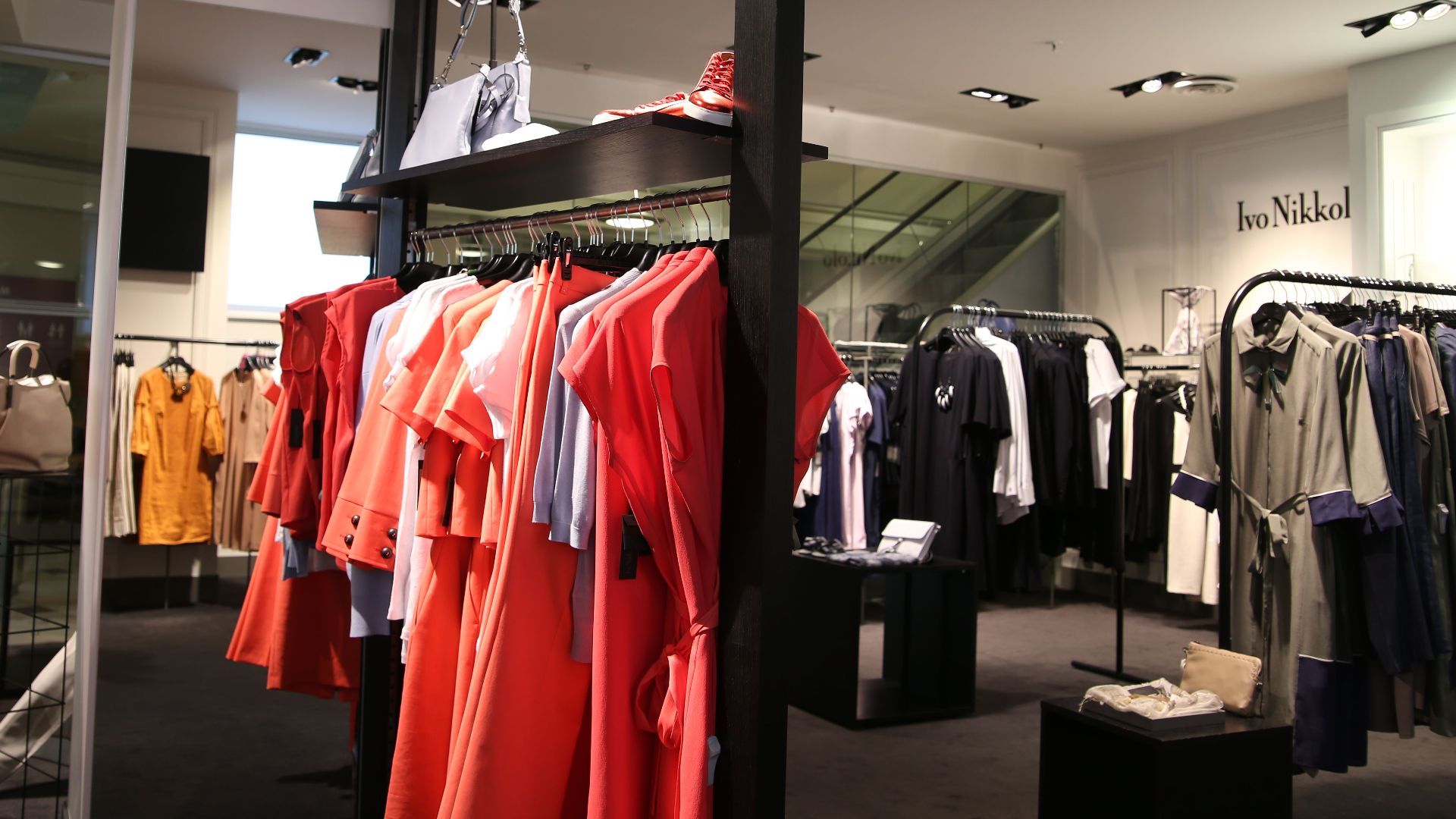
Department stores depended on routine trips for clothes, gifts, cosmetics, and home goods. McKinsey found that online shopping has become deeply embedded in consumer behavior. That shift weakened the old habit of browsing one big store for everything.
The Mall Trip Lost Momentum
Millennials grew comfortable comparing prices online and buying directly from brands. Social media also changed how people discovered fashion and beauty products. The department store lost its role as the main tastemaker.
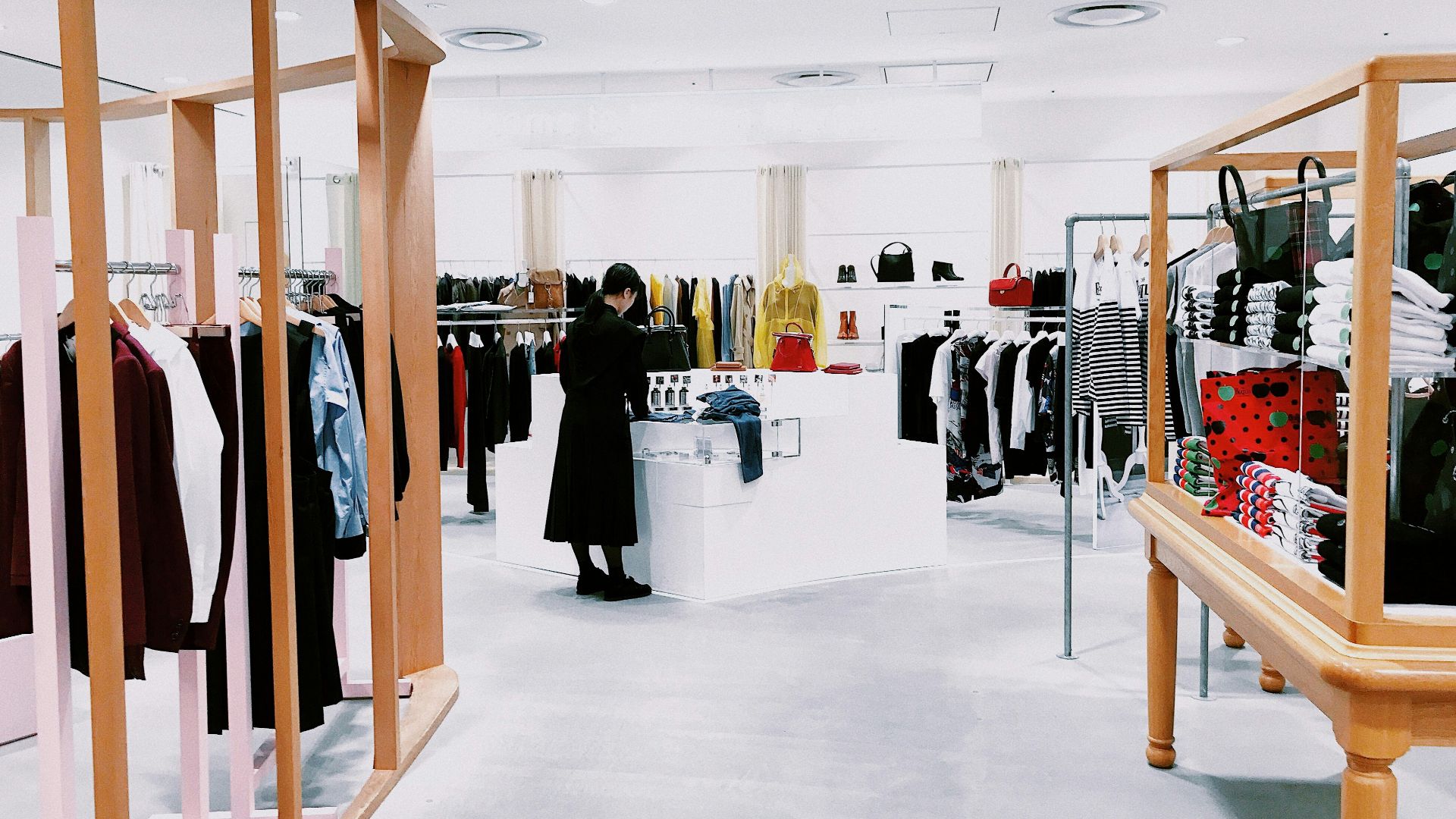
Retail Had To Become An Experience
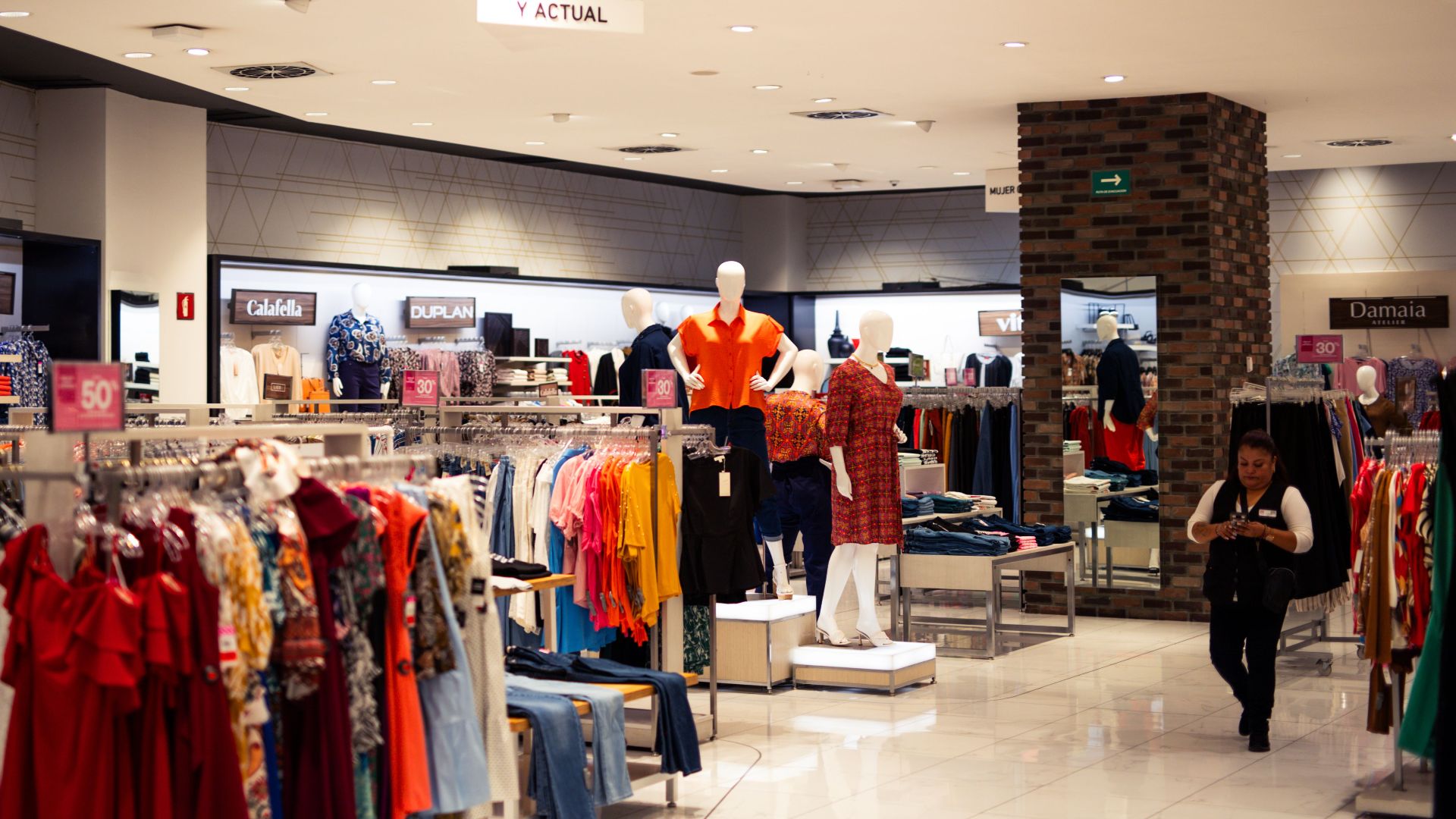
Stores that survived had to offer service, discovery, or entertainment. Simply stocking racks of products was no longer enough. Younger shoppers expected convenience online and a reason to visit in person.
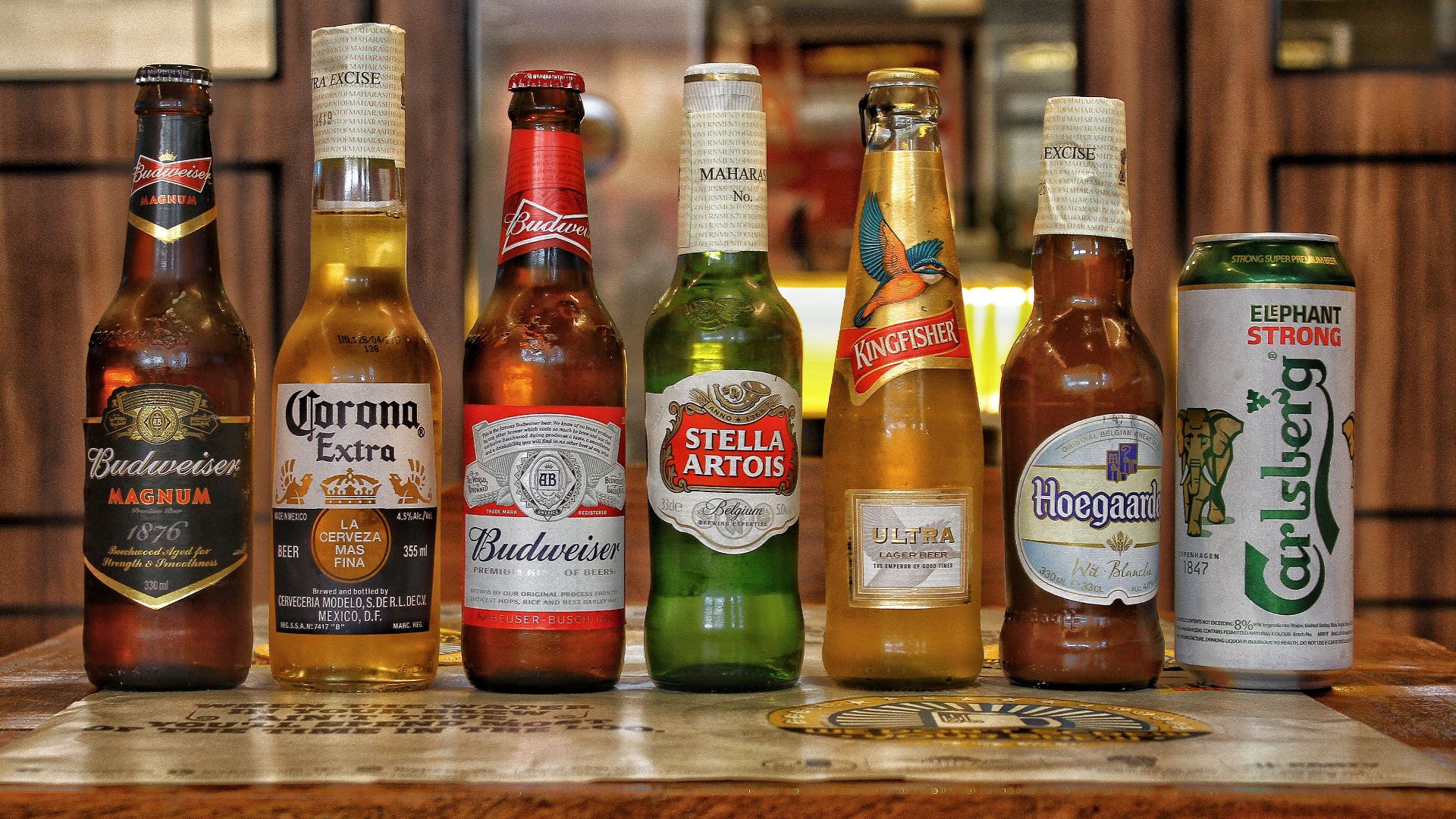
Beer Lost Some Younger Drinkers
Beer brands also felt changing millennial tastes. Reports from beverage industry coverage showed younger drinkers shifting toward wine, spirits, craft cocktails, and lower-alcohol choices. Big beer had to fight harder for attention.
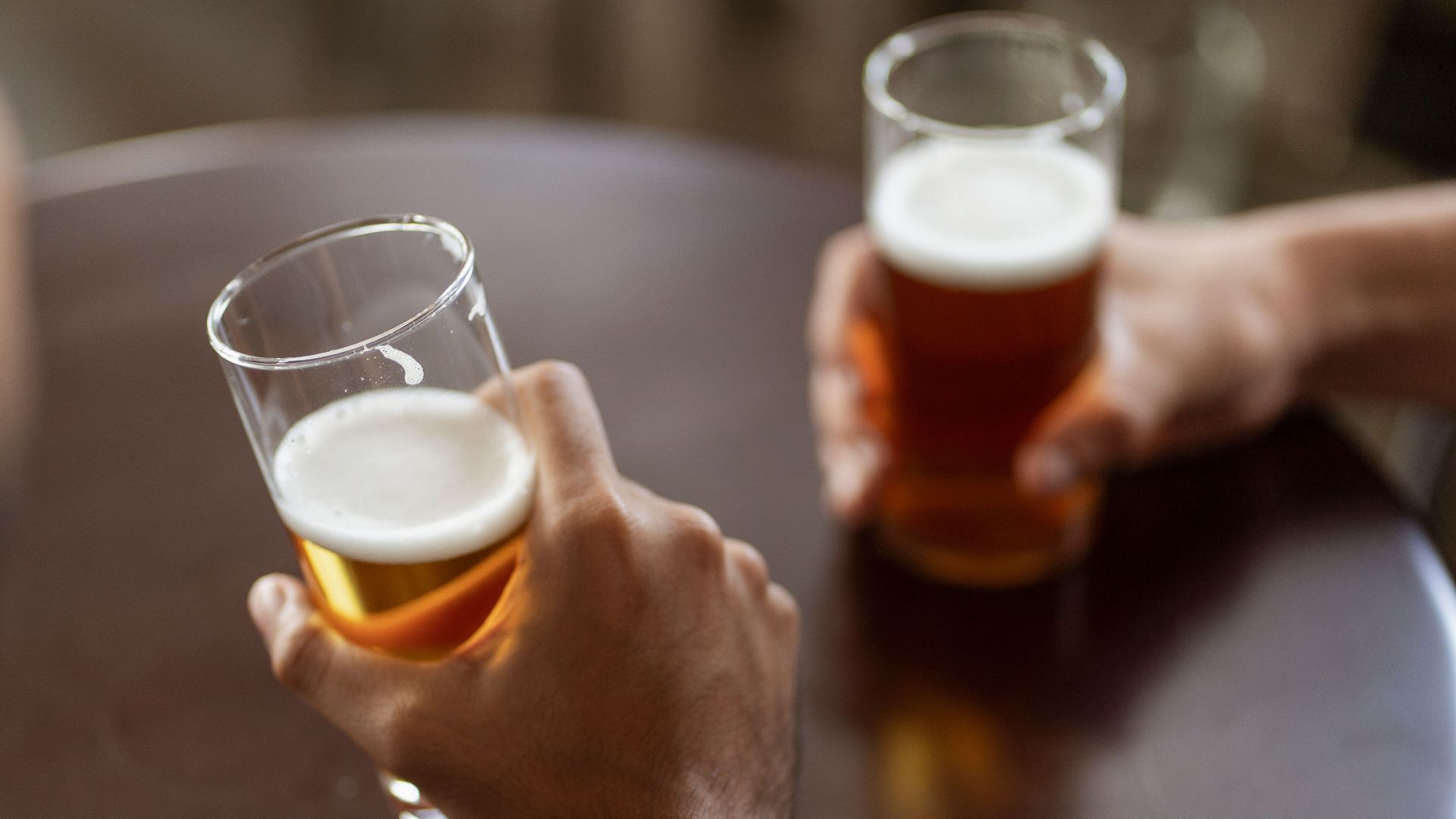
Drinking Culture Got More Selective
Millennials helped normalize craft beer, but that did not always help mass-market beer. They also embraced wellness trends and more intentional drinking. The result was a tougher market for old default brands.
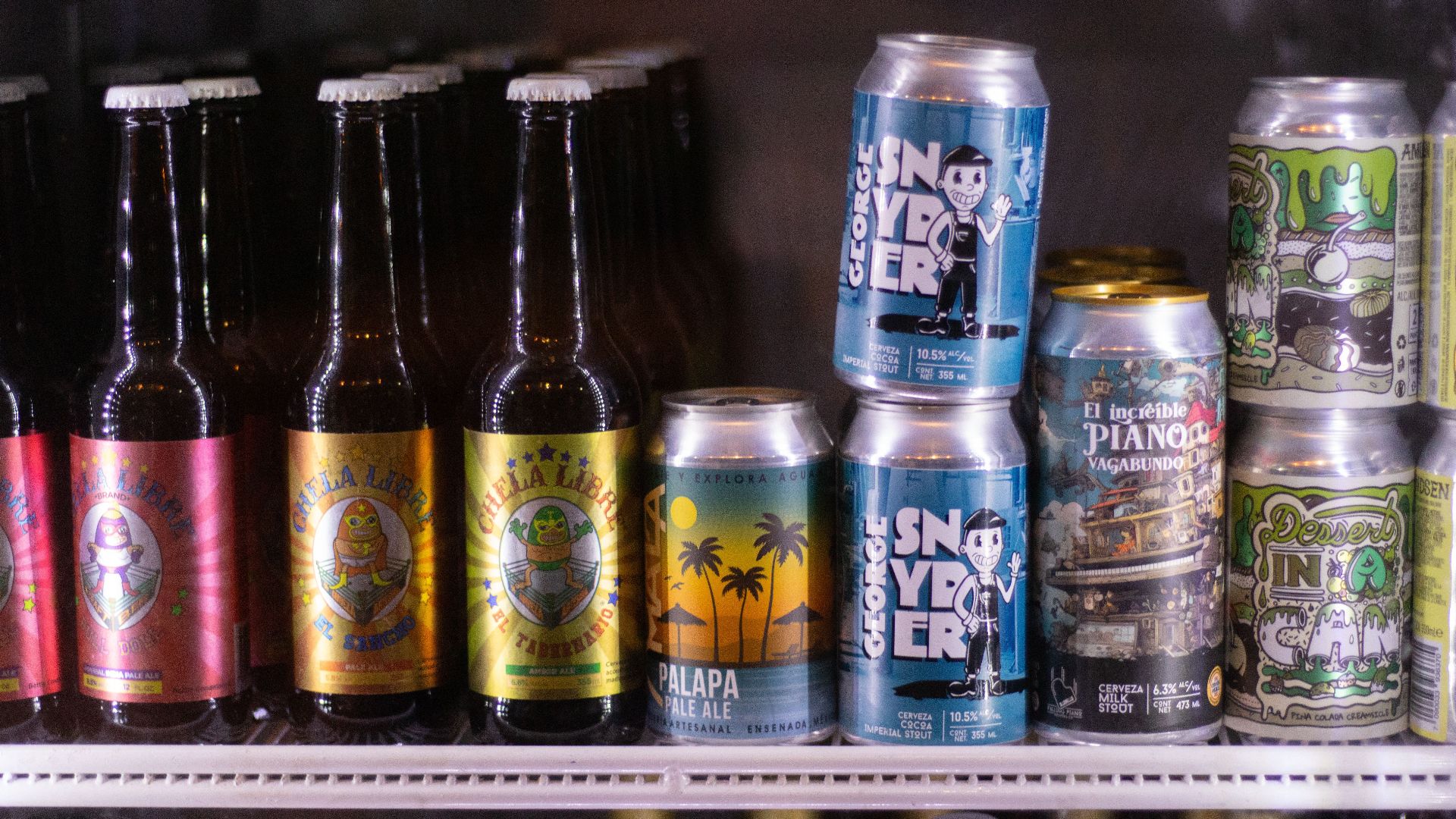
The Fridge Got More Crowded
Hard seltzers, canned cocktails, nonalcoholic beer, and premium spirits all challenged traditional beer. Younger consumers wanted variety and novelty. Loyalty to one familiar six-pack became less common.
Print Magazines Lost The Checkout Line
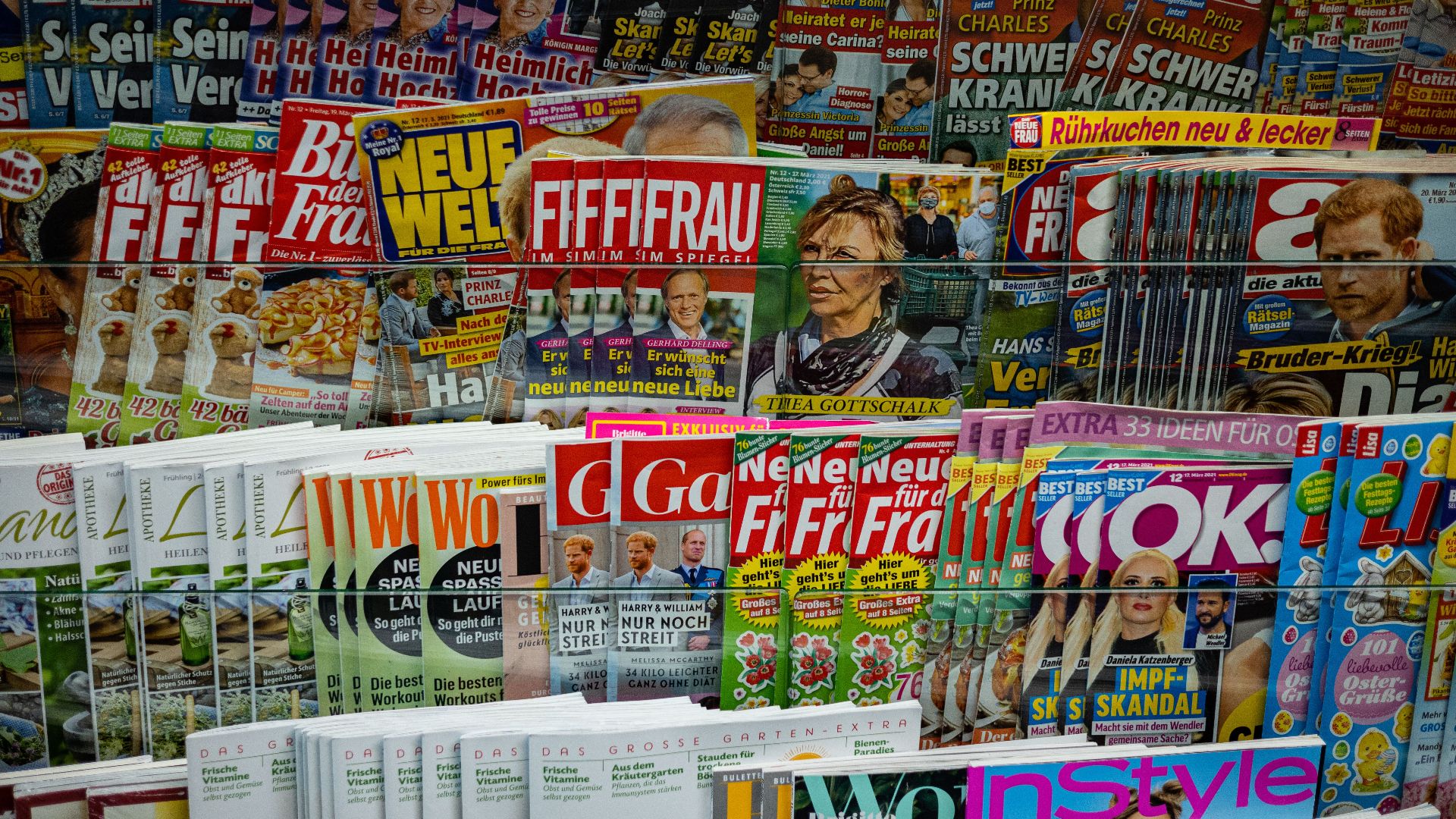
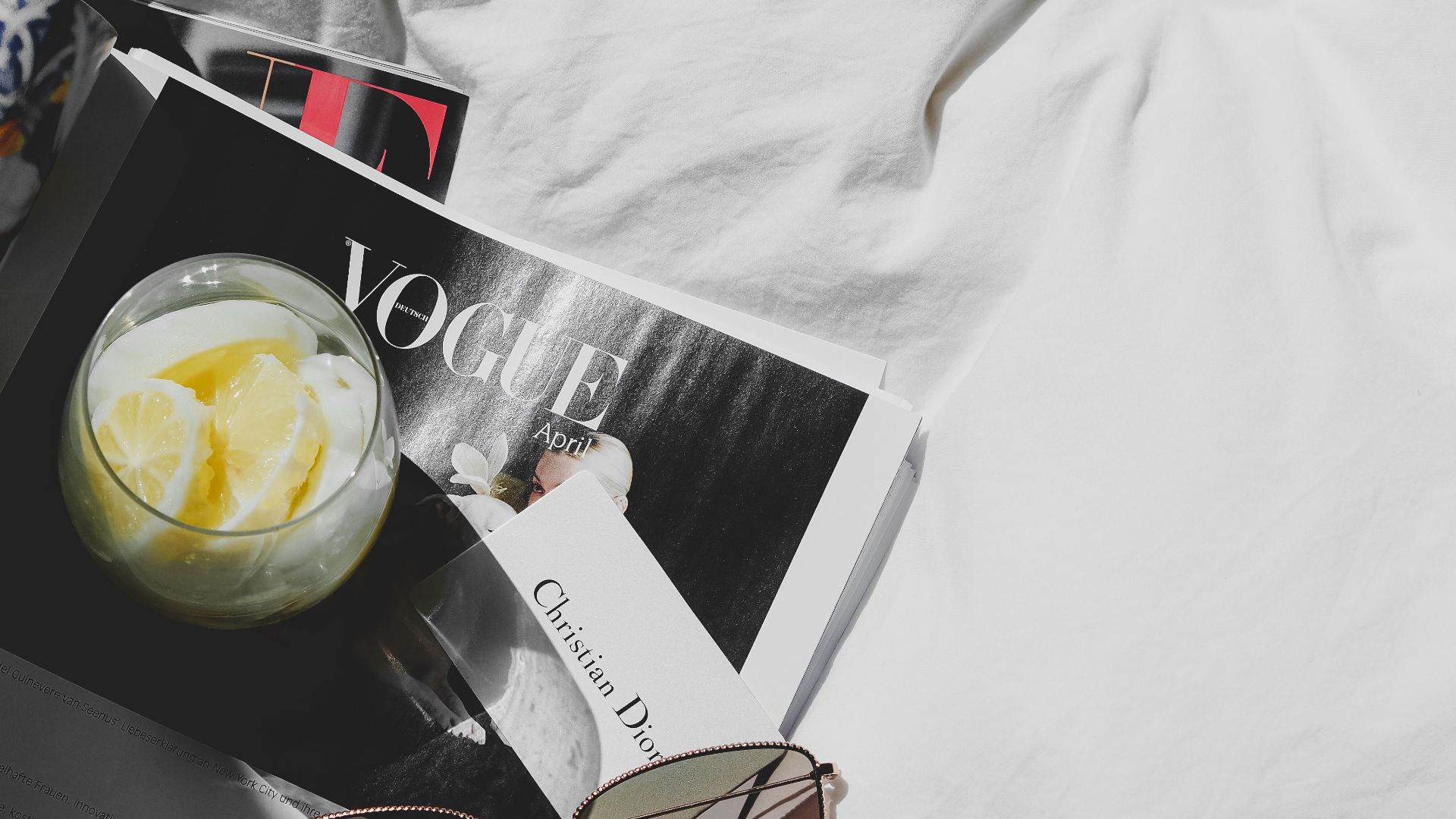
Magazines once thrived on subscriptions and impulse buys. Digital media changed how millennials read celebrity news, recipes, fashion, and personal finance. Phones replaced the waiting-room stack.
Content Became Constant
Millennials did not stop reading. They moved attention to websites, newsletters, podcasts, social feeds, and video. That made monthly print schedules feel slow.

Publishers Followed The Audience
Magazine brands had to build digital subscriptions, events, affiliate shopping, and social content. The product changed from paper issues to media ecosystems. The glossy cover became only one part of the business.
Fine China Lost Its Occasion
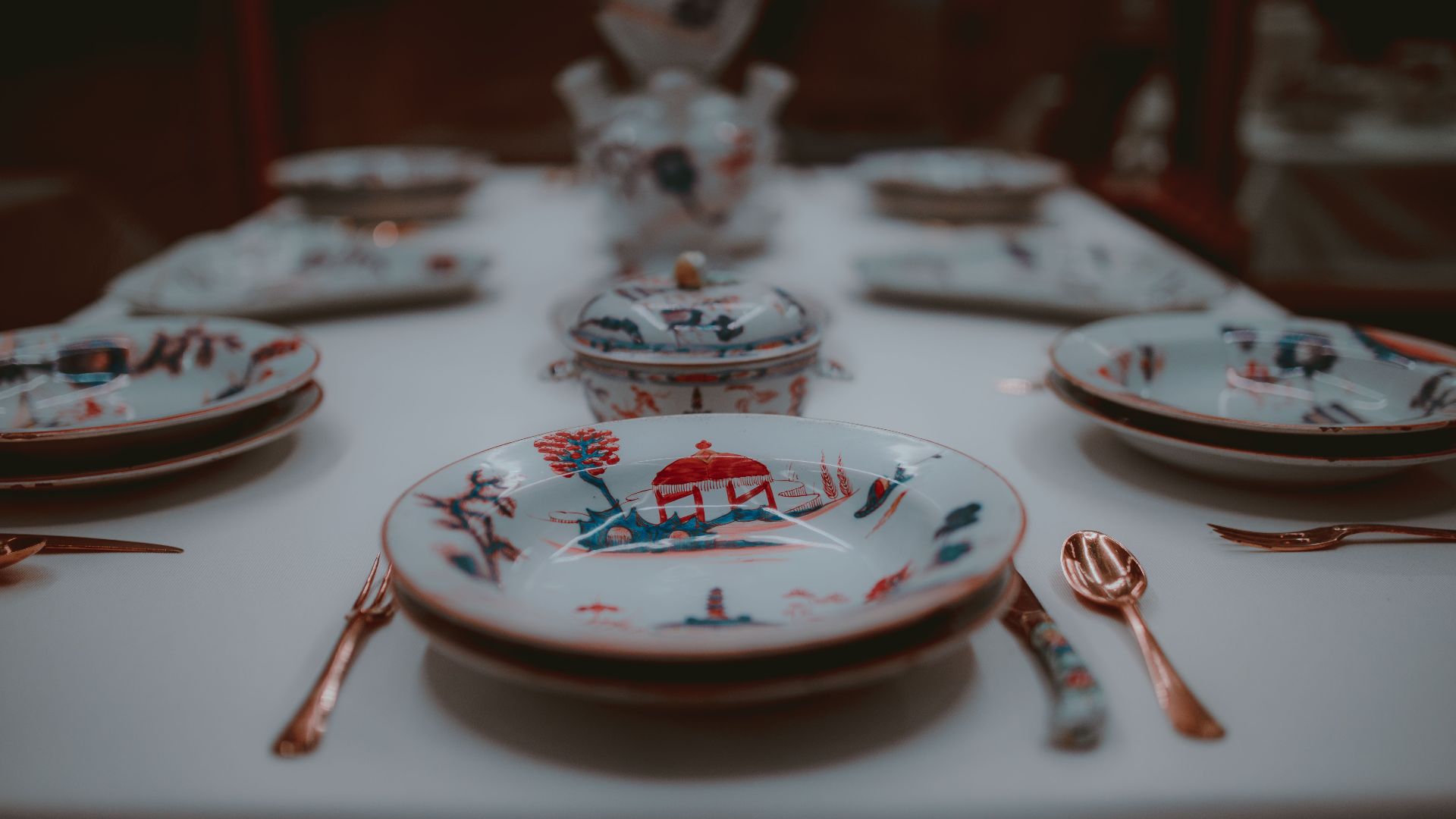
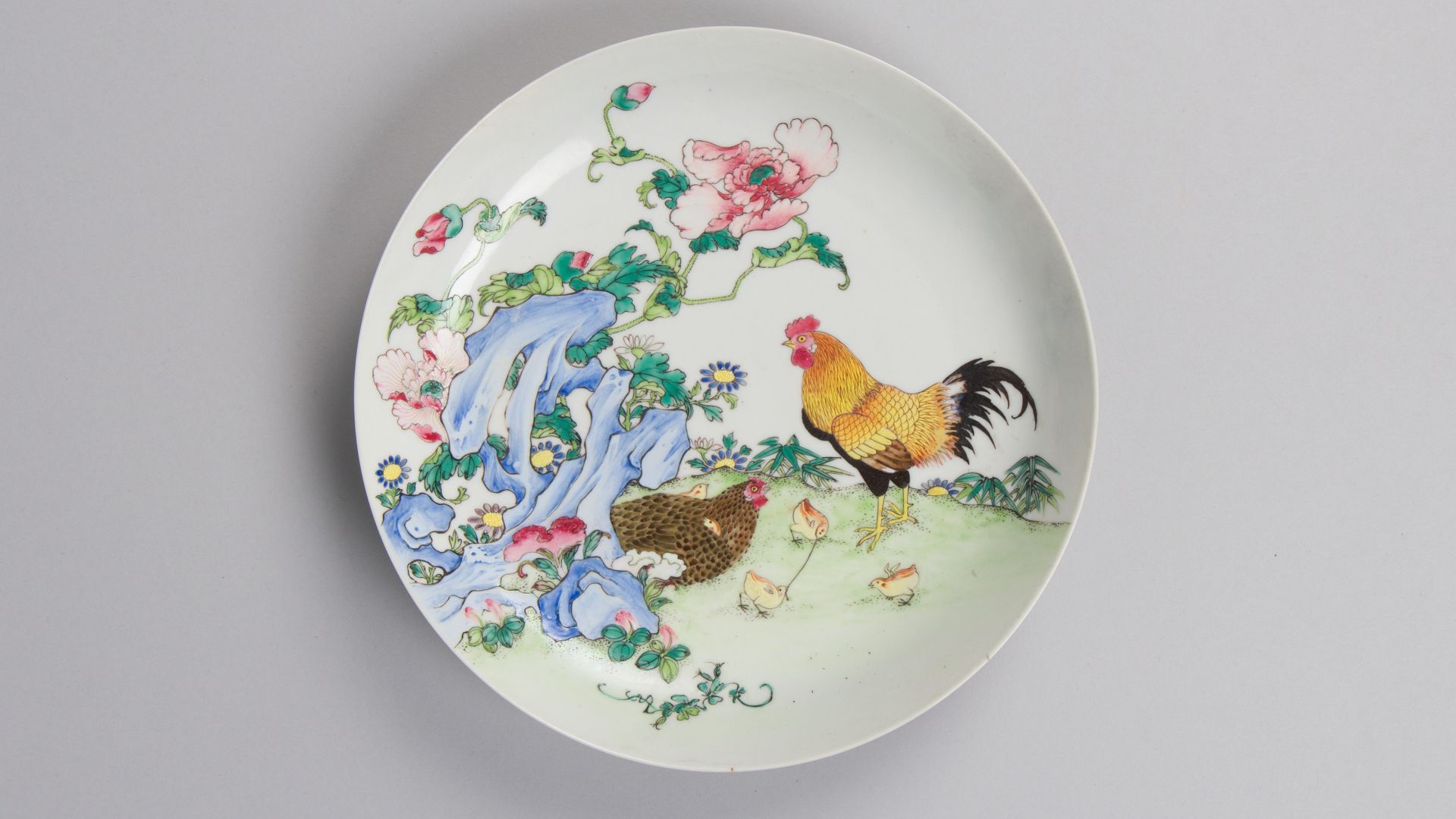
Fine china once belonged on wedding registries and holiday tables. Millennials often lived in smaller spaces and married later. Delicate dish sets became harder to justify.
 Valentin Angel Fernandez, Pexels
Practical Dishes Won
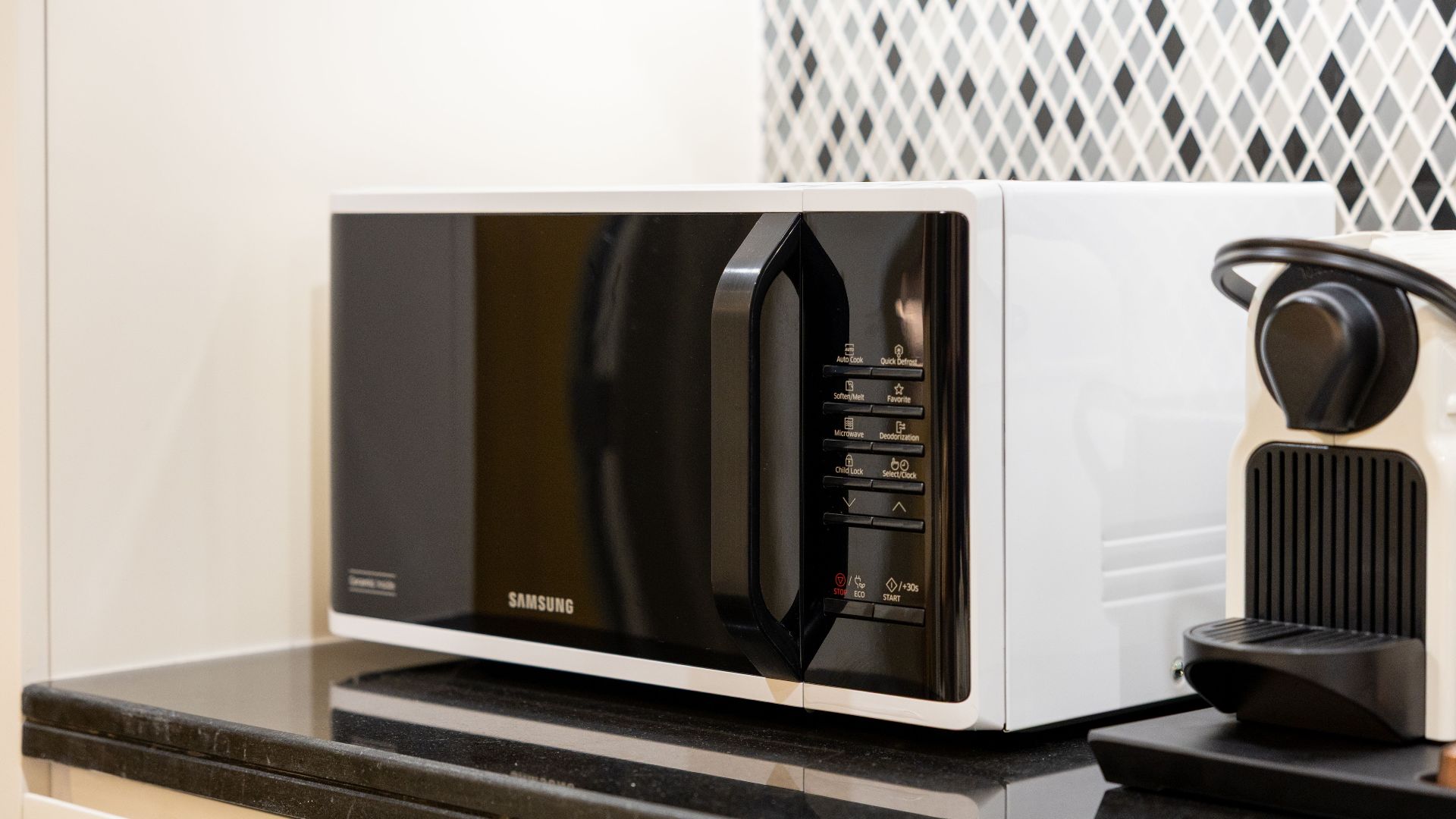
Dishwasher-safe, microwave-safe, and everyday tableware fit modern apartments better. Casual entertaining also replaced some formal dinner traditions. The china cabinet lost cultural importance.
Heirlooms Got Complicated
Many millennials inherited objects they did not have room to store. Sentimental value did not always translate into daily use. That weakened demand for new formal dinnerware.
Napkins Went Casual
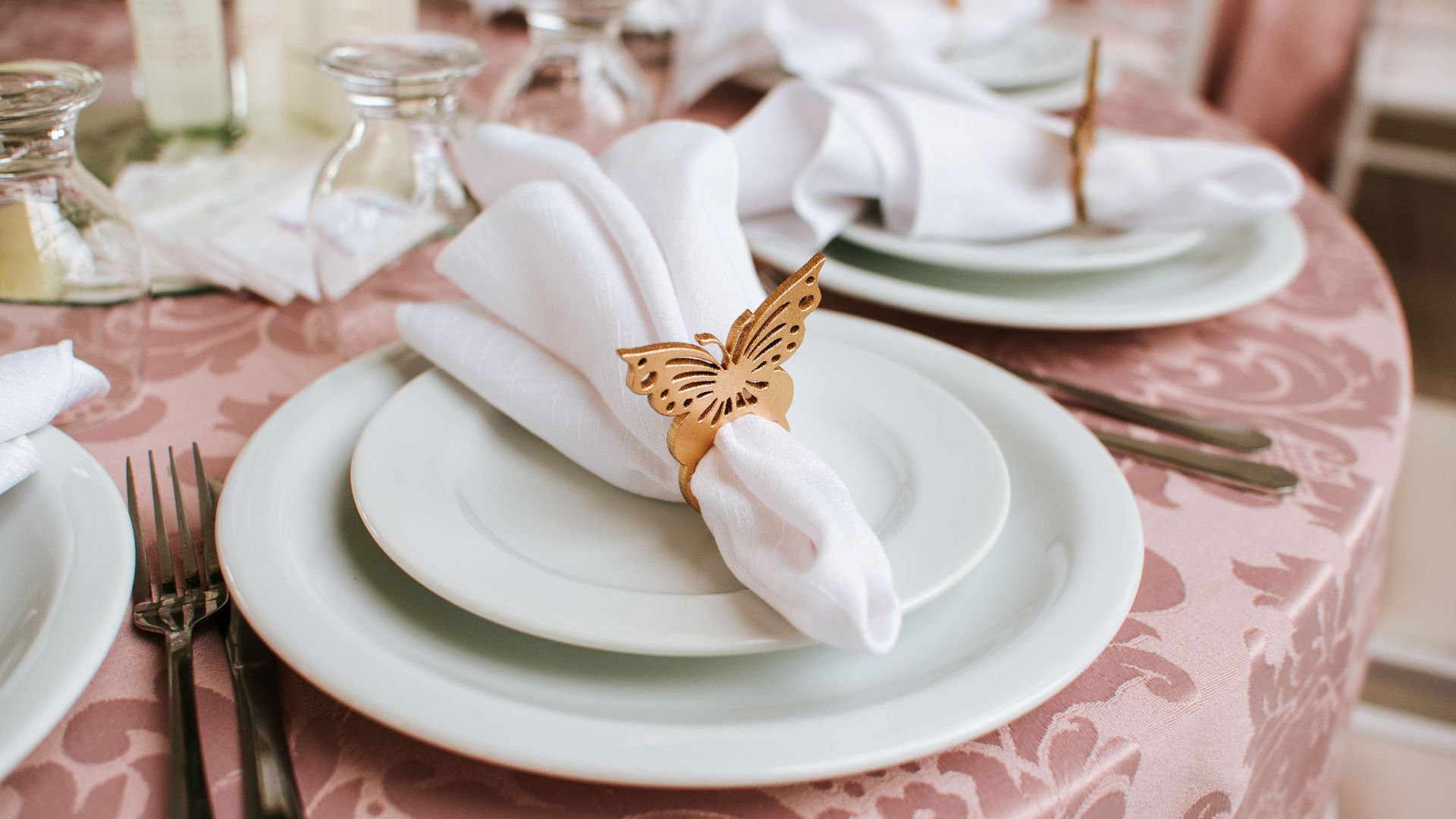
Paper napkins and cloth napkins both faced changing habits. More meals came from takeout, delivery, or quick snacks. The formal place setting became less common at home.
Meals Got More Flexible
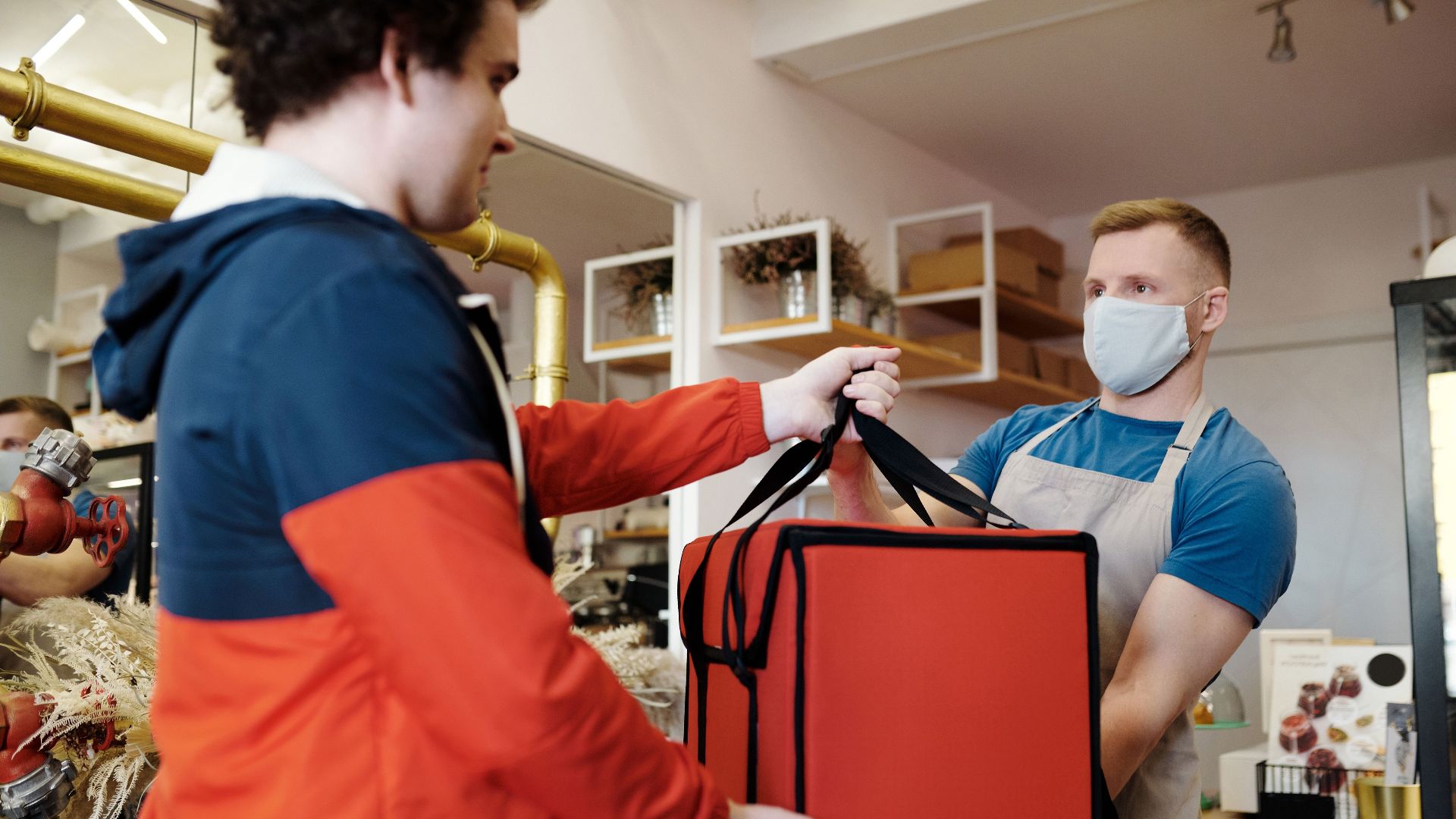
Millennials often ate at desks, on couches, or on the go. That favored paper towels, reusable cloths, or whatever came with delivery. The dedicated napkin lost some of its everyday purpose.
Small Habits Add Up
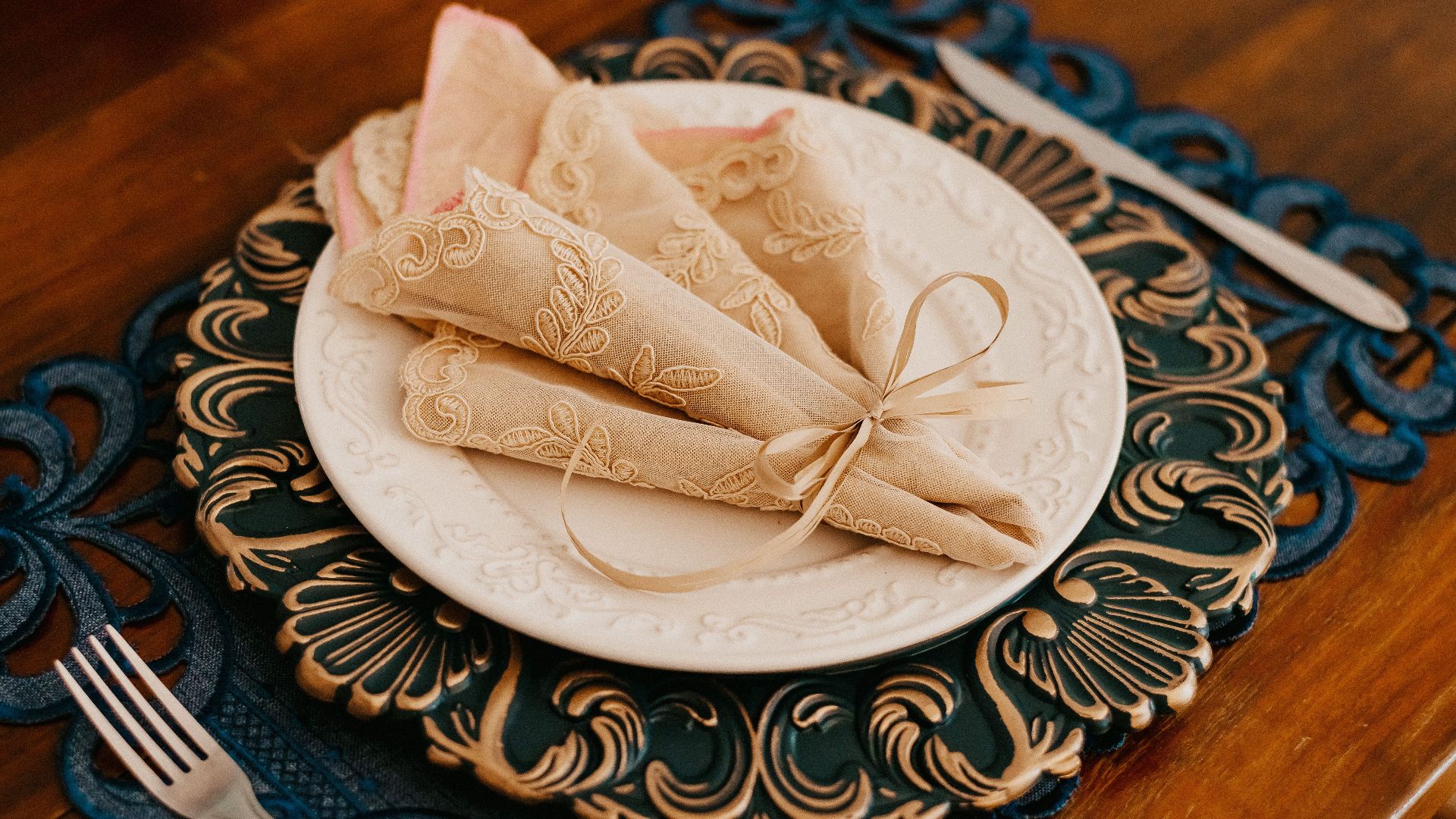
A category can decline when millions of small routines change. Napkins show how product demand can fade without a dramatic rejection. Convenience quietly rewrites the shopping list.
Landlines Became Redundant
Home phones were once essential household infrastructure. Smartphones made a separate residential line unnecessary for many younger adults. Millennials helped normalize mobile-only households.
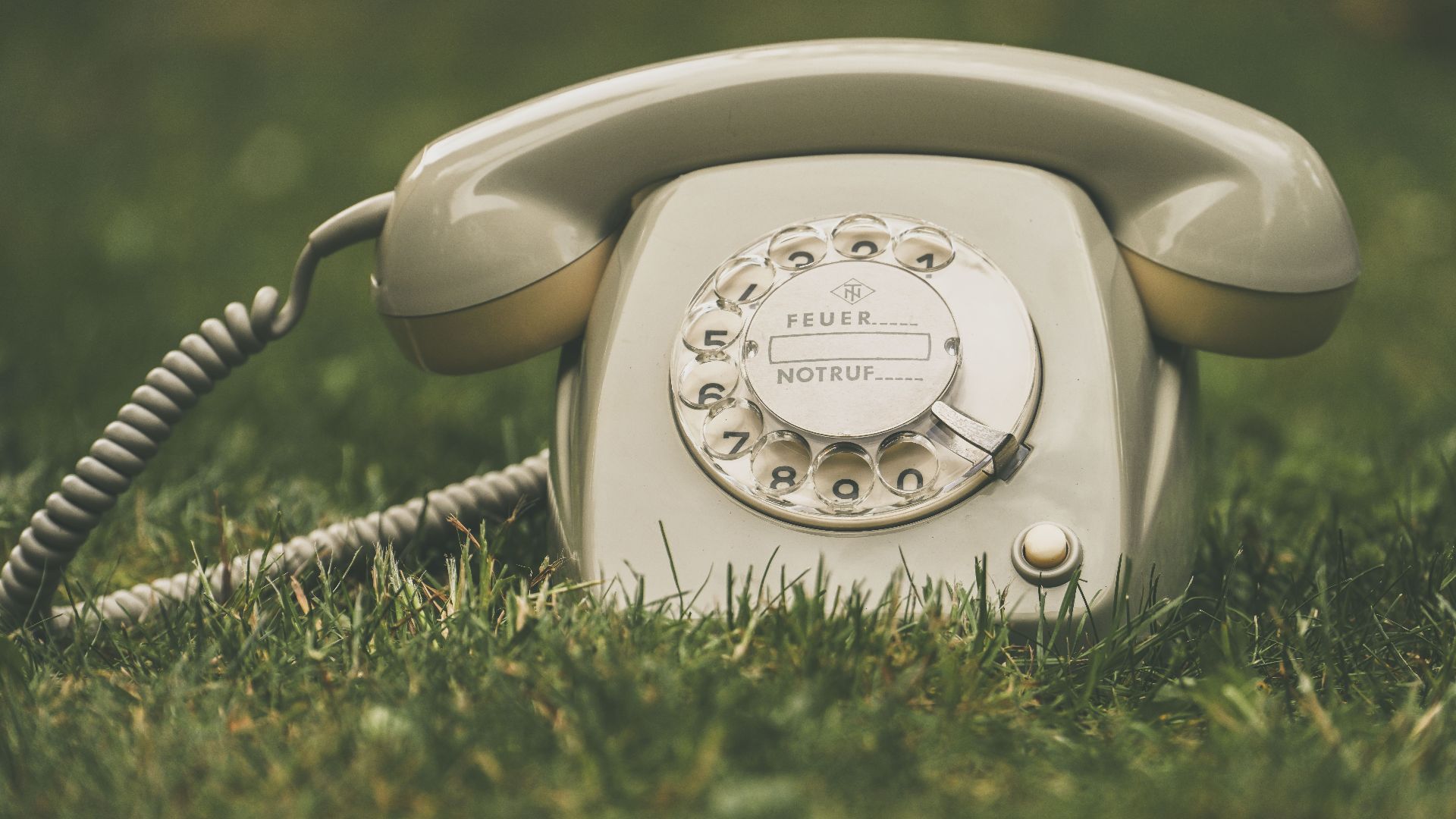
The Phone Became Personal
A landline served the home, while a smartphone served the person. Texting, video calls, banking apps, maps, and entertainment all lived on one device. Paying for another phone line felt wasteful.

Old Products Need New Reasons
The pattern across these categories is clear. Millennials do buy, but they ask whether a product saves time, fits their values, and earns its space. Brands that answer those questions can still win.

You May Also Like:
Products Declining Because Millennials Won't Buy Them
Every Generation's Worst Money Habits & How To Break Them
The Retirement Mistake 85% of Gen X and Boomers Wish They Could Undo