A Quick Trip Became An Ordeal
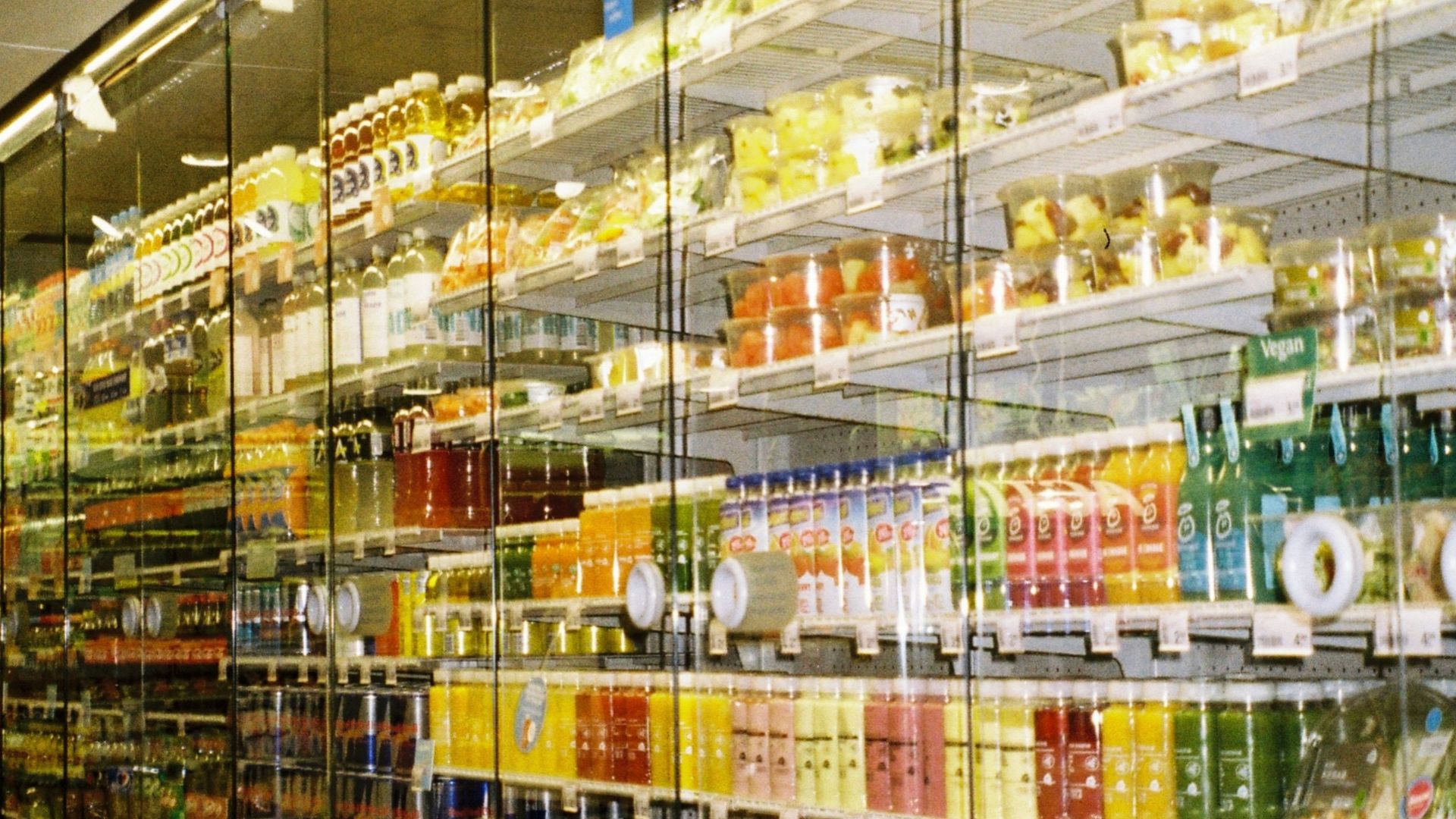
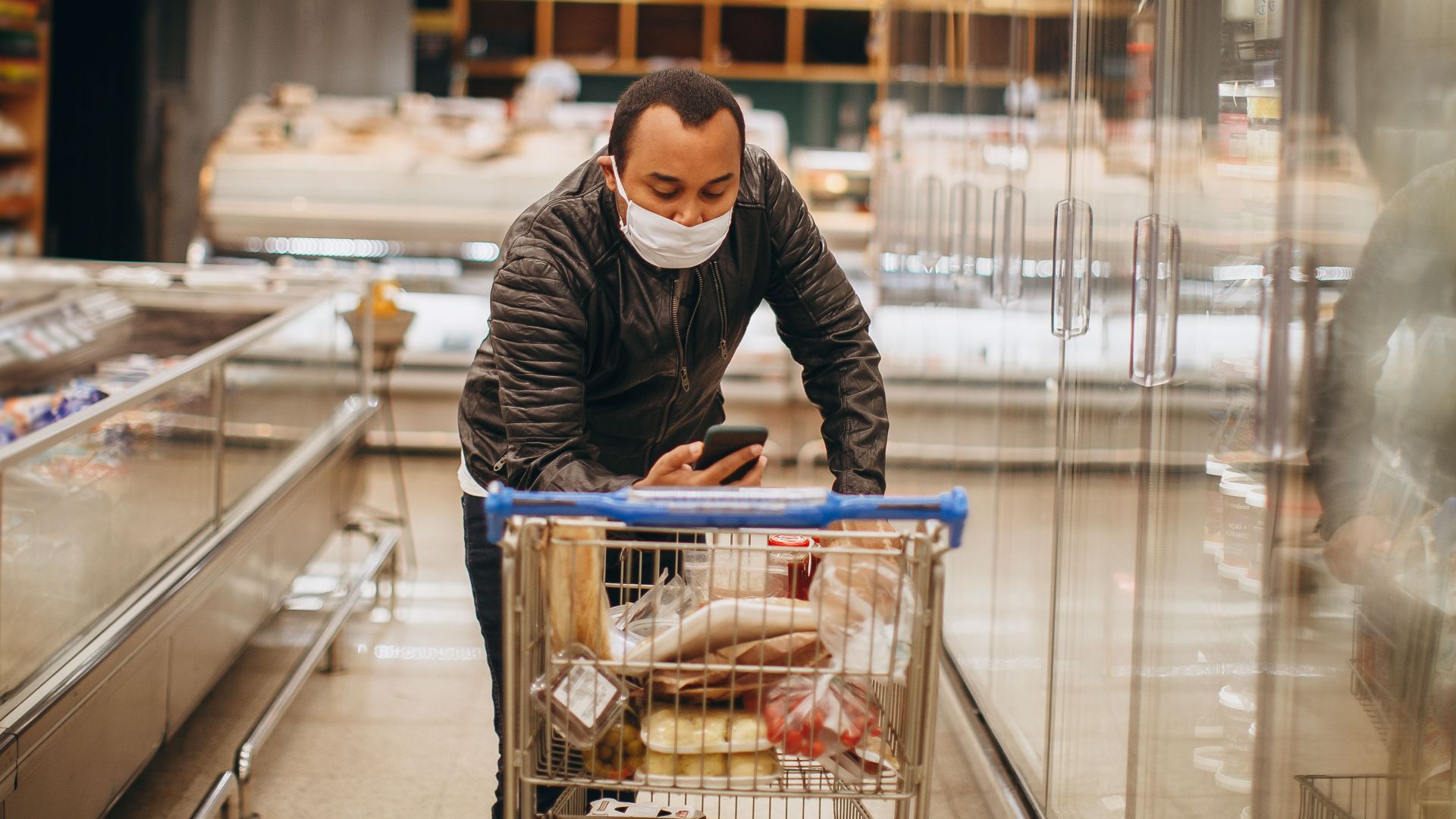
You used to grab detergent, medicine, or toiletries and keep moving. Now each locked case can require a button, an employee, and another wait. Suddenly, four weekly shopping trips can steal two extra hours from your month.
 Krakenimages.com, Shutterstock
Yes, Those Minutes Matter
The delay is not imaginary just because it never appears on the receipt. Shopping time competes with work, caregiving, errands, and rest, so doubling the trip creates a real personal cost. The more often you shop, the faster that cost accumulates.

Lockups Are No Longer Unusual
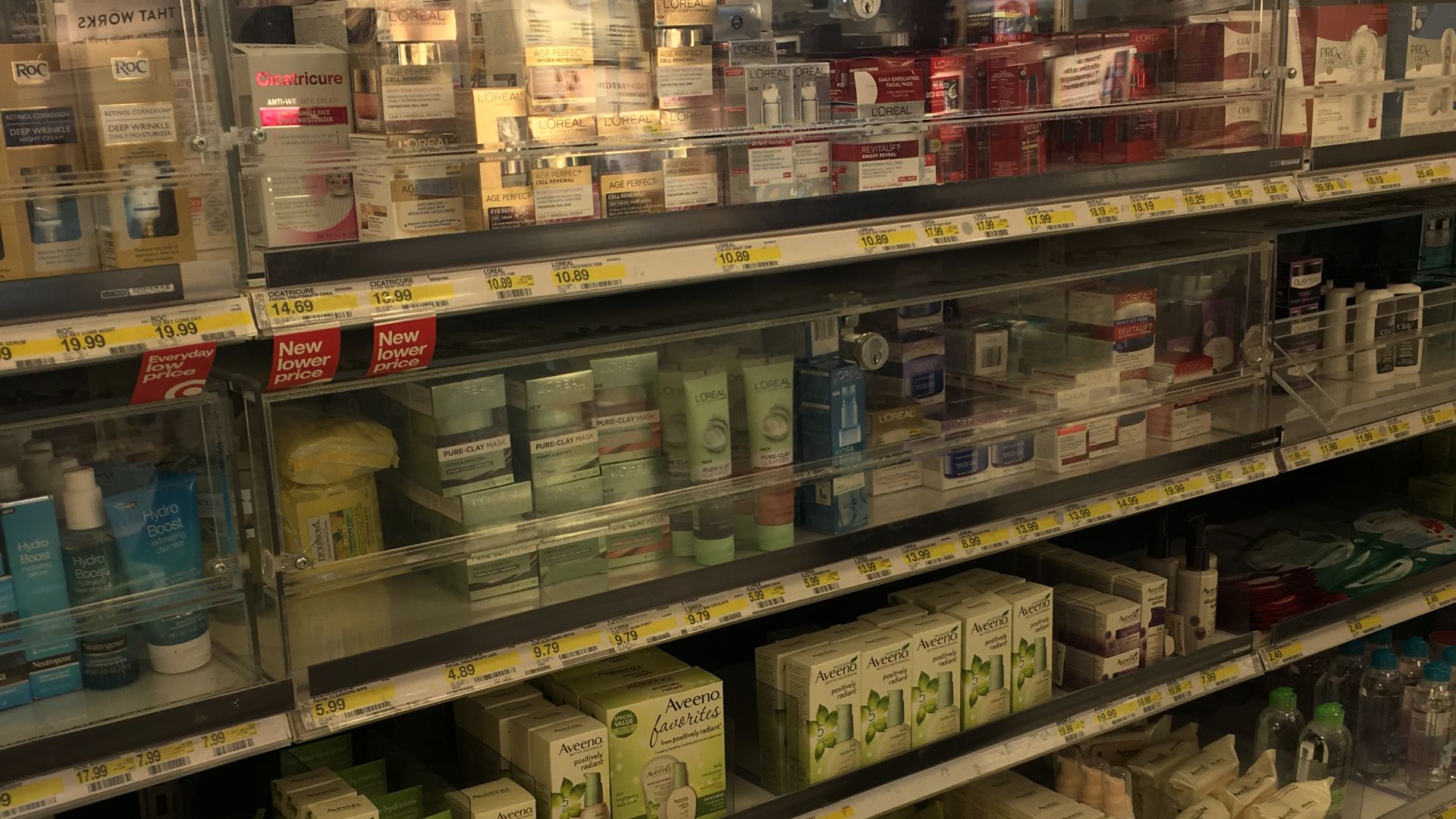
Numerator surveyed more than 5,000 consumers in September 2024 and found that 60% regularly encountered locked merchandise. Sixty-one percent said they had noticed more locked products during the previous year. Only 21% said the locks regularly covered something they were actually trying to buy, but those encounters create the friction that matters.
Grocery Stores Joined The Trend
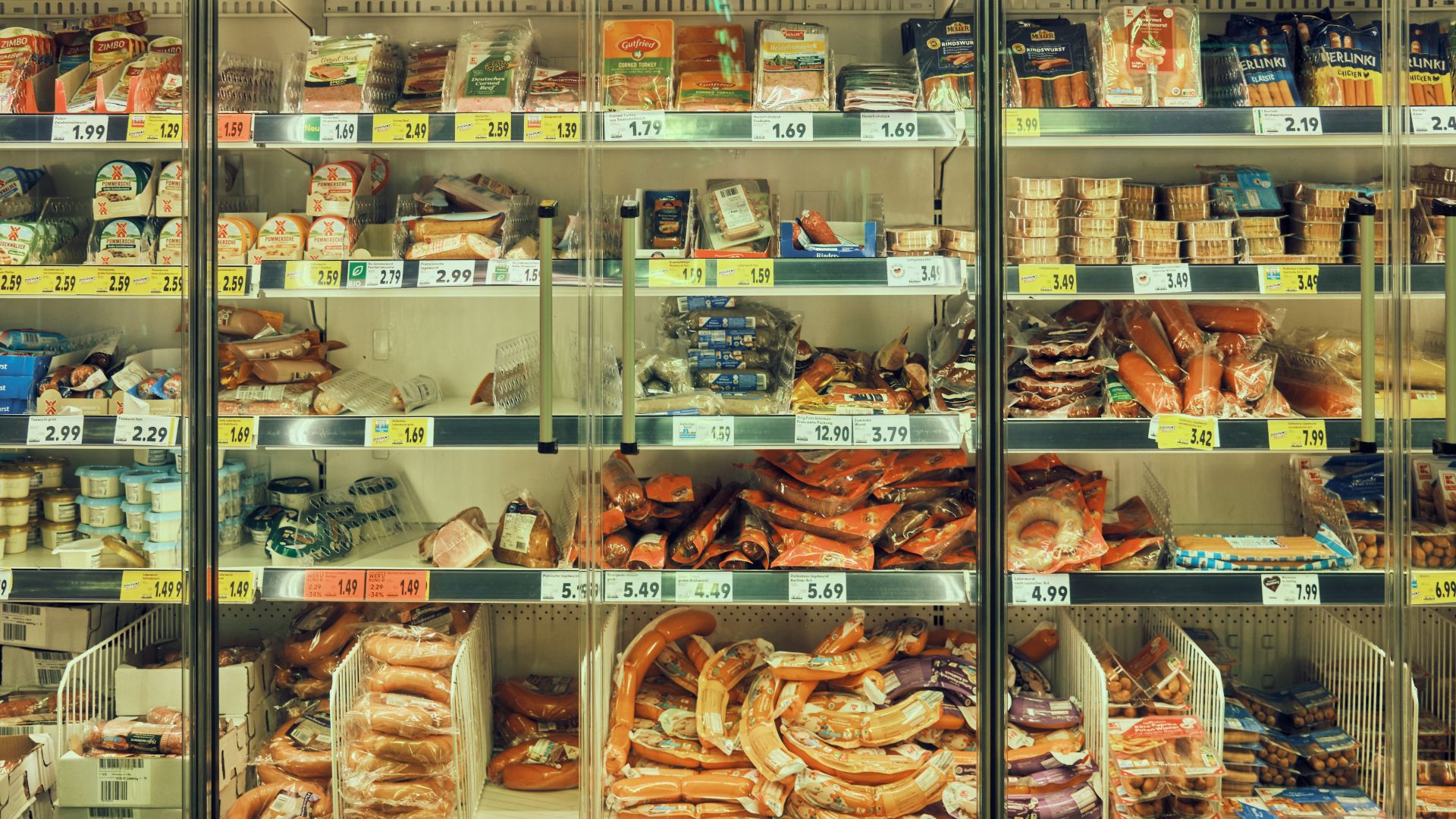
Lockups remain more common at mass retailers and drugstores, but supermarkets are involved. In Numerator’s survey, 31% of consumers reported seeing secured merchandise at grocery stores, compared with 68% at mass retailers and 62% at drugstores. That helps explain why a routine food run can now include delays once associated mainly with pharmacies or electronics counters.
Everyday Goods Sit Behind Glass
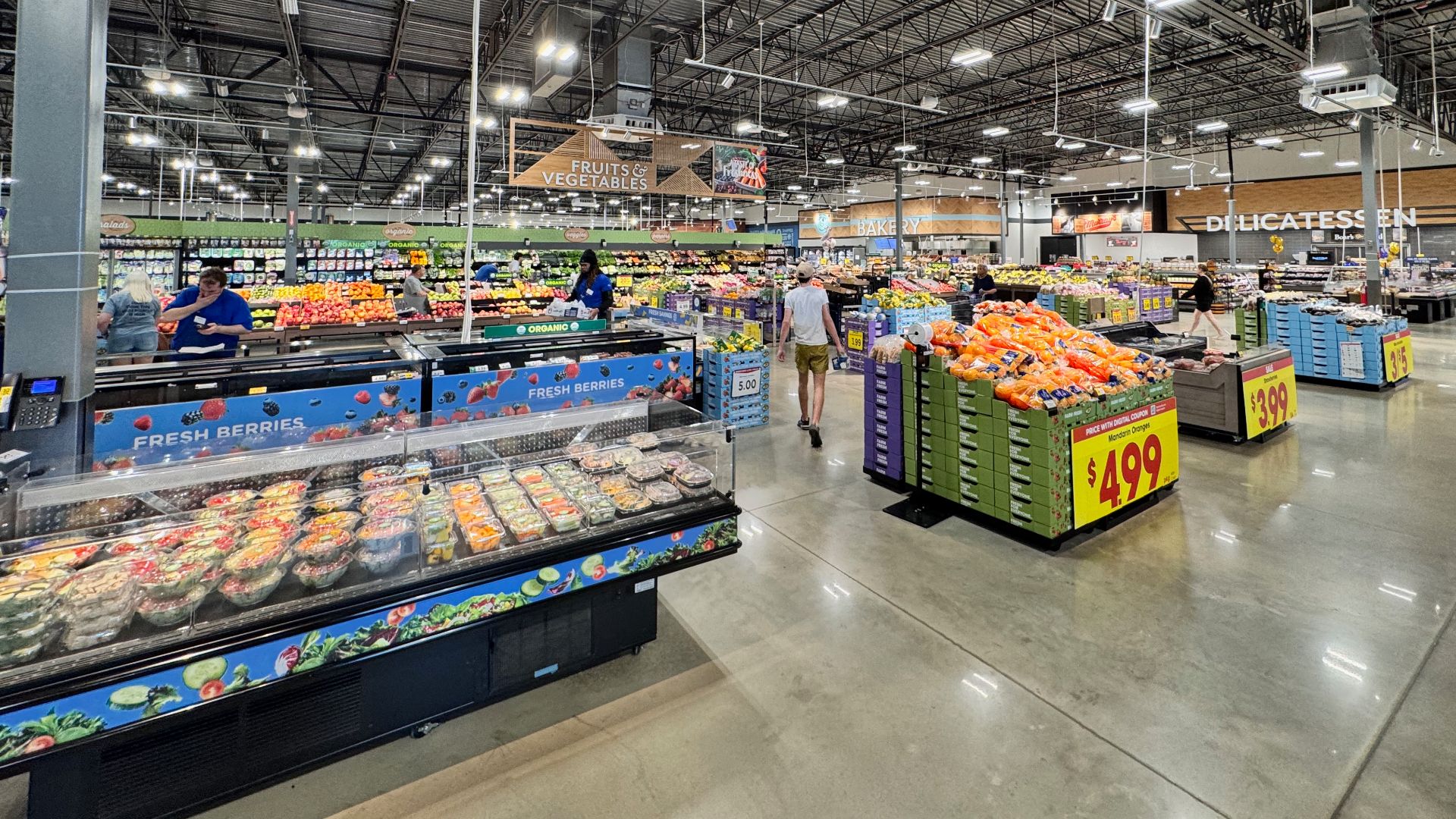
The most commonly observed secured categories in Numerator’s research included over-the-counter medicine, personal hygiene products, cosmetics, and electronics. Axios has also reported locks on products such as toothpaste, laundry detergent, and baby formula. These goods are frequently needed rather than browsed casually, which makes the extra step especially noticeable.
 Harrison Keely, Wikimedia Commons
The Store Is Fighting Shrink
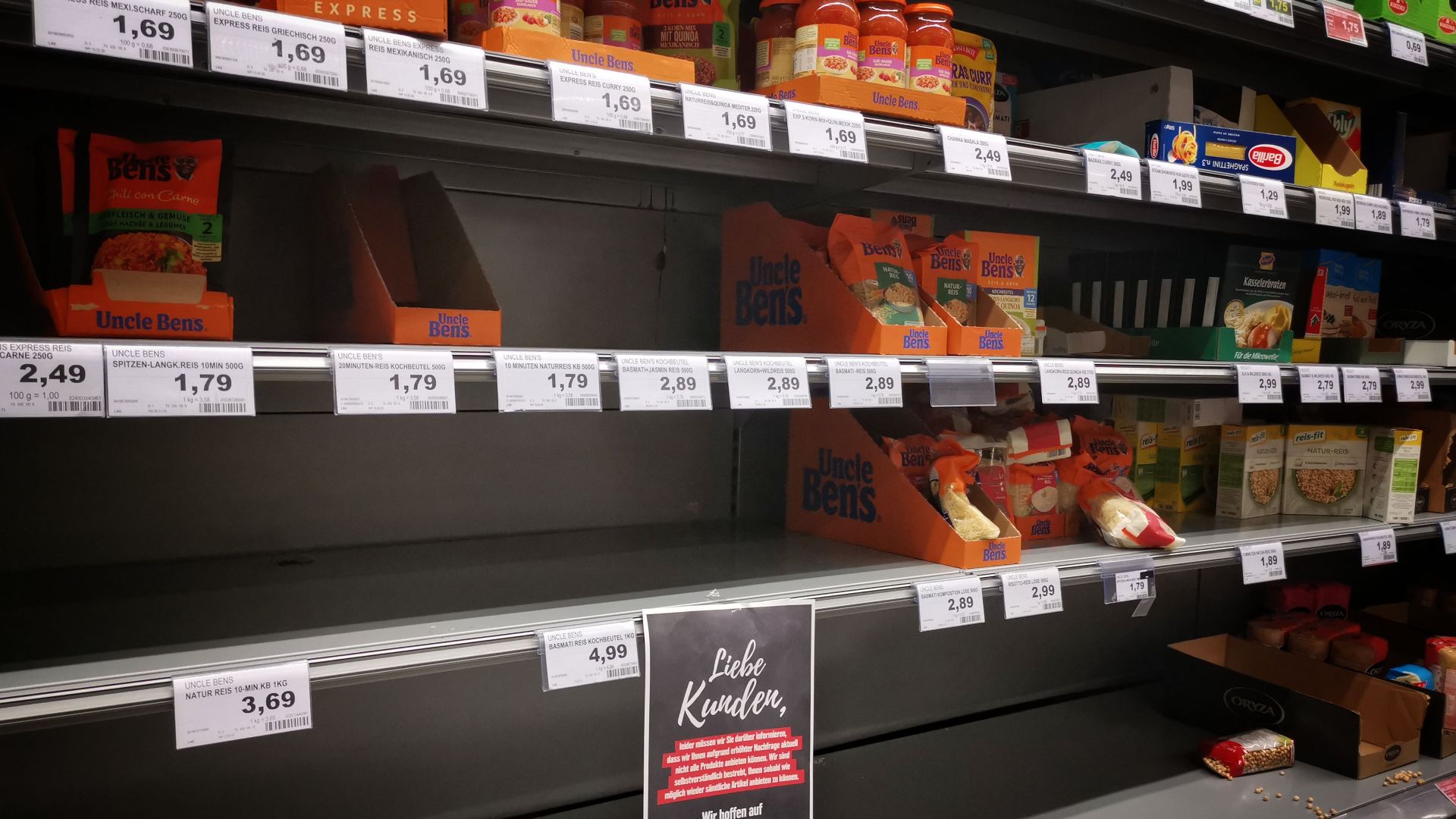
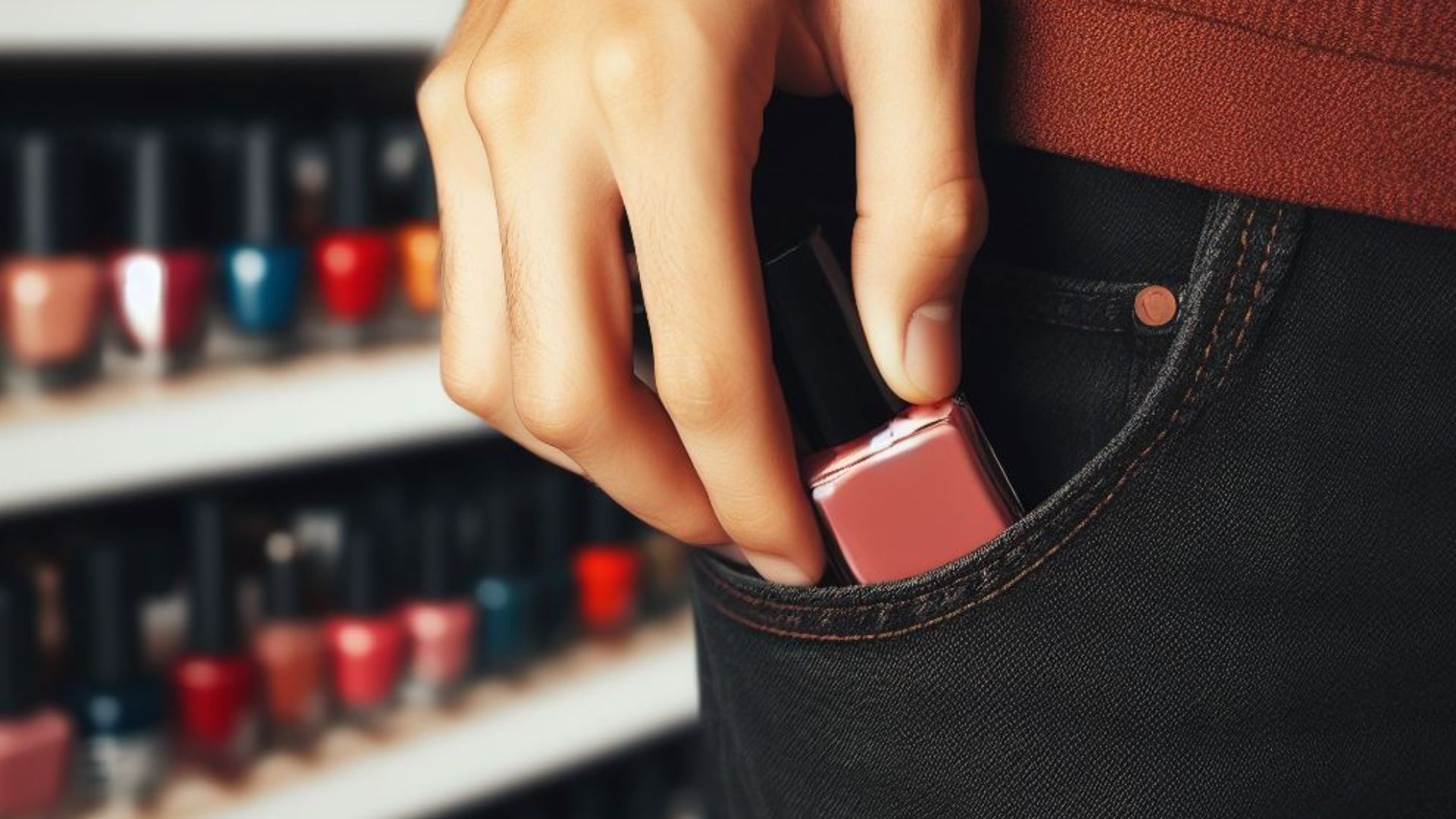
Retailers use the term shrink for inventory recorded in their systems but no longer available for sale. Shoplifting contributes to shrink, but it is not the only cause. Employee theft, administrative mistakes, damaged goods, and vendor problems can also create missing inventory.
Theft Is A Serious Store Problem
A 2024 National Retail Federation survey covered 164 retail brands representing about 30% of 2023 U.S. retail sales. Respondents reported a 93% increase in their average annual shoplifting incidents from 2019 to 2023 and a 90% increase in associated dollar losses. Those are reports from participating retailers, not a complete census of every store.
 Bing Image Creator, Wikimedia Commons
The National Picture Is Messy
Police data do not produce one clean national trend. The Council on Criminal Justice found that one FBI reporting system placed 2023 shoplifting near its 2019 level, while another showed a much larger increase. The council said changing agency participation and reporting practices make comparisons difficult, so sweeping claims deserve caution.
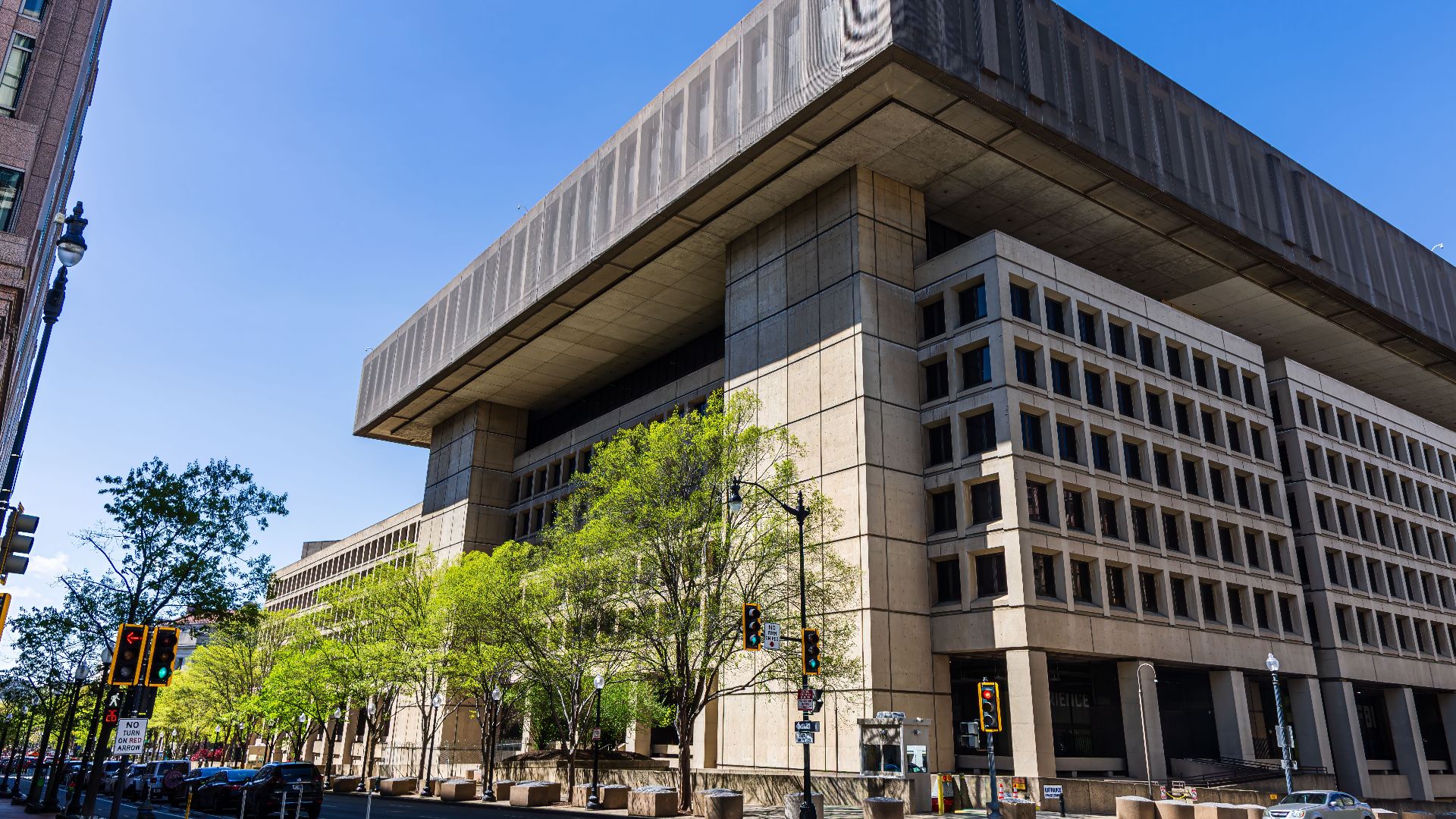
A Cabinet Can Block A Grab
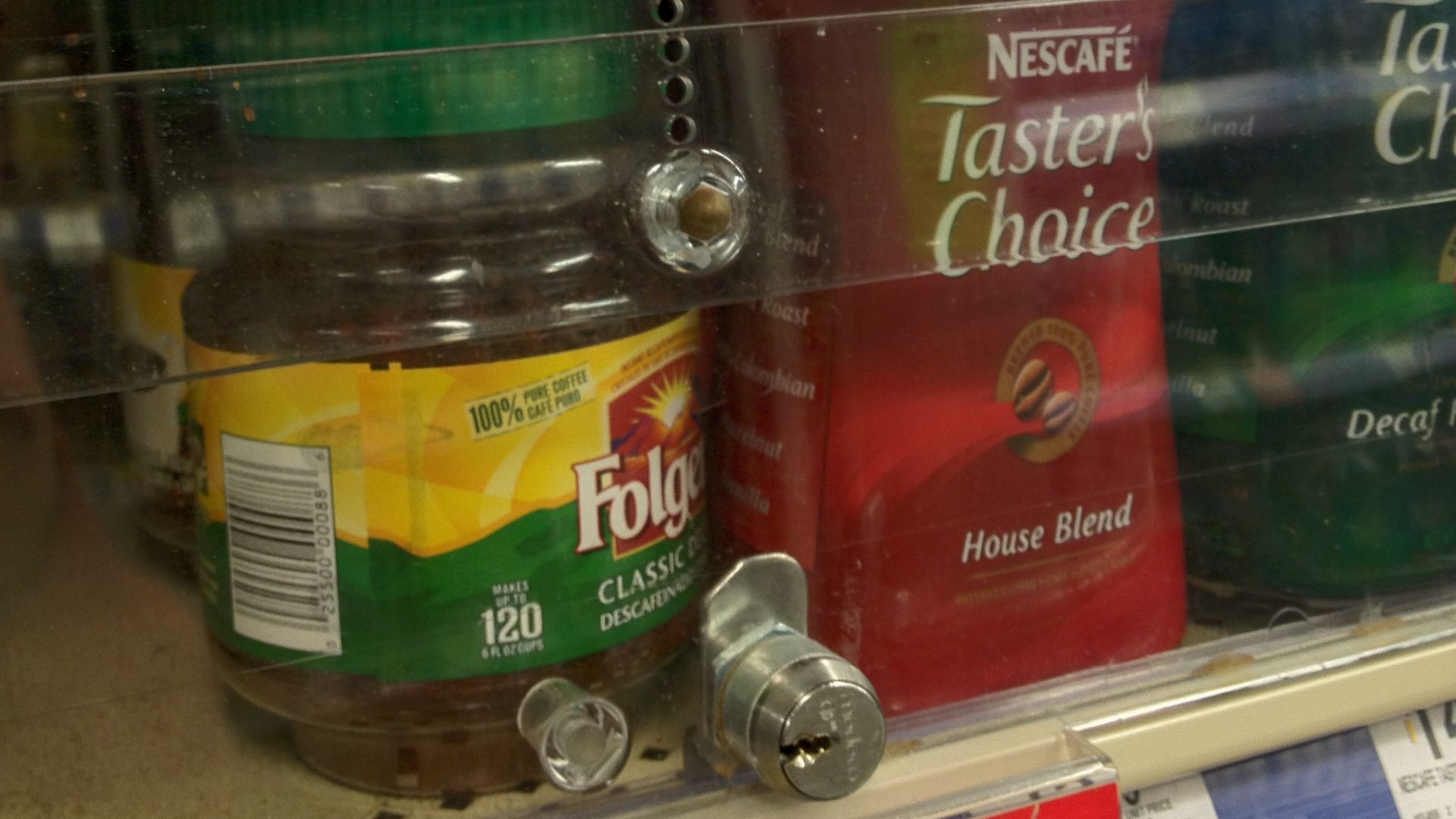
A locked door physically removes immediate access to the product. Axios reported that locked cases may stop theft and can help preserve merchandise for paying customers. That basic benefit explains why a store facing repeated losses might accept some inconvenience.
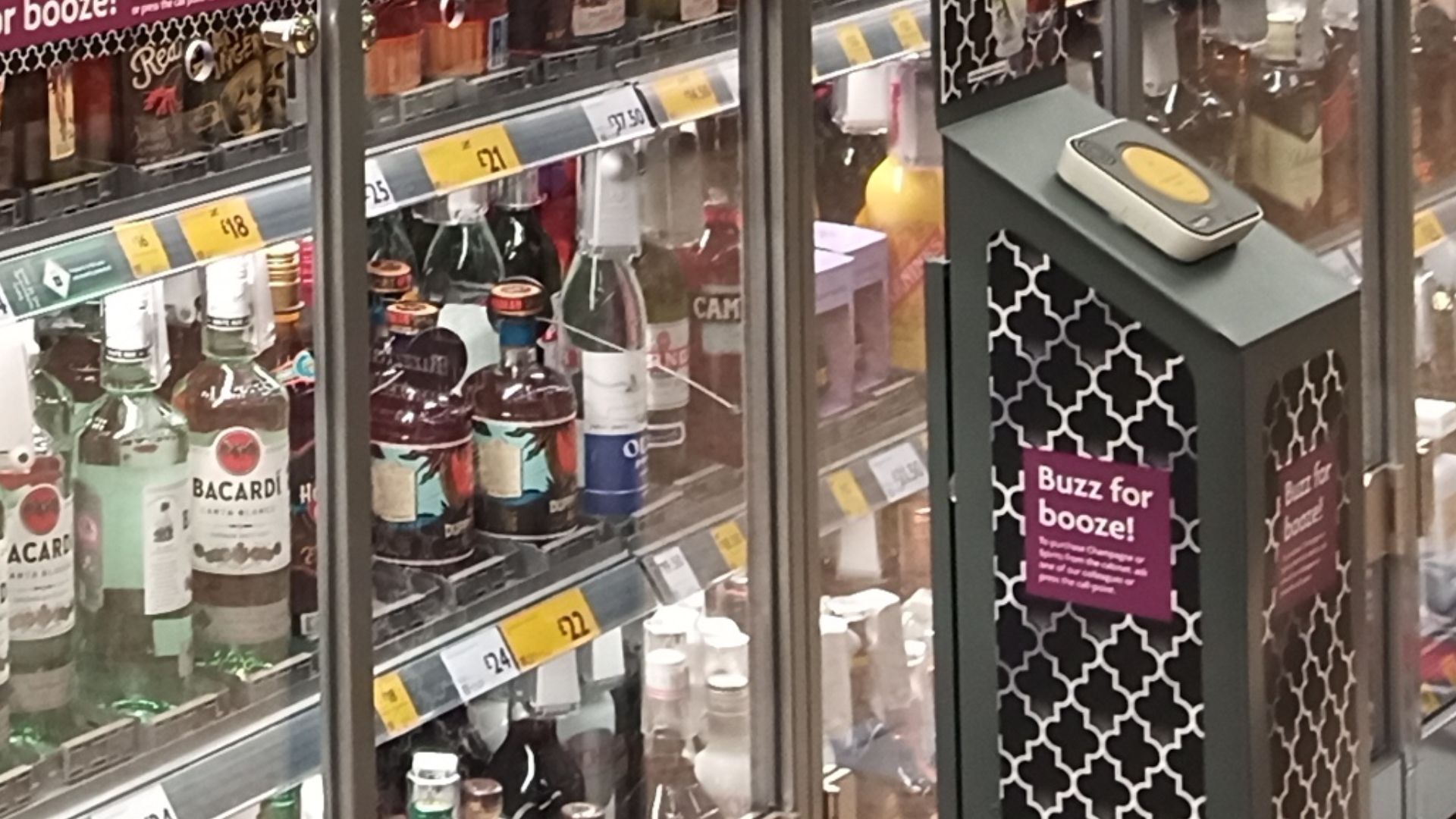
Deterrence Is Not The Whole Calculation
Stopping access to one shelf is different from proving that the policy improves the entire store’s profit. A fair calculation would include prevented losses, lost sales, employee time, equipment costs, and any theft that moves to an unlocked category. Public surveys document customer behavior well, but they do not establish one universal return on locked cases for every retailer and location.
 https://kaboompics.com/, Pexels
Sales Can Fall Behind Glass
Joe Budano, the chief executive of security-technology company Indyme, told Axios that locked cases can reduce sales by 15% to 25%. That figure is an industry estimate, not an audited result that applies to every store. It still illustrates why retailers must measure sales as well as theft after adding locks.
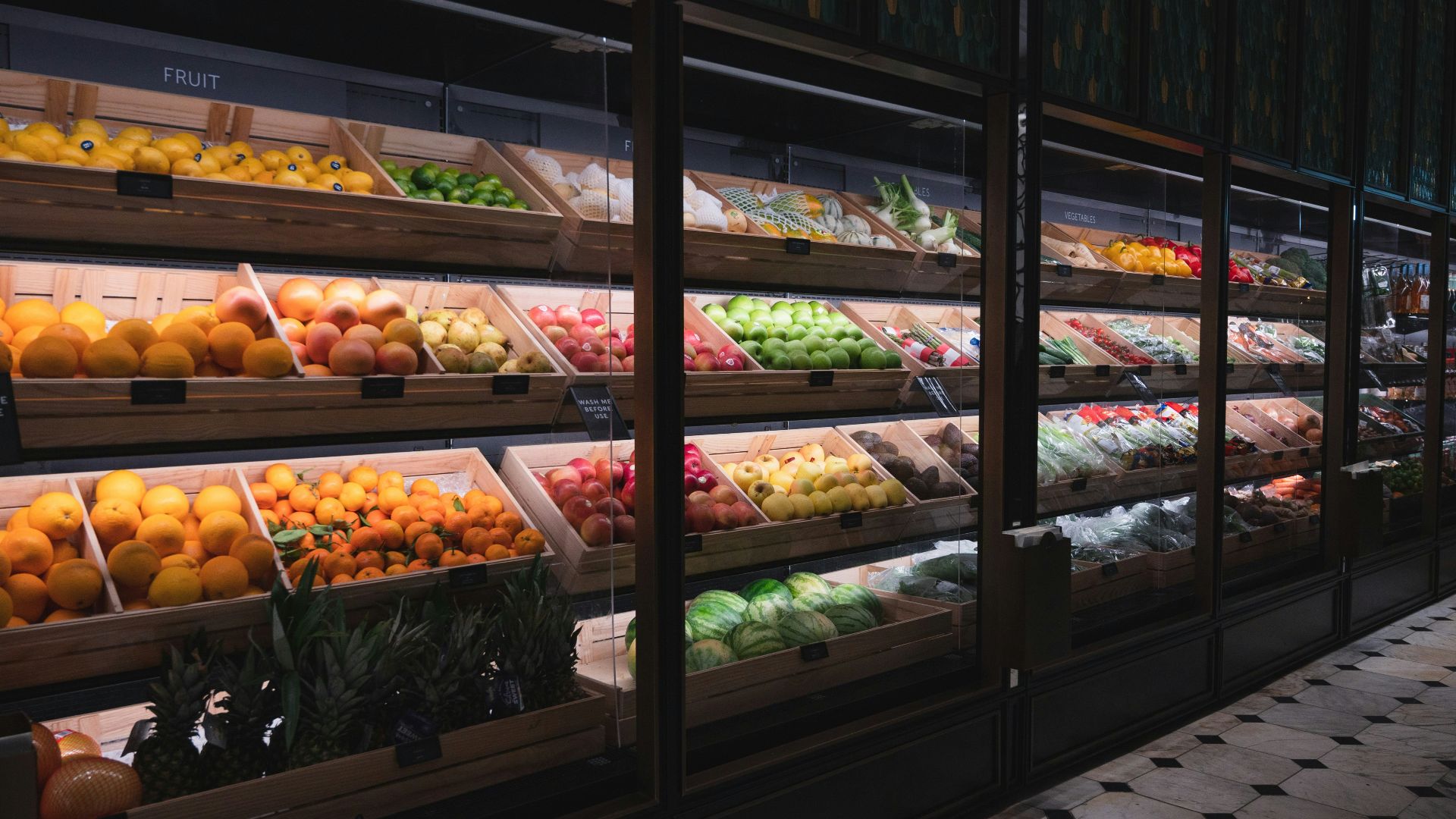
Many Shoppers Simply Walk Away
Numerator found that 62% of consumers typically waited for help with a locked item. Another 17% switched retailers, while 10% abandoned the purchase entirely. A separate 2026 survey of 500 U.S. and Canadian shoppers found that 38% had abandoned a purchase because of an in-store security measure.
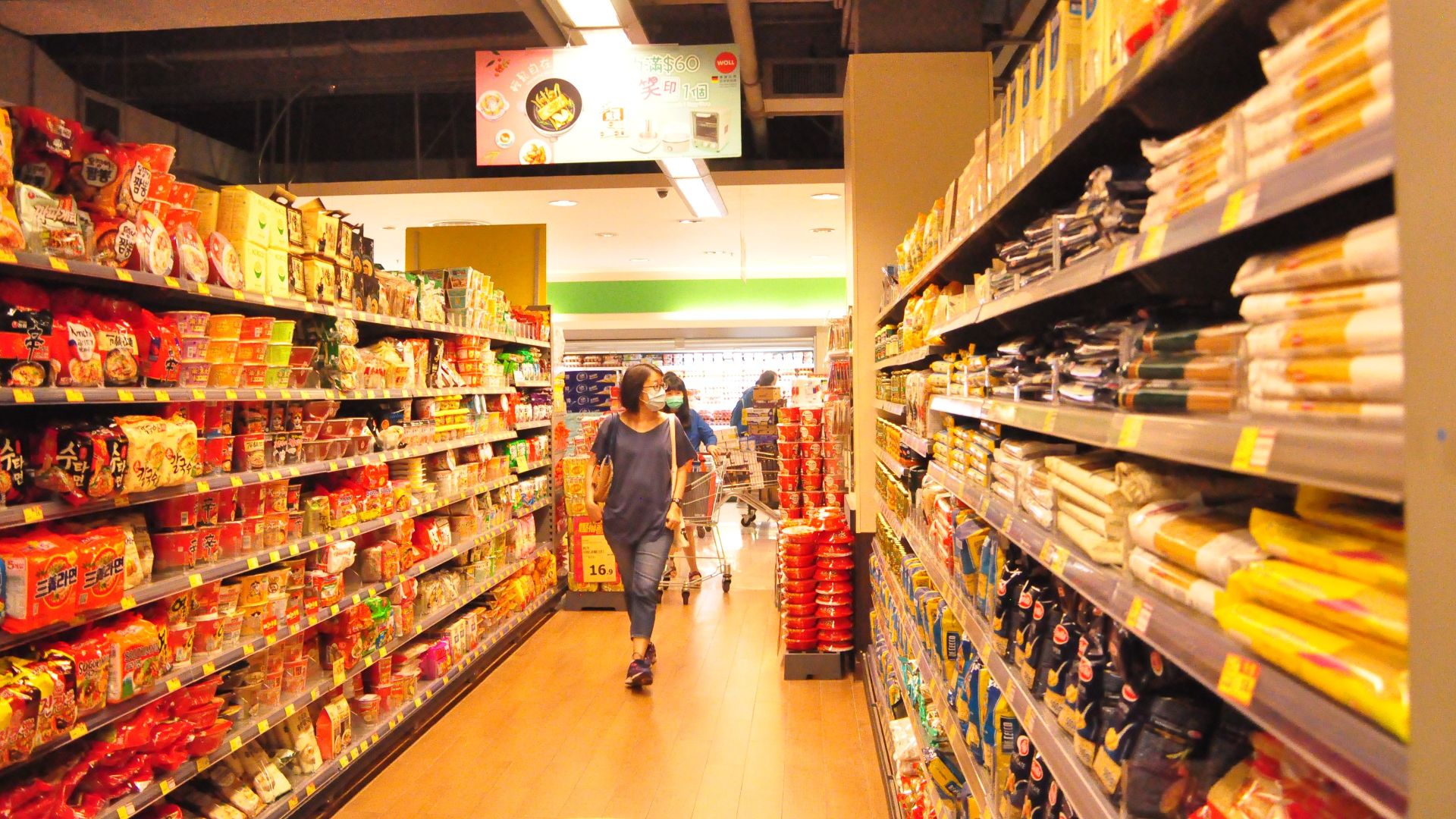
Everyday Items Test Patience
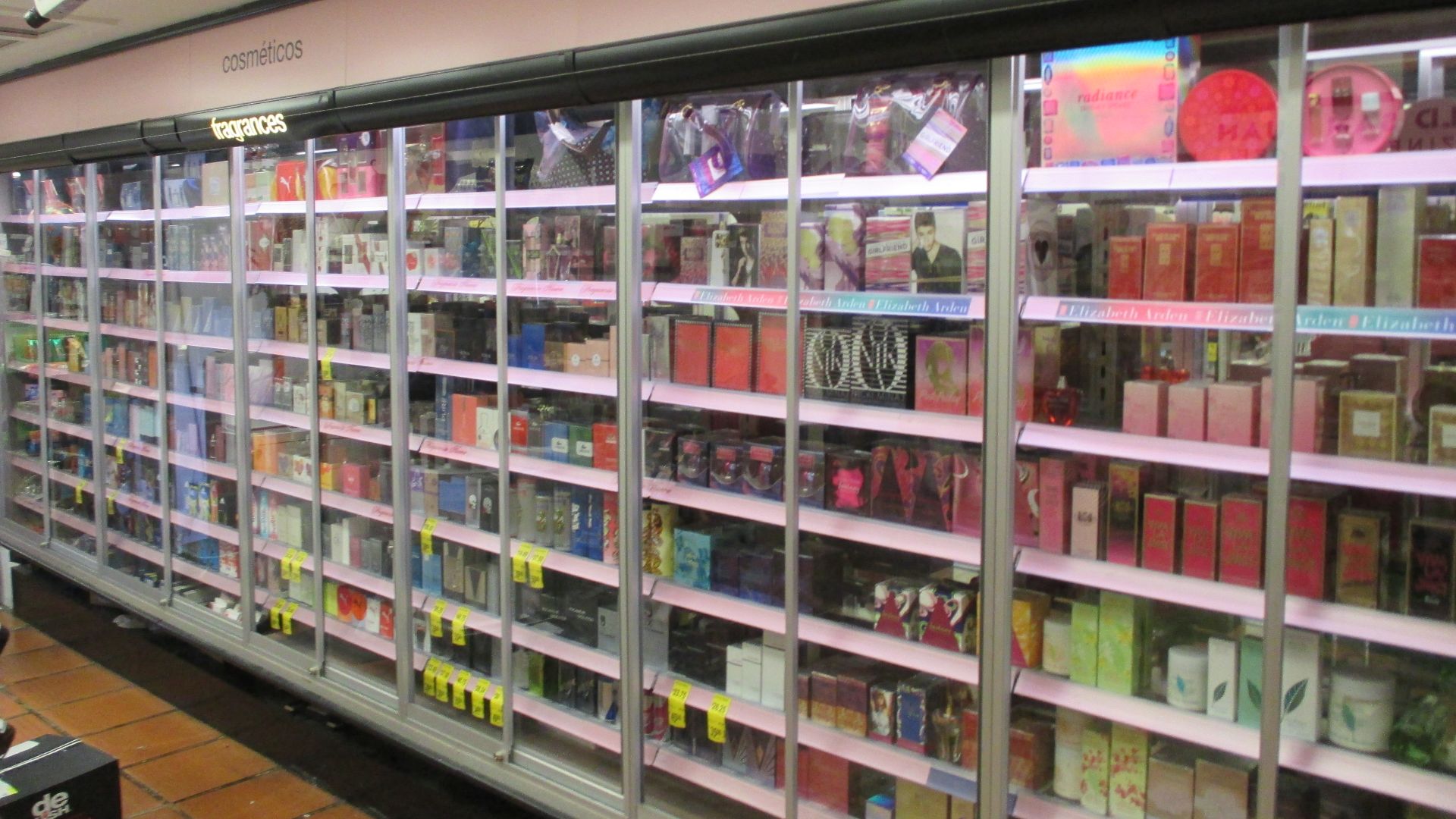
Consumers were less willing to wait for routine personal products than for some higher-value goods. Numerator found that 53% would wait for bath and body products, 56% for cosmetics, and 57% for personal hygiene items. That makes broad lockups of low-consideration essentials particularly risky for the retailer.
 User:Mattes, Wikimedia Commons
The Entire Basket Can Be At Risk
A shopper who leaves without one product may take the rest of the basket elsewhere too. Northwestern University’s Spiegel Research Center reported that just over two in five respondents in a 2023 survey would still buy a locked item from that store. Just over one-third said they were unlikely to return to a store where they encountered locked merchandise.
Comparison Shopping Gets Harder
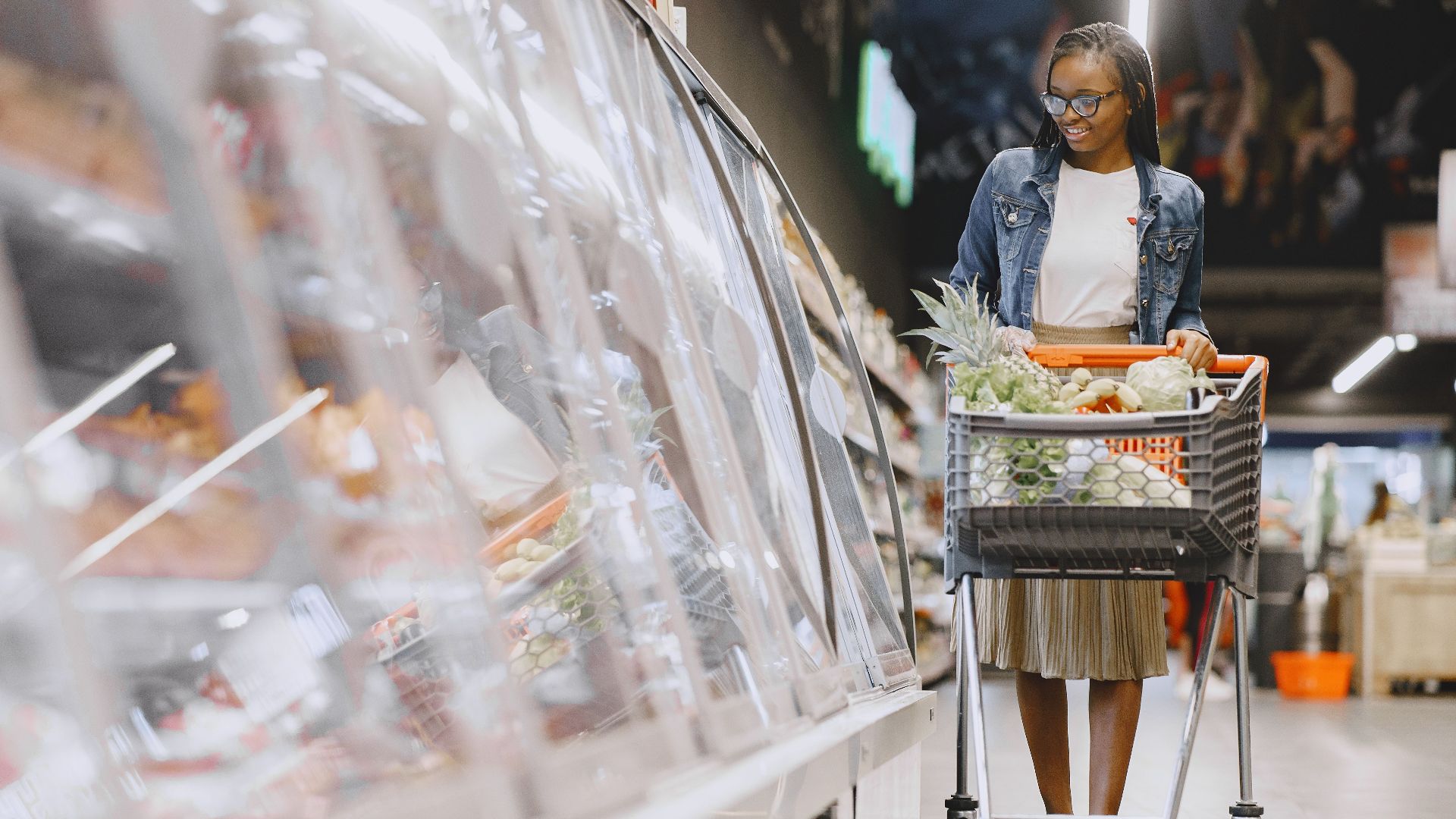
Glass cases make it harder to pick up several packages, read their labels, and compare sizes at your own pace. Consumer World highlighted this problem in a 2024 reader poll about locked grocery and drugstore goods. Its poll was non-random, so it is best treated as evidence of a common frustration rather than a population estimate.
Employees Absorb The Friction Too
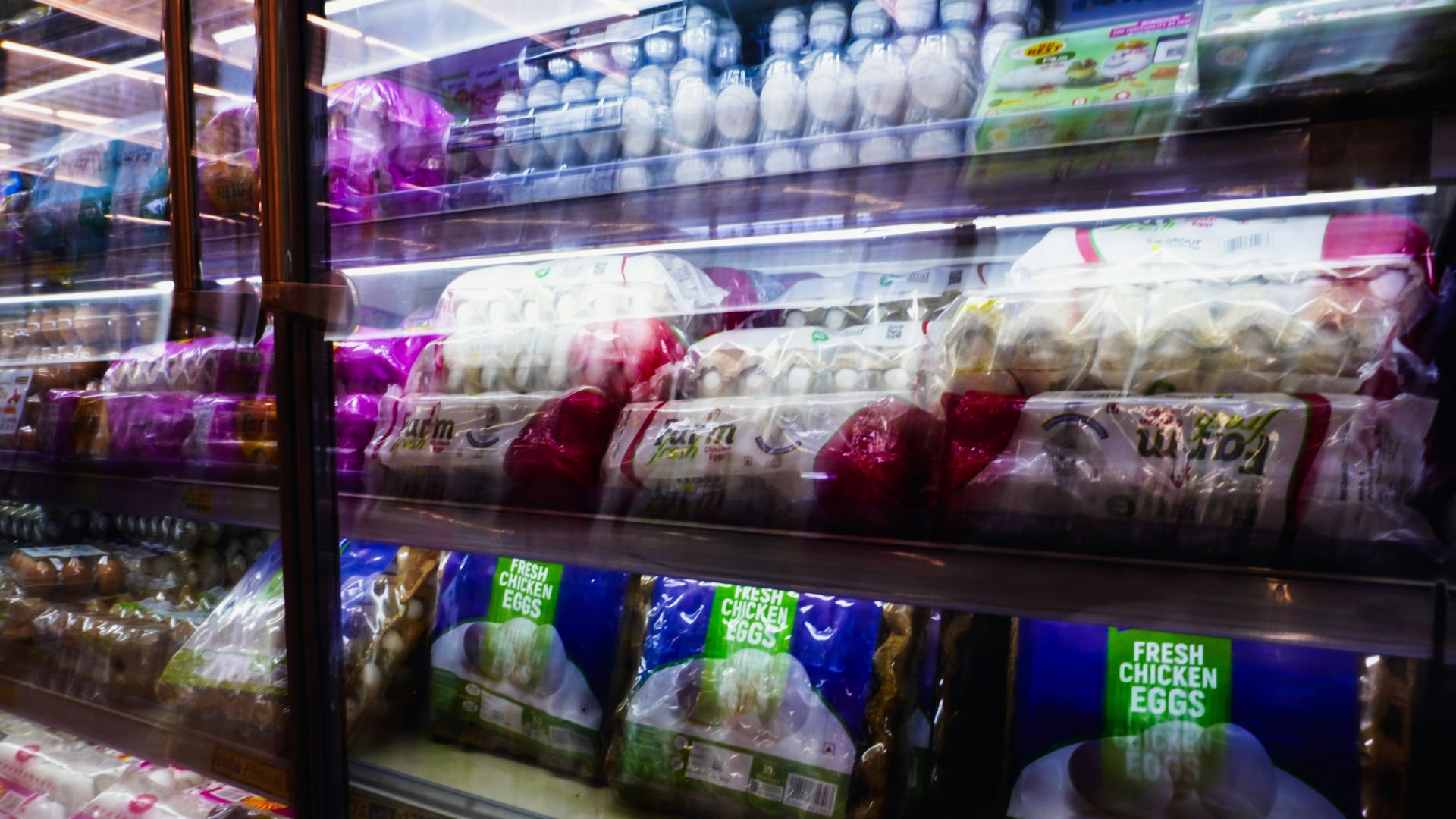
Every assisted unlock pulls an employee away from another task. The customer then depends on that worker being nearby, carrying the right key or device, and being free to help. Locks therefore convert a self-service purchase into a labor-dependent transaction.
Availability Is The Strongest Defense
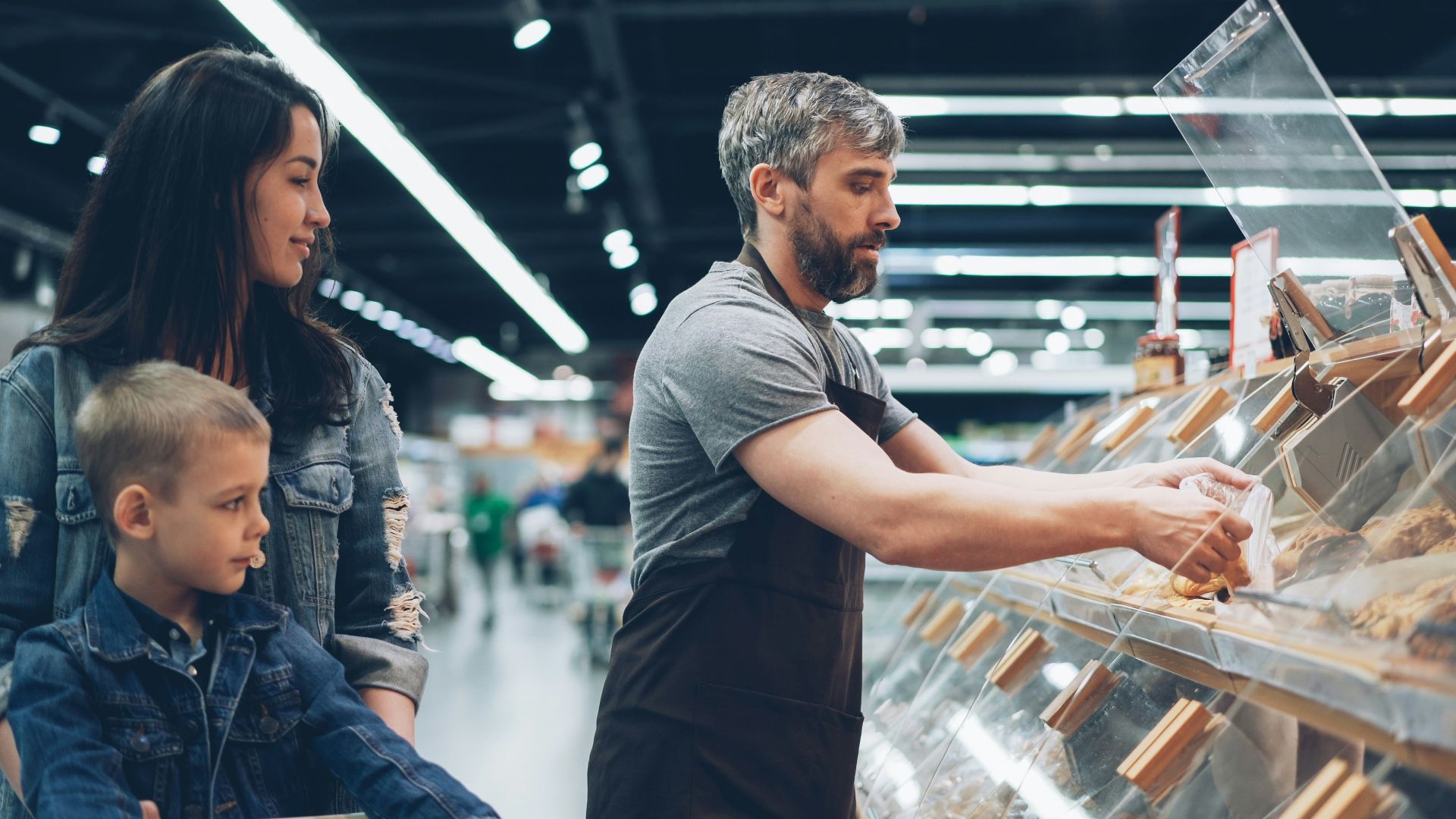
A locked item that remains in stock is more useful than an open shelf emptied by theft. Retail industry representatives have argued that protection must be balanced against a smooth shopping experience. The best outcome is not the most secure shelf, but a product that is both available and reasonably easy to buy.
Walgreens Admitted The Tradeoff
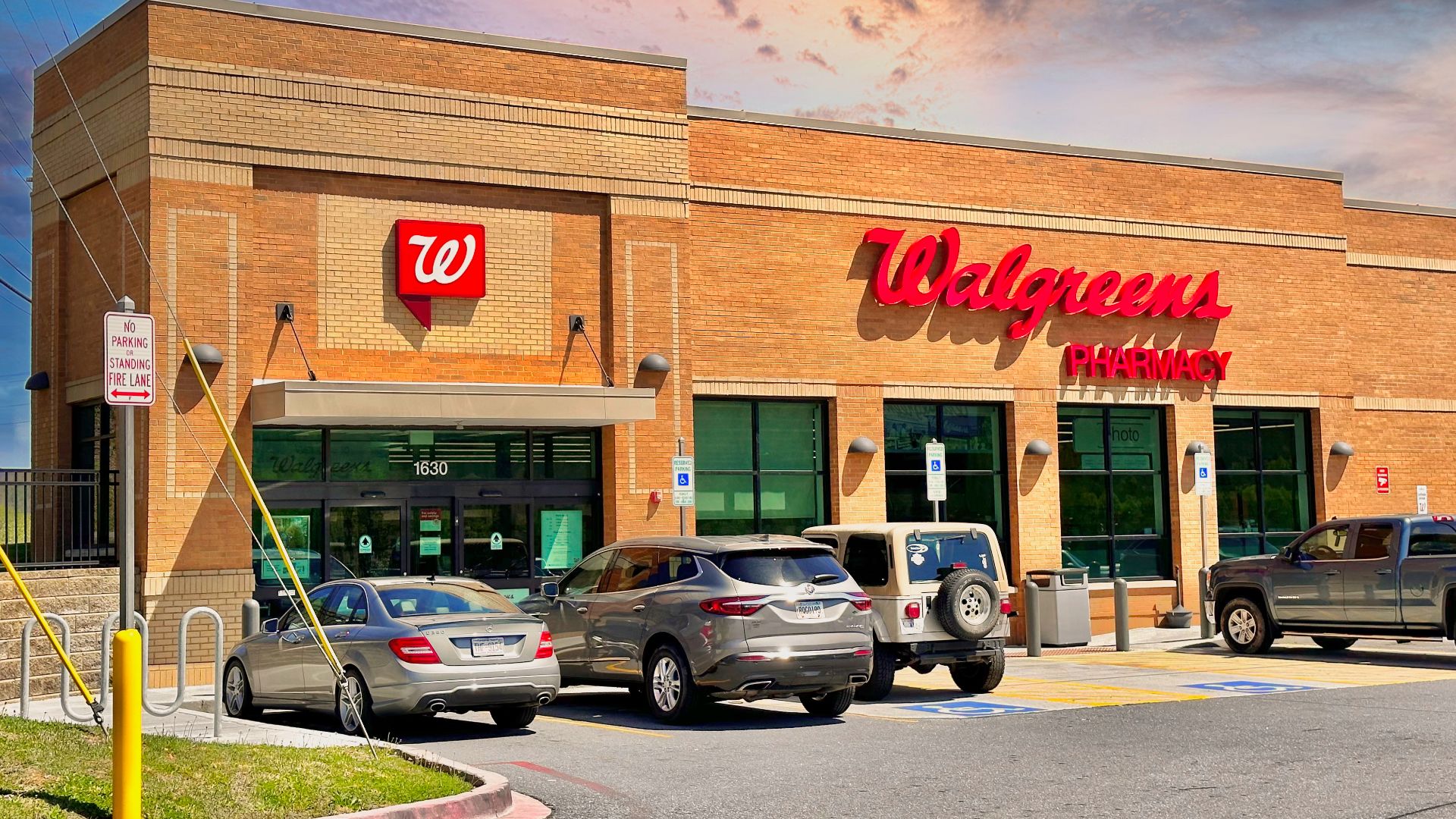
Walgreens chief executive Tim Wentworth addressed locked cases during a January 2025 earnings call. He said the company had conclusively found that locking products reduced sales, while also describing shrink as an ongoing battle. His comments show why even a large retailer cannot treat locks as a cost-free solution.
 Harrison Keely, Wikimedia Commons
Technology Could Shorten The Wait
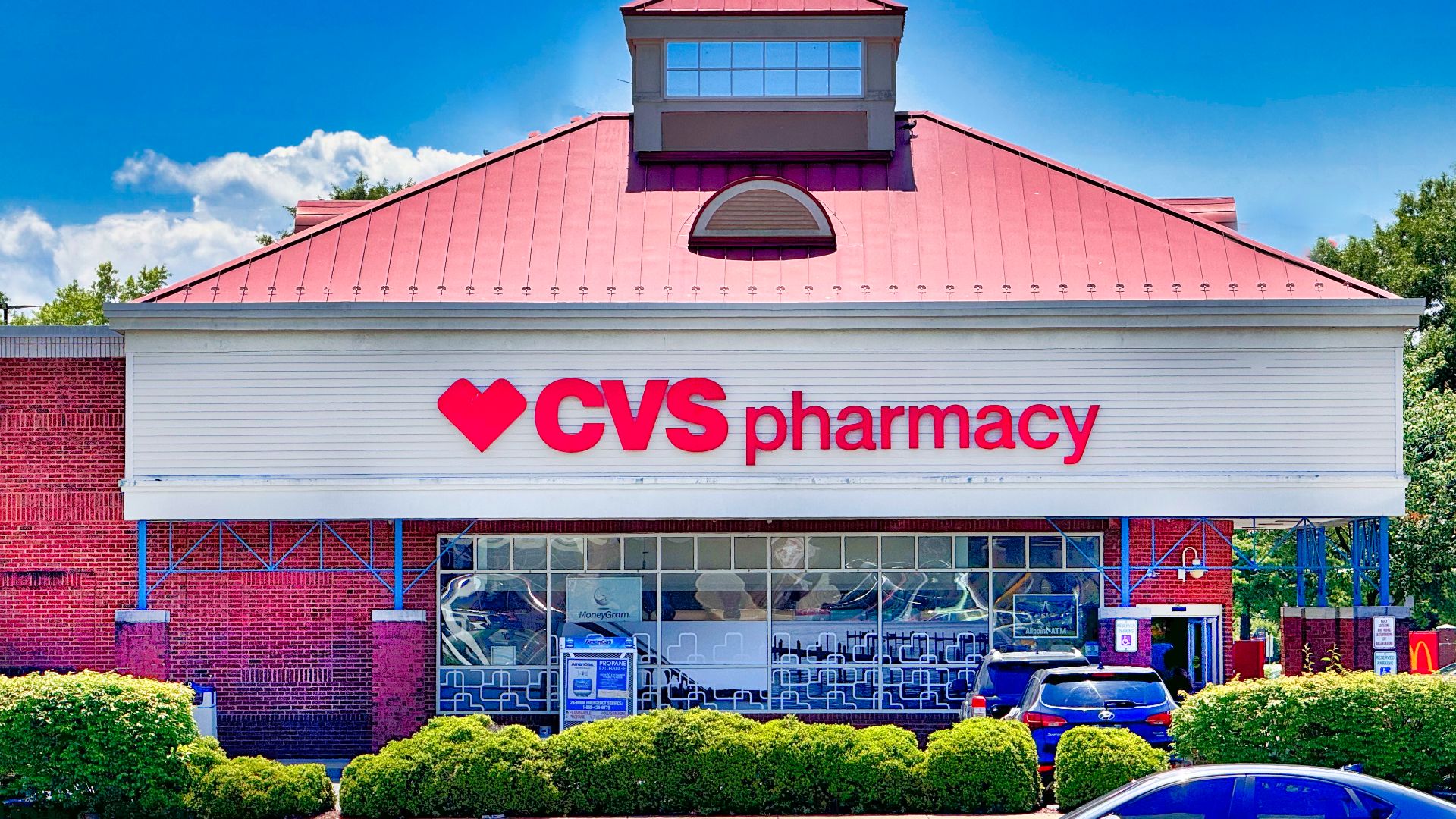
CVS Health announced in January 2025 that it was testing app-based access to locked cabinets in a small number of stores. The feature was designed to let shoppers open cases without waiting for an employee. A faster access system preserves a barrier while removing much of the service bottleneck.
 Harrison Keely, Wikimedia Commons
What Shoppers Can Do About The Delay
Time three comparable shopping trips before changing your routine. Record when you enter, when you leave, how many locked items you request, and how long assistance takes. A small log turns a vague annoyance into evidence you can use for your own decision or a complaint to management.
Put A Value On Your Time
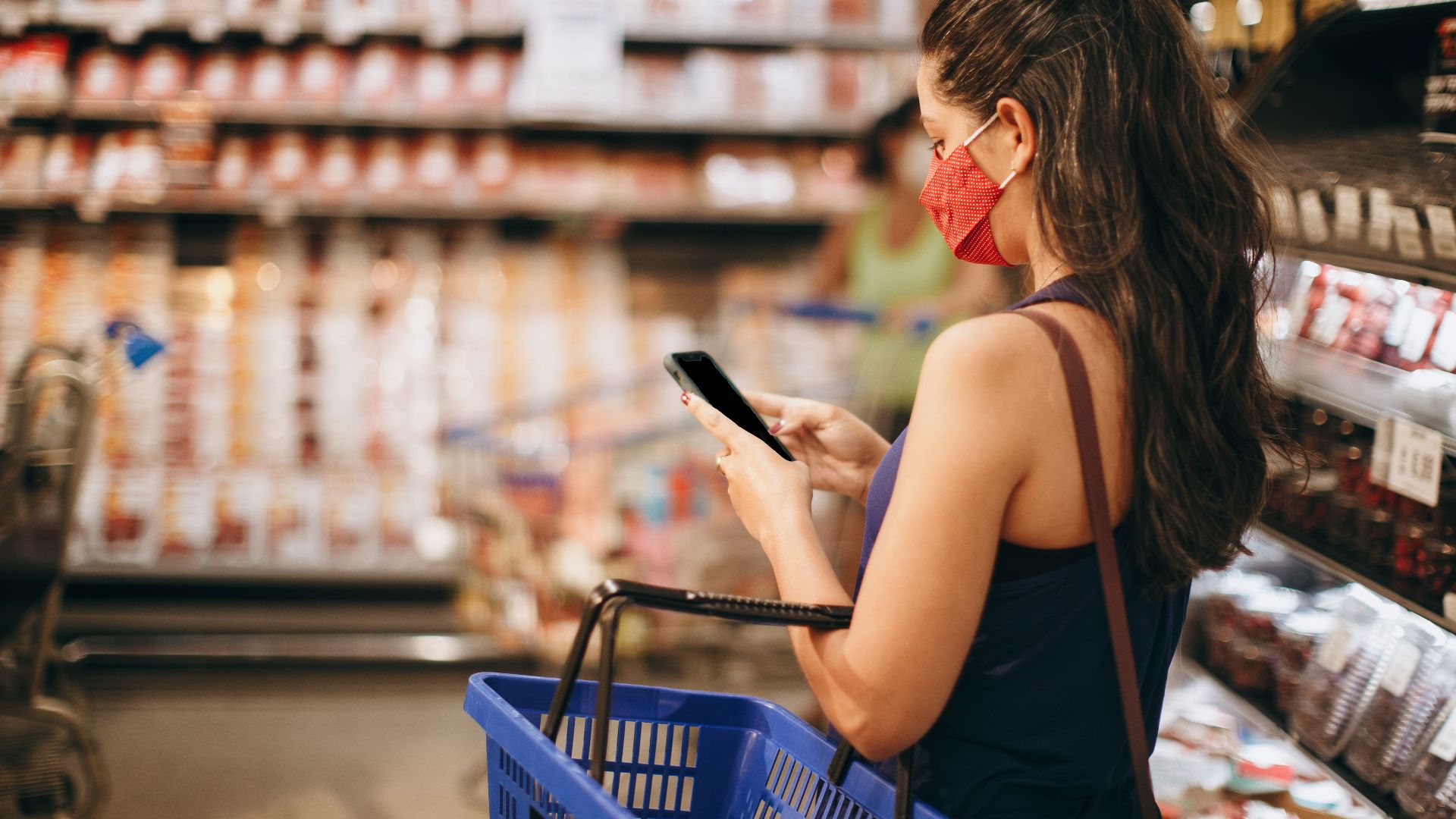
Choose an hourly value that reflects what an extra free hour is worth to you. Multiply that figure by the additional shopping time each month. This is not money deducted from your bank account, but it makes the tradeoff between a cheaper store and a faster store easier to see.
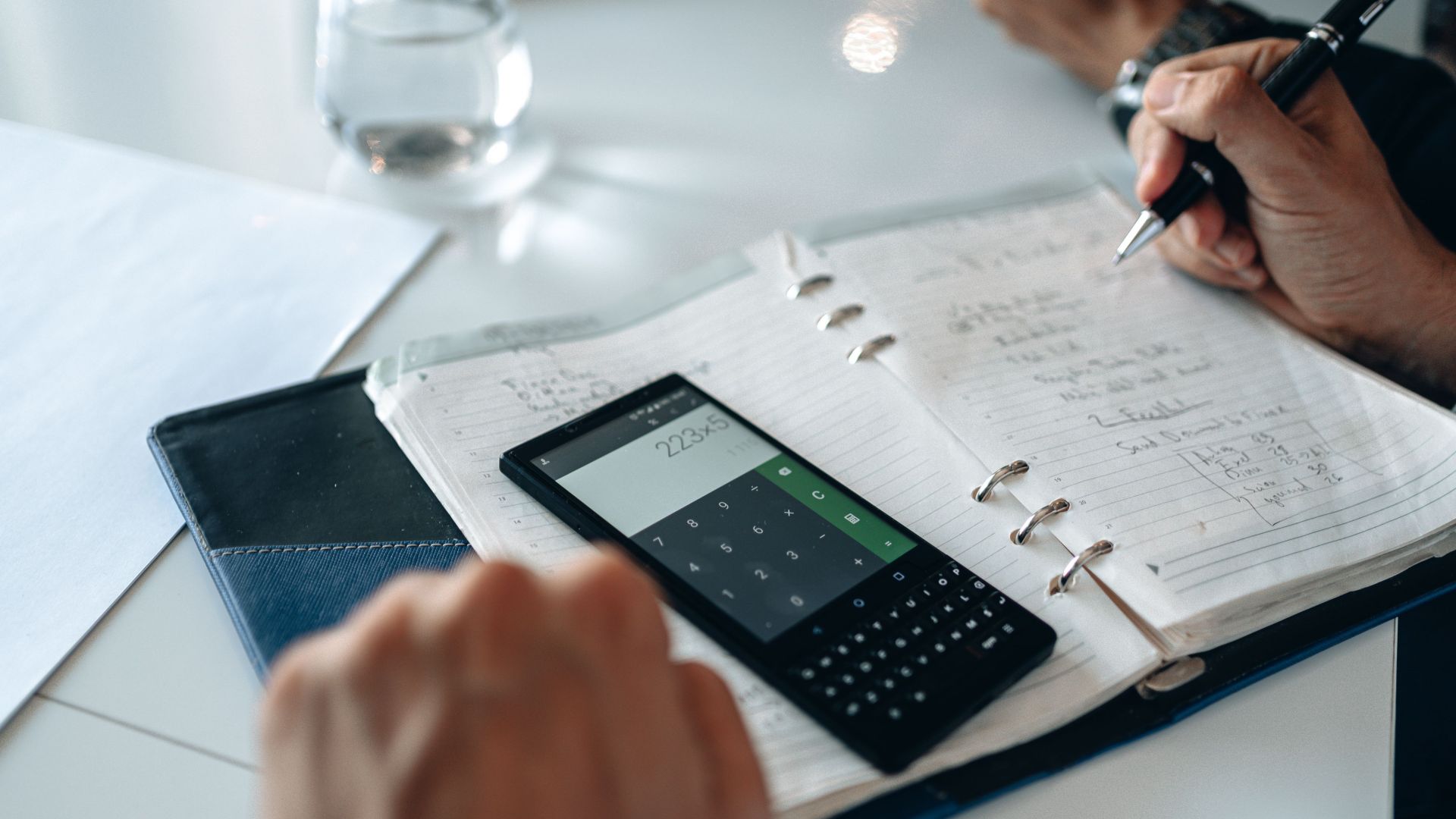
Compare The Entire Trip
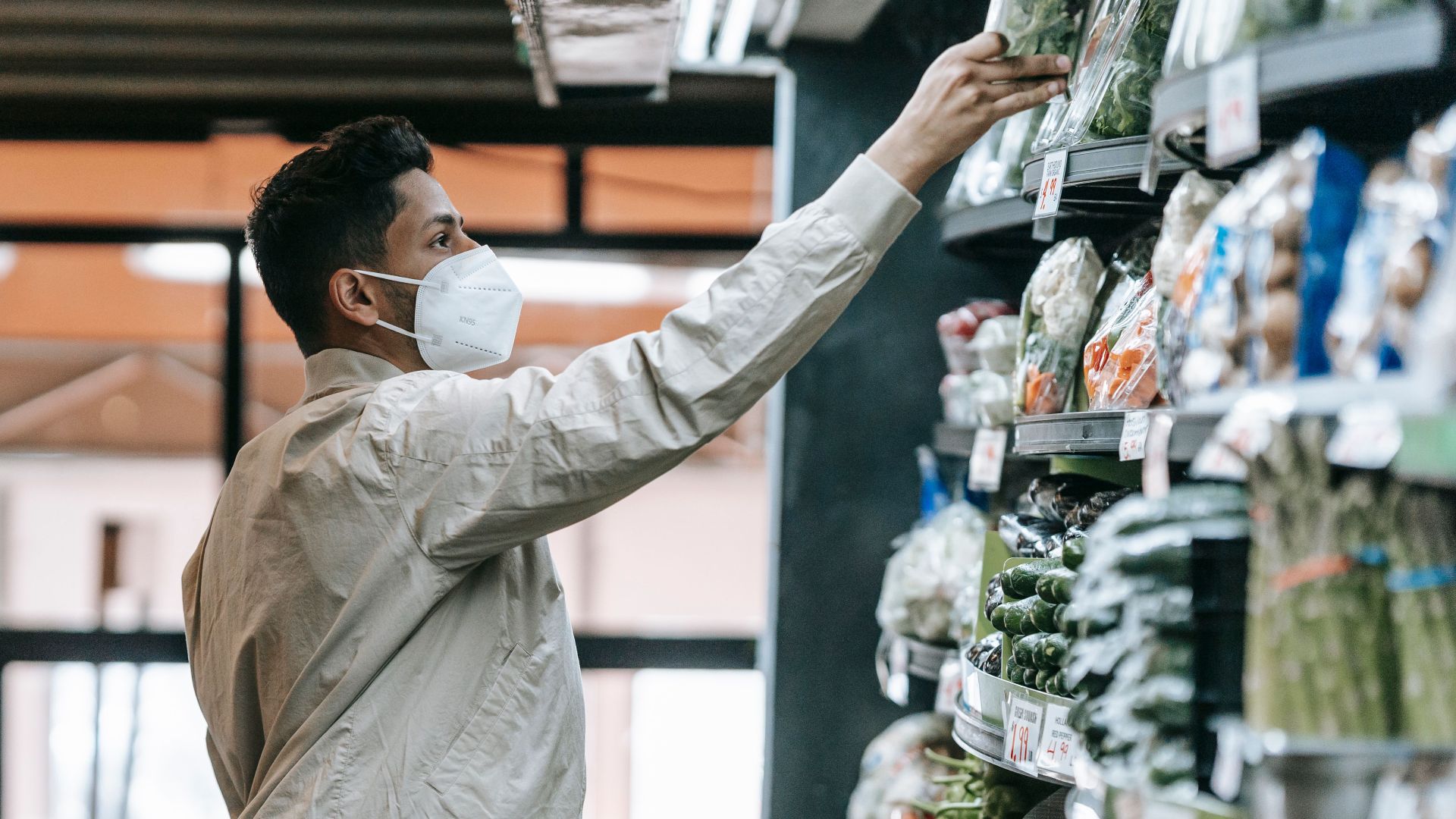
Do not switch stores over one locked bottle without comparing the full basket. Check unit prices, promotions, travel time, fuel or transit costs, and the likelihood of another wait. The National Institute of Standards and Technology notes that unit pricing lets shoppers compare products of different sizes and brands on a common basis.
Try Pickup Before Leaving Completely
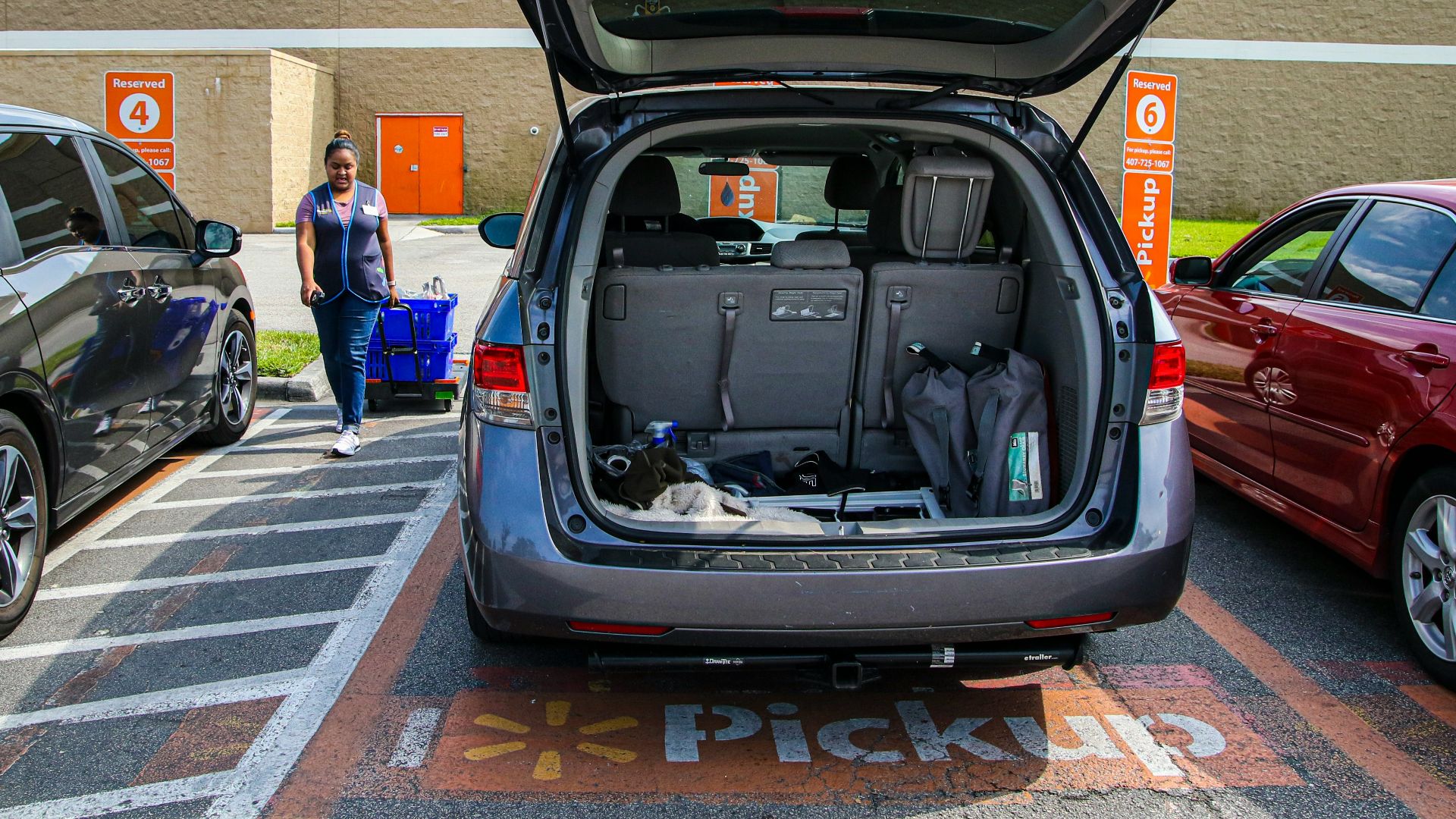
Curbside pickup may let the same retailer gather secured items before you arrive. Test it with one normal order and compare the final total, substitution quality, and pickup time with your in-store trip. If the service saves time without raising the basket cost, it may be the simplest workaround.
Watch Online Markups And Fees
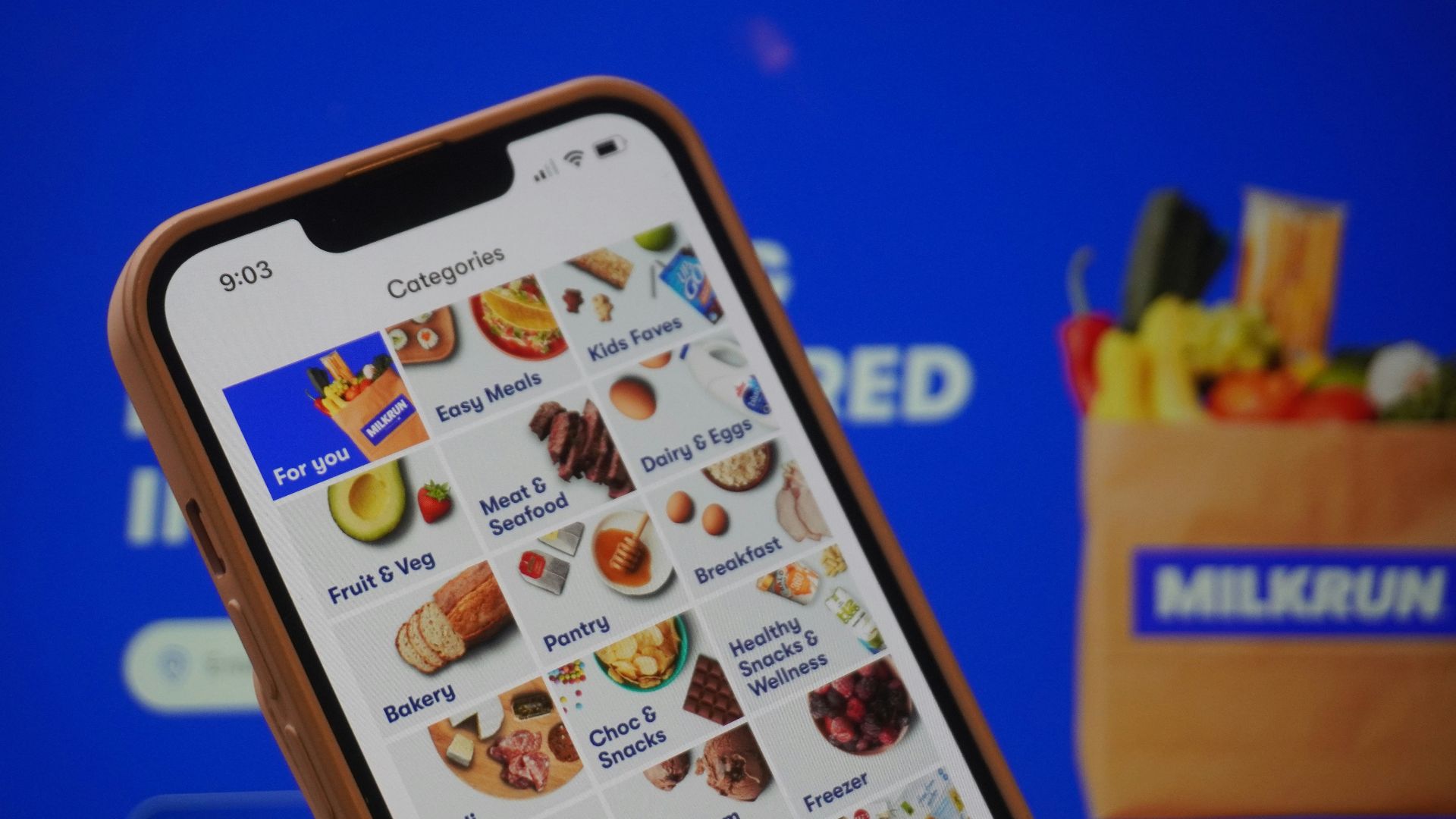
Convenience can carry a premium. Instacart says retailers set marketplace prices, some online prices differ from in-store prices, and certain in-store promotions may not apply. Compare the checkout total, including fees and tips, rather than assuming online ordering costs the same.
Ask For Several Items At Once
When multiple products are secured in one area, decide what you want before calling an employee. Ask whether the worker can open all nearby cases during the same visit. This will not eliminate the delay, but it can prevent several separate waits on one trip.
Give Management Useful Evidence
Report the date, time, department, product, and approximate wait instead of sending a general complaint. Mention whether you abandoned the item or moved the purchase to another retailer. That information connects the service problem to a lost sale and gives the store something specific to investigate.

Know When Switching Makes Sense
Set a personal threshold, such as repeated long waits or a monthly time cost you no longer accept. Then compare one alternative store for several trips rather than relying on a single unusually good visit. Keep the option that delivers the best combination of price, availability, and time.
 Boxed Water Is Better, Unsplash
The Locks Make A Big Difference
For shoppers, doubling a weekly trip is a meaningful loss of time. For retailers, locks can protect merchandise, but surveys and corporate testimony show that they also drive abandoned purchases and lower sales. The sensible answer is targeted protection with fast access, while your best response is to measure the delay and move your money if the total cost no longer works.
 Tony Webster, Wikimedia Commons
You May Also Like:
Things Grocery Stores Once Did For Free That Now Feel Like Paid Luxury Services