
When The Office Starts Feeling Like A Reality Show
You’re just having a normal conversation at work—maybe venting a little, maybe joking around—when you suddenly find out a coworker has been recording chats. That’s the kind of thing that instantly makes you second-guess everything you’ve said. It’s not just awkward, it’s uncomfortable. And naturally, the first thing you wonder is whether they’re even allowed to do that.

So What Does “One-Party Consent” Actually Mean?
In a lot of places, only one person in a conversation needs to agree to a recording. And yes, that one person can be the one hitting record. So if your coworker is part of the conversation, they might not have to tell you at all.
When Everyone Has To Agree First
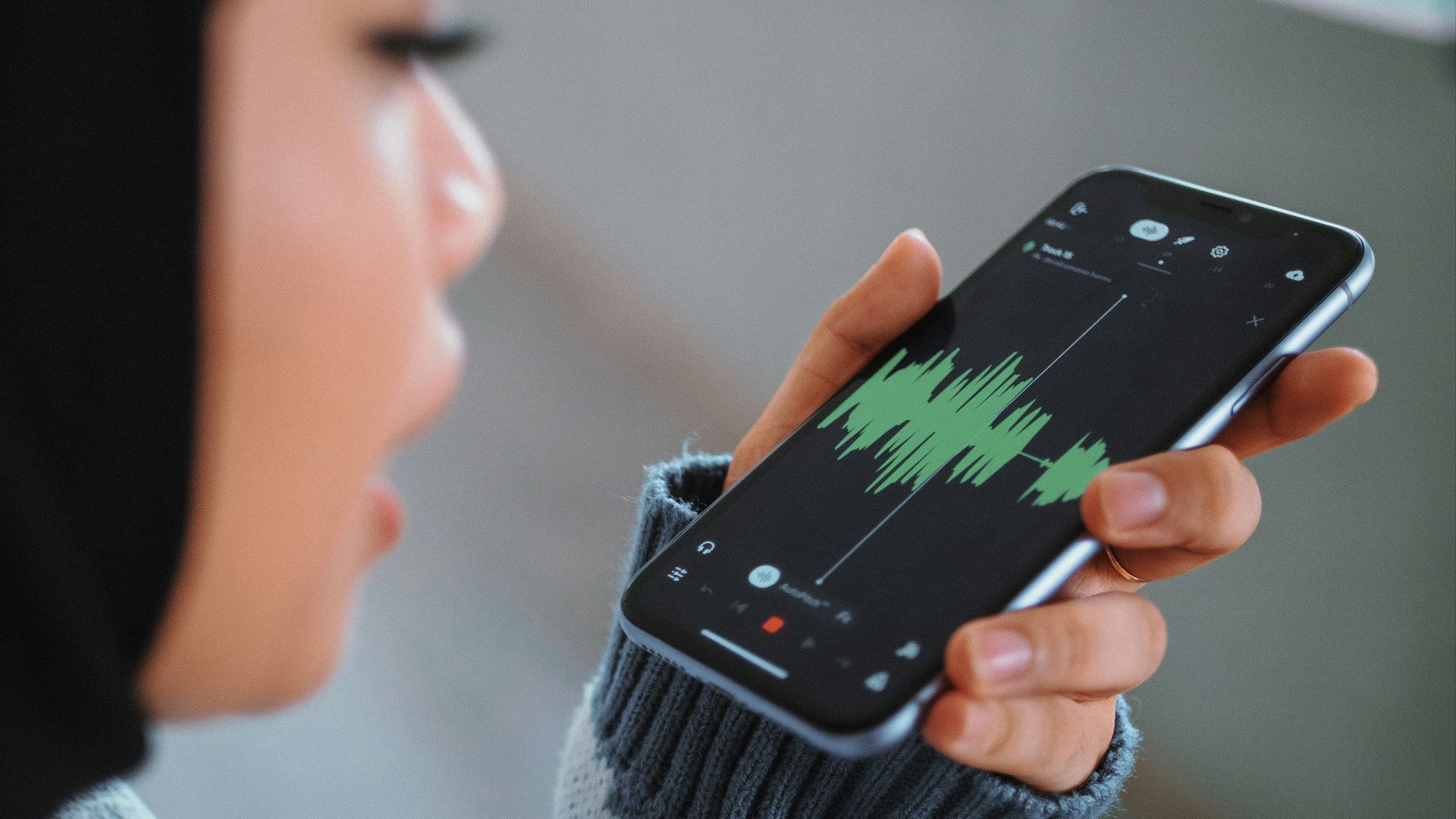
Other places take a stricter approach and require everyone involved to agree before anything gets recorded. In those cases, your coworker would need your permission first. If they didn’t ask, that’s where things start to get questionable.

It Really Comes Down To Location
This is one of those situations where geography matters more than you’d expect. The rules change depending on where you live and work. What’s completely fine in one place might not fly somewhere else.
How It Works In Canada
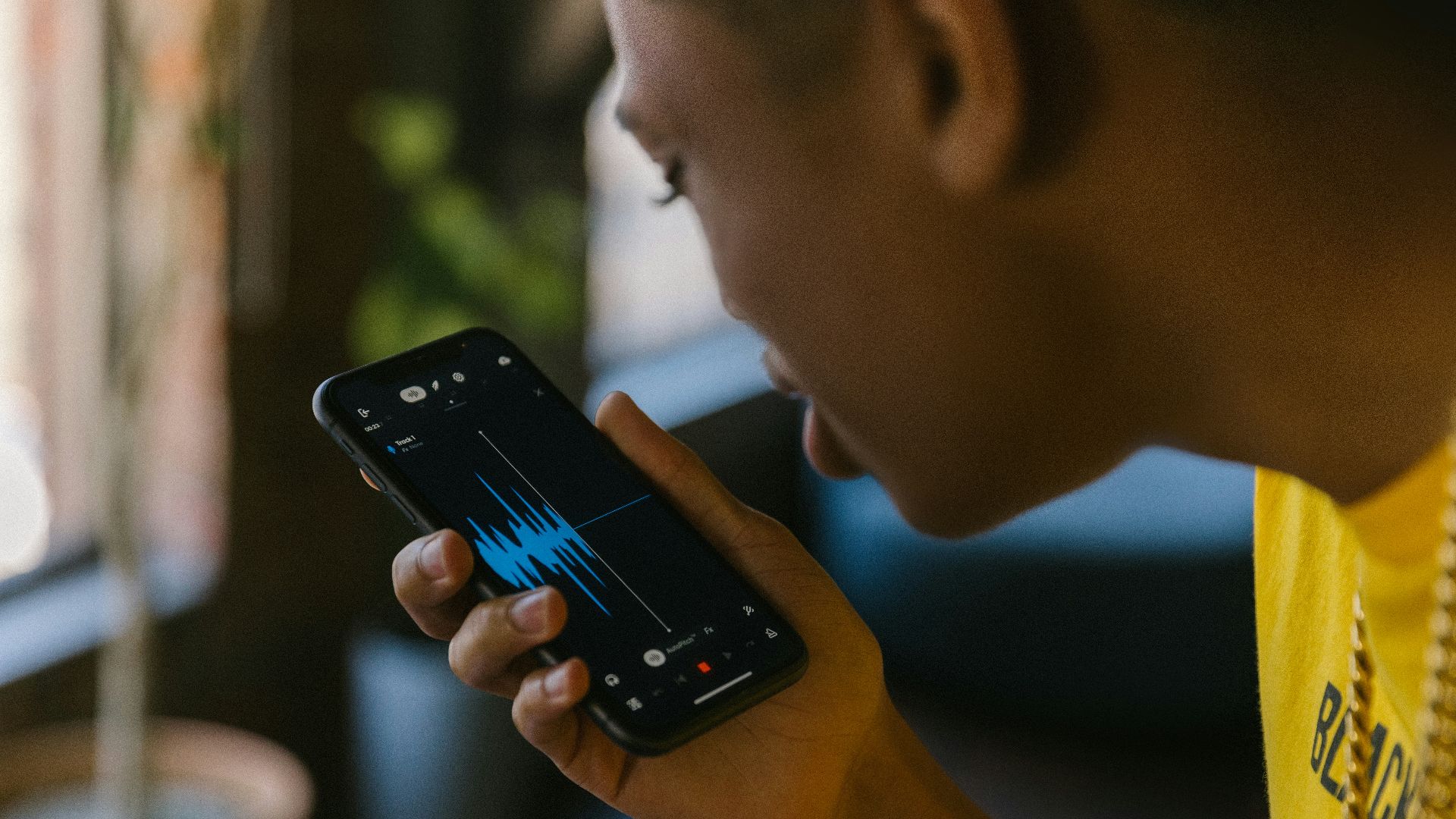
In Canada, the general rule is one-party consent. So if your coworker is part of the conversation, they can usually record it without telling you. That doesn’t mean people like it, but it’s often allowed.
 Muhammad Faiz Zulkeflee, Unsplash
The US Isn’t As Straightforward
In the US, it’s a bit more of a patchwork. Some states follow one-party consent, while others require everyone to agree. So whether it’s okay or not really depends on the state you’re in.

Your Company Might Have Its Own Rules
Even if the law allows it, your workplace might not. A lot of companies have policies that ban recording conversations without permission. So your coworker could still be crossing a line internally.

Not All Conversations Are Equal
There’s a big difference between recording a casual chat and capturing something personal or sensitive. The more private the topic, the more uncomfortable—and potentially problematic—it becomes.
 LinkedIn Sales Solutions, Unsplash
That “Expectation Of Privacy” Feeling
If you’re talking in a way that feels private, you naturally assume it stays that way. When someone records without telling you, it can feel like that expectation has been broken, even if the rules technically allow it.

Phone Calls Vs Face-To-Face Chats
The same general rules apply to both phone calls and in-person conversations, but phone recordings tend to get more attention. Especially in places where everyone has to agree, recording calls without notice can be a bigger issue.

It Can Really Change The Vibe At Work
Even if everything checks out rule-wise, secretly recording people tends to shift the atmosphere. People start holding back, conversations feel less natural, and trust takes a hit. It’s hard to be relaxed when you feel like everything might be documented.

Just Because You Can Doesn’t Mean You Should
There’s a difference between what’s allowed and what feels right. Recording coworkers without telling them usually lands in that gray area where it’s technically okay but socially uncomfortable.

Management Might Not Love This
If this comes to light, don’t be surprised if management steps in. Companies generally want to avoid tension, complaints, or anything that could spiral into a bigger issue.

Why Someone Might Do This In The First Place
Sometimes people record conversations to protect themselves, especially if they’re worried about misunderstandings or disputes. It can feel like a way to have proof if something goes sideways.

But It Can Also Backfire
Recording conversations without being upfront about it can create a whole new set of problems. If it breaks company policy or crosses a line where you live, it might end up causing more trouble than it prevents.

Audio Vs Video Is A Different Story
Audio recordings tend to have clearer guidelines. Once video gets involved, especially in spaces where people expect privacy, things can get more complicated pretty quickly.
Where The Conversation Happens Matters
Recording in a fully public space is usually less of a concern. But most workplaces fall somewhere in the middle—not fully public, not fully private—which makes things less clear-cut.

It’s Easier Than Ever To Record Without Anyone Noticing
Phones, smartwatches, even laptops can record with barely any effort. That’s why situations like this often come out of nowhere—you usually don’t see it happening.

What Should You Do If This Happens?
First, figure out what the rules are where you live. That gives you a clearer sense of where things stand. After that, you can decide whether it’s something to raise with HR or just address directly.

Is It Worth Talking To Them About It?
Sometimes it is. Your coworker might not realize how uncomfortable it makes people feel. A simple, calm conversation can go a long way in setting boundaries.

Knowing Where You Stand Makes It Less Stressful
At the end of the day, this is one of those situations where knowledge helps a lot. Once you understand how the rules work where you are, it’s easier to decide what to do next. And more importantly, it helps you feel a little less caught off guard by it all.

You May Also Like:
My boss told me to fake a family death so I could attend a conference in disguise. Am I complicit?
Elizabeth Holmes Is Still Showing ‘No Remorse’ To Her Victims