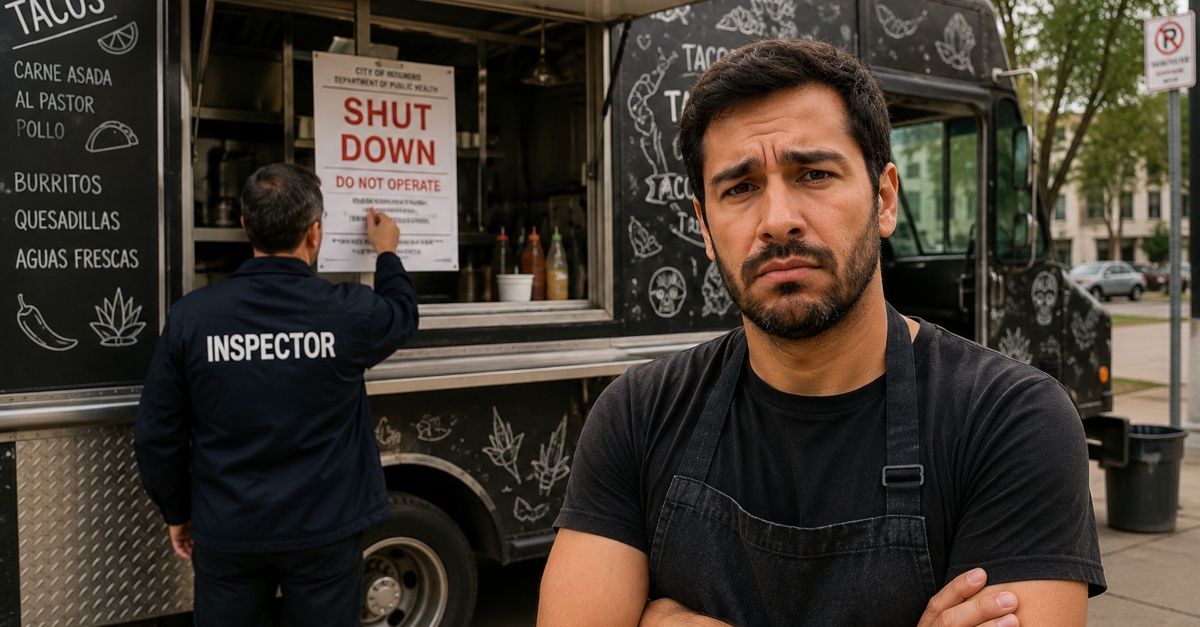
You’re Not Done—You’re Just Paused
Getting shut down feels brutal, but it’s not a death sentence for your business. Plenty of successful food trucks hit this exact wall early on. The key is how quickly and strategically you respond. Treat this as a compliance reset, not a failure.
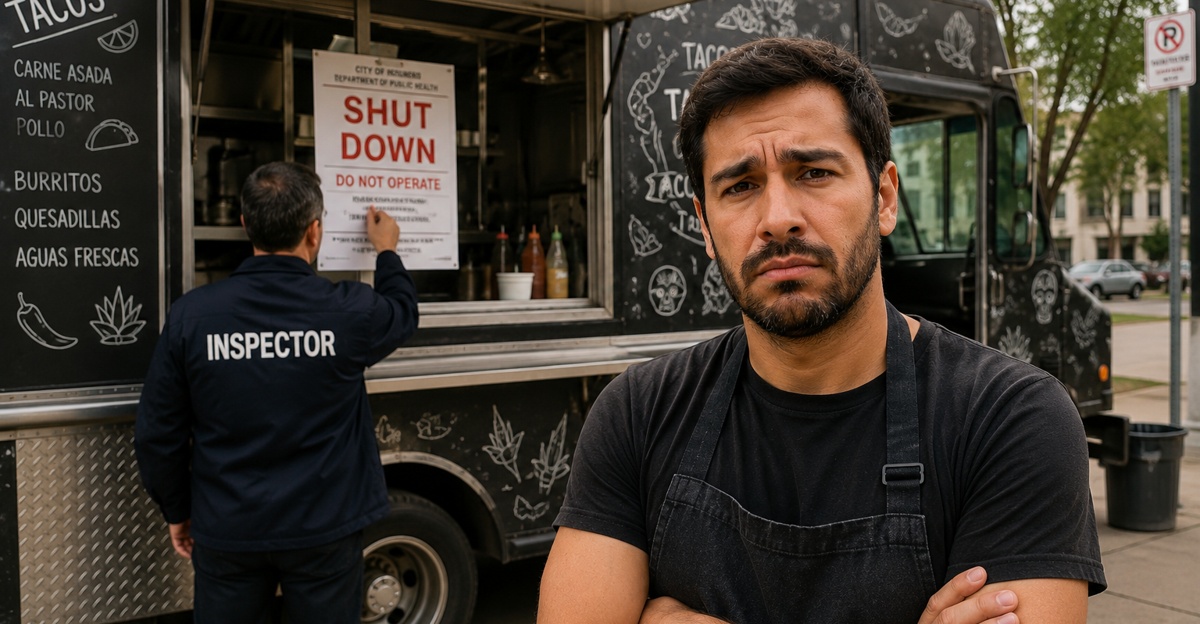
First—Find Out Exactly Why You Were Shut Down
Don’t guess. Call your local municipal office or licensing department and get a precise list of violations. Was it zoning, health permits, fire safety, or all of the above? You can’t fix what you don’t fully understand, so get everything in writing.
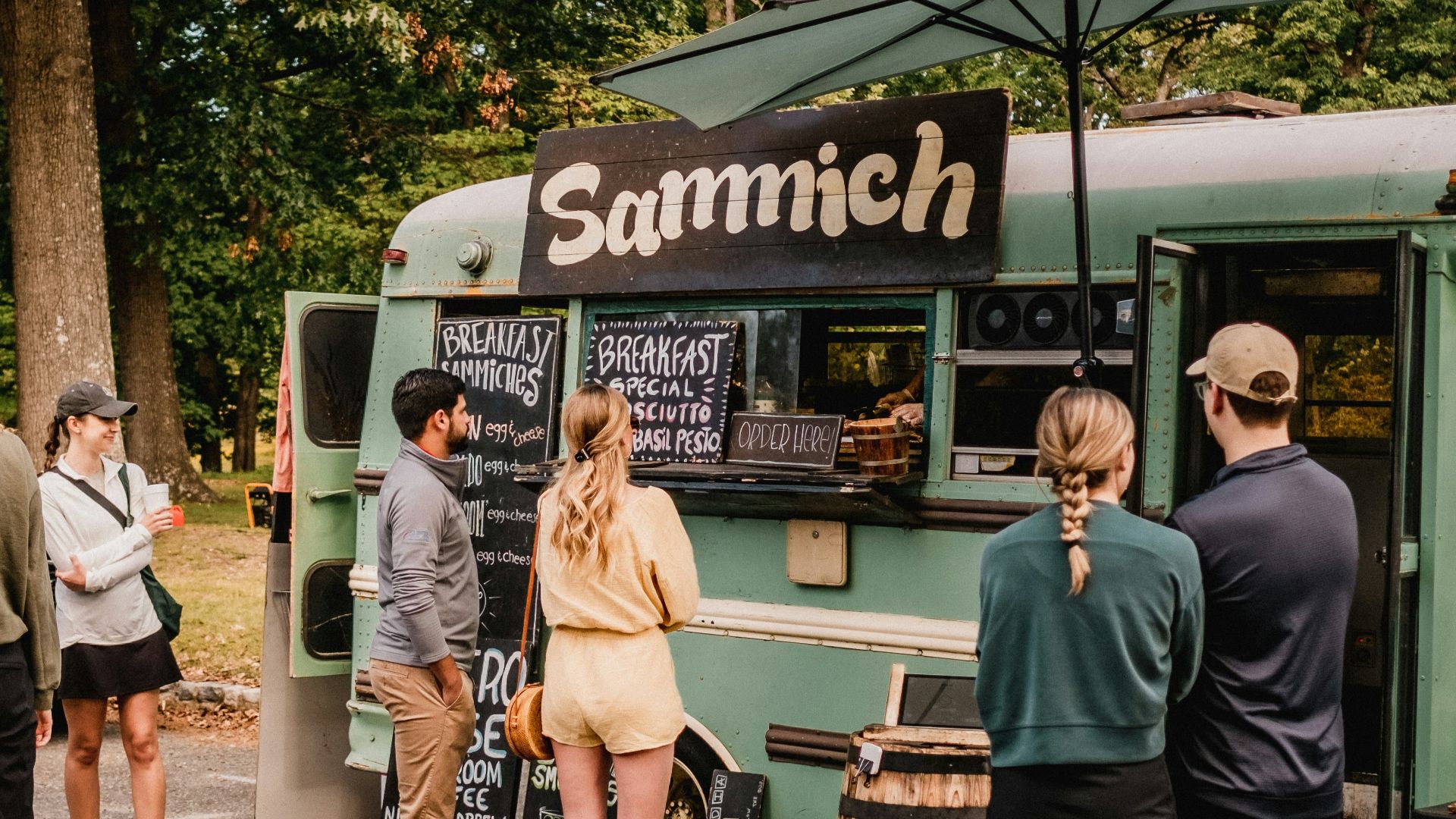
Identify the Type of Permits You Missed
Food trucks typically need multiple approvals, not just one. This can include business licenses, food handling permits, health inspections, parking/zoning approvals, and fire safety certifications. Missing even one can trigger a shutdown. Map out every requirement specific to your city.

Understand Local Zoning Restrictions
Some areas don’t allow food trucks at all—or only in specific zones or time windows. You may need to relocate your operations to a compliant area. This isn’t optional; it’s often the biggest hurdle. Check designated vending zones or approved event spaces.

Contact the Health Department Immediately
If food safety is involved, this is priority one. Ask for a checklist of what’s required to pass inspection. They may require equipment upgrades, sanitation protocols, or certifications. The faster you engage, the faster you can rebook an inspection.

Fix Compliance Issues Before Spending More Money
It’s tempting to keep investing in branding or inventory, but stop. Every dollar should go toward becoming legally operational again. There’s no revenue without compliance. Treat permits as your first “product.”

Budget for Permit and Compliance Costs
Permits aren’t cheap, and neither are retrofits. Expect fees for applications, inspections, and possibly upgrades to your truck. Build a realistic compliance budget so you don’t get stuck halfway through the process. This is a necessary investment, not optional overhead.

Ask Yourself: Is Your Current Setup Viable?
Be honest—does your current truck meet local standards? Some trucks simply can’t be retrofitted easily to meet code. If that’s the case, you may need to pivot or upgrade. It’s better to face that now than keep patching a failing setup.

Consider Temporary Alternatives While You Fix This
You don’t have to go completely dark. Look into pop-ups, catering under a licensed kitchen, or partnerships with existing restaurants. This can keep some cash flow going while you fix permits. It also keeps your brand alive.
Get Proper Food Handling Certification
Many jurisdictions require certified food handlers on staff. If you or your team don’t have it, fix that immediately. These courses are usually fast and relatively inexpensive. It’s an easy win that removes a major barrier.

Document Everything Moving Forward
Keep copies of applications, approvals, emails, and inspection reports. If something goes wrong again, you’ll have proof of compliance efforts. It also speeds up future renewals. Think of this as building your legal safety net.

Build a Relationship With Inspectors
This isn’t adversarial. Inspectors can actually help you get compliant faster if you treat them as partners. Ask questions, show effort, and follow through. A cooperative attitude can make a big difference.

Check Insurance Requirements
Some permits require proof of liability insurance. If you don’t have the right coverage, you won’t be approved. Review your policy and update it if needed. This protects both your business and your approval chances.

Revisit Your Business Model
This is a forced pause—use it. Are your margins strong enough? Is your location strategy solid? If you’re going to rebuild, rebuild smarter.

Create a Relaunch Plan
Don’t just reopen quietly. Plan a proper comeback with marketing, social media, and maybe a “we’re back” event. Turn your shutdown into a story of resilience. People love a comeback.

Ask Yourself: Do You Have Enough Runway?
How long can you survive without income? Be realistic about your cash reserves. If needed, consider short-term financing or side income to bridge the gap.

Avoid Cutting Corners Again
This is the hard truth: skipping permits caused this. Don’t repeat it. Cutting corners might feel faster, but it’s always more expensive in the long run.

Learn Your City’s Renewal and Compliance Cycles
Permits expire, inspections repeat, and rules change. Put reminders in place so this doesn’t happen again. Compliance is ongoing, not one-and-done.

Consider Professional Help
If the process feels overwhelming, hire a consultant or permit specialist. They know the system and can speed things up. It may cost more upfront but save you time and mistakes.

Yes—You Can Bounce Back
This situation is fixable if you act quickly and systematically. Many food trucks fail because they ignore compliance—not because the concept is bad. If your product is strong and you fix the legal side, you can absolutely recover and grow.