
A Promising Career Move Down The Drain
You accepted what you thought was a better opportunity, resigned from a stable job, and started on an even better job with a fresh sense of optimism. Then, barely a week in, the company shut down and your new role evaporated. You’re suddenly unemployed through no fault of your own, sitting face to face with financial stress and uncertainty about what to do next.
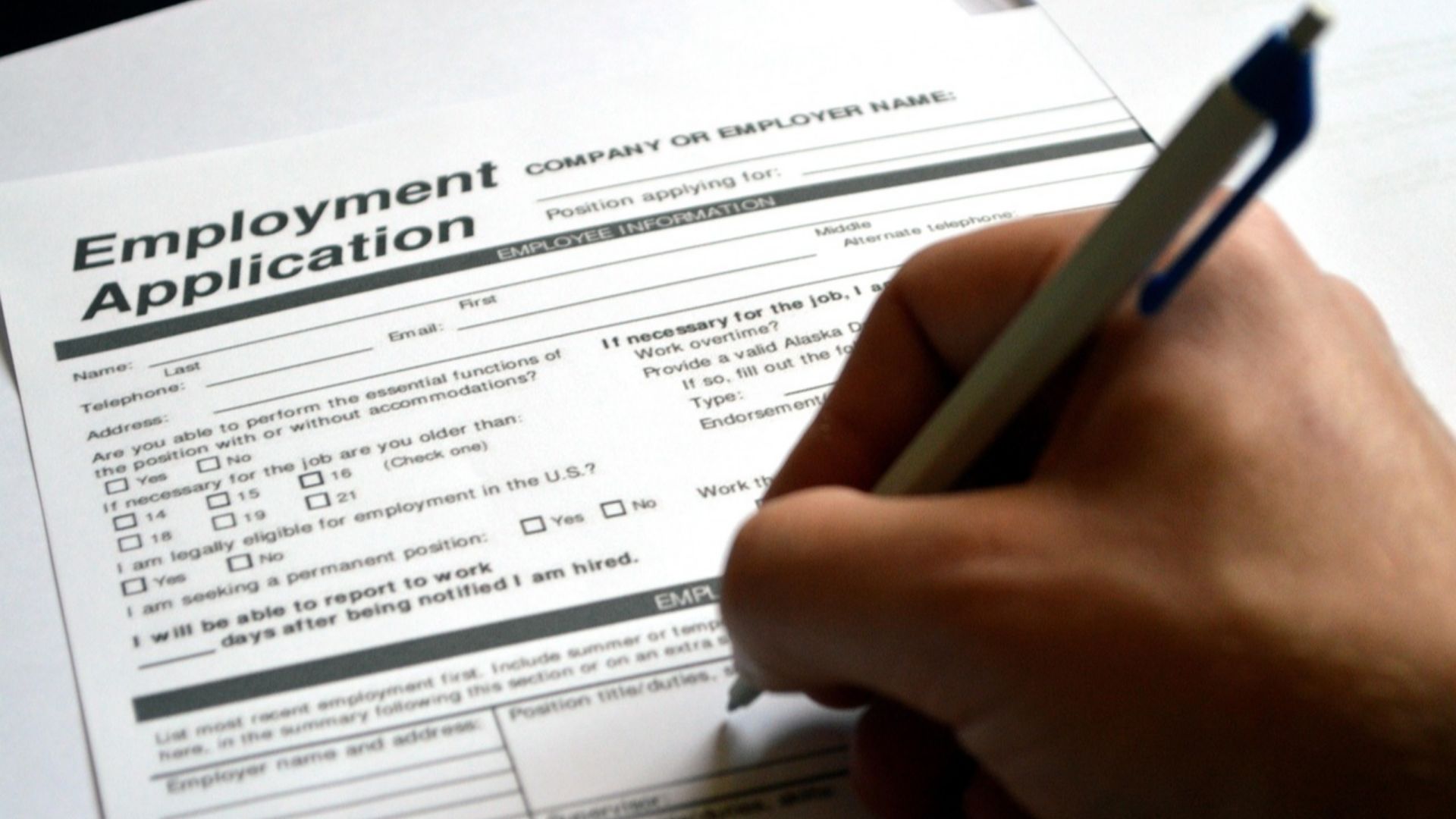
 bnenin, Adobe Stock; Factinate
Stop And Catch Your Breath
The shock of losing a job this quickly can trigger feelings of panic, but your first priority should be finding a sense of stability. Take stock of your finances, your remaining benefits, and the most immediate obligations. It feels catastrophic right at this exact moment, but there are concrete steps you can take to protect yourself financially and professionally in the days ahead.

See If You Were Officially Employed
Get confirmation of your employment status in writing. If you completed the company onboarding process, received pay, or signed an offer letter, you were an employee even if that role only lasted a few days. That’s important for unemployment eligibility, wage claims, and potential legal protections.

Apply For Unemployment
In many cases, you can file for unemployment even if your tenure in the new job was brief. Because you lost your job through no fault of your own, agencies often take your previous employment into consideration when they determine eligibility. File right away, since any delay can cost you weeks of benefits.
Check If Final Pay Is Owed
Make sure you receive payment for every hour you worked, including onboarding time and mandatory training. Some states also require unused paid time or promised sign-on bonuses to be paid out. If wages are missing, make sure you document everything. Follow your state labor department’s complaint process if it turns out you’re still owed money.

Risk Of "At Will" Employment
Most jobs in the United States are "at will," meaning companies can terminate roles abruptly. The problem is, that also limits whatever legal recourse employees have when a business collapses. Still, misrepresentation or unpaid compensation may give you some limited claim depending on your exact circumstances.

Review Your Offer Letter
Look back at the offer letter for guarantees, severance language, or contingencies. Some offers include start dates, minimum compensation periods, or notice clauses that may have been violated. Even small details can matter when determining whether the employer breached any agreement.

Contact Your Former Employer Quickly
Time is of the utmost if you want to explore returning to your previous role. Reach out respectfully, briefly explain what happened, and emphasize that you left on good terms. While there’s no guarantee they’ll take you back, some employers are willing to rehire strong employees unexpectedly affected by layoffs.

Don’t Assume You Burned The Bridge
Leaving for another opportunity is a normal part of professional life. Most employers understand that job decisions involve a certain level of risk. If you communicated clearly and gave proper notice, your prior employer may see your departure as reasonable and not a mark of disloyalty.

Update Your Resume
Short stints can look awkward on your resume, but they’re not fatal. Just list the role with dates and explain that the company ceased operations. Most recruiters understand that early business failures are beyond employee control, especially in volatile industries.

Be Honest But Brief In Interviews
When a hiring manager asks about the situation in an interview, explain it calmly and factually. Avoid using emotional language or blaming anyone. A simple explanation that the company shut down shortly after launch shows professionalism and helps interviewers focus on your experience and qualifications rather than the disruption.

Leverage The Job Offer As Proof Of Value
Being hired for this role still matters. It shows that another employer saw enough potential in you to make an effort to hire you. Use that confidence to approach your job search strategically, instead of viewing the experience as a personal failure.

Cut Your Expenses During The Gap
While you continue your search, temporarily adjust your spending. Pause subscriptions, delay discretionary purchases, and prioritize only the essentials. Stretching emergency savings can buy you some breathing space and reduce pressure while you look for your next opportunity; it also makes you less prone to rushing into another risky role.
 Karolina Grabowska www.kaboompics.com, Pexels
Explore Short Term Or Contract Work
Freelance, contract, and temporary roles are all options that can provide income and structure during your recovery. These arrangements can move quickly and help you avoid long gaps in your resume, while also giving you the flexibility to continue searching for a stable long term position.

Were You Misled?
The one issue we haven’t discussed yet is if you suspect the company knew it was about to shut down. In this case, you should consult an employment attorney. Intentional misrepresentation can sometimes trigger legal remedies, though outcomes vary widely. A brief consultation can help you understand if it’s worthwhile to pursue action.
 Karolina Grabowska www.kaboompics.com, Pexels
Ask A Lawyer About Promissory Estoppel
You can also ask a lawyer whether promissory estoppel applies to your situation. This legal principle can sometimes protect employees who reasonably relied on a job offer, resigned from a previous role, and then suffered harm when that promise was withdrawn. While it’s by no means guaranteed, a brief consultation can clarify if the employer’s representations created enforceable expectations.

Maintain Your Mental Health
Sudden job loss can trigger anxiety, shame, or self doubt. None of this is a reflection on your competence. Acknowledging the emotional impact with honesty can help you keep your feet on the ground and avoid making any decisions purely out of fear or panic.

Reframe The Experience Strategically
This incident ended up being an unfortunate risk that didn’t pay off. It’s not a career defining mistake. Future employers care far more about how you responded than what happened. Resilience, honesty, and proactive recovery matter more than perfect timing.

Get Ready For Some Tough Interview Questions
You should expect some tough interview questions about judgment and risk. Practice responses that show you evaluated the opportunity reasonably and responded responsibly when things collapsed. Clear communication builds trust faster than defensiveness or over-explanation.

Trust That Recovery Is Possible
A lot of professionals go through unexpected early- or mid-career setbacks. Most recover faster than they expect. With quick corrective action, transparency, and persistence, this moment can become a short interruption rather than a lasting derailment.

Sudden Job Loss
You took a reasonable risk that didn’t work out. Your focus now should be on protecting income, reopening doors, and moving forward strategically. While the timing couldn’t have been worse, it doesn’t define your future earning power or professional credibility.

You May Also Like: