5 Eco-Friendly Products That Are Good For The Planet And Your Wallet
Many people are worried about how we are treating our planet—and rightfully so. The alarming data surrounding climate change has forced the average person to consider their own impact on the environment. But while most of us are concerned, only one-in-five Americans say they actually make an effort to live in ways that help protect the environment. So what if we could make protecting the planet easier? What if we could use less water, buy less plastic, recycle more and save money while doing it? These five eco-friendly products are good for both the planet and your wallet.
Don't forget to check the comment section below the article for more interesting stories!
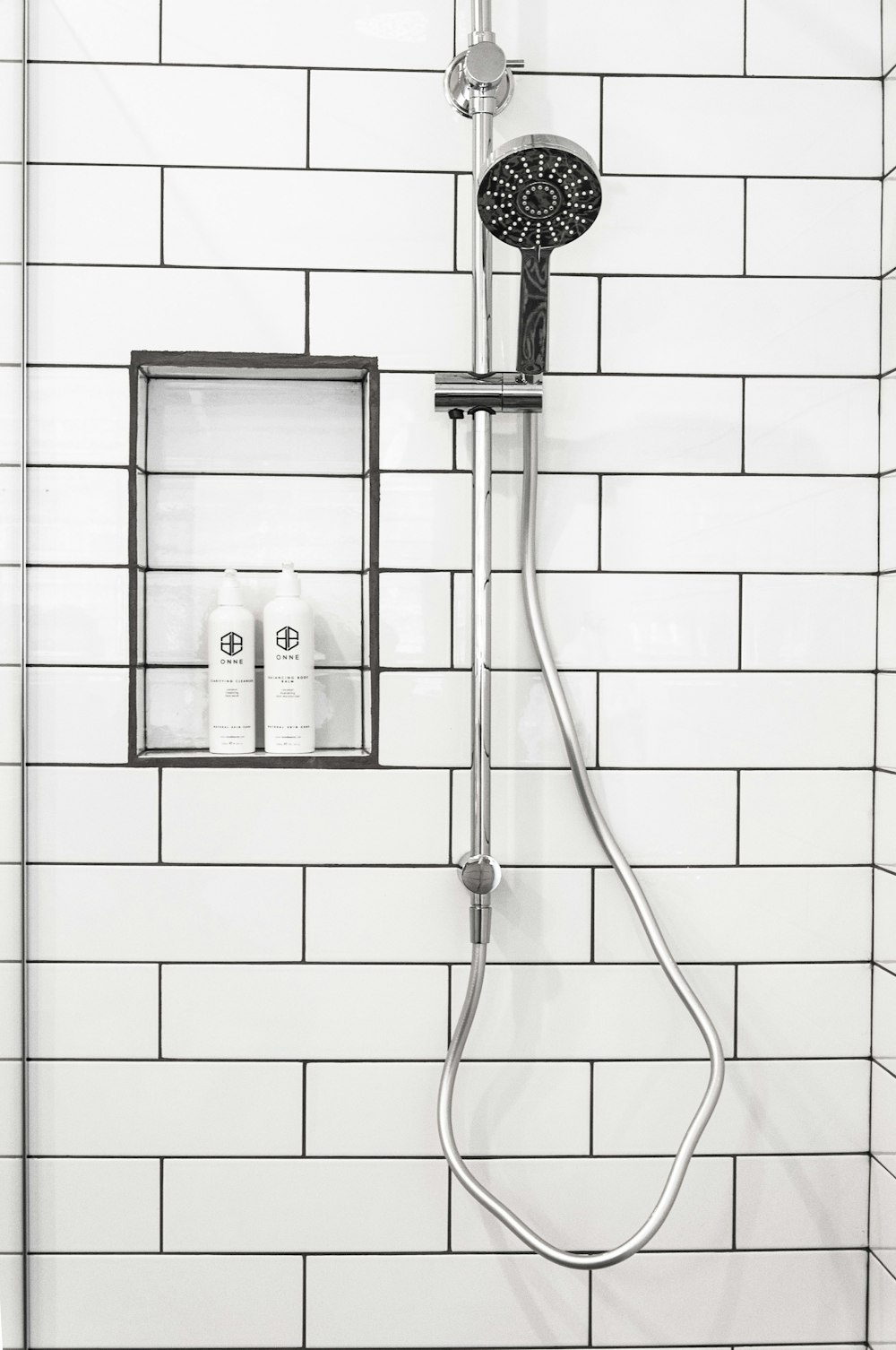
#1 A showerhead that uses way less water
We all love standing under a torrent of warm, steaming water after a long, hard day, but there's always that twinge of guilt after you realize you've been in the shower way too long. An average American family uses some 40 gallons of water per day in the shower. That's nearly 1.2 trillion gallons used in the United States annually just for showering—and a lot of that is waste. But we can fix the problem. Government data shows that putting in low-flow fixtures can reduce your water consumption by at least 50 percent and save you about $145 every year. Alternative showerheads like Nebia use 65% less water than traditional options.
Unsplash/onne
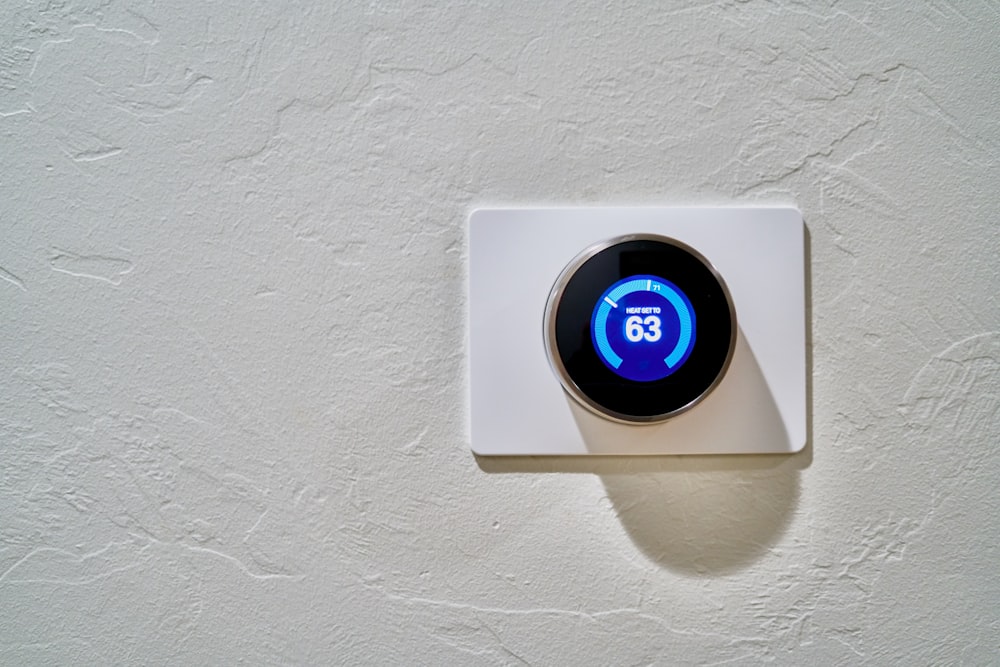
#2 A programmable thermostat
Have you ever turned the heat on because you were cold and then left the house, forgetting that you left it on? You come home to an uncomfortably warm house and pay for the heat you didn't want or need. A lot of money and energy is wasted when we use old-style thermostats, but programmable thermostats allow you to set different temperatures for different times of the day. You're comfortable, paying for what you need and helping the planet at the same time.
Unsplash/danlefeb
#3 Stainless steel drink bottles
The world uses 500 billion plastic cups, 16 billion disposable coffee cups and more than 480 billion plastic bottles every year. Save the planet and your money by investing in a stainless steel drink bottle. Many coffee shops like Starbucks in the U.S., Tim Hortons in Canada and Costa Coffee in the UK will give you 10 cents (or 25p in the UK) off your purchase if you bring your own cup. If you buy a coffee every day, that adds up to nearly $40 (or £90) every year in savings.
Unsplash/houstonmax
#4 Second-hand clothes
You no longer have to find your nearest Goodwill to shop for used clothing. Online stores like Etsy, eBay and thredUP now sell branded clothes online to anyone who wants to nab a cool, vintage outfit and save a bit of money. But the benefits of buying second-hand don't stop at just being easy on the pocket. Purchasing used products is also environmentally sustainable. Did you know that approximately 1,800 gallons of water are required to make one pair of blue jeans? Buying second-hand encourages a recycling community, saves water and energy and keeps money in your pocket. That branded jean jacket you adored in that expensive department store? It'll likely be half price in a second-hand shop.
Unsplash/shannacamilleri
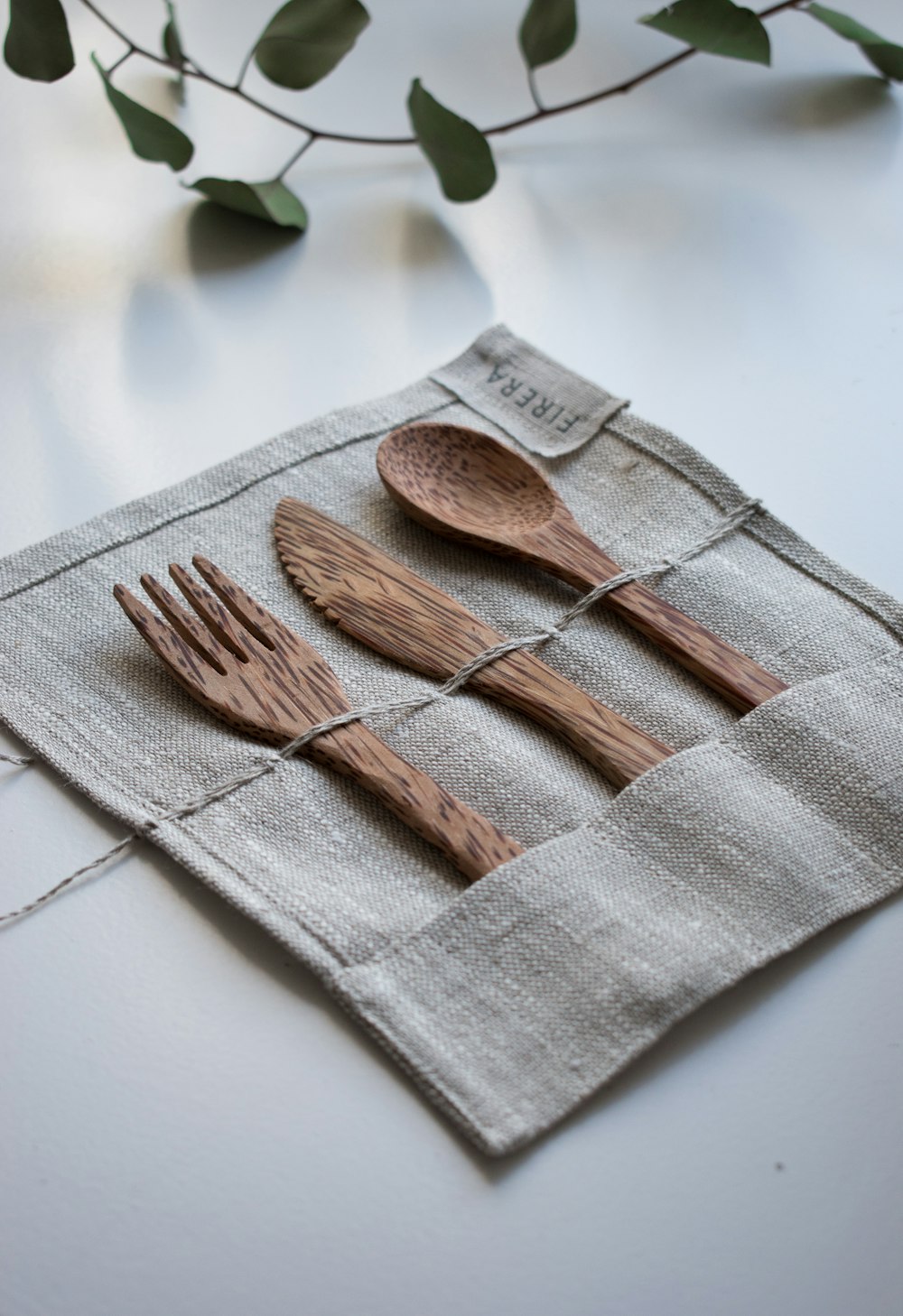
#5 Reusable bathroom and kitchen products
Beeswax wraps, reusable makeup pads, stainless steel straws, silicon baking sheets, shampoo and conditioner bars, reusable sandwich bags, stainless steel razors, glass food containers—the list could go on and on and on. There's a reusable or zero-waste alternative for nearly every bathroom and kitchen product out there. So why make the switch? Investing in reusable products not only helps save our delicate planet, but also helps you save money in the long run. The average person spends approximately $90 a year on plastic wrap, $95 on makeup remover wipes and $500 on haircare products. Get a reusable version of your favorite product instead.
Unsplash/mariailves
READ MORE
A spouse who says a major purchase is “personal” might be protecting privacy, or they might be creating a tax, legal, or cash flow mess. The danger usually starts when a transaction is kept from the accountant even though it could affect a return, a balance sheet, or an audit trail. Once money leaves a shared financial system without proper disclosure, secrecy can turn into a real financial risk.
Delivery fees, service charges, parking costs, baggage fees, subscriptions, and other checkout extras can quietly drain your budget. Discover the common charges consumers overlook and how small fees can add up to hundreds of dollars.
There lies a Detroit neighborhood where wealthy families once strolled tree-lined streets past sophisticated Victorian homes. Today, you’ll only find scattered buildings that hint at a lost world of prosperity.
Grocery stores in the 90s were absolutely packed with products that seemed like they were going to be around forever. But seriously—how many of these do you remember actually putting in the cart (or maybe even your mouth)?
My sister says she deserves more inheritance because she visited our parents more, while I paid their bills. Learn how families can evaluate caregiving, financial contributions, estate documents, reimbursements, and fairness without turning an inheritance dispute into a permanent family feud.
For years, I was the one fixing leaks, arranging repairs, checking on my parents, and keeping the family house from falling apart. When they died, their will left the house to me, while my siblings received less valuable assets. Now they say the inheritance was unfair and I should share the house with them anyway. The difficult question is whether honoring my parents' wishes also means risking my relationship with my siblings.
Disclaimer
The information on MoneyMade.com is intended to support financial literacy and should not be considered tax or legal advice. It is not meant to serve as a forecast, research report, or investment recommendation, nor should it be taken as an offer or solicitation to buy or sell any securities or adopt any particular investment strategy. All financial, tax, and legal decisions should be made with the help of a qualified professional. We do not guarantee the accuracy, timeliness, or outcomes associated with the use of this content.
Dear reader,
It’s true what they say: money makes the world go round. In order to succeed in this life, you need to have a good grasp of key financial concepts. That’s where Moneymade comes in. Our mission is to provide you with the best financial advice and information to help you navigate this ever-changing world. Sometimes, generating wealth just requires common sense. Don’t max out your credit card if you can’t afford the interest payments. Don’t overspend on Christmas shopping. When ordering gifts on Amazon, make sure you factor in taxes and shipping costs. If you need a new car, consider a model that’s easy to repair instead of an expensive BMW or Mercedes. Sometimes you dream vacation to Hawaii or the Bahamas just isn’t in the budget, but there may be more affordable all-inclusive hotels if you know where to look.
Looking for a new home? Make sure you get a mortgage rate that works for you. That means understanding the difference between fixed and variable interest rates. Whether you’re looking to learn how to make money, save money, or invest your money, our well-researched and insightful content will set you on the path to financial success. Passionate about mortgage rates, real estate, investing, saving, or anything money-related? Looking to learn how to generate wealth? Improve your life today with Moneymade. If you have any feedback for the MoneyMade team, please reach out to [email protected]. Thanks for your help!
Warmest regards,
The Moneymade team