These Are The Beloved Brands That Boomers Miss So Much
For Baby Boomers, brands weren’t just logos—they were landmarks in their lives. They were Saturday morning rituals, back-to-school traditions, first paychecks, and family road trips. Some were swallowed up by corporate mergers; others simply faded as tastes changed and technology marched on. But for millions of Boomers, these names still spark instant nostalgia. Here are the brands they’d love to see make a triumphant return.
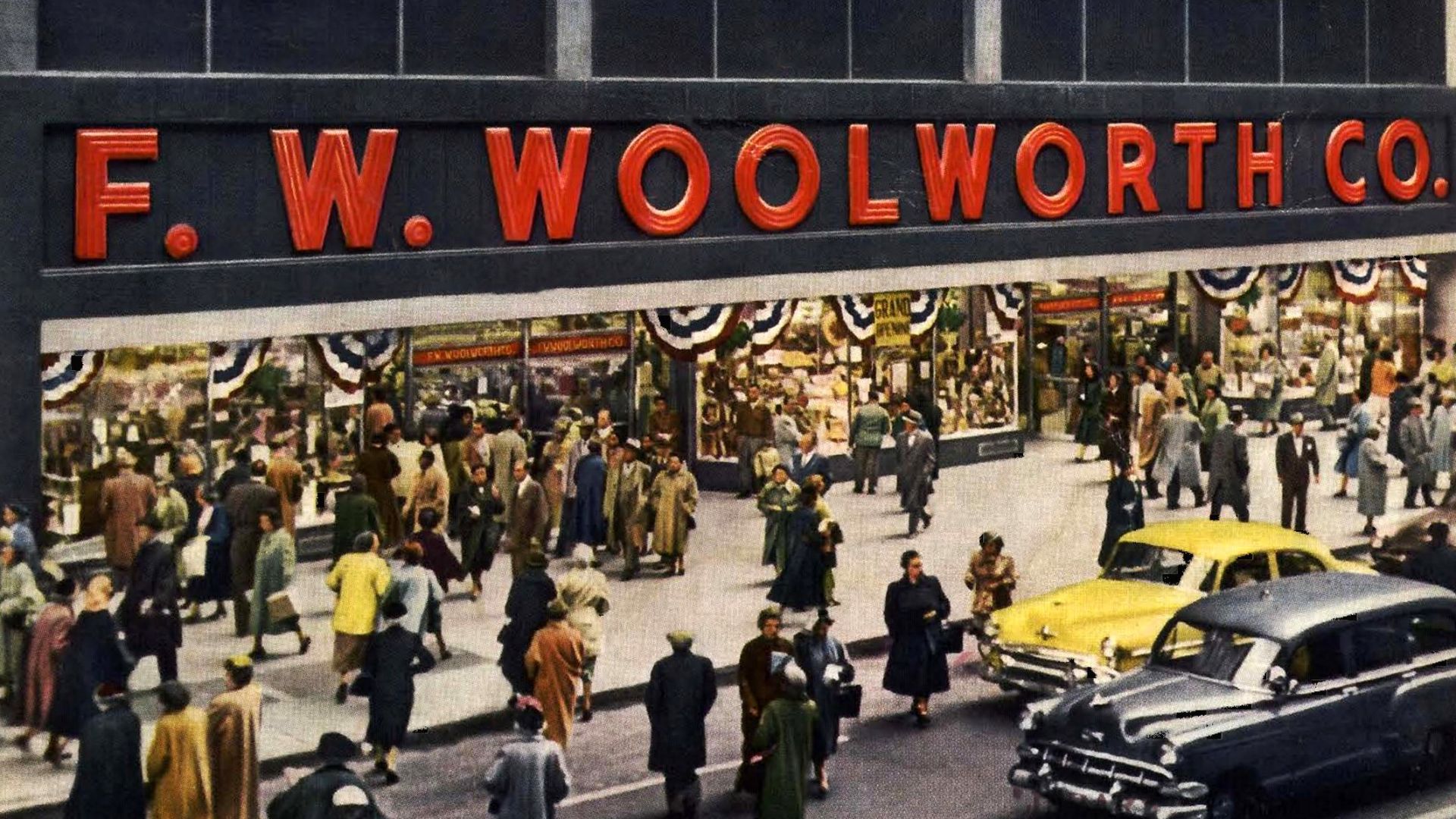
Woolworth’s
Before big-box stores ruled the suburbs, there was Woolworth’s. Boomers remember the magic of the lunch counter, where a grilled cheese sandwich and a chocolate malt could turn an ordinary afternoon into an event. It wasn’t just a store—it was a social hub. The slow disappearance of Woolworth’s marked the end of a simpler retail era, one where browsing was half the fun.
 Click Americana, Wikimedia Commons
Montgomery Ward
Montgomery Ward catalogs were once as eagerly awaited as holiday cards. For many Boomer families, “Wards” was the place to buy appliances, tools, and even clothing. The thick catalogs felt like treasure troves of possibility. When the retailer finally closed its doors in 2001, it took with it a cornerstone of mid-century American shopping culture.
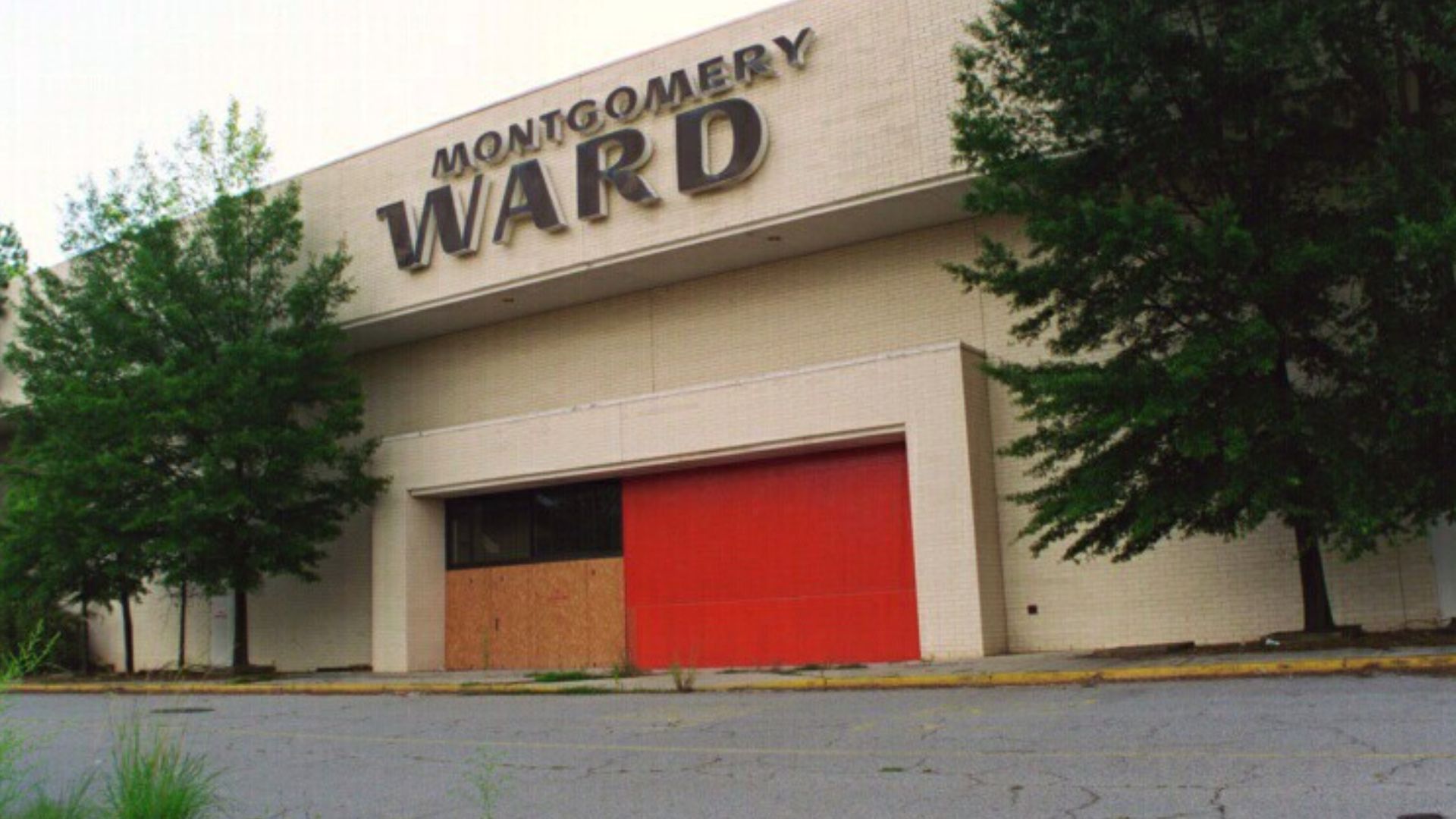 The original uploader was Caldorwards4 at English Wikipedia., Wikimedia Commons
RadioShack
If you needed batteries, wires, or that oddly specific adapter, RadioShack was your haven. Boomers who tinkered with ham radios, early computers, or stereo systems practically lived there. The smell of electronics and the helpful (if slightly nerdy) sales associates made it a sanctuary for hobbyists long before online tutorials existed.
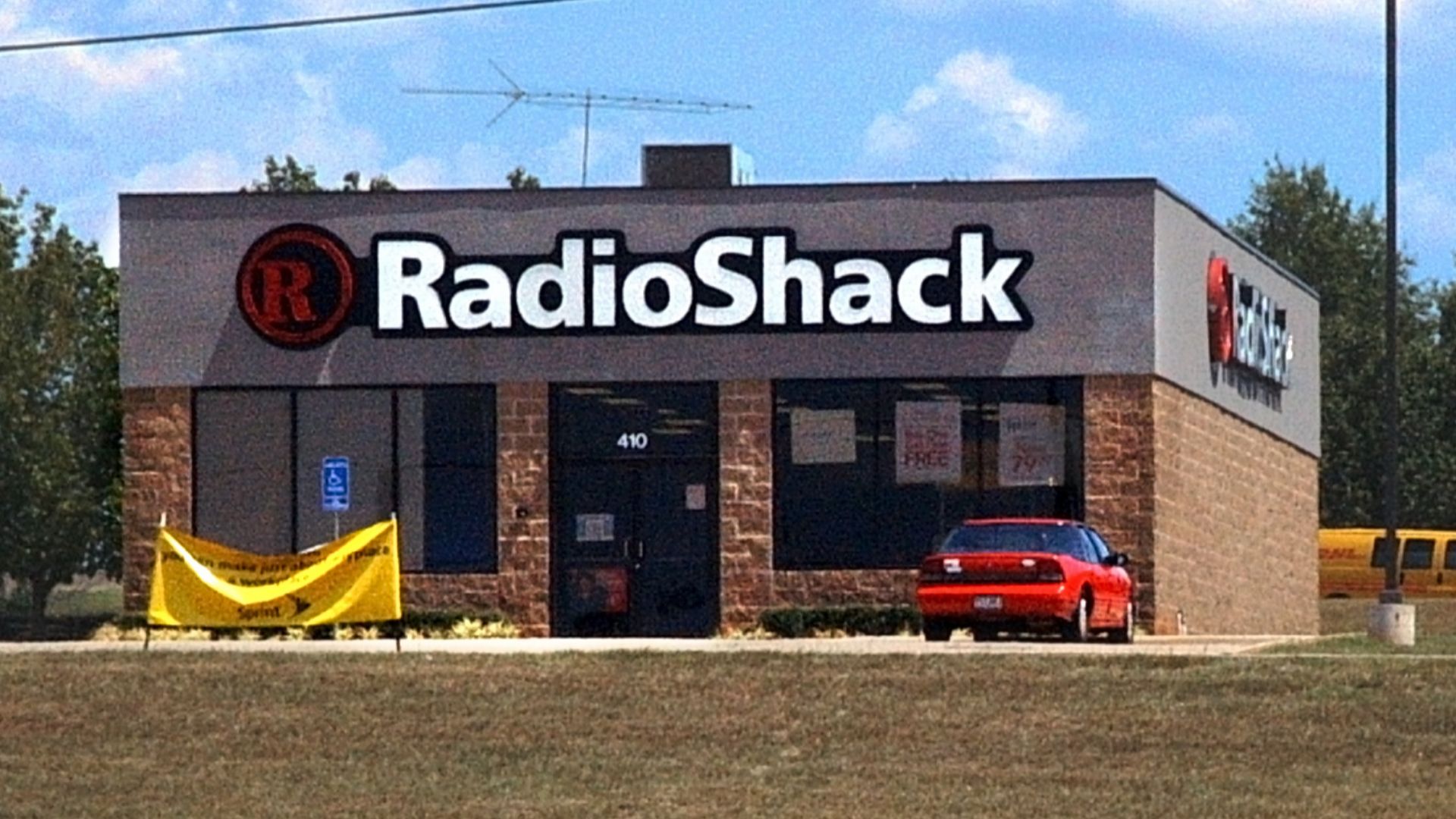 RadioShack_exterior.jpg: en:user:freakofnurture derivative work: Ubcule (talk), Wikimedia Commons
TWA
Trans World Airlines once symbolized glamour in the skies. Flying TWA in the 1960s and 70s felt sophisticated, even luxurious. Boomers recall polished flight attendants, real silverware, and the excitement of jet-age travel. TWA’s eventual merger into American Airlines closed the book on one of aviation’s most stylish chapters.
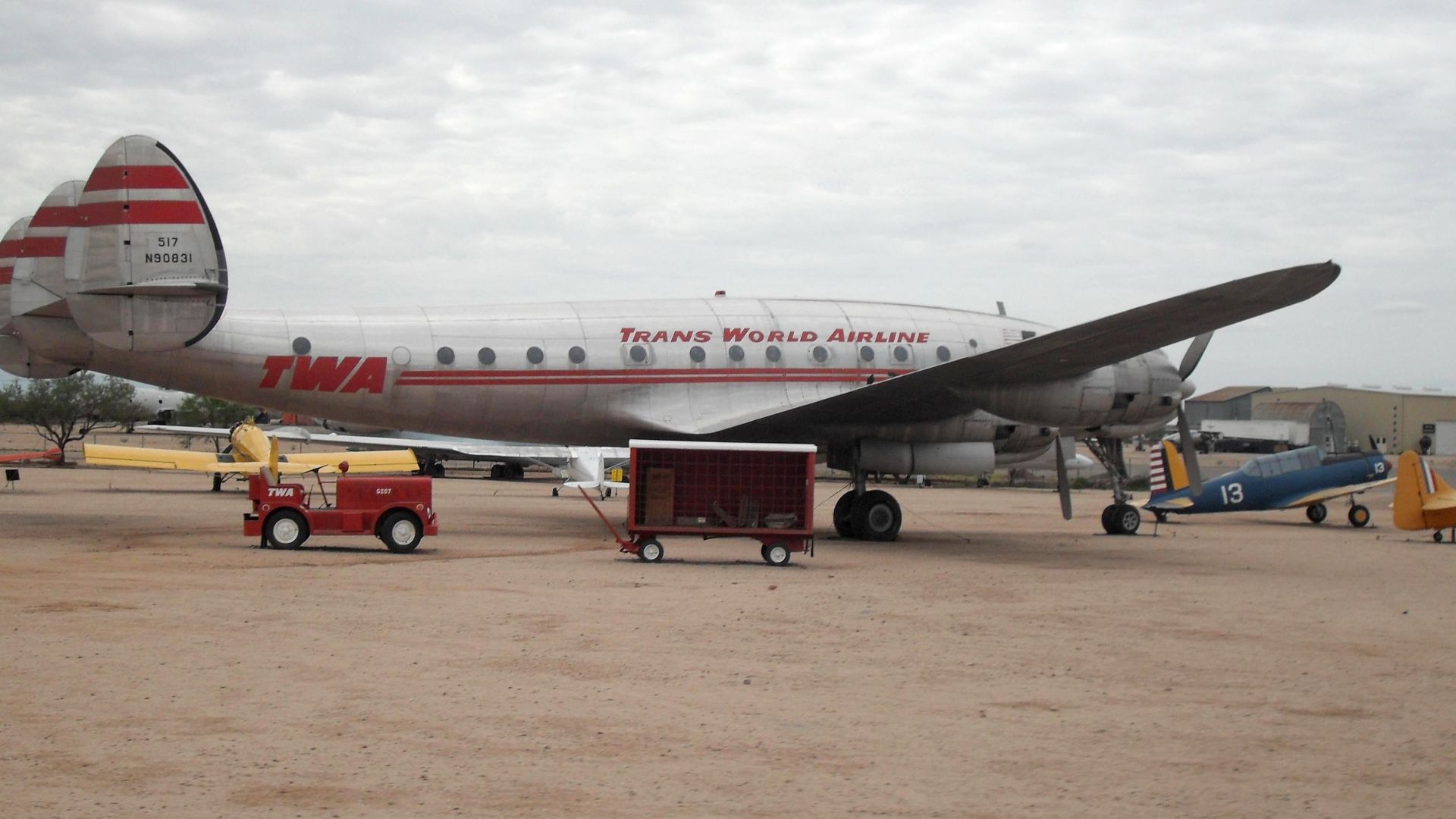 Matthew Anderson, Wikimedia Commons
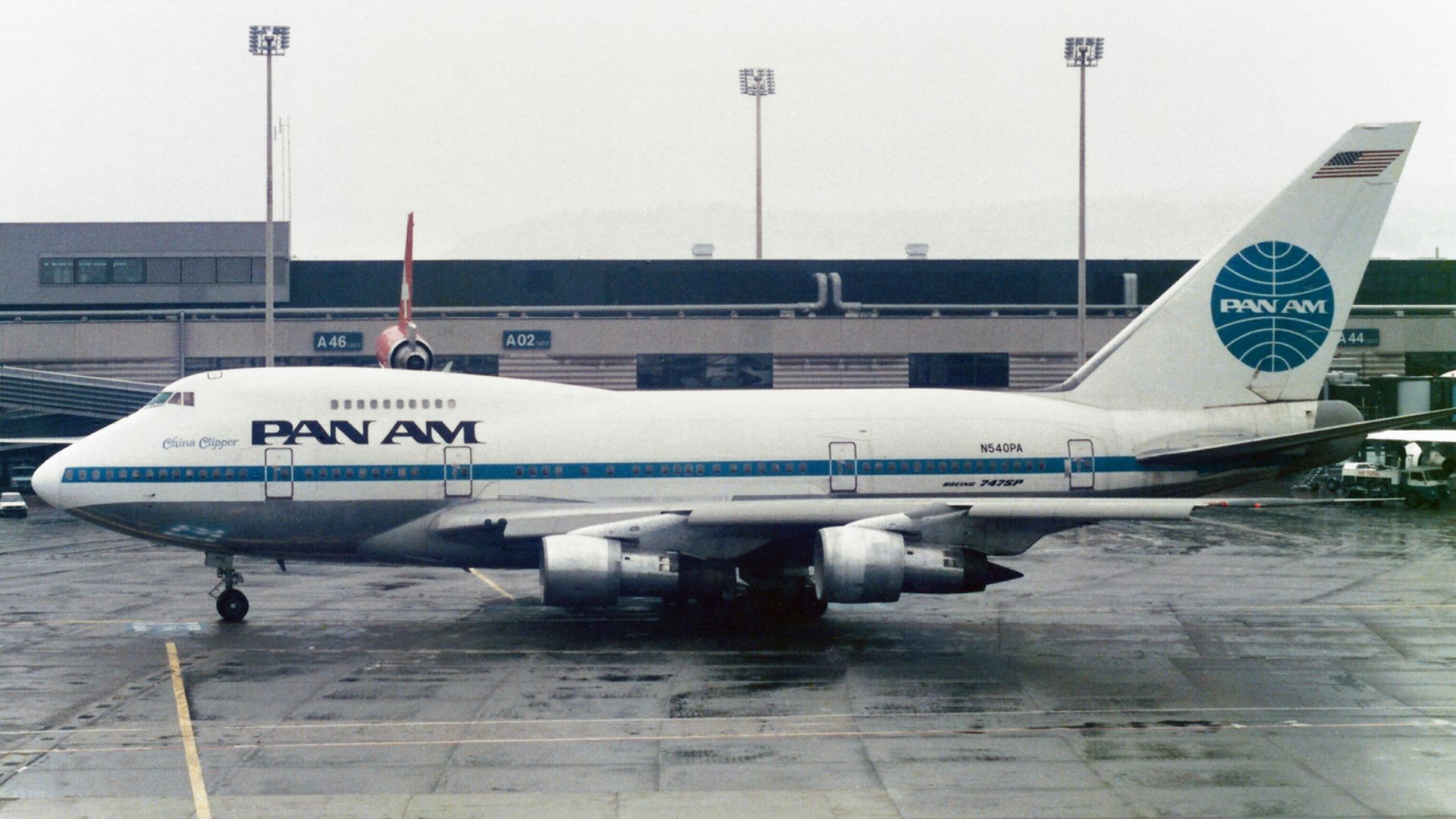
Pan Am
Pan Am wasn’t just an airline—it was a global icon. The blue globe logo stood for adventure and international prestige. For Boomers, Pan Am represented a world that suddenly felt smaller and more accessible. Its 1991 collapse left a void in aviation history that no modern carrier quite fills.
Howard Johnson’s
With its bright orange roof and 28 ice cream flavors, Howard Johnson’s was the ultimate family road trip stop. Boomers remember fried clams, hot dogs, and that unmistakable peppermint-stick ice cream. Today, it’s a fading memory of a time when highway travel meant adventure and anticipation.
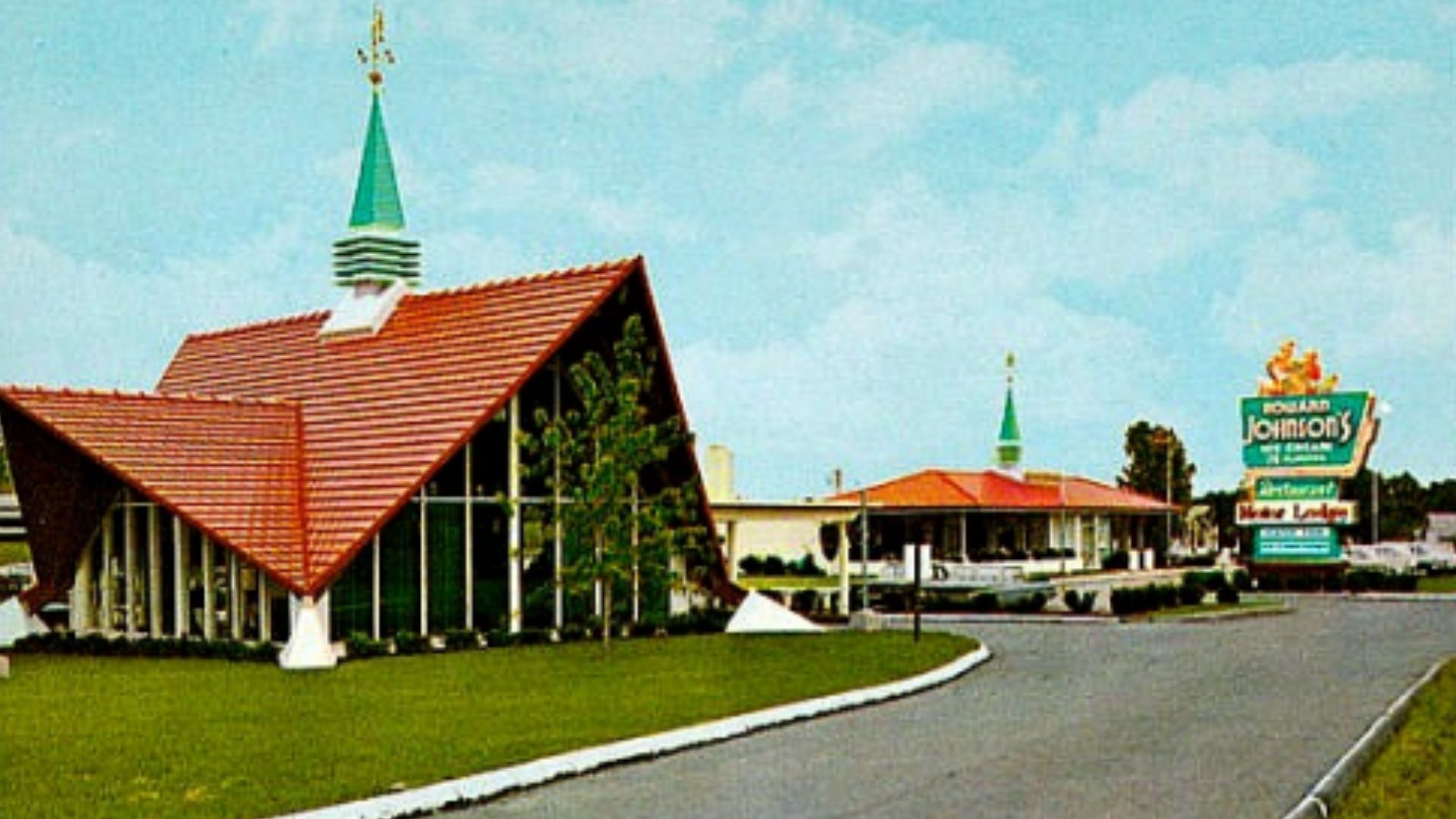 tichnor bros. lusterchrome, Wikimedia Commons
Mervyn’s
“Open, open, open!” The catchy jingle still echoes in Boomer minds. Mervyn’s was a dependable department store for middle-class families, especially for school clothes and holiday sales. Its disappearance in 2008 felt like losing a reliable old friend who had always been there.
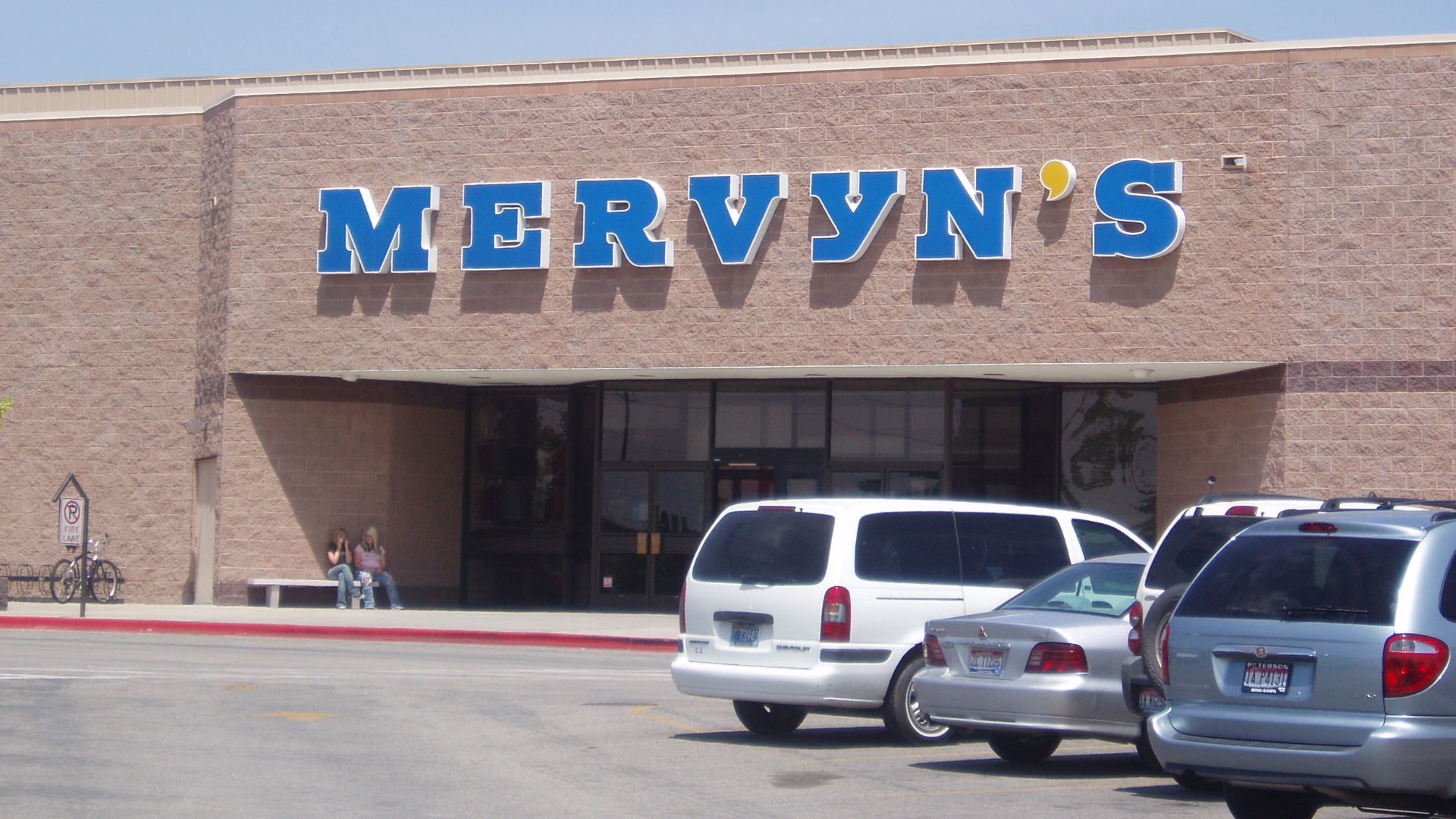 Caldorwards4 at English Wikipedia, Wikimedia Commons
Circuit City
Before online reviews and two-day shipping, buying electronics meant wandering the aisles of Circuit City. Boomers upgrading to their first DVD player or flat-screen TV likely did so under its bright red sign. The store’s closure in 2009 symbolized the seismic shift from brick-and-mortar retail to e-commerce.
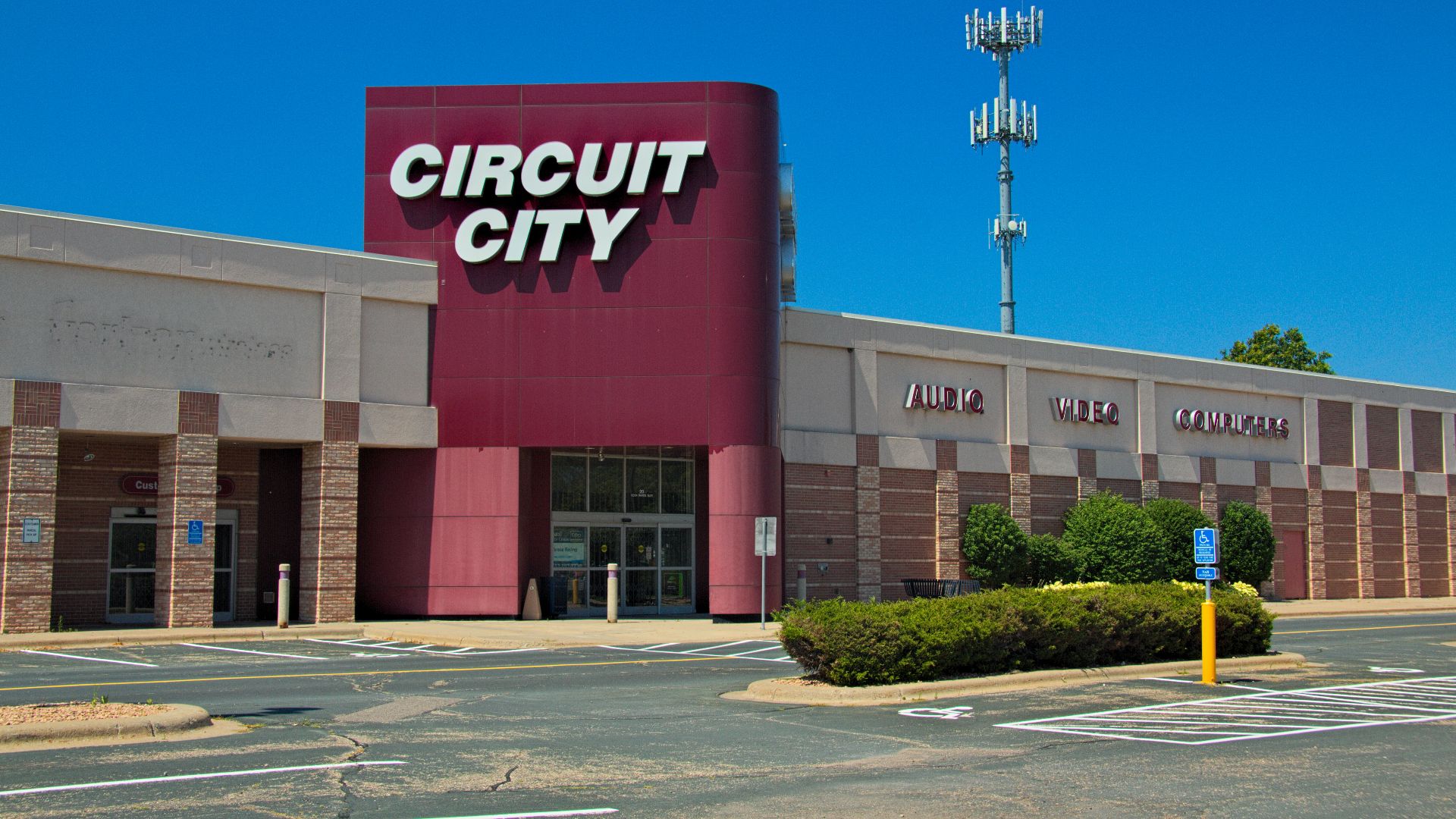 Michael Hicks from Saint Paul, MN, USA, Wikimedia Commons
Oldsmobile
Oldsmobile once stood for innovation and prestige, particularly with models like the Cutlass. For many Boomers, owning an Oldsmobile meant you’d “made it.” When General Motors discontinued the brand in 2004, it marked the end of a nameplate that had been around since 1897.
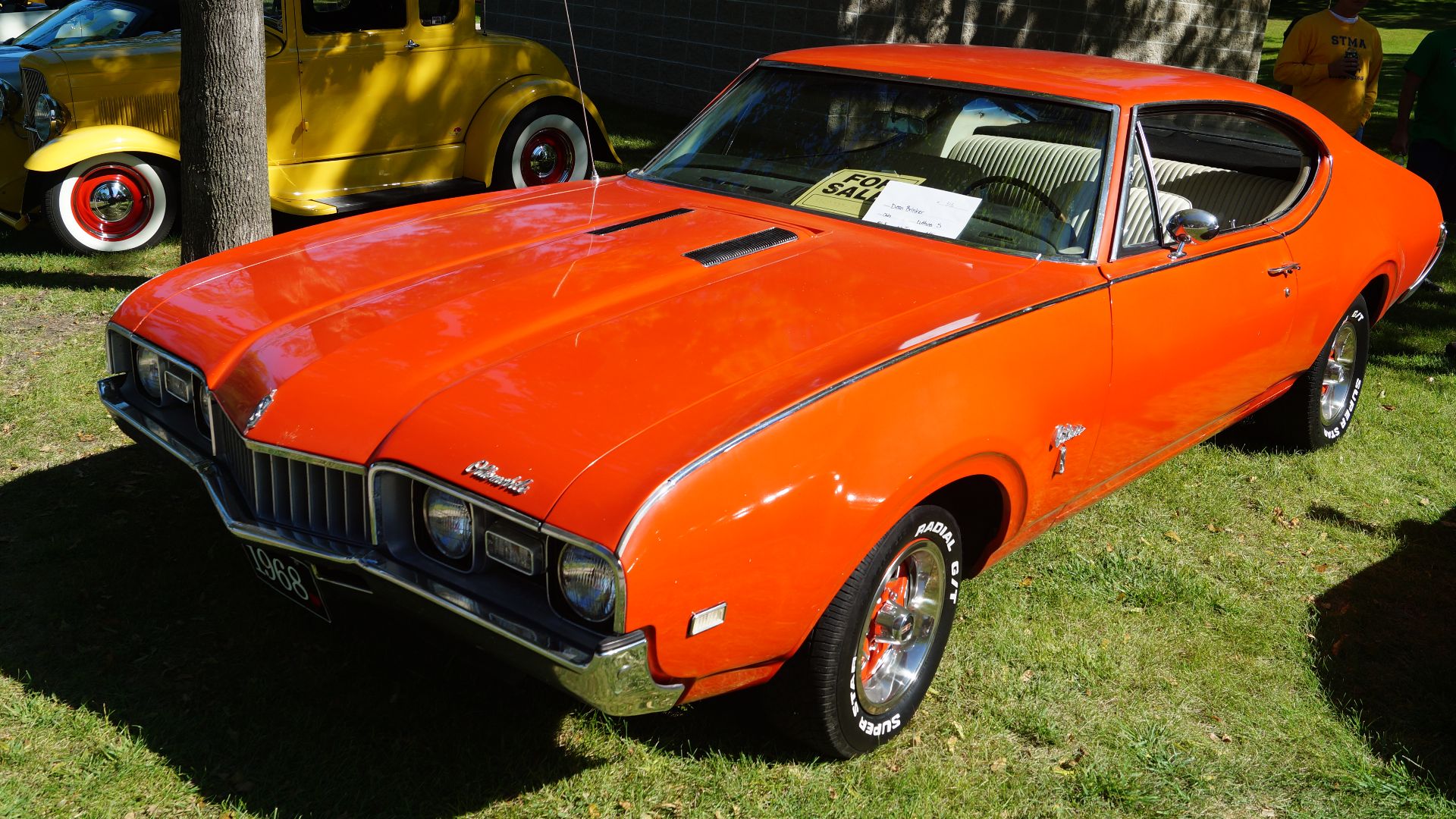 Greg Gjerdingen from Willmar, USA, Wikimedia Commons
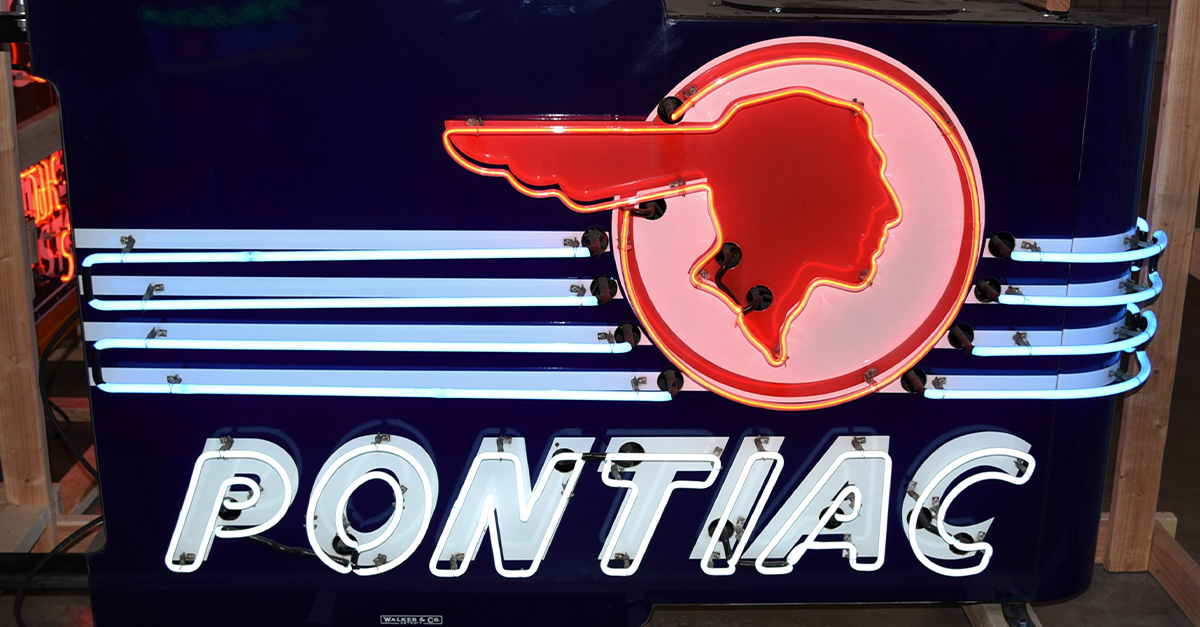
Pontiac
Pontiac had muscle, flair, and attitude. From the GTO to the Firebird Trans Am, it embodied the spirit of 60s and 70s performance cars. Boomers who grew up in the golden age of American muscle still feel the sting of its discontinuation in 2010.
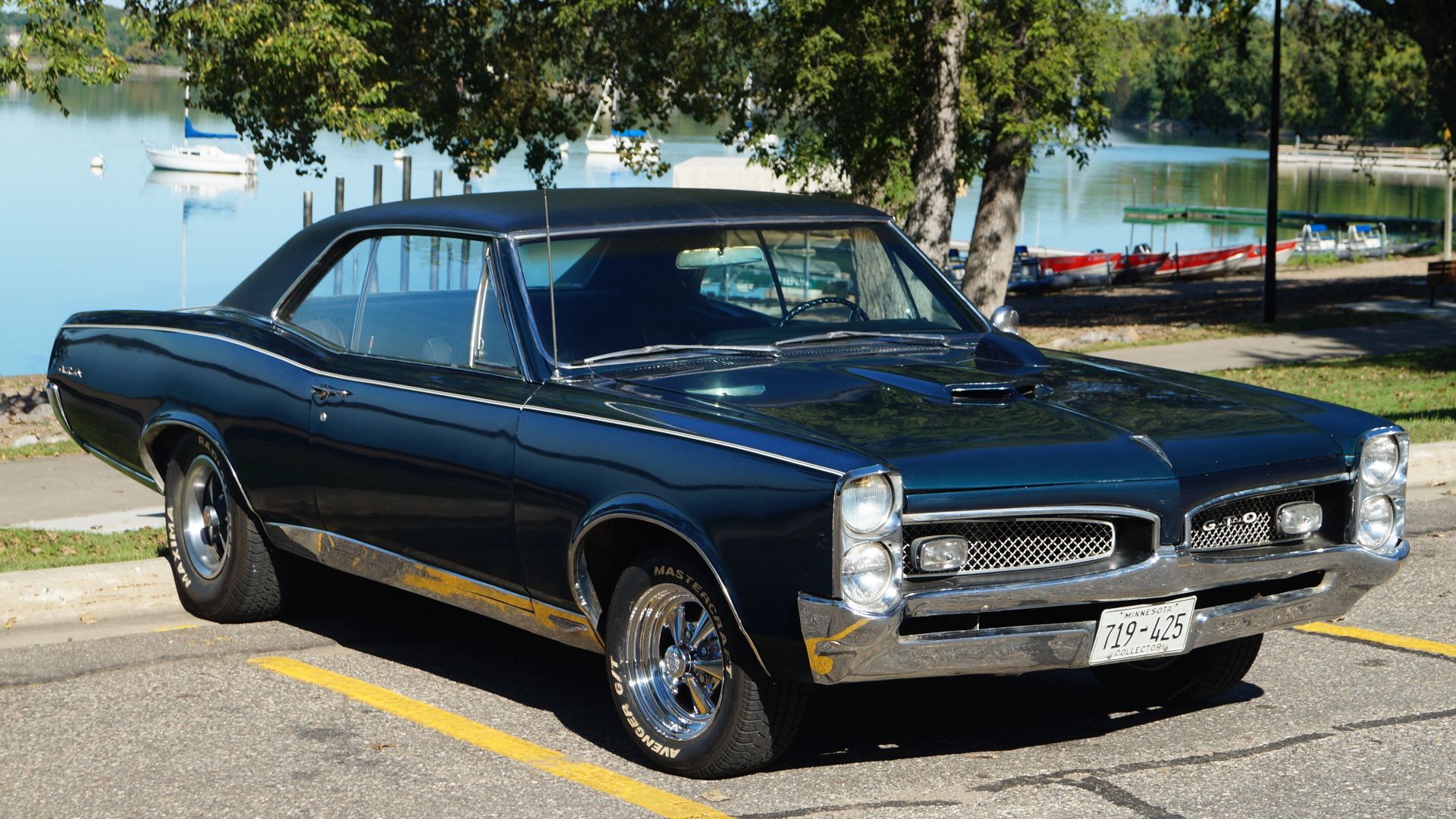 Greg Gjerdingen from Willmar, USA, Wikimedia Commons
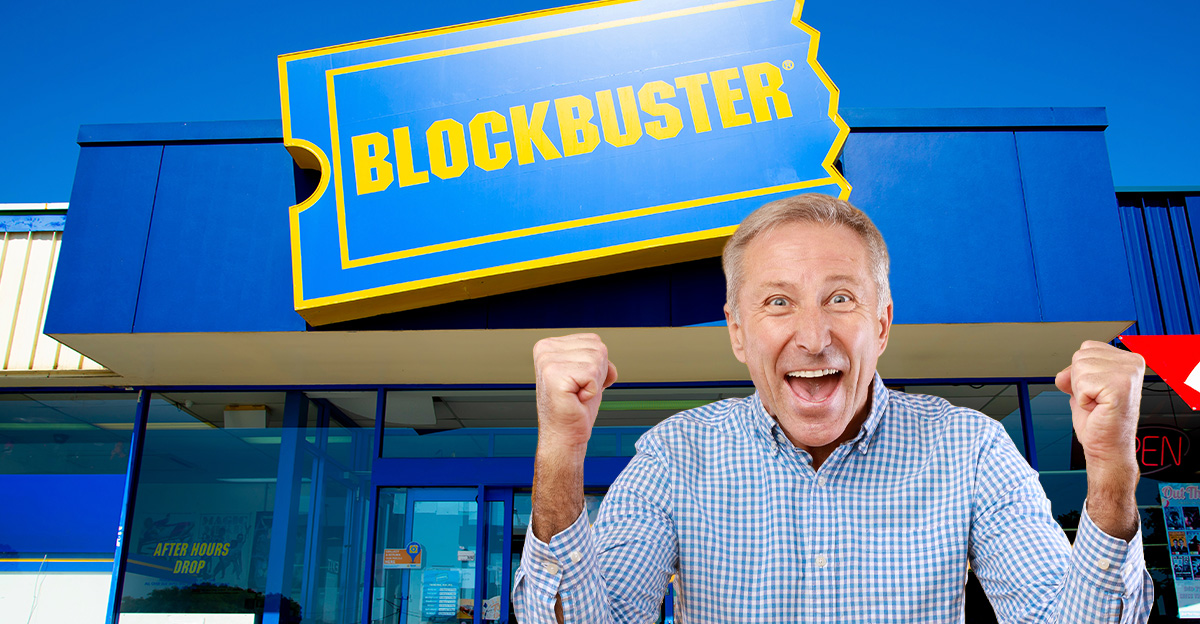
Blockbuster Video
Friday nights meant a trip to Blockbuster, wandering the aisles debating which VHS tape to rent. Boomers shared this ritual with their kids in the 80s and 90s. The thrill of snagging the last copy of a new release simply can’t be replicated by scrolling through streaming menus.
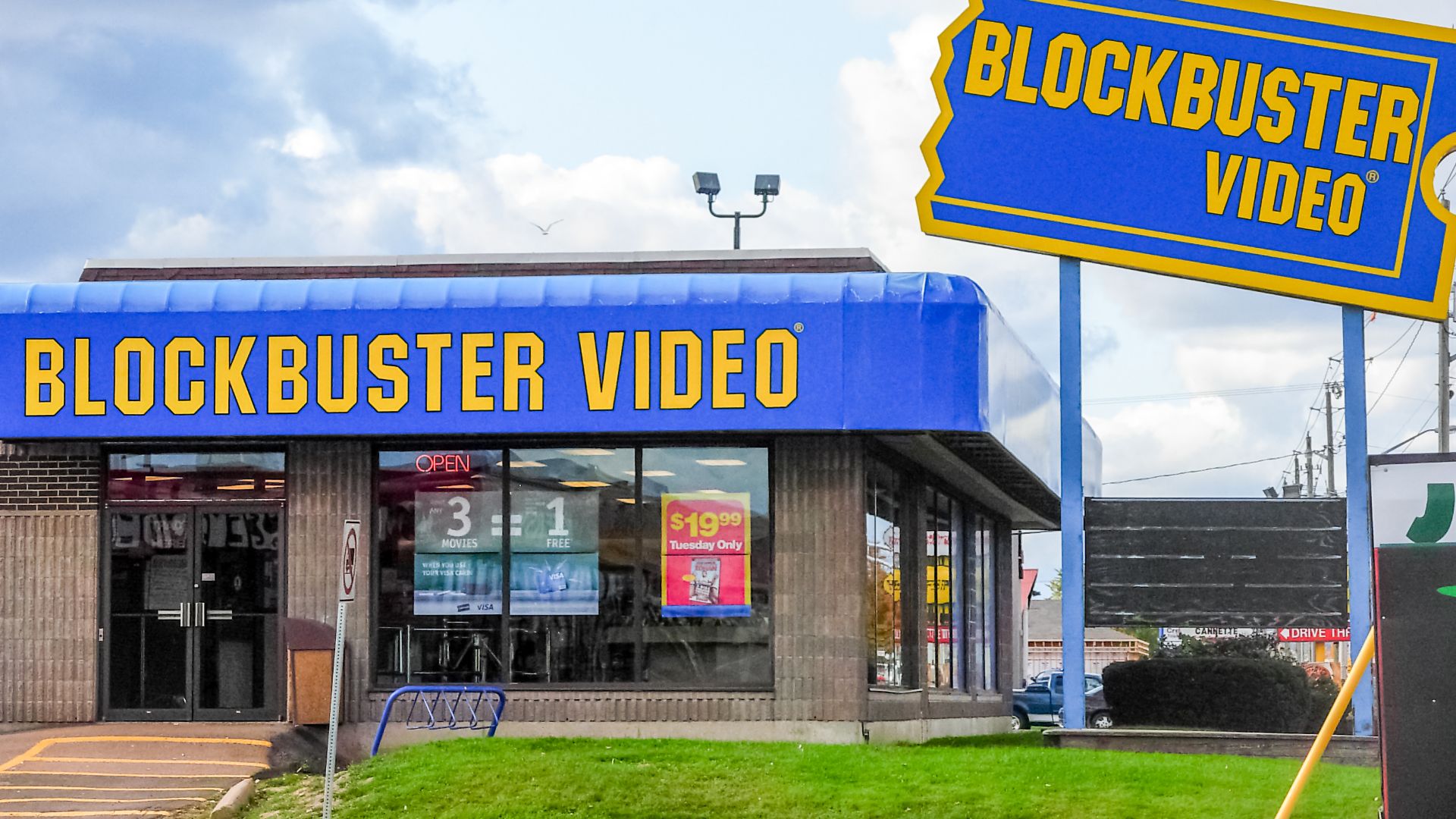 File:BlockbusterMoncton.JPG: Stu pendousmat (talk) derivative work: Georgfotoart, Wikimedia Commons
Polaroid Originals
There was something magical about shaking a Polaroid photo and watching the image slowly appear. Boomers embraced instant photography at parties, weddings, and family gatherings. While the brand has been revived in niche form, many still long for the widespread popularity it once enjoyed
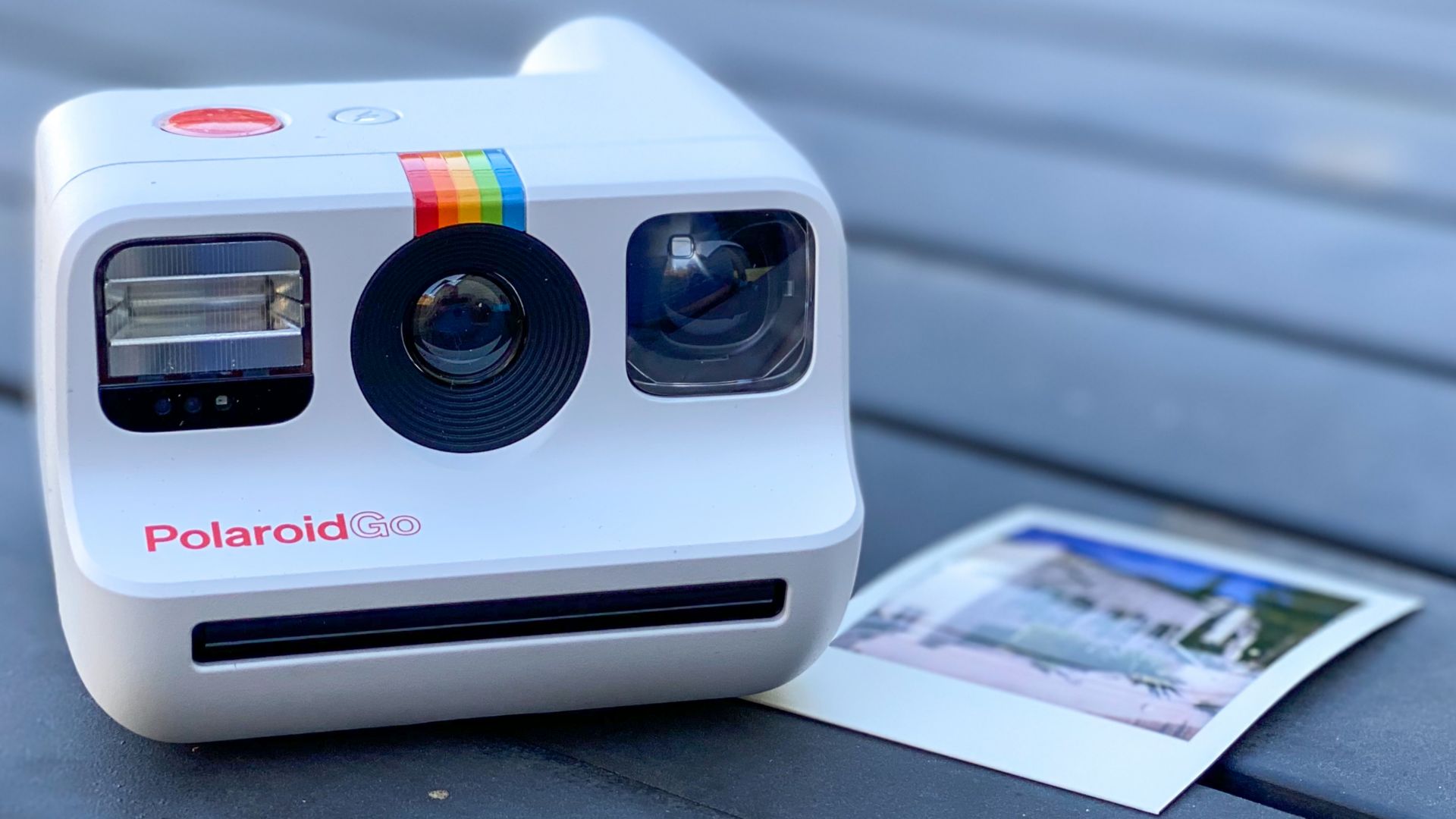 Kevin Dooley from Chandler, AZ, USA, Wikimedia Commons
Borders Bookstore
Before one-click ordering, bookstores like Borders were weekend sanctuaries. Boomers could sip coffee, browse shelves, and discover new authors. When Borders closed in 2011, it felt like a cultural loss—not just a retail one.
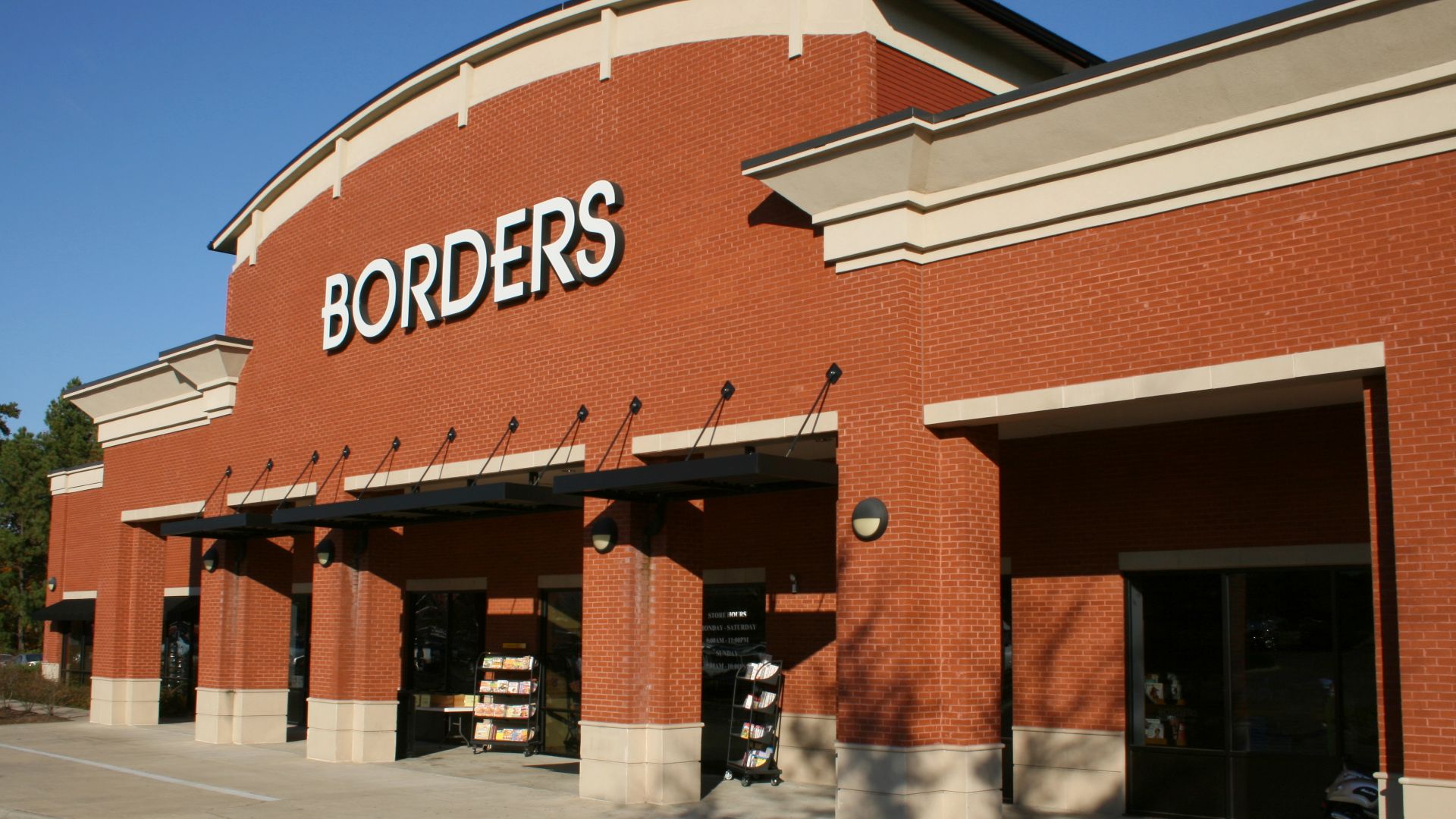 Ildar Sagdejev (Specious), Wikimedia Commons
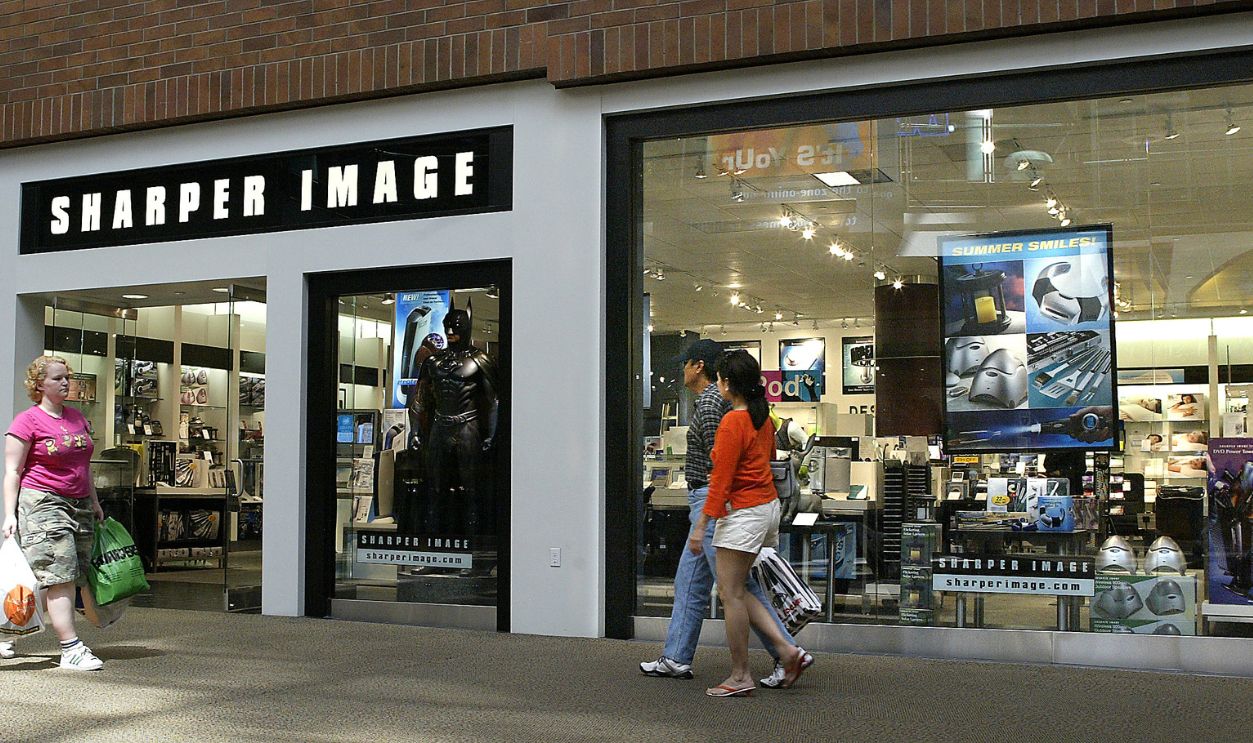
The Sharper Image
The Sharper Image catalog was filled with futuristic gadgets that felt straight out of science fiction. Massage chairs, ionic air purifiers, and high-tech toys fascinated Boomers. It was window-shopping for the Jetsons generation.
Friendly’s
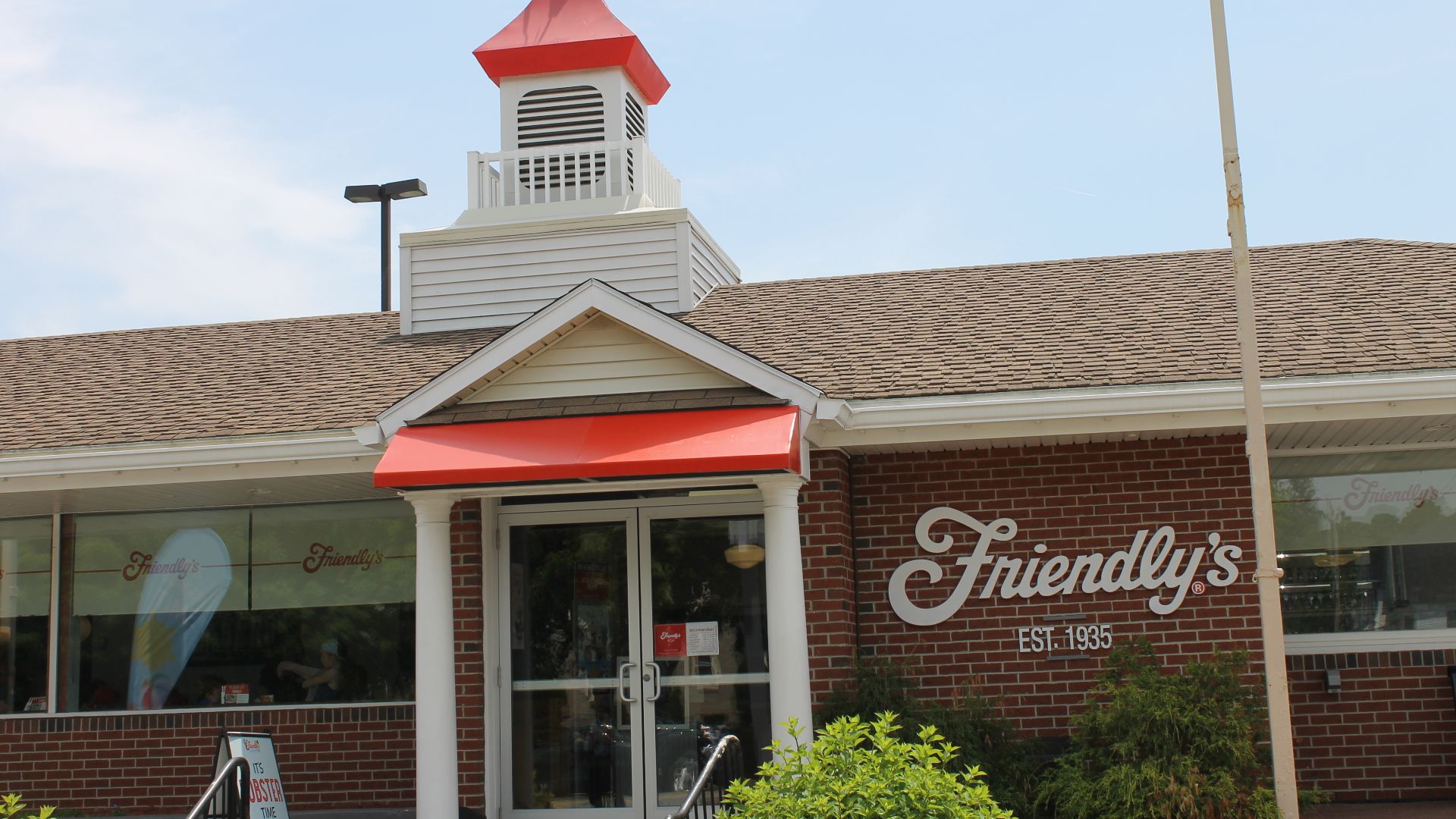
Friendly’s wasn’t just an ice cream shop—it was where families celebrated Little League wins and birthdays. The Fribble milkshake and Reese’s Pieces Sundae remain vivid memories. Though some locations still exist, it’s no longer the widespread presence it once was.
 Billy Hathorn, Wikimedia Commons
A&P Grocery Stores
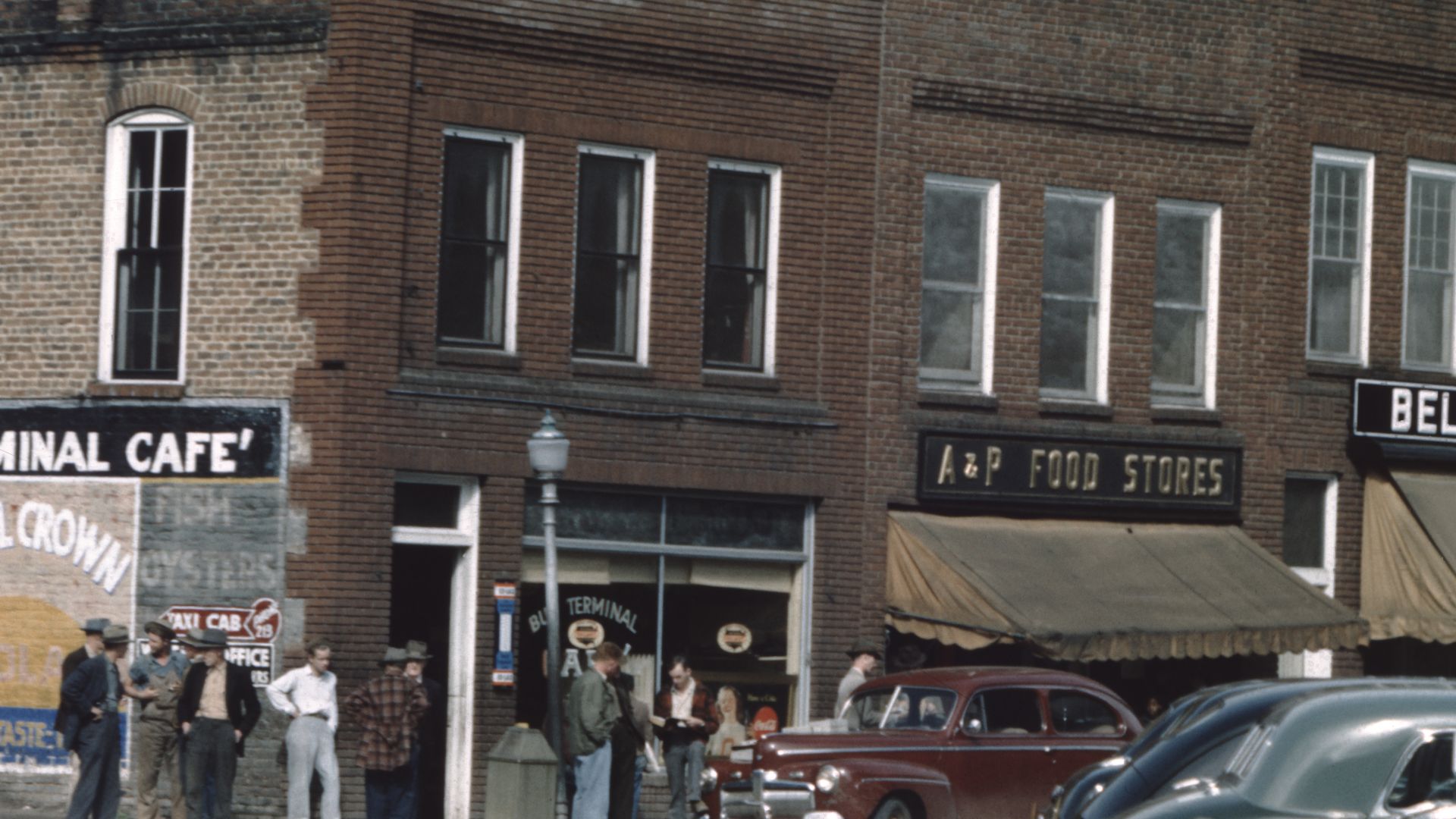
The Great Atlantic & Pacific Tea Company—better known as A&P—was once America’s largest grocery chain. Boomers grew up shopping its aisles with their parents. Its final bankruptcy in 2015 symbolized the end of an era in neighborhood grocery shopping.
 Victor Grigas, Wikimedia Commons
Compaq Computers
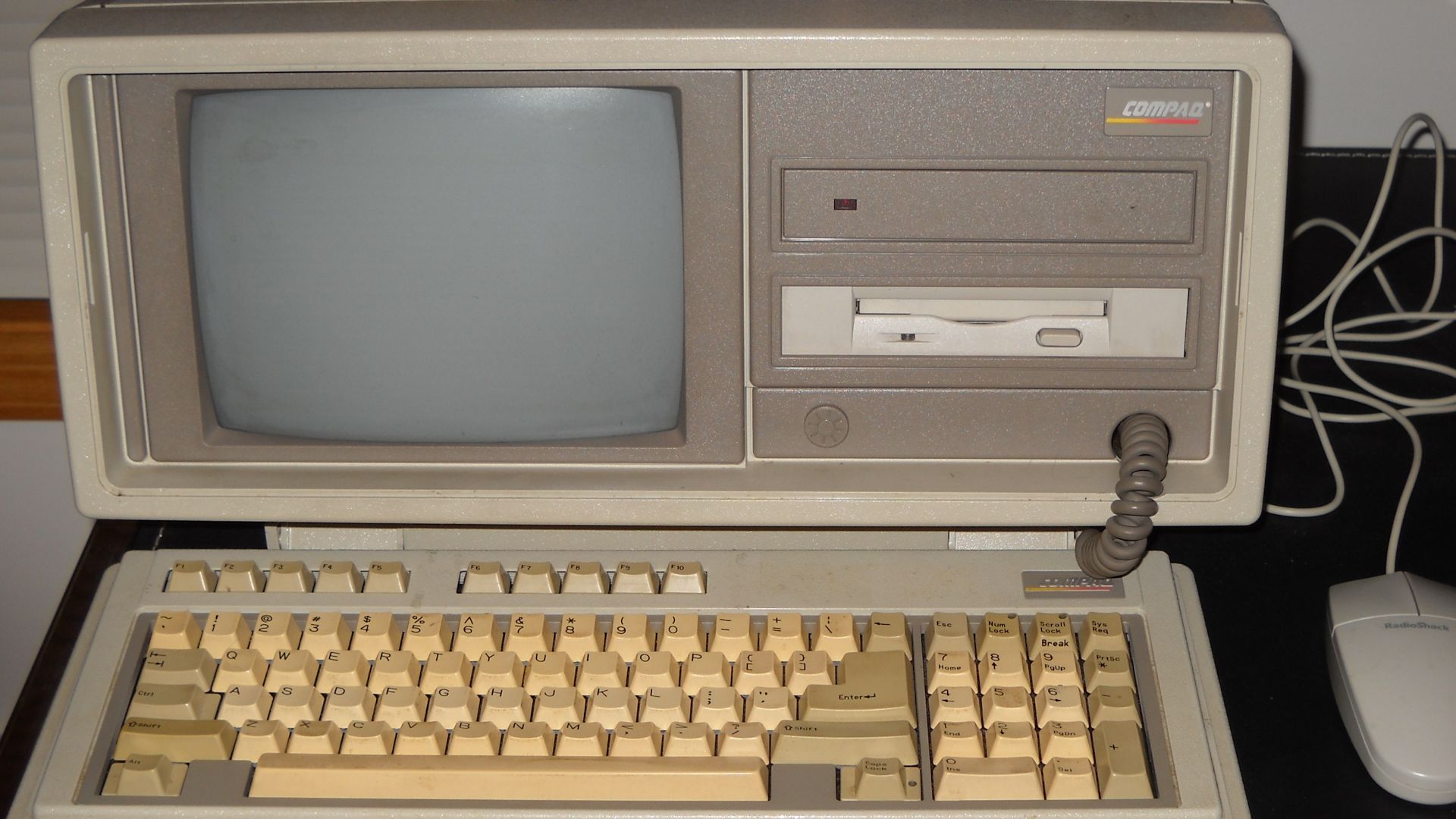
Before HP absorbed it, Compaq was a tech powerhouse. Boomers entering the workforce in the 80s and 90s often used Compaq desktops. It represented the dawn of the personal computing revolution, when booting up felt like stepping into the future.
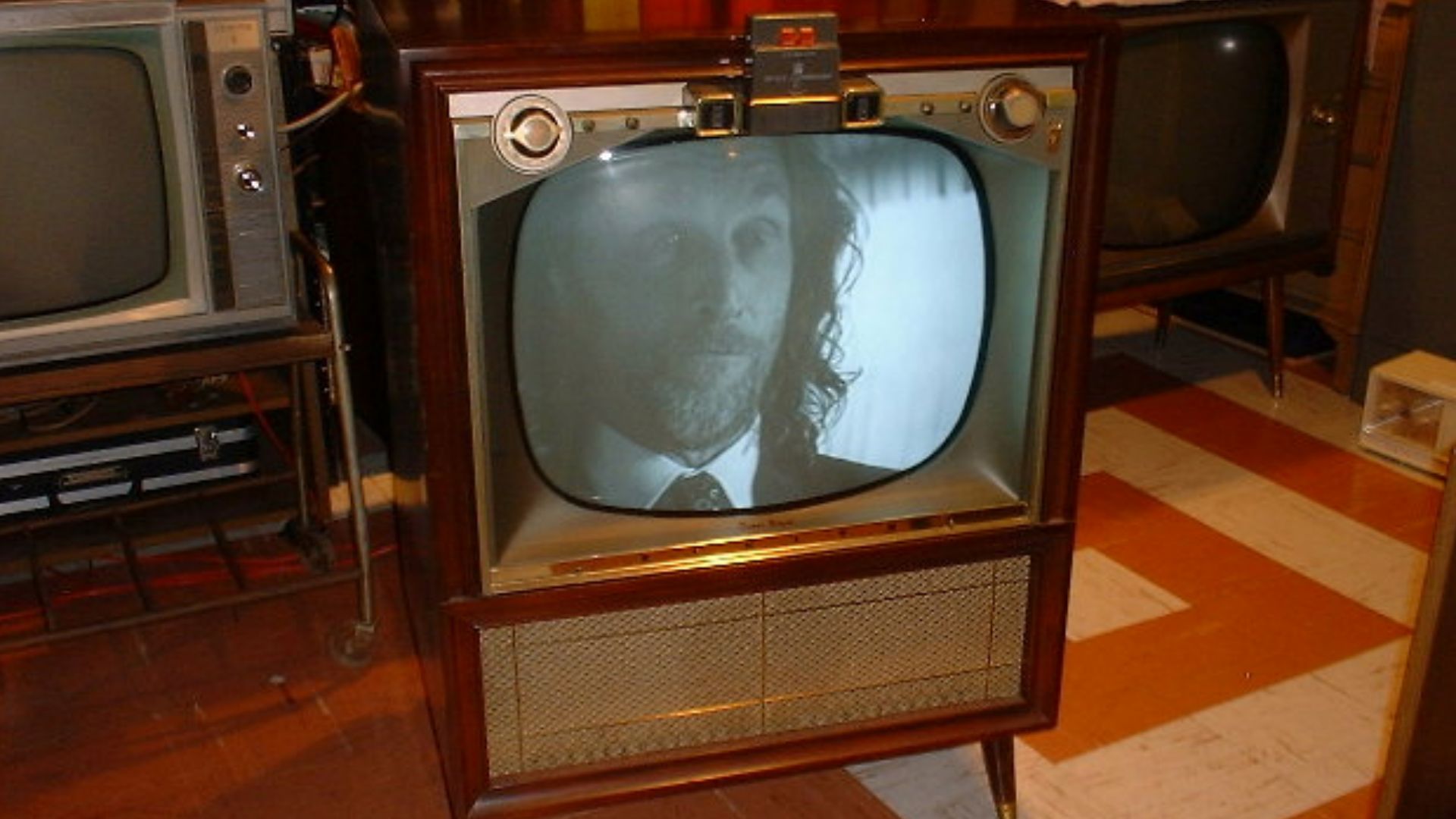
Zenith
Zenith televisions proudly bore the slogan “The Quality Goes In Before The Name Goes On.” For Boomer households, a Zenith TV was a living room centerpiece. Watching the moon landing or Saturday night shows on one created memories that modern flat screens just can’t replicate.
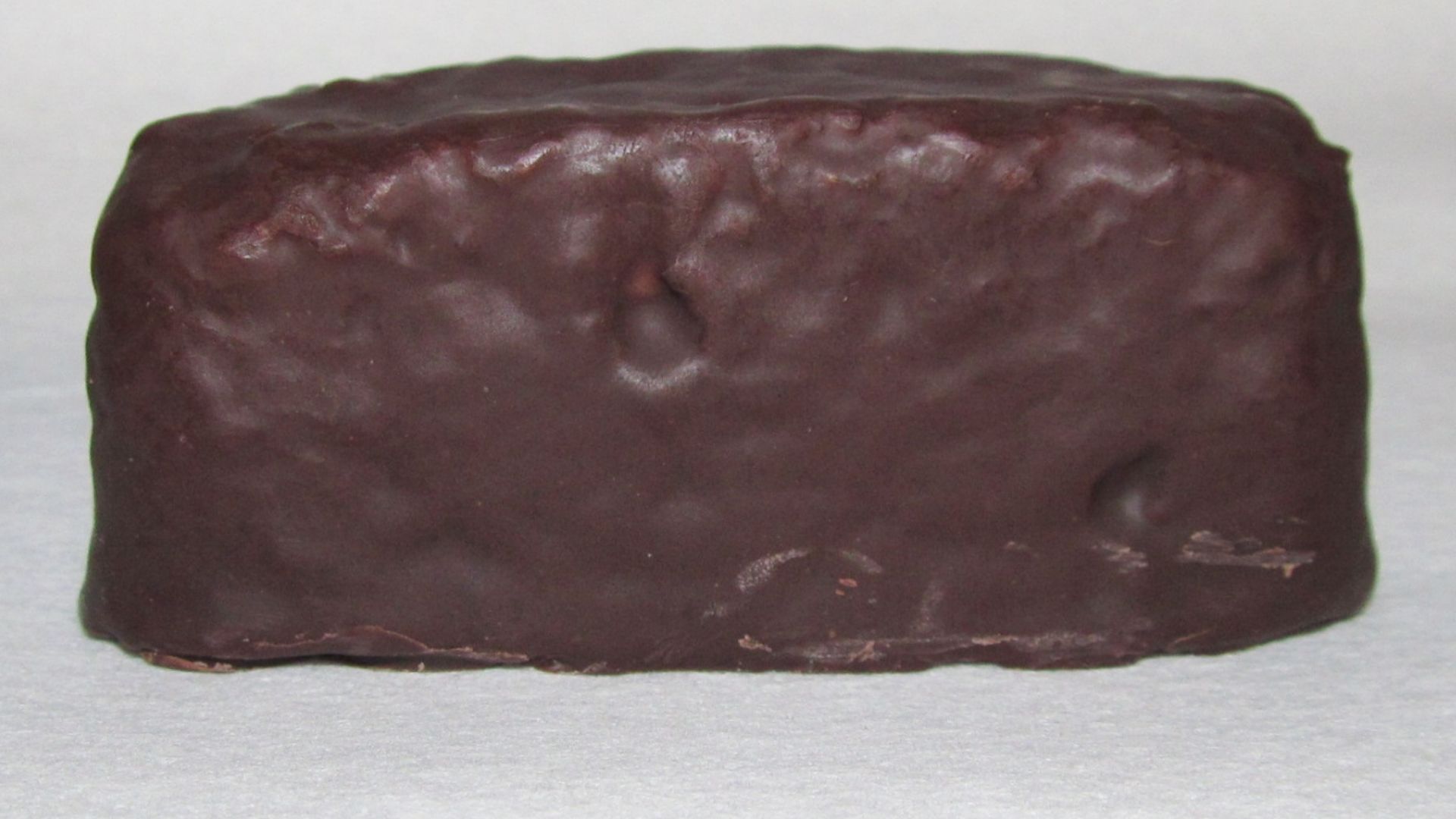
Hostess Chocodiles
Twinkies may have survived, but Chocodiles—chocolate-covered Twinkies—have largely vanished from mainstream shelves. Boomers with a sweet tooth remember them as lunchbox gold. They were indulgent, messy, and absolutely unforgettable.
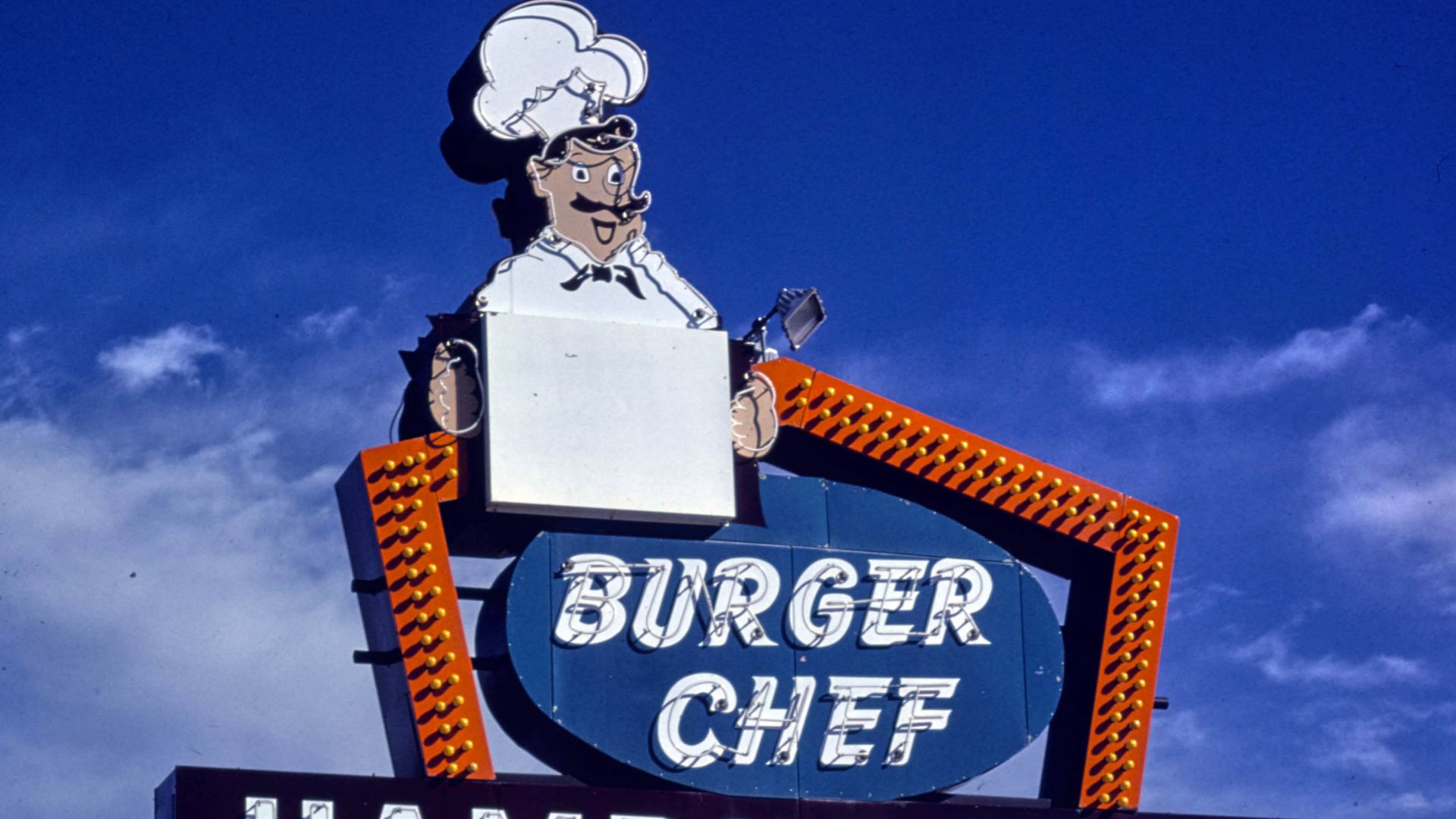
Burger Chef
Before McDonald’s dominated every corner, Burger Chef was a serious contender. Boomers fondly recall the “Funmeal,” a precursor to the Happy Meal. It was fast food with personality—and fierce brand loyalty.
 John Margolies, Wikimedia Commons
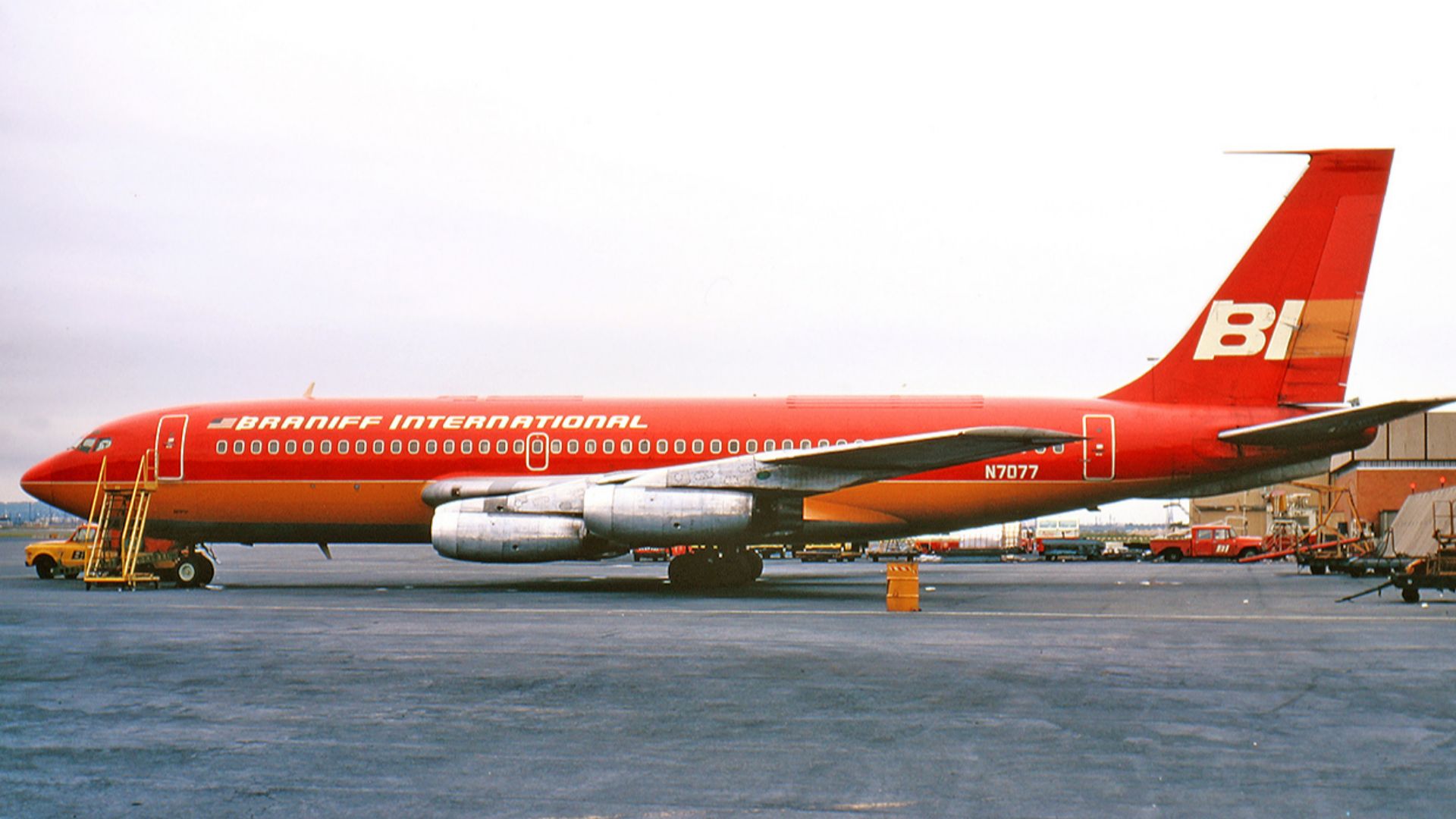
Braniff International Airways
Bold colors, designer uniforms, and a sense of flair defined Braniff. Flying with them felt like stepping into a fashion magazine. For Boomers who experienced its heyday, Braniff’s 1982 shutdown was a stylish flameout.
 Michael Bernhard, Wikimedia Commons
Zayre
Zayre was a discount department store that helped families stretch their dollars. Boomers remember it as a practical, no-frills shopping option long before Walmart’s dominance. Its gradual disappearance marked another shift in retail power.
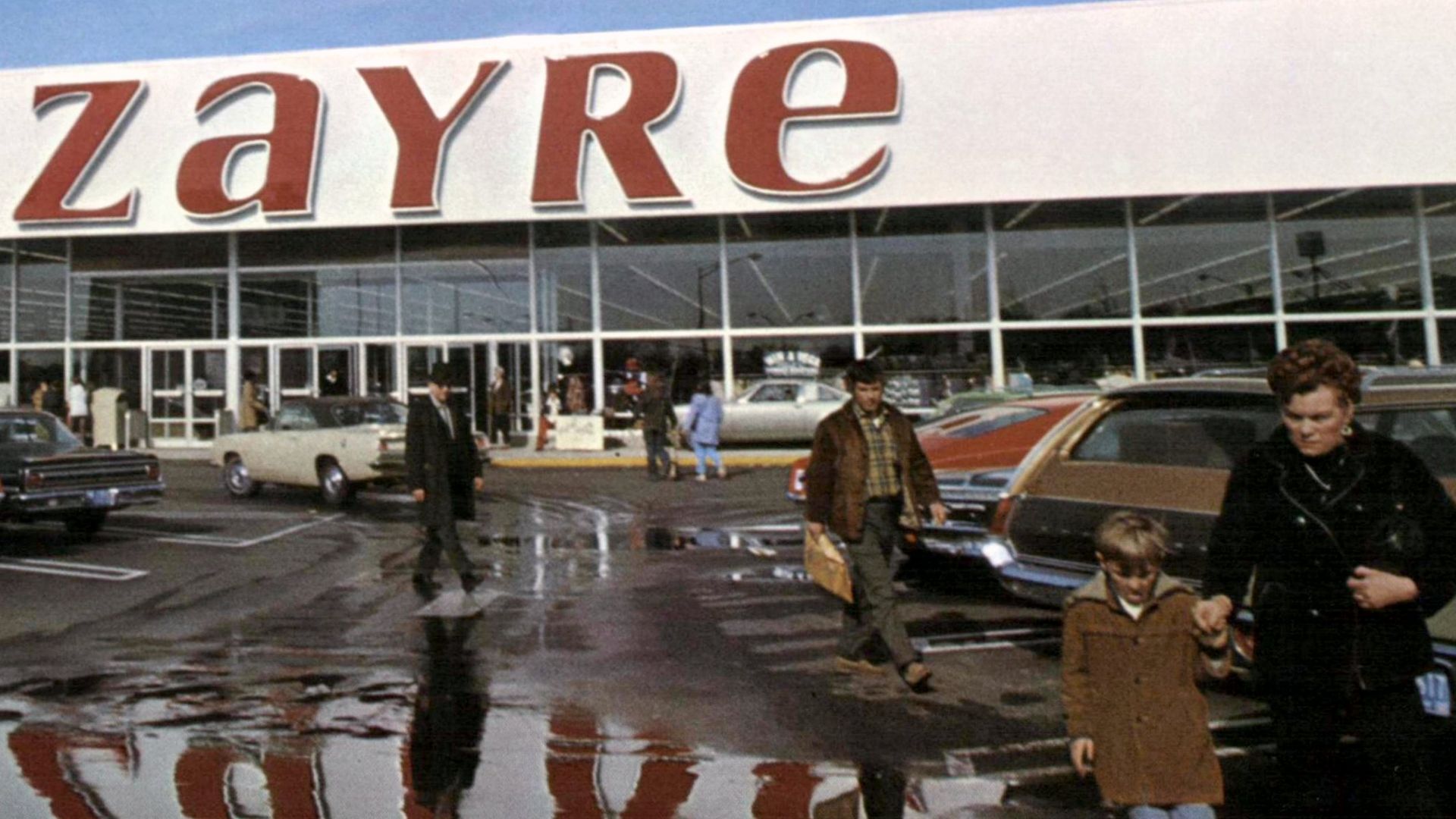 Click Americana, Wikimedia Commons
Tower Records
Tower Records was more than a store—it was an experience. Flipping through vinyl, chatting about music, and discovering new artists made it a cultural hub. For Boomers who grew up during rock’s golden age, its closure felt deeply personal.
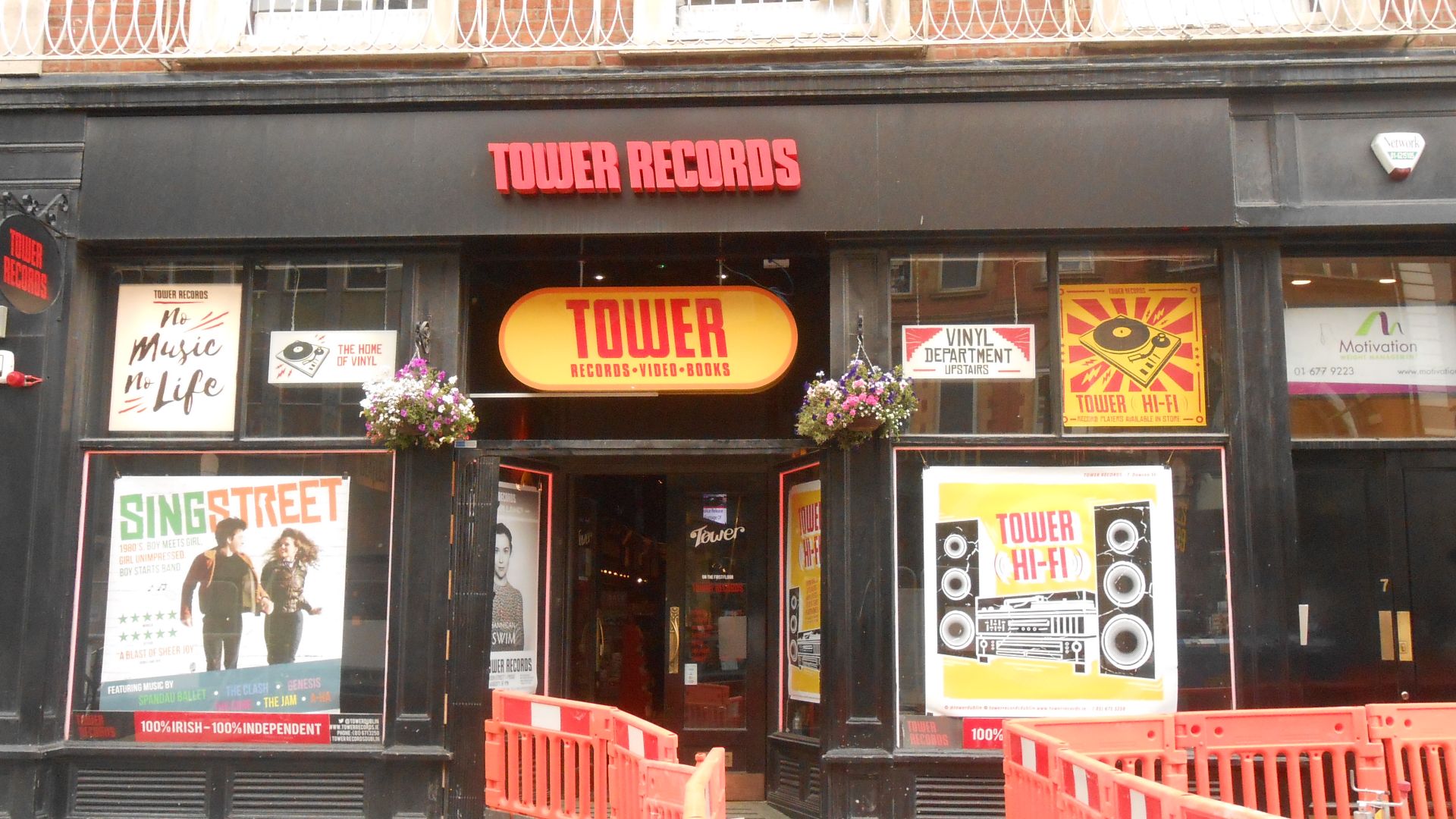
S&H Green Stamps
Collecting S&H Green Stamps was a household ritual. Paste enough into booklets, and you could redeem them for everything from toasters to toys. It was loyalty rewards before loyalty apps—and it brought a sense of accomplishment to everyday shopping.
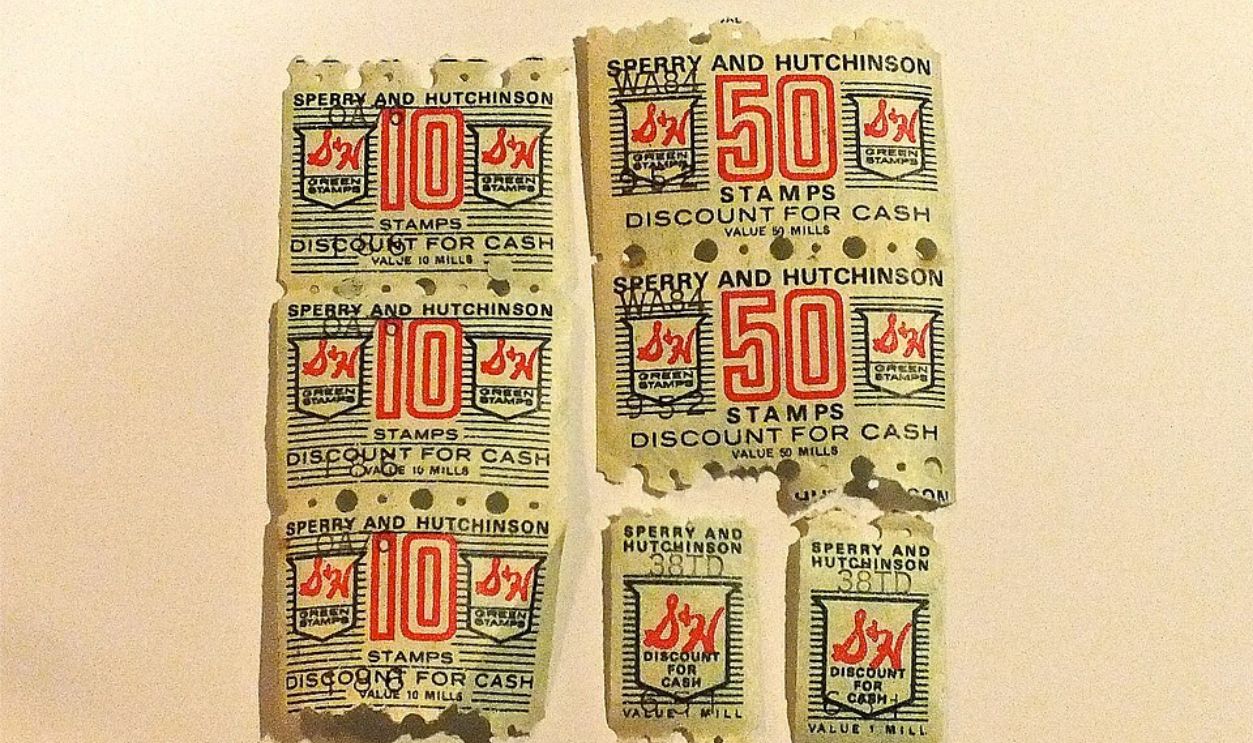 Cayobo from Key West, The Conch Republic, CC BY 2.0, Wikimedia Commons
Bringing The Past Back To Life
While some of these brands survive in limited forms, their cultural impact belongs to a different time. For Baby Boomers, they represent more than products—they capture the optimism, innovation, and community spirit of postwar America. Maybe we can’t fully bring them back, but remembering them reminds us how much brands once meant in shaping everyday life—and how deeply they’re woven into the story of a generation.
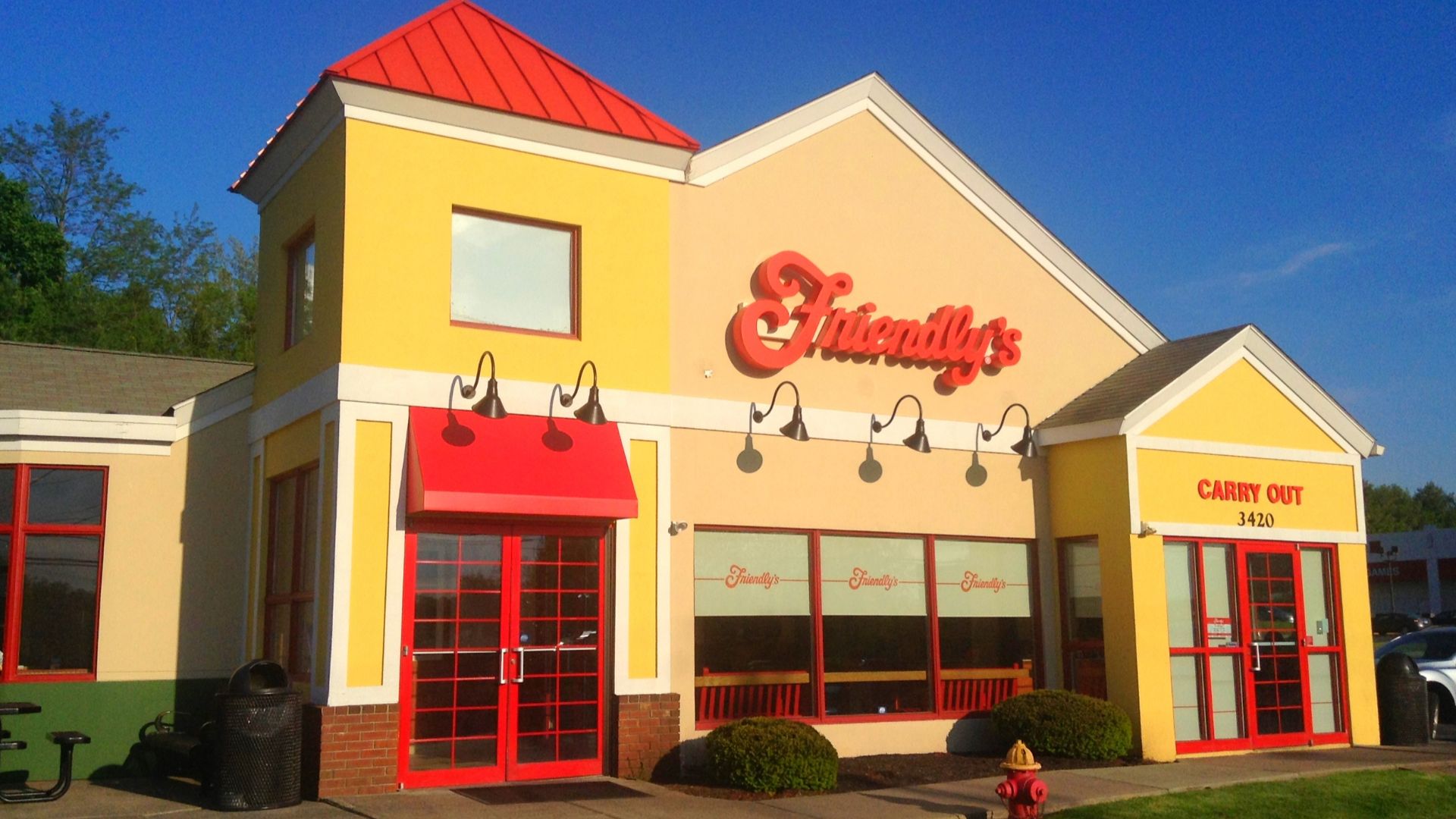 Mike Mozart from Funny YouTube, USA, Wikimedia Commons
You May Also Like:
If every billionaire gave back just 5% of their wealth each year, could we end poverty in America?