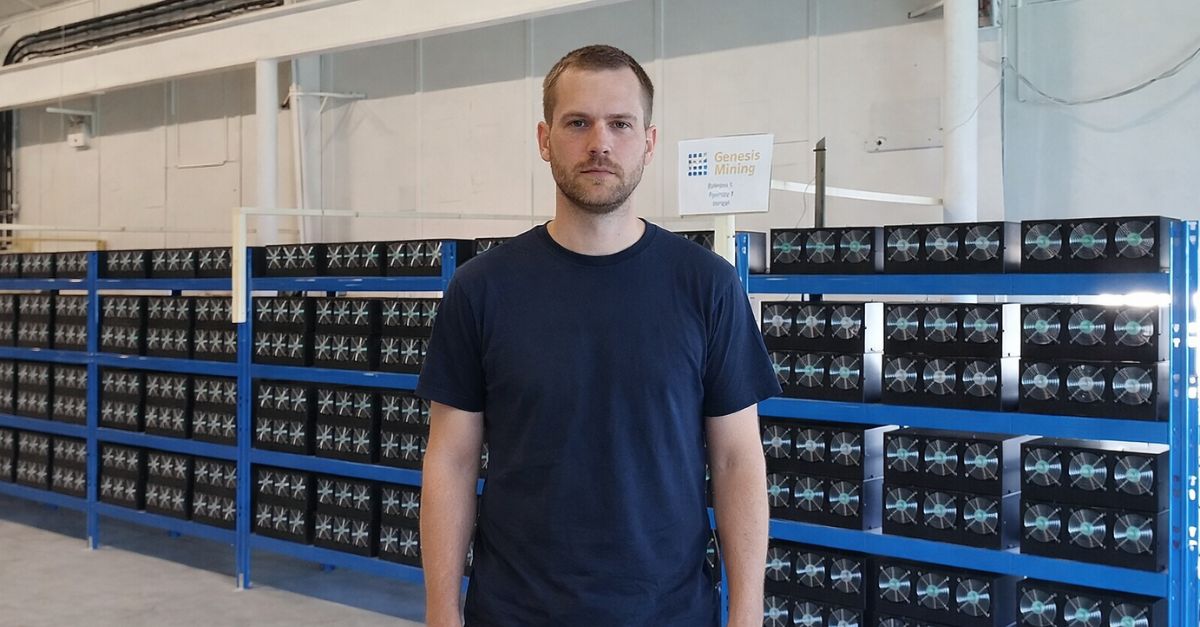
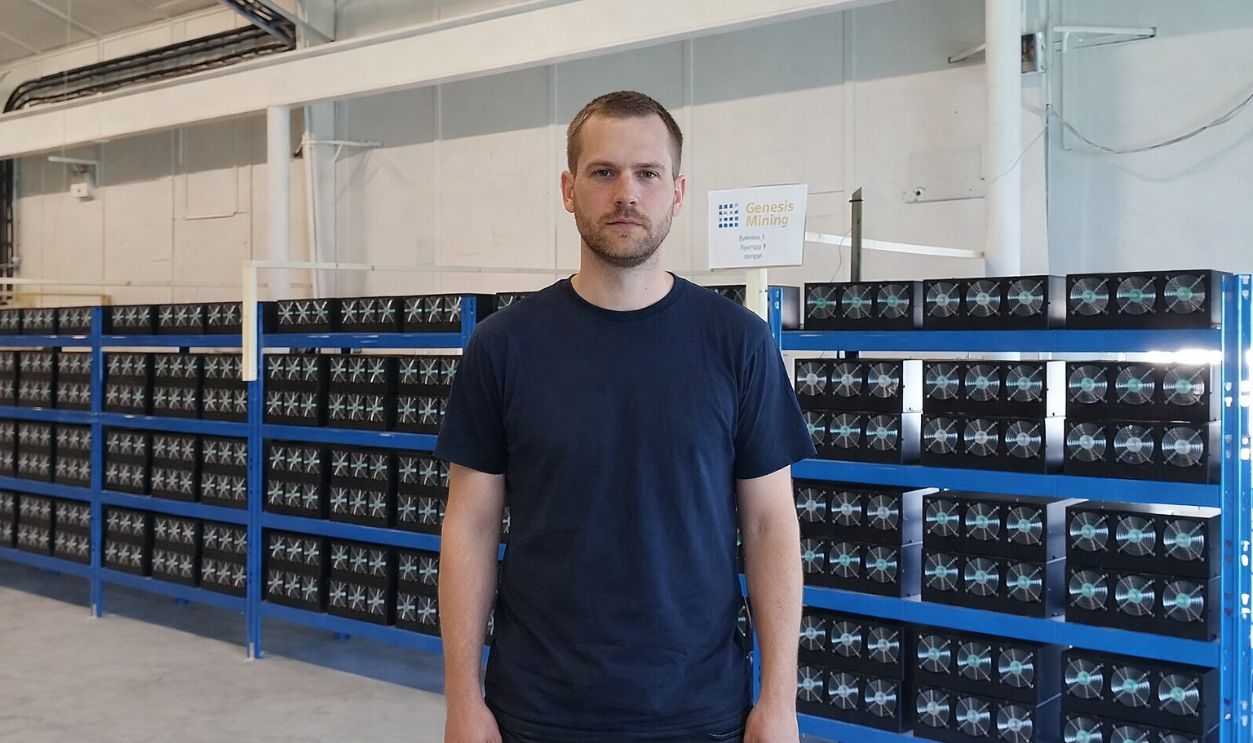
 Marco Krohn, CC BY-SA 4.0, Wikimedia Commons, Modified
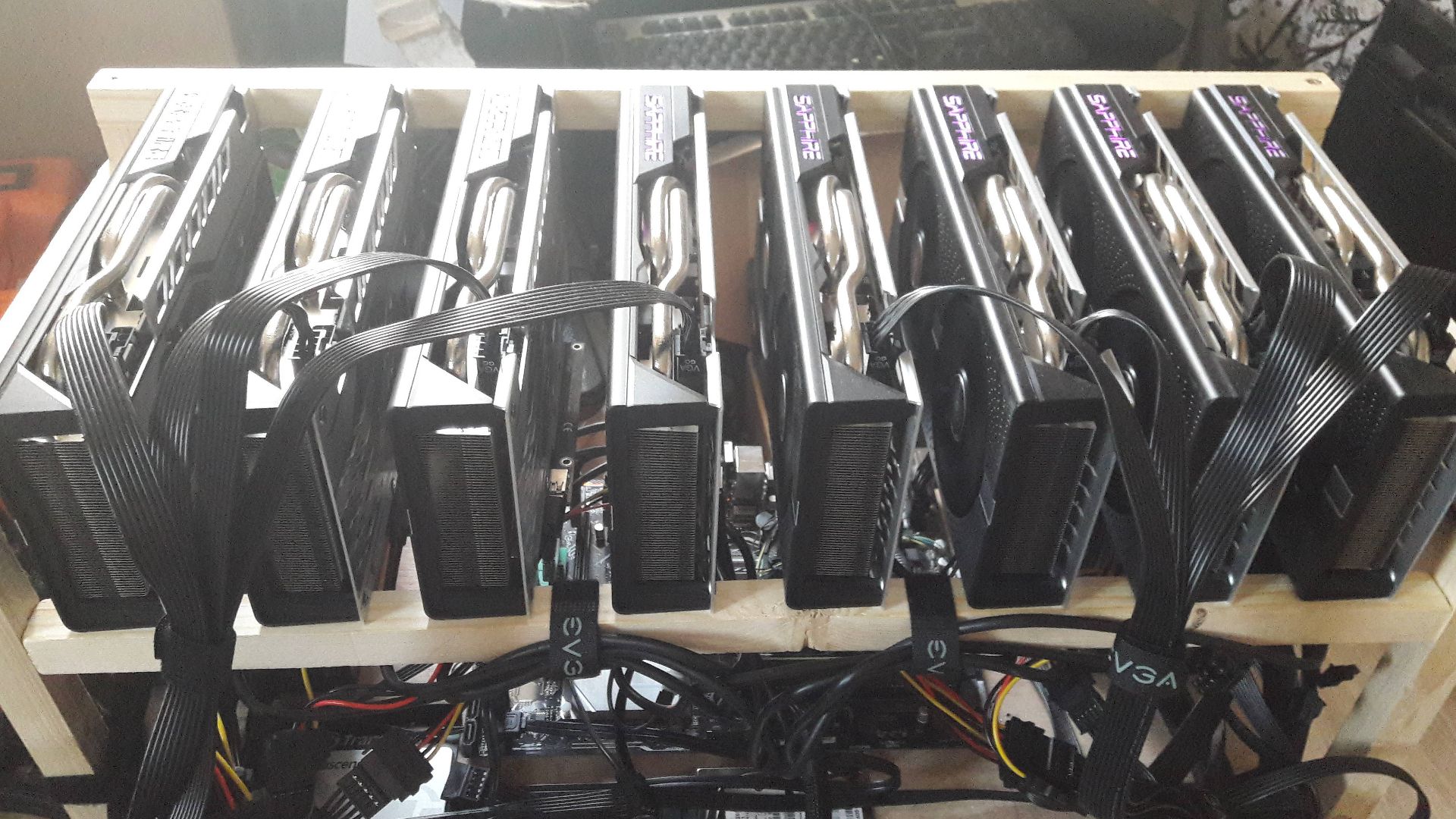
Mining rigs consume electricity at rates that rival small industrial operations, turning residential apartments into power-hungry data centers that weren't designed for continuous high-wattage loads. A single mid-range mining setup with six graphics cards pulls roughly 1,500 watts continuously. That constant draw adds up fast when electricity costs average seventeen to eighteen cents per kilowatt-hour in most American cities. What seemed like passive income generation through blockchain validation suddenly becomes a financial liability when monthly utility bills quintuple without warning. Landlords notice these spikes immediately, especially in buildings where they cover utilities or monitor consumption patterns across multiple units for budgeting purposes.
Understanding Lease Violations And Utility Agreements
Most residential leases include clauses limiting commercial activities within rental units, specifically prohibiting businesses that create excessive noise, heat, or utility consumption beyond normal household use. Mining cryptocurrency technically qualifies as a commercial enterprise. Landlords can argue that running mining rigs violates lease terms even without explicit cryptocurrency prohibitions, particularly when operations strain electrical systems or increase fire risks through overloaded circuits. Buildings constructed decades ago weren't wired to handle sustained loads that approach circuit breaker limits for extended periods. Mining rigs generate tremendous heat that forces HVAC systems to work harder, potentially affecting neighboring units and common areas.
Utility billing structures vary significantly between rental agreements. In some arrangements, landlords pay flat utility rates and bill tenants fixed amounts regardless of actual consumption—a setup that makes $1,200 electric bills the landlord's problem rather than the tenant's expense. Other leases require tenants to establish utility accounts in their own names, making them directly responsible for consumption charges without landlord involvement. The worst-case scenario involves shared utility meters where one tenant's excessive consumption raises costs for all residents. Landlords in master-metered buildings often discover mining operations only after other tenants complain about unexplained utility increases.
Approaching The Conversation Strategically
Honesty serves better than evasion when landlords directly ask about electricity spikes. Claiming ignorance about why bills increased five-fold strains credibility—residential activities don't spontaneously quintuple power consumption without deliberate changes in equipment or usage patterns. Blaming phantom electrical issues or faulty meters invites investigations that ultimately reveal mining rigs anyway, while making tenants appear dishonest on top of the lease violation. Instead, acknowledge the mining operation straightforwardly while demonstrating willingness to address the landlord's concerns about costs, safety, and lease compliance.
Propose concrete solutions that address legitimate concerns rather than simply apologizing and hoping for leniency. Offer to cover the increased utility costs if the landlord currently pays for electricity. Suggest hiring licensed electricians to inspect circuits and confirm that equipment hasn't damaged wiring or created fire hazards through overloaded outlets. If the lease prohibits commercial activities, commit to shutting down mining operations immediately and provide specific timelines for equipment removal. Some landlords might negotiate permission to continue mining if tenants cover all associated costs and sign liability waivers for any fire or property damage resulting from the equipment.
Calculating Whether Mining Still Makes Financial Sense
Cryptocurrency mining profitability depends entirely on electricity costs relative to coin values and mining difficulty. When power bills reach $1,200 on a monthly basis, miners need to generate significantly more revenue than that amount to justify continued operations after accounting for equipment depreciation, cooling costs, and time spent maintaining systems and covering potential hardware failures. Bitcoin mining with consumer-grade hardware became unprofitable years ago for individuals paying retail electricity rates—industrial operations in regions with cheap hydroelectric or geothermal power dominate the network now.
Calculate actual net income by subtracting electricity costs, internet expenses, equipment wear, and potential lease penalties from monthly mining revenue. Include opportunity costs like alternative investments that could generate returns without risking eviction or damaging landlord relationships. Mining makes sense only when profits substantially exceed expenses; breaking even or earning minimal margins isn't worth the legal risks, property damage potential, or relationship conflicts with landlords and neighbors. Many residential miners discover that cloud mining services or simply purchasing cryptocurrency directly deliver better returns than operating power-hungry rigs in apartments where electricity costs and lease restrictions make profitability impossible.