
The Missing Pieces That Matter Most
Most people know they need a will, but many overlook the details that can cause family disputes, legal headaches, and costly delays. From forgotten beneficiaries to overlooked digital assets, some of the most important estate planning decisions are also the easiest to miss. Here are the critical items too many people leave out and why they deserve a spot in your plan.

Your Executor Needs A Backup
Your executor is the person who handles the practical work after you die. They may need to collect assets, pay bills, communicate with beneficiaries, and deal with court or tax paperwork. Name a backup executor in case your first choice dies, declines, moves away, or becomes unable to serve.

Pick Someone Who Can Handle The Job
Choosing an executor is not just about picking your favorite person. The role can involve deadlines, financial records, family communication, and tax forms. A calm, organized person is often a better fit than someone who simply feels emotionally closest.

Give Your Executor The Right Information
A will can name an executor, but it usually does not tell that person where everything is. Your executor may need account records, insurance details, passwords, property documents, and contact information for advisers. A separate letter of instruction can make the estate much easier to manage.

Name Guardians For Minor Children
Parents often focus on money and forget the most emotional question in the document. A will can name the person you want to care for your minor children if both parents are gone. Courts generally make the final appointment, but your written choice gives powerful guidance.

Add A Backup Guardian Too
Your first guardian choice may not be available when the time comes. They could have health issues, financial stress, family changes, or a move that makes the role impossible. Naming an alternate helps prevent confusion during an already painful moment.

Separate The Guardian From The Money Manager
The person who would lovingly raise your child may not be the best person to manage their inheritance. A guardian handles daily care, while a trustee or financial manager can handle money. Splitting those jobs can protect your child and reduce pressure on one person.

Create A Plan For Children’s Money
Minors usually cannot directly control inherited property. Without a plan, a court may need to supervise money until the child reaches legal age. A trust or similar structure can let you choose who manages the funds and when the child receives them.

Do Not Forget Adult Dependents
Estate plans are not only for parents of young children. Some adults support relatives with disabilities, aging parents, or other loved ones who rely on them financially. Your will should account for those obligations so support does not disappear overnight.

Think Carefully About Special Needs Benefits
Leaving money directly to a person who receives public benefits can create problems. Some benefit programs have strict financial eligibility rules. A special needs trust may help provide support without accidentally disrupting important assistance.

Update Beneficiaries Outside The Will
Many assets pass by beneficiary form instead of through your will. Retirement accounts, life insurance, and payable-on-death accounts often go directly to the named beneficiary. If those forms are outdated, your will may not fix the mistake.

Check Retirement Account Beneficiaries
Retirement accounts deserve special attention because beneficiary rules can be powerful. A named beneficiary may receive the account outside probate. Review these forms after marriage, divorce, births, deaths, and major family changes.

Review Life Insurance Beneficiaries
Life insurance can move quickly to the person listed on the policy. That speed is helpful when the beneficiary is correct. It can be painful when the listed person is an ex-spouse, deceased relative, or someone you no longer intend to receive the money.

Include Payable-On-Death Accounts
Bank and brokerage accounts can sometimes be titled to transfer on death. These arrangements can help money bypass probate and go directly to a beneficiary. They still need to coordinate with the rest of your estate plan.
 Frame Stock Footage, Shutterstock
Watch Joint Accounts Closely
Joint ownership can override what you wrote in your will. In some arrangements, the surviving owner automatically receives the account. That may be perfect, or it may accidentally disinherit someone you meant to include.
 StockPhotoDirectors, Shutterstock
Spell Out Personal Property
Family fights often start over items with emotional value rather than high dollar value. Jewelry, tools, art, photos, furniture, and heirlooms can all create conflict. Your will or a referenced personal property list can say who should receive specific things.

Include Sentimental Items
A handwritten recipe book, wedding album, military medal, or guitar can matter more than money. If you care where something goes, write it down clearly. Clear instructions reduce guessing and protect family relationships.

Mention Pets In Your Plan
Pets are legally treated as property in many estate situations, but they are family to the people who love them. Your will can name a caretaker for your pet. You can also set aside money to help with food, veterinary care, and other costs.

Choose A Pet Care Backup
The person who loves your dog may not be able to take them in years from now. Housing rules, allergies, money, and other pets can change the answer. A backup caretaker gives your pet a better chance of landing somewhere safe.

Provide For Digital Assets
Modern estates include more than houses and bank accounts. Email, cloud photos, social media, online businesses, loyalty accounts, and digital files may all matter. A digital estate plan helps your executor find and manage those assets.

Give Legal Access To Online Accounts
A password list alone may not be enough. Laws and platform rules can limit who may access digital accounts after death. Your estate documents should authorize the right person to handle digital property where legally allowed.

Do Not Put Passwords In The Will
A will can become part of a public probate file. That makes it a risky place to list passwords, account numbers, or private instructions. Store sensitive access information somewhere secure and tell your executor how to find it.

Remember Cryptocurrency And Wallets
Crypto can be impossible to recover if no one knows it exists or how to access it. Private keys, seed phrases, wallets, and exchange accounts need careful planning. Keep access instructions secure, but make sure your chosen person can locate them.

Include Online Income Sources
Some people earn money from websites, apps, stores, newsletters, royalties, or creator platforms. Those accounts may keep generating income after death. Your will should say who receives them and who has authority to manage them.

Add Business Succession Instructions
A small business can fall into chaos if ownership and control are unclear. Your will should coordinate with operating agreements, buy-sell agreements, and any business succession documents. This matters for freelancers, landlords, partners, and family businesses.

Address Real Estate Clearly
Homes, vacation properties, land, and rental units can be complicated. Your will should identify who receives each property or how it should be sold. If multiple people inherit together, explain whether sale, buyout, or shared ownership is preferred.

Plan For Mortgages And Property Costs
A house does not stop costing money when the owner dies. Mortgage payments, taxes, insurance, utilities, repairs, and association fees may continue. Your executor needs authority and liquidity to keep property protected until it is transferred or sold.

Think About Out-Of-State Property
Property in another state can create extra probate steps. That can mean more time, paperwork, and expense for your family. A trust or other planning tool may help simplify the transfer.

Leave Instructions For Final Taxes
A final individual income tax return may need to be filed after someone dies. An estate may also need its own income tax return if it earns enough income. Your executor should know where to find tax records, prior returns, and professional contacts.

Include A Tax Professional Contact
Even simple estates can involve unfamiliar tax steps. Executors may need help with final returns, estate income, refunds, or tax identification numbers. Listing a CPA or tax preparer can save time and reduce mistakes.

Plan For Funeral And Burial Wishes
A will may not be read until after funeral decisions are already made. Put funeral, burial, cremation, memorial, and obituary preferences in a separate letter that loved ones can find quickly. This gives guidance without delaying urgent decisions.

Say Whether You Prepaid Arrangements
Some people prepay funeral expenses or buy cemetery plots. Others keep burial insurance or written arrangements with a funeral home. Your family needs to know these details so they do not pay twice or miss existing plans.

Leave Medical Decision Documents Too
A will applies after death, but medical decisions may arise while you are still alive. A health care power of attorney or advance care directive can name someone to make medical decisions if you cannot. These documents should coordinate with your broader estate plan.

Add A Financial Power Of Attorney
A financial power of attorney lets someone act for you while you are alive. A durable version can continue if you become incapacitated. Without it, loved ones may need court involvement to manage bills and property.

Keep Incapacity Planning Separate From The Will
Your will does not help someone pay your bills while you are alive. It generally becomes useful only after death. That is why incapacity documents are essential companions to a will.

Name People Who Should Be Notified
After a death, families often scramble to figure out who needs to know. Your list can include relatives, friends, employers, advisers, doctors, clergy, clubs, and business contacts. This small step can prevent painful omissions.

Include Contact Details For Advisers
Your executor may need to reach your lawyer, accountant, financial adviser, insurance agent, banker, or business partner. Names without phone numbers or email addresses are less helpful. Keep the list updated as professionals change.

Make A Master Asset Inventory
A will says where assets should go, but an inventory says what assets exist. Include bank accounts, retirement accounts, insurance, real estate, vehicles, business interests, collectibles, and loans owed to you. Store it securely and update it regularly.

List Important Documents
Your executor may need deeds, titles, policies, statements, tax returns, military records, marriage certificates, divorce decrees, and trust documents. A simple document checklist can save days of searching. It also reduces the chance that assets are overlooked.

Explain Loans To Family Members
Money borrowed between relatives can become messy after death. Your will or letter of instruction should explain whether a loan should be collected, forgiven, or counted against an inheritance. Written clarity helps avoid resentment.

Include Charitable Gifts Correctly
Charitable gifts should identify the organization clearly. Many charities have similar names, and some merge or change names over time. Use the charity’s legal name and consider including its tax identification number when available.

Add A Residuary Clause
A residuary clause says who receives anything not specifically mentioned elsewhere. This can catch forgotten accounts, refunds, personal items, and property acquired later. Without one, leftover assets may pass under state default rules.

Plan For Beneficiaries Who Die First
Your will should say what happens if a beneficiary dies before you. The gift might go to that person’s children, to the remaining beneficiaries, or somewhere else entirely. Clear backup language prevents uncertainty.

Avoid Naming Minors Directly
Leaving money outright to a child can create court supervision and timing problems. A better plan usually names a trustee or custodian to manage the money. You can also set ages or milestones for distributions.

Do Not Forget Blended Families
Second marriages, stepchildren, former spouses, and children from different relationships need careful drafting. State default rules may not match your family expectations. Clear terms can protect both a surviving spouse and children from a prior relationship.

Review The Will After Big Life Events
A will is not a one-time task. Marriage, divorce, birth, adoption, death, disability, new property, business changes, and major moves can all affect your plan. Set a reminder to review the document every few years.
 Luis Becerra Fotografo, Pexels
Make Sure The Will Is Properly Signed
Each state has its own rules for making a valid will. Witnesses, notarization, signatures, and self-proving affidavits can matter. A beautifully written will can create trouble if it was not executed correctly.

Store The Original Somewhere Safe
Your executor may need the original signed document, not just a copy. A safe deposit box can be a problem if no one has access after death. Tell your executor where the original is and how to retrieve it.
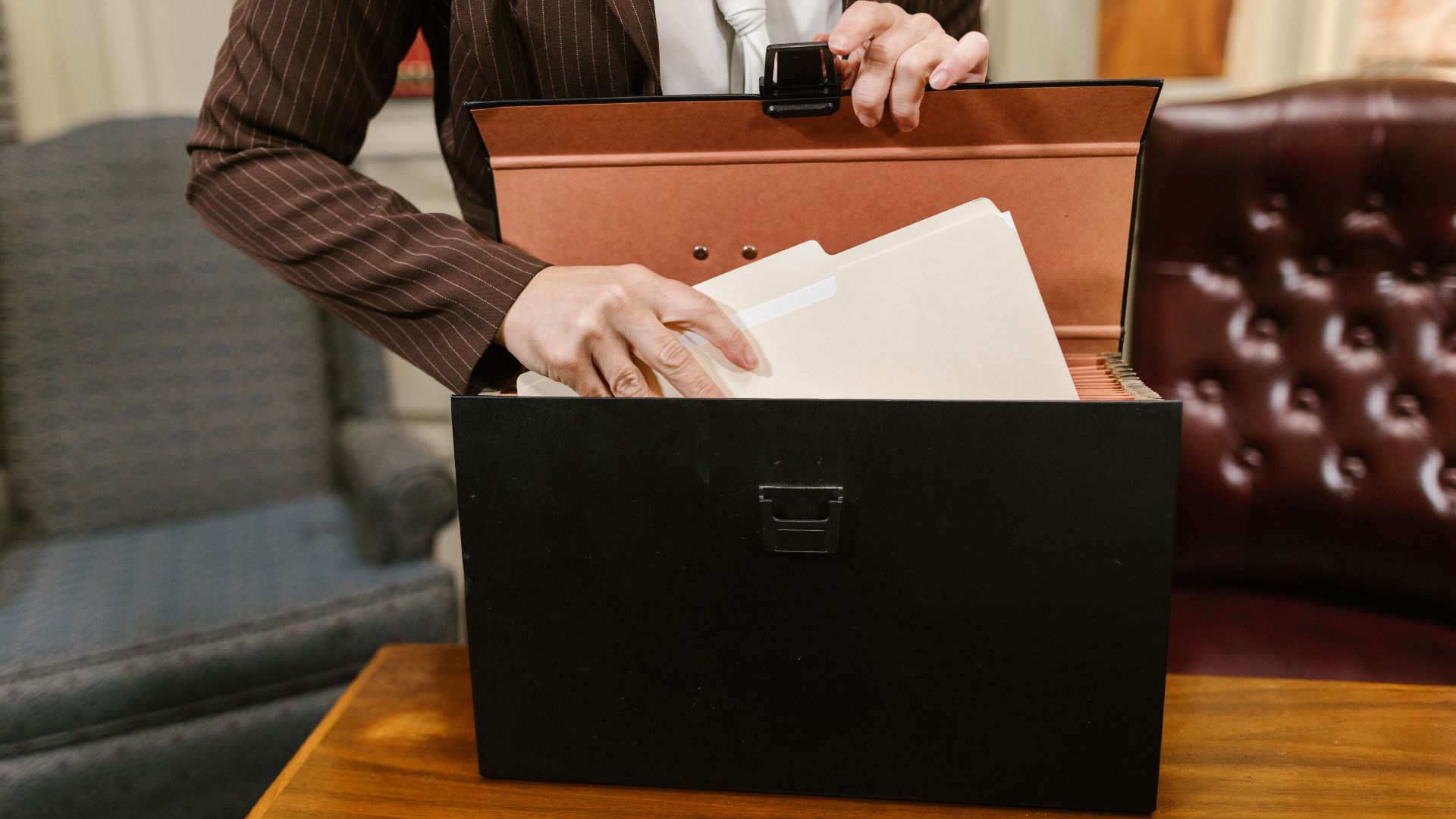
Tell The Right Person Where It Is
A hidden will is almost as bad as no will. Your executor does not need every private detail today, but they need to know where the plan is stored. Give them enough information to act when the time comes.

Keep The Plan Human
A strong will is not only about legal language. It is also about reducing stress, preventing fights, and helping people carry out your wishes. The best plan gives loved ones direction when they need it most.
 Dmytro Zinkevych, Shutterstock
You May Also Like:
Experts Say Baby Boomers Should Remove These 15 Common Things From Their Wills Immediately