
Family Matters
Losing parents is already emotional enough. But when there’s no will involved, families often discover they all have very different ideas about what inheritance law is “supposed” to look like. Is the oldest child really first in line?

A Lot Of People Believe The Oldest Child Takes Over
It’s an incredibly common belief that the oldest child automatically becomes the family decision-maker after the parents pass away. Plenty of people grow up hearing some version of “everything passes through the eldest first” inside their families.

That Idea Actually Has Historical Roots
Centuries ago, some cultures followed systems where the oldest son inherited nearly everything. The practice was called “primogeniture,” and it was designed to keep land and wealth concentrated within one heir for generations.

Modern Inheritance Laws Changed Dramatically
Today, most inheritance laws in the United States and Canada work very differently than they once did historically. Courts usually focus on written legal documents and intestacy statutes rather than family hierarchy or birth order.
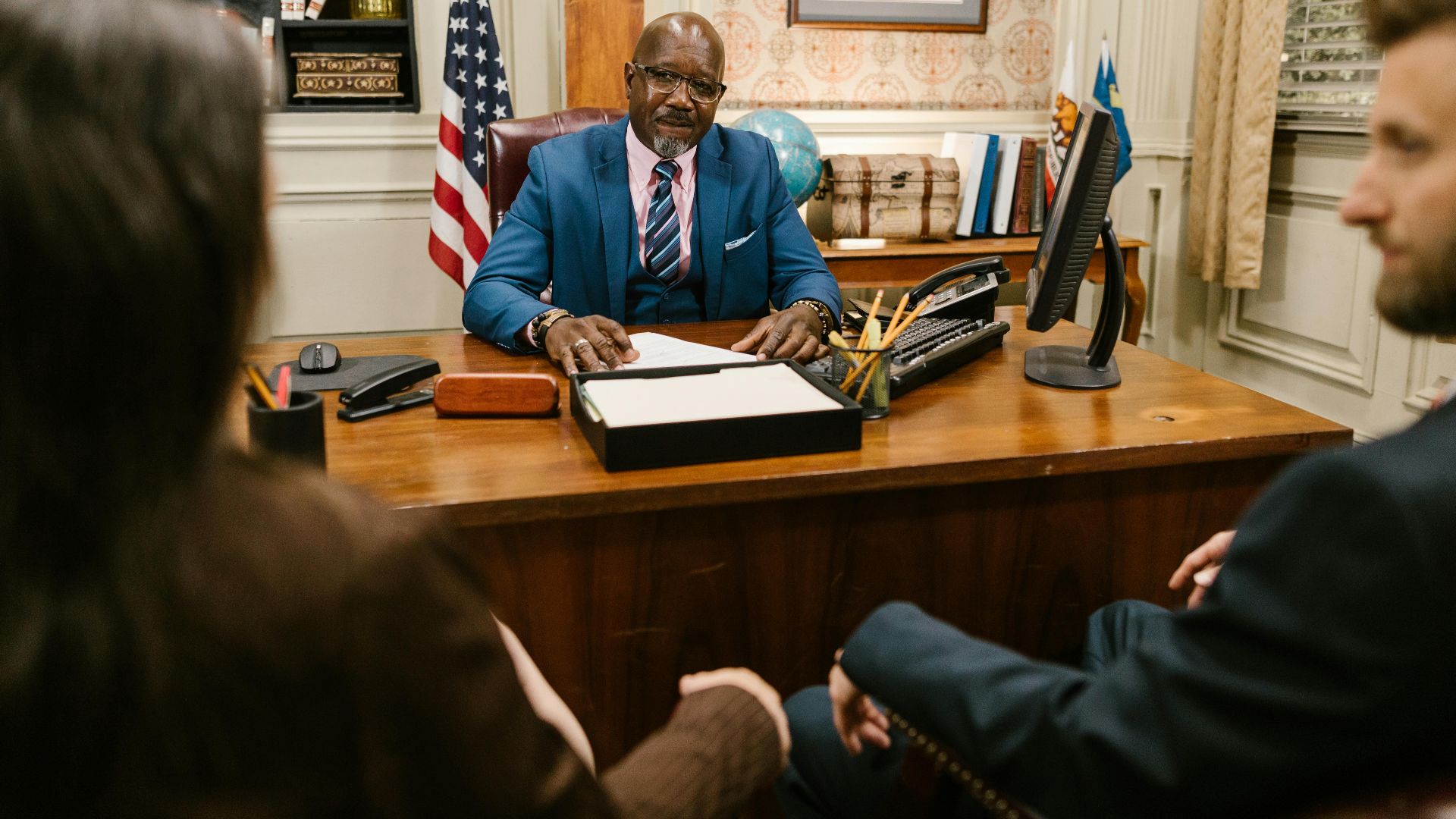
Roughly Two-Thirds Of Americans Don’t Have A Will
Multiple estate planning surveys have found that most American adults still do not have a will in place. That’s one reason probate courts regularly deal with inheritance confusion, sibling disputes, and estates without clear instructions from parents.

What “Dying Intestate” Means
When somebody dies without a will, they are legally considered to have died “intestate.” Instead of following personal instructions, the estate gets distributed according to state or provincial inheritance laws after probate proceedings begin.

Every State Handles Intestacy A Little Differently
One thing that surprises families is that inheritance laws vary depending on location. Some states divide assets differently depending on surviving children, adopted children, jointly owned property, and probate rules.

The Oldest Child Usually Doesn’t Automatically Inherit More
In most cases, being born first does not give somebody additional inheritance rights under modern probate laws. Children often inherit equal portions of the estate regardless of who’s oldest or who handled family responsibilities beforehand.

Equal Shares Sound Better In Theory
On paper, equal inheritance sounds simple and fair for everybody involved. In reality, families are rarely operating on equal emotional footing by the time probate begins after a parent passes away.

Caregiving Often Creates Resentment
One sibling may have spent years helping with appointments, finances, errands, or medical emergencies while others lived farther away or stayed less involved. That imbalance tends to create major tension later during inheritance discussions.
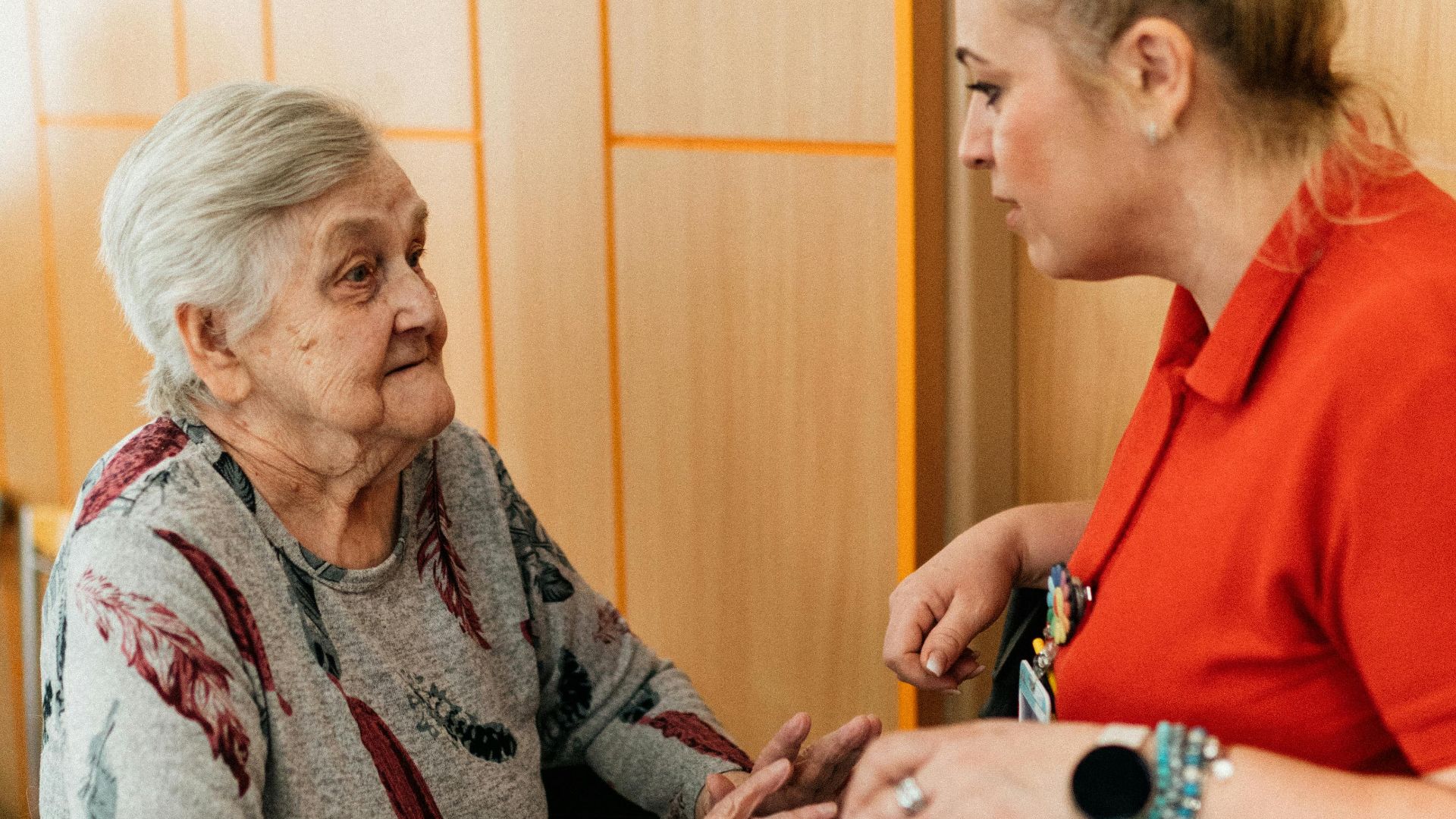
Inheritance Fights Are Surprisingly Common
According to estate planning surveys, inheritance disputes between siblings are extremely common after parents pass away. Money problems and unclear expectations regularly damage family relationships permanently for years afterward.

Probate Courts Usually Care About Documentation
Unfortunately, probate courts generally focus on legal documentation rather than emotional fairness between grieving family members. If parents never formally documented special arrangements, courts usually default to standard inheritance laws automatically.

Verbal Promises Usually Don’t Hold Much Weight
Families are often shocked to learn that statements like “Mom always said I’d get the house” may not matter legally without written documentation backing them up in court later.

Funeral Planning Doesn’t Automatically Grant Authority
Handling funeral arrangements or paperwork may make somebody the practical leader inside the family emotionally, but it usually does not automatically make them the legal authority over the estate itself.

Someone Still Has To Be Officially Appointed
Without a will naming an executor, somebody normally has to petition the probate court to become the estate administrator officially. The oldest child can apply, but the position is not guaranteed automatically beforehand.

Judges Usually Prioritize Organization
When courts choose administrators, they typically care more about financial responsibility and organization than age alone. Being the oldest sibling by itself usually isn’t enough to secure control of the estate legally.

Administrators Have Serious Legal Responsibilities
Estate administrators are expected to locate assets, notify creditors, pay debts, file taxes, and distribute remaining property legally. Mishandling estate money can sometimes create personal legal liability in serious situations.

Beneficiary Designations Usually Override Family Expectations
A surprising number of people assume family members automatically split everything evenly after somebody dies. In reality, retirement accounts, pensions, life insurance policies, and payable-on-death accounts often go directly to named beneficiaries regardless of sibling expectations.

States Can Divide Assets Between Children Differently
Even when both parents have passed away, inheritance laws still vary by state. In many places, children inherit equal shares automatically. But some states have different rules involving adopted children, children born outside marriage, or children from previous relationships.

Louisiana Has Unique “Forced Heirship” Laws
Louisiana stands out because certain children may be legally entitled to part of the estate no matter what. Under “forced heirship” rules, children age 23 or younger, or children of any age with certain permanent disabilities, can sometimes be guaranteed inheritance rights automatically under state law.

Stepchildren Often Inherit Nothing Automatically
This surprises many families. In most states, stepchildren do not automatically inherit anything unless they were legally adopted. A biological child may inherit part of the estate while a stepchild raised in the same home receives nothing legally.

Adopted Children Usually Have Full Inheritance Rights
Most states treat legally adopted children the same as biological children for inheritance purposes. That means adopted children generally receive equal shares under intestacy laws even if no will exists.

Unmarried Partners Usually Have Very Few Rights
If parents were unmarried but together long-term, surviving partners may inherit nothing automatically in many states. Assets instead may pass directly to biological or legally adopted children under intestacy laws.
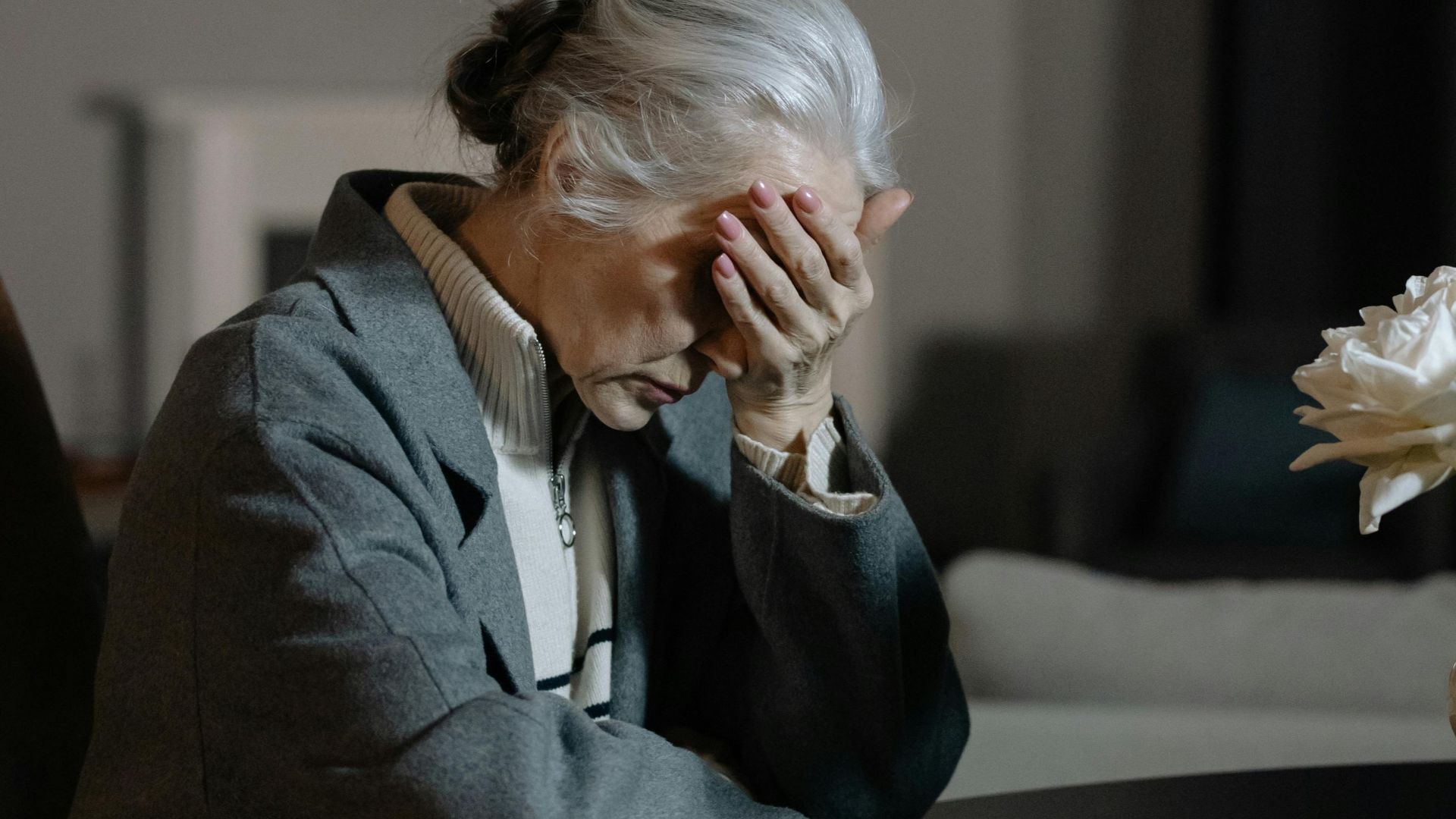
The Family House Creates Massive Problems
Real estate becomes one of the biggest sources of inheritance conflict inside many grieving families. One sibling may want to sell immediately while another wants to keep the property because of emotional attachment.

Shared Ownership Can Turn Ugly Fast
When several siblings inherit a house together, nearly every decision requires agreement from everyone involved. Taxes, repairs, insurance payments, and sale timelines can quickly turn into stressful arguments between relatives.

Personal Belongings Cause Huge Emotional Battles
Ironically, some families fight harder over photo albums, jewelry, recipes, and furniture than actual money itself. Sentimental items often carry decades of emotional meaning that outsiders wouldn’t fully understand personally.

Blended Families Make Things Even More Complicated
Inheritance disputes can become even messier in blended families involving stepchildren, remarriages, or children from previous relationships. Intestacy laws may divide assets in ways nobody expected emotionally at all.

Probate Can Take Much Longer Than People Expect
Many people assume estates are settled within weeks after somebody passes away unexpectedly. In reality, probate often lasts several months and sometimes years depending on estate complexity and family disagreements involved.

Legal Fees Can Eat Into The Estate
Long probate disputes don’t just create stress—they can also become surprisingly expensive over time. Attorney fees, court costs, appraisals, and administrative expenses may significantly reduce what heirs eventually receive financially.
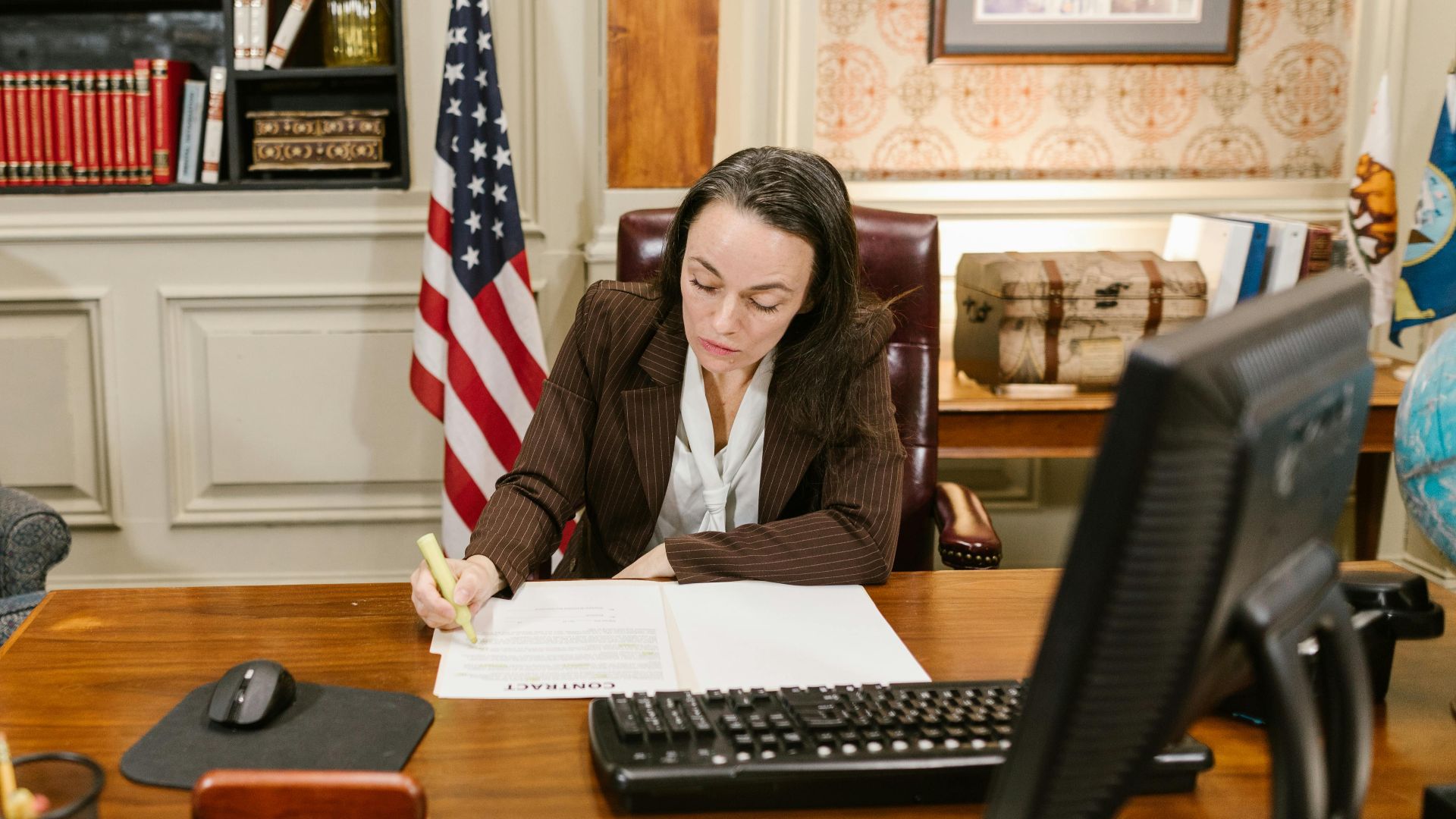
Estate Attorneys Constantly Warn About This
Lawyers regularly encourage people to create wills specifically because intestate estates create confusion so often afterward. Even a very basic will can prevent years of family conflict and resentment later.

Communication Usually Makes Or Breaks Families
Families tend to survive probate better when information is shared openly between everyone involved early on. Once siblings start feeling excluded from financial decisions, suspicion and resentment usually grow very quickly afterward.

The Biggest Takeaway
Being the oldest child may create emotional expectations inside a family, but it usually does not create automatic legal authority. Without a will, courts generally follow intestacy laws instead of family traditions or assumptions.

You Might Also Like:
Financial Rights Most Americans Don’t Know They Have—And It’s Costing Them Money