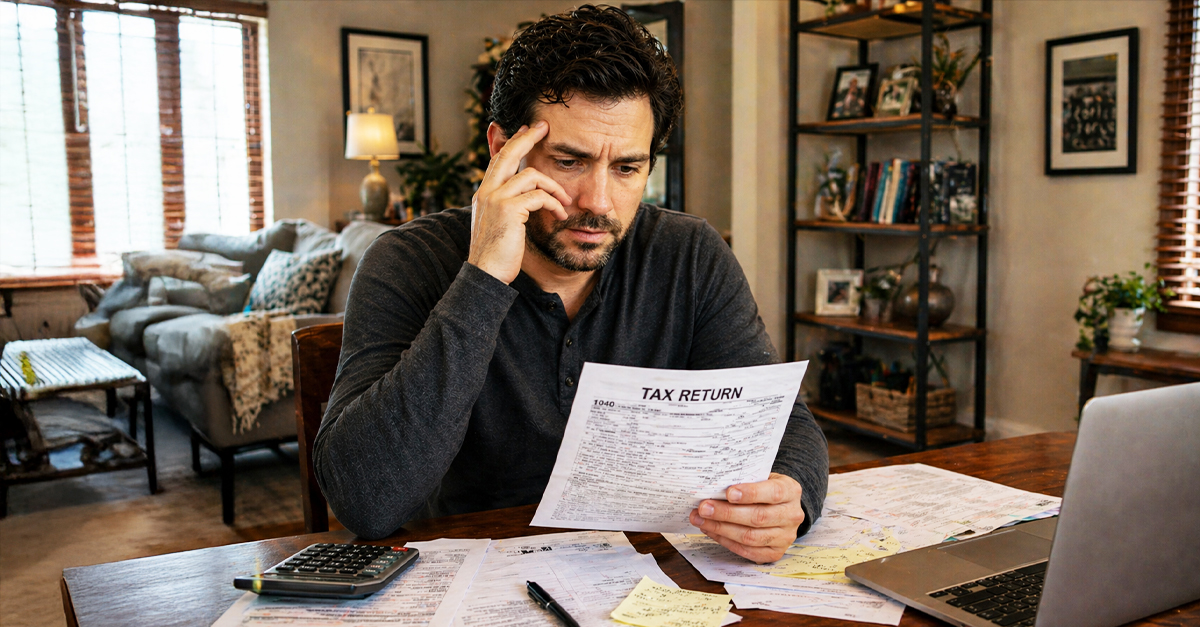
An Unexpected Refund And A Bigger Surprise
You hired a freelance tax preparer on a friend’s recommendation. The freelancer isn’t a CPA (certified public accountant), but since your friend’s advice is generally reliable, you expected a routine filing. Instead, you received a $4,500 refund and a $1,000 bill from the freelance accountant, who labeled it a “preparer fee,” causing you to worry about whether that's fair or even legal.

This Raises Red Flags
A large, unexpected refund along with a high fee tied to that refund can signal some questionable business practices. When fees feel disproportionate or tied to outcomes, it’s worth a pause to take a closer look at how your return was prepared.

CPAs Vs Freelance Preparers
Not all tax preparers have the same credentials or oversight. CPAs are licensed and regulated, while freelance preparers may be operating with fewer requirements, depending on the state, which makes it important to understand who handled your return.

How Tax Preparers Typically Charge Fees
Most legitimate preparers charge flat fees or hourly rates based on complexity. Fees tied directly to your refund amount are not considered normal business practice and may violate federal guidelines governing ethical tax preparation practices.

What The IRS Says About Contingency Fees
The IRS generally prohibits tax preparers from charging fees based on a percentage of a refund for standard returns. This rule is in place to prevent incentives that could encourage inflated or fraudulent filings.

Contingency Fees Can Be Risky
If your preparer makes more money when your refund increases, they may understandably be tempted to stretch deductions or credits. This creates risk for you, since at the end of the day you’re the one responsible for what gets filed under your name.

You Are Responsible For Your Return
Even if someone else prepares your taxes, you’re the one legally responsible for the accuracy of the return. Signing or approving it means you take on the liability for any wrong or fraudulent information included.

Common Ways To Inflate Refunds
Some preparers inflate refunds by claiming credits you don’t qualify for or by exaggerating expenses. This can include false business losses, improper education credits, or fabricated deductions set up to boost your refund.

The Appeal Of A Bigger Refund
It’s natural to feel relieved or excited about a larger refund. But keep in mind that when the number seems unusually high compared to your expectations, it’s worth it to ask how that figure was arrived at.

Review Your Filed Return Carefully
You should ask to get your hands on a full copy of your return and review every line. Look for unfamiliar credits, deductions, or income entries that don’t reflect your actual financial situation.

Warning Signs Of A Problematic Preparer
Be cautious if your preparer can’t—or won’t— explain their work, avoids giving you copies, or pressures you to accept results quickly. These kinds of behaviors often indicate a lack of transparency or potential misconduct.

Importance Of The Preparer’s Signature
Legitimate tax preparers are required to sign returns and include a Preparer Tax Identification Number. If your return doesn’t carry this information, it may be a sign that the preparer is trying to avoid accountability.

How Fees Should Be Disclosed
Transparent preparers explain their fees upfront and provide the customer with written agreements. A surprise $1,000 fee after filing suggests poor disclosure practices and may violate consumer protection standards.

What To Do If The Fee Feels Unfair
If you think the fee is excessive or improperly structured, you can start by asking for a detailed breakdown. You can also compare it with typical rates in your area to gauge whether it is reasonable.

Can You Refuse To Pay The Fee?
In some cases, you may dispute the fee, especially if it was never clearly agreed upon. However, withholding payment could lead to collection actions, so it’s best to resolve disputes carefully and document everything.

When A Fee Becomes A Legal Issue
If the fee is tied directly to your refund amount, this may cross into prohibited territory under IRS rules. This could expose the preparer to penalties and give you grounds to file a complaint.

What If The Return Is Fraudulent?
If you suspect the return includes false information, you need to act quickly. Turning a blind eye to the issue could result in penalties, interest, or audits, all of which fall on you as the taxpayer.

Filing An Amended Return
You can correct mistakes by filing an amended return using IRS Form 1040-X. This allows you to clear up any inaccuracies and reduce or eliminate your risk of future penalties or enforcement actions.

Report The Tax Preparer To The IRS
The IRS allows you to report suspected misconduct using Form 14157. This can set in motion an investigation into the preparer’s practices and help stop similar issues from affecting other taxpayers.

Protect Yourself During An Audit
Obviously if the IRS audits your return, it’s crucial to have accurate up-to-date information. Keep receipts, records, and all the sequence of communications with your preparer to support your position and show that you’re acting in good faith.

Avoid Similar Situations In The Future
Going forward, choose preparers with clear credentials and transparent pricing. This shouldn’t be an informal process. Always ask questions upfront and stay away from anyone who promises unusually large refunds without solid explanations.

Written Agreements Are King
A written engagement letter outlines fees, responsibilities, and expectations. This simple step can help everyone steer clear of misunderstandings and give you a clear reference point if disputes surface later.

Trust Your Instincts About Unusual Results
If something feels off, it more than likely is. Large discrepancies between expected and actual refunds are wholly deserving of closer scrutiny, even if the outcome seems beneficial in the short term.

Why Transparency Is So Important
Open communication builds trust and reduces risk. A preparer who explains every step and answers questions clearly is far less likely to be involved in questionable practices.

Balance Cost And Expertise
While freelance preparers may charge less upfront, lower costs can come with higher risks. Paying more for a qualified professional can provide you with greater peace of mind and reduced potential legal exposure.

Take Control Of Your Financial Situation
Ultimately, you have the right to understand and question your tax return. Sitting up and taking an active interest in what’s going on will protect you from making dumb mistakes and ensure that you’re always in compliance with tax laws.

When To Seek Professional Advice
If you’re at all unsure about your situation, consider talking to a CPA or tax attorney. A second opinion can clarify whether your return and the associated fee were handled properly or not.

You May Also Like: