
You Got Paid In Services Instead Of Cash — Does The IRS Still Care?
You fixed someone’s website. They remodeled your kitchen. No money changed hands. No Venmo. No check. It feels unofficial — almost invisible. Then your dad tells you the IRS still considers that "taxable income". Your aunt laughs and says, “No cash, no taxes.” Now, you're worried. Who's right?

First: The IRS Doesn’t Care If It’s Cash
The IRS taxes income — not just money. If you receive something of value in exchange for work, that can count as income, even if no cash ever hits your bank account.

What Is Bartering, Legally Speaking?
Bartering is the exchange of goods or services without using money. It’s perfectly legal. But legally allowed doesn’t mean tax-free.
 F.S. Church, published in Harper's Weekly, January 17, 1874, p. 61., Wikimedia Commons
Yes, Barter Income Is Generally Taxable
According to the IRS, the fair market value of goods or services you receive through bartering must be included in your gross income. In simple terms: if you got value, it can be taxable.

What’s “Fair Market Value”?
It’s what someone would normally pay for that service or item in cash. If you typically charge $1,000 to build a website and instead receive $1,000 worth of plumbing work, that $1,000 is generally taxable income.

But No Money Came In…
True. But the IRS views bartering as if you were paid in cash and then used that cash to purchase the other service. The transaction still represents economic gain.

Does This Apply To Small Side Deals?
Technically, yes. The size of the barter doesn’t automatically determine whether it’s taxable. The law doesn’t say “only if it’s big enough.”

What About Casual Favors?
Helping your neighbor move and they buy you pizza? That’s usually considered a personal favor — not business income. The key difference is whether the exchange is business-related.

Business Bartering Is Clearer
If you run a business and barter with another business, it’s almost certainly taxable. Businesses are expected to report barter income just like cash income.

Are There Forms For This?
Yes. Organized barter exchanges may issue Form 1099-B reporting the value of barter transactions. Even if you don’t receive a form, you’re still responsible for reporting taxable income.
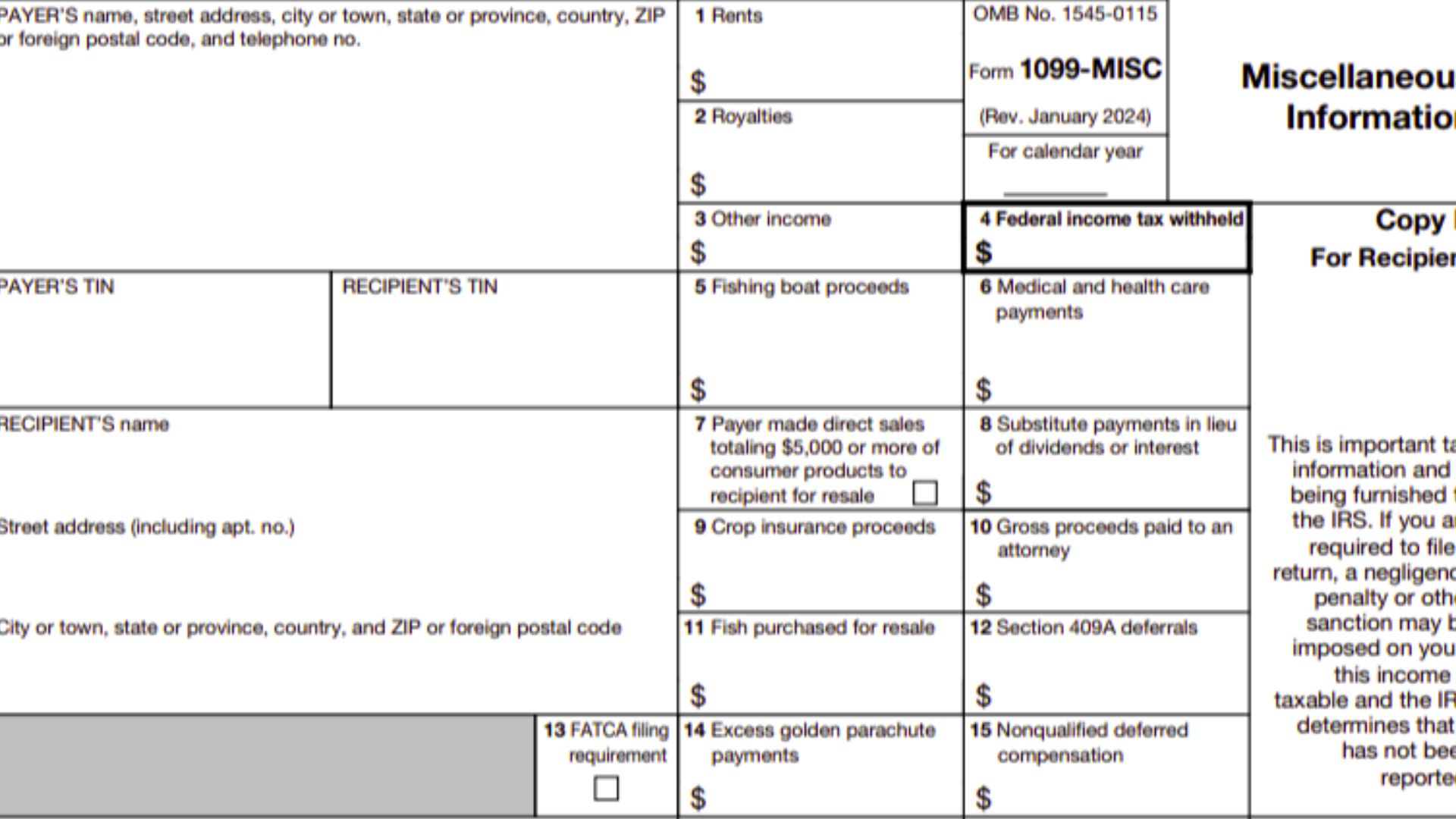 United States Department of Treasury - Internal Revenue Service, Wikimedia Commons
What If It Was A One-Time Thing?
Even one-time barter transactions can be taxable if they involve services you normally provide for profit.
 Tomascastelazo, Wikimedia Commons
Does It Matter If You Didn’t Profit?
If the value you received matches the value of what you provided, you may not feel like you “made” money. But for tax purposes, the fair market value is still income.
 Photo By: Kaboompics.com, Pexels
What About Hobby Activity?
If the service you provided isn’t part of a business or income-producing activity, tax treatment can get more nuanced. But once it resembles a business exchange, the IRS tends to treat it as taxable.

Could You Get In Trouble?
Most small barter deals fly under the radar. But legally, failure to report taxable income — even barter income — can create penalties if discovered during an audit.

Why Your Dad Is Mostly Right
The IRS explicitly states that bartering is taxable. From a strict legal perspective, he’s correct.

Why Your Aunt Thinks It’s Not
She’s thinking practically: no cash trail, no obvious reporting. And in many casual cases, there’s no automatic reporting form. But lack of reporting doesn’t change tax law.
 Catherine Murray, Shutterstock
Does State Tax Apply Too?
Often, yes. State income tax systems typically follow federal income definitions, meaning barter income can also affect your state return.
The Smart Move
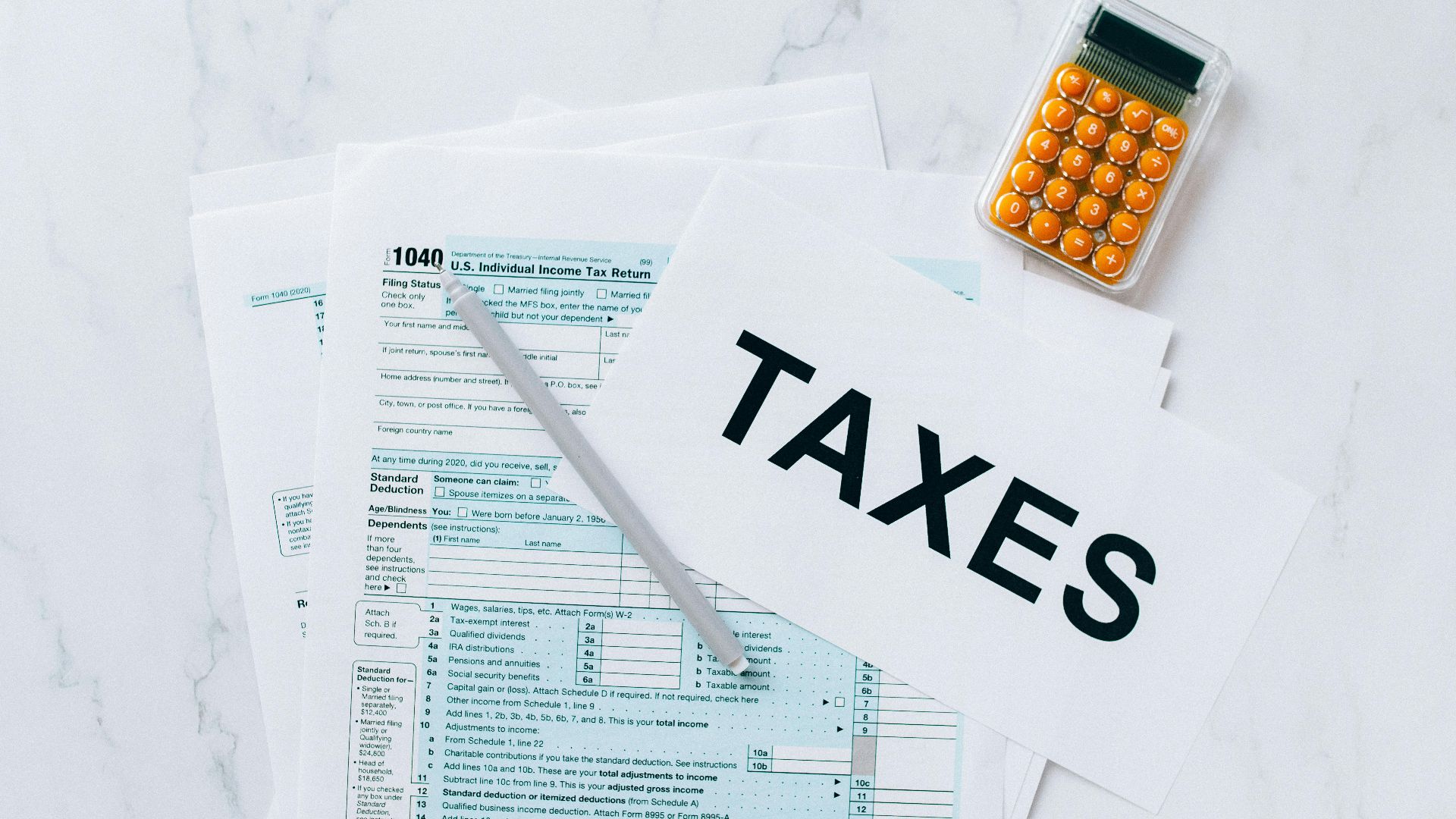
If you’re bartering significant services, keep records of the fair market value and consider reporting it properly. It’s easier than explaining missing income later.

The Bottom Line
No cash doesn’t mean no taxes. If you bartered services as part of business or income-generating activity, the IRS generally considers the fair market value taxable income. Your dad is legally right — even if your aunt’s version sounds more convenient.
You May Also Like:
I earned $500 freelancing last year and didn’t report it, and now I’m panicking. Am I in trouble?