
Will a $12,000 Credit Card Purchase Be Reported to the IRS?
You made a $12,000 purchase on your credit card. Now your brother says the IRS will be notified automatically. Your dad says that only big cash payments get reported. So… who’s right? The short answer: probably your dad. But there’s nuance here. This guide breaks down what actually gets reported to the IRS — and what doesn’t.

First: The IRS Doesn’t Monitor Your Shopping
The IRS does not automatically track individual credit card purchases just because they’re large. There isn’t a system that flags every $10,000+ swipe and sends it to the government. That’s a common myth.

Credit Card Companies Aren’t Reporting Your Purchases
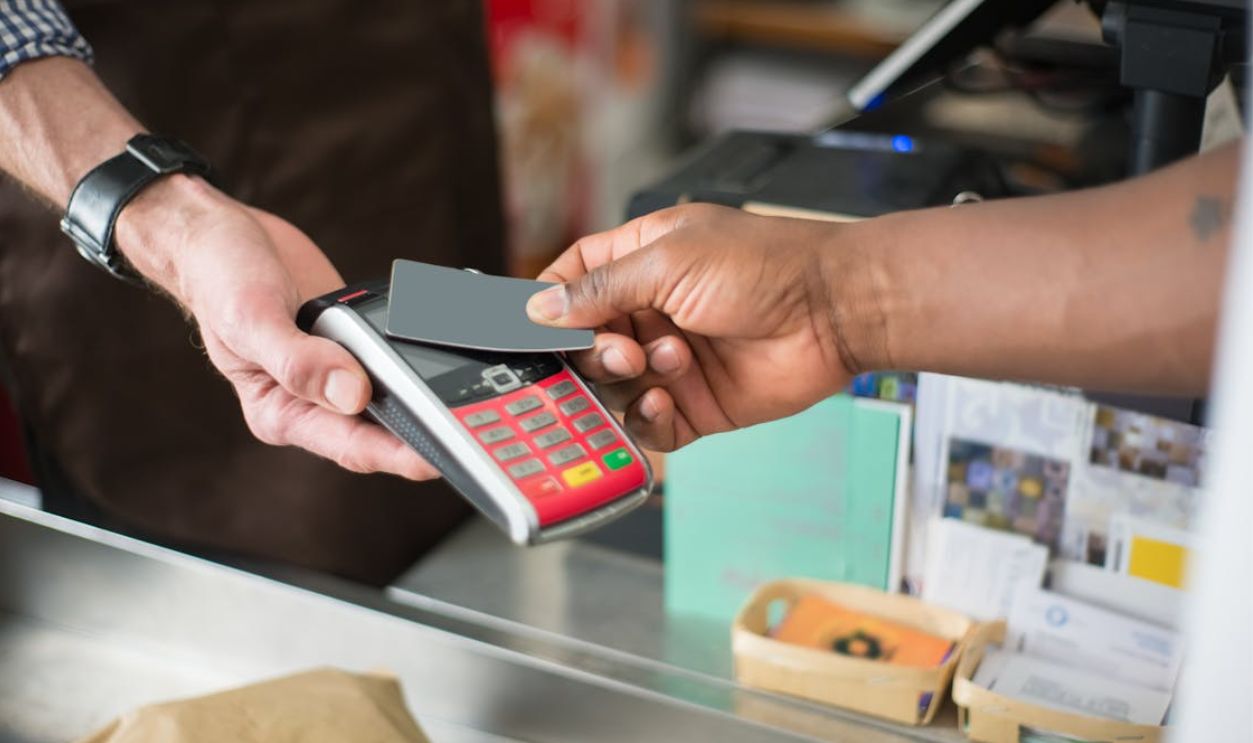
When you use a credit card, the transaction is between you, the merchant, and the card network. Your bank doesn’t send purchase details to the IRS just because the amount is high.
Where the Confusion Comes From
People mix up credit card transactions with cash reporting laws. There are federal reporting requirements for certain cash payments — but those rules don’t apply the same way to credit cards.
The $10,000 Rule Is About Cash
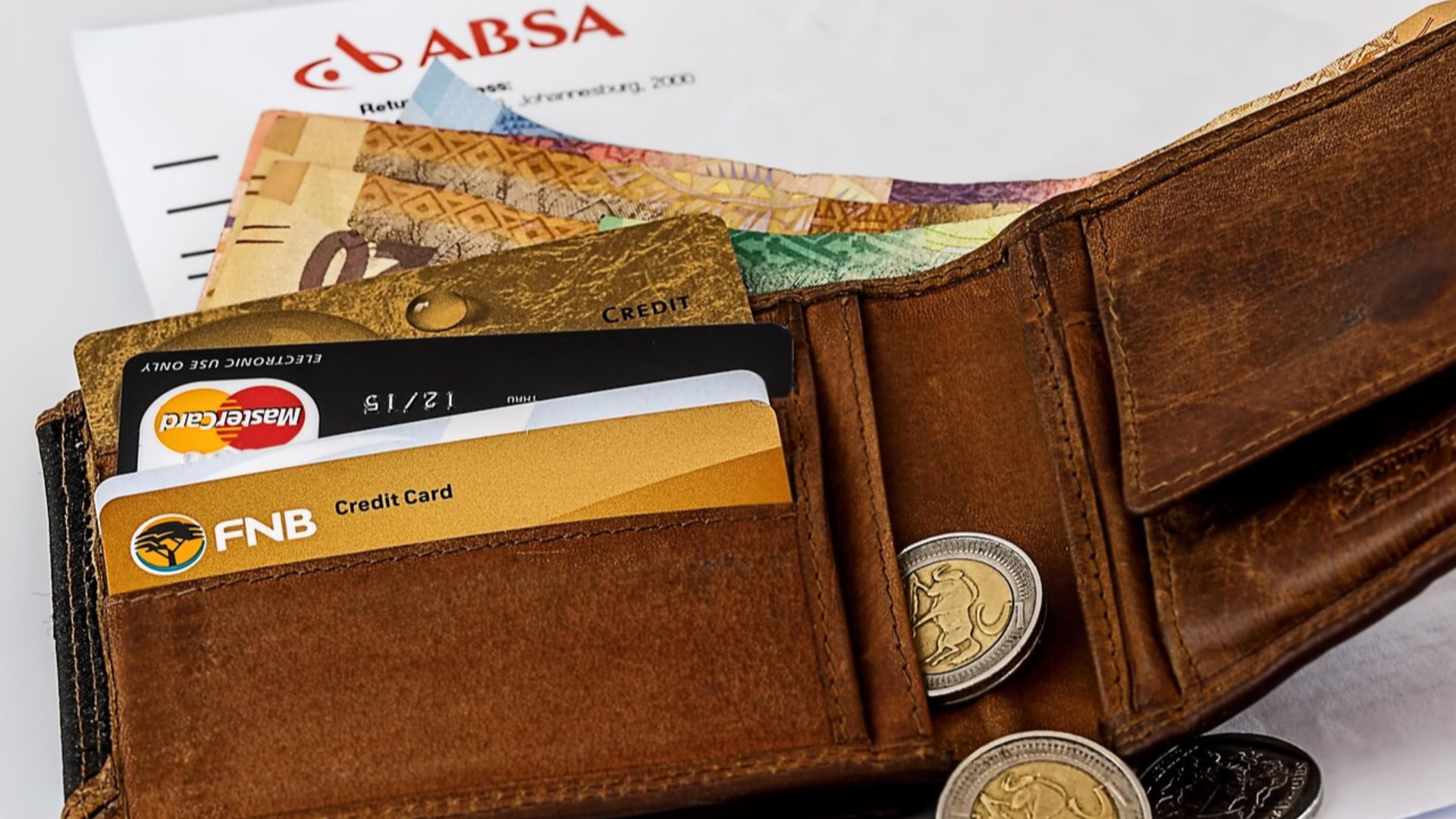
Businesses must file IRS Form 8300 if they receive more than $10,000 in cash in a single transaction (or related transactions). Cash means physical currency — not a credit card swipe.

Credit Cards Are Not Considered Cash
Even if you charge $12,000, $20,000, or $50,000 on a credit card, that is not treated as a cash payment for IRS reporting under the $10,000 rule.
So Your Dad Is Mostly Right
If the debate is whether credit card purchases are automatically reported like cash, your dad is closer to correct. The automatic reporting rule applies to cash, not credit transactions.

But That Doesn’t Mean Nothing Gets Reported
Credit card companies do report certain information — but not your individual shopping details. They report things like interest income or, in some cases, payment processing totals for businesses.

The Business Side Is Different
If you run a business and accept credit cards, payment processors may issue Form 1099-K reporting total annual transactions. That’s about business income, not your personal purchase as a buyer.

Big Purchases Aren’t Illegal
A $12,000 purchase on a credit card is not suspicious on its own. People buy appliances, travel packages, jewelry, equipment, or medical procedures at that level all the time.

The IRS Cares About Income, Not Spending
The IRS focuses on income reporting — wages, business revenue, investments. They are not tracking whether you bought a couch, a watch, or a vacation.

When Would the IRS Care?
If you’re being audited and your spending is wildly inconsistent with your reported income, that could raise questions. But that’s about income discrepancies — not a single credit card charge.

Banks Do Monitor for Fraud — Not Taxes
Your bank may flag a $12,000 charge for fraud protection. That’s about security, not tax reporting. That’s the only automatic alert most people experience.

What About Large Bank Transfers?
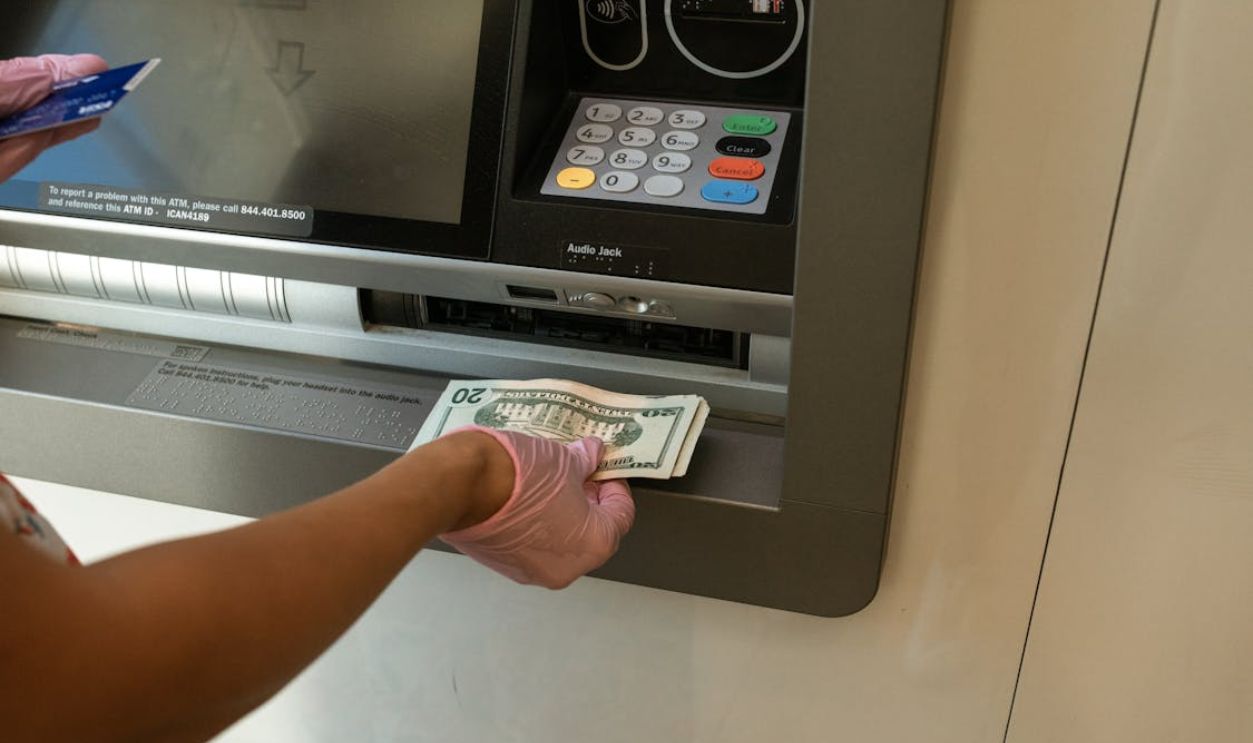
Large cash deposits into your bank account can trigger reporting from banks (Currency Transaction Reports for $10,000+ in cash). Again — this applies to cash deposits, not card purchases.
What If You Pay the Card Off in Cash?
Here’s where things change slightly. If you pay off your credit card with more than $10,000 in physical cash at once, that payment could fall under cash reporting rules at the bank.

Structuring Is a Bigger Issue Than Spending
Trying to break up cash deposits to avoid reporting is illegal. But simply using a credit card for a large purchase is not structuring and is not illegal.

Canada Is Similar
In Canada, large cash transactions also have reporting requirements (to FINTRAC). But regular credit card purchases aren’t automatically reported to tax authorities.

The Real Risk Is Debt, Not the IRS
Honestly, the bigger issue with a $12K charge is interest. If that balance sits unpaid, the credit card interest could cost you far more than any imagined IRS issue.

Should You Be Worried?
If this was a normal, legal purchase and you’re paying your taxes correctly, you likely have nothing to worry about from a reporting standpoint.

When You Should Ask a Professional
If the purchase is related to a business, crypto transactions, large asset sales, or complicated tax situations, a CPA can clarify how it affects your return.

Final Verdict: Your Dad Wins This One
A $12,000 credit card purchase does not automatically get reported to the IRS the way large cash transactions do. Credit card swipes aren’t treated as cash. As long as your income is reported properly and everything is legal, this purchase alone isn’t triggering tax alarms.

You May Also Like:
I paid my rent with one card, then paid that card with another. Now I'm in a loop. Can I escape?
The Serious Implications of a Bad Credit Score