
I paid my rent with one card, then paid that card with another. Now I'm in a loop. Can I escape?

I paid my rent with one card, then paid that card with another. Now I'm in a loop. Can I escape?


November 24, 2025 | Allison Robertson

I paid my rent with one card, then paid that card with another. Now I'm in a loop. Can I escape?


Stuck in a Credit Card Loop?

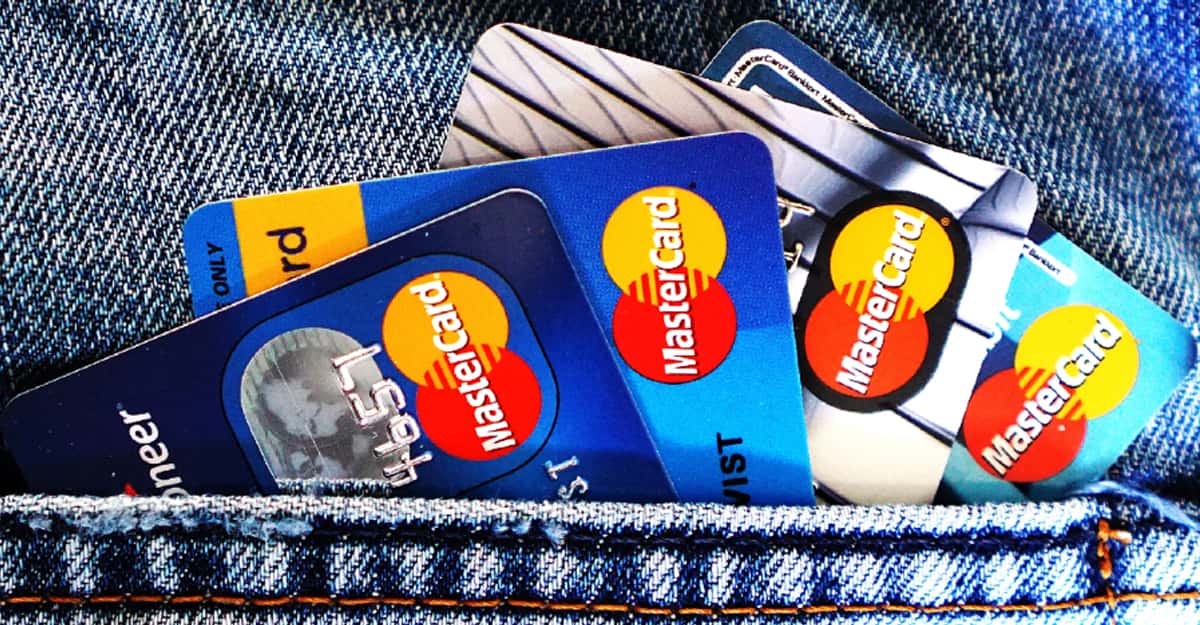
You used one credit card to pay rent, then used another to pay off the first. Now it feels like you're just juggling balances—and getting nowhere. This kind of debt spiral is more common than you think. Here's how to hit pause, figure out where you stand, and break the cycle before it gets worse.

Credit Card Loop Msn

Advertisement

Step One: Stop Using the Cards

It sounds obvious, but the first thing to do is stop the loop. Don’t put more rent—or anything else—on either card. You can’t dig out of a hole if you’re still digging. Switch to paying rent with your bank account or another source of real funds.

RDNE Stock projectRDNE Stock project, Pexels

Advertisement

Map Out the Damage

Write down how much you owe on each card, what the interest rates are, and when the payments are due. This gives you a clear picture of what you’re dealing with—and helps you figure out where to focus first.

Mikhail NilovMikhail Nilov, Pexels

Advertisement

Look for Lower-Interest Options

If your credit isn’t wrecked, consider applying for a balance transfer card with a 0% intro APR. Move as much high-interest debt as you can there. This gives you breathing room and stops the interest from stacking up while you pay it down.

RDNE Stock projectRDNE Stock project, Pexels

Advertisement

Pick a Payoff Strategy

Choose between the avalanche method (highest interest first) or the snowball method (smallest balance first). Both work, but avalanche saves you more money long term. Pick one and stick with it. Consistency is key.

Tima MiroshnichenkoTima Miroshnichenko, Pexels

Advertisement

Call the Card Companies

Yes, really. Call and ask for a lower interest rate. It sounds intimidating, but if you’ve been a decent customer, they might work with you. Even a 1–2% drop can save you hundreds over time.

Antoni Shkraba StudioAntoni Shkraba Studio, Pexels

Advertisement

Set a Realistic Budget

Go through your income and spending line by line. Cut the stuff you don’t absolutely need, even temporarily. Every dollar you can redirect to your card balances shortens the time you’ll be stuck in this loop.

Tima MiroshnichenkoTima Miroshnichenko, Pexels

Advertisement

Prioritize Rent in Cash

Make it your #1 rule: rent comes from your checking account, not credit. If you’re falling short, look at ways to increase income or decrease other expenses. Charging rent is what created the loop—don’t let it start again.

Karola GKarola G, Pexels

Advertisement

Look Into Side Gigs

If your budget’s tight, bringing in extra cash can help speed things up. A few hundred bucks a month from a weekend gig or freelance job can go straight to debt. Think of it as temporary hustle for long-term peace.

Norma MortensonNorma Mortenson, Pexels

Advertisement

Don’t Just Pay the Minimum

Minimum payments keep the cards active—but they barely touch the principal. Even a little extra each month can make a huge difference. Round up payments when you can or set up auto-pay for a slightly higher amount.

Mikhail NilovMikhail Nilov, Pexels

Advertisement

Consider a Personal Loan

If your credit’s okay, you might qualify for a personal loan with a lower rate than your cards. You’ll get one fixed monthly payment and a clear end date. It’s not for everyone, but it can simplify the chaos.

Kindel MediaKindel Media, Pexels

Advertisement

Talk to a Credit Counselor

Nonprofit credit counseling agencies can help you make a plan, negotiate rates, and sometimes even lower your monthly payments. Look for legit ones—never pay upfront. A session with a pro can make the problem feel more manageable.

Karola GKarola G, Pexels

Advertisement

Avoid Payday Loans

Tempted to cover the shortfall with a payday loan? Don’t. These come with sky-high fees and make the debt loop worse. Focus on sustainable fixes, not quick cash that comes back to bite you.

Karola GKarola G, Pexels

Advertisement

Watch for Cash Advance Traps

Cash advances from credit cards often come with fees and no grace period on interest. If you’ve used one recently, prioritize paying it off fast—it’s likely the most expensive debt on your list.

Kampus ProductionKampus Production, Pexels

Advertisement

Use Windfalls Wisely

Tax refund? Birthday money? Side hustle payout? Put unexpected cash straight toward the card with the highest interest. It’s not fun, but it shortens the pain. You’ll thank yourself later.

Karola GKarola G, Pexels

Advertisement

Track Your Progress

Every time you make a payment, celebrate the win. Watching the numbers go down, even slowly, can keep you motivated. Debt payoff is a grind—but it’s also a game you can win.

Andrea PiacquadioAndrea Piacquadio, Pexels

Advertisement

Get Accountability

Tell a friend what you’re doing or join a debt payoff group online. Accountability makes it easier to stay on track. You’re less likely to swipe a card again if you know someone’s cheering you on.

Christina MorilloChristina Morillo, Pexels

Advertisement

Don’t Beat Yourself Up

You’re not the only one who’s done this. A lot of people use credit cards to stay afloat, especially with rent. The important thing is recognizing the loop—and choosing to get out.

Vodafone x Rankin everyone.connectedVodafone x Rankin everyone.connected, Pexels

Advertisement

Final Thought: You Can Break the Cycle

It’s tough, but absolutely doable. Stopping the credit card shuffle starts with one solid step—and then another. You don’t have to be perfect. You just have to keep going. The loop only wins if you stop trying.

Andrea PiacquadioAndrea Piacquadio, Pexels

Advertisement

You May Also Like:

I Found Out My Accountant Hasn’t Filed My Taxes For Three Years. Am I On The Hook For Penalties?
My dad left me $220K in his will, but it means I'm going to lose my disability benefits when I claim the inheritance. What now?

Sources: 1, 2, 3


READ MORE

Upgrades You Should Implement To Increase Your Property Value

The housing market is competitive, to say the least. If you want your home to stand out on the market, here are some things you can do to make it seem brand new.
December 19, 2024 Ethan Vestby
Last Will

Things You Need In Your Will That Too Many People Forget

Think your will is complete? Even the most carefully crafted ones often miss necessary elements that could leave your family in limbo. If you want it to be a peaceful ride, continue reading.
January 15, 2026 Miles Brucker

Simple Career Changes To Make More Money In 2025

If you're looking to change tracks in 2025 and jump into a new career but aren't looking to go back to school or spend time and money retraining in an entirely new profession, here are some career changes you can make to make more money next year.
January 1, 2025 Jack Hawkins

My husband hid over $100K in gambling debts while I thought he had the money invested. At 55, our retirement is off-track. What happens next?

It can be devastating to discover hidden debt if you're in your 50s, but there are steps you can take to protect your future and your retirement.
October 29, 2025 Sammy Tran

Laid Off In Your 50s: Strategies For Moving Forward

Losing your job is bad enough, but being laid off in your 50s hits especially hard. We look at strategies for getting back on track.
October 30, 2025 Alex Summers

My Lease Is Ending And I’m Over The Mileage Limit. Should I Buy It Out Or Turn It In?

You’re cruising toward the end of your lease, feeling pretty good… until you check the odometer and your contract. You’re thousands of miles over the limit, and those little extra miles are about to cost real money. Do you pay the mileage fees and turn it in, or buy out the car and keep it? The good news is that you actually have more control here than it feels like.
December 3, 2025 Peter Kinney


Disclaimer

The information on MoneyMade.com is intended to support financial literacy and should not be considered tax or legal advice. It is not meant to serve as a forecast, research report, or investment recommendation, nor should it be taken as an offer or solicitation to buy or sell any securities or adopt any particular investment strategy. All financial, tax, and legal decisions should be made with the help of a qualified professional. We do not guarantee the accuracy, timeliness, or outcomes associated with the use of this content.


Dear reader,


It’s true what they say: money makes the world go round. In order to succeed in this life, you need to have a good grasp of key financial concepts. That’s where Moneymade comes in. Our mission is to provide you with the best financial advice and information to help you navigate this ever-changing world. Sometimes, generating wealth just requires common sense. Don’t max out your credit card if you can’t afford the interest payments. Don’t overspend on Christmas shopping. When ordering gifts on Amazon, make sure you factor in taxes and shipping costs. If you need a new car, consider a model that’s easy to repair instead of an expensive BMW or Mercedes. Sometimes you dream vacation to Hawaii or the Bahamas just isn’t in the budget, but there may be more affordable all-inclusive hotels if you know where to look.


Looking for a new home? Make sure you get a mortgage rate that works for you. That means understanding the difference between fixed and variable interest rates. Whether you’re looking to learn how to make money, save money, or invest your money, our well-researched and insightful content will set you on the path to financial success. Passionate about mortgage rates, real estate, investing, saving, or anything money-related? Looking to learn how to generate wealth? Improve your life today with Moneymade. If you have any feedback for the MoneyMade team, please reach out to [email protected]. Thanks for your help!


Warmest regards,

The Moneymade team