
The Refund Dilemma
You got a $3,000 tax refund and immediately saw it as an opportunity to get ahead on your property tax bill. Your husband, however, sees it differently and suggests using the money to treat yourselves to a weekend getaway to Vegas. Now you’re stuck between financial responsibility and enjoying a rare windfall, unsure of how to convince him without causing unnecessary tension.

Why This Feels Like A Big Deal
As with most financial disagreements between couples, this isn’t solely about money. It’s about priorities, security, and how you both look at your financial stability. One of you is thinking long-term and in terms of risk reduction, while the other is hellbent on enjoying the present. These differences are common, especially when a lump sum suddenly appears.

Understand The “Windfall” Mindset
Tax refunds often feel like bonus money, even though they’re nothing more than your own earnings returned back to you. This psychological effect can make spending the money feel easier or more justified. A lot of people treat refunds as extra cash instead of part of their regular financial plan, and that plays a big role in their decision-making at times like these.

Recognize Practical Priorities
From a financial point of view, using a refund to cover essential expenses like property taxes is a conservative and stable choice. Many experts recommend directing refunds toward necessary costs, debt, or savings before going hog wild spending a lot of money on things they don’t need. This approach strengthens your financial foundation and eases future stress.

Look At Your Husband’s Perspective
Your husband isn’t necessarily being irresponsible. He may see this as a rare chance to enjoy yourselves without dipping into your regular income. For many people, occasional spending on experiences or rewards is an essential part of maintaining balance and motivation, especially after long periods of budgeting discipline.

Identify The Real Issue
This disagreement isn’t so much about the refund itself as it is about shared financial goals. Are you putting stability and obligations at the top of your list of priorities, or are you allowing room for enjoyment? If you haven’t explicitly aligned on this before, the refund is just exposing that gap.

Start The Conversation Calmly
Approach this discussion without trying to frame it as right versus wrong. Instead of saying the money has to go toward taxes, explain exactly why that option matters to you. Emphasize the peace of mind it will bring you and how it will fit into your broader financial plan.

Use Numbers To Ground The Discussion
Showing concrete numbers can shift the conversation from emotional to practical. Show how paying property taxes now reduces future financial pressure. Compare that to the temporary benefit of spending the money. This helps turn the discussion into a shared decision rather than a disagreement.

Explore A Compromise
You don’t have to choose one extreme. Consider splitting the refund between responsibilities and enjoyment. For example, allocating the majority of the money toward property taxes while setting aside a smaller portion for a treat can satisfy both perspectives without being detrimental to your financial goals.

Prioritize Financial Security First
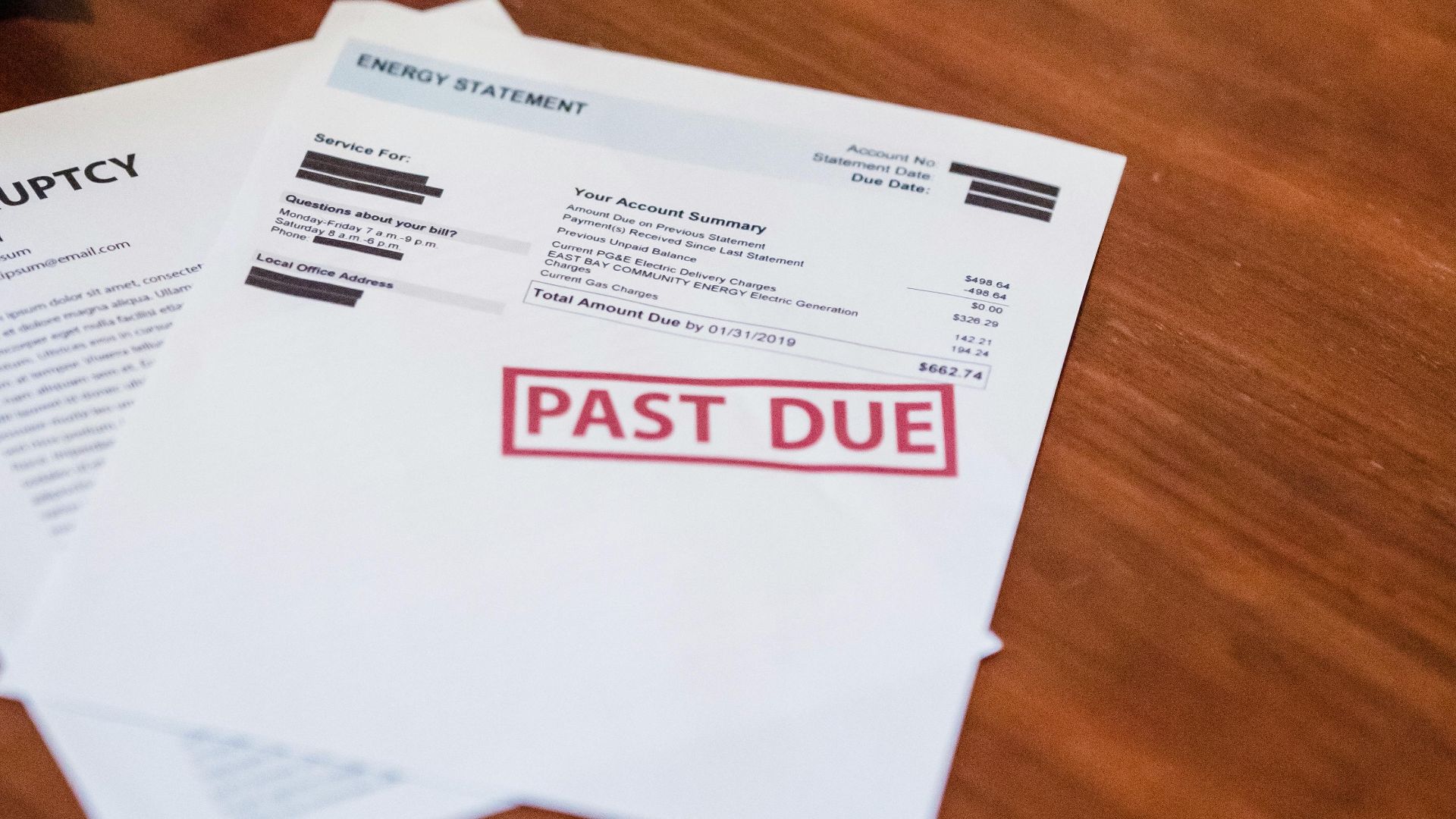
If your property tax payment is looming on the horizon or is causing stress, it should likely take priority. Essential obligations generally come before discretionary spending for most responsible people. Many households use refunds to cover bills or reduce liabilities, bringing some much-needed stability rather than increasing short-term consumption.
Consider Future Implications
Ask yourselves how you’ll feel about each choice later. Will spending the money now cause regret down the road if a bill comes due? Or will skipping the treat feel overly restrictive? Thinking ahead can clarify which option is more suited to your long-term comfort.

Bring Shared Goals Into Focus
Revisit your over-all shared financial goals. Are you trying to reduce debt, build savings, or better manage your homeownership costs? Framing the decision with those goals in mind helps both of you see the refund as part of a larger plan and not just a one-off isolated opportunity.

Avoid All-Or-Nothing Thinking
It’s easy to fall into a mindset where the money must be entirely saved or entirely spent. In reality, balanced decisions are often more sustainable. A blended approach can prevent resentment while still moving you forward financially.

Address Emotional Factors
Money decisions often carry emotional weight. Your desire to pay property taxes may come from a need for security, while your husband’s desire to spend may come from a need for enjoyment or relief. Recognizing these emotions can make the conversation a lot more productive and a lot less confrontational.

Set A Precedent
How you handle this refund will likely set a precedent for future windfalls. If you lay the groundwork for a clear approach now, like prioritizing obligations first and then allocating a portion for enjoyment, you can steer clear of similar conflicts down the line.

Agree On A Rule Of Thumb
Consider creating a simple rule for future refunds or bonuses. For example, a percentage goes toward bills or savings, and a smaller percentage goes toward discretionary spending. This does away with a lot of uncertainty and reduces the need for repeated debates.

Keep Communication Open
Don’t treat this as a one-time conversation. Financial priorities evolve over time, and regular discussions help ensure you stay on the same page. Checking in periodically can stop small disagreements from becoming larger conflicts.

Recognize That Both Views Have Value
Your instinct to put property taxes above spending on fun activities reflects financial responsibility, while your husband’s desire to enjoy the money reflects a healthy reminder to appreciate life’s rewards. Acknowledging that both perspectives have their upsides can make it easier to find common ground.

Make The Final Decision Together
Ultimately, the goal isn’t to win the argument but to make a decision that both of you can support. Even if it leans more toward one side, mutual agreement matters more than the specific outcome.

What Should You Tell Him?
Explain that paying the property tax gives you peace of mind and strengthens your financial position, but you should also show openness to compromise. Suggest a balanced plan that covers the obligation first while still allowing for a smaller, intentional treat. This approach respects the dual priorities of both being responsible and enjoying yourself.

You May Also Like: