
The Retirement Move That Didn't Save Any Money
For years, downsizing has been sold as the obvious retirement move. Sell the big family home, buy something smaller, and enjoy the savings. Then some retirees make the move and wonder where all the extra money went.

It Sounds Simple On Paper
The logic seems straightforward. A smaller house should cost less to buy, maintain, insure, heat, cool, and repair. In many cases, that's exactly what happens.

So Why Doesn't It Always Work?
Because downsizing isn't just about square footage. The financial outcome depends on home prices, moving costs, taxes, fees, and the type of property being purchased.

Downsizing Can Absolutely Save Money
Let's get this out of the way first. Many retirees do save significant amounts by moving into a smaller and less expensive home. For some, it's one of the smartest financial decisions they make.
 Dmytro Zinkevych, Shutterstock
But Not Every Market Works The Same
This is where people get surprised. In some housing markets, smaller homes are in extremely high demand, which can make them surprisingly expensive.
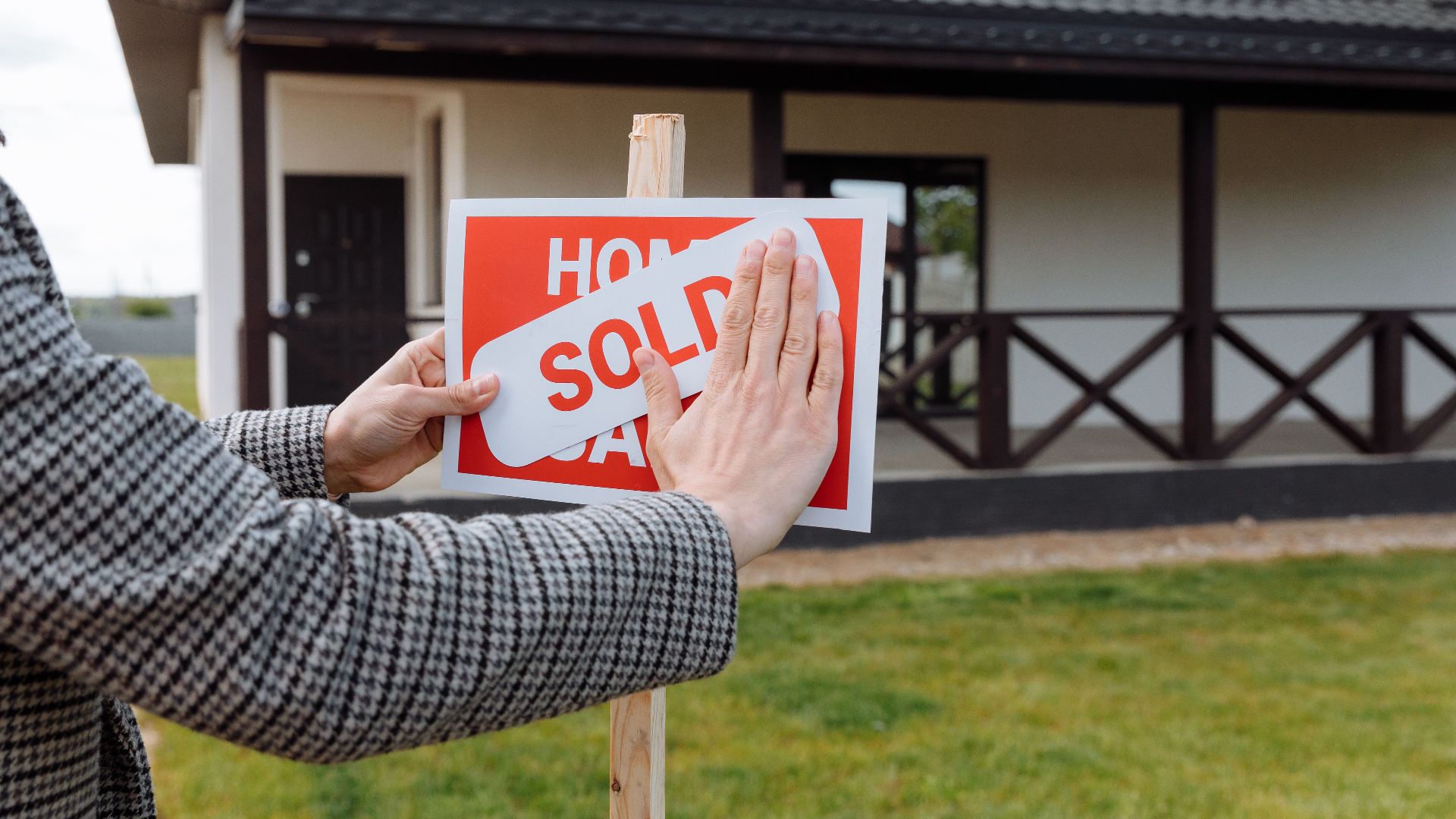
Smaller Doesn't Always Mean Cheaper
A small condo in a desirable neighborhood can cost more than a larger home farther away. Size is only one factor that determines value.
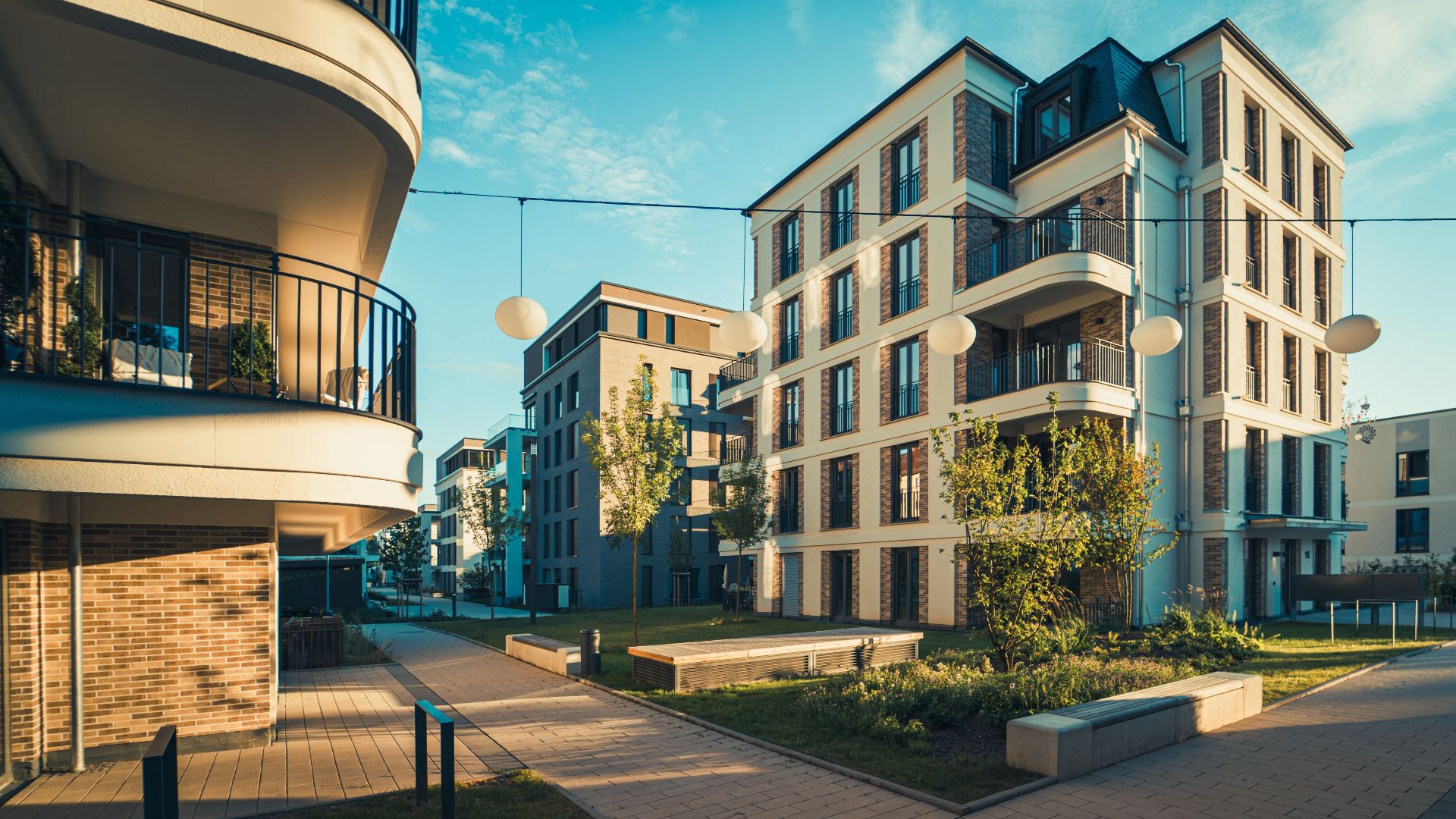
Location Often Matters More
Many retirees move closer to family, healthcare services, restaurants, or recreational activities. Those desirable locations often come with higher housing prices.

Moving Isn't Cheap
People sometimes focus entirely on the sale price of their home and forget about moving expenses. Movers, storage, packing supplies, travel costs, and temporary housing can add up quickly.

Real Estate Fees Take A Bite
Selling a home usually involves commissions and closing costs. These expenses can reduce the amount of money available from the sale.

Then Come The Closing Costs Again
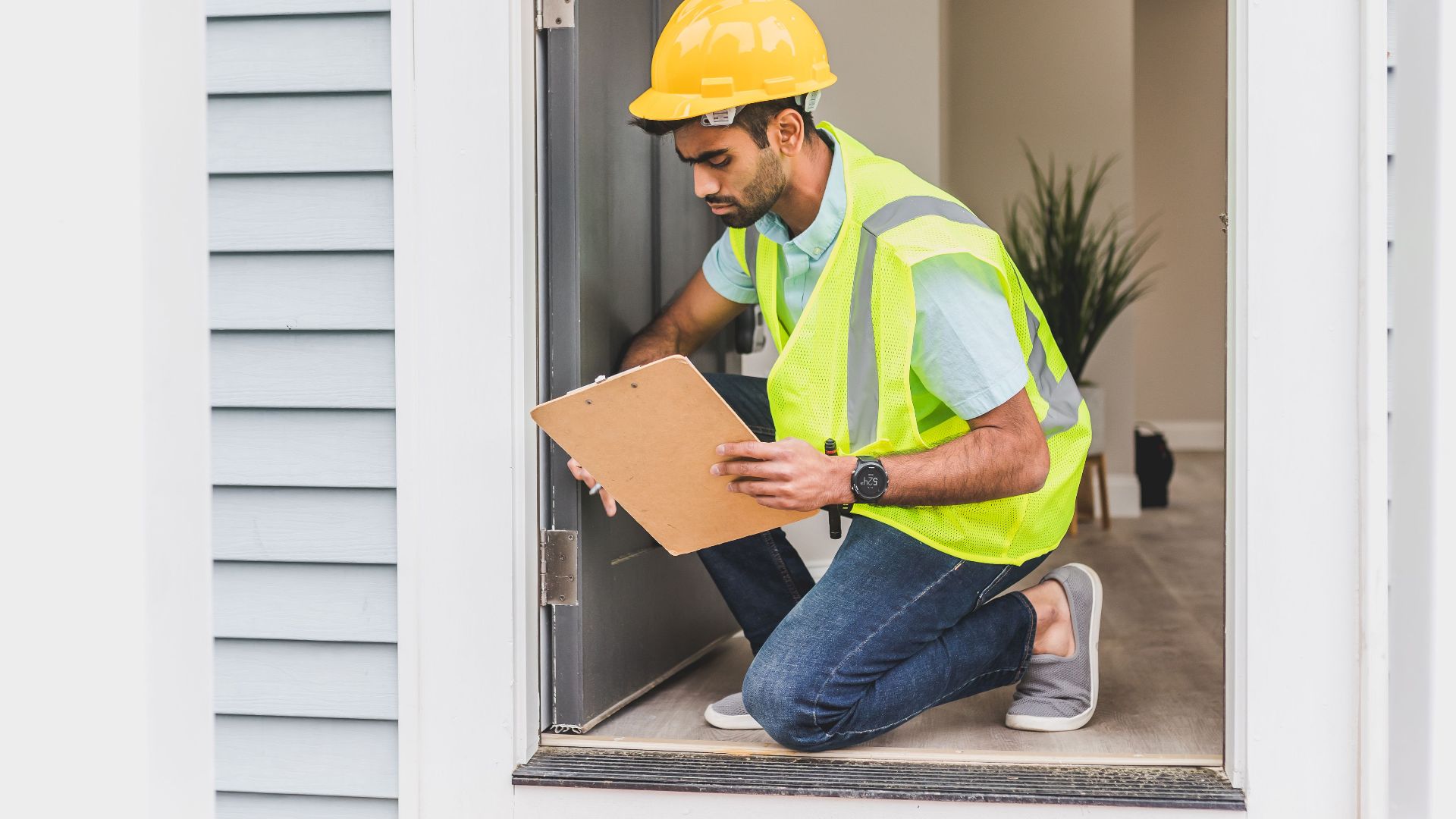
Buying the replacement property often brings another round of expenses. Inspections, legal fees, title services, and other closing costs can surprise retirees.
Condos Can Create New Expenses
Many downsizers move into condos or planned communities. While maintenance responsibilities may decrease, monthly association fees often appear in their place.

Property Taxes Don't Always Fall
Some retirees expect property taxes to drop dramatically after downsizing. Depending on local tax laws and home values, that doesn't always happen.

Renovations Can Sneak Up On You
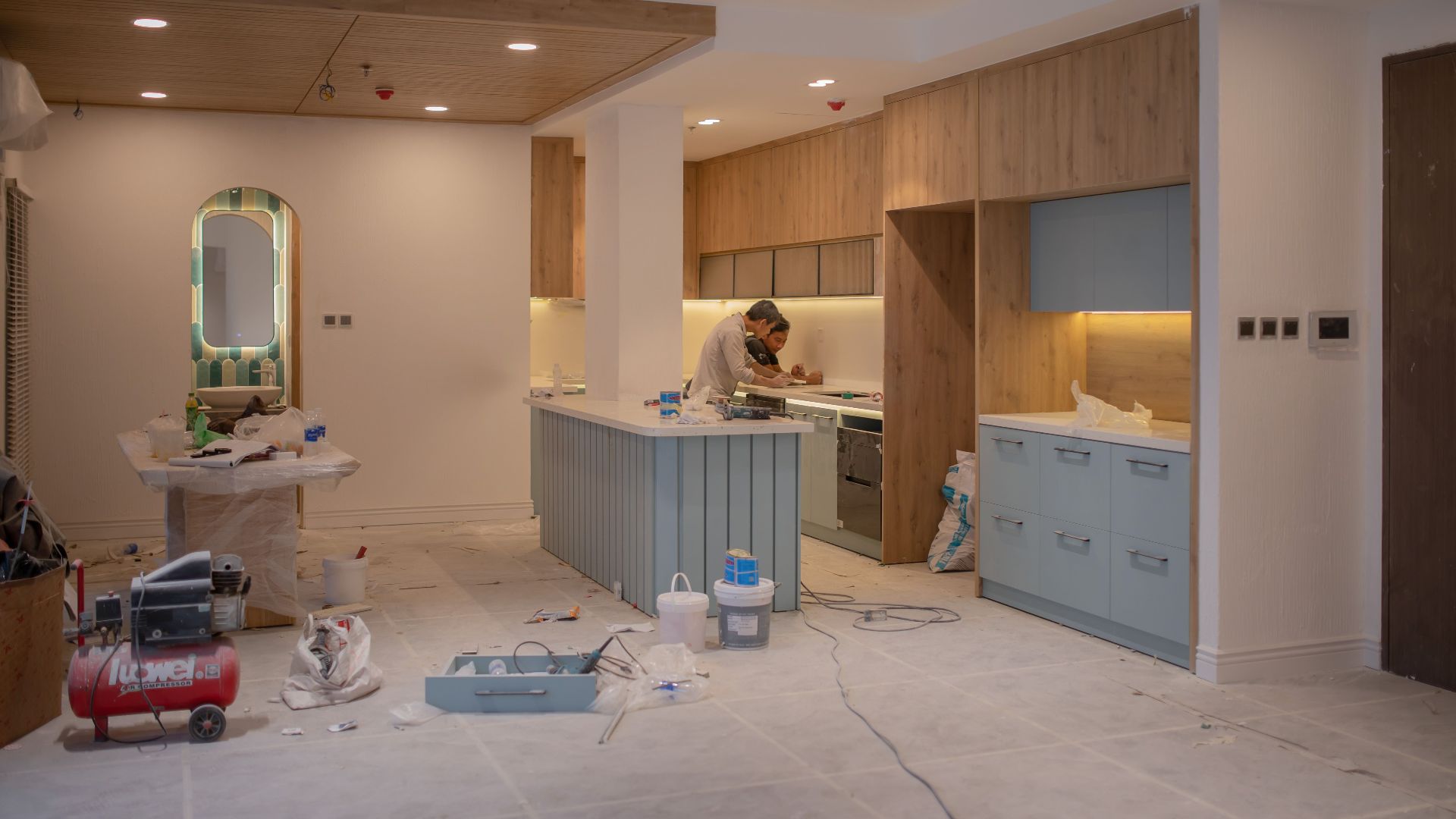
Many retirees buy smaller homes and immediately start updating kitchens, bathrooms, flooring, or accessibility features. Suddenly the budget starts looking very different.
New Furniture Costs Money Too
A smaller home often requires different furniture layouts. Some people end up buying new furnishings, which can quietly increase the total cost of downsizing.

Healthcare Considerations Matter
Many retirees choose locations closer to healthcare facilities. While convenient, these areas can sometimes have higher housing costs.

Lifestyle Changes Affect The Numbers
Some retirees move into communities with pools, golf courses, clubhouses, or other amenities. These perks are great, but they often come with additional costs.

The Emotional Side Is Real
Financial calculations are important, but downsizing isn't purely a math problem. Leaving a family home can be emotionally difficult, and some retirees later decide the move wasn't worth it.

Maintenance Is Often The Hidden Benefit
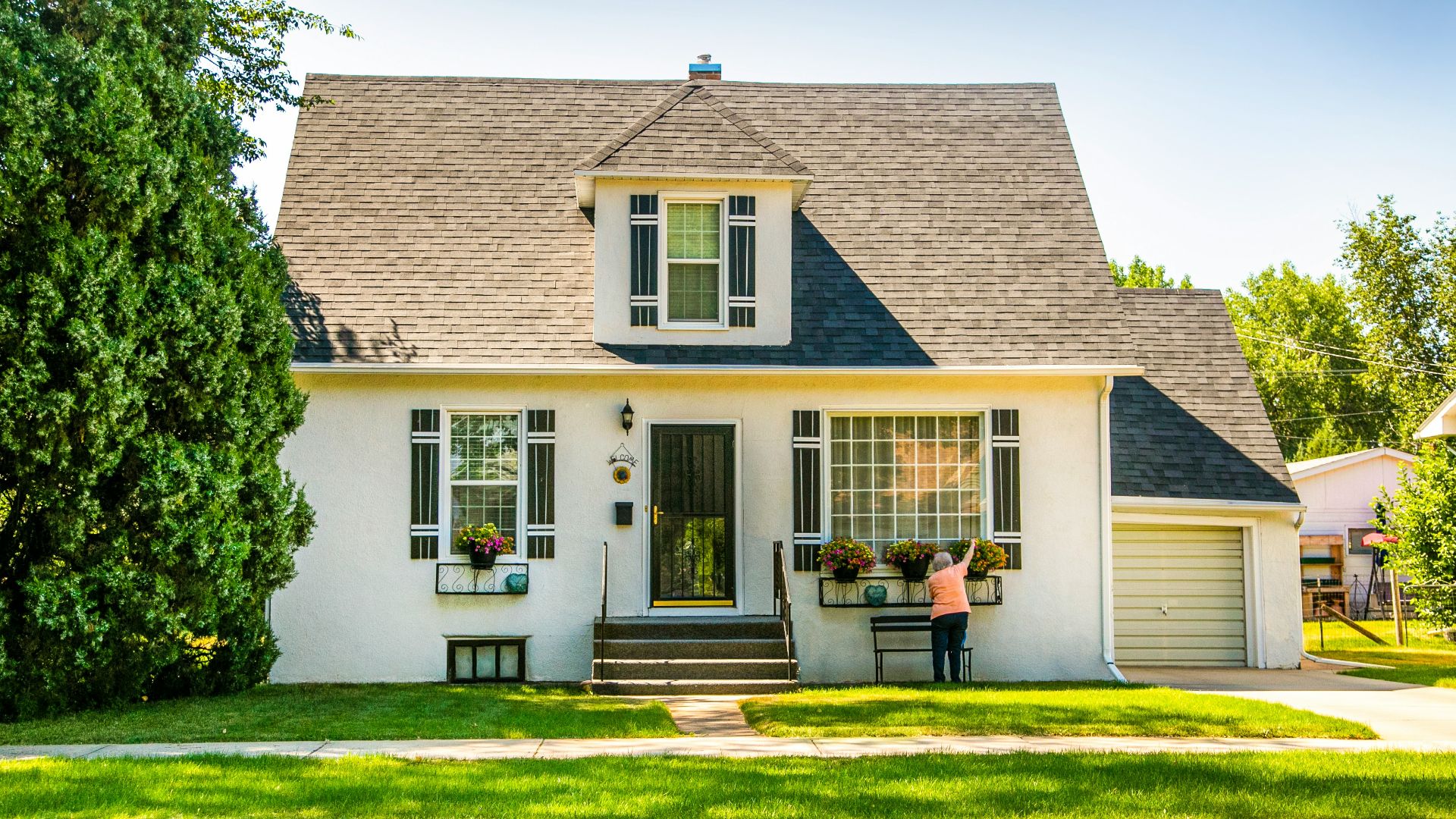
Even when downsizing doesn't generate huge savings, many retirees appreciate having less property to maintain. Fewer repairs can mean less stress.
Time Has Value Too
Spending less time mowing lawns, cleaning extra rooms, and managing large properties can improve quality of life, even if the financial gains aren't enormous.

Some Retirees Are Actually Upsizing Their Costs
It sounds backward, but it happens. They buy a smaller home in a more expensive area and end up with higher overall expenses despite having less space.

The Housing Market Can Change Everything
Someone who downsized ten years ago may have had a very different experience than someone doing it today. Housing prices can dramatically affect the outcome.

Renting Is Another Option
Not every downsizer buys another home. Some retirees choose to rent, which can eliminate maintenance costs and provide more flexibility.

One Question Matters Most
Are you downsizing to save money, simplify life, move closer to family, reduce maintenance, or all of the above? The answer changes how success should be measured.

Don't Focus Only On The Sale Price
Many people calculate how much equity they'll unlock but forget to estimate every expense involved in the move. That's often where expectations and reality begin to diverge.

Create A Full Cost Comparison
The smartest approach is comparing total monthly expenses before and after the move. Housing costs, utilities, taxes, insurance, maintenance, and fees all matter.

Downsizing Isn't A Guaranteed Win
It's often a good idea, but it isn't automatic. Some retirees save thousands per year, while others discover they simply traded one set of expenses for another.
 Inside Creative House, Shutterstock
The Biggest Mistake People Make
Many assume a smaller home automatically means lower costs. In reality, the details matter far more than the square footage.
So, Is Downsizing Still A Smart Idea?
For many retirees, yes. The key is understanding that downsizing isn't always about making money. Sometimes the biggest benefits are convenience, simplicity, and peace of mind.

The Secret Many Retirees Learn Later
The most successful downsizers don't focus only on what they'll save. They focus on how they want to live. When the lifestyle goals and financial goals align, downsizing tends to work much better.

You May Also Like: