Outdated Baby Boomer Financial Advice Doesn't Hold Up
For a long time, Baby Boomers followed money rules that worked really well—for their time. Homes were cheaper, college didn’t cost a small fortune, and many people stayed at one job for decades with a pension waiting at the end. Fast forward to today, and the financial world looks completely different. Rent is high, groceries are expensive, and job security isn’t what it used to be. While some old-school advice is still solid, a lot of it just doesn’t fit the reality younger generations are dealing with now.

Just Walk In And Ask For A Job
Boomers often say, “Put on a nice outfit, walk in, and ask to speak to the manager.” That might have worked in 1978. Today, most companies require you to apply online, and many use software to screen resumes before a person even looks at them. Showing up in person without an appointment usually won’t help—and might even hurt.

Stay At One Company Your Whole Career
It used to be normal to work at the same company for 30 or 40 years. Employers rewarded loyalty with raises and pensions. Today, staying too long can actually limit your pay. Many workers increase their salaries faster by switching jobs every few years.

Buy A House As Soon As You Can
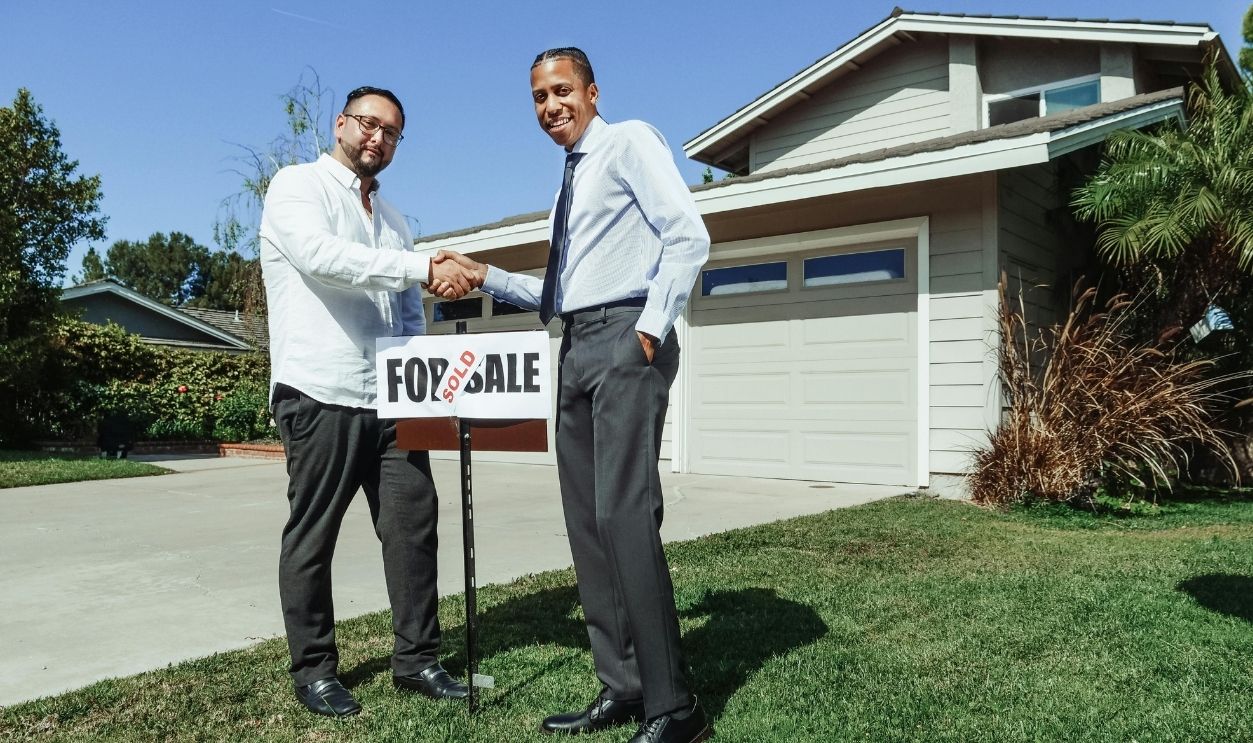
For Boomers, buying a home young was often a smart move because prices were more affordable compared to income. Now, in many cities, home prices feel completely out of reach. Saving for a down payment while paying high rent is tough. Sometimes waiting—or renting longer—makes more financial sense.
College Is Always A Good Investment
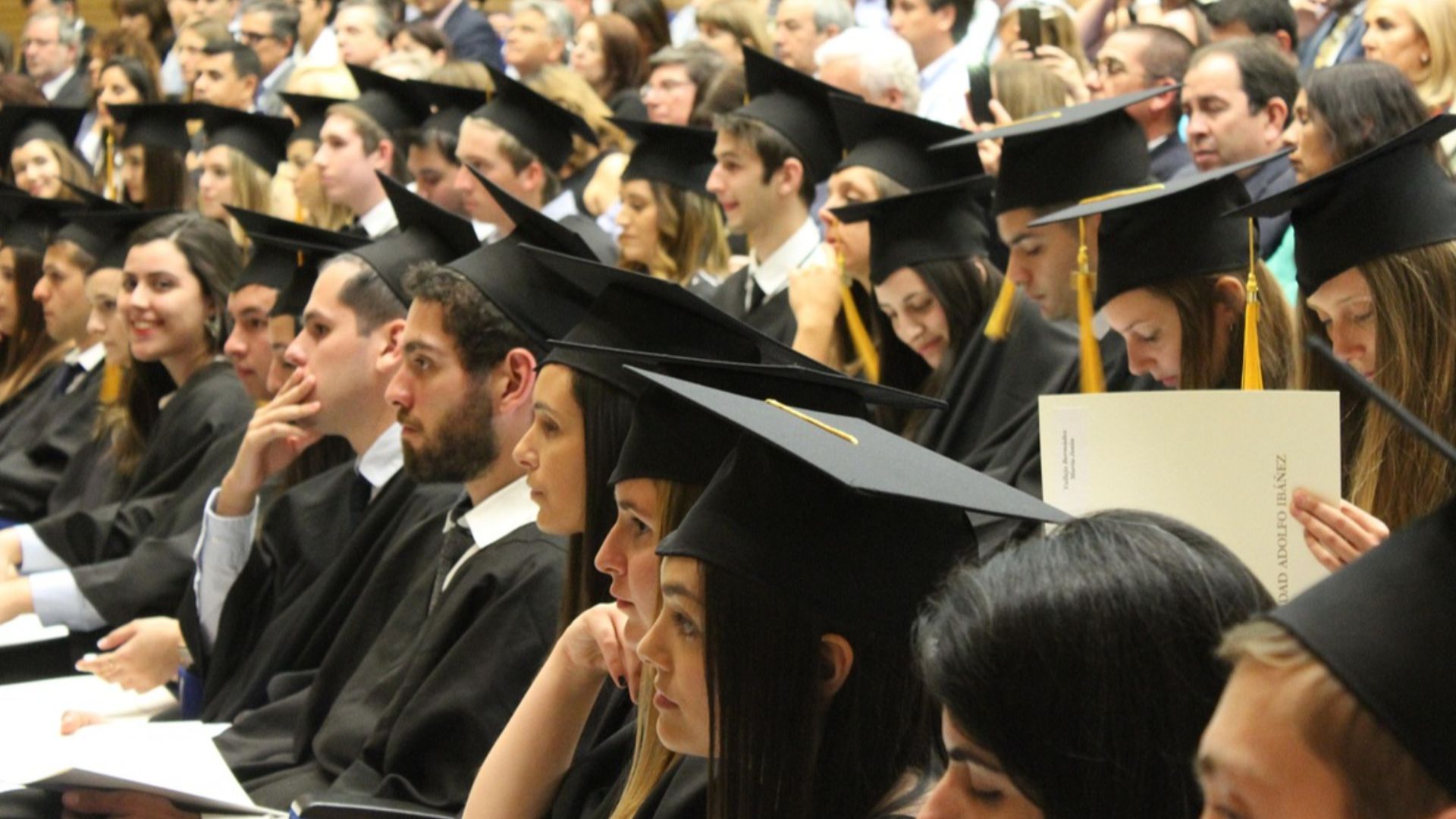
There was a time when almost any college degree led to a stable job. Now, tuition is extremely high, and student loans can follow you for decades. College can still be worth it, but only if you have a clear plan and understand what you’re paying for.
Don’t Worry About Student Loans
Some older generations treat student loans like a simple rite of passage. But today’s loan balances can be massive. High monthly payments can delay other big goals like buying a home or saving for retirement.

You Don’t Need An Emergency Fund If You Have A Good Job
In the past, jobs were often more secure. Now, layoffs can happen suddenly. An emergency fund isn’t just “nice to have” anymore—it’s necessary. Having a few months of expenses saved can make a huge difference if something unexpected happens.
 ANTONI SHKRABA production, Pexels
Renting Is Throwing Money Away
This one comes up a lot. While owning a home builds equity, renting gives you flexibility. You don’t pay for repairs, property taxes, or maintenance. In some cases, renting and investing your extra money can be just as smart.

Always Pay Cash
Paying cash avoids debt, which is great. But using a credit card responsibly can help you build credit and earn rewards. The key is paying off your balance in full every month so you don’t rack up interest.

A Pension Will Cover Retirement
Many Boomers had pensions through their jobs. Today, pensions are rare. Most workers have to save for retirement on their own through 401(k)s or IRAs. Waiting for an employer to handle it simply isn’t realistic anymore.
 Photo By: Kaboompics.com, Pexels
Social Security Will Be Enough
Social Security was never meant to replace your full income. It was supposed to supplement retirement savings. Relying on it alone can leave you short, especially with rising living costs.
 Monkey Business Images, Shutterstock
Work Hard And You’ll Get Promoted
Hard work still matters—but it’s not the only thing that counts. You also need to speak up, negotiate, and sometimes change companies to move ahead. Promotions don’t just happen automatically anymore.

Stick To A Traditional 9-To-5 Job
Boomers often valued steady, traditional careers. Today, many people earn money through freelancing, remote work, or side hustles. Having multiple income streams can actually make you more financially secure.

Don’t Talk About Money
Money used to be considered a private topic. But staying silent can hurt you. Talking about salaries and expenses can help people negotiate better pay and make smarter decisions.

Combine All Finances After Marriage
In the past, couples usually combined everything. Today, many couples keep some accounts separate, especially if one person has debt. There’s no single “right” way—it depends on what works best for both people.

Have Kids As Soon As You’re Stable
Raising children has always been expensive, but costs are much higher now. Childcare alone can feel overwhelming. Many people wait longer—or choose not to have kids—because of financial concerns.

Keep Your Money In A Savings Account
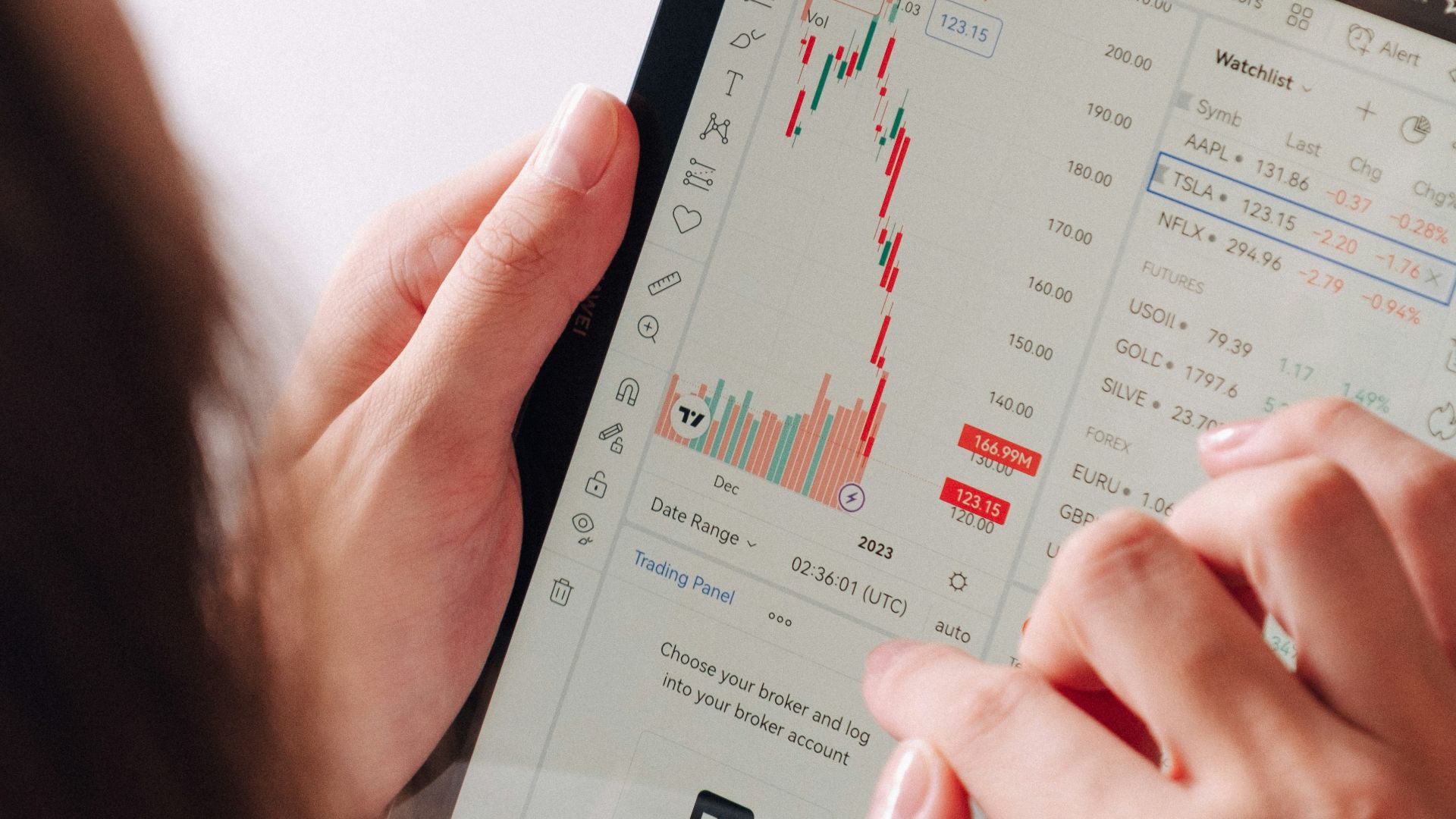
Savings accounts are safe, but they usually earn very little interest. With inflation, your money can actually lose value over time. Investing wisely is often necessary to grow your savings.

Don’t Bother With A Side Hustle
In the past, one steady job was often enough. Today, side hustles can help cover bills, pay down debt, or boost savings. Extra income can create more breathing room.

Always Buy New
Boomers often believed new items were more reliable. But today, buying used or refurbished can save a lot of money. Many secondhand items are in great condition and cost far less.

Avoid All Risk
Being careful with money is smart. But avoiding all investment risk can hurt you in the long run. Investing—even conservatively—can help your money grow over time.
Stay With The Same Bank Forever
Brand loyalty doesn’t always pay off. Online banks often offer higher interest rates and fewer fees. It’s okay to shop around for better options.
Be Grateful—Don’t Negotiate
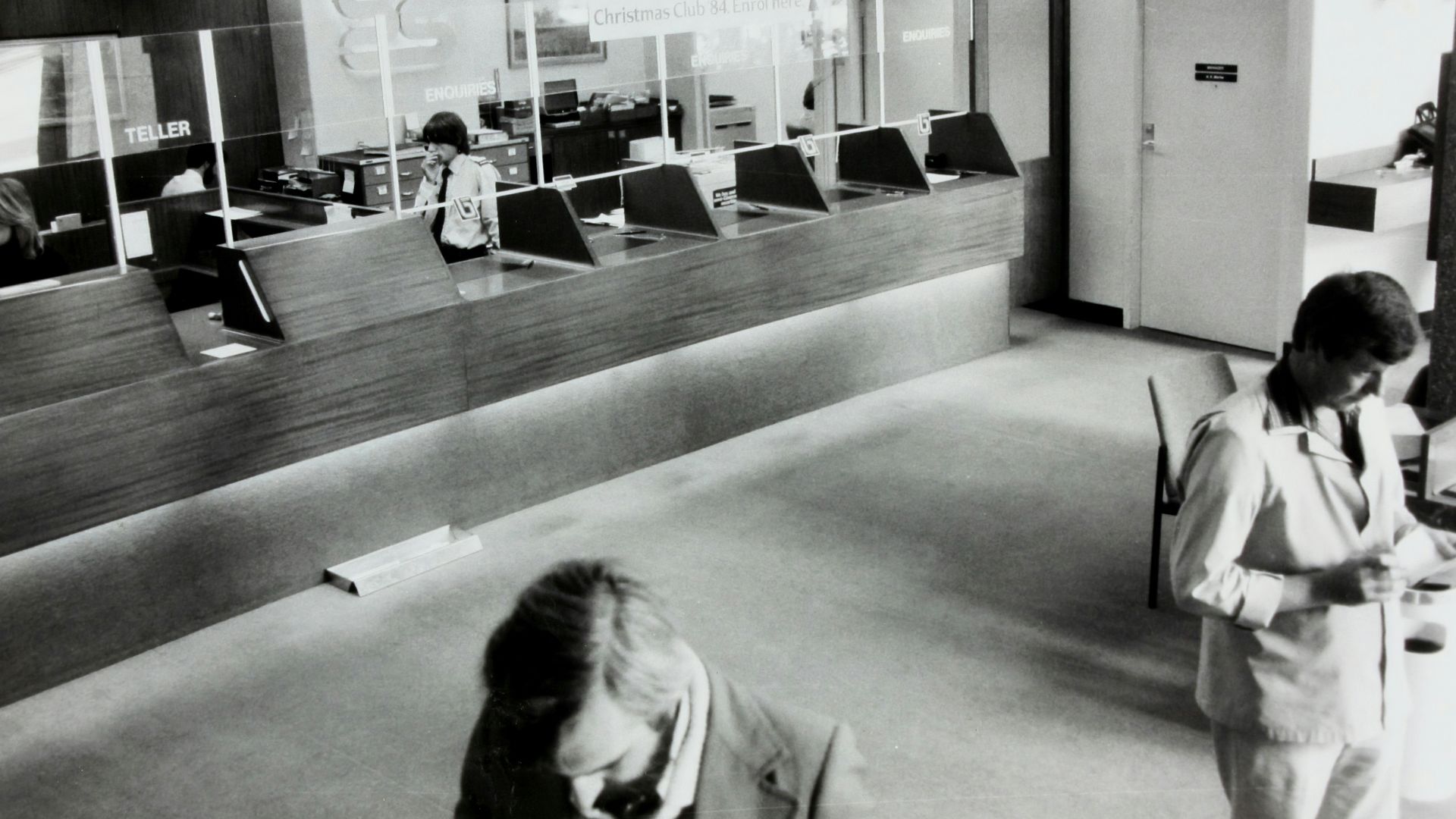
Some people were taught that negotiating pay is rude. Today, it’s expected. Not negotiating can cost you thousands of dollars over your career.

Buy The Biggest House You Can Afford
A bigger home means higher taxes, higher utility bills, and more maintenance. Stretching your budget to the limit can leave you stressed. Sometimes smaller is smarter.

Keep Up With The Neighbors
Trying to match other people’s lifestyle choices can drain your finances. Social media makes comparison even worse. Focus on your own goals instead of competing with others.

Never Change Careers
Switching careers used to seem risky. Today, industries change quickly. Learning new skills and pivoting can actually protect your income long term.
Retire At 65 No Matter What
Retirement doesn’t look the same anymore. Some people retire early. Others work longer because they want to—or need to. The “right” retirement age depends on your finances and lifestyle.

The Bottom Line On Old-School Advice
Boomers weren’t wrong—their advice worked in a different time. But today’s economy is more expensive, more competitive, and less predictable. The smartest approach is to adapt. Take the lessons that still make sense, question the ones that don’t, and build a financial plan that fits the world you’re living in right now.

You May Also Like: