
The Short Answer Is No
If your friend thinks crypto wallets make him invisible to the IRS, he is taking a big risk. The IRS has spent years building tools, hiring specialists, and using the law to trace digital assets. Crypto can feel private, but private is not the same as untraceable.

Why This Myth Keeps Spreading
A lot of people mix up pseudonymous wallet addresses with real anonymity. Public blockchains like Bitcoin and Ethereum keep a permanent record of transactions, and investigators can often connect wallet activity to real people through exchanges, subpoenas, and blockchain tracking tools. That gap between what users assume and what the IRS can actually do is where trouble starts.
 Jorge Franganillo, Wikimedia Commons
The IRS Has Been Warning Taxpayers For Years
The IRS first gave formal guidance on virtual currency in Notice 2014-21, released in March 2014. That notice made clear that virtual currency is treated as property for federal tax purposes. In simple terms, that means selling, swapping, or spending crypto can trigger taxable gain or loss.

Crypto Taxes Are Not Optional
Once crypto is treated as property, regular tax rules usually apply. If someone buys Bitcoin and later sells it for more than the purchase price, that gain is generally taxable. If someone gets paid in crypto for work, that is generally income too.

The Tax Return Itself Now Asks About Crypto
The IRS has made crypto hard to ignore at filing time. For recent tax years, Form 1040 asks taxpayers whether they received, sold, exchanged, or otherwise disposed of a digital asset during the year. That question is a clear warning sign for anyone thinking they can just leave crypto off the return.

This Did Not Happen Overnight
The federal government did not suddenly discover crypto. Enforcement has been building for more than a decade. Guidance started in 2014, court-approved information requests followed, and reporting rules have kept getting tighter.
 Architect of the Capitol, Wikimedia Commons
One Of The Biggest Early Breakthroughs Came From Coinbase
In 2016, the IRS asked a federal court for permission to serve a John Doe summons on Coinbase, one of the biggest U.S. crypto exchanges. The goal was to identify U.S. taxpayers who may have failed to report crypto transactions. In 2017, a federal court ordered Coinbase to turn over records for a narrower group of customers, showing that the IRS could use exchange data to connect digital activity to real names.

What A John Doe Summons Actually Means
A John Doe summons lets the IRS seek information about a group of unknown taxpayers instead of one named person. It matters because investigators do not need to know your name first if they know where to look. For crypto users, that makes it a powerful tool.

The IRS Expanded That Playbook
Coinbase was not the end of it. In 2021, the Department of Justice announced that a federal court had authorized the IRS to serve John Doe summonses on Circle Internet Financial and Kraken. The government said it was seeking information about U.S. taxpayers who conducted at least $20,000 in crypto transactions during the years 2016 through 2020.

The Agency Also Built A Specialized Crypto Unit
The IRS has a criminal investigative arm known as IRS-CI, and it has openly discussed its work involving digital assets. IRS-CI has repeatedly said cryptocurrency is not beyond its reach. Investigators use blockchain tracing, traditional financial records, and cooperation from exchanges to follow the money.
 United States Internal Revenue Service, Wikimedia Commons
Blockchain Analytics Changed The Game
In 2020, the IRS announced a contract with blockchain analytics firm Chainalysis. Public records also show the agency has used tools from TRM Labs. These companies help investigators map wallet activity, group related addresses, and flag transactions that touch exchanges or other services tied to real identities.

Public Blockchains Leave A Trail
Bitcoin and many other cryptocurrencies run on public ledgers. That means transfers are visible forever, even if users are identified only by wallet addresses at first. Once one address gets tied to a real person through an exchange account, an email, or a bank record, the rest of the trail can get much easier to follow.

Wallets Are Not Magic Cloaks
Holding crypto in a self-custody wallet does not erase the history of how the coins got there. If the funds passed through a regulated exchange, that exchange may have know-your-customer records, transaction logs, and withdrawal data. The wallet may be under your control, but the way in and out can still expose you.

Exchanges Report Information In Multiple Ways
Centralized exchanges may issue tax forms, respond to subpoenas, and share information when the law requires it. Even when reporting has been uneven across platforms, that never meant transactions were invisible. It just meant taxpayers had even more responsibility to keep good records and report correctly.

The Government Has Already Won High-Profile Crypto Cases
Federal investigators have successfully traced crypto in several major criminal cases. The Department of Justice has publicized seizures tied to ransomware, hacked funds, and illegal marketplaces. Those cases are not the same as a normal tax audit, but they show that digital asset tracing is real and often very effective.
 Edbrown05~commonswiki, Wikimedia Commons
One Famous Example Shattered The Anonymity Myth
In February 2022, the Department of Justice announced arrests and a multibillion-dollar seizure tied to stolen Bitcoin from the 2016 Bitfinex hack. Investigators traced blockchain movements and connected the activity to real people. If authorities can unwind a case that complex, a taxpayer should not assume a few personal wallets make them untouchable.
 P,zitek, CC BY-SA 4.0, Wikimedia Commons
The IRS Has Sent Warning Letters Before
In 2019, the IRS announced that it had begun sending letters to taxpayers with virtual currency transactions who may have failed to report income or pay tax. Those letters showed the agency was comparing data and looking for mismatches. For many people, that was when crypto tax enforcement stopped feeling theoretical.

What Counts As A Taxable Crypto Event
Selling crypto for dollars is the obvious example, but it is far from the only one. Swapping one token for another, using crypto to buy goods or services, and receiving crypto as payment can all have tax consequences. Someone who has been active for three years could have built up a long list of reportable events without realizing it.

Even People Who Never Cash Out Can Still Owe
Your friend may think taxes only apply when crypto gets turned back into cash, but that is not always true. Trading Bitcoin for Ether is generally a taxable disposition under IRS guidance because one asset is exchanged for another. Staking rewards, mining income, and compensation paid in crypto can also create taxable income before any conversion to dollars.

Recordkeeping Is Where Many People Fall Apart
The IRS expects taxpayers to track cost basis, sale price, dates, and the fair market value of coins used or received. That can get messy fast if someone has moved assets across multiple wallets and exchanges. Bad records do not erase tax liability, and they can make an audit much worse.

Failing To File Is Different From Filing Incorrectly
If someone has not filed or has left out large chunks of income for three years, the risk goes beyond a simple correction. The IRS can assess back taxes, interest, and penalties. In serious cases involving intentional evasion or false statements, the issue can turn criminal.

Civil Penalties Can Hurt Plenty On Their Own
Tax debt grows fast because interest keeps running and penalties can pile up. Accuracy-related penalties and failure-to-pay penalties can add a painful extra cost to the original bill. For someone who thought they were saving money by staying quiet, the final price can be much higher than filing honestly in the first place.

Criminal Exposure Is The Nightmare Scenario
Most tax problems are handled on the civil side, but willful tax evasion is a crime. If investigators think a person intentionally hid income, lied on returns, or used accounts and wallets to conceal ownership, the stakes rise fast. That is why claiming the IRS cannot track crypto is not just careless, but potentially dangerous.

New Reporting Rules Are Tightening The Net
Congress expanded broker reporting rules for digital assets in the Infrastructure Investment and Jobs Act of 2021. The IRS has since moved toward implementing Form 1099-DA to improve digital asset tax reporting. The details of the rollout matter, but the direction is obvious: reporting is becoming more standardized, not less.
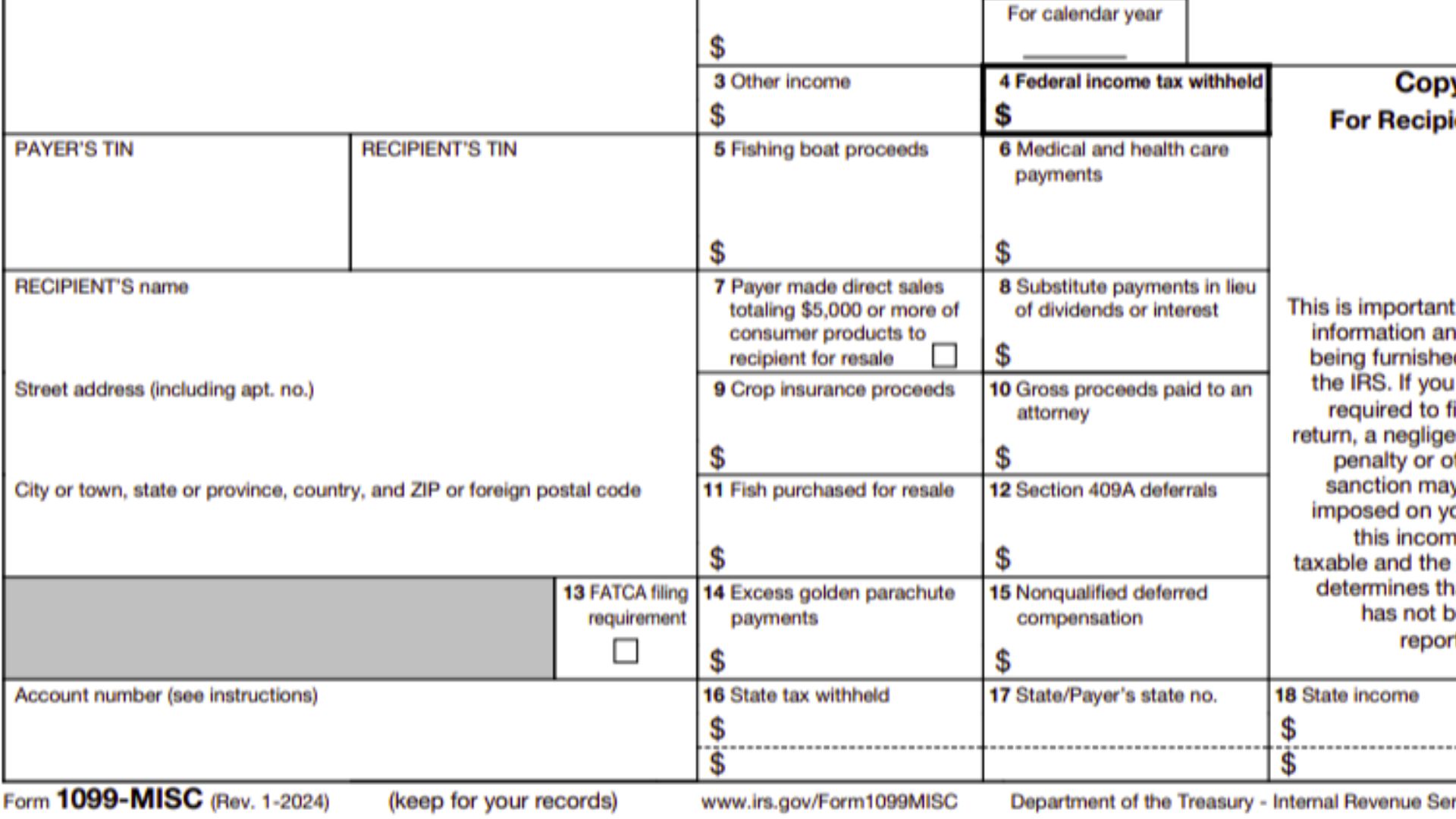 United States Department of Treasury - Internal Revenue Service, Wikimedia Commons
International Data Sharing Adds More Pressure
Crypto users sometimes assume moving activity offshore solves the problem. That can backfire because tax enforcement increasingly depends on cross-border cooperation, exchange compliance, and anti-money-laundering rules. Foreign platforms are not a guarantee of secrecy, especially if money eventually touches the U.S. financial system.

What Your Friend Should Do Now
If he really has not reported taxable crypto activity for three years, the smartest move is not to keep waiting. He should gather wallet histories, exchange records, and prior returns, then speak with a qualified tax professional or tax attorney. The right fix depends on the facts, but getting ahead of the issue is almost always better than waiting for a letter from the IRS.

What You Should Take Away
The IRS may not see every wallet instantly, but that is very different from being unable to track crypto. Between public blockchains, exchange records, summonses, analytics firms, and years of enforcement work, the idea that wallets make taxes disappear is a myth. If someone made money in crypto, the safer assumption is that the tax rules still apply and the paper trail is probably bigger than they think.