
The Great Smart Light Argument
I thought I had a great idea. Swap out our regular light switches for smart ones, add a few app-controlled bulbs, and boom—modern home, lower bills. My wife didn’t see it that way. She looked at me, shook her head, and said, “You’re just too lazy to flip a switch.” Fair enough. But it got me thinking—was I actually being lazy, or was I onto something that could save us money?

So… What’s The Big Deal With Smart Lights?
Smart lights let you control your lighting with your phone, your voice, or even automatically. You don’t have to get up, and you don’t have to remember to turn anything off. Sounds nice—but does that actually help your wallet?

The First Thing: They’re Not Cheap
Let’s not pretend otherwise—smart lights and switches cost more upfront. A regular LED bulb might cost a few bucks, while a smart one can be much more. Same goes for switches. If you want to upgrade your whole home, it adds up fast.
Why People Say They Save Money
The idea is simple: if your lights turn off automatically, you waste less electricity. Less waste means lower bills. That’s the pitch, anyway.

But Regular LEDs Already Save Energy
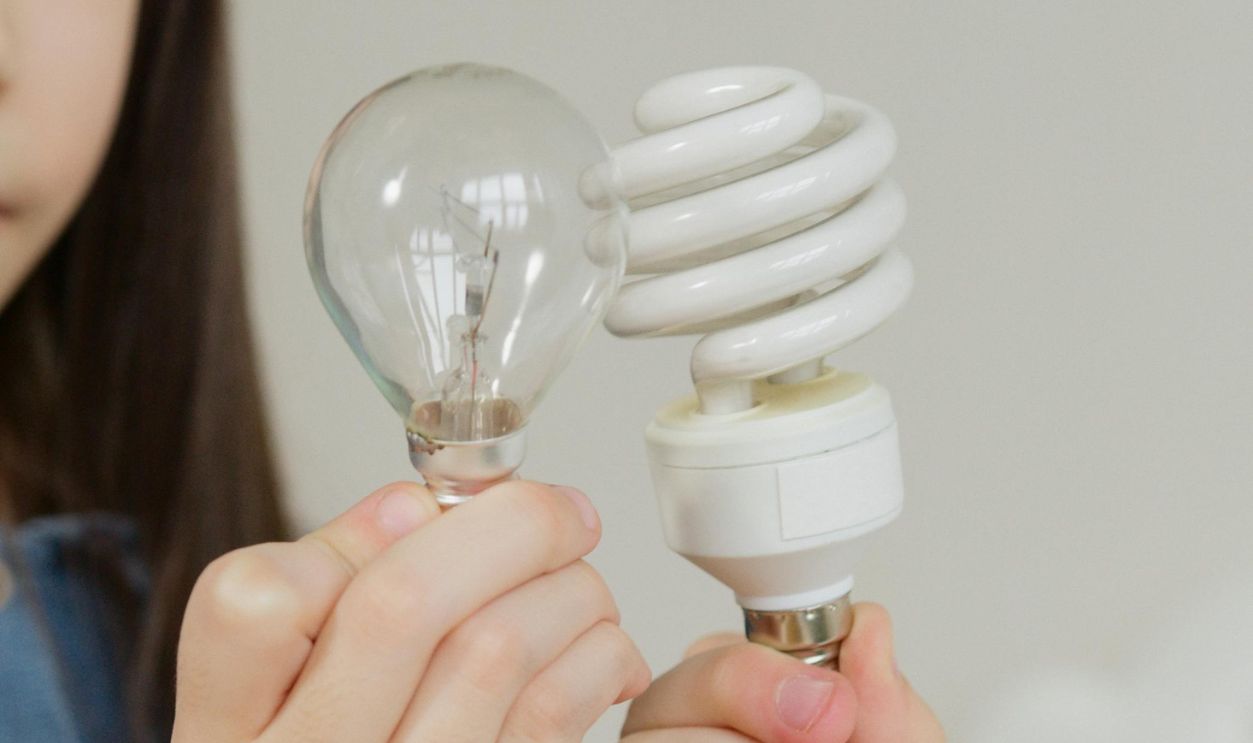
Here’s the catch—most smart bulbs are LED, but so are cheap regular bulbs. So just buying smart lights doesn’t magically cut your bill. The real savings come from how you use them.
Automation Is The Real Benefit
This is where smart lights shine. You can set them to turn off when you leave, or at bedtime, or even when no one is in the room. That’s something regular switches just can’t do.
No More “Did I Leave The Lights On?”
We’ve all done it—left the house and wondered if the lights are still on. With smart lights, you just check your phone. Or better yet, set them to turn off automatically and never think about it again.

Motion Sensors Make It Even Easier
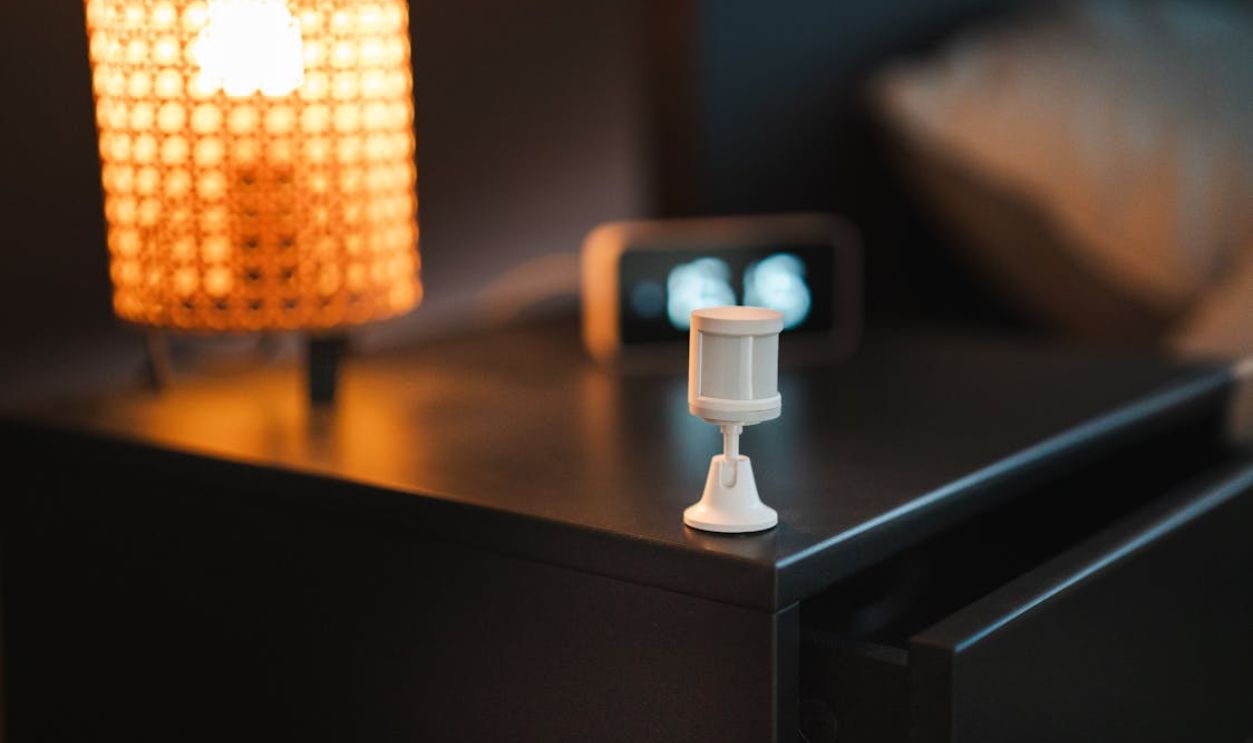
Some setups let lights turn on when you walk in and off when you leave. Hallways, bathrooms, closets—these are perfect spots. No wasted light, no effort.
Dimming Helps Too
Smart bulbs often let you dim the lights easily. Lower brightness uses less power. It’s not a huge difference, but over time, it adds up a bit.
Setting A Daily Routine
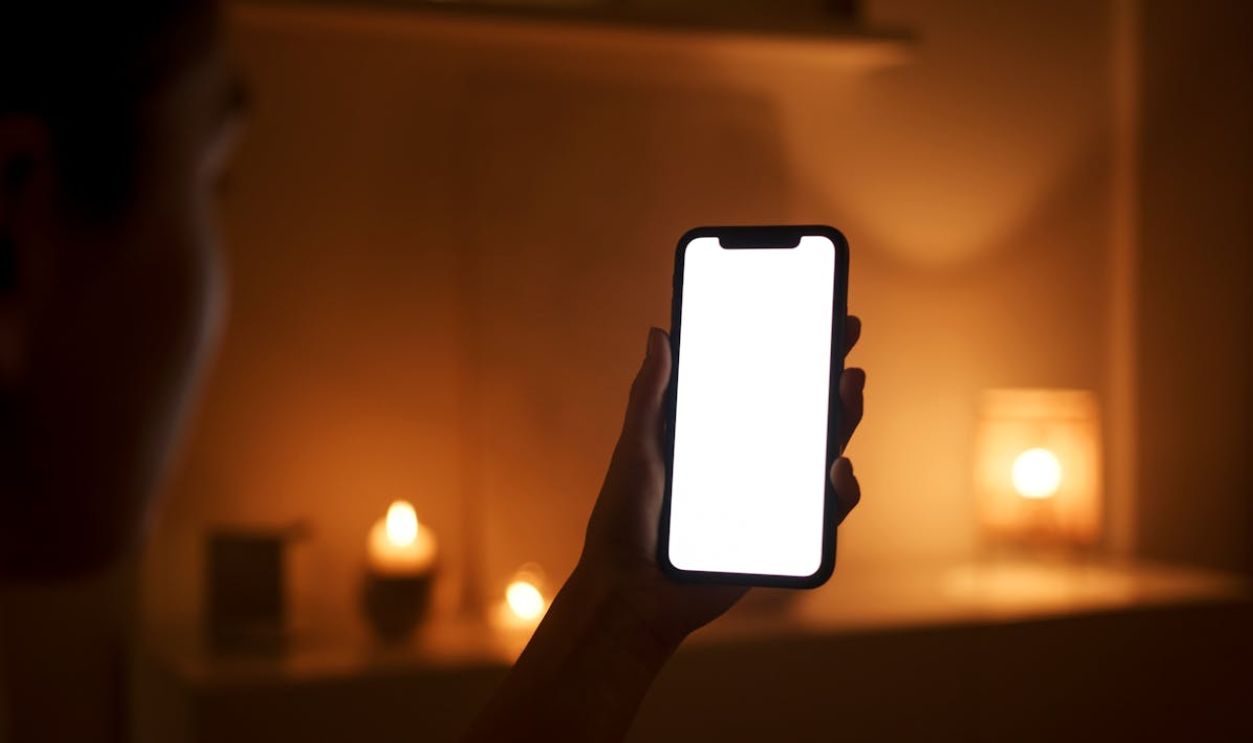
You can schedule your lights to match your day—on in the morning, off when you’re out, dim in the evening. It keeps things running smoothly without you doing anything.

Will You Notice Big Savings?
Honestly? Probably not. You might save a little each month, but it’s not going to cut your bill in half. Think small, steady savings—not big wins.

How Long To Break Even?
Because of the upfront cost, it can take a while to make your money back. We’re talking years, not months, for most people.

Okay, But Is It Just Laziness?
Let’s be real—it does make life easier. You don’t have to get up, and you don’t have to remember things. That can look like laziness… but it’s also about making your home work smarter.

Convenience Has Value
Even if you don’t save a ton of money, saving time and effort every day is worth something. Not everything has to be about dollars and cents.

It Can Change Your Habits
Using an app to control your lights makes you more aware of what’s on and off. That alone can help you use less energy without even trying.

Works Better With Other Smart Devices
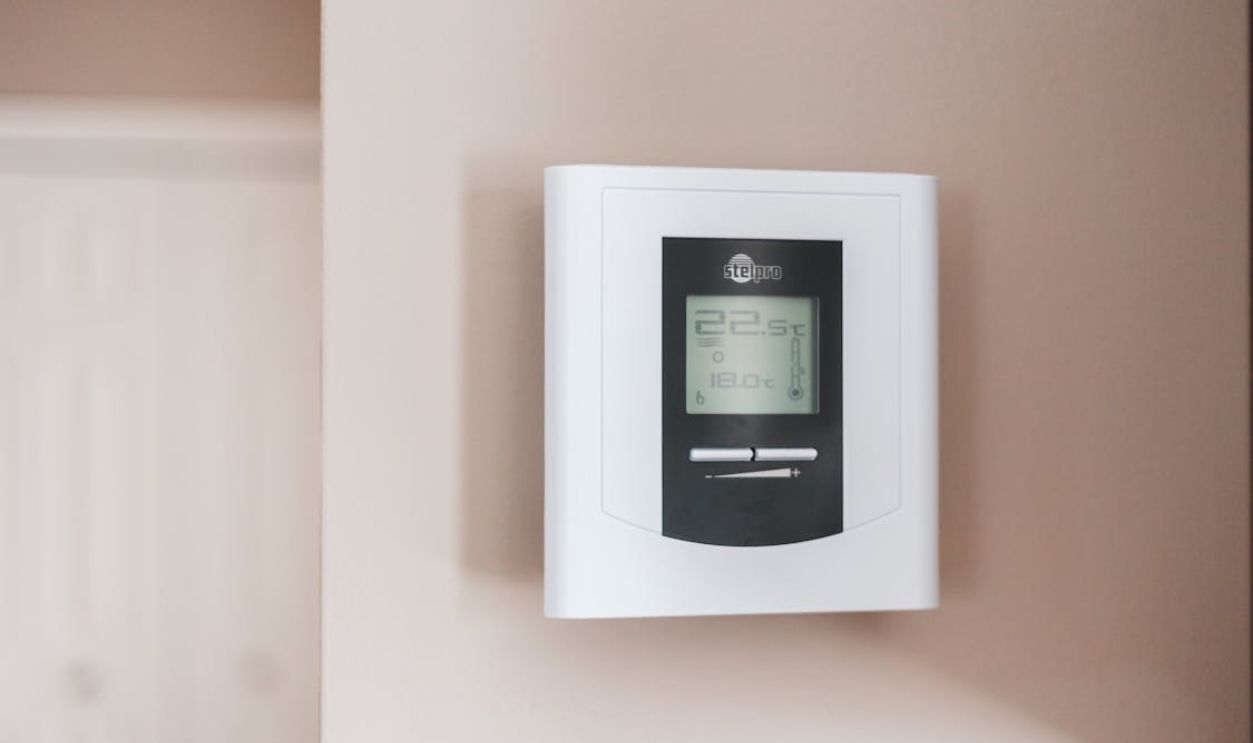
Smart lights are even more useful when they’re part of a bigger system—like smart thermostats or voice assistants. Everything working together can make your home more efficient.
A Small Security Bonus
You can set your lights to turn on when you’re not home, making it look like someone’s there. It’s a simple trick that can help keep your home safer.
 Marius-Laurentiu Butan, Pexels
They Last A Long Time
Smart LED bulbs usually last for years. So while they cost more upfront, you won’t be replacing them as often.
But There Are Some Downsides
They’re not perfect. Sometimes apps glitch, connections drop, or things don’t sync properly. It’s not always plug-and-play.

Your Location Matters
If electricity is expensive where you live, the savings will mean more. If power is cheap, the financial benefit is smaller.

Renters Have It Easier (Sometimes)
If you rent, smart bulbs are easy—you just screw them in and take them with you later. Switches are more of a commitment, so they make more sense for homeowners.

Let’s Talk About The “Cool Factor”
There’s no denying it—controlling your lights with your voice feels pretty great. It might not save money, but it definitely feels like the future.

When It Actually Helps Your Wallet
If you often forget to turn off lights, or you have a bigger home, smart lighting can help cut waste. That’s where it really earns its keep.

When It Doesn’t Do Much
If you’re already good about turning lights off and using efficient bulbs, smart lighting won’t make a big difference financially.

A Smarter Way To Start
You don’t have to go all-in. Try a few smart switches or bulbs in the rooms you use the most. You’ll get the benefits without spending a fortune.

So… Was She Right?
A little bit, yeah. It is about convenience. But it’s also about being more efficient and making small improvements over time. It’s not just laziness—it’s just a different way of doing things.

The Bottom Line
Smart lights and switches won’t dramatically lower your bills, but they can help reduce waste and make life easier. Think of them as a mix of comfort and small savings. So no—you’re not just being lazy. You’re just trying to make your home a little smarter… even if it means avoiding the light switch once in a while.

You May Also Like: